
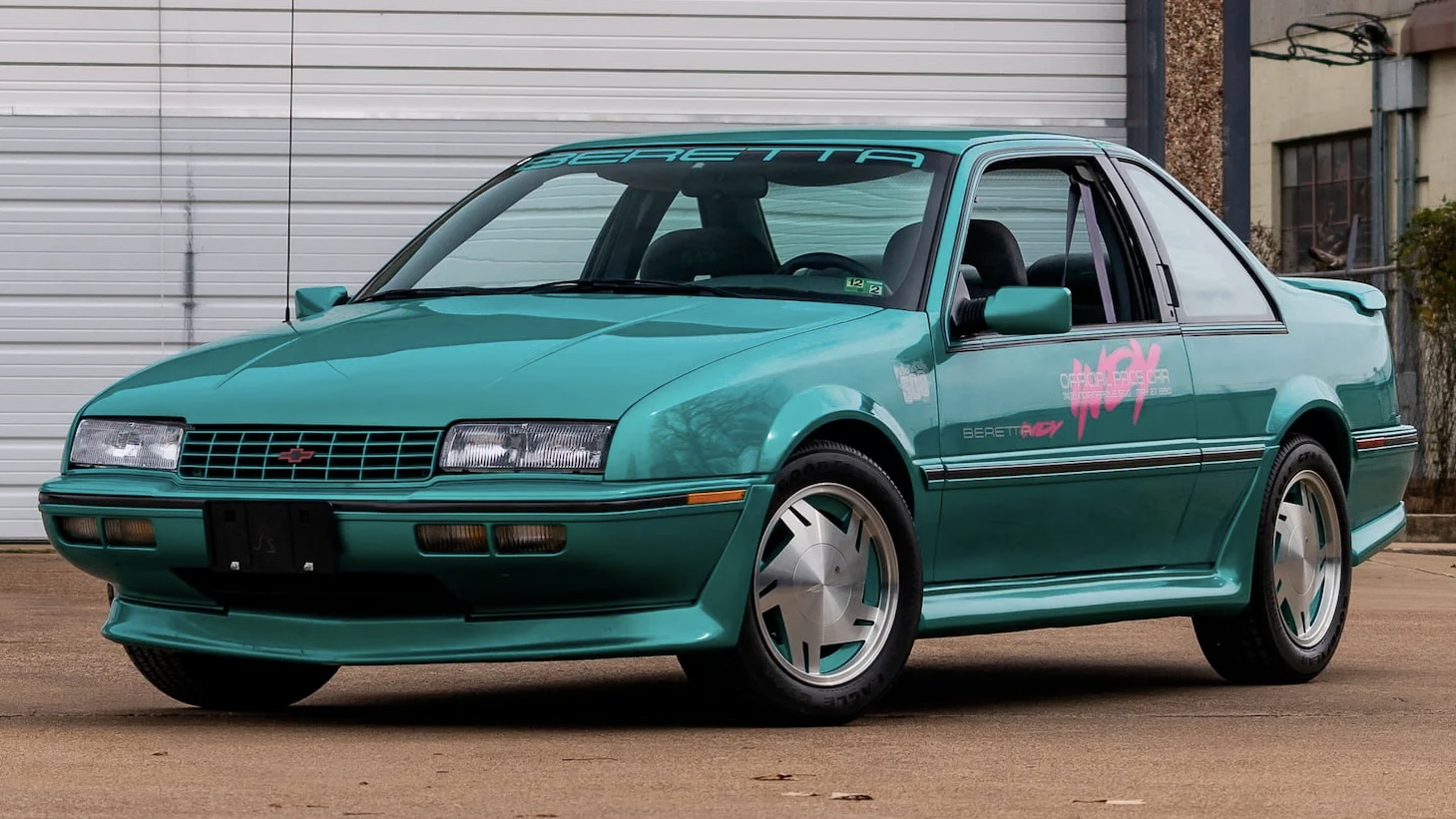
The Chevy Beretta, a classic model from General Motors, has earned a special place in the hearts of car enthusiasts and everyday drivers alike. Though it may not boast the modern features of today’s vehicles, its simplicity and durability have made it a reliable choice for many.
Like any aging vehicle, however, keeping a Beretta running strong beyond the 150,000-mile mark requires attention, care, and a bit of know-how. With the right maintenance and upgrades, it’s entirely possible to extend the life of this car well beyond what many expect.
Every component, from the engine to the suspension, needs a combination of timely repairs and proactive improvements to prevent wear from turning into costly breakdowns. This article presents ten practical hacks that owners can use to keep their Chevy Beretta running smoothly and efficiently after 150,000 miles.
These hacks are grounded in understanding how the car works, common issues faced by Beretta owners, and clever ways to address them without breaking the bank. Whether you rely on your Beretta as a daily commuter or a weekend cruiser, these tips can help maximize its longevity and performance.
The longevity of any vehicle depends heavily on consistent upkeep, but as a car crosses 150,000 miles, the chance of parts failing increases exponentially. For the Beretta, certain components are known to wear down faster due to design or usage patterns. For example, older engines often develop oil leaks or reduced compression, while transmission parts can become sluggish. Addressing these problems early is key.
A good maintenance routine that includes timely oil changes, fluid flushes, and part replacements will keep the car feeling responsive and stable. But beyond routine care, some hacks can enhance your Beretta’s performance, improve fuel economy, and reduce the risk of breakdowns.
From upgraded spark plugs to freshening up suspension parts, these modifications add up to a significant difference in how the car behaves on the road.
Furthermore, driving habits play a major role in how long any car lasts. Smooth acceleration, avoiding aggressive braking, and using the right grade of motor oil can protect the engine and transmission from unnecessary stress. Many drivers unknowingly hasten wear by neglecting these details.
With a Beretta, owners should be especially mindful of cooling system maintenance, as overheating can severely damage the engine block or head gasket. Equipping the car with reliable replacement parts instead of settling for cheaper alternatives also ensures durability.
This article’s hacks offer a blend of mechanical fixes and driving tips that can breathe new life into a Beretta with 150k miles and beyond. They require minimal investment but offer maximum returns in terms of reliability and peace of mind.
In the following sections, each hack will be broken down into four detailed paragraphs covering why the hack matters, how to implement it, the expected benefits, and any additional advice for making the most out of the modification.
The goal is to empower Beretta owners to maintain their cars confidently without relying on costly dealership services or unnecessary part replacements. These hacks are practical, accessible, and tested approaches that can keep your Chevy Beretta running strong, mile after mile.
Also Read: 10 Tricks That Extend a GMC Terrain’s Lifespan
1. Regular Engine Tune-Ups with Quality Spark Plugs and Wires
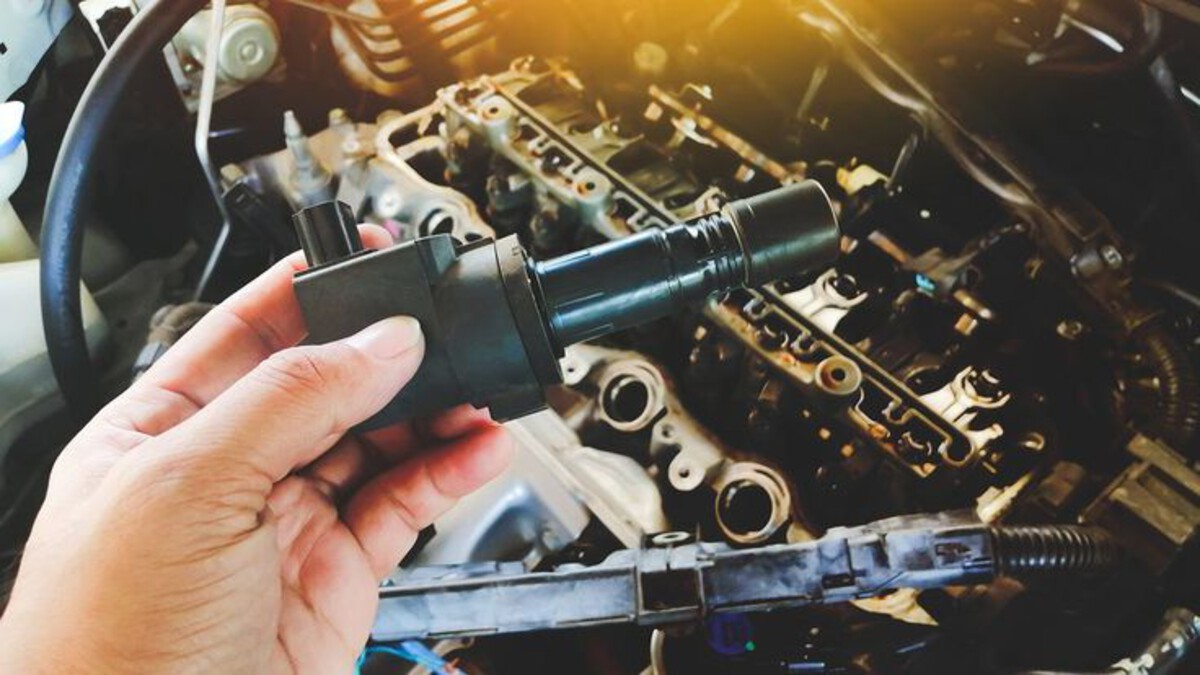
A well-tuned engine is the foundation of a strong-running Chevy Beretta, especially after it has crossed the 150,000-mile threshold. Spark plugs and ignition wires play a crucial role in maintaining efficient combustion, which directly impacts power delivery, fuel economy, and emissions.
Over time, spark plugs can become fouled or worn, leading to misfires, rough idling, and reduced engine performance. By replacing them with high-quality, manufacturer-recommended or premium aftermarket plugs, owners can restore proper ignition timing and combustion efficiency.
High-performance spark plugs, such as platinum or iridium types, often last longer and provide more consistent sparks, improving the running condition of the engine.
In addition to spark plugs, the ignition wires should be checked and replaced if worn or damaged. Faulty wires cause voltage leaks, weakening the spark and causing uneven engine firing. This can lead to hesitation and difficulty starting the car. When replacing wires, selecting heavy-duty sets designed for high resistance to heat and wear ensures durability.
Installation is straightforward but requires attention to the firing order and secure connections. Keeping the ignition system in top condition prevents common engine problems and keeps the Beretta running smoothly, reducing the likelihood of costly repairs down the line.
Regular engine tune-ups that include inspection of the spark system, air filters, and fuel filters also complement plug and wire replacement. Clogged filters reduce air and fuel flow, causing the engine to run rich or lean, which can damage spark plugs and decrease performance.
A complete tune-up addresses all these factors at once, refreshing the engine’s operation. Performing this service every 30,000 miles or as specified in the owner’s manual maintains optimal combustion and extends engine life. It also gives owners the chance to catch minor issues before they escalate.
This hack improves not only engine longevity but also drivability. Better spark plug performance means more consistent power and smoother acceleration, which can make an older car feel noticeably more responsive.
Plus, improved combustion reduces unburned fuel emissions, benefiting the environment. For Beretta owners, committing to regular tune-ups with quality spark plugs and ignition wires is a smart, low-cost way to keep the heart of the vehicle healthy well past 150,000 miles.
2. Keep the Cooling System in Check to Prevent Overheating
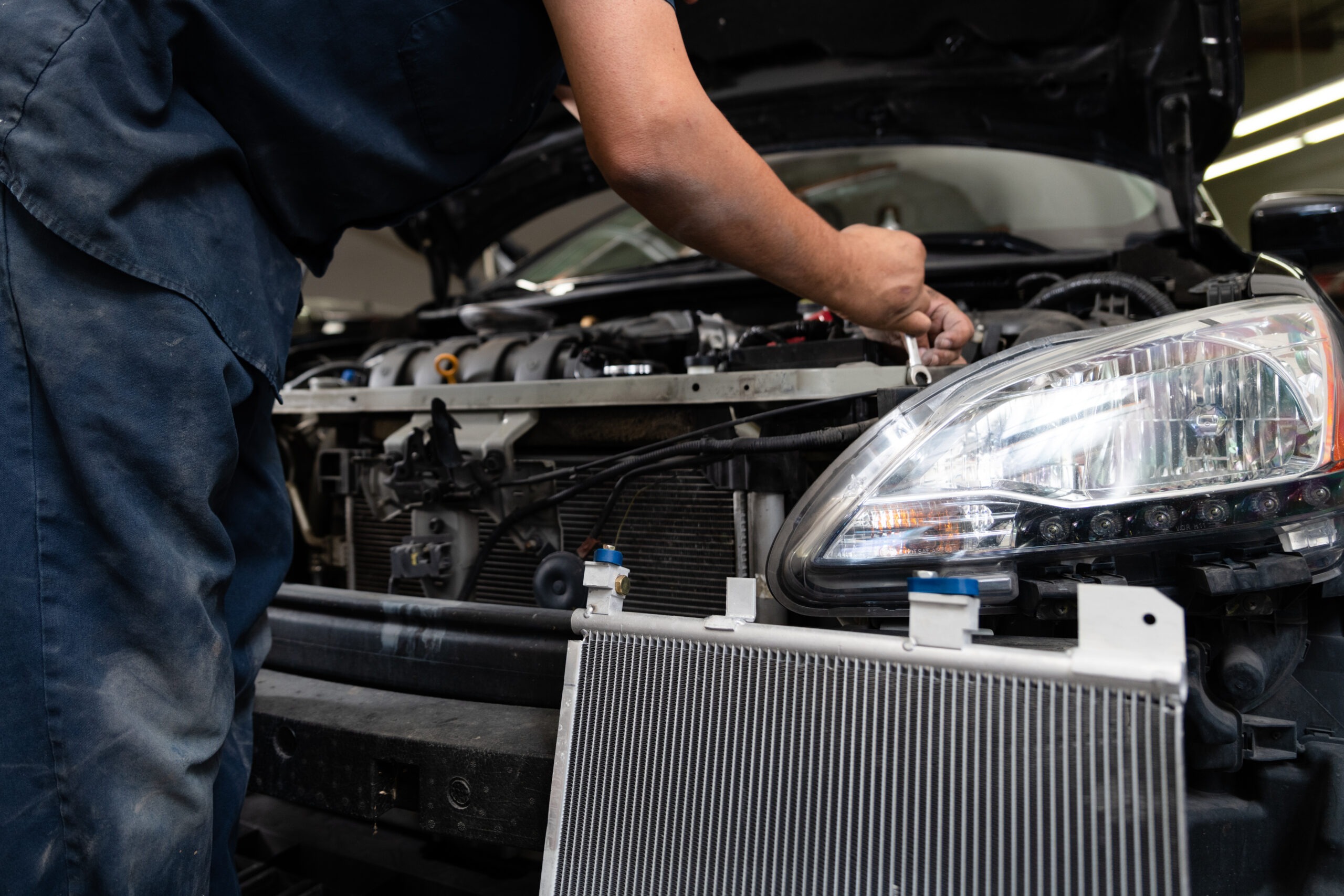
The cooling system of the Chevy Beretta is vital for maintaining engine temperature within safe limits. As the vehicle ages and mileage increases, components like the radiator, water pump, thermostat, and hoses become more prone to wear and failure.
Overheating is a common cause of engine damage in older cars and can lead to blown head gaskets or warped engine heads, which are costly and difficult repairs. Preventing overheating by keeping the cooling system in good working order is essential for any Beretta owner aiming to exceed 150,000 miles without major engine trouble.
Regular inspection of the radiator for leaks or blockages should be part of maintenance. Radiators can accumulate rust and sediment inside, which impedes coolant flow. Flushing the cooling system every couple of years removes these deposits, helping maintain consistent temperature regulation.
Similarly, the water pump, which circulates coolant, should be checked for leaks or bearing noise and replaced promptly if it shows signs of wear. A failing water pump often leads to overheating under heavy load or hot weather conditions.
The thermostat regulates when coolant flows through the radiator based on engine temperature. A faulty thermostat can cause the engine to run too hot or too cold, both of which harm efficiency and engine health. Replacing the thermostat with a high-quality OEM part ensures proper temperature control.
Additionally, coolant hoses, which can become brittle and crack over time, should be inspected for swelling or leaks and replaced as needed to avoid sudden coolant loss.
Maintaining the cooling system also means using the right coolant mixture, typically a 50/50 mix of antifreeze and distilled water. This prevents corrosion inside the system and protects against freezing in cold climates. A well-maintained cooling system helps the Beretta engine operate at its optimal temperature, prevents overheating-related failures, and extends engine life by minimizing thermal stress on internal components.
3. Transmission Fluid Flush and Filter Replacement for Smooth Shifts
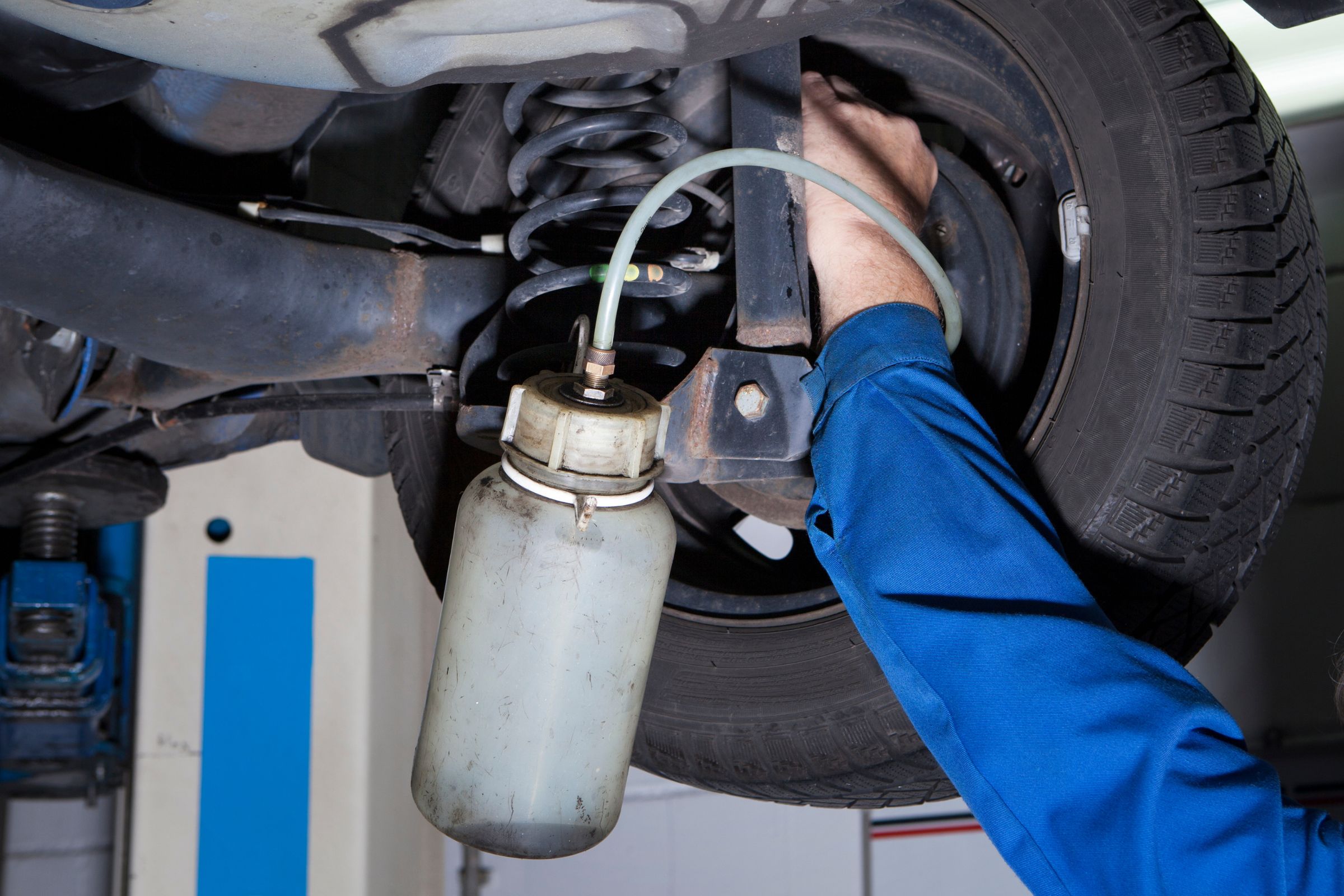
The Chevy Beretta’s automatic transmission requires clean fluid and a healthy filter to operate smoothly. As mileage climbs, transmission fluid can degrade, losing its ability to lubricate and cool internal parts.
Dirty fluid also allows contaminants to build up, which can clog valves and wear out transmission components prematurely. A transmission fluid flush combined with a filter replacement is a highly effective hack to preserve transmission health and ensure smooth gear changes well beyond 150,000 miles.
Many owners neglect transmission service, but this can lead to symptoms like delayed shifts, slipping gears, or harsh engagement. Flushing the transmission removes old, contaminated fluid and replaces it with fresh fluid containing the necessary additives to maintain proper friction and prevent corrosion.
Replacing the filter at the same time ensures that new fluid isn’t quickly polluted by trapped debris. This maintenance step can significantly reduce the risk of transmission failure, which is often a costly repair.
While performing a fluid flush, it’s important to use the transmission fluid type specified by Chevrolet for the Beretta’s transmission model.
Using the wrong fluid can cause damage or improper shifting behavior. Many mechanics recommend changing transmission fluid every 30,000 to 50,000 miles, but for older cars with high mileage, a flush every 20,000 miles can be beneficial. Monitoring transmission performance after the flush will usually reveal smoother shifts and reduced noise.
For manual transmission Beretta models, changing the transmission oil is equally important. Manual gearboxes also rely on clean lubricant to prevent wear and overheating. Whichever transmission type your Beretta has, regular fluid maintenance can add years to its operational life and improve driving comfort by preventing rough or unpredictable shifting.
4. Upgrade Suspension Components for Better Ride and Handling
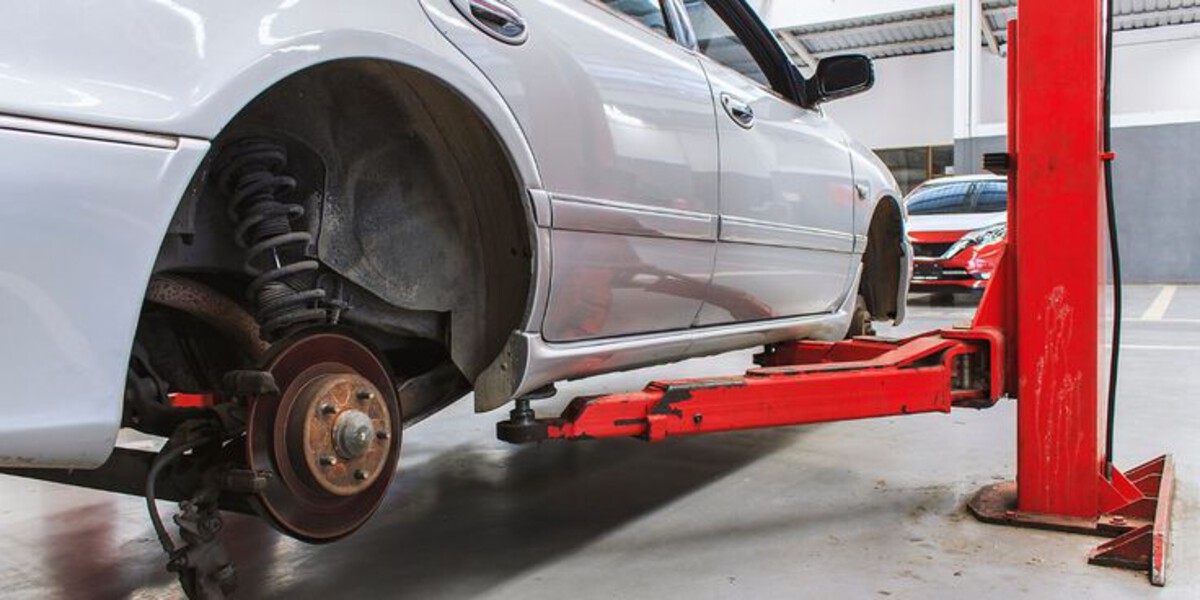
After 150,000 miles, the suspension system of a Chevy Beretta often shows signs of wear such as worn shocks, struts, and bushings. These components play a critical role in absorbing road bumps, maintaining tire contact, and ensuring stable handling. Upgrading or replacing suspension parts is a practical hack to improve ride comfort, vehicle stability, and safety, especially as the original components lose effectiveness with age.
Shocks and struts, which dampen the movement of springs, often leak oil or lose internal pressure after years of use. This leads to a bouncy or unstable ride, poor braking response, and uneven tire wear.
Installing new, high-quality shocks or struts tailored for the Beretta can restore the smoothness of the ride and enhance control during cornering. Many aftermarket options also offer improved performance over stock parts without a significant cost increase.
Bushings, made of rubber or polyurethane, connect suspension arms and provide cushioning. As these deteriorate, they cause clunking noises, loose steering feel, and alignment issues. Replacing old bushings with polyurethane versions adds durability and precision.
Polyurethane bushings resist wear and deformation better than rubber, offering longer-lasting suspension stability. This upgrade helps the Beretta maintain proper alignment angles and reduces steering play.
Upgrading suspension components also supports the longevity of other parts such as tires and steering linkages by reducing excessive movement and vibrations. A well-maintained suspension system ensures better traction, safer handling, and a more comfortable driving experience. For Beretta owners planning to keep their vehicle beyond 150,000 miles, prioritizing suspension upgrades is a worthy investment.
5. Address Common Oil Leaks Early with Quality Gaskets and Seals
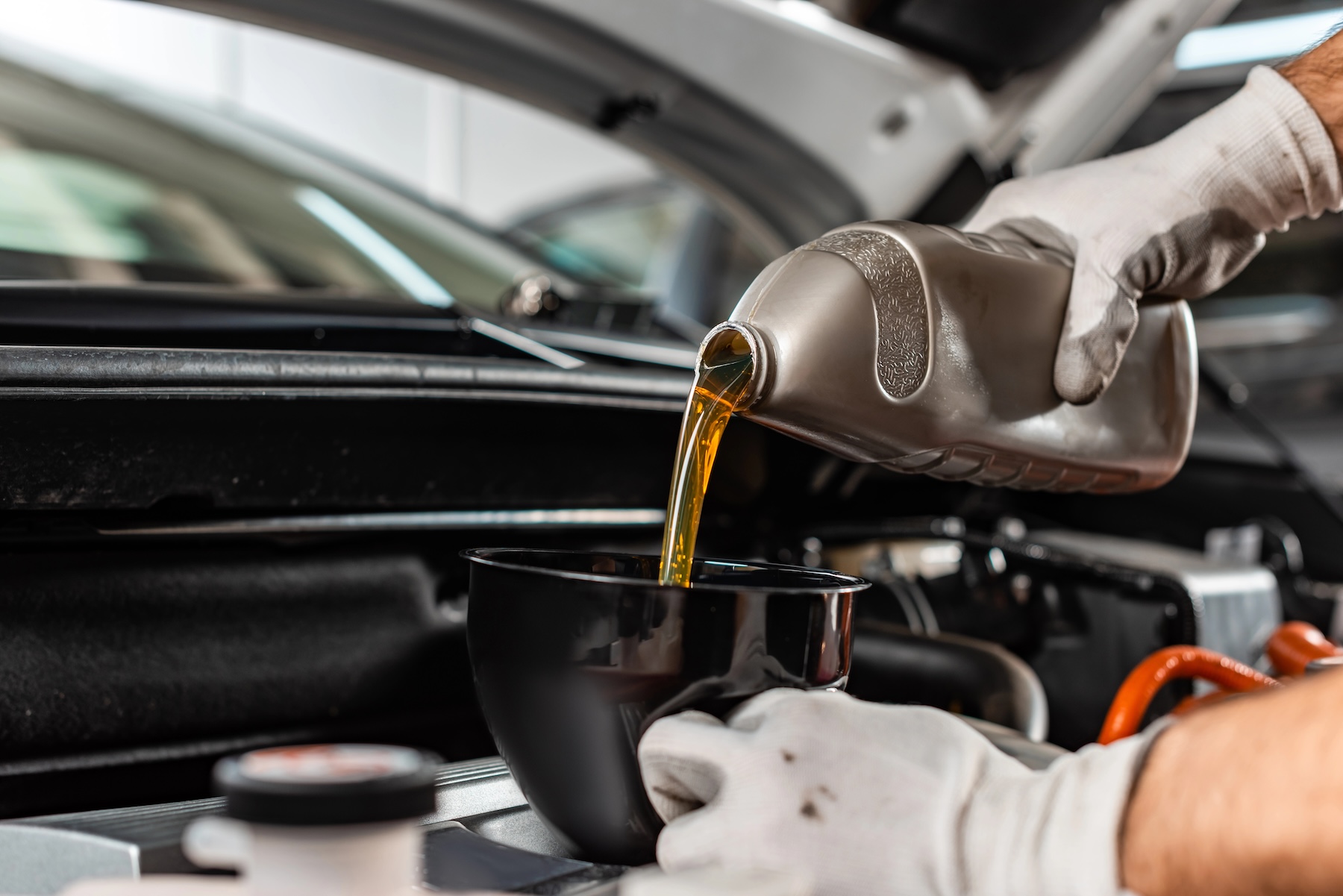
Oil leaks are a frequent issue for Chevy Berettas with high mileage. Aging gaskets and seals harden, crack, or shrink, causing oil to seep from the engine and potentially create serious problems if left unchecked. Ignoring leaks can lead to low oil levels, resulting in increased engine wear or even catastrophic failure.
Addressing common oil leaks early by replacing worn gaskets and seals is a crucial hack to protect the engine’s health after 150,000 miles.
Typical leak points include the valve cover gasket, oil pan gasket, rear main seal, and timing cover gasket. The valve cover gasket often leaks oil onto spark plugs and ignition wires, which can cause misfires and poor engine performance.
Replacing it with a high-quality gasket restores the seal and prevents oil contamination. Similarly, a leaking oil pan gasket can drip oil onto the ground, reducing oil levels and creating an environmental hazard.
The rear main seal, located at the back of the engine where the crankshaft exits, can be more challenging to replace but is vital to fix if leaking. It prevents oil from escaping between the engine and transmission. Failure to replace a leaking rear main seal can result in major oil loss and costly engine damage. Timing cover gaskets also degrade and cause leaks that are best addressed before they worsen.
Using OEM or premium aftermarket gaskets and seals ensures a proper fit and long-lasting repair. Clean surfaces during installation and proper torque of bolts also help maintain the seal’s integrity. Monitoring oil levels regularly and checking for fresh leaks during routine maintenance helps catch problems early. Preventing oil leaks keeps the engine lubricated, running cooler, and operating efficiently beyond the 150k mark.
6. Upgrade the Air Intake and Exhaust System for Better Breathing
Enhancing the airflow into and out of the engine is a smart hack that can help a Chevy Beretta maintain power and efficiency as it ages. Over time, the stock air intake and exhaust systems may become clogged or less efficient, restricting airflow and reducing engine responsiveness. Upgrading these systems allows the engine to breathe better, improving combustion and performance while helping to reduce strain on worn components.
A common and relatively inexpensive upgrade is installing a high-flow air filter or a cold air intake system. These aftermarket filters are designed to allow more air to reach the engine while still protecting it from dirt and debris.
Improved airflow results in better fuel atomization and combustion, which can translate into smoother acceleration and slightly improved fuel economy. Additionally, some cold air intakes position the filter outside the engine bay to draw in cooler, denser air, which helps increase power.
On the exhaust side, upgrading the muffler or installing a performance exhaust system reduces backpressure. Backpressure restricts exhaust gases from exiting the engine efficiently, which can decrease power and increase engine temperature.
A less restrictive exhaust improves scavenging, allowing the engine to expel gases faster and draw in more fresh air during the intake stroke. This boost in efficiency helps the engine maintain performance even after many miles.
When choosing intake or exhaust upgrades, it’s important to select components compatible with the Beretta’s engine and emission regulations. Proper installation and tuning also help prevent issues like check engine lights or drivability problems. Enhancing the breathing systems can give an older Beretta a noticeable boost in responsiveness and fuel economy, aiding long-term reliability.
7. Replace or Upgrade Fuel Injectors to Maintain Efficient Fuel Delivery
Fuel injectors are critical components that deliver precise amounts of fuel into the engine cylinders for combustion. Over time, injectors in a Chevy Beretta can become clogged or worn, leading to poor fuel atomization, rough idling, and reduced fuel efficiency. Cleaning, repairing, or replacing fuel injectors is an important hack to maintain smooth engine operation and extend the vehicle’s life past 150,000 miles.
Clogged injectors often cause a lean or rich fuel mixture, which can damage spark plugs and cause uneven combustion. Some owners opt for professional injector cleaning, which can restore spray patterns and improve performance.
However, when injectors are worn beyond repair, replacing them with new or rebuilt units is the best option. New injectors ensure precise fuel delivery, consistent engine power, and lower emissions.
Upgraded injectors with improved spray patterns or flow rates are available and can support enhanced engine performance if combined with other modifications like intake upgrades or engine tuning. However, for most Beretta owners simply seeking reliability, OEM-quality replacements suffice. Properly functioning injectors help prevent hesitation, stalling, and misfires, which are common symptoms in aging vehicles.
Regular fuel system maintenance, including replacing the fuel filter and using fuel additives to clean deposits, complements injector care. Keeping the fuel system clean protects the engine’s internal components and maintains efficient combustion, which is critical for an older engine’s longevity and smooth running.

8. Use Synthetic Oil and Maintain Proper Oil Change Intervals
One of the simplest yet most effective hacks for keeping a Chevy Beretta running strong past 150,000 miles is to use high-quality synthetic oil and adhere strictly to oil change intervals. Synthetic oils offer superior lubrication, temperature resistance, and cleaning properties compared to conventional oils, which is especially important for older engines with higher mileage.
Engines with significant wear benefit from synthetic oil because it reduces friction more effectively, protecting piston rings, camshafts, and bearings. It also maintains viscosity better under extreme conditions, preventing oil breakdown and sludge formation. This means the engine stays cleaner internally, which supports smoother operation and reduces the chance of overheating or seizing.
Changing oil at recommended intervals, or slightly more frequently for an older Beretta, ensures that contaminants and metal particles don’t accumulate and damage engine parts. Many manufacturers suggest oil changes every 3,000 to 5,000 miles, but owners of high-mileage vehicles should consider changing oil every 3,000 miles or less, depending on driving conditions. Regular oil filter changes are equally important to keep the oil clean.
Synthetic oils may be more expensive than conventional, but the investment pays off in prolonged engine life and better performance. Some synthetic blends also include additives specifically designed to condition seals and reduce oil leaks, a common problem in aging Berettas. Using synthetic oil and proper maintenance schedules is a straightforward way to protect the engine and keep it running reliably over the long haul.
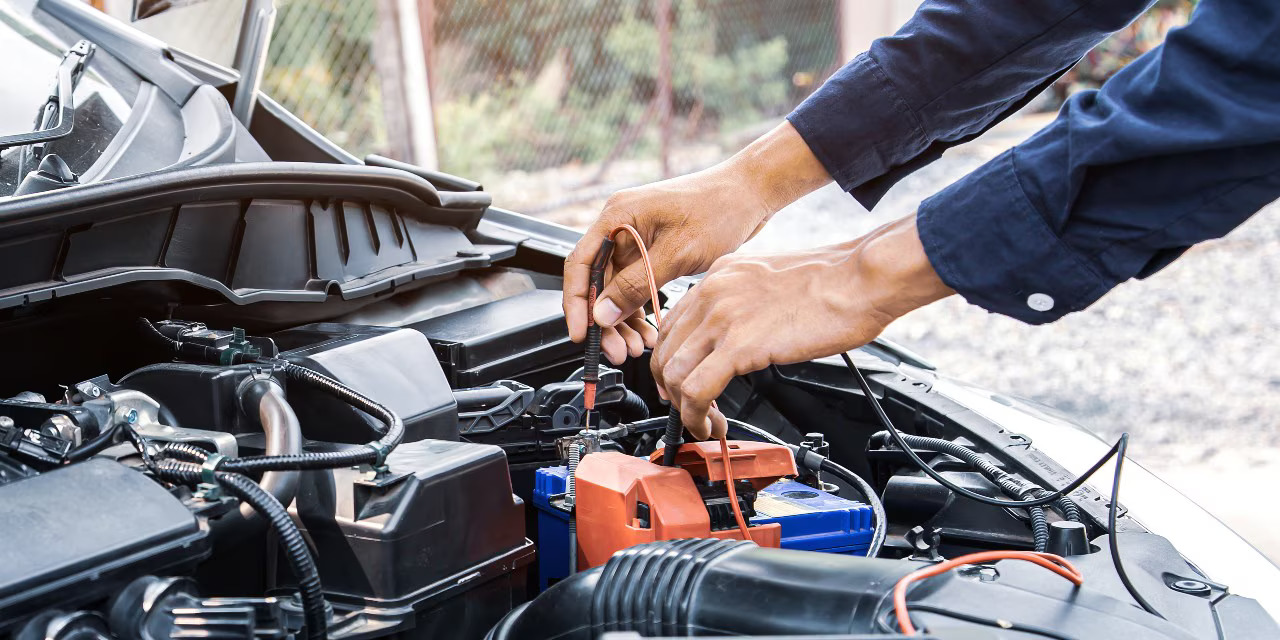
9. Monitor and Maintain the Electrical System and Battery Health
The electrical system in a high-mileage Chevy Beretta can develop issues that affect everything from starting the engine to lighting and accessory operation. Corroded connections, worn alternators, and weak batteries often become more frequent problems as mileage increases. Regular monitoring and maintenance of the electrical components is a practical hack to avoid sudden breakdowns and ensure reliable starting and operation.
Checking battery terminals for corrosion and cleaning them can improve electrical flow and prevent starting difficulties. Testing the battery regularly and replacing it every 3 to 5 years prevents unexpected failures. Batteries under strain, especially in cold weather, can fail suddenly, leaving drivers stranded. Choosing high-quality batteries with adequate cold-cranking amps is essential for dependable performance.
The alternator, which charges the battery and powers electrical systems when the engine is running, should also be tested periodically. A failing alternator can cause dimming lights, erratic gauges, and eventually a dead battery. Replacing an alternator before complete failure is a good preventive measure. Wiring and fuses should be inspected for signs of wear, damage, or loose connections to avoid electrical shorts or failures.
Maintaining the electrical system also includes ensuring all sensors and computer modules are functioning correctly. Faulty sensors can cause the engine control unit to run inefficiently or trigger warning lights. Keeping the electrical health in check helps the Beretta start reliably and run efficiently, reducing the risk of costly repairs or inconvenient breakdowns.
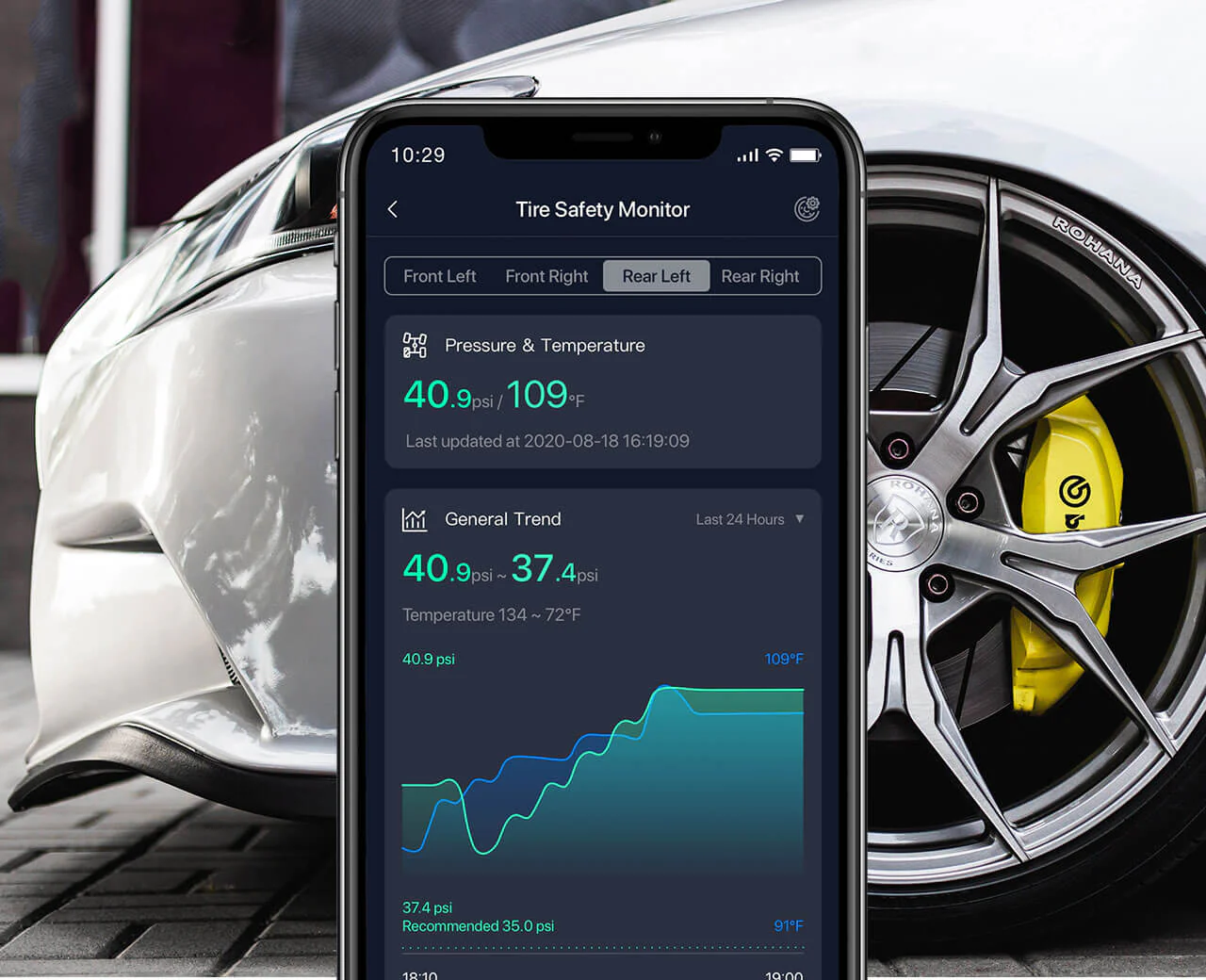
10. Maintain Tire Health and Proper Alignment for Safety and Efficiency
Tires are the only part of the Chevy Beretta that directly contact the road, making their condition critical to safety, fuel economy, and handling. As mileage climbs past 150,000, it’s common for tires to show uneven wear due to worn suspension or misalignment. Regularly maintaining tire health and ensuring proper alignment is a vital hack that improves driving stability and prolongs the lifespan of both tires and suspension components.
Tires should be inspected for tread depth, cracks, bulges, and uneven wear patterns. Rotating tires every 5,000 to 7,000 miles helps promote even wear, maximizing tire life. Replacing tires before they reach the legal tread limit prevents hydroplaning and loss of traction, especially in wet conditions. Choosing tires suited to your typical driving environment improves safety and comfort.
Wheel alignment corrects angles such as camber, caster, and toe to factory specifications. Misalignment causes the car to pull to one side, uneven tire wear, and poor handling. Getting an alignment check annually or after suspension repairs ensures the Beretta tracks straight and maintains proper tire contact. Proper alignment also reduces rolling resistance, which helps fuel efficiency.
Maintaining tire pressure at recommended levels is equally important, as underinflated tires wear faster and reduce fuel economy. Investing in quality tires and alignment services may seem like a small detail, but it greatly affects how safe and comfortable your Beretta feels on the road and can prevent additional wear on expensive suspension components.
Also Read: 10 Pro Tips That Keep a Chevy HHR Reliable for Daily Driving
Maintaining a Chevy Beretta well beyond 150,000 miles is not only possible but can also be a rewarding experience for those who understand the car’s needs and pay attention to essential care. The hacks outlined in this article demonstrate that with consistent maintenance, timely repairs, and thoughtful upgrades, an older Beretta can continue to perform reliably, safely, and efficiently for many more miles.
Aging vehicles require more attention, but this doesn’t mean expensive overhauls or constant breakdowns are inevitable. Instead, smart preventive measures and modest investments in quality parts and services can go a long way toward extending the life of this classic car.
One of the central themes across these hacks is the importance of regular inspections and maintenance. Components such as spark plugs, ignition wires, and fuel injectors directly affect how smoothly the engine runs. Neglecting these can lead to reduced power, poor fuel economy, and increased emissions.
Similarly, systems that are often overlooked, like cooling and transmission, are critical in preventing costly failures like overheating or transmission damage. Keeping fluids fresh and parts in good condition supports vehicle health and reduces wear on vital components.
Upgrading certain parts, such as suspension components, air intake, and exhaust systems, helps not only to restore original performance but often to improve upon it. These modifications contribute to better ride comfort, improved handling, and enhanced engine breathing, which are all important for a car with high mileage.
The right upgrades can make an older Beretta feel more responsive and enjoyable to drive, reminding owners that age doesn’t have to mean decline in performance.
Equally important are daily driving habits and attention to smaller details like oil type, tire condition, and electrical system health. Using synthetic oil and changing it regularly protects the engine from wear and sludge buildup.
Proper tire maintenance and wheel alignment ensure safe handling and longer tire life. Meanwhile, a well-maintained electrical system prevents frustrating breakdowns and keeps all systems running as they should.
Caring for a high-mileage Chevy Beretta requires a combination of knowledge, patience, and proactive maintenance. By applying the hacks discussed, owners can preserve the reliability and character of this vehicle for many years.
Whether you use your Beretta for daily commuting or weekend drives, these practices will help keep it running strong, efficient, and safe beyond the 150,000-mile mark and well into its golden years.
