
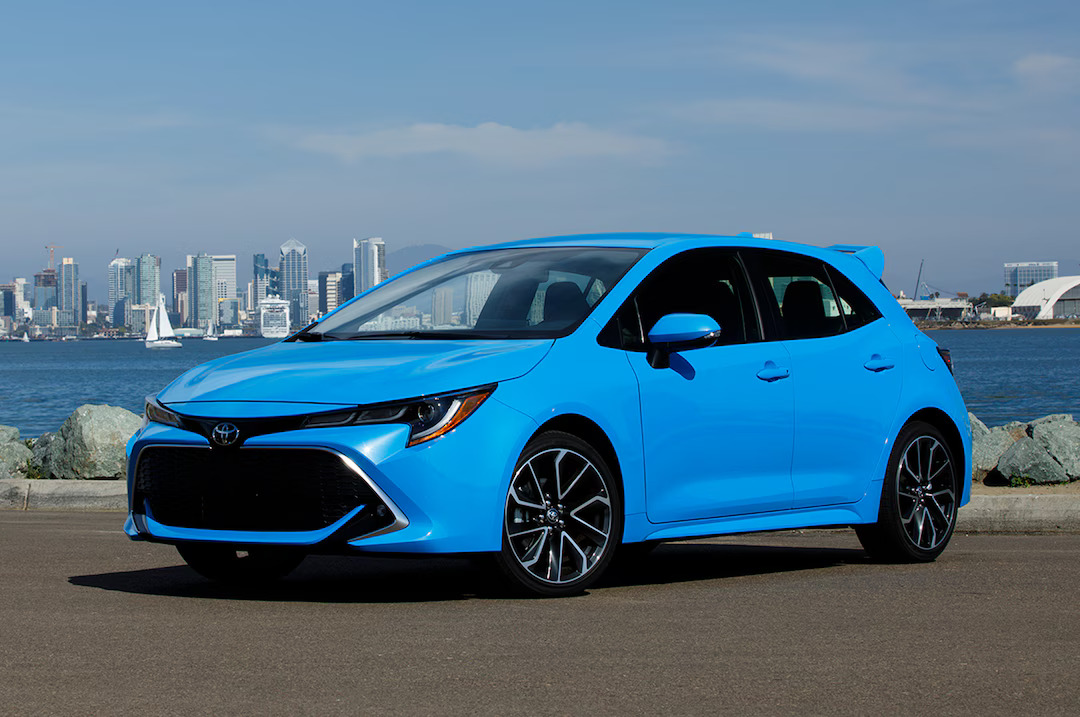
The Toyota Corolla Hatchback has earned a reputation for being one of the most dependable and long-lasting vehicles available on the market. Known for its blend of practicality, fuel efficiency, and solid build quality, it has become a favorite for drivers who want a car that requires minimal fuss and can serve them faithfully for many years.
Despite its inherent reliability, like any car, the Corolla Hatchback benefits greatly from regular maintenance and timely repairs. Paying attention to certain common issues and addressing them promptly can extend the lifespan of this vehicle well beyond the norm, ensuring it remains a trusted companion on the road.
Understanding how to maintain and fix a Toyota Corolla Hatchback is crucial because it allows owners to avoid expensive repairs down the road and keep their cars running smoothly. Preventative care often proves to be more cost-effective than reactive fixes, and it helps avoid breakdowns that could leave drivers stranded.
Additionally, some minor issues can escalate into major problems if left unchecked, so early attention to specific parts and systems is key. These fixes cover a range of components, including the engine, suspension, brakes, and electronics, each contributing to the dependability of the car.
The Toyota Corolla Hatchback, like other compact cars, is designed to be user-friendly and relatively inexpensive to maintain. However, it still faces wear and tear that can affect performance and safety if not managed properly.
By addressing known weak points and adhering to recommended service intervals, owners can prevent common problems that crop up in aging vehicles. Moreover, many of these fixes do not require expensive parts or complicated procedures, meaning that even drivers who prefer to do some of the work themselves can keep their Corolla in peak condition.
The following ten fixes highlight the most effective ways to maintain the Corolla Hatchback’s reliability throughout its life. These solutions focus on commonly experienced issues and recommended preventative measures that will allow owners to get the most out of their investment. Whether the car is used for daily commuting, long road trips, or weekend errands, these fixes form a solid foundation for a worry-free driving experience.
1. Regular Timing Chain Inspection and Maintenance
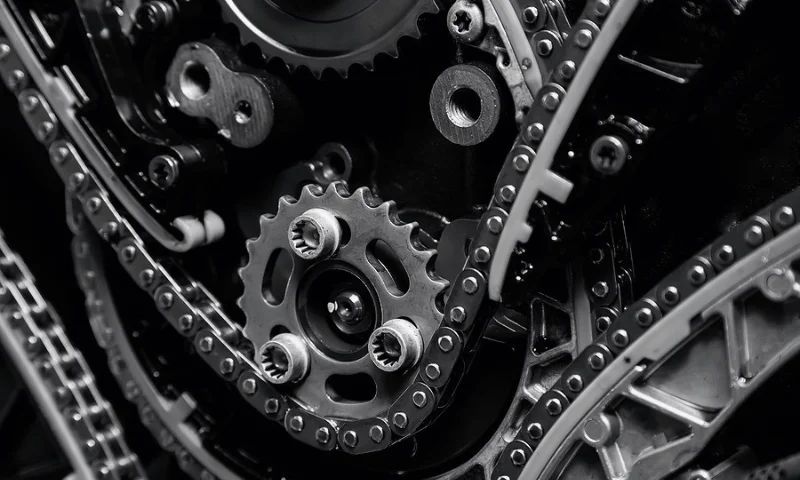
The timing chain is a fundamental part of the Toyota Corolla Hatchback’s engine, responsible for synchronizing the rotation of the crankshaft and camshaft. This synchronization ensures that the engine’s valves open and close at the right moments during each cylinder’s intake and exhaust strokes, which is essential for efficient engine performance and preventing mechanical damage.
Unlike timing belts that often require replacement every 60,000 to 100,000 miles, the timing chain is designed to last much longer, potentially for the entire lifespan of the engine. However, it’s important to recognize that the timing chain is not immune to wear and tear.
Over time, it can stretch or become loose, which affects the engine’s timing and can lead to issues such as misfires, rough idling, or even more severe mechanical failures if left unattended. Many Toyota Corolla Hatchbacks have experienced timing chain tensioner problems, where the tensioner fails to apply the correct amount of pressure, causing a rattling noise during engine startup or acceleration. This is often an early warning sign that maintenance is required.
Proper maintenance of the timing chain system involves more than just visual inspection. It’s essential to monitor engine noises carefully, especially during cold starts or when accelerating from a stop. A rattling sound from the front of the engine often signals the timing chain or tensioner is in trouble.
Additionally, it’s important to keep the engine oil clean and at proper levels, since oil lubricates the chain and tensioner components. Dirty or degraded oil accelerates wear and can lead to premature failure of these parts. Toyota’s recommended oil change intervals should be followed diligently, using the specified oil grade to ensure optimal lubrication.
While replacing the timing chain itself is a complex and costly job, replacing the tensioner or guides when necessary is a far simpler preventive measure that can save the engine from catastrophic damage.
Ignoring signs of timing chain wear can lead to serious engine problems, including misalignment of the camshaft and crankshaft, which may cause valves to collide with pistons in an interference engine setup. This can result in bent valves, damaged pistons, and the need for an extensive and expensive engine rebuild or replacement.
By paying attention to the timing chain and tensioner’s condition, and performing timely maintenance, Toyota Corolla Hatchback owners can avoid these costly repairs and keep their engines running smoothly for hundreds of thousands of miles. This preventive approach ensures the heart of the car, the engine, remains reliable and efficient throughout the vehicle’s life.
2. Brake System Upkeep and Timely Replacement
The braking system in a Toyota Corolla Hatchback plays a vital role in safety, making it one of the most important systems to maintain carefully. Brakes convert the car’s kinetic energy into heat through friction, allowing the vehicle to slow down and stop effectively.
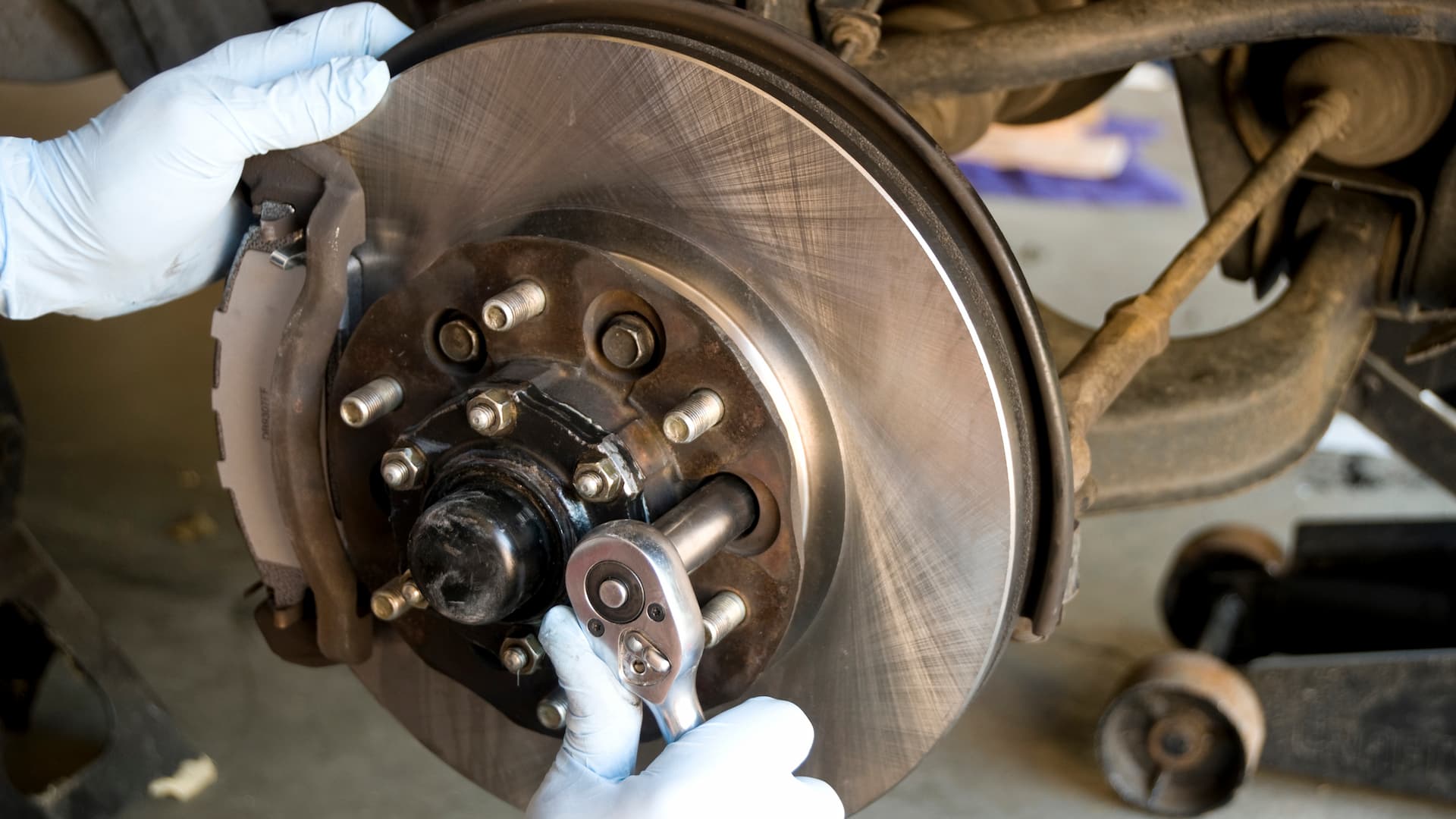
Brake pads and rotors are the core components involved in this process. Brake pads wear down as they press against the rotors to create friction, and rotors themselves can become warped or scored over time. Driving habits, road conditions, and climate can all affect the rate at which these components degrade.
For example, frequent stop-and-go city driving or driving in mountainous areas will typically wear brakes faster than highway driving. Ignoring brake wear can lead to decreased stopping power, increased stopping distances, and potentially dangerous situations on the road.
Routine inspection of the brake pads is crucial. Toyota generally recommends checking brake pads every 10,000 to 15,000 miles, with replacement commonly needed between 30,000 and 50,000 miles. However, this varies based on individual use.
When brake pads wear down too much, the metal backing can contact the rotor surface, causing loud squealing or grinding noises and damaging the rotors. Once rotors are damaged, resurfacing or complete replacement becomes necessary. Warped rotors can cause vibration during braking, which is not only uncomfortable but also a sign that the system isn’t working at its best.
Additionally, the brake fluid is another critical component that is often overlooked. Brake fluid absorbs moisture over time, which lowers its boiling point and reduces braking effectiveness. Moisture-contaminated fluid can lead to spongy brakes or complete brake failure in extreme conditions. Flushing and replacing brake fluid every two years or according to the manufacturer’s recommendations helps maintain hydraulic pressure and braking performance.
Failure to maintain the braking system can result in more than just decreased performance; it poses a serious safety risk. Worn brakes increase the likelihood of accidents, especially in emergencies where maximum stopping power is required.
Keeping the brake system in good shape with timely pad and rotor replacements, as well as fluid maintenance, is a relatively affordable way to guarantee safety and preserve the Corolla Hatchback’s reliability. Moreover, a well-maintained braking system can also protect other components, such as wheel bearings and tires, from uneven stress caused by poor braking function.
3. Suspension Component Care and Replacement
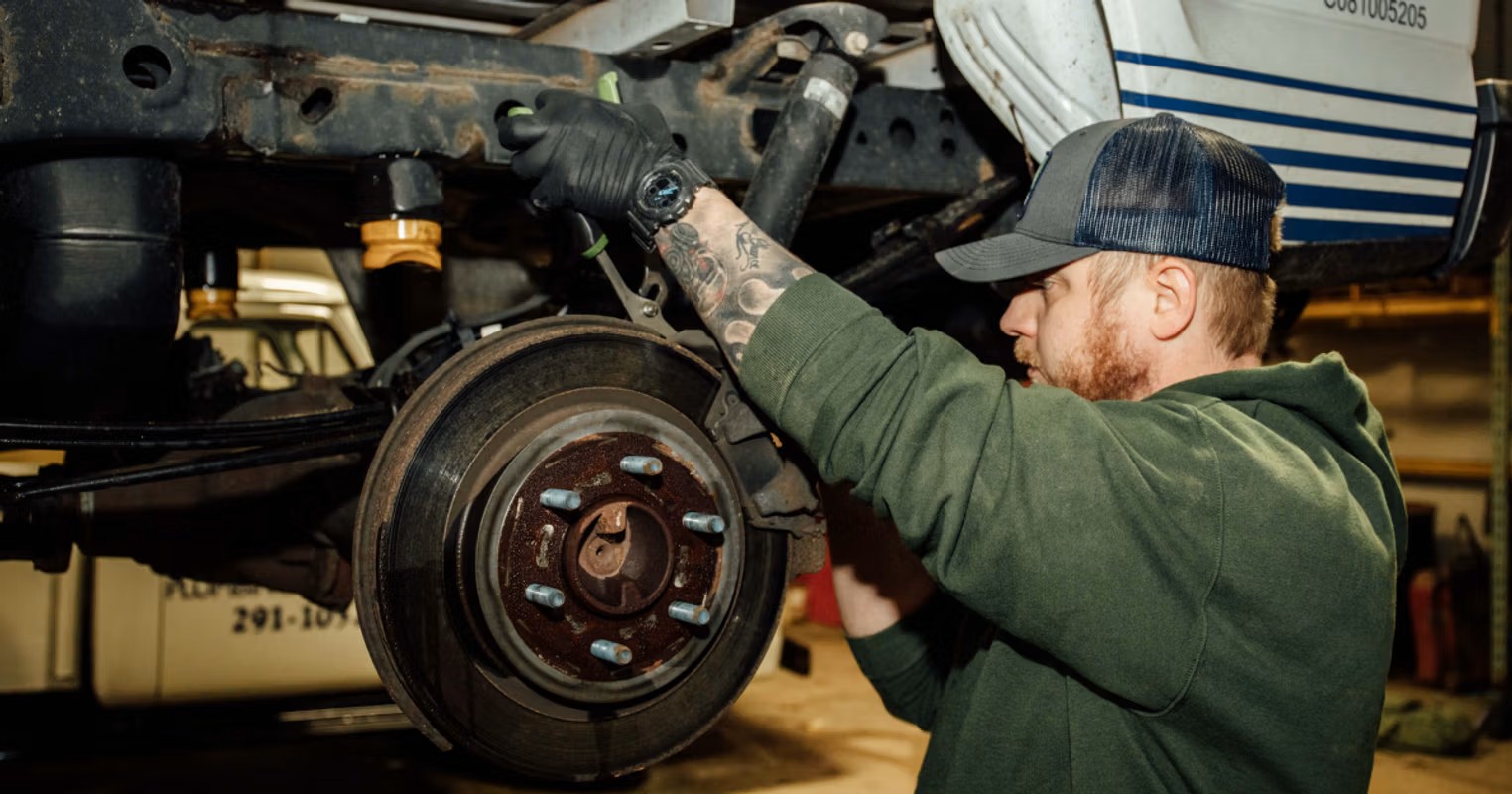
The suspension system of the Toyota Corolla Hatchback is crucial for providing a smooth ride, ensuring good handling, and maintaining proper tire contact with the road. This system comprises multiple parts, including shocks, struts, bushings, ball joints, and control arms, all working together to absorb bumps and maintain vehicle stability.
When these components wear out or fail, the driving experience deteriorates, safety is compromised, and other vehicle parts may sustain damage due to increased stress. For instance, worn shocks or struts reduce the car’s ability to absorb road irregularities, leading to a harsh ride and increased tire wear. Additionally, poor suspension performance can negatively impact braking distances and steering control, making the vehicle less predictable during maneuvers.
The shocks and struts in the Corolla typically last between 50,000 and 70,000 miles, but can fail sooner under rough driving conditions or exposure to harsh weather. Symptoms of worn shocks include excessive bouncing after hitting bumps, nose-diving during braking, and uneven tire wear. Leaking fluid from shocks or struts is a clear sign they need replacement.
Suspension bushings and ball joints, which connect various parts of the suspension system, deteriorate over time due to constant movement and exposure to elements. When these rubber components crack or wear out, they can cause clunking noises, uneven tire wear, and misalignment, which affects handling and increases the risk of accidents.
Regular suspension inspections, ideally during routine oil changes or tire rotations, allow for early detection of worn parts. Preventive replacement of shocks, struts, and bushings keeps the Corolla’s ride comfortable and safe while protecting tires from premature wear.
Addressing suspension issues promptly also safeguards steering components and prevents more expensive repairs down the line. Since the suspension impacts many aspects of vehicle performance, maintaining it properly contributes significantly to the Corolla Hatchback’s long-term reliability and driving enjoyment.

4. Cooling System Maintenance for Engine Longevity
The cooling system in the Toyota Corolla Hatchback is essential to maintaining the engine at an optimal operating temperature. Engines generate a significant amount of heat during combustion, and the cooling system prevents overheating by circulating coolant through the engine block and radiator.
A malfunctioning cooling system can quickly lead to overheating, causing engine damage such as warped heads, blown head gaskets, or even complete engine failure. For this reason, regular inspection and maintenance of the cooling system components, including the radiator, thermostat, water pump, hoses, and coolant fluid, are crucial for vehicle longevity.
Coolant itself deteriorates over time, losing its anti-corrosive and heat-transfer properties. Toyota recommends flushing and replacing the coolant approximately every 50,000 miles, though this interval can vary based on usage and environmental conditions.
Failure to replace old coolant allows rust and deposits to build up inside the radiator and engine passages, leading to blockages and leaks. These blockages reduce coolant flow and the system’s efficiency, increasing the risk of overheating.
The water pump, which circulates coolant throughout the system, can also fail after many miles of use. Signs of a failing water pump include coolant leaks under the car, overheating, and strange noises coming from the engine bay.
Hoses are another critical aspect of the cooling system that requires attention. They transport coolant to and from the radiator and engine. Over time, heat and pressure can cause hoses to crack, swell, or burst, resulting in coolant loss and engine overheating.
Regular visual inspection for hose condition and replacing them when signs of wear appear is an inexpensive way to prevent breakdowns. Thermostats regulate the flow of coolant to maintain engine temperature.
A stuck thermostat can cause overheating or prevent the engine from reaching optimal temperature, affecting fuel economy and performance. Regular checks and replacements, if needed, keep the cooling system balanced and functional.
5. Addressing Transmission Fluid and Filter Changes
The transmission system is vital for delivering power from the engine to the wheels efficiently and smoothly. Whether the Toyota Corolla Hatchback is equipped with a traditional automatic transmission or a continuously variable transmission (CVT), proper transmission fluid maintenance is essential for preventing premature wear and ensuring reliable shifting.
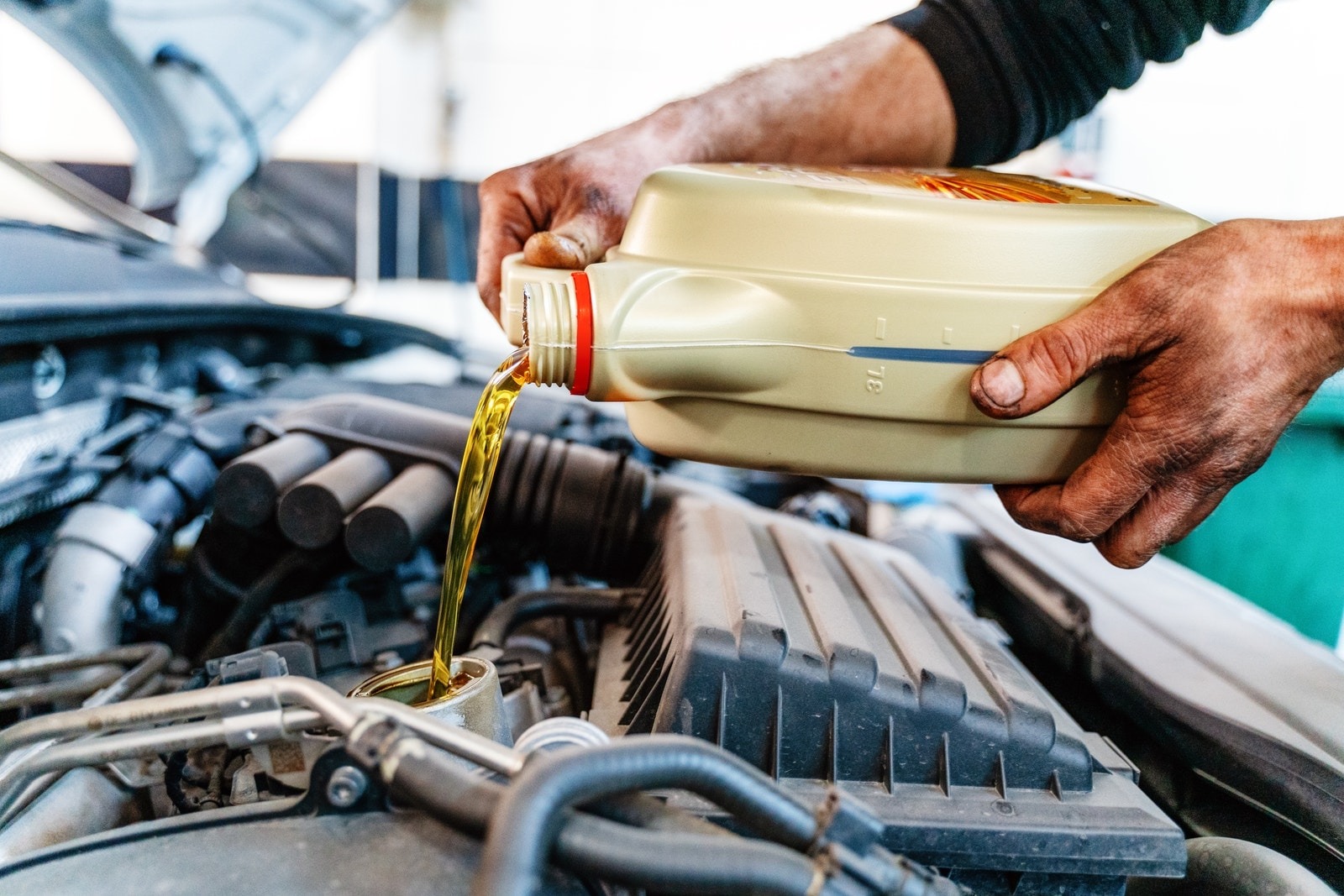
Transmission fluid lubricates the moving parts within the transmission, cools the components, and helps maintain the hydraulic pressure necessary for gear changes. Over time, transmission fluid breaks down and accumulates contaminants, which can lead to sluggish shifting, overheating, and eventual transmission failure.
Many Corolla owners underestimate the importance of transmission fluid service, often assuming it is “lifetime” fluid. However, the fluid’s effectiveness diminishes over time due to heat and friction, especially in stop-and-go traffic or hot climates. Toyota generally recommends transmission fluid changes every 30,000 to 60,000 miles, though some newer models have extended intervals.
Changing the transmission fluid at these recommended intervals removes sludge and debris that could otherwise damage valves and seals inside the transmission. Along with fluid changes, replacing the transmission filter (if applicable) is important because it traps particles and contaminants. A clogged filter restricts fluid flow, increasing the risk of internal damage and poor performance.
Failure to maintain the transmission system properly can lead to symptoms such as delayed or rough shifts, slipping gears, and unusual noises. Ignoring these signs can escalate problems, resulting in costly repairs or the need for complete transmission replacement.
In addition to fluid and filter changes, checking the transmission cooler and lines for leaks or damage is also advisable. Many transmission issues can be avoided through routine maintenance, making this fix one of the most important for preserving the Corolla Hatchback’s drivability and longevity.
6. Spark Plug Replacement for Efficient Engine Performance
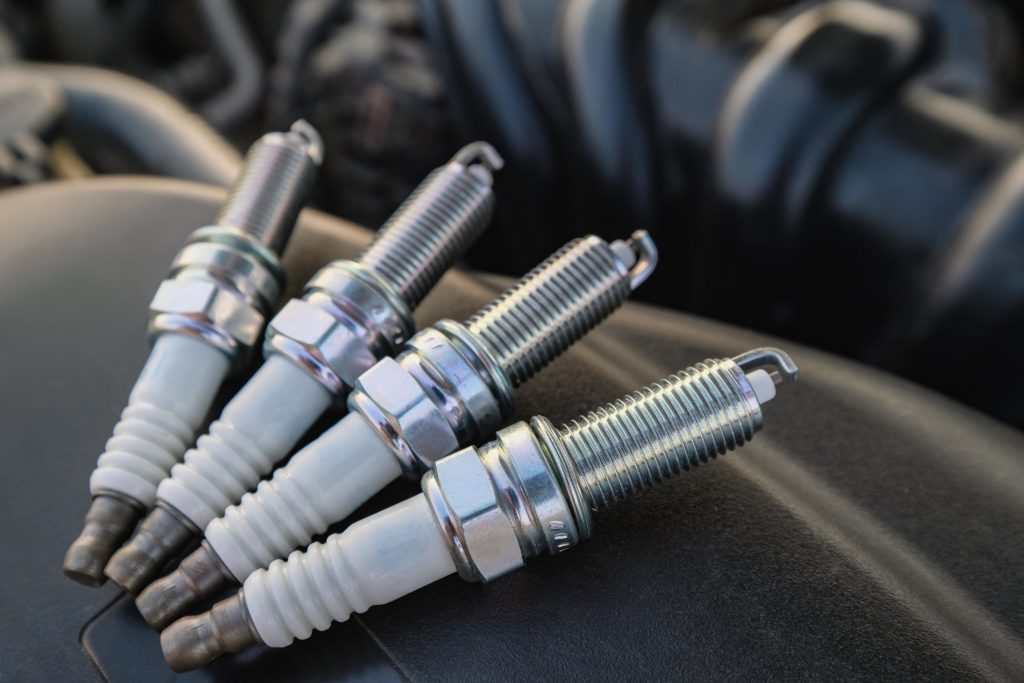
Spark plugs are among the most important components in maintaining engine efficiency and performance. They ignite the air-fuel mixture in the engine’s cylinders, which produces the power needed to move the vehicle. Over time, spark plugs can wear out, become fouled by carbon deposits, or fail due to heat and electrical stress.
When this happens, the engine may experience misfires, rough idling, increased fuel consumption, or hesitation during acceleration. Although the Corolla Hatchback is known for smooth and steady power delivery, worn-out spark plugs can significantly degrade this experience and lead to poor combustion, reducing the efficiency of the engine.
Toyota typically equips the Corolla Hatchback with long-life iridium spark plugs, which are designed to last up to 100,000 miles under normal driving conditions. However, environmental factors, short-trip driving, or poor fuel quality can reduce this lifespan.
As spark plugs deteriorate, the gap between the electrodes increases, requiring more voltage to create a spark. This extra load can strain the ignition coils and other ignition system components, leading to further issues if not addressed.
Regular inspections, especially after 60,000 miles, can help detect early signs of wear. Removing and visually inspecting spark plugs can reveal whether they are burning properly or showing signs of oil contamination, which could indicate other engine problems.
Replacing spark plugs is a relatively inexpensive and simple fix that can make a noticeable difference in engine response, starting reliability, and fuel economy. It also prevents misfires that could lead to damage to the catalytic converter, which is costly to replace.
When changing spark plugs, it’s critical to use the correct type and gap setting specified by the manufacturer to ensure compatibility with the Corolla’s ignition and engine management system. Incorrect spark plugs or improper installation can cause more harm than good, potentially leading to engine knocking or even internal damage over time.
Maintaining the spark plugs and associated ignition system components not only enhances performance but also contributes to the Corolla Hatchback’s long-term reliability. Drivers who keep up with this simple maintenance task often notice smoother acceleration, better throttle response, and improved cold starts, all signs that the engine is operating as it should.
A well-maintained ignition system ensures consistent combustion, which is critical for fuel efficiency and emission control. This is one of the easiest and most effective ways to ensure that the Corolla continues to perform reliably even after many years on the road.
7. Regular Tire Maintenance and Rotation
Tires are often overlooked in discussions of vehicle reliability, but they play a vital role in the Corolla Hatchback’s safety, performance, and efficiency. Proper tire care affects everything from handling and ride comfort to fuel economy and braking distance.
When tires are underinflated, overinflated, or worn unevenly, they not only reduce driving confidence but also place additional strain on the suspension and steering components. Over time, poorly maintained tires can lead to alignment issues, vibrations, and uneven tread wear, all of which impact the long-term reliability and comfort of the vehicle.
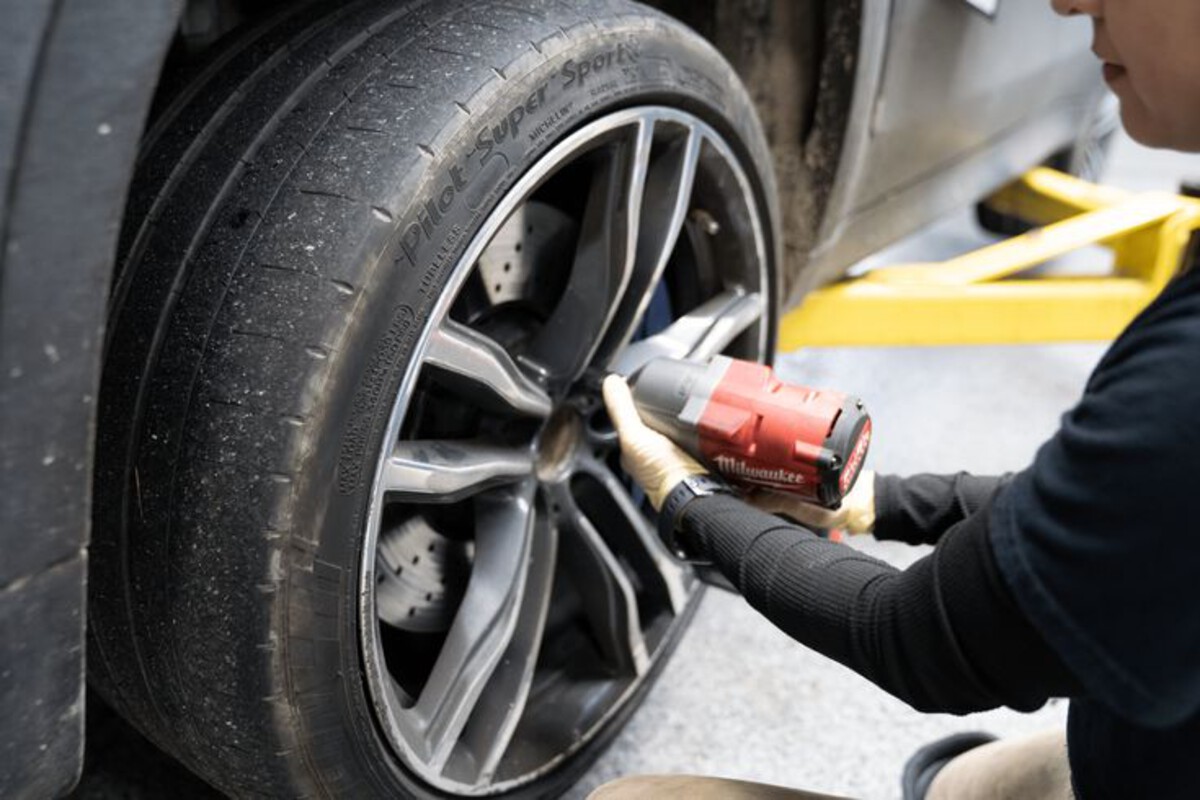
One of the simplest yet most important tire-related maintenance tasks is regular tire rotation. Rotating the tires every 5,000 to 7,500 miles ensures even tread wear across all four tires. Because front tires wear faster due to steering and weight distribution, rotation helps extend the life of all tires and maintains consistent performance.
Skipping rotations often leads to two tires wearing out much faster than the others, requiring premature replacement and potentially affecting traction and handling, especially in wet or icy conditions. Proper rotation patterns should follow manufacturer recommendations, which usually alternate front and rear positions or use a diagonal cross pattern, depending on tire type and drivetrain layout.
Maintaining proper tire pressure is another critical aspect of tire care. Underinflated tires increase rolling resistance, which reduces fuel efficiency and causes tires to overheat, leading to faster degradation. Overinflated tires, on the other hand, reduce traction and can wear out the center of the tread more quickly.
Tire pressure should be checked at least once a month and before long trips, using a reliable tire pressure gauge. The recommended PSI (pounds per square inch) can usually be found on a sticker inside the driver’s door. Even new tires lose pressure naturally over time, especially during seasonal temperature changes, making regular checks essential for optimal safety and performance.
Wheel alignment and balancing also contribute significantly to tire longevity and vehicle reliability. Misaligned wheels can cause rapid tire wear and pulling to one side while driving. Wheel balancing ensures even weight distribution, preventing vibrations that can lead to suspension wear and driver discomfort.
Combined, these tire maintenance tasks help maintain smooth, safe, and efficient driving. For Corolla Hatchback owners aiming to keep their cars reliable for life, consistent tire care is a smart and necessary investment that supports safety, fuel economy, and mechanical integrity.
8. Keeping the Battery and Electrical System in Check
The battery and electrical system are foundational to the daily operation of the Corolla Hatchback. Without a functioning battery, the car won’t start. Without a healthy electrical system, many essential components, such as the lights, infotainment system, sensors, power steering, and charging system, won’t operate correctly.
A well-maintained battery typically lasts between three and five years, depending on the climate, driving habits, and quality of the battery itself. Heat, short trips, and poor alternator performance can all shorten a battery’s lifespan. Corolla owners who neglect this area of maintenance may find themselves stranded or experience random electronic failures.
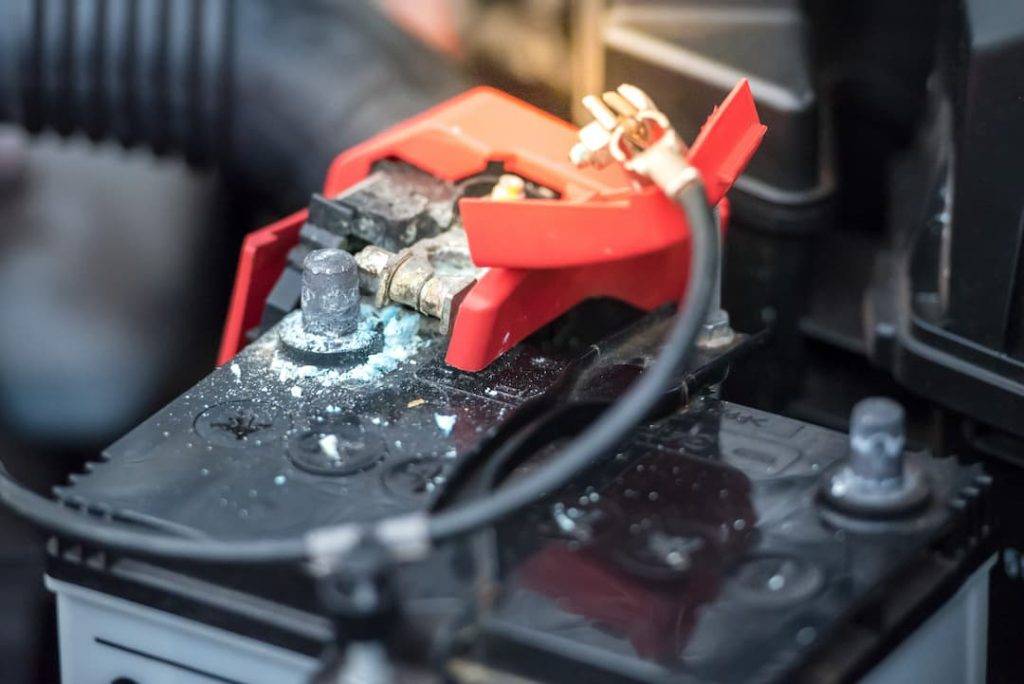
Routine battery maintenance begins with regular visual inspections. Checking for corrosion around the battery terminals, ensuring tight cable connections, and verifying that the battery is securely mounted are all easy steps to prevent issues. Corrosion can interfere with the battery’s ability to charge and discharge power efficiently.
Cleaning terminals with a battery-safe cleaner or a baking soda solution helps maintain strong connections and prevents voltage drop. A battery voltage check using a multimeter or battery tester can also reveal early signs of weakening before the battery completely fails. A healthy battery should read around 12.6 volts when fully charged and about 13.7 to 14.7 volts when the engine is running.
The alternator plays a key role in charging the battery and powering the vehicle’s electrical systems while the engine is on. If the alternator is malfunctioning, the battery will drain quickly, and electrical components may flicker or shut down. Symptoms of a bad alternator include dim lights, battery warning lights on the dashboard, and unusual electrical behavior.
Replacing the alternator before it fails entirely can prevent costly towing or more serious electrical damage. The starter motor, another essential component, should also be monitored for signs of wear such as slow cranking or clicking sounds when turning the key. These components tend to wear out over time and can cause intermittent starting issues.
A stable and properly functioning electrical system ensures reliability in every aspect of driving. From starting the car in cold weather to powering critical safety systems like ABS and airbags, electricity runs through nearly every major system in the Corolla Hatchback.
Taking care of the battery and supporting components, especially as the vehicle ages, ensures dependable daily use and avoids inconvenient or dangerous failures. Simple preventive measures, like keeping the terminals clean and testing voltage occasionally, make a huge difference in long-term reliability.
9. Fuel System Cleaning and Filter Replacement
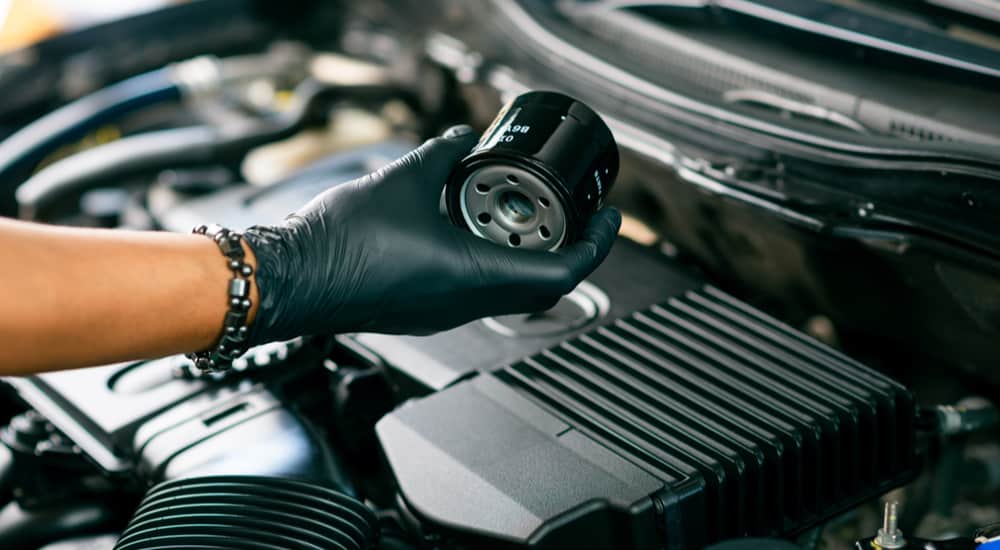
The fuel system delivers gasoline to the engine, where it’s mixed with air and ignited to generate power. For the Corolla Hatchback to run efficiently and reliably, this system must remain clean and unobstructed. Over time, contaminants such as dirt, rust, or residue from fuel can clog the fuel filter, injectors, or fuel lines.
This contamination leads to poor fuel delivery, reduced engine performance, and increased emissions. If left unaddressed, the engine may start to hesitate, stall, or fail to start altogether. Regular cleaning and maintenance of the fuel system can prevent these issues and ensure optimal engine health.
The fuel filter, in particular, plays a crucial role in trapping impurities before they reach the engine. Although some modern Corollas have lifetime filters built into the fuel tank, others have serviceable filters that should be replaced around every 40,000 to 60,000 miles.
A clogged filter restricts fuel flow, forcing the fuel pump to work harder, which can lead to premature pump failure. Replacing the filter at recommended intervals ensures steady fuel flow and protects downstream components from damage. A clean filter also supports better fuel atomization and combustion, which leads to more efficient engine operation and lower emissions.
Fuel injectors can also become clogged due to low-quality fuel or extended intervals between cleaning. These tiny nozzles are responsible for spraying a fine mist of fuel into the combustion chamber. If they become partially blocked, the engine may run lean (too much air, not enough fuel) or rich (too much fuel, not enough air), both of which reduce performance and fuel economy.
Periodic injector cleaning, either through professional service or high-quality fuel additives, can remove buildup and restore spray patterns to factory condition. This maintenance task helps avoid misfires, rough idling, and long cranking during startup.
Keeping the fuel system clean is essential for preserving the Corolla Hatchback’s fuel efficiency and engine performance. Routine attention to the fuel filter, injectors, and fuel delivery system will ensure consistent throttle response, better mileage, and lower repair costs in the long run. It’s a preventative measure that supports smooth operation and contributes significantly to the car’s long-term reliability and performance.
