

Mazda3 is often chosen by people who want a car that looks stylish yet still offers comfort and reliability. Many buyers are attracted to this model because of its affordable price, its responsive handling, and the long reputation Mazda has built when it comes for durability.
Drivers who own this vehicle usually expect the engine to last for many years if they treat it well. Even though the Mazda3 is designed with strength in mind, poor habits or wrong maintenance can shorten its life much quicker than expected.
When car owners start using their Mazda3 without following proper maintenance steps, problems come faster than they imagine. Most times, the damage that destroys an engine does not happen at once. It builds slowly, and by the time the signs become clear, the cost of repair can be extremely high.
What many people forget is that the way they drive and the way they maintain their car determine how long the engine will continue to perform well. An engine is like the heart of a car, and when the heart is stressed too often, it becomes weak.
A weak engine cannot give the same power, and in some cases, it may stop completely. If a Mazda3 owner wants the car to stay reliable, then the daily choices they make with the vehicle are very important. Something as simple as skipping regular oil changes, ignoring small warning lights, or driving carelessly on bad roads can lead to early engine failure.
If you want to get the best from your Mazda3, it is important to know the habits that can destroy the engine too soon. We will carefully explain the eight moves that people often do, sometimes without even realizing how harmful they are. Each of these actions, if not corrected, has the potential to shorten the lifespan of the engine by many years.
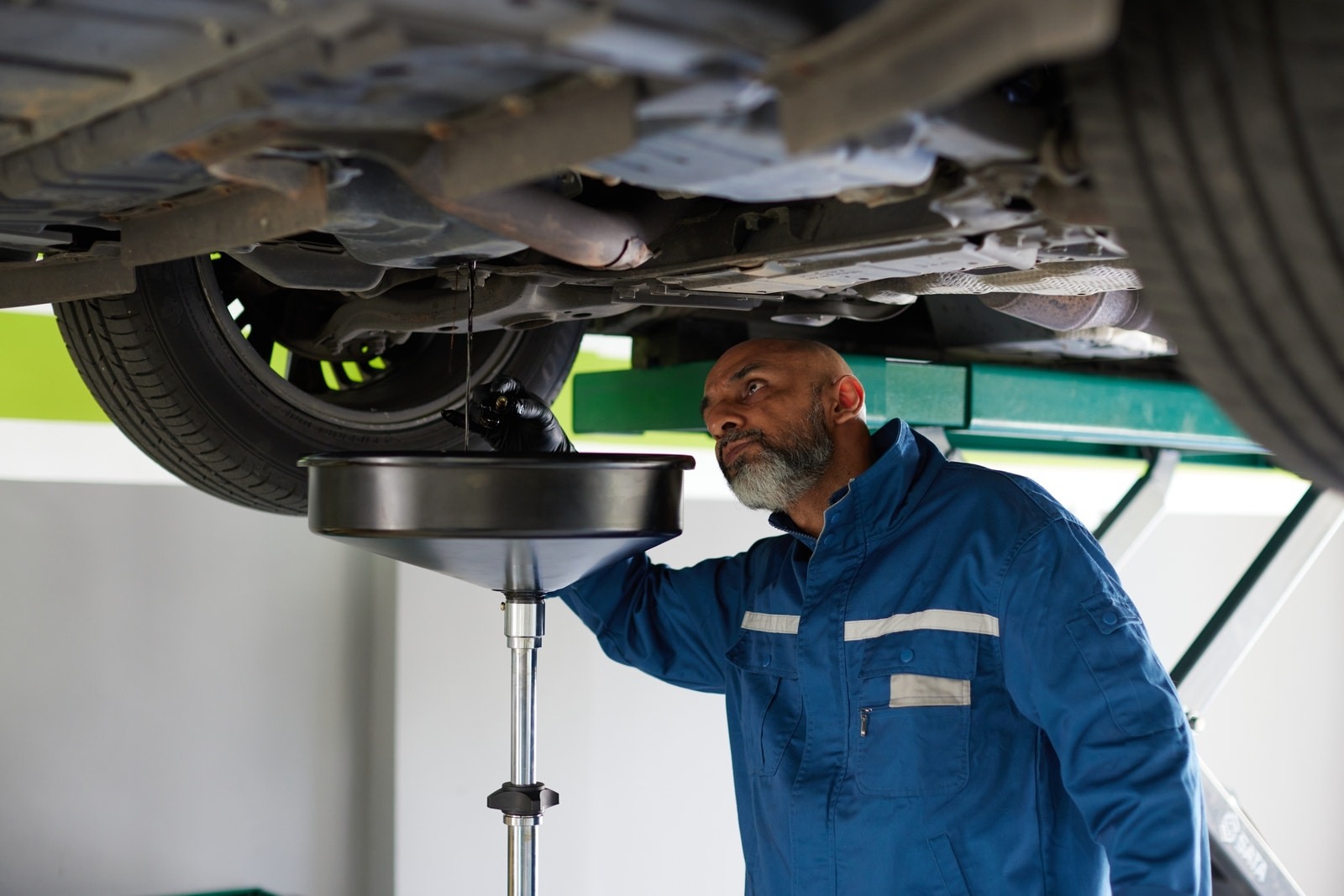
1. Ignoring Regular Oil Changes
One of the fastest ways to damage a Mazda3 engine is by refusing to change the engine oil when it is due. Oil is what keeps all the moving parts inside the engine smooth. Without clean oil, friction increases, and this can lead to overheating or complete engine failure. Mazda recommends oil changes within specific mileage ranges, and when this advice is ignored, the engine slowly gets weaker.
Many drivers keep postponing oil changes because they feel the car is still running fine. What they forget is that old oil gathers dirt and becomes thick, making it hard to circulate well inside the engine.
Once the oil is dirty, it cannot clean or protect the engine parts properly. This buildup of sludge reduces performance and puts pressure on the system. At first, the engine may sound normal, but with time, it will lose efficiency and even burn more fuel than expected.
Another danger of skipping oil changes is that the engine components wear faster. The pistons, valves, and bearings need clean oil to prevent grinding against each other. Without enough lubrication, they begin to rub in ways that create scratches and long-term damage. By the time the driver notices strange sounds from under the hood, serious internal wear has already taken place.
Changing oil regularly is cheaper than fixing a damaged engine. Some drivers also forget to replace the oil filter, which plays a huge role in keeping dirt away from the system. A clogged filter keeps dirty oil inside the engine, and this can also cause overheating. For a Mazda3 to keep performing at its best, oil should not just be topped up but replaced on time with the right grade recommended for the vehicle.
A simple act like scheduling oil changes at the correct intervals can extend the life of the engine by many years. For drivers who keep pushing their cars daily, ignoring this habit is like slowly poisoning the engine. The cost of replacing an engine is very high compared to the cost of an oil change, so ignoring it is one mistake that ends the life of a Mazda3 engine faster than expected.
Also Read: 2025 Mazda3 Trim Levels and Pricing Detailed Guide
2. Driving Hard Without Warming the Engine
Many people are in a hurry to get on the road, and they start pushing their Mazda3 engine without allowing it to warm up first. Modern cars may not need long warming periods like older models, but it is still dangerous to start driving hard immediately after turning on the engine. Cold oil takes time to flow and protect the moving parts, so when a driver begins with heavy acceleration, the engine parts suffer.
When the car is cold, the metal parts inside the engine are not fully expanded to their normal working size. Driving aggressively at that stage can make them rub against each other and cause early wear. In the course of time, this constant pressure damages the seals, bearings, and other sensitive areas inside the engine. For a Mazda3, such treatment reduces the life span because the engine is forced to work under stress before it is ready.
Another issue is that fuel does not burn properly in a cold engine. When combustion is incomplete, carbon deposits build up faster. These deposits stick to the valves, pistons, and spark plugs, affecting performance. If the driver keeps repeating this mistake daily, the engine becomes dirty inside and loses efficiency. Fuel economy also drops, and soon the owner begins to notice higher consumption.
Allowing the car to idle for a short time or driving gently at the beginning helps the oil circulate well. It gives the engine time to reach the right temperature before a serious load is applied. Many people do not see the immediate effect of skipping this step, but over the years the wear becomes clear. The car begins to lose power earlier than it should, and in some cases, it may require expensive repairs.
For anyone who wants the Mazda3 to last long, patience during the first few minutes after starting the engine is very important. Treating the car roughly at a cold start is a move that shortens the engine’s life. A little caution in this area can save the driver from major repair bills.
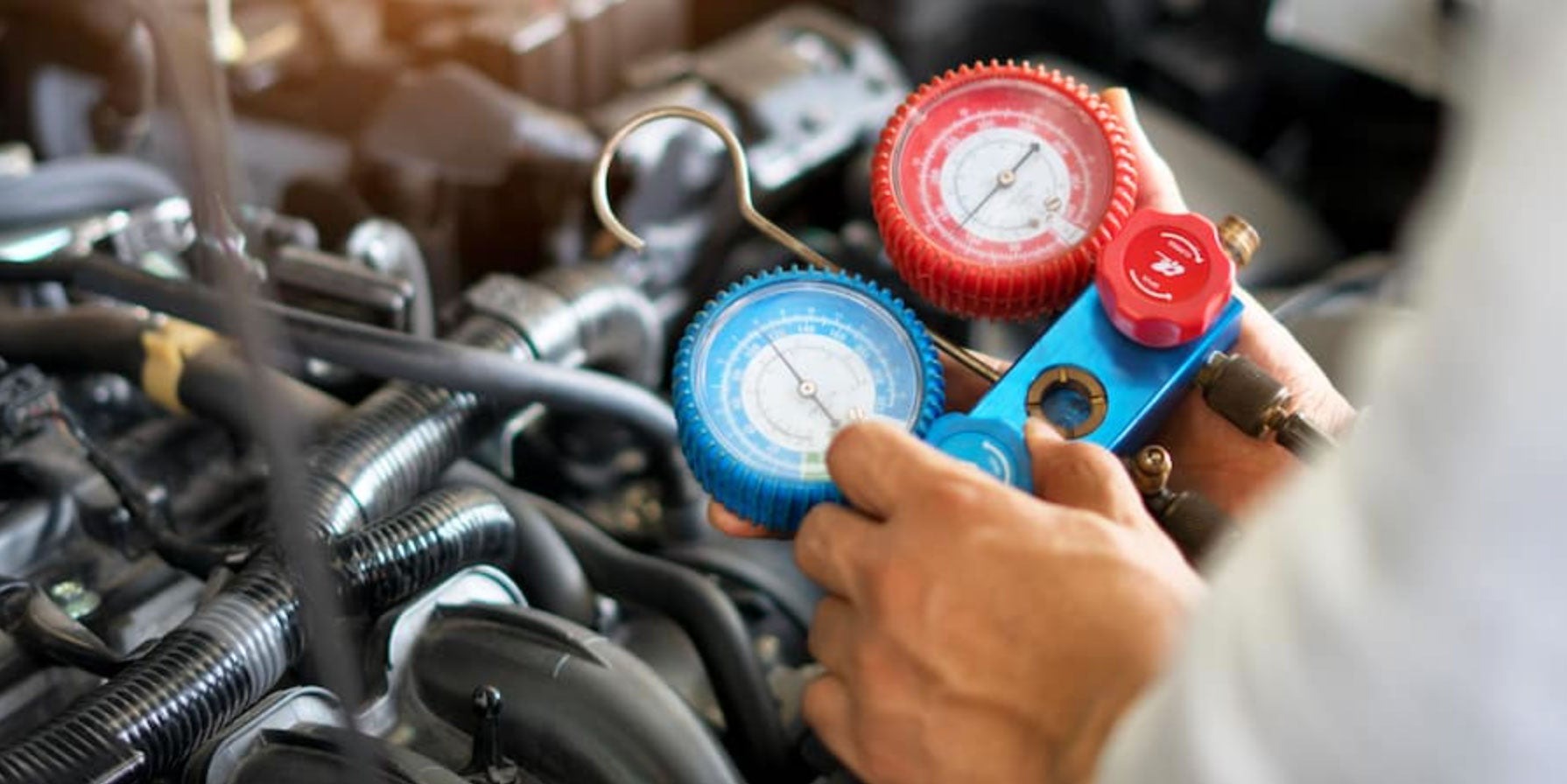
3. Overlooking Coolant System Maintenance
Another action that kills a Mazda3 engine too soon is ignoring the cooling system. The coolant system is what prevents the engine from overheating. Without proper care, the engine becomes too hot, and heat is one of the biggest enemies of long engine life. Drivers who do not check coolant levels or replace the coolant when necessary are putting their engine at risk.
When the coolant is low, the engine cannot control heat properly. As a result, the temperature rises quickly during driving, especially in traffic or on long journeys. Constant overheating weakens engine parts and can lead to a blown head gasket or cracked cylinder head. Repairing such damage costs thousands of dollars, yet it could have been avoided with simple maintenance.
The coolant itself does not last forever. With time, it loses its ability to protect the system from corrosion. Old coolant can also become dirty, clogging the radiator and water passages. Once this happens, circulation is poor and the engine suffers from heat stress. Many Mazda3 owners forget that flushing the coolant and replacing it with a fresh one is part of keeping the engine healthy.
Another mistake is ignoring small leaks in the coolant system. A driver may see a little puddle under the car and continue driving. That small leak can reduce coolant levels enough to cause overheating during the trip. The engine warning light may come on, but if the driver continues without stopping, serious damage can occur within minutes.
To keep the Mazda3 engine safe, it is important to check the coolant reservoir regularly, inspect the radiator, and make sure the thermostat and water pump are functioning well. Any unusual rise in engine temperature should not be ignored.
A well-maintained cooling system ensures the engine operates at the right temperature, preventing early failure. Drivers who neglect this system often end up replacing or rebuilding their engine much earlier than expected.
4. Using the Wrong Engine Oil
Many car owners do not pay attention to the type of oil they put in their Mazda3. Using the wrong engine oil can quietly shorten the life of the engine. Mazda designs the engine with specific oil grades in mind, and when drivers use oils outside those recommendations, lubrication is not effective.
Thicker oil may not flow properly through the engine, especially during cold starts. This means some parts remain without enough protection for a while, causing early wear. Oil that is too thin may not provide enough cushion between moving parts, leading to metal-to-metal contact. Both situations increase the risk of engine damage.
The wrong oil can also affect fuel economy. If the oil is too thick, the engine has to work harder, and this consumes more fuel. If it is too thin, the car may burn oil quickly, leading to low oil levels that damage the system. Some drivers only notice the problem when the oil light comes on, but by then, serious wear may already have taken place.
Another problem is that the wrong oil may not handle high temperatures well. When oil breaks down under heat, it forms deposits inside the engine. These deposits block small oil passages and reduce lubrication further. The car may start producing smoke, and the driver may hear knocking sounds from the engine.
Mazda recommends specific oil types for each model year of the Mazda3, and sticking to those grades protects the engine. Choosing the right oil filter is equally important because a poor filter may allow dirt into the engine. Car owners who cut corners by buying cheap oil or ignoring the manual instructions often discover that their engine lifespan is much shorter than it should be.
5. Overloading the Car Frequently
Carrying more weight than a Mazda3 is designed to handle is another practice that reduces engine life. This car is built as a compact sedan or hatchback, not as a heavy-duty truck. When drivers frequently overload it with passengers, luggage, or cargo, the engine works harder than it should. Constantly forcing the car to carry an excess load puts unnecessary strain on the system.
An overloaded car requires more power to move, and the engine must burn extra fuel to provide that power. This means higher operating temperatures and more wear on internal parts. In the course of time, the constant pressure weakens the pistons, rods, and bearings. The transmission also suffers, but the engine is usually the first to show signs of stress.
Another danger of overloading is that it affects cooling. A heavier car heats up faster, and if the cooling system is not in perfect condition, overheating may occur. Even if the car does not break down immediately, small damage is happening inside the engine. Gradually, the driver begins to notice loss of acceleration, increased fuel use, and strange noises.
Mazda designs the Mazda3 with a recommended weight capacity that should not be crossed. Drivers who ignore this guideline shorten the life of the car without knowing it. Even carrying heavy loads for short distances repeatedly can have long-term effects. The suspension and brakes are also affected, but the engine remains the most expensive part to replace if damaged.
Treating the Mazda3 as a truck is one mistake that has destroyed many engines earlier than expected. Drivers who respect the weight limits enjoy their car longer and spend less on major repairs. Keeping the load reasonable ensures that the engine does not face unnecessary stress and heat.

6. Neglecting Spark Plug and Ignition Maintenance
The ignition system is like the starting point of power for a Mazda3 engine. When spark plugs and ignition coils are ignored, the engine runs poorly and suffers from early wear. Spark plugs are small but very important, because they create the spark that lights the fuel-air mixture inside the cylinders. If they are dirty or worn out, the engine misfires and shakes.
Misfires put extra stress on the engine. Each time a cylinder does not fire properly, the other cylinders work harder to keep the car moving. This unbalanced operation creates vibrations that slowly damage engine mounts and internal parts. In the course of time, the driver may notice rough idling, reduced acceleration, and higher fuel consumption.
Another problem is that weak spark plugs cause incomplete combustion. This leaves carbon deposits inside the engine, especially on the valves and pistons. When the deposits grow, airflow is blocked, and the engine loses efficiency. Fuel injectors may also clog, creating more imbalance in the system.
Ignition coils, which provide the high voltage needed for spark plugs to work, can also fail when neglected. A failing coil causes repeated misfires, which may damage the catalytic converter. Once the converter is damaged, back pressure increases, and the engine works harder than it should. This leads to faster wear and tear.
Regular inspection and replacement of spark plugs according to Mazda’s maintenance schedule keeps the engine healthy. Using the right spark plug type is also important because different engines are built for specific designs. A simple check of the ignition system during routine maintenance can prevent costly engine repairs in the future.
Drivers who keep ignoring misfires or unusual engine shaking are slowly destroying their Mazda3 engine. Paying attention to these small parts protects the larger system and extends the life of the car.
7. Ignoring Warning Lights and Strange Sounds
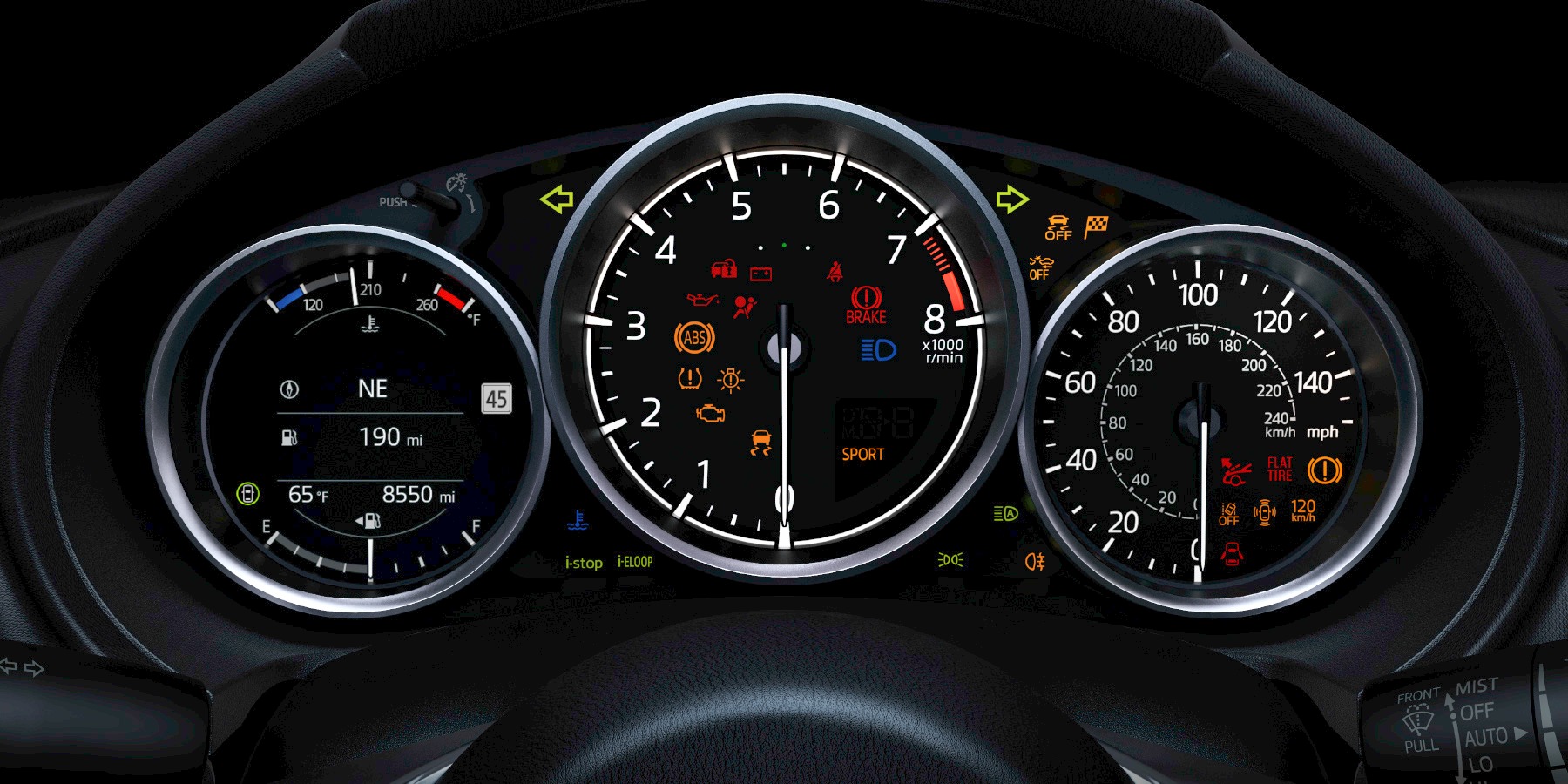
Modern cars like the Mazda3 are equipped with sensors that alert the driver when something is wrong. Unfortunately, many drivers ignore warning lights on the dashboard. Some even cover the lights with tape just to avoid being disturbed. This is one of the most dangerous habits that can kill the engine too soon.
When the check engine light comes on, it is a sign that the computer has detected a problem. It could be as simple as a loose gas cap or as serious as an engine misfire. If the driver ignores it, the problem may get worse. A small issue that could have been fixed cheaply turns into a major repair.
Strange sounds from the engine are also warning signs. Knocking, ticking, or grinding noises should never be ignored. These sounds often mean parts inside the engine are not working correctly. Continuing to drive with such noises allows the damage to spread. For example, knocking can mean the engine is suffering from bad combustion or low-quality fuel. If ignored, the piston and bearings may be destroyed.
Warning lights for oil pressure and temperature are especially important. If the oil light comes on, it may mean the engine is not getting enough lubrication. Driving in such a state can cause engine seizure within minutes. If the temperature light comes on, it may mean overheating, and continuing the trip could result in a blown gasket or cracked head.
Regular servicing includes checking why warning lights appear. A diagnostic tool can reveal the issue, and fixing it early saves money. Listening to the engine and investigating strange sounds also prevents bigger problems. Drivers who pay attention to these signals enjoy longer engine life, while those who ignore them often face expensive repairs much earlier than necessary.
Also Read: 2025 Mazda3 Sales Trends: Insights and Analysis
8. Poor Driving Habits Like Constant High Revving
Driving style has a big effect on how long a Mazda3 engine will last. Some drivers have a habit of pushing their car at very high revs constantly. While the engine can handle occasional hard acceleration, making it a daily habit reduces its life span. High revving increases heat, stress, and wear on moving parts.
When the engine is kept at high revolutions for long periods, oil circulation is stretched to its limits. Even if the oil is fresh, the constant demand increases friction. This causes faster wear of pistons, bearings, and valves. In the course of time, the engine begins to lose compression, making it weak and noisy.
Aggressive driving also affects fuel efficiency. Burning fuel at high revs creates more carbon deposits inside the combustion chamber. These deposits interfere with smooth airflow and cause knocking. Once knocking begins, the engine parts suffer damage, especially the pistons and connecting rods. Repairing such damage is very costly.
Another habit that destroys engines is sudden braking after aggressive acceleration. This kind of driving creates rapid temperature changes inside the engine. The constant expansion and contraction weaken metal parts and gaskets. Many engines that fail early have suffered from years of such treatment.
Smooth and moderate driving helps the Mazda3 engine last longer. Accelerating gently, avoiding unnecessary racing, and keeping within safe speed ranges reduce stress on the system. Even though the Mazda3 is built to deliver good performance, it is not designed for constant abuse. Owners who treat the car with care get many years of reliable service, while those who drive roughly often face engine failure long before its normal lifespan.
Keeping a Mazda3 engine alive for many years is not a matter of luck; it is the result of conscious choices by the owner. An engine does not fail suddenly without signs; it is usually weakened by repeated mistakes that build in the course of time.
The habits discussed above show how easily drivers can cut the life of their car short if they are careless with maintenance or driving style. Small actions such as skipping oil changes, ignoring coolant checks, or overlooking warning lights may seem harmless at first, but they slowly reduce the strength of the engine.
Every driver who wants long-term reliability must remember that prevention is always cheaper than repair. Spending a little on regular servicing and respecting the manufacturer’s instructions keeps the Mazda3 strong and dependable. Avoiding rough treatment, unnecessary overloading, and careless driving also protects the engine. A car is designed to serve well when treated with respect, but it responds poorly to neglect.
The Mazda3 can offer many years of good service. Owners who care for the engine with patience and discipline enjoy smoother rides and save money on costly repairs. Protecting the heart of the car today guarantees dependable performance for tomorrow.
