

Owning a Nissan Altima Hybrid means benefiting from the combination of fuel efficiency and the dependability of a mid-sized sedan. But like any vehicle, its longevity depends not just on its initial quality but on how well it is cared for over time.
With regular maintenance, smart driving habits, and a proactive mindset, the Altima Hybrid can stay on the road far longer than many drivers expect. Some Altima Hybrids have passed the 200,000-mile mark, and that doesn’t happen by accident. Extending the life of this vehicle isn’t about reacting to problems as they appear.
Instead, it’s about building habits and routines that support the car’s complex hybrid system, keep the engine in good shape, and reduce wear on vital components.
A hybrid vehicle combines two different propulsion systems: the traditional internal combustion engine and an electric motor. That means there’s more going on under the hood than most conventional cars, so it requires attention to both systems.
Neglecting either can reduce the performance and longevity of the car. At the same time, it’s important to remember that the basics of vehicle longevity still apply. Regular oil changes, fluid checks, tire maintenance, and avoiding hard driving habits can go a long way. While the hybrid system is a bit more complex, it doesn’t mean maintenance has to be overwhelming.
Many Altima Hybrid owners fall into the trap of assuming their car will last forever because it’s a hybrid. Unfortunately, that mindset can lead to missed warning signs and skipped maintenance. Others may think that hybrids are delicate and overly technical, which causes hesitation in performing basic tasks.
The truth is somewhere in the middle. The Altima Hybrid is a durable machine, but it does require attention. What makes a difference is knowing what matters most and acting on it consistently.
Below are ten smart, practical moves you can make to keep your Nissan Altima Hybrid running smoothly for years. Each of these is grounded in common sense and mechanical logic, not hype. The better you understand your vehicle and what it needs, the longer it will serve you reliably.
1. Stick to a Routine Maintenance Schedule
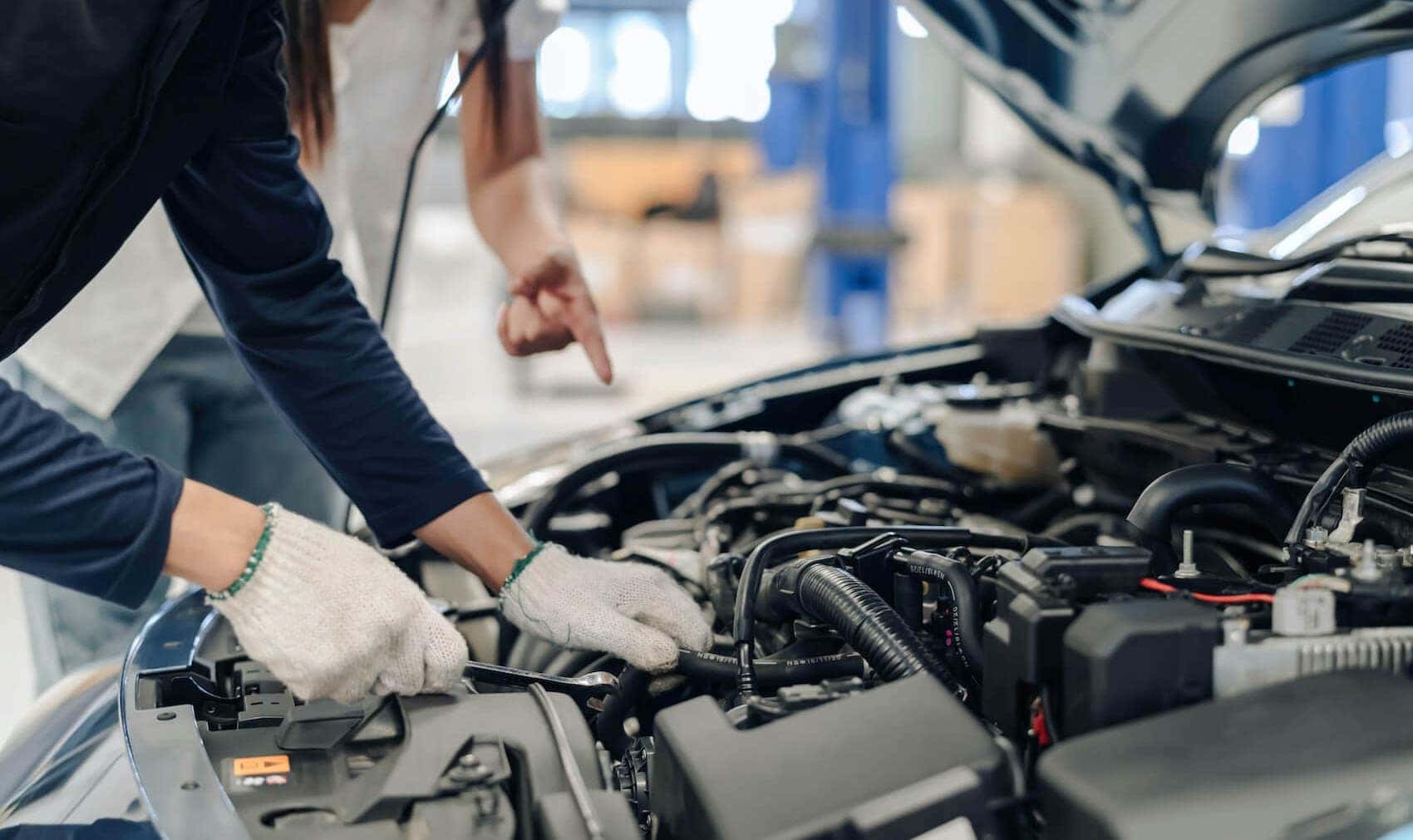
Following a routine maintenance schedule is one of the simplest and most effective ways to extend the life of any car, and the Nissan Altima Hybrid is no exception.
This includes regular oil and filter changes, which are critical to protecting the engine from wear. Hybrid engines may not run as often as traditional engines, but when they do, they need clean oil. Skipping or delaying oil changes allows contaminants to circulate in the engine, causing gradual damage that builds over time.
Another essential part of routine maintenance is checking and replacing fluids beyond just the oil. Transmission fluid, brake fluid, and coolant all degrade over time and must be monitored.
The hybrid cooling system, in particular, helps regulate the temperature of the hybrid battery and other components, and failure to keep the coolant fresh can lead to costly damage. It’s not just about topping off low levels either; fluid quality matters just as much as quantity.
Maintenance also involves regular inspections. Paying attention to how your car drives, sounds, and feels can help identify problems early. Slight vibrations, odd noises, or changes in how the hybrid system switches between electric and gas modes can be early signs of trouble. A good mechanic can often catch developing issues during a routine service appointment that a driver might miss.
Many owners forget to reset the maintenance reminder in the system after a service visit, or they ignore it entirely. It’s better to log services manually and use a calendar or app to keep track. Being consistent is key. It’s not about doing one thing perfectly, it’s about doing the right things at the right times, over and over again.
2. Use the Right Oil and Fluids
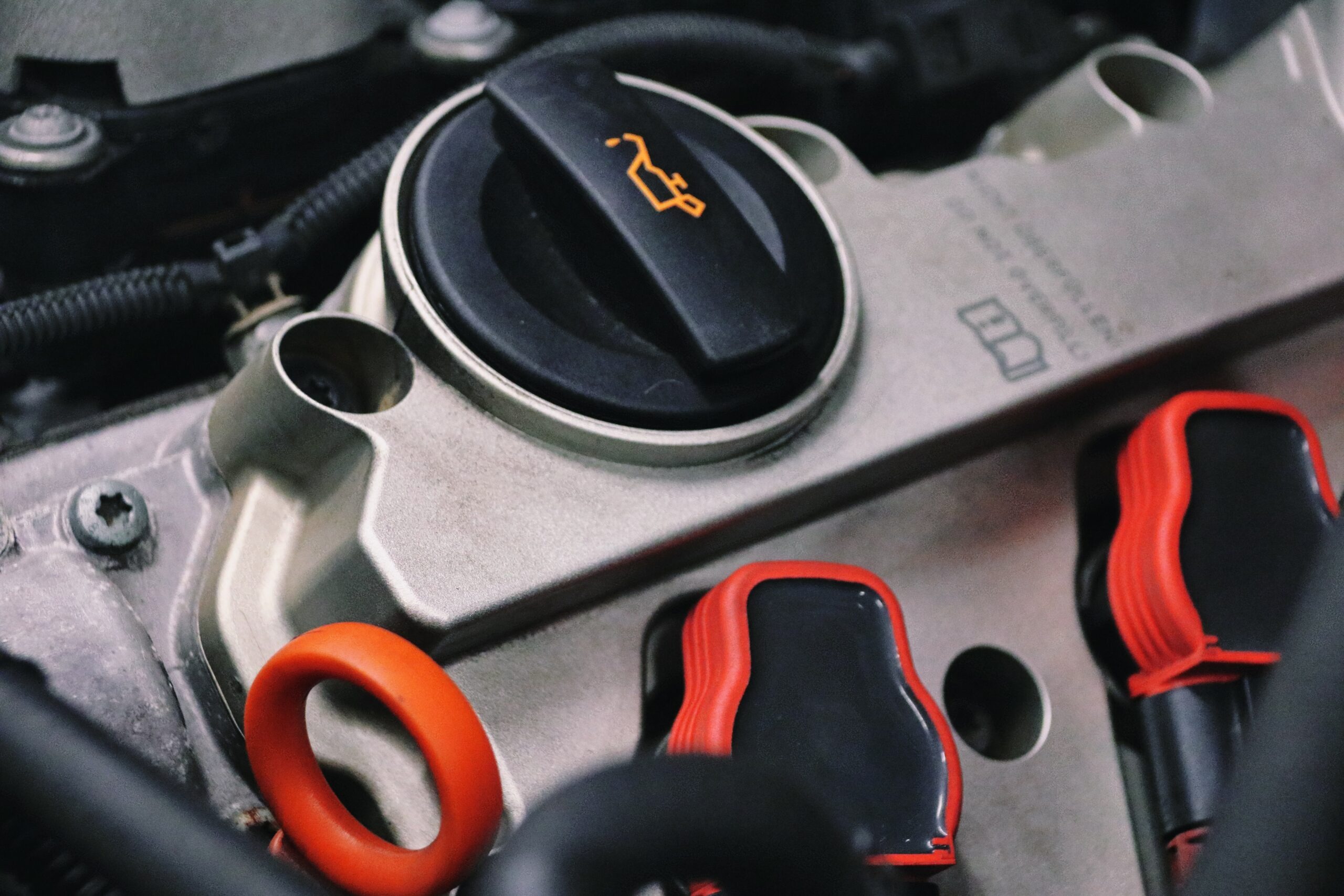
Choosing the correct oil and fluids for your Altima Hybrid isn’t just a suggestion; it’s a requirement for longevity. The manufacturer specifies the right type of oil for a reason. Hybrid engines often start and stop frequently, and the oil used must handle those conditions.
Using the wrong oil type, viscosity, or brand can reduce engine efficiency and lead to early wear. Synthetic oil is typically recommended for its durability under changing temperatures and conditions.
Brake fluid is another area where using the correct type is essential. The Altima Hybrid uses a regenerative braking system, and while this reduces brake pad wear, the brake fluid still plays a key role in system function.
Not all brake fluids are created equal, and mixing them or using a substandard product can damage seals or reduce braking performance. It’s best to stick to the specifications in the owner’s manual and avoid off-brand or generic substitutes.
Coolant choice matters too, especially for the hybrid system. The hybrid battery and inverter need their own cooling, separate from the engine. If the wrong coolant is used, it may not provide the required thermal management, leading to overheating or stress on the battery components.
Flushing and replacing coolant at the right interval ensures that the system continues to work efficiently. Always double-check that the fluid used is compatible with hybrid systems.
Transmission fluid is often neglected because many people assume it lasts forever. In a hybrid, the transmission works in tandem with the electric motor, and heat buildup can degrade fluid performance. Using the manufacturer-recommended fluid keeps everything running smoothly. Skimping on quality or choosing universal fluids might save a few dollars now, but the long-term damage can be far more expensive.

3. Drive Smoothly and Avoid Aggressive Driving
Driving habits play a major role in how long your Altima Hybrid will last. Quick starts, sudden stops, and high-speed cornering not only use more fuel but also put extra strain on the mechanical and hybrid systems. Smooth driving helps reduce wear on the brakes, tires, suspension, and even the battery.
The hybrid system works best when acceleration is gradual, allowing the electric motor to do more of the work before the gas engine kicks in.
Aggressive driving heats up the engine and other components quickly, which leads to faster degradation. The constant stop-and-go of city traffic can also shorten the life of the hybrid battery if the driver is consistently hard on the accelerator or brakes. Instead of racing to red lights and jamming the brakes, a smoother approach gives the regenerative braking system more time to capture energy and recharge the battery.
The transmission in the Altima Hybrid is a continuously variable transmission (CVT), which is designed for smooth and steady driving. Hard acceleration or abrupt throttle changes can make the CVT work harder than it needs to, which could lead to overheating or damage. While CVTs generally require less maintenance than traditional gear-based transmissions, they’re still sensitive to how the car is driven.
Drivers often overlook the impact of terrain on driving habits. Constantly climbing steep hills at high speed or towing loads the car isn’t rated for can wear out the engine, transmission, and brakes prematurely. Even the battery system can be strained by this kind of driving. Whenever possible, stay within the car’s intended use and avoid pushing it to extremes on a regular basis.
4. Monitor the Hybrid Battery’s Health
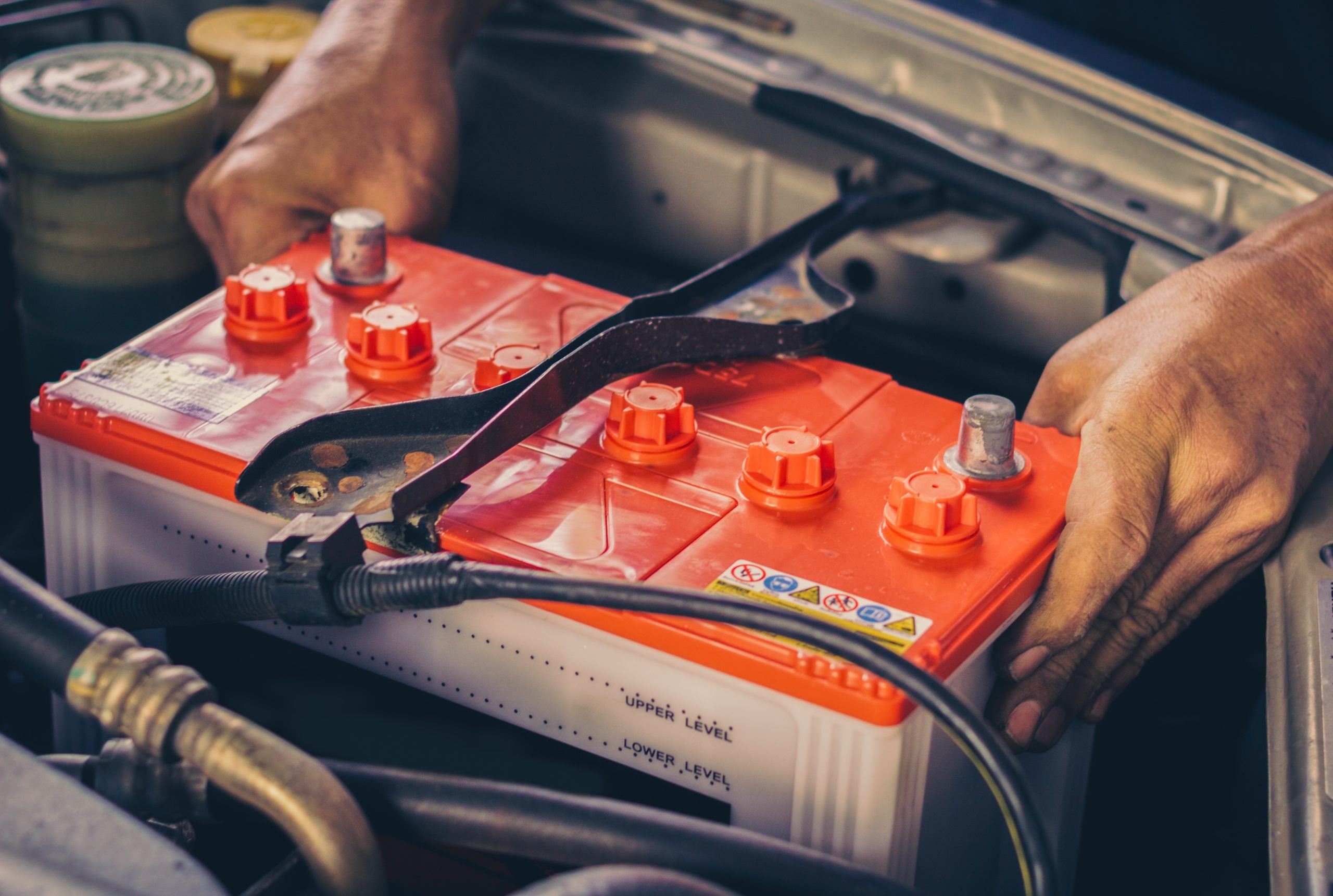
The hybrid battery is the heart of the Altima Hybrid’s fuel efficiency and performance. Keeping it in good shape is vital to the car’s long-term health. While hybrid batteries are designed to last many years, they are not immune to aging.
One of the best ways to preserve battery life is to keep the car out of extreme heat and cold as much as possible. High temperatures degrade battery cells over time, especially if the car sits in the sun for extended periods.
Battery management is built into the car’s software, but that doesn’t mean the owner can ignore it. If you notice that the battery drains more quickly than usual, charges more slowly, or the gas engine runs more often than expected, it could be a sign that the battery is weakening. Catching these signs early can allow for testing and, if necessary, reconditioning before total failure.
Another useful habit is to drive the car regularly rather than letting it sit idle for long periods. Letting a hybrid vehicle sit unused for weeks can cause the battery to discharge too much, which is hard on the cells. A short drive every few days is better for the battery than one long trip every few weeks. Keeping the battery engaged and regularly cycled helps maintain capacity.
Professional battery checks are worth the investment as the car ages. Many shops offer hybrid system diagnostics that include a detailed look at battery performance, cell health, and charging patterns. These tests can identify early problems, allowing time for solutions like reconditioning or module replacement instead of a full battery swap.
5. Keep the Cooling Systems in Top Shape
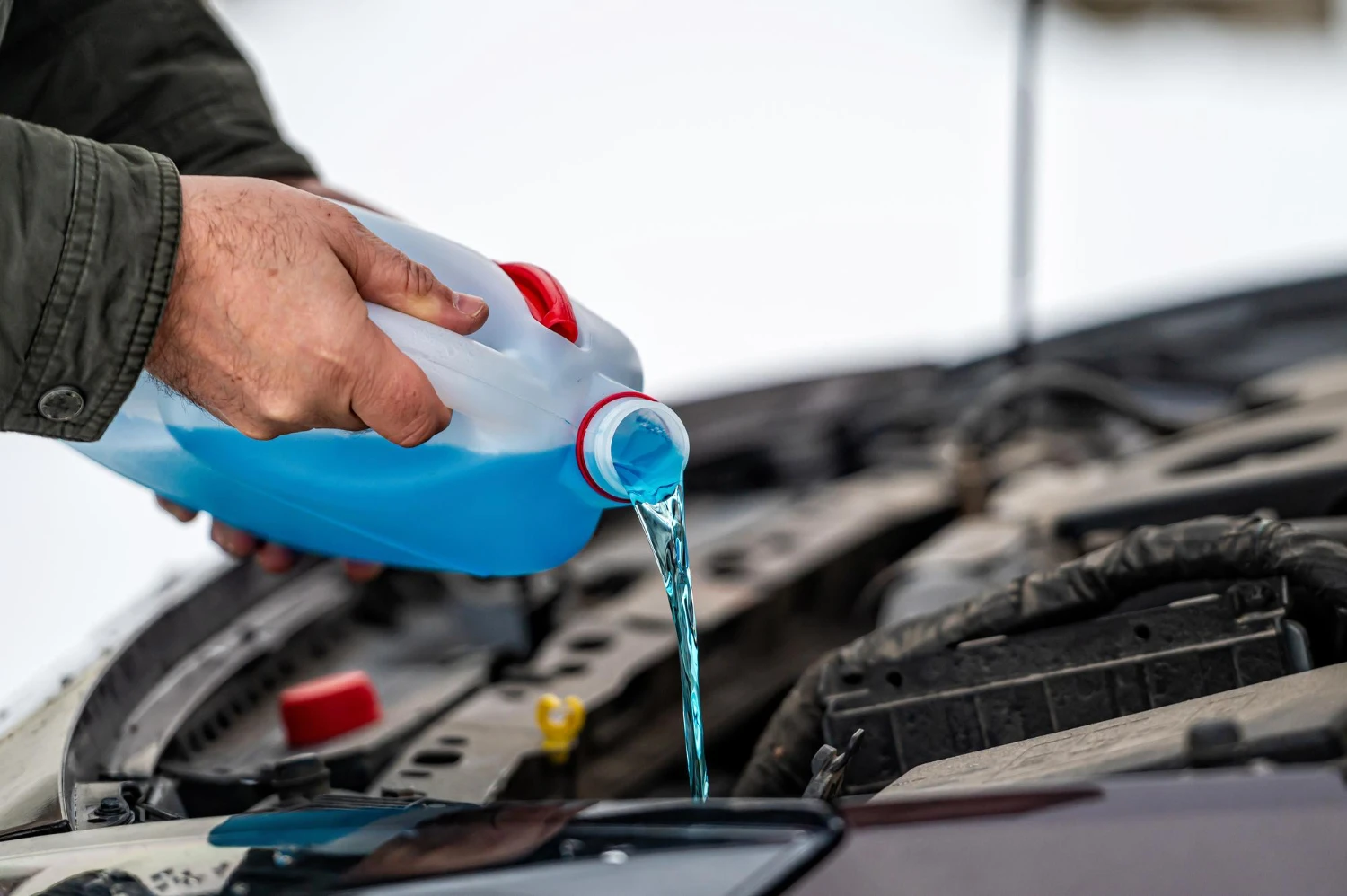
Your Nissan Altima Hybrid has more than one cooling system to manage different components. While most drivers know about the engine coolant, hybrid systems come with an additional cooling circuit that supports the hybrid battery and the inverter. If either cooling system begins to underperform, overheating can cause serious damage to the vehicle’s most expensive parts.
Many hybrid failures are not due to mechanical wear alone but rather from heat-related damage that went unnoticed or unresolved. Heat is the enemy of both mechanical and electronic systems, and hybrids rely heavily on both. A poorly maintained cooling system reduces the car’s ability to regulate temperatures, especially during hot seasons or long drives.
Over time, coolant degrades and loses its ability to regulate temperature effectively. Debris, rust, or sediment can also accumulate inside the system, clogging narrow passages or coating surfaces. These blockages increase operating temperatures and force components like the water pump and radiator fans to work harder.
The hybrid battery’s cooling fans can also collect dust and dirt, especially if the car is driven with the windows open often or in dusty environments. If these fans are not cleaned periodically, airflow becomes restricted, causing battery temperatures to rise beyond safe limits. That kind of sustained stress shortens the battery’s lifespan and may lead to performance issues or warning lights.
Regularly checking coolant levels, flushing the system at recommended intervals, and cleaning or replacing clogged radiator components help maintain peak performance. For the hybrid-specific components, it’s worth having a technician check the condition of the inverter coolant and the functionality of the battery cooling system.
Many owners never even realize their hybrid battery has a separate cooling fan until something goes wrong. While the system is often reliable, proactive attention can prevent surprise failures that are expensive to fix. A malfunction in the inverter cooling system, for example, can trigger a limp mode or complete shutdown, often requiring immediate service.
Monitoring engine and battery temperatures through the vehicle’s dashboard, especially on long trips or during heavy usage, can give drivers a sense of how well the cooling system is operating. Any noticeable increase in average operating temperature or random overheating incidents should be addressed without delay.
The earlier cooling issues are identified and resolved, the better the chance of preventing permanent damage. It’s not just about avoiding breakdowns; keeping temperatures controlled improves long-term efficiency, fuel economy, and reliability across all vehicle systems.
Also Read: 8 Checks That Stop a Chevy Colorado From Breaking Down Early
6. Protect the Undercarriage and Suspension
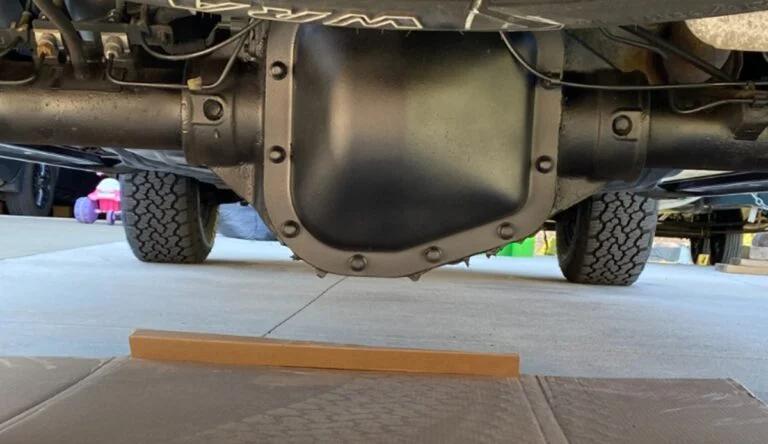
The undercarriage of the Altima Hybrid is exposed to the environment far more than people realize. Dirt, water, salt, gravel, and other debris get kicked up while driving and can collect on the vehicle’s underside. Over time, this buildup leads to corrosion, especially in regions where roads are salted during the winter.
Corrosion doesn’t just make the vehicle unsightly, it weakens the frame, damages suspension components, and can eventually create safety hazards. Protecting the undercarriage is a simple yet often overlooked way to prolong the life of your vehicle, especially if you live in an area with harsh road conditions.
Having the undercarriage washed periodically helps prevent long-term corrosion. Many car washes offer an undercarriage spray, but even rinsing it yourself with a hose can help. After a heavy snow season or muddy weekend drive, washing off road grime ensures that metal parts are not constantly exposed to corrosive material.
Beyond that, applying an undercarriage sealant or rust inhibitor can be particularly helpful in regions with severe weather. A small investment in protective coating can prevent costly frame repairs or part replacements later on. Once rust takes hold, it spreads quickly and affects everything from brake lines to suspension mounts.
The suspension system also takes a beating from potholes, speed bumps, and rough terrain. Keeping the suspension in good condition ensures better handling and ride comfort while also reducing the stress placed on other components. Worn struts or shocks lead to uneven tire wear, vibrations, and decreased braking performance.
Over time, this can reduce fuel economy and affect alignment, causing more rapid wear of steering parts and tires. Periodic inspections can catch these issues early, especially if you notice new noises, pulling to one side, or a “bouncy” ride.
Even something as simple as tire pressure plays into the protection of the undercarriage and suspension. Under-inflated tires transfer more shock into the suspension system, while over-inflated tires reduce contact with the road, which can stress steering components.
Regularly checking tire pressure, rotating tires, and inspecting for uneven tread wear all contribute to keeping the suspension healthy. When combined with proper undercarriage care, these steps reduce cumulative damage and keep the car driving like new for much longer.

7. Keep Software and System Updates Current
The Altima Hybrid, like all modern vehicles, uses software to manage nearly every function. This includes fuel mapping, emissions controls, battery usage, and safety systems. Keeping the vehicle’s software updated is more than just a matter of convenience; it can directly influence how efficiently the hybrid system performs.
Manufacturers often release updates to correct issues, improve fuel efficiency, or fix bugs in the hybrid control system. If these updates are not installed, your car might not operate as intended, or worse, you might experience performance issues that are difficult to diagnose.
Unfortunately, many owners are unaware that their vehicle’s software can and should be updated. Unlike smartphones, which prompt users automatically, cars typically require an authorized service center to perform updates. That means unless you visit the dealership or a hybrid-certified repair shop, your system may be running on outdated software.
This can lead to problems that mimic mechanical issues, such as poor gas mileage or sluggish acceleration. Technicians have tools to check the version of the car’s onboard software and can apply the latest patches if needed. Making this part of your yearly maintenance ensures the hybrid system stays in sync with the engine and transmission.
Some updates also improve how the hybrid system interacts with other systems in the car. For example, updates may help the electric motor engage more smoothly, reduce idle engine usage, or improve regenerative braking calibration. That fine-tuning has a measurable impact on energy efficiency and reduces wear on components.
In some cases, failing to update software could even result in the vehicle not meeting emissions standards, which could become an issue during inspection in states with strict smog regulations. Software updates often address these kinds of compliance issues behind the scenes, protecting you from surprises during registration renewal.
Keeping software current also applies to navigation, infotainment, and driver-assist features. Outdated GPS maps can lead to incorrect directions, while laggy interfaces may distract from driving.
While these systems don’t affect vehicle longevity directly, they influence the experience and how much stress or frustration you encounter while driving. When the car works seamlessly and efficiently, owners are more likely to stick with regular use and care. That consistency pays off in the form of extended life and reliable performance.

8. Rotate and Balance Tires Regularly
Tires are the only parts of your vehicle in direct contact with the road, and their condition affects nearly every aspect of driving. Uneven tire wear not only shortens the lifespan of the tires themselves but also stresses the suspension, reduces fuel economy, and impairs handling. Tire rotation and balancing are basic maintenance steps that are too often skipped.
These services are simple and inexpensive, yet they help ensure even tread wear, prolong tire life, and reduce the risk of blowouts or vibrations at highway speeds.
Rotating tires typically means moving them from front to back and side to side in a specific pattern to promote even wear. Since front tires usually wear faster due to steering and braking forces, failing to rotate them causes premature wear, especially on hybrid vehicles where regenerative braking primarily affects the front wheels.
Regular rotation (every 5,000 to 8,000 miles) balances out that wear and extends the usable life of the entire set. For those who drive frequently or under variable conditions, sticking to that schedule can save hundreds in tire replacement costs over the years.
Balancing tires ensures that weight is evenly distributed around the wheel. Even small imbalances can cause noticeable vibrations at higher speeds, which then translate to wear on shocks, struts, and wheel bearings. Those vibrations can also affect how the hybrid system interprets road conditions, potentially leading to unnecessary use of the gas engine.
An unbalanced tire may cause the vehicle to feel shaky or noisy, which affects driver confidence and enjoyment as well. Over time, poor balance contributes to wear and stress on parts that are expensive to replace.
Proper inflation is another critical aspect of tire maintenance. Underinflated tires increase rolling resistance, which makes the engine and hybrid motor work harder to maintain speed. This leads to reduced fuel efficiency and added stress on the drivetrain.
On the other hand, overinflated tires reduce contact with the road, increasing the risk of slipping, poor handling, and irregular tread wear. Checking tire pressure monthly and adjusting it according to the vehicle’s specification is one of the easiest ways to improve performance, safety, and longevity.

9. Pay Attention to Warning Lights and Unusual Behavior
Modern cars are equipped with a sophisticated system of sensors and alerts designed to notify drivers of problems long before they become serious.
The Nissan Altima Hybrid is no exception. When a warning light appears on the dashboard, whether it’s the check engine light, battery indicator, or brake system alert, it’s the car’s way of signaling that something needs attention. Ignoring these warnings is one of the quickest ways to reduce your car’s lifespan. The earlier a problem is diagnosed, the more options you have for resolving it cheaply and effectively.
Many drivers get used to seeing a warning light and assume it’s not serious, especially if the car still seems to run normally. But in hybrid vehicles, a seemingly minor warning can indicate complex issues involving both the electric and gas-powered systems.
For instance, a check engine light could point to something as small as a loose gas cap or something as significant as a failing oxygen sensor, which affects both emissions and fuel economy. Delaying a diagnosis allows smaller issues to develop into more expensive failures, especially in a hybrid system that relies on precise coordination between multiple components.
Beyond warning lights, unusual sounds, smells, or changes in how the car drives should not be ignored. A new clicking sound when turning, slower-than-usual acceleration, or a strange burning smell can all point to early signs of wear or damage. Often, these issues creep in slowly, making them easy to ignore day to day.
But taking the car in for a quick inspection when something feels off can prevent thousands of dollars in repairs down the line. Trust your instincts; if the car feels different or uncomfortable in any way, it’s worth investigating.
The Altima Hybrid also comes with a series of system-specific alerts, such as indicators for the hybrid battery or inverter. These are not generic warnings; they’re targeted and often precise. Learning what each symbol means in your owner’s manual will make it easier to respond correctly when a light comes on.
The car’s onboard diagnostics can store trouble codes that a technician can use to pinpoint problems quickly. Acting on those signals promptly can extend the life of the vehicle by ensuring small faults don’t spread or cause cascading failures in the hybrid system.

10. Store the Vehicle Properly During Inactivity
One of the lesser-known challenges of hybrid vehicle ownership is how to store the vehicle correctly when it’s not in regular use. Whether you’re planning to leave town for a month or simply aren’t driving as often, improper storage can cause serious problems over time.
Letting a hybrid vehicle sit unused leads to battery discharge, tire flat-spotting, fluid separation, and in some cases, rodent damage to wiring or insulation. Taking simple steps to protect the car during periods of inactivity can make a noticeable difference in how well it performs when you return to the road.
The hybrid battery, unlike a standard 12-volt battery, is designed for regular use and charging cycles. When the vehicle sits for weeks or months, that charge slowly drains. Once the voltage drops below a safe threshold, the battery may not recover fully, even when jump-started.
This is particularly problematic in colder climates where battery performance naturally declines. The best solution is to start and drive the car for at least 15–20 minutes every week or so. If that’s not possible, consider using a hybrid battery maintenance charger or scheduling occasional short trips with a trusted friend or family member.
Tire maintenance is another concern during storage. When a car sits in one position too long, the weight creates flat spots on the tires, especially if they are under-inflated. These flat spots can cause vibration, uneven wear, and in some cases, permanent damage.
Before storing the vehicle, make sure the tires are inflated to the upper end of the recommended pressure range. If the car will be stationary for more than a month, consider placing it on jack stands or moving it slightly every few days to distribute the weight more evenly across the tire surface.
Environmental protection also matters during storage. Parking in a garage is ideal, but if that’s not possible, a quality car cover can help shield the paint, seals, and interior from sun, moisture, and temperature fluctuations. Rodents are also a concern, especially if the car is stored outdoors.
Using peppermint oil, mothballs, or purpose-built rodent deterrents near the engine bay and wiring can help prevent costly electrical damage. Taking the time to store your vehicle properly shows a long-term mindset that will pay off in a longer lifespan and fewer post-storage problems.
