

The Ford Edge EcoBoost is one of the more popular mid-size SUVs in the market, offering a balance of power, fuel efficiency, and technology. It’s equipped with a turbocharged four-cylinder engine that makes it nimble while still capable of handling family-sized duties.
Like many turbocharged engines, however, it comes with specific maintenance requirements and driving habits that must be respected. Owners often fall into habits that may seem harmless in the short term but slowly degrade the performance and longevity of the vehicle.
A well-maintained EcoBoost engine can serve its purpose well into high mileage, but if treated poorly, it can begin to show signs of mechanical failure far too early.
There’s a common misconception that modern cars are entirely self-sufficient. With newer models featuring digital reminders and diagnostics, some drivers assume their only job is to fill the tank and drive. However, even with all the technological advancements, poor decisions can still put strain on vital components.
Ford’s EcoBoost engines, while efficient, rely on a blend of mechanical precision and consistent maintenance. Missing even one step regularly can lead to cascading damage.
This is particularly true when it comes to engine oil, coolant levels, or even fuel choices. And once damage begins, it rarely stays confined to one part.
The following nine mistakes are among the most common and damaging when it comes to the Ford Edge EcoBoost. Each of these actions, whether done consciously or out of neglect, can significantly reduce the vehicle’s lifespan.
Avoiding them doesn’t necessarily require being a mechanic; it just takes awareness and a willingness to pay attention to how the car is used and maintained.
By understanding these pitfalls, owners can make more informed decisions and potentially save themselves from early engine failure, expensive repairs, and the loss of what could otherwise be a reliable SUV for years to come.
1. Ignoring Oil Change Intervals
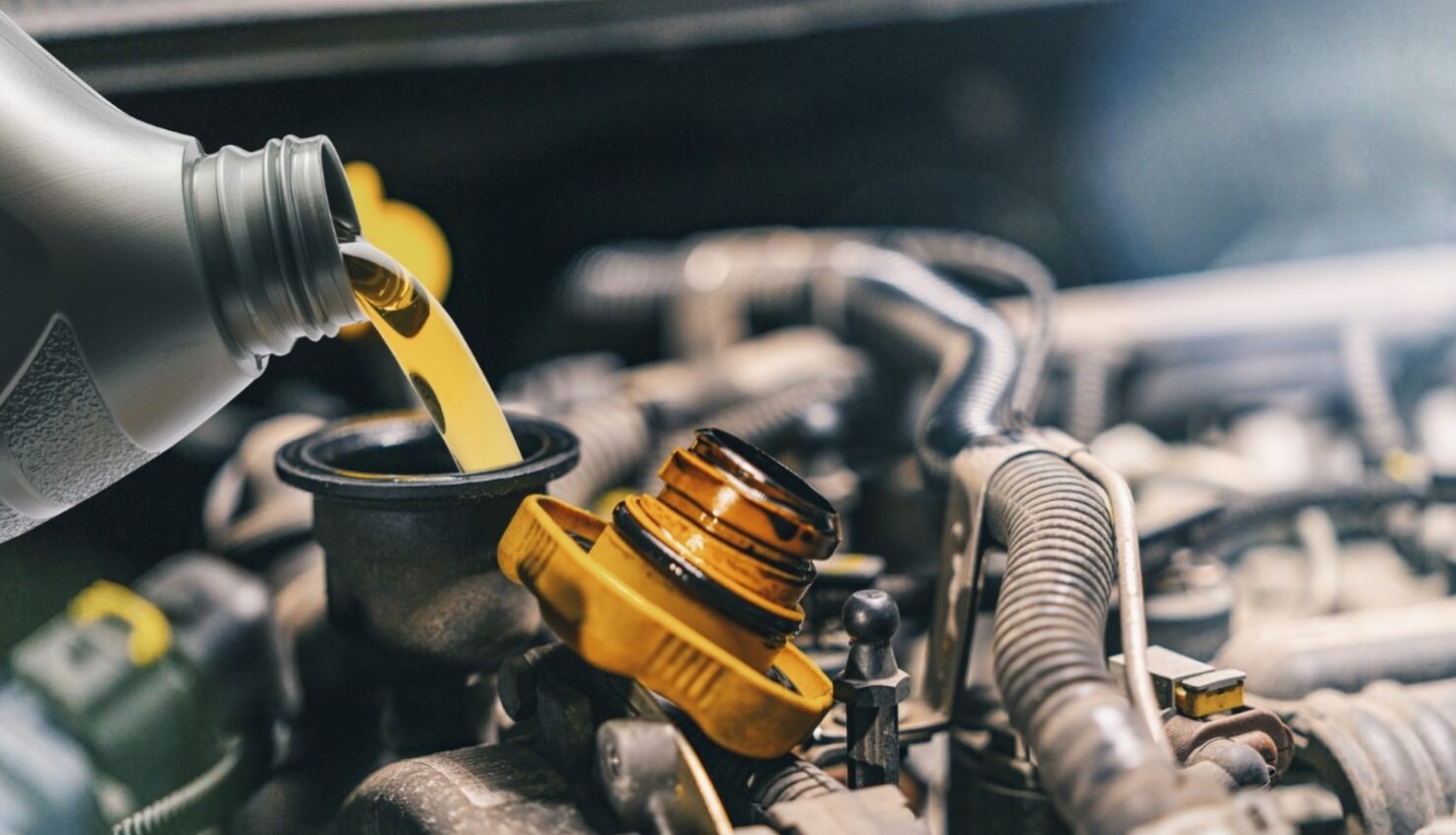
Regular oil changes are a basic part of vehicle maintenance, yet they are frequently skipped or delayed. With turbocharged engines like those in the Ford Edge EcoBoost, clean oil is more than just lubrication; it’s a critical component of engine health.
The turbocharger operates at very high speeds and temperatures, and it depends heavily on fresh, high-quality oil to reduce friction and manage heat.
When oil breaks down or becomes contaminated, it can’t protect the turbocharger and other internal components effectively. This leads to increased wear, the formation of sludge, and eventually, costly repairs.
Modern synthetic oils can last longer than older conventional types, but that doesn’t mean the oil should be pushed past recommended intervals. Ford typically recommends oil changes every 5,000 to 7,500 miles for EcoBoost engines, depending on driving conditions.
However, stop-and-go traffic, frequent short trips, or extreme temperatures can justify changing the oil sooner.
Waiting until the oil life monitor hits zero or ignoring it altogether risks allowing the oil to degrade too far. At that point, it’s no longer performing its job, and the engine is left vulnerable to excessive wear and buildup.
Some owners try to save money by using cheaper oil or off-brand filters, but this is a short-sighted approach.
The wrong oil viscosity or a subpar filter can reduce engine efficiency and fail to protect the turbocharger properly. Low-quality oil may also break down faster, especially under the strain of a turbocharged engine.
Over time, this leads to varnish and sludge forming in critical areas of the motor. That buildup can clog oil passages, starve parts of lubrication, and set the stage for a catastrophic engine failure.
In the long run, staying disciplined with oil changes is one of the simplest yet most effective ways to ensure the longevity of the EcoBoost engine. It’s a relatively low-cost maintenance item compared to the thousands that can be spent replacing a turbocharger or rebuilding an engine.
Regular service also gives technicians a chance to inspect for leaks or other signs of trouble that might not be visible to the average driver. Skipping this step may not hurt the vehicle tomorrow, but the damage accumulates quietly until the problem is unavoidable.

2. Using the Wrong Fuel Grade
Fuel quality matters more than many drivers realize, especially with a turbocharged engine. The Ford Edge EcoBoost is designed to run on regular unleaded fuel, but that doesn’t mean all regular fuel is equal.
Using gas with a lower octane than recommended or consistently choosing the cheapest option available at unknown stations can lead to a range of problems over time.
Lower-grade fuels can cause engine knock, carbon buildup, and reduced fuel efficiency. While one tank of questionable fuel may not destroy the engine, making it a habit can degrade performance and shorten the vehicle’s lifespan.
Octane rating indicates a fuel’s ability to resist knocking or pinging during combustion. Turbocharged engines compress air and fuel at higher levels, making them more prone to knocking. If the fuel detonates before the spark plug ignites it, the resulting shock can damage internal components over time.
Some Edge EcoBoost owners choose premium fuel for this reason, even though it’s not strictly required. While not mandatory, premium fuel can offer a cleaner burn and better resistance to knock, which may help in hotter climates or during heavy engine loads like towing.
The other issue with poor fuel choices is the buildup of carbon deposits. In direct injection engines like the EcoBoost, fuel is sprayed directly into the combustion chamber. This design increases efficiency and power but also makes the intake valves more prone to collecting deposits since they are no longer being washed with fuel.
Over time, this buildup restricts airflow and negatively affects performance, causing hesitation, misfires, and poor fuel economy. Choosing top-tier fuels with better detergent packages can help slow this process down.
Drivers often underestimate the compounding effects of small choices. Saving a few cents per gallon might seem like a smart financial decision in the moment, but over the course of thousands of miles, the wear it causes to engine components can lead to expensive outcomes.
Consistently using high-quality fuel with the correct octane is one of the best preventive steps you can take to ensure the EcoBoost engine continues running smoothly. Skimping here leads to subtle performance degradation that eventually turns into mechanical failure if ignored.

3. Overlooking Turbo Cool Down Practices
One of the most overlooked habits that damages the Ford Edge EcoBoost early is shutting the engine off too soon after a hard drive. Turbochargers operate at extremely high temperatures, especially during spirited driving, towing, or highway runs.
If the engine is turned off immediately after such driving, the oil inside the turbo can overheat, break down, and leave behind burnt residue. This residue, often called coking, can restrict oil flow through the turbo bearings, leading to premature wear or even complete turbo failure.
It’s recommended to let the engine idle for a short period, usually 30 seconds to a minute, after heavy driving. This allows the oil and coolant to circulate and cool the turbocharger gradually. Many drivers, especially those unfamiliar with turbocharged engines, skip this cool-down phase entirely.
Over time, this consistent neglect builds up heat stress in the turbo, which eventually leads to bearing failure, oil seal leaks, and reduced performance. Once the turbo begins to fail, the engine may burn oil, produce smoke, and lose power, often requiring an expensive replacement.
Ford doesn’t advertise the need for turbo cool-down practices as heavily as performance car manufacturers do, which contributes to the issue. However, the fundamental physics of turbocharging remain the same.
Even in a family SUV, the turbo still spins at tens of thousands of revolutions per minute and reaches extreme temperatures. If not managed properly, those conditions can rapidly shorten its usable life. The cool-down period acts as a buffer that protects vital components from thermal shock and residual heat soak.
In everyday driving, many owners assume that because they’re not racing or pushing the engine to its limit, there’s no risk of turbo damage. But long uphill drives, highway merging, or even extended idling with heavy AC use can all bring the turbo to higher-than-normal temperatures.
By taking just a minute to let the engine idle before turning it off, especially after intense use, drivers can significantly extend the life of their turbocharger and avoid one of the most common causes of failure in EcoBoost engines.
4. Neglecting the Cooling System
The cooling system is vital in preventing the Ford Edge EcoBoost from overheating, especially given the additional heat generated by the turbocharger.
Neglecting this system can quickly lead to engine damage. The cooling system includes several components: the radiator, water pump, thermostat, coolant reservoir, and various hoses.
Each part works together to manage the engine’s temperature, ensuring it stays within the optimal range. If any of these parts fail or are poorly maintained, it can cause the engine to run hotter than it should, placing excessive stress on the turbo and the engine block itself.
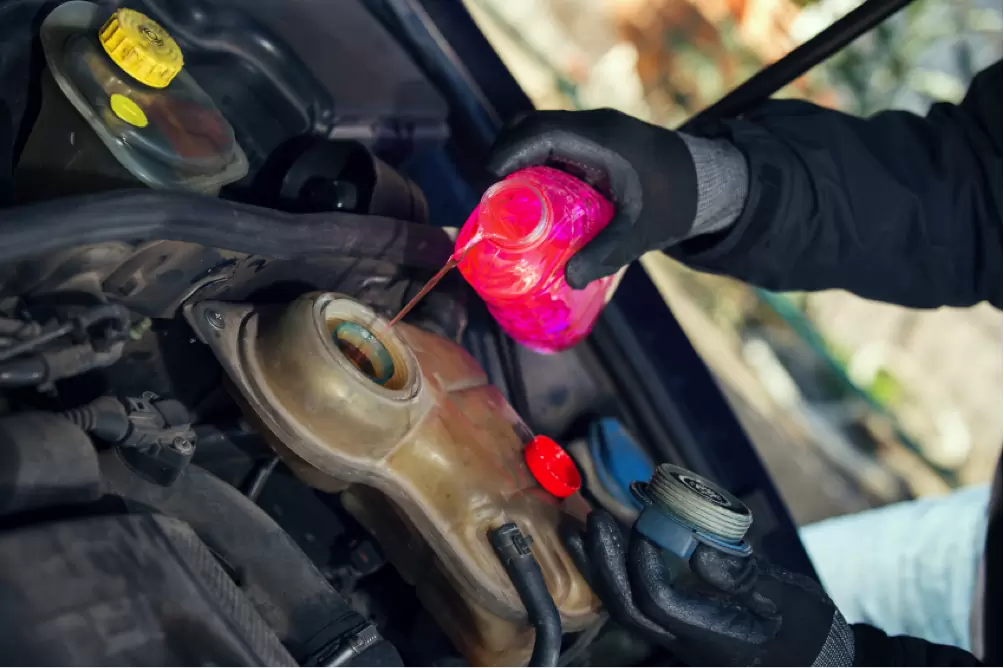
One of the most common mistakes is not checking coolant levels regularly or ignoring coolant quality. Coolant degrades over time, losing its effectiveness in both heat transfer and corrosion protection.
When coolant is old or contaminated, it may fail to protect the engine properly, allowing rust and deposits to build up inside the radiator and coolant passages.
This can block the flow of coolant, causing hot spots that weaken engine components and increase the risk of a head gasket failure or warped cylinder heads. A failed head gasket is particularly devastating and costly to repair on the EcoBoost engine.
Many drivers also neglect routine coolant flushes, which Ford recommends at certain mileage intervals. Flushing the coolant system removes contaminants and ensures the fluid’s properties are restored. Skipping this flush can result in corrosion and sediment buildup, which reduces cooling efficiency.
Overheating caused by these issues is not only harmful to the engine but can also damage the turbocharger. Since the turbo is cooled in part by engine coolant, any reduction in cooling performance can lead to higher turbo temperatures, increasing the risk of failure.
In addition to fluid maintenance, hoses and clamps should be inspected regularly. Rubber hoses can dry out, crack, or burst over time, leading to leaks and sudden coolant loss. A coolant leak often manifests as overheating under heavy use or even in everyday driving conditions.
The water pump, another crucial component, must function correctly to circulate coolant efficiently. If the pump fails or begins to leak, the engine temperature will climb quickly, causing irreversible damage. Therefore, paying attention to cooling system maintenance is essential to preserving the health of the Ford Edge EcoBoost engine.

5. Ignoring Air Filter Maintenance
The air filter plays a crucial role in ensuring the EcoBoost engine receives clean, debris-free air necessary for efficient combustion. When the air filter becomes clogged with dust, dirt, and other contaminants, the engine’s performance suffers.
A restricted airflow reduces the engine’s ability to breathe, leading to decreased power, lower fuel efficiency, and increased emissions. More importantly, running the engine with a dirty air filter can cause unfiltered air particles to bypass the filter and enter the combustion chamber, causing accelerated wear on internal components.
In turbocharged engines like the EcoBoost, the air filter’s importance is even greater. The turbo compresses incoming air before it enters the engine, increasing the density of the air-fuel mixture and improving combustion efficiency. If the air entering the turbo is contaminated or restricted, it puts extra strain on the turbocharger and may cause it to work harder than intended.
This additional strain increases wear on the turbo’s bearings and blades, potentially leading to premature failure. Furthermore, restricted airflow can cause the turbo to produce excessive backpressure, which negatively impacts engine performance.
Another consequence of ignoring air filter maintenance is that it may trigger the vehicle’s check engine light. Modern engines use mass airflow sensors (MAF) to measure incoming air volume, and a clogged filter can cause erratic readings.
These irregularities force the engine control unit to compensate, often by enriching the fuel mixture, which can cause the engine to run rich.
Running rich not only wastes fuel but also leads to carbon buildup in the combustion chambers and on the intake valves. Over time, this can cause engine knocking, reduced performance, and damage to critical engine components.
Changing or cleaning the air filter at the intervals recommended by Ford is a simple, cost-effective way to maintain engine health. The process is straightforward and can often be done by owners themselves. Using genuine or high-quality replacement filters ensures proper filtration efficiency and airflow.
In dusty or polluted environments, air filters may need more frequent replacement to maintain optimal engine conditions. Consistently neglecting this basic maintenance item invites long-term problems that could shorten the life of the EcoBoost engine considerably.

6. Skipping Spark Plug Replacement
Spark plugs are often overlooked in routine maintenance, yet they are fundamental to the efficient operation of the EcoBoost engine.
These small components provide the spark that ignites the air-fuel mixture inside the combustion chamber. Over time, spark plugs wear down, their electrodes erode, and deposits accumulate.
When spark plugs degrade, the combustion process becomes less efficient, resulting in misfires, rough idling, poor fuel economy, and increased emissions. Continuing to drive on worn spark plugs can cause further engine damage due to unburned fuel washing down cylinder walls, which leads to premature wear.
In a turbocharged engine, spark plugs face greater demands. The higher compression and increased cylinder pressures mean the spark must be strong and consistent to ignite the mixture properly. Worn or fouled spark plugs can cause knocking or pinging, symptoms that indicate abnormal combustion.
Persistent knocking creates intense pressure waves that can crack pistons or damage cylinder heads. These problems are costly and could lead to engine failure if left unaddressed. Timely spark plug replacement helps maintain combustion efficiency and protects engine internals.
Another issue that arises from neglected spark plugs is the added stress on the ignition system. The ignition coils and wires have to work harder to produce the necessary spark, increasing the risk of coil failure.
Coil failures are expensive and often cause engine performance issues that are difficult to diagnose without proper maintenance records.
Replacing spark plugs at the manufacturer’s recommended intervals ensures the ignition system operates smoothly and prevents cascading failures that extend beyond the plugs themselves.
Owners of the Ford Edge EcoBoost should consult their owner’s manual to determine the appropriate spark plug replacement schedule. Using the correct type of spark plug is crucial, as different materials and heat ranges affect engine performance and durability.
Ford typically specifies iridium or platinum-tipped plugs for EcoBoost engines because of their durability and ability to maintain a strong spark.
Ignoring this maintenance step is one of the silent killers of early engine failure, as many drivers don’t realize the impact of worn plugs until the damage is already underway.
7. Neglecting Transmission Maintenance
The Ford Edge EcoBoost typically comes paired with an automatic transmission that must be cared for properly to avoid premature wear and failure. Many drivers focus on engine maintenance but forget that the transmission is just as critical to vehicle performance and longevity.
Transmission fluid serves several functions: it lubricates internal parts, cools the transmission, and transmits hydraulic pressure to engage gears. Over time, transmission fluid degrades and becomes contaminated with metal shavings and other debris, reducing its effectiveness.
Neglecting transmission fluid changes can cause overheating and increased friction inside the transmission. When fluid is dirty or low, gears and clutches may slip, leading to rough shifting, hesitation, or even complete transmission failure.
Replacing a transmission or even rebuilding one is an expensive repair that far exceeds the cost of routine fluid changes and filter replacements. Ford recommends specific intervals for fluid maintenance, which should be followed to ensure smooth operation.
Another common mistake is ignoring transmission warning signs such as delayed engagement, strange noises, or fluid leaks.
These symptoms often precede serious damage. Many drivers either overlook these warnings or attribute them to minor issues, allowing the problem to worsen. Addressing transmission issues early can prevent costly repairs and help maintain vehicle drivability.
Transmission care also involves proper driving habits. Avoiding aggressive acceleration, heavy towing without proper cooling equipment, and frequent stop-and-go driving under load can reduce transmission stress. Combined with regular fluid maintenance, these practices help preserve transmission life in the EcoBoost-equipped Ford Edge.

8. Overloading and Improper Towing
The Ford Edge EcoBoost is often chosen for its blend of performance and utility, but overloading or improper towing practices can accelerate wear and cause early failure.
The EcoBoost engine provides respectable torque and horsepower, making the Edge capable of towing moderate loads. However, exceeding the manufacturer’s towing capacity or consistently carrying heavy payloads puts excessive strain on the engine, transmission, brakes, suspension, and cooling system.
Overloading increases the mechanical load on the turbocharger and engine cooling system, which can lead to overheating and premature component failure.
The turbo has to work harder to maintain boost levels, often resulting in higher operating temperatures and faster wear. This can also lead to increased oil consumption and the potential for turbo damage if cooling and lubrication are insufficient.
Improper towing practices, such as not using a trailer brake controller or failing to secure the load properly, can cause additional stress and unsafe driving conditions.
Towing uphill or in mountainous areas without proper technique increases engine and transmission stress. Drivers who do not allow adequate cooling periods during towing or who turn off the engine immediately after heavy towing are at risk of damaging their turbos, as discussed earlier.
Adhering to towing guidelines set by Ford, including weight limits and proper equipment use, helps ensure the longevity of the EcoBoost engine and associated systems.
Regular inspections of brakes, tires, and cooling components after towing heavy loads are also recommended to identify and address wear early before it leads to costly repairs.
9. Ignoring Warning Lights and Unusual Symptoms
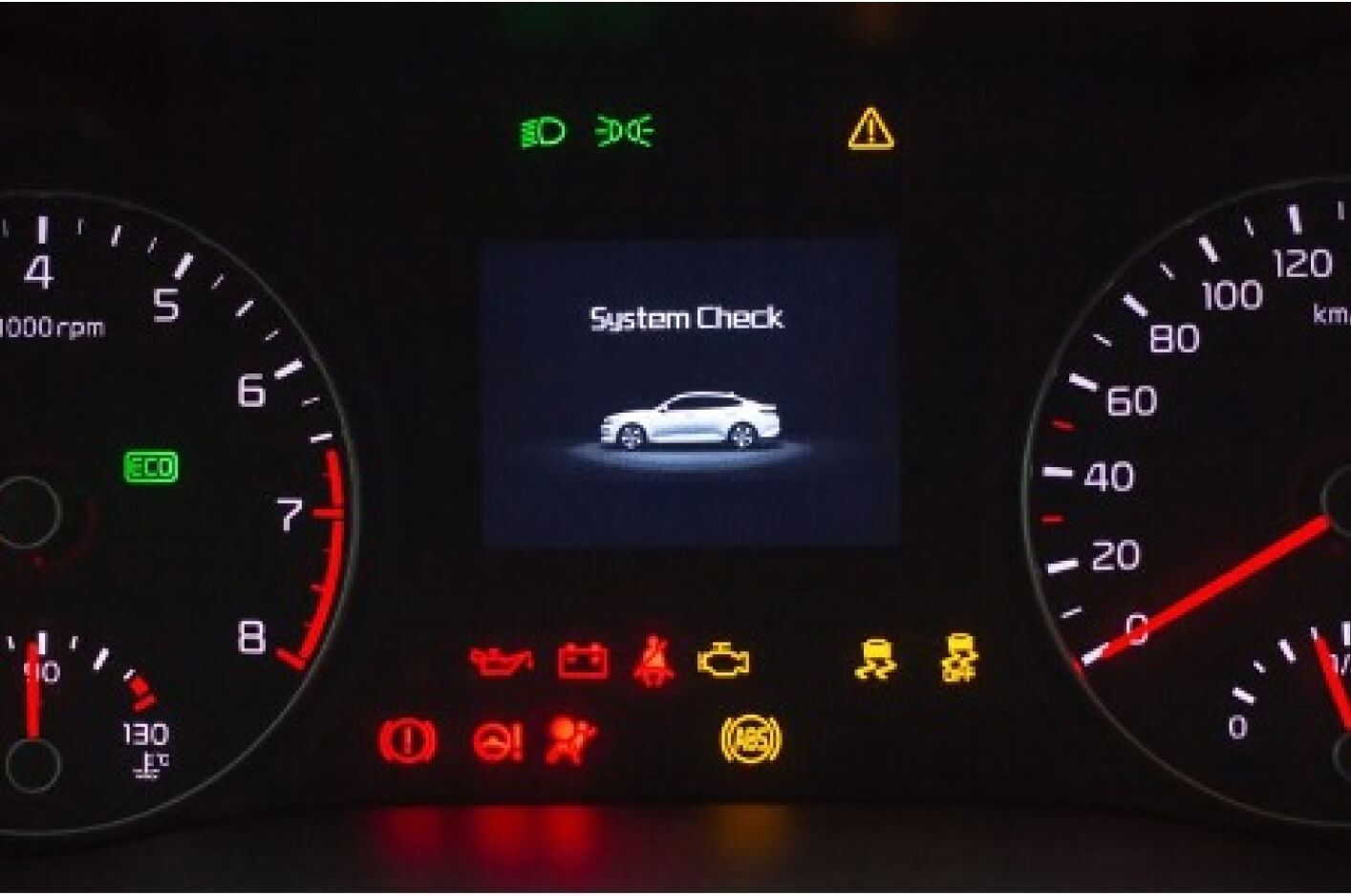
Modern vehicles like the Ford Edge EcoBoost are equipped with sophisticated diagnostic systems designed to alert the driver to potential issues before they become serious. Ignoring warning lights such as the check engine light, low oil pressure, or coolant temperature warnings is a critical mistake that can result in extensive and expensive damage.
These lights are indicators that something is not operating within normal parameters, and failing to address them promptly allows problems to escalate.
Common symptoms such as rough idling, hesitation during acceleration, increased oil consumption, or unusual noises should never be overlooked.
These signs often precede engine or turbocharger failure. For example, hesitation or misfires can indicate spark plug or fuel system problems, while knocking sounds may point to detonation or turbo issues. Early diagnosis and repair can prevent minor problems from turning into catastrophic engine damage.
Some drivers dismiss warning lights due to cost concerns or the inconvenience of repairs. However, small repairs are typically far less expensive than the costs associated with rebuilding or replacing a turbocharger or engine.
Moreover, ignoring warning signs can void warranties if the vehicle is still under coverage. Taking the time to diagnose and repair issues promptly protects both the engine and the owner’s investment.
Additionally, regular diagnostic scans during routine maintenance can catch faults that might not yet trigger a dashboard warning.
Being proactive about vehicle health creates a safer driving experience and prolongs the life of the Ford Edge EcoBoost. Listening to the vehicle and responding appropriately is one of the most effective ways to prevent early engine failure.
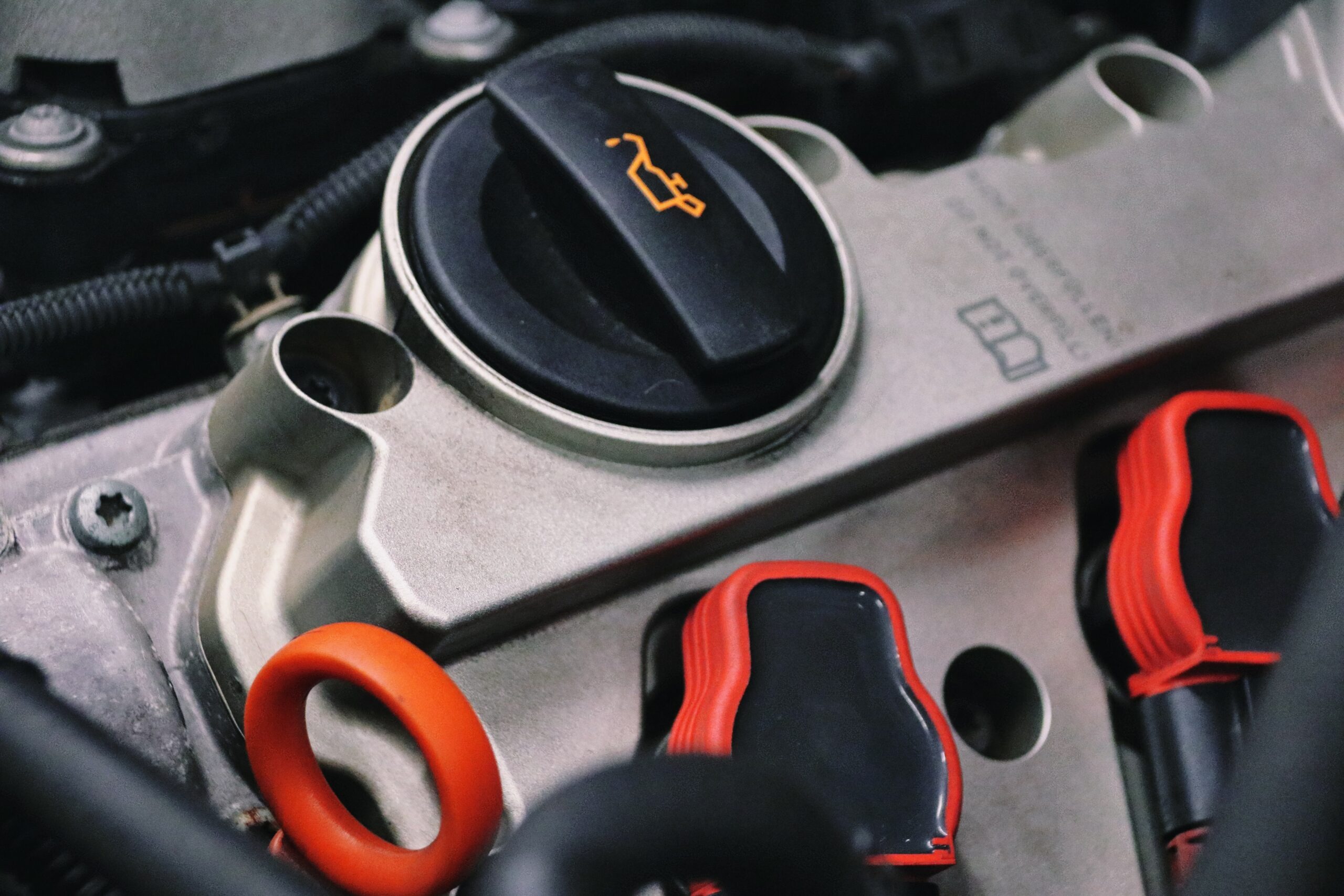
10. Failing to Address Oil Leaks Promptly
Oil leaks may seem like a minor annoyance at first, but failing to address them promptly can lead to serious problems for the Ford Edge EcoBoost.
The turbocharged engine relies heavily on a steady and clean oil supply for lubrication and cooling, especially in the turbocharger’s bearings and other moving parts.
Even a small oil leak can reduce the oil pressure and amount of oil circulating through these critical components. Over time, this leads to increased friction, overheating, and premature failure of the engine or turbo.
Oil leaks can originate from various areas in the engine, including the valve cover gasket, oil pan gasket, turbo oil feed lines, or seals. The Ford Edge EcoBoost’s turbocharger has oil lines that must remain leak-free to ensure proper lubrication.
A leak in these lines can cause catastrophic damage very quickly because the turbo spins at extremely high speeds and requires consistent oil flow. If oil flow is interrupted or contaminated, the turbo’s bearings can seize, resulting in a costly repair or replacement.
Beyond the mechanical damage, leaks also present environmental and safety concerns. Oil dripping onto hot engine parts can cause smoke or even a fire hazard.
Additionally, a leaking vehicle loses oil without the driver’s immediate knowledge, which can lead to running the engine at dangerously low oil levels. Without prompt attention, what begins as a small drip can escalate into a major issue that might leave the vehicle stranded or in the shop for extended repairs.
Regularly inspecting the engine bay for signs of leaks and paying attention to oil level drops between changes can help catch these problems early. If an oil leak is detected, it’s important to address it immediately by replacing gaskets, seals, or damaged lines.
Doing so not only prevents mechanical damage but also helps maintain engine cleanliness and efficiency. Ignoring leaks is a silent killer for any turbocharged engine and one of the common reasons why EcoBoost engines fail prematurely.

11. Disregarding Software Updates and Recalls
Modern vehicles like the Ford Edge EcoBoost are controlled by complex computer systems that manage everything from fuel delivery to turbo boost pressure and emissions.
Ford periodically releases software updates and recalls to improve vehicle performance, fix known issues, and enhance reliability. Disregarding these updates and ignoring recall notices can leave your EcoBoost engine vulnerable to problems that may have been addressed by the manufacturer.
Software updates often include improvements to engine management systems that help optimize fuel efficiency, turbocharger performance, and emissions control. Sometimes these updates also fix bugs that can cause drivability issues, such as rough idling, hesitation, or unexpected stalling.
Failing to install these updates can mean your vehicle operates with outdated parameters that don’t maximize engine health or performance. In worst cases, unresolved software problems can cause increased wear or stress on engine components.
Recalls are even more critical. These are manufacturer-identified defects that could affect safety or reliability. Ignoring recall notices related to the EcoBoost engine or its turbo system could mean driving a vehicle with a known fault.
Some recalls may involve parts replacement, software fixes, or changes to maintenance procedures. Not addressing recalls can lead to a heightened risk of engine failure or other mechanical problems that Ford has acknowledged and intended to correct.
Many owners neglect to check for updates or recall notices, especially if they don’t visit authorized dealerships regularly. Staying proactive by checking Ford’s official website or contacting your dealer ensures your vehicle is running with the latest fixes.
Installing these updates and addressing recalls promptly can prevent avoidable failures and maintain the reliability and safety of the EcoBoost engine. This step is often overlooked but plays a significant role in preventing early engine problems.
