
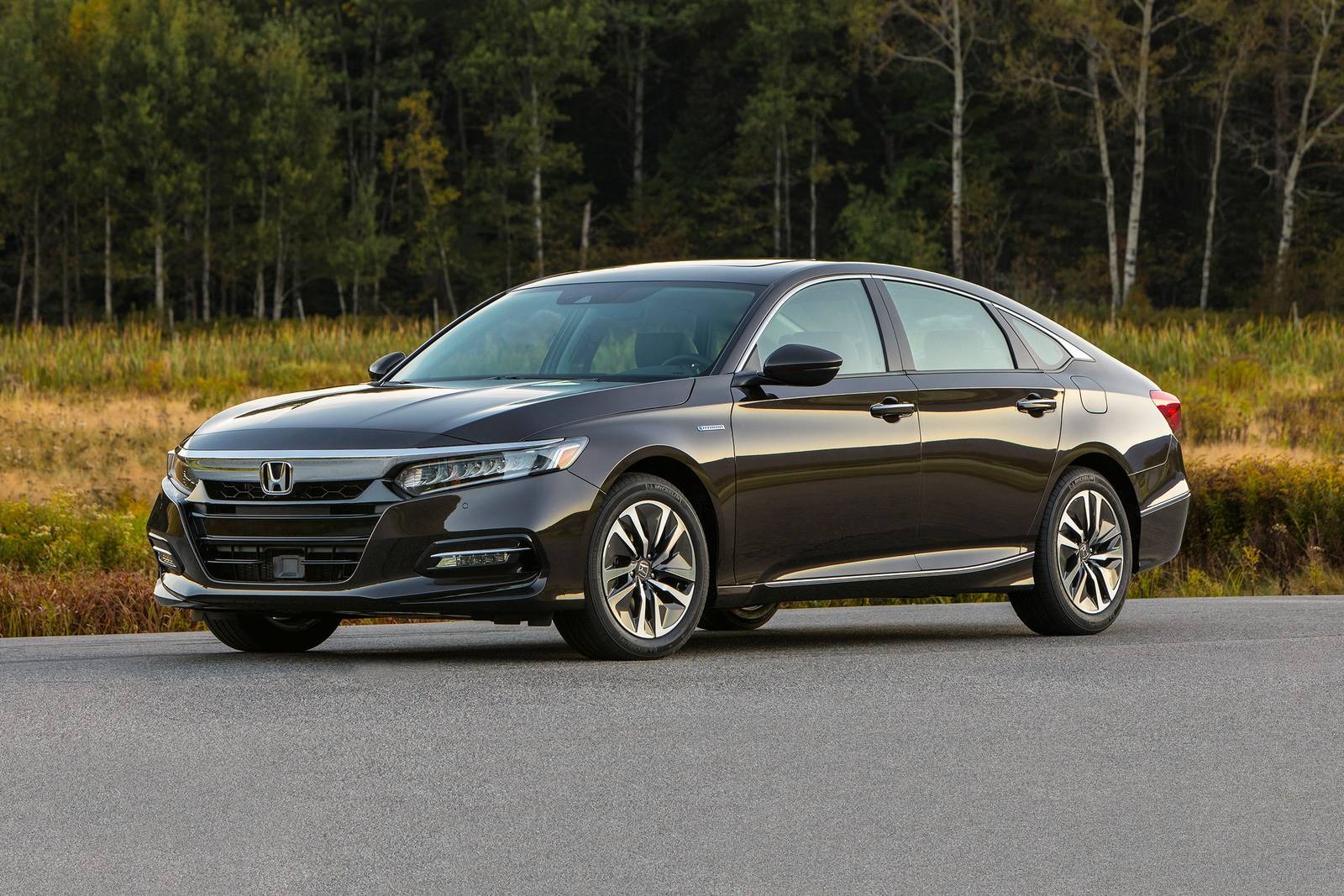
The Honda Accord Hybrid is widely appreciated for its smooth driving experience, fuel efficiency, and long-term reliability. But like any modern hybrid vehicle, it comes with a complex electrical system at its core, and that includes the hybrid battery. While Honda designs this battery to be durable, it is not immune to damage.
Many owners find themselves facing premature battery failure, and in a surprising number of cases, the cause isn’t faulty engineering or bad luck. It’s the result of avoidable mistakes.
Hybrid batteries are not the same as traditional car batteries. They serve a different purpose and are subject to different stresses. The battery in a Honda Accord Hybrid powers not only the starter motor but also assists with driving by working in conjunction with the gasoline engine.
It is continuously being charged and discharged during normal operation, and this repetitive cycle requires proper conditions to function well. That makes the battery more sensitive to how the car is used and maintained. Small things that wouldn’t matter much in a conventional car can have long-term consequences for a hybrid.
Drivers often overlook routine behaviors or habits that gradually wear down the battery. Things like infrequent driving, improper storage, and ignoring warning signs may seem harmless, but they can put significant strain on the battery over time. The cost of replacement can run into the thousands, and while warranties help, not all failures are covered, especially those caused by neglect.
This article breaks down eight common oversights that can drastically shorten the life of a Honda Accord Hybrid battery. Each section focuses on one mistake that many owners make, even those who are otherwise careful with maintenance.
By recognizing these patterns and correcting them early, owners can extend the battery’s lifespan and avoid unnecessary expenses. It’s not just about protecting a component, it’s about maintaining the performance and value of the entire vehicle. Paying attention to these details can mean the difference between a car that runs well for a decade and one that needs major repairs far too soon.

1. Letting the Car Sit Idle for Long Periods
One of the most damaging habits for a hybrid battery is leaving the car unused for extended stretches. While it might seem logical that not driving would reduce wear and tear, the opposite is often true for the battery.
Unlike a regular lead-acid battery, which mostly powers accessories and the starter, a hybrid battery is part of a more intricate system that needs regular cycling to stay healthy. When the vehicle sits idle, the battery doesn’t get the chance to go through its normal charge-discharge cycles. This stagnation can lead to voltage imbalances and even cell deterioration.
Many owners find themselves leaving the car parked during vacations or periods of remote work, thinking it will be just fine. However, hybrid batteries slowly self-discharge over time. If the battery gets too low and stays in that state for too long, it can lose capacity permanently.
The control systems in a hybrid are designed to keep the battery within an optimal range, but they can’t do that if the car isn’t running. A few weeks of inactivity can be enough to cause issues, especially in older batteries.
Cold or hot weather makes the problem worse. If the car is left parked in a cold garage during the winter or in the open sun during the summer, the battery is subjected to temperature extremes without any system regulation.
High heat accelerates chemical breakdown within the battery, while cold weather slows the chemical reactions and can lead to higher internal resistance. Combined with inactivity, these conditions multiply the risk of long-term damage.
To avoid this oversight, owners should try to drive their Accord Hybrid at least once every one to two weeks, even if only for 15 to 20 minutes. This allows the system to keep the battery balanced and active. If regular driving isn’t possible, using a battery tender or putting the vehicle into a special storage mode (if equipped) can help. The key is to avoid prolonged dormancy, which slowly but surely deteriorates the battery’s health.
2. Ignoring Warning Lights and Alerts
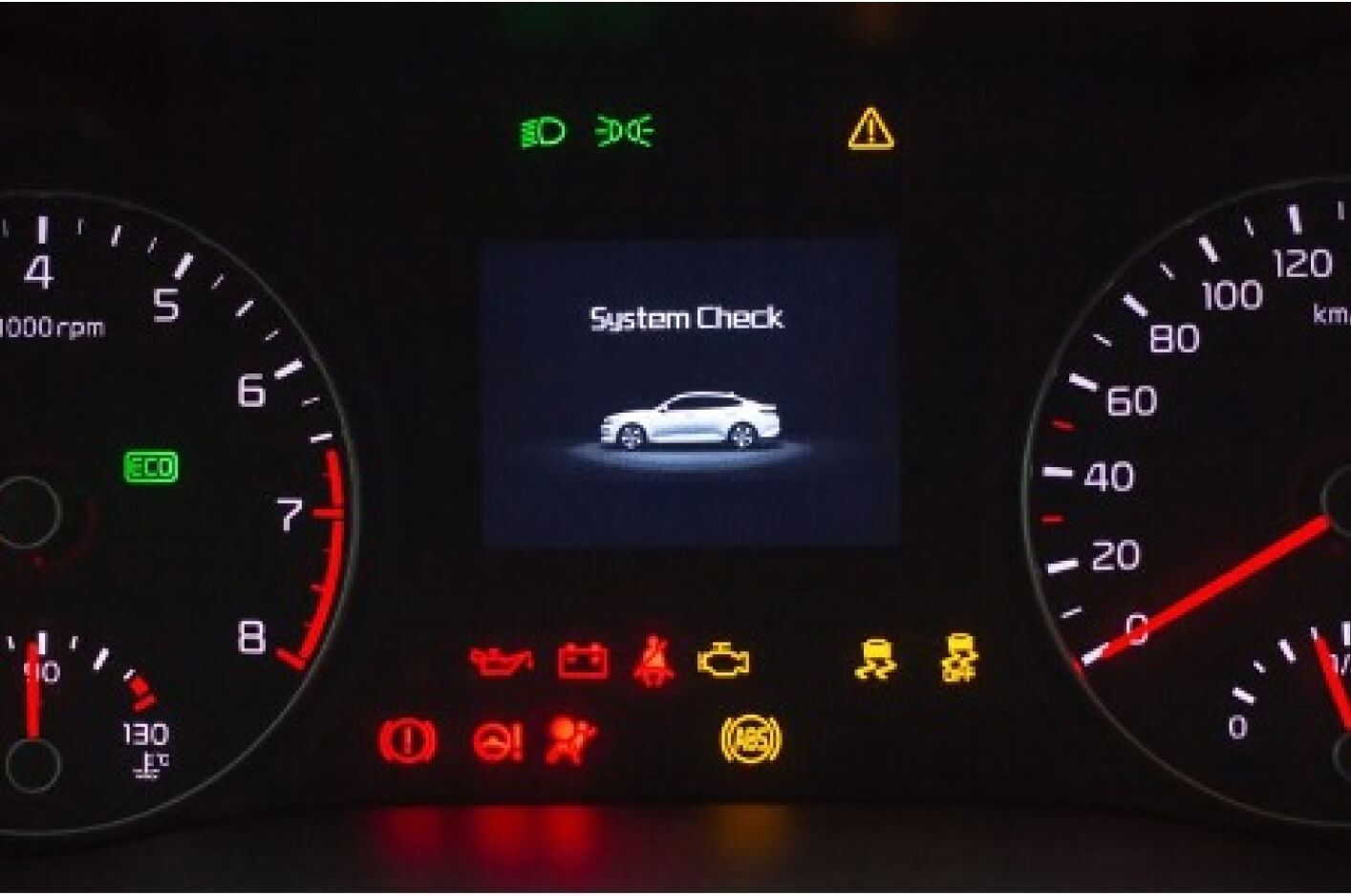
The warning systems in a Honda Accord Hybrid are there for a reason, and yet many drivers choose to ignore them until it’s too late. One of the most common errors that leads to battery failure is dismissing dashboard alerts related to the hybrid system.
When a warning light such as “Check Hybrid System” appears, it is often a sign that something is amiss in the battery or its supporting electronics. Continuing to drive without addressing the issue can worsen the underlying condition and push the battery into early failure.
These alerts are not always tied to catastrophic faults. Sometimes they indicate something minor, like a sensor reading out of range or a temporary fluctuation in voltage. However, minor problems can quickly become major ones if left unchecked. Hybrid batteries are tightly monitored by the vehicle’s computer, and even small inconsistencies in charge levels, temperature, or voltage can prompt a warning. Ignoring these messages gives small issues room to grow into significant damage.
Another problem is the tendency to misinterpret or downplay alerts. Some drivers assume that if the car is still driving normally, the warning must be false or unimportant. That kind of thinking is dangerous when it comes to hybrid systems.
Unlike traditional engine problems that might create noticeable performance issues, hybrid battery problems can simmer beneath the surface for weeks before causing noticeable symptoms. By the time the car starts to perform poorly, the damage is often already done.
Regular diagnostics using a scan tool, or a visit to a qualified technician can help clarify what a warning light really means. Even if the car seems fine, acting quickly after a warning alert appears can prevent costly repairs. It’s much cheaper to replace a failing sensor or recalibrate the system than to replace the entire battery. Recognizing and responding to these signals is a key part of responsible hybrid ownership.

3. Using Incompatible Aftermarket Parts
Many car owners enjoy customizing or modifying their vehicles, but with hybrids, this can backfire. Installing aftermarket electrical components that are not designed to work with the hybrid system is one of the more hidden ways to stress the battery.
Whether it’s an upgraded sound system, lighting modifications, or remote starters, these additions can draw unexpected power or interfere with the vehicle’s electrical balance, putting strain on the hybrid battery.
Hybrid systems are carefully calibrated. The battery works in coordination with the inverter, electric motor, and gasoline engine, and all of this is managed by the vehicle’s ECU (electronic control unit). Introducing unapproved components can disrupt this harmony. Some aftermarket devices may pull current when the car is off, slowly draining the battery. Others may interfere with voltage readings or trigger false readings, confusing the system and causing the battery to be overused or improperly charged.
It’s not just the parts themselves that cause problems, but also the way they’re installed. Poor wiring practices or cutting into factory harnesses can introduce electrical noise or ground faults.
Even something as small as a bad splice can lead to unpredictable results in the hybrid system. If a component sends incorrect signals to the ECU, it can cause the system to run the battery harder than intended, shortening its life.
To avoid this issue, owners should only use accessories that are approved or recommended for use with hybrid vehicles. Installation should always be done by someone who understands both automotive electronics and hybrid-specific systems. While saving money with aftermarket parts might seem attractive, the long-term cost of damaging the hybrid battery far outweighs the short-term savings. Proper compatibility is not optional when dealing with advanced electrical systems.

4. Driving Aggressively and Frequently Flooring the Accelerator
One of the lesser-known threats to a hybrid battery is aggressive driving. The Accord Hybrid is built to deliver a smooth and efficient ride, and its hybrid system is tuned to optimize fuel economy and reduce emissions. Repeated hard acceleration disrupts that balance.
Each time the accelerator is floored, the battery is forced to deliver a high surge of power, which increases its temperature and rate of discharge. Over time, this behavior leads to heat buildup, internal resistance, and general wear on the battery cells.
Many drivers assume that because the car can handle quick acceleration, there’s no harm in using that feature often. But just like redlining a gasoline engine on a daily basis will shorten its life, putting frequent strain on the hybrid battery will take a toll.
The battery is designed to handle occasional bursts of power, but it’s not meant to serve as a constant power boost. When that kind of demand becomes routine, battery degradation speeds up.
This issue is especially serious in hilly areas or during highway merging where drivers may push the car to its limits regularly. Under these conditions, the battery cycles more aggressively, and the thermal management system has to work harder.
The extra heat can trigger the cooling fan more frequently, and in some cases, it still isn’t enough to keep temperatures in a safe range. That thermal stress quietly chips away at battery health.
Drivers who want to extend their hybrid battery’s life should adopt a smoother, more measured driving style. Gradual acceleration, predictive braking, and avoiding unnecessary power surges can make a big difference. Not only does this help the battery, but it also improves fuel economy and reduces wear on other components. Aggressive driving might feel satisfying in the moment, but it comes at a high cost when it becomes a habit.
5. Neglecting Cooling System Maintenance
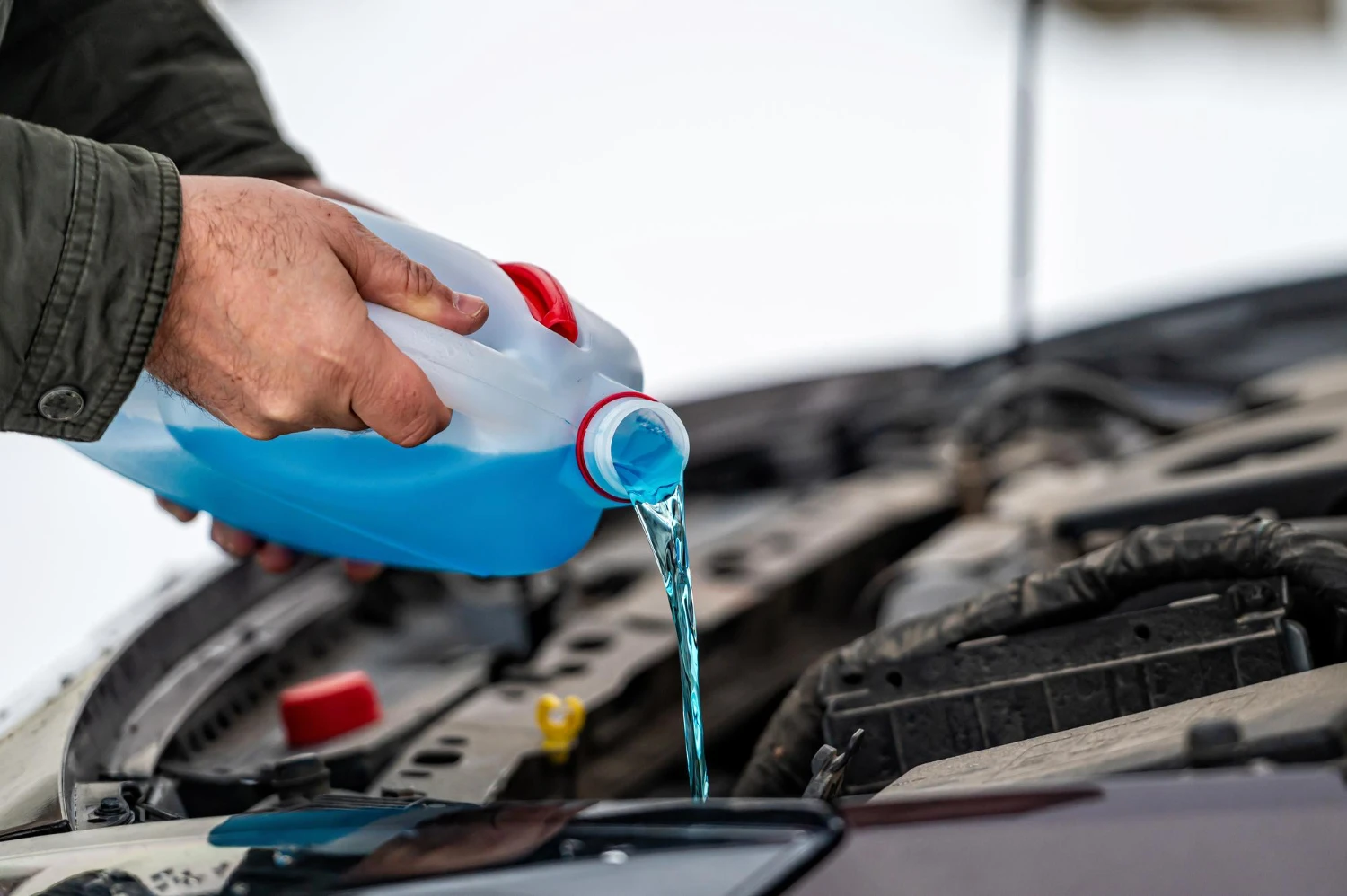
The hybrid battery in the Honda Accord relies on a dedicated cooling system to regulate temperature during operation. This system often includes air intake vents, a blower fan, and ductwork that draws cabin air to keep the battery from overheating.
When this cooling system is neglected, the battery can run hotter than intended, which leads to faster degradation. Heat is one of the primary enemies of lithium-ion and nickel-metal hydride batteries, and without proper airflow, even normal driving can push the battery into a damaging temperature range.
A major issue is the gradual buildup of dust, hair, and debris in the intake vents. These are often located in the rear seat or trunk area, depending on the model year. If these vents are blocked, the fan has to work harder to draw in air, and in some cases, airflow becomes so restricted that cooling becomes ineffective.
Many drivers are unaware of this because the symptoms aren’t immediately obvious. Over time, though, the battery may begin to run hot, triggering system warnings or even permanent cell damage.
The blower fan itself is another overlooked part of the system. Like any motor, it can wear out or get clogged with dirt. A weak or failing fan won’t provide sufficient airflow, especially during summer or periods of heavy battery use.
Some owners hear a slight whine or reduced airflow but ignore it, thinking it’s a minor annoyance. In reality, that underperforming fan could be cooking the battery from the inside out during long drives. Once thermal stress begins to break down the cells, capacity loss becomes irreversible.
Routine inspection and cleaning of the battery cooling system are essential. It doesn’t require major mechanical skills to vacuum out vents or check for obstructions. In more extreme cases, professional servicing may be needed to remove panels and check the fan and ductwork. Preventative care in this area is often the difference between a battery that lasts 10 years and one that starts showing issues in 5. Keeping the battery cool is not just a bonus; it’s a necessity for hybrid longevity.
6. Using the Wrong Driving Mode for Conditions
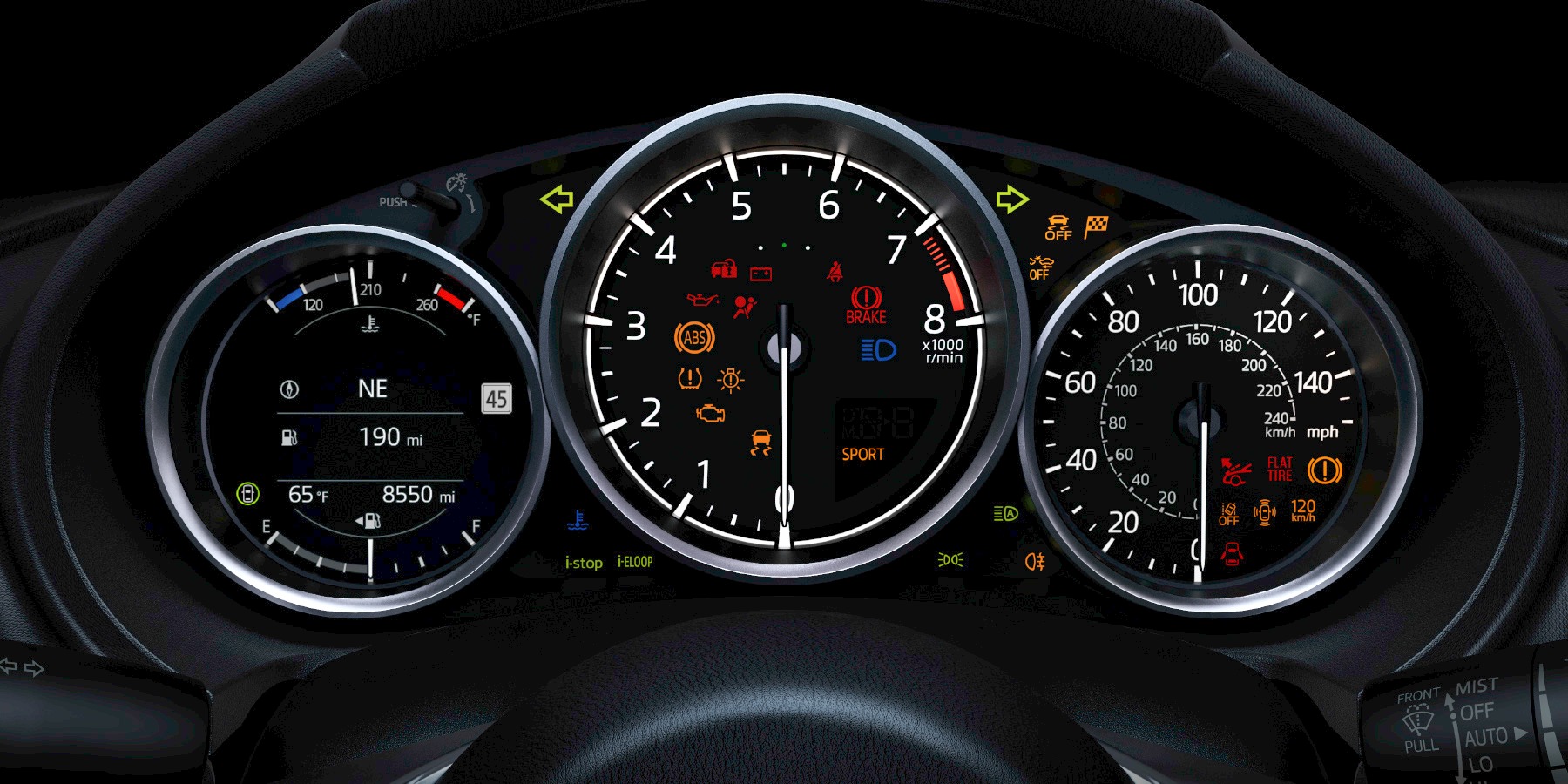
Modern Honda Accord Hybrids come with different driving modes such as EV, Eco, and Sport. Each of these modes adjusts the interaction between the gas engine and electric motor, along with how the battery is charged and discharged. One critical mistake that can harm the battery is using the wrong mode for the conditions.
For instance, forcing the car into EV mode repeatedly in situations that require more power can put unnatural strain on the battery. While it may feel efficient or “greener,” it actually may be causing more harm than good in some cases.
EV mode is best used for short, flat trips at low speeds. Trying to use it uphill, during highway merging, or under heavy acceleration causes the battery to supply a disproportionate amount of energy. It may lead to deep discharge cycles, which are more stressful than normal cycling patterns.
While the car will eventually switch back to hybrid mode when needed, repeatedly pushing EV mode past its intended limits can reduce the battery’s health.
Likewise, leaving the car in Sport mode at all times also wears the battery unnecessarily. This mode favors performance over efficiency, meaning the system will rely on the electric motor more often to provide faster response.
In city driving or stop-and-go traffic, Sport mode causes more aggressive battery cycling and can raise the operating temperature. It’s fine for short bursts or highway driving, but when left on for daily commuting, it slowly accelerates wear without delivering real benefits in most conditions.
The key is to use each driving mode as intended. Eco mode is often the safest default for battery longevity, as it softens acceleration and maximizes fuel efficiency by keeping battery use moderate. EV mode should be used sparingly and only in ideal conditions.
Understanding when and how to switch modes gives the driver better control over the battery’s workload. Thoughtful use of these features can stretch out battery health rather than slowly chipping away at it through misuse.
7. Failing to Replace a Weak 12V Battery
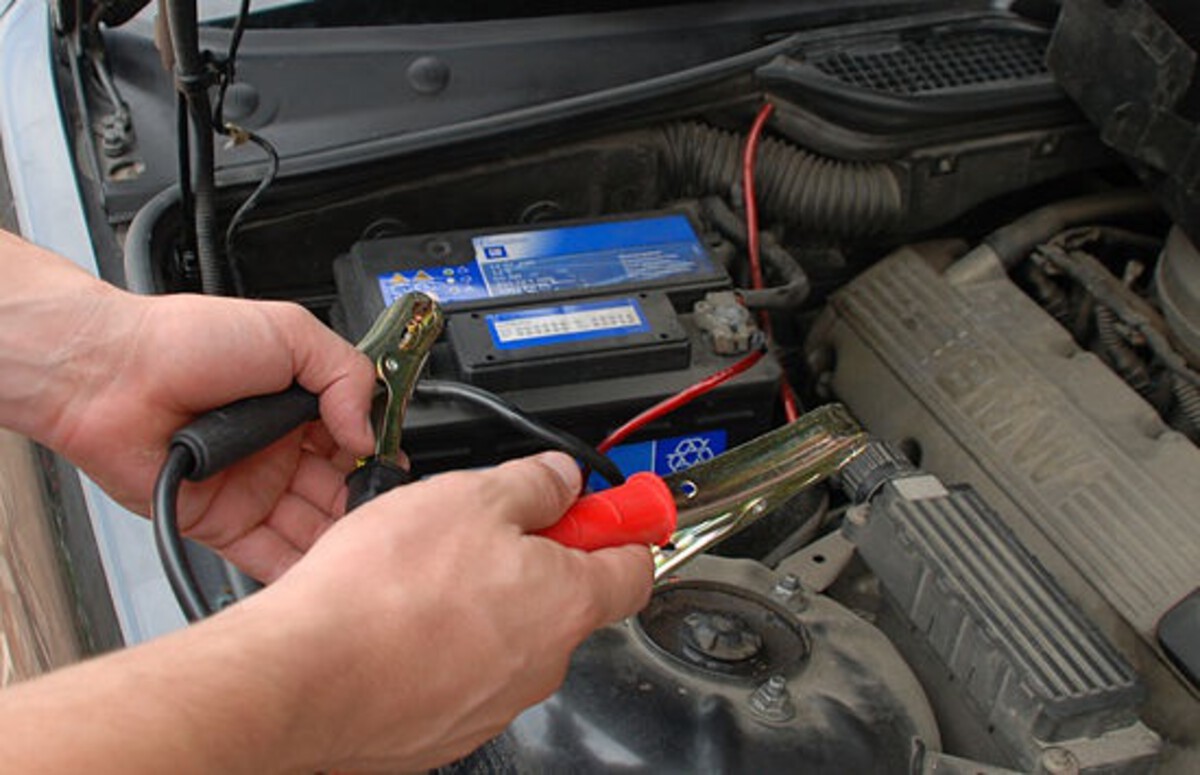
Hybrid vehicles like the Honda Accord use two batteries: the high-voltage hybrid battery and a standard 12V battery, which powers many of the vehicle’s auxiliary systems. A surprising number of hybrid battery failures can be traced back to issues with this smaller battery.
If the 12V battery is weak, it can disrupt the proper operation of the hybrid control systems. The high-voltage battery may be called upon to compensate, or it may be placed into incorrect charge or discharge states due to low-voltage errors. Left unchecked, this can lead to premature aging of the hybrid battery.
The 12V battery plays a critical role during startup and shutdown. It activates relays, powers the computer systems, and stabilizes voltage across the vehicle. When it begins to degrade, voltage fluctuations can occur. The car’s electronics may behave unpredictably, and the hybrid system may not be able to balance or manage the main battery correctly. In some cases, a failing 12V battery triggers warning lights that mimic hybrid battery failure, leading to unnecessary repairs or misdiagnosis.
Owners often neglect the 12V battery because it seems unrelated to the hybrid system. It’s small, relatively cheap, and easy to overlook, especially because it can still start the car even when weak. But its impact on the hybrid system is significant.
A bad 12V battery can cause false error codes, reduced fuel economy, and even initiate unnecessary high-voltage charging events. These disruptions slowly reduce the lifespan of the main hybrid battery through poor operating conditions.
To prevent these problems, it’s important to test and replace the 12V battery as part of regular maintenance, usually every three to five years. Investing in a good-quality replacement is also wise, as lower-end batteries may not provide consistent voltage. Making this small fix at the right time can have a ripple effect throughout the system, helping to protect the much more expensive hybrid battery from unnecessary wear and malfunction.
8. Skipping Software Updates and System Checks
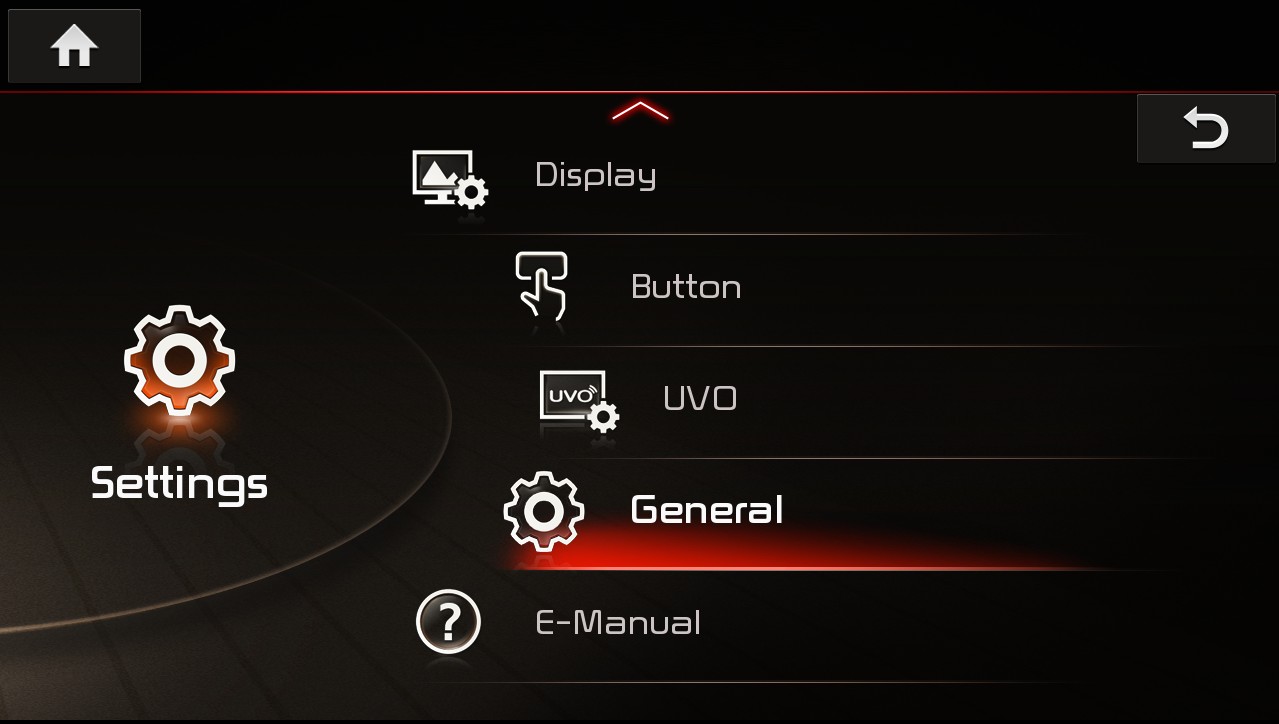
Honda periodically releases software updates for its hybrid vehicles, including updates that improve battery management and optimize system behavior. Many owners never think to check for these updates or assume that if the car is running fine, no update is necessary.
But skipping them can cost more than just missed efficiency. Outdated software may allow the hybrid battery to operate under less-than-ideal parameters, causing stress that builds up over time. A battery that’s managed by outdated code can degrade faster, even under normal driving conditions.
These updates often refine how the vehicle monitors battery temperature, distributes power, or handles regenerative braking. In early versions of the control software, certain conditions might lead the battery to run hotter or to cycle more deeply than needed. As Honda gathers real-world data, updates are issued to improve these behaviors. If an owner never visits a dealer or checks for system upgrades, their car may continue operating in a less efficient, more battery-stressful way.
Beyond updates, regular system diagnostics are equally important. Many hybrid-related issues are not detectable without a full scan from specialized tools. While the car might appear to run smoothly, hidden imbalances in the battery or early signs of deterioration might be missed.
A technician can check for voltage differences between battery cells, fan operation status, and software calibration errors. Catching these issues early can extend the battery’s usable life and prevent sudden failures.
Hybrid vehicles, while more self-managing than conventional cars, still benefit from a proactive approach to maintenance. Scheduling a full hybrid system check every one to two years, especially after the warranty period ends, is a smart habit.
It ensures the battery is operating under the best possible conditions and that the vehicle is making full use of the latest software improvements. Skipping this step may not have immediate consequences, but over time, it quietly reduces battery lifespan and increases the risk of expensive problems.
9. Frequently Running the Battery to a Low State of Charge
One of the less obvious but highly damaging habits when using a Honda Accord Hybrid is consistently allowing the battery to run down to a low state of charge before it gets replenished. While the hybrid system is designed to handle charge fluctuations, constantly letting the battery approach its lower limit puts significant strain on the cells.
Unlike traditional devices, hybrid batteries are not meant to be fully discharged regularly. Each time the battery drops too low, it creates conditions that accelerate wear and reduce long-term capacity.
The vehicle’s onboard management system typically prevents the battery from reaching absolute zero. However, in practice, drivers can still cause low charge conditions by consistently pushing the electric drive mode too far, especially in slow traffic or city environments.
If EV mode is engaged for long durations without giving the gas engine a chance to assist and recharge the system, the battery will keep depleting until it reaches its managed threshold. Even though it seems efficient to use electricity as much as possible, doing so without balance shortens the battery’s useful life.
Frequent low-charge operation also affects how the battery heats up. When the battery is nearly empty, its internal resistance increases, which can cause it to heat up faster during the next charging cycle. Over time, this thermal stress adds up.
Additionally, the battery may enter protective charging states more frequently, where it draws harder from the gasoline engine to try to recover quickly. This behavior uses more fuel and increases system strain, essentially negating the benefits of electric driving while simultaneously aging the battery.
To maintain battery health, it’s better to let the hybrid system manage charge levels without interference. Avoid overusing EV mode in situations where it’s not needed, and don’t force the car to rely on battery power for extended periods without allowing time for regeneration.
Regenerative braking and engine-generated charging are there to maintain battery stability, and letting the system operate naturally ensures the battery stays within a safe and healthy range. Consistency and moderation are key to protecting the battery from unnecessary damage caused by regular low-charge conditions.
Also Read: 8 Best-Selling Cars by State and What They Say About Local Drivers
The hybrid battery in a Honda Accord is a marvel of engineering, but it’s not invincible. Many owners are surprised when it fails earlier than expected, unaware that everyday habits contributed to its decline. From letting the car sit too long to ignoring simple maintenance tasks, these oversights often go unnoticed until they become expensive. What makes this frustrating is that many of these mistakes are easy to avoid with a little knowledge and planning.
Hybrid batteries depend on consistent use, proper temperature management, and balanced electrical loads to function properly. When drivers forget to clean a vent, skip a software update, or misuse driving modes, the system loses efficiency.
These changes may seem small at first, but the hybrid battery is sensitive to imbalance and stress. Once damage sets in, recovery is difficult and replacement becomes the only option.
Understanding how the hybrid system works is the first step in preserving it. Many of the problems outlined above are rooted in a lack of familiarity with how hybrid batteries differ from conventional ones.
Taking the time to learn how to care for the system can save thousands in repair bills and years of reliable performance. The Honda Accord Hybrid rewards careful owners with low operating costs and great fuel economy, but only if the battery is kept in good shape.
Avoiding these eight oversights isn’t just about extending battery life. It’s also about getting the most value out of the car and enjoying the peace of mind that comes with reliability.
By staying attentive, choosing smart habits, and performing routine checks, drivers can help ensure that their Accord Hybrid delivers on its promise of efficiency, power, and longevity. A little effort goes a long way in protecting one of the car’s most important and expensive components.
