
The electric vehicle market is entering a period of aggressive evolution. The next few years will not just bring more EVs to the road; they will redefine what people expect from their vehicles.
As governments tighten emissions regulations and charging networks expand globally, automakers are shifting focus to performance, affordability, sustainability, and advanced technology. By 2027, electric vehicles will no longer be an alternative; they will be a centerpiece of the automotive industry.
The year 2027 is shaping up to be a major turning point, not only because of advancements in battery technology and manufacturing, but also due to fierce competition pushing innovation across all segments, from compact hatchbacks to high-end SUVs and performance sedans.
These upcoming vehicles aren’t just about saving fuel or reducing carbon footprints. They’re incorporating advancements in artificial intelligence, self-driving capabilities, and cloud-connected software updates. Carmakers are treating EVs as more than just transport; these are mobile platforms for digital living.
And with breakthroughs in solid-state batteries, range anxiety may finally take a back seat. Charging times will shrink, ranges will stretch, and performance will start matching or even exceeding that of traditional combustion-powered cars.
The following list highlights twelve upcoming EVs slated for 2027 that are expected to stand out, not just for what they are, but for how they will influence broader industry trends. Some come from legacy manufacturers making bold shifts in strategy, while others are from startups taking risks to define the future.
Each brings something unique to the table, whether it’s an unprecedented range, revolutionary design, affordable pricing, or next-generation self-driving tech. These are vehicles to watch closely. They represent where the industry is heading, and for those who love cars, they offer a first glimpse of what tomorrow’s roads will feel like.
Also Read: 8 Best-Selling Cars by State and What They Say About Local Drivers
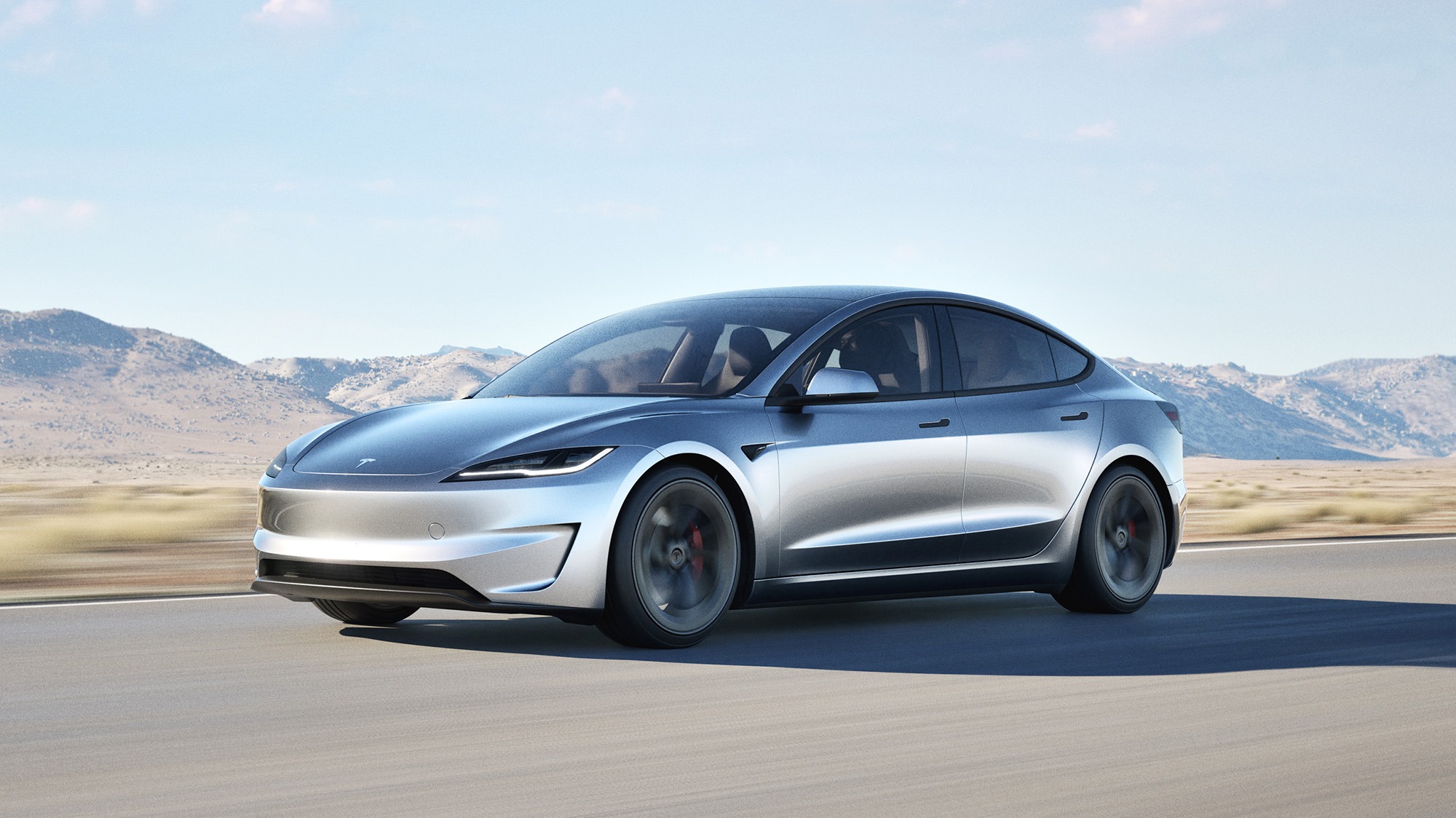
1. Tesla Model 2
Tesla’s long-rumored affordable compact car, often referred to as the Model 2, is expected to finally launch by 2027. This EV could be the most influential car Tesla has ever made, not because of flash or power, but because of scale.
Tesla has built a reputation on luxury and performance, but a smaller, budget-friendly model will open up the brand to a much wider global market. Aimed at a price point well below the current Model 3, the Model 2 will likely feature fewer premium materials and a simplified design to keep costs down.
Its main appeal will be accessibility. Many first-time EV buyers hesitate due to price, and the Model 2 is expected to address that directly. It’s being positioned as a practical daily driver that doesn’t require a massive financial commitment. Even if it doesn’t carry the same range as Tesla’s more expensive offerings, the Model 2 is expected to offer enough for city commuters and average drivers. Its compact size will also make it ideal for urban environments, where space is limited and efficiency matters.
The Model 2 is also likely to include Tesla’s latest Autopilot and Full Self-Driving software, at least as optional packages. Tesla’s approach to vehicle software, allowing features to be added or upgraded remotely, means the car could actually improve over time.
That continuous update model has become one of Tesla’s key strengths. Even if the hardware is modest, the software will keep the vehicle modern and relevant for years.
With a simplified production process using Tesla’s “gigacasting” method, the Model 2 could also redefine how cheap EVs are built. If Tesla can deliver a car that offers real-world range, safety, software integration, and reliability at a significantly reduced cost, it could put pressure on every other automaker to rethink their entry-level EV strategy.
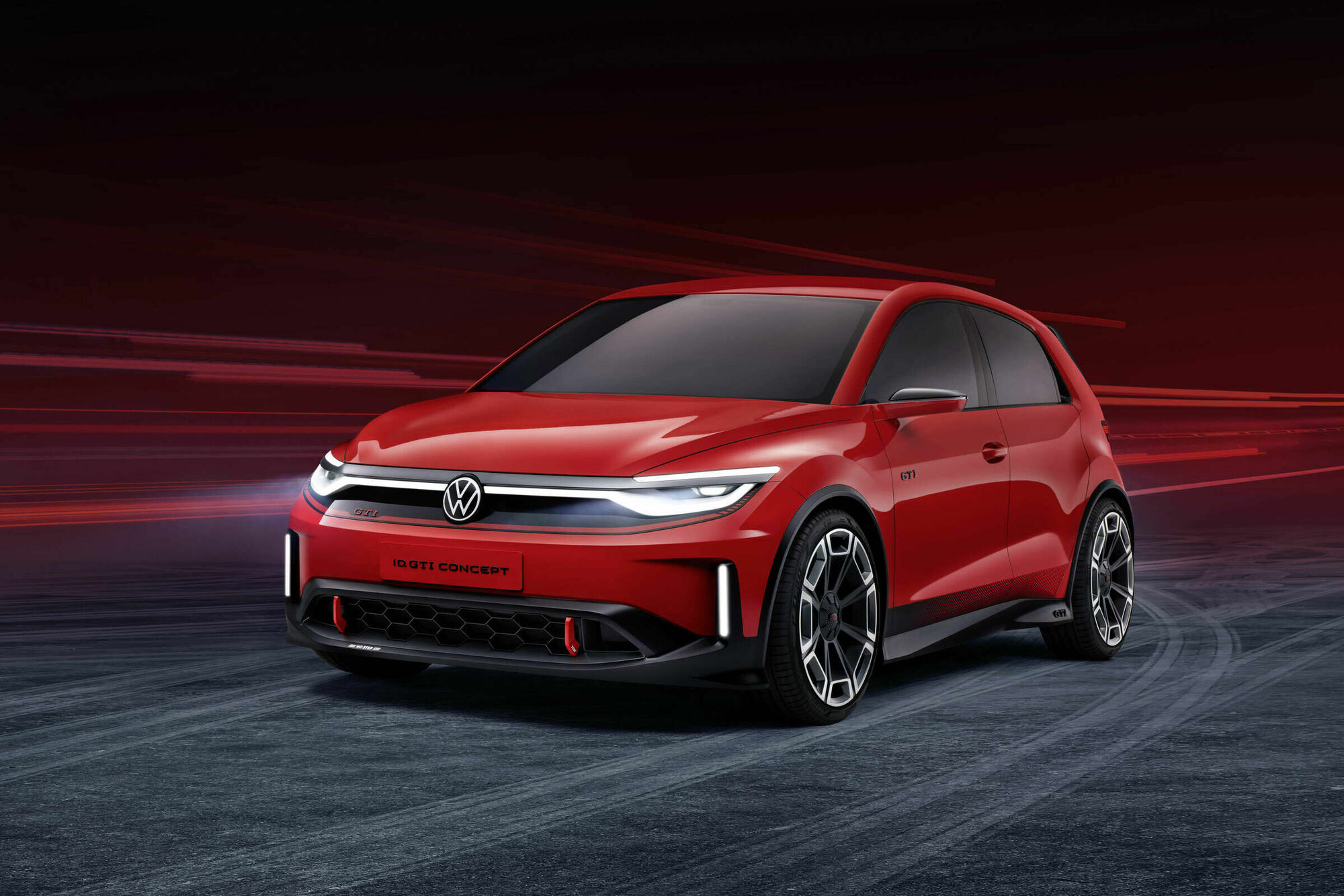
2. Volkswagen ID.2 GT
Volkswagen is preparing to shake up the affordable EV market with the ID.2 GT, a sportier version of its compact electric hatchback. The ID.2 is being positioned as a modern-day successor to the classic Golf, and the GT variant will add performance styling and upgraded dynamics.
With a sleek, aggressive stance and quick acceleration, the ID.2 GT will appeal to younger drivers looking for a fun but practical EV. Volkswagen is targeting a sub-$30,000 price range for the standard model, making it one of the more accessible cars in its class.
Despite its smaller footprint, the ID.2 GT will benefit from Volkswagen’s MEB platform, which offers a low center of gravity and balanced weight distribution. It’s expected to feature a front-wheel-drive setup with a peppy electric motor capable of delivering solid urban performance.
Range estimates are expected to sit around 250–300 miles on a full charge, which should be more than sufficient for daily commutes and weekend drives.
The design will set it apart. Inside, it will be minimal but tech-heavy, with a digital cockpit, smart voice control, and app-based customization. Outside, expect sporty accents, unique wheels, and a distinct LED signature. Volkswagen knows it has to make the ID.2 GT feel fun, not just efficient. As electric cars begin to saturate the market, emotional appeal is becoming more important, and the GT aims to deliver on that front.
Volkswagen’s strategy with the ID.2 GT isn’t just to sell a small car. It’s to recapture the emotional connection that made the Golf GTI a cultural icon. If it can do that with electric power, it won’t just succeed in selling units; it will reframe how people view compact EVs altogether.
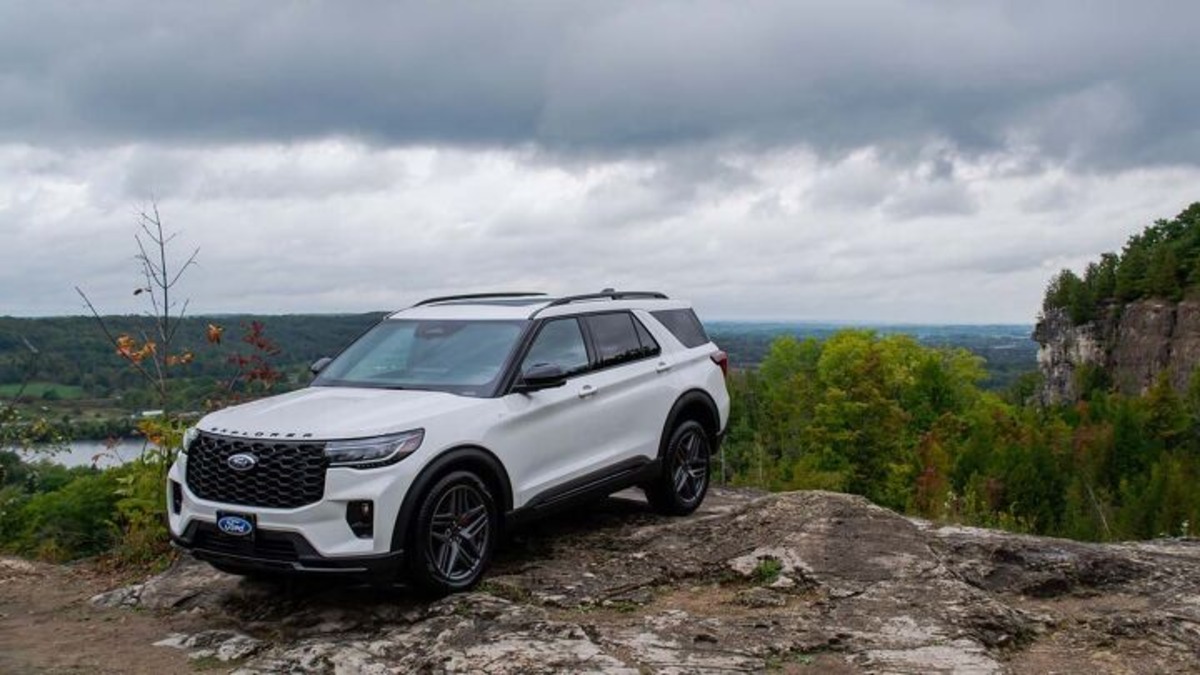
3. Ford Explorer EV
Ford is taking its best-selling SUV nameplate and electrifying it with a fully redesigned Explorer EV. Scheduled for release by 2027, this model will target families who need space and versatility but are ready to transition away from gas. The electric Explorer won’t just be a rebadged version of the gas model. It will ride on a dedicated EV platform and take full advantage of flat-floor design, improved packaging, and updated tech features.
The vehicle is expected to come with dual-motor all-wheel drive, making it suitable for various terrains and driving conditions. With Ford focusing on utility and range, the Explorer EV could become a go-to vehicle for long road trips and daily hauling alike. Initial projections suggest the range could exceed 350 miles per charge, depending on battery configuration. Fast-charging capability will also be a key selling point, especially for families who don’t have time to wait.
Inside, the Explorer EV will likely feature a large infotainment screen with integrated Ford software, over-the-air updates, and full smartphone connectivity. Comfort and safety will be priorities, with a suite of advanced driver assistance systems and interior space designed for long drives.
Ford’s shift toward electrified SUVs is also expected to make towing easier, with the torque advantages of electric motors potentially increasing towing capacity compared to gas counterparts.
Ford is betting on brand familiarity to smooth the EV transition. People trust the Explorer name. By keeping the rugged, dependable image while upgrading everything underneath, the Explorer EV could bridge the gap between traditional SUVs and the next era of family vehicles. It’s not just a smart move for Ford, it’s a strategic push into the mainstream market.
4. Hyundai Ioniq 9
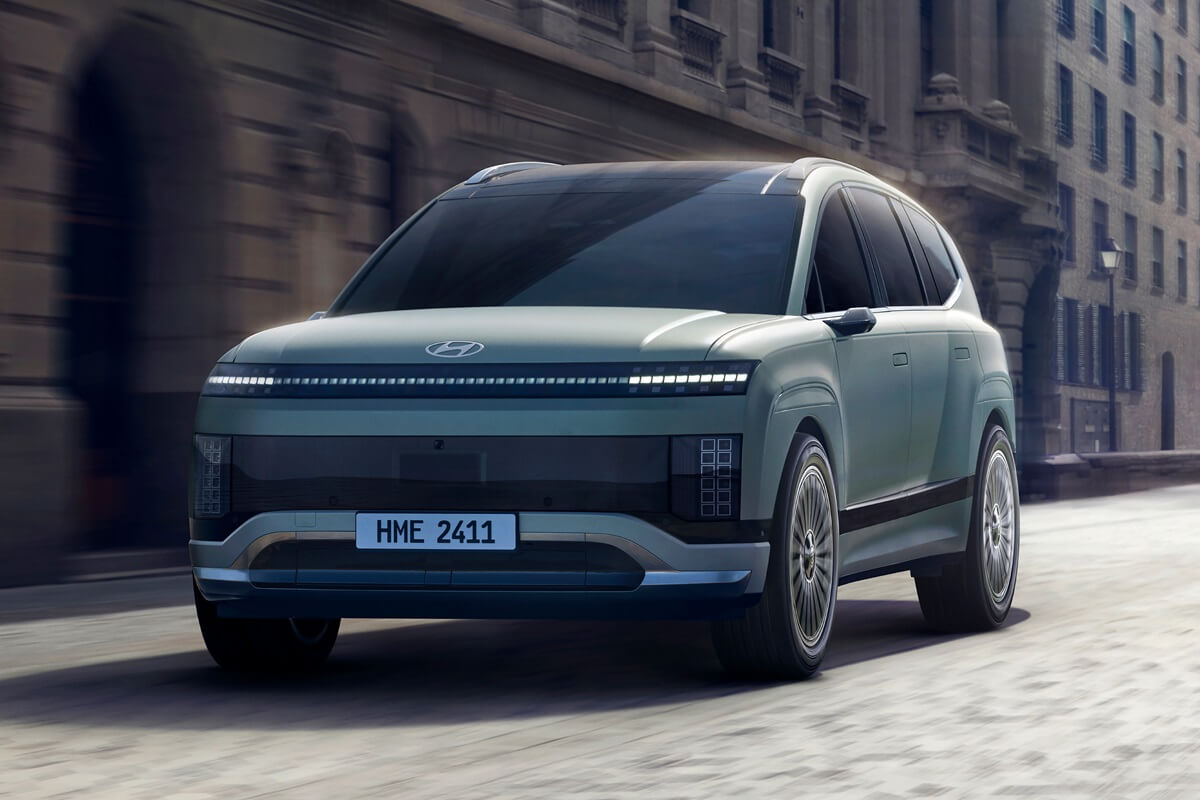
Hyundai has been steadily building a reputation for electric innovation, and by 2027, the Ioniq 9 is expected to crown its lineup. This will be a full-size, three-row SUV that challenges electric offerings from premium brands while staying competitively priced.
The Ioniq 9 will share architecture with Hyundai’s E-GMP platform, which has already proven its value in the Ioniq 5 and Ioniq 6. With the Ioniq 9, Hyundai will aim to provide more space, more range, and a stronger tech package, all without stepping too far into luxury pricing.
One of the major draws of the Ioniq 9 will be its size and layout. Families and travelers looking for maximum passenger and cargo space will find this SUV particularly useful. Unlike many larger vehicles, it won’t be bulky or inefficient. The flat floor will allow for a more open cabin layout, better seating configurations, and more usable interior volume. Expect options for captain’s chairs, reclining rear seats, and a panoramic roof that adds light and a feeling of openness.
Performance-wise, Hyundai is expected to equip the Ioniq 9 with dual-motor all-wheel-drive systems and a high-capacity battery that pushes past 350 miles of range. The car will likely come with vehicle-to-load (V2L) features, allowing it to power devices or even another EV in emergencies.
Fast charging will be a big part of its appeal as well, potentially bringing the battery from 10% to 80% in under 20 minutes, depending on conditions and charger availability.
Inside the cabin, technology will be at the forefront. Hyundai’s advanced driver assistance system will likely be upgraded, potentially nearing Level 3 autonomy. The infotainment setup will include high-definition displays, voice control, and smart home connectivity. In-car entertainment, ambient lighting, and customizable drive modes will make it feel modern and inviting. The Ioniq 9 will aim to prove that practicality and performance can coexist with affordability in the electric SUV market.
5. Rivian R2
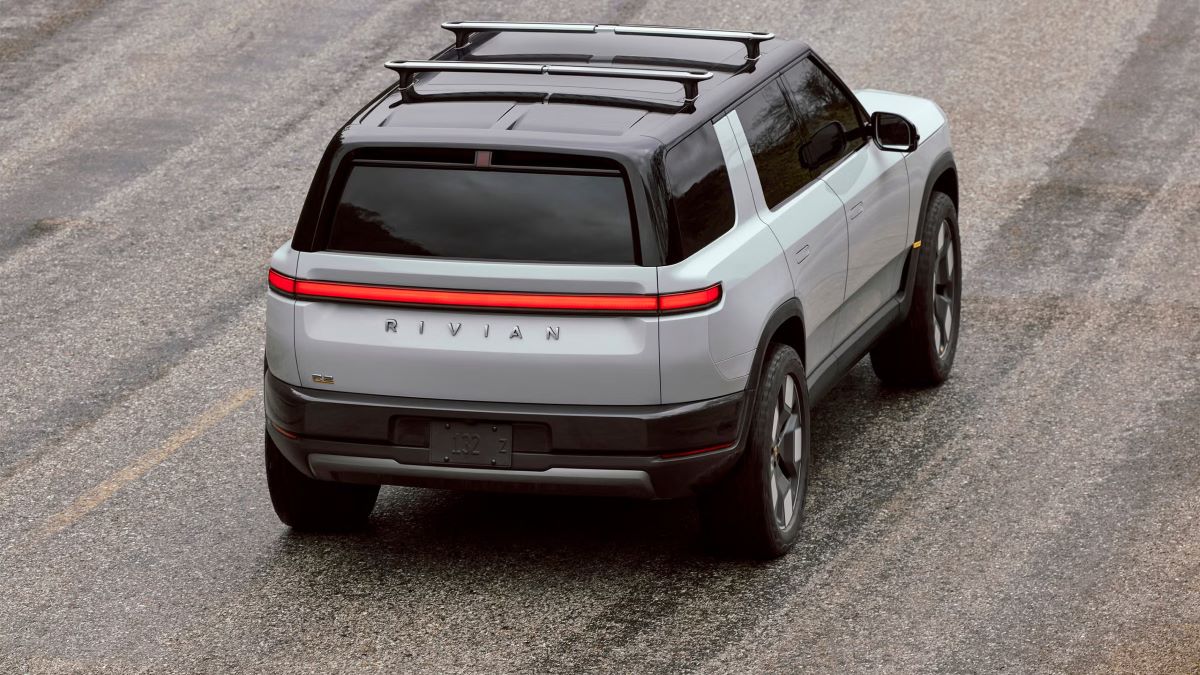
Rivian has built a solid reputation with its R1T truck and R1S SUV, offering rugged electric vehicles that appeal to adventure seekers. In 2027, Rivian is expected to introduce the R2, a more affordable, compact SUV meant to reach a broader market.
While smaller in size and lower in price, the R2 will aim to carry over Rivian’s core values: utility, durability, and innovation. It’s being designed to undercut the luxury EV market while retaining the off-road spirit Rivian is known for.
The R2 is expected to come with multiple drivetrain options, including dual-motor AWD. Even in its base form, the SUV should deliver solid performance, with 0-60 acceleration times around 4 to 5 seconds. It may not match the brute power of its bigger siblings, but it won’t feel slow or underpowered. Range will likely land around 300 miles, though larger battery variants could push further. A smaller battery option may also be available to bring the price below $45,000.
Rivian has always been thoughtful with design, and the R2 will probably continue that trend. Expect clever storage spaces like the gear tunnel or front trunk, modular roof rails, and adventure-ready accessories.
The interior will lean toward durability rather than luxury, using sustainable materials, water-resistant surfaces, and robust finishes designed for outdoor lifestyles. It will also come with Rivian’s latest software suite, including smart route planning, off-road modes, and over-the-air updates.
Affordability will be key to the R2’s success. Rivian wants to expand beyond its current niche of well-off early adopters. If it delivers a reliable, rugged, and efficient EV that doesn’t feel compromised by its lower price, the R2 could appeal to a wide range of customers, from young families to urban drivers who want flexibility without giving up weekend adventure.
6. BMW i5 Touring
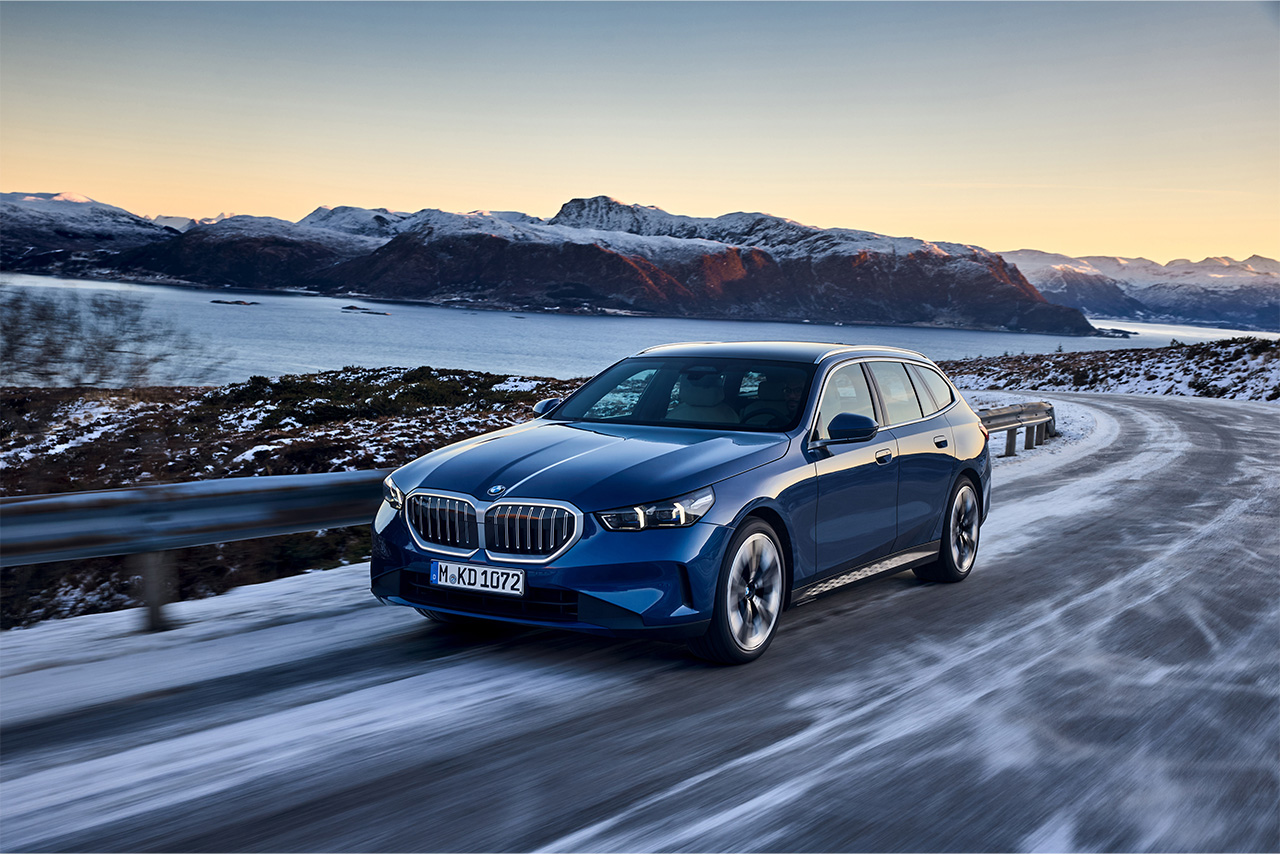
BMW is planning to expand its EV offerings with more body styles, and the i5 Touring is set to be a standout model in 2027. This all-electric wagon will cater to drivers who want a mix of luxury, performance, and practicality.
Unlike the growing sea of electric SUVs, the i5 Touring provides an alternative that keeps driving dynamics sharp while offering spacious cargo areas and a sleek, sporty silhouette. It will likely appeal to enthusiasts and professionals alike.
The i5 Touring will share much of its underpinnings with the i5 sedan, which means strong performance numbers, likely in the 300–500 horsepower range, depending on trim. Dual-motor all-wheel-drive models will offer spirited acceleration, while more affordable single-motor variants will prioritize range and efficiency. BMW’s tuning expertise ensures that even the wagon form will feel balanced and responsive on twisty roads.
Inside, the i5 Touring will carry BMW’s signature cockpit-style design, with high-end materials, digital instrument clusters, and an emphasis on driver engagement. Technology will play a central role, with an updated iDrive system, enhanced voice control, and seamless integration with mobile devices. Expect an emphasis on driver assistance as well, including advanced cruise control and lane centering functions.
The reason this car matters in the EV world is that it challenges the idea that electric cars have to be either luxury sedans or crossovers. It offers a blend of functionality and sportiness rarely seen in today’s electric market. For drivers who miss the days of performance wagons or simply want a car that handles better than most SUVs, the i5 Touring could be a refreshing option that proves electric driving doesn’t have to follow a single mold.
7. Toyota Compact Cruiser EV
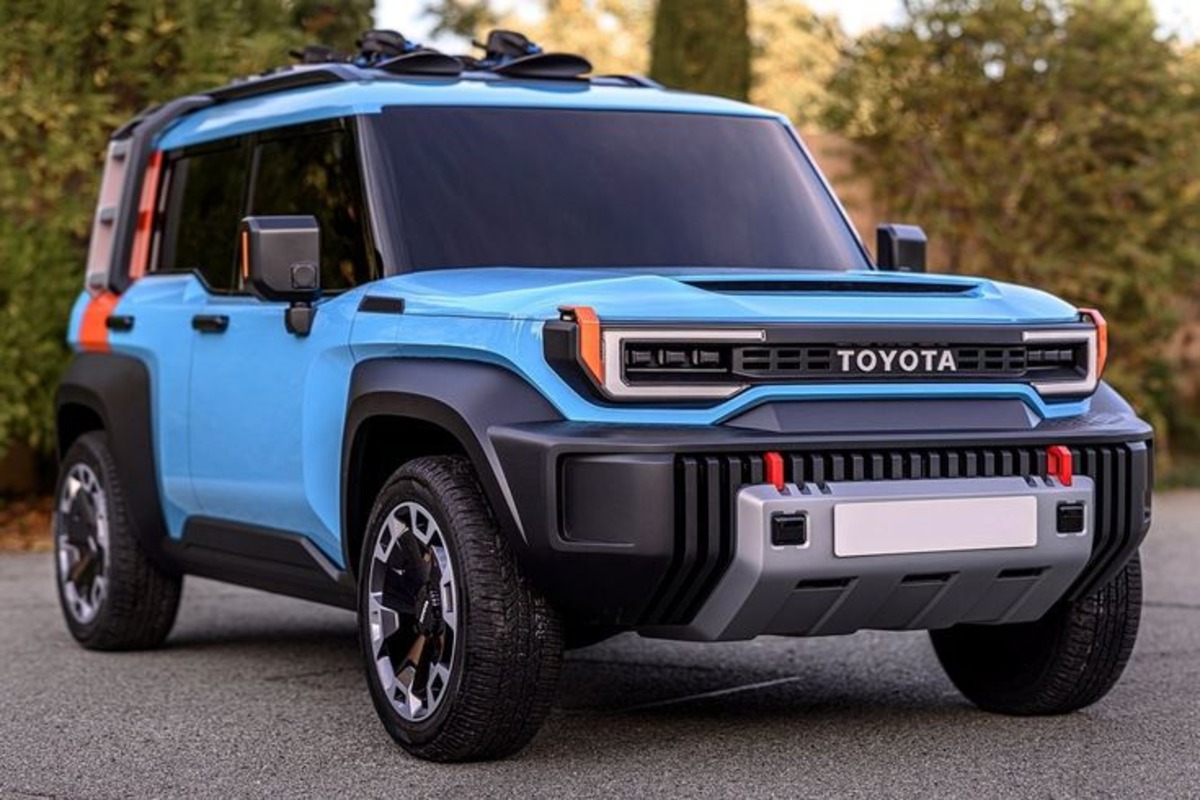
Toyota has often been seen as slow to fully embrace battery-electric vehicles, but that’s starting to change. By 2027, Toyota is expected to launch the Compact Cruiser EV, a small, rugged, off-road-oriented electric SUV aimed at outdoor enthusiasts and urban adventurers.
This vehicle draws design inspiration from the classic FJ Cruiser but in a more compact, affordable format. Toyota intends for this model to appeal to a new generation of drivers looking for fun, function, and sustainability in one package.
The Compact Cruiser EV will likely sit on Toyota’s e-TNGA platform, which allows flexibility in battery size and drivetrain layout. A dual-motor setup is expected for higher trims, giving the vehicle real off-road capabilities. This model won’t be a soft-roader. It’s being developed with a high ride height, short overhangs, and aggressive approach and departure angles, making it capable on dirt trails and back roads. Range estimates will likely land around 250–300 miles, depending on terrain and driving style.
Toyota knows its audience for this vehicle isn’t just about looks. The brand is expected to include roof rails, rugged tires, and accessory-ready bumpers from the factory. Interior materials will likely focus on durability and easy cleaning, rubberized flooring, washable seat covers, and intuitive controls. Technology will include a modern infotainment system, smartphone compatibility, and camera-based visibility enhancements for tricky terrain.
This EV will also serve a strategic purpose for Toyota. It will help the company strengthen its reputation in the battery-electric market without alienating long-time fans of the brand’s toughness and reliability. The Compact Cruiser EV won’t aim for the largest share of the market, but it could develop a loyal following and become one of the most recognizable small electric off-roaders in production.
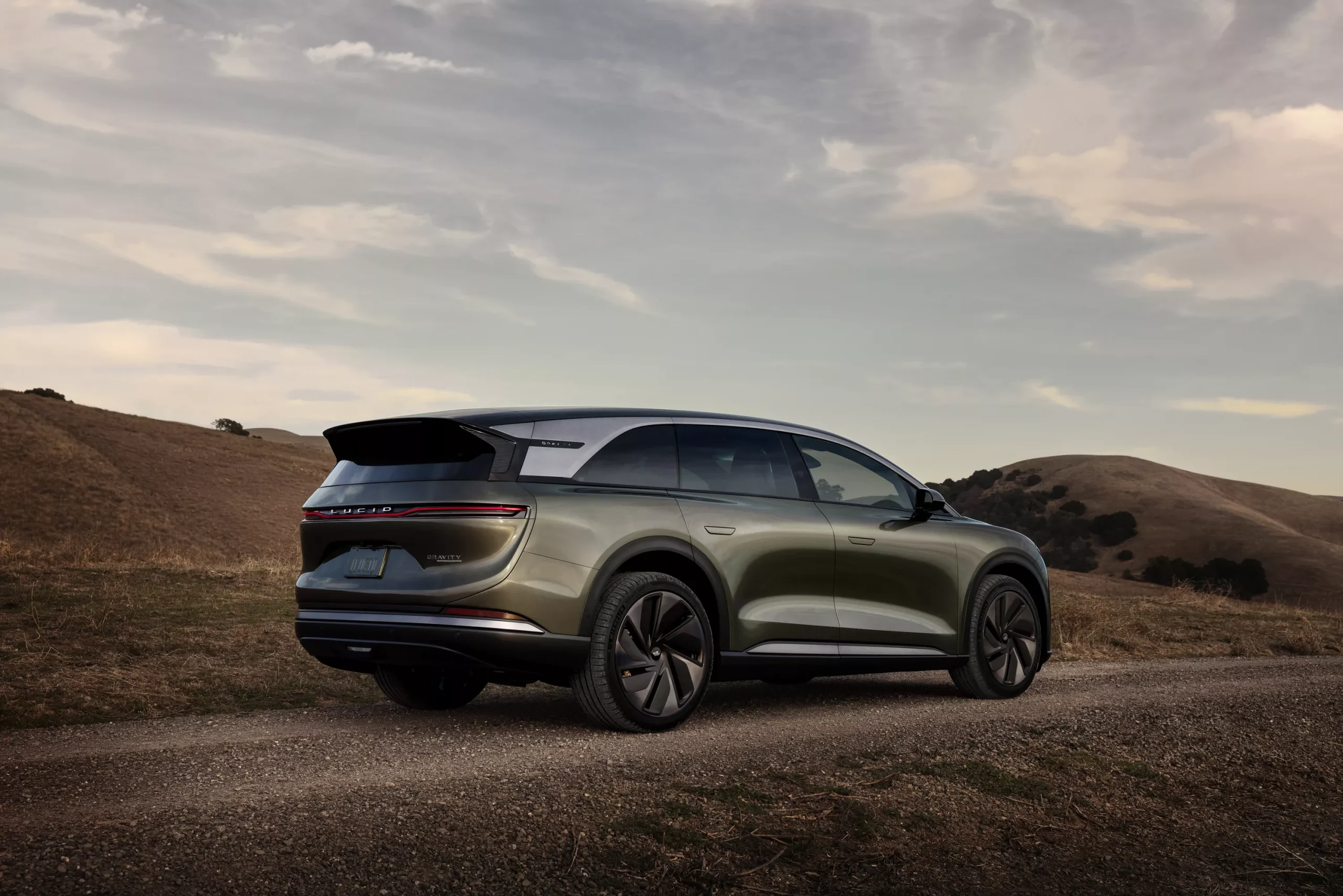
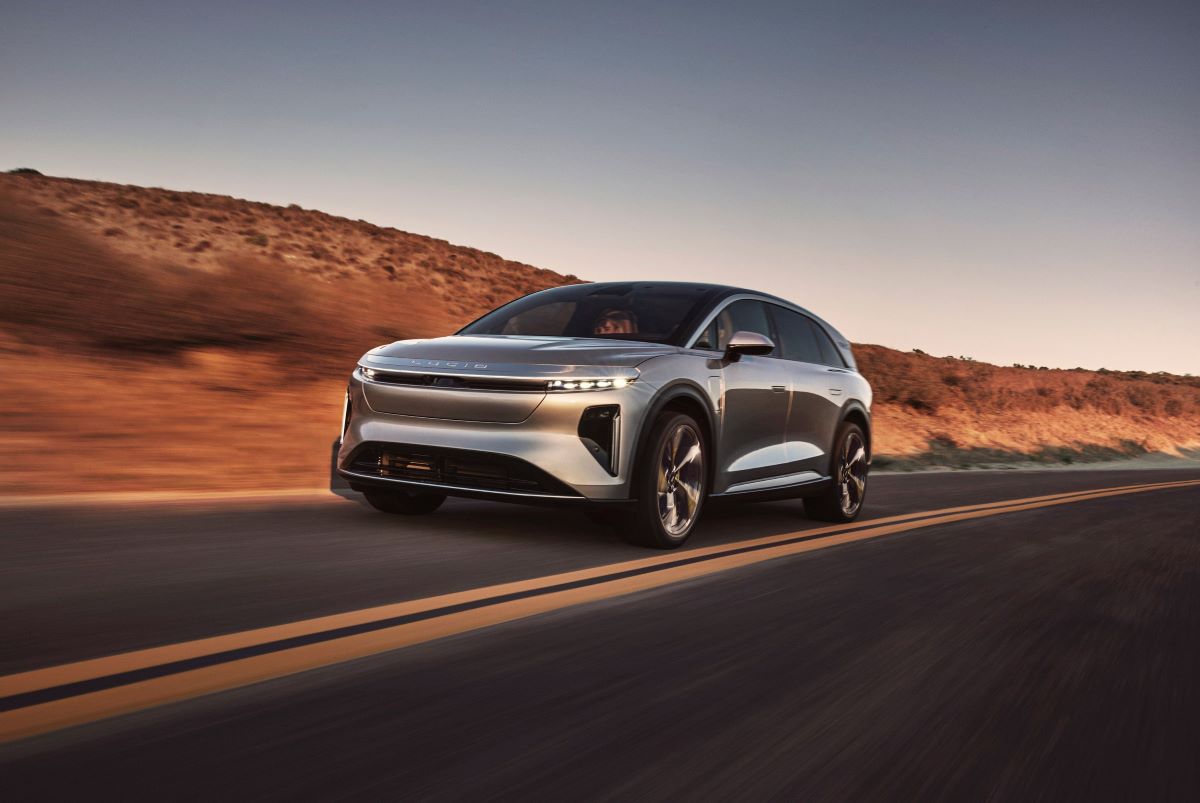
8. Lucid Gravity
Lucid Motors made its name with the Air sedan, which turned heads for its luxury, performance, and record-breaking range. In 2027, Lucid is preparing to expand its product lineup with the Gravity, a three-row electric SUV that blends luxury and utility.
It’s meant to directly challenge vehicles like the Tesla Model X and BMW iX, but with more refinement and longer driving range. The Gravity has already generated strong early buzz, and by the time it hits roads, it’s expected to push the boundaries of what large EVs can offer.
The Gravity is designed to be a family vehicle without sacrificing the sleekness or prestige associated with Lucid’s brand. Its exterior will maintain aerodynamic efficiency, using curves and sculpted panels to help reduce drag and improve range. Underneath, Lucid’s in-house electric powertrain technology will give it some of the best performance figures in the segment. Dual- and tri-motor variants may be available, delivering quick acceleration and precise handling.
One of the biggest selling points will be its interior. Expect ultra-premium materials, a minimalist design with wide-open space, and an advanced infotainment system that integrates navigation, entertainment, and driver assistance.
Lucid is also focused on rear passenger comfort, offering flexible seating arrangements and fold-flat cargo areas. For those seeking luxury road trips, the Gravity will provide long-distance range without sacrificing amenities.
Lucid’s strength lies in its engineering and software sophistication. The Gravity is expected to come with semi-autonomous driving features and real-time traffic adaptation. Over-the-air updates will allow new capabilities to be added long after purchase. If Lucid can meet its ambitious production and pricing goals, the Gravity could be one of the most complete electric SUVs ever made, combining power, elegance, and practicality in a package that truly feels future-ready.
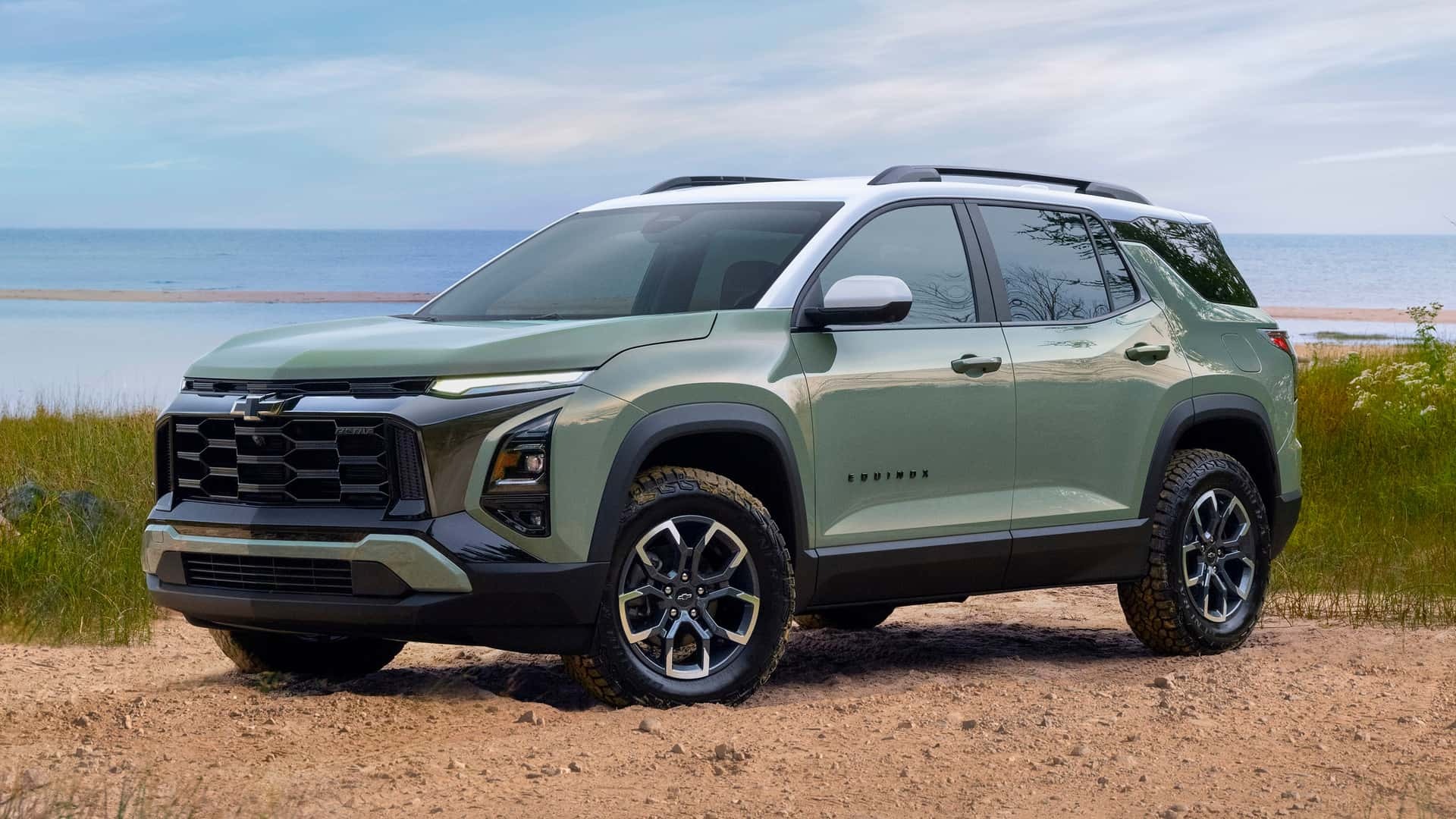
9. Chevrolet Equinox EV
Chevrolet is aiming to bring electric vehicles into the mainstream with models like the Equinox EV, expected to be in full swing by 2027. The Equinox nameplate is well-established in North America, and the new electric version is designed to be a practical, affordable entry point for EV buyers.
Chevrolet has emphasized that it wants this vehicle to be priced below $35,000 without sacrificing performance or features, which could make it a massive success in the growing mid-size crossover segment.
Built on GM’s Ultium platform, the Equinox EV will offer scalable battery options and flexible configurations. Buyers can expect both front-wheel and all-wheel-drive models, along with competitive range estimates likely between 250 and 320 miles, depending on the variant. The design language will be clean and modern, leaning into aerodynamic lines and integrated LED lighting for a more futuristic appearance without looking overly flashy.
Interior features will be surprisingly generous for the price. Chevrolet is packing in a large center display, digital driver cluster, wireless Apple CarPlay and Android Auto, and advanced driver assistance systems like lane centering and adaptive cruise control. While the materials may not match premium vehicles, the Equinox EV is expected to punch above its weight when it comes to comfort and tech integration.
What makes this vehicle important is its potential to normalize EV ownership. Not every buyer wants luxury or high performance; many just want a reliable, good-looking, family-friendly vehicle that’s efficient and future-proof. If Chevrolet delivers on affordability, range, and everyday usability, the Equinox EV could become one of the top-selling electric vehicles in North America by 2027, reshaping perceptions around what electric driving can be.
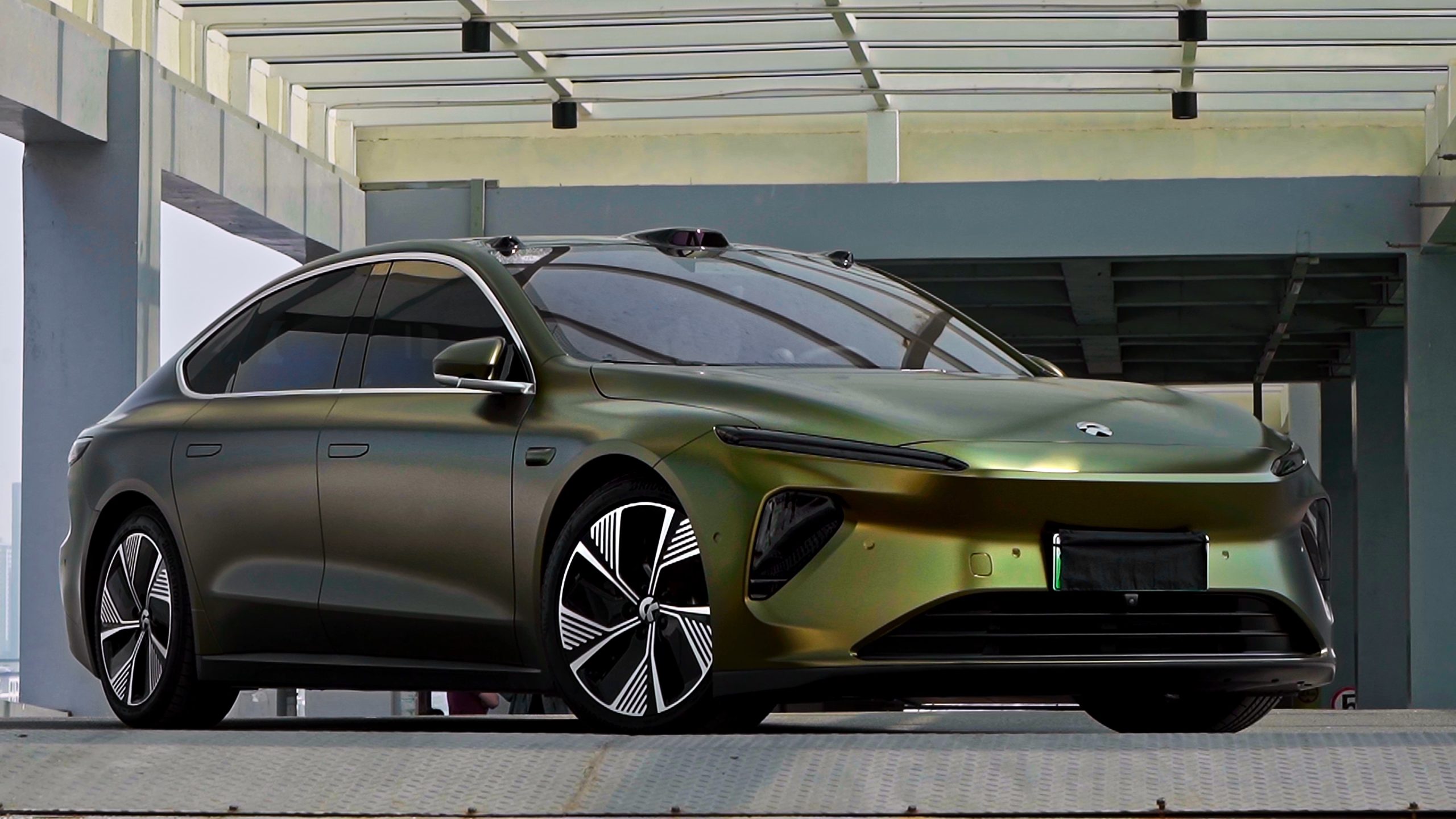
10. NIO ET7 (Global Version)
Chinese EV manufacturer NIO has already made waves in its home market with premium electric sedans and SUVs. The ET7, its flagship sedan, is set for global rollout by 2027, bringing its blend of luxury, autonomy, and battery-swapping technology to Europe and possibly North America. NIO’s approach differs significantly from other brands, and the ET7 could play a critical role in establishing China as a serious contender in the premium EV space.
The ET7 combines sleek design with powerful specs. Dual-motor configurations will produce over 600 horsepower, launching the car from 0 to 60 mph in under four seconds. Range options will vary, but the most impressive will be the 150 kWh solid-state battery version, targeting over 600 miles of range on a single charge. This could put the ET7 well ahead of competitors in terms of distance capabilities.
Beyond range and performance, what truly makes the ET7 unique is its battery-swapping system. Instead of waiting for a charge, owners can drive into a swap station and have a fresh, fully charged battery installed in under five minutes. This system could alleviate one of the biggest frustrations with EVs, especially for long-distance drivers. While not yet widespread, the rollout of swap stations could accelerate if the global version gains traction.
Inside, the ET7 feels like a luxury lounge, with Nappa leather, high-end wood accents, and ambient lighting throughout. A digital assistant powered by AI helps control everything from navigation to climate control. Advanced safety systems and self-driving features round out the package. If NIO succeeds in scaling its operations globally, the ET7 could become a serious alternative to established European luxury sedans and push innovation across the entire segment.
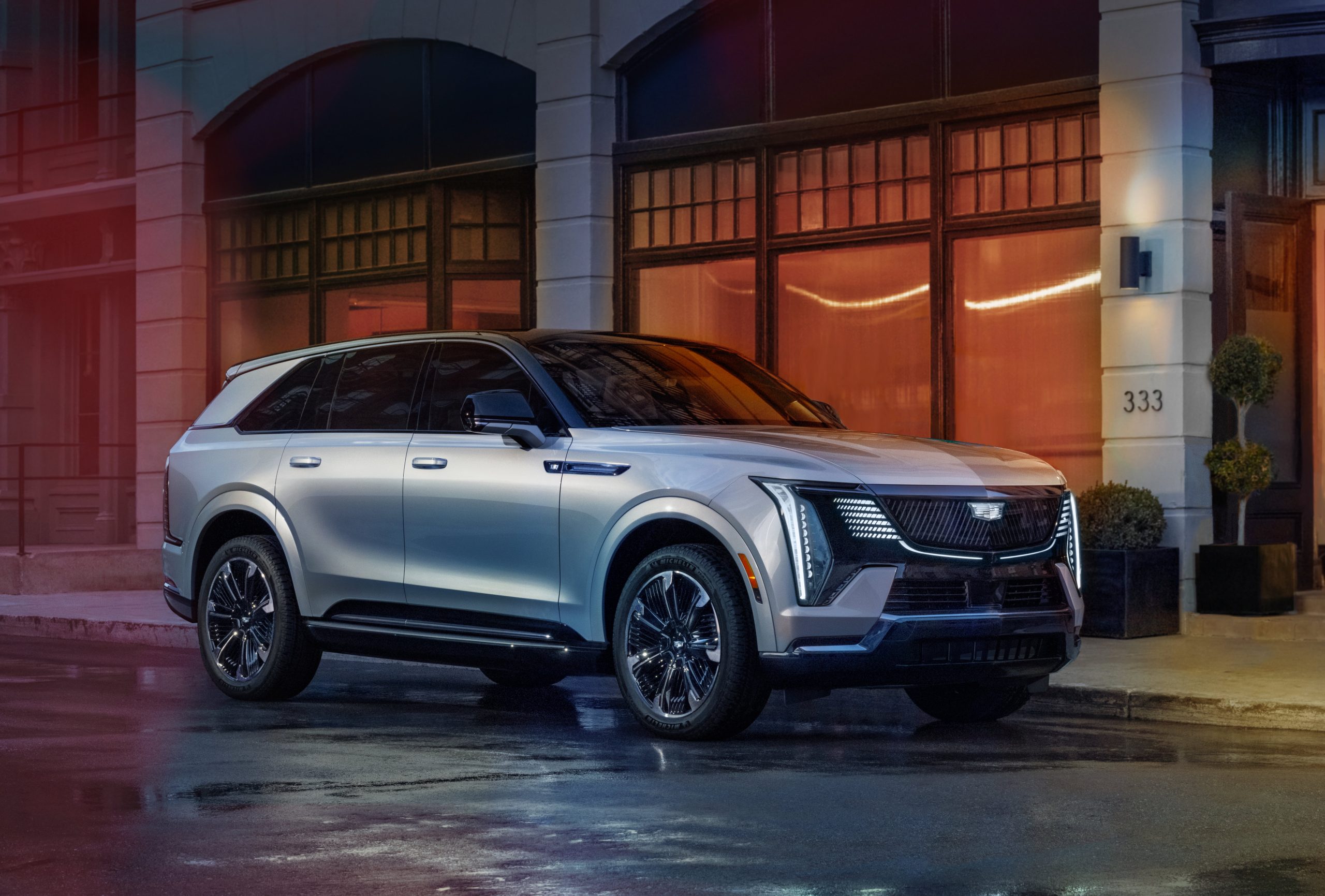
11. Cadillac Escalade IQ
Cadillac is going all-in on electric vehicles, and by 2027, one of its most iconic models, the Escalade, will have been completely reimagined as the Escalade IQ. This full-size electric SUV aims to preserve the grandeur and presence of the original while replacing the gas-guzzling V8 with a high-tech, emission-free powertrain.
It will be the biggest and most luxurious EV Cadillac has ever made, targeting high-end buyers who want power, space, and elegance in one package.
The Escalade IQ is expected to ride on GM’s Ultium platform and feature dual- or tri-motor configurations capable of delivering over 750 horsepower in higher trims. With that kind of power, it will offer thrilling acceleration while still providing a smooth, quiet ride. Range should fall between 350 and 450 miles, depending on configuration. Fast-charging support and vehicle-to-home energy features will also be included, making it a tech-forward option.
Inside, expect unmatched luxury. Cadillac will include features like a panoramic glass roof, executive seating, rear-seat entertainment systems, and massive touch displays integrated into the dashboard. Materials like real wood, brushed metal, and stitched leather will elevate the cabin to near-limousine levels of comfort. Advanced driver-assistance systems will include GM’s Super Cruise, allowing for hands-free driving on approved highways.
The Escalade IQ will matter not just for its own performance, but because it will set the tone for large luxury EVs in America. It maintains a traditional SUV profile but updates everything underneath, making it a bridge between past and future. For those unwilling to sacrifice size or comfort when going electric, the Escalade IQ offers a strong incentive to make the switch.
Also Read: 7 Bad Habits That Ruin a Jeep Patriot Transmission
The electric vehicle market in 2027 will not just be about more models on the road; it will reflect a complete shift in how people think about transportation. The 12 vehicles highlighted here represent a range of priorities, from affordability and accessibility to performance, luxury, and sustainability.
Each one brings its own unique approach to what an EV can be, showing how diverse the future of driving is becoming. Whether it’s a compact city car like the Tesla Model 2, a tech-forward luxury machine like the Lucid Gravity, or a rugged off-roader like the Toyota Compact Cruiser EV, these vehicles show that electric power no longer forces compromise.
Manufacturers are clearly responding to rising consumer expectations. People no longer want just clean transportation; they want comfort, innovation, and flexibility. Automakers are investing in software updates, autonomous capabilities, and advanced battery technology not just to compete, but to lead.
The improvements in range, charging time, and vehicle intelligence we’ll see by 2027 are going to make owning an EV far more practical and rewarding than ever before.
Perhaps most important is the way these EVs are shaping public perception. They’re proving that electric cars are not niche products for early adopters anymore. They’re practical for families, exciting for enthusiasts, and viable for businesses. As infrastructure improves and prices come down, the barriers to entry are falling fast.
By 2027, driving will not be defined by the sound of an engine or the smell of gasoline. It will be about quiet power, seamless connectivity, and smarter roads. These vehicles are not just new cars; they represent the future of mobility, where innovation isn’t an option, but a standard. For anyone looking at the road ahead, this next generation of EVs is where that journey begins.
