
Automotive quality can be measured in several ways. Some buyers judge it by performance, others by reliability, while many are heavily influenced by interior craftsmanship. The feel of the cabin, the stitching on the seats, and the solidity of panels and switches often make the difference between a car that feels worth its price and one that feels like it’s cutting corners.
Oddly enough, some of the most mechanically reliable vehicles suffer from interior quality that ages poorly. On the other hand, some stylish and upscale interiors begin to show cracks, warping, or sagging even before the warranty ends. This mismatch can affect long-term satisfaction and resale value in dramatic ways.
It’s one thing for a car’s engine and transmission to hold up past 200,000 miles, but it’s another for the door panels, headliner, and dashboard to remain in decent condition. For many vehicles, particularly in the budget category, interior components tend to wear out faster than the mechanical.
Poor adhesive quality, weak plastics, and cost-cutting design choices mean even reliable nameplates can leave owners dealing with rattling panels or peeling surfaces. Conversely, a few models stand as a testament to durability, with cabins that remain respectable even when their engines start to show signs of aging.
This article separates ten well-known vehicles into two groups: five that tend to outlast their interiors, and five that tend to fall short with trim and materials that degrade too soon. Each section discusses common issues, owner experiences, and why certain compromises were likely made during the design and manufacturing process.
While some flaws are forgivable depending on the price point, others reflect deeper issues with quality control or bad design choices. Whether you’re shopping used, considering resale, or simply want to know which models have this surprising imbalance, this breakdown highlights some of the most talked-about examples among owners and enthusiasts alike.
Also Read: 8 Things That Keep a Honda CR-V Safe After 200k Miles
5 Cars That Outlast Their Interiors
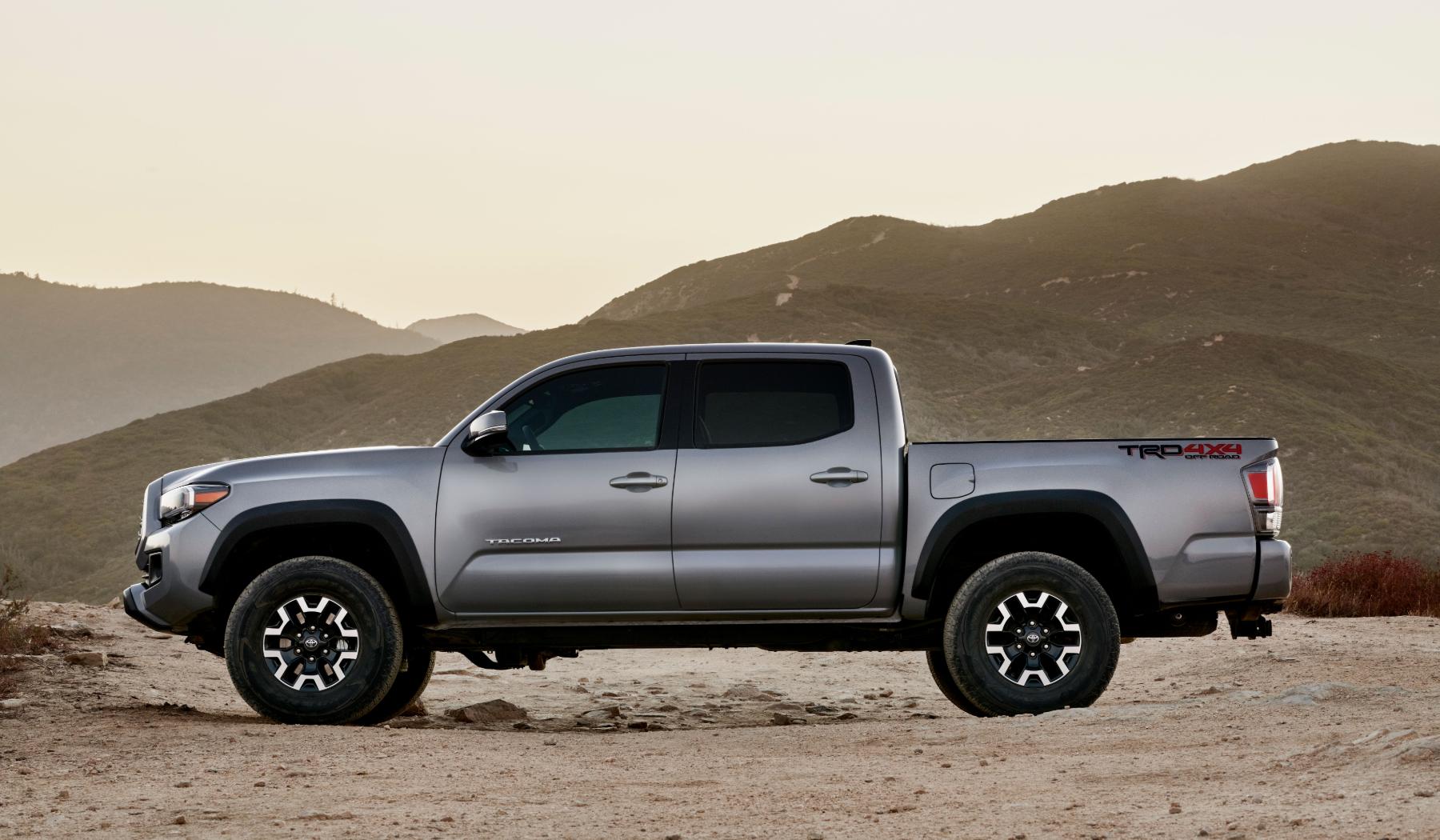
1. Toyota Tacoma (2005–Present)
The Toyota Tacoma has earned a strong reputation for reliability, especially with its engines and transmissions that often pass the 250,000-mile mark with minimal trouble. This midsize truck is frequently used in rugged environments, from construction sites to off-road trails, and it holds up incredibly well in those conditions.
Owners trust the Tacoma for its durability under stress, and its resale value remains among the highest in the segment. Mechanically, it’s considered bulletproof. The truck’s frame and powertrain can endure harsh treatment that would destroy less capable vehicles.
However, the interior tells a different story. Especially in models from the mid-2000s through the early 2010s, the cabin materials feel outdated and wear poorly. The dashboard plastic becomes brittle over time, and trim pieces are known to rattle or detach entirely.
The seats, while functional, are often described as uncomfortable on long drives and prone to fabric wear and sagging. Vent controls and knobs also age poorly, developing squeaks or cracks, particularly in regions with significant heat exposure. While the truck might still start up every morning without hesitation, the inside can start to feel worn-out long before the engine begins to complain.
Owners have adapted by replacing interior trim with aftermarket parts or simply living with the flaws. The functionality of the Tacoma isn’t diminished by a few rattles, but it does create a mismatch between the toughness of the drivetrain and the fragility of the cabin.
Toyota seemed to prioritize mechanical durability over creature comforts for these models, which is understandable for a truck but still disappointing for everyday users. Even when cleaned and maintained regularly, the interiors often develop wear signs that suggest the vehicle is older than it really is.
Later models improved slightly in this area, with better plastics and upholstery options, but the theme remains. The Tacoma will likely outlive several of its own interior panels if it’s used heavily. Buyers tend to accept this tradeoff, but it remains one of the clearest examples of a dependable vehicle with a cabin that doesn’t hold up at the same pace.
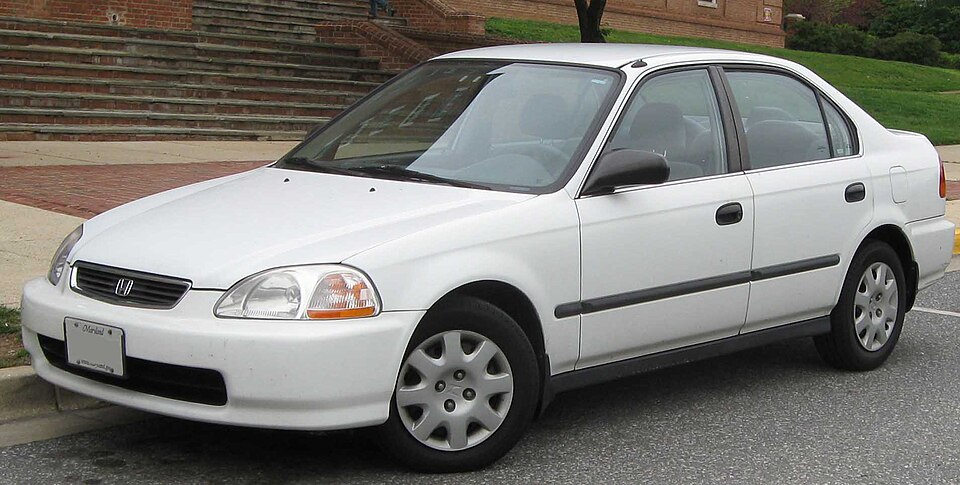
2. Honda Civic (2006–2011)
Honda’s eighth-generation Civic is known for its efficient engines and dependable transmissions. Many examples from this era are still on the road today, often running with over 200,000 miles on their original powertrain.
The car’s fuel economy, easy maintenance, and low operating costs make it a favorite among commuters and students. Mechanical issues are rare, and when they occur, they’re usually inexpensive to fix. It’s one of the most practical cars of its generation, and for good reason.
That said, the interior often ages faster than the engine or suspension. Owners frequently report problems with the dashboard, especially in hot climates where it can warp or crack. The cloth seats wear thin in the driver’s seat bolsters and sometimes stain easily. Plastics used in the door panels and center console tend to scratch or fade, especially when exposed to sunlight. This contrast becomes more noticeable as the car remains mechanically strong but begins to look tired and worn inside.
Even more troubling, some Civic models developed rattling sounds from the glovebox area and around the A-pillar, which can be hard to fix permanently. The minimalist dashboard layout might look futuristic when new, but it ages poorly, especially the upper digital displays that can dim over time.
The quality of the buttons and stalks also leaves something to be desired. They function well but feel cheap when pressed or twisted.
Despite these issues, many owners still love the car because of how well it runs. It’s a classic case of a vehicle built to last under the hood but designed with less investment in cabin quality. For a car so beloved for its longevity, it’s frustrating that the interior doesn’t keep up. However, it’s a compromise many are willing to live with, as long as the engine keeps purring and the mileage keeps climbing.
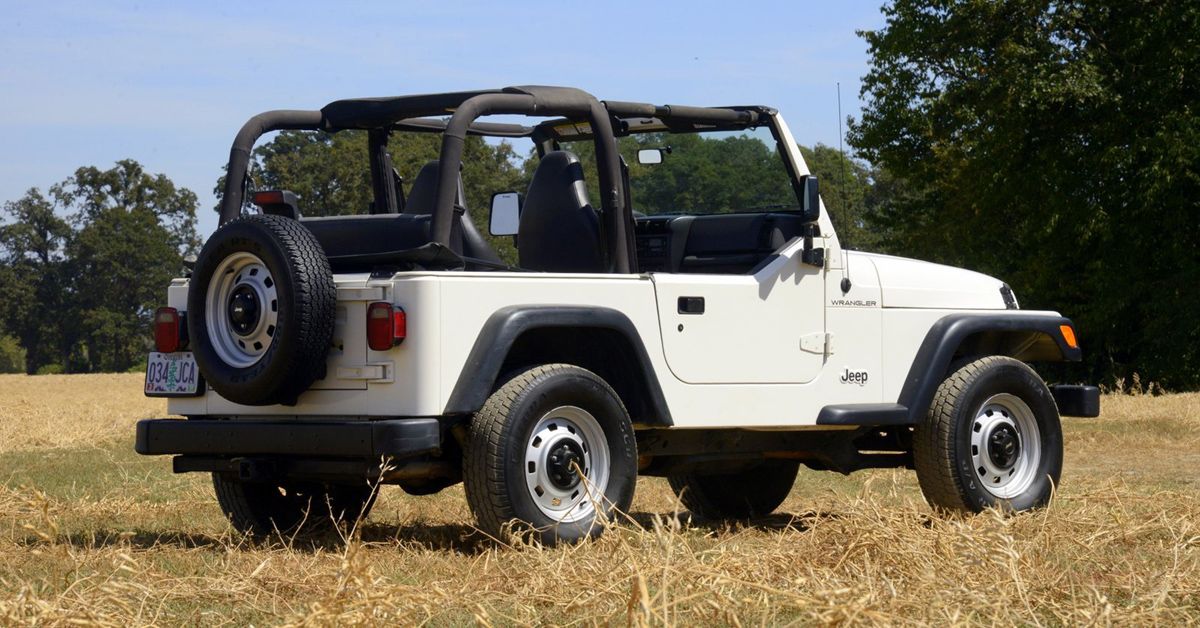
3. Jeep Wrangler (1997–2006)
The Wrangler, particularly the TJ generation, is known for rugged durability and simplicity. Its 4.0L inline-six engine has a legendary reputation for reliability, and the build of the chassis and drivetrain can endure rough off-road use that would destroy most SUVs.
It’s one of those vehicles that can be flipped, rolled, or sunk in mud and still start right up the next morning. Many Wranglers from this era are still used as trail rigs or daily drivers in rural areas, a testament to their toughness.
Yet, the interior almost seems like an afterthought. The cabin in this generation was Spartan, with basic plastics, flimsy seat materials, and poor weather sealing. Moisture intrusion from rain or river crossings often leads to mildew, electrical gremlins, or sagging headliners.
The dashboard plastics fade or crack over time, and the door panels often come loose or start to rattle. While some of this is forgivable in a purpose-built off-roader, it still creates a disconnect between the sturdy engine and the decaying trim.
One of the worst aspects is the wear of the seat foam and fabric. After a few years, even with moderate use, the driver’s seat often becomes uncomfortable. Switches and knobs also wear down or come loose. Rubber seals on the windows and hardtop degrade quickly, causing wind noise and leaks. Owners often replace or upgrade interior pieces with aftermarket solutions, not for luxury, but to stop things from falling apart.
Despite its cabin flaws, the TJ Wrangler maintains a loyal following. People buy it for what it can do, not how it feels inside. That’s part of the charm for some, but others find themselves constantly patching up cosmetic issues even while the rest of the vehicle runs strong. It’s a stark example of an indestructible drivetrain living inside a disposable shell.
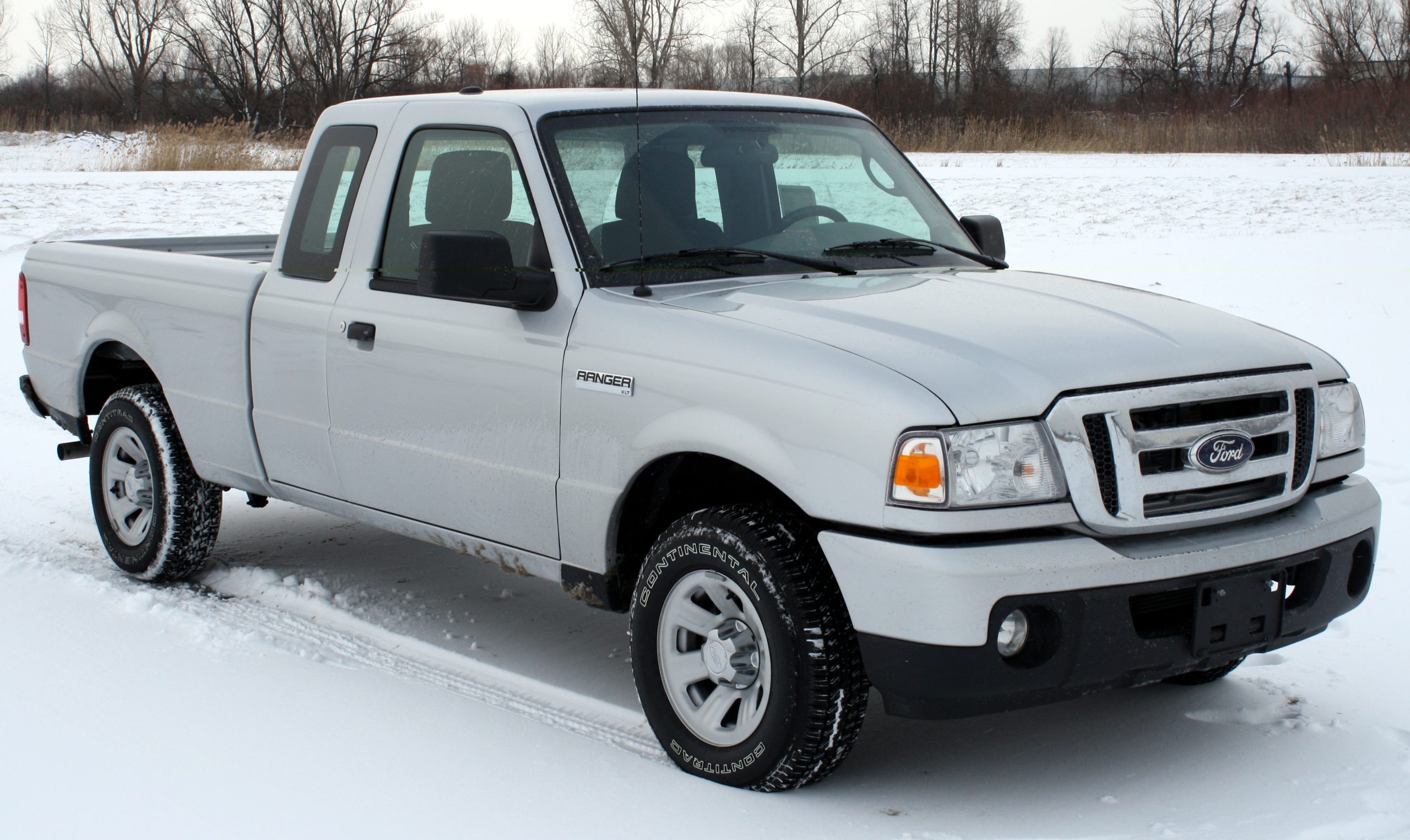
4. Ford Ranger (1998–2011)
The Ford Ranger, especially in its late ’90s to early 2000s form, is often praised for being nearly indestructible under the hood. Basic models with the 2.3L or 3.0L engines can last over 300,000 miles with proper maintenance. Many are still in service as work trucks, especially in rural areas or small businesses. Its body-on-frame construction gives it a sturdiness that’s rare in smaller trucks today, and repair costs are usually low due to simple engineering.
But inside the cabin, the Ranger feels extremely dated and fragile. The dashboard material is thin and prone to cracking. Door panels flex easily and can start to come loose with age. Air conditioning vents often break, and the knobs for climate control become difficult to turn after a few years. Even new from the factory, the cabin never felt upscale, and that feeling only worsens with time.
The cloth seats tend to fray at the seams and sag in the center, especially for work trucks that see daily use. The flooring, often rubber instead of carpet in base models, can crack or pull up around the edges. Wind noise is an issue at highway speeds, partly due to poor insulation and window seals. Owners who drive their Rangers well past 200,000 miles often replace or repair cabin parts more than once, simply to maintain basic functionality.
Still, the Ranger gets a pass from many because of how reliable the mechanics are. It’s one of those trucks that will get you there, but not necessarily in comfort. It was built for utility, and that shows in the materials used inside. The cabin quality may disappoint, but the underpinnings continue to impress, even years after production ended.
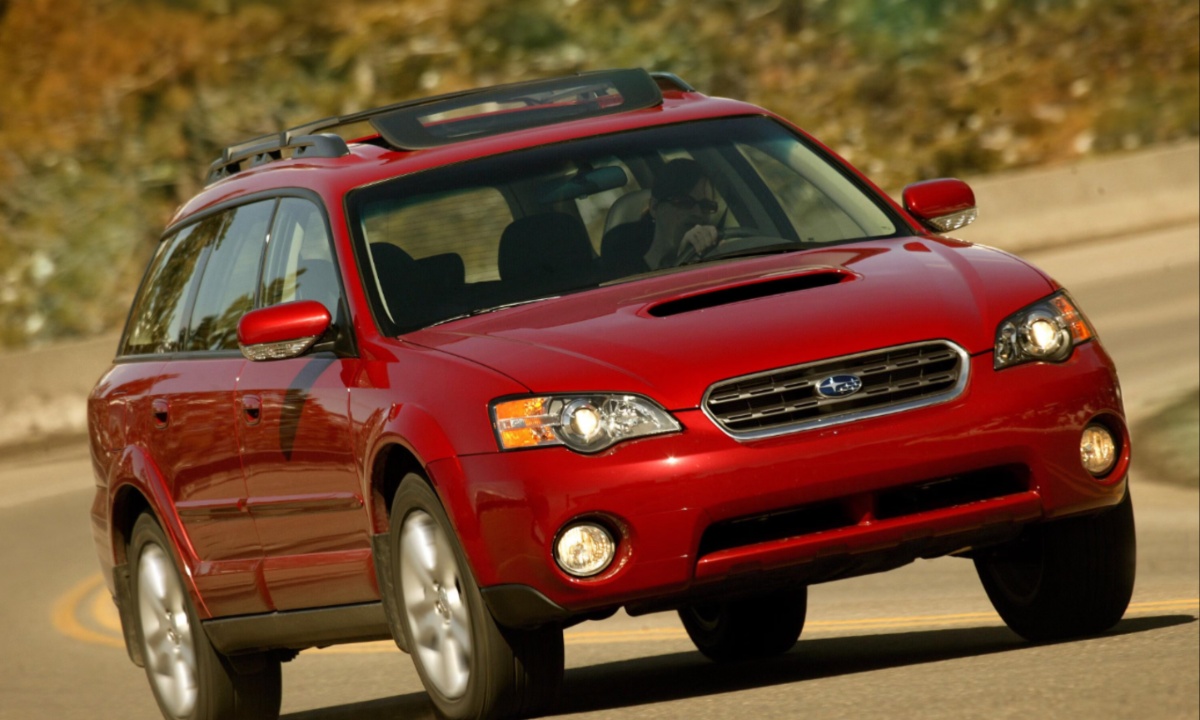
5. Subaru Outback (2000–2004)
The early 2000s Subaru Outback models are often praised for their symmetrical all-wheel drive systems and long-lasting boxer engines. Particularly popular in colder and mountainous regions, these wagons and crossover-like sedans became known for their reliable drivetrains, capable of weathering poor road conditions and harsh winters.
With regular maintenance, especially addressing the common head gasket issues in the 2.5L engines, these cars can go well over 200,000 miles without any major drivetrain failures. Their utility, combined with consistent all-weather performance, made them household staples for families, hikers, and anyone who needed a rugged daily driver.
Despite their mechanical dependability, the interiors of these models show wear far earlier than the engines or drivetrains. Many owners report issues with the dashboard becoming sticky or developing fine cracks, especially in vehicles exposed to strong sunlight.
The seats, while initially comfortable, tend to sag over time, particularly the driver’s side, which loses support in the lower back area. Door panels can delaminate, especially where fabric meets plastic trim, and the headliner is prone to sagging by the 10- to 12-year mark. The cup holders in these models are notorious for being flimsy, often breaking after minimal use or retracting poorly into the center stack.
Climate controls, buttons, and radio knobs feel loose and plasticky, and over time, they may stick or become unresponsive. The impression many long-term owners get is that while the car still drives like it did ten years ago, the interior feels and looks like it’s aged much faster than expected.
The sun visors are another weak point; many fall on their own or completely detach from the ceiling mount. For a car that performs admirably in snow, dirt, and all kinds of weather conditions, the inside cabin creates a disconnect, almost as if it belongs to a much cheaper vehicle.
Many buyers of the Outback are so focused on safety, reliability, and all-weather performance that they often overlook these cosmetic and comfort flaws, at least initially. However, by the time the car reaches 150,000 miles, it’s not uncommon to find the interior in far worse shape than the engine.
Subaru clearly directed most of its development budget into the powertrain and structural integrity of the car, while leaving the cabin as a functional but aging part of the equation. For people who prioritize reliability over aesthetics, the trade-off can be worth it, but it’s still a noticeable weak point in an otherwise enduring vehicle.
Also Read: 8 Worst Mistakes That Ruin a Honda Fit in Under 10 Years
5 Cars With Falling Trim
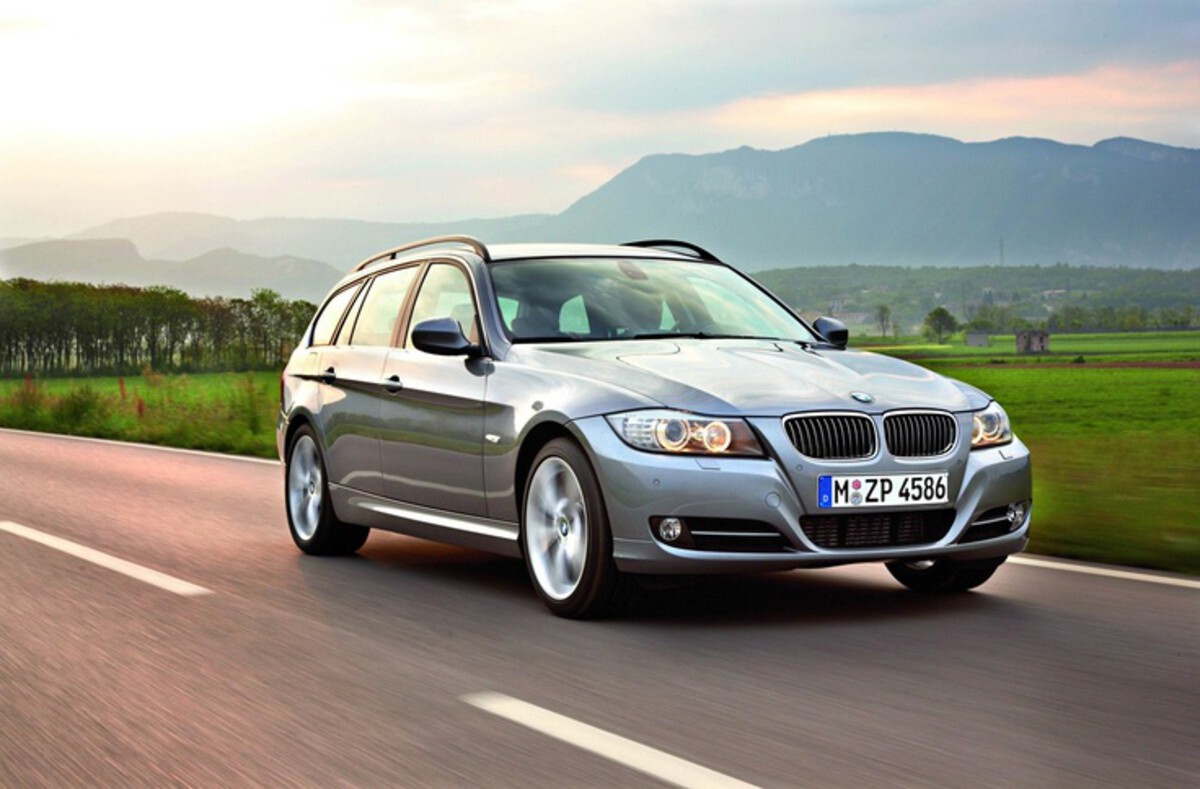
1. BMW 3 Series (2006–2011, E90 Generation)
The E90-generation BMW 3 Series is often praised for its balanced handling, responsive engines, and satisfying driving dynamics. Many enthusiasts consider it one of the last “driver-focused” BMWs before the brand shifted toward more electronic intervention and larger designs.
When maintained, the inline-six engines in these cars deliver smooth, refined power, and the suspension setup offers a perfect blend of comfort and sportiness. Whether you’re behind the wheel of a base 328i or the more performance-oriented 335i, there’s a level of engagement that sets the E90 apart from many of its contemporaries.
But once you start living with this car beyond the showroom freshness, its interior reveals some serious longevity problems. A common issue reported by owners is peeling rubberized coating on interior surfaces such as window switches, door handles, and climate control buttons.
This coating was designed to give the cabin a premium soft-touch feel, but it degrades rapidly, becoming sticky and unsightly. In warmer climates, these surfaces can melt or rub off with just moderate contact, leaving behind smudges and an uneven, discolored appearance. This leads to a visually aged cabin even in otherwise well-kept vehicles.
Door panels are another problem area. Many E90 models experience delamination, particularly where the leatherette material meets plastic trim. It begins to lift or bubble away from the base panel, especially in cars that are parked outside often. The headliner also becomes a common point of failure, sagging down or even coming off in sections near the sunroof.
The sunroof drains are known to clog, and water intrusion can accelerate these issues. Combine this with squeaky center consoles, loose vents, and worn-out seat bolsters, and the sense of luxury begins to fade quickly.
Ironically, a car so carefully engineered under the hood and praised for performance can have so many trim failures. For many owners, the joy of driving is marred by the frustration of seeing their premium vehicle’s cabin fall apart within a few years of ownership.
Resale value is also affected, as potential buyers may be turned off by cracked wood trim or missing button labels, even if the car is mechanically sound. BMW may have invested in creating a top-tier driving machine, but the materials inside didn’t age with the same level of refinement.
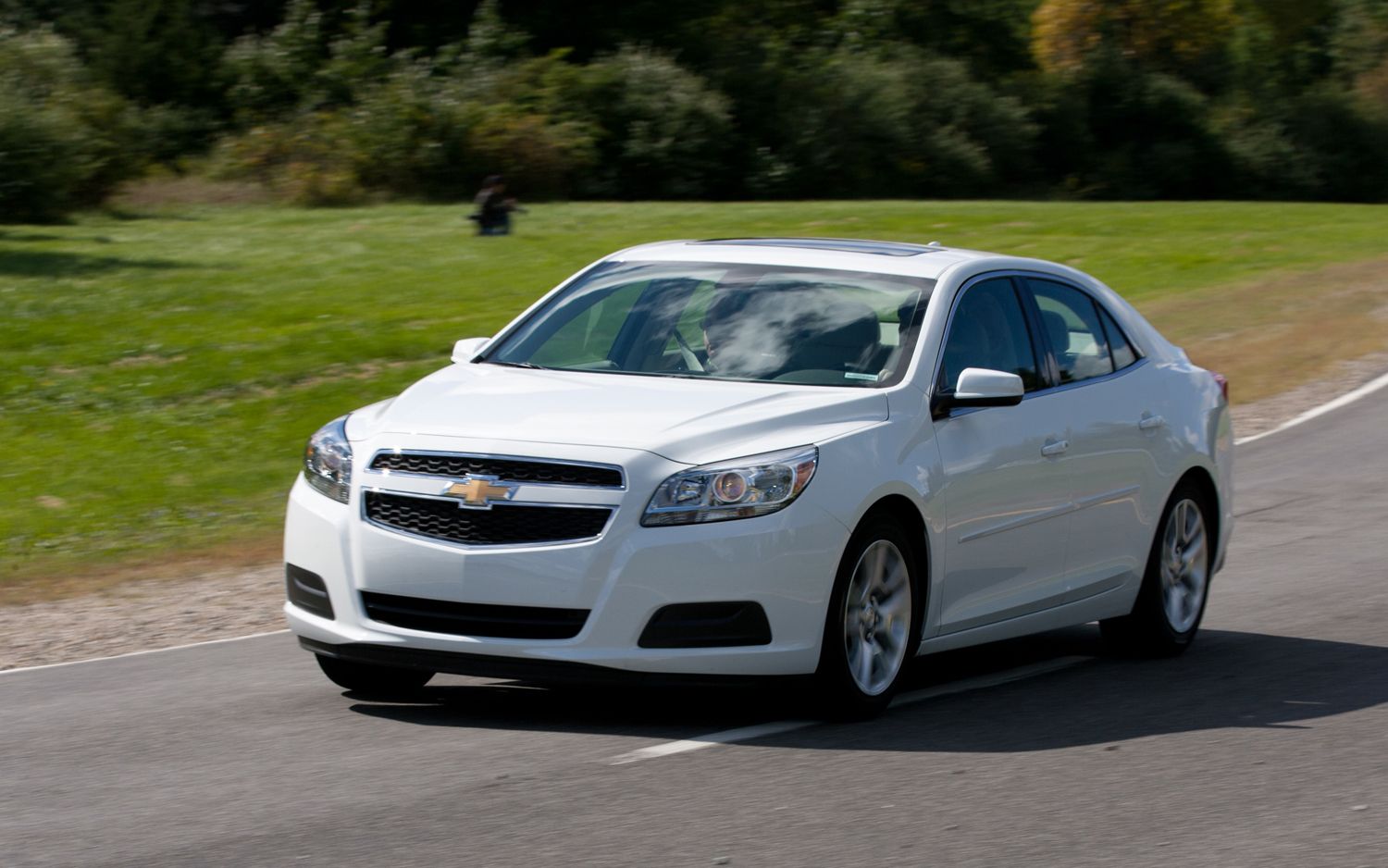
2. Chevrolet Malibu (2008–2012)
The Chevrolet Malibu from this generation marked an effort by GM to produce a midsize sedan that could compete with the Honda Accord and Toyota Camry. In many ways, they succeeded on paper. The car offered decent ride quality, acceptable fuel economy, and respectable reliability in terms of the engine and transmission.
For buyers looking for basic transportation without the premium badge, the Malibu seemed like a safe bet. Many of them still perform well mechanically with regular maintenance, especially the models equipped with the reliable 2.4L Ecotec engine.
Unfortunately, the interior trim didn’t receive the same level of attention as the mechanical components. From early in the ownership experience, many users began to report issues with materials wearing out quickly. The dashboard, while stylish when new, uses a thin plastic skin that peels or warps over time.
In hot climates, some owners experienced large bubbles forming in the dashboard cover, making the interior look far older than it really is. The door panels also tend to loosen, and the plastic around the door handles often cracks or pulls away from the surrounding material.
Buttons on the stereo and HVAC systems frequently fade, and in some cases, they lose their labeling entirely. This makes adjusting controls difficult unless the driver already knows the layout by memory.
The center armrest is another weak point, often losing its padding or breaking its hinge, especially with repeated daily use. Even the glove box and trim around the center stack have been known to come loose or rattle on rough roads, making the cabin feel less solid and more like a temporary structure than a finished product.
While many owners appreciate the Malibu for its affordability and solid ride, they often feel let down by how quickly the cabin deteriorates. It can be frustrating to have a car that still runs reliably but looks worn out on the inside after only five or six years.
Unlike mechanical issues that can be fixed with a replacement part, interior quality failures tend to compound and become unsightly, which affects not just enjoyment but also resale potential. In this case, the Malibu serves as a cautionary tale of cutting costs in places that drivers interact with daily.
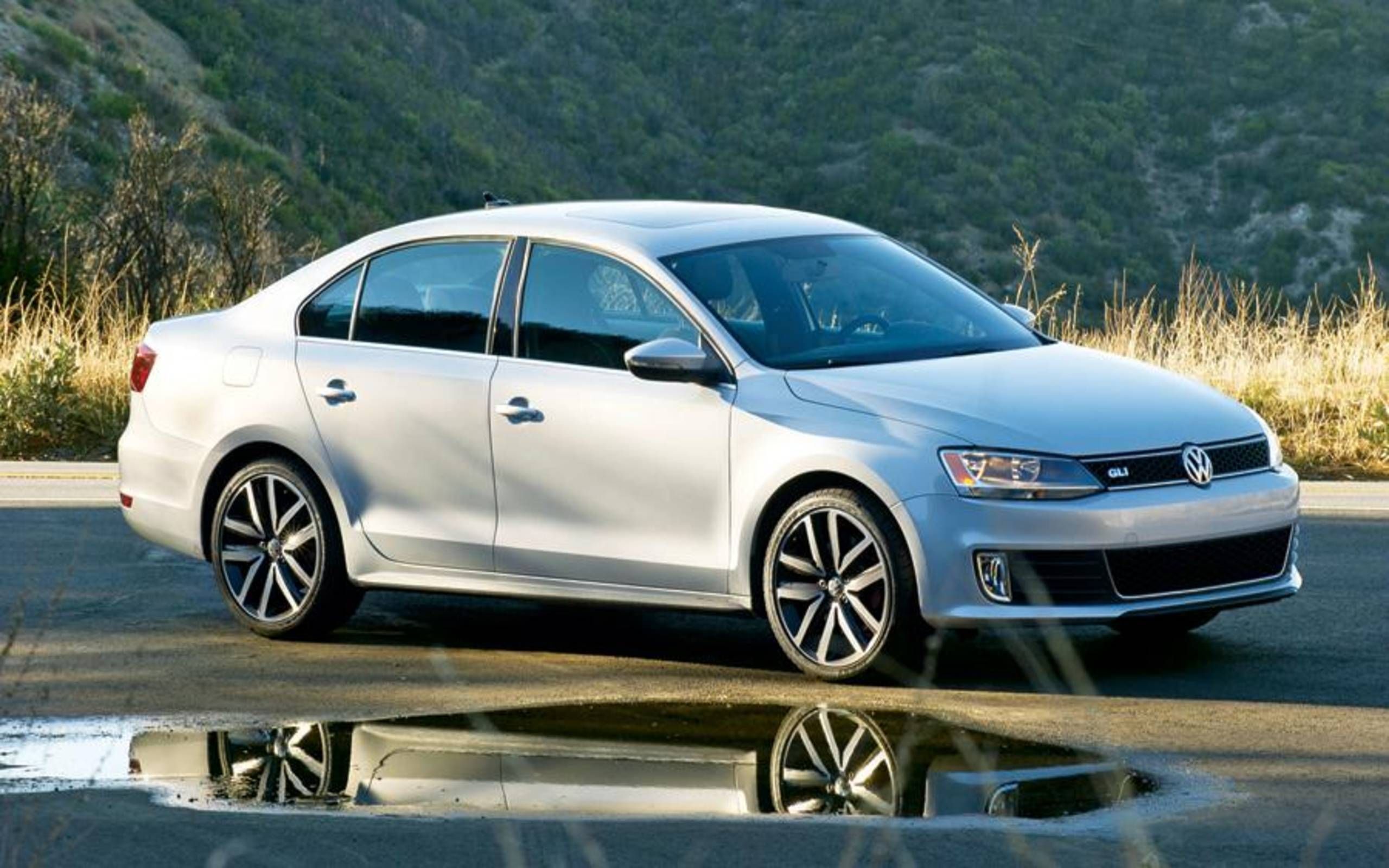
3. Volkswagen Jetta (2011–2018)
Volkswagen aimed to broaden its appeal in North America with the sixth-generation Jetta, lowering its price and simplifying the interior to better compete with Japanese and Korean rivals. From a mechanical standpoint, these models were fairly dependable, especially the 2.0L and 1.8T engines, which delivered acceptable power and decent efficiency.
The suspension was softened for comfort, and the car provided a smooth, stable ride for everyday commuting. It was marketed as a budget European sedan with good value, and many buyers were drawn to its sharp exterior styling and Volkswagen brand reputation.
But to reach the lower price point, interior materials took a significant step back from earlier generations. Hard plastics dominated the dashboard, center console, and door trims, with a very noticeable downgrade in quality.
These surfaces scratched easily, especially around high-touch areas like window switches and the gear shifter. Over time, those scratches became difficult to ignore, and even light contact could leave lasting marks. Some panels also discolored or faded, especially when exposed to direct sunlight for long periods.
A major issue for many owners was the headliner. It was common for it to begin sagging around the edges after just a few years. This wasn’t just an aesthetic concern, it could interfere with visibility and comfort, especially near the sun visors and rearview mirror.
Gloveboxes and interior trim around the pillars also showed signs of poor adhesion or warping. Unlike earlier Volkswagens, which had soft-touch materials and solid trim pieces, this generation clearly showed the effects of cost-cutting measures throughout the cabin.
Despite the poor interior durability, many of these Jettas still run smoothly today, which creates an odd contrast. You might sit in a car with a loose armrest, a sagging headliner, and scratched-up door panels, only to turn the key and hear the engine start without hesitation.
It’s a vehicle that performs well mechanically but fails to maintain a presentable interior beyond the warranty period. For many loyal VW fans, this generation marked a low point in perceived quality, despite delivering acceptable reliability under the surface.
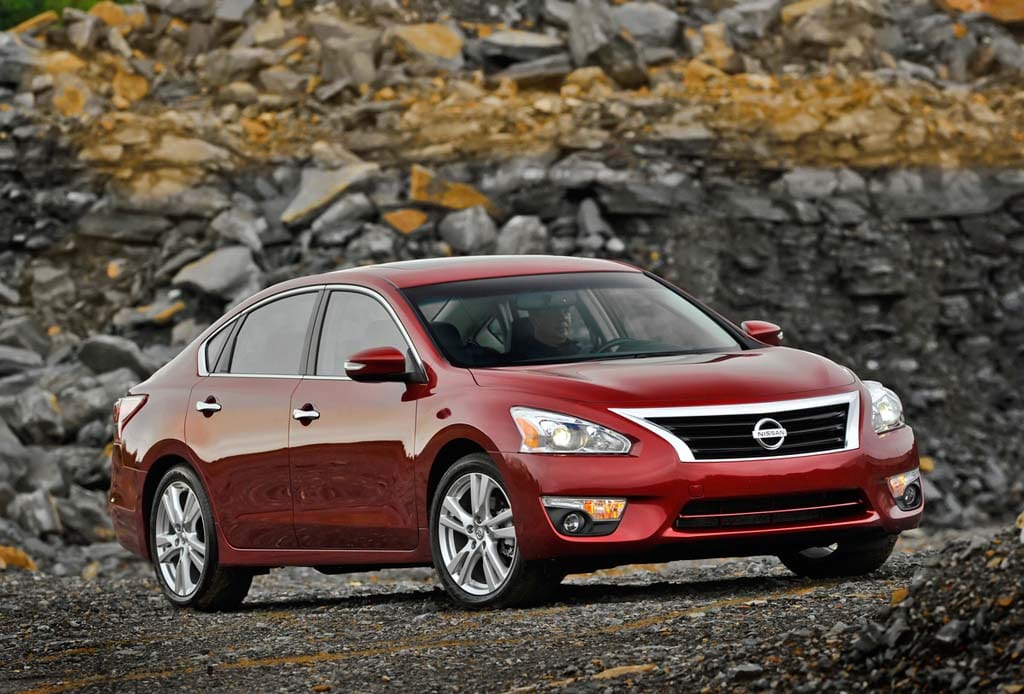
4. Nissan Altima (2013–2018)
The fifth-generation Nissan Altima was introduced with significant updates in fuel efficiency, a redesigned chassis, and a fresh modern look. Many buyers were drawn to its low price, spacious interior, and the promise of Japanese reliability. On the mechanical side, the car delivered solid performance, especially with the 2.5L four-cylinder engine.
The CVT transmission, while not universally loved, was tuned for efficiency and smoothness, and many Altimas from this era are still on the road today with relatively few drivetrain issues. The ride quality was respectable, and the Altima maintained strong sales numbers year after year thanks to competitive pricing and solid feature lists.
However, interior durability turned out to be one of the car’s weakest points. Owners frequently report a variety of trim-related issues, including excessive wear on the steering wheel, seat fabric deterioration, and failing door panel adhesives. One of the most common complaints is with the dashboard and upper door trim, where soft-touch materials begin to peel or crack after just a few years.
In hotter climates, dashboards have been known to become sticky or shiny, with entire layers of coating coming off under minimal pressure. This doesn’t just affect aesthetics; it can make the cabin feel neglected even when the rest of the vehicle is perfectly functional.
The seats are another point of concern. Many Altima models came with fabric seats that didn’t hold up well under normal use. The cushions compress quickly, and the seat bolsters lose their shape, leaving the seats feeling flat and unsupportive. Even leather-appointed trims weren’t spared; the synthetic leather used on some models cracked prematurely and showed creasing far earlier than expected.
These issues often appeared even before the car reached 75,000 miles, disappointing owners who expected longer-lasting materials. Center console latches, door handles, and armrests also proved to be weak points, with many developing looseness or outright breaking with regular use.
The fifth-gen Altima was a car that could deliver many years of dependable transportation, but its cabin wouldn’t look good doing it. This mismatch frustrated owners who expected Japanese build quality to mean longevity inside and out.
While the engine and transmission might take you well past 150,000 miles, the visual and tactile experience inside the cabin often fails to keep pace. The result is a car that remains reliable but quickly starts to feel tired, unloved, and dated from the driver’s seat, a problem that impacts not just enjoyment but perceived quality and resale value as well.
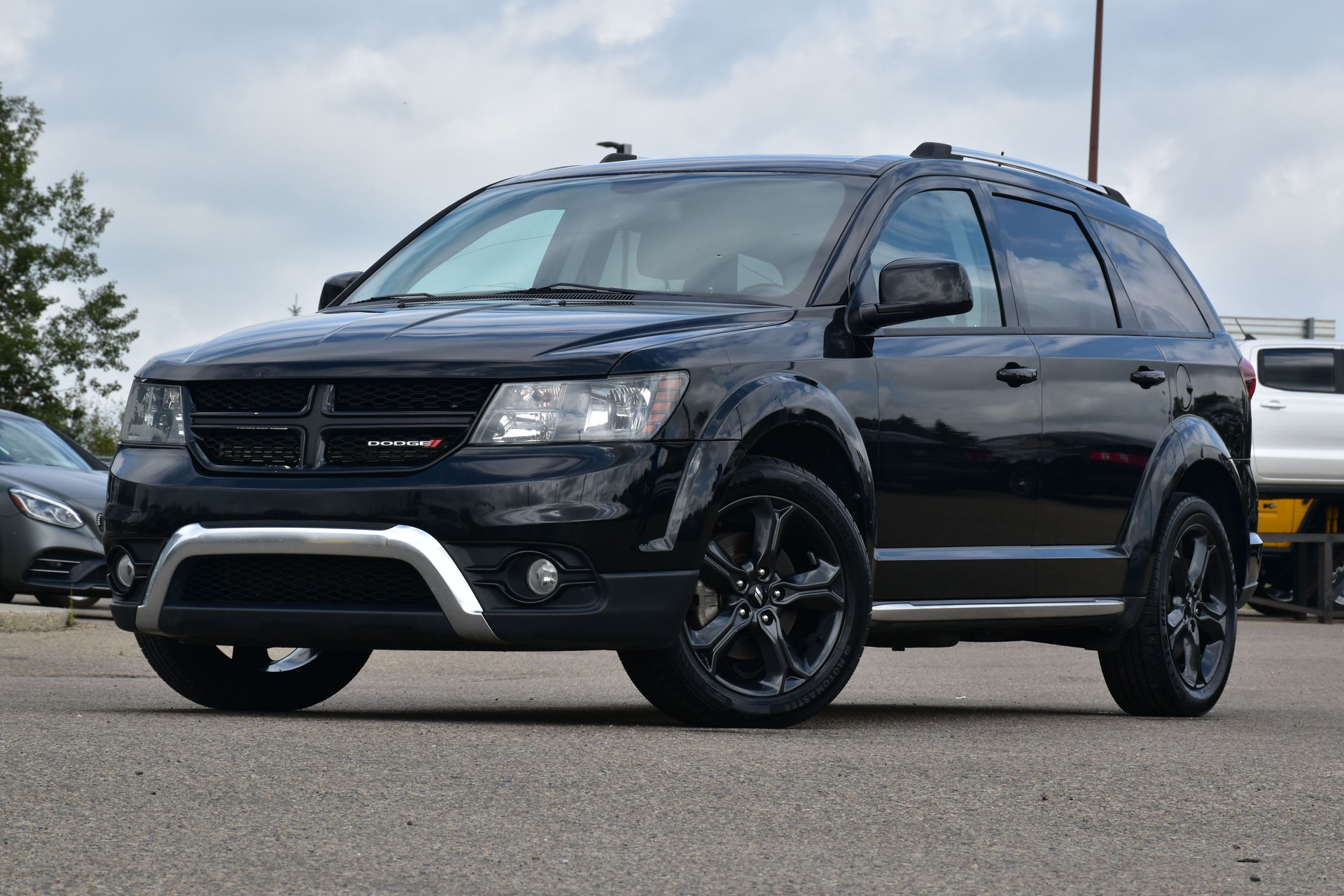
5. Dodge Journey (2009–2020)
The Dodge Journey had one of the longest production runs of any modern crossover, lasting over a decade with very few changes. It was marketed as a practical and affordable family vehicle with three rows of seating and enough cargo room to serve as an alternative to a minivan.
Mechanically, it wasn’t a standout performer, but base models with the 2.4L engine often proved durable if maintained well. For families on a budget, the Journey offered space and utility at a price point that was hard to beat. In many cases, you could get a nearly new Journey for significantly less than rivals in the segment.
That low cost, however, came at the expense of interior quality. The cabin of the Journey was a collection of budget materials, rushed assembly, and obvious cost-cutting. Cheap, hard plastics made up most of the dashboard and door panels. These surfaces scratched easily, especially around high-contact areas like the gear selector and window controls.
Over time, the plastic developed a dull sheen that no amount of cleaning could remove. The fit and finish were inconsistent even when new, and within a few years, panels could loosen, rattle, or even separate slightly at the seams.
One of the most frequent issues was the deterioration of the interior panels and trims around the center console. The silver-painted plastic surrounding the stereo and HVAC controls was often chipped or peeled, revealing dull black plastic underneath. The storage bin lids, especially on models with the in-floor compartments, would crack at the hinges or become misaligned.
Even minor trim around the cupholders was prone to lifting or breaking. Headliners sagged in older models, especially in regions with high humidity, and the fabric used on the seats, while stain-resistant, wore down to the foam more quickly than expected.
Despite the spaciousness and practicality of the Journey, these interior issues led many owners to report a general feeling of disappointment. Families that bought it for the convenience and value quickly noticed the decline in cabin quality within just a few years.
The car may have remained functional, but the driving experience felt cheap and unsatisfying over time. The mismatched longevity between the cabin and the basic mechanicals became more noticeable the longer one owned the vehicle. It’s one thing to compromise on luxury features for a lower price point; it’s another when basic durability in cabin materials is missing altogether.
That lack of lasting quality inside is part of why, despite strong sales early on, the Journey gradually fell out of favor in comparison to better-built competitors.
