
Buying an SUV is more than just picking a vehicle with enough room and power, it’s a decision that affects your wallet and your daily life for years. Whether you’re a city commuter, a weekend adventurer, or someone hauling kids and groceries, you expect the vehicle to last, especially considering how expensive SUVs have become.
Unfortunately, not all SUVs age equally. Some begin to creak, rattle, leak, or suffer major component failures by the time the odometer hits 60,000 miles. Others hold up with little more than routine maintenance, driving like they did the day they left the showroom. That difference in durability can mean thousands of dollars in either savings or expenses, as well as the difference between peace of mind and constant frustration.
There are key traits that separate vehicles that age gracefully from those that don’t. Engineering simplicity, high-quality materials, and a manufacturer’s history of dependability play a huge role. Some companies have spent decades refining their models, working out the kinks across generations, while others chase trends, introducing unproven technologies that often fail in real-world conditions.
By year five, these design decisions become very clear. Owners of reliable SUVs can often stick to regular oil changes, tire rotations, and maybe the occasional brake job. Those with less reliable models might be dealing with failing transmissions, electrical problems, or rusted-out frames. These issues not only cost money but can lead to lost time, failed inspections, and even safety risks.
In this article, we’re comparing five SUVs that have earned reputations for lasting far beyond five years with minimal drama, against five that tend to cause headaches right around the time their factory warranty runs out. This isn’t about hating certain brands or playing favorites; it’s about identifying real patterns based on owner experience, resale data, and known mechanical weaknesses.
Every SUV starts off looking and feeling great, but time reveals the truth. If you’re planning to keep a vehicle for more than a few years, or buy a used one in its midlife, it’s worth understanding which models are trustworthy and which ones might be more trouble than they’re worth. Let’s begin with the five SUVs that have proven they can go the distance.
Also Read: 9 Basic Things That Kill a Ford GT Too Early
5 SUVs That Age Gracefully
1. Toyota RAV4
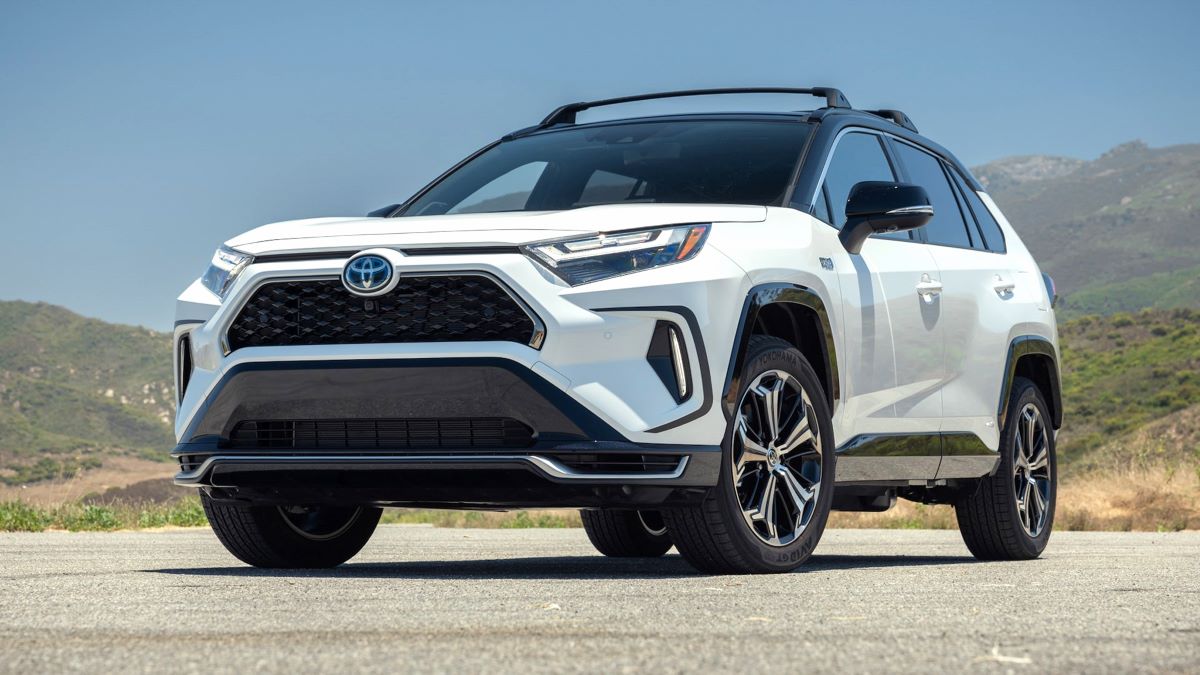
The Toyota RAV4 has become a symbol of long-term reliability, especially among compact SUVs. Part of what makes the RAV4 so dependable is Toyota’s consistent engineering approach. Over the years, the automaker has refined the RAV4’s platform without dramatically overhauling it or introducing overly complex features that are prone to failure.
This consistency has helped the RAV4 develop a reputation as a no-nonsense, practical choice for families, commuters, and first-time SUV buyers alike. Owners commonly report that even models approaching ten years of age still feel tight, quiet, and mechanically sound, qualities that are rarely seen in competitors after the same period.
The real-world cost of ownership further supports its reputation. The RAV4 typically requires little more than routine maintenance well into its lifespan. Oil changes, brake pad replacements, and occasional battery swaps are usually enough to keep it running smoothly.
Compared to some rivals that start developing issues with transmissions, electronics, or engine components by year five, the RAV4 maintains a calm, uneventful ownership experience. Toyota’s reputation for quality parts and relatively simple design means mechanics are familiar with servicing the RAV4, and repairs tend to be affordable when they are needed.
Depreciation is another area where the RAV4 shines. Even five years after purchase, it retains much of its resale value, with averages hovering around 70 percent of the original price for well-maintained units. This high retention rate isn’t just a fluke, it reflects both consumer trust and consistent performance. Buyers looking at the used market often seek out RAV4s specifically because they know the model is unlikely to surprise them with big repair bills. That kind of confidence only comes with a proven track record.
Beyond the numbers, the RAV4 also succeeds in comfort and versatility. The interior materials are durable, the ride is well-balanced, and the design is timeless enough that it doesn’t feel outdated within just a few years.
Whether you’re using it for daily commuting, light off-roading, or road trips, the RAV4 continues to function reliably across all uses. As other models in its class begin to show their age through interior wear, drivetrain issues, or outdated tech, the RAV4 quietly keeps moving forward, year after year.
2. Toyota 4Runner
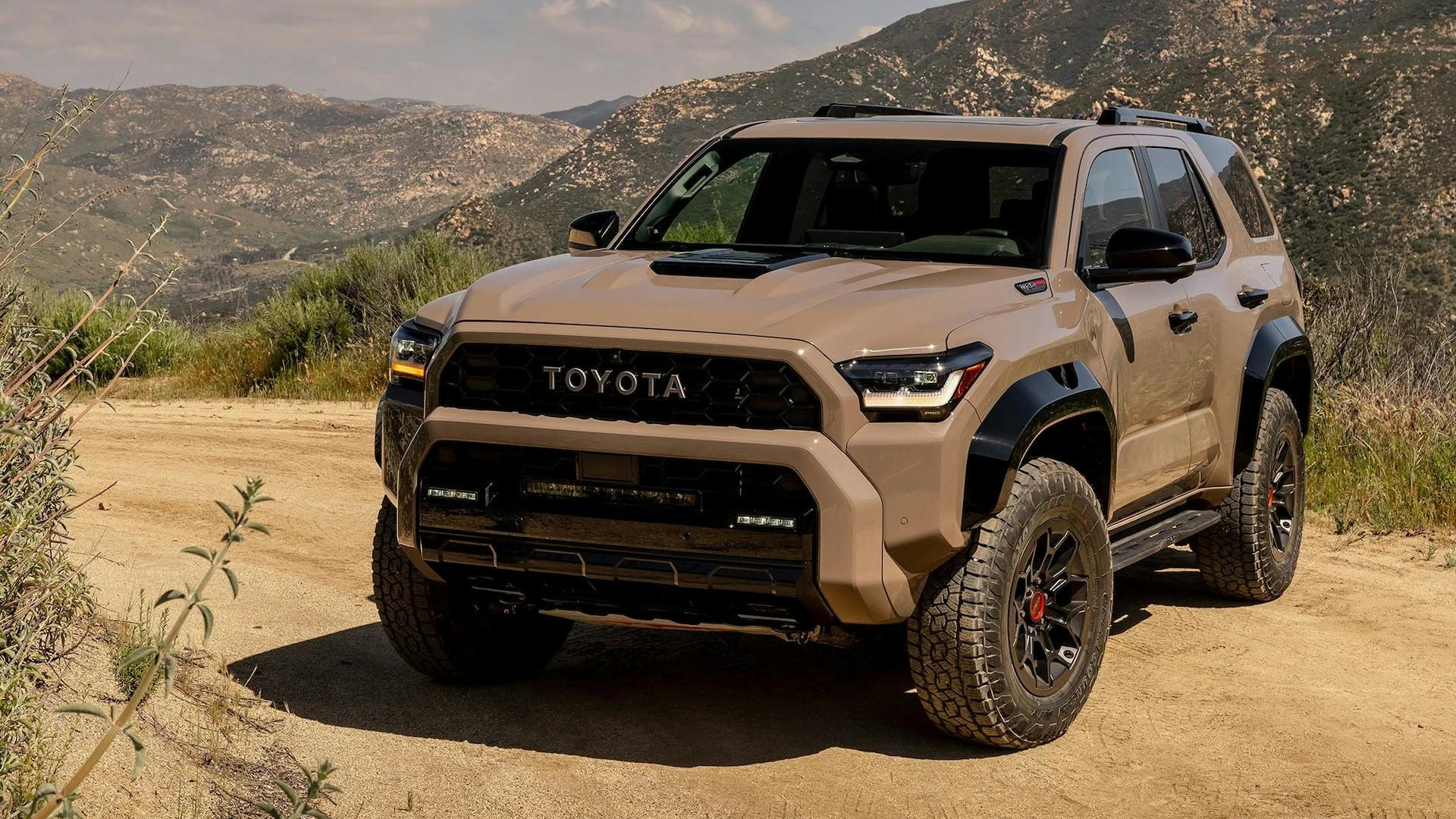
The Toyota 4Runner is one of the rare SUVs that actually lives up to the phrase “built to last.” While some vehicles rely heavily on technology and gimmicks to appeal to buyers, the 4Runner’s staying power is rooted in old-school durability.
Its body-on-frame construction, shared with many trucks, gives it a sturdier base than the unibody platforms most modern SUVs are built on. This structure, paired with a naturally aspirated V6 engine and a time-tested 5-speed automatic transmission, results in fewer moving parts that can fail over time. That simplicity is one of the main reasons why so many 4Runners are still on the road decades after they were made.
Owners routinely report 4Runners reaching 200,000 to 300,000 miles with little more than routine service. These vehicles aren’t babied either, many are used for off-roading, towing, and long-distance travel. While other SUVs start to develop problems with their all-wheel-drive systems or suffer from rust, the 4Runner continues to perform as intended.
The aftermarket support is also massive, making it easier for owners to maintain and upgrade their vehicles over time. Combine that with Toyota’s extensive dealer network, and you have an SUV that is not only reliable but easy to keep in top shape.
Resale value is another strong suit of the 4Runner. Few vehicles hold their value like this one. Even at ten years old, clean 4Runners can fetch impressive prices on the used market.
That’s because buyers know what they’re getting, an SUV that doesn’t pretend to be a luxury car but continues to perform and hold together when others fall apart. Insurance costs are relatively modest, and depreciation is slower than average, making the 4Runner a smart long-term investment.
It’s also worth noting that Toyota hasn’t radically changed the 4Runner’s core design for more than a decade. While some criticize it for feeling outdated compared to modern crossovers, that lack of change actually works in its favor. Every component has been refined over the years to improve reliability, not just style. For people who need a true SUV that won’t let them down in year five, or year fifteen, the 4Runner is one of the few left that can deliver.
3. Subaru Crosstrek (and Forester)
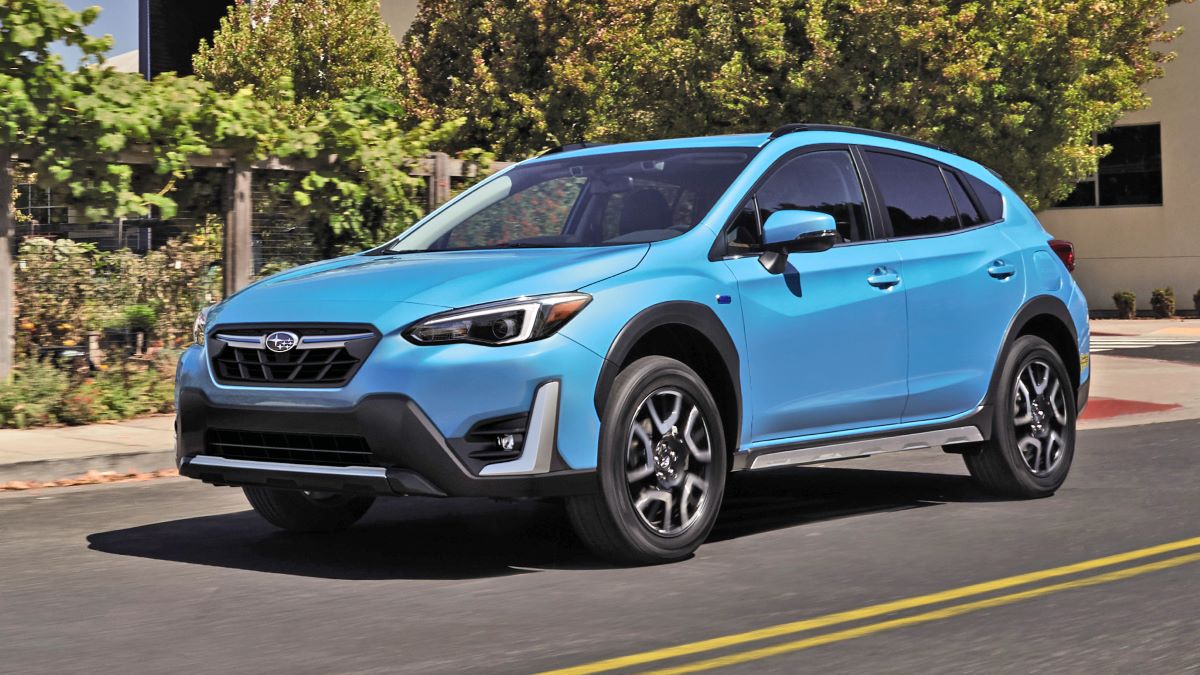
Subaru’s Crosstrek, along with its slightly larger sibling, the Forester, has quietly built a reputation as a reliable, durable SUV that does exactly what it promises. Both models are equipped with Subaru’s signature symmetrical all-wheel-drive system, which has proven its toughness in all kinds of driving conditions.
Whether you’re driving through snowy mountain passes, muddy trails, or long stretches of highway, the system provides excellent grip and confidence. This mechanical setup is known for holding up over time, even with regular use in harsh environments.
In terms of engine performance, both the Crosstrek and Forester have benefited from Subaru’s conservative tuning and drivetrain design. The engines aren’t overly powerful, but they’re not underpowered either. That balance keeps internal components under less strain, extending engine life.
Routine maintenance is relatively straightforward, and while Subarus have had occasional issues with head gaskets and CVT transmissions in older generations, those problems are far less common in models from the last several years. After the first few years of ownership, many owners report few surprises and consistently low maintenance costs.
Resale value is another area where the Crosstrek and Forester outperform many rivals. Because they’re in high demand, used models often sell quickly and at strong prices, especially in regions with severe winters where all-wheel drive is highly valued.
Even after five or six years, many Crosstreks and Foresters still command prices that make them appealing alternatives to new models. This helps offset the initial purchase cost and lowers the total cost of ownership for buyers who plan to sell later.
Comfort and practicality round out what makes these Subarus age gracefully. The cabins, though not flashy, are made with durable materials that resist wear well. Interior plastics don’t scratch easily, upholstery holds up, and electronics are generally reliable. Combined with solid visibility and a functional layout, the Crosstrek and Forester don’t just last, they stay enjoyable to drive, even when they’re no longer the newest cars on the road.
4. Honda CR‑V
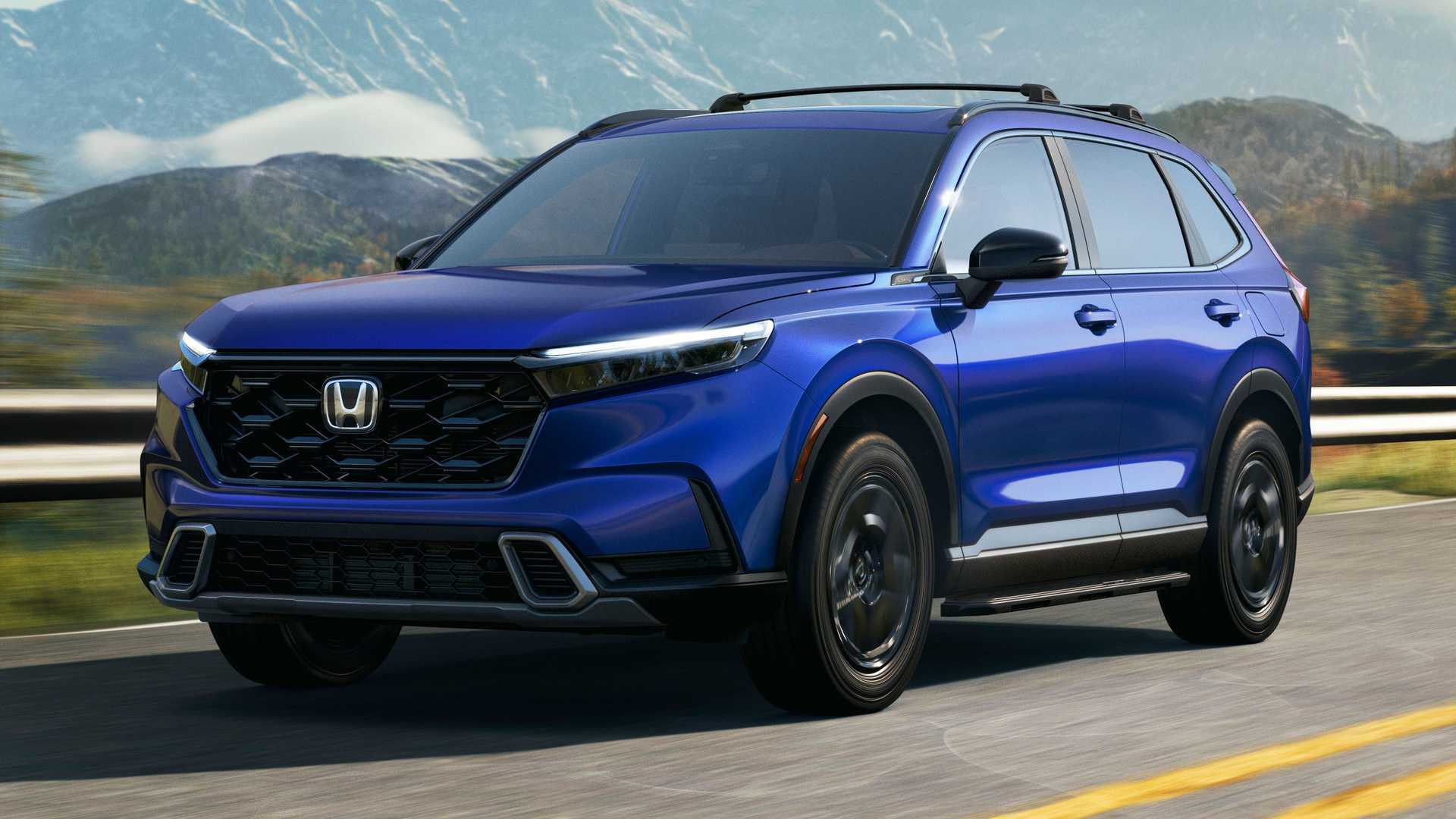
The Honda CR‑V has been a go-to choice in the small SUV category for over two decades, and its staying power isn’t a coincidence. Known for rock-solid reliability, the CR‑V is often mentioned in conversations about vehicles that just don’t quit. A key part of that comes down to Honda’s conservative engineering philosophy.
Rather than pushing flashy features that may break down early, Honda focuses on functionality and long-term durability. The engines in the CR‑V are known to be long-lasting when properly maintained, and the transmissions are smooth, with fewer issues than many competitors in the same price range.
Fuel efficiency is another area where the CR‑V continues to shine over time. Even as the years go by and mileage increases, many owners report only minor drops in fuel economy, an indication that the engines hold compression and function efficiently well into old age. Oil consumption, which is a common issue in aging engines, tends to be minimal if regular maintenance is followed. That contributes to the low cost of ownership and helps extend the lifespan of the vehicle without major overhauls or engine work.
Where many competitors begin to develop electrical problems, interior rattles, or suspension issues by year five, the CR‑V stays consistent. Many owners report driving these SUVs for 10 to 15 years without needing more than brakes, tires, and fluid changes.
The interior materials, while not premium, are durable and practical. Seats retain their shape, the infotainment systems continue functioning reliably, and climate controls tend to remain accurate over time. These small but important factors add up to a driving experience that remains pleasant year after year.
On the used market, the CR‑V commands respect. Buyers are willing to pay more for a used CR‑V than for many of its peers because the model has earned a reputation for consistency. That makes it a great value whether you’re buying new or used. If you want an SUV that won’t let you down in year five, or year ten, the CR‑V is a name you can trust without hesitation.
5. Lexus RX
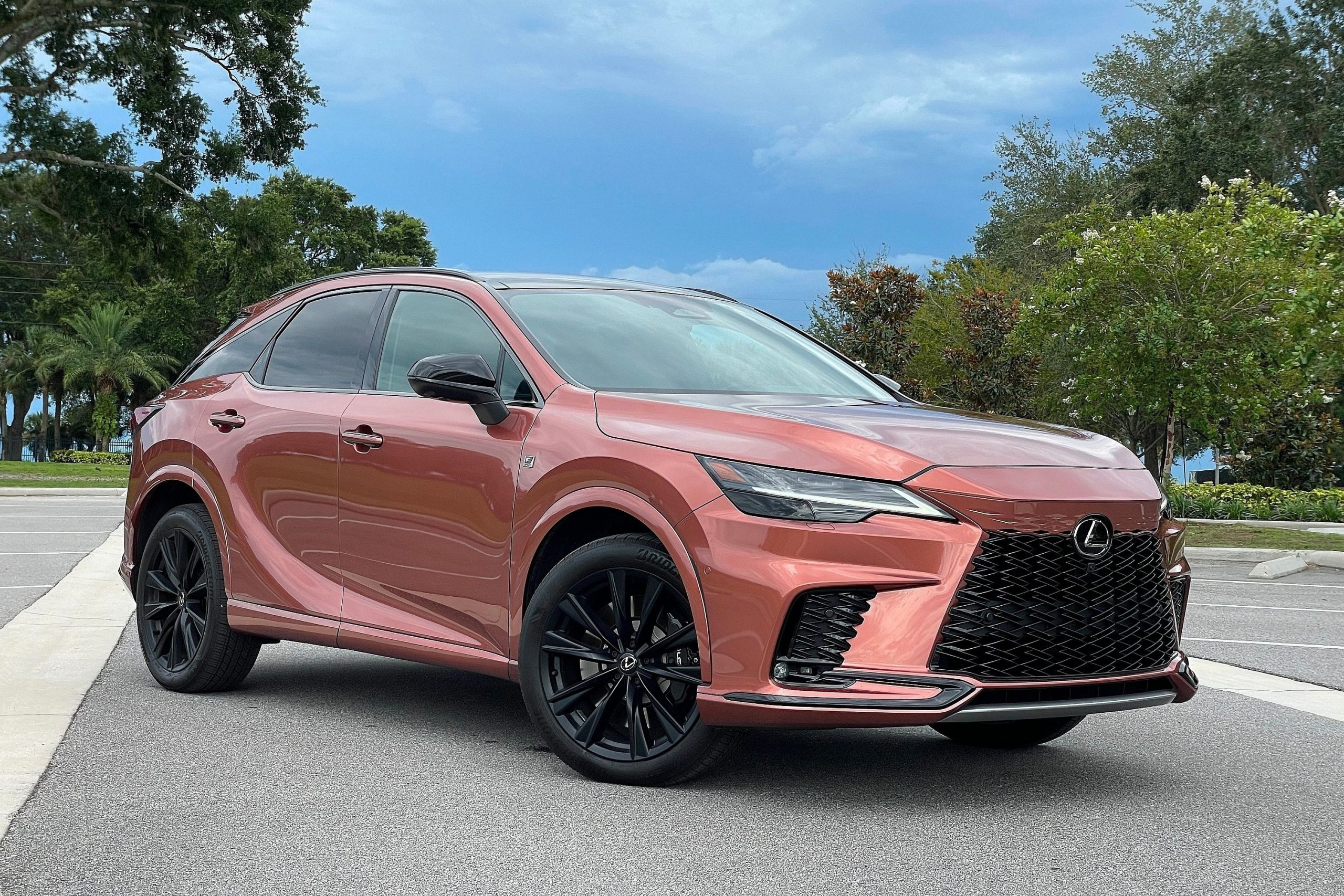
The Lexus RX stands as a benchmark for luxury SUVs that maintain their quality and reliability well beyond the five-year mark. Known for blending premium comfort with legendary Toyota engineering, the RX has earned a reputation for being both refined and remarkably durable.
One reason for this longevity is Lexus’ meticulous attention to build quality and materials. Every component, from the interior trim to the drivetrain, is engineered to withstand years of use without significant wear or failure. This reputation is reflected in owner reports, which often highlight how the RX continues to offer a near-new driving experience well into its second decade on the road.
Mechanically, the RX benefits from a proven V6 engine and a smooth-shifting automatic transmission, both of which have undergone incremental improvements over the years rather than radical redesigns. This approach avoids introducing complex, failure-prone systems.
The hybrid variants, in particular, are praised for their longevity and low maintenance costs due to the synergy between the gasoline engine and electric motor, which reduces wear. Owners also appreciate Lexus’ comprehensive warranty and excellent dealer service, which help keep the RX in peak condition.
When it comes to ownership costs, the RX tends to outperform many of its luxury rivals. Repairs and routine maintenance costs are typically lower than expected, especially compared to European luxury SUVs known for expensive parts and labor.
Additionally, the RX holds its resale value impressively well, making it a sound investment for those who might upgrade in the future. Even after several years of use, clean models demand strong prices on the used market, which speaks to consumer confidence in its reliability and desirability.
Beyond the numbers, the Lexus RX simply offers a smooth, quiet, and comfortable ride that doesn’t degrade quickly. Its suspension setup balances comfort and control, absorbing road imperfections without sacrificing handling precision.
The cabin materials resist wear, and the technology interfaces tend to age gracefully, avoiding the frustration of outdated or buggy systems. For buyers seeking a luxury SUV that won’t become a maintenance headache or a depreciating liability, the Lexus RX is a solid choice that continues to earn praise well past its warranty period.
Also Read: 9 Mistakes That Kill a Ford Mustang Mach-E Too Soon
5 SUVs That Fall Apart After 5 Years
1. Ford Explorer (4.0 L SOHC V6 era and later years)
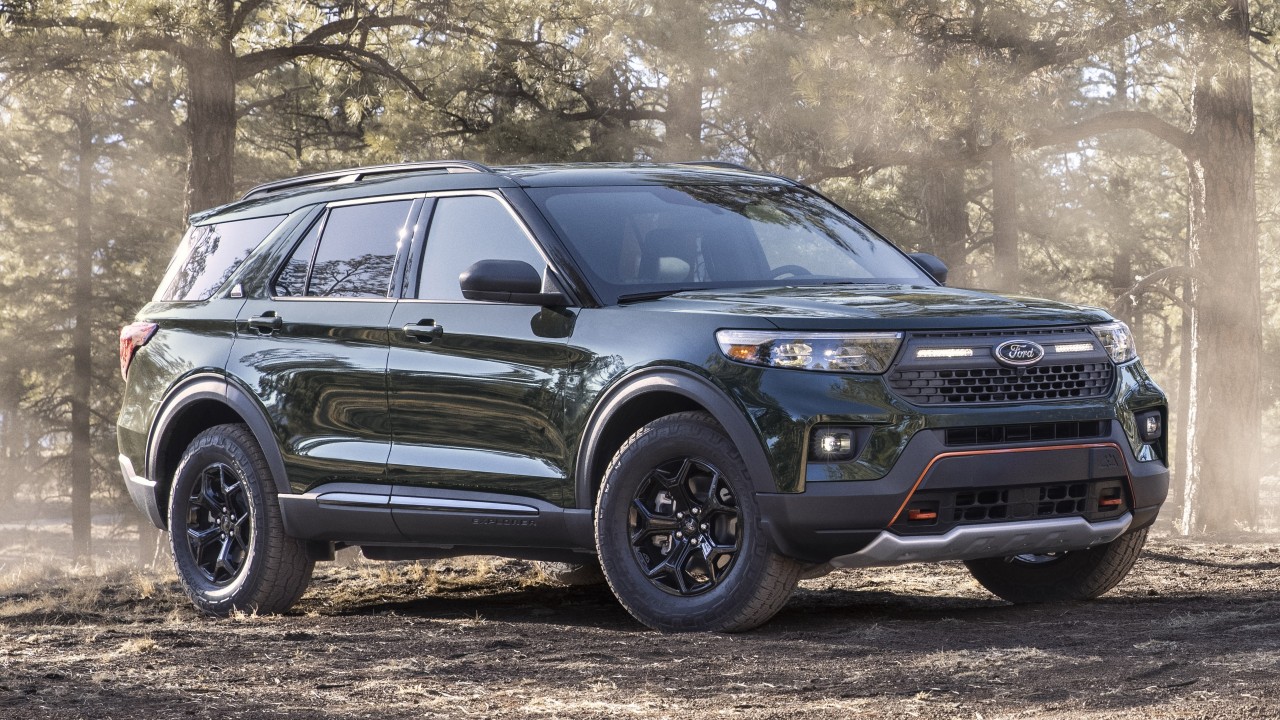
The Ford Explorer, especially models from the early 2000s through the mid-2010s, has had a troubled reputation when it comes to long-term durability. On the surface, the Explorer appeared to be a solid, family-friendly SUV with a strong design and good features.
However, it didn’t take long for many owners to start reporting serious issues after just a few years of ownership. A common point of failure in models equipped with the 4.0-liter SOHC V6 engine is the timing chain system.
These engines used plastic timing chain guides and tensioners, which were prone to cracking and breaking. If the timing chain fails, it can lead to catastrophic engine damage. This is not just a rare occurrence; it’s a well-documented problem that often shows up between 60,000 and 100,000 miles.
Another serious concern is the Explorer’s transmission reliability. Many models from this era were equipped with the 5R55 automatic transmission, which has a reputation for early failure. Symptoms include rough or delayed shifting, slipping, and failure to engage gears.
These issues often begin around the five-year mark, sometimes sooner, depending on how the vehicle is driven. Transmission replacement or repair is not only costly, often exceeding $3,000, but can occur multiple times over a vehicle’s life. This isn’t the kind of problem you expect in a car that’s barely halfway through a typical ownership cycle.
Beyond the engine and transmission, Explorers from certain years also struggled with suspension issues, rear differential leaks, and faulty plastic cooling system components. Many of these issues weren’t resolved even after recalls or technical service bulletins.
Combined with generally lower resale values and average interior quality, these mechanical weaknesses create a perfect storm of aging poorly. By year five, many Explorers are in the shop far more often than owners would like.
These recurring issues have affected the Explorer’s reputation over time. While newer versions have improved, the stigma lingers. A well-maintained Explorer might still offer decent utility and comfort, but as a long-term investment, especially in the troubled model years, it’s often a gamble. Many former owners swear off the model entirely after dealing with these expensive and frustrating midlife breakdowns.
2. Jeep Cherokee (KL with 9-speed transmission) (Expanded)
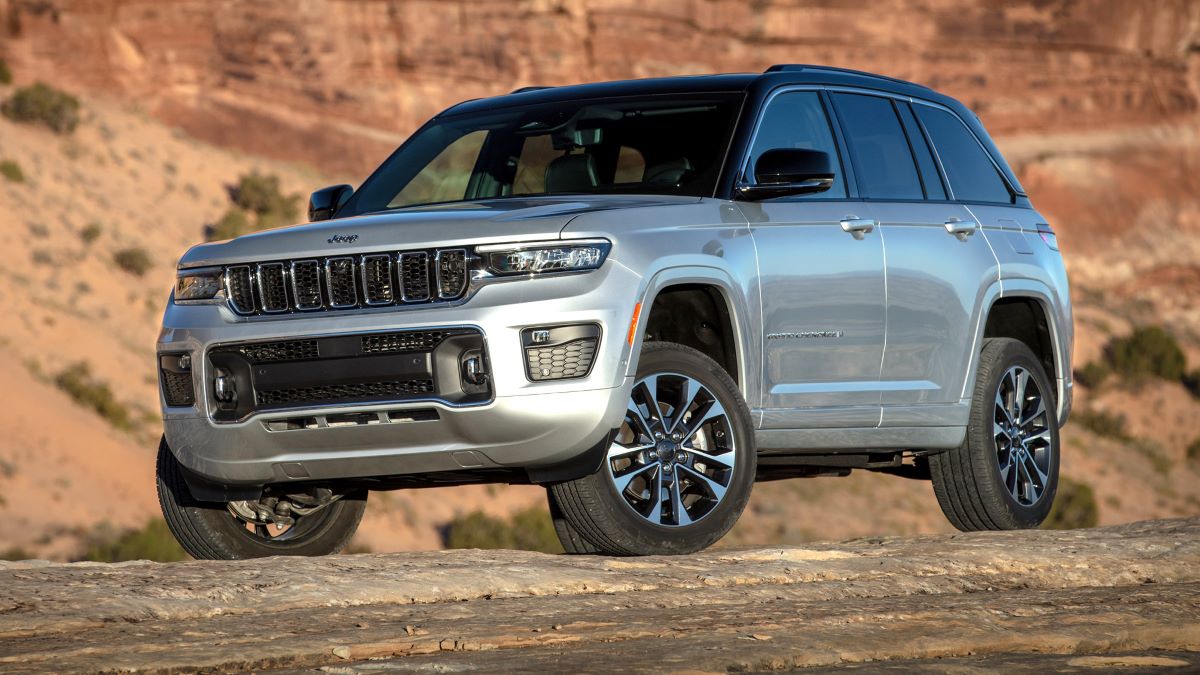
The Jeep Cherokee KL, launched in 2014, marked a major shift in Jeep’s strategy. It introduced sleek, modern styling and was the first Jeep to feature the highly anticipated 9-speed automatic transmission, designed by ZF. On paper, this transmission offered better fuel efficiency and smoother acceleration.
However, the real-world results were disappointing. Owners started experiencing problems with rough shifting, delayed gear changes, and sudden jerks during acceleration almost immediately after these vehicles hit the road. Despite software updates and multiple technical service bulletins, many of these problems persisted, sometimes getting worse over time rather than better.
The core issue wasn’t always the hardware itself, but rather how poorly the transmission’s computer systems integrated with the engine. The constant “learning” mode and recalibrations meant that the transmission would behave unpredictably, especially under variable driving conditions.
By the time the vehicle reached three to five years of age, many owners had already dealt with at least one major transmission service or even a full replacement. Not only were these repairs expensive, but they often didn’t fix the root cause, leading to ongoing issues and repeat visits to the dealership.
Beyond transmission issues, the Cherokee KL also developed problems with electronics, including infotainment glitches, backup camera malfunctions, and power liftgate failures. These aren’t just minor annoyances, they contribute to a general sense that the vehicle isn’t built to last.
Add in concerns about premature suspension wear and lower-than-average resale value, and the Cherokee begins to look like a high-risk ownership proposition after the initial warranty period ends.
While some owners still appreciate the Cherokee’s off-road capability and interior comfort, those features often don’t outweigh the cost and hassle of keeping the vehicle running smoothly past year five. Jeep has made improvements in newer models, but the damage to the Cherokee KL’s reputation was significant. It serves as a reminder that ambitious technology doesn’t always translate into reliable performance, especially if it’s rushed into production without adequate long-term testing.
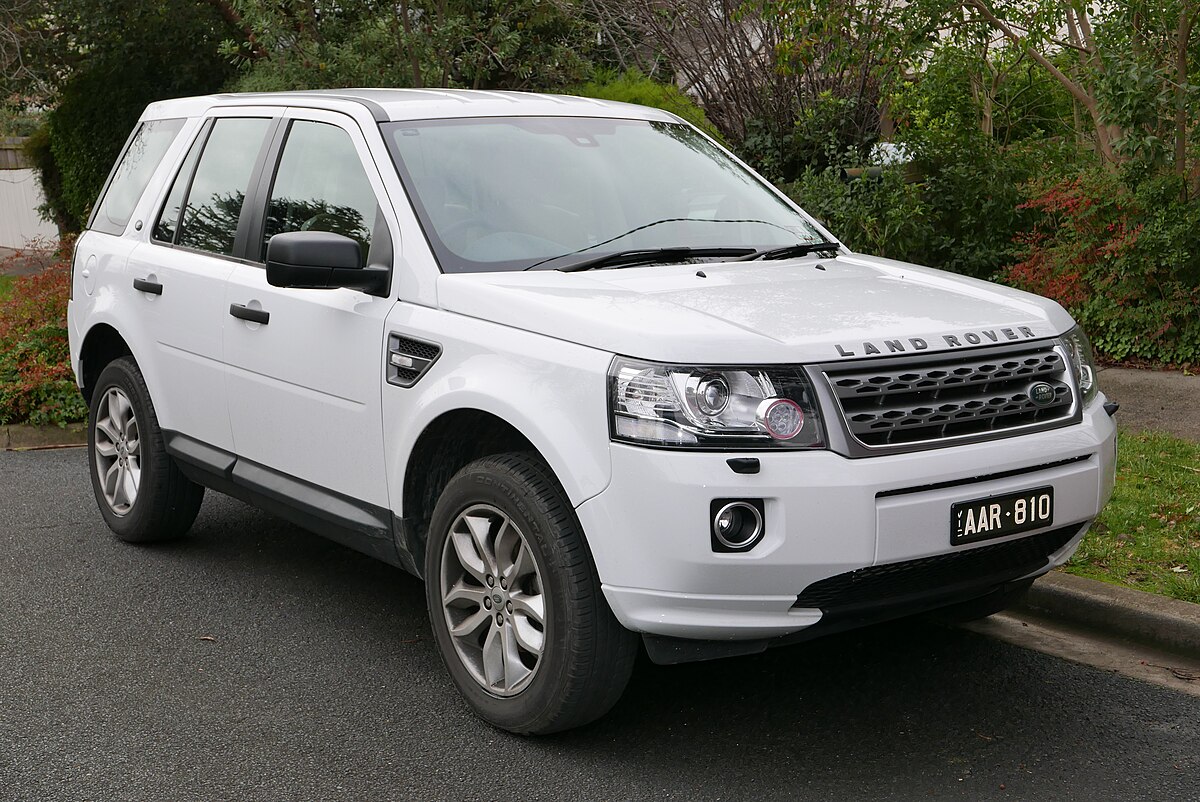
3. Land Rover Freelander
The Land Rover Freelander is often cited as one of the brand’s least reliable models, especially in the North American market. When it was first introduced, it promised luxury, utility, and British engineering in a compact SUV package. But that promise quickly fell apart for many owners.
One of the Freelander’s most infamous issues lies in its drivetrain, particularly the automatic transmission. Failures were not just common, they were almost expected. Many units suffered from internal transmission damage well before reaching 75,000 miles, with problems like harsh shifting, slipping, and total gear loss.
The root cause often involved solenoid failures and valve body issues, which could have been repaired at a reasonable cost. Unfortunately, many service centers lacked the experience or interest to repair these transmissions, instead opting for full replacements, which were extremely expensive.
Adding to the mechanical problems were engine reliability concerns. The Freelander’s V6 engine, sourced from Rover’s K-series family, was prone to overheating due to faulty thermostats, plastic coolant fittings, and poorly designed head gaskets.
Overheating led to warped cylinder heads and cracked blocks, repairs that easily ran into the thousands. These types of failures could occur with little warning and were often irreversible, making early trade-in or scrapping the only option for some owners. By year five, many Freelanders were either off the road or in salvage yards, despite relatively low mileage.
Electrical issues further complicated ownership. Faulty sensors, failing window regulators, and dashboard warning lights that wouldn’t clear made everyday use frustrating. Climate control systems were particularly troublesome, with intermittent performance and costly fixes.
Owners often described the experience as “death by a thousand cuts”, a constant stream of problems, none of which were catastrophic on their own but collectively made ownership exhausting and expensive.
The Freelander’s failure wasn’t just mechanical; it was reputational. Land Rover ended up pulling the model from the U.S. market and replacing it with more robust platforms in later years. But the damage was done. It stands as a clear example of what happens when a vehicle is rushed to market with unresolved engineering problems. For buyers looking for long-term value and minimal repairs, the Freelander was one to avoid.
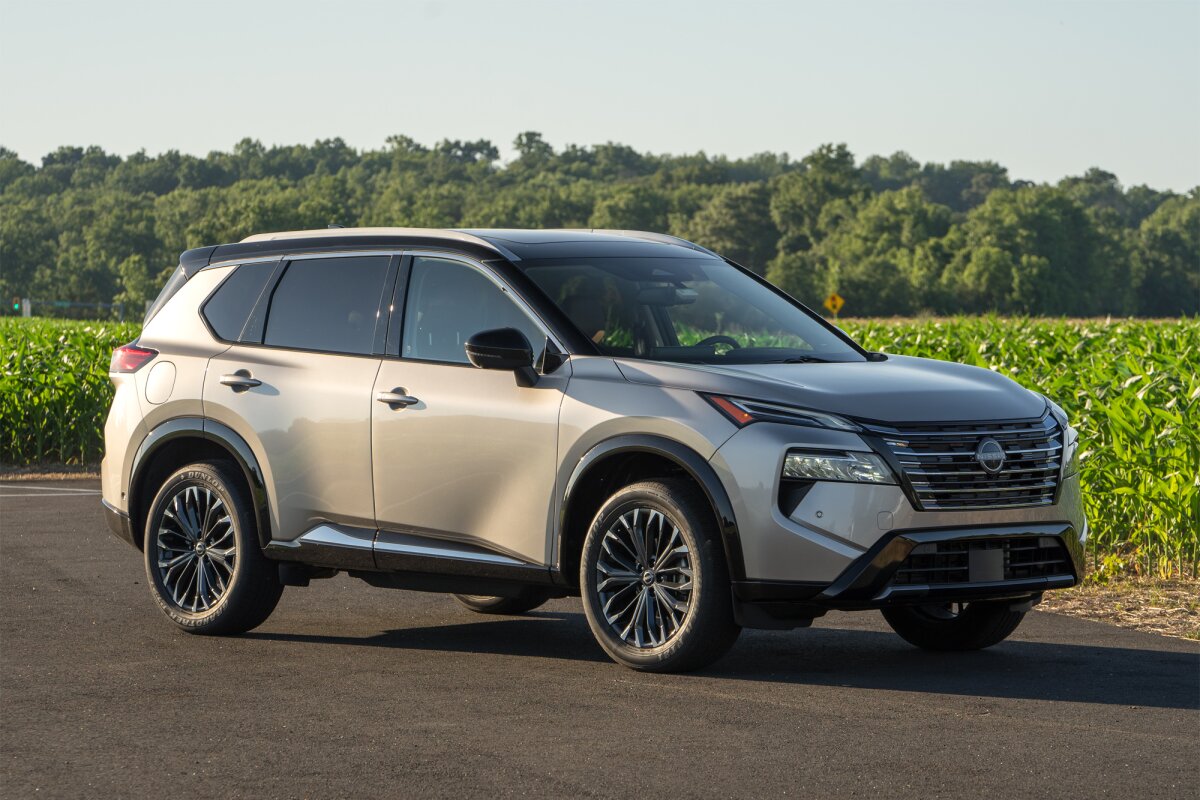
4. Nissan Rogue (CVT and electrical issues)
At first glance, the Nissan Rogue seems like a smart buy. It offers a smooth ride, modern features, and good fuel economy. But once the warranty expires, the Rogue’s dark side starts to reveal itself, particularly in the form of its continuously variable transmission (CVT).
Nissan has long used CVTs in its lineup, but reliability has been a constant issue. In the Rogue, CVT problems often begin to appear just as the vehicle hits the four-to-six-year mark. Drivers report shuddering, slipping, and outright failure, sometimes without warning. Once the CVT goes, replacement is often the only option, and the cost can be astronomical, ranging from $3,500 to $8,000 depending on the shop and warranty status.
What makes this problem worse is that many owners experience CVT issues shortly after their powertrain warranty runs out. Even those who follow strict maintenance schedules can find themselves facing premature failure. Nissan has issued some extended warranties and recalls for certain years, but the problem isn’t fully resolved.
The CVT is also sealed, meaning regular fluid changes are difficult or impossible without dealership tools, which further limits preventative care options.
Aside from the transmission, the Rogue suffers from electrical gremlins. Faulty sensors, malfunctioning keyless entry systems, and glitches in the infotainment screen are common. In some cases, electrical failures can affect safety features like the backup camera or adaptive cruise control.
These issues are typically hard to diagnose and expensive to repair. They also reduce the day-to-day usability of the vehicle and add to the growing list of things that go wrong around the five-year mark.
While newer Rogues have improved in terms of ride quality and interior finish, long-term confidence remains shaky due to this legacy of problems. The resale value suffers accordingly, buyers are hesitant to invest in a used Rogue knowing that major expenses may be just around the corner. For drivers hoping for an SUV that can go the distance, the Rogue often ends up being a short-term companion with long-term regrets.
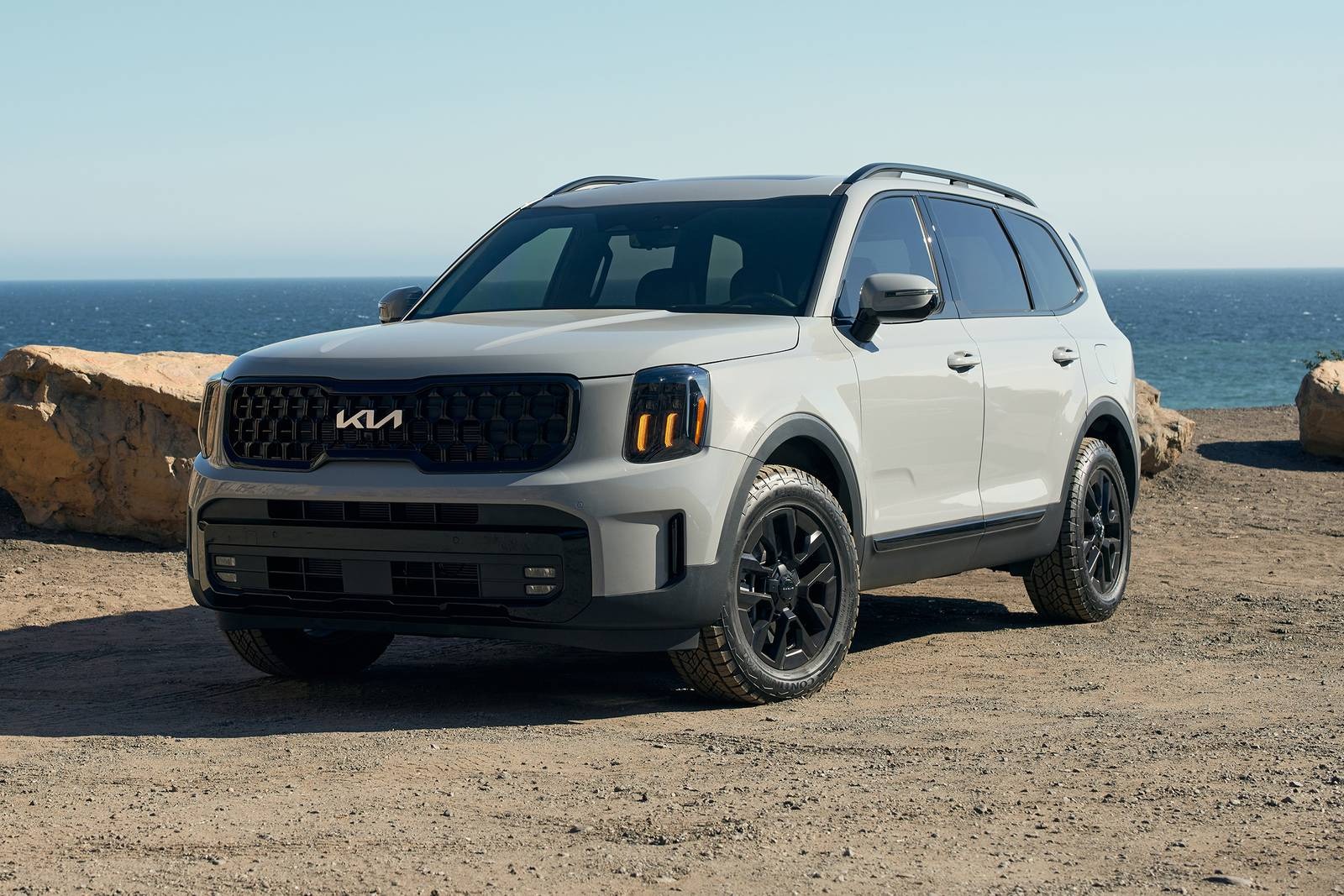
5. Kia Telluride (recall and quality control issues)
When the Kia Telluride was first released, it was widely praised for its design, spaciousness, and value. Critics loved its refined interior, smooth ride, and long list of standard features. At launch, it seemed like Kia had finally cracked the code for producing a truly competitive midsize SUV that could go head-to-head with more expensive rivals.
However, several years into production, a different picture has started to emerge, one that raises real questions about long-term reliability and quality control. While the Telluride may not fall apart in the traditional sense of mechanical failure, it’s been plagued by widespread recalls and systemic issues that begin to appear just a few years into ownership.
The most troubling problem came to light in 2024, when over 427,000 Tellurides were recalled for a serious defect involving the intermediate shaft and transmission. In affected vehicles, the shaft could disconnect from the driveshaft, allowing the SUV to roll away even when parked.
Not only is this a major safety hazard, but it also points to deeper manufacturing flaws in the drivetrain assembly. Such a critical failure undermines owner confidence and adds the hassle of a major recall fix that could take weeks or months, depending on part availability. That kind of disruption isn’t what most buyers expect from a new or lightly used vehicle.
Shortly after the first recall, Kia issued another one affecting more than 462,000 Tellurides due to an issue with the power seat motors overheating. This defect could result in fires, adding yet another layer of concern for long-term ownership.
While recalls themselves don’t necessarily mean a vehicle is poorly built, the fact that so many large-scale issues have surfaced in such a short span of time is a red flag. Owners now have to deal with multiple dealership visits, scheduling delays, and worry about whether future issues will arise as the vehicle continues to age.
Another concern is the reliability of some of the electronic features and comfort systems in early production models. Reports have surfaced of infotainment glitches, laggy system updates, and climate control malfunctions. Combined with the risk of more recall-worthy defects, these problems make the Telluride a questionable option for those planning to keep their vehicle for more than five years.
What was once viewed as a top-tier value may turn into a liability down the road, not necessarily because it breaks down constantly, but because the potential for serious, expensive problems keeps increasing as the vehicle ages.
