
Hybrid vehicles have existed long enough to establish a track record, and their performance can now be judged beyond just fuel economy figures and marketing slogans. What once started as an experimental solution to reduce emissions and increase fuel efficiency has become a permanent fixture in the auto industry.
Hybrids are now sold across almost every vehicle category, from compact cars to large SUVs. However, not all hybrids are created equal.
Some consistently prove to be dependable, durable, and practical for the average driver, while others have built a reputation for constant problems, poor design execution, or underwhelming returns on their premium pricing.
This contrast between success and failure in the hybrid space is no longer a mystery; it’s backed up by years of owner feedback, mechanic reports, and real-world driving experience.
When assessing hybrids, success is not defined solely by high fuel economy ratings. Factors like battery life, transmission reliability, total cost of ownership, and long-term repair frequency matter just as much. A hybrid vehicle that breaks down regularly or costs a fortune to maintain loses the very advantage it’s supposed to offer.
At the same time, some hybrid models perform their job with almost silent efficiency, clocking hundreds of thousands of miles with minimal issues and low operating costs.
These are the ones that set the benchmark for the category. Drivers buy hybrids to simplify their lives, not complicate them. Therefore, it’s worth looking closely at which models are truly dependable and which ones cause more trouble than they’re worth.
In this article, we’ll take a closer look at five hybrid vehicles that have earned a reputation for rarely giving owners any serious trouble. We’ll also highlight five models that have consistently disappointed, either due to mechanical faults, flawed design choices, or reliability issues.
The goal isn’t to shame any brand but to give a clearer picture based on long-term performance and ownership experience. Whether you’re considering a hybrid for the first time or trying to avoid a costly mistake on the used market, this comparison can help you make a smarter decision.
Also Read: 7 Bad Habits That Ruin a Jeep Patriot Transmission
5 Hybrids That Rarely Fails
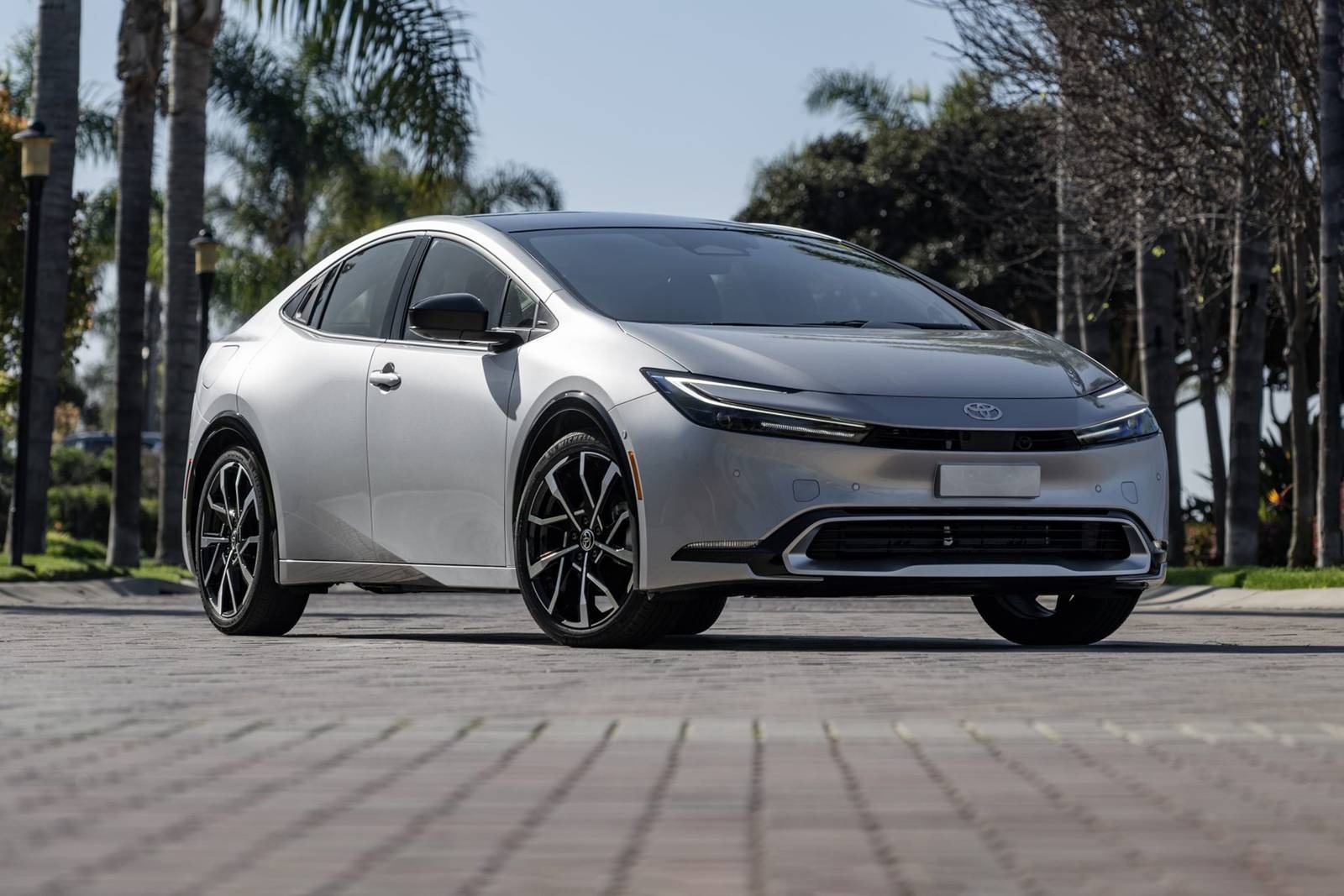
1. Toyota Prius
The Toyota Prius is often the first car that comes to mind when people think of hybrids, and for good reason. It wasn’t the first hybrid ever made, but it was the first to achieve massive commercial success and stay relevant for over two decades. What sets the Prius apart is its consistency.
Toyota’s Hybrid Synergy Drive system has matured over several generations, becoming increasingly reliable with each update. Drivers commonly report hitting 200,000 miles or more with no major drivetrain issues.
The electric motor and gas engine balance their workload effectively, which reduces wear on both components. Its battery pack, often the most fragile part of a hybrid, is well-engineered and long-lasting.
Another strength of the Prius is how its components are tuned to prioritize efficiency and low stress. Toyota didn’t design the Prius to be a performance car, and that decision benefits longevity. The CVT transmission is smooth, and the regenerative braking system reduces wear on the physical brakes.
Even the cooling systems for the battery and engine are built with long-term function in mind. You don’t find many cases where the car overheats or suffers from battery degradation within the first 150,000 miles. This kind of durability keeps repair costs low and prevents downtime, making the Prius a favorite for taxi fleets, ride-share drivers, and anyone who puts a lot of miles on their car each year.
Even in cold-weather regions where hybrid systems often struggle, the Prius holds up well. The engine starts reliably, the hybrid battery doesn’t suffer major performance drops, and the HVAC system is efficient enough to keep everything functioning smoothly.
Its compact design makes it great for urban driving, and yet its hatchback layout provides enough room for passengers and cargo. These factors combine to give the Prius an excellent track record across a wide range of conditions, which is not something all hybrids can claim.
Finally, the resale value of the Prius is strong, which speaks to buyer confidence. A used Prius is not seen as a risky purchase, unlike many other used hybrids.
This is largely due to the reputation it has earned over time. Mechanics are familiar with it, parts are widely available, and routine maintenance is straightforward. The Prius may not be exciting, but it works, and it keeps working. That’s why it continues to top reliability surveys year after year.
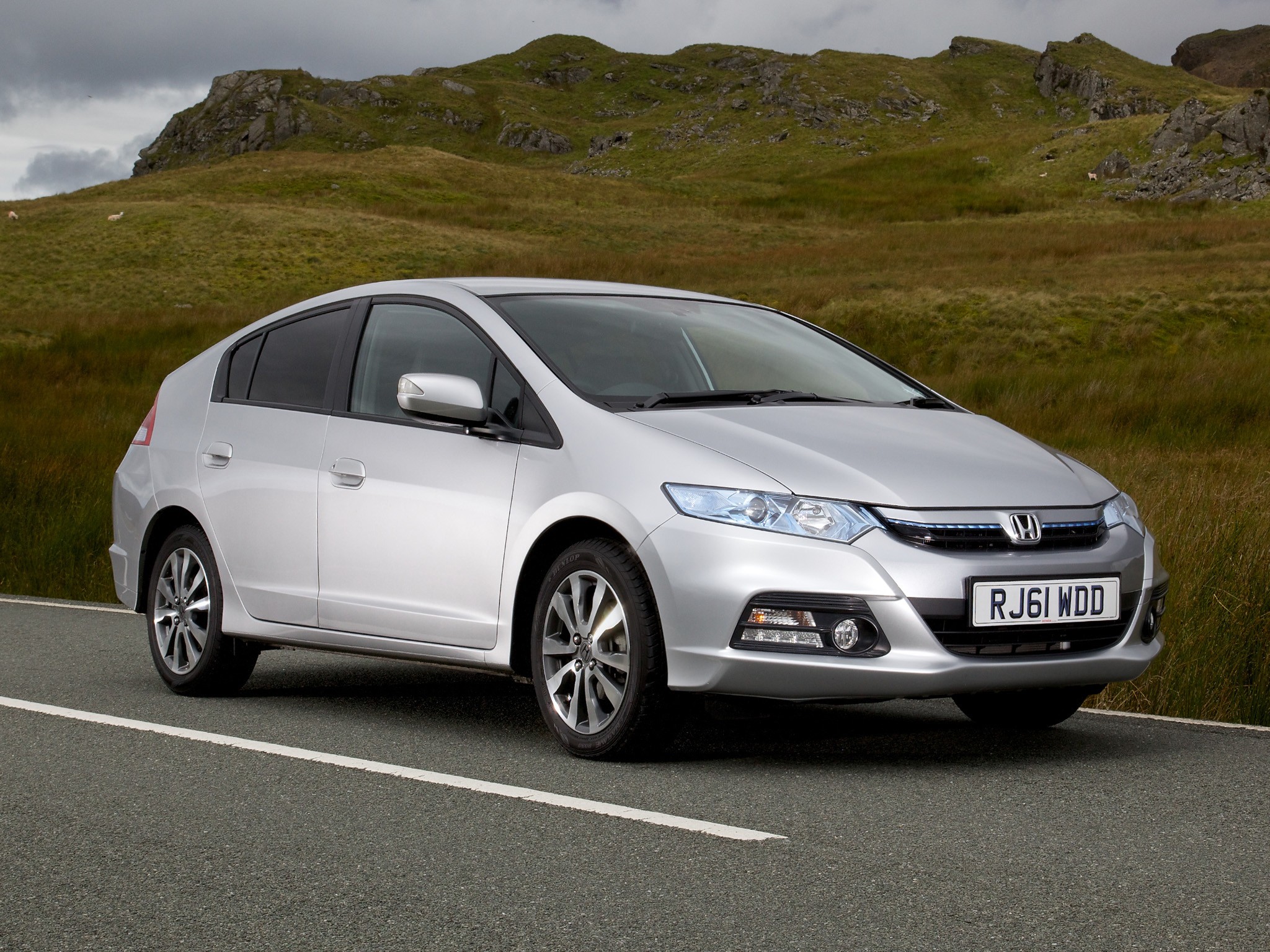
2. Honda Insight (2nd Gen and Up)
The second-generation Honda Insight and newer models corrected many of the mistakes of the original. Starting from the 2009 model, Honda moved away from a two-seater ultra-compact design to a more practical sedan layout. This change didn’t just make the car more appealing to buyers, it also made it easier to service and more structurally sound.
The hybrid system, known as Integrated Motor Assist (IMA), is simpler than Toyota’s setup, but Honda tuned it carefully to minimize long-term problems. Battery packs last longer than expected, and the electric motor isn’t stressed by aggressive tuning or heavy acceleration demands.
One of the most overlooked qualities of the newer Insight models is how user-friendly they are for both drivers and mechanics. Diagnostics are easy, the system doesn’t throw false error codes, and the hybrid system is well-isolated from other electrical components.
This means that if something fails, it’s relatively easy to find the source of the issue. Parts are affordable, and independent shops can service the car without needing proprietary tools.
This greatly reduces the cost of ownership and gives owners peace of mind over time. Many owners report driving their Insight over 150,000 miles with only standard maintenance.
The fuel efficiency of the Insight is solid but not record-breaking, which turns out to be a blessing in disguise. Some hybrids push for extreme MPG ratings by cutting corners in durability or performance. Honda struck a better balance with the Insight by giving it reasonable fuel savings without overstressing its components.
The regenerative braking system is modest but effective, and the transition between electric and gas power is smooth enough to be invisible during normal driving. These traits keep wear and tear minimal, which is key to long-term survival.
Where the Insight really shines is in predictability. It’s not a flashy car, and it doesn’t make bold promises, but it delivers on the basics better than many competitors. It starts reliably, handles well in city and highway conditions, and doesn’t surprise you with unexpected faults.
Owners often describe it as “boring but perfect,” and in this case, boring is exactly what you want. It’s a hybrid that quietly gets the job done and keeps doing so for years.
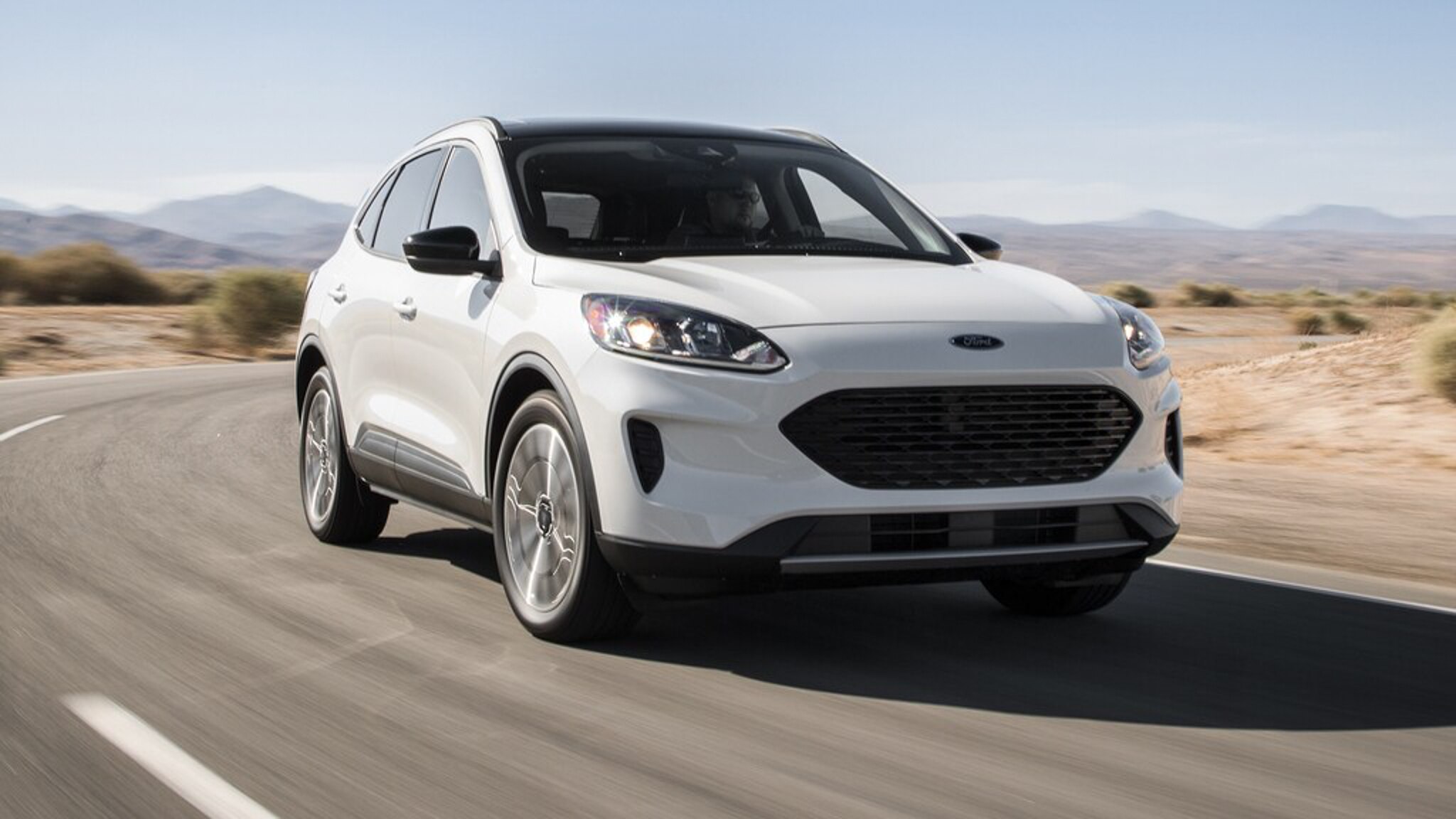
3. Ford Escape Hybrid (1st Gen)
The first-generation Ford Escape Hybrid (2005–2012) is widely regarded as one of Ford’s most reliable efforts in the hybrid space. This vehicle stood out because it was one of the first hybrid SUVs available in North America, and it didn’t compromise on practicality to achieve efficiency.
The hybrid powertrain, co-developed with Toyota under a licensing agreement, benefited from proven design elements.
As a result, owners experienced fewer battery failures and drivetrain issues than expected from a first-gen hybrid SUV. The system was well-tuned for everyday driving and rarely exhibited the hesitation or gear-hunting seen in other early hybrids.
One of the strongest points in the Escape Hybrid’s favor is its longevity. Fleet operators, especially in New York City, used the vehicle extensively for taxis and reported reaching 300,000 miles or more with basic maintenance. This kind of track record is not common among SUVs, let alone hybrid models.
The engine and electric motor share the workload efficiently, and the battery cooling system is well-designed to prevent overheating in urban traffic. Even in high-heat conditions or winter climates, the vehicle maintained consistent performance.
The Escape Hybrid is also relatively easy to work on, which plays a role in its success. The layout of the engine bay, wiring, and battery housing was designed with serviceability in mind.
This is a sharp contrast to some newer hybrids that require complete disassembly for basic maintenance. Owners benefit from lower labor costs and faster turnaround when repairs are needed. There are also fewer cases of sensor failures or confusing error codes compared to rivals of the same era.
Another factor that contributes to the Escape Hybrid’s reputation is its driving comfort. Unlike many hybrids that sacrifice power for efficiency, this model had decent acceleration and handled well at highway speeds. It felt like a normal SUV in most situations, which made it easier for traditional drivers to adapt to.
That sense of familiarity, combined with solid engineering, gave it an edge in long-term owner satisfaction. Even today, used models from this era are in demand, which says a lot about their lasting value.
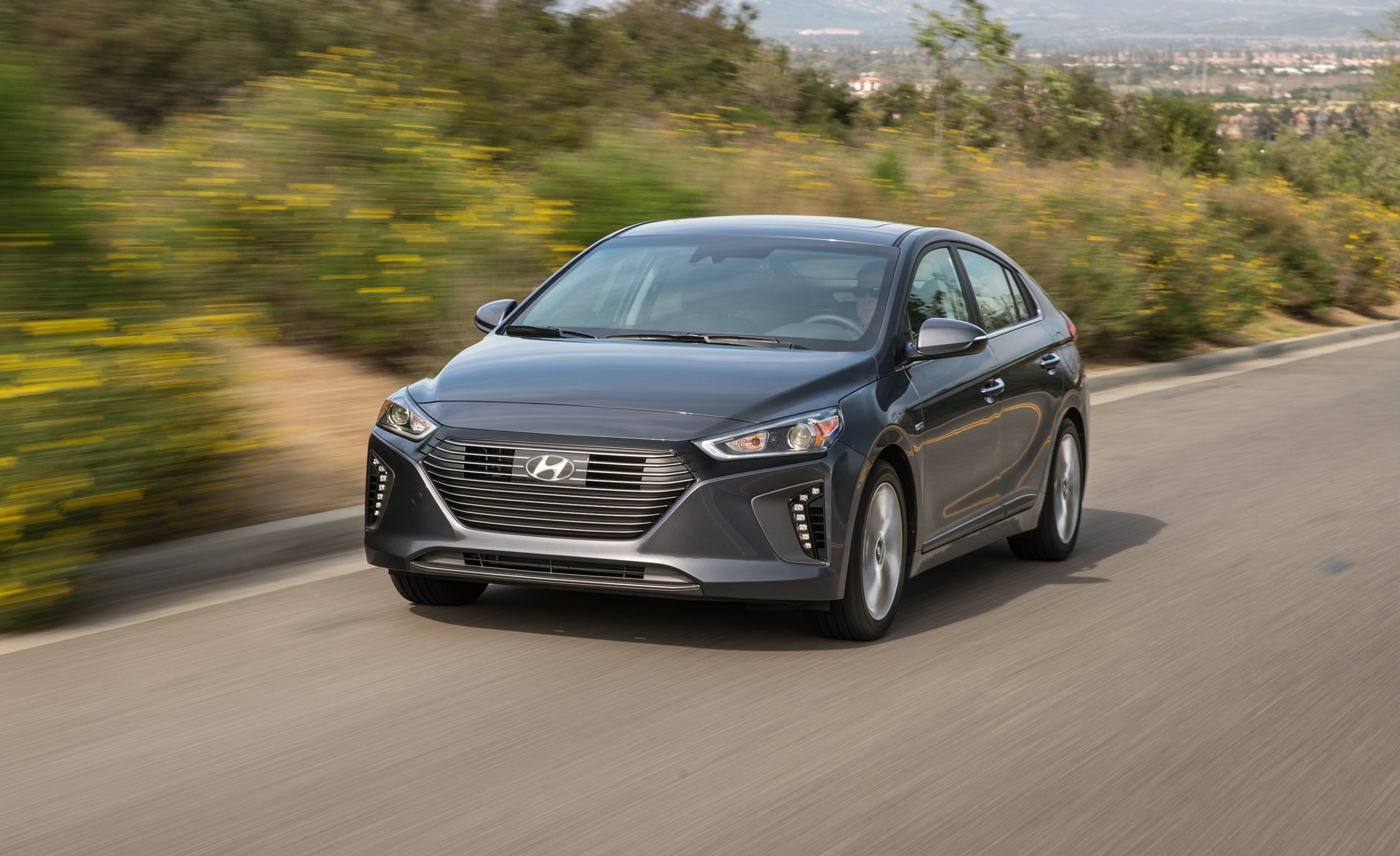
4. Hyundai Ioniq Hybrid
The Hyundai Ioniq Hybrid entered the market quietly but soon became a favorite among those seeking a practical and highly efficient vehicle without sacrificing reliability. Unlike many early hybrid experiments, the Ioniq’s system was developed with a clear understanding of what works and what doesn’t.
Hyundai combined a 1.6L Atkinson-cycle engine with a compact electric motor and a dual-clutch transmission, an unusual choice for a hybrid, but one that paid off. The DCT offers crisp gear changes, and the entire drivetrain has shown very few major failures across large mileage intervals.
Owners report exceptional battery life, even in harsh environments. Hyundai placed a strong focus on thermal management and used a compact lithium-ion polymer battery instead of the older nickel-metal hydride type found in some competitors. This choice gave the Ioniq improved energy density and a lower degradation rate over time.
What’s especially impressive is how few Ioniq owners have reported battery replacement or performance dips even after driving well past 100,000 miles.
Additionally, the battery is mounted low and away from major heat sources, which further preserves its longevity and protects it from temperature-related failure. By designing the system around long-term efficiency instead of just high short-term MPG numbers, Hyundai created a hybrid that performs consistently year after year.
The software and electronics inside the Ioniq Hybrid are another strong point. One of the most frustrating aspects of modern hybrids is electronic gremlins, systems that break for no mechanical reason. The Ioniq avoids this by using well-integrated controls, a stable infotainment platform, and minimal overlapping functions.
Electrical faults are rare, and warning lights are generally accurate when they do occur. This means less time spent chasing phantom problems or dealing with confusing dealership diagnostics.
Additionally, firmware updates have been relatively rare, which shows that Hyundai got the programming right the first time in most cases. That type of predictability is a valuable trait in any hybrid, where system complexity is always a potential weakness.
Fuel economy is another area where the Ioniq Hybrid performs exceptionally. Its design was clearly focused on beating the Toyota Prius, and in many tests, it succeeds. However, it doesn’t sacrifice build quality or comfort in pursuit of that goal. The suspension is balanced, the interior doesn’t feel cheap, and the seats are comfortable enough for long drives.
More importantly, it doesn’t rattle or degrade in quality over time, even on rough roads. Many economy-focused hybrids cut corners in material quality, but the Ioniq manages to feel durable and refined at the same time.
That’s part of what makes it an easy car to recommend, not just for fuel savings, but for user experience and long-term value.
From a service standpoint, mechanics generally report that the Ioniq is pleasant to work on. The hybrid system is not overly complicated, and access to critical components is straightforward. While the DCT might have caused concern early on, it has proven itself with a low failure rate.
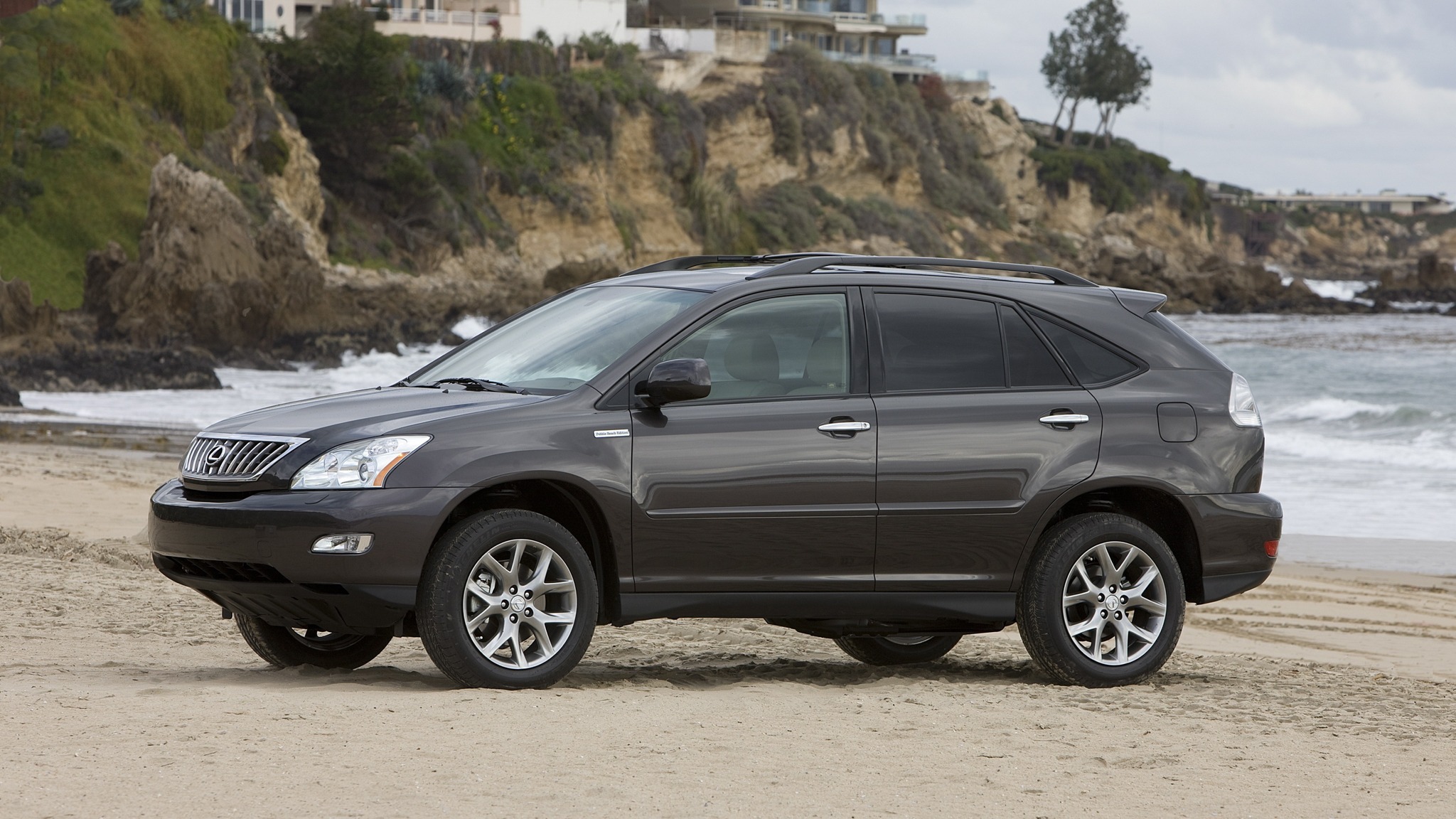
5. Lexus RX 450h
The Lexus RX 450h combines the reliability of Toyota’s hybrid system with the luxury and build quality of the Lexus brand. This SUV is frequently cited as one of the most dependable upscale hybrid vehicles available.
Its powertrain is a variation of the tried-and-true Hybrid Synergy Drive found in Toyota models, but tuned for more power and smoother delivery.
This means that not only does the RX 450h offer solid fuel efficiency for an SUV, but it also delivers excellent ride quality and quiet operation.
The electric motors provide instant torque, while the gas engine handles longer stretches with minimal noise. The result is a seamless driving experience that remains smooth even at high mileage.
One of the standout features of the RX 450h is how long its components last with minimal servicing. The high-voltage battery is liquid-cooled and well-shielded, leading to lower wear rates. Many RX 450h owners report their original batteries lasting well beyond 150,000 miles.
Even when replacement is needed, the cost is lower than expected because of the wide availability of refurbished battery packs. Moreover, Lexus dealerships tend to handle hybrid issues competently, and many independent shops have also become proficient with the Toyota-Lexus system, making long-term ownership less intimidating than it might be with European luxury hybrids.
From a build-quality perspective, the RX 450h benefits from Lexus’ attention to detail. Interior materials resist wear and fading, electronics remain responsive, and there are fewer reports of squeaks, rattles, or trim degradation over time.
This is significant because hybrids are often associated with cost-saving compromises, but the RX 450h proves that luxury and long-term reliability can coexist.
It doesn’t just feel good when it’s new, it maintains its feel after years of use. That stability adds value, especially for buyers looking to own a vehicle for a decade or more without major interruptions or degradation in comfort.
The resale value of the RX 450h reflects its reputation. It tends to depreciate more slowly than other luxury hybrids and often commands a premium on the used market. This isn’t just due to brand prestige; it’s a result of strong mechanical reliability and a long-standing history of solid performance.
Whether used for family hauling, daily commuting, or long highway trips, the RX 450h consistently lives up to expectations. It avoids the common hybrid pitfalls of software glitches, battery failure, and poor component sourcing. Instead, it offers what hybrid buyers want most: fuel savings without sacrificing long-term peace of mind.
Also Read: 10 Hacks That Keep a Toyota GR Corolla Track-Ready Forever
5 That Constantly Do
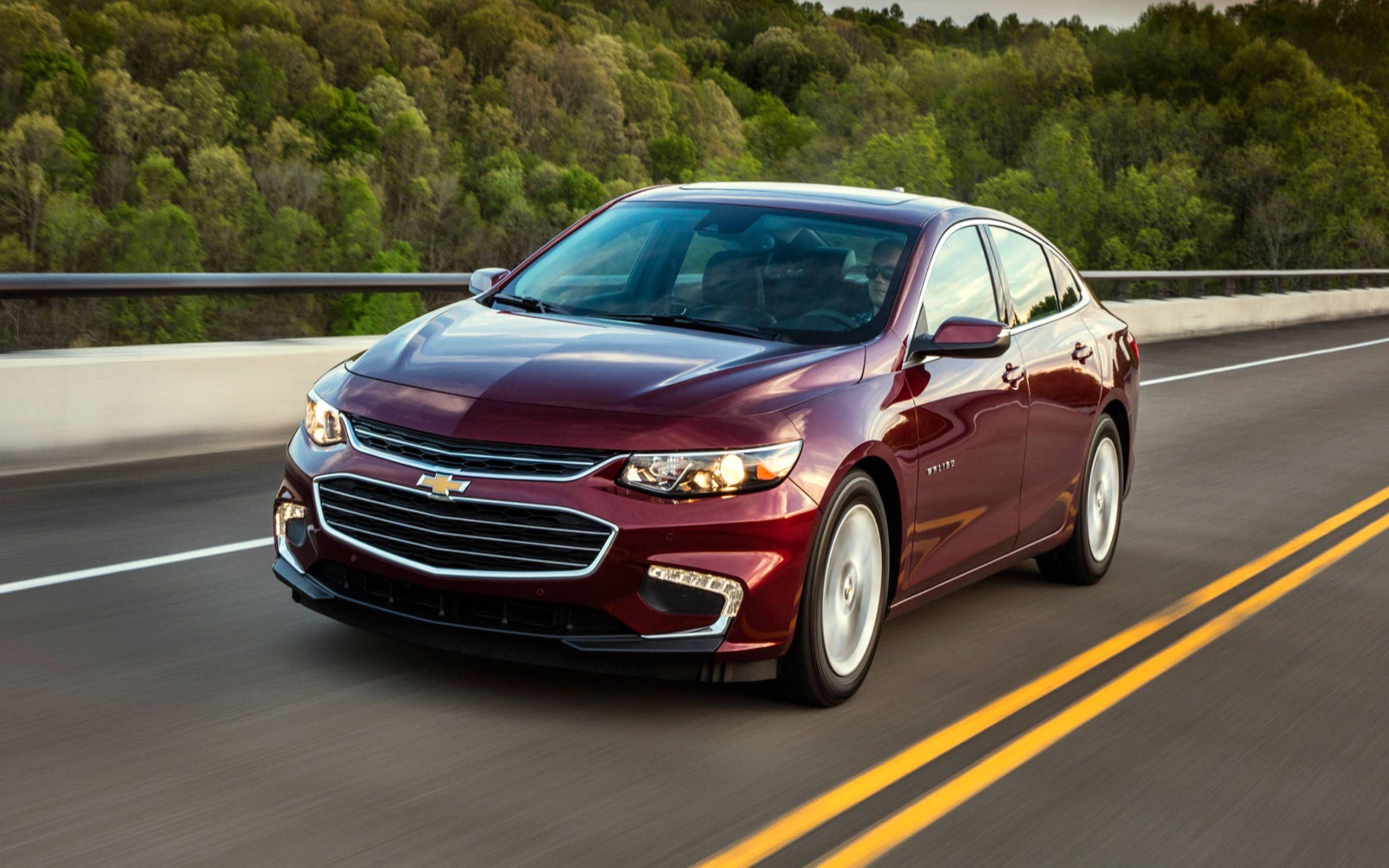
6. Chevrolet Malibu Hybrid
The Chevrolet Malibu Hybrid has suffered from a wide range of issues that have damaged its reputation. Introduced as a competitor to other midsize hybrids, the Malibu Hybrid was intended to blend fuel efficiency with everyday usability. However, it often failed to deliver consistently.
One of the most common complaints from owners revolves around erratic engine start-stop behavior. The system responsible for switching between gas and electric power tends to be jittery and unpredictable, especially at low speeds or when coming to a stop.
This jerky operation doesn’t just annoy drivers; it also puts added stress on engine mounts and electronic components over time.
The battery system in the Malibu Hybrid has also been a persistent trouble spot. Unlike more mature hybrid systems, Chevrolet’s implementation has faced premature battery degradation, sensor malfunctions, and total battery failures in a number of units before the 100,000-mile mark.
Replacing or repairing these battery systems is neither cheap nor easy, especially because few independent shops have the expertise to work on them.
Additionally, the battery is mounted in a way that makes cooling less effective, leading to performance drops in hot weather and shortened component life. Even with proper maintenance, the battery’s reliability has not kept pace with competitors like Toyota or Honda.
Owners also report electrical issues not related to the hybrid system itself, such as failing infotainment screens, backup cameras, and faulty dashboard warning lights. These problems may not seem major individually, but they add up over time and contribute to an feeling of unreliability.
Many Malibu Hybrid drivers have noted that the car feels “unfinished,” as if the technology was rushed to market before being fully refined.
That perception is reinforced by frequent software updates and recalls. Rather than inspiring confidence, the car often leaves owners second-guessing their decision to go hybrid.
Perhaps the biggest disappointment is how poorly the Malibu Hybrid has retained value. Even though it offers decent MPG numbers on paper, the ownership costs rise quickly due to repairs, parts availability, and the need for dealership-level diagnostics. This means that used buyers avoid it, and trade-in values are significantly lower than those of more trusted hybrids.
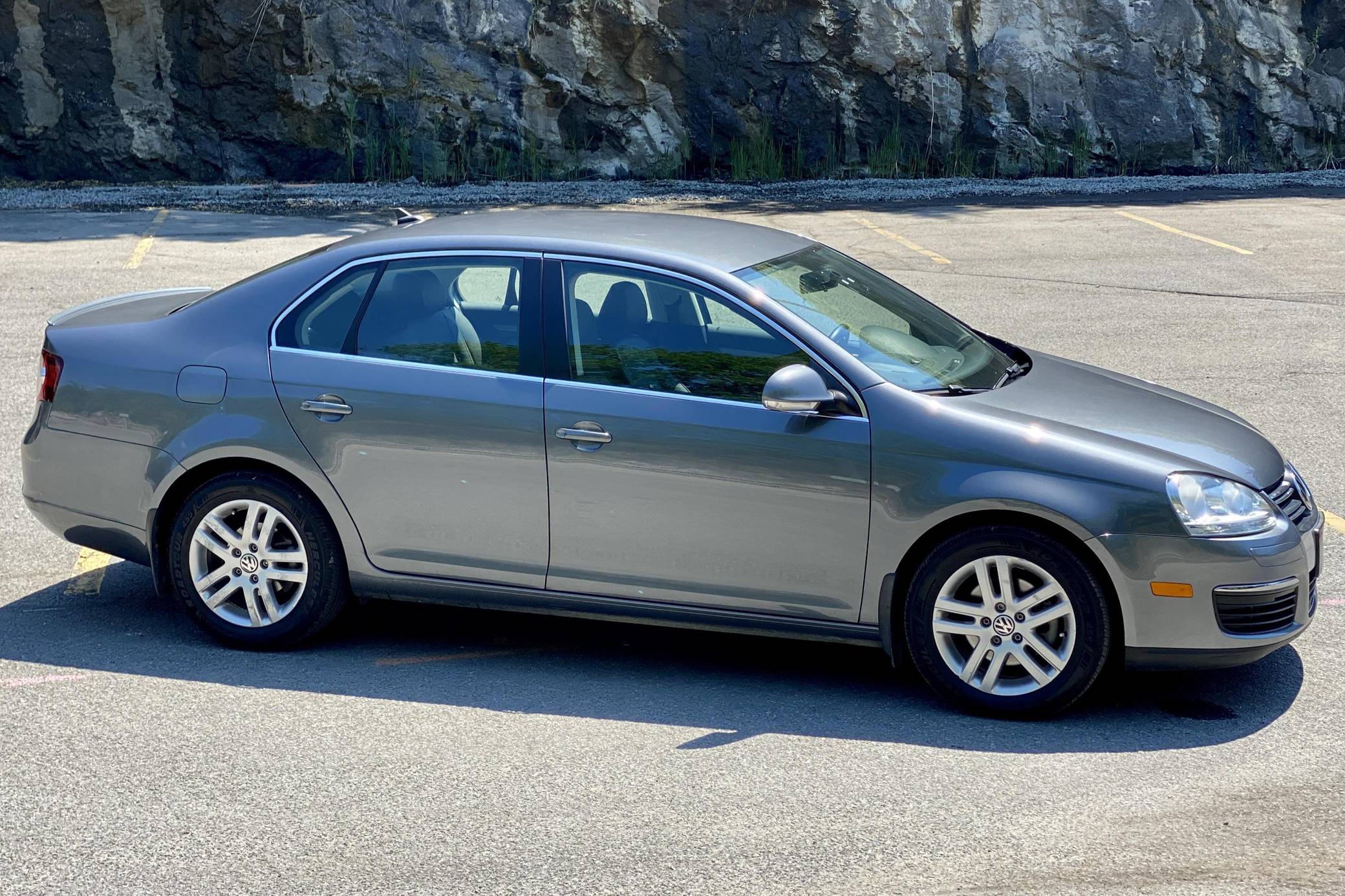
8. Volkswagen Jetta Hybrid
The Volkswagen Jetta Hybrid, sold between 2013 and 2016, is often cited as one of the most problematic hybrid sedans on the used market. At first glance, it looked like a competitive entry: turbocharged engine, smooth styling, European driving feel, and strong acceleration.
But under the surface, it hid a number of issues that made long-term ownership a nightmare. The biggest and most persistent problem involved the seven-speed dual-clutch automatic transmission (DSG).
While this gearbox was intended to give the Jetta Hybrid a sportier edge, it ended up being one of its biggest liabilities. Clutch packs wore out prematurely, software glitches led to gear-hunting and jerky shifts, and full transmission replacements were often needed before the 100,000-mile mark.
Adding to the frustration, many VW dealerships lacked properly trained technicians for hybrid service during the car’s early years.
This resulted in misdiagnoses, unnecessary part replacements, and repeat visits for the same issues. Even simple faults like a failed coolant pump could result in excessive repair bills due to how components were packed under the hood.
Electrical reliability was also poor. Owners frequently reported check engine lights triggered by faulty sensors, hybrid system errors, and infotainment crashes. One of the more serious problems was a recurring issue where the hybrid system would shut down during driving, forcing the car into limp mode or stopping it altogether.
These issues made the car unreliable for anything beyond local driving. Many Jetta Hybrid owners eventually gave up on the hybrid features and treated it like a regular sedan, often wondering why they paid extra in the first place.
While it may have offered a more engaging drive than the Prius or Insight, the Jetta Hybrid’s unreliability wiped out any practical advantage. Volkswagen ended production after just a few years due to poor sales and bad customer feedback.
Today, used examples sell for significantly less than comparable sedans, often because prospective buyers are warned off by mechanics and forums. The Jetta Hybrid is a good example of how not to build a hybrid: complex, fragile, and poorly supported.
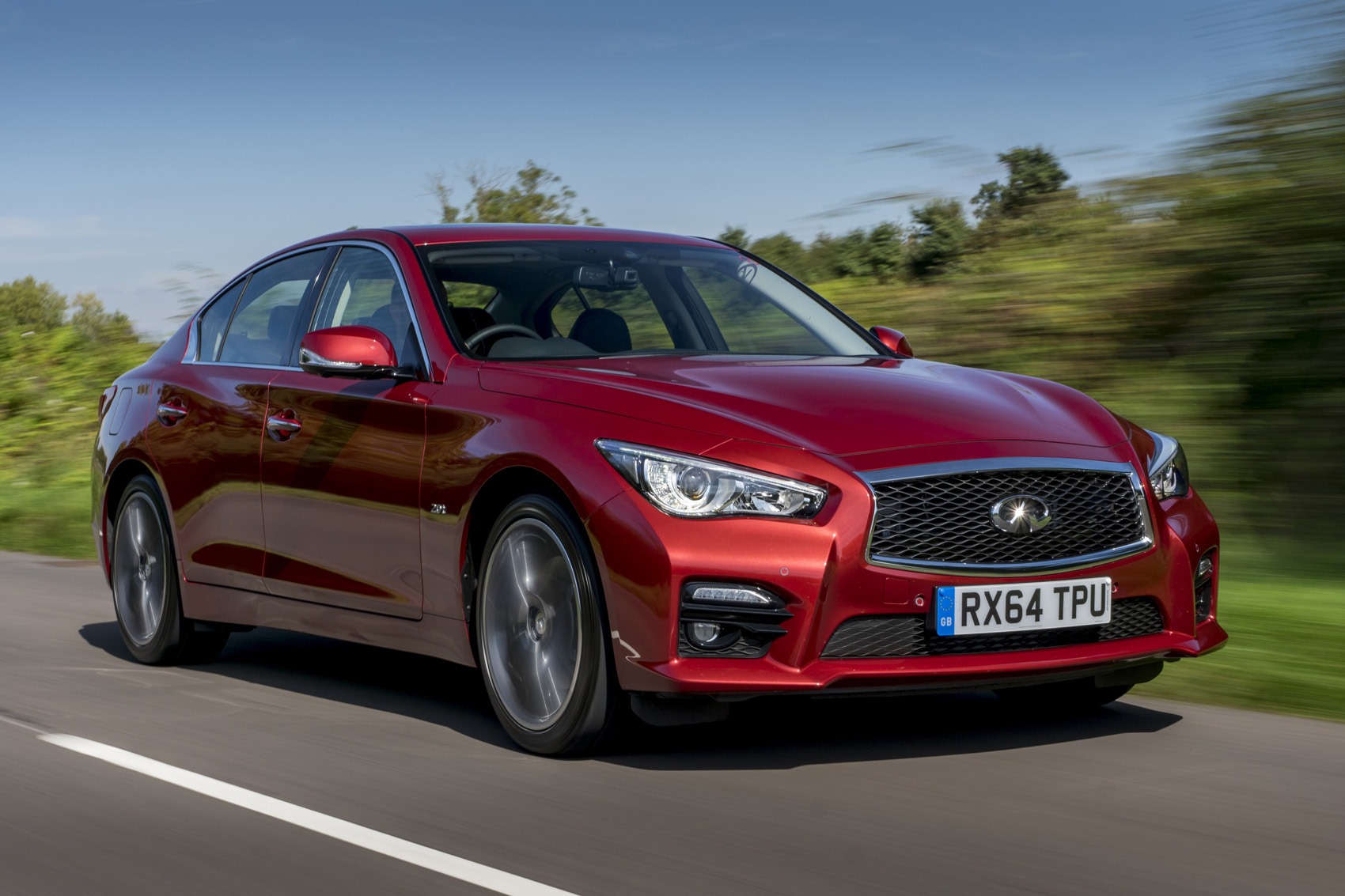
9. Infiniti Q50 Hybrid
The Infiniti Q50 Hybrid was designed to offer a luxury driving experience with the added efficiency of hybrid technology. While it initially received some praise for its powerful V6 hybrid setup and brisk acceleration, the long-term reliability of the Q50 Hybrid has proven to be a major concern.
One of the biggest issues comes from the electronic steering system, which Infiniti introduced as a key feature in the Q50. This steer-by-wire system was problematic across the Q50 lineup, but it proved even more erratic when paired with the added complexity of hybrid electronics.
Many drivers complained about inconsistent steering feel, random pull in one direction, or complete loss of power steering functionality, all of which can be extremely dangerous.
The hybrid powertrain itself also suffered from poor integration. While the 3.5-liter V6 engine was relatively solid, the electric motor and battery system were prone to faults. Unlike Toyota’s proven layout, Infiniti’s system had less tolerance for heat and wear.
Battery life was a frequent concern, with reports of early degradation and expensive replacements. Even more frustrating were the electrical control units, which often failed to properly manage the balance between gas and electric power.
This caused jerky transitions, unresponsive acceleration, and inconsistent fuel economy. For a luxury car, these kinds of issues are unacceptable, especially when they appear before the 100,000-mile mark.
On the interior and electronics side, the Q50 Hybrid also lagged. The dual-screen infotainment system was slow and frequently froze, which affected climate control, navigation, and media functions.
Firmware updates were inconsistent and often only available through dealerships, which charged high fees for services that should have been basic.
Many owners found themselves in a constant loop of technical issues and service appointments. This made it difficult to enjoy the car’s premium features and added to the frustration of ownership.
Lastly, Infiniti has not provided long-term support for hybrid-specific components in the same way other brands have. Replacement parts are expensive, and hybrid-certified service centers are rare outside major metro areas.
Combined with poor resale value and a steep depreciation curve, the Q50 Hybrid became a burden for many of its owners. It serves as a warning that simply adding hybrid tech to a luxury car doesn’t guarantee success, especially if the systems aren’t engineered and supported with the level of care needed for longevity.
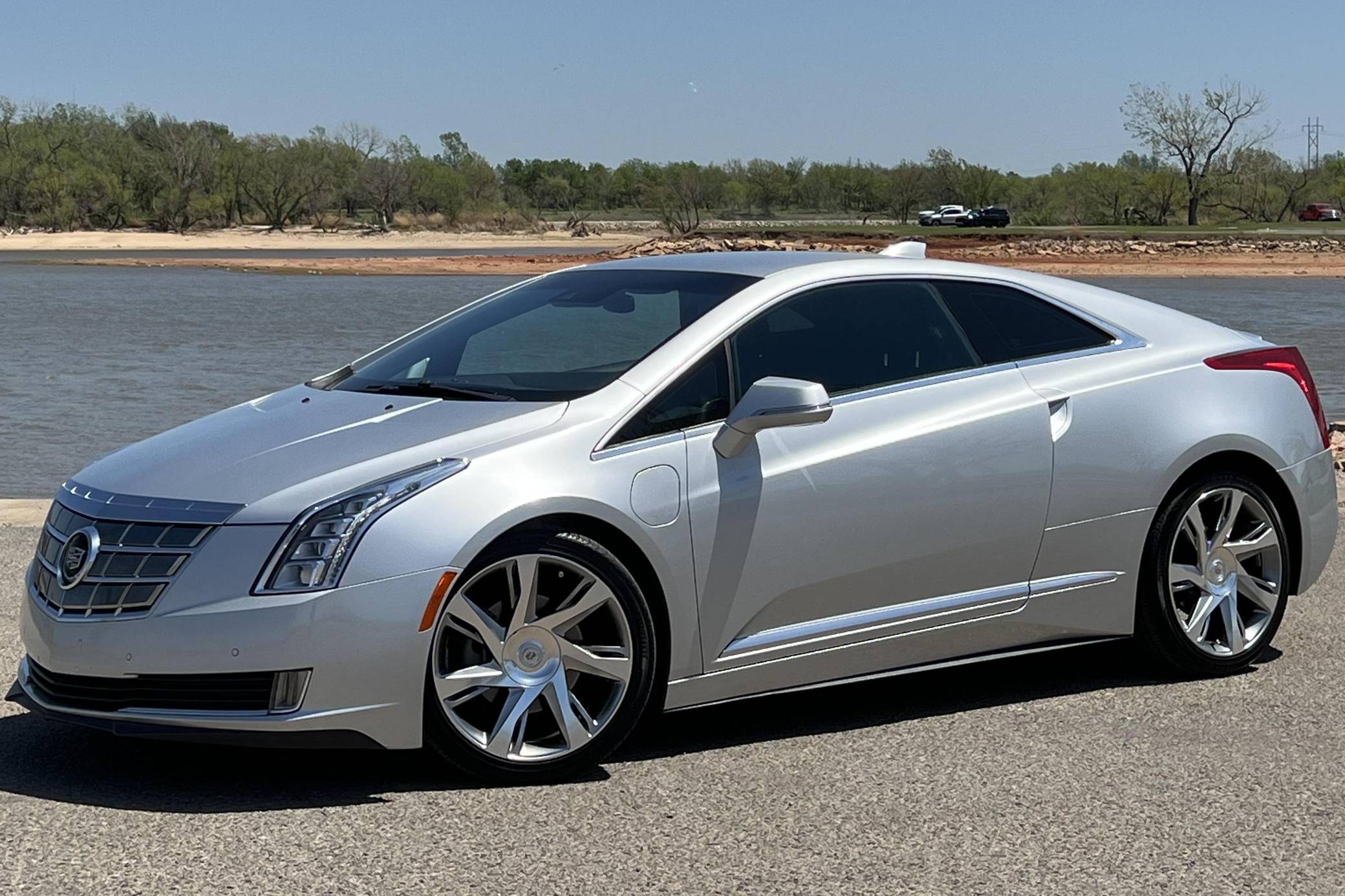
10. Cadillac ELR
The Cadillac ELR was GM’s luxury response to the Chevrolet Volt, aiming to combine electric driving with upscale design. On paper, it had potential: sleek styling, extended-range electric capability, and premium materials. In reality, it turned out to be one of the biggest missteps in the luxury hybrid segment.
First, the ELR suffered from an identity crisis. It was priced like a true luxury coupe but had a powertrain nearly identical to the Volt, which cost significantly less. This created a disconnect in buyer expectations.
Consumers expected refined performance and smooth operation, but what they got was a sluggish, underpowered vehicle with confusing controls and inconsistent electric-gas transitions.
Mechanically, the ELR’s problems stemmed from more than just its pricing. The vehicle’s Voltec drivetrain, while reliable in the Volt, was never properly tuned for the ELR’s heavier weight and luxury focus.
The electric-only range dropped significantly under real-world conditions, and once the gas engine kicked in, it felt rough and noisy compared to other hybrids in its class.
The power delivery was uneven, and the regenerative braking system, while effective, made stop-and-go driving feel awkward. These characteristics clashed with the luxury experience that Cadillac was trying to deliver, leading to poor reviews and low customer satisfaction.
Another critical issue was service and support. Because the ELR sold in such limited numbers, many Cadillac dealerships were not familiar with its unique components. This made warranty repairs slow and inconsistent.
Additionally, GM’s software support for the ELR faded quickly, leaving many owners with outdated systems and few upgrade options.
Infotainment lag, Bluetooth failures, and touch interface problems became common as the car aged. These weren’t just annoyances; they made the ELR feel obsolete just a few years after purchase, which is especially damaging for a car that launched at a premium price point.
