
Air conditioning systems are a critical part of any vehicle, but especially in SUVs, which are often used for long journeys, family trips, or outdoor adventures where comfort is paramount. The efficiency and durability of an SUV’s AC system can make a substantial difference in the driving experience.
A well-functioning air conditioning system ensures that occupants stay cool and comfortable regardless of outside weather conditions, reducing fatigue and improving safety by preventing driver discomfort.
In hotter climates, where temperatures frequently soar above comfortable levels, a failing AC can turn an enjoyable trip into a miserable ordeal. This is why many SUV buyers carefully consider the reputation of a vehicle’s AC system before making a purchase.
Over time, AC systems in some SUVs tend to maintain their cooling capabilities with minimal issues, often due to superior engineering, better component quality, or more thoughtful design choices. In contrast, other models are notorious for recurrent AC problems such as refrigerant leaks, compressor failures, or inconsistent airflow, which can lead to costly repairs and diminished comfort.
These differences are often overlooked by consumers who primarily focus on horsepower, fuel efficiency, or styling but can drastically affect ownership satisfaction. Understanding which SUVs have durable, long-lasting AC systems versus those with common failures can help buyers make informed decisions that save time, money, and frustration.
This article focuses on five SUVs recognized for rarely losing their AC performance and five SUVs known for frequent AC failures, highlighting the key factors that contribute to these outcomes.
Also Read: 5 Pickups with Tailgates That Last Forever and 5 That Break in a Year
5 SUVs That Rarely Lose AC Performance
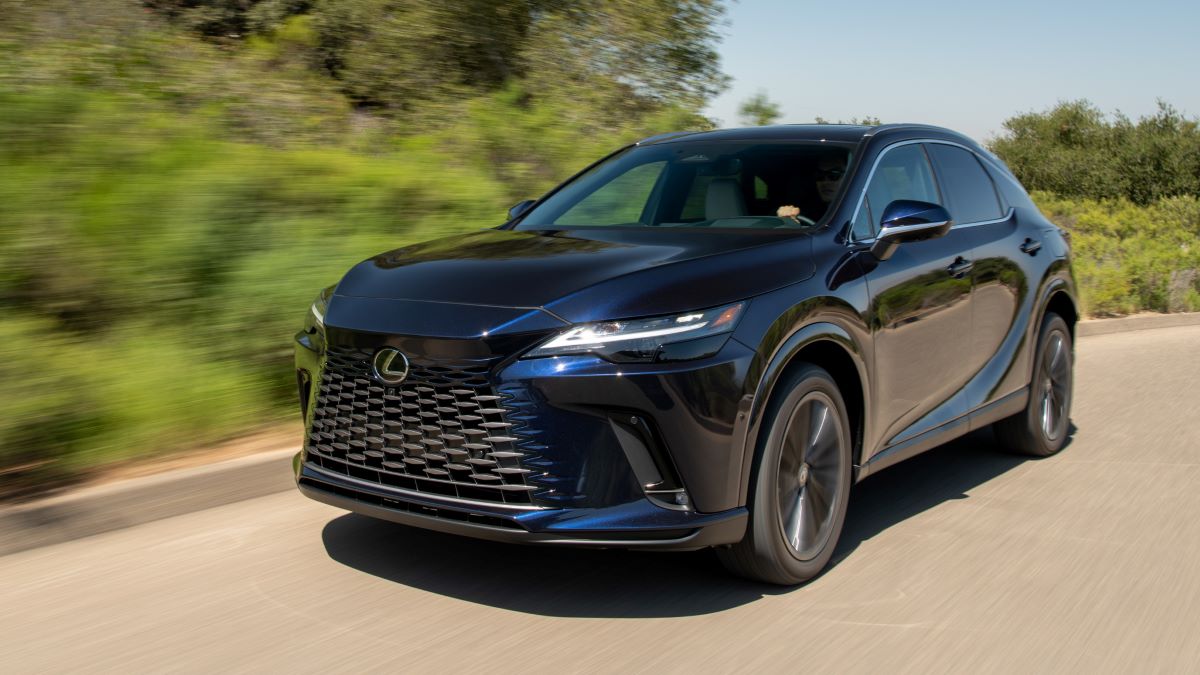
1. Lexus RX 350 (2012–2017)
The Lexus RX 350 has earned a strong reputation for its air conditioning system’s remarkable reliability. The vehicle is equipped with a dual-zone climate control system that allows both driver and passenger to set their preferred temperatures independently, ensuring comfort for all occupants.
What sets the RX 350 apart is its use of high-quality components, particularly its Denso-manufactured compressors, which are known in the automotive industry for their durability and efficiency. These compressors operate smoothly, reducing strain on the system and preventing common issues such as overheating or premature wear.
In real-world use, owners have consistently reported that their RX 350s maintain effective cooling even after years of heavy usage, demonstrating the vehicle’s ability to stand up to daily wear and tear without a drop in AC performance.
The AC system in the RX 350 performs impressively across a wide range of environmental conditions. Whether in extremely hot and dry climates, like the deserts of Arizona, or in humid, moisture-heavy areas such as the southeastern United States, the cooling system quickly adjusts and provides consistent airflow and temperature control.
This adaptability is crucial for owners living in regions with varying weather patterns, as it ensures the vehicle remains comfortable year-round. The well-engineered insulation within the cabin also plays a role in maintaining temperature stability, preventing heat infiltration and reducing the AC’s workload. This translates to not only better comfort but also increased fuel efficiency since the system does not have to work excessively hard.
One of the most appreciated aspects of the RX 350’s AC system is its low maintenance requirement. Unlike many vehicles where the air conditioning system demands frequent attention and repairs, the RX 350 typically only needs basic upkeep such as routine refrigerant level checks and replacement of the cabin air filters.
This simplicity reduces ownership costs and minimizes the inconvenience of unexpected breakdowns. Additionally, Lexus dealerships and independent mechanics alike report fewer AC-related service calls on the RX 350 compared to other SUVs in the same category, underscoring its reputation for reliability. This robustness allows owners to enjoy their vehicles with confidence, knowing that their AC system will perform well over time.

2. Toyota RAV4
The Toyota RAV4 has long been considered one of the most dependable SUVs, and its air conditioning system is a major contributor to this reputation. The vehicle features a highly efficient compressor and a well-designed system that prioritizes even airflow distribution throughout the cabin.
This ensures that all passengers receive cool air regardless of their seating position, which is especially important during long trips or in hot weather. The engineering behind the RAV4’s AC system reflects Toyota’s broader focus on reliability and quality, with components designed to last and operate efficiently under various driving conditions. Many owners attest that the RAV4 cools down the cabin quickly and maintains that cool temperature consistently, even during prolonged exposure to extreme heat.
The RAV4’s AC system delivers consistent performance across its various trims and powertrain options, including gasoline and hybrid variants. The hybrid models, in particular, benefit from an integrated electric compressor that can run independently of the engine.
This means that the AC can provide cooling even when the engine is off, such as during stop-and-go traffic or idle periods, without compromising fuel economy. This technology enhances passenger comfort while reducing emissions and fuel consumption.
Regardless of the powertrain, the RAV4’s AC system remains one of the most reliable in its class, earning high marks from both experts and everyday drivers. The consistent performance across variants shows Toyota’s commitment to ensuring that every RAV4 owner enjoys a comfortable cabin environment.
Another strength of the Toyota RAV4’s AC system lies in its user-friendly controls. The climate control interface is designed to be intuitive and responsive, allowing drivers and passengers to quickly adjust settings without distraction. Whether using manual controls or automatic climate control, the system responds promptly to temperature changes, ensuring that the cabin reaches the desired comfort level swiftly.
This ease of operation is a critical feature that enhances the driving experience, particularly in situations where weather conditions change suddenly or when multiple passengers have different cooling preferences. The system’s ability to maintain steady temperatures without constant manual adjustment adds to its appeal.
The Toyota RAV4’s AC system is also designed for its longevity. Across countless reports and owner testimonials, the AC unit remains effective for many years with minimal issues. Routine maintenance, such as refrigerant recharging and filter replacement, is usually sufficient to keep the system running optimally.
Unlike many competitors, Toyota’s engineering focuses on minimizing potential weak points that lead to leaks or compressor failures. As a result, owners can expect reliable cooling throughout the typical lifespan of the vehicle, which contributes significantly to Toyota’s reputation for building durable and dependable SUVs.
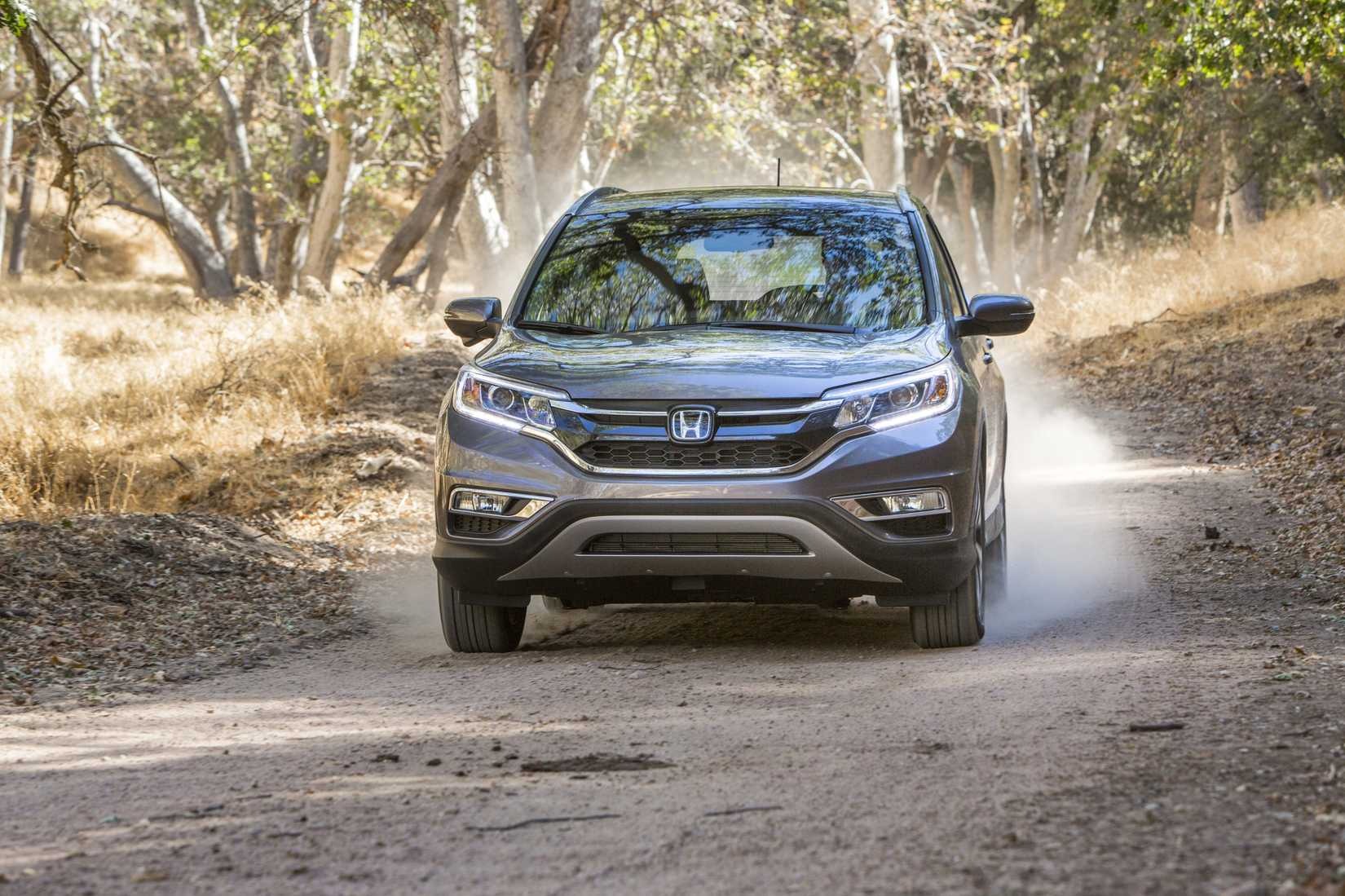
3. Honda CR-V
The Honda CR-V offers a consistently reliable air conditioning system that effectively balances performance and ease of use. The AC unit is designed to provide rapid cooling, with vents strategically placed throughout the cabin to ensure that air is distributed evenly to all occupants.
This means that passengers in the rear seats receive the same level of comfort as those in the front, an important consideration for families or groups traveling together. The CR-V’s AC system includes an efficient compressor and blower motor, which work in tandem to maintain a steady flow of cold air, even under high load conditions or during extended periods of use. This reliability has made the CR-V a favorite choice for drivers in hotter climates who need dependable climate control without constant repairs.
In addition to its powerful cooling capability, the CR-V emphasizes effective airflow distribution, which enhances the passenger experience. The cabin design incorporates multiple air vents, including rear vents that ensure the back seats are not left out of the comfort zone.
This design consideration is particularly appreciated by families or anyone carrying multiple passengers regularly. Good airflow distribution prevents hot spots and keeps the cabin temperature consistent, reducing complaints and making the vehicle more pleasant for everyone on board. The system’s ability to maintain uniform temperature control even in extreme heat is a testament to Honda’s attention to detail in HVAC system design.
Maintenance of the CR-V’s AC system is straightforward and typically not a source of frequent problems. Regular service intervals involving refrigerant checks and cabin filter changes are generally enough to keep the system functioning at peak efficiency.
This low-maintenance nature reduces the likelihood of unexpected breakdowns and the need for costly repairs, which can be a significant advantage for budget-conscious owners. The reliability of the AC system contributes to the CR-V’s reputation as a hassle-free, practical vehicle that owners can count on day after day, year after year.
Customer satisfaction regarding the CR-V’s air conditioning system is high. Many owners have shared positive feedback highlighting the system’s strong performance during hot weather and its consistency over time.
This high level of satisfaction adds to the appeal of the CR-V in the compact SUV segment, making it a top choice for consumers prioritizing comfort. The combination of reliable cooling, effective airflow, and low maintenance creates a package that resonates well with buyers seeking dependable and comfortable transportation.
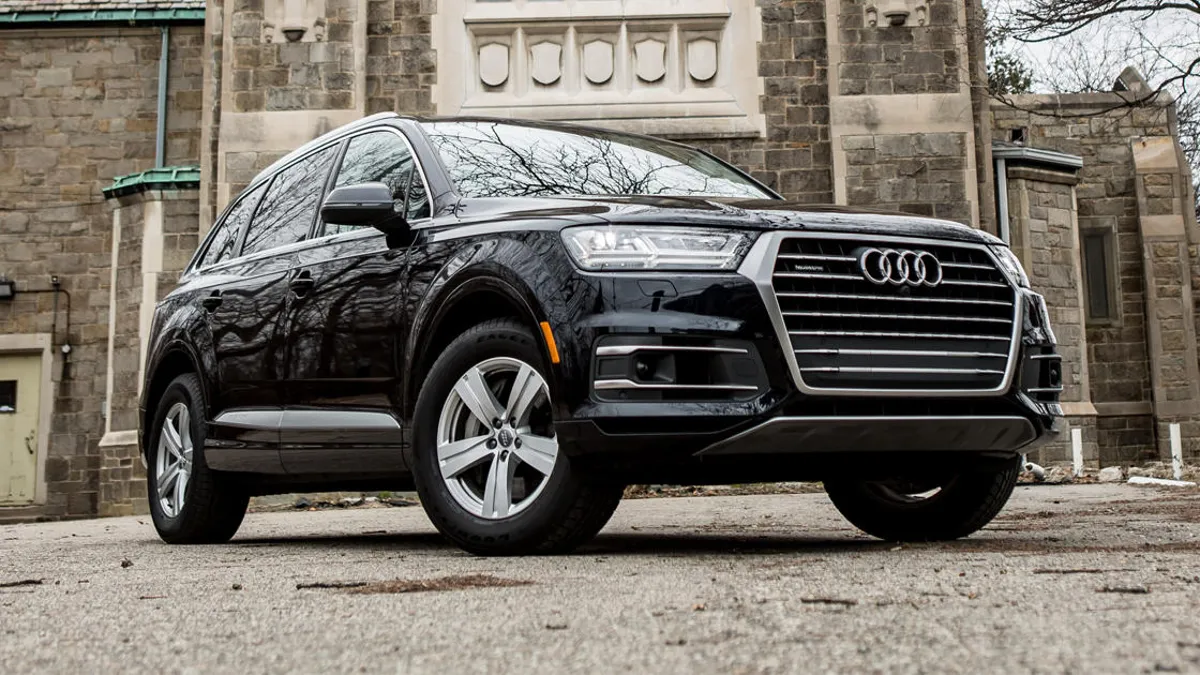
4. Audi Q7
The Audi Q7 features a sophisticated air conditioning system that stands out for its precision and luxury. Its four-zone automatic climate control system allows each occupant to customize their temperature settings independently, creating a personalized comfort experience rarely found in many other SUVs.
This advanced climate control capability ensures that driver, front passenger, and rear passengers can each adjust the system to their liking, making long journeys more comfortable for everyone. The system’s ability to quickly and accurately regulate temperature showcases Audi’s commitment to integrating high-end technology with user convenience. This level of control and responsiveness is one of the reasons the Q7 is often chosen by those who seek both performance and luxury.
In extreme weather conditions, the Audi Q7’s AC system performs exceptionally well. Thanks to a powerful compressor and carefully engineered airflow channels, the system is able to quickly reduce the cabin temperature even when external temperatures are very high.
This rapid cooling capability is a significant advantage in regions prone to heat waves or prolonged hot seasons. The Q7’s ability to maintain a stable, comfortable interior temperature regardless of external climate conditions speaks to its well-engineered HVAC system, which complements the vehicle’s premium build quality. Passengers rarely experience discomfort, even during the hottest days of summer.
Noise levels inside the cabin remain low even when the AC system operates at full capacity. The Q7’s air conditioning system is designed for quiet operation, using sound-dampening materials and smooth-running compressors to minimize distractions.
This contributes to the vehicle’s luxurious atmosphere, allowing passengers to enjoy conversations, music, or relaxation without the intrusion of loud mechanical noises. Quiet AC operation is an important feature for those who value a serene driving environment and adds to the vehicle’s refinement.
The Q7 also includes an air ionizer and an advanced filtration system, which improves the quality of the air inside the cabin. This feature filters out dust, pollen, allergens, and other pollutants, creating a healthier environment for all passengers.
For families with children or individuals with respiratory sensitivities, this is a particularly valuable addition. By not only cooling the air but also purifying it, the Audi Q7’s climate control system provides comprehensive comfort that addresses both temperature and air quality, elevating the SUV’s appeal among discerning buyers.
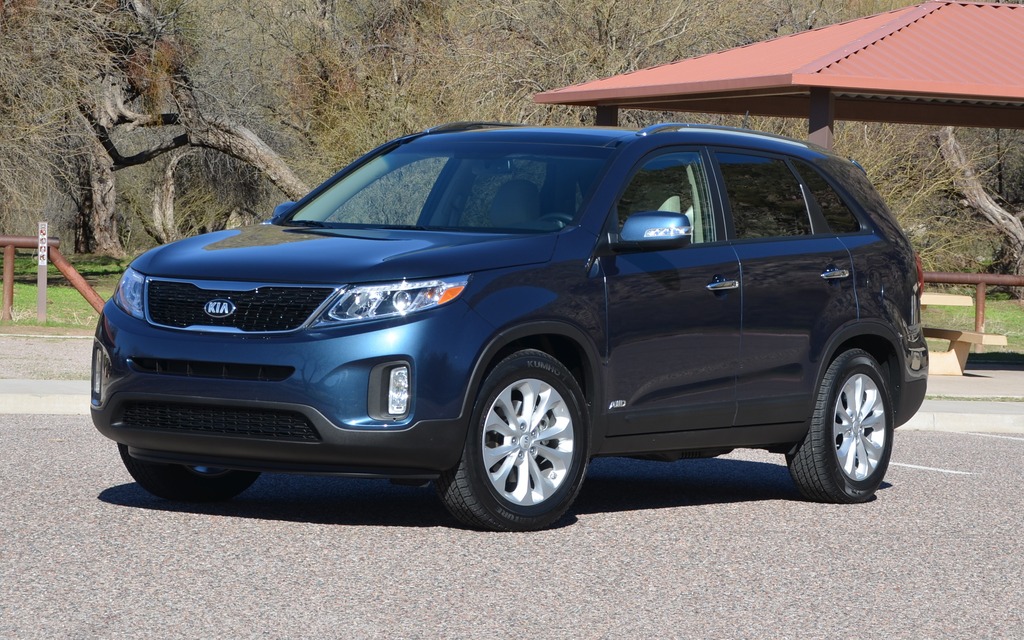
5. Kia Sorento (2021–Present)
The 2021 Kia Sorento introduces several innovative climate control features that enhance the comfort of all passengers. The vehicle’s AC system includes centrally located air vents designed to optimize airflow throughout the cabin, ensuring that every seat receives cool, fresh air.
This layout reduces the likelihood of hot or stuffy spots, even when the vehicle is fully occupied. Additionally, the Sorento offers customizable climate control options, including multi-zone settings that allow different temperature preferences for front and rear passengers. These features reflect Kia’s focus on creating a user-friendly and adaptable system capable of meeting the needs of diverse occupants.
The Sorento’s air conditioning system incorporates modern technology aimed at improving efficiency and responsiveness. The system’s powerful compressor and high-capacity condenser work together to cool the cabin quickly and maintain a steady temperature.
This ensures that even in extremely hot weather, the vehicle can reach comfortable levels swiftly, preventing discomfort and fatigue. The system also adapts to changes in external temperature and sunlight exposure, automatically adjusting cooling output to maintain consistent interior conditions. This intelligent control enhances passenger comfort while optimizing energy consumption.
Owners of the Kia Sorento have noted that the vehicle’s AC system requires minimal maintenance. Regular checks, such as refrigerant refills and filter replacements, are sufficient to keep the system operating smoothly.
Kia’s commitment to quality control and the use of durable components has minimized common issues like refrigerant leaks or compressor failures, which often plague other SUVs in this category. This reliability reduces long-term ownership costs and contributes to the vehicle’s positive reputation among consumers looking for dependable climate control.
The inclusion of advanced features such as air quality sensors and automatic recirculation further enhances the Sorento’s climate control system. These technologies work together to maintain a fresh and healthy cabin environment, adjusting air intake based on pollutant levels and reducing exposure to external contaminants.
This not only improves comfort but also promotes passenger health, particularly in urban or high-pollution areas. By combining cutting-edge technology with practical design, the Kia Sorento delivers a climate control experience that meets the expectations of modern SUV buyers.
Also Read: 5 Affordable Pickups That Run Strong and 5 That Just Don’t Last
5 That Constantly Fail

6. Jeep Grand Cherokee (2011–2018)
The Jeep Grand Cherokee, despite its strong reputation as a capable off-road SUV, has faced numerous complaints regarding its air conditioning system. Many owners report that the AC tends to lose efficiency relatively quickly compared to competitors in its class.
This is often due to recurrent compressor failures, refrigerant leaks, and issues with the AC control module. The AC system in these model years appears to be vulnerable to wear and tear, especially in climates with extreme heat where the compressor is frequently under high stress. As a result, owners often find themselves needing expensive repairs or replacements within a few years of purchase, which detracts significantly from the vehicle’s otherwise rugged appeal.
Another challenge with the Grand Cherokee’s AC system is inconsistent airflow, where cold air may blow strongly from some vents while others barely emit any cool air.
This uneven distribution is particularly frustrating for rear-seat passengers, who often report insufficient cooling. The problem is compounded by the fact that the vehicle’s cabin insulation sometimes fails to adequately retain cool air, forcing the AC to work harder to maintain a comfortable temperature.
Over time, this increased workload can accelerate the degradation of vital components such as the compressor clutch or the condenser, leading to a vicious cycle of recurring AC problems.
Maintenance on the Jeep Grand Cherokee’s AC system can be costly and labor-intensive. Many owners have noted that repairs often involve replacing entire components instead of simple fixes like recharging refrigerant or replacing filters.
The complex HVAC architecture, combined with limited accessibility of key parts, means that repairs can require significant labor costs and time. Moreover, some repair shops report a high incidence of repeat visits for AC issues, suggesting that problems are not always fully resolved the first time. This cycle of repair and failure undermines owner confidence and adds to the cost of ownership.
Despite these challenges, some Jeep enthusiasts continue to choose the Grand Cherokee for its off-road capabilities and rugged design, accepting the AC issues as a trade-off. However, the frequent AC failures affect daily usability, especially for those who rely on the vehicle for commuting or long trips in hot weather.
For prospective buyers prioritizing comfort and reliability in climate control, the Grand Cherokee’s known AC problems remain a significant drawback, placing it among the SUVs with consistently failing air conditioning systems.

7. Ford Explorer (2012–2019)
The Ford Explorer has been a popular midsize SUV for many years, but certain model years have experienced persistent issues with their air conditioning systems. Common complaints revolve around weak cooling performance, intermittent blowing of warm air, and AC compressors failing prematurely.
These problems appear to be linked to design flaws in the HVAC system and occasional electrical issues that affect the compressor clutch engagement. In hot weather, owners often find that the AC struggles to maintain cool temperatures, resulting in an uncomfortable cabin environment. The lack of reliability in the AC system has been a frequent topic in consumer reviews and automotive forums.
One particular weakness of the Explorer’s AC system is its susceptibility to refrigerant leaks, especially around hoses and seals. Over time, these leaks reduce the refrigerant levels, which directly diminishes the system’s ability to cool air effectively.
Unfortunately, leaks in the Explorer’s AC system can sometimes go unnoticed until the cooling performance noticeably declines. By that point, more serious damage may have occurred to components like the compressor or evaporator, requiring costly repairs. Many owners report repeated visits to service centers to address these issues, often incurring significant expenses over the life of the vehicle.
The airflow distribution in the Explorer can also be problematic, with some passengers reporting that vents either blow too forcefully or too weakly, making it difficult to achieve a balanced and comfortable cabin temperature. Rear passengers, in particular, may find the airflow insufficient, leading to discomfort during longer journeys.
This uneven distribution, combined with the cooling inefficiency, means that the AC system frequently fails to meet expectations for a vehicle in this price range and segment. The complexity of the Explorer’s climate control system can sometimes complicate diagnosis and repairs, adding frustration for owners.
Despite these challenges, the Ford Explorer remains a common choice for families and adventurers due to its spacious interior and advanced safety features. However, potential buyers should be aware of the recurring AC problems documented in several model years.
While some issues can be mitigated with proper maintenance and timely repairs, the frequency of failures puts the Explorer on the list of SUVs with air conditioning systems prone to breakdowns and inconsistent performance.
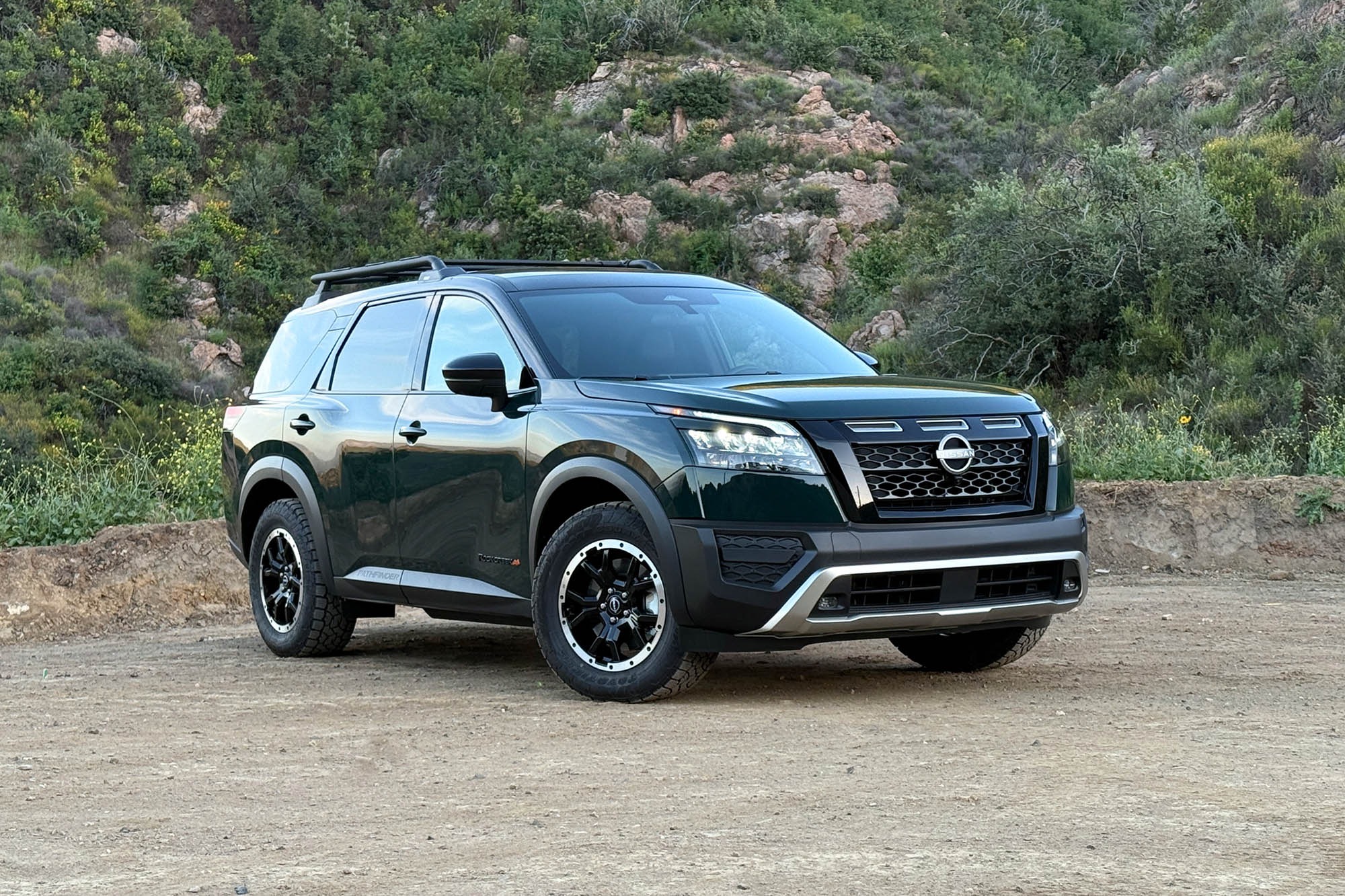
8. Nissan Pathfinder (2013–2016)
The Nissan Pathfinder has encountered well-documented air conditioning problems in the 2013 to 2016 model years, affecting owner satisfaction and vehicle reliability ratings. Common issues include AC compressors that fail prematurely, leaks in the refrigerant system, and problems with the climate control panel’s electronic controls.
These problems frequently manifest as reduced cooling power or complete failure of the AC system, often occurring within the first few years of ownership. The system’s inability to maintain cold air during warm weather conditions has been a persistent source of complaints, especially in regions with hot summers.
A significant contributing factor to the Pathfinder’s AC woes is the failure of the compressor clutch, which often stops engaging properly. This issue prevents the compressor from activating, resulting in no cooling at all. In many cases, the compressor itself requires replacement, a repair that is both costly and time-consuming.
Additionally, refrigerant leaks in the system exacerbate the problem by lowering pressure and impairing the AC’s effectiveness. The seals and hoses used in these model years appear to be prone to deterioration, leading to repeated leaks and the need for ongoing maintenance.
The Pathfinder’s climate control system has also been criticized for inconsistent airflow and delayed response times when adjusting temperature settings. Drivers and passengers often report a lag between changing the controls and feeling the effect in the cabin, which can be frustrating during sudden weather changes.
The rear passenger vents sometimes deliver minimal airflow, resulting in discomfort for those seated in the back. Combined with the cooling issues, these factors contribute to an unsatisfactory experience in terms of climate control.
Owners of the Nissan Pathfinder have expressed considerable dissatisfaction with the frequency and cost of AC repairs. The recurring nature of these problems has tarnished the model’s reputation, particularly for buyers who place a premium on cabin comfort and reliability. While some newer Pathfinder models have addressed these issues, the 2013–2016 vehicles remain notorious for air conditioning failures, placing them squarely among SUVs with problematic AC systems.
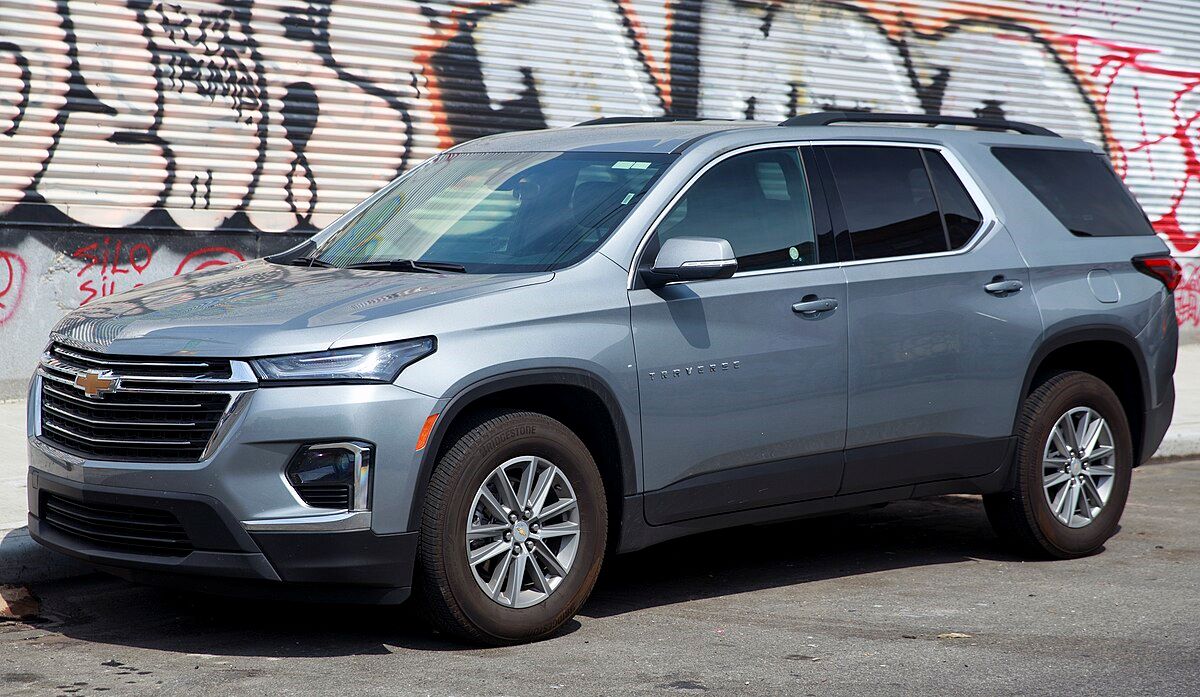
9. Chevrolet Traverse (2010–2017)
The Chevrolet Traverse, especially models from 2010 to 2017, has been reported to suffer from frequent air conditioning failures. Many owners complain about the system’s inability to keep the cabin adequately cooled, with symptoms ranging from weak airflow to complete AC shutdowns.
One of the most common issues is the premature failure of the AC compressor, which can be caused by both mechanical wear and refrigerant contamination. The HVAC system’s design and component quality in these years have been criticized for not meeting the demands of heavy-duty use or extreme temperature conditions.
In addition to compressor problems, the Traverse is prone to refrigerant leaks, which diminish cooling efficiency and can cause the system to shut down altogether. These leaks often occur at connection points, seals, or the condenser, and can sometimes be difficult to detect without professional diagnostic equipment.
Because the refrigerant level directly impacts the system’s ability to produce cold air, leaks lead to rapid performance degradation. Many owners have reported recurring visits to repair shops to address these leaks, with some needing multiple fixes within a few years.
The airflow distribution in the Chevrolet Traverse can be uneven, with some vents blowing cold air while others produce lukewarm or no air. This inconsistency often results in passenger discomfort and difficulty maintaining a balanced cabin temperature.
Rear-seat passengers are particularly affected, as the rear climate control vents sometimes fail to deliver sufficient airflow. Additionally, some owners report issues with the climate control system’s electronic controls, where temperature settings do not always translate to the expected cooling output.
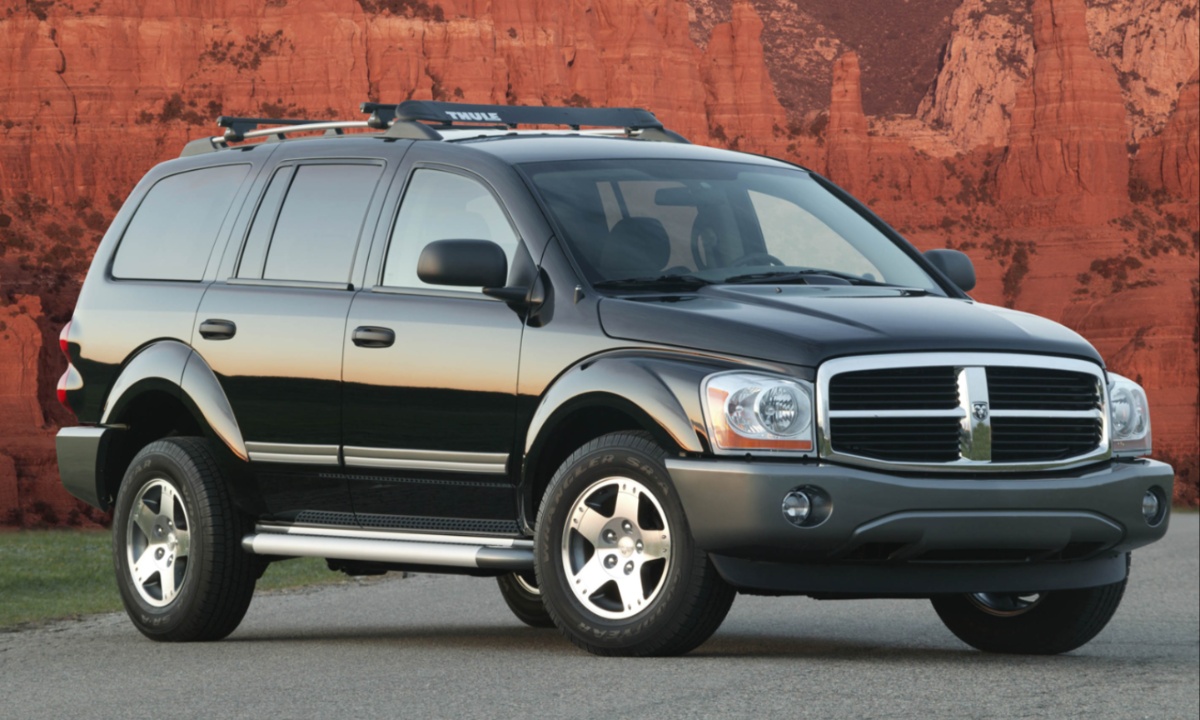
10. Dodge Durango (2011–2018)
The Dodge Durango has been frequently criticized for its air conditioning system’s lack of reliability, particularly in the 2011 to 2018 models. Many owners report that the AC system either fails completely or performs poorly, especially during hot weather. Common problems include compressor failures, refrigerant leaks, and issues with the electronic control module that manages the climate control system. These problems often lead to intermittent or inconsistent cooling, making it difficult to maintain a comfortable interior temperature.
A problem in the Durango’s AC system is the premature wear of the compressor clutch, which causes the compressor to stop engaging and the AC to cease cooling. Replacing the compressor or clutch assembly is often a costly repair, and due to the frequency of this failure, many owners have experienced significant out-of-pocket expenses.
In addition, refrigerant leaks are common, further reducing the system’s cooling capacity and causing repeated service visits. The Durango’s AC system also struggles to maintain consistent airflow, with some vents blowing warm air or insufficient volumes of air to certain parts of the cabin.
Another issue reported by Durango owners is the climate control system’s inconsistent response to temperature adjustments. Drivers may find that changes made via the control panel take a long time to affect the cabin temperature, or that the system cycles on and off unpredictably. Rear-seat passengers often report insufficient cooling, particularly in larger models equipped with third-row seating. These issues combine to create an uncomfortable and unreliable AC experience for many Durango owners.
While the Dodge Durango offers strong performance and towing capabilities, its AC reliability issues detract from its appeal. For buyers living in hot climates or who place a high priority on passenger comfort, these frequent air conditioning problems are a significant downside. Consequently, the Durango is included among the SUVs with air conditioning systems that consistently fail or underperform.
