
The electric vehicle (EV) market has experienced remarkable growth over the last decade, rapidly transforming the automotive industry. Driven by increasing environmental concerns, stricter emissions regulations, and advances in battery technology, electric cars have shifted from niche alternatives to mainstream contenders.
More consumers are considering EVs not only for their environmental benefits but also for their cost savings, performance, and the evolving infrastructure supporting them.
However, despite the growing popularity of EVs, a key consideration for buyers remains the resale value, how well the vehicle holds its worth over time when it comes time to sell or trade it in.
Resale value is influenced by a variety of factors unique to electric vehicles. These include battery longevity, technological obsolescence, brand reputation, and the evolving nature of charging networks.
Unlike traditional internal combustion engine vehicles, EVs rely heavily on software and battery health, meaning that newer models with improved range, faster charging, and updated tech features often depreciate older ones more quickly. Additionally, government incentives and changes in regulations can impact market demand and, in turn, resale prices.
Understanding which EVs retain value well can be critical for consumers looking to make a financially sound investment. While some models have built a strong reputation for longevity and desirability in the used market, others depreciate quickly due to reliability issues, limited range, or a lack of brand support.
This article highlights five electric vehicles known for maintaining their resale value over time, offering a mix of practicality, performance, and brand strength. In contrast, it also discusses five models that generally lose value faster, often due to technological shortcomings or market factors.
Whether you are a first-time EV buyer or looking to upgrade your current electric car, this guide will provide useful insights into the financial side of EV ownership, helping you make informed decisions and avoid potential depreciation pitfalls.
Also Read: 5 Cars That Rarely Need Brake Pad Replacements vs. 5 That Burn Through Them
EVs That Hold Resale Value
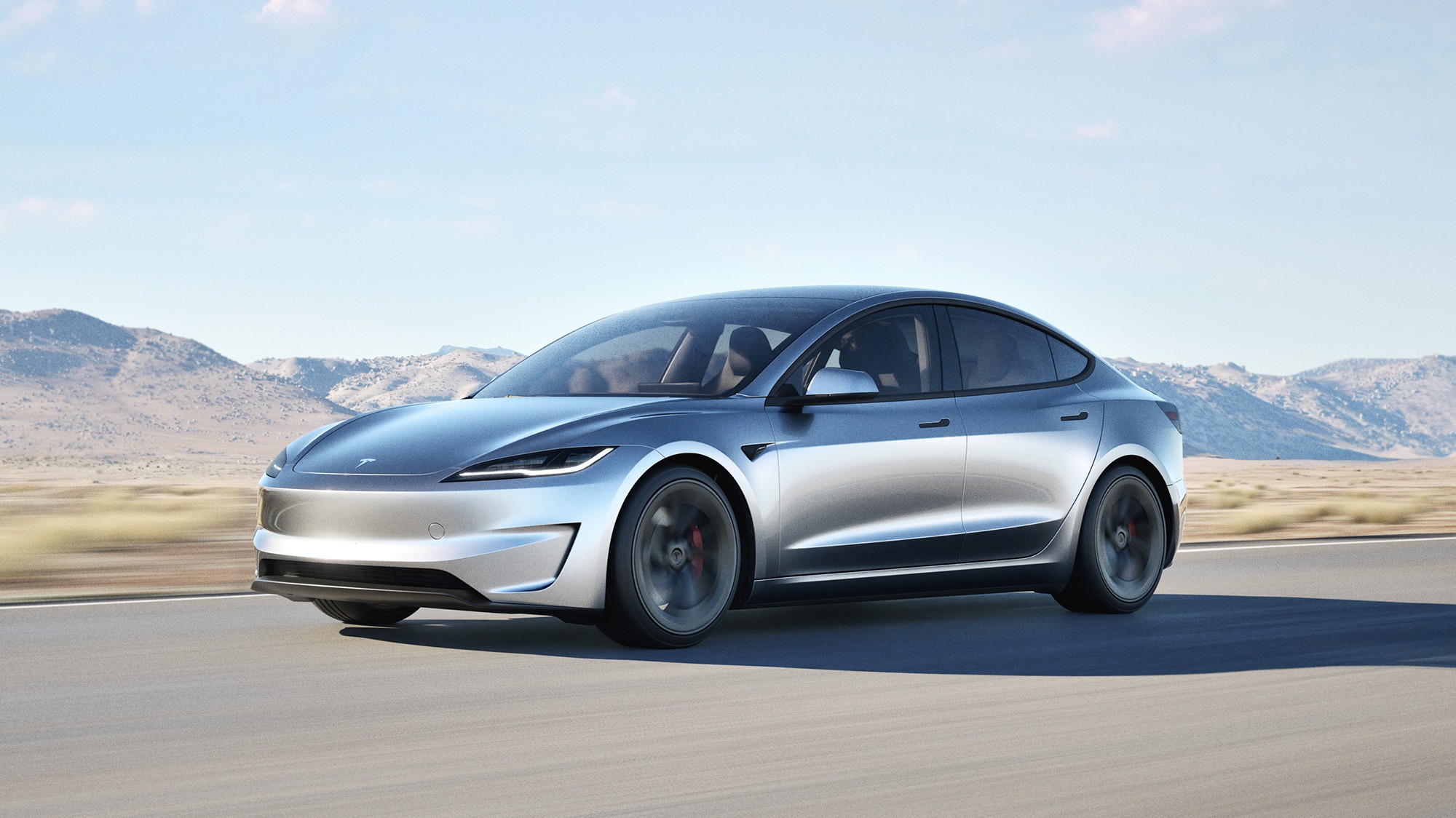
1. Tesla Model 3
The Tesla Model 3 has quickly established itself as a benchmark in the electric vehicle industry, balancing affordability, performance, and innovative technology in a way few competitors have managed. One of the primary reasons the Model 3 holds resale value so well is its continuous improvement cycle.
Tesla is unique in the automotive world because its vehicles receive over-the-air software updates that enhance everything from battery efficiency to autopilot features.
This means that even older Model 3s on the used market can sometimes have newer software capabilities than at the time of their original sale, significantly extending the vehicle’s relevance and appeal.
The widespread availability and accessibility of Tesla’s Supercharger network also contribute to the Model 3’s strong resale value.
Unlike many other electric vehicles that rely on third-party charging providers, Tesla’s proprietary network offers fast and reliable charging infrastructure, easing range anxiety for buyers. This extensive charging ecosystem adds considerable peace of mind, making Model 3s more desirable in the secondhand market.
Another important factor is Tesla’s brand cachet. Tesla has become synonymous with cutting-edge electric vehicles, and its name alone can command premium prices for used cars.
The Model 3’s reputation for solid build quality, sleek design, and high safety ratings also enhances buyer confidence. These elements combine to create robust demand, which in turn keeps prices relatively high for used Model 3s.
Finally, Tesla’s aggressive market positioning has allowed the Model 3 to capture a significant portion of the mid-range electric car market, making it accessible to a broad range of consumers.
This popularity ensures that the pool of potential buyers remains large, contributing to its ability to hold value well compared to less popular or less practical EVs.
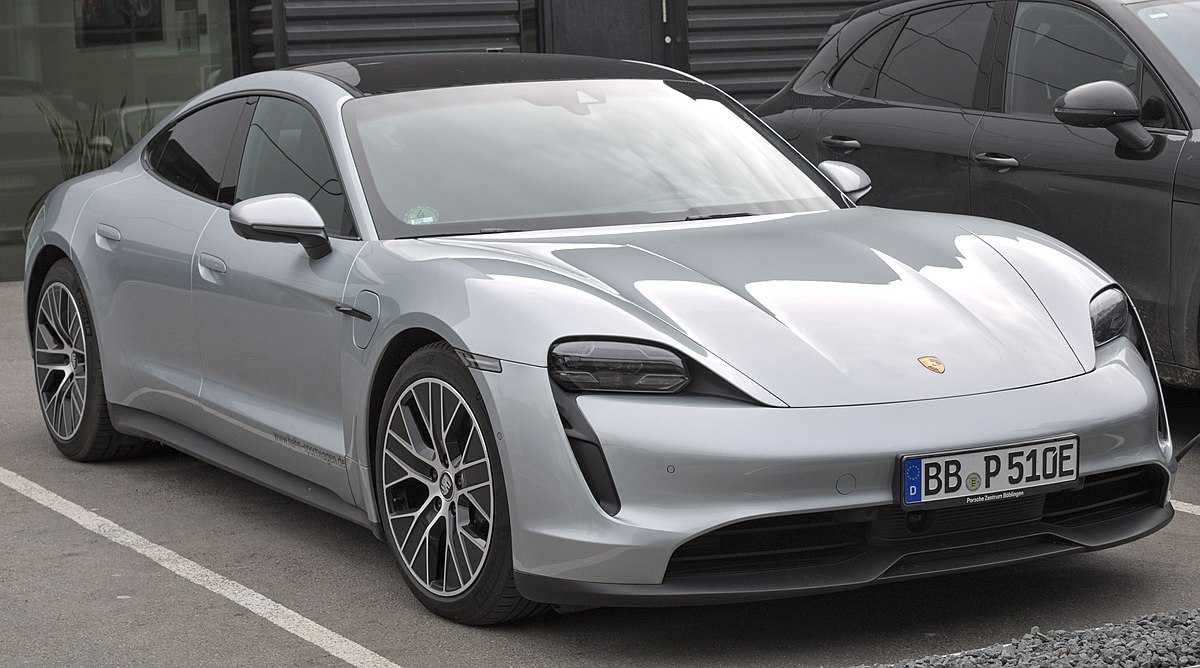
2. Porsche Taycan
Porsche’s Taycan represents a significant milestone in the EV market, a high-performance electric car crafted by a brand traditionally celebrated for its combustion engine sports cars.
The Taycan’s resale value is buoyed by Porsche’s well-established luxury reputation, combined with its meticulous engineering and striking design.
Buyers who value performance and brand prestige tend to remain loyal to Porsche, even in the realm of electric vehicles, and this loyalty translates into stable resale prices.
Performance is central to the Taycan’s appeal. Unlike many EVs aimed primarily at efficiency or affordability, the Taycan offers exhilarating acceleration, precise handling, and a driving experience that rivals Porsche’s gasoline-powered vehicles.
This performance pedigree helps justify its premium pricing and ensures that even used Taycans attract enthusiasts who appreciate the blend of innovation and tradition.
The interior and exterior design further enhance the vehicle’s desirability. Porsche’s commitment to luxury is evident in the high-quality materials, advanced infotainment system, and thoughtful ergonomics that the Taycan offers.
The vehicle’s sleek and futuristic look also helps it stand out, appealing to buyers who want a cutting-edge but unmistakably Porsche vehicle.
Porsche’s investment in battery technology and fast-charging capability also plays a role. The Taycan supports ultra-fast charging, reducing downtime during long trips and making it more practical for everyday use.
These features help maintain the Taycan’s relevance as technology evolves, which is critical in the rapidly advancing EV market. Together, these attributes ensure the Taycan holds its resale value better than many other luxury EVs.
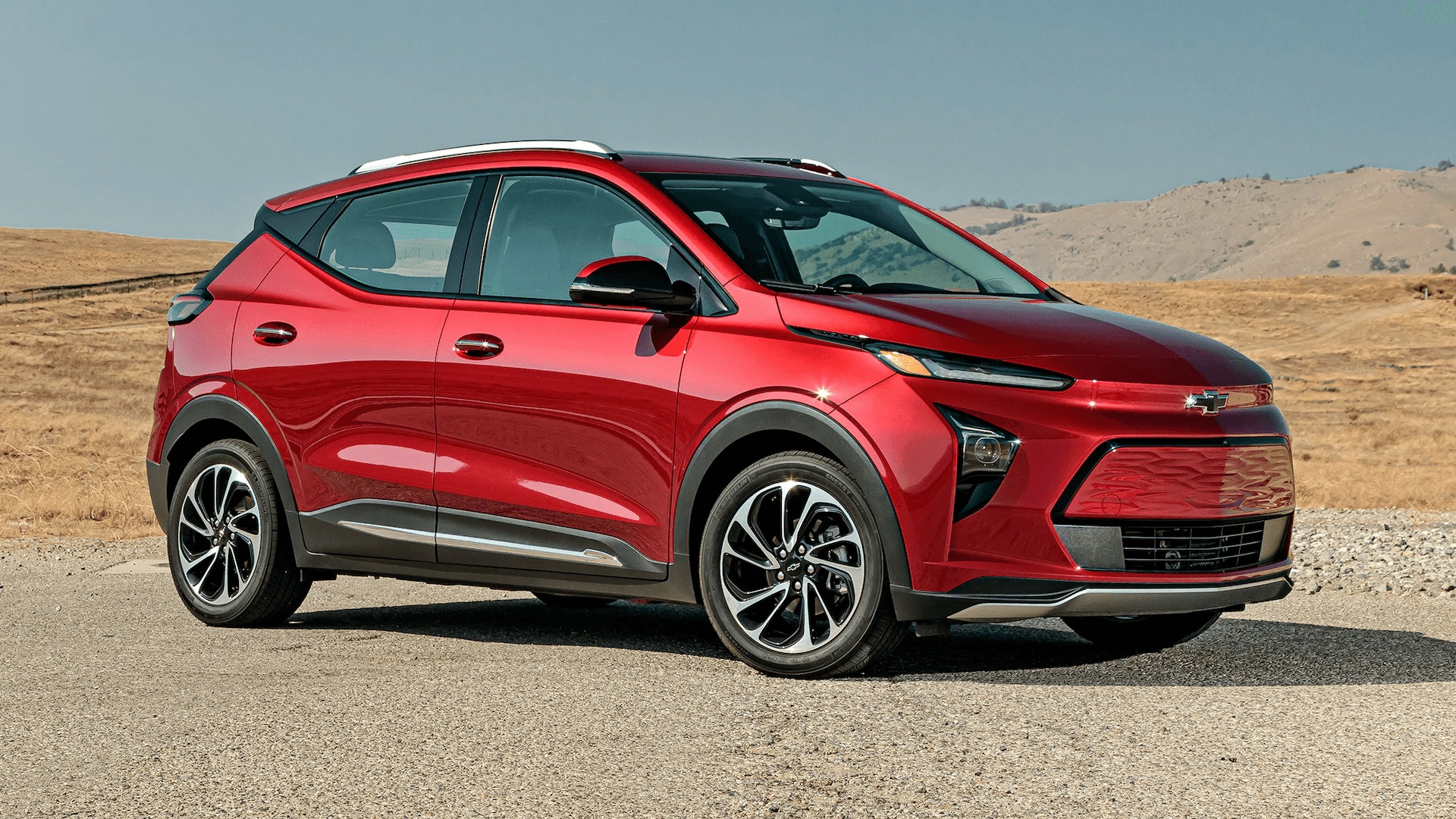
3. Chevrolet Bolt EV
The Chevrolet Bolt EV has carved out a solid niche in the electric vehicle market by offering one of the best combinations of range, price, and practicality.
Unlike many luxury or performance-oriented EVs, the Bolt appeals to budget-conscious consumers seeking reliable, everyday transportation with electric power. This combination has helped the Bolt maintain its resale value better than many other affordable EV models.
One of the Bolt’s main strengths is its competitive electric range, which was quite impressive at the time of its introduction and remains adequate for most daily driving needs.
With an EPA-rated range of over 250 miles in recent models, the Bolt alleviates the range anxiety concerns that often depress resale values of earlier, shorter-range EVs. This makes it an attractive option for buyers who want a functional electric car without breaking the bank.
Additionally, Chevrolet’s reputation for producing dependable vehicles has helped the Bolt sustain value over time.
The vehicle’s relative simplicity compared to more complex luxury EVs means lower maintenance costs, which reassures secondhand buyers. Positive reports on the Bolt’s reliability and user-friendly interface have further strengthened its standing in the used market.
Another factor contributing to the Bolt’s resale value is its accessibility. As one of the more affordable EVs with a decent range, it appeals to a wide audience, including younger buyers, fleet operators, and first-time EV owners.
This broad appeal maintains a steady demand, supporting resale values in a competitive segment where many lower-priced EVs tend to lose value quickly.
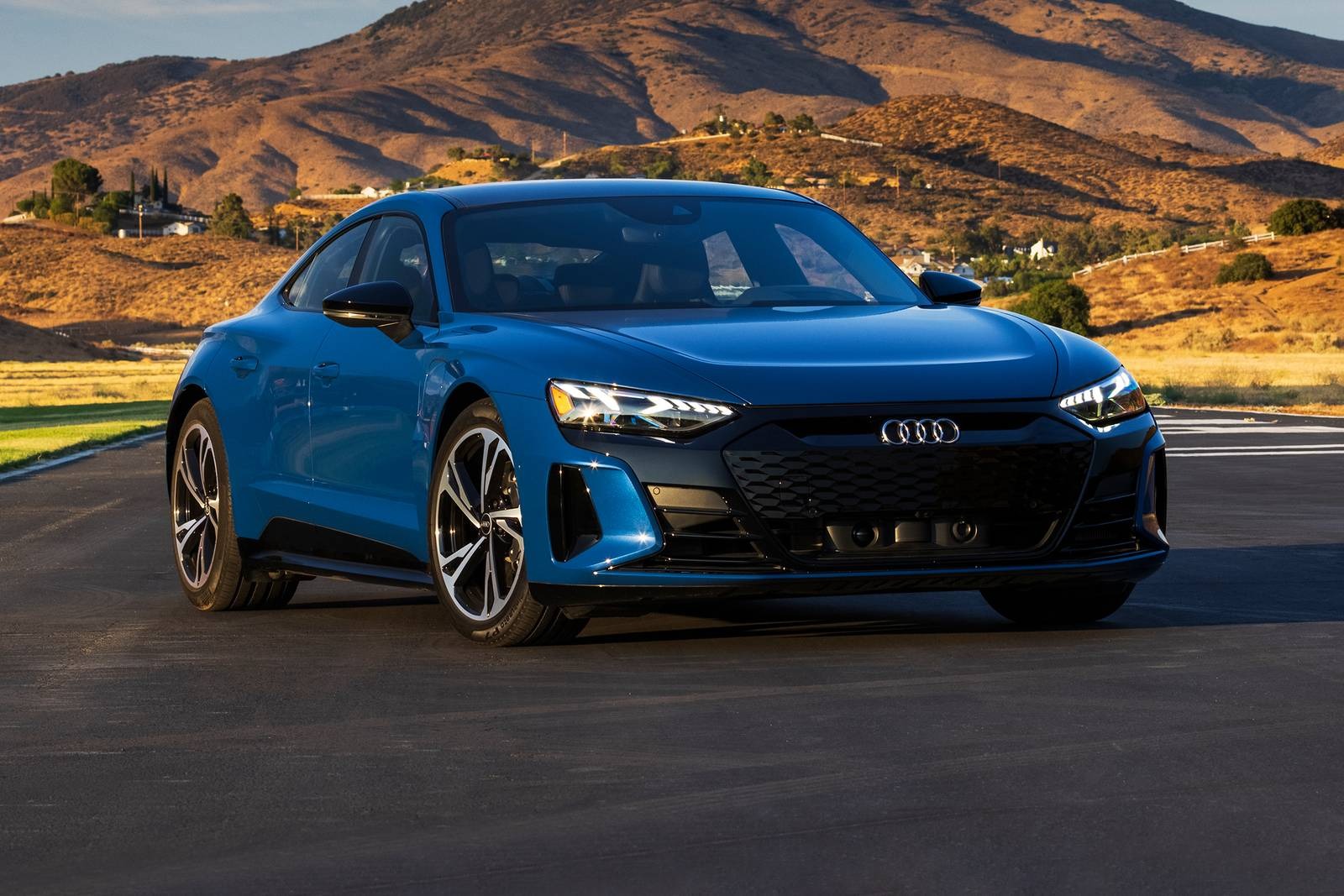
4. Audi e-Tron
Audi’s e-Tron is a full-sized electric SUV that combines the brand’s characteristic luxury and refinement with the benefits of electric propulsion.
The e-Tron’s resale value reflects Audi’s strong brand equity and its ability to offer a premium EV experience that appeals to a segment willing to pay more for quality, technology, and comfort.
Luxury features play a major role in the e-Tron’s lasting appeal. From high-end leather interiors to advanced driver assistance systems, the e-Tron provides a level of comfort and sophistication that many buyers find compelling.
This level of quality helps maintain demand for used models, as buyers recognize the value in a luxury electric SUV that still feels modern and well-equipped.
The vehicle’s performance, while not as aggressively sporty as some competitors, is well-suited for everyday driving. The e-Tron offers smooth acceleration, a quiet cabin, and a composed ride quality, hallmarks of the Audi brand.
The SUV also boasts a respectable electric range, which has improved with newer model iterations, making it more practical for longer trips.
Audi’s reputation for engineering and build quality adds further confidence in the e-Tron’s durability and long-term ownership experience.
Buyers familiar with the brand often perceive the e-Tron as a trustworthy luxury EV, which helps it retain value. The combination of prestige, comfort, and technology continues to drive demand for used e-Trons.
5. Mini Cooper SE
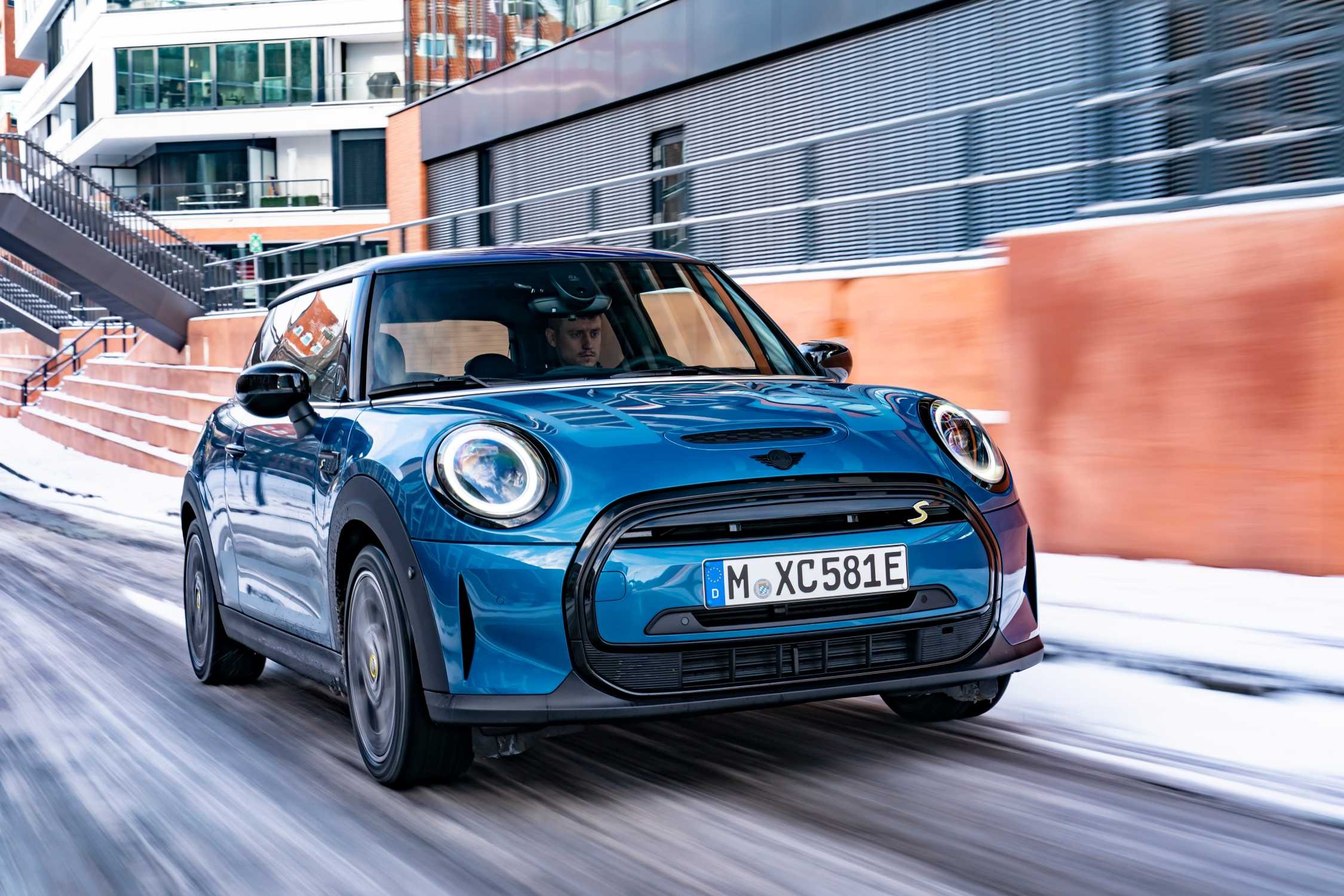
The Mini Cooper SE represents a unique offering in the electric vehicle space: a compact, stylish urban EV that emphasizes fun driving dynamics over range or outright performance.
Despite its limited range compared to many other EVs, the Cooper SE’s ability to hold resale value is impressive, largely due to its distinctive design and the strong emotional connection buyers have with the Mini brand.
The compact size of the Mini Cooper SE is a major selling point, especially in crowded urban environments.
Its small footprint makes parking and maneuvering in tight spaces easier, appealing to city dwellers who want an electric vehicle without the bulk of larger models. This practical advantage adds to its used car market desirability.
Beyond functionality, the Mini brand carries a sense of heritage and personality that many buyers find appealing.
The Cooper SE maintains the classic Mini styling cues while integrating modern electric technology, offering a unique combination of nostalgia and innovation. This blend makes it stand out in a market often dominated by more generic designs.
The driving experience also contributes to its strong resale value. Known for nimble handling and spirited performance, the Cooper SE offers a fun, engaging drive that aligns with Mini’s longstanding reputation for sporty compact cars.
Buyers looking for an electric car that delivers more than just transportation often gravitate toward the Cooper SE, keeping its resale prices buoyant.
EVs That Don’t Hold Resale Value
1. Tesla Model S
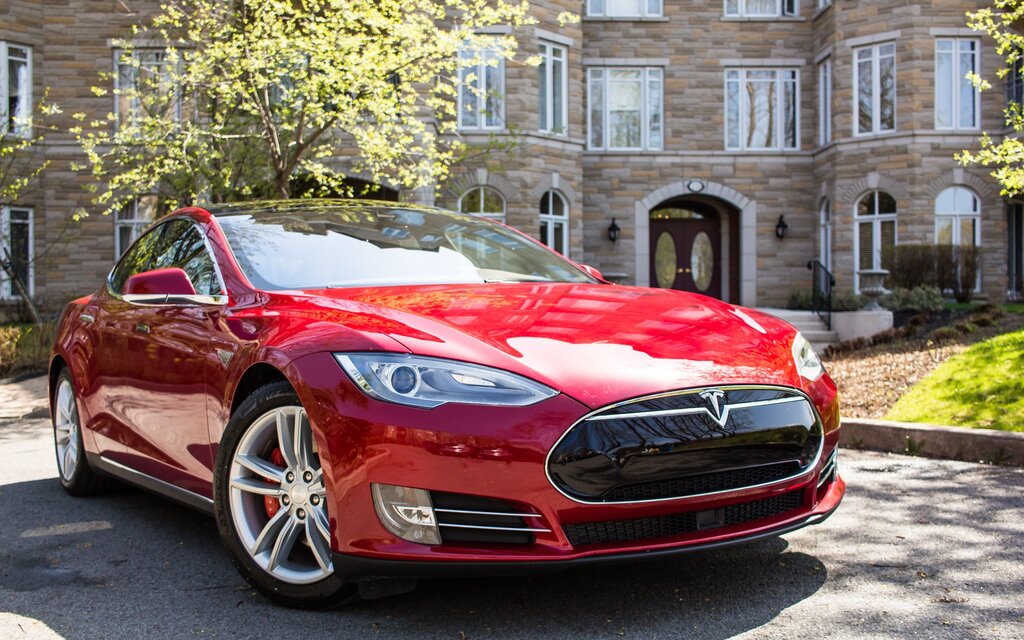
The Tesla Model S revolutionized the electric vehicle industry when it debuted, setting new benchmarks for range, acceleration, and performance. It was the first EV that many consumers considered as a serious alternative to traditional luxury sedans.
However, over the years, the Model S has experienced a drop in resale value for several key reasons. One major factor is the rapid pace of technological advancement within Tesla’s own lineup. Tesla is known for pushing the envelope, releasing updates and entirely new models that make earlier versions feel outdated.
For example, newer Model S versions feature significantly improved battery chemistry, longer range, and hardware upgrades like the more advanced Autopilot and Full Self-Driving capabilities.
As a result, owners of older Model S vehicles face a steep depreciation curve because their cars no longer include these highly desirable improvements.
Another important consideration is the cost of maintenance and repairs. The Model S’s complex components, such as its adaptive air suspension system and intricate door handle mechanisms, have been known to require costly repairs over time.
While Tesla vehicles generally benefit from lower routine maintenance compared to internal combustion engine cars, these specialized parts and labor costs can become expensive. For potential used car buyers, the prospect of future repair bills can be daunting, negatively impacting resale value.
Competition within Tesla’s own family also plays a role. The Model 3 and Model Y have been hugely popular thanks to their lower price points and modernized features.
This popularity has shifted consumer demand away from the Model S, which is positioned as a higher-priced, older-generation vehicle.
Many buyers prefer to purchase the newer, more affordable models that still offer impressive range and technology, leaving the Model S to depreciate more quickly.
Finally, the Model S’s initial purchase price was very high, meaning that its depreciation in absolute dollar terms is more pronounced.
Luxury vehicles, in general, tend to experience higher depreciation rates, but when combined with rapid tech obsolescence, the Model S’s resale value struggles to keep pace with its original price tag.
This combination of factors has caused the Model S to lose value more rapidly than many expected, given its groundbreaking start.
2. Jaguar I-Pace
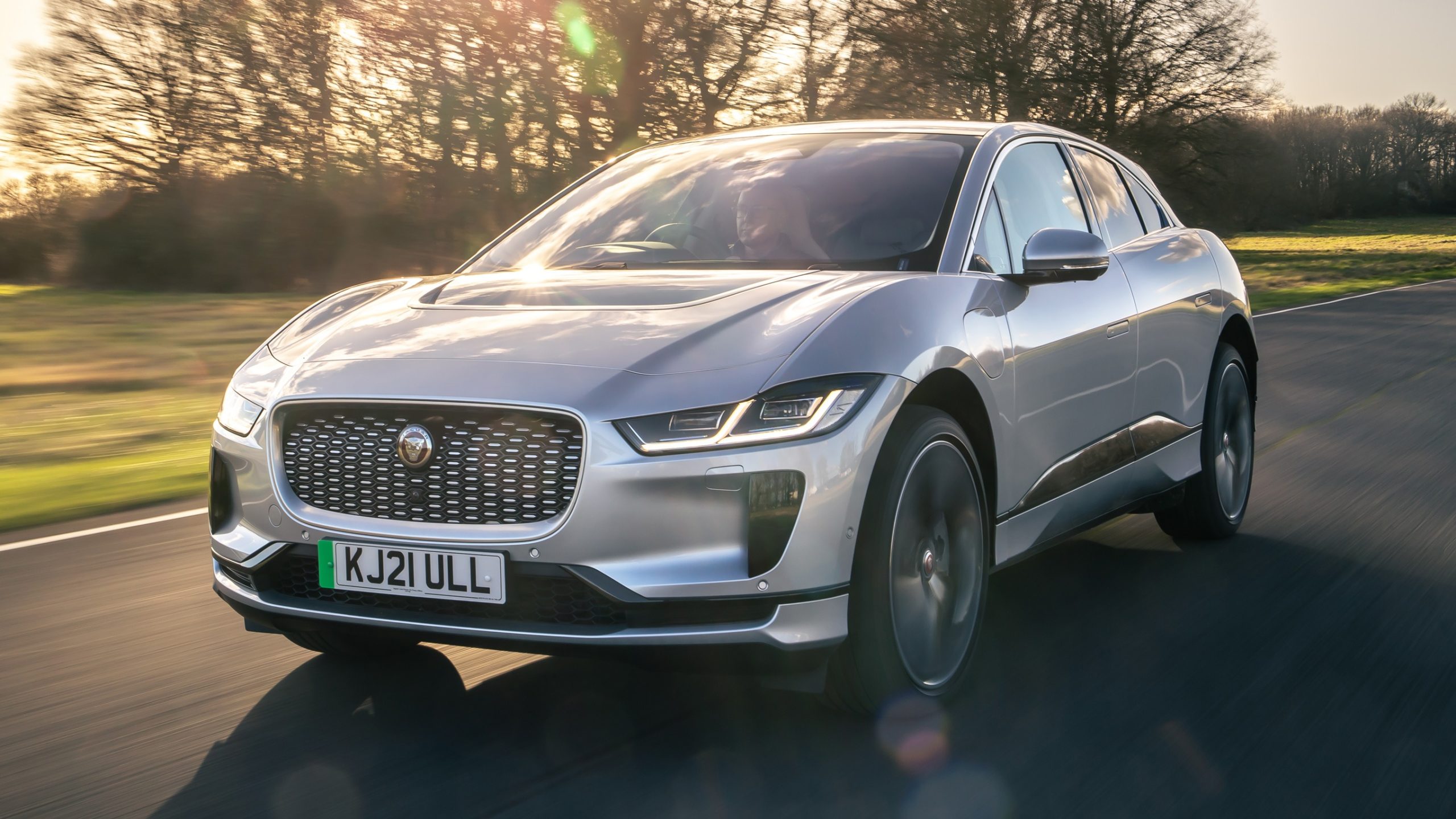
The Jaguar I-Pace arrived on the scene as one of the first luxury electric SUVs from a traditional automaker, promising to compete head-to-head with Tesla’s dominance in the segment. However, despite Jaguar’s strong heritage and the vehicle’s initial buzz, the I-Pace has struggled to maintain strong resale values.
One reason is Jaguar’s relatively recent entry into the EV market, meaning the brand lacks the extensive EV experience and consumer trust that Tesla and a few other competitors have established. This newer presence has led to lower brand confidence among potential buyers, many of whom prefer to stick with more established EV manufacturers known for reliability and consistent innovation.
The I-Pace also faces significant competition in its segment. Vehicles like the Tesla Model X, Audi e-Tron, and Porsche Taycan have carved out stronger footholds with superior technology, faster charging, and often longer driving ranges.
As newer, more capable luxury EVs continue to arrive, the I-Pace’s specifications and performance start to feel dated. This has led to accelerated depreciation as used buyers seek out the latest technology and better value propositions.
In terms of practical considerations, the I-Pace’s battery range, while decent, isn’t class-leading. It offers around 234 miles of EPA-estimated range, which is enough for many but not exceptional compared to competitors with longer ranges. Additionally, the I-Pace’s charging compatibility and network access can be limited depending on location, which further restricts its appeal to used car buyers who want confidence in their charging options.
Jaguar’s traditional service network is also a concern. Since EVs require specialized servicing and fewer Jaguar dealerships may be fully prepared for electric vehicles, potential owners worry about maintenance accessibility and costs. These practical issues, combined with a relatively niche brand image in the EV world, contribute to the I-Pace’s challenges in maintaining resale value.
3. Nissan Leaf (Early Models)
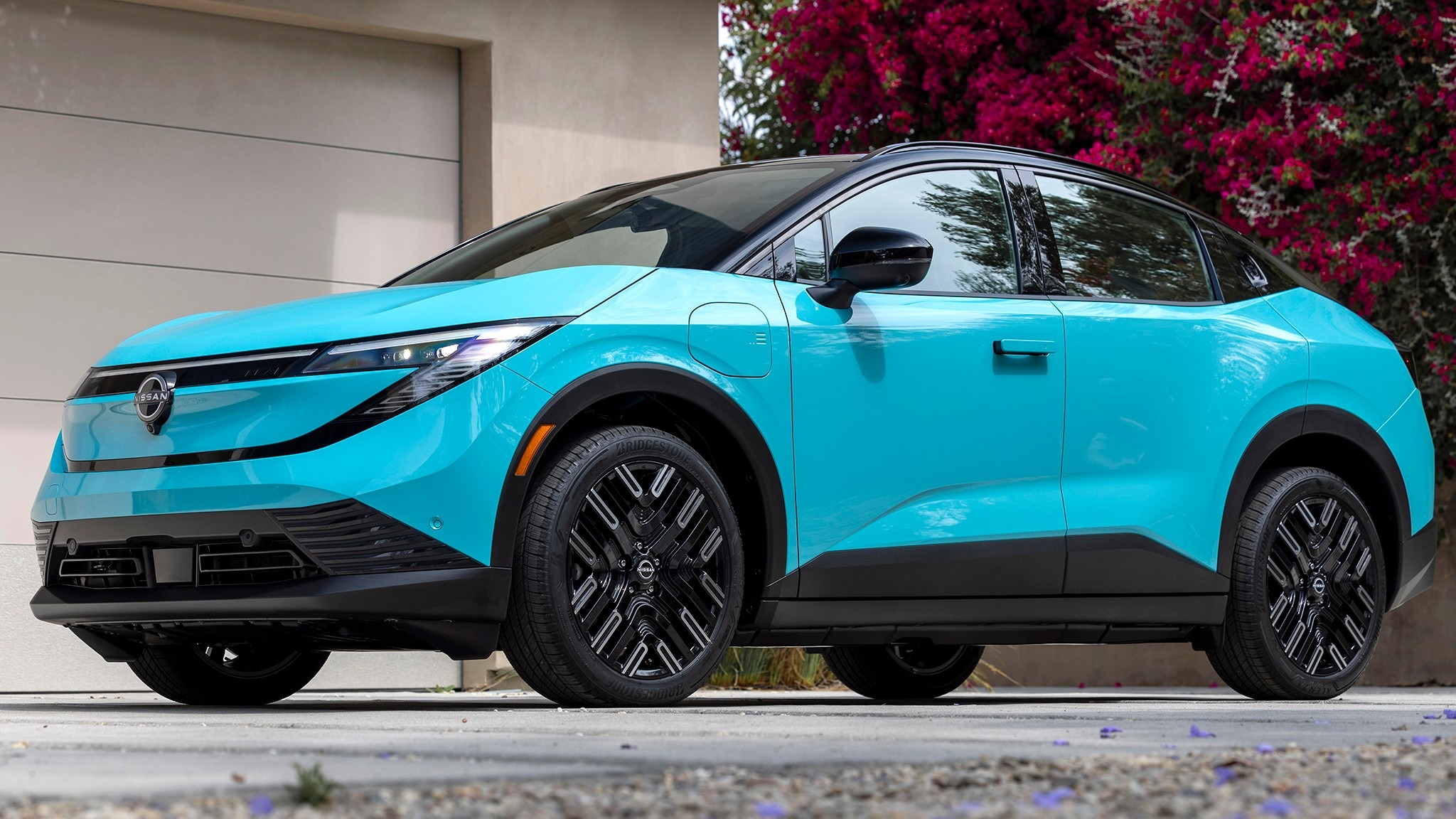
The Nissan Leaf holds an important place in EV history as one of the first widely available electric vehicles designed for mass-market appeal. Early models, however, have struggled to maintain resale value, and this depreciation is largely tied to technical limitations and aging battery technology.
When the first-generation Leaf was introduced, its range was modest, typically around 73 to 107 miles depending on the year and battery pack size. While sufficient for many city commuters, this limited range quickly became a significant drawback as competitors released EVs with longer ranges.
Battery degradation is another critical issue with early Leafs. Unlike newer EVs that have benefited from improved battery chemistry and management systems, many early Leafs saw a noticeable drop in battery capacity after just a few years of use.
This capacity loss reduced driving range and further diminished the vehicle’s attractiveness on the used market. Potential buyers are often wary of older Leafs due to concerns about battery health, which is difficult to assess accurately without manufacturer support.
In addition to range and battery degradation, the early Leaf’s technology and features now seem outdated. Infotainment systems, safety tech, and interior materials have advanced rapidly across the automotive industry, and the Leaf’s early models have not aged gracefully in these respects. Buyers looking for modern conveniences and updated technology typically avoid these older models.
Price is another factor affecting resale. The Leaf’s affordability was a major advantage when new, but the rapid pace of EV development means that newer used EVs often offer more value for slightly higher prices, making the Leaf less competitive. Combined, these factors have led to steep depreciation for early Nissan Leafs.
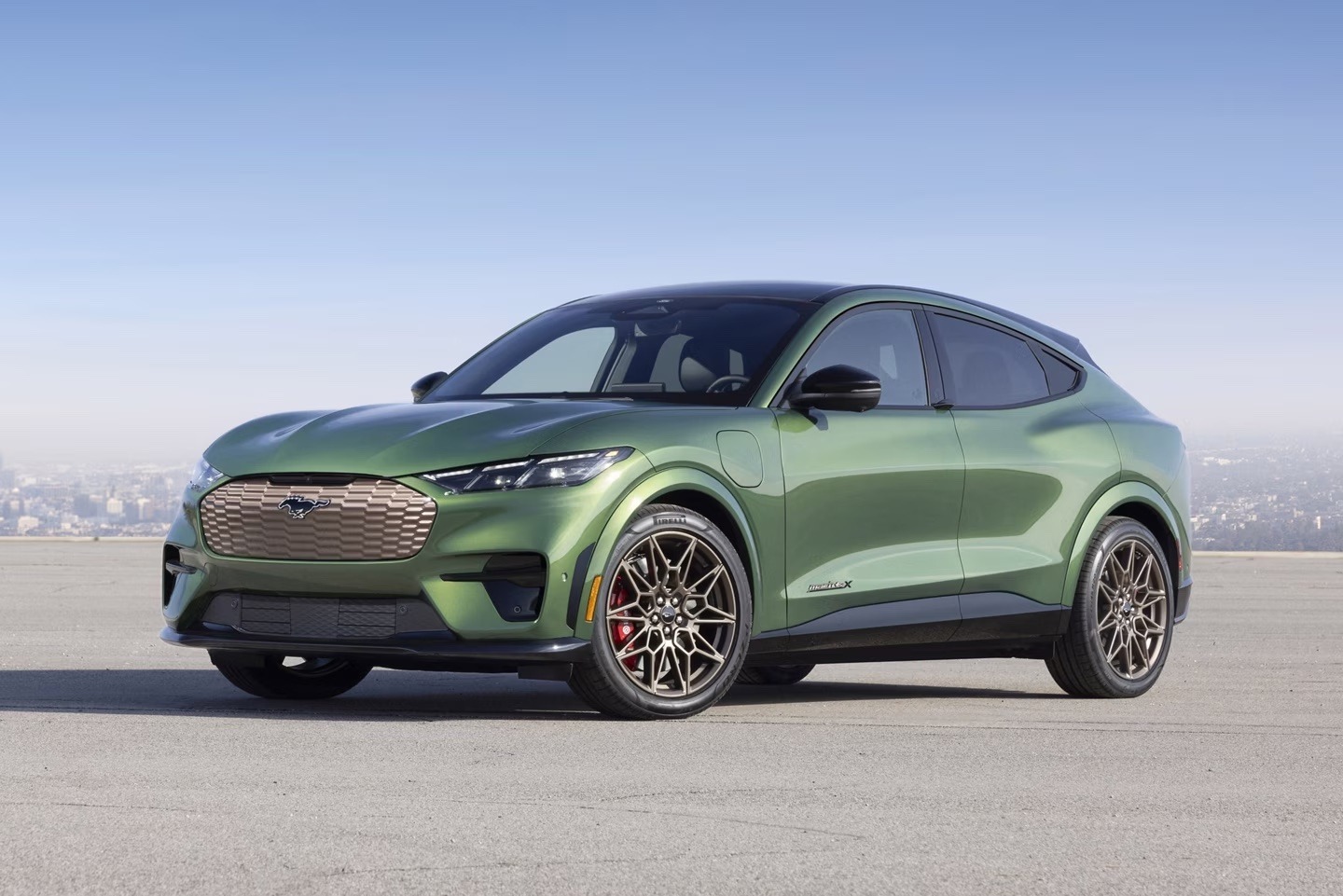
4. Ford Mustang Mach-E (Early Models)
Ford’s Mustang Mach-E marked an exciting shift for the iconic Mustang nameplate, embracing electric power in a sporty SUV package. Despite strong initial interest and positive reviews, early Mach-E models have shown depreciation trends that reflect several market and vehicle-specific challenges.
The Mach-E entered a fiercely competitive electric SUV market, facing rivals such as Tesla’s Model Y, Volkswagen ID.4, and others. While the Mach-E offers a compelling package, early production models sometimes lacked the refinement and software maturity that later updates addressed, making used buyers hesitant.
Early adopters reported a range of teething issues, including software glitches, inconsistent build quality, and occasional charging problems. Although Ford has been proactive with over-the-air software updates and service improvements, these initial quality concerns have made potential buyers cautious when considering an early Mach-E on the used market.
The Mustang badge itself, while a strong asset, creates specific expectations around performance and brand heritage. Some Mustang enthusiasts have expressed reservations about the Mach-E’s electric form, viewing it as a departure from the traditional muscle car experience. This has limited the Mach-E’s appeal to a broader range of buyers who may be undecided or skeptical, impacting resale values.
Additionally, the Mach-E’s original price point places it in a competitive field with Tesla and premium German automakers. Buyers often compare used Mach-Es with newer Tesla models or luxury electric SUVs that offer longer ranges, faster charging, or more established reputations. This strong competition has put downward pressure on the Mach-E’s resale value, especially for early model years that lack the latest improvements.
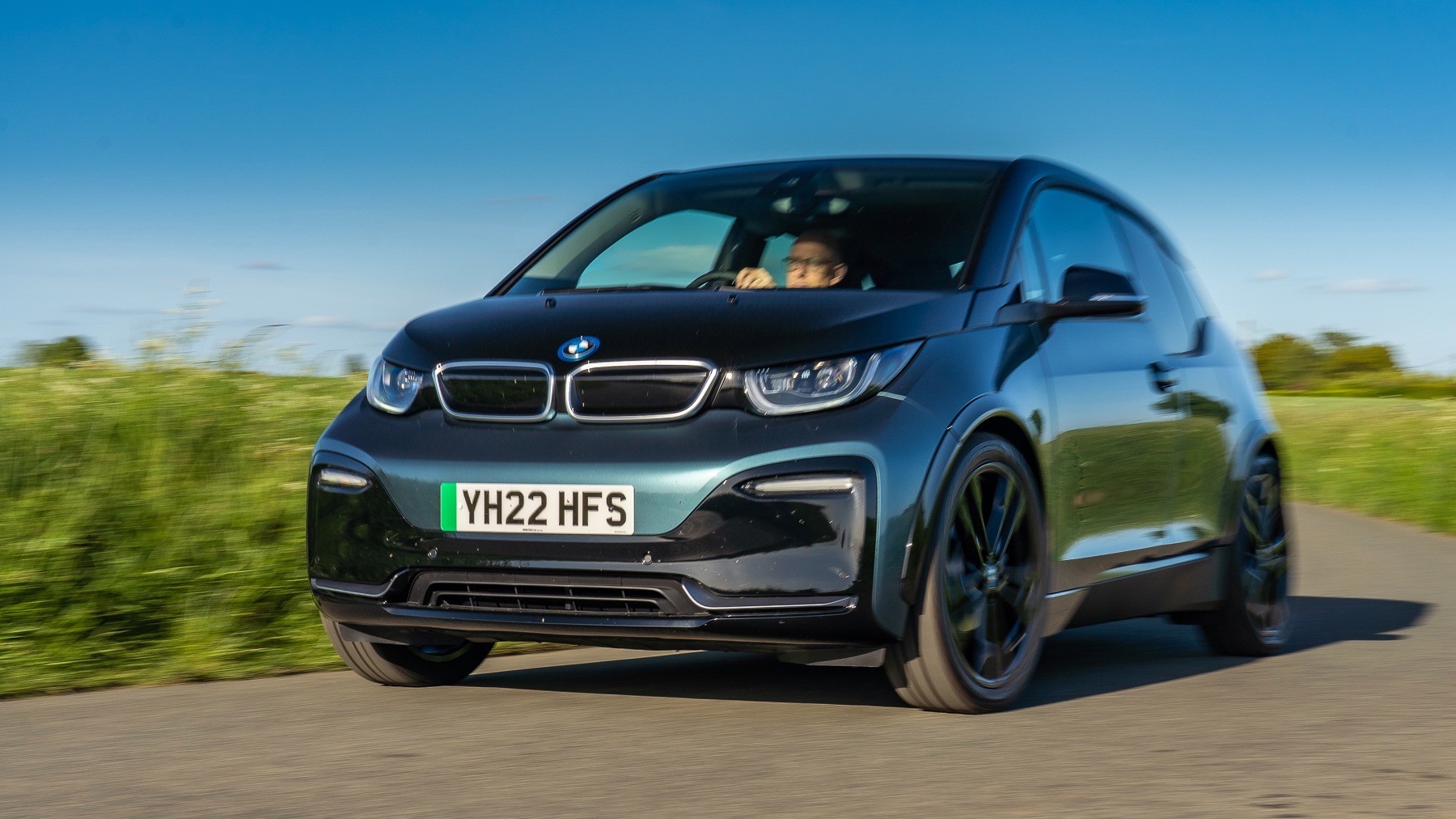
5. BMW i3
The BMW i3 was a bold and innovative electric vehicle, introducing a unique blend of sustainability, lightweight materials, and distinctive styling.
Although it attracted attention for its forward-thinking design, the i3 has not performed well in terms of retaining resale value, and several reasons explain this trend.
First, the vehicle’s limited electric range, especially in the early models, has been a significant factor. Initial i3s offered less than 100 miles per charge, which quickly became a limitation as consumer expectations shifted toward longer-range EVs.
While BMW later improved the battery capacity, the original i3s suffered from range anxiety concerns that dampened their resale appeal.
The i3’s unconventional design is another double-edged sword. Its quirky, futuristic looks differentiate it from other EVs, but this polarizing aesthetic has limited its appeal in the broader used car market.
While some buyers appreciate its uniqueness, many prefer more traditional or sporty designs from other manufacturers, which results in a narrower pool of potential buyers.
Battery degradation is also a concern for early i3s, with some owners reporting noticeable capacity loss over time. This issue diminishes the vehicle’s practicality and resale desirability, especially compared to newer models with more robust battery technology.
Lastly, BMW’s discontinuation of the i3 without an immediate successor has created uncertainty regarding the availability of parts and long-term service support. Potential buyers worry about maintenance costs and the availability of replacement components, which further depresses resale values.
Despite its innovation and premium branding, these factors combine to make the i3 one of the more rapidly depreciating electric vehicles in the market.
Also Read: 5 Cars with Climate Control That Works vs 5 That’s Just for Show
The industry for electric vehicles is evolving rapidly, and understanding how different models retain their value over time is essential for anyone considering an EV purchase.
As this article has highlighted, resale value in the electric vehicle market is influenced by a complex interplay of factors, including brand reputation, technological advancements, battery performance, design appeal, and market demand.
Electric vehicles like the Tesla Model 3, Porsche Taycan, Chevrolet Bolt EV, Audi e-Tron, and Mini Cooper SE have demonstrated strong resale values, thanks to their combination of innovative technology, solid performance, and brand strength.
These vehicles benefit from factors such as continuous software updates, robust charging networks, and loyal consumer bases that keep demand high in the used market.
Their ability to remain relevant despite rapid advancements in EV technology is a key reason why buyers are willing to pay a premium for them even years after their initial sale.
Moreover, these models often provide a practical balance of range, reliability, and driving enjoyment, which further supports their desirability and value retention.
On the other hand, some EVs, including earlier versions of the Tesla Model S, Jaguar I-Pace, Nissan Leaf, Ford Mustang Mach-E, and BMW i3, have struggled to hold their value as effectively.
Common challenges include rapid technological obsolescence, limited battery range, concerns about reliability and maintenance, and niche design choices that do not resonate widely with used car buyers.
In many cases, these vehicles suffer from competing models that offer better range, improved features, or stronger brand appeal, which drives down demand for older or less practical alternatives.
Additionally, early adopters of EV technology sometimes face depreciation penalties as newer, more advanced vehicles enter the market at increasingly accessible price points.
For prospective EV buyers, paying close attention to resale value is crucial, especially considering the relatively high initial investment associated with many electric vehicles.
A strong resale value not only protects your financial interests but also reflects a vehicle’s ability to meet evolving consumer expectations and technological standards.
As EV technology continues to mature and infrastructure expands, the dynamics of depreciation will likely shift, but the core principles, such as battery health, brand trust, and continuous innovation, will remain pivotal.
Purchasing an electric vehicle requires balancing personal priorities, from budget and driving habits to environmental impact and long-term ownership costs.
Understanding which EVs hold their value better can help buyers make smarter choices that align with both their lifestyle and financial goals, ensuring that their investment remains sound as the electric future unfolds.
