
Toyota has long been regarded as one of the most dependable automotive manufacturers in the world. Whether you’re talking about sedans, SUVs, or trucks, the brand is synonymous with durability and mechanical reliability. In fact, one of the most common reasons people purchase Toyotas is the belief that these vehicles will outlast the competition.
While many automakers have earned a reputation for style, performance, or luxury, Toyota has consistently focused on quality engineering and long-term usability. As a result, some of their vehicles are known to reach and even surpass 400,000 miles when properly cared for. This impressive milestone is not achieved lightly; it requires not only excellent initial design but also consistent maintenance and thoughtful driving.
Still, not every Toyota model is equally capable of reaching such high mileage. While the company has made great strides in consistency and quality, some of its vehicles have not performed as well in the long run. These models may suffer from specific design flaws, problematic engine or transmission components, or simply were not engineered for the kind of rugged use and longevity required to last for 400,000 miles.
It’s also worth noting that the same model can vary in performance across different production years, meaning some versions are more robust than others. In any case, prospective buyers should consider these differences carefully when shopping for a long-lasting vehicle.
Understanding which Toyota models tend to endure and which ones might not make it quite as far can save consumers a lot of trouble and money. If you’re someone who plans to keep a car for the long haul, your choice of vehicle matters a great deal. With that in mind, we’ll take a closer look at five Toyota models that are frequently reported to reach or exceed 400,000 miles.
These vehicles have stood the test of time, often with minimal issues. On the other hand, we’ll also look at five Toyota models that, while still reliable by most standards, have been less consistent in achieving extreme longevity. The goal here is to provide a balanced, honest overview of Toyota’s long-term performers and the ones that might fall short of expectations.
Also Read: 5 Cars That Rarely Need Brake Pad Replacements vs. 5 That Burn Through Them
Toyota Models That Have Achieved 400,000 Miles
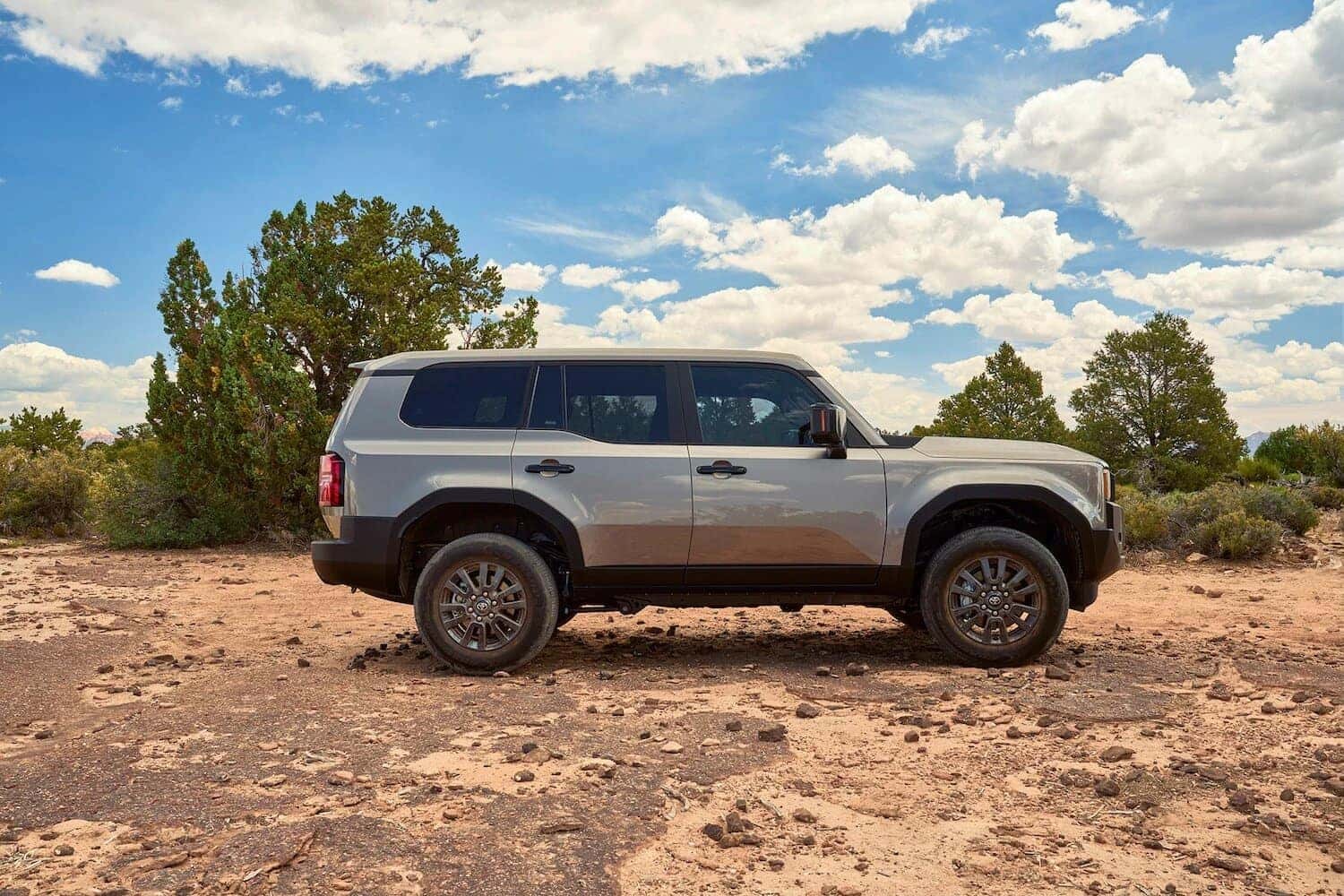
1. Toyota Land Cruiser
The Toyota Land Cruiser has a reputation that borders on legendary when it comes to durability and longevity. Originally developed as a rugged off-road military vehicle, it eventually evolved into a luxury SUV while still retaining its unmatched toughness.
Many Land Cruisers on the road today, especially those from older generations, have proven their ability to surpass 400,000 miles with relative ease. Much of this is due to its simple, well-built powertrain and overengineered components designed for extreme use in challenging environments. Even in regions with rough terrain or demanding climates, the Land Cruiser performs reliably.
What truly sets the Land Cruiser apart is the meticulous attention to build quality. Unlike many modern vehicles that are designed for planned obsolescence or trendy features, the Land Cruiser has historically been designed for a global market, including areas where vehicle service is minimal or nonexistent.
As a result, Toyota overbuilt the Land Cruiser with strong engines like the 4.7L V8 and reliable automatic transmissions that can handle years of abuse. Owners often report minimal mechanical failures even after hundreds of thousands of miles, which is a testament to Toyota’s commitment to quality.
Another factor contributing to the Land Cruiser’s longevity is its owner base. Many Land Cruiser owners are meticulous about maintenance and understand the importance of preserving such a valuable asset. These vehicles are not typically driven like disposable commuter cars.
They are often passed down from generation to generation and maintained accordingly. A well-kept Land Cruiser with regular oil changes, transmission service, and rust prevention can be nearly immortal on the road. Additionally, the SUV’s high resale value means owners are more willing to invest in repairs and upkeep rather than replacing the vehicle.
While newer Land Cruisers have become more luxurious and tech-heavy, they still retain the mechanical roots that made them famous. Even as Toyota discontinues certain versions in some markets, used Land Cruisers continue to fetch high prices due to their durability and proven track record. This vehicle stands as a flagship of Toyota’s engineering philosophy: build it strong, make it last.
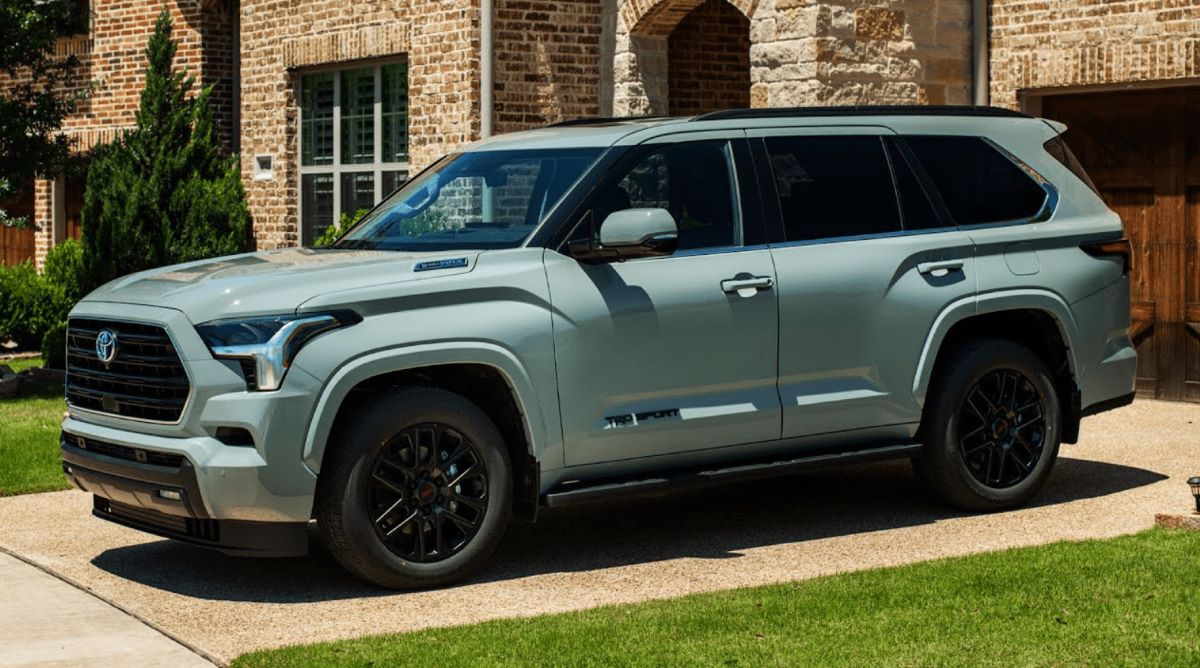
2. Toyota Sequoia
The Toyota Sequoia, a full-size SUV based on the Tundra pickup truck platform, has gained recognition over the years as one of the brand’s more robust long-haul vehicles. Although it’s not as iconic as the Land Cruiser, the Sequoia has developed a following among families, contractors, and outdoor enthusiasts who need a powerful and reliable vehicle that can last well beyond the average car’s lifespan.
Many Sequoias, especially those equipped with the 4.7L and 5.7L V8 engines, have been reported to cross the 400,000-mile mark with no major overhauls.
Part of the Sequoia’s success comes from its truck-based construction. This body-on-frame design gives the vehicle extra rigidity and durability compared to unibody SUVs. It also allows the Sequoia to tow heavy loads and manage rough roads without experiencing the same structural fatigue common in lighter crossovers.
In terms of mechanical strength, the Sequoia shares much of its DNA with the Toyota Tundra, another vehicle known for its long life. With these rugged underpinnings, the Sequoia is built to handle a demanding workload over a long period of time.
Another advantage of the Sequoia is its relatively simple design in older models. While newer SUVs may offer more advanced infotainment systems and electronic driver aids, they often come with additional complexity that can lead to expensive repairs.
Older Sequoias, particularly from the 2000s and early 2010s, kept things straightforward. Their electronics and mechanical systems were engineered for reliability over bells and whistles. This simplicity not only makes them more reliable but also easier and cheaper to repair as they age.
Owners who have taken their Sequoias to high mileage often cite regular maintenance as the key factor. Routine oil changes, brake services, and timing belt replacements have proven to be enough to keep these SUVs running like new. With a spacious interior, strong towing capacity, and a proven powertrain, the Sequoia continues to be one of Toyota’s most underrated long-distance vehicles.
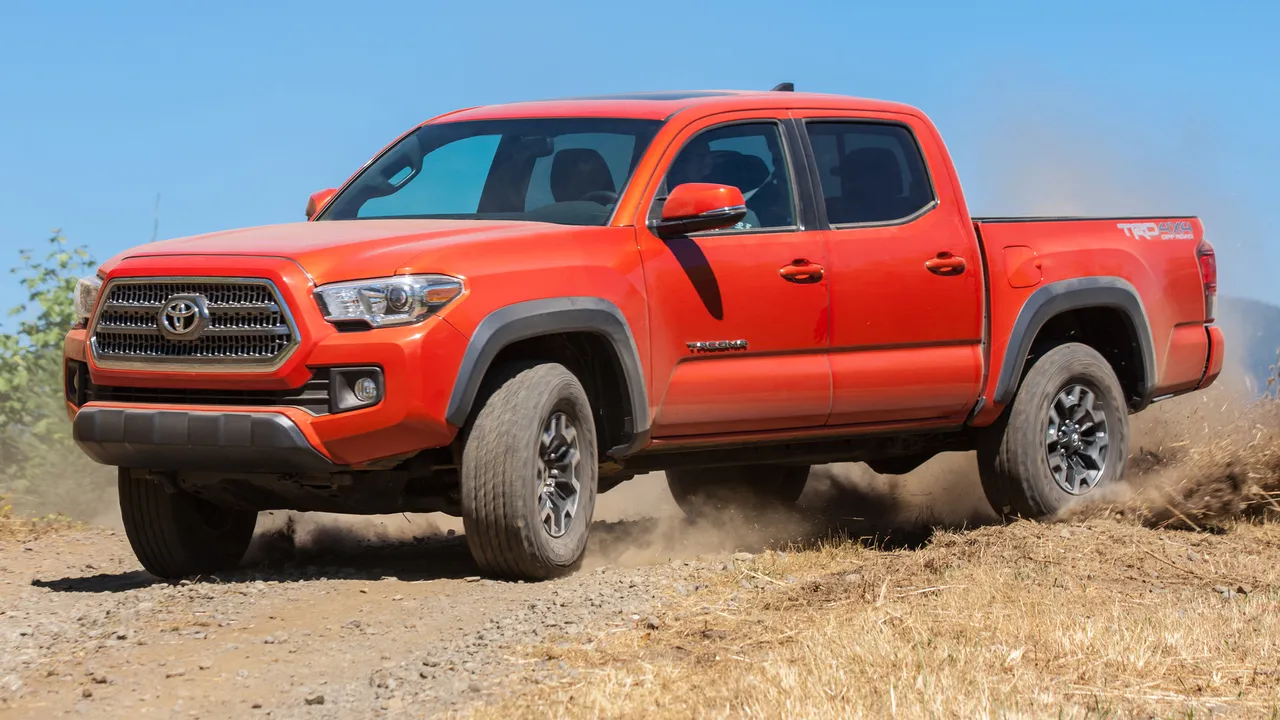
3. Toyota Tacoma
The Toyota Tacoma has long been a favorite among drivers who value a smaller, more maneuverable pickup that doesn’t sacrifice durability. Whether used for work or recreation, the Tacoma has earned its place in Toyota’s hall of fame for longevity.
Countless Tacoma owners have proudly shared stories of trucks that have reached 400,000 miles and are still going strong. The vehicle’s compact design, reliable engines, and low-cost maintenance make it a workhorse that can endure for decades.
One of the main reasons behind the Tacoma’s high mileage potential is its conservative engineering. Toyota didn’t try to reinvent the wheel with this truck; they stuck with proven formulas. Many Tacomas feature the bulletproof 2.7L four-cylinder or the more powerful 3.5L V6 engines.
Both are known for their simplicity and resilience. These powertrains, paired with manual or simple automatic transmissions, can last for years with minimal issues. Additionally, the Tacoma’s drivetrain components, including its axles and differentials, are built to withstand tough conditions.
The Tacoma also enjoys a strong community of owners who are passionate about proper maintenance. This is especially true among off-road enthusiasts and tradespeople who depend on their trucks daily.
With an abundance of how-to guides, aftermarket parts, and support forums, keeping a Tacoma in good shape is both feasible and affordable. Because of this strong user base and aftermarket support, many Tacomas are kept on the road much longer than other midsize pickups.
Another overlooked benefit of the Tacoma is its simplicity and ruggedness in design. Even the interior is built with longevity in mind, with hard-wearing plastics and durable fabrics.
Newer models may come with more tech features, but the core reliability of the Tacoma hasn’t changed. Its reputation for lasting hundreds of thousands of miles continues to drive strong resale values, making it a smart long-term investment for people who need a truck they can rely on.
4. Toyota 4Runner
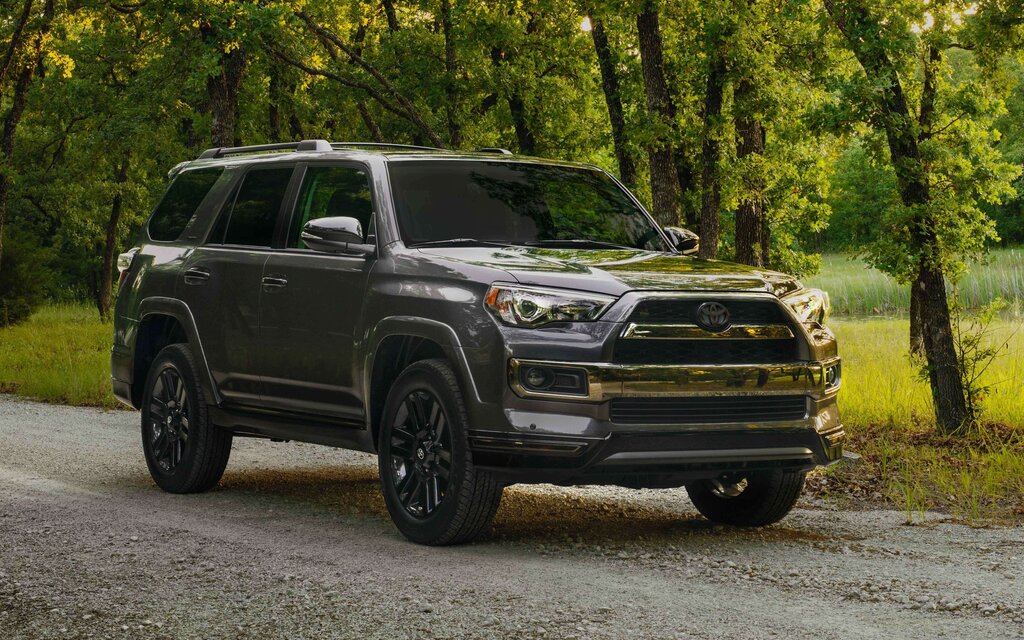
The Toyota 4Runner has been one of the most consistent long-term performers in the SUV market. Known for its rugged construction, simple mechanics, and off-road capability, the 4Runner has managed to achieve high mileage on a regular basis, particularly among outdoor enthusiasts and overlanders. Reports of 4Runners reaching 400,000 miles or more are common, especially among older models that have been kept mechanically sound with regular service.
One reason for the 4Runner’s long life is its body-on-frame construction, which is becoming increasingly rare in modern SUVs. This type of design allows it to absorb stress over time without compromising structural integrity.
It also features proven engines such as the 4.0L V6, which is widely known for reliability and ease of maintenance. These engines are not the most fuel-efficient, but they are well-matched to the vehicle’s weight and performance requirements, giving owners peace of mind that the powertrain can endure over time.
The 4Runner also benefits from a loyal ownership base that values preventative maintenance. These vehicles often live a rugged life, camping, off-roading, towing, and more, but their owners tend to stay on top of servicing needs.
Many 4Runner enthusiasts are quick to perform suspension upgrades, replace worn components, and fix problems before they escalate. This kind of proactive care is a major reason why 4Runners often outlast their competitors.
Additionally, Toyota has avoided making unnecessary changes to the 4Runner’s core identity over the years. While other SUVs have gradually transitioned into car-like crossovers, the 4Runner has remained true to its roots as a rugged, adventure-ready vehicle. This has resulted in a vehicle that’s not only durable but also easy to understand and repair.
With fewer overly complex electronics or experimental components, fewer things can go wrong, especially in older model years. That design consistency contributes heavily to its long-term reliability and makes it a favorite among used SUV buyers.
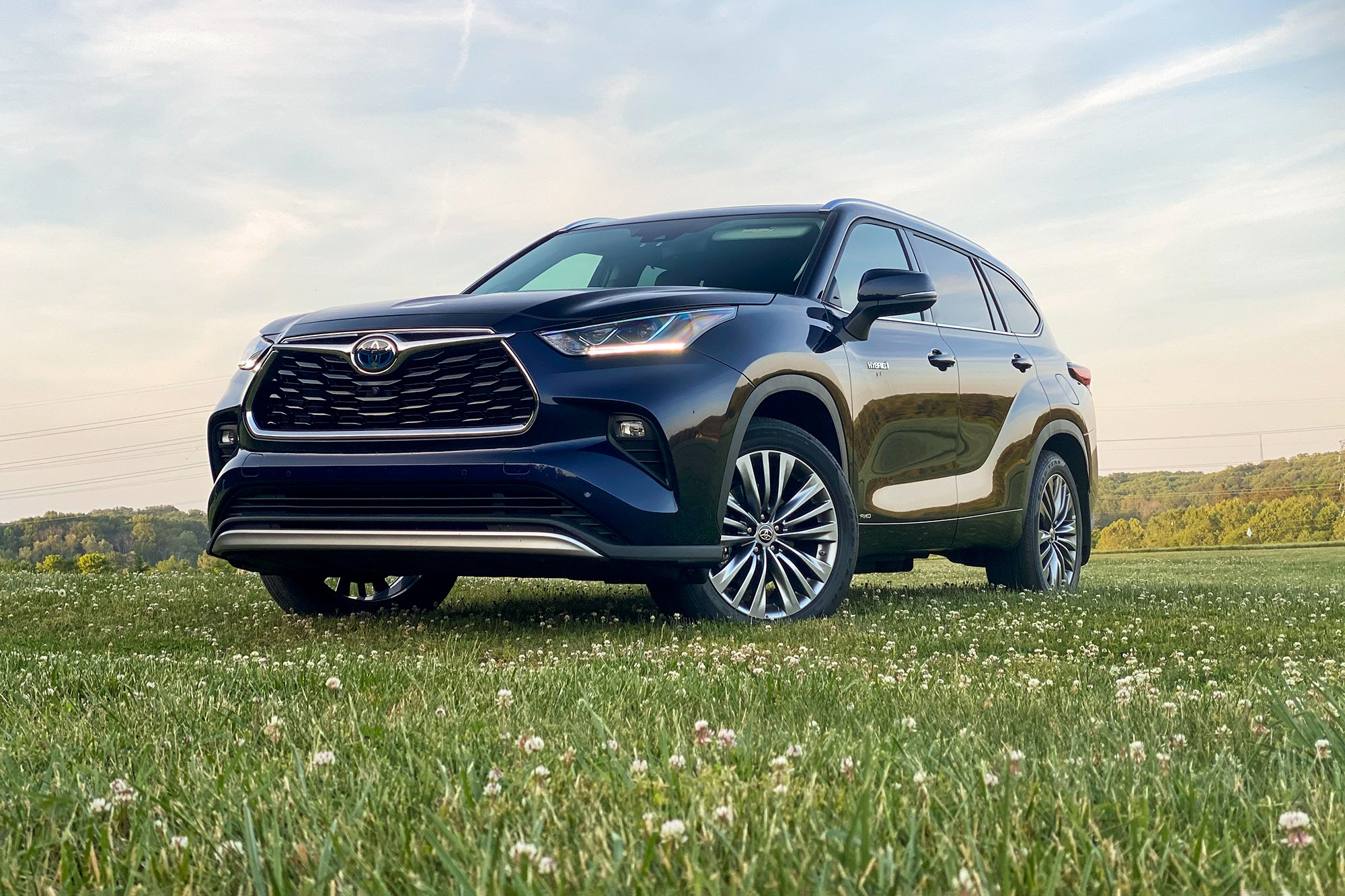
5. Toyota Highlander
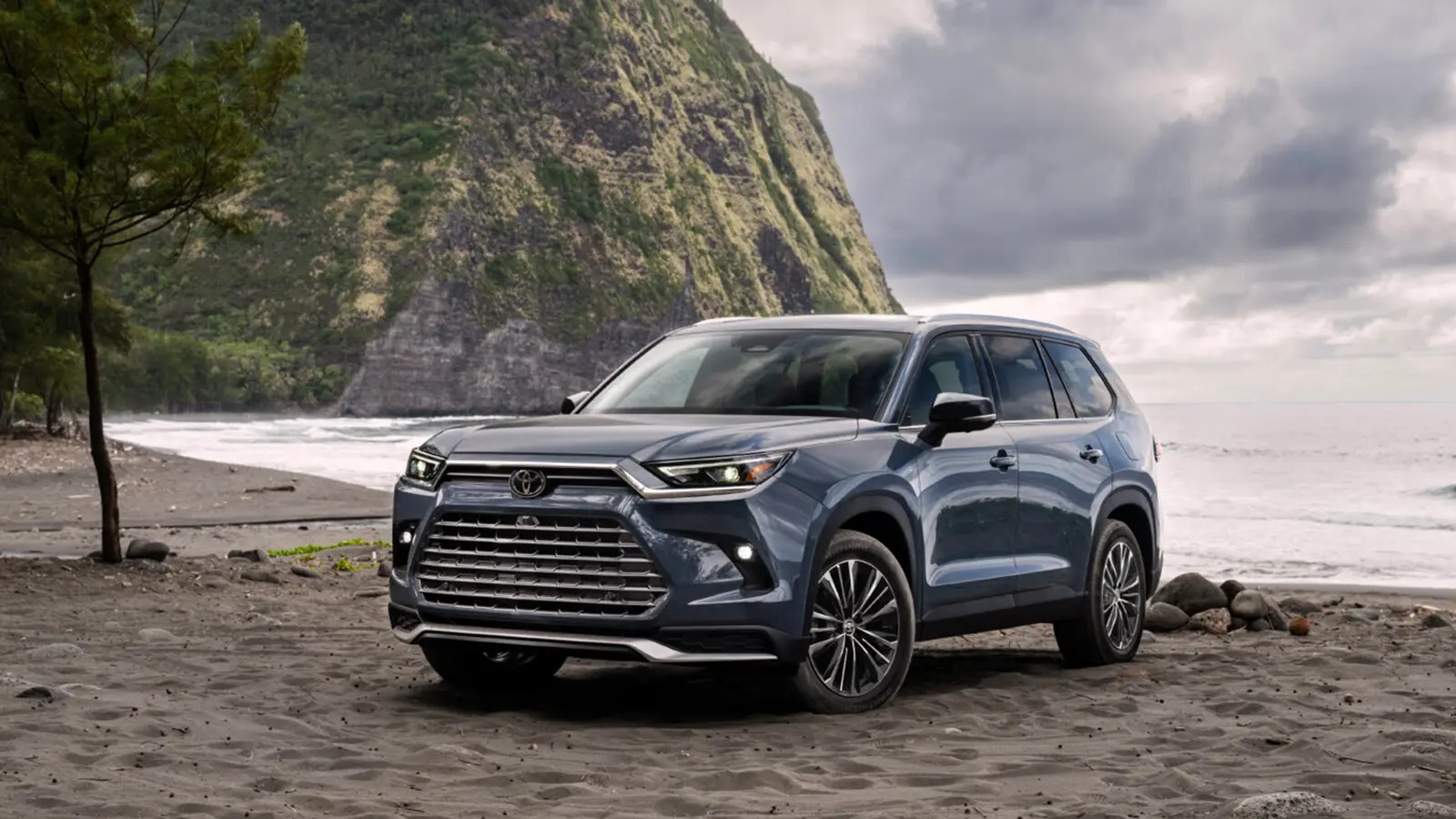
The Toyota Highlander is not typically what comes to mind when discussing ultra-durable vehicles, but it has quietly built a reputation for long-term performance when maintained properly. Unlike the rugged 4Runner or Land Cruiser, the Highlander is a unibody crossover, designed more for family comfort and everyday use than off-roading.
Still, this vehicle’s reliability track record has impressed many. Owners who keep up with scheduled maintenance have regularly reported reaching 300,000 to 400,000 miles without major drivetrain problems, especially in the V6 versions.
The Highlander’s longevity can be attributed in part to its balanced approach to engineering. It’s neither underbuilt nor overly complex. Toyota struck a solid middle ground with the Highlander by offering a dependable 3.5L V6 engine, smooth-shifting transmission options, and a chassis tuned for comfort without neglecting structural strength.
It doesn’t push the limits in any one area, but rather performs well across the board. That balance makes it easier for the vehicle to endure the wear and tear of long-term ownership without breaking down prematurely.
Another reason Highlanders can go the distance is their target demographic. Many Highlanders are purchased by families who primarily use them for commuting, school runs, and road trips. These vehicles are typically not subjected to aggressive driving, off-road abuse, or heavy hauling.
As a result, the mechanical components tend to age more gracefully. Combined with Toyota’s dependable engineering, this low-stress usage pattern creates the ideal environment for longevity. Owners who change fluids regularly, stay on top of recalls, and replace wear-and-tear parts on time often see their Highlanders run for decades.
Finally, Toyota’s continued support of the Highlander in the form of software updates, available parts, and dealer service keeps older models on the road.
Even as the crossover market has exploded with competition, the Highlander remains a leader partly because of how many older models are still in use today. If you’re looking for a family vehicle with serious long-term potential and aren’t interested in rugged off-roading, the Highlander is one of the strongest bets you can make.
Toyota Models That Struggle to Reach 400,000 Miles
1. Toyota Camry
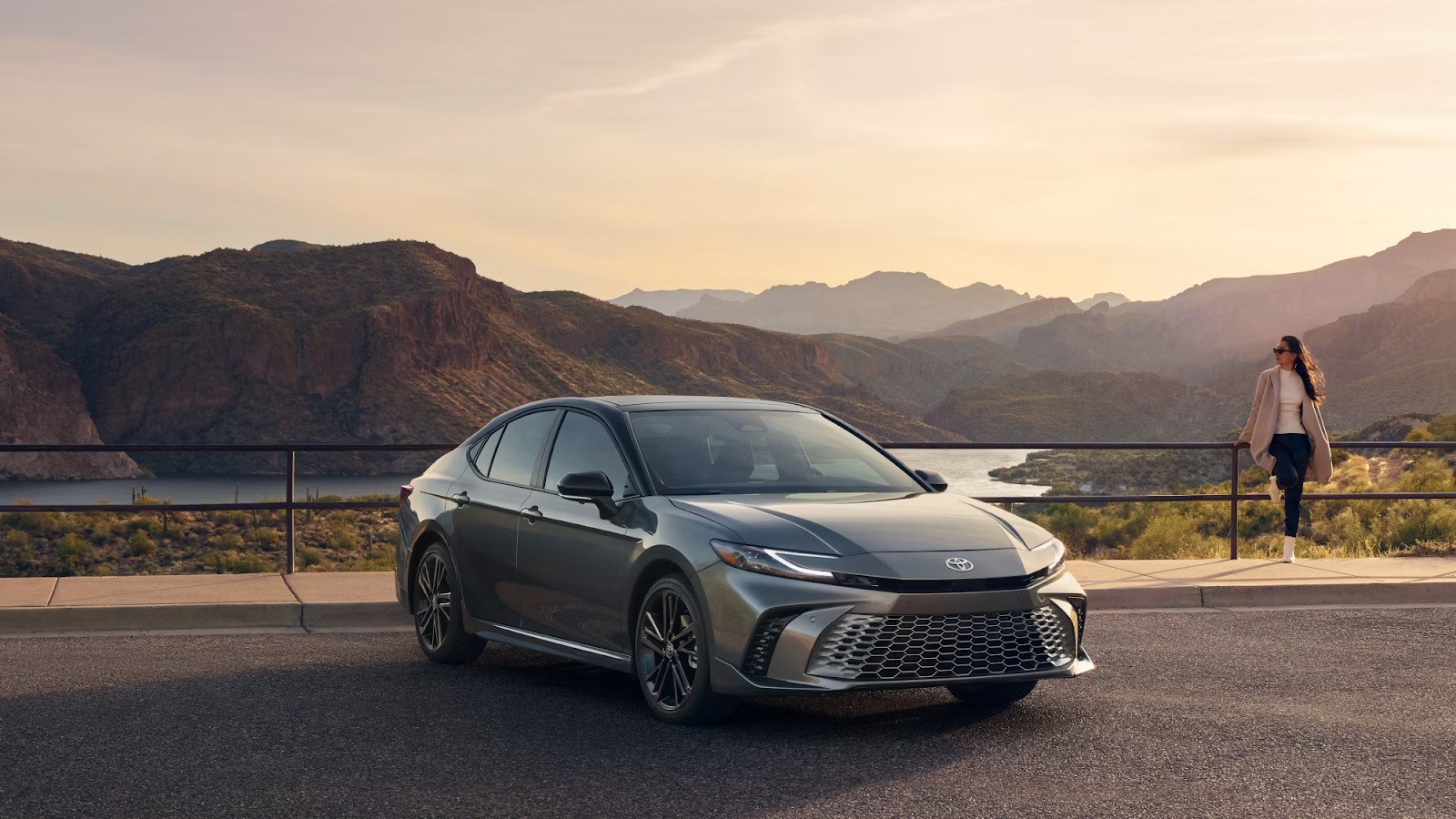
The Toyota Camry has long been considered one of the most reliable midsize sedans on the market. It consistently ranks high in reliability surveys and customer satisfaction. However, while the Camry is more than capable of reaching 200,000 to 300,000 miles, it does not frequently make it to 400,000 miles.
One major reason is that most Camry owners do not aim for extremely high mileage. These vehicles are often treated as commuter cars and are traded in or sold long before they approach such milestones. That said, some model years have had more substantial mechanical issues that make 400,000 miles a rarity.
Some Camry models, particularly in the early 2000s and late 2000s, had issues with excessive oil consumption and transmission failures. While not catastrophic for every vehicle, these issues often led to significant repair bills that owners were not willing to pay once the vehicle was older.
In many cases, once repair costs exceeded the value of the car, owners simply moved on to a newer model. This pattern makes it statistically less likely for Camrys to achieve the kind of ultra-high mileage seen in other Toyota vehicles like the Tacoma or 4Runner.
Another factor is that the Camry’s build quality, while very good, is not designed with heavy-duty performance or extreme longevity in mind. It is engineered to be affordable, quiet, and comfortable, not necessarily bulletproof.
As a result, components like suspension parts, electronics, and interior materials begin to show wear earlier than they do on more rugged Toyota models. Over time, this accumulation of minor issues makes it less appealing for an owner to keep investing in an aging Camry, especially when newer alternatives are widely available and affordable.
Finally, the driving conditions and owner behavior also play a role. Camrys are often driven in urban environments with frequent stop-and-go traffic, which is tougher on the engine and transmission.
Unlike vehicles used primarily for highway cruising, urban driving increases wear on all mechanical systems. Taken together, these factors create a scenario where Camrys are excellent mid-range vehicles but rarely make it to the 400,000-mile mark.
2. Toyota Corolla
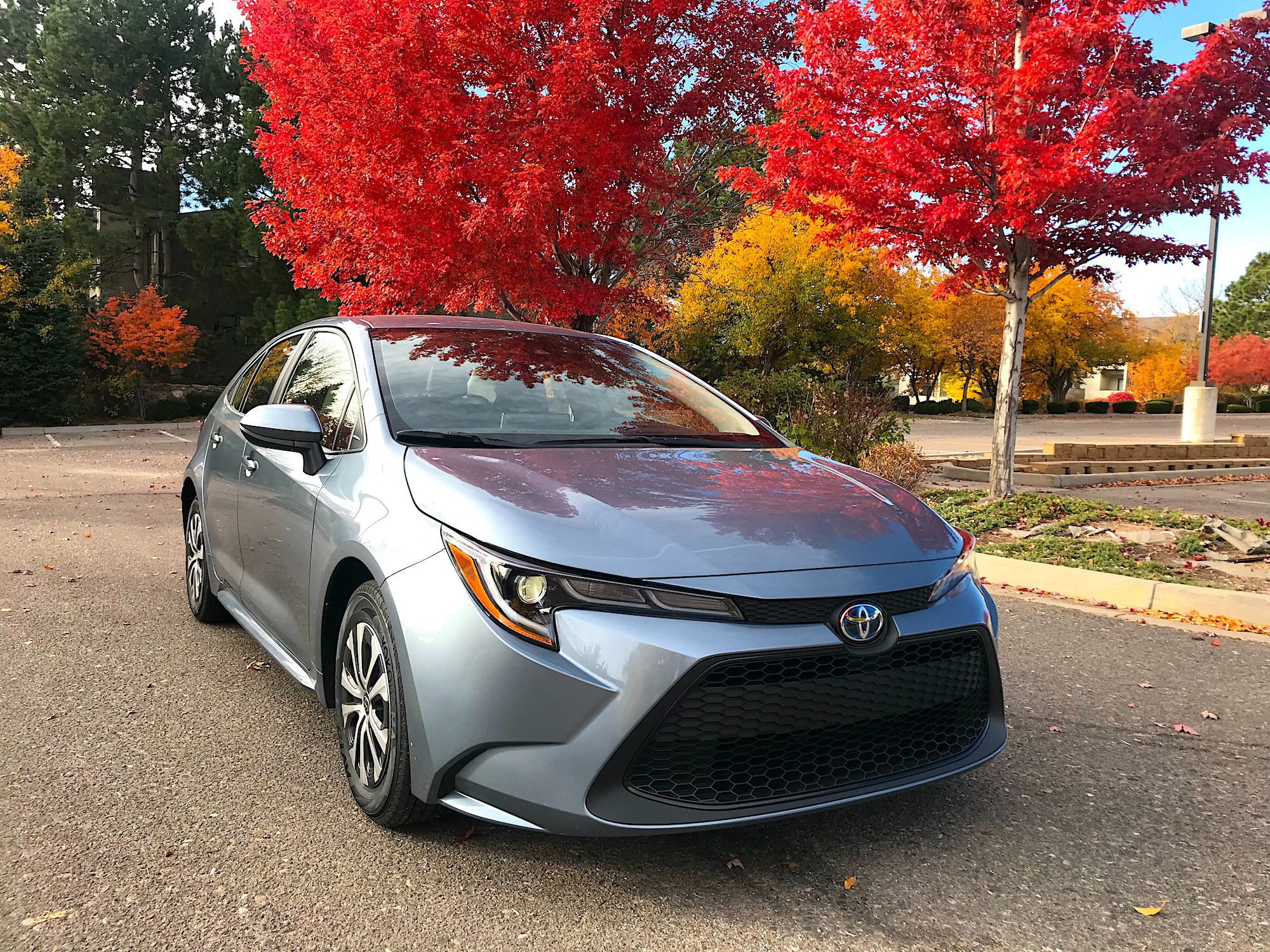
The Toyota Corolla is one of the best-selling cars of all time and has a well-deserved reputation for reliability and efficiency. Yet, despite its popularity, very few Corollas make it to 400,000 miles. That might seem surprising at first, given how many people buy Corollas expecting a trouble-free experience.
But the reality is that while Corollas often last a long time, they are rarely maintained to the standard required to reach extreme mileage. The car’s affordability often works against it in this regard, many owners simply don’t see it as worth investing thousands into once it reaches high mileage.
Older Corolla models, especially from the 1990s and early 2000s, have been known to develop rust issues, particularly in regions with harsh winters or high humidity. The undercarriage and wheel wells are especially vulnerable.
Even if the engine and transmission are still functional, significant rust can compromise the safety and structural integrity of the vehicle. When that happens, continuing to drive the car becomes impractical, even if the powertrain is still going strong.
Another problem is that the Corolla, like the Camry, is typically used as a basic commuter car. It’s common for Corollas to be used by first-time drivers, students, or as budget fleet vehicles. In many of these cases, the cars aren’t maintained rigorously.
Oil changes are delayed, check engine lights are ignored, and necessary repairs are postponed. This kind of treatment shortens the potential lifespan of the car and reduces its ability to reach high-mileage milestones.
Despite these limitations, the Corolla can still be a great long-term investment if properly maintained. Engines like the 1.8L 4-cylinder are known for their simplicity and dependability. But because of how the vehicle is typically treated and its vulnerability to corrosion, it’s rare to find a Corolla that reaches 400,000 miles without major repairs along the way. It’s reliable, just not legendary in terms of lifespan.
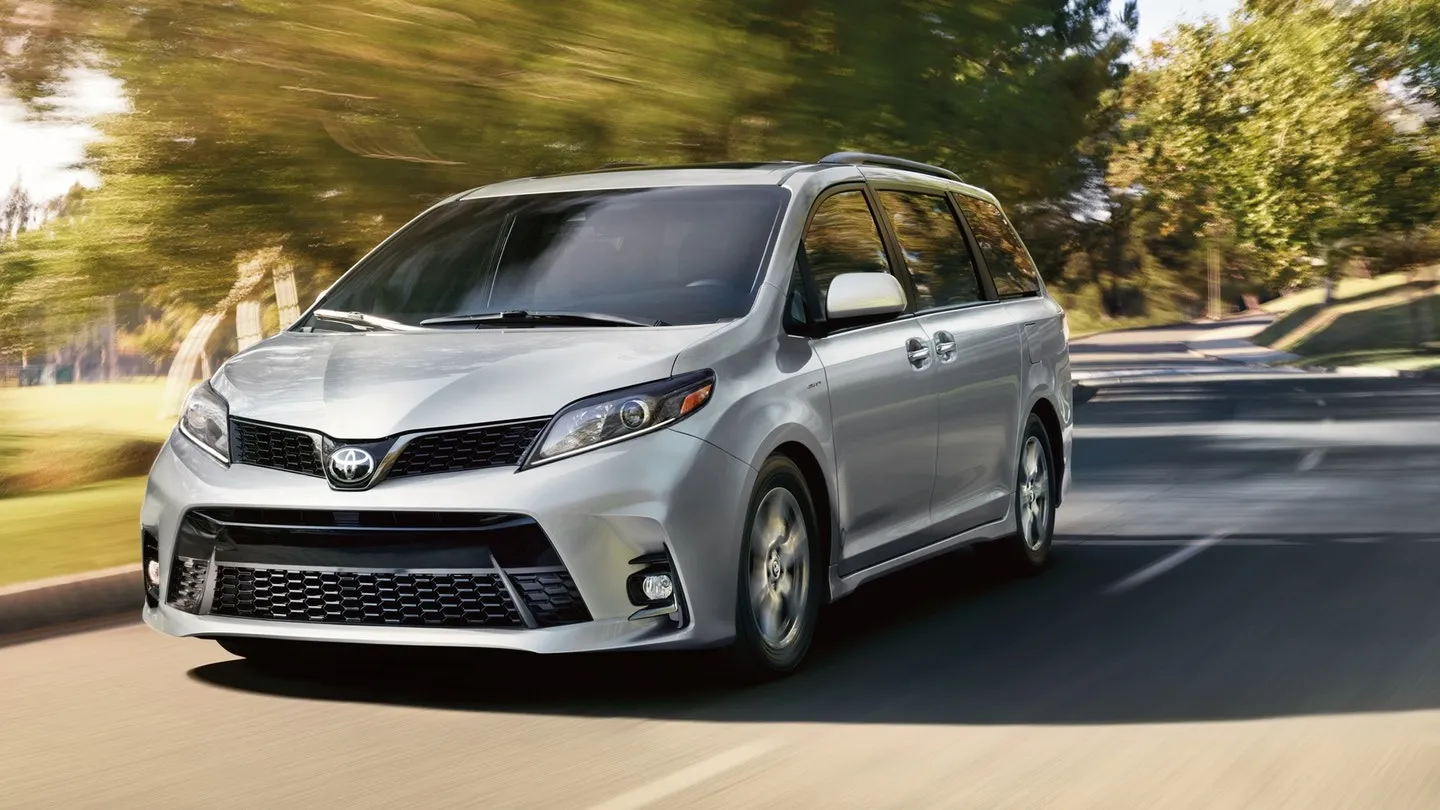
3. Toyota Sienna
The Toyota Sienna is a dependable and comfortable minivan that has served countless families for years. It’s known for its smooth ride, spacious interior, and generally reliable mechanical components.
However, when it comes to ultra-high mileage longevity, pushing beyond 300,000 or even 400,000 miles, the Sienna tends to fall a bit short compared to some of Toyota’s more rugged offerings. This is largely due to the complexity of the vehicle and the types of wear and tear that are unique to minivans.
Minivans are subjected to a very different kind of use compared to trucks or SUVs. They’re often used for short, stop-and-go trips, daily school runs, city errands, and family road trips, which means the engines are frequently being turned on and off, the transmissions endure frequent shifting, and the sliding doors, climate systems, and rear entertainment features are used heavily.
Over time, all of this contributes to wear in areas that can be expensive to repair. Sienna owners have reported issues with power sliding doors failing, premature wear in the suspension, and some models experiencing transmission troubles, particularly in the early 2000s.
Another factor that limits the Sienna’s chances of reaching 400,000 miles is owner behavior. Minivans are family vehicles, and as such, they tend to be passed between family members or sold after several years when the kids grow up or when maintenance costs begin to rise.
By the time the Sienna reaches 200,000 or 250,000 miles, it may already show signs of fatigue from years of hard use. At that point, many owners opt for a newer vehicle rather than continuing to invest in ongoing repairs for worn-out door motors, A/C systems, or suspension parts.
That said, the Sienna is still among the more reliable minivans on the market. With proper care and a focus on preventative maintenance, it’s certainly capable of reaching impressive mileage.
But reaching or surpassing 400,000 miles usually requires significant investment and a high level of attention to detail, and most owners, understandably, aren’t aiming for that kind of longevity from a minivan. It’s more of a solid family workhorse than a long-distance endurance machine.
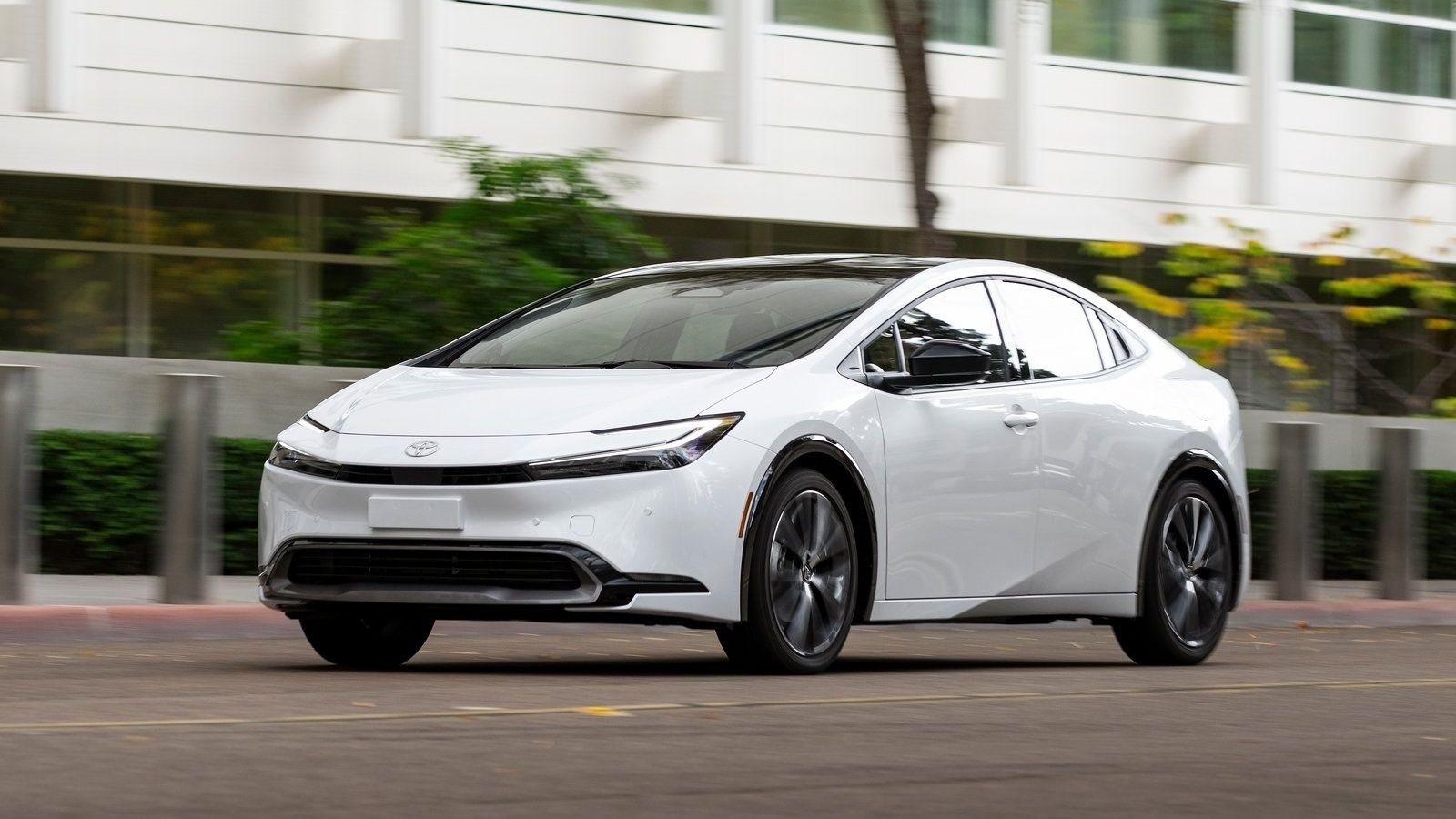
4. Toyota Prius
The Toyota Prius has become almost synonymous with fuel efficiency and environmental consciousness. It was one of the first widely adopted hybrid cars and helped redefine what a practical commuter vehicle could look like.
But while the Prius excels in areas like cost per mile, emissions, and urban drivability, its long-term reliability has been mixed, especially when considering the ambitious benchmark of 400,000 miles. The hybrid system, while well-engineered, introduces complexities that can create issues over the vehicle’s extended lifetime.
The most well-known limitation of the Prius is its hybrid battery. These large, high-voltage battery packs typically last between 150,000 and 250,000 miles. Replacing them can cost anywhere from $1,500 to $3,000, depending on whether it’s done at a dealership or through a third-party source.
While newer Prius models have seen some improvement in battery longevity, this cost becomes a major roadblock for owners trying to keep their cars going beyond the 300,000-mile range. Once the battery begins to degrade, fuel economy drops and performance suffers, often prompting owners to move on to a newer vehicle.
Beyond the battery, the Prius also features complex electronics and sensors throughout the drivetrain. Components like the inverter, electric motor controller, and hybrid control modules are not only expensive but also relatively difficult to diagnose when they begin to fail.
While mechanical issues like oil leaks or suspension wear can often be addressed by DIY owners or local mechanics, hybrid-specific failures usually require a specialist. That kind of expertise isn’t always easy to find or affordable to access, particularly for older models.
Still, the Prius does deserve credit for its consistency in the 150,000–250,000-mile range. For most drivers, that’s more than enough. Many fleet users and rideshare drivers choose the Prius precisely because it offers long-term savings.
But if your goal is 400,000 miles or more without major component replacement, the Prius may not be the ideal Toyota to get you there. It’s a brilliant city car with unmatched efficiency, but extreme longevity under one owner is more the exception than the rule.
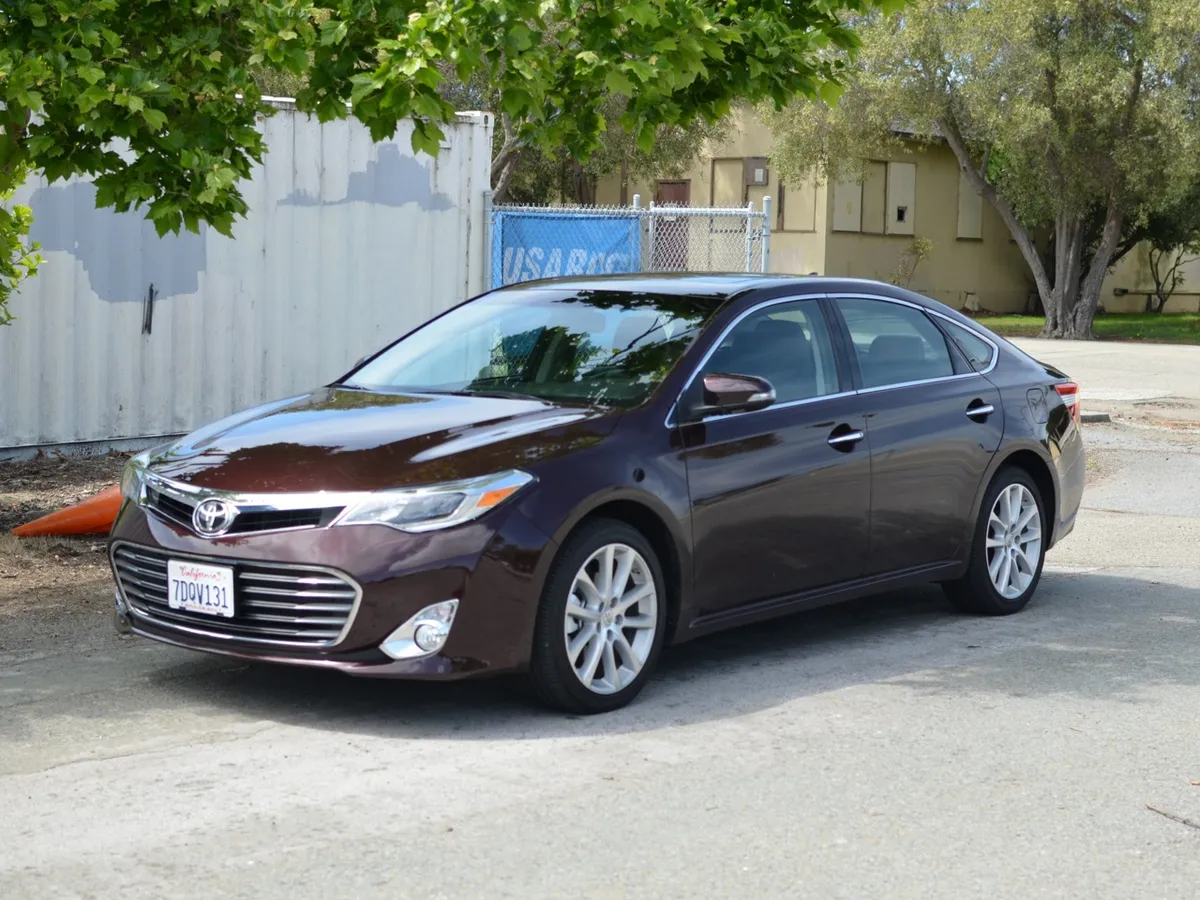
5. Toyota Avalon
The Toyota Avalon is positioned as Toyota’s full-size luxury sedan, larger and more refined than the Camry, with an emphasis on comfort, smoothness, and high-end features. Many Avalons are beautifully built and have comfortable interiors that age well.
However, when it comes to pushing beyond 300,000 or 400,000 miles, the Avalon doesn’t quite measure up to Toyota’s more durable models. It’s a solid, dependable car for a long period of time, but rarely does it stay on the road long enough to reach those extreme numbers.
One issue is that Avalon models often come equipped with more electronic systems, complex climate control modules, and features like adaptive cruise control or seat memory systems. These components, while luxurious, add layers of complexity that can fail over time and are often expensive to fix.
When these systems begin to fail after 10–15 years of use, the cost of repair often outweighs the car’s resale value. Many owners aren’t willing to invest $2,000 or more to fix electronics or replace aging infotainment systems in a car that’s already past 250,000 miles.
Another reason the Avalon doesn’t usually reach the 400,000-mile club is its target audience. It’s typically purchased by older drivers or professionals looking for a quiet, comfortable ride rather than a rugged, ultra-dependable vehicle for long-term use.
Because of this, Avalons often live easy lives but are also retired earlier. Once they start showing signs of age, many owners transition into newer models instead of investing in long-term maintenance. It’s less a question of reliability and more a reflection of use and owner habits.
Mechanically, the Avalon is based on a stretched version of the Camry platform and shares many of its components, including engines like the 3.5L V6. These are proven powerplants, but they’re also tuned for smoothness rather than simplicity or ease of service. While they can last a long time, repairs become more complicated as the car ages.
Unlike a Land Cruiser or 4Runner, which might be fixed multiple times to keep it going indefinitely, an Avalon is more often quietly retired when repair costs stack up. It’s a high-quality sedan, but not typically built for extreme mileage in the same way Toyota’s rugged models are.
