
Flooding is a natural disaster that affects countless people and properties worldwide, causing severe damage to homes, infrastructure, and vehicles. When it comes to vehicles, water damage can be catastrophic and often leads to expensive repairs or complete loss.
The question of which vehicles stand a better chance of surviving flood damage is critical for many drivers, especially those living in flood-prone areas or regions with unpredictable weather patterns. While no vehicle is completely flood-proof, some are inherently better equipped to handle water exposure due to their design, construction, and materials used.
Understanding what makes certain vehicles more resistant to flood damage requires a look into their build quality, ground clearance, electrical systems, and the level of waterproofing involved in their design.
Vehicles that can handle water better generally have fewer electronic components exposed, better sealing on critical parts, and elevated air intakes. Conversely, vehicles with lower clearance, complex electronics, and vulnerable engines are more likely to suffer severe damage when submerged or exposed to water.
Flood damage to vehicles usually manifests as engine failure, electrical shorts, corrosion, and mold development. Even after water recedes, these issues can persist, leading to expensive repairs and reduced vehicle lifespan. Therefore, knowing which vehicles tend to survive floods and which don’t can be an essential factor when purchasing a car, especially in areas susceptible to flooding.
This article compares five vehicles known for their resilience to flood damage against five models that often face serious challenges in such conditions. By highlighting their features and vulnerabilities, this guide aims to provide insight into what characteristics make vehicles more or less capable of surviving floods, offering valuable information to prospective buyers and current owners alike.
Also Read: 10 Cars That Survive Stop-and-Go Traffic Without Complaints
5 Vehicles That Survive Flood Damage
1. Toyota Land Cruiser
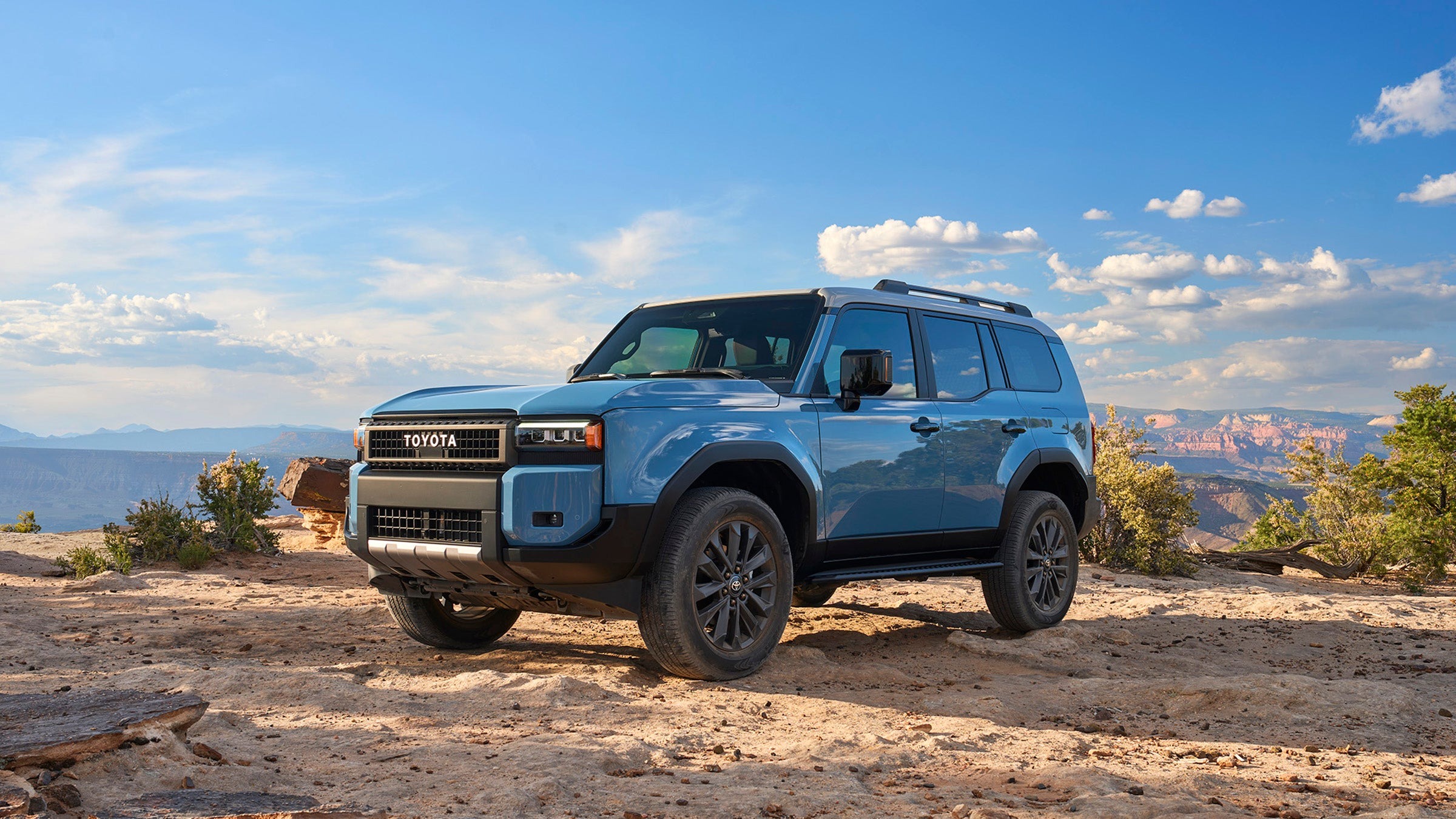
The Toyota Land Cruiser has long been considered a symbol of durability and toughness, especially in challenging environments. One of the primary reasons it withstands flood damage better than most vehicles is its thoughtful engineering, focused on off-road and extreme conditions.
This SUV offers a substantial ground clearance that allows it to navigate flooded roads without letting water reach the engine or electrical components easily. The air intake is deliberately positioned high, often near the front grille or elevated areas, which reduces the chance of water being sucked into the engine during water crossings.
Beyond just physical height, the Land Cruiser incorporates protective seals and reinforced gaskets around vital engine parts and electrical systems to keep water out, which is a critical design element missing from many everyday passenger vehicles.
Another significant factor is the Land Cruiser’s robust construction. It has a strong frame and durable body panels made from corrosion-resistant materials, which means the vehicle is better equipped to handle prolonged exposure to moisture without succumbing to rust.
This is essential because flooding not only affects a vehicle during the event but also in the aftermath when water can remain trapped in crevices and promote corrosion over time. Additionally, the undercarriage is shielded with heavy-duty plates, preventing damage from debris often found in floodwaters, such as branches, stones, or trash. The vehicle’s electrical wiring harnesses are carefully routed and insulated, reducing the risk of short circuits and component failures caused by water intrusion.
Maintenance and repairability also contribute to the Land Cruiser’s flood resilience. Toyota’s global popularity ensures that parts are readily available, and mechanics are well-versed in servicing these vehicles, even in areas frequently affected by flooding.
Owners often report that with thorough post-flood inspections and proper drying procedures, the Land Cruiser remains functional and reliable. The combination of thoughtful engineering, rugged design, and global support makes the Toyota Land Cruiser one of the top vehicles to survive flood damage and remain operational afterward.
2. Jeep Wrangler
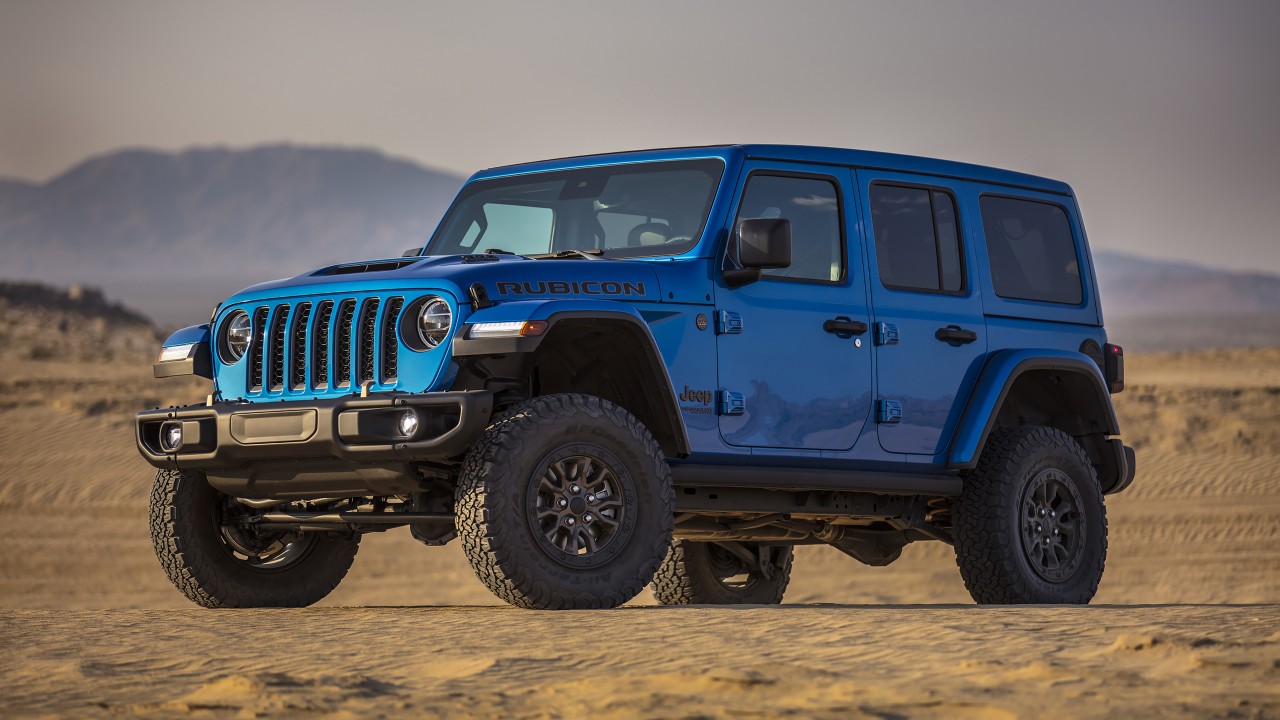
The Jeep Wrangler’s reputation as a vehicle designed for tough terrains also translates into resilience against flood damage. Its design caters to off-road enthusiasts who frequently encounter water obstacles such as streams, mud pits, and flooded trails, meaning it has inherent features that protect it from floodwater damage.
The Wrangler’s high ride height is a critical factor, as it raises the engine, transmission, and critical electronics above most flood levels encountered on the road. The air intake and exhaust are engineered to reduce the risk of water entering the combustion system, a common cause of engine failure during flooding.
In addition to physical height, the Wrangler benefits from simple and rugged construction that helps it survive water exposure. The vehicle has fewer complex electronic systems than modern SUVs, reducing the chance of electrical shorts during flood events.
Its electrical connections and wiring harnesses are sealed and routed to minimize water contact, which is particularly important as short circuits and corrosion from moisture often cause the most long-term damage in flooded vehicles.
The Jeep’s body-on-frame construction also provides extra durability. This setup means the vehicle’s structural integrity can withstand the stresses of waterlogged roads and the physical forces exerted by water currents.
The removable doors and hardtop further add to the Wrangler’s flood resilience, allowing owners to more easily clean and dry out the vehicle after it has been exposed to water. Flood damage often leads to mold growth in carpets and upholstery, and the Wrangler’s customizable setup allows for better access during cleaning efforts.
Many users in flood-prone regions report that the Wrangler performs exceptionally well in water and recovers quickly afterward. The combination of high clearance, sealed electronics, rugged construction, and ease of maintenance contributes to the Wrangler’s standing as a vehicle that can survive flood damage where many others would fail.
3. Ford F-150 (Certain Models)
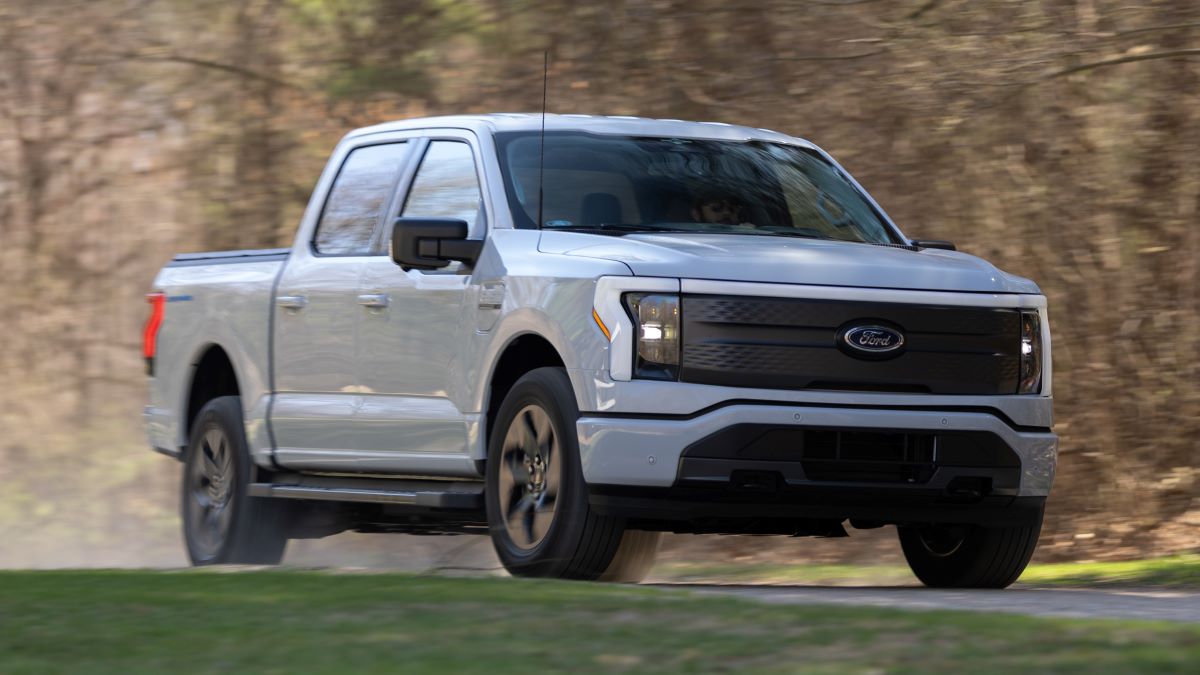
The Ford F-150 stands out as one of the most popular trucks globally and is known for its toughness and versatility. Some model years, especially those equipped with off-road packages or built for heavy-duty use, handle flood conditions better than many other pickups or passenger vehicles.
One of the F-150’s advantages is its high ground clearance, which helps protect the engine and other vital components from water ingress during flood events. The vehicle often includes water-resistant connectors, gaskets, and seals designed to limit water exposure to the electrical system, which is one of the most vulnerable areas during flooding.
The truck’s size and build quality also play a significant role. Its heavy-duty suspension system is designed for rough terrain, providing stability and traction when driving through flooded or slippery areas. The F-150’s cabin and door seals are engineered to prevent water from seeping inside, which protects the interior electronics and upholstery.
The positioning of the air intake in many models helps prevent water from entering the engine, a major cause of flood damage in vehicles. This truck can also be modified with aftermarket parts like snorkels, which raise the air intake even higher for deep water crossings, making it even more flood-resistant.
Another factor enhancing the F-150’s flood survivability is its widespread use in various climates and conditions. This broad usage means mechanics are familiar with water-related repairs and parts and accessories are abundant available.
Many owners take preventative measures or conduct thorough post-flood inspections, making recovery from flood damage more manageable than in less common or more delicate vehicles. The Ford F-150 is often chosen for work in areas prone to flooding due to its reliability, size, and adaptability, proving it is one of the trucks best suited to surviving flood damage.
4. Land Rover Defender
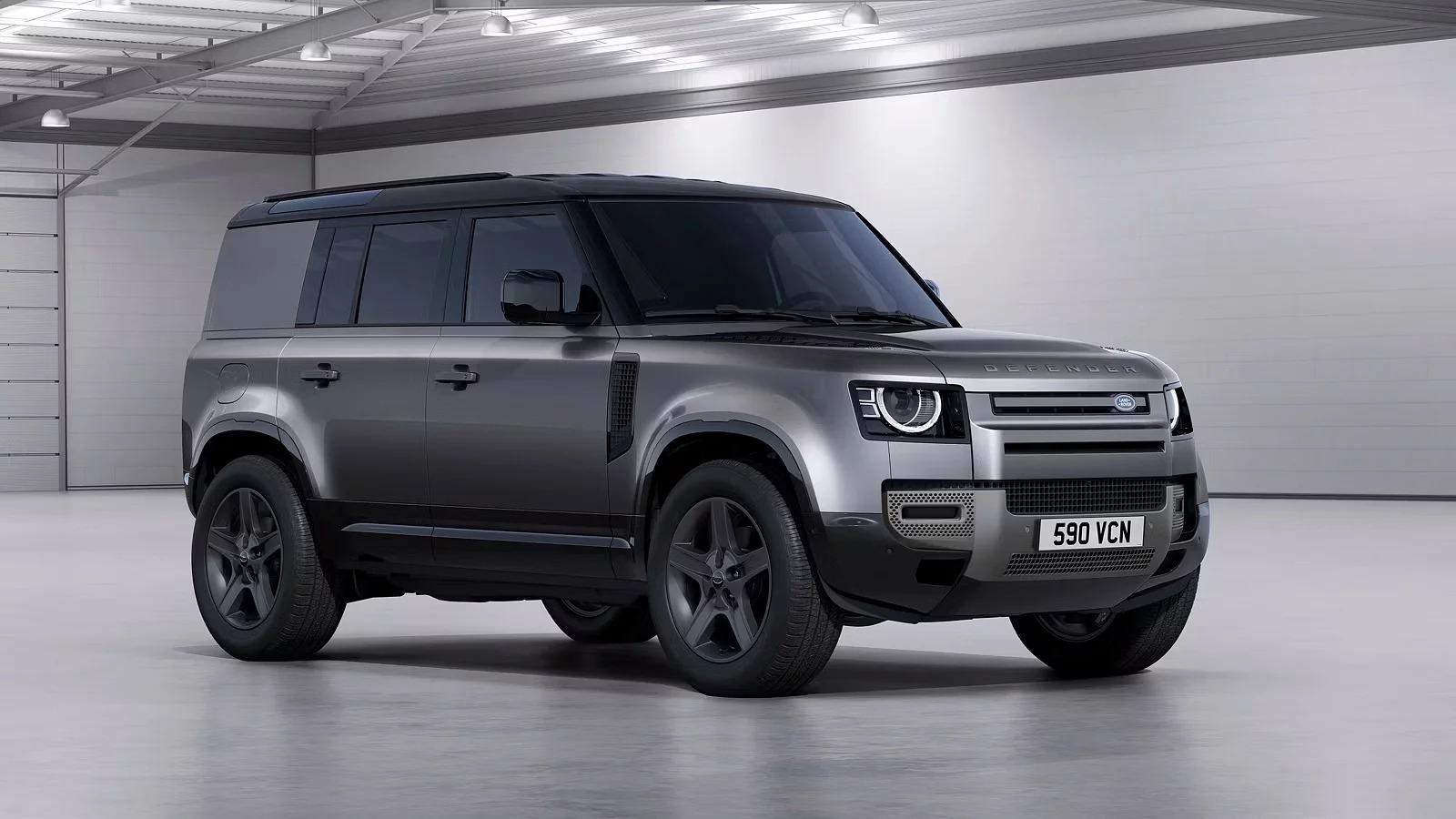
The Land Rover Defender has built a strong legacy as a vehicle engineered for extreme conditions, including waterlogged terrain and flooded routes. Its design incorporates a series of flood-resistant features that protect both mechanical and electronic components from water damage.
The Defender’s air intake system is mounted high, often just below the windshield line, which helps prevent water from entering the engine when crossing deep water. Sealed electrical systems and components ensure that moisture doesn’t cause the short circuits that commonly disable other vehicles during flooding.
In terms of structure, the Defender employs a body-on-frame construction that not only offers ruggedness but also facilitates easier inspection and maintenance after water exposure. This frame type provides better protection against water damage than unibody designs because the mechanical components are mounted separately from the body, allowing for more effective drainage and drying after floods.
The vehicle’s underbody is equipped with skid plates and other guards that prevent damage from submerged debris, which often accompanies floodwaters. These features combined provide resilience during and after water exposure.
The Defender’s interior is built with durable materials that resist water damage and can be cleaned or dried more easily. The vehicle’s design encourages straightforward maintenance, which is crucial in flood scenarios where rapid assessment and repair are necessary to prevent long-term damage.
Land Rover has also placed significant emphasis on corrosion resistance in the Defender’s materials and coatings, ensuring the vehicle can endure prolonged contact with water without significant deterioration. This, along with the Defender’s off-road capability, makes it a trusted vehicle for those who must navigate flood-prone areas regularly.
5. Mercedes-Benz G-Class
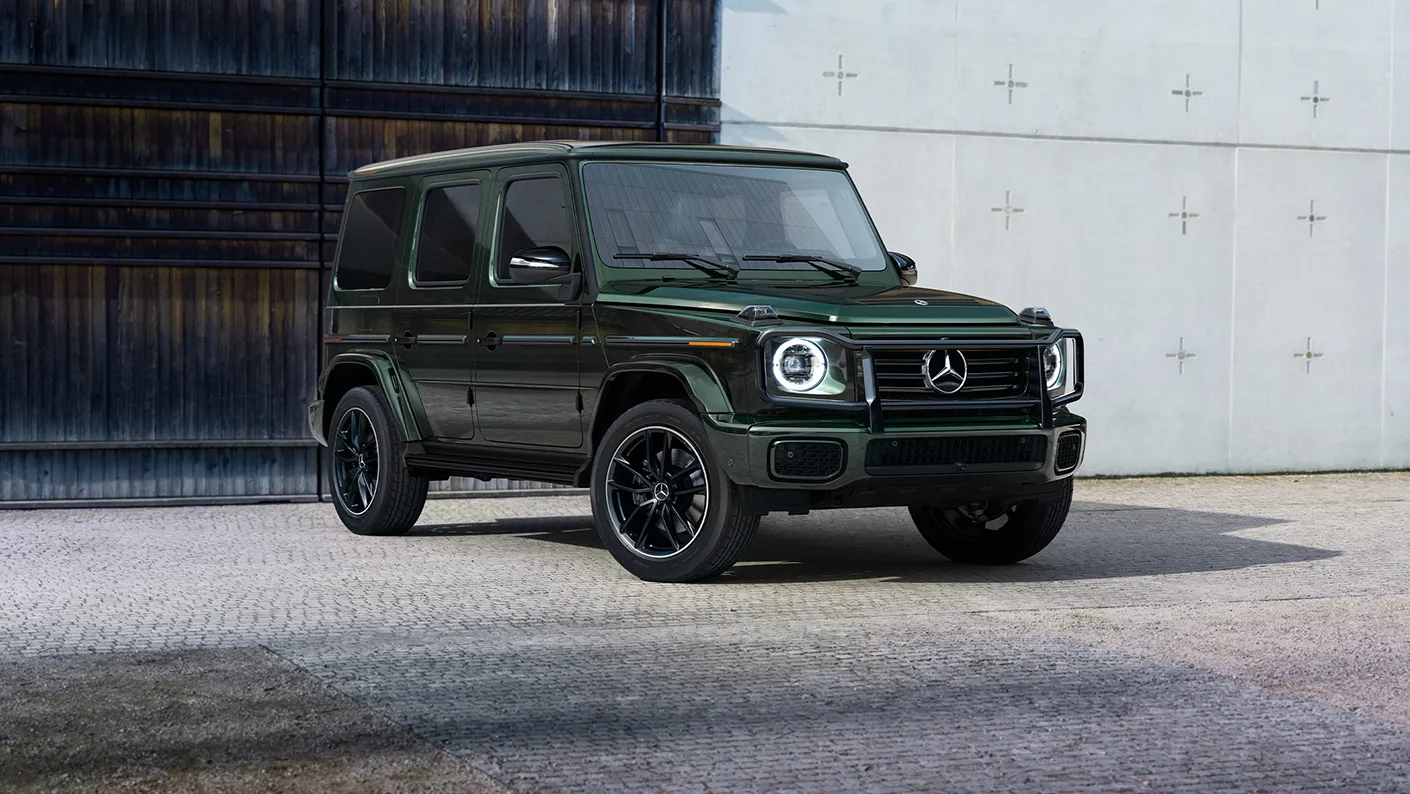
The Mercedes-Benz G-Class, commonly referred to as the G-Wagon, is often associated with luxury but also boasts serious off-road capability, including flood resilience. Its boxy, rugged frame is built to endure harsh environments, and it includes many features that protect the vehicle from water damage.
For instance, the G-Class has a raised air intake and exhaust system designed to keep water from entering the engine or causing hydro-lock, which is a common failure point in flooded vehicles. The vehicle also includes specialized seals around doors, windows, and critical components to prevent water ingress.
Its strong body construction is a major factor in resisting flood damage. The G-Class uses corrosion-resistant materials and coatings to protect against the damaging effects of prolonged exposure to moisture.
The frame and chassis are reinforced to withstand impacts and stress caused by driving through water and uneven surfaces. The interior is also well-protected, with high-quality sealing that prevents water from damaging electronics and upholstery. This attention to detail in design helps maintain vehicle functionality and comfort after a flood event.
Furthermore, the G-Class is equipped with advanced four-wheel-drive and traction control systems that help maintain stability and control in slippery, flooded conditions.
Many owners have noted that despite being a luxury SUV, the G-Wagon performs exceptionally well in flood scenarios, often requiring minimal repairs post-exposure. Its blend of luxury, engineering precision, and ruggedness positions the Mercedes-Benz G-Class as one of the most flood-resilient luxury vehicles on the market.
5 Vehicles That Don’t Survive Flood Damage
1. Honda Civic
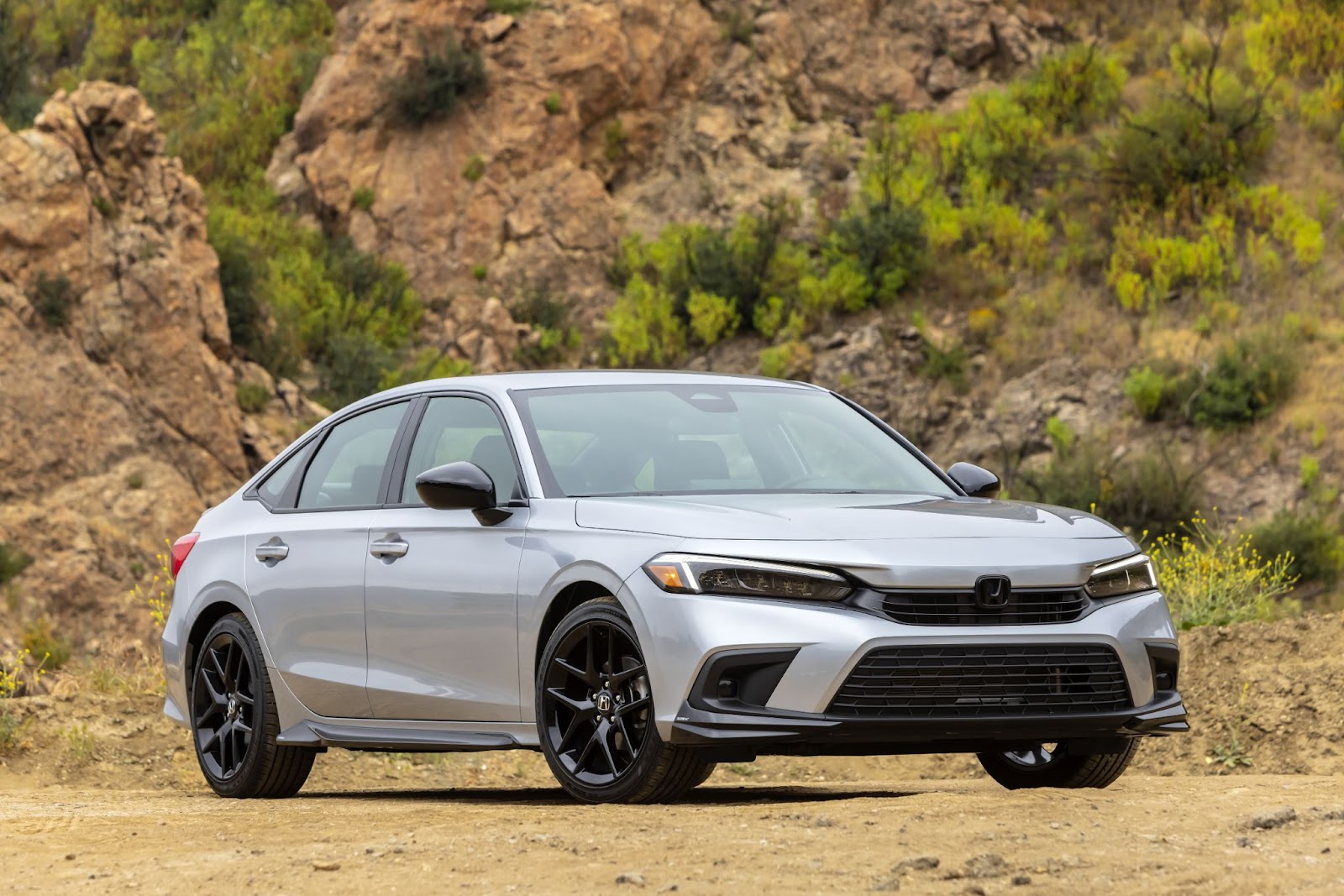
The Honda Civic, while renowned for its reliability, affordability, and efficiency, faces significant vulnerabilities when confronted with flood conditions. One of the biggest challenges is its low ground clearance, which leaves critical mechanical components such as the engine, transmission, and electrical systems exposed to floodwaters.
When water levels rise, the risk of water being drawn into the air intake, which is located low on the front end of the car, increases drastically. This can cause hydro-lock, a situation where water fills the engine’s cylinders, preventing the pistons from moving and resulting in catastrophic engine failure. Hydro-lock is usually irreversible, and the engine often requires a full rebuild or replacement, both of which are prohibitively expensive.
In addition to mechanical failure, the Civic’s electrical system is highly susceptible to water damage. Modern vehicles like the Civic rely heavily on complex electronics, including wiring harnesses, sensors, control units, and onboard computers. Floodwaters can cause short circuits, corrosion, and damage that is difficult to detect and repair.
Electrical failures may manifest as intermittent issues, such as malfunctioning lights, sensors, or engine management systems, which degrade vehicle performance and safety over time. Furthermore, the interior of the Honda Civic is designed for comfort rather than resilience to moisture. Water can seep into the carpets, seats, and door panels, promoting mold and mildew growth, which poses health risks and results in a lingering odor that is notoriously difficult to remove.
Once a Civic has been flooded, restoring it to safe working condition is an expensive and complicated process, often exceeding the value of the vehicle itself. Insurance companies frequently classify flood-damaged Civics as total losses due to the extensive repairs required and the risk of hidden future problems.
Even if repaired, flood-affected Civics can suffer from chronic electrical issues, reduced resale value, and persistent interior damage. For owners living in flood-prone areas, the Civic’s low stance and design limitations make it one of the least flood-resilient vehicles, highlighting the need for careful consideration before choosing this model in such environments.
2. Nissan Altima
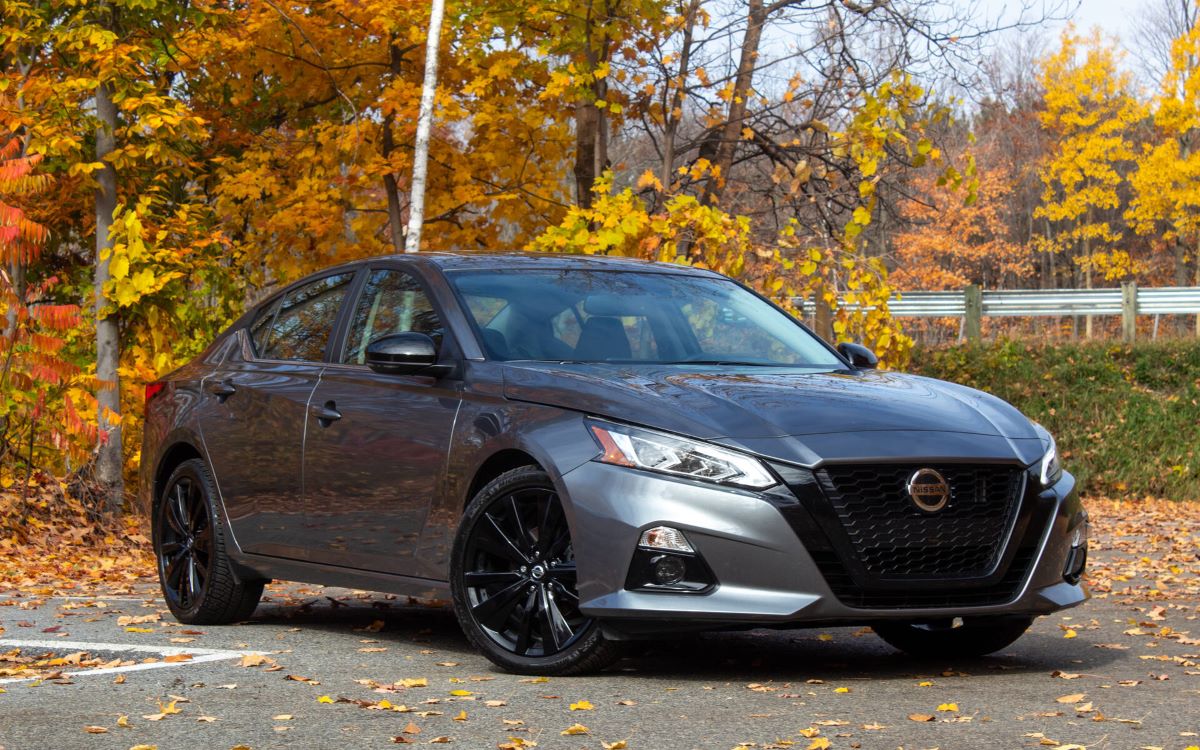
The Nissan Altima is a popular mid-size sedan known for its smooth driving experience and advanced safety features, but it fares poorly when faced with flooding. Similar to many sedans, the Altima’s design prioritizes comfort, fuel efficiency, and aerodynamics over ruggedness or water resistance.
Its low ground clearance leaves the engine bay, electrical systems, and air intake highly exposed to floodwaters, increasing the likelihood of severe damage. When floodwaters rise, water can enter the engine through the air intake, leading to hydro-lock and potential destruction of internal engine components like pistons and valves.
The Altima’s electrical components are tightly packed within the engine compartment and beneath the dashboard, where water intrusion can cause serious short circuits and corrosion. Such damage often fails in critical systems like engine management, transmission controls, airbags, and safety sensors.
Repairing or replacing these electronic components is costly and time-consuming, often requiring specialized diagnostic equipment and expert technicians. The interior materials, fabric seats, carpeting, and electronic controls are highly absorbent and prone to moisture damage.
Water trapped in the interior can cause mold and mildew, deteriorate upholstery, and damage infotainment systems, making the vehicle uncomfortable and unsafe to use without extensive refurbishment.
Even after repairs, many flood-damaged Altimas continue to experience electrical gremlins and lingering water damage effects, reducing their reliability and resale value significantly.
The Altima’s lack of water-resistant features and low profile make it particularly vulnerable during flash floods or heavy rains, situations that can render the vehicle inoperable or lead to insurance write-offs. Drivers living in areas with frequent flooding should be cautious about relying on sedans like the Altima, which are simply not designed to withstand significant water exposure.
3. Tesla Model 3
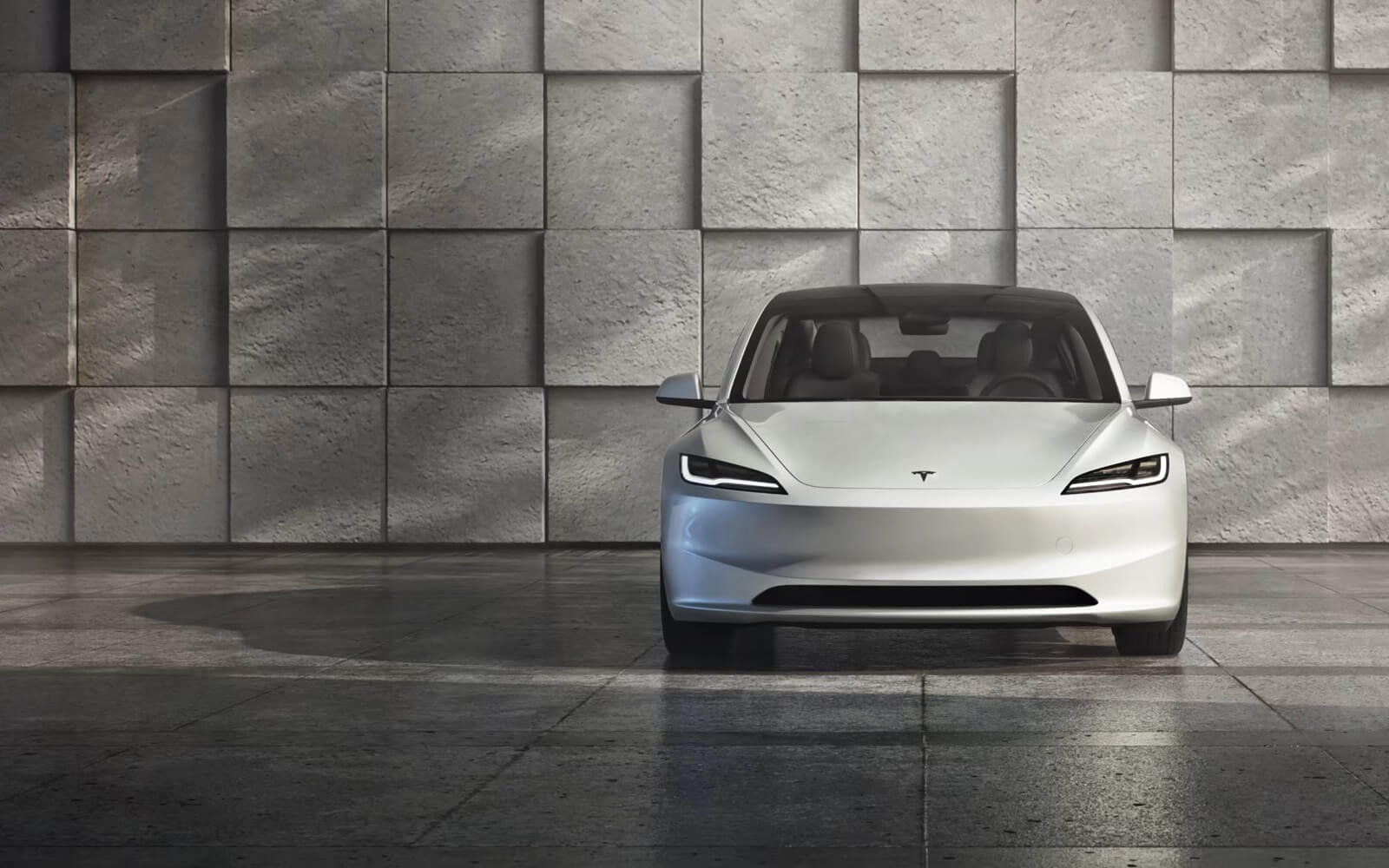
The Tesla Model 3, an innovative electric vehicle with a focus on technology and efficiency, encounters unique challenges when dealing with flood damage. Unlike traditional gasoline or diesel vehicles, electric vehicles depend entirely on their battery packs, electronic control units, and complex wiring systems, all of which are highly sensitive to water exposure.
While Tesla has designed its battery enclosures to be sealed and water-resistant, the extensive electrical architecture within the vehicle can still be compromised if floodwaters penetrate seals or enter through drainage points. The Model 3’s low ride height further increases the risk of water intrusion during floods, as many components sit close to the ground.
When water invades the battery pack or electrical systems, it can cause short circuits, corrosion, and permanent damage that often requires expensive repairs or total replacement of the affected parts. Unlike conventional engines, which can sometimes be rebuilt, flooded battery packs are complex and costly to replace, making flood damage particularly devastating to electric vehicles like the Model 3.
Beyond the mechanical damage, water exposure poses safety risks, including the potential for electrical fires or battery malfunctions after flood events. The vehicle’s sophisticated sensors, autonomous driving hardware, and infotainment systems are also vulnerable to moisture, and repairs often necessitate high-tech diagnostics and specialized knowledge.
Tesla owners dealing with flood damage often face lengthy repair times and significant costs, compounded by the limited availability of replacement parts and certified repair centers. Because of the Model 3’s advanced technology and reliance on electronics, even minor water exposure can lead to cascading failures or permanent malfunctions.
While the sealed battery pack is an impressive feature, the design of the Model 3 makes it unsuitable for deep water or prolonged flooding. Owners in flood-prone regions must take extra precautions, as flood damage can render the vehicle unsafe or uneconomical to repair.
4. Mini Cooper
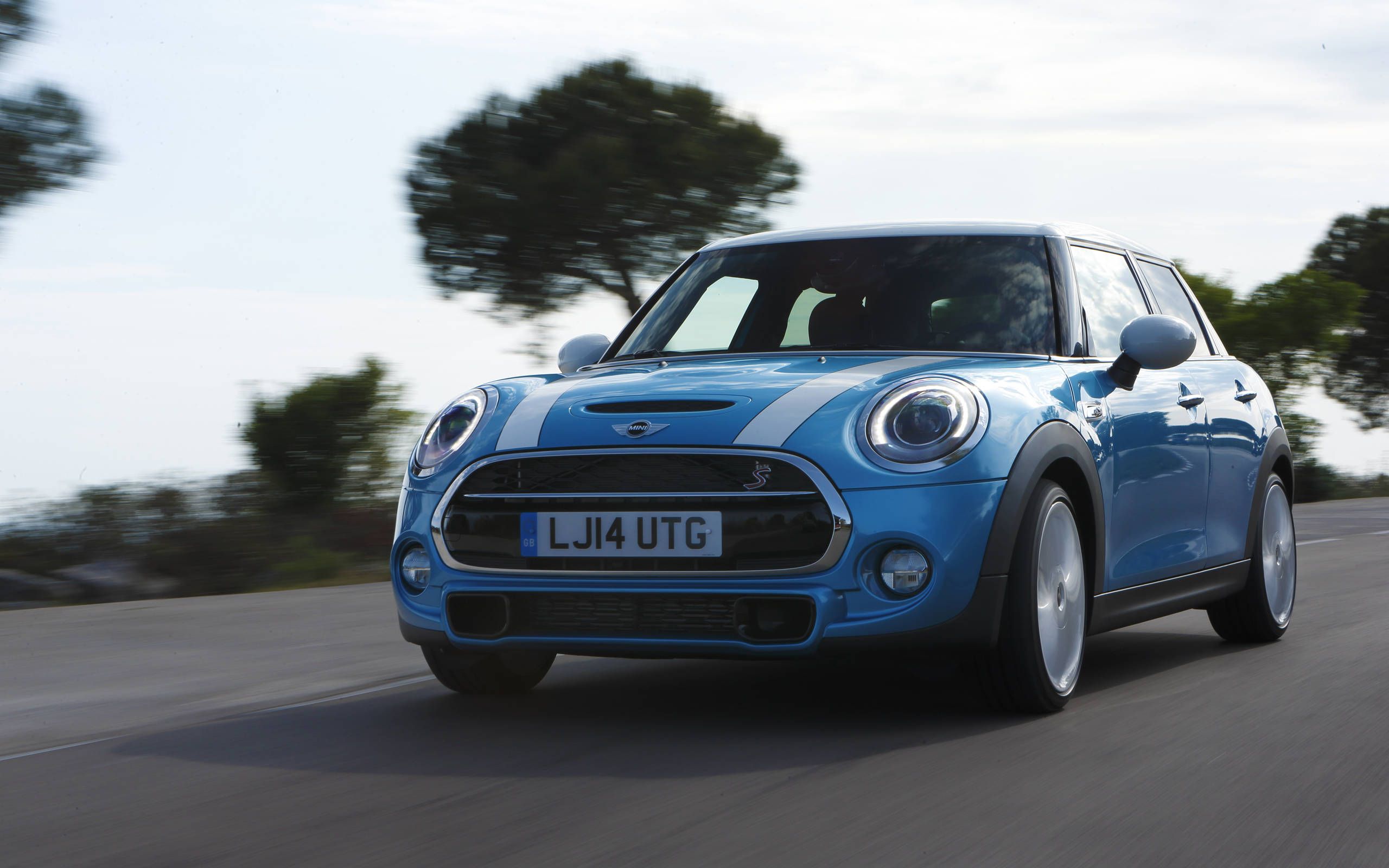
The Mini Cooper, known for its compact size and sporty handling, is not equipped to handle floodwaters effectively. Its low ground clearance means that water can quickly reach critical mechanical components, including the engine and transmission, during flooding events.
The air intake is positioned in a way that does not protect against water entry, making the engine vulnerable to hydro-lock if driven through or submerged in even shallow floodwaters. This can lead to catastrophic engine failure requiring expensive repairs or replacement.
The Mini Cooper’s electrical system is another area of vulnerability. With numerous sensors, control modules, and wiring densely packed within the engine bay and beneath the dashboard, water intrusion often causes shorts and corrosion. Repairing electrical faults in a Mini Cooper is typically complex and costly, as many components are tightly integrated and require precise calibration after replacement.
Inside the vehicle, the interior materials, including fabric seats and carpeting, are not designed to resist water damage, which means flooding often results in mold, mildew, and unpleasant odors that are difficult to eliminate. Electronics within the cabin, such as the infotainment system, climate controls, and power windows, are also at risk of malfunction due to water exposure.
Furthermore, the Mini Cooper’s compact design means that thorough cleaning and drying after a flood can be difficult, allowing moisture to linger and cause long-term issues. Owners of flood-damaged Minis often report persistent electrical problems and interior damage, reducing the vehicle’s safety, comfort, and resale value. Given these factors, the Mini Cooper is a poor choice for drivers who live in flood-prone areas or regions where sudden heavy rains are common.
5. Volkswagen Jetta
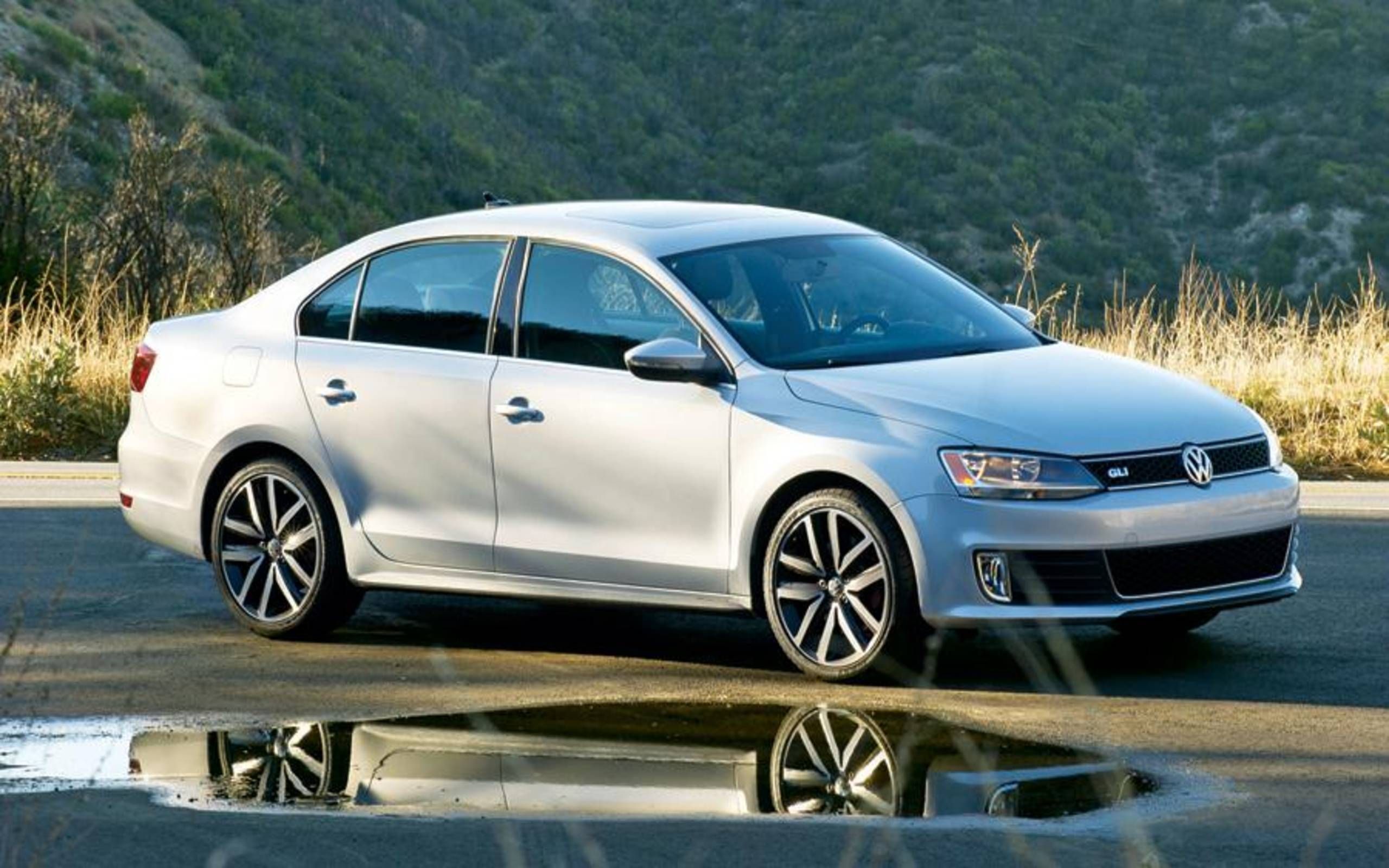
The Volkswagen Jetta is a widely sold compact sedan known for its solid build and European styling. Despite these strengths, it is vulnerable to flood damage for several reasons. The Jetta has low ground clearance, which leaves the engine, transmission, and electrical systems exposed to water during floods.
Its air intake system is located in a position that is easily submerged when driving through flooded roads, increasing the risk of water being drawn into the engine and causing hydro-lock, a common and often irreparable form of engine damage.
The Jetta’s electrical system is also susceptible to water damage. Floodwaters can infiltrate wiring harnesses, sensors, and control modules, leading to electrical shorts, corrosion, and component failures. These issues often manifest as intermittent faults or total system breakdowns, making the vehicle unsafe or unreliable.
Repairing such damage can be costly due to the specialized nature of Volkswagen’s electronics and the difficulty of diagnosing water-related problems. Additionally, the Jetta’s interior is not designed to withstand water exposure. Water can enter through door seals, window gaps, or floorboards, damaging upholstery, carpets, and onboard electronics. Mold growth, foul odors, and electrical malfunctions are common after flooding, often requiring extensive restoration or replacement of interior components.
Vehicles like the Jetta that suffer flood damage are frequently declared total losses by insurance companies due to the high cost and complexity of repairs. Many flood-damaged Jettas end up in salvage yards or are sold at significant discounts, carrying a risk of hidden electrical or mechanical problems for future owners.
For those living in flood-prone regions, the Jetta’s low stance and lack of water-resistant design features make it a risky choice compared to more rugged or flood-prepared vehicles.
Also Read: 5 Cars With Anti-Glare Cockpits vs 5 With Reflective Surfaces
Flooding presents a serious and often underestimated threat to vehicles, causing extensive mechanical, electrical, and interior damage that can be both costly and dangerous. As we’ve seen, not all vehicles are created equal when it comes to surviving such conditions.
The ability of a vehicle to endure floodwaters depends largely on its design, construction, and engineering choices made by manufacturers. Factors such as ground clearance, placement and sealing of the air intake, robustness of the electrical system, and the use of water-resistant materials all play critical roles in determining whether a vehicle can survive flood damage or succumb to it.
Vehicles like the Toyota Land Cruiser, Jeep Wrangler, Ford F-150, Land Rover Defender, and Mercedes-Benz G-Class are engineered with rugged environments in mind. Their higher ground clearance, sealed and elevated air intakes, durable frames, and protected electrical systems make them inherently more capable of handling flood conditions.
These vehicles not only have a better chance of maintaining engine and electronic functionality during floods but also tend to have interiors and undercarriages designed to resist water damage and facilitate quicker recovery. The availability of aftermarket modifications, such as snorkels, further enhances their ability to handle deep water crossings, proving invaluable in flood-prone regions.
Conversely, sedans and compact cars like the Honda Civic, Nissan Altima, Tesla Model 3, Mini Cooper, and Volkswagen Jetta face significant challenges in floodwaters. Their low ground clearance, vulnerable air intakes, and densely packed, often poorly sealed electrical components make them especially susceptible to water damage.
Once submerged, these vehicles frequently suffer from hydro-lock, electrical failures, and irreversible interior damage such as mold growth and corrosion. Repairing these issues is expensive and complex, often leading to insurance write-offs. For electric vehicles like the Tesla Model 3, flooding risks extend to high-voltage battery systems and intricate electronics that complicate repairs further, highlighting that advanced technology does not always equate to flood resilience.
The choice of vehicle should reflect the environment in which it will be driven. For those living in flood-prone areas, investing in vehicles with proven flood survival features can save significant time, money, and stress in the event of heavy rains or flash floods.
Even with rugged vehicles, proper maintenance, timely inspections, and preventive measures are essential to mitigate flood risks. Understanding the vulnerabilities and strengths of different vehicles helps consumers make informed decisions, ensuring safety, reliability, and peace of mind on the road, regardless of the weather.
