
Jeep has long been synonymous with rugged off-road capability and adventurous spirit. Central to this reputation are the engines that power these vehicles, each contributing uniquely to their performance and reliability.
Over the years, Jeep has introduced a variety of engines, some of which have stood the test of time, while others have faced criticism for various issues. Understanding which engines have proven their mettle and which have faltered can guide prospective buyers and enthusiasts in making informed decisions.
This article delves into five Jeep engines renowned for their strength and reliability, contrasting them with five that have garnered a reputation for underperformance or reliability concerns.
Also Read: 5 Affordable Pickups That Run Strong and 5 That Just Don’t Last
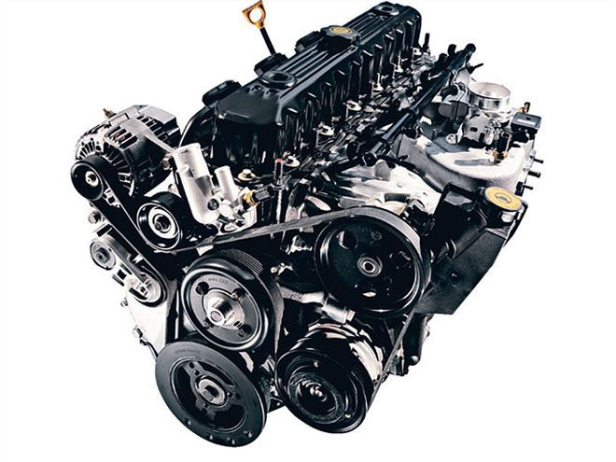
1. 4.0L Inline-Six (1987–2006)
The 4.0L Inline-Six engine is often considered one of the most reliable and durable engines ever produced by Jeep. Introduced in 1987, it quickly became a hallmark of Jeep’s powertrain lineup, powering models such as the Cherokee XJ, Wagoneer, and Wrangler TJ for nearly two decades.
What set this engine apart was its combination of simplicity, robustness, and mechanical soundness. Built with a cast-iron block and forged steel components, the 4.0L was designed to withstand the rigors of off-road driving, long-distance travel, and heavy-duty use.
It was this sturdy foundation that earned it legendary status among Jeep enthusiasts, many of whom praise its ability to run strong well beyond 200,000 miles with minimal issues when properly maintained. The inline-six configuration itself is inherently balanced, offering smooth power delivery and reduced vibration compared to V6 or V8 engines of similar displacement, which contributed to its longevity.
Mechanically, the 4.0L engine boasts features that make it both powerful and reliable. It delivers a solid output of approximately 190 horsepower and 225 lb-ft of torque, providing plenty of low-end grunt that off-roaders appreciate when crawling over rocks or climbing steep trails.
The simplicity of its design meant fewer parts to fail, and the ease of maintenance made it popular among DIY mechanics. Many owners found it straightforward to replace common wear parts such as sensors, gaskets, and timing components without requiring specialized tools or expensive labor.
Moreover, the engine’s fuel delivery and ignition systems were tuned to favor reliability and torque over outright performance, which suited the Jeep’s utilitarian nature perfectly. Even when pushed hard, the 4.0L remained resilient, rarely overheating or suffering catastrophic failures that plagued less well-designed engines.
However, despite its strengths, the 4.0L Inline-Six was not entirely without issues. Some common problems that have been reported include cracked exhaust manifolds, which tend to develop leaks over time due to thermal cycling and vibrations. These leaks can cause increased engine noise, reduced performance, and, in some cases, affect emission test results.
Another issue relates to oil leaks, particularly from the rear main seal and valve cover gaskets, which are prone to deteriorating after years of use. Additionally, sensors such as the crankshaft position sensor can fail, causing starting or stalling problems, but these are relatively easy to diagnose and replace.
Importantly, these issues rarely compromised the engine’s integrity or lifespan if addressed promptly and consistently. It’s worth noting that many of the reported problems were due to age and lack of maintenance rather than inherent flaws in the engine’s design.
One of the most significant factors contributing to the 4.0L’s reputation is the strong community support and aftermarket availability. Given its popularity, replacement parts, upgrades, and rebuild kits are abundant, making it easier for owners to keep their engines running smoothly for decades.
Many enthusiasts appreciate the engine’s capability to handle modifications, such as adding forced induction or tuning for increased power, without sacrificing reliability when done correctly. For those who value longevity and a proven track record, the 4.0L Inline-Six remains a top contender.
Its enduring appeal is not just about performance statistics but about the confidence that owners have in its ability to keep going, whether on daily commutes or challenging off-road excursions. In summary, the 4.0L Inline-Six is an engine that truly embodies the durability and rugged spirit of Jeep.
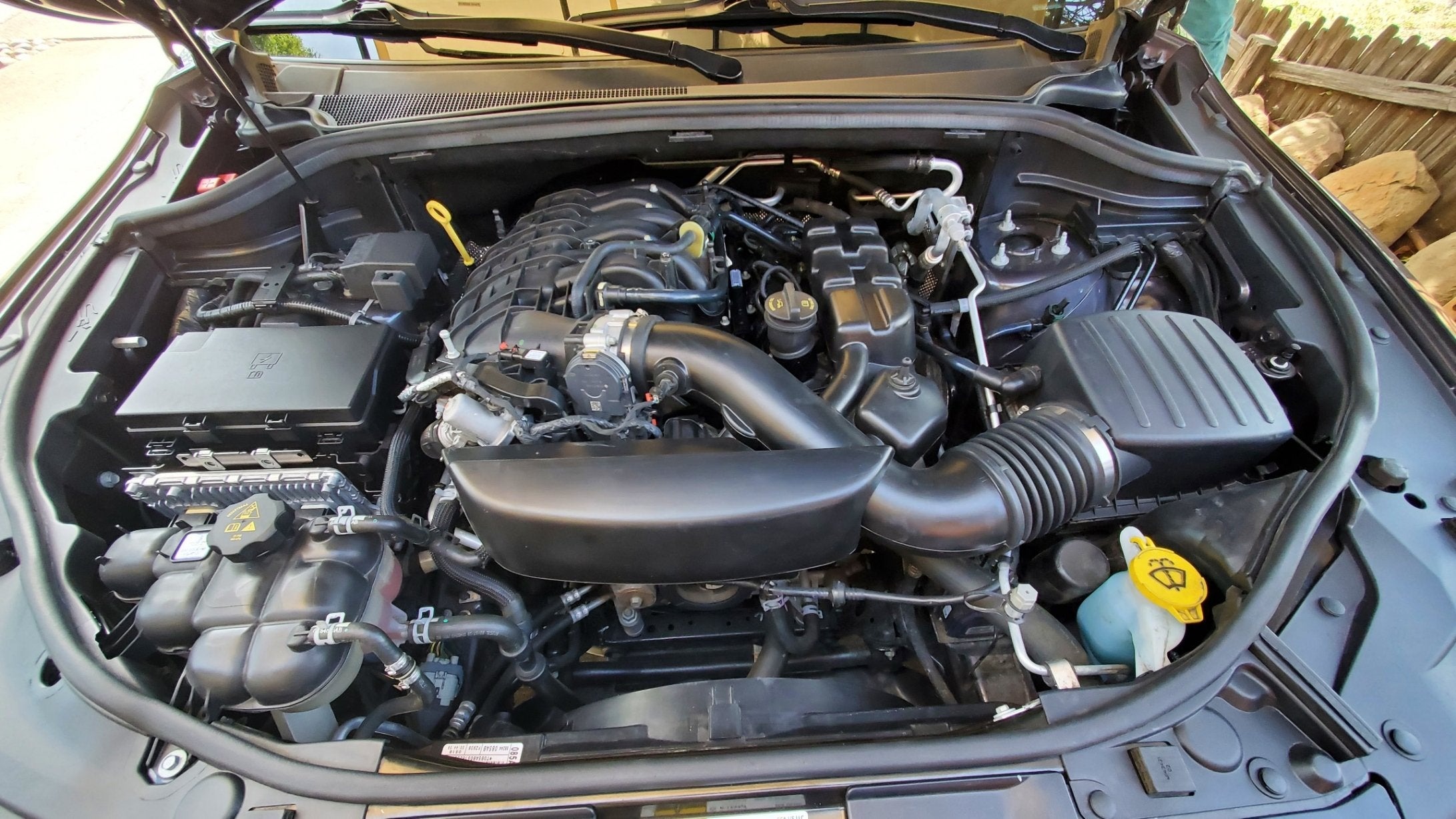
2. 3.6L Pentastar V6 (2012–Present)
The 3.6L Pentastar V6 engine represents a major leap forward in Jeep’s engineering, bringing modern technology and improved efficiency to the brand’s powertrain options. First introduced in 2012, the Pentastar quickly became a cornerstone engine for many Jeep models, including the Grand Cherokee, Wrangler, and Gladiator.
It replaced several older engines, aiming to provide a more balanced blend of power, fuel economy, and emissions compliance without sacrificing the rugged capability that Jeep owners expect.
The 3.6L displacement offers a good balance between size and output, and the engine’s aluminum block construction helps reduce weight compared to older cast-iron blocks, positively affecting handling and fuel economy. The Pentastar also features advanced technologies such as variable valve timing (VVT), which optimizes performance and efficiency across a wide range of driving conditions.
Under the hood, the 3.6L Pentastar delivers a competitive 285 horsepower and around 260 lb-ft of torque, providing enough muscle for everyday driving and light to moderate off-road use. The engine’s smooth power delivery and modern fuel management contribute to a driving experience that feels refined, especially compared to older Jeep engines known for being more rugged and noisy.
This refinement makes the Pentastar well-suited for a broader audience, from urban drivers to adventure seekers. Many drivers appreciate the engine’s responsiveness, particularly in highway cruising and acceleration, where it balances power and fuel economy effectively.
The Pentastar’s design also incorporates direct injection and an advanced intake manifold, which help improve combustion efficiency and reduce emissions, aligning Jeep with increasingly stringent environmental regulations.
Despite these strengths, the Pentastar V6 has faced its share of challenges, especially during its early years. One of the more issues involved the cylinder heads, where early models sometimes suffered from cracking or failure, potentially leading to costly repairs or engine replacement.
These problems were serious enough to warrant recalls and extended warranties in some cases. Over time, Chrysler addressed these concerns through design revisions and improved manufacturing processes, and later versions of the engine have shown much better reliability records.
Nevertheless, the early issues serve as a reminder that even modern engines are not immune to growing pains, and regular maintenance, such as timely oil changes and coolant checks, is essential to maximize engine lifespan. Many owners who have maintained their Pentastar-equipped Jeeps carefully report that the engine runs strong with few issues beyond normal wear and tear.
Another important factor contributing to the Pentastar’s success is its adaptability across Jeep’s varied lineup. This engine powers everything from the family-friendly Grand Cherokee to the rugged Wrangler and Gladiator, which means it has to perform well under diverse conditions.
The 3.6L V6 has proven to be versatile, capable of towing moderate loads, handling off-road obstacles, and delivering comfortable highway performance. Its wide adoption within Jeep’s product range has also led to a broad availability of aftermarket parts, performance upgrades, and technical knowledge shared by enthusiasts and mechanics alike.
For buyers seeking a relatively modern Jeep engine with solid performance and the potential for long-term reliability, the Pentastar V6 stands out as a well-rounded choice. It combines contemporary engineering advancements with the heritage of Jeep’s off-road reputation, striking a balance that appeals to a wide variety of Jeep drivers.
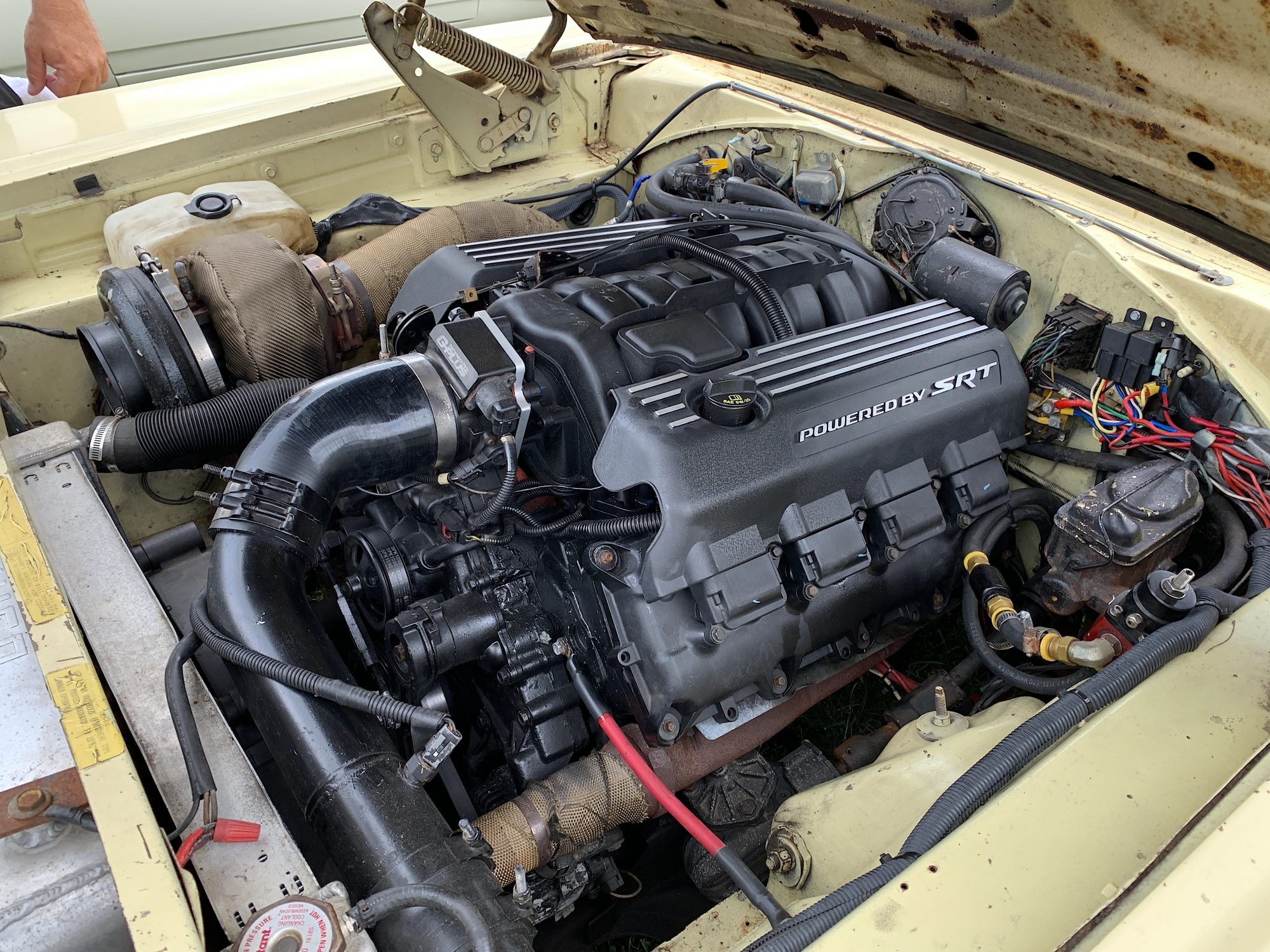
3. 5.7L HEMI V8 (2004–Present)
The 5.7L HEMI V8 engine is a powerful and iconic engine option within the Jeep lineup, especially in models like the Grand Cherokee and Commander. Introduced in 2004, the HEMI brought a significant boost in horsepower and torque, catering to drivers who demanded strong performance and towing capability.
With its signature hemispherical combustion chambers, the engine provides efficient airflow and combustion, leading to robust power output. The 5.7L HEMI typically delivers around 360 horsepower and more than 390 lb-ft of torque, making it one of the most potent engines Jeep has offered.
This power enables aggressive acceleration, confident highway passing, and the ability to tow heavy loads with relative ease, which is important for those who use their Jeeps for hauling trailers, boats, or other equipment.
Owners often praise the 5.7L HEMI V8 for its smooth and responsive nature, especially when merging onto highways or climbing steep grades. The engine’s sound is also a big part of its appeal, offering a throaty and muscular exhaust note that enhances the driving experience.
Beyond raw power, the HEMI incorporates technologies such as variable camshaft timing and cylinder deactivation, which improve fuel economy by shutting down four cylinders during light-load driving conditions. This helps mitigate one of the biggest criticisms of large V8 engines, poor fuel efficiency.
Even with these advancements, however, the HEMI’s thirst for fuel remains a consideration for many owners. Operating costs can be high, especially for drivers who do a lot of city driving or frequently tow heavy loads, where the fuel economy benefits are less pronounced.
Reliability-wise, the 5.7L HEMI V8 is generally solid but not without some caveats. Some owners have reported issues such as oil consumption problems, lifter failures, and occasional misfires, which can be costly to diagnose and repair. The engine’s complexity compared to simpler inline or V6 engines means that maintenance and repairs can be more expensive.
Additionally, the HEMI’s higher performance orientation can lead to increased wear on components when subjected to heavy or aggressive use. That said, many owners experience trouble-free operation when adhering to recommended maintenance schedules and using quality fluids and parts.
The engine’s rugged design and widespread use across Chrysler’s lineup have also led to a healthy aftermarket support network, making replacement parts relatively easy to find.
Another important consideration for the 5.7L HEMI V8 is its role in enhancing Jeep’s reputation for blending performance with utility. It appeals to drivers who need an engine that can handle demanding tasks without compromising on excitement or capability.
Whether towing a trailer on a cross-country trip or powering through rough terrain, the HEMI delivers consistent and reliable power. Its presence in Jeep’s lineup broadens the brand’s appeal to customers looking for muscle alongside off-road credibility.
While it may not be the most fuel-efficient or lowest-maintenance option, the 5.7L HEMI remains a favorite for enthusiasts who prioritize power, durability, and the distinctive character that only a V8 can provide.
4. 3.1L TD Diesel (1999–2002)
The 3.1L TD Diesel engine was a unique option in Jeep’s lineup, primarily in European markets between 1999 and 2002. Developed by VM Motori, this engine was a turbocharged diesel four-cylinder designed to offer Jeep drivers a balance of power, fuel efficiency, and longevity.
Diesel engines inherently have a reputation for durability due to their robust construction and high compression ratios, and the 3.1L TD was no exception. It found favor among drivers who needed a reliable powertrain that could deliver strong torque at low RPMs, which is especially useful in off-road situations and towing.
The turbocharger enhanced the engine’s output, helping it deliver better performance compared to naturally aspirated diesel engines, while still maintaining excellent fuel economy, a critical factor for many European drivers facing higher fuel costs.
Despite its strengths, the 3.1L TD Diesel engine had its limitations and challenges. Its availability was mostly limited to European markets, which means parts and expertise for this engine are less common in the United States and other regions. This can make maintenance and repairs more difficult and potentially more expensive outside Europe.
Diesel engines generally require more specialized servicing than gasoline engines, including regular checks of the fuel injection system, glow plugs, and turbocharger components. Furthermore, the 3.1L TD Diesel lacks the outright horsepower of some gasoline engines, which can result in slower acceleration and less top-end power.
However, this trade-off is often acceptable for drivers prioritizing fuel economy and torque over speed. Some owners also report that early versions of the engine could suffer from issues like turbocharger failure or injector problems, although these were not widespread and often related to neglect or poor maintenance.
The 3.1L TD Diesel remains a solid engine for those seeking durability and fuel efficiency in a Jeep. Its design reflects the needs of a niche group of drivers who require strong torque, long-range capability, and the ability to handle tough driving conditions.
5. 2.5L AMC Inline-Four (1986–2002)
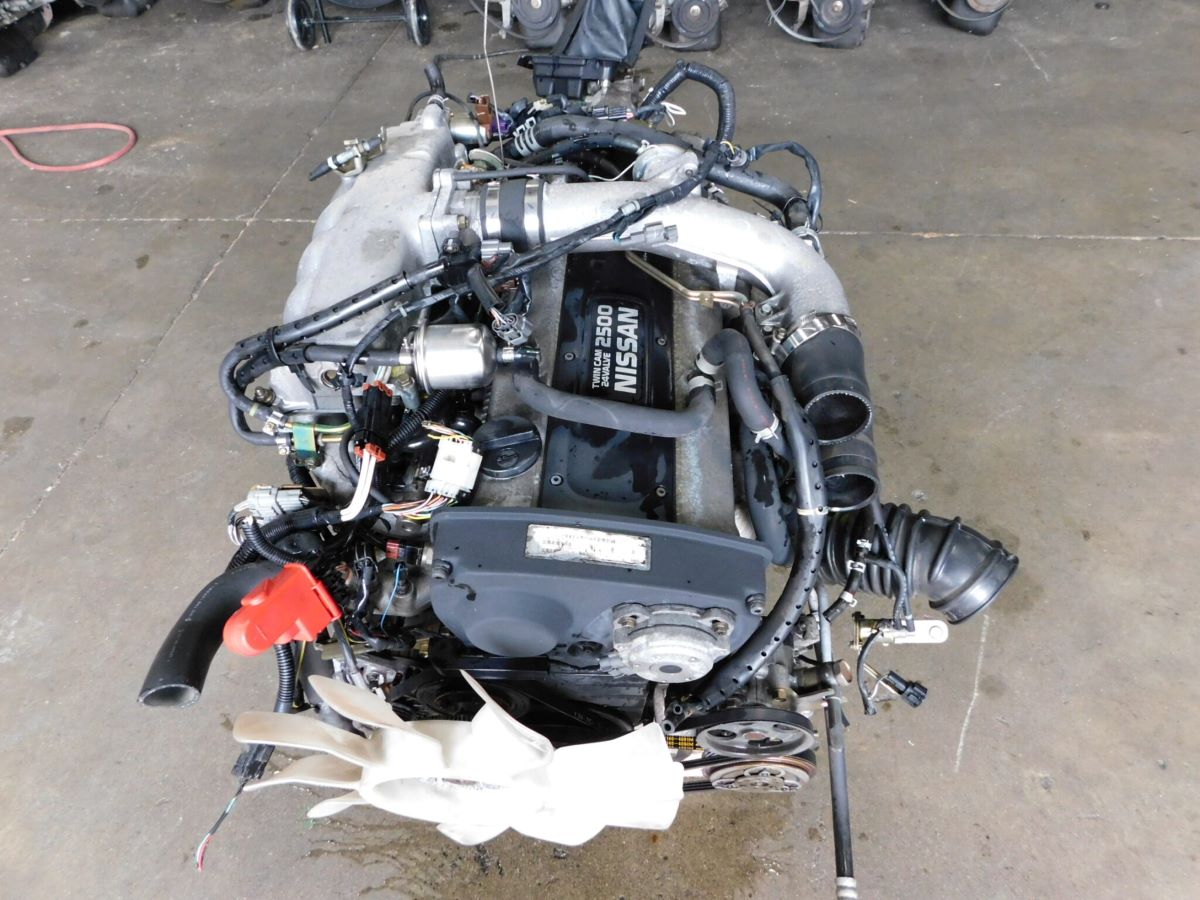
The 2.5L AMC Inline-Four engine played an important role in Jeep’s engine lineup, particularly in models such as the Wrangler YJ and early Cherokee XJ throughout the late 1980s to the early 2000s. This engine was designed as a simple, reliable, and lightweight powertrain option, providing adequate performance for those who did not need the additional power or torque offered by larger engines.
Its low weight compared to larger engines helped improve fuel efficiency, a factor that appealed to budget-conscious buyers. Many drivers appreciated the engine’s predictable and smooth operation, which made the Jeep accessible and manageable for everyday driving conditions. The 2.5L Inline-Four also tended to deliver decent fuel economy, especially when compared to the larger inline-six or V8 options available during the same era.
Despite its strengths, the 2.5L Inline-Four engine had limitations that became more apparent over time. Its relatively low power output meant that it struggled with heavier loads, such as towing or climbing steep hills, especially in fully loaded or off-road configurations.
Many owners eventually upgraded to the more powerful 4.0L Inline-Six for these reasons. Additionally, as these engines aged, common issues such as oil leaks, worn timing chains, and carburetor or fuel injection problems emerged, which required regular maintenance to avoid performance degradation.
The simplicity of the design could be a double-edged sword, as it lacked some of the modern features that help engines run cleaner, smoother, and more efficiently. This meant that owners had to be vigilant in their maintenance practices to keep the engine running strong.
Despite these drawbacks, the 2.5L AMC Inline-Four remains a respected engine in Jeep circles, especially among those who value longevity, ease of maintenance, and economical operation. Its role as an entry-level engine made Jeep ownership more accessible to a wider audience, especially those looking for a rugged vehicle without the high running costs of larger engines.
Enthusiasts also appreciate its straightforward design when it comes to rebuilding or modifying the engine for specific purposes. While it may not have the raw power or cachet of some of Jeep’s more famous engines, the 2.5L Inline-Four has earned its place as a reliable workhorse that can deliver dependable performance when cared for properly. In many ways, it represents the essence of Jeep’s practical and utilitarian roots.
Also Read: 5 Pickups with Tailgates That Last Forever and 5 That Break in a Year
6. 3.7L PowerTech V6 (2007–2011)
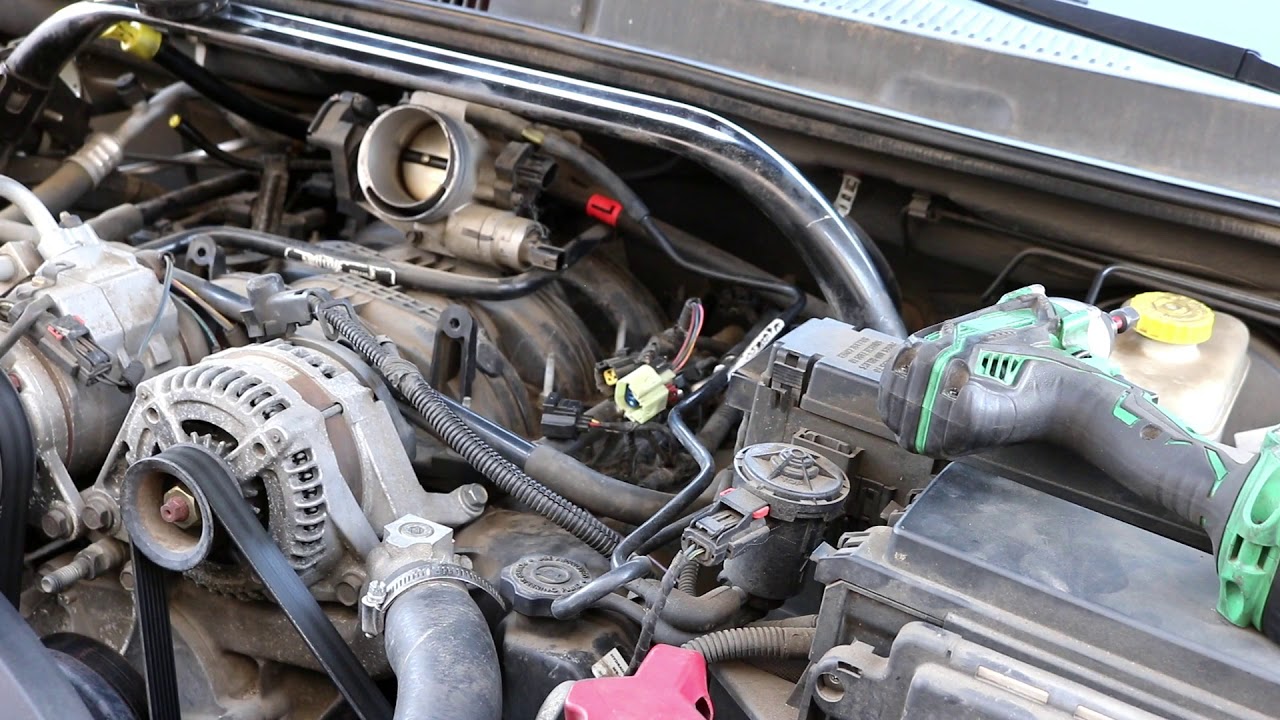
The 3.7L PowerTech V6 engine was introduced as a successor to Jeep’s earlier V6 offerings, appearing in models such as the Jeep Wrangler JK and Liberty during the late 2000s. Designed to offer improved power and efficiency, this engine promised to modernize Jeep’s V6 lineup.
However, despite initial optimism, the 3.7L PowerTech developed a reputation for reliability issues that undermined its long-term appeal. The engine delivered approximately 210 horsepower and 235 lb-ft of torque, figures that seemed respectable on paper, but many owners soon encountered problems that affected both performance and durability.
Common complaints about the 3.7L PowerTech include premature failures of the timing chain and tensioner, which could lead to serious engine damage if not addressed promptly. These timing components were prone to stretching and wear, resulting in noisy operation and potential misalignment of internal parts.
Another frequent issue involved excessive oil consumption, where the engine would burn oil at rates far higher than normal, necessitating frequent top-ups and raising concerns about internal engine wear. Additionally, the 3.7L suffered from cooling system problems, including thermostat failures and water pump issues, which sometimes led to overheating and subsequent engine damage.
Despite these drawbacks, the engine did bring some improvements in emissions and fuel efficiency compared to older V6 units. However, the reliability concerns overshadowed these benefits, leading many owners to seek engine swaps or opt for alternative powertrains.
While the 3.7L PowerTech is still found in the used market, prospective buyers should be cautious and ensure thorough inspection and maintenance history before committing.

7. 2.4L Tigershark Inline-Four (2012–Present)
The 2.4L Tigershark Inline-Four engine is a modern engine found in many Jeep models such as the Jeep Cherokee and Compass. Designed for fuel efficiency and compliance with stricter emissions standards, the Tigershark aims to balance performance with economy.
Unfortunately, it has faced criticism for underwhelming power output and several reliability issues. Producing around 180 horsepower and 170 lb-ft of torque, the engine sometimes struggles with the weight of the vehicles it powers, resulting in sluggish acceleration and less responsive throttle feel compared to larger engines.
Owners have reported multiple mechanical issues, including timing chain tensioner failures, which can cause serious engine damage if left unchecked. The timing chain system in the Tigershark has been a particular point of failure, with some engines developing rattling noises early in their life cycle.
Additionally, the engine has been prone to oil leaks from valve cover gaskets and issues with the cooling system, leading to overheating complaints.
Some Tigershark-equipped Jeeps also experience rough idling and stalling problems, which can be traced back to intake manifold or sensor malfunctions. These reliability concerns have led to increased warranty claims and a less-than-stellar reputation in Jeep communities.
Despite its drawbacks, the Tigershark engine is relatively simple and lightweight, contributing to better fuel economy compared to larger engines. However, many Jeep owners find its lack of power and persistent reliability problems frustrating, especially in heavier vehicles like the Cherokee.
For those considering a used Jeep with the Tigershark engine, thorough mechanical inspection and awareness of these potential issues are critical. The engine’s ongoing refinements have improved reliability somewhat in newer models, but skepticism remains among some buyers.
8. 3.8L V6 (2002–2006)
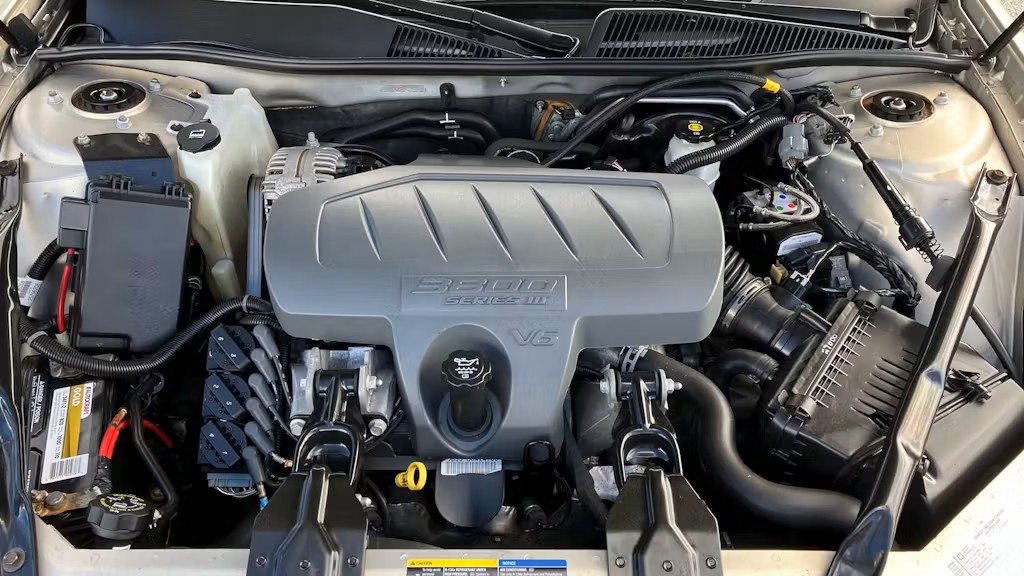
The 3.8L V6 engine was commonly found in the Jeep Liberty and Wrangler during the early 2000s. While this engine initially provided reasonable performance figures, producing around 202 horsepower and 237 lb-ft of torque, it quickly developed a reputation for multiple reliability problems.
The 3.8L V6 is often cited by Jeep owners and mechanics as one of the less dependable engines in the brand’s history, with numerous reports of premature failures and costly repairs.
One of the major issues with the 3.8L was its tendency to overheat, often linked to cooling system malfunctions such as faulty thermostats and radiator failures. Overheating led to warped cylinder heads and blown head gaskets, which are expensive and labor-intensive to repair.
Additionally, the 3.8L engine suffered from timing chain tensioner problems similar to other Jeep engines, resulting in rattling noises and in some cases, catastrophic engine damage if not addressed.
Oil leaks and ignition coil failures were also common complaints, further undermining the engine’s reliability. Many owners experienced rough running and stalling, which were sometimes caused by fuel injection or sensor issues, adding to the engine’s frustrating reputation.
While the 3.8L V6 delivered adequate power for daily driving, its maintenance costs and reliability issues led many owners to seek engine swaps or avoid it altogether. This engine highlighted some of the challenges Jeep faced during that era in balancing performance, emissions, and durability.
For buyers of used Jeeps equipped with the 3.8L V6, a thorough inspection and a willingness to invest in maintenance are essential. In summary, the 3.8L V6 is often viewed as an engine that falls short of Jeep’s traditionally strong reputation for durability.
9. 2.5L Chrysler Inline-Four (2007–2010)
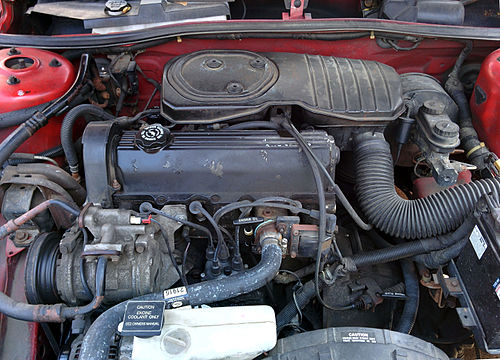
The 2.5L Chrysler Inline-Four engine was used primarily in Jeep models like the Compass and Patriot during the late 2000s. Intended to provide a balance of fuel efficiency and modest performance, this engine unfortunately did not meet expectations in either area.
With a power output around 172 horsepower and 165 lb-ft of torque, the engine was underpowered for many drivers, especially considering the weight of the vehicles it powered. This led to sluggish acceleration and lackluster highway performance, making it unpopular among Jeep owners looking for a more spirited driving experience.
Beyond its weak performance, the 2.5L inline-four developed a reputation for various reliability issues. One of the common problems was excessive oil consumption, often due to premature wear of piston rings or valve seals. This led to increased maintenance costs and potential engine damage if oil levels were not monitored closely.
The engine also experienced timing chain tensioner failures, similar to other Jeep four-cylinder engines, which could cause engine knocking or worse if not addressed.
Some owners reported cooling system troubles, including thermostat failures that caused overheating, putting additional strain on the engine. Electrical gremlins such as faulty sensors and ignition coil problems further detracted from the engine’s reliability.
In terms of design, the 2.5L engine was relatively simple but did not incorporate many of the newer technologies that have improved reliability and performance in modern engines. Its outdated architecture contributed to a rougher driving experience and increased wear over time.
For used Jeep buyers, the 2.5L Chrysler Inline-Four represents a powertrain option best approached with caution, particularly if the vehicle’s maintenance history is unclear. While it did serve as an entry-level option in Jeep’s lineup, its underwhelming performance and reliability concerns limit its appeal compared to more robust engines.
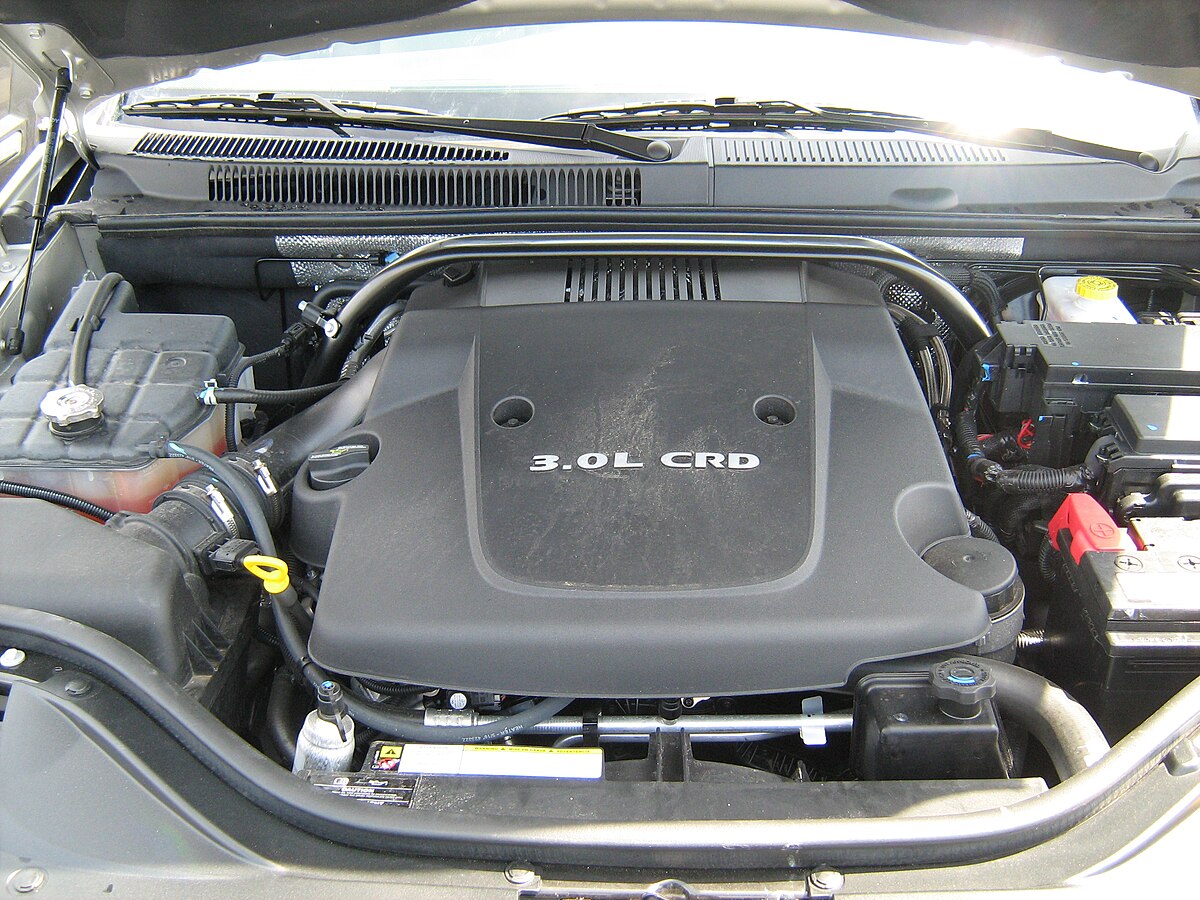
10. 3.0L CRD Diesel (2007–2012)
The 3.0L CRD (Common Rail Diesel) engine was used primarily in Jeep Grand Cherokee models outside the U.S., offering a diesel alternative with better fuel economy and torque characteristics.
Built by Mercedes-Benz, the engine produced around 215 horsepower and 376 lb-ft of torque, which on paper seemed like a good balance of performance and efficiency. However, the 3.0L CRD developed a reputation for several costly reliability issues that have affected its long-term appeal.
One of the most significant problems associated with the 3.0L CRD diesel engine is the failure of the fuel injection system, specifically the common rail injectors and fuel pump. Failures in these components can lead to rough running, hard starting, loss of power, and in some cases, complete engine shutdown.
Repairs to the fuel system can be very expensive and labor-intensive, leading to high maintenance costs. Another common issue is the diesel particulate filter (DPF) clogging, which affects engine performance and requires regular regeneration or replacement. Additionally, the engine has been known to suffer from coolant leaks and turbocharger failures, both of which can cause overheating and further mechanical damage.
