
Pickup trucks have long been considered the workhorses of the automotive world. Built for hauling, towing, and navigating tough terrain, they’ve earned a reputation for durability and strength. But not all pickups age equally. Some remain dependable after decades of use, shrugging off miles, weather, and wear.
Others, unfortunately, begin to show their flaws once the years pile on, with declining performance, rust issues, or costly repairs. When someone buys a truck, especially used, the long-term outlook matters just as much as the short-term performance.
That’s why it’s helpful to look at models that are known for standing the test of time, and those that are often best avoided if you’re planning to keep the truck for the long haul.
The factors that affect longevity in pickups are often tied to build quality, engineering decisions, and even the simplicity of their design. Some trucks are blessed with engines that seem indestructible and frames that resist corrosion.
Others might perform great in their early years but slowly become a headache due to poor reliability ratings, transmission failures, or rust-prone underbodies. It’s not always about brand loyalty, either. While certain brands are known for producing reliable trucks, they’ve also had some missteps that disappointed long-time fans.
This article looks at five pickups that have proven themselves after 20 years, earning the trust of owners who still drive them every day. Then, it will highlight five pickups that tend to fall apart over time, often leaving drivers frustrated and facing high repair bills.
If you’re shopping for a used truck or just want to know which models have aged well, this list is for you. Each truck on the list is discussed with real-world durability, common issues, and long-term ownership in mind. Whether you’re a lifelong truck fan or a curious buyer, understanding which models hold up and which ones don’t can save you time, money, and stress down the road.
Also Read: 5 Pickups with Tailgates That Last Forever and 5 That Break in a Year
5 Pickups That Stay Solid After 20 Years
1. Toyota Tacoma (2000s Models)
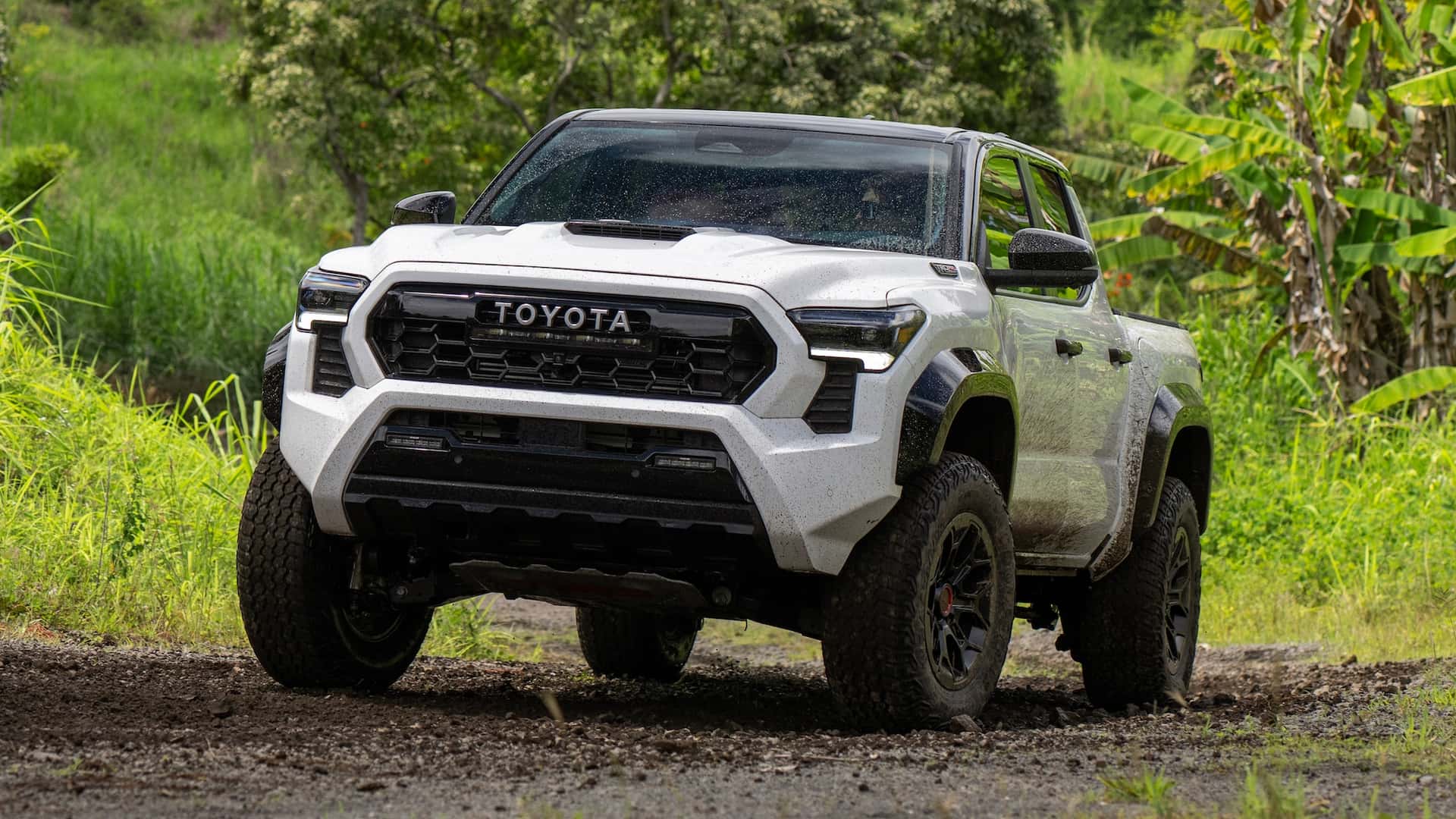
The Toyota Tacoma from the early 2000s has earned a legendary status for reliability. These trucks are often found with over 300,000 miles on the odometer, still running strong. The 2.7L four-cylinder and the 3.4L V6 engines in these models are widely respected for their durability.
Many mechanics praise the Tacoma for being easy to work on, with parts that are reasonably priced and rarely needing replacement beyond basic maintenance. Owners often note that the truck still feels solid after decades of use, with few squeaks or rattles even after extended exposure to harsh environments.
One major advantage of the Tacoma is its simplicity. Toyota focused on making a truck that was functional, rather than flashy. The interior might be basic compared to newer models, but the lack of complicated electronics means fewer things go wrong over time.
The four-wheel-drive system is particularly tough, and off-roaders love the Tacoma for its ability to handle rugged trails and rough conditions. Whether it’s used for work or adventure, it rarely lets people down. These trucks also have a high resale value, showing how much confidence people still have in them even after so many years.
Rust was a problem in certain years, especially 1995–2000 models, and Toyota even issued buybacks or frame replacements for some trucks. However, once those issues were resolved or the truck was properly undercoated, the vehicle itself continued to run strong.
It’s not uncommon to see older Tacomas still being used for daily commutes or hauling loads to job sites. Many owners simply don’t want to part with them because of how dependable they are.
People who bought these trucks new often talk about how little they’ve had to invest in repairs over 20 years. Regular oil changes, brake replacements, and maybe a clutch if it’s a manual, are the most common expenses. The Tacoma represents the ideal pickup for someone who values consistency and longevity without the need for luxury or high-end features.
2. Ford F-150 (2000–2004)
The Ford F-150 from the early 2000s is another truck that stands up to the test of time. While Ford trucks have had their ups and downs, this generation earned a reputation for being rock-solid.
The 4.6L and 5.4L Triton V8 engines were widely used, and while they weren’t without their quirks, they could rack up hundreds of thousands of miles with basic care. These engines are found in countless fleet vehicles, which speaks volumes about their longevity. The frame and body of the F-150 were also quite durable, and the truck was built with simplicity in mind.
Many of these trucks were sold for work purposes, and they were used hard from day one. That makes their lasting power even more impressive. It’s common to find them still running after 20 years with minimal major repairs.
Transmission life varied depending on usage, but for those who didn’t abuse their trucks with heavy towing or off-roading, the powertrain held up well. Even though the ride quality isn’t as refined as modern trucks, these older F-150s were comfortable enough for long drives.
The parts availability is another strong point in favor of these trucks. Because so many were sold, finding affordable components at junkyards or auto parts stores is easy. DIY repairs are straightforward, and there’s a huge online community around these trucks to help solve common problems.
The cabin was basic but functional, and many owners report that their interiors held up surprisingly well, even after years of wear and tear. Seats, dashboards, and door panels resisted cracking and sagging better than some competitors.
One thing that makes the F-150 appealing over the long run is how much truck you get for the money. These aren’t collector vehicles, so they tend to be priced fairly in the used market. If you can find one with service records and no rust, it’s often a better buy than a newer, more complex model. For someone looking for a long-term truck that doesn’t break the bank, these early-2000s F-150s are a smart choice.
3. Chevrolet Silverado 2500HD (2001–2006)
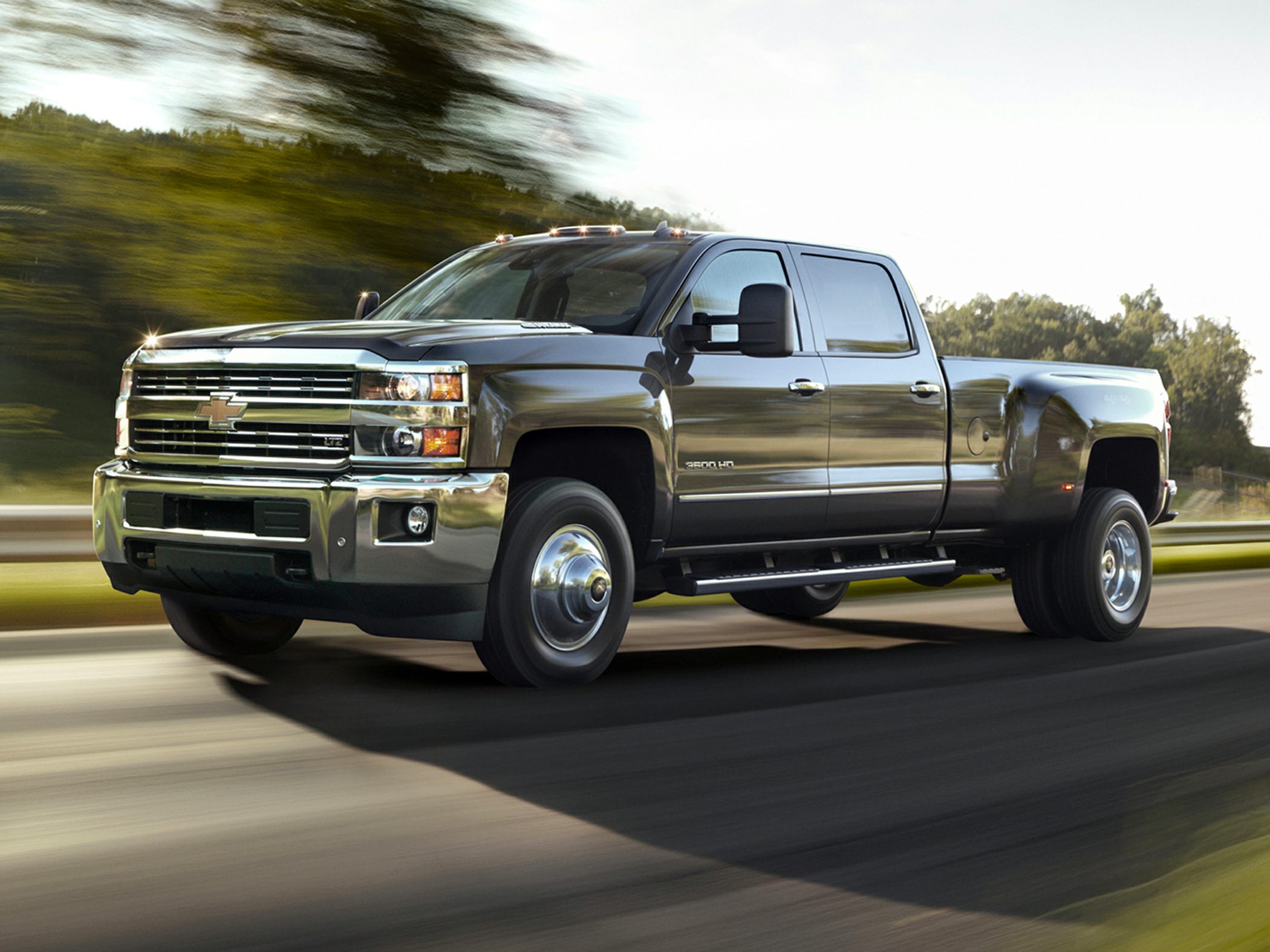
The Silverado 2500HD, particularly with the 6.6L Duramax diesel engine and Allison transmission combo, is widely known for its durability. These trucks were built for serious hauling, and the powertrain is practically bulletproof if properly maintained.
Many owners have pushed these trucks past 400,000 miles, especially those who stayed on top of oil changes, transmission fluid intervals, and fuel filter replacements. The Duramax engine is regarded as one of GM’s best diesel offerings, and the Allison transmission is almost legendary in heavy-duty circles.
Aside from the engine and transmission, the truck’s frame and suspension were designed for heavy-duty use, which also helps with longevity. These trucks are often found pulling horse trailers, RVs, or work equipment daily, yet they hold up year after year.
The chassis doesn’t tend to rust as easily as some lighter-duty pickups, and the interior components were made to take abuse. The crew cab option made it a solid choice for families or crews who needed to ride together in comfort.
While fuel economy isn’t great, especially with the diesel engine, it’s a fair tradeoff for the long-term dependability. Owners often claim that the cost of ownership balances out due to how rarely they need to make major repairs.
These trucks weren’t loaded with electronic features, which means fewer electrical failures. Manual HVAC controls, simple gauge clusters, and basic radio systems mean less that can go wrong over time.
Perhaps the strongest endorsement of the 2500HD comes from farmers, tradespeople, and contractors who still rely on theirs every day. These are people who can’t afford to be stranded or constantly fixing their vehicles.
The fact that so many of them still own and use these older Silverados is proof that this truck was built with long-term performance in mind. It’s not a flashy truck, but it gets the job done, and it keeps doing it for decades.
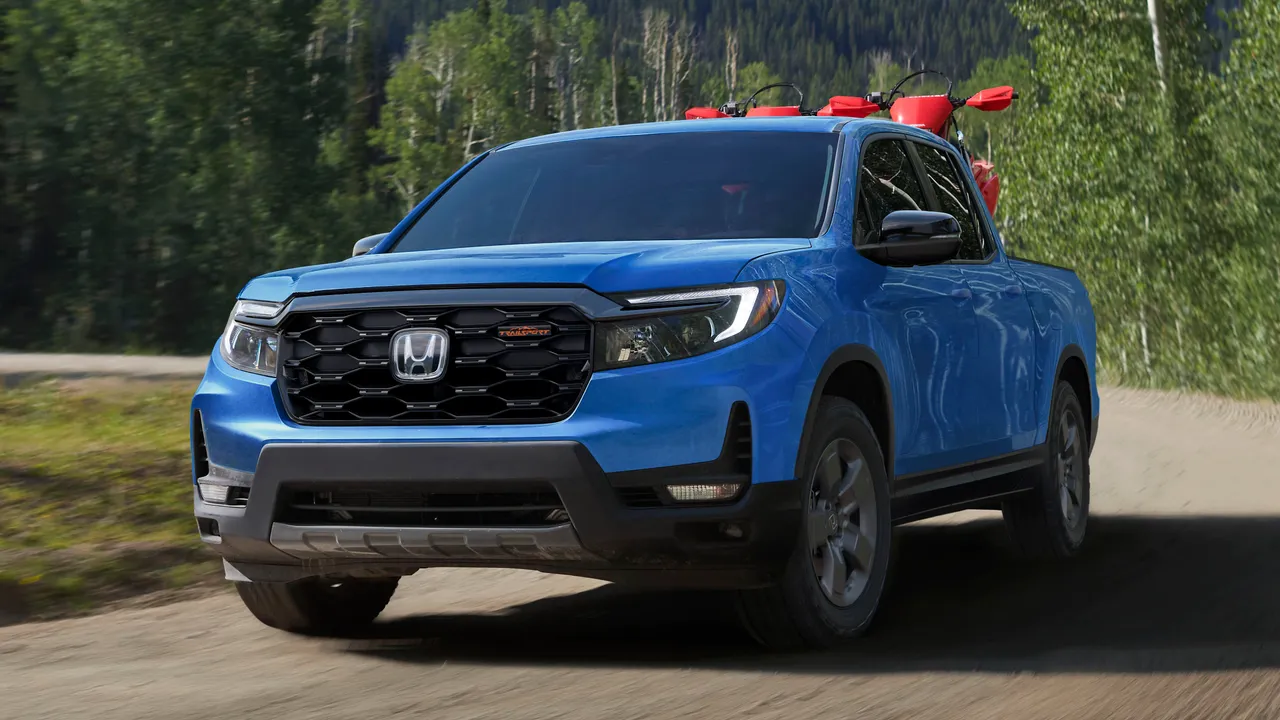
4. Honda Ridgeline (2006–2014)
Though not a traditional body-on-frame pickup, the first-generation Honda Ridgeline still deserves recognition for its impressive reliability over the years. Built on a unibody platform shared with the Pilot SUV, the Ridgeline isn’t made for heavy towing or hardcore off-roading, but it shines in terms of everyday usability and long-term dependability.
The 3.5L V6 engine is a proven unit that has been used in various Honda models for years. It rarely fails and often runs smoothly well past 200,000 miles without major repairs.
The Ridgeline’s unique features, like the in-bed trunk and dual-action tailgate, made it appealing for casual truck buyers who didn’t need massive hauling capacity. Over time, owners have come to appreciate how comfortable and practical it is for both city and suburban life.
The all-wheel-drive system, while not a substitute for low-range 4WD, is more than capable in snow and light off-road conditions. It’s a solid choice for people who want a reliable truck for hauling bikes, gear, or small trailers.
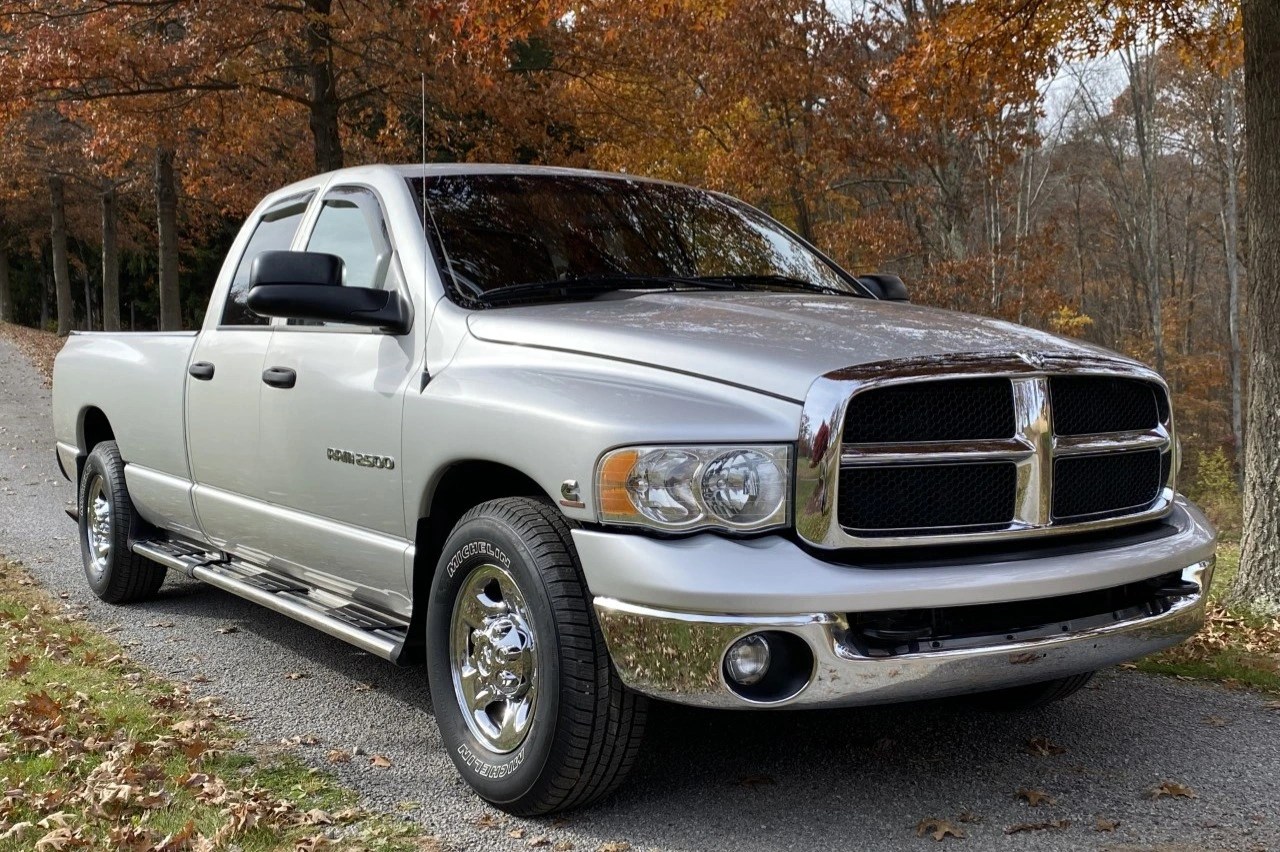
5. Dodge Ram 2500 with Cummins Diesel (1998–2006)
Among diesel truck enthusiasts, the Dodge Ram 2500 equipped with the 5.9L Cummins turbo diesel engine is often regarded as one of the toughest pickups ever made. These trucks earned a reputation for incredible longevity, often surpassing 500,000 miles when properly maintained.
The inline-six Cummins engine is a workhorse that delivers massive torque, simple mechanical design, and unmatched staying power. Many owners still use their Rams daily to haul trailers, equipment, or livestock, decades after they rolled off the production line. It’s rare to find a diesel that maintains both performance and reliability like the 5.9L Cummins does.
One of the reasons this generation stands out is the relative simplicity of the engine compared to newer diesel options. It doesn’t have as many emissions systems or complex electronics, which means fewer things go wrong over time. The Bosch injection system used in earlier years is known for its durability, and the design allows for easy maintenance.
People who own these trucks often do a lot of the work themselves because of how accessible and rebuildable the platform is. Routine maintenance like valve adjustments, fuel filter replacements, and oil changes are critical, but if those are handled, the truck keeps going without complaint.
The transmission has been one of the few areas where owners have mixed experiences. The automatic units, particularly the 47RE and 48RE, can be weak points if the truck is pushed hard without upgrades.
However, many owners opt to reinforce or rebuild them for long-term use, and the manual transmission versions are generally more reliable out of the box. The rest of the truck, from the axles to the frame- was built to endure heavy use. It’s not uncommon to find these trucks in rough cosmetic shape but still functioning flawlessly underneath.
While not everyone loves the rougher ride or the Spartan interior, these trucks were built with function as the top priority. Seats may wear out, and dashboards might crack, but the drivetrain keeps running.
The 1998 to 2006 models hit the sweet spot before emissions equipment added complexity and reliability concerns. Owners who know what they have often hang on to them for years, and the used market reflects that with high prices for clean examples. In the world of long-lasting diesel trucks, this generation of Ram is a benchmark.
Also Read: 5 Affordable Pickups That Run Strong and 5 That Just Don’t Last
5 Pickups That Don’t Stay Solid After 20 Years
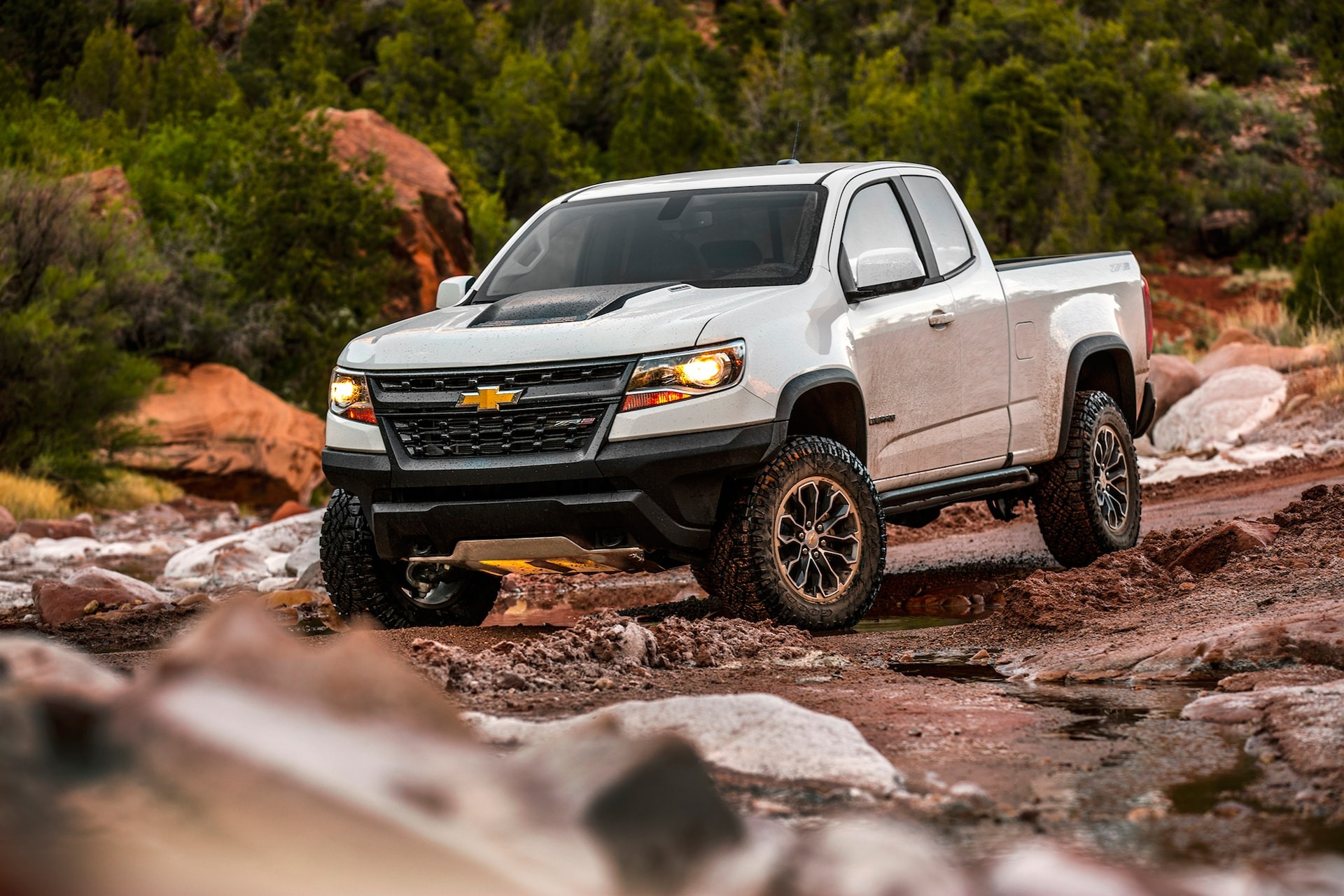
1. Chevrolet Colorado (2004–2012)
The first-generation Chevrolet Colorado seemed promising when it debuted, aiming to replace the long-running S-10 with a modern design and updated features. But as these trucks aged, their shortcomings became more apparent. Reliability was inconsistent, with engine problems, transmission failures, and electrical gremlins plaguing many owners.
The inline-five cylinder engine, intended to provide a balance between power and efficiency, turned out to be one of its weak points. Issues with timing chains, valve lifters, and cylinder head failures have been common complaints. For a truck expected to go the distance, this kind of mechanical inconsistency has made it less than ideal.
The build quality of the early Colorado models didn’t help matters either. Interior materials were cheap and often wore out quickly. Dashboard plastics cracked, door panels came loose, and upholstery didn’t hold up to long-term use. These signs of wear appeared faster than in competitors, making the truck feel older than it really was.
Suspension components, particularly ball joints and tie rods, were known to wear prematurely, leading to frequent front-end repairs. Combined with its other issues, this made the truck more expensive to maintain over time than buyers anticipated.
Another major drawback was the transmission. While some units held up fine, others developed slipping or failure much earlier than expected. Owners frequently reported issues with shifting, especially around the 100,000-mile mark.
Even when rebuilt or replaced, the transmission didn’t always match the rest of the truck in terms of performance, making it a frustrating ownership experience. Brake system issues and cooling system leaks were other recurring problems that continued to plague these vehicles into their later years.
Although there are certainly examples of Colorados that have made it past 200,000 miles, they are the exception rather than the rule. Many owners sold them off after a series of expensive repairs, and mechanics often advised against putting more money into them once major components started failing.
The promise of a reliable midsize truck was undercut by poor engineering and lower-quality parts. It’s not a vehicle most people would want to count on two decades down the road, especially compared to more robust options in the segment.
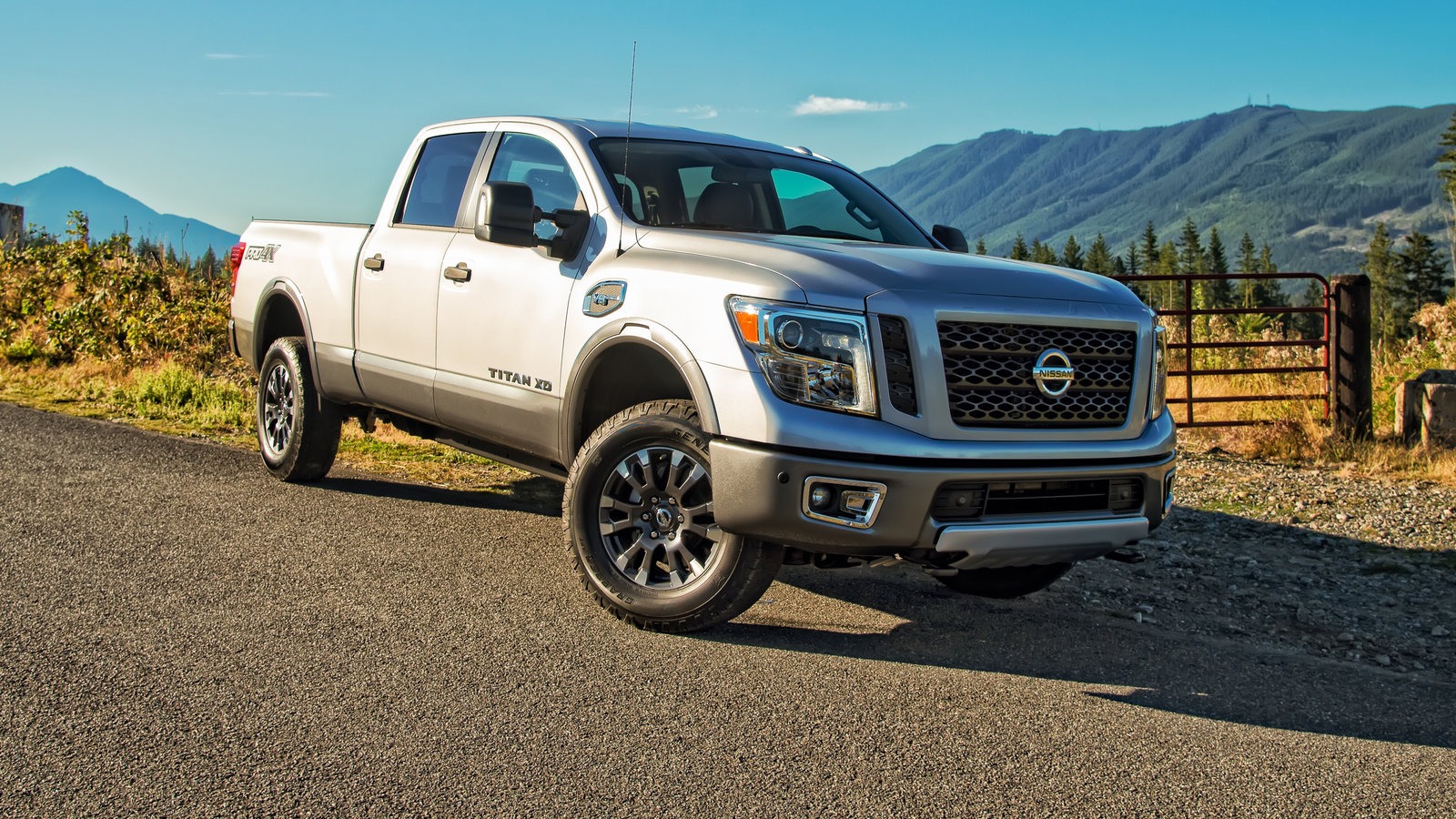
2. Nissan Titan (2004–2015)
The first-generation Nissan Titan made a bold entrance into the full-size truck market, aiming to compete directly with the established American brands. At first, it offered strong performance with its 5.6L V8 engine, modern styling, and decent towing capability.
But as these trucks aged, several durability issues began to surface. The biggest problems centered around drivetrain longevity, differential failures, and rust. Many early owners reported that the rear axle and differential began to wear out or fail outright at relatively low mileage, often well under 150,000 miles. This was a significant flaw for a full-size pickup meant to handle work duties.
Another common issue with the Titan was its transmission. While the engine itself had respectable power, the transmission was often criticized for poor shift quality and long-term weakness. Hard shifts, delayed engagement, and eventual failure were not uncommon, particularly on trucks that were used for towing or heavier loads.
Unfortunately, replacing the transmission was expensive and sometimes not worth the investment on a truck that was beginning to have other age-related problems. These repeated issues led to a reputation for unreliability among owners who had hoped for long-term use.
Rust has also been a persistent problem with the Titan, especially in areas with road salt during winter. Frames, suspension components, and even body panels were prone to corrosion that appeared earlier than expected.
Unlike some competitors that used better rust-proofing or offered frame replacements, Nissan didn’t address these issues adequately. Owners in colder climates often found their Titans falling apart underneath, even if the engine still ran strong. Cosmetic deterioration and suspension failures due to rust became dealbreakers for many long-term owners.
The interior quality was another area where the Titan didn’t age well. Plastic components cracked or faded, seats wore prematurely, and small features like door handles and window switches frequently broke.
While the truck may have seemed like a good value early on, those who kept them into their second decade often ended up dealing with compounding issues that made ownership a chore. It’s one of those vehicles that looked promising on paper but didn’t hold up under the weight of real-world use over 20 years.
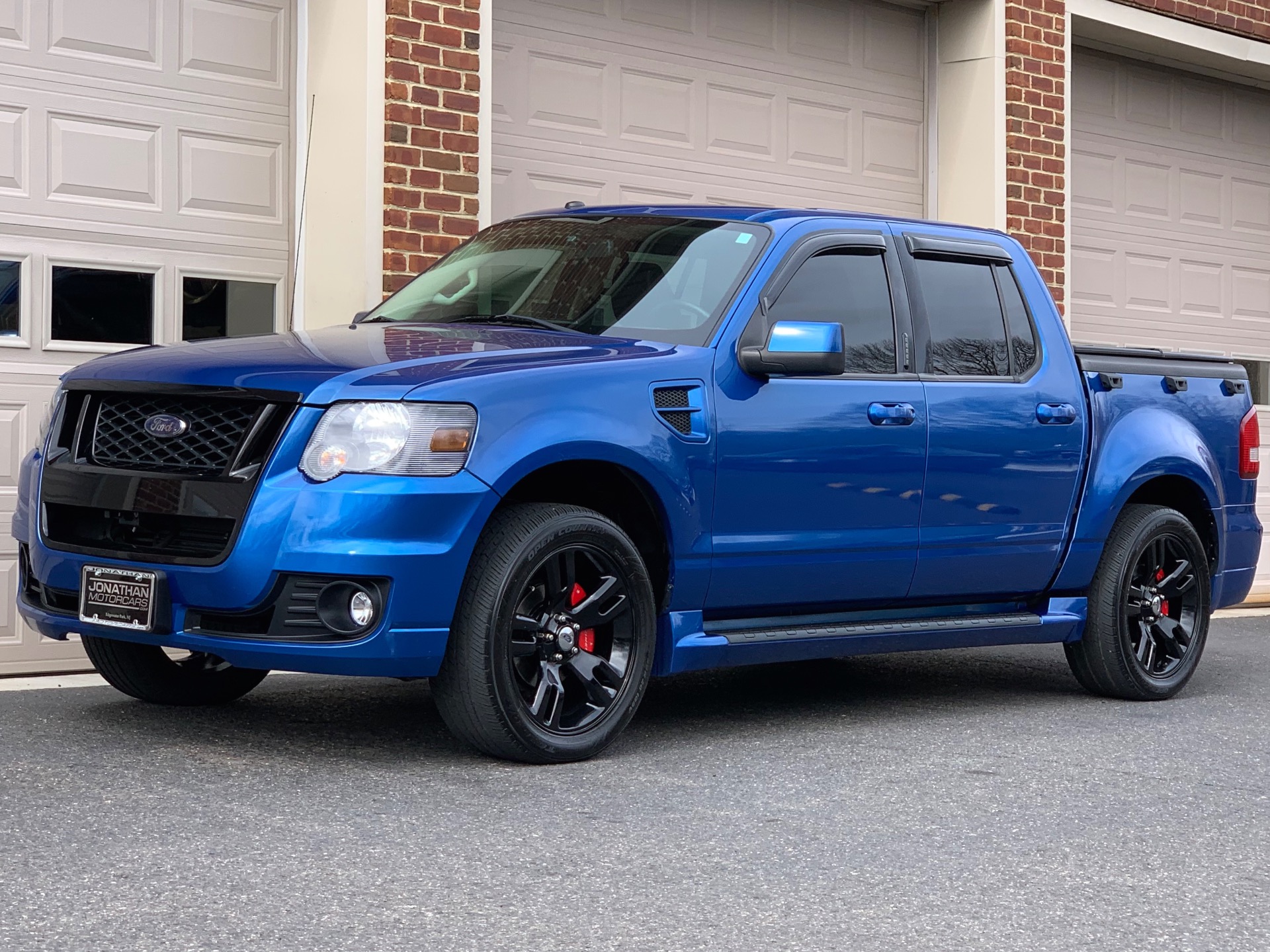
3. Ford Explorer Sport Trac (2001–2005)
The Ford Explorer Sport Trac was an attempt to blend SUV comfort with pickup truck utility. Based on the Explorer SUV platform, it featured a small bed in the back and shared many components with the standard Explorer of the era.
While it offered a more comfortable ride and decent interior space, the long-term reliability of the Sport Trac has not aged well. One of the most notorious issues was the timing chain system in the 4.0L SOHC V6 engine, which developed serious problems over time. The timing chains were prone to stretching, breaking, or wearing out early, and the repair process required extensive labor due to the chain’s placement behind the engine.
Beyond the engine, the Sport Trac suffered from transmission problems as well. The five-speed automatic was not designed to handle heavy use and would often begin slipping, failing to shift properly, or outright failing before reaching 150,000 miles.
Many owners reported that the vehicle began to feel less responsive over time, and frequent trips to the mechanic were necessary just to keep it on the road. Given the truck’s smaller bed and limited hauling capacity, the mechanical failures were especially frustrating because the utility didn’t offset the maintenance burden.
Suspension and steering issues also became a common complaint. Ball joints, tie rods, and control arms often wore out faster than expected, especially on four-wheel-drive models. These issues contributed to a loose, wandering feel on the road and required constant upkeep to keep the truck driving safely.
In some cases, owners found themselves replacing the same components multiple times, which added up quickly. Add to that a high rollover risk due to its SUV roots and you’ve got a vehicle that doesn’t inspire confidence in its later years.
While there are still some Sport Tracs on the road, they’re usually owned by dedicated fans who are willing to put in extra effort to maintain them. For the average owner, however, the truck just doesn’t hold up well over time. The combination of drivetrain complexity, structural limitations, and build quality issues makes it a risky choice for anyone hoping to get 20 years of use out of a vehicle.
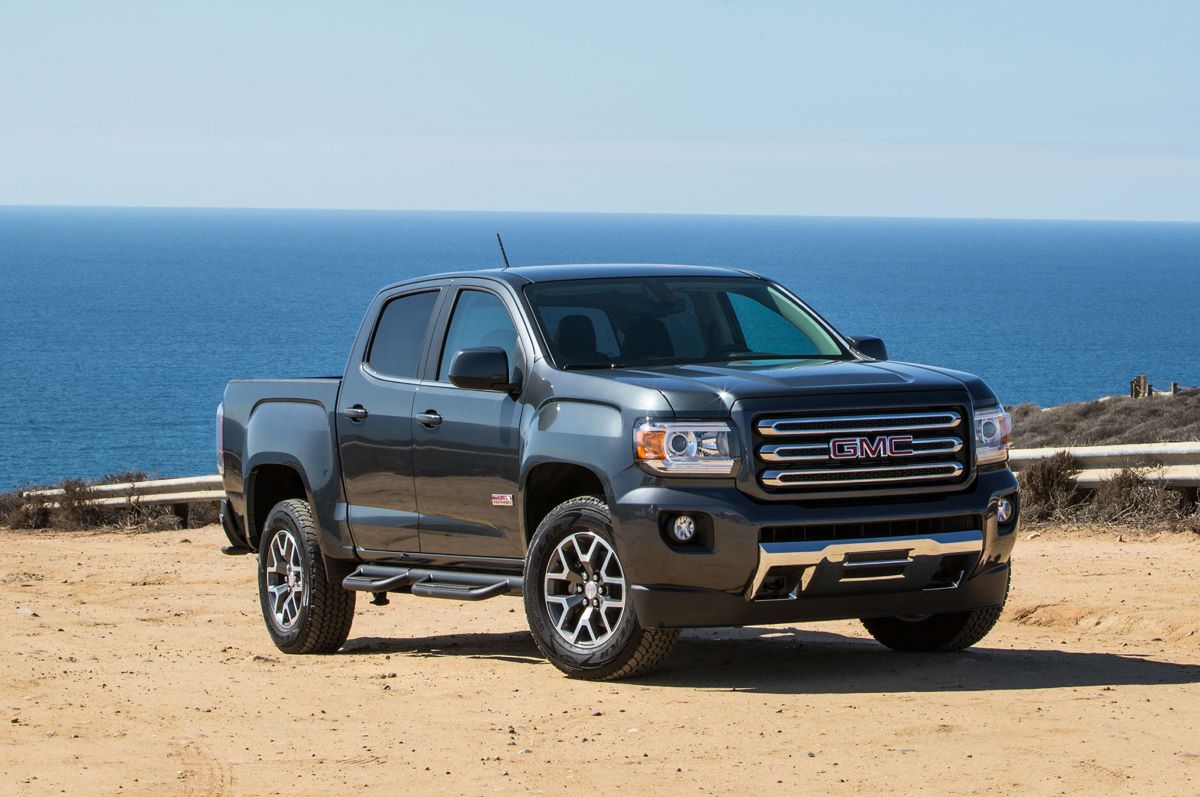
4. GMC Canyon (2004–2012)
The first-generation GMC Canyon was introduced alongside its sibling, the Chevrolet Colorado, and unfortunately, it shared many of the same weaknesses. On paper, it was supposed to offer a modern midsize alternative to full-size trucks, with improved efficiency and updated styling. In reality, the Canyon struggled with long-term durability issues that quickly became apparent as the years rolled on.
Chief among those were engine problems, particularly with the 3.5L and 3.7L inline-five engines, which were neither powerful nor reliable. Many owners reported frequent issues with misfires, stalling, and poor fuel economy, with repairs often pointing to timing chain tensioner failures or problematic valve components.
Aside from the engine problems, the Canyon was also plagued by electronic and sensor-related faults. Owners frequently complained about dashboard warning lights that appeared without cause, electrical shorts, and recurring sensor failures that led to hard starting or inconsistent drivability.
ABS and traction control issues were also prevalent, often traced back to failing wheel speed sensors or faulty wiring. These problems weren’t just annoying; they also made the truck feel unpredictable, especially when driving in poor conditions. Fixing these types of issues could be expensive, especially when diagnostics didn’t point to a clear source right away.
The interior also didn’t hold up well over time. The materials used were subpar compared to other vehicles in the segment, and plastic trim pieces often cracked, loosened, or faded far earlier than expected. Door handles were known to break with regular use, and seat fabric deteriorated with age.
As a result, the truck began to look and feel worn down much faster than its competitors. Many owners remarked that the Canyon began to feel outdated and run-down within the first ten years of ownership, let alone making it to the twenty-year mark with any sense of reliability or comfort.
Mechanically, the suspension components aged poorly as well. Ball joints, sway bar links, and bushings needed frequent replacement, and the front-end alignment would often fall out of spec after relatively minor wear. Steering components lacked long-term precision, which contributed to a loose and sloppy feel on the road.
While a few well-maintained examples still exist, the Canyon doesn’t carry the reputation of long-term reliability that owners of full-size GMC or Chevy trucks have come to expect. As a result, the first-generation Canyon is rarely considered a viable 20-year truck unless it has been babied and driven sparingly.
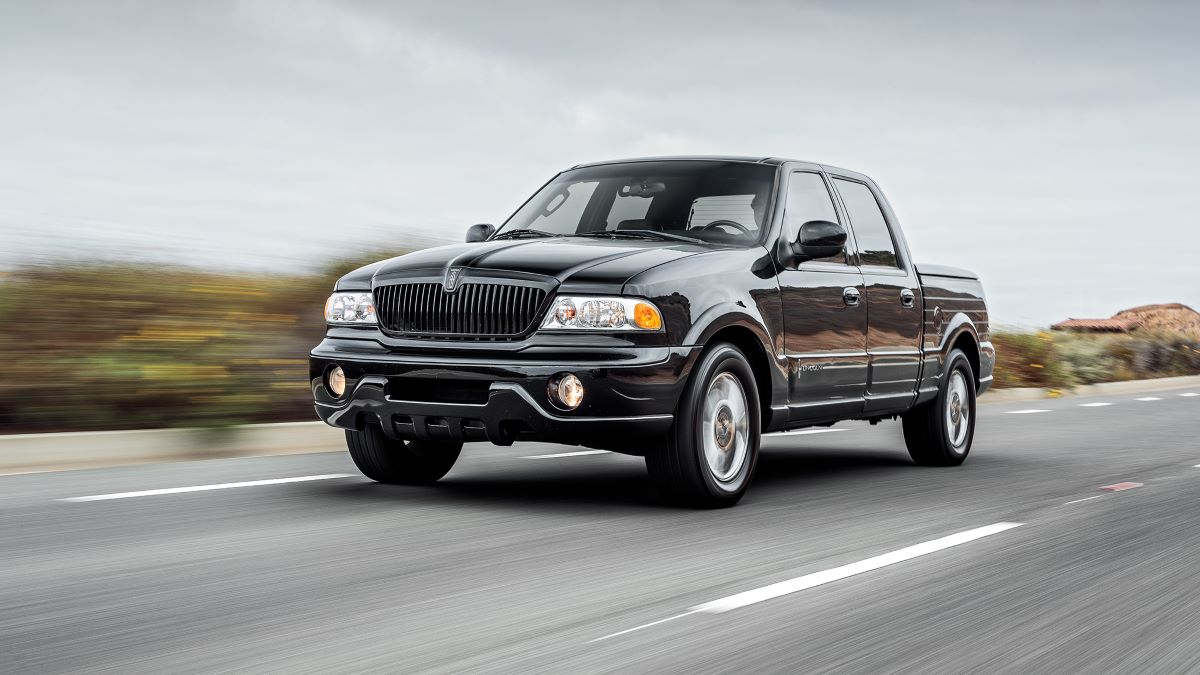
5. Lincoln Blackwood (2002)
The Lincoln Blackwood is often remembered more as a marketing misfire than a dependable pickup. Introduced in 2002 and discontinued after just one model year, the Blackwood was Ford’s attempt to create a luxury truck under the Lincoln badge. It was based on the Ford F-150 but heavily modified for comfort and styling, with a unique appearance and upscale interior.
Unfortunately, while the concept was interesting, the execution left a lot to be desired, especially in terms of long-term use. The most glaring flaw was the utility of the bed, which was more ornamental than functional. Covered in plastic and featuring a fixed tonneau cover, it eliminated the versatility people expect from a truck, which instantly limited its practical appeal.
Mechanically, the Blackwood shared many components with the F-150, which helped somewhat, but its unique parts, including the rear cargo area, special trim pieces, and electronics, proved difficult and expensive to replace as the vehicle aged.
Once these parts broke or wore out, sourcing replacements became a frustrating ordeal. The electronic rear cargo door, for example, was known to fail, leaving owners with limited access to the truck’s already small storage space.
Given that it was marketed as a premium vehicle, the build quality needed to be much higher to justify its cost and maintenance requirements. Instead, many components aged poorly, especially those related to the luxury features.
Under the hood, the 5.4L Triton V8 offered decent power but was not particularly fuel-efficient or long-lasting without meticulous maintenance. These engines were known for issues such as spark plug blowouts, coil pack failures, and intake manifold leaks.
When these issues popped up, repairs could be costly, particularly if dealerships marked up labor due to the truck’s limited production. Transmission performance was also inconsistent, with some owners experiencing rough shifts or complete failures at relatively low mileage. These problems combined to make the Blackwood an unreliable long-term vehicle despite its premium price tag and marketing pitch.
Perhaps the most disappointing part of the Blackwood’s legacy is that it aimed to be something different but failed to deliver either on luxury or functionality. It didn’t offer the utility of a work truck or the reliability of a true luxury SUV.
As a result, many were left to rot in driveways or traded in long before reaching even ten years of use, let alone twenty. Today, it’s considered more of a novelty or collector’s item than a serious truck. If you’re looking for a vehicle that holds up over time, the Blackwood is one of the clearest examples of what not to choose.
