
BMW has long been known for producing vehicles that offer a balance between luxury, performance, and engineering innovation. The badge alone carries a sense of prestige and driving enjoyment that many car enthusiasts chase.
But while some BMWs live up to their reputation with bulletproof reliability and years of trouble-free driving, others end up spending more time in the shop than on the road. Like every carmaker, BMW has produced both gems and lemons. Some models are known for their rock-solid construction and minimal maintenance needs, while others are notorious for issues ranging from electronic failures to major engine and transmission problems.
This article looks at ten BMW models, five that have built a reputation for reliability and five that are known to have recurring mechanical or electrical issues. These insights are based on patterns observed over time by owners, mechanics, and car communities rather than a snapshot from one or two years of reviews.
While a car’s condition can also depend on how well it’s been maintained, the models listed here are judged more by design and manufacturing tendencies than individual neglect. The goal isn’t to bash BMW or scare people away from ownership but rather to give a realistic picture of what to expect with specific models.
BMW is a brand that doesn’t have a clear-cut reliability profile like Toyota or Honda. Some models are practically bulletproof and can last well over 200,000 miles with regular upkeep, while others develop issues within the first few years. The same company that gave us the sturdy E39 5 Series also created the oil-burning N63 V8.
That duality can make buying a used BMW feel like a gamble unless you’re armed with a little background knowledge. It’s also worth noting that technology can be a double-edged sword. As BMW has introduced more advanced features and electronics into its vehicles, some of those have become common failure points, especially in earlier generations, where kinks were still being worked out.
So, if you’re considering a BMW for your next car or simply want to know how your current model stacks up, this breakdown will help you separate the dependable from the problematic. We’ll start with five BMWs that have proven their long-term value and earned praise for being consistently reliable over the years. After that, we’ll go over five that are known for causing frustration and draining wallets.
Also Read: 5 VW Passat Years With Solid Builds vs 5 With Flaws
5 BMW Cars That Rarely Fail
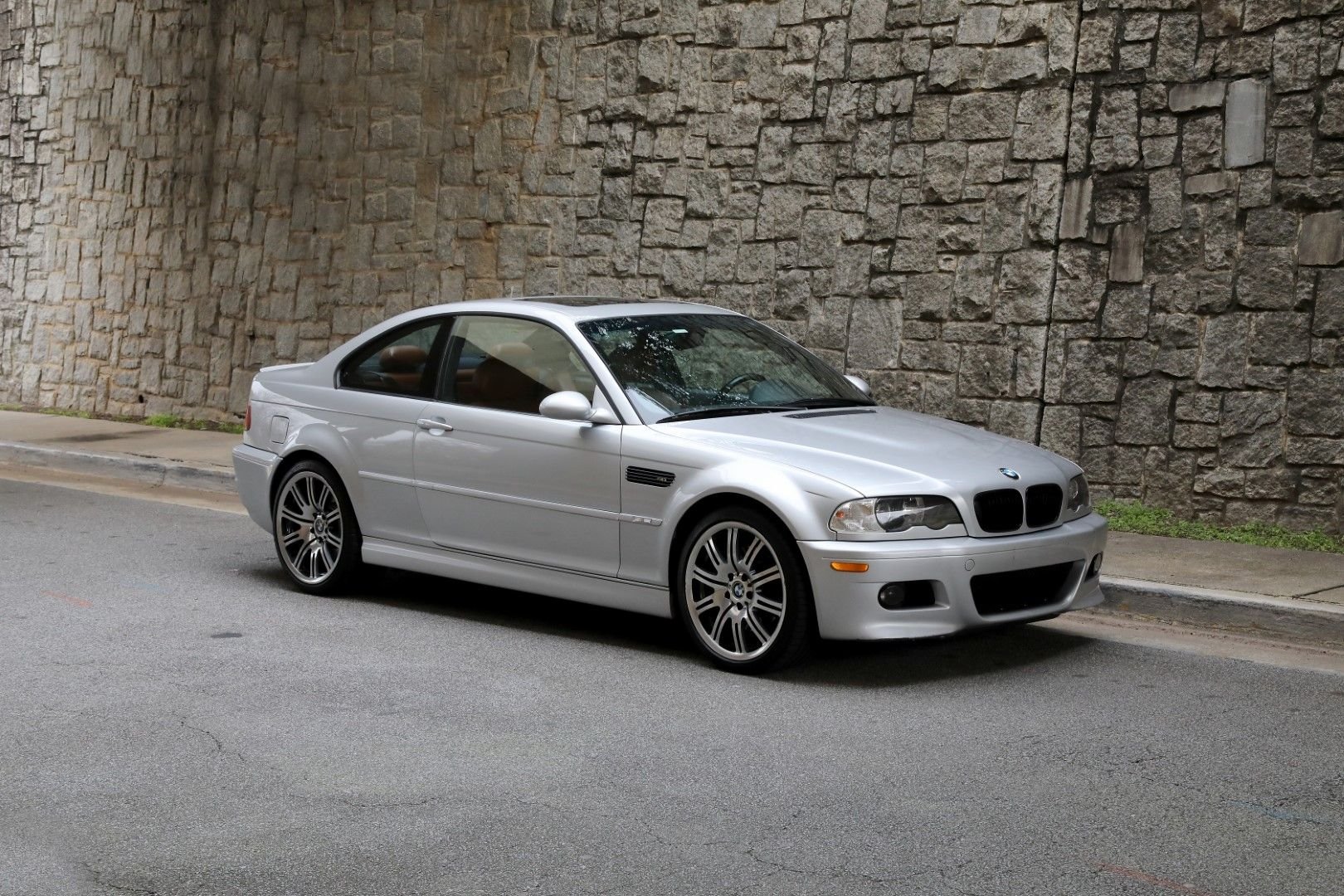
1. BMW E46 3 Series (1999–2006)
The E46 3 Series has earned a solid reputation for reliability, especially in the base models like the 325i and 330i with naturally aspirated inline-six engines.
These cars were built during a period when BMW emphasized mechanical simplicity and strong engineering, avoiding some of the more complicated electronics and turbocharged setups that would later become common. Enthusiasts appreciate how these cars drive, but they also love them because they’re relatively easy to maintain and diagnose when things go wrong. Mechanics often refer to the E46 as one of the last “DIY-friendly” BMWs.
The straight-six engines used in the E46, particularly the M54, are known for their durability. Issues like the cooling system and VANOS seals are well-documented and have reliable fixes, making them more of a maintenance chore than a mechanical failure.
Parts are affordable compared to newer BMWs, and the wide availability of aftermarket and OEM components means most problems can be addressed without huge costs. Owners who perform regular maintenance often report these cars going well beyond 200,000 miles without major engine or transmission problems.
Another reason the E46 is seen as reliable is its balance between simplicity and technology. There are enough modern features to make the car comfortable and enjoyable, but not so many that the electronics become a constant issue.
Early 2000s models avoided the more complex iDrive systems that plagued later BMWs. This simplicity leads to fewer electrical failures, which often contribute to more serious and costly problems in other models.
Even after decades on the road, many E46 models are still daily driven and used for weekend fun. The car’s build quality, driving dynamics, and straightforward maintenance schedule all combine to create a package that has stood the test of time. Whether you’re a first-time BMW owner or a long-time fan, the E46 is a strong candidate if you want something reliable that still delivers an engaging driving experience.
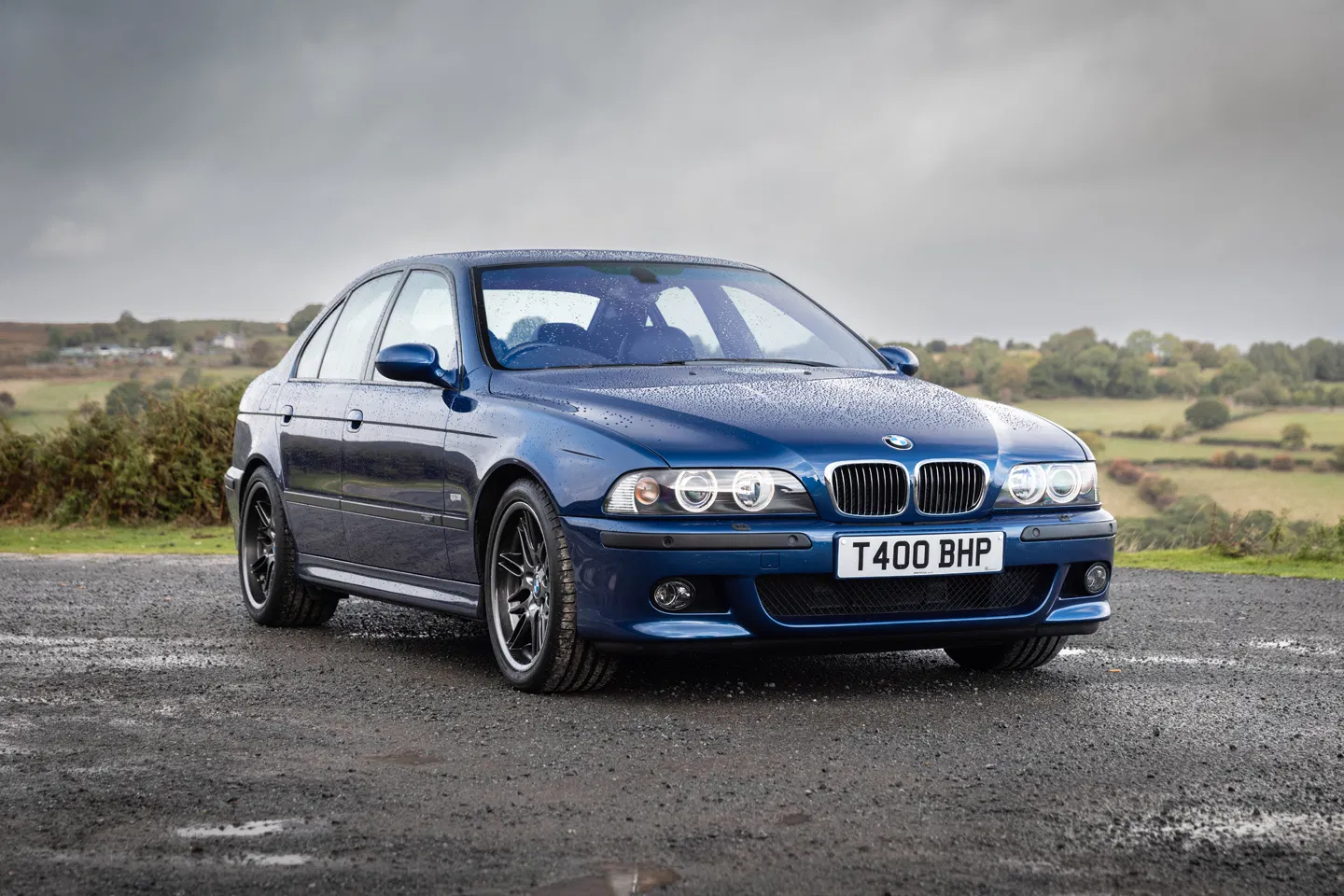
2. BMW E39 5 Series (1995–2003)
Regarded by many as one of the best BMWs ever made, the E39 5 Series is widely praised not only for its ride quality and balance but also for its long-term dependability. Models like the 528i and 530i with inline-six engines are especially reliable.
These cars combine solid German engineering with a level of mechanical robustness that has made them popular among enthusiasts and everyday drivers alike. Even high-mileage examples can be found running smoothly when maintained properly.
One of the key strengths of the E39 lies in its engine choices. The inline-six engines, particularly the M52 and M54, are known for their longevity and resistance to major mechanical issues.
Timing chain failures, a common BMW concern, are almost nonexistent here. When problems do occur, they tend to be minor or related to wear items. Cooling systems do require attention every 100,000 miles or so, but that’s part of routine maintenance for this generation. Most of the common issues are predictable and preventable.
The E39’s interior also holds up better than many other luxury cars of its age. Materials were of high quality, and the electronics, while not as advanced as today’s vehicles, are generally more reliable.
You won’t find as many screen failures or sensor malfunctions here, simply because the systems were less complex. This mechanical simplicity allows the E39 to age more gracefully than many of its successors, which became weighed down with unreliable tech.
For those who want a larger, more comfortable BMW that can handle both long trips and everyday driving without breaking the bank, the E39 is a top-tier option. Its combination of comfort, performance, and reliability is rare, even today.
Many car enthusiasts still regard it as a benchmark for what a luxury sport sedan should be. If you can find one in good condition, it’s still a worthwhile investment in terms of reliability and driving enjoyment.
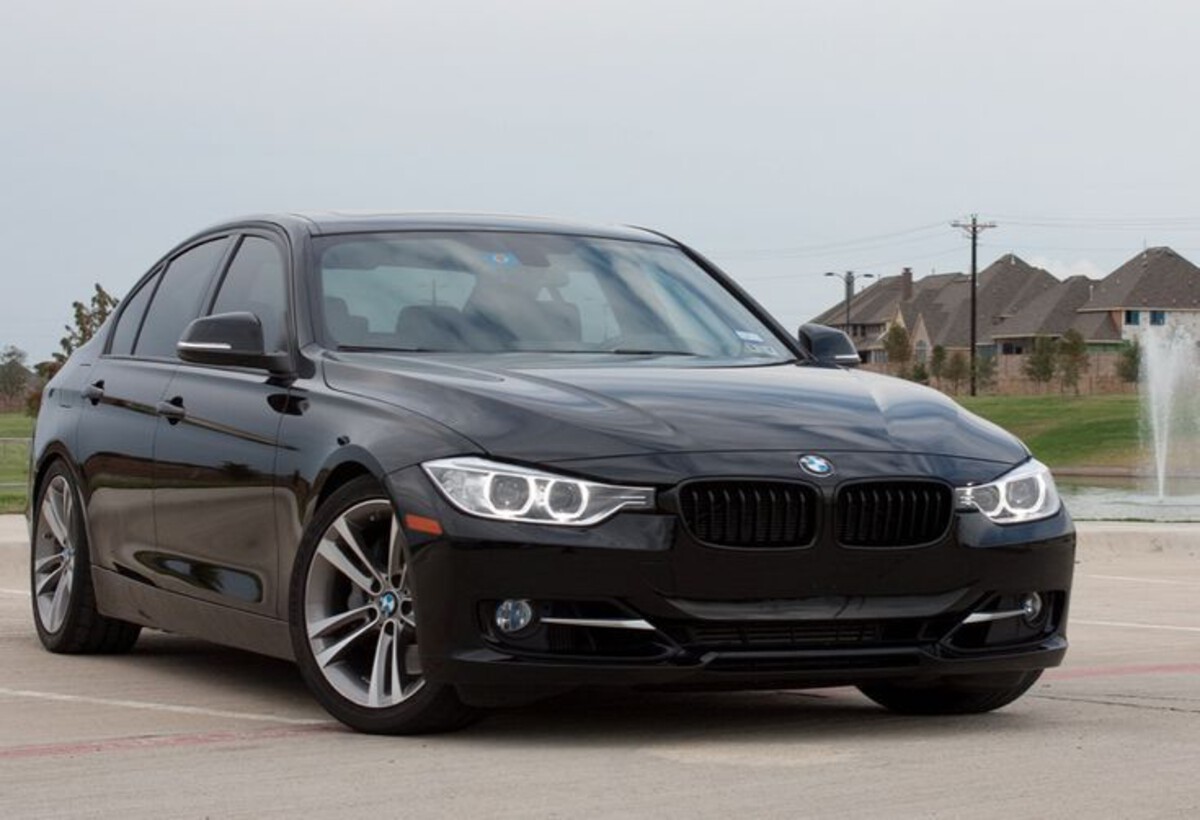
3. BMW F30 3 Series (2012–2019)
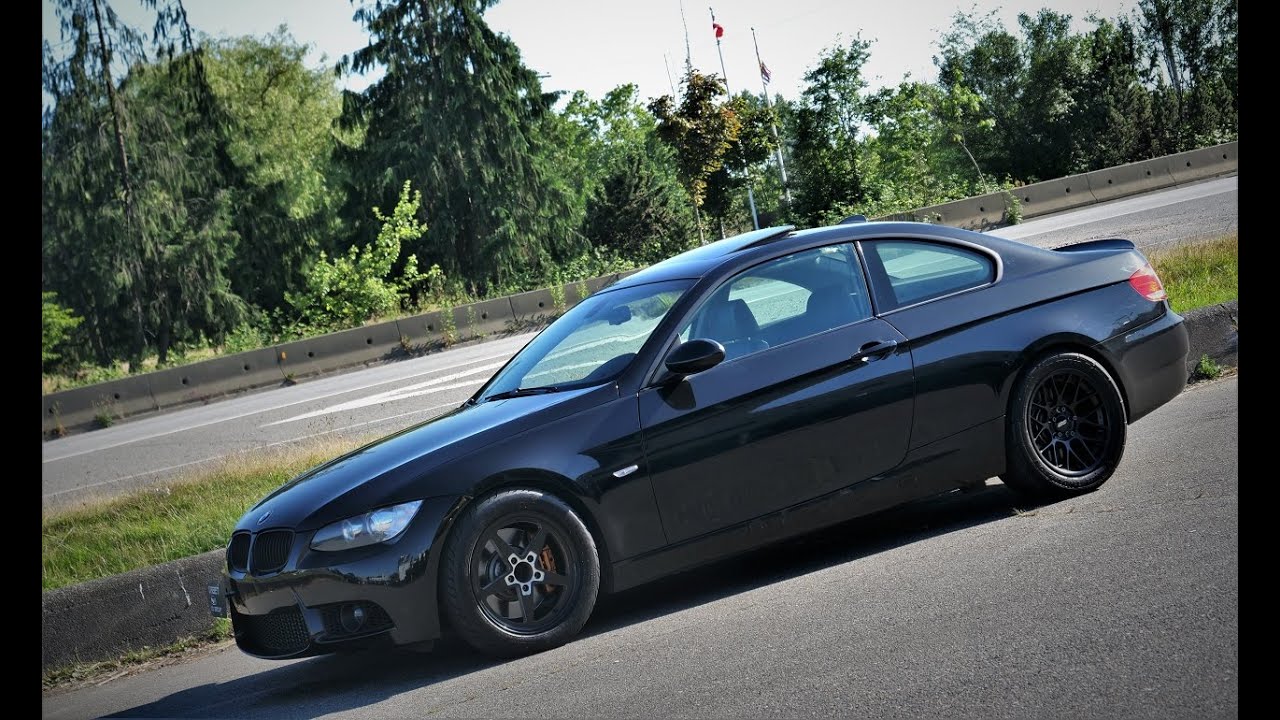
The F30 generation marked a shift toward modern styling and technology for the 3 Series, but it managed to maintain a relatively solid track record in terms of reliability, particularly in the 320i and 328i trims.
Equipped with either the N20 four-cylinder turbo or the later B48 engines, these cars offer a good mix of power and fuel efficiency without being overly complex. While turbo engines are usually a riskier bet, BMW had worked out many of the bugs by the time the F30 was in full production.
These cars benefit from advancements in manufacturing and tighter quality control processes. The use of direct injection and updated cooling systems reduced the number of high-profile failures seen in previous models.
Owners generally report fewer problems with the F30 compared to the earlier E90 models, especially when regular oil changes and coolant flushes are part of the maintenance routine. Additionally, timing chain issues that plagued early N20 engines were addressed in later years, making the later F30s even more reliable.
Transmission issues are also rare with the F30. The automatic gearboxes are smooth and durable, especially when serviced properly. BMW had also improved its electrical systems by this point, resulting in fewer sensor failures and error codes.
While all cars have the occasional hiccup, the F30 is not known for chronic reliability issues like some other BMWs. Even models with high mileage tend to hold up well, assuming they haven’t been abused or neglected.
One of the strongest points in favor of the F30 is its blend of modern comfort with solid mechanical reliability. It represents a good balance for buyers who want a newer car with updated features but don’t want to deal with constant mechanical problems.
The F30 shows that BMW can still make a dependable vehicle even in a more tech-heavy era. For many, it’s the last of the “solid” BMWs before complexity started outweighing dependability in newer models.
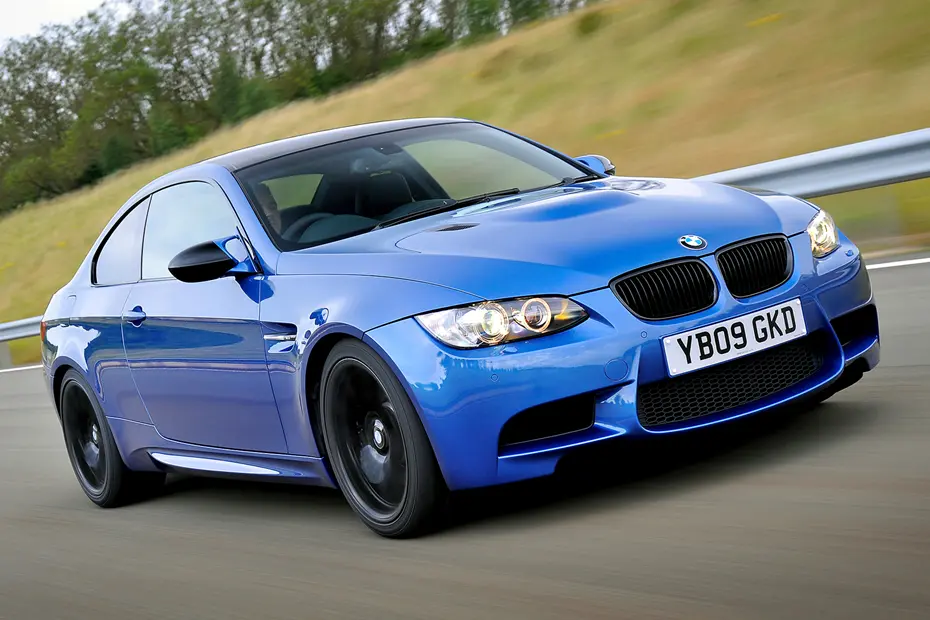
4. BMW E90 328i (2006–2011)
While the E90 generation as a whole had some hits and misses, the 328i stands out as one of the most reliable options in this lineup. Specifically, models equipped with the naturally aspirated N52 inline-six engine are known for their durability and simplicity.
These engines avoided the turbocharging that introduced more complexity and potential failure points in models like the 335i. The 328i with the N52 is often considered the “safe pick” in the E90 family.
Owners of these cars often report reaching well over 150,000 to 200,000 miles without major engine problems. Maintenance is straightforward, and common issues like valve cover gasket leaks or oil filter housing leaks are relatively inexpensive to fix.
The cooling system still needs occasional attention, but it’s more of a routine service item than a design flaw. The N52 engine also avoids many of the timing chain and carbon buildup issues seen in later BMW engines.
Inside the car, things hold up fairly well, too. While some trim pieces may show wear over time, the electronics are generally reliable. This model came before BMW pushed hard into touchscreens and overly complex infotainment systems, so the fewer electronics mean fewer things to go wrong. The automatic transmissions paired with the 328i are also known for their longevity, especially with fluid changes.
The E90 328i is a practical choice for someone who wants a genuine BMW driving experience without the baggage of unreliable turbo systems or overly sensitive electronics. It combines old-school reliability with modern safety and comfort, making it a dependable daily driver that won’t frequently leave you stranded or broke. Among used BMWs on the market, this
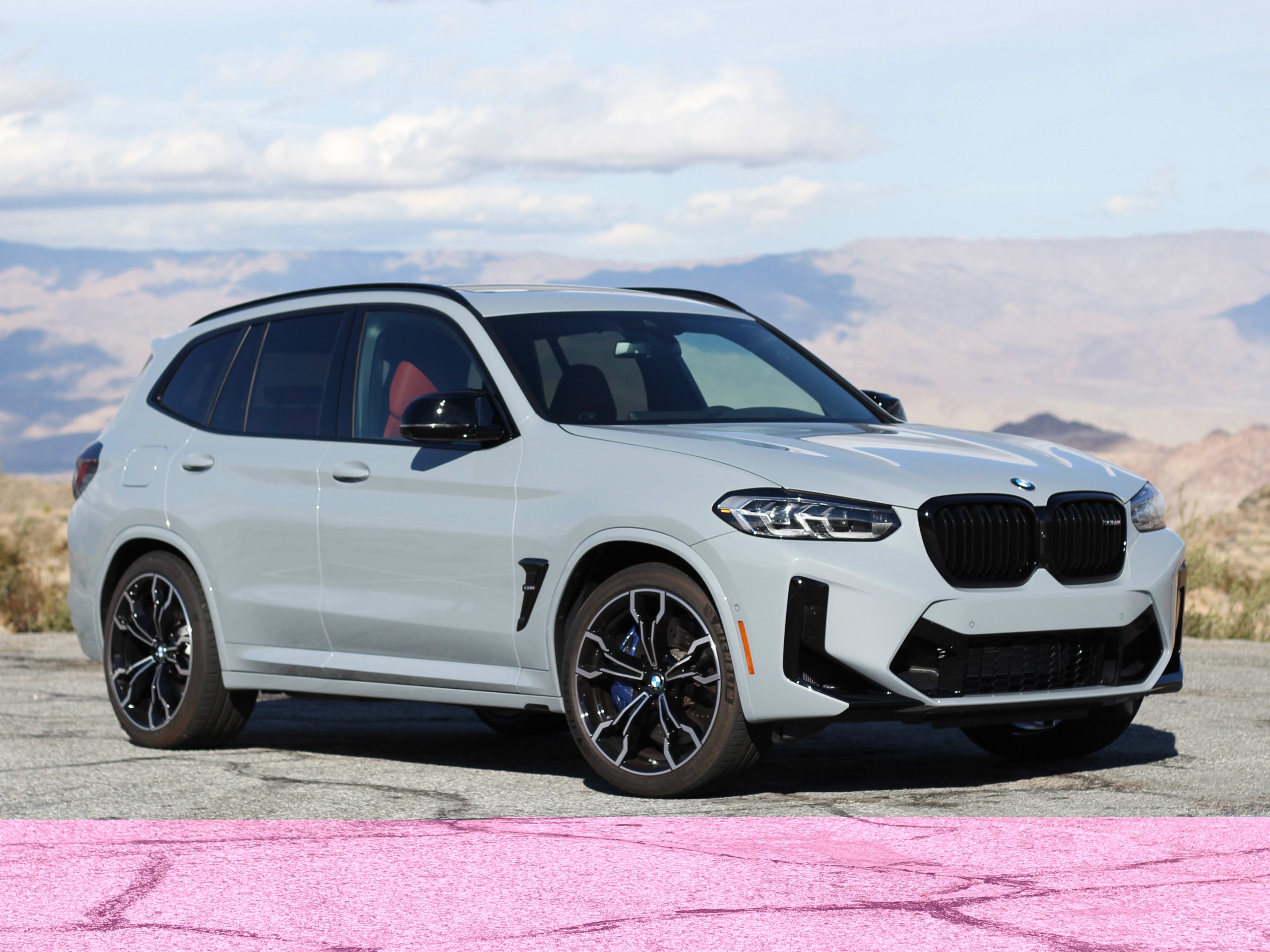
2022 BMW X3
5. BMW X3 xDrive30i (G01, 2018–Present)
The G01 generation of the BMW X3, particularly the xDrive30i model equipped with the 2.0-liter B48 turbocharged inline-four engine, has established a reputation for being one of the most dependable modern BMWs. Many owners and independent mechanics have reported that the B48 engine represents a significant improvement over previous four-cylinder powerplants in terms of reliability and longevity.
This generation of X3 offers a comfortable driving experience with a balance of efficiency and performance, and it seems that BMW took customer feedback seriously when designing the mechanical and electronic systems of this vehicle.
Early reliability data and long-term ownership reports have pointed to relatively low occurrences of major failures, making it a favorite for people who want BMW styling and handling without the constant maintenance demands associated with some other models.
One of the biggest improvements in this X3 is the refinement and durability of its drivetrain. The B48 engine has fewer known issues compared to the older N20 and N26 engines that had plagued earlier versions of the 3 and 5 Series. Timing chain wear, oil consumption, and turbocharger problems have been dramatically reduced or eliminated.
Coupled with the well-tuned ZF 8-speed automatic transmission, the drivetrain in the G01 X3 has become one of BMW’s most solid powertrain combinations. The transmission, in particular, has received praise for its reliability when serviced properly, showing no widespread reports of failure or excessive wear even at higher mileage. Combined with all-wheel drive for year-round usability, it offers a robust platform for both city driving and long-distance travel.
In terms of technology, the G01 X3 manages to introduce a range of modern features like digital instrumentation, adaptive cruise control, and smartphone integration without becoming overly complex or failure-prone. BMW made meaningful progress in improving its iDrive system in this generation, resulting in fewer glitches, better interface responsiveness, and improved durability of screens and control modules.
Compared to models from the early 2010s, where infotainment and navigation systems often failed prematurely, the G01’s tech stack has remained more stable over time. Additionally, many common complaints about BMW’s electrical systems, such as sensor faults and software bugs, have been minimized in this SUV, adding to its reputation as a solid performer in the brand’s current lineup.
Another notable strength of the G01 X3 is its overall build quality. Materials inside the cabin feel premium without being delicate, and road noise and vibration are well-damped, even after years of use. Suspension components also hold up well, especially when the vehicle is driven under normal conditions and not aggressively.
Many owners report few to no issues in the first 60,000 to 100,000 miles aside from routine service items like brakes and tires. While no vehicle is without faults, the X3 xDrive30i stands out as a modern BMW that offers reliability, comfort, and practicality, earning its place among the few newer models that inspire confidence for long-term ownership.
Also Read: 10 Fixes That Keep a VW Golf Road-Trip Ready for Years
5 BMW Cars That Constantly Break
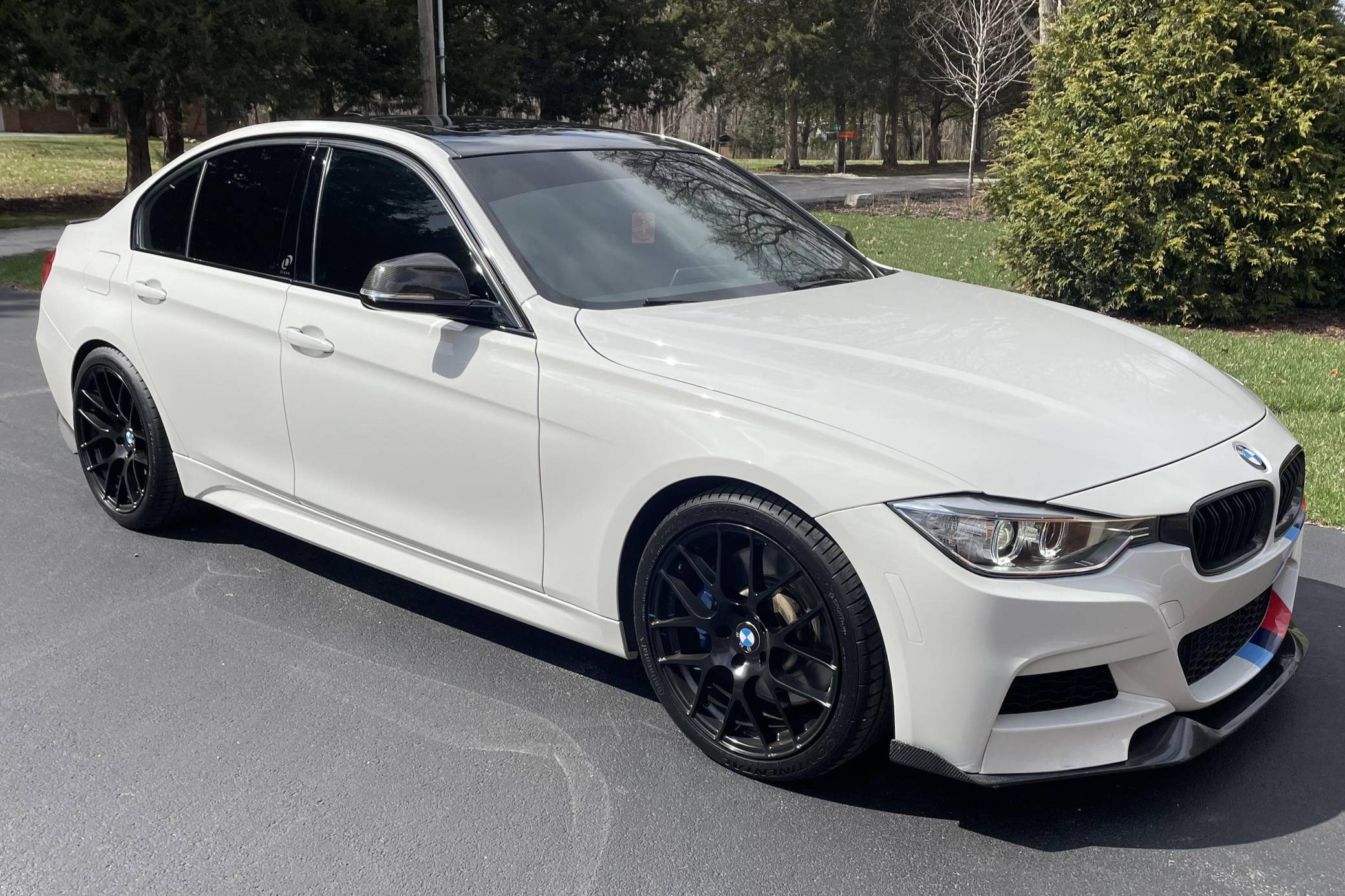
1. BMW 335i (E90/E92, 2007–2013)
The BMW 335i from the E90/E92 generation has become infamous for its reliability problems, despite being praised for its performance and driving feel. Powered by the N54 and later N55 turbocharged inline-six engines, the 335i was a technological leap forward in terms of power delivery and efficiency.
However, that same complexity also introduced a host of reliability issues that have given this car a problematic reputation. The N54 engine in particular has been the subject of numerous complaints and technical service bulletins related to fuel system issues, turbo failures, and engine management problems. While the car offers strong acceleration and a refined ride, many owners quickly found themselves stuck in a cycle of costly repairs and frustrating breakdowns.
One of the most common issues with the N54 engine is related to its high-pressure fuel pump (HPFP), which is known to fail prematurely and without warning. BMW even faced class-action lawsuits in North America over this specific part, eventually extending warranties and issuing recalls.
In addition to the HPFP, the injectors, the low-pressure fuel pump, and turbo wastegate actuators are all weak points. Each of these components can fail independently, leading to rough idling, stalling, limp mode, and hard starting. These problems are not only annoying but expensive to diagnose and repair, particularly since multiple systems often fail in close succession.
Another major pain point is the cooling system, which tends to be underbuilt for the engine’s heat output. Water pumps and thermostats commonly fail, often well before the 100,000-mile mark, leading to overheating and sometimes severe engine damage.
Electrical issues compound the problem, with the 335i’s engine control units, sensor arrays, and ignition components often failing due to heat or internal short circuits. These electrical problems can be particularly frustrating to troubleshoot, as symptoms can mimic a range of mechanical failures. Many mechanics and enthusiasts have commented that the 335i is a great car when it works, but the cost and frequency of keeping it running often outweigh the fun.
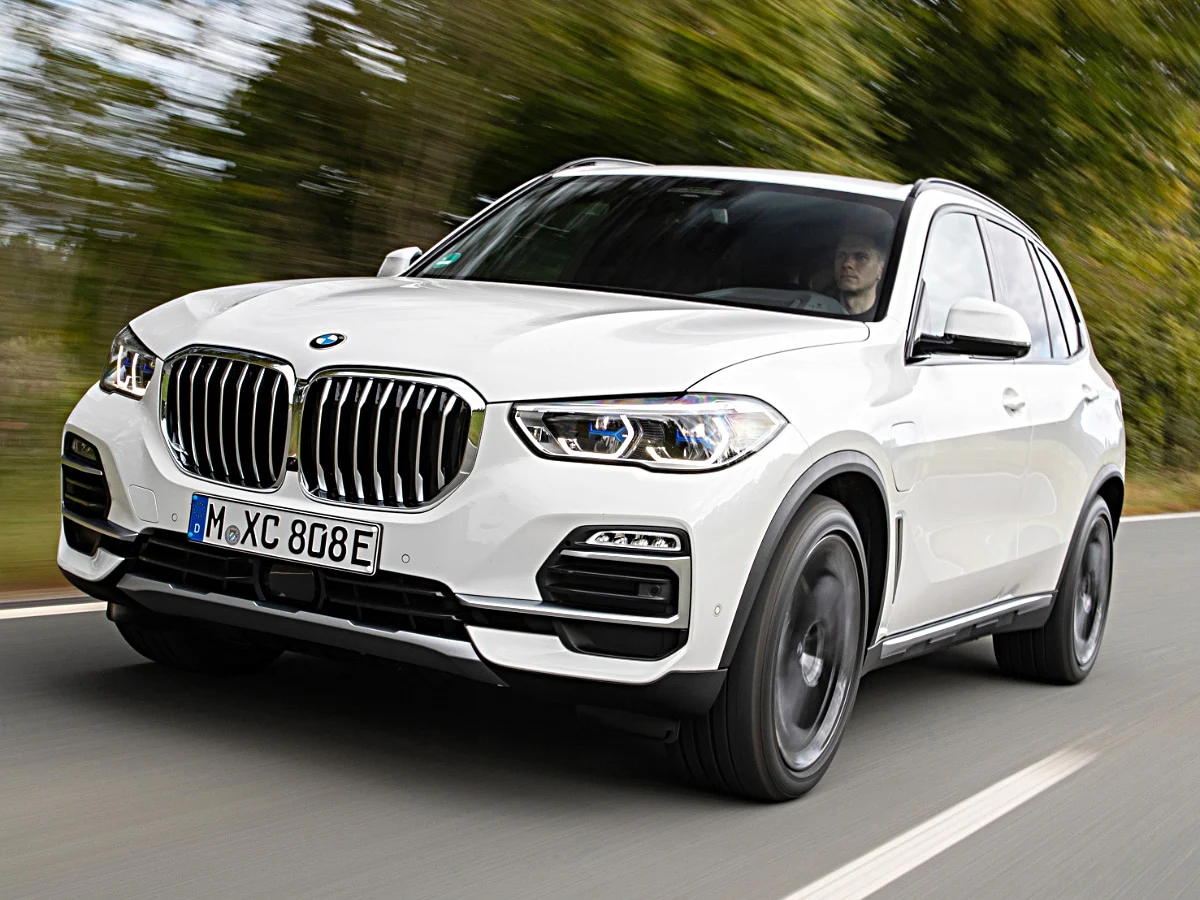
2. BMW X5 xDrive50i (F15, 2014–2018)
The BMW X5 xDrive50i from the F15 generation may be powerful and luxurious, but it also suffers from serious reliability issues that can quickly make ownership more of a headache than a pleasure. At the heart of the problem is the N63 twin-turbocharged V8 engine, which has become notorious across multiple BMW platforms for its extensive list of design flaws.
Originally introduced in 2008 and revised multiple times, the N63 engine remains one of BMW’s most problematic powerplants, with widespread issues related to oil consumption, timing chain failure, and premature turbo wear. In the X5, these problems are compounded by the vehicle’s weight and drivetrain complexity, leading to higher stress on nearly every system.
Oil consumption is one of the most common and expensive issues with the N63 engine. Many owners report having to add quarts of oil every 1,000 miles or less, and in some cases, the engines develop leaks or burn oil so severely that it causes fouled spark plugs, damaged oxygen sensors, and catalytic converter issues.
This isn’t a problem that can be ignored either, as low oil levels can quickly lead to engine overheating and failure. BMW did issue technical updates and warranty extensions to address these problems, but they haven’t fully solved the underlying design weaknesses. Even with revised components, oil consumption and internal wear continue to plague these vehicles.
The timing chain and valve stem seals are additional weak points. Timing chain stretch can result in poor engine performance, misfires, and eventual engine failure if not replaced in time, a repair that often costs thousands of dollars. Valve stem seal issues lead to blue smoke from the exhaust and further oil consumption, creating a vicious cycle of symptoms and repairs.
Even the turbochargers are prone to failure, with many owners experiencing loss of power, turbo lag, and noise. Because the N63 engine is so tightly packed under the hood, repairs are labor-intensive and time-consuming, often requiring engine removal just to access critical components.
Beyond the engine, the F15 X5 also has its share of electrical gremlins and drivetrain complaints. Air suspension failures, transmission control errors, and iDrive glitches are all common, especially in higher-mileage examples. The complexity of the all-wheel-drive system, combined with the heavy vehicle weight, also leads to accelerated wear on the suspension and brakes.
All of this adds up to a vehicle that might look and feel premium but is filled with expensive pitfalls. While the X5 xDrive50i may impress with its performance and features, it demands constant attention and money, making it one of the riskiest BMWs to own long-term.
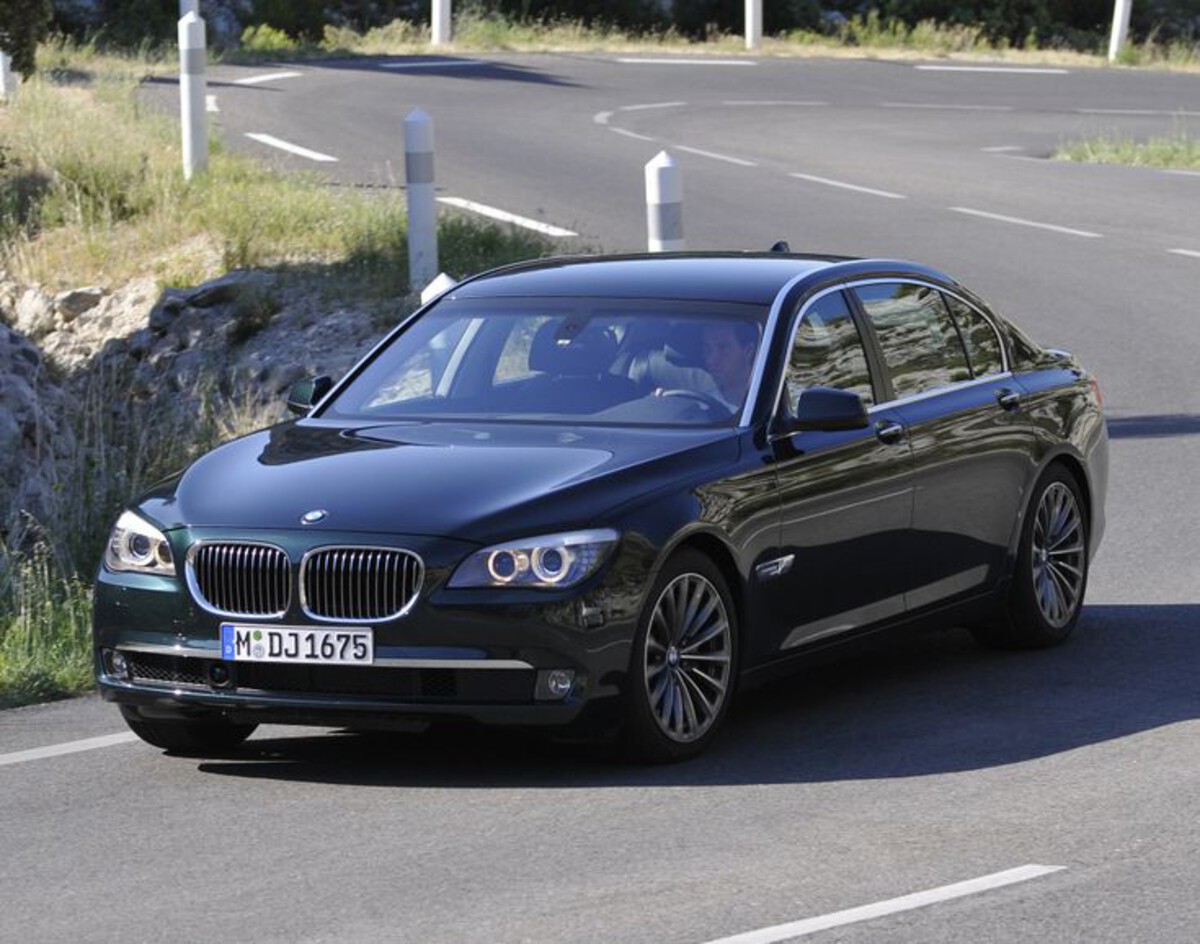
3. BMW 750Li (F01/F02, 2009–2015)
The 7 Series has always been BMW’s flagship model, offering cutting-edge technology and unmatched comfort. However, the F01 and F02 generations of the 750Li are often cited as cautionary tales when it comes to long-term reliability. The complexity that comes with flagship status often leads to major repair bills, and in this case, the problems are numerous and serious.
The 750Li’s N63 V8 engine, which it shares with the problematic X5 xDrive50i, is one of the biggest concerns. Add to that a sophisticated but failure-prone air suspension system, electronic issues, and transmission complaints, and you get a car that’s as financially risky as it is luxurious. Many owners buy into the allure of owning a top-tier BMW, only to regret the decision within a few years.
Engine problems are by far the most well-documented issue with the 750Li. The N63 engine was the first production turbocharged V8 from BMW, and while it offered great performance on paper, it quickly earned a reputation for chronic oil consumption, overheating, and premature component wear.
Timing chain guides have been known to deteriorate before 100,000 miles, causing catastrophic engine failure if not addressed. Valve stem seal leaks, turbo failures, and carbon buildup only add to the list of costly and recurring problems. BMW even launched a customer care package to try to manage the backlash from so many reliability complaints, but the underlying flaws in engine design remained.
Electronics in the F01/F02 750Li are also notoriously unreliable. From malfunctioning iDrive systems to dead pixels on digital gauges, the electronics often start to act up as early as 60,000 miles. Numerous sensors, modules, and cameras are integrated into nearly every system of the car, and when one fails, it often causes a chain reaction of warning lights, limp modes, or non-functional features.
These issues are not only inconvenient but also expensive to diagnose and repair. Given the sheer volume of technology packed into the 7 Series, it becomes nearly impossible to avoid frequent visits to the dealership or independent specialist, each one costing hundreds or even thousands of dollars.
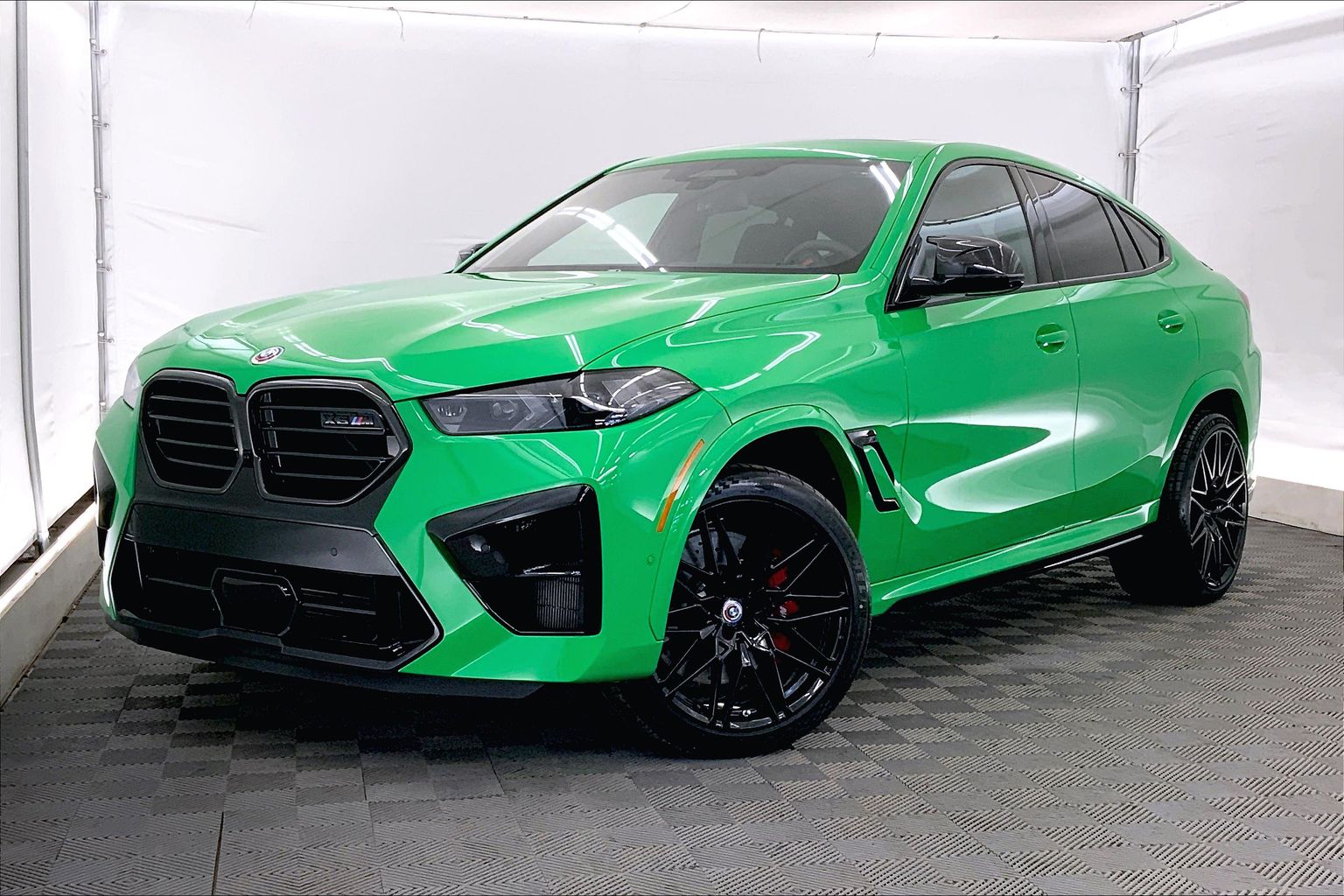
4. BMW X6 (E71, 2008–2014)
The first-generation BMW X6 looked bold when it hit the market, combining the utility of an SUV with the styling of a coupe. But behind the aggressive looks and sporty promise lies a vehicle plagued by numerous mechanical and electronic issues. The E71 X6, especially models with the xDrive50i and xDrive35i powertrains, quickly earned a reputation for poor reliability and expensive upkeep.
Many owners found themselves dealing with engine faults, turbocharger issues, and a string of electrical problems that made the ownership experience frustrating and unpredictable. While the X6 succeeded in turning heads, it struggled to stay mechanically dependable after a few years on the road.
At the core of the problem is once again the N63 engine in the xDrive50i model. Like in the X5 and 750Li, the engine suffers from severe oil consumption, timing chain issues, and cooling system failures. These are not isolated cases, forums and owner reviews are filled with horror stories of repeated repairs that never fully solve the underlying issues.
Even the xDrive35i, with its inline-six turbo engine (N54), is not immune, suffering from the same fuel pump and turbo problems seen in the 335i of the same era. These issues are exacerbated by the fact that the X6’s packaging makes many components hard to access, driving up labor costs.
The X6’s all-wheel-drive system is another area where things tend to go wrong. The transfer case, front differential, and CV joints are all known wear points that can fail prematurely under normal use. Add to that the fact that the vehicle is quite heavy and often driven enthusiastically due to its sporty image, and it’s no surprise that drivetrain failures occur more frequently than one might expect.
Suspension components also wear quickly, especially on models equipped with adaptive dampers and active roll stabilization. Air suspension-equipped models are prone to leaks and compressor failures, often resulting in a sagging rear end and poor ride quality.
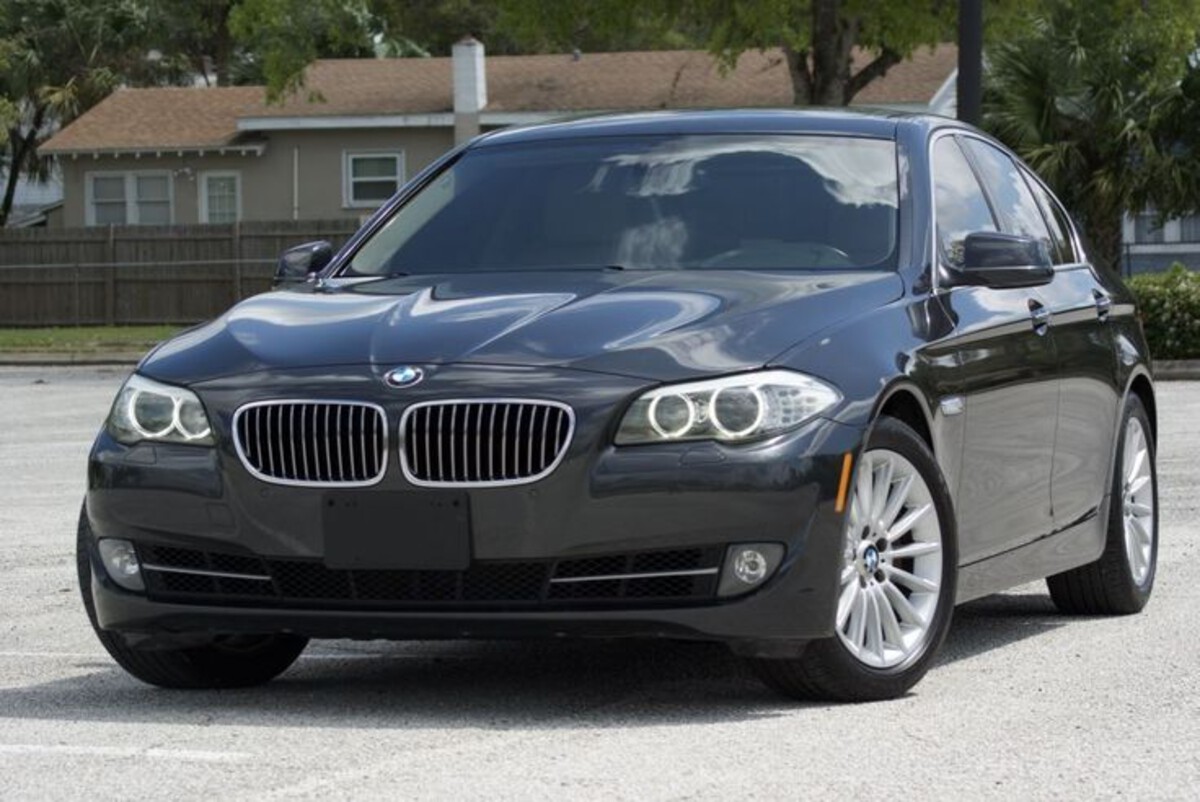
5. BMW 535i (F10, 2011–2016)
The F10-generation 535i was designed to be the perfect middle ground between performance and luxury, but its reputation for reliability doesn’t match its sleek exterior or premium badge. This car, especially in its early production years, suffered from a range of mechanical and electronic issues that affected both driving performance and long-term cost of ownership.
Powered by the N55 turbocharged inline-six, the engine improved over the previous N54 but still carried several of the same risks, namely, problems with injectors, valve cover leaks, and issues with the VANOS system. When paired with the increasingly complex electronics of the F10, the result was a car that often broke down in more ways than one.
The most consistent complaint from 535i owners involves oil leaks from the valve cover gasket, oil filter housing, and oil pan. These leaks not only result in burning smells and engine bay grime but can also lead to damage of surrounding components if not caught early.
The high-pressure fuel system, while improved over the earlier version, still suffers from occasional failures that result in poor engine response, long cranks, or complete no-start conditions. Additionally, the turbocharger wastegate can develop slack over time, leading to a loss of boost and reduced performance. These problems occur more frequently than expected for a luxury sedan, especially when the car has relatively low mileage.
