
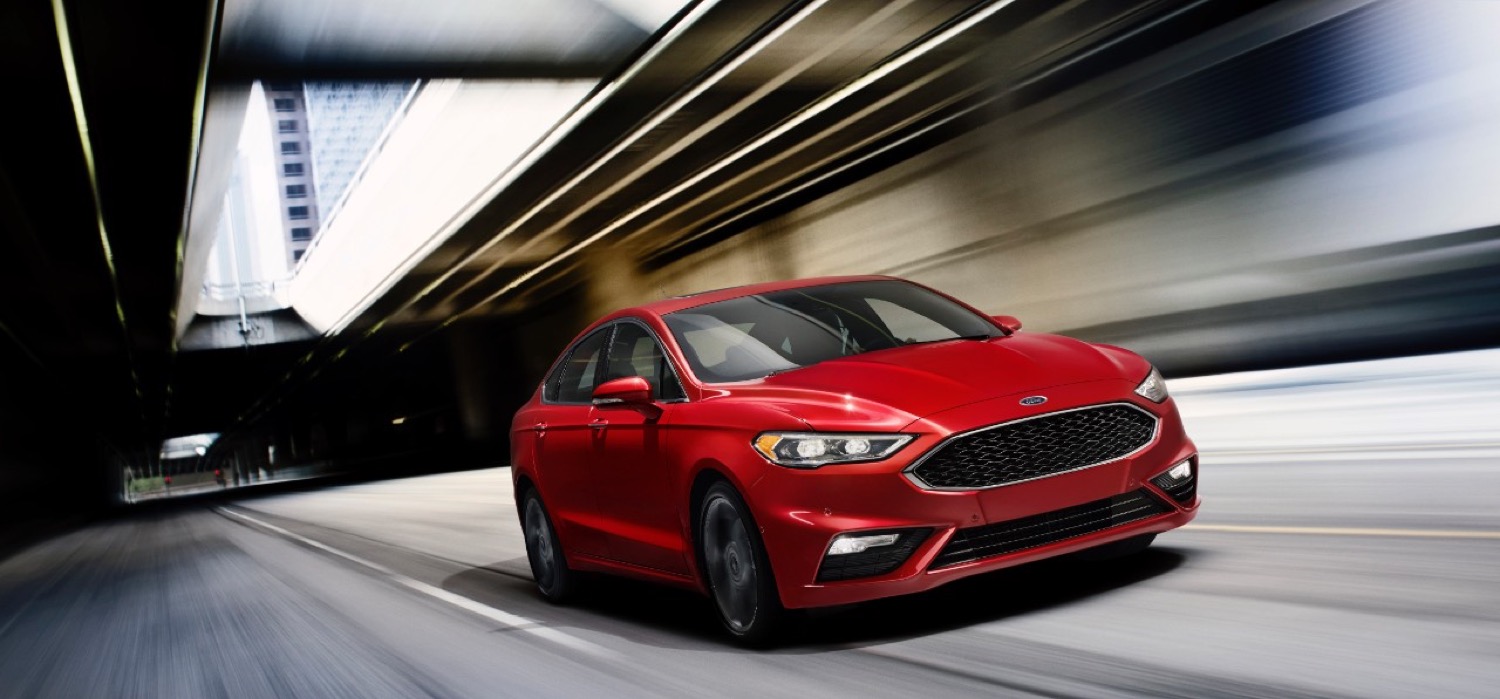
The family sedan remains a popular choice for many car buyers because of its balance of comfort, practicality, and affordability. A good family sedan offers ample interior space, smooth driving performance, and sufficient safety features for daily commutes, road trips, and family outings.
However, when it comes to choosing a reliable vehicle, many families are concerned about the long-term cost of ownership, especially in terms of repairs and maintenance.
It’s essential to pick a sedan that not only fits your needs but also offers the kind of reliability that can withstand years of wear and tear without excessive repairs. Reliability is critical, as no one wants to be stranded by a breakdown or face large repair bills shortly after purchasing a vehicle.
Over the years, some family sedans have built an excellent reputation for lasting hundreds of thousands of miles with little to no mechanical issues. These sedans are often praised for their engineering, build quality, and low maintenance requirements.
In contrast, other sedans, despite having attractive designs and a reasonable price tag, have suffered from chronic reliability issues that result in frequent breakdowns and costly repairs. These recurring issues, often with critical components like the engine, transmission, and electronics, can cause significant frustration for owners.
While buying a reliable family sedan might seem like a straightforward decision, there are numerous factors at play, from the car’s engineering and the frequency of its issues to the quality of customer service provided by the manufacturer.
In this article, we’ll break down five family sedans that have consistently shown reliability and are known for rarely breaking down, making them solid choices for families looking for peace of mind.
Conversely, we’ll also cover five family sedans that are more prone to breakdowns and mechanical failures, highlighting the issues that have caused many owners to experience frustration and significant repair costs. Whether you’re purchasing a new car or considering a used model, understanding the strengths and weaknesses of each sedan will help you make an informed decision and avoid the risk of owning a problematic vehicle.
Also Read: 5 BMW Cars That Rarely Fail vs 5 That Constantly Break
5 Family Sedans That Rarely Break
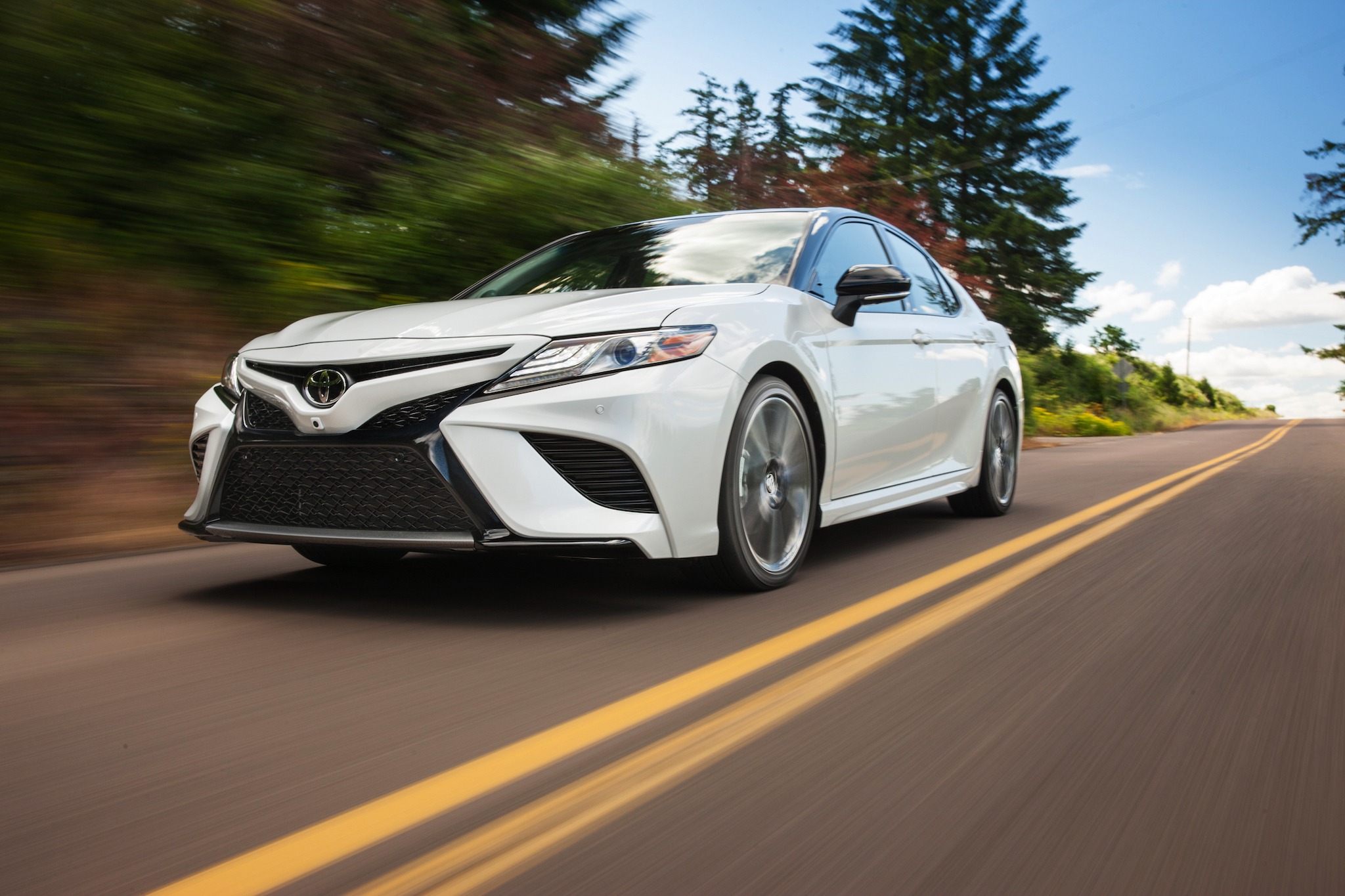
1. Toyota Camry
For many, the Toyota Camry is synonymous with reliability. This sedan has long been a staple in the family vehicle segment, offering consistent performance year after year. One of the primary reasons for its legendary reputation is Toyota’s commitment to building vehicles that stand the test of time.
The Camry’s engines, whether the standard four-cylinder or the hybrid model, are designed for durability and longevity. It’s not uncommon to see Camrys on the road with over 200,000 miles still running smoothly. In fact, many owners report that the vehicle only requires routine maintenance, such as oil changes, brake pad replacements, and tire rotations, even after years of use.
The Camry’s ease of repair is another contributing factor to its reliability. Toyota’s engineering ensures that the car’s components are simple and accessible, which makes it easier and less costly to service. Unlike some sedans that have complex or proprietary parts, the Camry’s design makes it relatively inexpensive to maintain, even in the long term. Additionally, Toyota’s extensive network of service centers ensures that repairs and replacements are handled efficiently and with high customer satisfaction.
Beyond the mechanical aspects, the Toyota Camry also boasts impressive resale value. Due to its solid reputation, the car holds its value better than many competitors, even after many years of ownership.
The low rate of mechanical issues and the ease with which replacement parts can be found help make it a good investment for families who want a dependable sedan without dealing with excessive depreciation. Families looking for a dependable vehicle with great fuel economy, low maintenance costs, and strong performance will find the Camry an ideal option for long-term ownership.
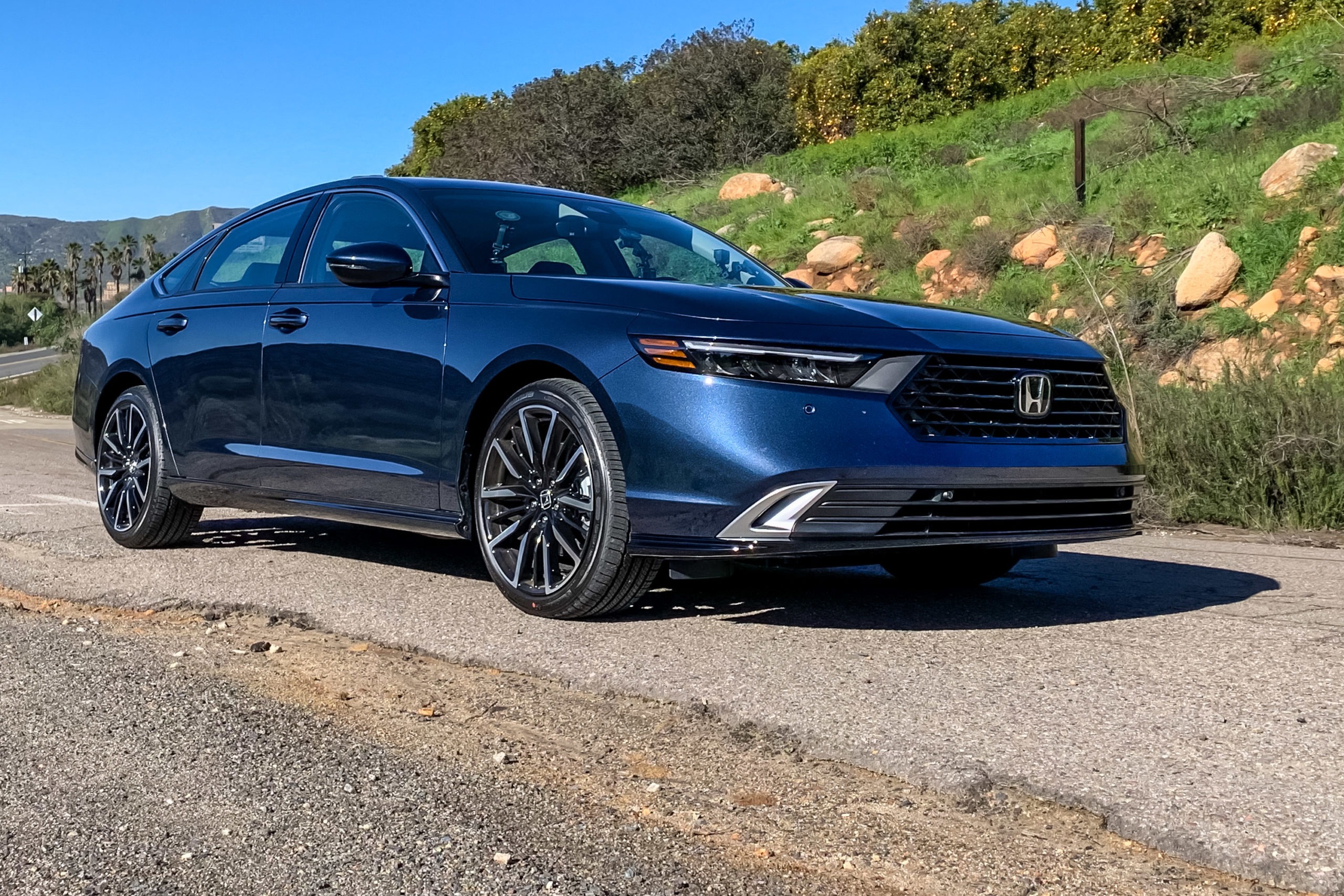
2. Honda Accord
The Honda Accord is another sedan that has been praised for its outstanding reliability over the years. Like the Camry, the Accord consistently delivers excellent performance with minimal mechanical issues, making it a top contender in the family sedan category.
One of the standout features of the Accord is its high-quality build and strong engine options. Many owners report that the vehicle runs smoothly well past 200,000 miles with only minimal issues, such as wear and tear on the brakes or tires. The car’s engine is robust, and its fuel efficiency is impressive, making it an excellent choice for families who want to balance both reliability and fuel economy.
The Accord’s transmission system is also known for its dependability, with many owners experiencing few, if any, problems. Unlike some other sedans that suffer from transmission slippage or rough shifting, the Accord’s smooth and consistent shifting makes for a more enjoyable driving experience.
The car’s suspension is well-engineered, providing a comfortable ride without compromising on handling. All of these factors contribute to the Accord’s long-term reliability and its ability to keep running without expensive repair bills.
In addition to its mechanical reliability, the Honda Accord is well-regarded for its high resale value. The sedan’s strong reputation for dependability means that it maintains its value over time, and owners who decide to sell their Accord after several years can typically expect to get a fair price.
The car’s impressive longevity also makes it a favorite in the used car market, where buyers are looking for a reliable vehicle that won’t break down shortly after purchase. Whether new or used, the Honda Accord remains a top choice for families seeking a reliable, long-lasting sedan.
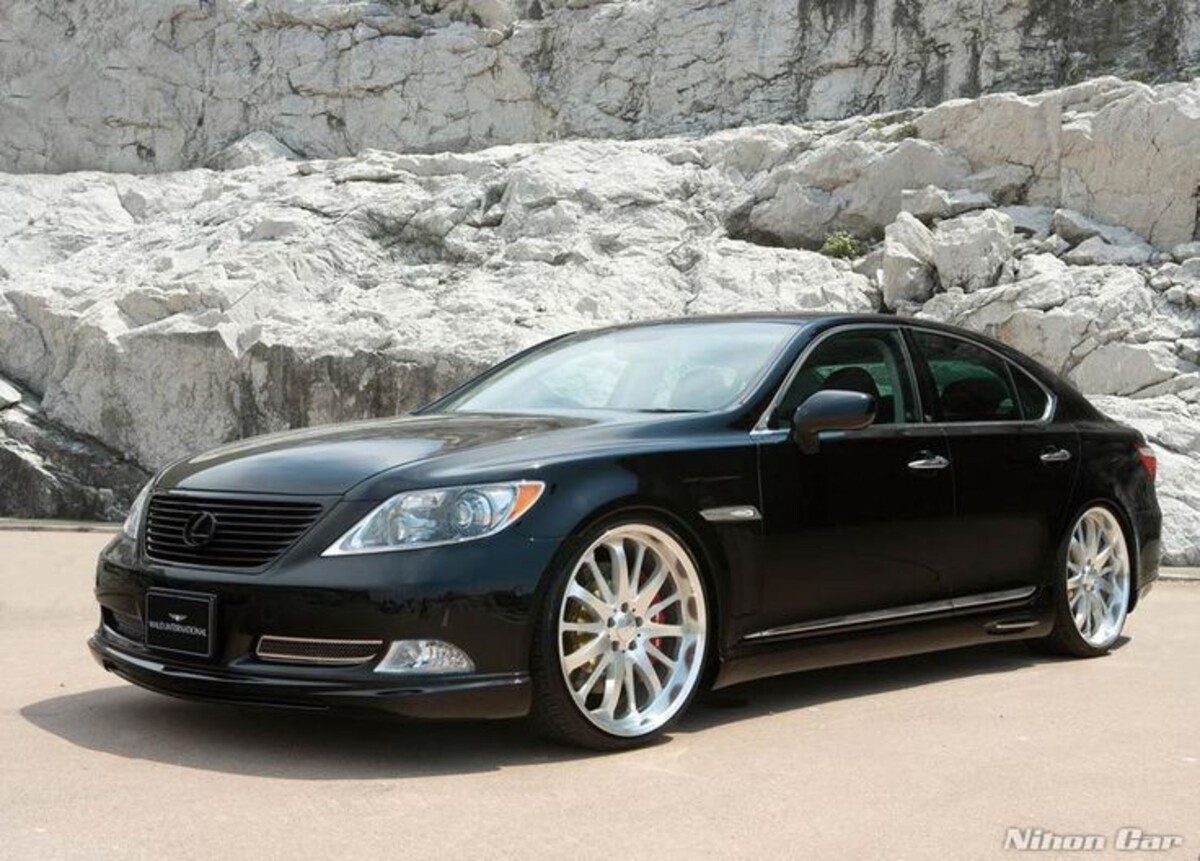
3. Lexus ES
For families seeking a luxury sedan with the same reliability and durability as a mainstream vehicle, the Lexus ES stands out as an excellent option. Lexus, the luxury division of Toyota, is known for its attention to detail and commitment to building vehicles that last. The ES, in particular, combines all the luxury features of a premium sedan with Toyota’s hallmark reliability, creating a vehicle that provides both comfort and long-term durability.
The Lexus ES is equipped with a refined engine that is designed to last for hundreds of thousands of miles with minimal issues. Its hybrid variant, which is also available, offers an excellent fuel economy while maintaining the same level of reliability.
The car’s engine, transmission, and suspension systems are engineered for smooth performance, contributing to a quiet and comfortable driving experience. Many owners of the Lexus ES report experiencing little to no major issues over the years, especially when performing regular maintenance.
In addition to mechanical reliability, the Lexus ES comes with a suite of advanced safety features, ensuring that families have the peace of mind they need while driving. The car’s cabin is spacious and luxurious, with high-quality materials that stand up well over time.
The ES also benefits from Lexus’s excellent customer service and generous warranty coverage, which ensures that any potential issues are addressed promptly and efficiently. The Lexus ES is a top choice for families seeking a blend of luxury, comfort, and rock-solid reliability.
4. Mazda6
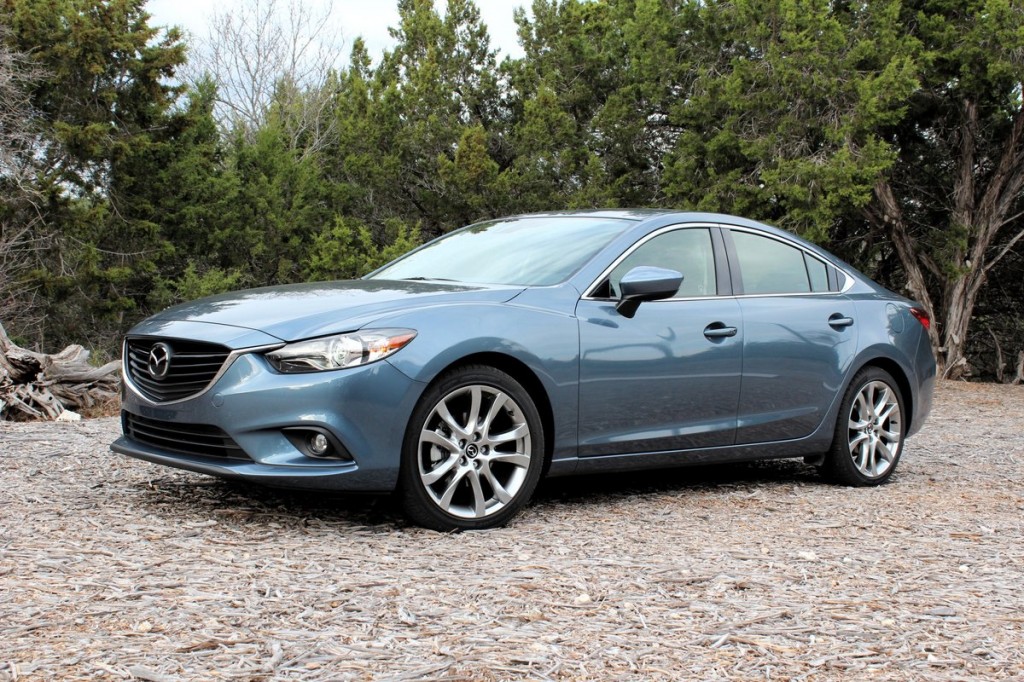
The Mazda6 is another family sedan that punches above its weight when it comes to reliability. Mazda is known for its engineering prowess, and the Mazda6 is a perfect example of the brand’s commitment to building cars that last.
The sedan’s sporty yet practical design makes it an appealing choice for families who want a reliable car without sacrificing performance or handling. The Mazda6 is equipped with Mazda’s innovative SKYACTIV engine technology, which is designed to maximize both performance and fuel efficiency while maintaining a high level of durability.
Owners of the Mazda6 often report very few mechanical problems throughout the vehicle’s lifespan. The car’s transmission is generally smooth, and the engine’s components are known for lasting far longer than many other vehicles in its class. Routine maintenance is typically all that’s needed to keep the Mazda6 running well into the 200,000-mile range. Additionally, the vehicle’s solid build quality ensures that the suspension system, brakes, and other critical components stay in good shape longer than average.
While many sedans in this class tend to focus on comfort or performance, the Mazda6 strikes a great balance between both. Its dynamic handling and responsive steering make it a joy to drive, while its interior provides ample space for families and a user-friendly infotainment system. The car also has a reputation for holding its value well, making it a great option for families who are looking for a reliable, cost-effective sedan.
5. Hyundai Sonata
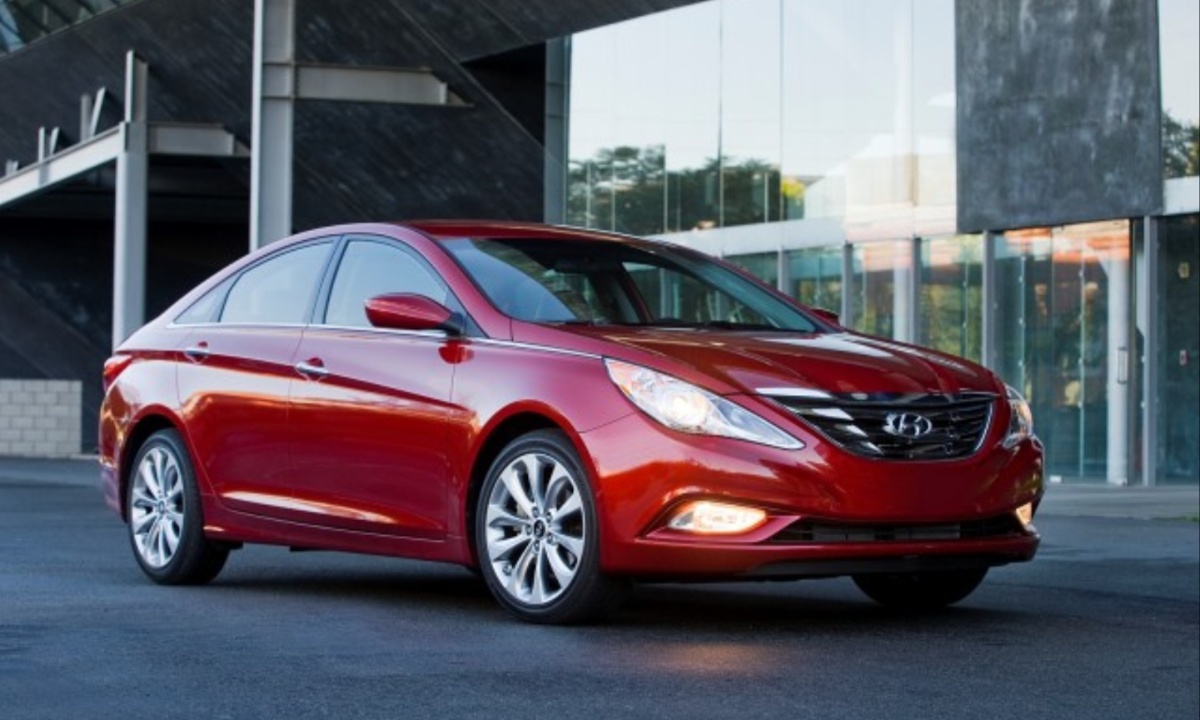
The Hyundai Sonata has steadily earned a reputation for reliability, becoming a top choice for families seeking a dependable, budget-friendly sedan. Hyundai’s recent focus on quality and engineering has paid off, with the Sonata offering a solid blend of reliability, comfort, and advanced features. The car’s engine is designed for long-lasting performance, and owners frequently report that they have very few mechanical issues, even after many years of ownership.
The Sonata’s low maintenance requirements and smooth ride contribute to its status as a reliable sedan. Hyundai has consistently worked on improving the Sonata’s performance, with newer models offering a range of engine options that are efficient and durable.
One of the standout features of the Sonata is its hybrid model, which combines fuel efficiency with a dependable powertrain, making it an excellent choice for families who want to reduce fuel costs while enjoying a low-maintenance vehicle.
In addition to its mechanical reliability, the Hyundai Sonata benefits from advanced safety features, a spacious interior, and an intuitive infotainment system, making it an excellent value for money. The car’s excellent warranty coverage further enhances its appeal, ensuring that owners can drive with confidence knowing they’re covered if anything goes wrong. With its balance of performance, low maintenance, and longevity, the Hyundai Sonata is a standout choice for families.
5 Family Sedans That Constantly Fail
1. Chrysler 200
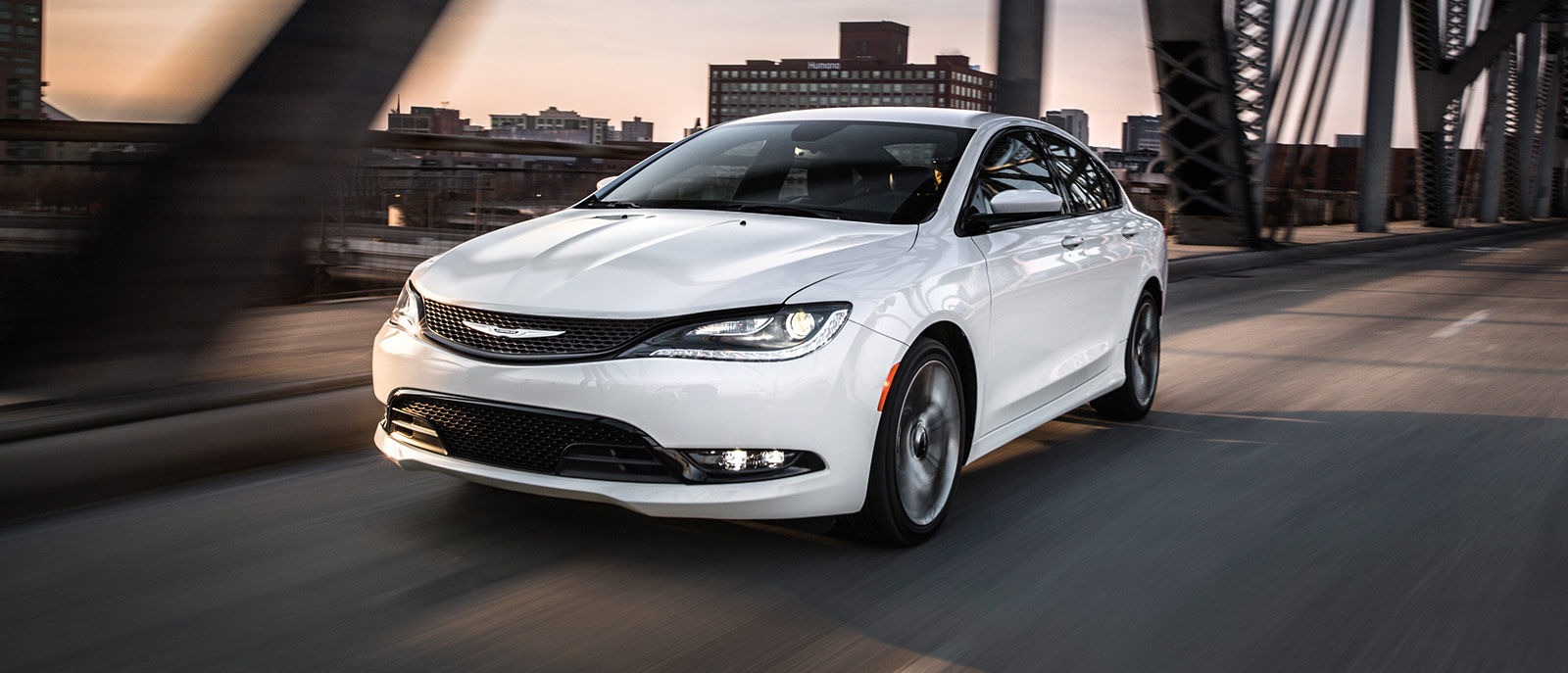
The Chrysler 200 may have appeared to be a solid contender in the family sedan market when it was first released, but it quickly earned a reputation for being one of the least reliable vehicles in its class. One of the most frequently cited problems with the Chrysler 200 is its transmission.
Many owners report that the car’s transmission experiences significant issues, such as slipping, jerking, or even total failure, often at relatively low mileage. These transmission issues are particularly troublesome because they are expensive to repair and can lead to the car being out of commission for an extended period. Unlike some other vehicles where transmission problems arise after extensive wear and tear, the Chrysler 200 seems prone to these issues much earlier in its lifespan, resulting in frequent visits to the mechanic.
In addition to transmission troubles, the Chrysler 200 is plagued by other recurring mechanical issues that impact its reliability. Many owners report problems with the engine, including poor acceleration, stalling, and oil consumption issues.
These mechanical failures can cause significant headaches for families who depend on their sedans for daily commuting and long trips. The Chrysler 200’s build quality has also been questioned, with some owners experiencing premature wear and tear on the car’s interior components. Upholstery and trim pieces tend to degrade more quickly than expected, leaving the car looking worn down long before it should.
Additionally, the 200’s suspension system is not as durable as some of its competitors. The ride can feel rougher over time as suspension components wear out, leading to a bumpy and uncomfortable driving experience. This lack of long-term durability affects not just the driving experience but also the car’s resale value, as the constant need for repairs and poor performance in crucial areas can make it less attractive to potential buyers.
For families who prioritize long-term reliability and a low-maintenance car, the Chrysler 200 is likely to be a frustrating choice. Despite its sleek exterior and initial affordability, the constant mechanical failures and repairs can quickly outweigh any benefits.
2. Ford Fusion
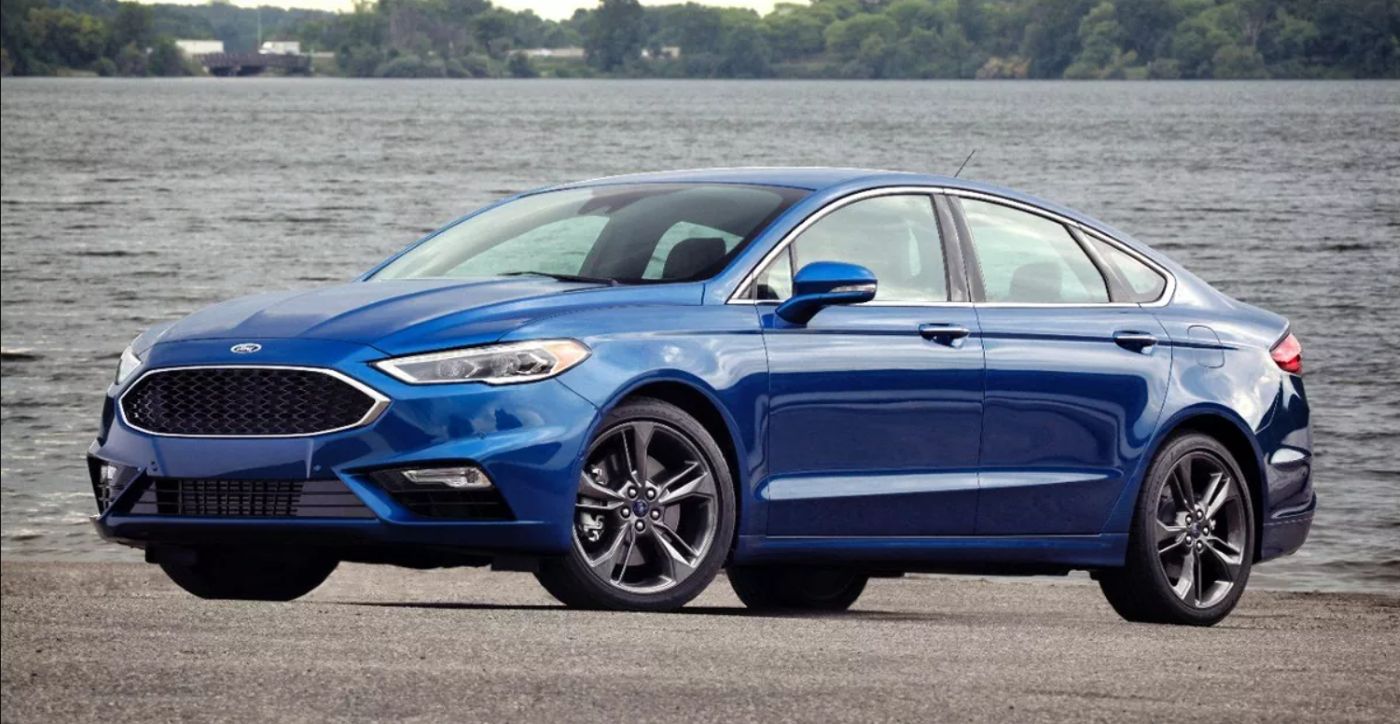
The Ford Fusion has been a popular family sedan for many years, but it is not without its share of reliability problems. One of the most frequently reported issues with the Fusion is the transmission. Much like the Chrysler 200, the Ford Fusion’s transmission system often experiences problems, including slipping, rough shifting, or even complete transmission failure in some cases.
These issues tend to occur with relatively low mileage, making the car less dependable for families who need a vehicle that can withstand years of use with minimal mechanical problems. While Ford has made efforts to address these issues in later models, the earlier years of the Fusion still suffer from these persistent transmission-related problems.
In addition to the transmission woes, the Ford Fusion has a history of engine problems. Many owners have reported excessive oil consumption, where the engine burns through oil at a faster rate than it should. This issue, if left unchecked, can lead to severe engine damage over time.
Additionally, the Fusion’s engine is prone to misfires and rough idling, which can result in decreased fuel efficiency and increased repair costs. For families looking for a sedan that won’t be a constant source of frustration, these engine issues can quickly sour the ownership experience.
Another downside to the Ford Fusion is its build quality. Although the car has an attractive exterior and a comfortable interior, it doesn’t fare as well in terms of long-term durability. Many owners have reported problems with the electrical systems, including malfunctioning sensors, malfunctioning infotainment systems, and issues with the car’s lights and power accessories.
These electrical issues, while sometimes minor, can add up over time, leading to costly repairs and a less enjoyable driving experience. For families seeking a low-maintenance vehicle with minimal downtime, the Ford Fusion’s ongoing mechanical and electrical issues can be a major deterrent.
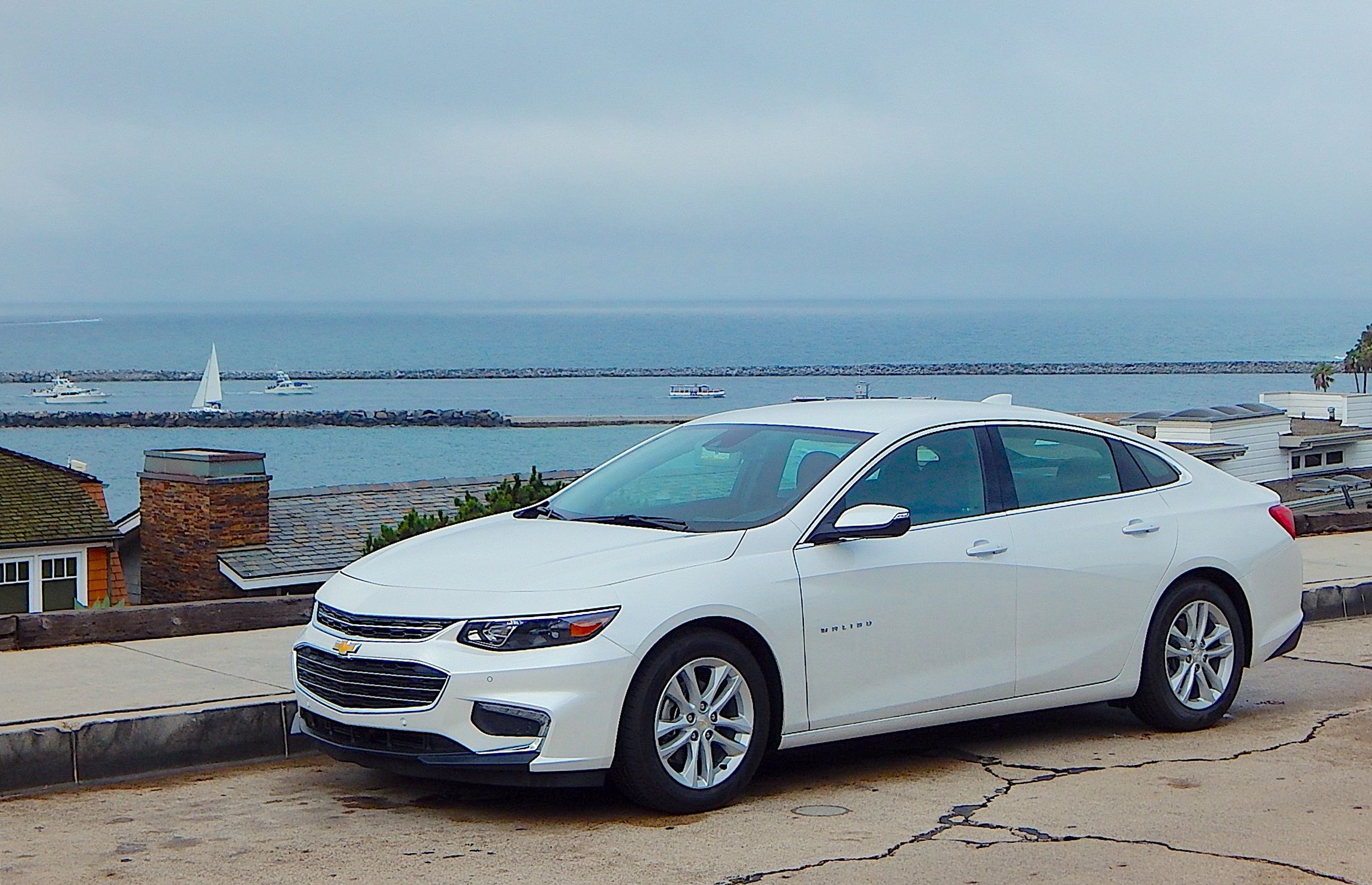
3. Chevrolet Malibu
The Chevrolet Malibu, while an affordable and stylish option, suffers from a range of reliability issues that have caused it to rank poorly among family sedans. One of the biggest complaints from owners is the car’s engine performance. The Malibu’s engine is known to experience oil consumption problems, which can lead to significant engine damage if not addressed.
This issue is not isolated to just a few models but is prevalent across various model years. The engine’s internal components, such as the timing chain, are prone to premature wear, leading to costly repairs or even complete engine failure. For families who need a dependable vehicle that won’t require frequent repairs, the Malibu’s engine issues can be a significant drawback.
In addition to engine troubles, the Chevrolet Malibu is notorious for its transmission problems. Many owners report rough shifting, delayed acceleration, and in some cases, complete transmission failure. Like many other sedans on this list, the Malibu’s transmission issues tend to appear early in the vehicle’s life, making it an unreliable option for those who plan to keep their car for several years. The cost of transmission repairs can be prohibitively expensive, adding to the long-term ownership costs.
Beyond the engine and transmission problems, the Malibu also has a less-than-stellar track record when it comes to build quality. Several owners have complained about poor interior materials, which degrade faster than expected. The infotainment system in some models is also prone to glitches, freezing up or malfunctioning regularly.
These smaller issues, while not necessarily serious on their own, tend to pile up and contribute to a frustrating ownership experience. For families who prioritize reliability and a hassle-free driving experience, the Chevrolet Malibu may not be the best choice.
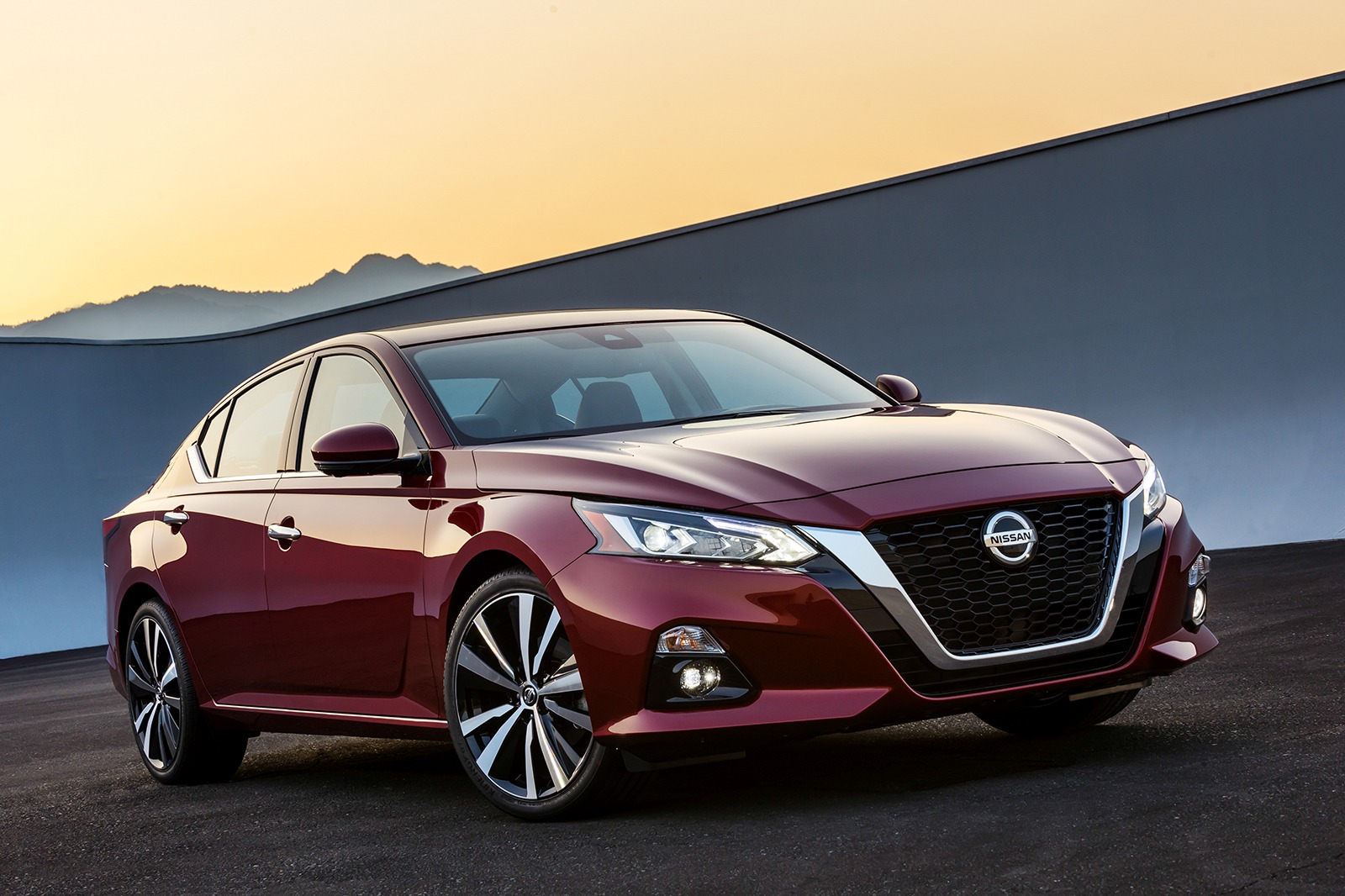
4. Nissan Altima
The Nissan Altima has long been a favorite for those looking for a comfortable, fuel-efficient family sedan, but it also has a history of mechanical issues that can cause significant headaches. One of the most common problems with the Altima is the CVT (continuously variable transmission), which has been known to fail prematurely in many models.
Owners often report slipping, jerking, or hesitation during acceleration, and in some cases, the transmission may fail completely. This issue has been a significant problem for many Altima owners, as a CVT replacement can be both costly and time-consuming.
Another issue with the Altima is its engine performance. Some models suffer from excessive oil consumption, leading to a decrease in engine performance over time. This problem, if left unchecked, can result in engine damage and costly repairs.
In addition to oil consumption problems, some Altima engines are prone to stalling, rough idling, and a general lack of power, especially as the vehicle ages. These performance issues, combined with the transmission problems, can create a frustrating ownership experience for families who need a dependable and low-maintenance vehicle.
The Nissan Altima also faces criticism for its build quality. While the car may appear sleek and modern, many owners report issues with interior materials that wear out quickly. The infotainment system, while offering advanced features, has been known to malfunction, causing frustration for drivers who rely on it for navigation and entertainment.
Additionally, some Altima models have reported problems with suspension components, leading to a rough ride and premature tire wear. For families who are looking for a vehicle that offers a smooth and comfortable ride without the need for constant repairs, the Altima’s ongoing issues with transmission, engine performance, and build quality make it a less desirable option.
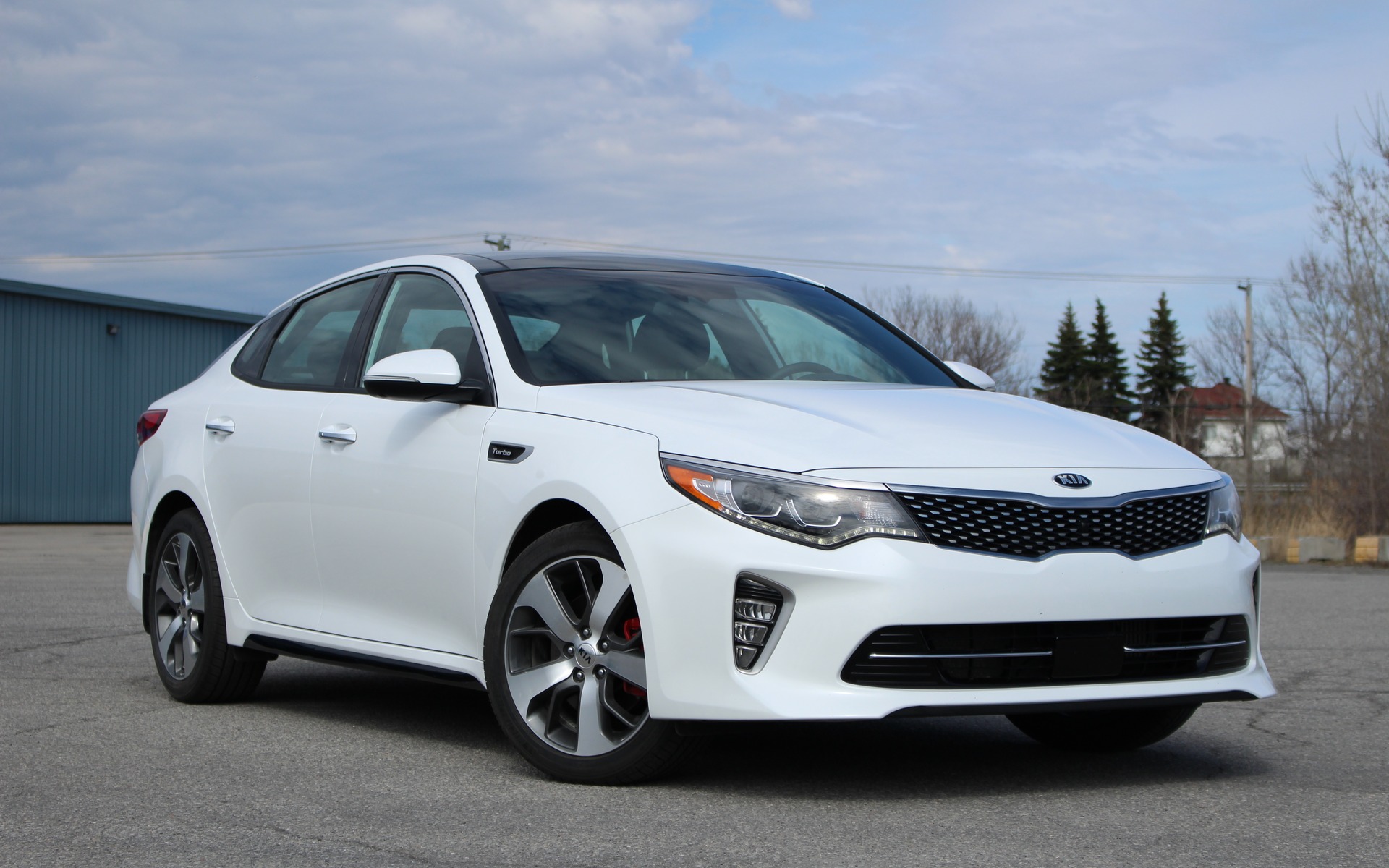
5. Kia Optima
The Kia Optima, while known for its sleek design and attractive price point, struggles with a number of reliability issues that can make it a poor choice for families seeking a dependable sedan. One of the most significant concerns with the Optima is its engine.
Owners frequently report problems with engine failure, often caused by faulty parts such as pistons, rods, or other internal components. These issues can lead to catastrophic engine failure if not addressed in time, and the repair costs for a new engine can be incredibly expensive. While Kia has addressed some of these issues in newer models, earlier versions of the Optima continue to suffer from these recurring engine problems.
In addition to engine issues, the Kia Optima is also known for frequent transmission problems. Owners have reported rough shifting, hesitation, and even complete transmission failure, similar to many of the other sedans on this list.
Transmission problems can be a significant headache for families who rely on their vehicles for daily tasks and road trips, as repairs can be costly and time-consuming. Unlike more reliable sedans, the Optima’s transmission issues tend to crop up even when the vehicle is still relatively new, which increases the cost of ownership.
The Kia Optima also has a reputation for poor long-term build quality. Many owners have experienced premature wear on interior materials, such as upholstery and dashboard components, which can make the car feel worn out long before it should.
Additionally, the vehicle’s suspension system is prone to issues, leading to a less comfortable ride as the car ages. For families who are looking for a reliable and low-maintenance sedan, the Kia Optima’s persistent engine, transmission, and build quality problems make it an option that should be approached with caution.
Also Read: 5 Nissan Leaf Years Worth Owning vs 5 To Avoid
When selecting the right family sedan, reliability should always be a top priority, as the goal is to find a vehicle that offers years of dependable service without draining your budget through frequent repairs.
A reliable family sedan does more than get you from point A to point B; it provides peace of mind, reduces stress, and allows for a smoother ownership experience.
Family cars are often subjected to daily use, long road trips, and multiple passengers, which means their ability to endure wear and tear without major mechanical failures is crucial.
The sedans listed in this article that are known for their exceptional reliability, such as the Toyota Camry, Honda Accord, Lexus ES, Mazda6, and Hyundai Sonata, are excellent examples of vehicles that provide just that.
These sedans have earned their reputations through years of consistent performance, offering low maintenance requirements and a solid history of holding up well under the pressures of family life.
The Toyota Camry and Honda Accord, for instance, have been long-standing favorites due to their strong engine durability, excellent fuel efficiency, and solid construction.
They’re the type of vehicles that, with regular care, can easily last beyond 200,000 miles without major issues. The Lexus ES brings an additional layer of luxury while still maintaining the reliability that Toyota is known for, making it a great option for families who desire comfort and performance without sacrificing dependability.
Similarly, the Mazda6 and Hyundai Sonata combine style, performance, and reliability, offering families a blend of practicality and enjoyable driving experiences.
On the flip side, sedans like the Chrysler 200, Ford Fusion, Chevrolet Malibu, Nissan Altima, and Kia Optima have often been plagued by recurring mechanical issues, making them less reliable choices for long-term ownership.
These vehicles, while appealing in terms of design and price, tend to suffer from costly transmission, engine, and electrical problems, which can quickly add up over time. Families seeking peace of mind may find themselves frustrated by these frequent breakdowns and expensive repairs.
While some of these issues can be mitigated by opting for newer models or addressing known problems early on, the long-term reliability remains a significant concern.
The choice of a family sedan should be guided by careful consideration of both immediate affordability and long-term reliability.
Opting for a sedan known for its dependable performance, despite a higher initial price, can often prove to be the more economical choice over time. Investing in a reliable vehicle not only saves money on maintenance and repairs but also ensures a more enjoyable and less stressful driving experience for years to come.
