
For millennials, cars have been more than just transportation. They’ve represented freedom, personality, rebellion, and in many cases, a source of emotional connection.
Growing up during a time of major change in the automotive world, millennials saw the tail end of the analog era and the rise of digital everything.
Their first experiences with cars weren’t just about horsepower or sleek lines; they were about a feeling, a sound, a moment in time that connected them to something real.
Whether they got their license in the early 2000s or waited until ride-sharing became popular, most millennials still carry memories of cars that stirred something in them.
These were the machines that made them excited to go on road trips, to drive without a destination, or simply to sit in a parking lot with music blasting and windows rolled down.
It wasn’t always about luxury or performance. Some of these cars were simple hatchbacks, fun coupes, or sturdy sedans. Others were a bit faster, louder, or flashier. What mattered was the emotional pull they had.
For many millennials, driving wasn’t about showing off. It was about connecting with the road, with friends, or even just with themselves.
These vehicles, whether sporty or economical, often symbolized a rite of passage. They marked the start of independence or served as the backdrop to key moments in life, first dates, college moves, late-night drives to clear the mind.
The cars on this list each meant something different to those who fell in love with them. Some were aspirational, hanging on bedroom walls or saved as phone wallpapers. Others were surprisingly affordable and offered driving joy that was rare in their price range.
What they all shared was a character that stuck with people long after they sold them or moved on to something newer.
They helped create stories that were passed around at gatherings, retold in group chats, or relived every time one drove by. These 12 cars didn’t just get millennials from point A to point B. They made them look forward to the journey itself.
Also Read: 9 Common Mistakes That Ruin a Jeep Wagoneer’s Reliability
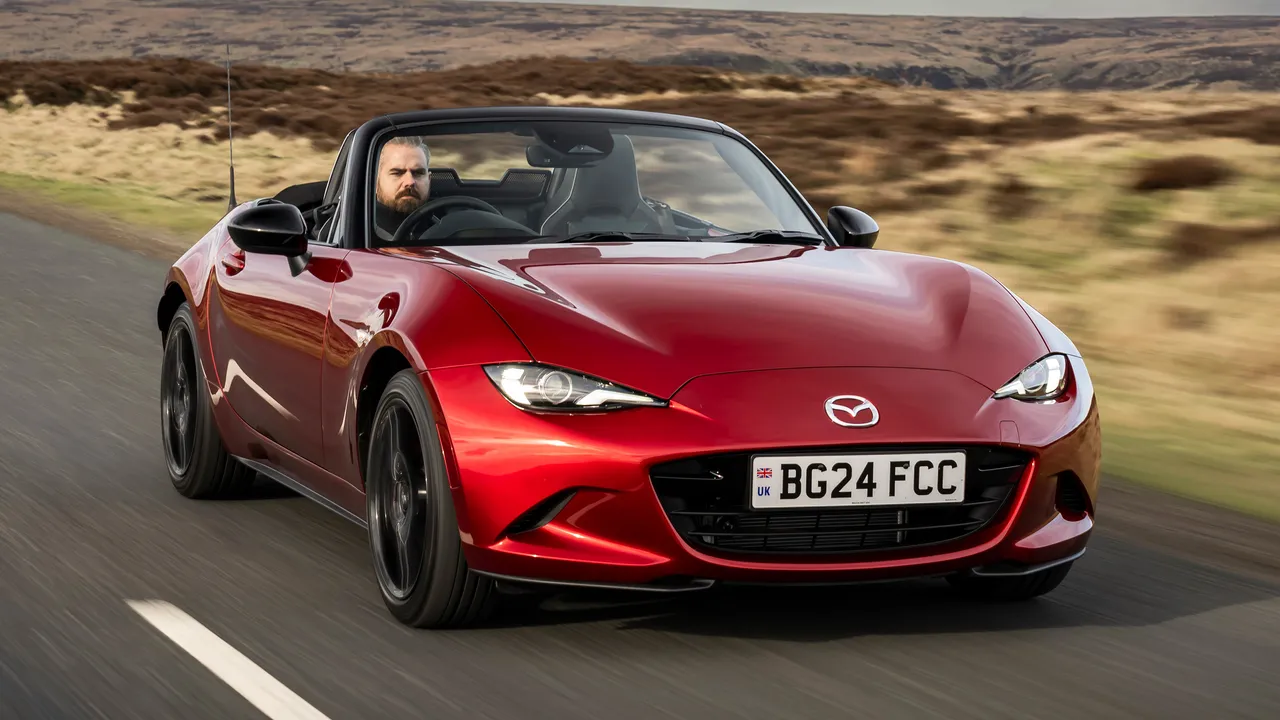
1. Mazda MX-5 Miata
The Mazda MX-5 Miata was the kind of car that reminded millennials why driving could be pure fun. It wasn’t built for power or luxury.
It wasn’t trying to impress anyone with wild specs. It was just a lightweight, well-balanced roadster that begged to be driven hard on curvy roads.
For many young drivers, it was their first experience behind the wheel of a car that felt alive. With its low seating position, rear-wheel drive, and tight manual gearbox, the Miata connected the driver to the road in a way few cars in its class could manage.
The Miata didn’t need a huge engine to win hearts. Even with its modest horsepower, it managed to feel quick and engaging. This was thanks to its simple layout and excellent handling. For millennials learning the value of precision over brute strength, this was a revelation.
Driving one meant focusing on momentum, on timing, on lines through corners. It rewarded skill and confidence rather than just a heavy foot. That experience stayed with people and shaped how they judged other cars in the future.
Another part of the Miata’s charm was its reliability. Many young car lovers wanted something fun but didn’t have deep pockets for maintenance.
The Miata offered a taste of sports car fun without constant visits to the mechanic. It also had a huge aftermarket scene, which allowed people to personalize it without spending a fortune.
Whether you were into autocross, weekend canyon runs, or just wanted a head-turner on a budget, the Miata found a way to be part of the plan.
Lastly, it became a cultural icon. The Miata wasn’t flashy, but it showed up in media, forums, and friend groups as the default answer to “What’s a fun car I can actually afford?”
It was approachable yet cool, easy to drive yet hard to master. For many millennials, it offered their first real taste of what car enthusiasts meant when they talked about “the joy of driving.”
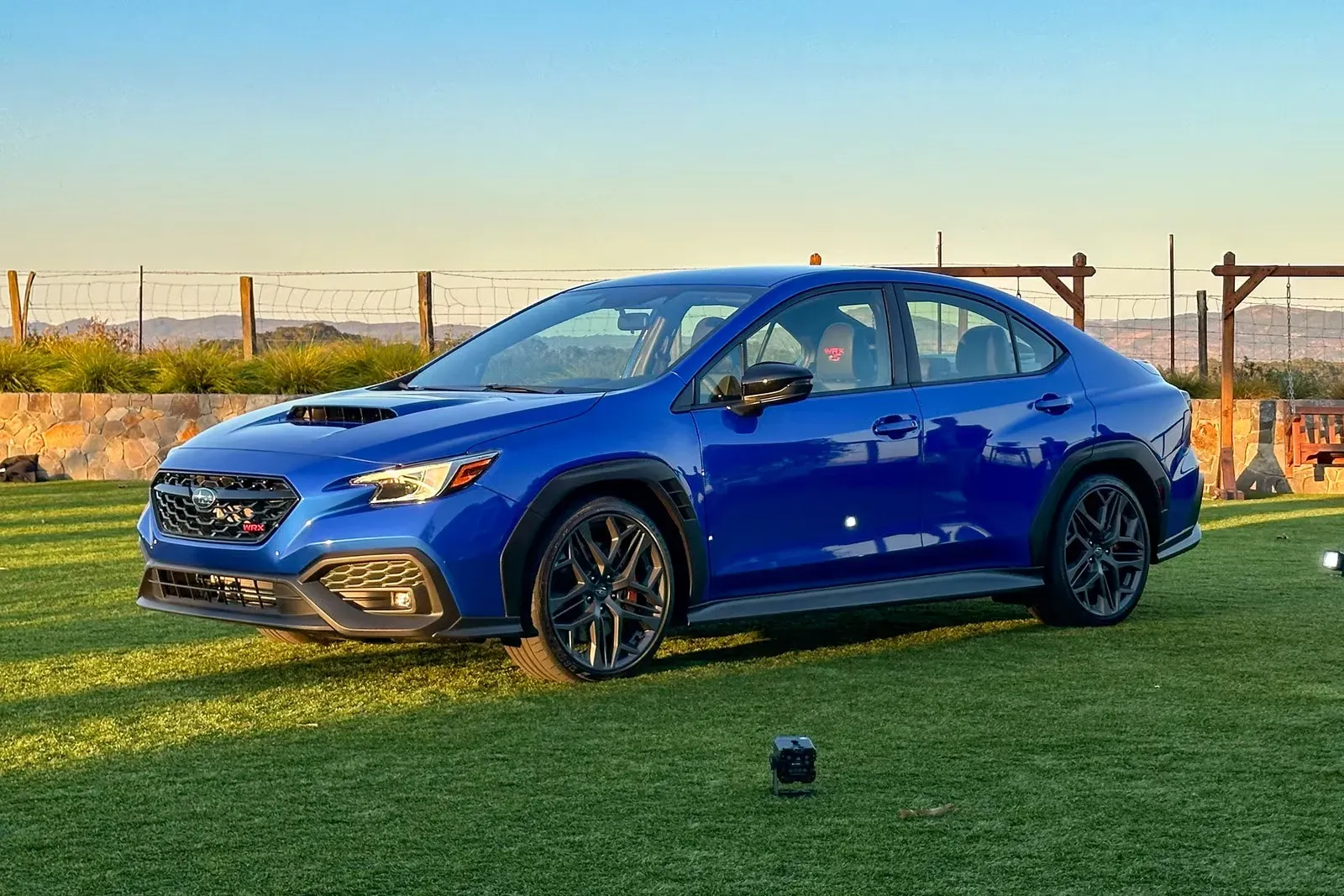
2. Subaru WRX
The Subaru WRX brought rally-inspired performance to the streets, and millennials couldn’t get enough of it. Its blend of turbocharged power, all-wheel-drive grip, and aggressive styling made it feel like something far more exotic than its price suggested.
For young drivers wanting thrills and daily practicality in one package, the WRX checked every box. It looked tough, sounded mean, and drove like it was born on a mountain pass.
One of the biggest appeals of the WRX was its rawness. Unlike some polished sports sedans, it didn’t hide its character. The turbo spooled with a satisfying whoosh, the gearbox demanded attention, and the chassis felt ready to attack a corner at any time.
For many millennials, especially those growing up on racing video games and YouTube rally highlights, this was the closest they’d come to piloting a race car. And it came with four doors and a trunk.
The WRX also brought a sense of community. There were clubs, meets, forums, and a whole subculture that came with owning one.
You didn’t just buy a WRX, you joined a group of like-minded enthusiasts who waved at each other on the road and swapped stories about mods and track days. This social side added another layer to the experience, one that made ownership more memorable and meaningful.
But perhaps the biggest reason millennials loved the WRX was that it made them feel capable. Whether it was the confidence that came with all-wheel drive in bad weather or the joy of hearing the turbo kick in on an open stretch of road, the WRX gave its drivers a sense of control and excitement.
It turned errands into sprints and weekend drives into mini adventures. For a generation that often had to settle for compromise, this car felt like freedom without sacrifice.
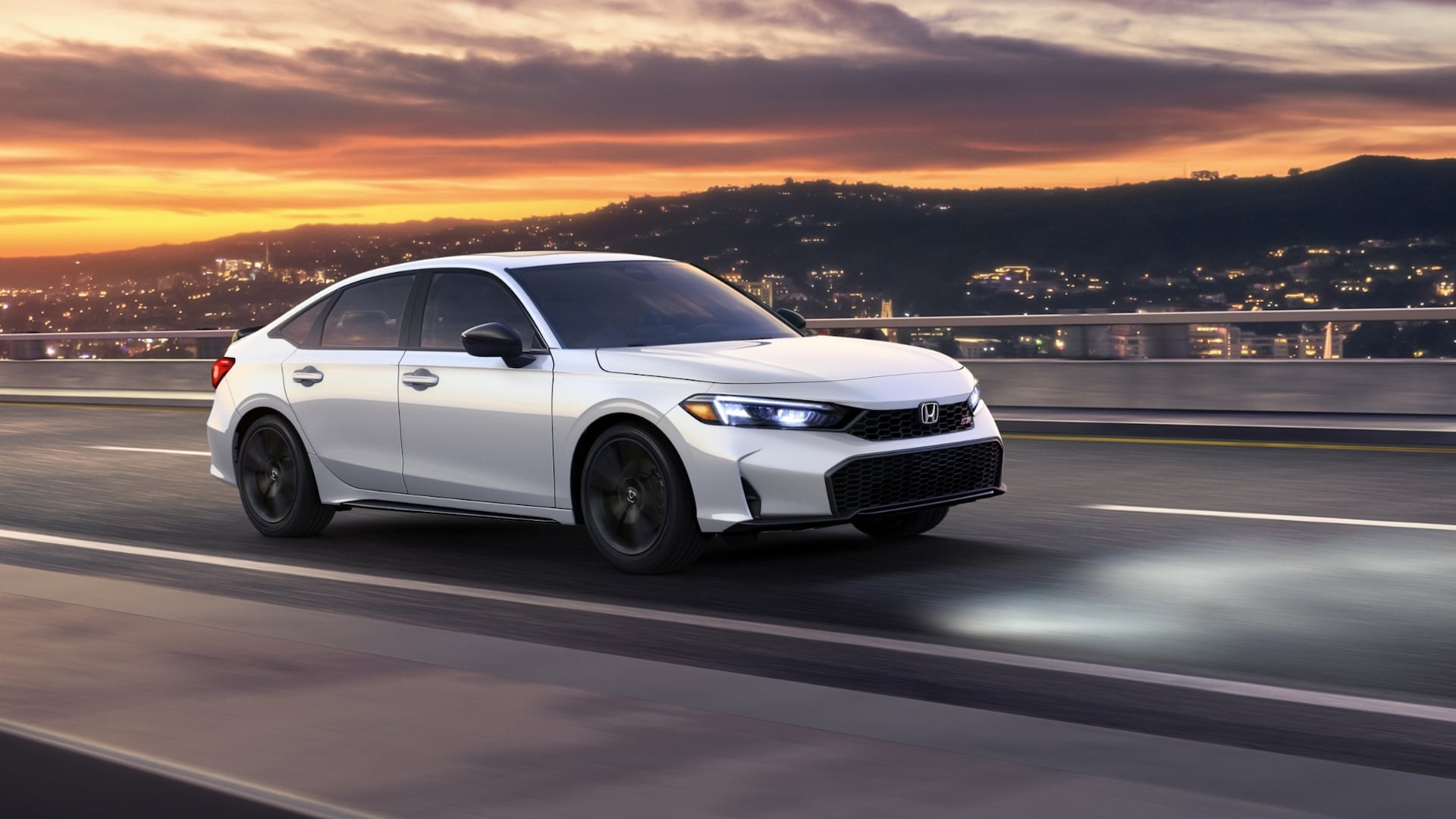
3. Honda Civic Si
The Civic Si managed to strike a rare balance between affordability and excitement. It was the car that let a young driver have a taste of performance without going broke or dealing with headaches.
With its rev-happy engine, precise handling, and practical shape, it became a favorite for millennial enthusiasts who wanted a little more out of their daily commute. It proved that fun didn’t have to come with a premium badge.
Honda’s reputation for quality and durability made the Civic Si even more attractive. It wasn’t just sporty, it was also built to last. This mattered to a generation facing student loans, rising rent, and uncertain job markets.
When you bought an Si, you knew it wouldn’t leave you stranded or cost a fortune to keep running. It was a performance car you could rely on, which made it even easier to fall for.
Driving the Civic Si was always engaging. Whether it was the sharp steering, the light clutch, or the way the VTEC engine came alive at higher RPMs, there was always something to enjoy behind the wheel.
It encouraged people to learn how to drive well, not just fast. It wasn’t about brute speed but about rhythm, balance, and feel. That kind of experience stuck with people and shaped their tastes for years to come.
And of course, the Si had its own culture. From tuner meets to online forums, it attracted a loyal following that shared advice, swapped parts, and built lasting friendships.
The Civic Si didn’t just move people physically, it brought them together. For many millennials, it was the car that made them fall in love not just with driving, but with car culture itself.
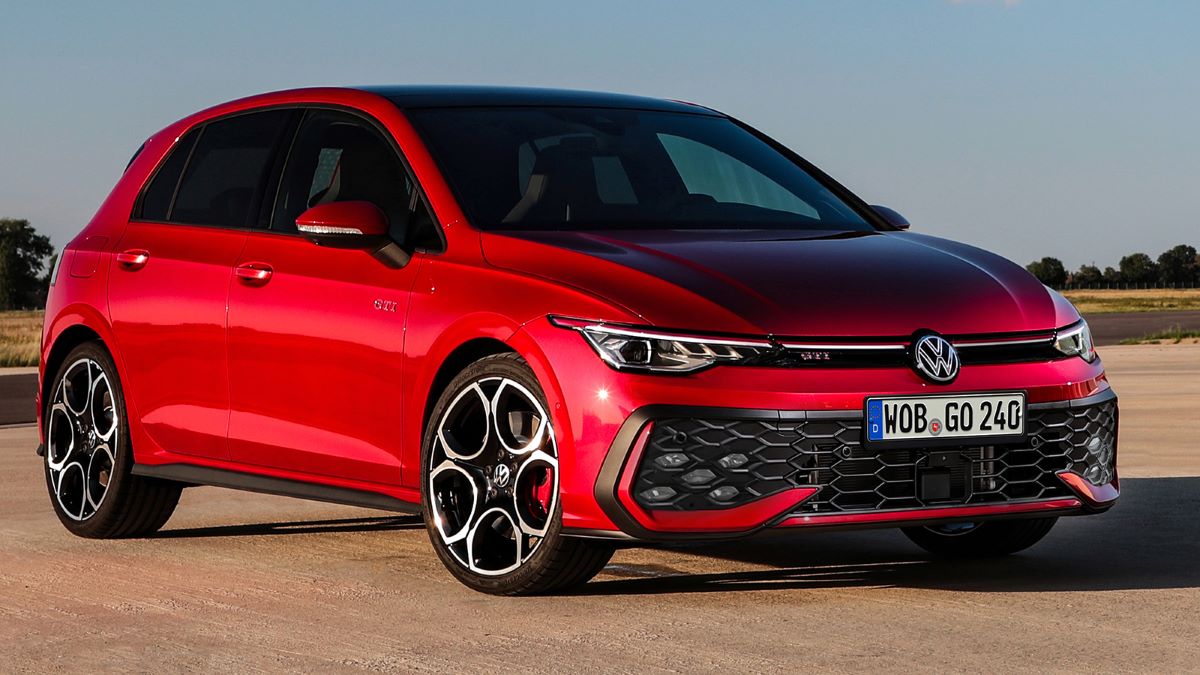
4. Volkswagen GTI
The Volkswagen GTI combined European refinement with hot hatch energy. It was mature without being boring, fun without being wild.
For millennials who wanted a grown-up car that still made them smile, the GTI was a perfect match. It looked clean, handled well, and had enough punch to keep things interesting.
One of the GTI’s biggest strengths was its versatility. It could be a commuter, a road trip car, a weekend toy, or all three at once.
With a spacious interior, practical hatchback layout, and strong turbocharged engine, it did everything well. You didn’t have to sacrifice comfort or practicality to have fun. That kind of balance was rare and deeply appreciated.
The interior quality was also a standout. While some competitors focused purely on performance, the GTI paid attention to the small things, materials, fit and finish, tech.
For millennials used to smartphones and digital interfaces, the GTI felt modern and thoughtful. It was a place you actually wanted to spend time in, whether you were heading to work or taking the long way home.
Driving the GTI was where it really shone. The steering was sharp, the chassis was playful, and the power delivery was smooth. It felt planted yet agile, always ready to change direction with confidence.
You didn’t need a track to enjoy it, any back road or freeway on-ramp was enough. For a generation looking for real driving joy in an increasingly automated world, the GTI delivered in spades.
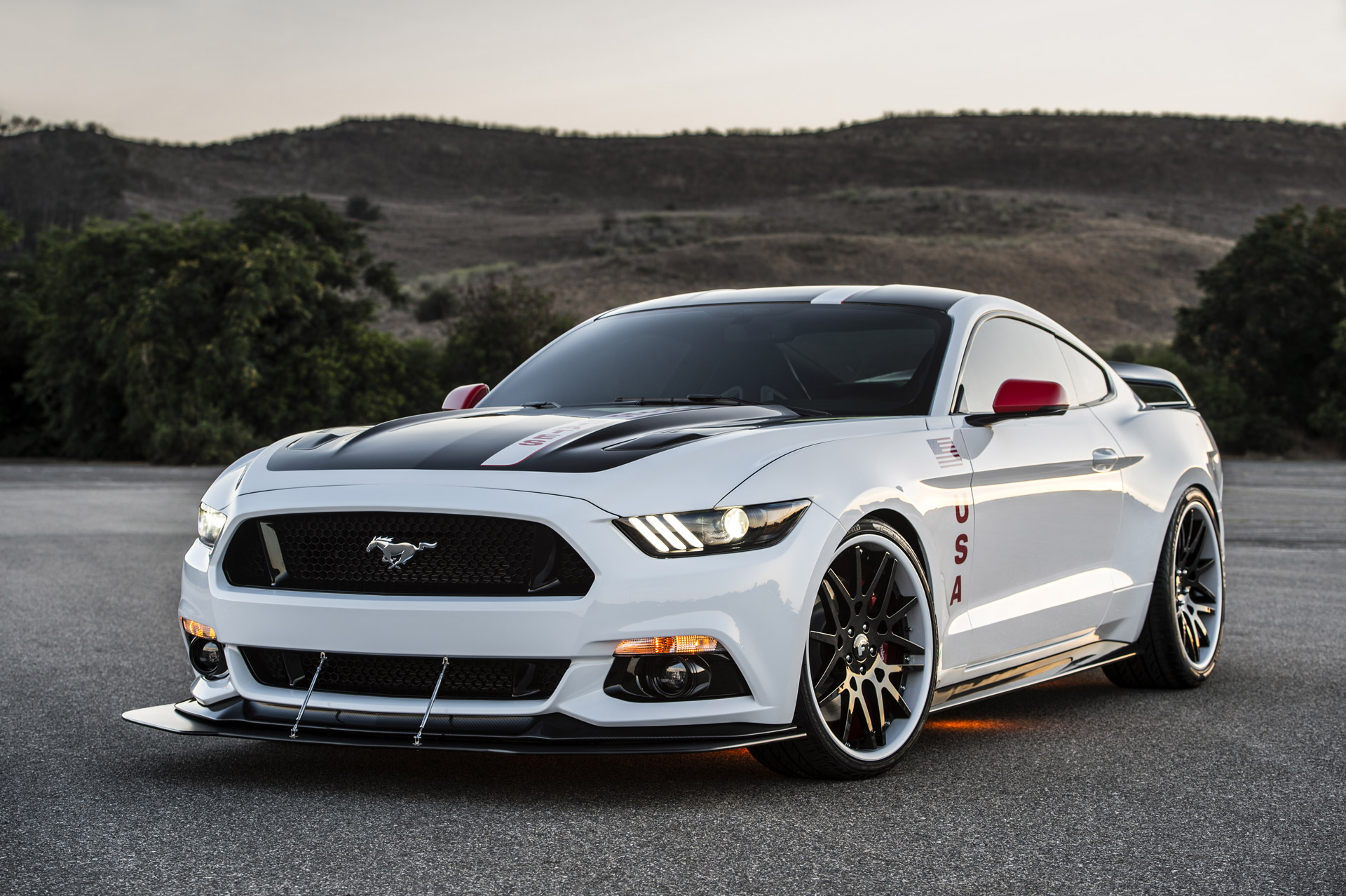
5. Ford Mustang (S197 and S550)
The Ford Mustang has always had a place in American culture, but for millennials, it became something different, a muscle car that finally matured.
While the earlier versions were known more for straight-line power than finesse, the fifth-generation S197 and especially the sixth-generation S550 changed the game.
These versions of the Mustang were more than just loud and fast; they became genuinely good to drive. The S197, introduced in the mid-2000s, brought retro styling that spoke directly to younger drivers who grew up watching movies like “Bullitt” and “Gone in 60 Seconds.”
It wasn’t just nostalgia; it was a statement piece. And for many millennials, it was their first real taste of a rear-wheel-drive performance car.
Then came the S550 Mustang in 2015, and it changed everything. With independent rear suspension for the first time, the handling finally matched the aggressive styling.
It was no longer just about horsepower and burnouts. The S550 was composed, sharp, and well-balanced, making it a legitimate rival to European sports coupes.
Millennials who had previously looked overseas for performance now saw a homegrown option that could genuinely compete.
The availability of multiple engines, from the turbocharged EcoBoost to the roaring V8 GT, also meant there was something for every budget and driving style. Whether you were into drag strips or track days, the Mustang gave you the tools to have fun.
Another reason the Mustang resonated so strongly was its emotional impact. This was a car that looked like power, sounded like rebellion, and drove like excitement.
It didn’t matter if you were stuck in traffic or blasting down a deserted highway; sitting behind the wheel made you feel like a part of something bigger.
For millennials who grew up during times of economic and social uncertainty, that kind of confidence mattered. It turned routine drives into personal victories.
Plus, the aftermarket support allowed owners to personalize their Mustangs in just about every way imaginable, creating a stronger sense of ownership and identity.
The Mustang also became one of the few cars that transcended demographics. It wasn’t just a “car guy” car, it was a car that appealed to everyone from gearheads to creatives, from city dwellers to small-town dreamers.
Whether it was the soundtrack of the V8, the drama of the styling, or the feeling it gave when you floored it on an open road, the Mustang delivered something real. It gave millennials a reason to look forward to driving again, even in a world leaning more and more toward electric and autonomous alternatives.
Also Read: 8 Moves That Ruin a Ford Contour Too Soon
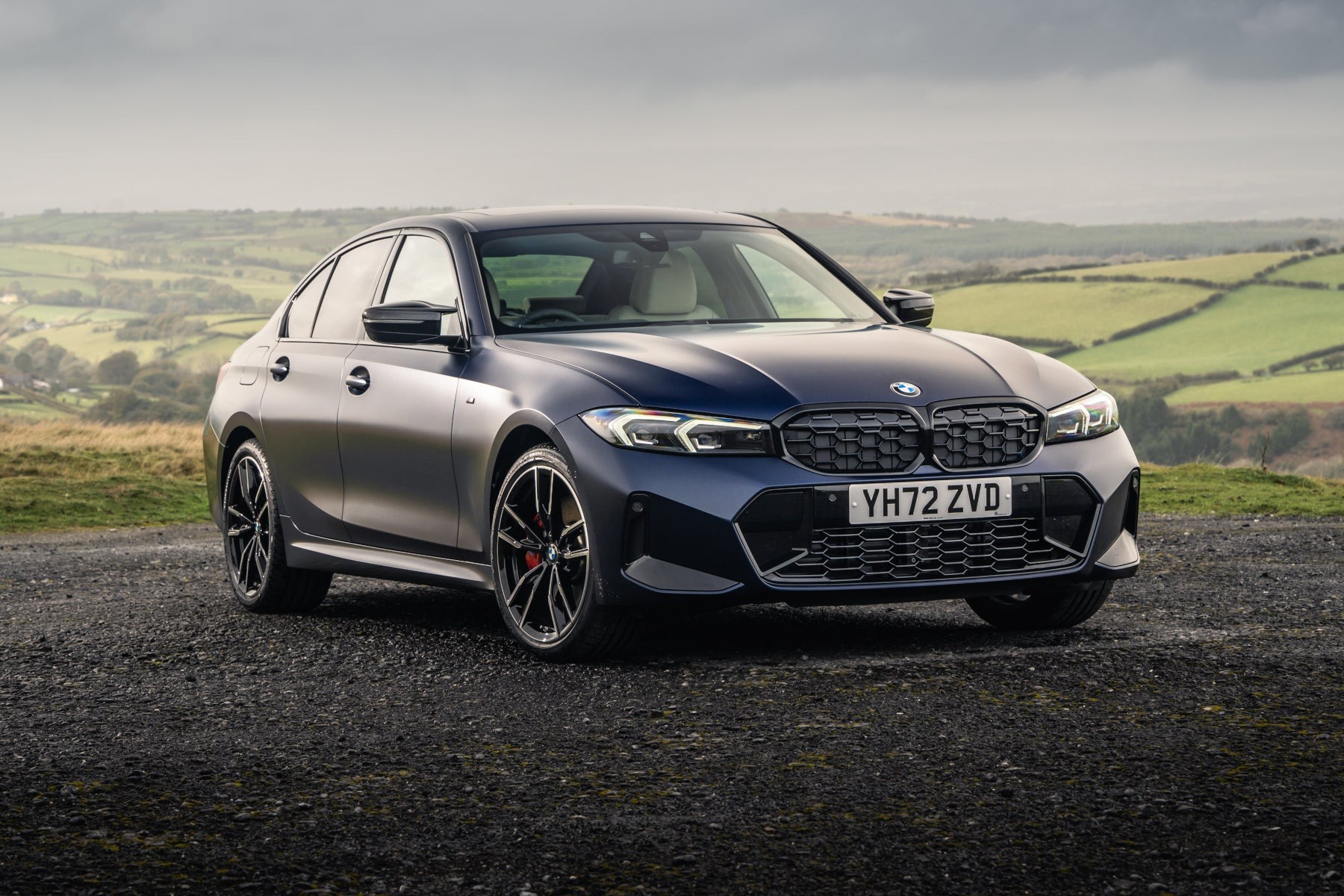
6. BMW 3 Series (E46 and E90)
The BMW 3 Series, particularly the E46 and E90 generations, struck a deep chord with millennials. These weren’t flashy cars, they were just supremely well-engineered machines that taught people what driving should feel like.
The E46, produced from the late ’90s into the mid-2000s, had the perfect mix of balance, feedback, and comfort.
For millennials who were getting into cars during the early 2000s, it was a benchmark. It didn’t shout for attention, but it earned respect the moment you got behind the wheel. This was a car that felt tight, precise, and rewarding, even at normal speeds.
What set the 3 Series apart was how it treated driving as an experience, not just a function. Everything from the weight of the steering to the layout of the dashboard felt like it had been built with the driver in mind.
It gave millennials a taste of European driving philosophy, where balance and feel mattered as much as raw performance.
The 3 Series was quick, but it wasn’t trying to be the fastest car on the road. It was trying to be the best one to drive. That subtle distinction made all the difference, especially for young people who were just beginning to appreciate the difference between good and great cars.
The E90, which followed the E46, brought more refinement and modern touches without losing the magic. It was a little bigger and more powerful, but still retained the handling characteristics that made its predecessor so beloved.
For many millennials, the E90 was their introduction to what a luxury sports sedan could really do.
It was practical enough for daily duties, stylish enough for weekends out, and sharp enough to bring a grin on a winding road. It wasn’t perfect, but it didn’t need to be. It was aspirational but attainable, especially on the used market, where it offered tremendous value for young enthusiasts.
These BMWs taught millennials to care about things like steering feel, weight distribution, and chassis dynamics. They weren’t about quarter-mile times or top speed bragging rights. They were about engagement and quality. Owning or even just driving one left a lasting impression.
They gave people an idea of what true driving pleasure could be, and that kind of memory sticks. It doesn’t fade with time, it becomes part of your internal standard, a yardstick you measure all future cars against.
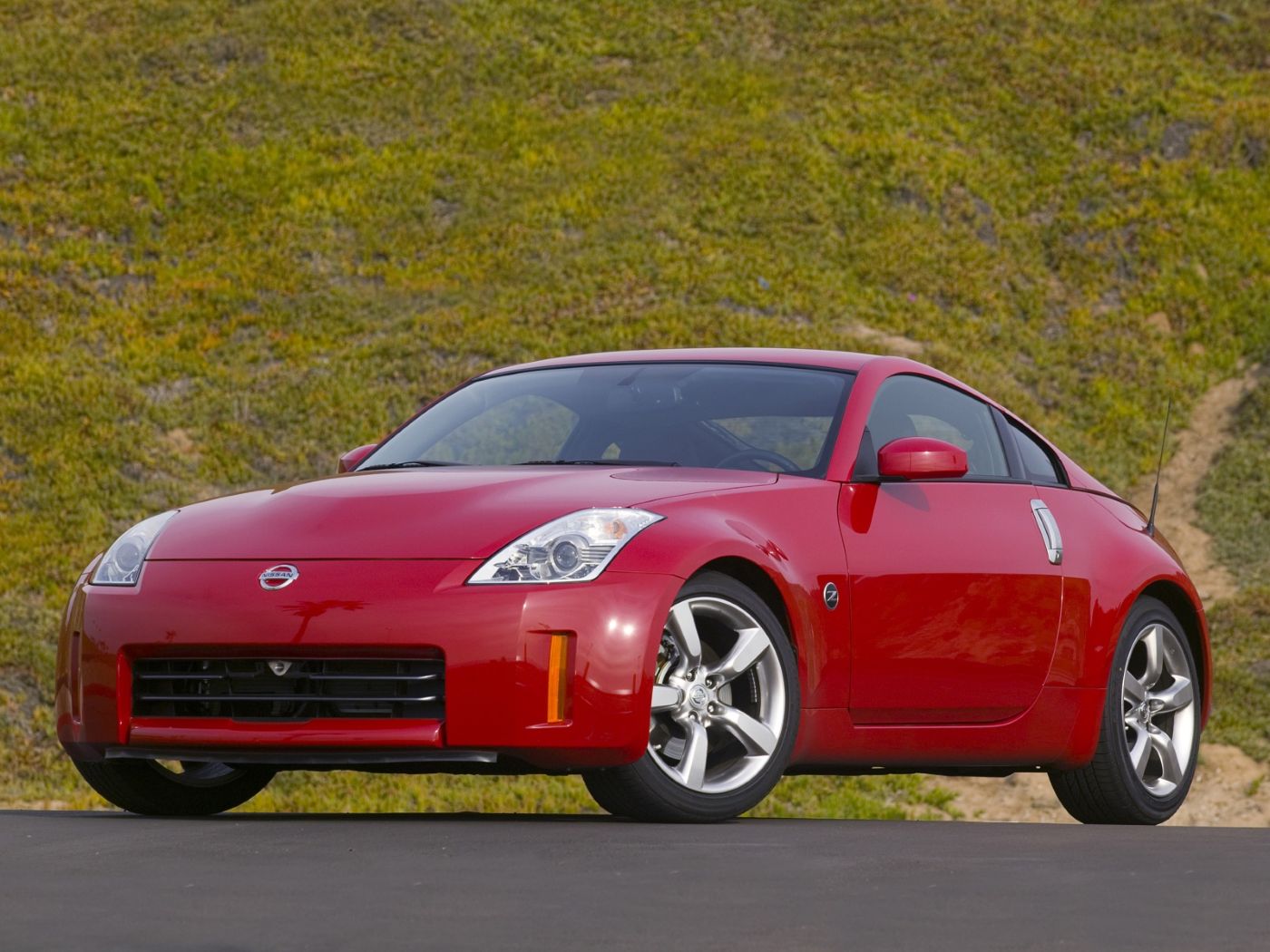
7. Nissan 350Z / 370Z
When the Nissan 350Z hit the streets in the early 2000s, it caused a stir. This was a proper sports coupe, affordable enough to be within reach of younger buyers but bold enough to stand tall against more expensive competition.
It had a big, naturally aspirated V6, rear-wheel drive, and aggressive styling. For millennials growing up on video games like “Gran Turismo” or “Need for Speed,” this was the kind of car that you didn’t just admire, you wanted to drive. And when you finally did, it didn’t disappoint. The 350Z was raw, loud, and unapologetically mechanical.
It wasn’t the easiest car to drive fast, and that was part of the appeal. It demanded attention and respect, and when you gave it those things, it rewarded you with a visceral experience.
The steering was heavy but direct, the gearbox needed a firm hand, and the power delivery was punchy and linear.
There was nothing artificial about the Z. It felt like it had a heartbeat, and for young drivers craving authenticity, that meant everything. It taught them to drive with intention. It wasn’t just about speed; it was about feel.
When the 370Z arrived, it kept the same formula but added a bit more power, refinement, and presence. It still had the same spirit, old-school and analog in all the right ways, but now with a little more polish. It remained one of the few sports cars that didn’t give in to trends.
No turbocharging. No tiny displacement. Just a big engine, manual transmission, and muscular body lines. For millennials who wanted a proper sports car experience without breaking the bank, the Z cars were like a gateway to driving euphoria.
These cars also carried an image with them, of street racers, track days, modified builds, and performance parts catalogs.
The Z wasn’t just a car; it was a platform. It inspired creativity and enthusiasm. Whether slammed on coilovers or tuned for lap times, the 350Z and 370Z gave young enthusiasts a canvas.
And even for those who never owned one, they became a symbol. You didn’t have to drive one to respect what it stood for. For many millennials, the Z cars represented an era of accessible, honest performance.
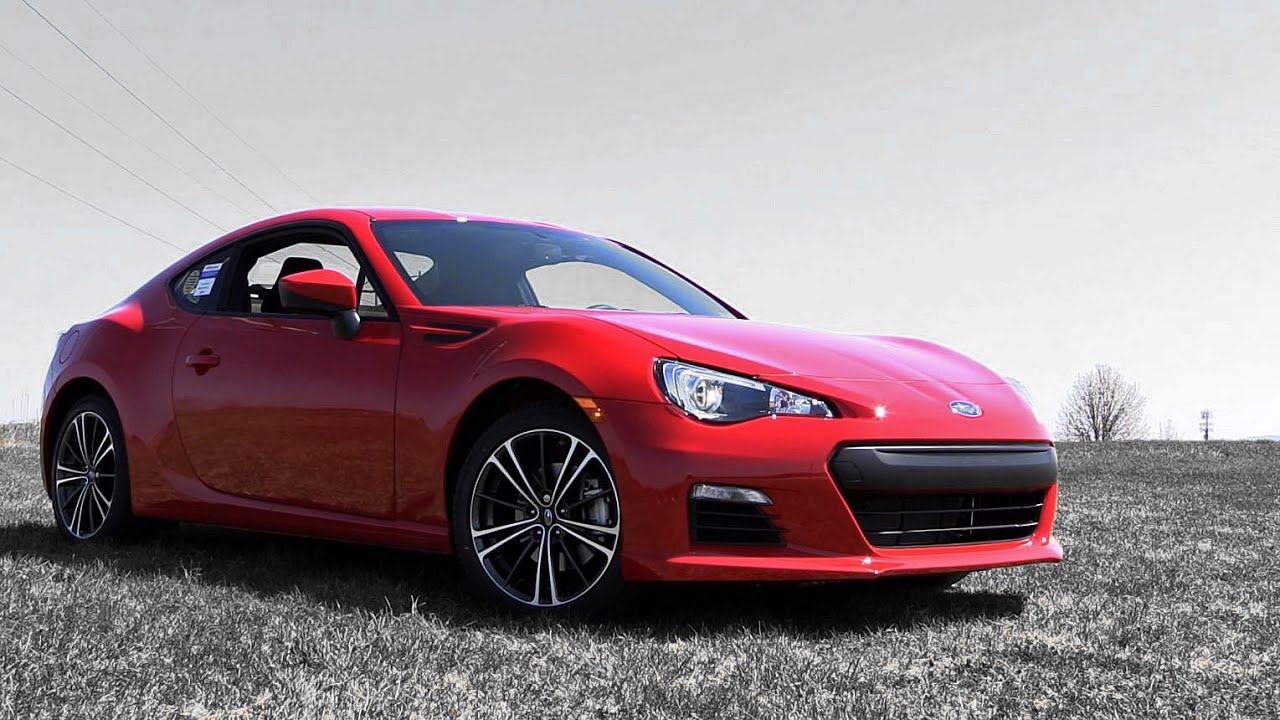
8. Toyota 86 / Subaru BRZ
The Toyota 86 and Subaru BRZ arrived at a time when many thought the affordable sports car was dead. The automotive world was shifting toward crossovers and turbocharged efficiency, and fun-to-drive coupes were becoming rare.
Then came this du, low-slung, rear-wheel drive, lightweight, and focused entirely on balance and driver involvement.
They weren’t fast in a straight line, and that became the most controversial, and perhaps most important, part of their identity.
These cars forced people to reconsider what driving joy really meant. For millennials, who were becoming more selective and thoughtful about the cars they wanted, this message hit home.
Their design also resonated. Clean lines, wide stance, and a silhouette that hinted at classic sports cars, these weren’t flashy, but they were undeniably cool. Inside, everything was simple and functional. No oversized touchscreens or overcomplicated menus. Just the basics, positioned well.
Millennials, especially those with an eye for minimalist design and function, appreciated that. These cars respected the driver’s focus. And while the performance numbers didn’t jump off the page, the experience was worth far more than numbers could show.
Perhaps most importantly, the 86 and BRZ gave millennials hope. They showed that car companies were still willing to make something for the purists. That someone out there still believed in the joy of driving for its own sake.
It was a car that stood against the tide, and that made it unforgettable. Whether you tracked it, drifted it, or just used it for Sunday drives, it reminded you why people fell in love with driving in the first place. Not for power. Not for speed. But for feeling.
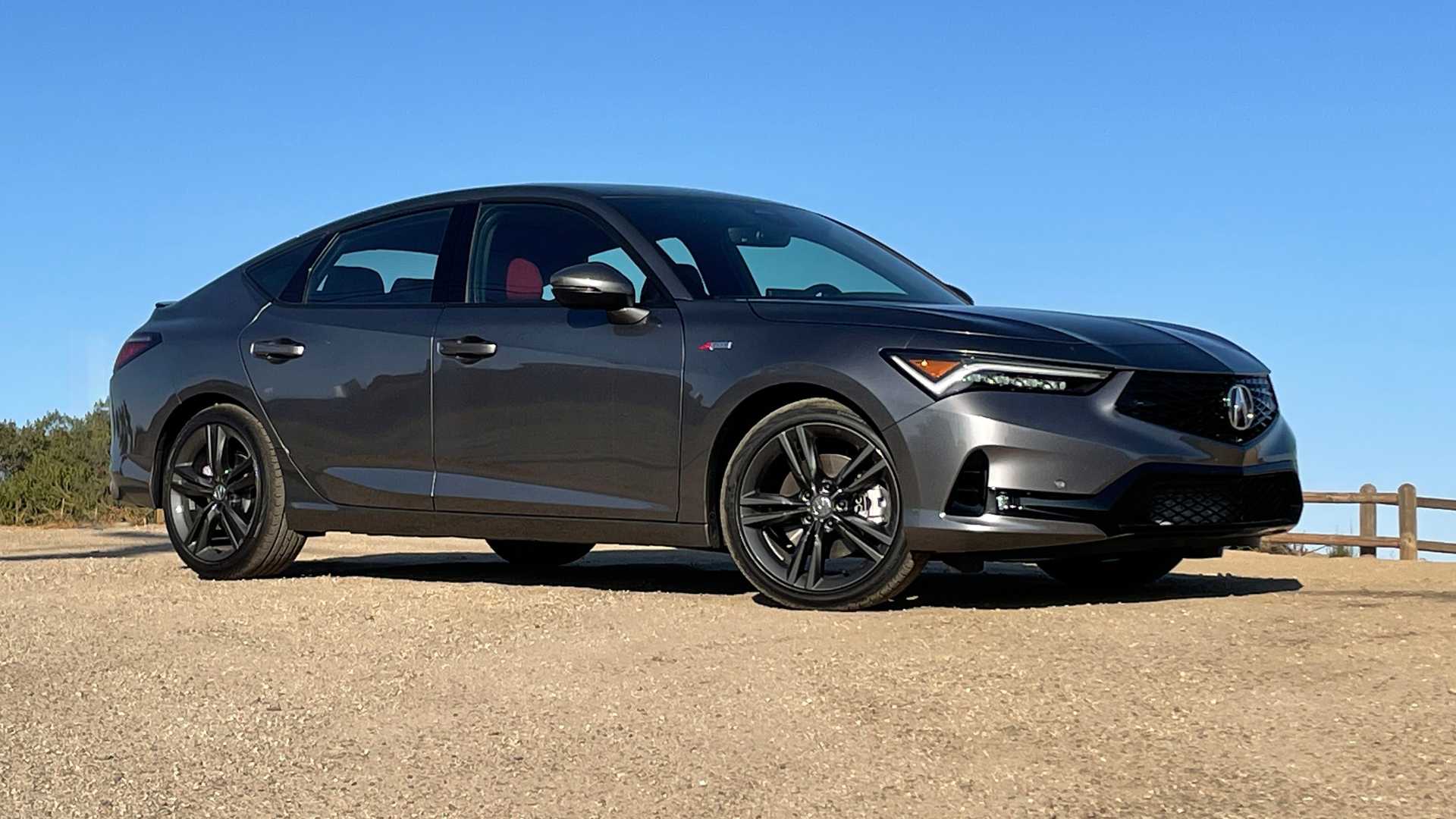
9. Acura Integra (Third Generation)
For many millennials, the third-generation Acura Integra was the first car that made driving feel like a sport. It was nimble, responsive, and engaging in a way that made even short drives exciting.
Introduced in the mid-1990s and continuing into the early 2000s, the Integra struck a chord with a generation raised on tuner culture, car magazines, and an internet that was just beginning to fill with enthusiast forums.
The Integra was small, light, and front-wheel-drive, but it handled beautifully and revved to the moon. That kind of driving experience left a permanent impression on anyone lucky enough to drive one.
Beyond performance, the Integra had a style that set it apart. It looked clean and sporty, with just the right balance of subtlety and aggression. It didn’t need oversized wings or dramatic lines. Its appeal was in its proportions and intent.
And the interior, with its well-bolstered seats and driver-focused layout, made it feel like a cockpit. For a young driver, it wasn’t just a means of transportation, it was a place to enjoy being in control. Every corner was a chance to feel something, and that feeling became addictive.
What truly cemented the Integra’s legacy was its role in car culture. It was a star in the early tuning scene, featured in magazines, online videos, and eventually films. It was part of the DNA of the Fast and Furious era, where garage-built performance was king.
Millennials who didn’t own one often dreamed of it, and those who did never forgot it. The Integra wasn’t about showboating or status. It was about purity, precision, and passion. It reminded young drivers that a great car didn’t have to be expensive, it just had to be right.
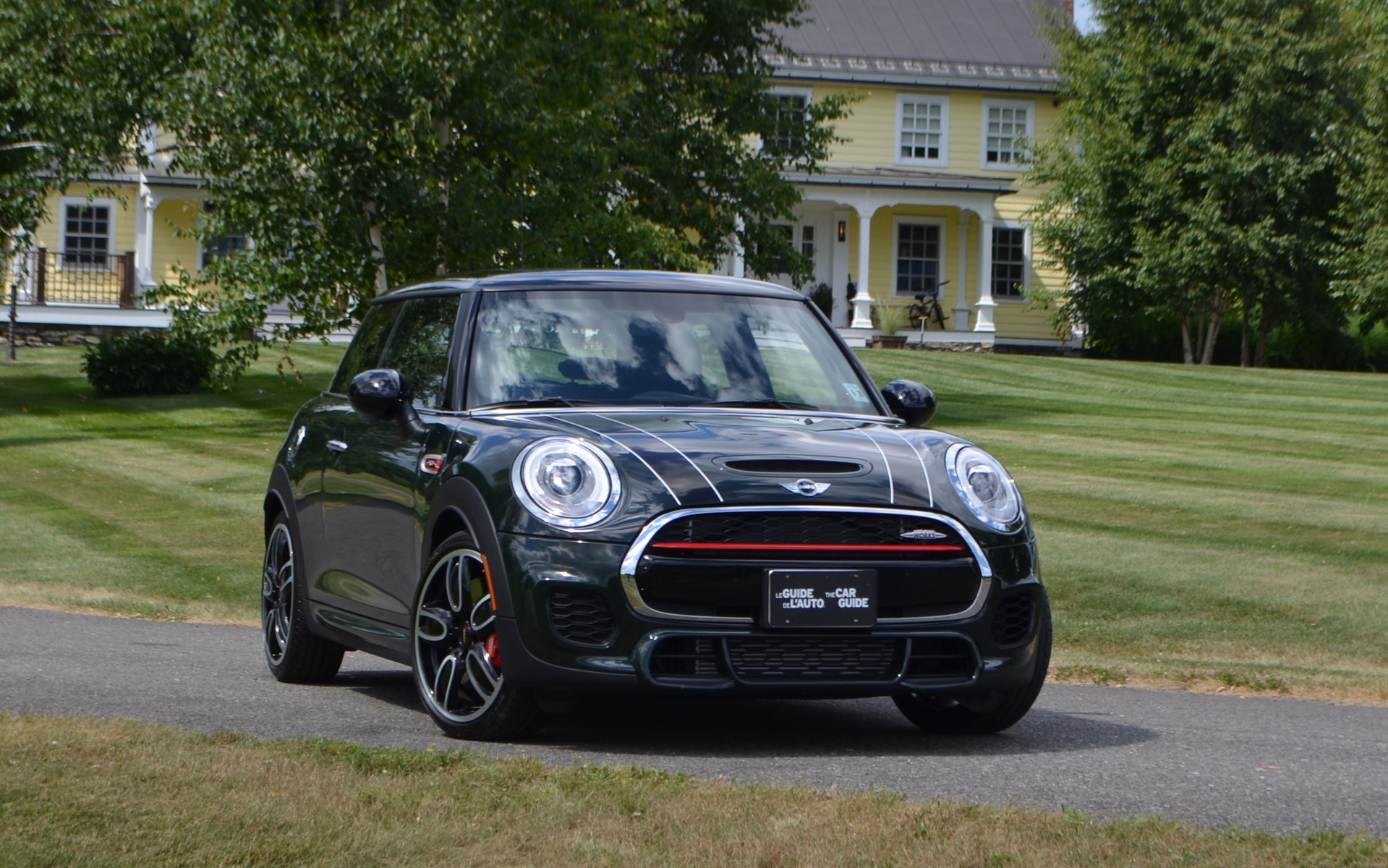
10. Mini Cooper S (R53)
The first-generation Mini Cooper S, under BMW’s ownership, particularly the R53 model, brought a completely different kind of driving joy to millennials. It wasn’t built to be intimidating or aggressive; it was fun, accessible, and packed with personality.
Small in size but big in character, the Cooper S took the classic Mini ethos and added just the right amount of modern performance.
With its supercharged engine, taut suspension, and go-kart handling, it turned even the most ordinary drives into something worth remembering. For millennials who didn’t grow up in the muscle car world, this was a different flavor of thrill, and it worked.
The R53 didn’t rely on brute force. Instead, it delivered its performance through responsiveness and attitude. The steering was quick and direct, the chassis was playful and light, and the exhaust note was just cheeky enough to bring a smile. It made city driving a blast and backroads even better.
You didn’t have to push it hard to enjoy it, but when you did, it came alive. For younger drivers, it offered an introduction to European driving character, tight, precise, and full of charm. It was the kind of car you wanted to drive just for the sake of it.
Its looks also played a big role in its appeal. The Mini Cooper S had a retro-modern design that felt familiar but fresh. It didn’t try to look futuristic or muscular. It leaned into its own history, and in doing so, it stood out from everything else on the road.
Millennials, especially those drawn to design and individuality, appreciated how it looked and how it expressed something different. It wasn’t trying to copy anyone. It was just being itself, and that confidence was attractive.
Reliability concerns aside, the Cooper S made a lasting impression because of how it made people feel. It wasn’t just a car, it was a companion, a character in the story of your life. You gave it a name.
You talked about its quirks. You remembered how it made you laugh when you pushed it through a tight bend or how it surprised you with its grip in the rain. For millennials who wanted something with soul, the Mini gave it to them in spades.
