
Cars have always represented more than just transportation. They can symbolize freedom, progress, personality, or power.
But for many families, a car isn’t just a machine to get from one place to another; it’s a memory capsule. It carries stories, traditions, and sentiments that stretch across generations.
These cars often start as prized purchases, sometimes hard-earned, other times gifted or inherited. Over time, they become so closely tied to family identity that they are treated as more than vehicles. They become heirlooms.
These cars may not all be the fastest, rarest, or most luxurious, but they share one thing in common: they have emotional weight. They have been maintained lovingly for decades, passed from parents to children, sometimes even to grandchildren.
Each scuff, dent, or modification tells a piece of a story, whether it’s a road trip across the country, a first date, or the family vacation spot that required crossing muddy roads and steep hills.
There’s a certain kind of pride in owning something that’s been with your family longer than your current house or even your job. It becomes a timeline you can sit in.
While the auto industry constantly moves forward, filled with electric motors, touchscreens, and self-driving features, these cars stand their ground. Some may have crank windows, analog gauges, or even engines that require more care than modern ones.
But to their owners, those features are not flaws; they are defining traits. Restoring, maintaining, and preserving them becomes an act of love and patience. And when that love stretches across generations, it gives the car a value no dealership or appraisal can measure.
Below is a list of 12 cars that have become such family treasures. Each one tells its own unique story about legacy, memory, and emotional connection. These are not simply cars that were kept; these are cars that earned their place in a family’s history.
Also Read: 5 Dodge Journey Years Worth Keeping vs 5 To Skip
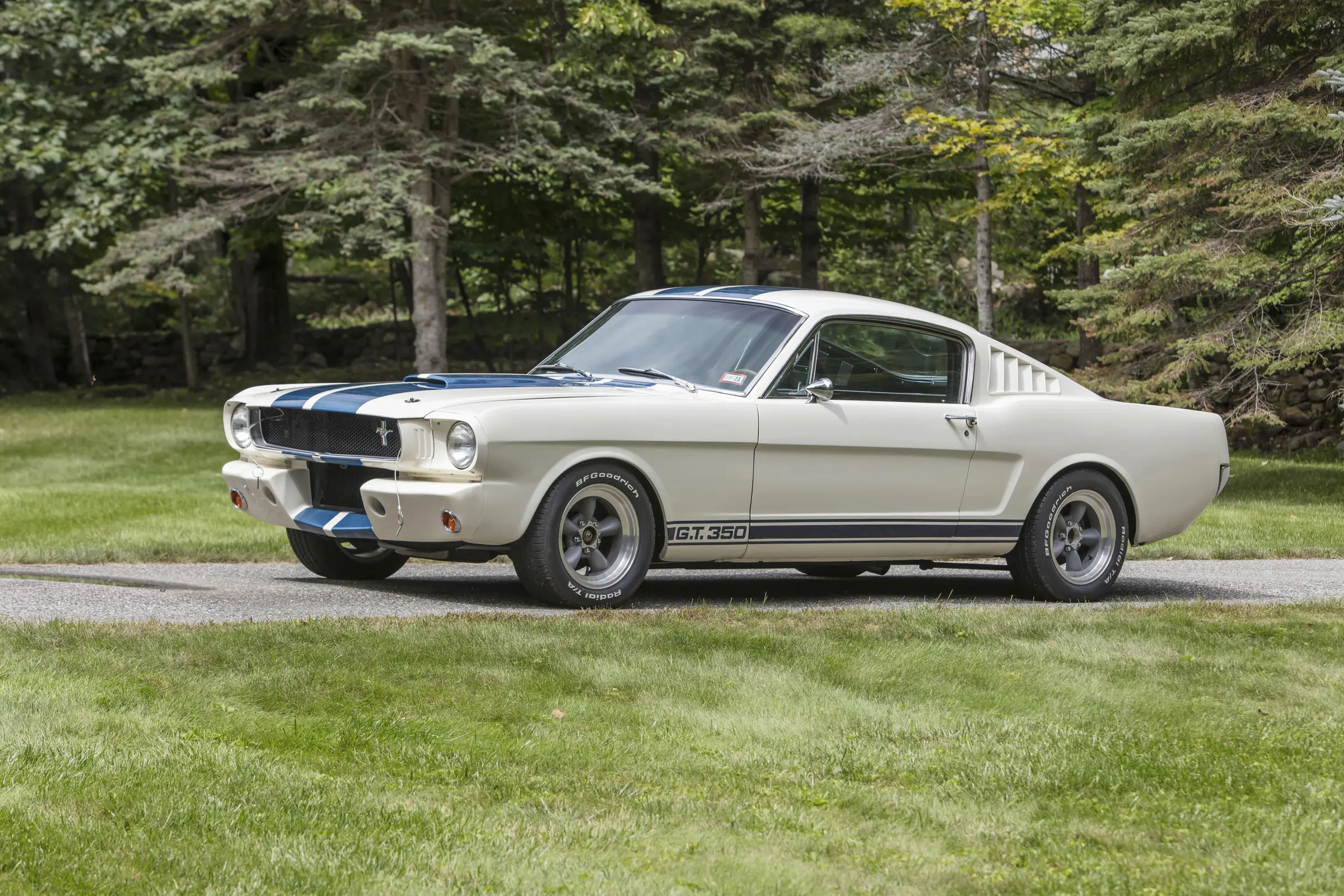
1. 1965 Ford Mustang
The 1965 Ford Mustang is one of the most iconic American cars, and for good reason. It symbolized a new direction for car buyers, sporty, affordable, and aspirational. For many families, buying a Mustang in the mid-60s wasn’t just about having a good-looking ride. It was about achieving something.
Often, it was the first new car a young couple bought after getting married or the car that someone saved up for in college. That sense of accomplishment, tied so tightly to a very specific vehicle, helped give the Mustang its heirloom potential.
When a 1965 Mustang is passed down in a family, it often comes with photographs of the original owners beside it, faded insurance cards, maybe even a high school parking permit still hanging from the rearview mirror.
Some of these cars were driven to weddings, carried newborns home from the hospital, or were part of a father-son restoration project.
The Mustang’s simple mechanics and massive parts availability make it one of the more maintainable classics for amateur enthusiasts, which helps keep it running across generations.
Mustangs also hold a particular kind of cool factor that rarely fades. Even grandkids in the 2020s can appreciate the rumble of the V8 and the bold styling. While car designs have changed drastically, the silhouette of a 60s Mustang still stands out in traffic.
For some families, the car is driven only on special occasions, kept in a garage under cover, almost like a precious antique. For others, it’s still on the road weekly, a living legacy.
What makes the 1965 Mustang special in the context of family heirlooms is not just its style or power, but how it represents a specific time in American culture.
It was a car that promised fun and freedom, and when that feeling is tied to a personal or family memory, the bond becomes stronger than steel.
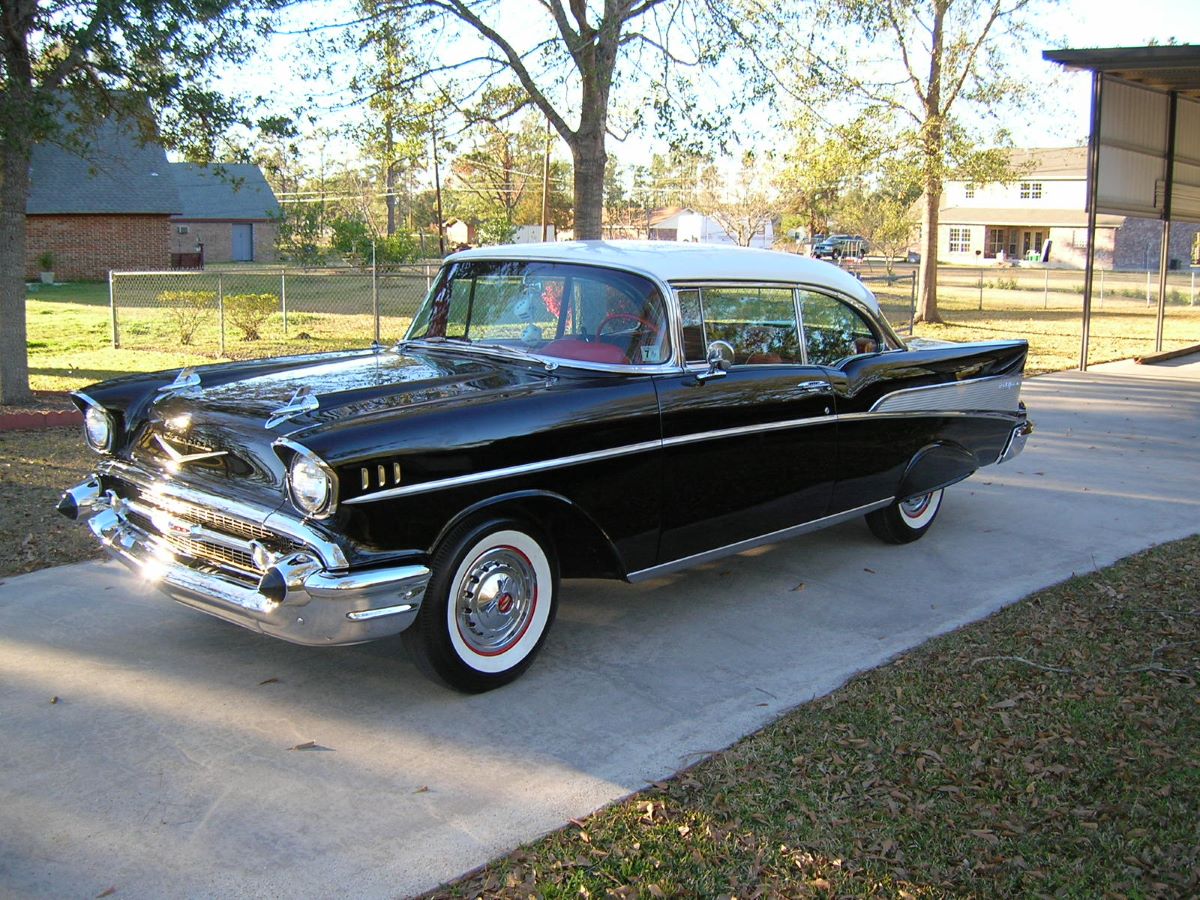
2. 1957 Chevrolet Bel Air
The 1957 Chevrolet Bel Air is one of those cars that nearly everyone recognizes, even if they aren’t a car enthusiasts. Its signature tailfins, two-tone paint schemes, and chrome details turned it into an icon. But beyond its appearance, it became the pride of many families in the postwar era.
Buying a Bel Air in the 1950s wasn’t just about getting a car. It was a sign that a family had arrived, that they had made it to the middle class and were enjoying the rewards of a growing economy.
For many who bought the car new, it became the background for years of memories. Family road trips, Sunday church drives, and even the occasional date night were all carried out in this elegant cruiser.
When the time came to sell or replace it, some families just couldn’t do it. Instead, they moved it to the garage or the barn, and it sat, waiting for a time when someone younger in the family would take an interest in it again. And many did.
Restoring a ’57 Bel Air is not a quick task, but it has bonded generations. Grandparents pass on their knowledge to children and grandchildren as they teach them how to work on drum brakes or rebuild a carburetor.
It becomes less about the car and more about time spent together, about continuing traditions and skills that are becoming rare in today’s world.
This car holds value in the stories that come with it. A Bel Air that’s been in one family for 50 or 60 years has experienced more than just miles.
It’s seen births, funerals, graduations, and countless little everyday moments. That makes it more than just a collector’s piece. It makes it a family album on wheels.
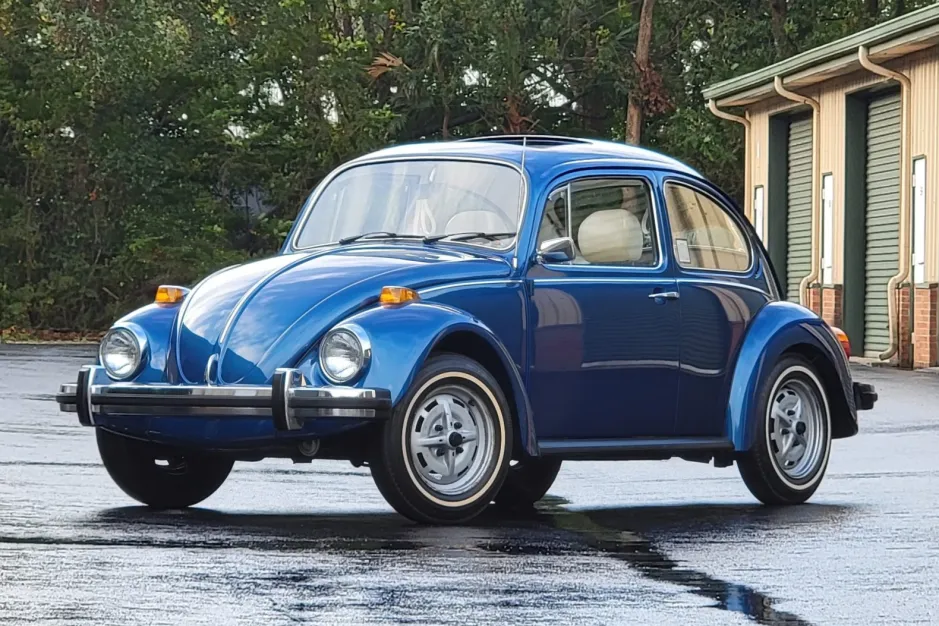
3. 1970 Volkswagen Beetle
The Volkswagen Beetle was never about power or speed. It was about simplicity, durability, and approachability. For many families around the world, especially outside of the United States, the Beetle was the first car they ever owned.
And for some, it became the car that never left. Its humble design and bulletproof engineering helped it serve for decades, and for some families, it’s become a symbol of perseverance and modest pride.
There’s a universality to the Beetle. It doesn’t scream for attention, but its rounded shape and gentle demeanor are instantly recognizable. Because it was sold in such high numbers across many countries, parts were cheap and easy to find.
That allowed families to keep the same Beetle running for decades without spending a fortune. In many households, it became “the family car,” passed from parent to child, often serving as the first car for multiple generations.
But it’s not just about utility. The Beetle has a personality. People give their Beetles names. They talk to them. There’s something almost cartoon-like about its charm, which is why it’s been so deeply loved.
Its air-cooled engine has a distinct sound that becomes familiar, almost comforting to those who grew up around it. Whether it’s painted a bright yellow or faded into rusty brown, the Beetle carries stories on its curved body.
When a family keeps a Beetle for 40 or 50 years, it’s rarely in showroom condition. But that’s the point. The scuffs, patched-up fenders, and mismatched door panels are not flaws, they’re the car’s story told in metal and paint.
For families that treat their Beetle like a family member, the idea of selling it is unthinkable. It would be like giving away your grandfather’s watch or your mother’s wedding ring.
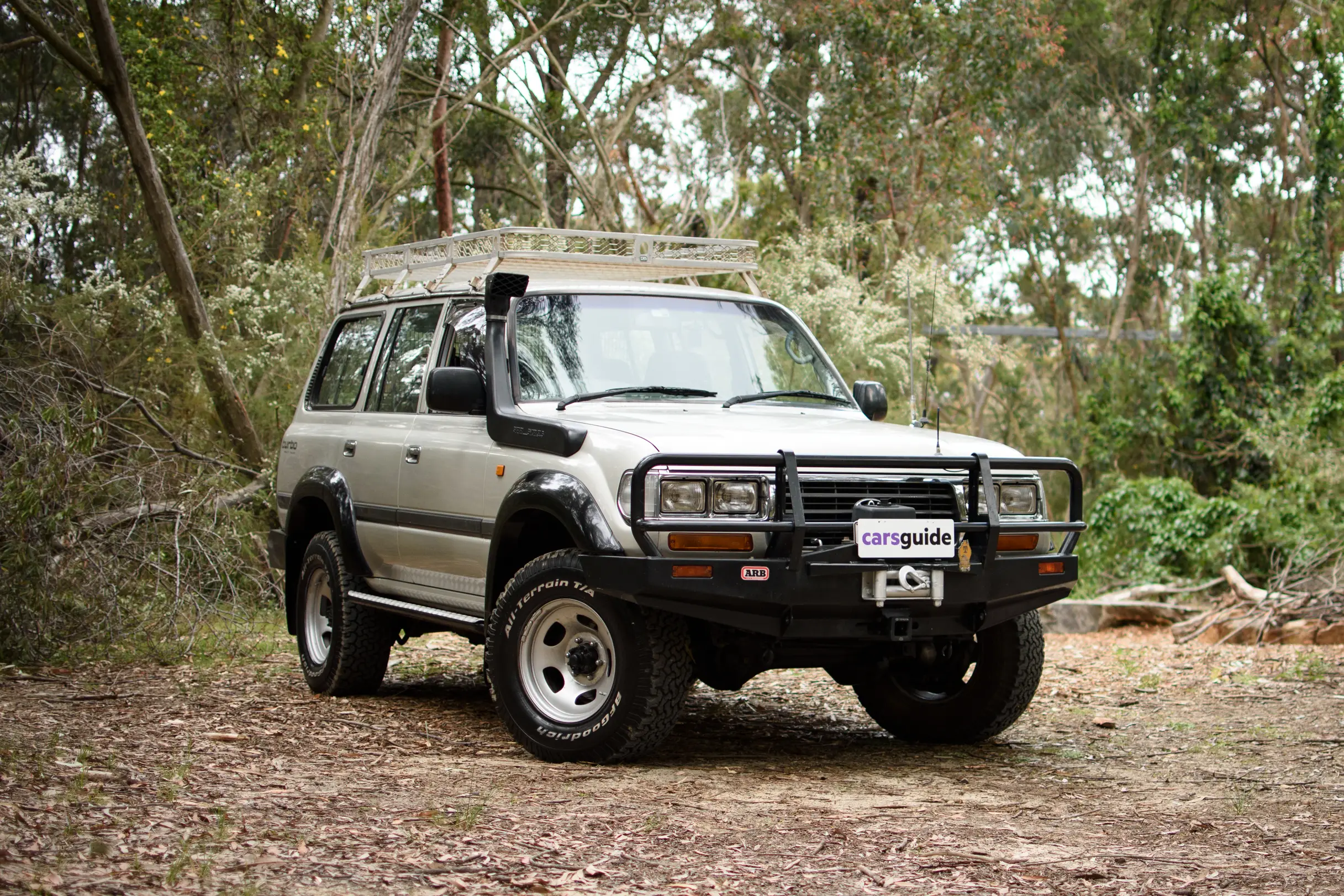
4. 1989 Toyota Land Cruiser
The 1989 Toyota Land Cruiser has earned a reputation as one of the toughest vehicles ever built. Originally designed for utility and endurance, the Land Cruiser found its way into countless families who valued function over flash.
And over time, that rugged reliability turned into something deeper: trust. When a car can handle thousands of miles, rocky roads, and heavy loads without quitting, it earns a kind of respect that turns it into part of the family.
Many families bought these Land Cruisers in the late 80s or early 90s and quickly fell in love with their practical design. Some were used for camping trips into the mountains, others for hauling tools and supplies across farmland. A few ended up overseas with military families or missionaries, serving as a dependable way to get around in remote areas. No matter where they ended up, they left a strong impression.
As SUVs became more focused on luxury and image, the Land Cruiser stayed grounded in functionality. That honest engineering is one of the reasons families chose to keep them. They didn’t have fragile electronics or overly complex systems.
Maintenance was straightforward, and parts were built to last. That made it easy for parents to teach their kids how to take care of it. Working on the car became a shared experience, one that built both skills and memories.
Today, when someone sees a well-maintained 1989 Land Cruiser, it’s often assumed that it’s a hand-me-down from someone who couldn’t bear to part with it. And that assumption is usually right.
These vehicles are often driven not because they are worth a lot, but because they’re worth everything emotionally. They’ve proven themselves trustworthy in every season, on every terrain. And that kind of loyalty, once established, doesn’t get replaced easily.
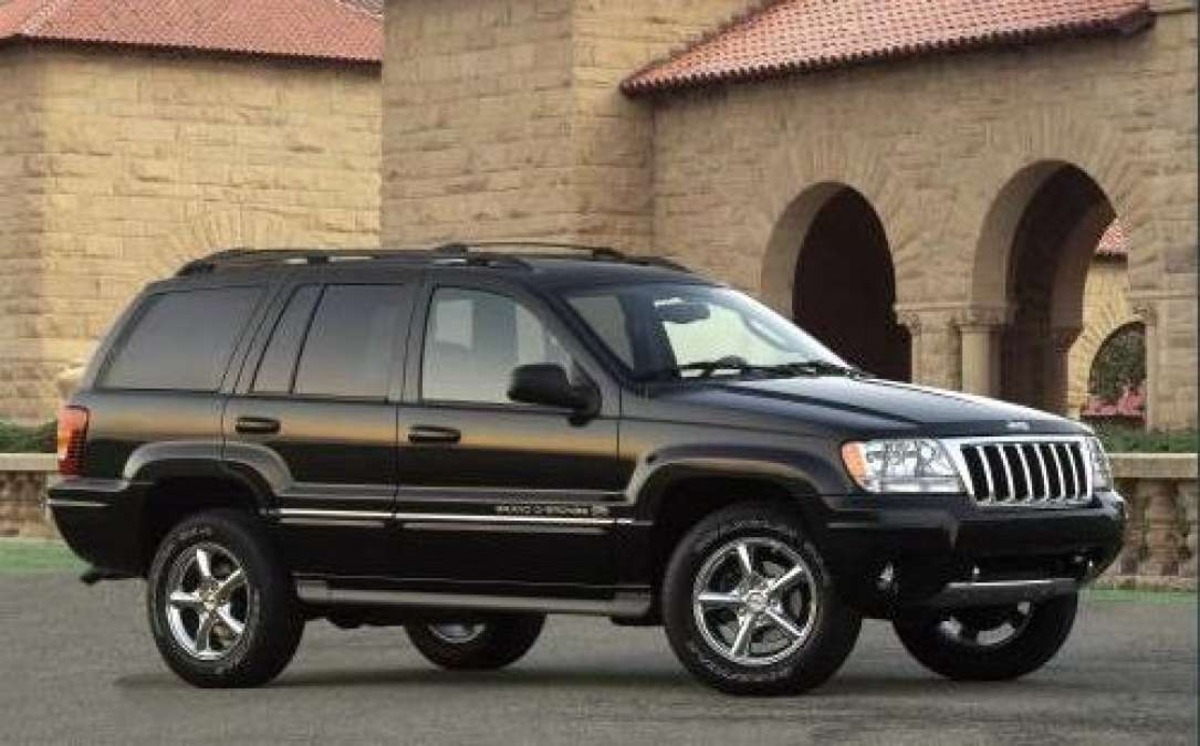
5. 1993 Jeep Grand Cherokee
When Jeep introduced the Grand Cherokee in 1993, it instantly reshaped what families thought an SUV could be. It was rugged enough for off-road adventures but refined enough for city commuting and long road trips. For families in the early 90s, this was a perfect match.
It could carry kids to school during the week and tow a camper on the weekend. The balance of utility and comfort made it an instant household favorite.
Many buyers weren’t just adding a vehicle to their garage; they were choosing a car that would become a central part of their lifestyle.
What made the 1993 Grand Cherokee particularly appealing was its introduction of features that, at the time, were relatively new to SUVs.
It had a more comfortable ride than the older, truck-based Cherokees, offered leather seating in higher trims, and came with safety features like airbags that made parents feel more confident.
Families that bought this model often kept it far longer than expected, finding that it aged well and remained useful long after its market value dropped. This longevity allowed the vehicle to slip into the role of family relic almost by accident.
As children who grew up in the back seats of Grand Cherokees reached driving age, many found themselves inheriting the very vehicle that drove them to little league or summer camp.
Rather than discard it for something newer, they often embraced the nostalgia and practicality that came with it. The vehicle already felt like home.
Familiarity with its quirks, controls, and even the way it smelled created a sense of comfort. It wasn’t just a hand-me-down car, it was a piece of their childhood, now entrusted to them.
In time, some families took to restoring or modifying their old Grand Cherokees, not for show but for sentimental value. They wanted it to stay alive and useful, even if just for weekend use or short trips.
Stories of multiple generations using the same Grand Cherokee are more common than many realize. This model may not be flashy by modern standards, but it holds a steady place in family histories because of how it quietly supported daily life and big moments alike.
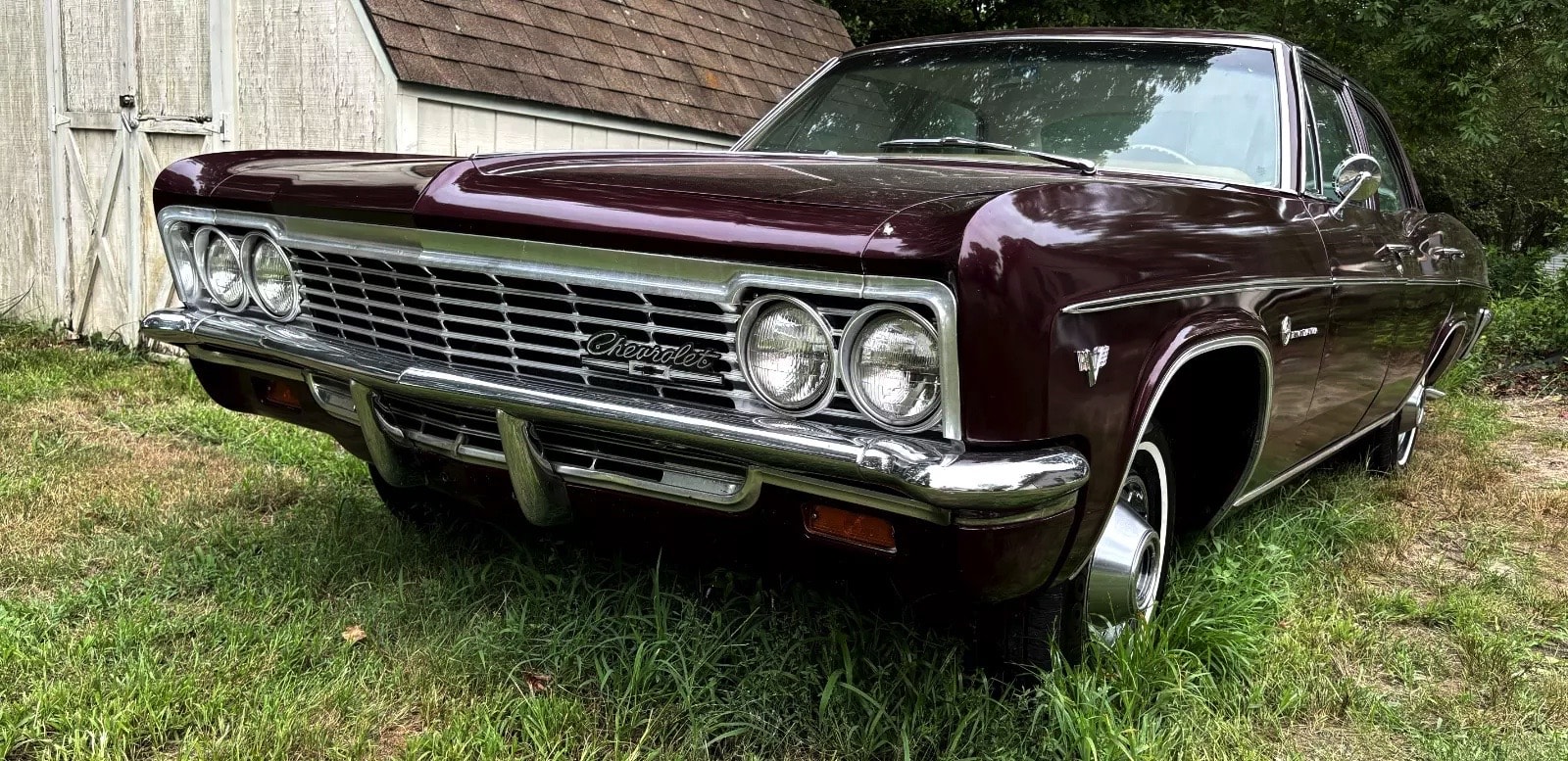
6. 1966 Chevrolet Impala
The Chevrolet Impala has seen many iterations, but the 1966 model is one that has stood out for its classic full-size design and presence. This was the kind of car a family could be proud of.
It had sweeping lines, a powerful V8 option, and room for everyone. When people bought these new, it was often the result of careful planning and saving.
It wasn’t just a car you picked up casually. It was often the “forever car,” the one that was supposed to last through family growth and shifting needs. In many cases, it did.
What helped the 1966 Impala become a family heirloom was its blend of reliability and grace. It was a daily driver that could handle the grind of school pickups, grocery store runs, and family vacations while still looking elegant enough to pull into a formal event or Sunday church parking lot.
There was something about its calm confidence that made it appealing across generations. Grandparents who once drove it to work proudly passed it on to their children, who then handed it off again years later to the next in line.
Some Impalas have been maintained in nearly original condition, with families taking pride in preserving every detail. Others have been modified or repainted to suit newer tastes, but the emotional connection remains unchanged.
Even after decades, a ’66 Impala still can draw a crowd, not just because of its design, but because of what it represents: history, family unity, and a shared journey through time.
Also Read: 5 Nissan Maxima Years You Can Keep vs 5 That Won’t Last
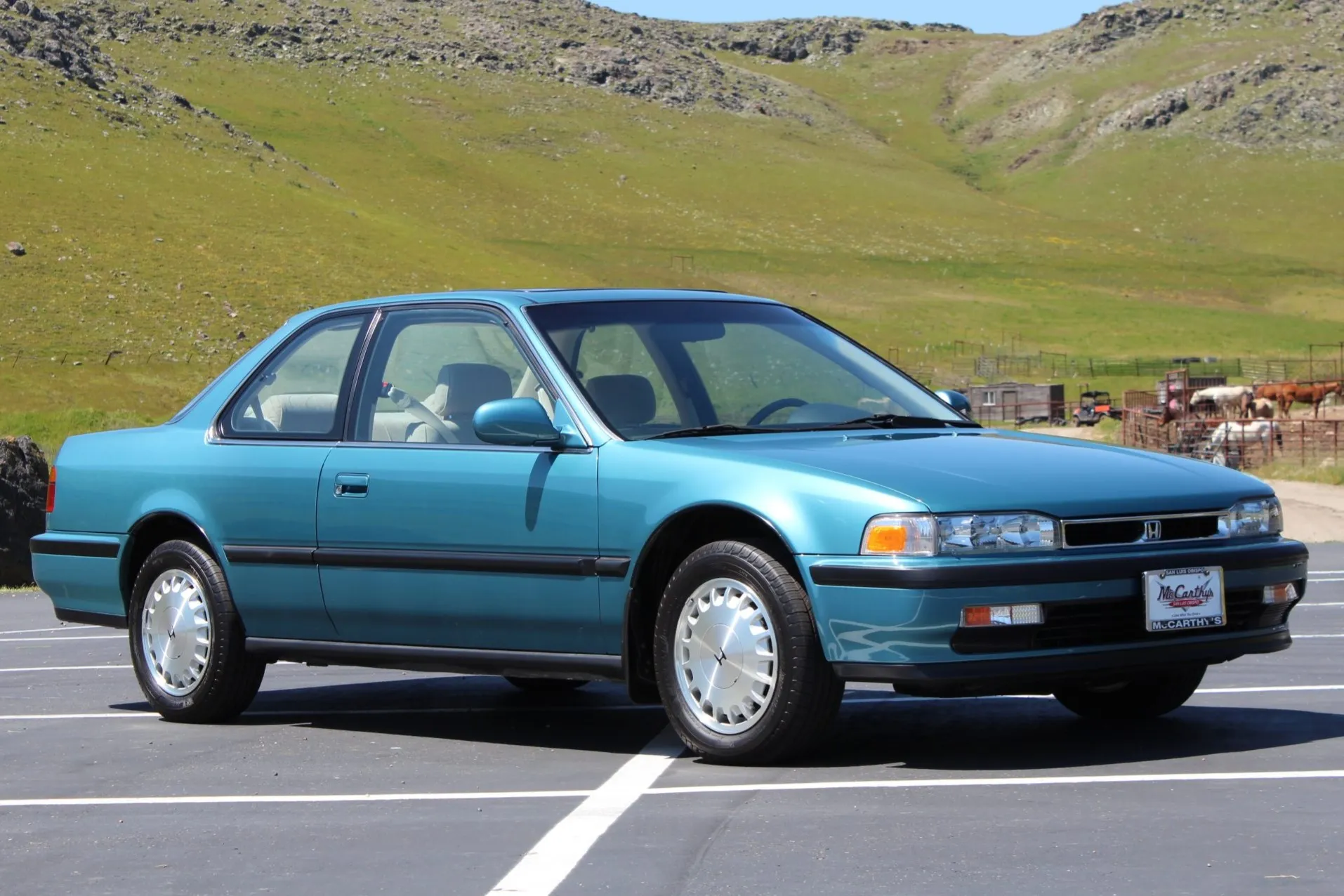
7. 1991 Honda Accord
The 1991 Honda Accord doesn’t look like a typical heirloom car at first glance. It was practical, economical, and understated. But that’s exactly why it found its way into so many families and stayed there.
This was a car people bought because they needed something that worked, day in and day out. And work it did. It wasn’t flashy, but it was reliable in a way that made people trust it.
That trust grew deeper as the car kept going year after year without complaint, slowly turning it from an appliance into a companion.
For many families, the Accord was the first new car they ever bought. In the early 90s, it represented value and dependability in a world where not all cars could make that promise.
Whether it was used for commuting, school runs, or long-distance travel, it became part of the family’s routine.
It wasn’t the kind of car you took pictures of, but it was always in the background of pictures: parked outside the house during holidays, visible behind birthday party balloons, or sitting at the curb during family gatherings.
Eventually, these Accords started getting treated with a kind of quiet respect. They may not show up at car shows or be the focus of magazine articles, but in driveways and garages across the country, they’re treated like members of the family.
In many cases, they’re still being driven today, not because they’re collector’s items, but because they’ve earned their place through years of dependable service and quiet loyalty.

8. 1978 Pontiac Firebird Trans Am
For families who lived through the late 70s and early 80s, the Pontiac Firebird Trans Am, particularly the 1978 model, represented boldness, freedom, and style. It was a car that turned heads and didn’t apologize for its flair.
Buying a Trans Am back then was more than a financial decision, it was a statement. It was often a young adult’s first real sports car, and many bought it before settling down, making it one of the last major purchases before family life shifted priorities. But even as life changed, they often kept the car, giving it a permanent spot in the garage.
As time passed, many of these cars were stored away, either because of mechanical issues or because their owners had moved on to more practical vehicles. But they weren’t sold. The emotional connection was too strong.
Kids who had grown up hearing about the Firebird eventually became old enough to restore it. For many, bringing the Trans Am back to life was a tribute to their parents or grandparents. It was about continuing the legacy, not just of the car, but of the era and attitude it came from.
Today, a 1978 Trans Am that’s been in the same family for decades often carries more sentimental value than anything else in the garage. It’s not just an old muscle car, it’s a family treasure with a personality and a past.
When it’s brought out for a drive, it’s not about showing off. It’s about honoring memories, keeping tradition alive, and staying connected to a time that meant something to someone important.
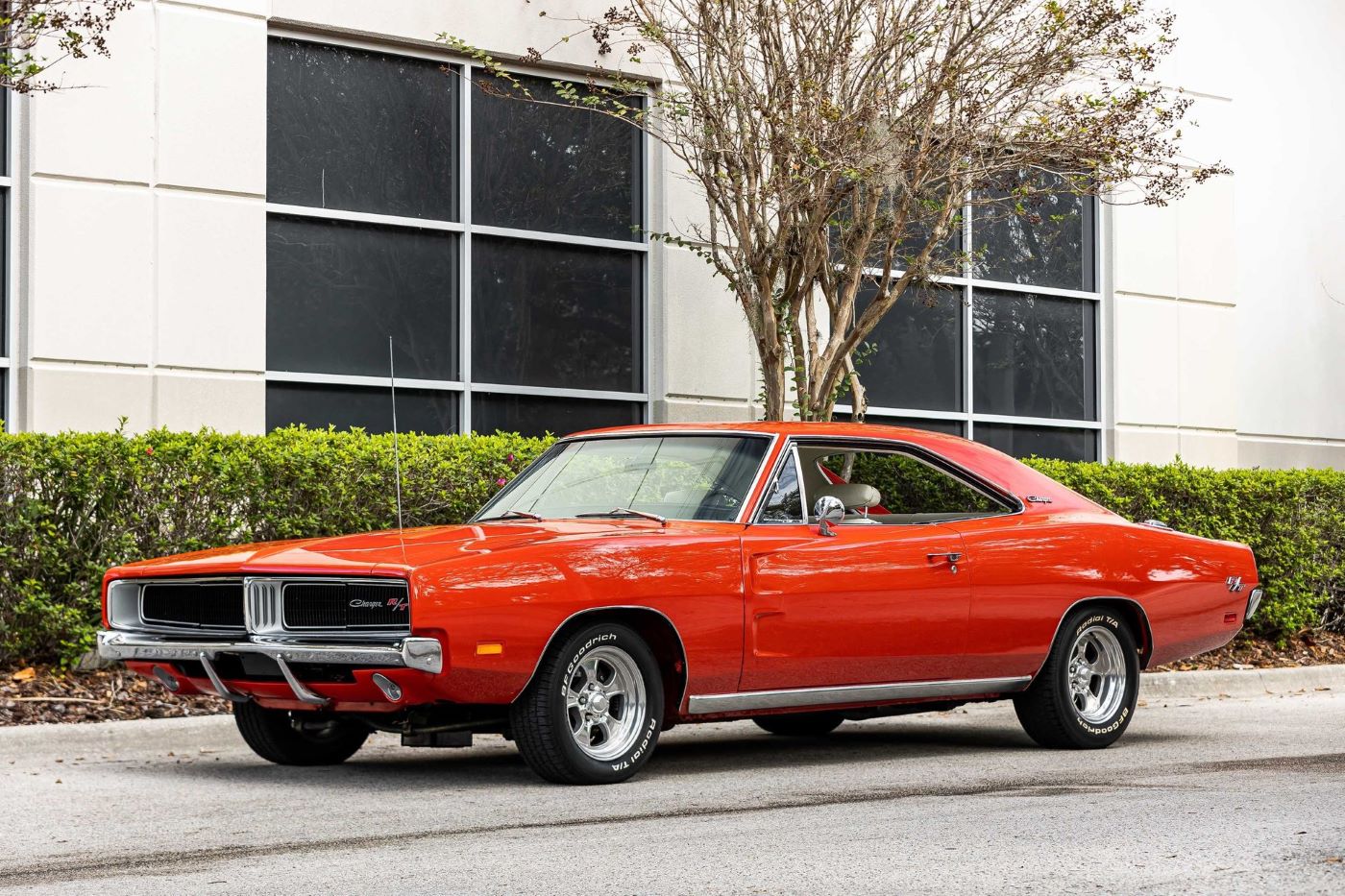
9. 1969 Dodge Charger
Few cars carry the visual presence of a 1969 Dodge Charger. Its long, sleek body and bold front grille give it an aggressive posture, even when standing still. For some families, the Charger was the embodiment of power and rebellion during an era when cars were deeply tied to identity.
Those who bought the Charger in its heyday weren’t just looking for transportation, they wanted something that made a statement.
Whether it was street racing, cruising around town, or just turning heads at a gas station, the Charger delivered a level of presence that stuck in people’s memories.
Restoring a 1969 Charger isn’t easy. Parts can be expensive, bodywork takes time, and the original models weren’t known for fuel efficiency or subtlety. But that challenge only makes it more rewarding for families who choose to preserve one.
Often, the restoration becomes a shared project across generations, with fathers teaching their kids how to wrench, weld, and polish. That shared experience becomes a stronger bond than the car itself, turning it into a generational bridge.
For families who’ve kept a Charger for decades, it’s more than a muscle car. It’s a symbol of personality, confidence, and legacy.
The value isn’t just in the sound of the V8 or the shine of the paint, it’s in the photographs, the old registrations, and the stories told at family gatherings. It’s the kind of car that leaves an imprint not just on the driveway, but on the people who grow up around it.
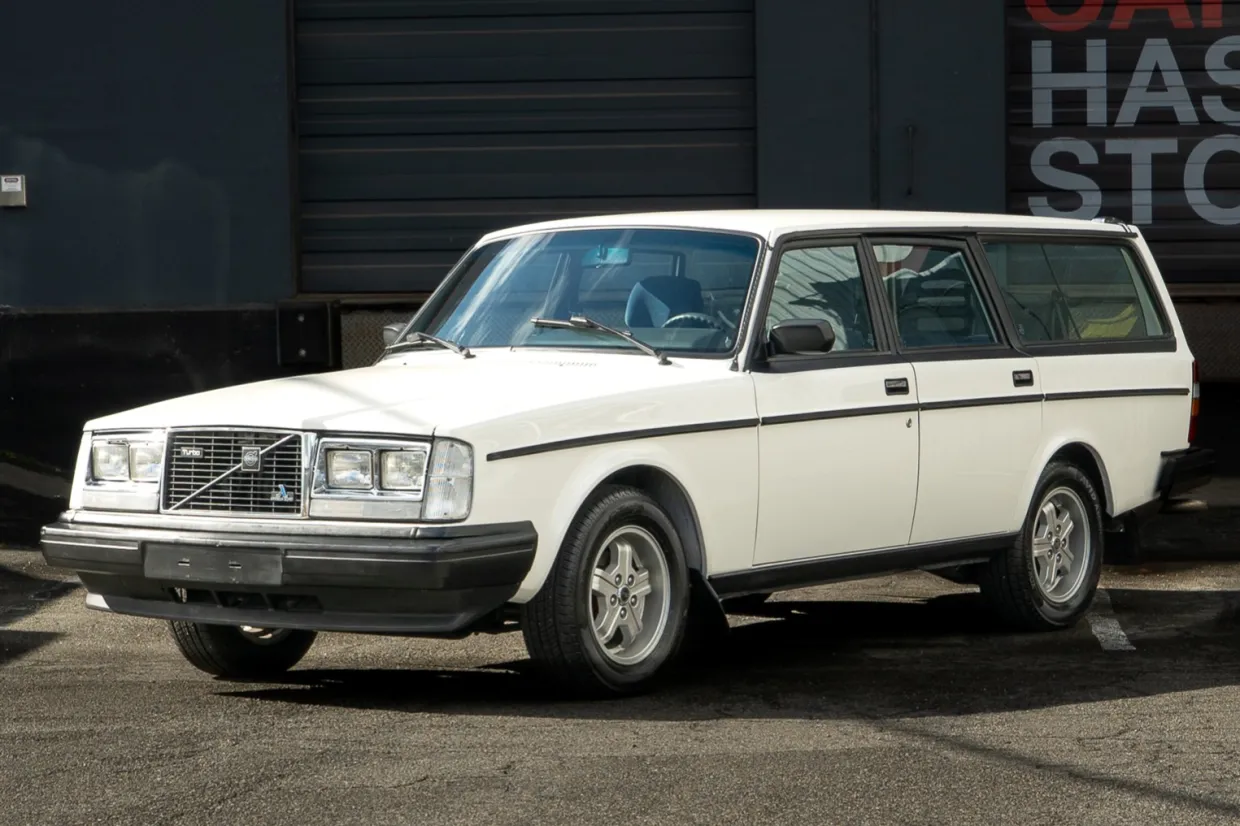
10. 1984 Volvo 240 Wagon
At first glance, the 1984 Volvo 240 Wagon doesn’t look like a car that would become a cherished heirloom. Its design is boxy and utilitarian, the engine modest, and the styling about as far from flashy as you can get.
But what it lacks in excitement, it more than makes up for in durability, trustworthiness, and a quiet sort of charm that earns deep affection over time. For many families, this car was the background to a stable, predictable life, and that’s exactly why they kept it.
Volvo built its reputation on safety and reliability, and the 240 Wagon delivered both in generous supply. Parents trusted it with their most precious cargo, and over time, that sense of security created a lasting emotional bond. You didn’t just ride in a 240; you grew up in one.
Many people remember sitting in the back seat playing games on long road trips or helping with groceries by folding down the massive rear seats. The car wasn’t just practical, it was part of everyday routines.
For the next generation, inheriting a 240 Wagon is like receiving a family time capsule. It still smells the same, the knobs are worn down in the same familiar way, and the old stickers on the windows tell stories of vacations, school events, or summer camps.
It may not win beauty contests or go particularly fast, but it’s packed with years of memories. In that sense, it becomes more than just a reliable old car; it becomes a physical link to a simpler time in the family’s story.
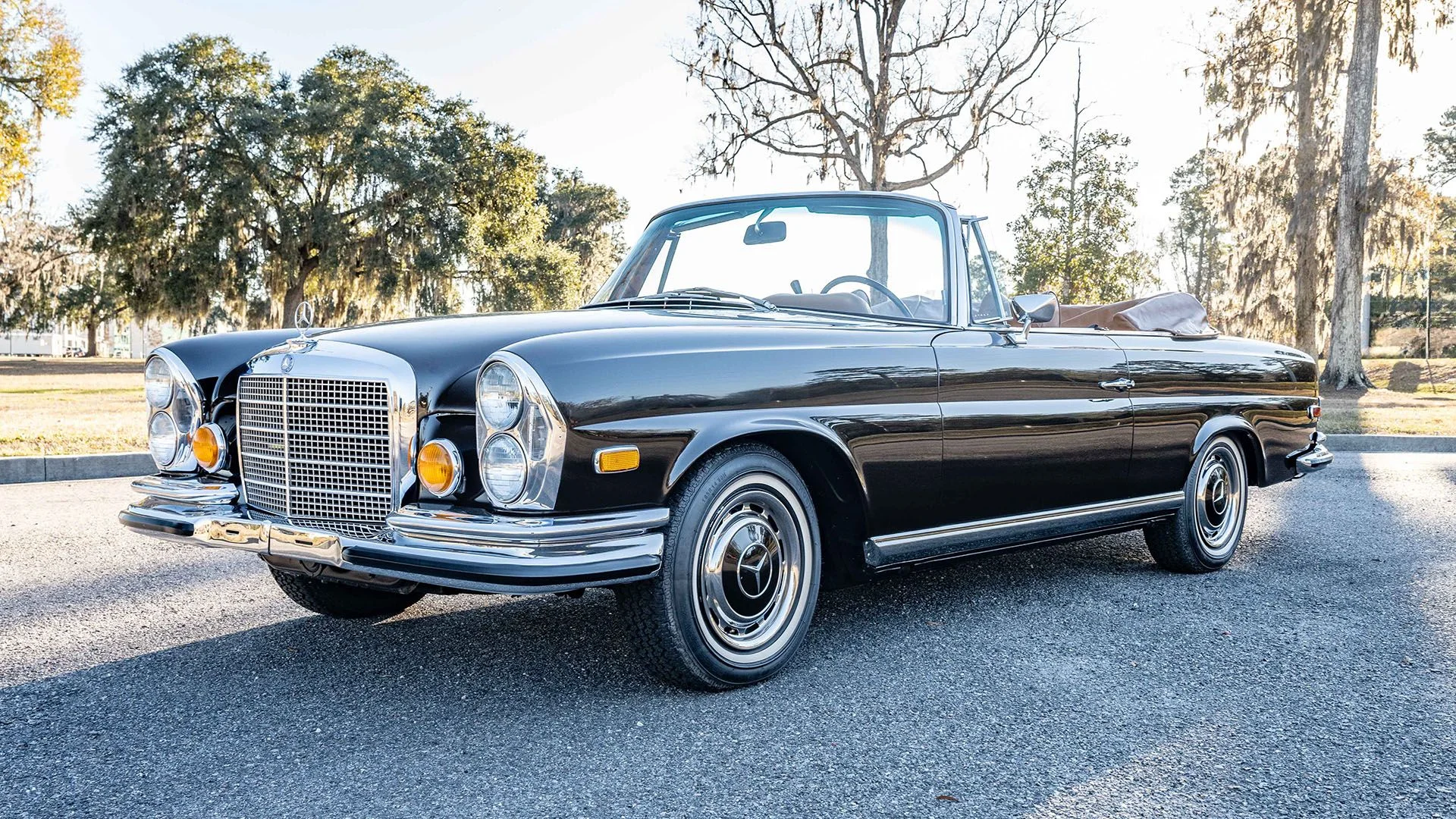
11. 1971 Mercedes-Benz 280SE
The 1971 Mercedes-Benz 280SE represented elegance, engineering, and lasting craftsmanship. At the time, it was a car for those who appreciated quality over trend, and many who bought it new did so with the intention of keeping it for life.
For families that could afford one, the 280SE often became more than a luxury item; it became a badge of values like patience, precision, and timeless style. Unlike flashier sports cars or trend-driven sedans, the Mercedes aged with grace and always carried itself with dignity.
Owning a 280SE meant maintaining it with the same care you would give to a fine instrument or heirloom watch. The interior was made of real materials, wood trim, fine leather, and solid metal switches.
These weren’t things that wore out easily, and when they did, they could be repaired rather than discarded. This focus on quality helped cement the 280SE as a long-lasting family fixture. It was the kind of car that children respected, even if they didn’t fully understand why. They just knew it was different.
In families where the Mercedes stayed for decades, it became a car associated with special occasions. It might have been driven mostly on weekends or pulled out for weddings, graduations, and anniversaries. Because of that, it accumulated fewer miles and more sentiment.
The engine’s quiet hum and the subtle scent of leather and wood became sensory bookmarks in the lives of those who grew up around it. That quiet consistency gave the car an almost ceremonial importance.
Passing down a Mercedes 280SE isn’t just about giving someone a set of keys. It’s about transferring a piece of heritage, a lifestyle, and an appreciation for things built to last.
For many, driving it today feels like a moment suspended in time. It’s not about keeping up with traffic or showing off, it’s about preserving an example of when engineering met beauty in just the right way. That reverence keeps the car alive and cherished, long after its original owner is gone.
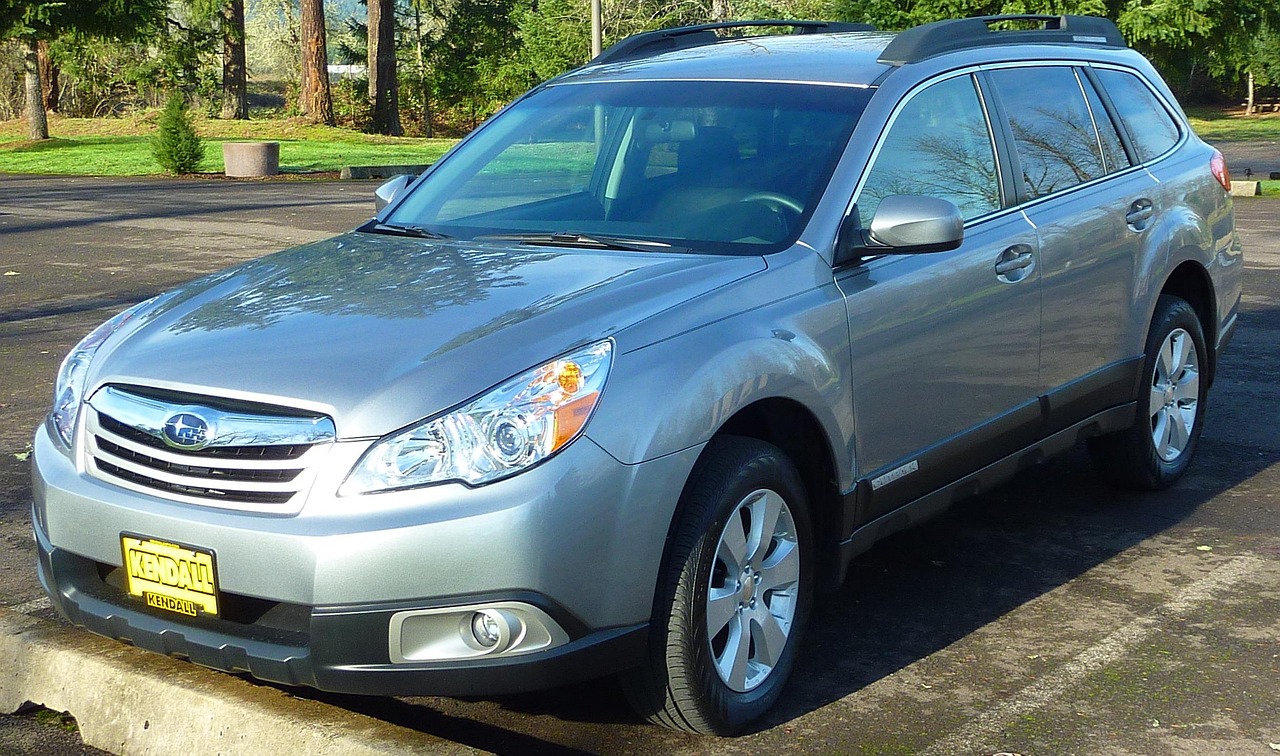
12. 1995 Subaru Outback
The 1995 Subaru Outback was a car that quietly changed the industry of family transportation. As one of the first true crossover vehicles, it combined the utility of an SUV with the ride and fuel economy of a wagon.
For families living in rural areas, mountainous regions, or snowy climates, the Outback was the perfect solution.
It was affordable, dependable, and capable of handling poor weather and rough roads without complaint. Over time, this car earned the reputation of being the family workhorse and eventually, the family heirloom.
What made the Outback so endearing wasn’t any one standout feature. It was how well it did everything. It could carry camping gear, groceries, and pets all at once. It could climb a muddy trail on Friday and take the kids to school on Monday.
Parents who drove them every day built a sense of trust that often turned into pride. They bragged not about power or style, but about how the car just wouldn’t quit. That reputation made it easy to hand down when kids came of age.
When passed from one generation to another, the Outback often carried a very personal set of associations. It may have been the car that picked kids up from sleepovers, took them to soccer practice, or waited in the driveway with the engine running on cold mornings.
Years later, when those kids got the keys, they already knew every rattle, every worn button, and every trick to getting the window to roll up just right. Driving it felt like slipping into a familiar jacket.
The 1995 Outback may not be rare or valuable in the traditional sense, but that doesn’t matter. Its value lies in the stories it holds and the lives it quietly supported for years.
Families who’ve kept theirs do so not just because it still runs, but because it’s part of who they are. It’s not just a vehicle. It’s a time machine, a photo album, and a quiet reminder that the best things in life are sometimes the ones that don’t call attention to themselves at all.
