
For many, cars are more than just a means of transport. They become part of the family story, connected to milestones, road trips, mechanical projects, and unforgettable memories.
While the auto industry is known for rapid innovation, model updates, and ever-changing technology, some vehicles resist time in a way that goes beyond practicality or resale value.
Certain cars create such a strong emotional, cultural, or even mechanical bond with their owners that selling them becomes almost unthinkable.
Whether it’s due to nostalgia, mechanical dependability, iconic design, or a mix of all three, some specific models tend to stay in garages for generations.
Some owners inherit these cars from parents or grandparents and continue to maintain them out of both sentiment and pride. Others bought these cars new and watched the world change around them while their favorite car stayed the same.
These aren’t always the rarest or most expensive cars, either. Some are everyday models that simply offered something special, whether it was the perfect driving feel, unbeatable reliability, or a bold personality that stood out even decades later.
There’s also a strong community aspect involved. Owners of these long-kept cars often form strong social circles, whether through car clubs, online forums, or local meetups.
Keeping a car for decades becomes part of one’s identity, and letting go of it would mean letting go of more than just metal and wheels. Even when repairs become costly or parts hard to find, many still hold on, motivated by pride and the unique bond that comes from years of ownership.
This list focuses on ten of those cars that have consistently shown up in driveways, garages, and car shows long after they stopped rolling off the assembly line.
These are the cars people simply refuse to sell, decade after decade, because they offer more than transportation; they offer legacy, style, character, and unmatched personal value.
Also Read: 5 Nissan Maxima Years You Can Keep vs 5 That Won’t Last
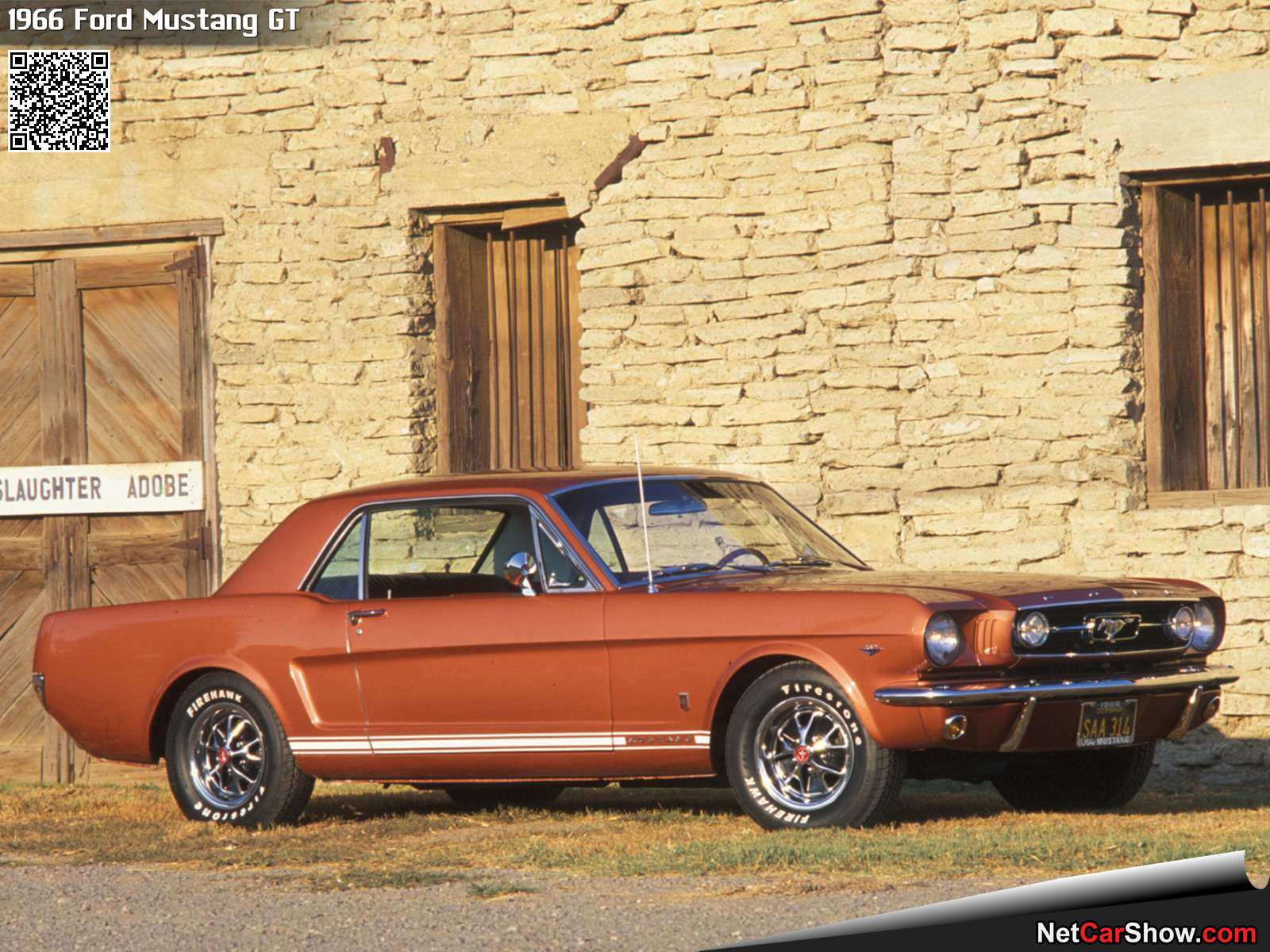
1. 1965–1966 Ford Mustang
The mid-sixties Ford Mustang isn’t just a car, it’s a symbol. Launched in 1964, it instantly became a cultural phenomenon. It wasn’t the most expensive or powerful car on the market, but it was the right car at the right time.
Affordable, stylish, and backed by Ford’s reputation, it gave a generation of Americans their first taste of real driving excitement.
The 1965 and 1966 models, in particular, are often seen as the perfect blend of clean design and raw personality. Their timeless look and simplicity keep them desirable even today.
Owners who bought one of these early Mustangs often talk about the freedom they felt. Whether cruising along the coast or just driving to school or work, these cars became part of people’s routines and lives.
Over time, they weren’t just cars, they were chapters in a personal story. For many, letting go of their Mustang would feel like ripping out pages from a cherished book. That connection is hard to replicate with modern vehicles, no matter how advanced they might be.
Mechanically, these Mustangs are also relatively easy to maintain. The engines are simple compared to today’s standards, and parts are widely available due to their popularity. That makes it easier for owners to justify keeping them on the road, even if they need occasional restoration or repair.
There’s also a vast community of Mustang enthusiasts ready to offer advice, parts, or encouragement, which helps make long-term ownership less intimidating.
Perhaps most importantly, the 1965–1966 Mustang still feels special to drive. The analog nature of the controls, the distinctive exhaust note, and the strong visual presence make every outing feel like an event.
Even among newer sports cars and modern muscle, this classic Mustang holds its ground not by performance, but by sheer presence and emotion. That’s why so many people keep theirs forever.
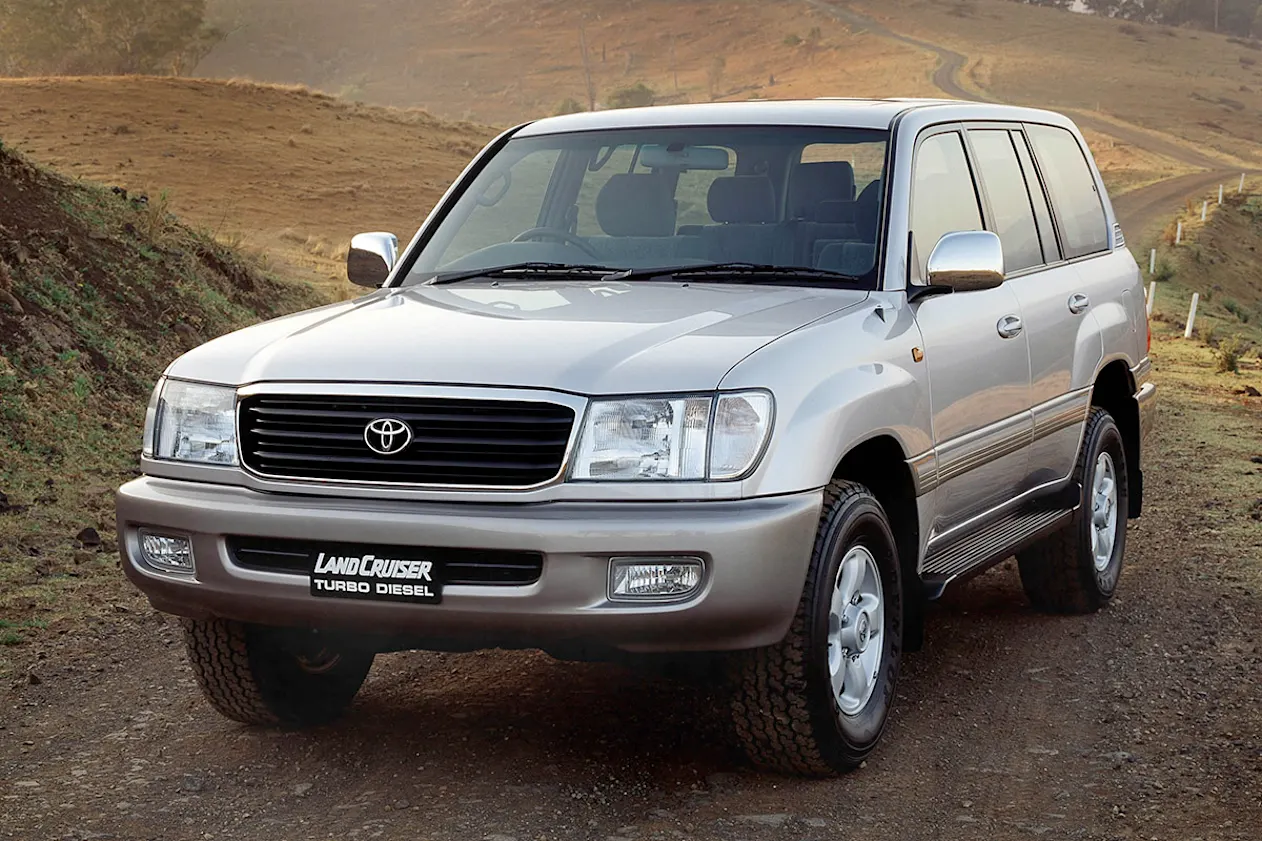
2. Toyota Land Cruiser (FJ40)
The FJ40 Toyota Land Cruiser is one of those rare vehicles that can outlast nearly anything, including the urge to sell. Known for its rugged reliability and off-road capability, the FJ40 became a global icon from the 1960s through the early 1980s.
Owners praise its ability to go anywhere, survive anything, and still look good while doing it. It’s not a luxury vehicle, nor is it particularly fast. But it has a charm and confidence that few other vehicles can match.
For many families around the world, the FJ40 was the vehicle that took them through snowstorms, mountain passes, or remote villages. It became trusted like an old friend.
That trust leads to an emotional connection, and that connection makes it extremely hard to let go, even after several decades. Whether it’s stored in a barn or used as a weekend trail truck, the FJ40 tends to stay in the family far longer than expected.
Another reason why people refuse to sell their FJ40s is the way it feels when driving. It’s simple, straightforward, and mechanical. There’s no digital interference or overly smooth experience.
The steering is heavy, the suspension bouncy, and the gearbox takes effort, but that’s exactly what gives it character. Every gear change and turn of the wheel feels like a moment of control. Owners appreciate that rawness because it makes driving feel like an activity, not a task.
Lastly, the growing collector value of the FJ40 plays a role. As these models become rarer and more sought after, keeping one is not only emotionally rewarding but also financially smart.
Some owners joke that their old Land Cruiser is worth more now than when it was new, adjusted for inflation. But even if the price rises, most still say they wouldn’t sell. It’s not about the money, it’s about everything the car represents.
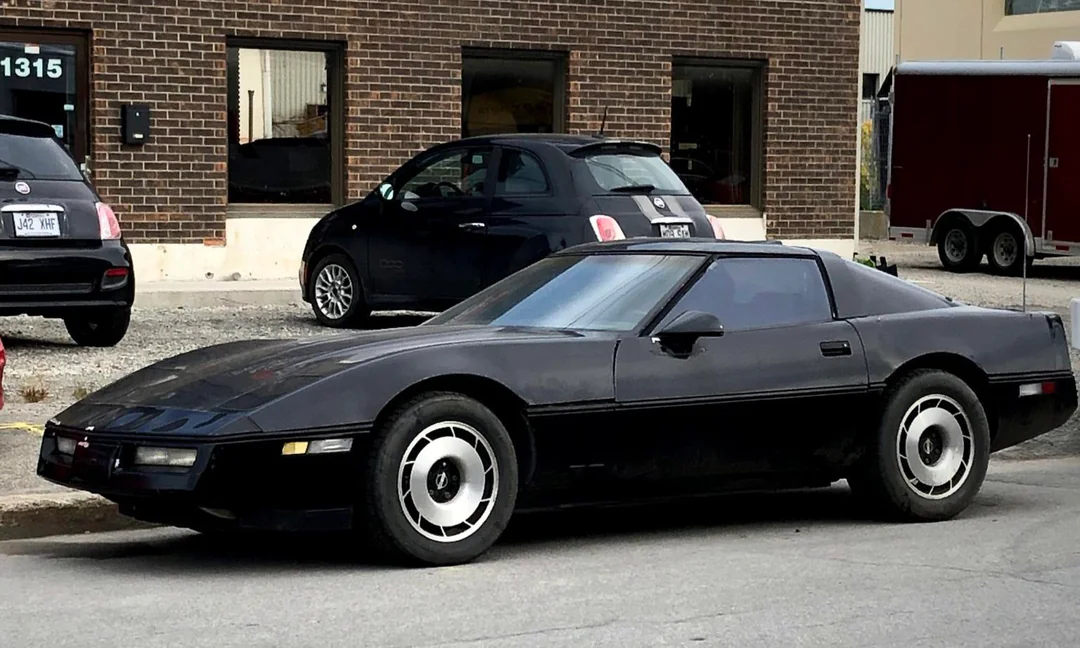
3. Chevrolet Corvette (C3, 1968–1982)
The third-generation Chevrolet Corvette, especially models from the early 1970s, sits in a unique place among classic American sports cars. With its dramatic curves, long hood, and unmistakable profile, the C3 Corvette became a visual icon almost overnight.
For many, it represented power, freedom, and status during a time when cars still had bold personalities. Even now, it draws attention anywhere it goes, and owners are often deeply attached to the response it gets.
Part of the appeal is that the C3 Corvette feels like a car with attitude. The engine roars in a way that modern cars simply don’t. Even stock models sound muscular, and many owners modify their exhaust or intake to make the driving experience even more aggressive.
The driving position is low, the view over the hood is commanding, and the raw feeling of speed is addictive. For owners who got their C3 new or inherited one from family, that feeling never fades.
Another reason people keep their C3s is the personal significance attached to the model. Many of these cars were dream purchases. For someone in the early ’70s, buying a Corvette meant they had “made it.”
It was a reward to themselves or a symbol of independence. Selling it decades later would feel like giving up a piece of their identity. That’s why even if the car sits under a tarp in the garage, it’s rarely listed for sale.
Restoration also plays a role in keeping these cars around. The C3 platform is well-supported by the aftermarket, with countless parts available to bring an aging Corvette back to life.
Whether it’s a weekend project or a full professional restoration, many owners enjoy the process of making their Vette look and feel new again. It’s not just about preserving the past, it’s about continuing a story that began decades ago.
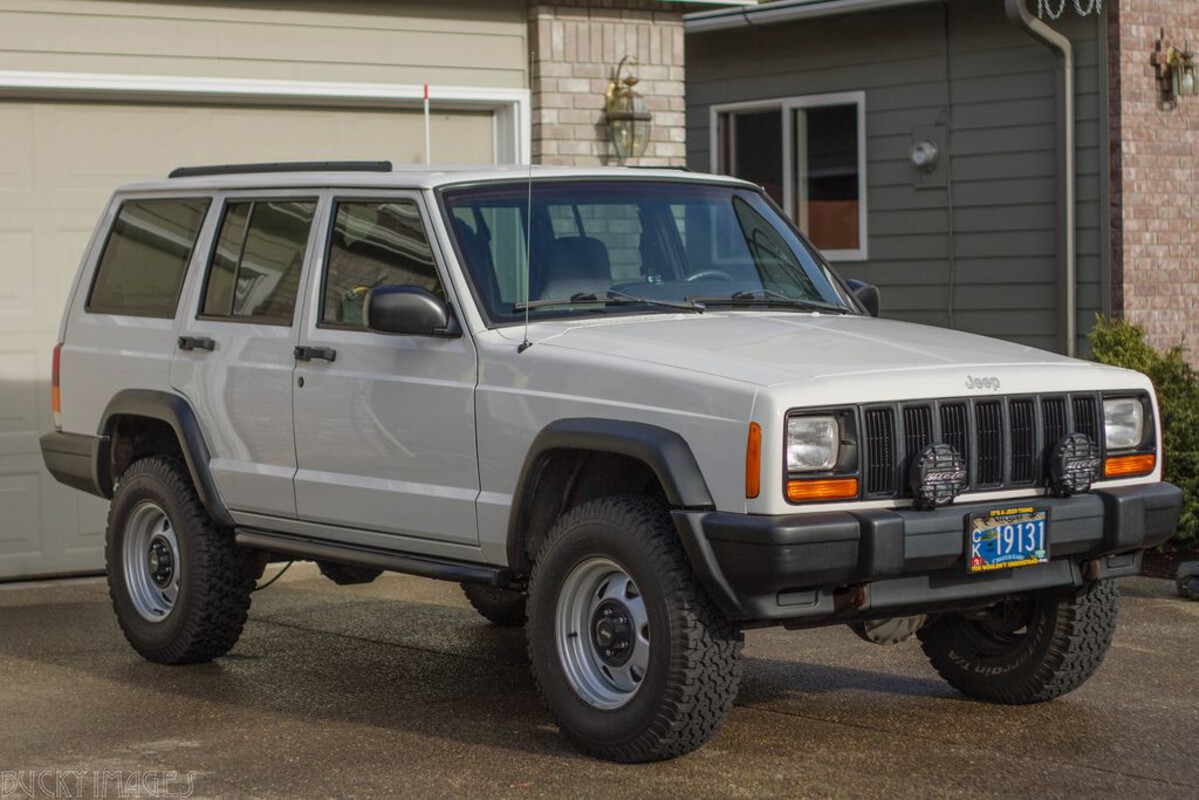
4. Jeep Cherokee XJ (1984–2001)
The Jeep Cherokee XJ has a loyal following that goes beyond practicality. Produced from the mid-1980s until the early 2000s, the XJ is widely regarded as one of the most durable and functional SUVs ever made.
Its boxy design, efficient use of space, and unbeatable off-road capability made it popular with adventurers, families, and commuters alike. It was one of the first SUVs that felt equally at home in the city or deep in the woods.
What sets the Cherokee XJ apart is its simplicity and toughness. Owners often speak of driving their XJs past the 200,000-mile mark with few major issues.
The inline-six engine in particular gained a reputation for reliability, and the mechanical layout was easy to work on. For those who enjoy maintaining their own vehicles, the XJ became a rewarding project that could be kept running with basic tools and knowledge.
Another reason the Cherokee XJ remains in garages is its versatility. It’s practical enough for daily driving, but also rugged enough for off-road exploration.
Some owners outfit theirs with lift kits, skid plates, and oversized tires, turning an old SUV into a trail beast. Others keep them stocked and enjoy the classic ride.
Either way, once someone builds a connection with their XJ, they rarely let go. The vehicle becomes more than transportation; it becomes a trusted partner.
Cherokee XJ owners also form tight communities, both online and offline. Whether it’s swapping stories, sharing advice, or organizing trail runs, the Cherokee club culture is part of the ownership experience.
That kind of social connection further deepens the emotional bond with the vehicle. Selling it would mean stepping away from both the machine and the people it helped bring into their life.
5. Volkswagen Beetle (1938–2003)
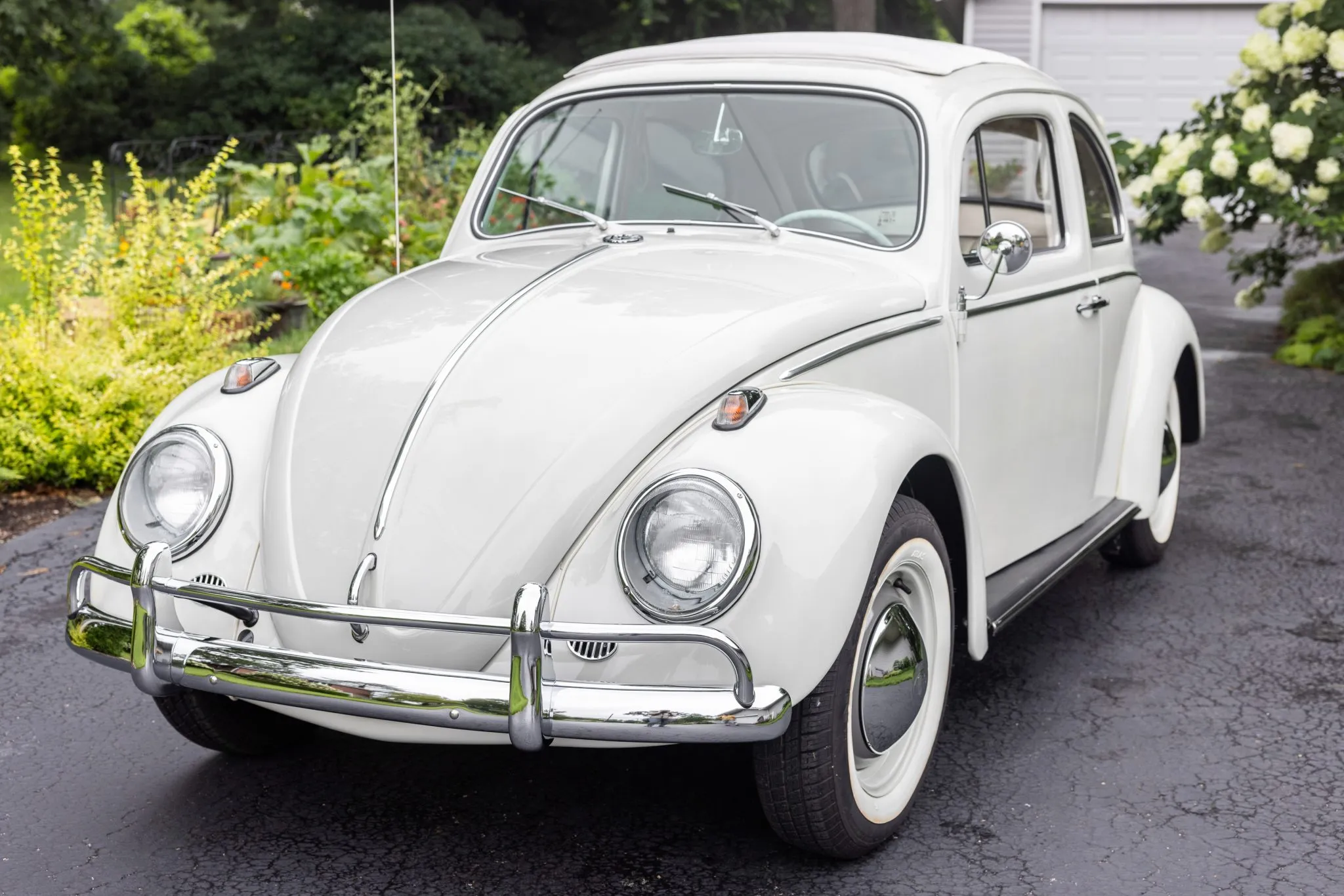
Few cars have the kind of global recognition and emotional appeal as the Volkswagen Beetle. Known in different parts of the world by various nicknames, Bug, Vocho, Käfer, the Beetle was a people’s car in every sense of the word.
Produced in staggering numbers across multiple continents, the original Beetle had a simplicity and charm that resonated across generations. Its unique shape, air-cooled engine, and cheerful attitude made it not just a mode of transportation, but a companion.
Families passed Beetles down through the years, often with stories of road trips, life changes, or personal milestones attached to them. For many, selling a Beetle would feel like losing part of their past.
The enduring mechanical simplicity of the Beetle is one of the biggest reasons it remains in driveways and garages long after other vehicles have disappeared. Its engine can be rebuilt with basic tools, and parts are still widely available at reasonable prices.
Air-cooled enthusiasts often say there’s a joy in the mechanical connection they feel when working on or driving a Beetle.
There’s no need for advanced diagnostics or computers; it’s just metal, gears, and patience. For people who enjoy hands-on ownership, this car offers endless opportunities for learning and tinkering.
Culturally, the Beetle has been everything from a political statement to a symbol of youthful rebellion. In the 1960s and ’70s, it was associated with counterculture and simplicity in a world growing increasingly complex.
That symbolism has never quite left. Modern car buyers might go for technology, speed, or status, but long-time Beetle owners often choose authenticity.
Driving a Beetle isn’t about impressing others; it’s about enjoying the experience and keeping a piece of history alive. That mindset makes it easier to justify the quirks and limitations of an older vehicle.
Another layer to its appeal is the emotional weight it carries. A Beetle might have been someone’s first car, their wedding getaway ride, or the car they learned to drive in. Those memories don’t fade with time.
Selling it means giving up more than just steel and rubber. It means walking away from a part of your life that shaped you. For many owners, that price is simply too high to accept, no matter how tempting a sale might be.
Also Read: 5 Dodge Journey Years Worth Keeping vs 5 To Skip
6. Honda Civic
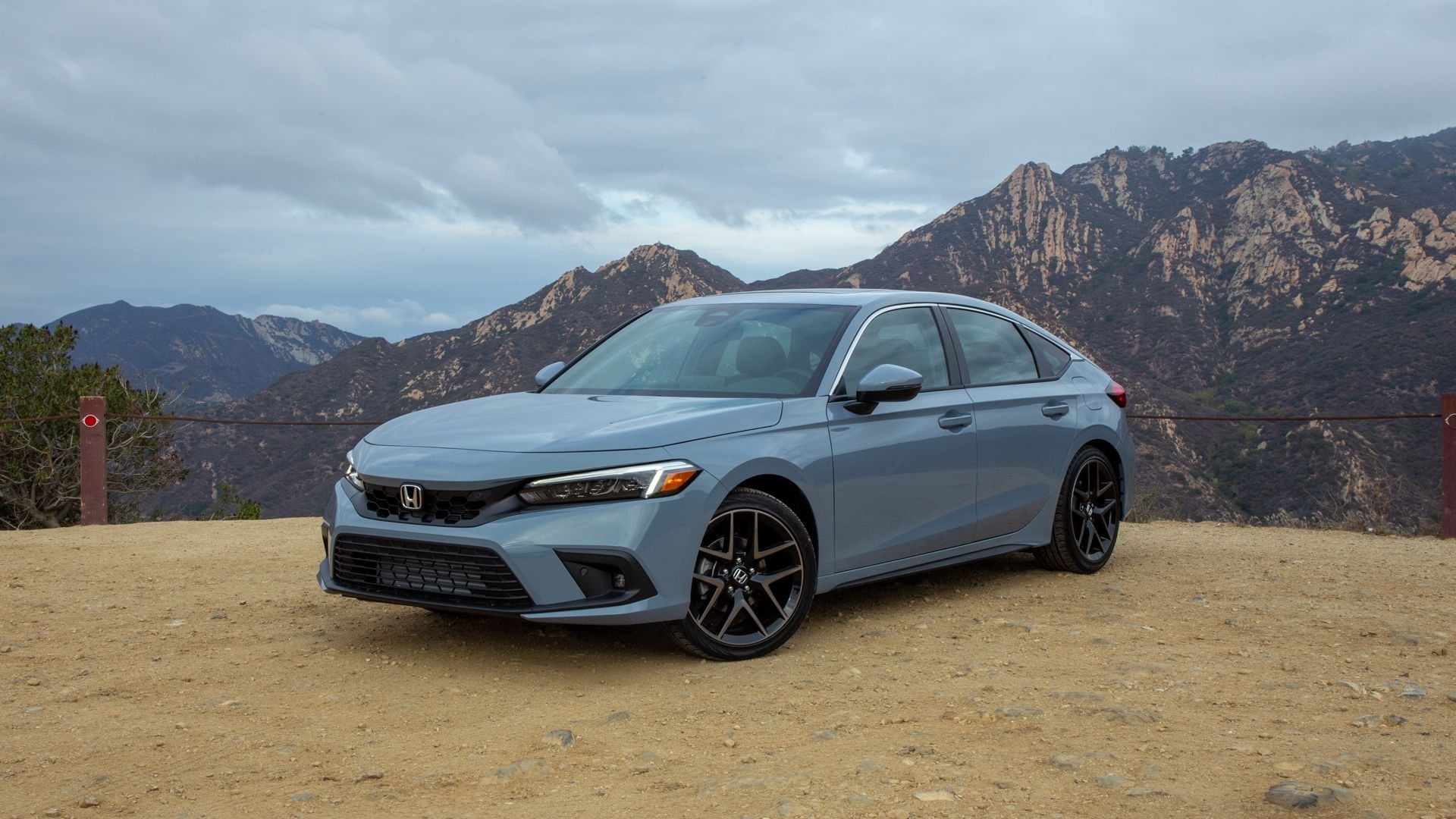
During the 1990s, Honda Civics became one of the most popular vehicles across a wide spectrum of drivers. From students and first-time car buyers to gearheads and tuners, the Civic struck a unique balance between affordability, reliability, and customization potential.
The early-to mid-90s models, especially the fifth and sixth generations, gained a near-cult following. Owners who bought these Civics during their prime often held onto them for decades, citing not just their functionality but their personality.
These weren’t cars people bought to show off, they were cars that showed up every day, no matter the weather, and asked for little in return.
A key reason for the Civic’s long-term ownership lies in its legendary reliability. Honda engineered these cars to last, and they delivered in nearly every category.
The engines were simple, fuel-efficient, and long-lived. Maintenance costs were low, and when repairs were needed, they were rarely complicated or expensive.
Many Civic owners proudly recount odometer readings well into the 300,000-mile range without any major engine failure.
That kind of dependability creates a deep bond between owner and vehicle, especially in a world where newer cars often feel disposable.
Beyond practicality, the Civic became a major figure in car culture. The rise of street racing and tuner culture in the late 1990s and early 2000s helped elevate the Civic to legendary status among young car enthusiasts.
With endless aftermarket parts, lightweight frames, and surprising performance potential, Civics became the blank canvas for automotive creativity.
Even today, modified 90s Civics command respect in certain circles. Owners often feel a deep sense of pride in their builds, whether stock or fully customized, and that pride keeps them holding on to their cars.
Lastly, there’s the emotional connection built over years of use. People went to college in these cars, moved cities, started families, or overcame hard times with a Civic by their side. It wasn’t just a car, it was a quiet, loyal witness to life’s ups and downs.
Even when newer cars promise better features, many Civic owners feel no reason to part with something that has proven itself again and again, both mechanically and emotionally.
7. Mercedes-Benz W123 (1976–1985)
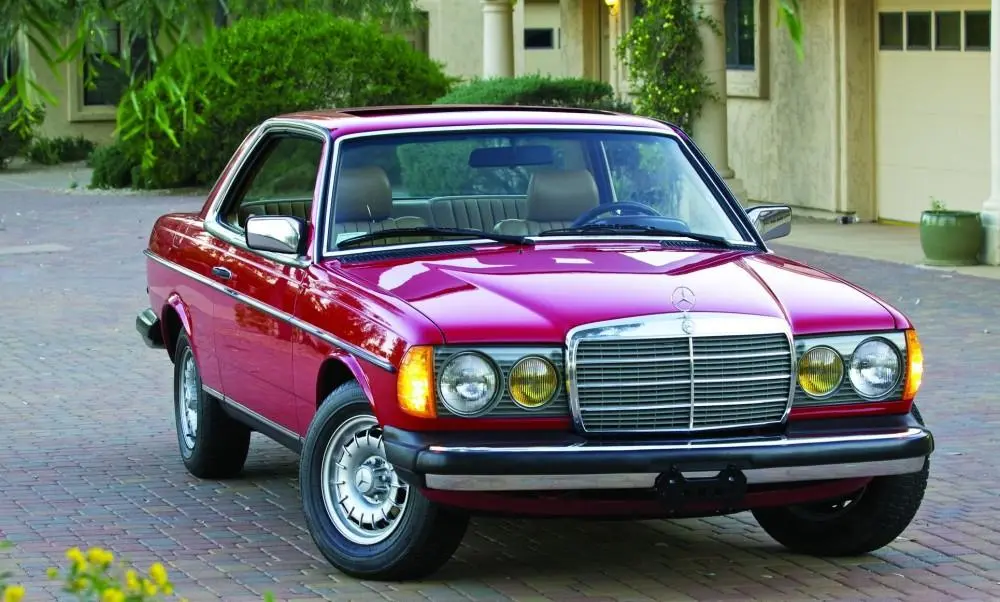
Among the most respected models to ever come out of Germany, the Mercedes-Benz W123 is a car that refuses to go away. Known for its tank-like build quality, elegant styling, and astonishing reliability, the W123 has become a symbol of old-world engineering that still holds up today.
It’s common to see these cars still running in parts of Africa, the Middle East, and rural Europe, serving as taxis, family cars, and personal workhorses decades after production ended. In wealthier countries, they’re often lovingly preserved by owners who recognize just how rare it is to find a car this well-made.
The W123 was built during a time when Mercedes focused more on longevity than profit margins. Every part, from the doors to the dashboard switches, was engineered for durability and comfort. Diesel models, in particular, are known to run well past 500,000 miles with proper care.
For those who appreciate thoughtful craftsmanship, the W123 offers a driving experience that feels timeless. It may not be fast by modern standards, but it delivers a steady, confident ride that inspires trust.
People who own these cars often describe them as more than just vehicles, they call them companions that age gracefully.
The aesthetics of the W123 also play a part in its enduring appeal. Its clean, boxy design gives it a dignified presence on the road. While newer vehicles often feel over-styled or too reliant on screens and sensors, the W123 retains a functional beauty that appeals to purists.
Inside, the analog gauges, solid materials, and quiet cabin all contribute to a sense of calm and control. Owners find themselves appreciating the car more with age, not less. It’s the kind of vehicle that reveals its qualities slowly, over thousands of miles.
There’s also an international appreciation for the W123 that encourages people to hold onto them. Online forums, restoration groups, and social media pages bring owners together from every corner of the globe.
That shared enthusiasm fuels restoration efforts and provides a network of support that keeps these cars alive. For many, selling their W123 would feel like giving up a family heirloom. It’s a car that earns loyalty with every mile, and that loyalty often lasts a lifetime.
8. Porsche 911 (Air-Cooled Models)
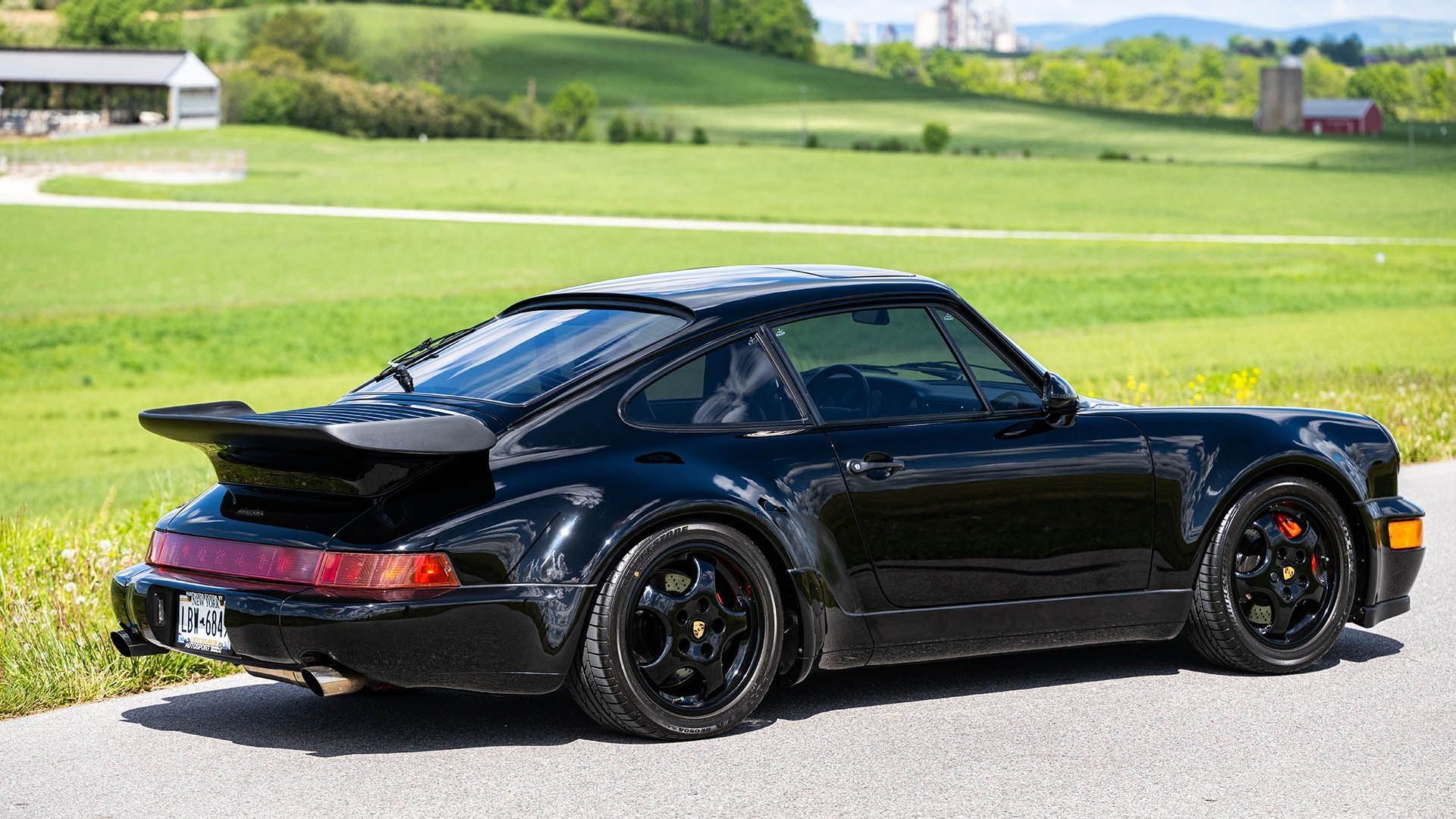
When Porsche switched from air-cooled to water-cooled engines in 1998, it marked the end of an era. For enthusiasts, the air-cooled Porsche 911s, from the early 1960s up through the 993 generation, are the heart and soul of the brand.
These cars have become icons not just for their performance, but for the way they connect driver and machine.
The unmistakable sound of an air-cooled flat-six engine, the precision of the steering, and the balanced handling create a driving experience that modern sports cars struggle to replicate. Owners of these cars don’t just enjoy driving them, they cherish every second behind the wheel.
One reason people hold on to air-cooled 911s is the emotional bond that forms through ownership. These cars require attention and care, and that involvement builds a relationship.
Whether it’s tuning carburetors, fixing minor leaks, or adjusting valves, the 911 invites hands-on ownership in a way few cars do. That investment of time and energy deepens the attachment.
For many, the car becomes part of their identity, something that can’t be replaced by newer technology or flashy upgrades.
Then there’s the collector value, which has soared in recent years. Prices for clean air-cooled 911s have risen dramatically, making them a strong financial asset in addition to being a source of joy. But interestingly, many owners say they would never sell, even knowing the potential profit.
To them, 911 isn’t just an investment; it’s an extension of who they are. It’s the car they’ve worked on, driven through canyons, taken to shows, or used to teach their kids how to drive stick. That kind of connection can’t be bought or sold.
Driving an air-cooled 911 today feels like stepping into a different world. There’s no complicated traction control system or distracting infotainment screen. It’s just the driver, the road, and the car.
That purity has become increasingly rare. Owners recognize how special it is to have something that was built for driving, not just transportation. That’s why these cars remain in garages decade after decade, polished, protected, and often passed on rather than sold.
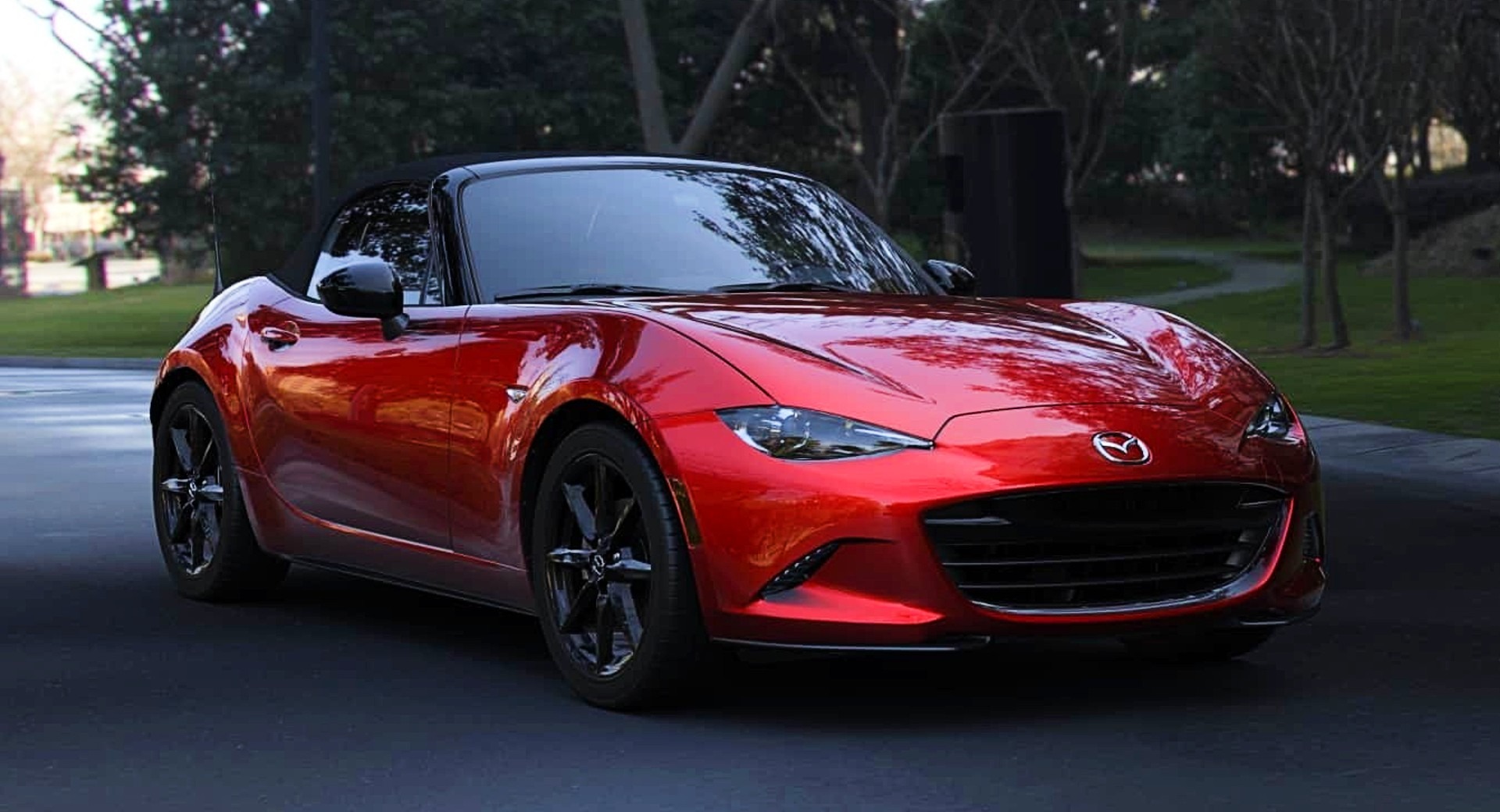
9. Mazda MX-5 Miata (First Generation, 1989–1997)
The original Mazda MX-5 Miata, introduced in 1989, is often described as the car that revived the lightweight roadster in a time when small, affordable sports cars were nearly extinct.
With its compact dimensions, perfect weight distribution, and engaging rear-wheel-drive setup, it offered something rare in the modern age, pure, uncomplicated fun.
Over the years, the Miata developed a passionate following that treats it as more than just a sports car. Owners describe it as a mood booster, a weekend therapy session, or even a lifelong companion. It’s not unusual for Miata owners to keep their cars for decades, often treating them like members of the family.
Part of the reason people hang on to their first-generation Miatas is the emotional response it creates every time the top is down and the road opens up.
There’s something about the click of the gearbox, the feel of the steering, and the way the car responds to driver input that makes it more than a vehicle. It becomes an extension of the driver’s intent.
That feeling doesn’t go away with time. In fact, many say it gets better with age, as they learn the car’s nuances and develop a rhythm that modern cars, with their filtered and assisted systems, can’t replicate.
The Miata is also one of the most dependable sports cars ever built. The 1.6- and 1.8-liter engines are known to be robust, the manual transmissions are nearly bulletproof, and the simple design makes it accessible to first-time car owners and experienced gearheads alike.
Enthusiasts often work on their Miatas themselves, further building a connection to the machine. It’s common to see these cars still running strong with over 250,000 miles on the clock. They’ve become long-term projects, track toys, and personal canvases of expression.
Another reason people resist selling their Miatas is the culture around them. The Miata community is one of the most welcoming in the automotive world. From track days and autocross events to scenic drives and local meetups, the car brings people together.
That sense of belonging and shared enthusiasm makes it hard to say goodbye. Even when they buy newer, faster cars, many owners keep their original Miata because of the memories, the friendships, and the joy that came with it.
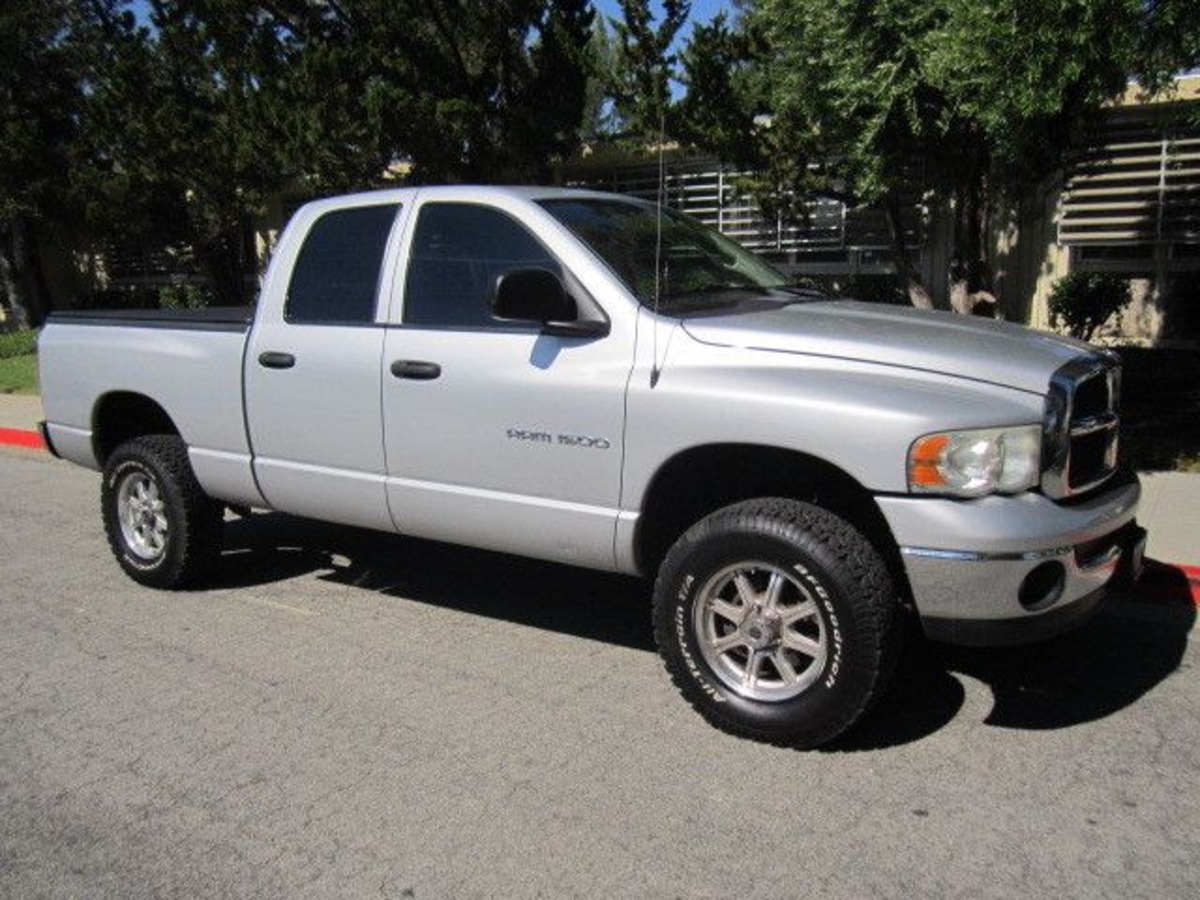
10. Dodge Ram (Second Generation, 1994–2002)
The second-generation Dodge Ram pickup truck made a massive impact when it was released in 1994. Its bold, semi-truck-inspired styling, powerful engines, and robust build gave it instant appeal among truck buyers. Over the years, it built a loyal following that still runs strong today.
Many of these trucks are still on the road, especially in rural areas where their toughness and utility have made them indispensable.
Unlike many other trucks of the era, the second-gen Ram was more than a work tool; it became a symbol of personal pride, capability, and loyalty. Owners tend to hold onto them long after the odometer has rolled over several times.
One reason the second-gen Ram endures is the legendary Cummins diesel engine option, which is widely regarded as one of the most durable powerplants ever put in a pickup.
For owners with the 5.9L 12-valve or 24-valve Cummins under the hood, it’s not uncommon to surpass 500,000 miles with regular maintenance.
That kind of long-lasting reliability creates a deep trust between the driver and the machine. Even gas engine models proved to be stout performers, and their mechanical simplicity made them relatively easy to work on compared to newer trucks overloaded with electronics.
The styling also plays a role in its continued presence on the road. The design of the second-gen Ram was a bold departure from the boxy trucks of the early ’90s. With its muscular fenders and aggressive front grille, it set the tone for future trucks and still holds up visually today.
For many, it was the first truck that looked as strong as it performed. That visual toughness often becomes tied to the owner’s identity, especially for those who bought the truck new and have kept it going ever since.
Finally, trucks like these aren’t just vehicles; they’re tools that have helped build businesses, move families, and carry the weight of real-life responsibilities. They’ve towed trailers, hauled lumber, endured brutal winters, and kept running through it all.
For many owners, selling their old Ram would feel like parting with a loyal workhorse that never let them down. The truck has earned its place, not just in the driveway, but in the history of the owner’s life.
