
The relationship between cars and the baby boomer generation runs deep. For many boomers, cars were more than just a way to get from one place to another; they were symbols of independence, craftsmanship, and personal style.
Back when driving was seen as a rite of passage and car ownership represented a significant milestone in adulthood, the vehicle you chose said something about who you were.
That emotional connection often led to deep loyalty, with many boomers developing lifelong bonds with particular models. What’s remarkable is that several of the cars that were adored decades ago are still running strong today.
Some have been passed down through generations, others have been meticulously maintained by their original owners, and a few have simply proven so mechanically reliable that they’ve remained roadworthy with minimal attention.
Most of these vehicles were produced during a time when automotive engineering emphasized simplicity, durability, and functionality.
While today’s cars are filled with touchscreens, sensors, and smart features, older cars relied on tried-and-true mechanical systems.
For the baby boomer generation, this meant they could perform basic repairs themselves, a skill many of them took pride in. With fewer electronic components to fail and easier access to parts, keeping an old car alive was a satisfying challenge rather than a frustrating chore.
These attributes helped many of these models gain a legendary reputation for toughness and longevity, earning a place in garages even decades after they rolled off the factory floor.
For some boomers, these cars are still part of daily life. They’re not sitting under covers in garages, only pulled out for weekend car shows.
They’re commuting vehicles, grocery-getters, and road trip companions. The loyalty these drivers feel isn’t just based on nostalgia.
It comes from decades of reliability and a sense of familiarity that’s hard to match. Each start of the engine brings back memories of road trips taken, families raised, and lives lived. It’s not about looking backward; it’s about appreciating something that still works and still serves a purpose.
Here are 10 cars that boomers often swear by, vehicles that helped shape their lives and, remarkably, still hold their place on the road today.
Also Read: 7 Worst Mistakes To Avoid When Owning a Ford Explorer Sport Trac
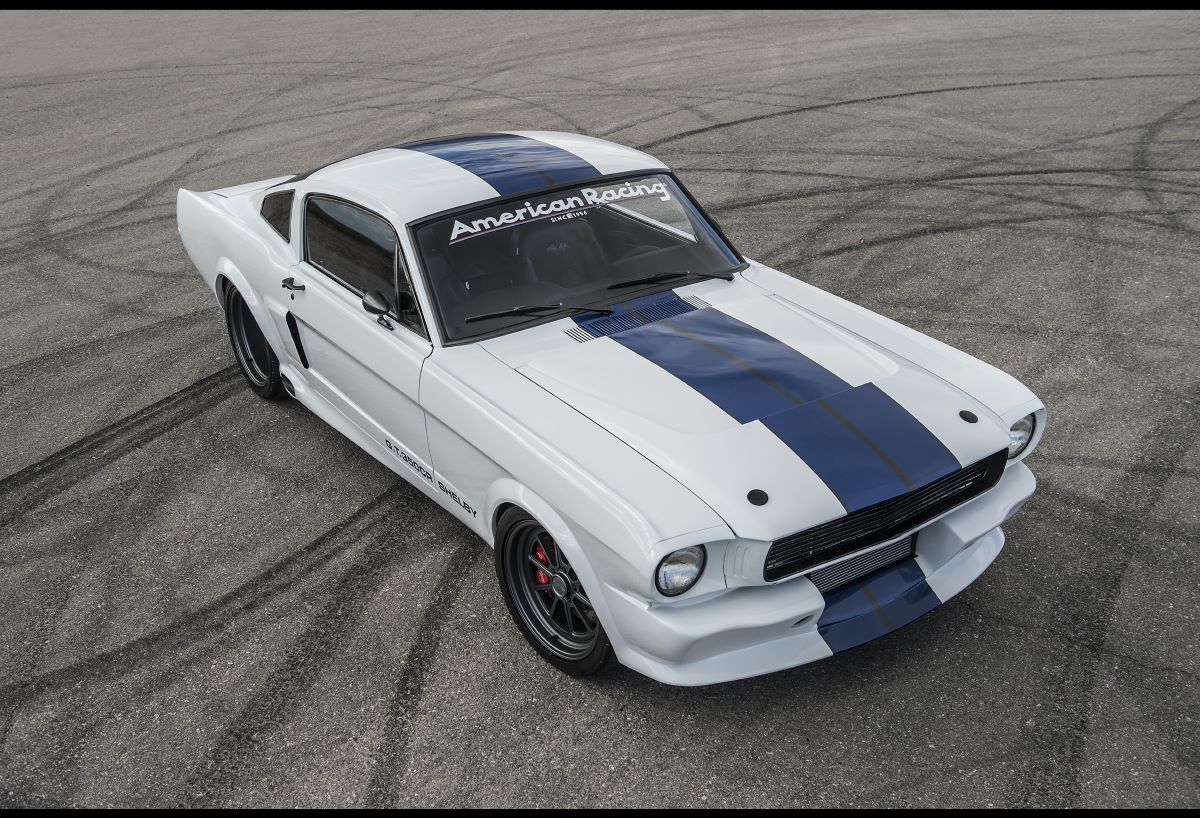
1. 1965 Ford Mustang
The 1965 Ford Mustang is perhaps the most iconic American car to emerge in the postwar era. When it hit the market, it wasn’t just a car, it was a statement.
Sleek, sporty, and relatively affordable, it became the dream vehicle for many young Americans, including the baby boomers who were coming of age at the time.
Its long hood, short rear deck, and bold design helped it stand out from the crowd. The fact that it came in multiple configurations, coupe, fastback, and convertible, meant there was a version for nearly every kind of driver.
Part of what made the Mustang so enduring was its mechanical simplicity. Many models featured V6 or V8 engines that were easy to work on, even for amateur mechanics. For boomers, this meant they could pop the hood, get their hands dirty, and handle many issues themselves.
Over the years, the Mustang’s design and powertrain evolved, but the original models remained relatively easy to maintain, especially with the abundance of aftermarket support.
It’s not unusual to find 1965 Mustangs still being driven today, sometimes by the original owners who never found a reason to part with them.
Beyond the mechanical aspects, there’s an emotional connection. The Mustang represents freedom, open roads, and youthful independence. For boomers who grew up in a time of great social change, owning a Mustang was a declaration of personal freedom.
It symbolized stepping into adulthood, often purchased with the first decent paycheck or even as a gift for a milestone event. These memories give the car a sentimental value that transcends its resale price.
Even today, the 1965 Mustang draws attention wherever it goes. Whether it’s parked at a grocery store or cruising along a coastal highway, people notice. For many boomers, that never gets old.
They don’t need digital dashboards or self-parking features. What they want is that feeling they had the first time they turned the key, revved the engine, and realized they were finally in control of their own road.
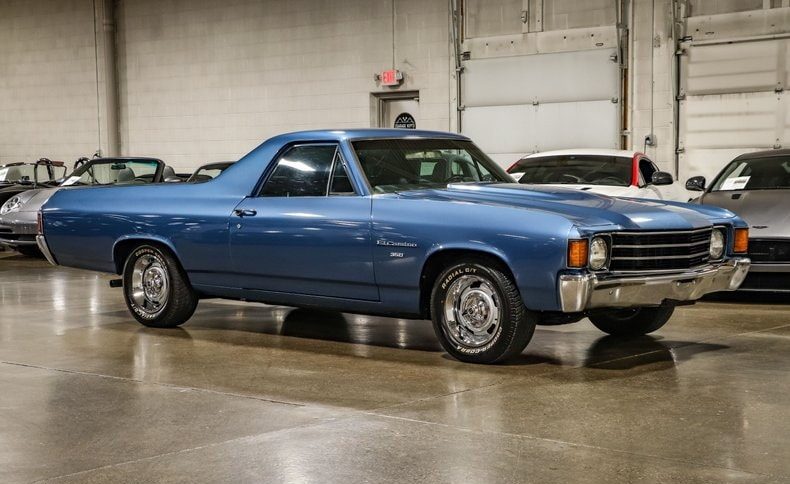
2. 1972 Chevrolet El Camino
The 1972 Chevrolet El Camino occupies a unique space in automotive history. It’s part car, part truck, and all character. For boomers who valued versatility and weren’t ready to choose between utility and style, the El Camino delivered both.
Its muscular lines gave it street appeal, while the bed in the back allowed for real work to get done. Whether it was hauling tools, bikes, or furniture, the El Camino served many roles, making it a practical favorite.
One of the reasons the El Camino has lasted so long in active use is its durability. Built on a Chevelle platform, it borrowed much of its drivetrain and mechanical systems from other GM models, which made parts widely available.
The 1972 version, in particular, benefited from years of refinement and a strong community of enthusiasts who knew how to keep them running.
Many owners, particularly boomers, became self-taught mechanics who could handle everything from brake jobs to full engine rebuilds in their own garages.
There’s also a rugged elegance to the El Camino that appeals to people who like substance over flash. It doesn’t rely on chrome accents or luxury features to make an impression. Its form follows function, and that’s what gives it charm.
It’s a vehicle that says, “I can work, but I still know how to have fun.” This dual personality appeals to many boomers who remember a time when you didn’t need to choose between a workhorse and a stylish ride, you could have both.
To this day, seeing a well-maintained El Camino on the road feels like a throwback in the best way. It’s a rolling reminder of a time when cars were a little louder, a little rougher, and a lot more personal.
The connection people feel to these vehicles doesn’t come from commercials or reviews. It comes from decades of shared experiences and the feeling of pride that comes from driving something with real history behind it.
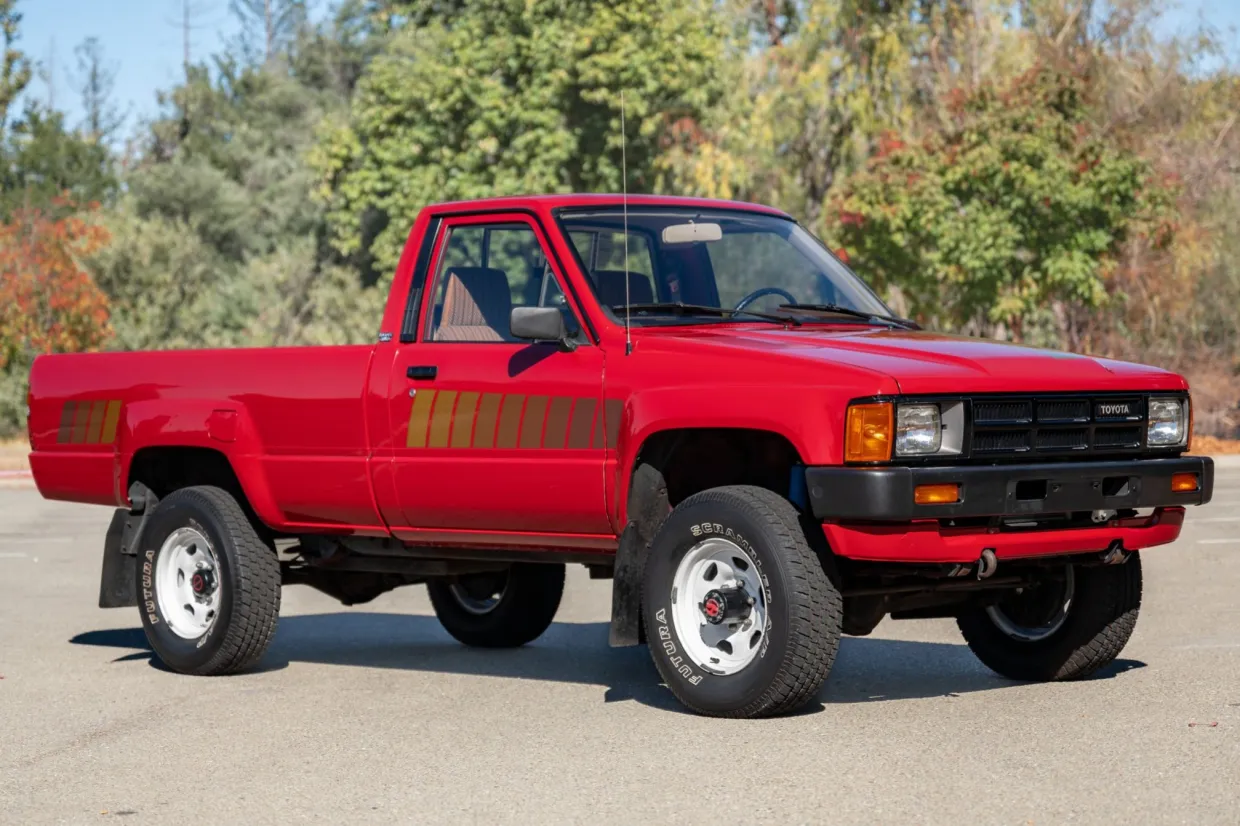
3. 1984 Toyota Pickup (Hilux)
The 1984 Toyota Pickup, known globally as the Hilux, is the truck that earned a reputation for being nearly indestructible. It became a favorite among boomers who wanted a compact truck that could handle a beating and still keep running.
These pickups were often used on farms, construction sites, and backwoods trails, and they refused to quit. That kind of reliability builds a strong following, and many boomers still trust these trucks to this day.
What helped the 1984 model stand out was its simple but effective engineering. With a straightforward inline-four engine and manual transmission, it avoided many of the complexities that plague modern vehicles.
Its small size made it easy to maneuver, but it still had the strength to haul loads and handle off-road conditions. Maintenance was relatively low-cost, and major issues were rare if the vehicle was properly cared for. Owners often praise it for going 300,000 miles or more with just basic upkeep.
There’s a sense of trust that comes with a vehicle like this. It’s the kind of truck you could take deep into the woods or across remote terrain without fear of getting stranded.
That reliability, combined with a functional design, made it an ideal choice for people who needed a dependable vehicle without the flash. Many boomers appreciate that kind of honesty in a machine. It does its job without excuses and rarely lets you down.
Even today, it’s not unusual to see one of these trucks still running, especially in rural areas or small towns. Whether it’s being used as a farm vehicle, a teenager’s first ride, or a weekend project, it remains a part of the industry.
The 1984 Toyota Pickup isn’t flashy, but it doesn’t need to be. It earned its respect the hard way, by sticking around long after others gave up.
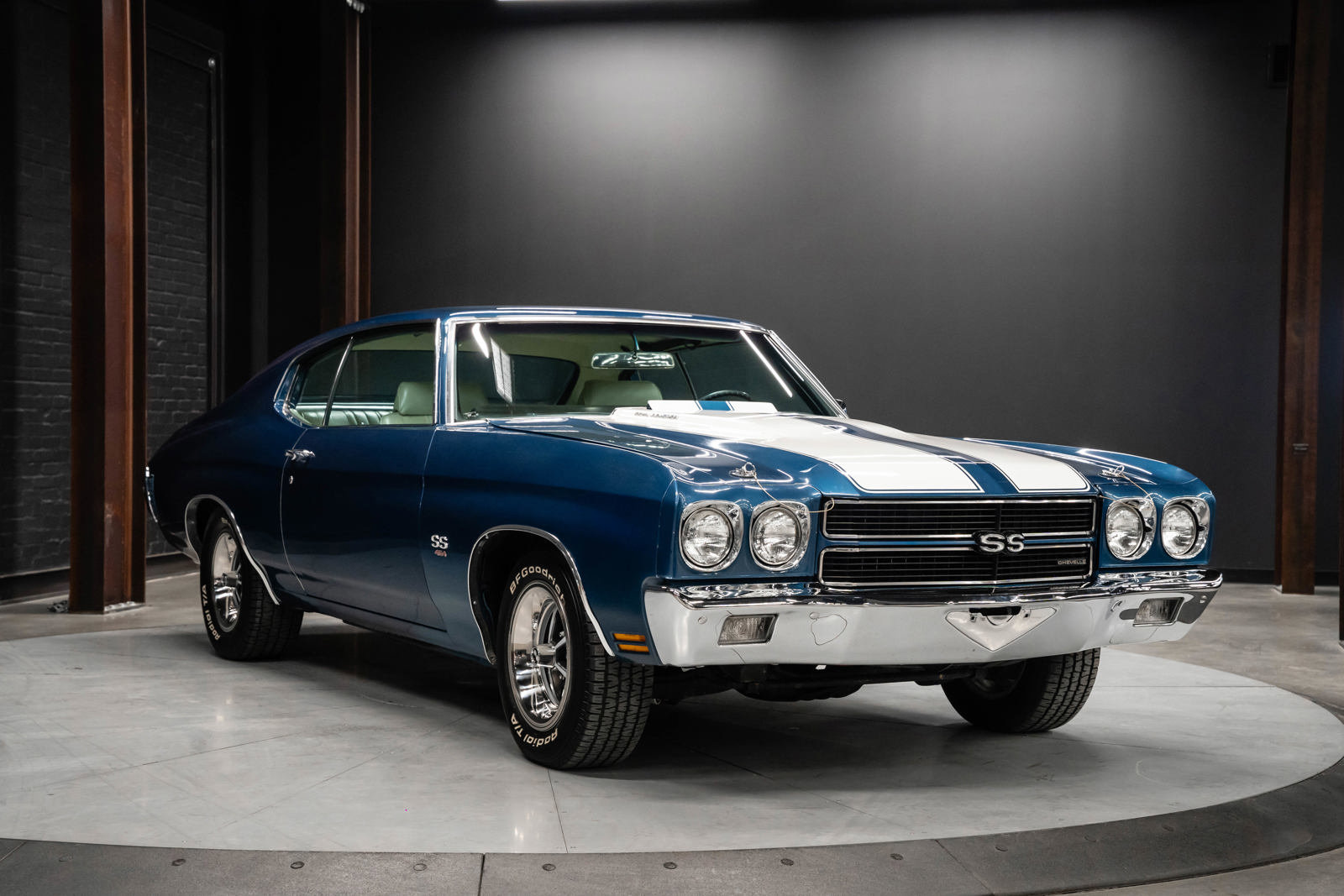
4. 1970 Chevrolet Chevelle SS
The 1970 Chevrolet Chevelle SS was one of the most powerful muscle cars of its era. For boomers who craved speed, style, and attitude, this was the car that delivered all three.
It came with bold lines, a growling V8 engine, and the kind of road presence that demanded attention. In many ways, the Chevelle SS was the poster car of a generation that loved performance and didn’t mind burning a little rubber to get noticed.
One of the standout features of the 1970 SS was the available 454-cubic-inch LS6 engine, which produced an incredible 450 horsepower. At the time, that kind of power was unheard of in a factory-built car.
Boomers who were lucky enough to own one, or even just drive one, still talk about the experience with a kind of reverence. It wasn’t just about speed. It was about how the car made you feel behind the wheel: powerful, bold, and a little rebellious.
Despite its raw power, the Chevelle SS was also a surprisingly practical car. It had a roomy interior, a solid suspension, and decent comfort for long drives. That made it a car that could be used daily, not just on weekends.
Many boomers kept them running for years, and thanks to the growing interest in classic muscle cars, plenty of them are still on the road today. Parts are easier to find than you might expect, and there’s a strong community of owners who help each other keep their cars alive.
The build quality of the Chevelle SS also contributes to its longevity. Chevrolet designed this car with solid materials and straightforward engineering that could withstand years of use, if properly cared for.
Boomers who grew up working on their own cars found the Chevelle relatively easy to maintain compared to modern vehicles, where electronic systems dominate.
The mechanical components, the big-block V8, the heavy-duty suspension, and the durable frame were all designed for performance and endurance.
Many original owners or their children have spent countless hours restoring or upgrading these cars, turning them into showpieces or reliable daily drivers. The availability of reproduction parts and the passionate classic car community keep these vehicles on the road in large numbers.
Another important aspect of the Chevelle SS’s enduring appeal is its versatility. While it was a powerhouse on the street, it was also surprisingly manageable for daily use.
Boomers often recall using these cars not just for weekend joyrides but for everyday activities like commuting to work, running errands, or taking family trips.
Its combination of power, comfort, and style made it an all-around vehicle that could fulfill many roles. This practicality helps explain why so many still prefer it over modern muscle car replicas, which may sacrifice comfort for pure performance.
The 1970 Chevelle SS strikes a balance that resonates with those who want power without compromising usability.
5. 1967 Volkswagen Beetle
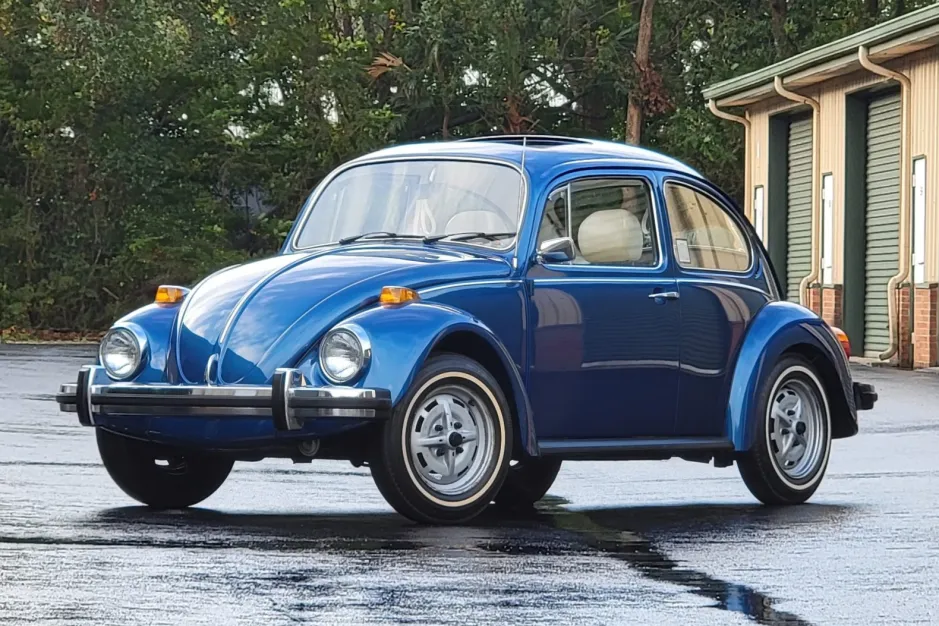
The 1967 Volkswagen Beetle is one of the most recognizable cars on the planet, and for many boomers, it was their first car or a beloved family vehicle. Known for its quirky shape and reliable performance, the Beetle carved out a unique niche in automotive history.
It was not the fastest or most luxurious car, but its simplicity, affordability, and fuel efficiency made it accessible to millions.
Its compact size was perfect for city driving, while the air-cooled engine meant fewer worries about overheating. These qualities helped the Beetle become a staple for boomers during the 1960s and beyond.
The durability of the Beetle is legendary. With relatively few moving parts, the air-cooled flat-four engine was easy to service, and many boomers learned basic mechanics just to keep their Beetle on the road. This hands-on approach made the Beetle more than just a vehicle; it was a lifelong project for many owners.
Parts were plentiful, and the simple design meant repairs were straightforward. This mechanical transparency has contributed to the Beetle’s impressive longevity, with many still running today despite their age. Its ability to survive decades with minimal fuss is a testament to the genius of its original design.
The Beetle also holds a special place culturally. For boomers, it was a symbol of practicality during a time of great social change.
Unlike the powerful muscle cars or flashy convertibles of the era, the Beetle offered an alternative, a modest, reliable car that emphasized function over show.
It appealed to those who preferred a more humble approach or those who wanted something different from the American automotive mainstream. This helped create a loyal following, and even today, Beetle clubs and enthusiasts celebrate the car’s legacy and help preserve its presence on roads worldwide.
Lastly, the Beetle’s design itself is timeless. Its rounded, friendly appearance is instantly recognizable, and it has a charm that modern cars often lack.
The Beetle’s influence can be seen in various forms even today, with Volkswagen producing newer versions that echo the original’s look. For boomers who grew up with the car, seeing one on the road still brings a smile.
It’s more than just a vehicle; it’s a connection to a simpler time when cars were mechanical marvels that could be understood and loved by their owners. This enduring affection explains why many Beetles remain active decades after their initial production.
Also Read: 7 Moves That Extend a Mercedes C-Class Past 200,000 Miles
6. 1977 Jeep CJ-7
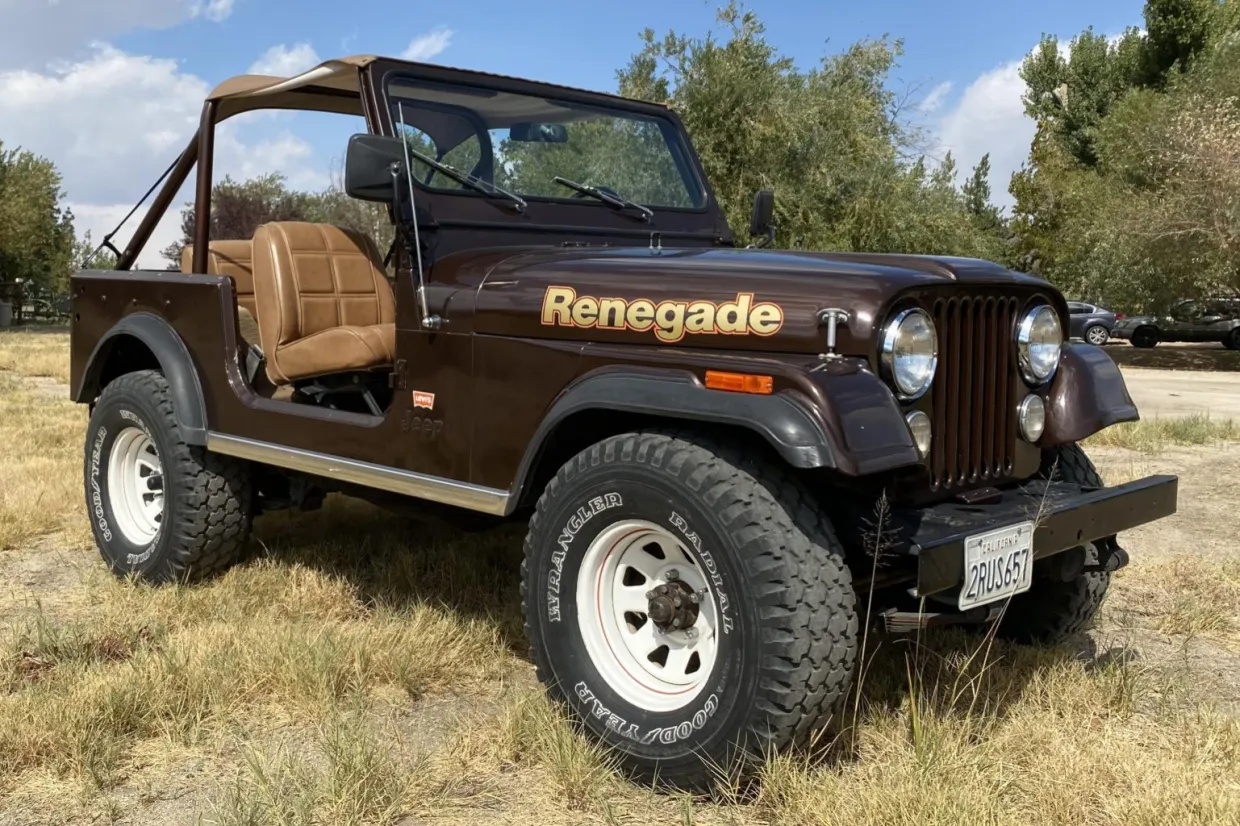
The 1977 Jeep CJ-7 is a classic off-road vehicle that many boomers swear by for its rugged capability and straightforward design.
This Jeep was built for adventure, whether that meant tackling tough trails, exploring backcountry roads, or just getting through rough weather.
Its body-on-frame construction and solid axles made it highly durable, and it was one of the first Jeeps to offer a longer wheelbase than earlier models, which improved stability and comfort. For boomers who loved the outdoors, the CJ-7 became a trusted companion for decades of exploration.
The mechanical simplicity of the CJ-7 contributes greatly to its longevity. With a range of inline-six and V8 engines available, it was relatively easy to service and repair without needing specialized equipment or expensive parts.
Many boomers learned to maintain these vehicles themselves, keeping them running without major issues.
The Jeep’s ruggedness was also enhanced by its 4×4 drivetrain, which was reliable and designed for harsh conditions.
Unlike modern SUVs packed with electronics, the CJ-7 was largely mechanical, which meant fewer things to break and fewer surprises on the trail.
The versatility of the CJ-7 is another reason it remains beloved. It could serve as a daily driver, a weekend toy, or a serious off-road machine. Boomers who owned these Jeeps often used them for camping trips, hunting excursions, or just enjoying nature away from paved roads.
Its removable top and doors added to the open-air experience, creating memories that many still cherish. This practical adaptability helped the CJ-7 avoid becoming just a garage queen, and it remains a frequent sight on trails and roads today.
Finally, the CJ-7’s cultural significance should not be overlooked. It represents the spirit of adventure and freedom that many boomers aspired to. Owning a Jeep was a statement about independence and a connection to the outdoors that went beyond simple transportation.
This bond runs deep, explaining why many of these vehicles have been restored, modified, and preserved to remain functional and relevant. For boomers, the 1977 Jeep CJ-7 isn’t just a vehicle; it’s a way of life.
7. 1969 Dodge Charger
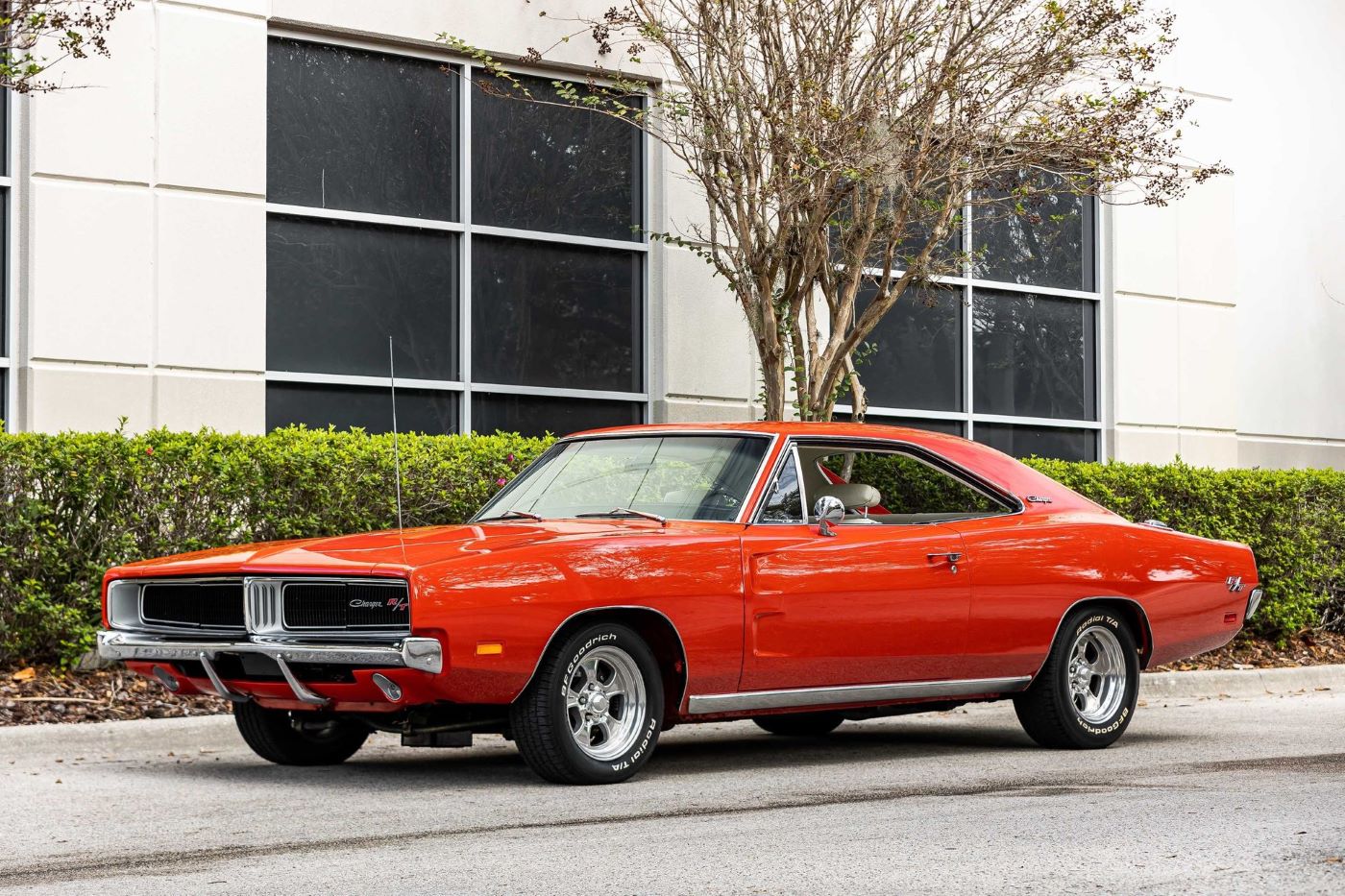
The 1969 Dodge Charger is a muscle car that many boomers recall as a symbol of power and style. Its aggressive lines, wide stance, and powerful engine options made it one of the most feared cars on the road in its day.
The Charger was more than just a car, it was an expression of raw power and American automotive muscle. For those who wanted to feel the rumble of a V8 and command attention wherever they went, the Charger was the perfect fit.
Underneath the hood, the 1969 Charger could be equipped with engines like the legendary 426 HEMI or the 440 Magnum, delivering immense horsepower and torque. This made it one of the fastest cars of the era and a favorite among those who enjoyed drag racing or spirited driving.
Many boomers who owned Chargers remember the thrill of pushing these powerful engines and the adrenaline rush that came with it. The car’s combination of performance and style made it a prized possession for enthusiasts.
Beyond performance, the Charger was also known for its distinctive design features, including the hidden headlights and the “coke bottle” shape that gave it an aggressive but aerodynamic look.
The interior was spacious enough for comfort, making it suitable for long drives as well as short bursts of speed. Boomers often recall the Charger not just for its power but for the way it balanced muscle with everyday usability, which contributed to its enduring appeal.
Even today, the 1969 Dodge Charger commands respect on the road. Many original owners still keep theirs in working condition, while restorers continue to bring them back to life.
The car’s legacy has been reinforced through popular culture, appearing in movies, TV shows, and music, which only adds to its legendary status. For boomers, the Charger remains a reminder of an era when American muscle was king, and driving was as much about passion as it was about transportation.
8. 1974 Volkswagen Transporter (Type 2 Bus)
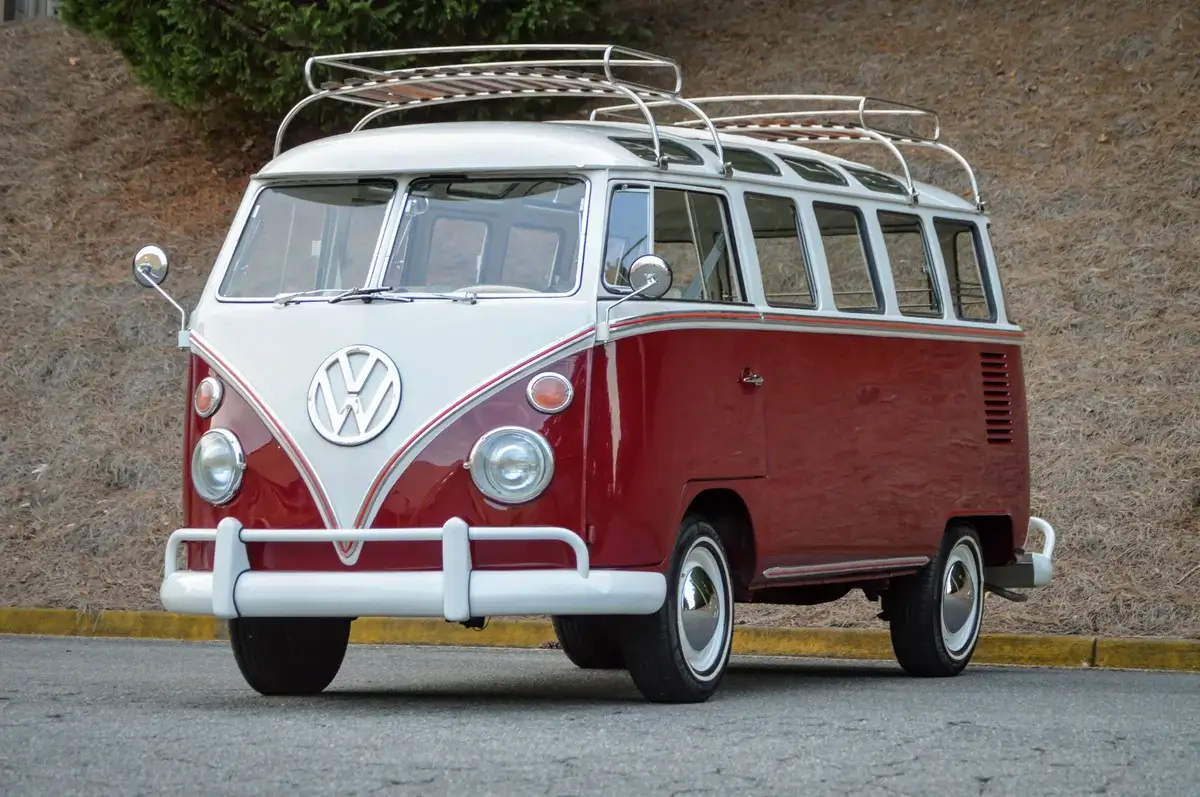
The 1974 Volkswagen Transporter, often known as the VW Bus or Microbus, holds a special place in the hearts of many boomers who grew up during the 1960s and ’70s. It became a symbol of freedom, community, and unconventional living.
Unlike typical cars, the Transporter was a spacious van with a simple but reliable air-cooled engine and a versatile interior that could be customized to suit a wide range of needs, from camper conversions to mobile shops.
For boomers who were part of or inspired by countercultural movements, the VW Bus was more than a vehicle; it was a way of life.
One reason these vans have endured for so long is their solid, simple engineering. The air-cooled engines, while not powerful by today’s standards, were remarkably robust and easy to repair.
Many boomers learned basic mechanical skills by maintaining and fixing their own Transporters, which helped keep these vans on the road decades after their production.
The absence of complicated electronics means there’s less that can go wrong, and replacement parts remain relatively accessible through a thriving aftermarket community. This mechanical straightforwardness is a big part of why many 1974 Transporters are still actively driven.
The VW Bus’s flexibility was also a key to its longevity. Boomers used it for everything from family road trips to moving apartments, hauling gear for outdoor adventures, or even setting it up as a mobile home.
The spacious interior and modular design allowed owners to modify their buses to fit their lifestyle, creating something unique to each owner.
This versatility gave the Transporter a lasting appeal that goes beyond mere transportation; it became a rolling expression of creativity and independence.
Finally, the cultural significance of the VW Bus cannot be overstated. For many boomers, it represents an era of idealism and social change, when the road was an invitation to explore new ideas and communities.
This emotional attachment has driven many to preserve and restore these vehicles, often investing considerable time and effort to keep them running or bring them back to life.
Seeing a 1974 Volkswagen Transporter still on the road today is a reminder of a generation that sought freedom on four wheels, and it continues to inspire admiration and affection from enthusiasts, young and old.
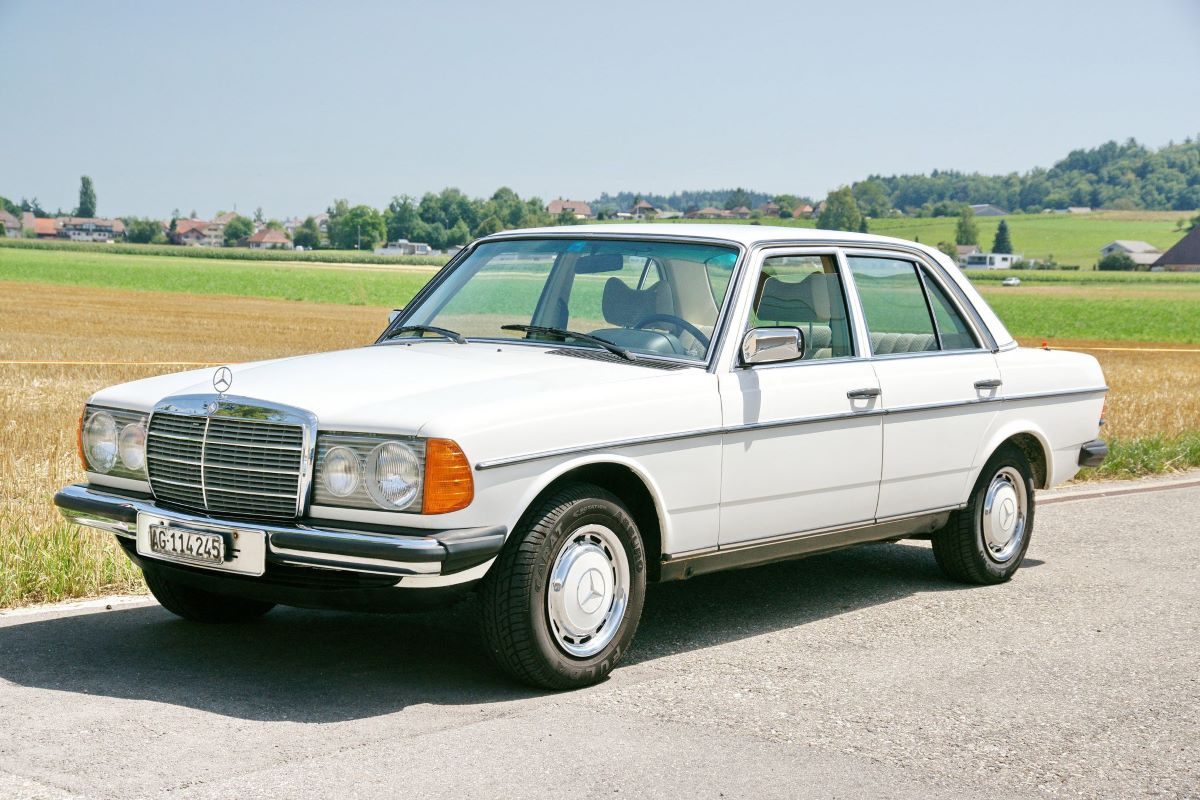
9. 1980s Mercedes-Benz W123
The 1980s Mercedes-Benz W123 series is famous for its exceptional build quality and longevity, and it earned a reputation as one of the most reliable cars ever made. Many boomers remember the W123 as a luxurious yet practical car that stood the test of time.
Whether used as a family sedan or a company executive’s car, the W123 combined comfort, safety, and durability in a way few vehicles of its era could match. Its conservative styling was timeless, and the craftsmanship inside and out was evident in every detail.
The secret behind the W123’s endurance lies in its engineering. These cars were built with robust engines and a chassis designed to withstand harsh conditions. The diesel variants, in particular, became legendary for their ability to rack up hundreds of thousands of miles with only routine maintenance.
Boomers who invested in these vehicles often kept them for decades because they simply didn’t break down. They were expensive to buy at the time but delivered exceptional value over the years thanks to their reliability and solid resale value.
Maintenance on the W123 was straightforward enough that many owners could handle regular upkeep themselves or with the help of local mechanics.
The widespread use of mechanical rather than electronic systems reduced the chances of sudden failures and expensive repairs.
This combination of quality, reliability, and serviceability helped the W123 maintain a devoted following among boomers who valued longevity and refinement over flashiness or speed.
Even today, W123s are a common sight on roads across the globe, especially in regions where durable transportation is prized. They’ve become prized collectibles as well, with enthusiasts dedicating time to preserving their classic appeal while keeping them mechanically sound.
For boomers, the W123 remains a symbol of quality engineering and sensible luxury, a car that rewards careful maintenance with years of dependable service.
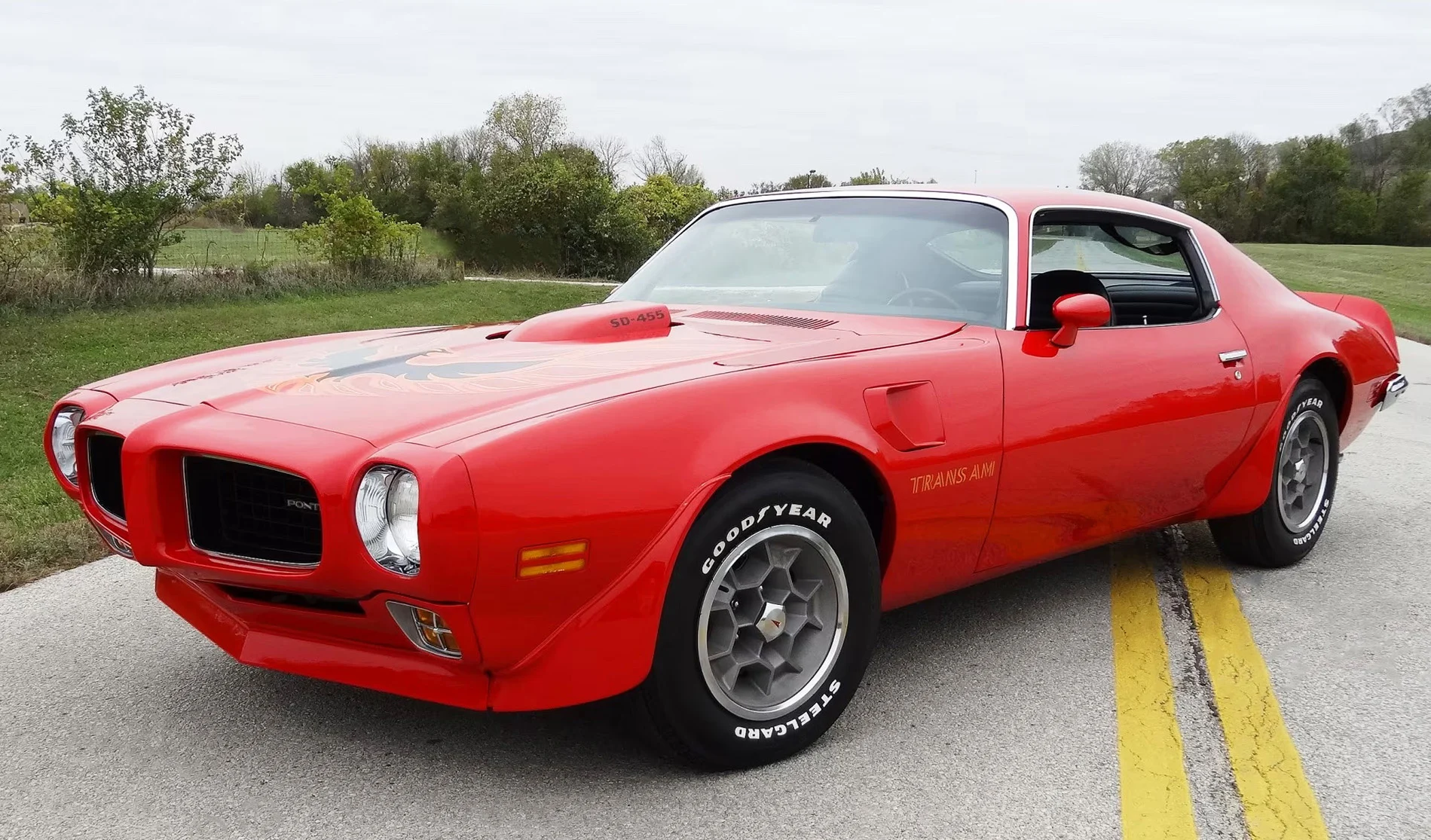
10. 1973 Pontiac Firebird
The 1973 Pontiac Firebird is a muscle car that many boomers remember fondly for its bold styling and performance. Like the Chevelle SS and Dodge Charger, it was part of the golden era of American muscle, offering powerful engines, aggressive looks, and a driving experience that was both thrilling and visceral.
The Firebird appealed to those who wanted something different from the more common muscle cars, with unique design cues and a reputation for solid performance.
Under the hood, the 1973 Firebird offered several engine options, including a potent 400 cubic inch V8 that provided plenty of power for its time.
This allowed boomers to experience the rush of acceleration and the rumble of a big engine without sacrificing comfort or style.
The Firebird also featured a sleek profile and bold front end with hidden headlights, giving it a distinct presence on the road. This combination of aesthetics and performance made it a favorite among those who wanted a muscle car with personality.
Many boomers maintained these cars for years, appreciating their balance between power and practicality. The Firebird was not only a weekend toy but also a capable daily driver for those who wanted to combine fun and function.
Its parts were relatively easy to source, and the vehicle’s mechanical simplicity meant that many owners could perform repairs and upgrades on their own.
This hands-on approach strengthened the bond between the driver and their car, making it a source of pride and satisfaction.
Today, the 1973 Pontiac Firebird remains a symbol of an exciting era in automotive history. Many boomers still drive theirs or keep them in pristine condition as a tribute to their youth.
The car’s blend of power, design, and cultural significance continues to attract attention at car shows and on the street.
For those who grew up with muscle cars as a central part of their lives, the Firebird remains a trusted companion and a testament to an era when driving was about passion and expression.
