
Hybrid vehicles have changed how people think about longevity in cars. While the traditional perception of hybrids was often tied to short-term fuel savings and limited power, the story has changed drastically over the last two decades.
With developments in battery chemistry, smarter powertrain management, and stronger engineering focus on durability, many hybrid models now last significantly longer than conventional gas-powered cars. This longevity is not just about lasting more years on the road, but also about retaining performance, maintaining reasonable maintenance costs, and staying relevant in terms of technology and comfort.
Longevity in vehicles can mean different things to different people. For some, it’s about how long a car can go without needing a major repair. For others, it’s about how long a car can function reliably under daily use. With hybrids, durability often depends on the manufacturer’s commitment to battery quality, engine design, and transmission systems that can handle the blend of gas and electric operation.
Some hybrid models are known to reach 200,000 miles with regular maintenance, and others have even exceeded the 300,000-mile mark. Compare that to many conventional gas-only vehicles, which may begin to experience more serious issues after 150,000 miles, and the picture becomes clear.
What makes hybrids more reliable in some cases is the reduced strain on their internal combustion engines. Since electric motors take on a significant portion of driving duties, especially at lower speeds, the gas engine doesn’t endure as much wear and tear.
That results in fewer oil changes, less heat stress, and a smoother drive. Regenerative braking systems in hybrids also extend the life of brake pads, another important factor in long-term durability. Combine these advantages with advanced onboard diagnostics and well-designed power control systems, and you get a class of vehicles that can easily outlast their traditional counterparts.
This article takes a look at 12 hybrid models that have proven to last well beyond the expectations of a typical gas car. Whether you’re a daily commuter, a rideshare driver, or someone who just wants a vehicle to last over a decade without frequent breakdowns, these models represent the best in long-haul hybrid reliability.
Also Read: 10 Checks That Stop a Chevy Impala From Becoming Unsafe
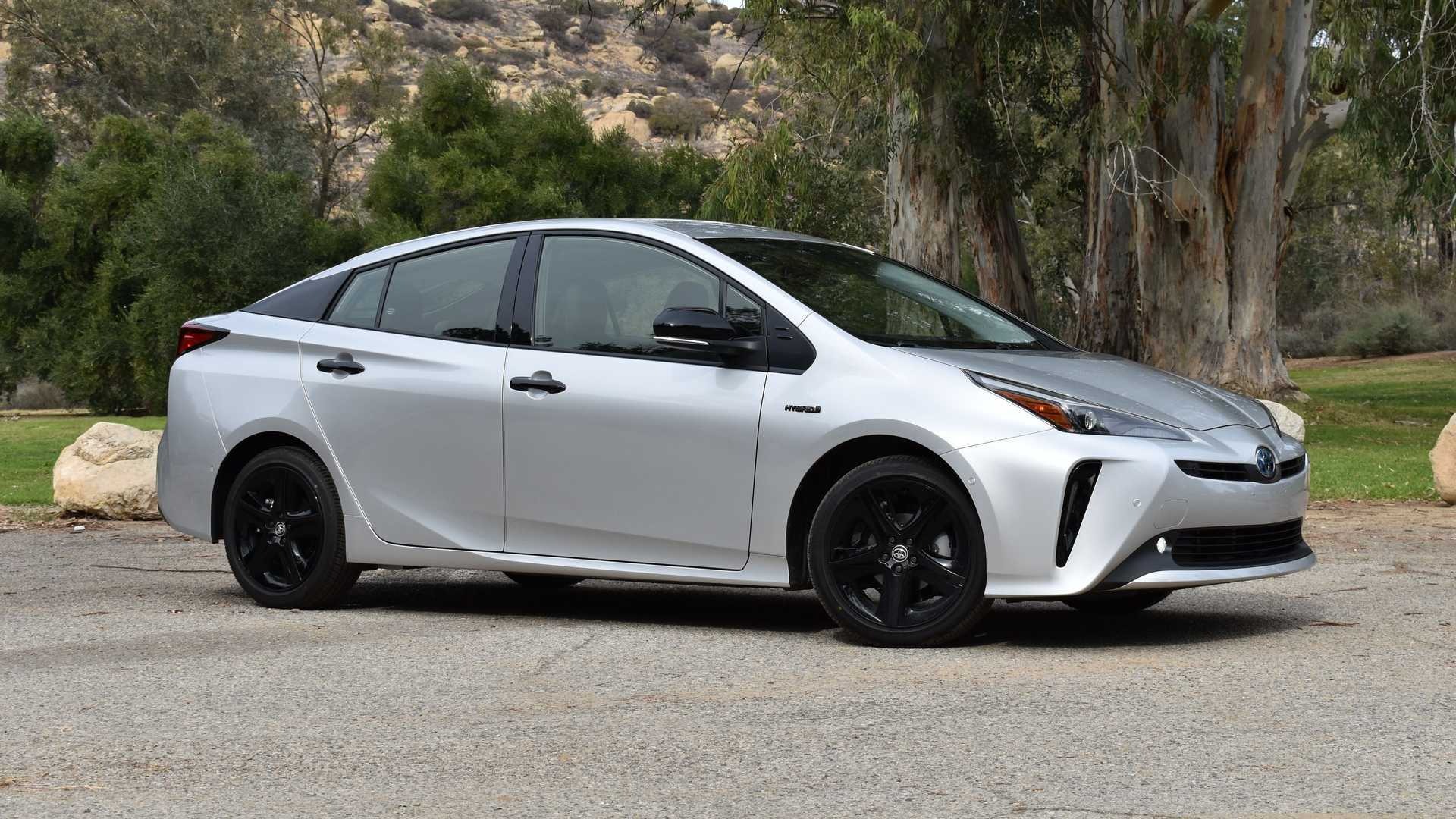
1. Toyota Prius
The Toyota Prius has become almost synonymous with hybrid technology. First introduced in the late 1990s, the Prius has stood the test of time by proving its durability again and again.
Its hybrid synergy drive system is well-refined, combining a small internal combustion engine with a battery-powered motor to share the load. This setup reduces wear on the engine and has helped many Prius models reach 200,000 miles or more with only routine maintenance.
One of the biggest reasons the Prius continues to last longer than most gas cars is its engineering simplicity. Toyota designed it to be efficient in every sense of the word, meaning fewer mechanical failures and an electrical system that rarely causes trouble.
Many longtime Prius owners report replacing only wear items like tires, brake pads, and the occasional headlight. Battery replacements are rare in the first 150,000 miles and are no longer as costly as they once were.
Maintenance costs for the Prius tend to be below average, especially since the regenerative braking system reduces brake wear. Oil changes are required less frequently than on a conventional engine, and there’s no traditional transmission to worry about, only a planetary gear system that is proven to be very reliable. All of these elements contribute to long-term affordability and fewer unexpected repairs over time.
In terms of longevity, the Prius consistently ranks among the top used vehicles with high mileage on the road. Taxi fleets around the world have trusted the Prius for years because of its ability to handle high-mileage use without breaking down.
The durability of the Prius goes beyond just its hybrid components; its body, suspension, and interior materials also hold up well after years of use, making it one of the most enduring hybrid vehicles available today.
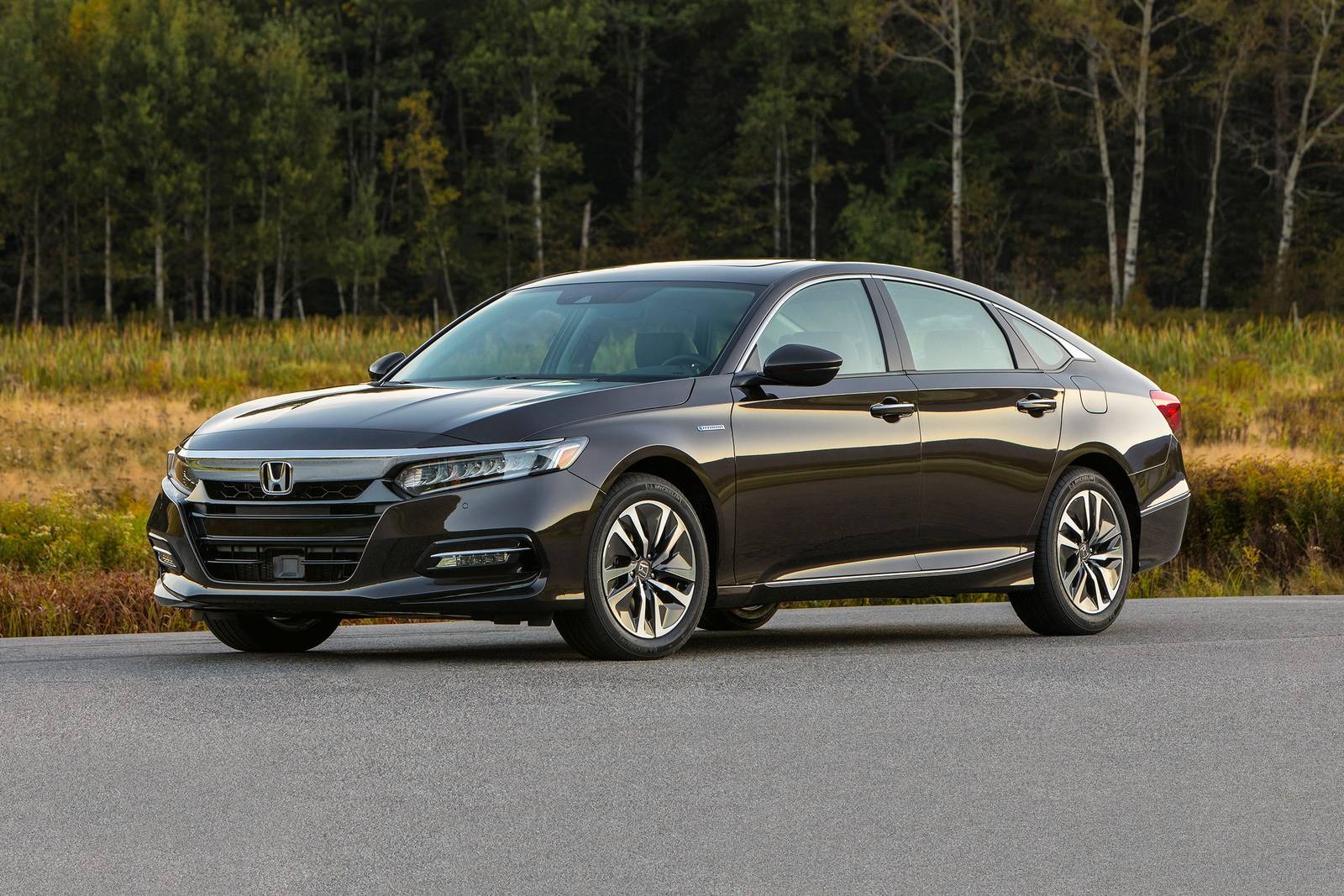
2. Honda Accord Hybrid
The Honda Accord Hybrid combines a spacious midsize sedan design with a powertrain that is built for reliability. Honda has taken a conservative but effective approach with their hybrid systems, opting for proven technology that balances performance and durability. The Accord Hybrid is often praised for its smooth ride, efficient energy use, and surprisingly long life compared to similar gas-only sedans.
One of the major strengths of the Accord Hybrid lies in its intelligent power-split system. This setup allows the electric motor and the gas engine to work in harmony or independently, depending on driving conditions.
That flexibility reduces unnecessary wear on both systems. The result is a hybrid system that doesn’t need to push either component to the limit, increasing the chances of it lasting well past 200,000 miles with consistent care.
Honda’s engineering has always prioritized strong build quality and thoughtful design. The hybrid version of the Accord benefits from the same chassis strength and safety focus as the regular model. Combined with a lithium-ion battery that resists degradation and an electronic control system that avoids overheating, the Accord Hybrid is designed to keep running smoothly year after year.
Many owners of the Accord Hybrid report long-term satisfaction, often noting that the car retains its driving quality and efficiency even after years of use.
Unlike many early hybrids that lost their battery efficiency quickly, newer Accord Hybrid models show minimal battery degradation even past the 100,000-mile mark. This is a significant factor in its ability to outlast many gas cars in both reliability and performance.
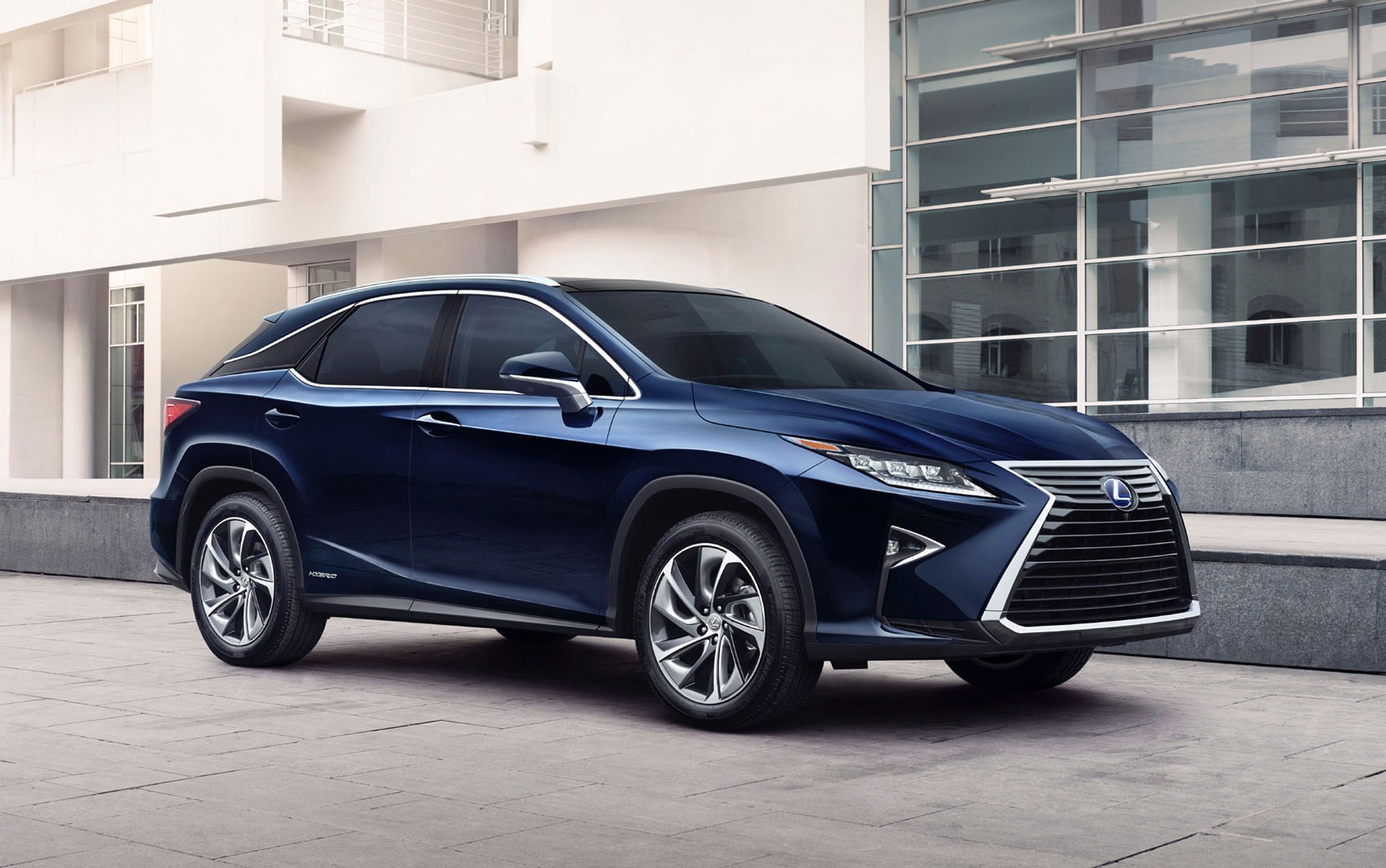
3. Lexus RX 450h
Lexus, Toyota’s luxury division, brings its reputation for durability into the hybrid world with the RX 450h. This midsize luxury SUV has been a standout in hybrid longevity, offering a combination of quiet refinement and robust mechanical systems. It’s one of the few luxury hybrids that consistently performs well over long distances without the frequent electronic or mechanical failures seen in other luxury brands.
Under the hood, the RX 450h uses a 3.5-liter V6 engine paired with a well-coordinated hybrid system that includes dual electric motors. This setup not only improves fuel economy but also distributes stress across multiple components, lowering the wear on any single part. Owners benefit from a powertrain that delivers strong performance while maintaining a relatively low maintenance profile over time.
One of the unsung advantages of the RX 450h is the consistency of Toyota’s hybrid platform across its luxury and mainstream vehicles. That shared design means you get proven reliability wrapped in a more comfortable and upscale package.
Many RX 450h vehicles have surpassed 200,000 miles with minimal battery issues, and Lexus’ standard build quality ensures that everything from seat upholstery to steering components continues functioning well into high mileage.
From a resale standpoint, the RX 450h often holds its value better than similar luxury gas SUVs. That’s partly because buyers recognize the long-term reliability it offers. Hybrid SUVs used to be a risky investment, but the RX 450h showed that luxury and longevity could coexist. For anyone wanting a reliable SUV with both comfort and stamina, this hybrid consistently meets expectations and then some.
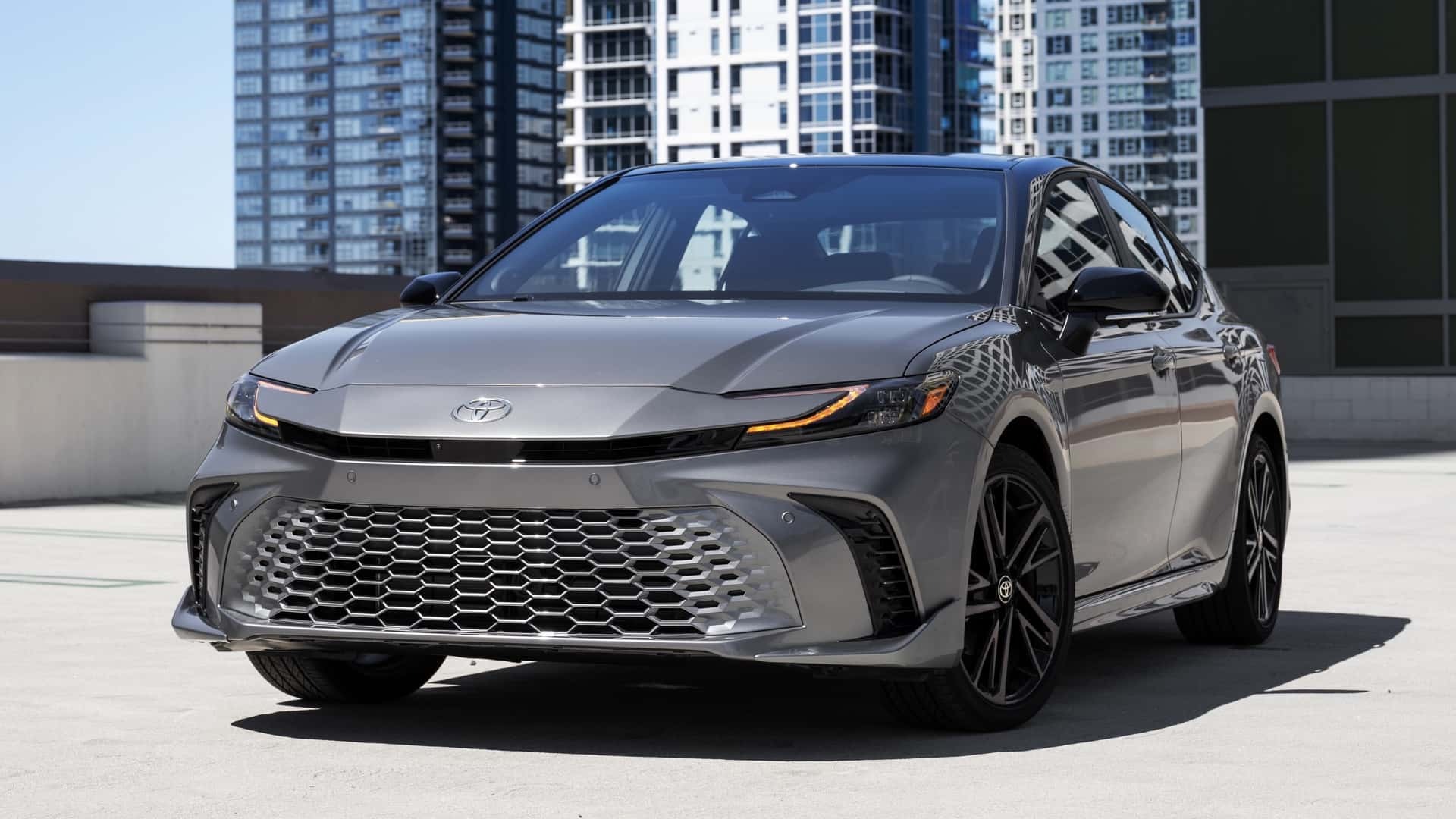
4. Toyota Camry Hybrid
The Toyota Camry Hybrid is a favorite among drivers who want the reliability of a Camry with the added efficiency of a hybrid system. Toyota’s track record with both the Camry and its hybrid technology makes this vehicle a solid long-term investment. It blends everyday practicality with mechanical dependability in a way that many cars, hybrid or not, simply can’t match.
One of the Camry Hybrid’s biggest strengths is the way it integrates its electric and gas systems. Rather than overcomplicating things, Toyota has stuck with a tried-and-true approach that balances the load between the power sources.
The result is reduced engine stress and an electric motor that seamlessly supports acceleration and low-speed driving. This lowers the mechanical burden on both systems, helping them last longer than expected.
Maintenance for the Camry Hybrid is often cheaper than that of other midsize sedans. Because the hybrid system helps with braking and low-speed acceleration, common wear points like brake pads and engine components tend to have a longer service life.
The electronic components are also built with high heat tolerance and robust protective systems, meaning fewer electrical failures even after a decade of use.
Camry Hybrids are known to reach 250,000 miles or more, with some well-maintained models pushing beyond 300,000. That level of durability makes them ideal for people who drive frequently or keep their vehicles for a long time. The Camry’s reputation as a workhorse holds strong in its hybrid form, proving that eco-friendly choices don’t have to sacrifice long-term value or performance.
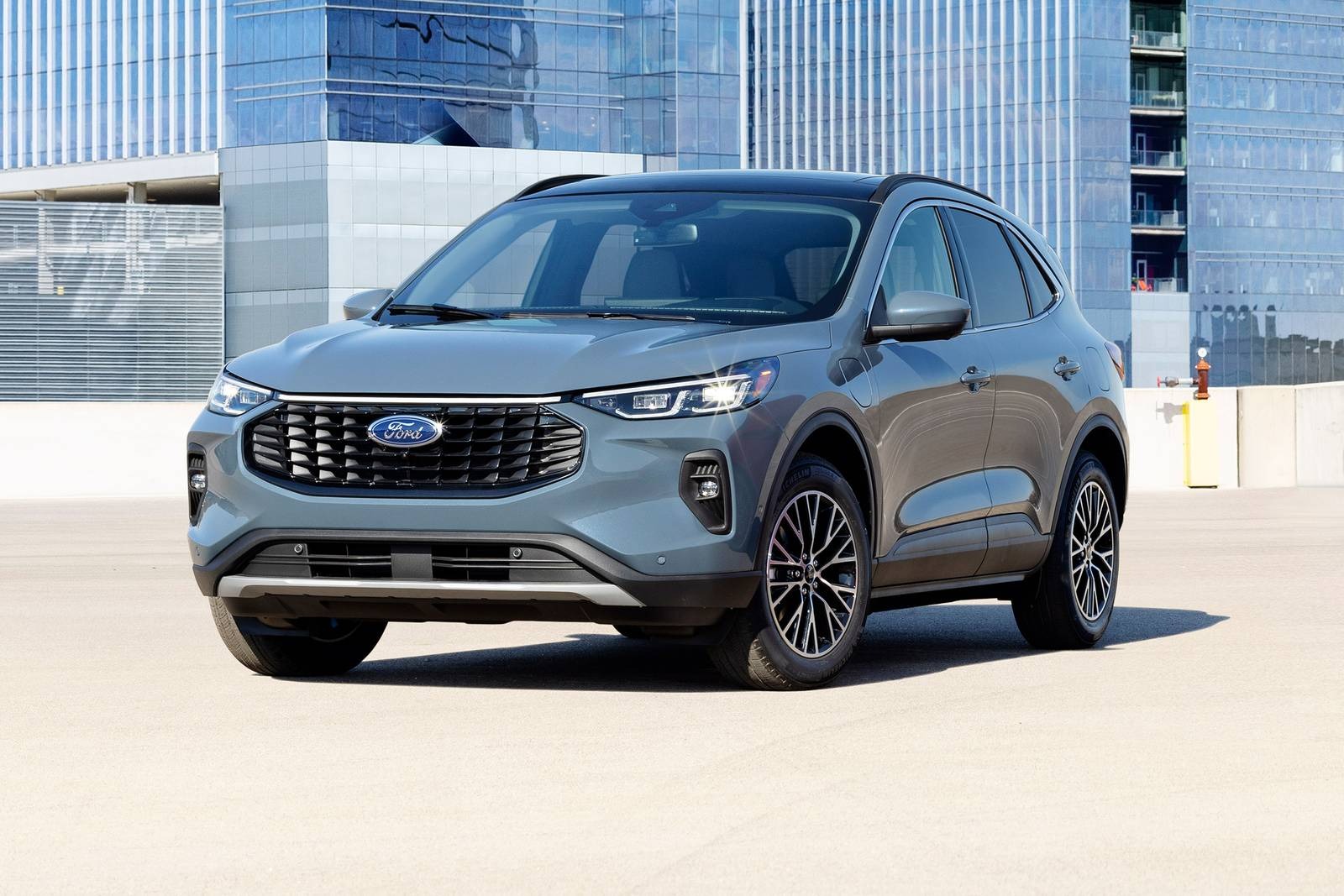
5. Ford Escape Hybrid
The Ford Escape Hybrid is one of the more surprising entries when it comes to longevity. While some American hybrids have been hit-or-miss in the past, the Escape Hybrid stands out as a reliable option that often goes the distance. Originally released in the early 2000s and later revived with more modern features, it has earned a reputation for lasting as long, if not longer, than many gas SUVs.
Part of what makes the Escape Hybrid endure is its simple and effective hybrid setup. Ford took cues from Toyota when designing its hybrid system, leading to a durable and stable design. The combination of a 2.5-liter four-cylinder engine and electric motors creates a smooth power delivery system that puts minimal strain on any one part. That makes it well-suited for both urban commuting and highway driving.
Owners of the Escape Hybrid frequently report high mileage with few major issues. Taxi fleets in various cities have used older Escape Hybrids for years, often logging well over 200,000 miles without needing a full battery replacement.
The mechanical parts are solid, and Ford’s parts network makes repairs and maintenance affordable compared to other hybrid SUVs. While it may not offer the plush interior of luxury competitors or the brand prestige of Toyota, the Escape Hybrid has earned respect by simply lasting.
Its all-wheel-drive versions also make it practical for regions with rough weather or uneven roads, and this capability has not impacted its long-term reliability, which is often a challenge for gas-powered compact SUVs with more complex drivetrain options.
The first-generation Escape Hybrid was already seen as a success in terms of durability, and the newer models have continued that reputation with modern improvements. Updates to the battery chemistry, power control systems, and driver interface have made it easier to manage performance and efficiency over time.
Owners now benefit from smarter energy management systems that prevent the battery from overcharging or overheating, common culprits in hybrid degradation. These improvements help the vehicle last not just in mileage but also in battery health and consistent performance.
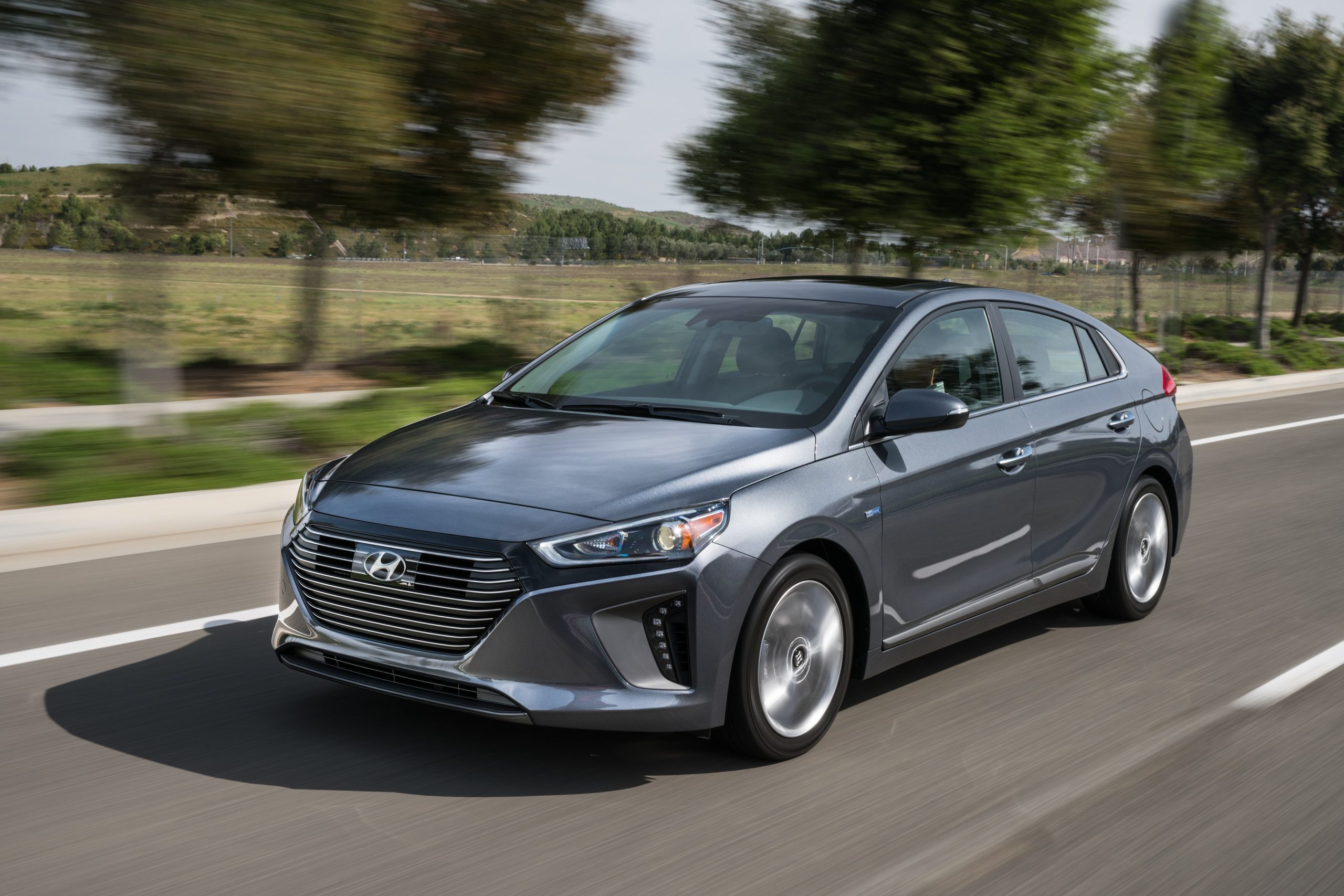
6. Hyundai Ioniq Hybrid
The Hyundai Ioniq Hybrid has made a name for itself as one of the most efficient vehicles in its class, but what often gets overlooked is its potential to outlast traditional gas-powered vehicles.
Hyundai designed the Ioniq from the ground up as a hybrid, rather than retrofitting an existing gas model, which allowed the company to optimize the powertrain and battery layout from the beginning. This thoughtful design contributes to the vehicle’s long-term dependability.
The Ioniq uses a 1.6-liter Atkinson-cycle engine paired with a dual-clutch transmission and a compact lithium-ion battery. Unlike continuously variable transmissions (CVTs), which some drivers dislike due to their rubbery feel, the dual-clutch system offers a more engaging driving experience and fewer long-term problems when maintained correctly.
The battery is air-cooled and strategically placed under the rear seats, reducing exposure to extreme temperatures and preventing overheating, a major cause of early battery failure in some older hybrids.
Routine maintenance is simple and doesn’t require any specialized procedures. Brake pads last longer due to regenerative braking, and oil changes are spaced out thanks to the engine’s low-stress workload.
The hybrid system itself uses fewer moving parts than a conventional internal combustion powertrain, meaning fewer opportunities for mechanical failures. Additionally, Hyundai’s generous warranty (including coverage for hybrid components) gives peace of mind to owners planning to keep their vehicles for a decade or more.
Perhaps most impressively, long-term Ioniq Hybrid owners often report that their fuel economy does not drop significantly even after 100,000 miles. That kind of consistency is rare, even among hybrids, and it’s a sign of a well-balanced system that maintains efficiency and performance over time.
As the Ioniq Hybrid ages, it becomes clearer that its strengths go far beyond fuel economy; it stands as a model of smart hybrid engineering that’s built to last.
Also Read: 10 Easy Wins That Keep a Chevy Spark Reliable for Years
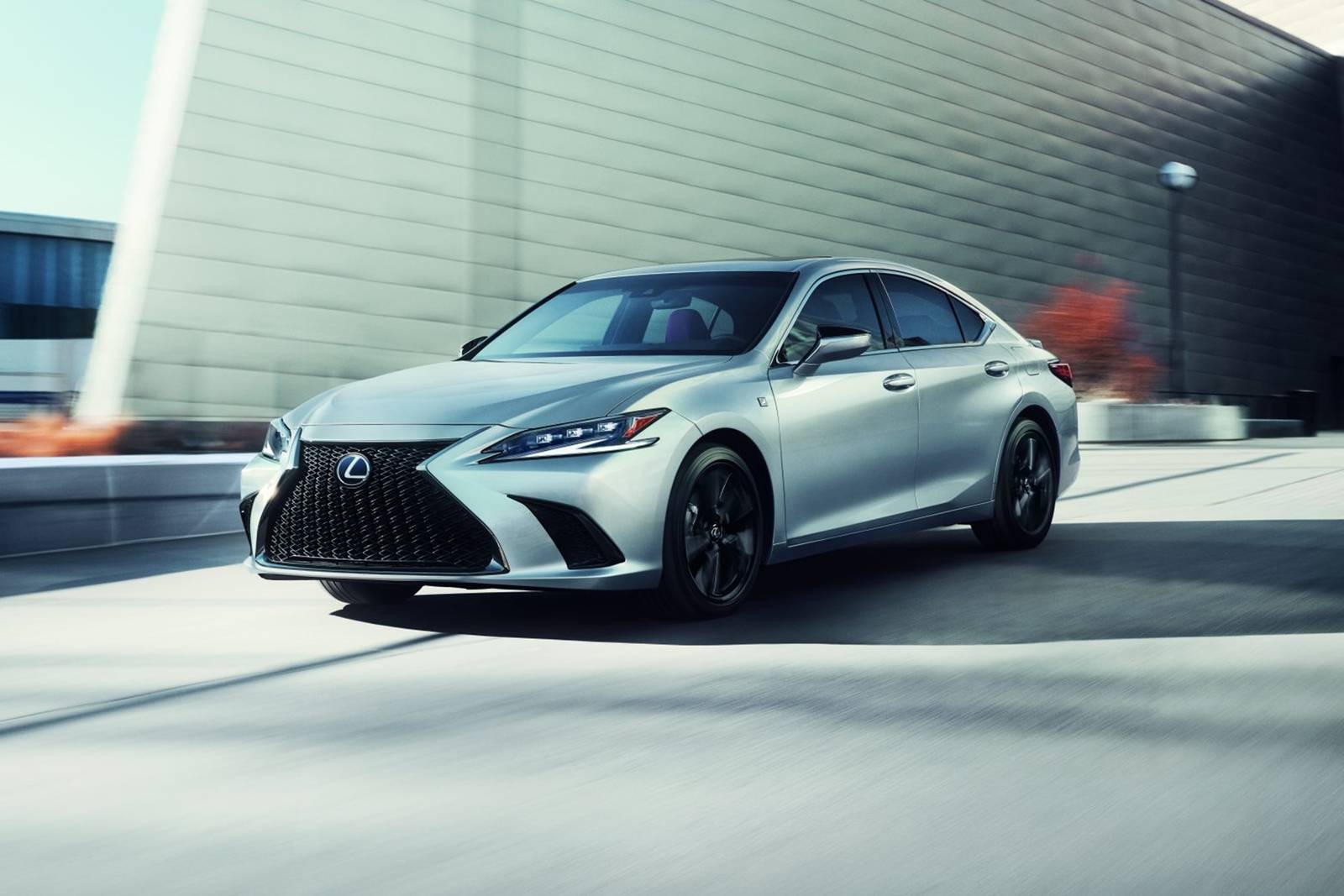
7. Lexus ES 300h
The Lexus ES 300h offers a unique blend of comfort, fuel economy, and reliability, making it one of the most enduring hybrid sedans on the road. Built on the same hybrid technology that powers the Toyota Camry Hybrid, the ES 300h benefits from proven reliability but wraps it in a more luxurious, refined package. This car is often the choice of professionals and families who want premium features without sacrificing long-term dependability.
The ES 300h uses a 2.5-liter four-cylinder engine combined with Lexus’ hybrid drive system to create a seamless and quiet ride. Over the years, Lexus has refined this system to the point where transitions between electric and gas power are nearly imperceptible.
More importantly, the smooth operation contributes to longer component life. Systems that are under stress or that operate harshly tend to break down faster, but the ES 300h runs with calm precision for hundreds of thousands of miles.
Interior quality is another factor in the ES 300h’s ability to age gracefully. Leather seats, high-grade plastics, and soft-touch materials retain their appearance and comfort well into the car’s second decade of use.
This may seem superficial compared to engine performance, but in long-term ownership, these things matter. A car that drives well but looks worn out on the inside can still feel old, but the ES 300h remains a pleasant place to spend time year after year.
Mechanically, the ES 300h is known for having a low rate of battery failures and transmission issues. This is partly due to Toyota and Lexus engineering standards, which emphasize component longevity over aggressive performance.
With regular fluid changes, brake checks, and battery inspections, this sedan is easily capable of exceeding 250,000 miles with no major repairs. For those looking for long-term value in a luxury hybrid, few options perform as consistently and reliably as the ES 300h.
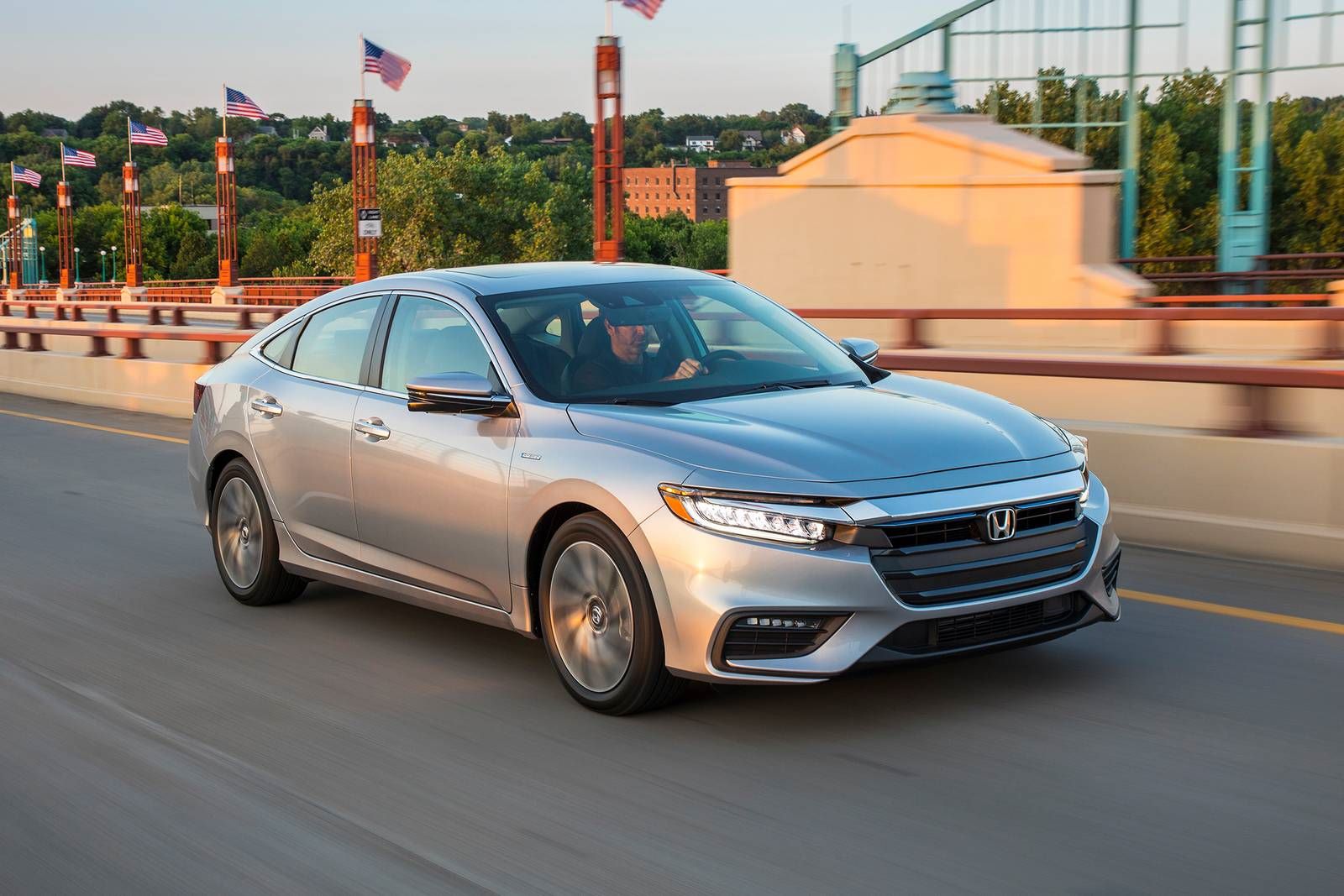
8. Honda Insight
The Honda Insight, particularly in its third-generation form, has become a highly dependable compact hybrid. Often overshadowed by its more famous competitor, the Prius, the Insight nonetheless offers impressive fuel efficiency and solid mechanical reliability. It shares much of its hybrid system with the Honda Accord Hybrid, giving it a strong technical foundation that has already proven its ability to handle high mileage.
One of the Insight’s most effective traits is its use of a smaller, efficient gas engine paired with a well-managed electric motor system. Honda’s engineering emphasis has always been on building resilient engines, and the Insight benefits from this legacy.
The Atkinson-cycle engine in the Insight is designed for longevity, and the electric motor only kicks in when needed, extending the life of both systems. That careful balance helps keep the hybrid drivetrain in top shape for the long run.
Because the Insight is smaller and lighter than many other hybrids, it puts less strain on its components. The brakes last longer, the tires wear more evenly, and the battery doesn’t have to work as hard to push the vehicle forward.
These characteristics may not seem dramatic, but when combined over time, they result in a car that simply doesn’t wear out as quickly. Drivers who take care of their Insight with regular oil changes and fluid maintenance often report trouble-free performance past 150,000 miles.
Like other well-designed hybrids, the Insight includes a regenerative braking system and smart cooling controls for the battery, which reduce the most common causes of long-term wear.
The car’s interior is also made with durable materials that hold up to years of use without peeling, cracking, or fading. With its balanced design and proven technology, the Insight is a dependable choice for drivers who want a fuel-efficient car that will stick with them through years of consistent driving.
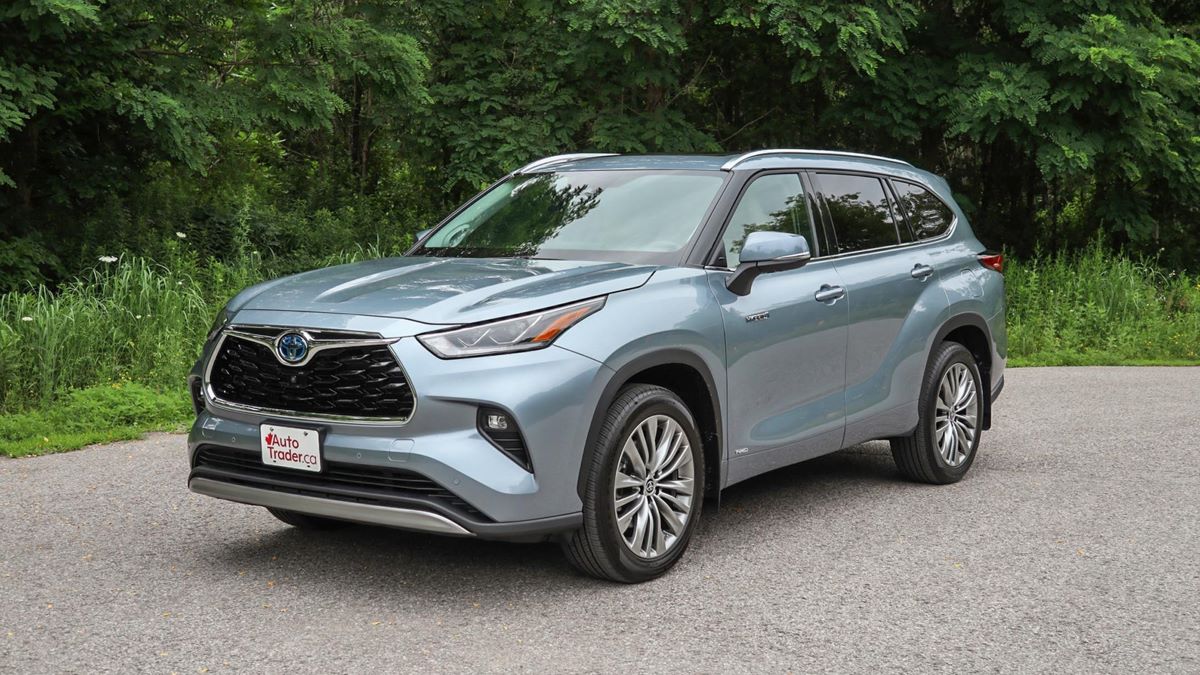
9. Toyota Highlander Hybrid
The Toyota Highlander Hybrid is one of the few three-row SUVs that consistently ranks high in both reliability and longevity. Combining the practicality of a family SUV with Toyota’s hybrid technology, the Highlander Hybrid offers drivers a vehicle that is both fuel-efficient and built to last.
Many people assume larger hybrids face more mechanical strain, but the Highlander Hybrid defies that expectation through careful engineering and durable components that withstand long-term wear.
The Highlander Hybrid uses a 2.5-liter or 3.5-liter engine (depending on the generation) paired with dual electric motors to distribute load and optimize efficiency. This setup means the engine is never under excessive pressure, which directly contributes to the vehicle’s ability to perform well beyond 200,000 miles.
All-wheel-drive versions feature an additional electric motor on the rear axle, reducing the need for a traditional mechanical driveshaft and helping prevent drivetrain-related wear, which is a common issue in gas-only AWD vehicles.
Owners often praise the Highlander Hybrid for its ability to handle the demands of everyday family life, commuting, road trips, and hauling gear, without experiencing the types of wear that might cripple a similarly sized gas SUV.
Its regenerative braking system keeps brake wear low even with heavy usage, and its electric motor assistance during stop-and-go traffic lightens the load on the engine. These features help the vehicle avoid the stress cycles that typically shorten the life of a purely gas-powered engine and transmission.
Interior quality and build materials in the Highlander Hybrid are also designed for the long haul. Seats remain comfortable after years of use, controls continue functioning properly, and cabin noise stays low.
This consistent quality inside and out helps the vehicle retain its value over time. It’s not uncommon to find older Highlander Hybrids on the road with over 250,000 miles still in active family use. For those seeking space, comfort, and reliability in one hybrid package, the Highlander Hybrid delivers all three over the long term.
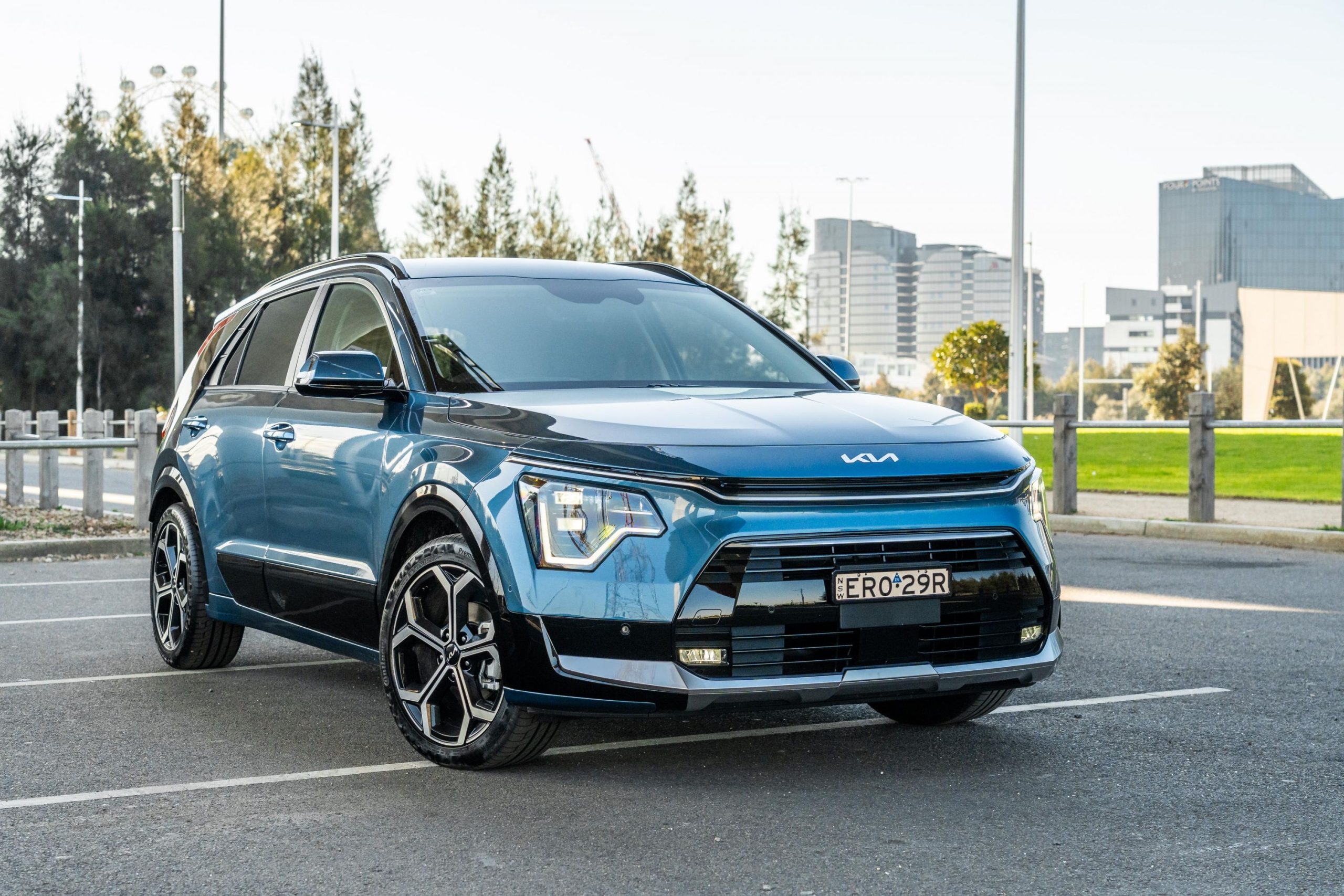
10. Kia Niro Hybrid
The Kia Niro Hybrid has quietly earned a reputation as one of the most dependable hybrid crossovers in its class. While Kia’s earlier vehicles were once questioned for long-term durability, recent years have seen a major turnaround in quality, especially in their hybrid lineup.
The Niro is designed as a small crossover that blends everyday versatility with exceptional fuel efficiency and a hybrid system that, when properly maintained, shows very few signs of decline even after high mileage.
The Niro Hybrid uses a 1.6-liter engine in combination with a dual-clutch automatic transmission and a permanent magnet motor. This setup results in smooth transitions between gas and electric power and a driving experience that feels more conventional than some hybrid rivals.
More importantly, the hybrid system is programmed conservatively, meaning the battery is never pushed beyond safe limits and the engine never operates under high strain for long periods. This conservative tuning is key to the Niro’s long lifespan.
Battery health in the Niro Hybrid has also proven to be strong. Unlike some early hybrid designs that suffered from overheating and premature battery wear, the Niro’s lithium-ion polymer battery is well-cooled and intelligently managed by the car’s software.
There’s a balance between performance and battery conservation, which helps prevent sudden capacity loss or expensive failures. As a result, many Niro owners report consistent performance and fuel economy even after 120,000 to 150,000 miles, with minimal decline in efficiency or driving feel.
Beyond the mechanical and electrical systems, the Niro Hybrid’s cabin and chassis hold up well to long-term use. The materials used inside are practical rather than luxurious, but they’re also chosen for durability. Touchpoints like door handles, control knobs, and seat surfaces resist wear better than expected in this price range. For anyone seeking a hybrid vehicle that blends compact SUV practicality with high-mileage potential, the Niro Hybrid stands out as one of Kia’s most successful and reliable offerings.
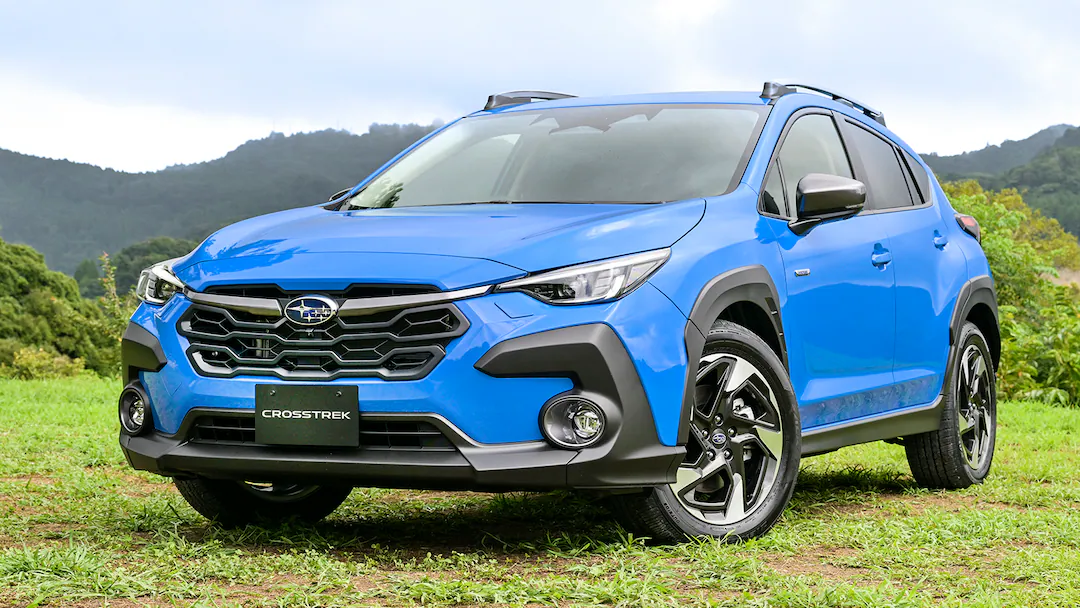
11. Subaru Crosstrek Hybrid
The Subaru Crosstrek Hybrid combines Subaru’s well-known all-wheel-drive system with a plug-in hybrid powertrain. While it’s a bit different from traditional hybrids due to its ability to operate briefly on electric-only power, it still uses a small gas engine in combination with an electric motor to create a durable and balanced system.
What makes the Crosstrek Hybrid interesting is that it maintains Subaru’s ruggedness and off-road capability while still providing the long-term reliability that’s often missing in compact SUVs.
The Crosstrek Hybrid uses a 2.0-liter four-cylinder engine alongside a small battery pack and an electric motor. The hybrid components come from a partnership with Toyota, which means the core technology is built on the same principles found in other long-lasting hybrids like the Prius and RAV4 Hybrid.
Subaru then combines this with their symmetrical all-wheel-drive system to give drivers something unique: a hybrid that’s capable on rough roads, not just smooth highways. Despite this complexity, the Crosstrek Hybrid doesn’t compromise on long-term durability.
The interior and exterior build quality also contribute to the Crosstrek Hybrid’s staying power. Unlike some hybrids that feel fragile or overly tech-dependent, the Crosstrek Hybrid has a more traditional and sturdy feel. Its seats, controls, and trim resist aging, and the car remains functionally consistent even after long exposure to weather, dirt, and varying driving conditions.
As a result, the Crosstrek Hybrid stands out not just as a hybrid that lasts, but as a rugged vehicle that keeps going when others start to fade.
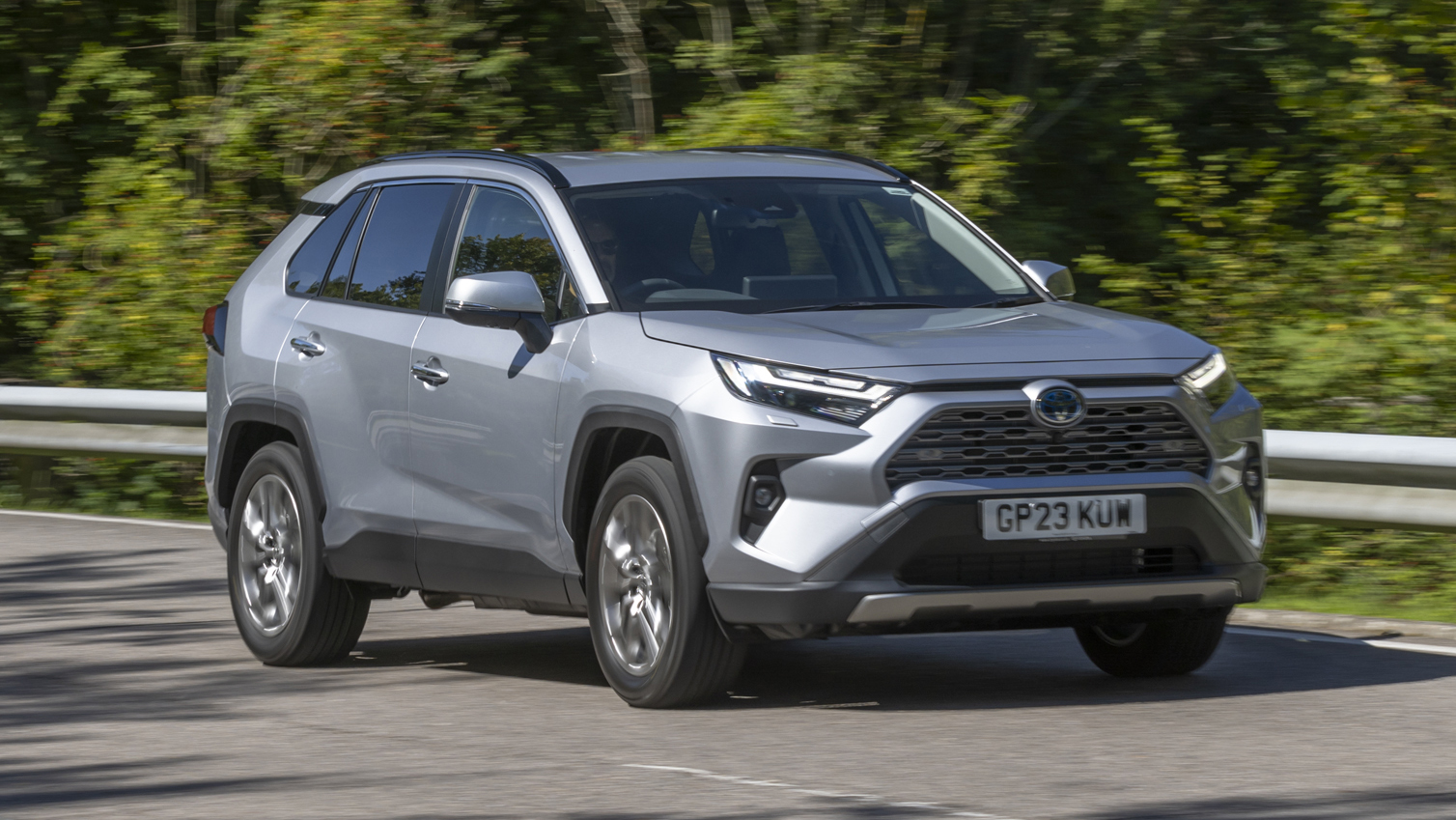
12. Toyota RAV4 Hybrid
Rounding out this list is one of the most popular and durable hybrid crossovers on the market: the Toyota RAV4 Hybrid. It’s been one of Toyota’s best-selling models for years, and the hybrid version has only enhanced its reputation for dependability. The RAV4 Hybrid offers excellent fuel efficiency without sacrificing utility, and thanks to Toyota’s proven hybrid system, it consistently performs well above average in terms of long-term reliability.
The RAV4 Hybrid uses a 2.5-liter four-cylinder engine paired with electric motors and Toyota’s eCVT system. The simplicity of the hybrid layout contributes to its durability, with fewer moving parts compared to a traditional automatic transmission and a smart energy management system that balances the workload between the gas engine and electric motors.
This balanced load-sharing means fewer opportunities for wear, which plays a big part in why the RAV4 Hybrid often hits 200,000 miles with minimal major issues.
Another key feature of the RAV4 Hybrid is its electronically controlled all-wheel-drive system, which uses an independent electric motor at the rear wheels. This design eliminates mechanical complexity while still providing grip and stability in poor conditions.
Unlike gas AWD systems that involve driveshafts, transfer cases, and fluid maintenance, the electric AWD in the RAV4 Hybrid is cleaner, lighter, and less prone to long-term failure. This means fewer repairs and better system longevity over the life of the vehicle.
Drivers also appreciate that the RAV4 Hybrid keeps things simple inside the cabin. The interior doesn’t rely on flashy technology that can quickly become obsolete or fail under stress. Instead, it uses robust switches, practical materials, and software that receives periodic updates to stay relevant.
Combined with its strong resale value and extensive Toyota service network, the RAV4 Hybrid is one of the most dependable hybrid choices for anyone who wants longevity without compromising on utility or performance.
