
The shift toward electric vehicles has brought about plenty of skepticism over the years. Concerns about battery degradation, software glitches, inconsistent charging infrastructure, and long-term durability have followed electric cars since their introduction to the mainstream market.
Yet, despite these challenges, a growing number of electric vehicles have shown they can match or even surpass traditional gasoline-powered cars in terms of reliability.
The conversation around EV reliability is no longer theoretical. It’s based on the real-world performance of vehicles that have already proven themselves across a range of conditions, from city streets and long highway drives to harsh climates and high-mileage usage.
Reliability, in the context of EVs, isn’t just about how often the vehicle avoids breaking down. It’s also about how consistently it performs over time, how stable the battery life remains, how well the software is supported, and how predictable the ownership experience is.
Unlike gas-powered cars, EVs are built around completely different mechanical principles. There are fewer moving parts, which means fewer opportunities for mechanical failures.
But the tradeoff is a much heavier reliance on electronics, sensors, and software, all of which must work in harmony for a car to operate as expected. This creates a new standard of reliability that is being tested daily by EV owners across the world.
Fortunately, we now have several models that have accumulated hundreds of thousands of miles collectively and have demonstrated exceptional consistency and durability. These aren’t limited to premium or luxury models. Some of the most reliable EVs are relatively affordable and accessible, putting to rest the idea that only high-end electric cars can be trustworthy over the long haul.
From early models that have stood the test of time to newer ones that are already making a strong case for themselves, the following vehicles represent clear examples of how electric cars can be just as, if not more, reliable than their combustion-engine counterparts.
The following 12 electric vehicles aren’t just popular. They’ve built reputations for dependability, long-lasting performance, and owner satisfaction. Whether you’re thinking about switching to an EV or just curious about which ones have stood up to scrutiny, these cars have already shown what electric reliability looks like in practice.
Also Read: 5 Audi A6 Years With Strong Builds vs 5 Without
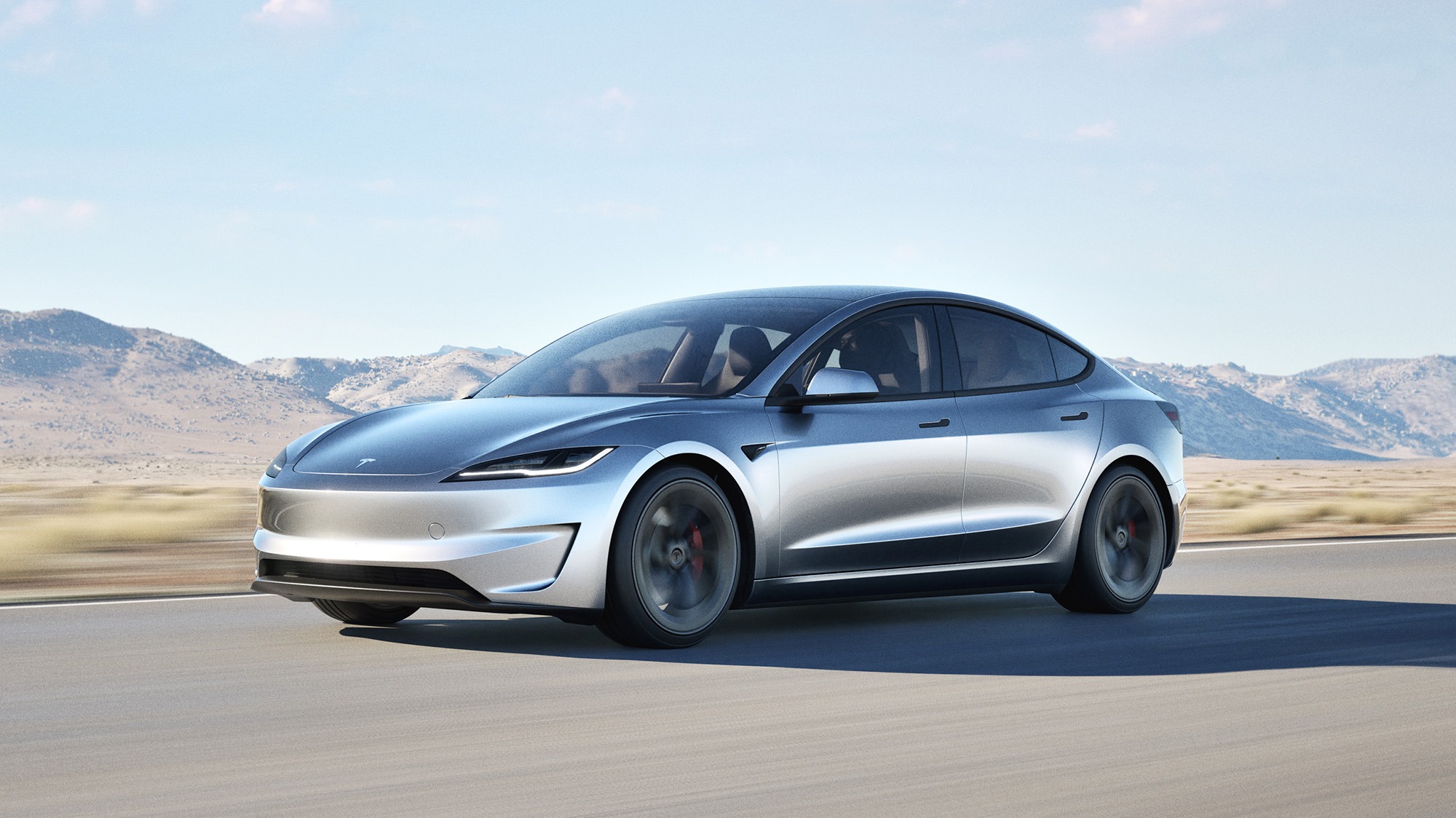
1. Tesla Model 3
The Tesla Model 3 has been one of the most widely adopted electric vehicles in the world, and part of its success can be attributed to its proven reliability over time. Despite early complaints about fit-and-finish issues, many owners have reported minimal mechanical problems even after years of regular use.
One key factor is the simplicity of the drivetrain, which eliminates many of the components that traditionally wear out in gas-powered cars. Without an engine, transmission, or exhaust system, the Model 3 has fewer things that can go wrong mechanically.
Battery health is one of the most important aspects of any EV’s reliability, and the Model 3 has shown impressive retention rates even after tens of thousands of miles.
Many owners report only minor degradation after several years, thanks in part to Tesla’s sophisticated battery management system. Software updates also play a role in extending the vehicle’s life. Tesla frequently rolls out patches and improvements, which help refine performance, add new features, and sometimes even increase range.
Another factor in the Model 3’s favor is the strength of its charging infrastructure. Tesla’s Supercharger network is widely regarded as the most consistent and user-friendly among EV charging options. For many drivers, this translates into a more seamless and worry-free experience when traveling long distances. The ability to rely on consistent charging helps the vehicle feel dependable beyond just what’s under the hood.
As a daily driver, the Model 3 has earned strong reviews from owners and industry experts alike for its low maintenance needs and consistent operation. Brake wear is minimal due to regenerative braking, and the motor itself has shown remarkable durability over time.
All of this adds up to a car that, while not without its flaws, consistently performs its duties with little drama, making it one of the most reliable electric options currently available.
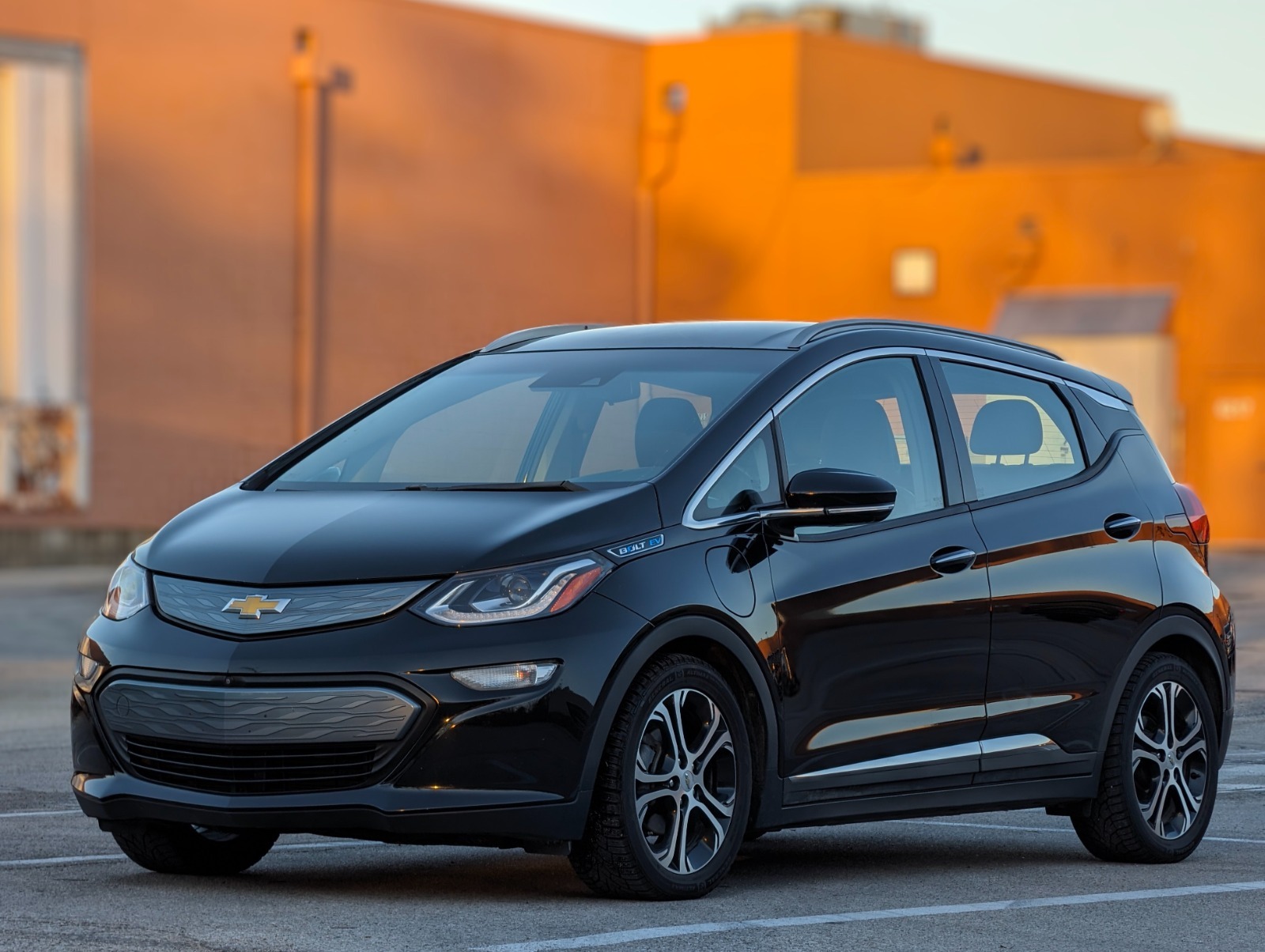
2. Chevrolet Bolt EV
The Chevrolet Bolt EV has emerged as a strong example of affordable electric reliability. It might not be the flashiest EV on the road, but what it lacks in glamour it makes up for in consistency. .
Built with practicality in mind, the Bolt offers a relatively simple but well-engineered package that has proven itself over hundreds of thousands of miles driven by owners across the country. Its small size and high efficiency have made it a favorite among urban commuters and budget-conscious drivers.
One of the Bolt’s standout features is its battery performance. Despite the well-publicized battery recall issues a few years ago, Chevrolet responded aggressively with a full replacement campaign, which has actually led to many Bolts on the road now having brand-new battery packs.
These new packs not only restore full range but also improve thermal management, making them more robust against heat-related degradation. Since the replacement program, the Bolt’s reputation for battery durability has noticeably improved.
On the mechanical side, the Bolt benefits from the simplicity that EV platforms offer. With no oil changes, no transmission to service, and limited brake wear due to regenerative braking, it’s a low-maintenance car by design.
Reports from long-time owners suggest that outside of standard tire rotations and occasional cabin air filter changes, very little needs to be done to keep the Bolt in good working order. The ease of ownership helps solidify its place on this list.
Perhaps most importantly, the Bolt EV offers a sense of predictability. Its driving behavior is consistent, the range estimate is fairly accurate, and the interior technology, though basic by today’s standards, rarely experiences serious issues.
These qualities make it a strong candidate for anyone looking for an electric vehicle that they can count on every day, without spending a fortune or worrying about the unknowns that sometimes come with early EV adoption.
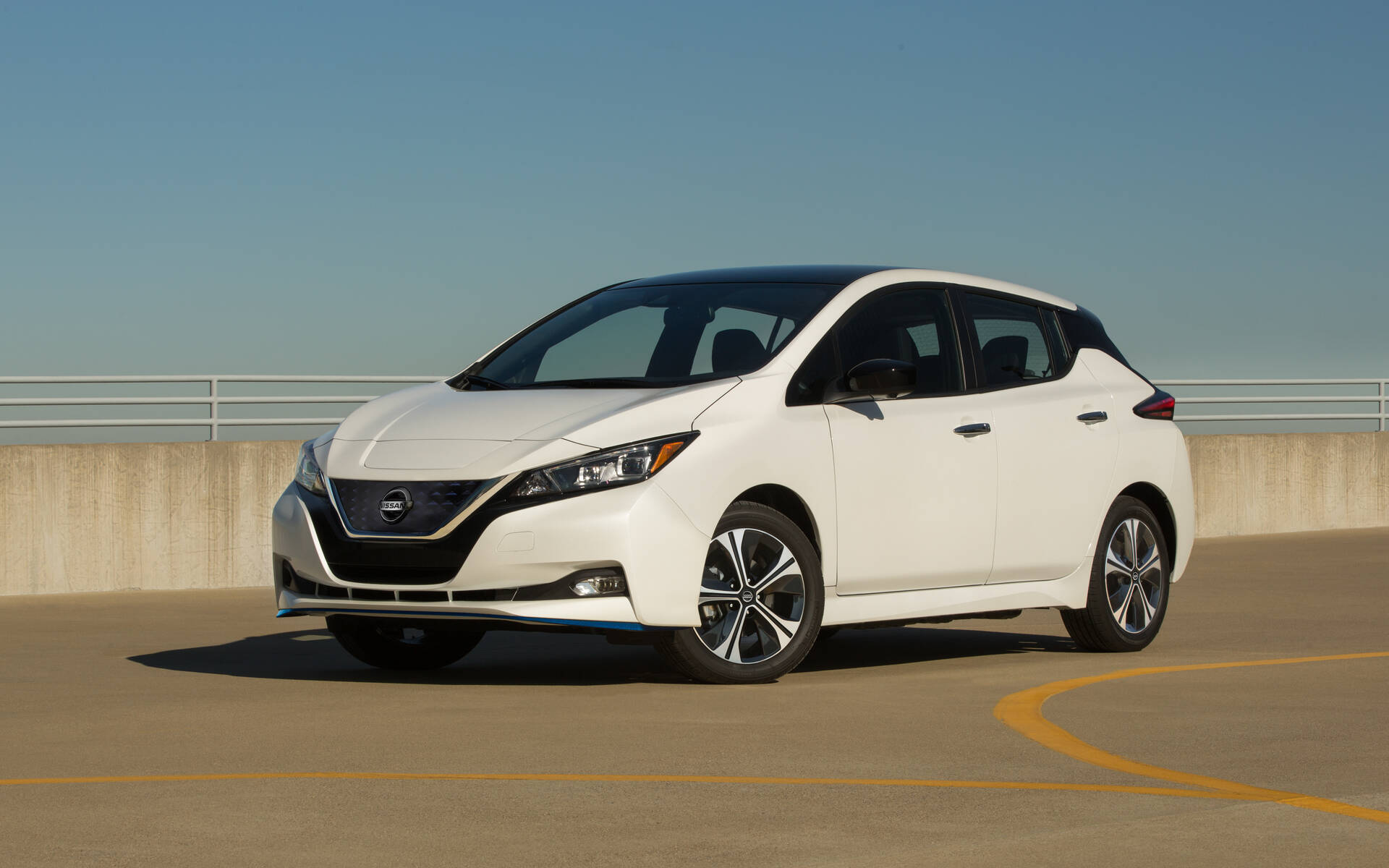
3. Nissan Leaf
The Nissan Leaf holds the distinction of being one of the first mass-produced electric cars, and its long track record gives it a unique place in the conversation about EV reliability.
First launched in 2010, the Leaf has gone through several iterations but has always prioritized practicality, efficiency, and affordability. With over a decade of real-world use behind it, the Leaf stands as a strong case study in long-term electric reliability.
One of the reasons the Leaf has remained reliable is because of its proven electric motor and drivetrain. Nissan kept the system relatively conservative, avoiding radical changes and instead opting for gradual improvements in battery size and software performance.
This strategy has paid off, with many early Leafs still on the road today, used for daily commuting or even taxi services in some cities. Their continued performance is a testament to the durability of the platform.
Battery degradation was an issue for earlier models, especially in hot climates, due to the lack of active thermal management. However, later versions of the Leaf introduced improved battery chemistry and better heat resistance, leading to longer battery life and more consistent range performance. The changes may not have made headlines, but they significantly improved long-term usability for drivers who keep their cars for many years.
What the Leaf lacks in charging speed and high-end tech, it makes up for in dependability. It may not support ultra-fast charging, and the infotainment system can feel outdated, but the car starts every day, performs as expected, and generally avoids major breakdowns. For people who want a low-fuss, easy-to-maintain EV that simply works, the Leaf has already proven its worth on roads around the world.
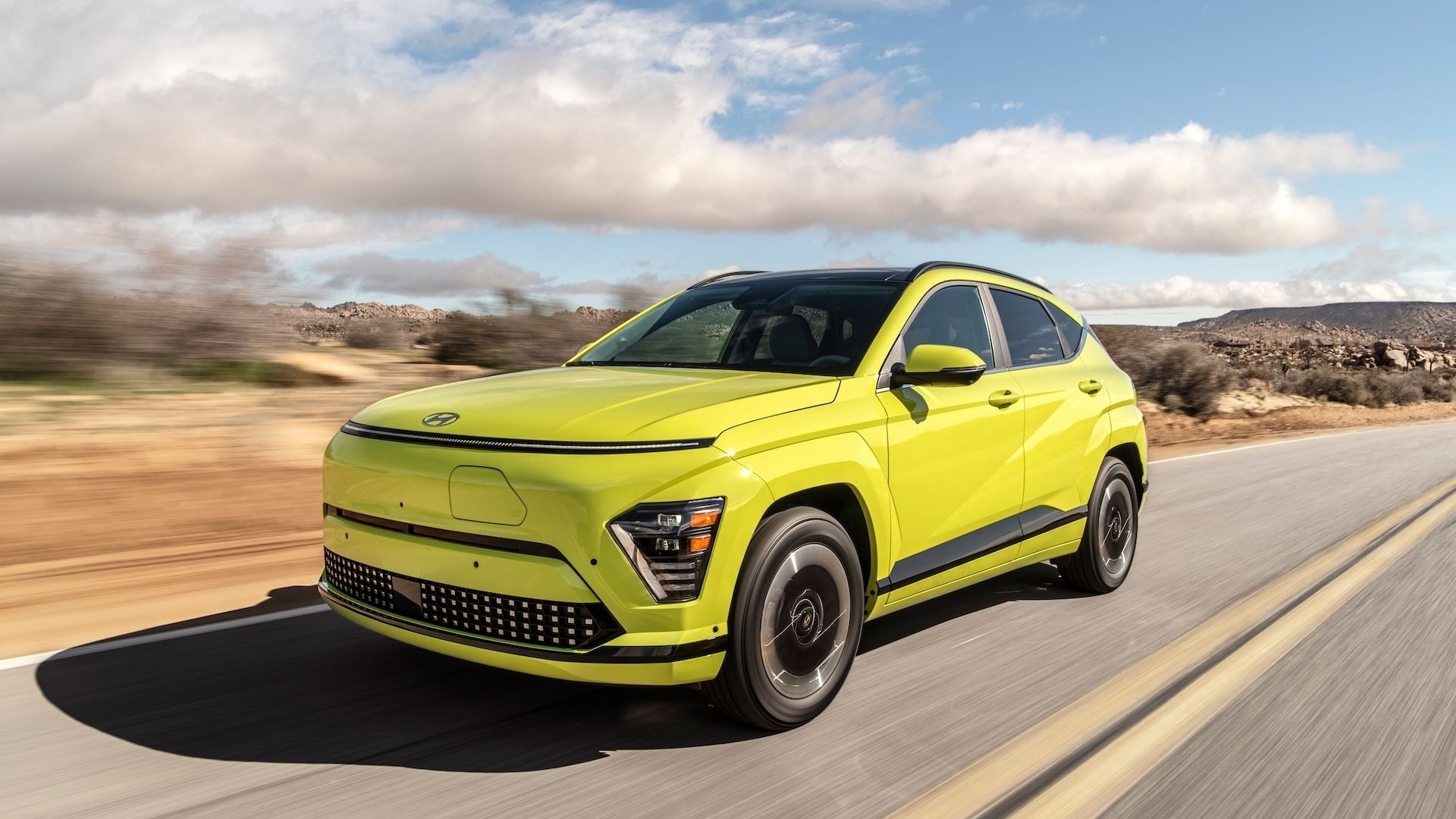
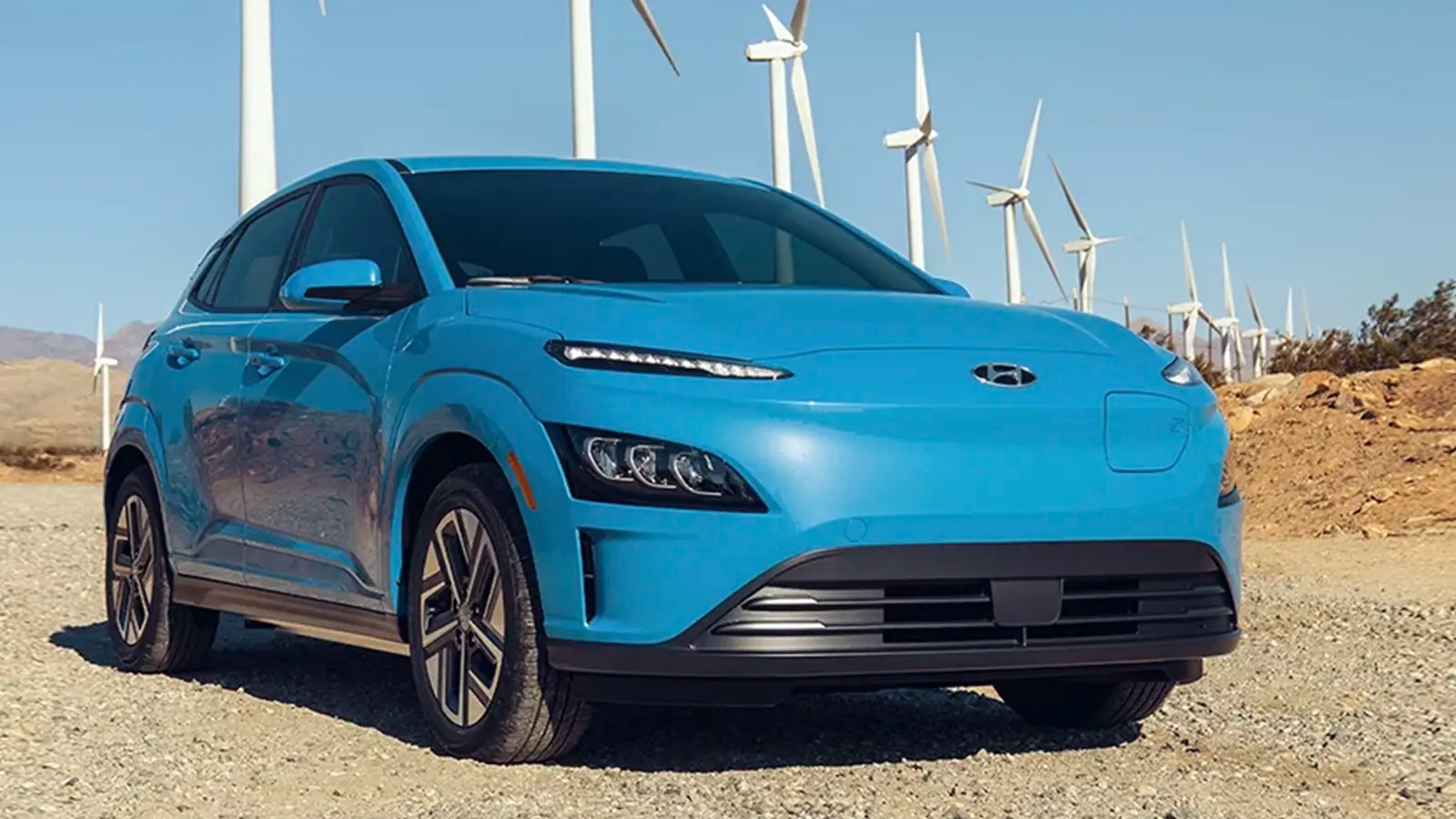
4. Hyundai Kona Electric
The Hyundai Kona Electric has steadily earned a reputation for delivering solid reliability along with strong performance and excellent efficiency. Since its introduction, the Kona Electric has impressed both drivers and reviewers with its consistent range estimates, smooth power delivery, and sturdy build quality.
Hyundai approached the design of this vehicle with a focus on functionality and balance, which is evident in how it performs day after day. For drivers looking for a crossover that’s small on the outside but practical and efficient on the inside, the Kona Electric has quickly become a go-to option.
One of the reasons the Kona Electric has been so dependable is the thoughtful engineering behind its battery and cooling systems. Unlike earlier EVs that struggled with heat-related battery degradation, the Kona features an active thermal management system that keeps the battery within optimal temperature ranges.
This allows the vehicle to maintain more stable range over time, even in regions with fluctuating climates. Hyundai’s investment in battery durability has paid off, as long-term owners continue to report minimal degradation even after years of daily use.
The Kona Electric also benefits from Hyundai’s well-established track record in vehicle reliability. Many of the parts, from suspension components to interior electronics, are shared with other proven Hyundai models, which reduces the risk of unexpected failures.
Combined with the vehicle’s limited need for maintenance, this crossover offers a very stress-free ownership experience. There’s no oil to change, no transmission to maintain, and the regenerative braking system extends the life of the brake pads, all of which contribute to low upkeep costs.
Even in terms of software and user interface, the Kona has held up well. Its infotainment system is intuitive and doesn’t suffer from lag or freezing issues as seen in some other EVs.
The stability of the software, combined with Hyundai’s long warranty and growing EV service support, makes the Kona Electric a trustworthy companion for daily commuting, road trips, or anything in between. It’s not just a good electric car, it’s a dependable vehicle, full stop.
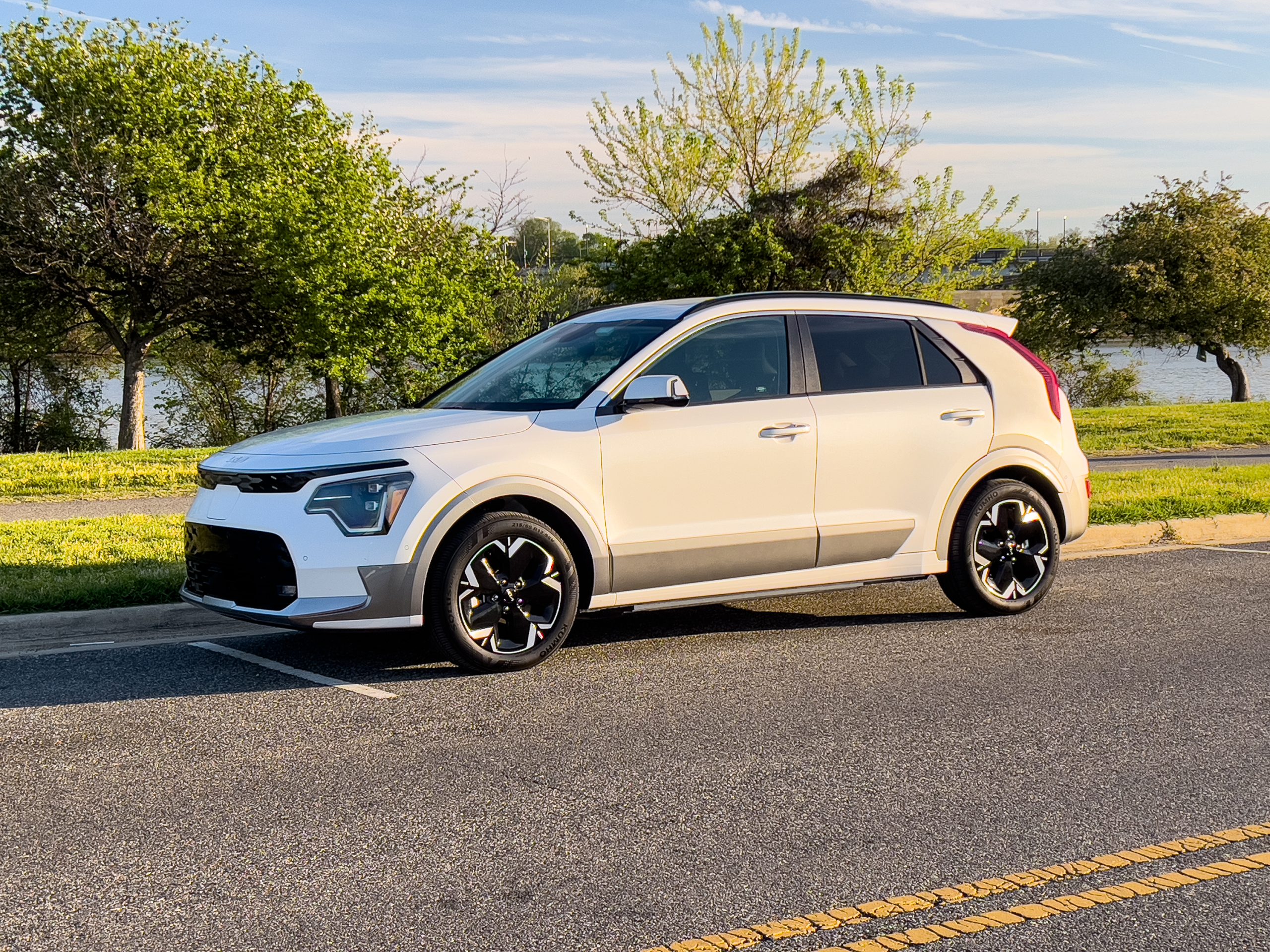
5. Kia Niro EV
Closely related to the Kona Electric, the Kia Niro EV has also built a name for itself as one of the most reliable electric cars on the market. Kia positioned the Niro as a practical, no-nonsense EV that didn’t try to be overly futuristic or gimmicky. Instead, the focus was on delivering dependable performance, a familiar driving experience, and excellent efficiency.
These qualities have allowed the Niro EV to quietly earn the trust of thousands of drivers who prioritize functionality over flash.
From a hardware standpoint, the Niro EV shares its powertrain and battery system with the Kona Electric, which means it benefits from the same strong foundation in terms of battery cooling and drivetrain efficiency. However, the Niro sets itself apart with a slightly larger body and more cargo space, making it better suited for families or those needing a bit more room.
Owners of the Niro EV frequently cite its consistency as one of its best attributes. It starts without hesitation, charges predictably, and delivers performance that matches the published specifications even after several years of driving. The range doesn’t drop dramatically in cold weather, and the cabin electronics remain stable.
There’s no confusing interface or complicated startup sequence, just a straightforward electric vehicle that works the way it should, every time you get behind the wheel.
Kia’s warranty support further enhances the Niro EV’s reliability credentials. With a battery and powertrain warranty that rivals or exceeds those of many competitors, drivers have a strong safety net in place if issues ever do arise.
Combine that with Kia’s expanding service network and responsive customer support, and it becomes clear why the Niro EV deserves recognition. It may not get as much attention as flashier models, but in terms of delivering quiet, consistent dependability, it’s easily one of the most trustworthy EVs available today.
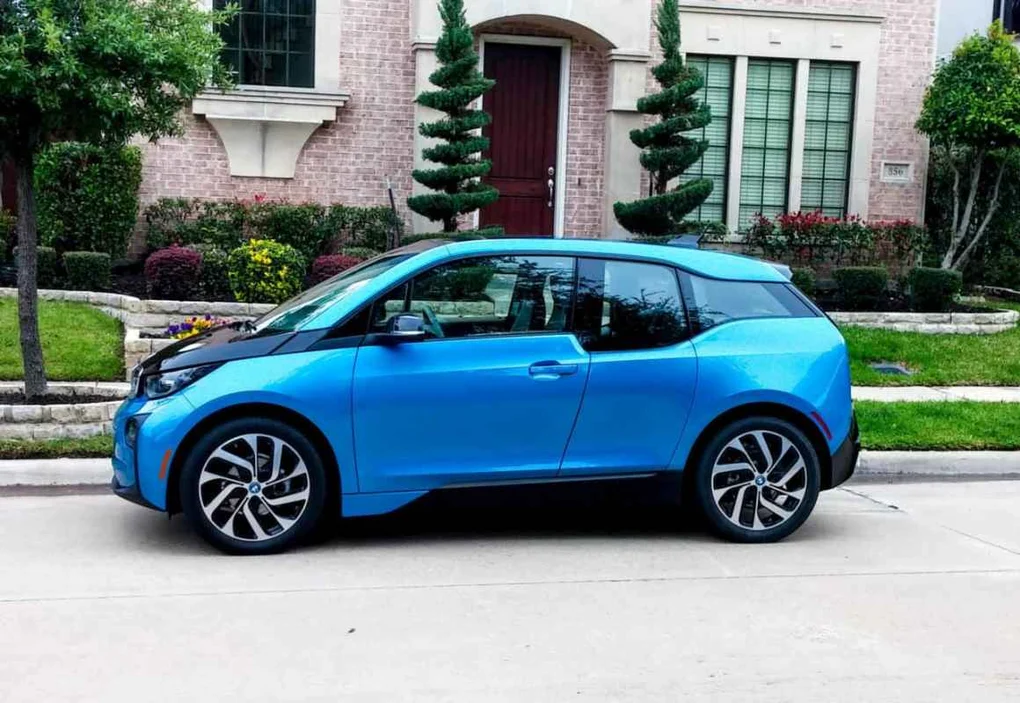
6. BMW i3
The BMW i3 might not look like a traditional electric vehicle, and that’s part of what made it so interesting when it first launched. But beyond its unique design and compact form factor lies a vehicle that has shown itself to be remarkably reliable over the years.
First introduced in 2013, the i3 was BMW’s first serious foray into electric mobility, and the company made sure to engineer it with high-quality materials and a strong mechanical foundation. Many of those early models are still running today, providing daily transportation with very few major issues.
One of the key reasons for the i3’s durability is its use of lightweight carbon-fiber-reinforced plastic in the construction of the passenger cell. This material not only reduces weight, improving efficiency and range, but also resists rust and structural fatigue better than traditional steel.
Paired with a high-quality battery pack and a proven electric motor, the i3 was designed to last, and owner reports over the past decade suggest it has done just that. Despite its age, many i3s on the used market still hold respectable battery capacity and performance.
One aspect of the i3 that often goes unmentioned is its regenerative braking system, which was one of the best-tuned in its class. The car’s single-pedal driving capability is responsive and intuitive, reducing wear on the brakes and improving efficiency. In cities, especially, this feature has helped the i3 shine.
While it may no longer be in production, the i3 remains a reliable used EV choice, thanks to a decade of dependable service from its existing fleet. It serves as proof that even early EVs can hold up well over time.
Also Read: 5 Sedans That Feel Solid After 15 Years vs 5 That Don’t
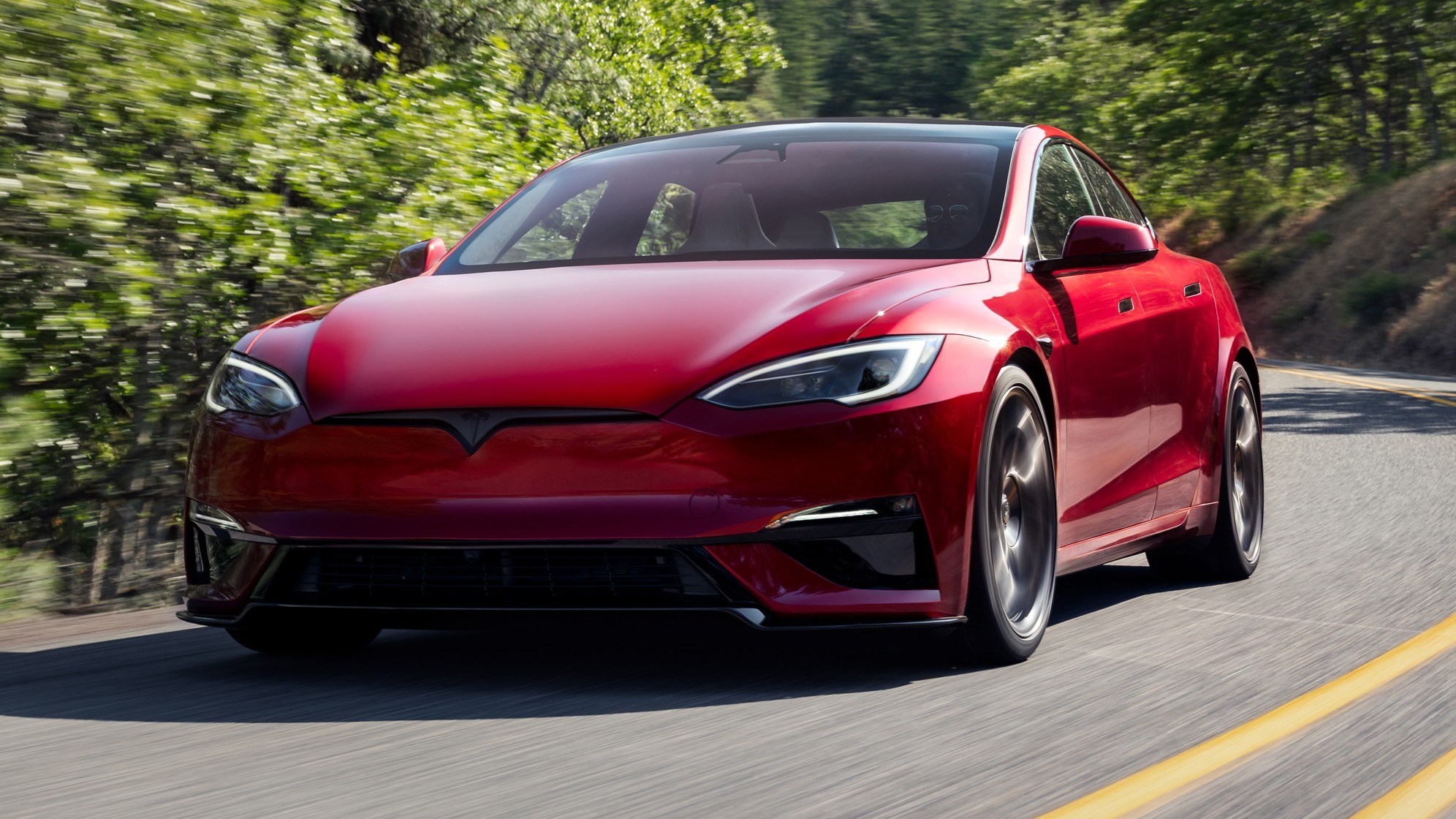
7. Tesla Model S
The Tesla Model S is often remembered for revolutionizing what an electric car could be, but one of its lesser-known strengths is its long-term reliability.
Introduced in 2012, the Model S was among the first EVs to offer long range, high performance, and luxury in one package. As the years have passed, it has become clear that the Model S isn’t just a pioneering vehicle, it’s also one of the more reliable long-range EVs available, particularly when properly maintained.
A significant part of the Model S’s dependability comes from its electric motor system. Tesla’s motors are relatively simple compared to traditional engines, and when paired with a robust battery pack and minimal mechanical complexity, they allow for extended periods of operation without the need for extensive service.
Some early Model S owners have logged over 200,000 miles with original motors and only minimal battery degradation, showing how solid the drivetrain design really is.
Another factor that supports the Model S’s reliability is Tesla’s software infrastructure. While not without its quirks, Tesla has built one of the most refined over-the-air update systems in the industry. These updates not only improve features but can also address bugs and performance issues without requiring a trip to a service center. The constant improvements mean that older Model S units often feel newer than their age would suggest, which helps extend their usable lifespan significantly.
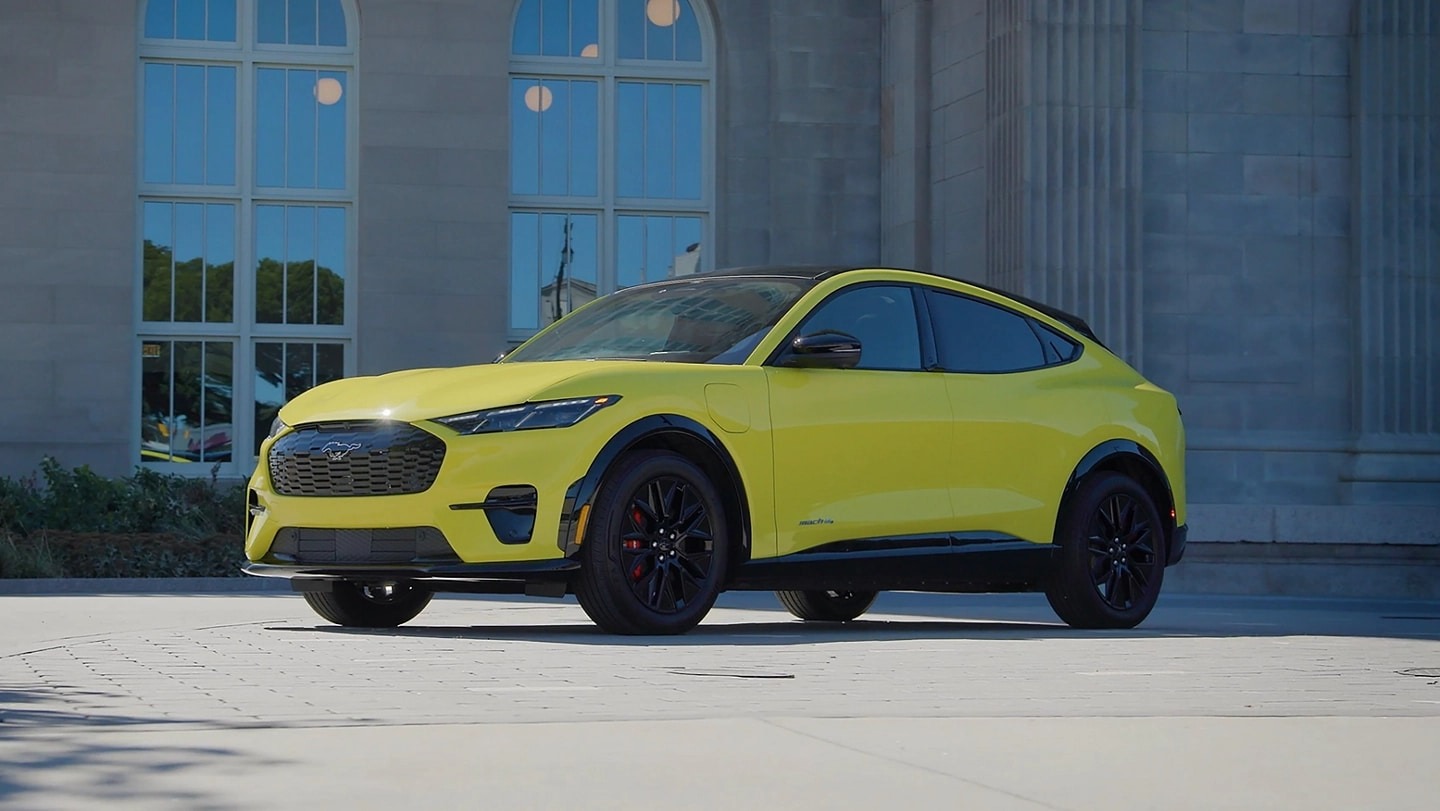
8. Ford Mustang Mach-E
The Ford Mustang Mach-E has quickly established itself as a serious contender in the electric SUV space, and one of the most things about it is how well it performs in terms of reliability.
Ford’s decision to attach the iconic Mustang name to an electric SUV wasn’t taken lightly, and it meant the company had to ensure the vehicle lived up to a long-standing legacy. Since its release, the Mach-E has delivered solid performance, strong battery management, and software stability that rivals more established EV makers.
From the mechanical perspective, the Mach-E benefits from Ford’s extensive experience in building reliable vehicles at scale. While electric powertrains were new territory for Ford when the Mach-E launched, the company focused on conservative and proven engineering practices.
The battery system is liquid-cooled to ensure consistent temperatures, which helps preserve range and capacity over time. Owners in both hot and cold climates have reported that the Mach-E continues to perform reliably, with range staying within expectations after tens of thousands of miles.
On the technology front, early software glitches have been mostly ironed out with frequent updates, and Ford’s connected vehicle system allows for remote troubleshooting and improvements.
The infotainment system, powered by Ford’s SYNC software, has matured and now offers smoother operation and fewer bugs compared to its first versions. Many drivers appreciate the balance between touchscreen functionality and physical controls, which adds to the ease of use and long-term comfort with the system.
As a daily driver, the Mach-E strikes a good balance between comfort, performance, and dependability. Its driving dynamics are predictable and consistent, and the build quality has shown improvement with each model year.
While it may not be immune to the occasional issue, the frequency and severity of problems are low, especially when compared to many other first-generation EVs from traditional automakers. Ford’s rapid learning curve in the EV space is evident in how dependable the Mach-E has become in a relatively short time.
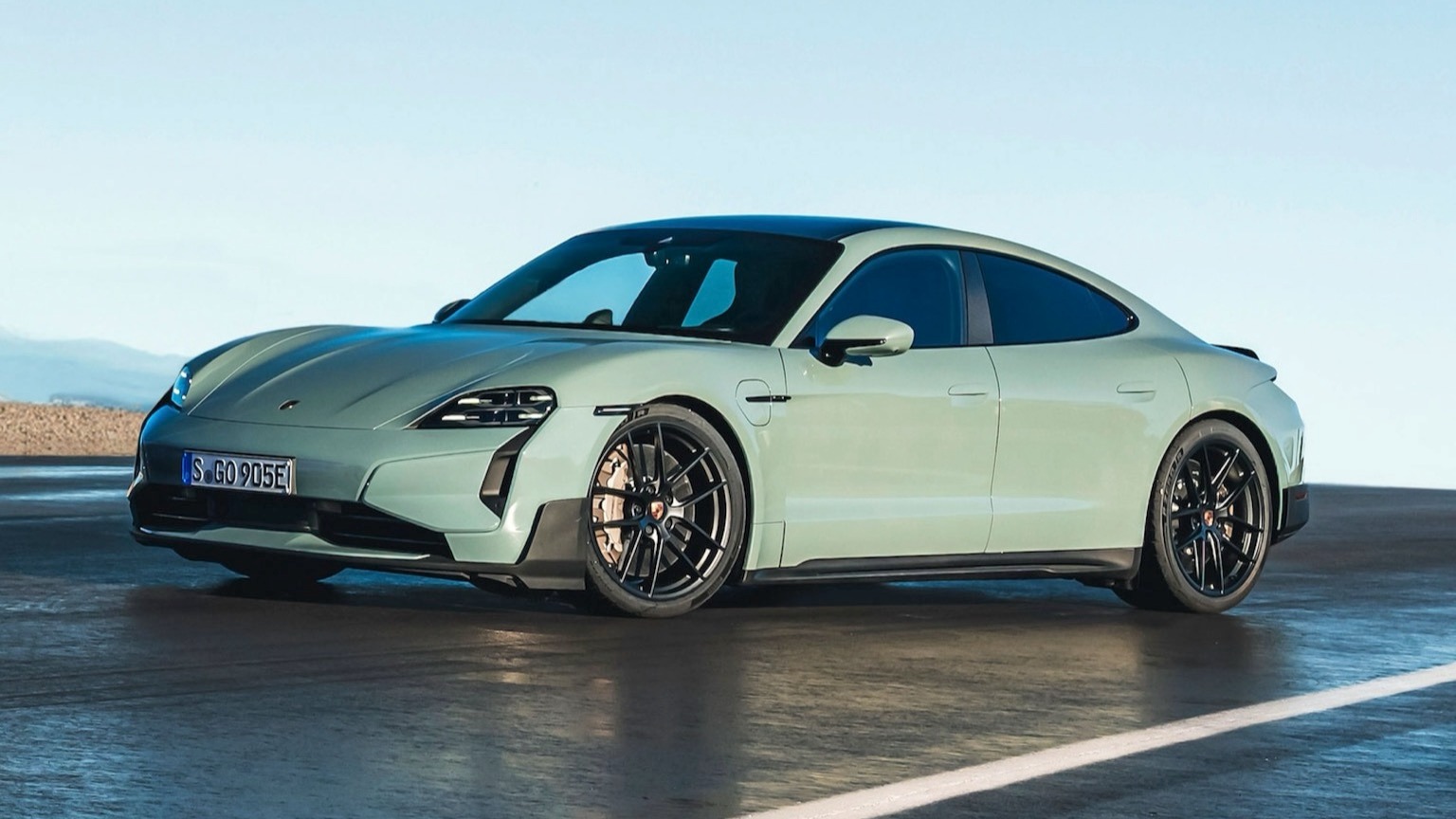
9. Porsche Taycan
The Porsche Taycan was introduced as a high-performance electric vehicle aimed at enthusiasts who didn’t want to give up driving excitement when switching to electric.
But beyond the impressive handling and acceleration figures lies a surprisingly reliable vehicle, especially for one that incorporates cutting-edge technology. Porsche’s meticulous approach to engineering and quality control has helped the Taycan perform consistently under a wide variety of conditions, despite being a first-generation EV product.
What sets the Taycan apart in terms of reliability is Porsche’s build quality and attention to thermal management. The Taycan uses an advanced 800-volt electrical system that not only allows for faster charging but also improves energy efficiency and reduces heat buildup.
The result is a battery system that maintains stable temperatures and shows slower degradation over time. Porsche also fitted the Taycan with robust battery modules and sophisticated monitoring software to protect against overcharging and excessive wear.
On the driving side, the Taycan delivers a consistent and refined experience. The steering, acceleration, and regenerative braking are all calibrated to feel natural and responsive, and that consistency extends over months and years of driving. Owners regularly praise how the Taycan maintains its performance feel, with very little in the way of power loss or driving fatigue. Even in more extreme weather conditions, the Taycan performs predictably, aided by its all-wheel-drive system in many variants.
From a service and support standpoint, Porsche has backed the Taycan with a strong dealer network and comprehensive warranties. While repair costs can be high, the frequency of repairs is low. Most issues are handled quickly, and the company has been proactive in issuing software updates and recalling affected components when necessary.
For a performance-focused vehicle, the Taycan offers reliability that rivals and sometimes exceeds traditional gasoline-powered sports sedans. It proves that high-performance electric cars can also be engineered for the long haul.
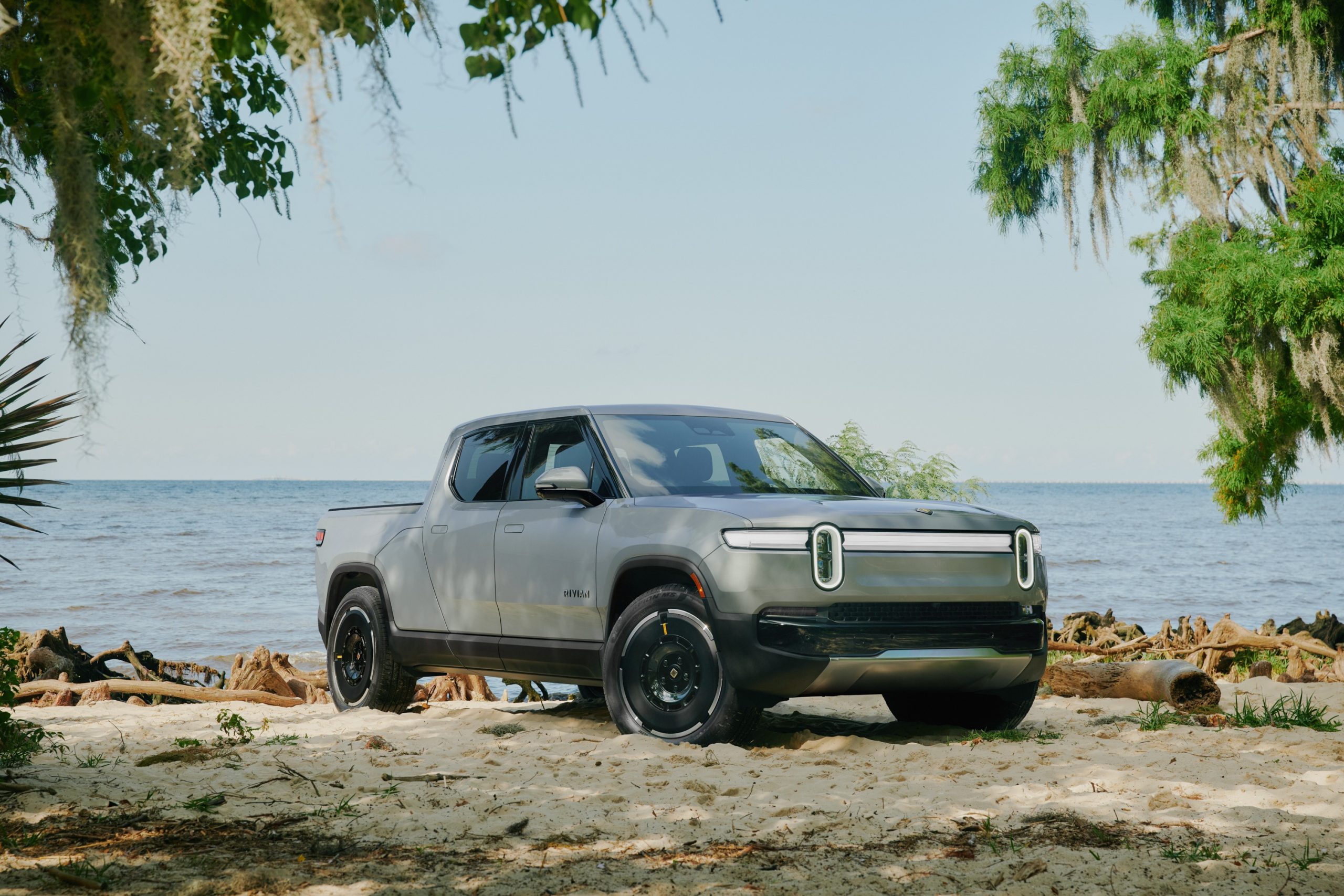
10. Rivian R1T
The Rivian R1T may still be relatively new to the EV scene, but in its short time on the market, it has already impressed many with its reliability under demanding conditions.
Designed as a rugged electric pickup truck, the R1T has undergone extensive real-world testing before and after its release. Whether it’s tackling mountain roads, hauling heavy loads, or enduring harsh winters, the R1T has demonstrated that electric trucks can be both tough and dependable.
Battery reliability has also been a key strength. Rivian developed a liquid-cooled battery system with smart management software that keeps performance consistent over time.
Reports from early adopters who have used their trucks for daily driving and long-distance trips suggest that battery degradation has been minimal, and range estimates remain accurate. The R1T’s strong charging compatibility with various networks further supports its reliability, especially for those who rely on it for extended travel.
Software stability has improved over time, thanks to Rivian’s frequent updates and responsive support team. Initial versions had some connectivity and user interface bugs, but the company has moved quickly to address these issues.
Drivers now report a smoother experience, and many appreciate how new features are added over time without requiring visits to service centers. Although it’s still a relatively new entry, the R1T’s early performance under tough conditions indicates it has the durability and engineering to remain dependable well into the future.

11. Audi e-tron (now Q8 e-tron)
The Audi e-tron, which has been rebranded as the Q8 e-tron in its latest versions, was one of the first electric SUVs from a legacy luxury automaker to focus heavily on comfort and refinement.
While it didn’t set records for range or performance, it quickly gained a loyal following due to its quiet ride, premium feel, and most importantly, its consistent reliability. Audi’s experience with vehicle engineering played a major role in making the e-tron one of the most stable electric options in the luxury segment.
One of the core strengths of the e-tron is its dual-motor all-wheel-drive system, which offers stable and predictable traction under all driving conditions. The system is engineered to distribute torque in a way that minimizes wear while maximizing efficiency.
Owners frequently note that the vehicle handles inclement weather and rough roads with confidence, without suffering from unexpected mechanical issues. This level of control contributes heavily to a sense of security and dependability.
The e-tron’s thermal management system is another reason it has proven to be reliable. Audi invested in active battery cooling and advanced monitoring systems to ensure the battery stays within a safe and efficient operating range.
This careful regulation helps prevent overheating during high-speed charging or long drives, and it supports long-term battery health. Real-world feedback suggests the e-tron’s range remains steady over time, and charging performance does not significantly drop off with age.
Audi also ensured that the vehicle’s electronic systems were mature before launch. The infotainment system is fast and stable, the digital dashboard is intuitive, and issues like screen freezing or system reboots are rare.
Combined with Audi’s high service standards and solid warranty coverage, the e-tron offers peace of mind that is sometimes lacking in more experimental or newer electric vehicles. Its reliability is the result of experience, attention to detail, and a focus on premium execution without cutting corners.
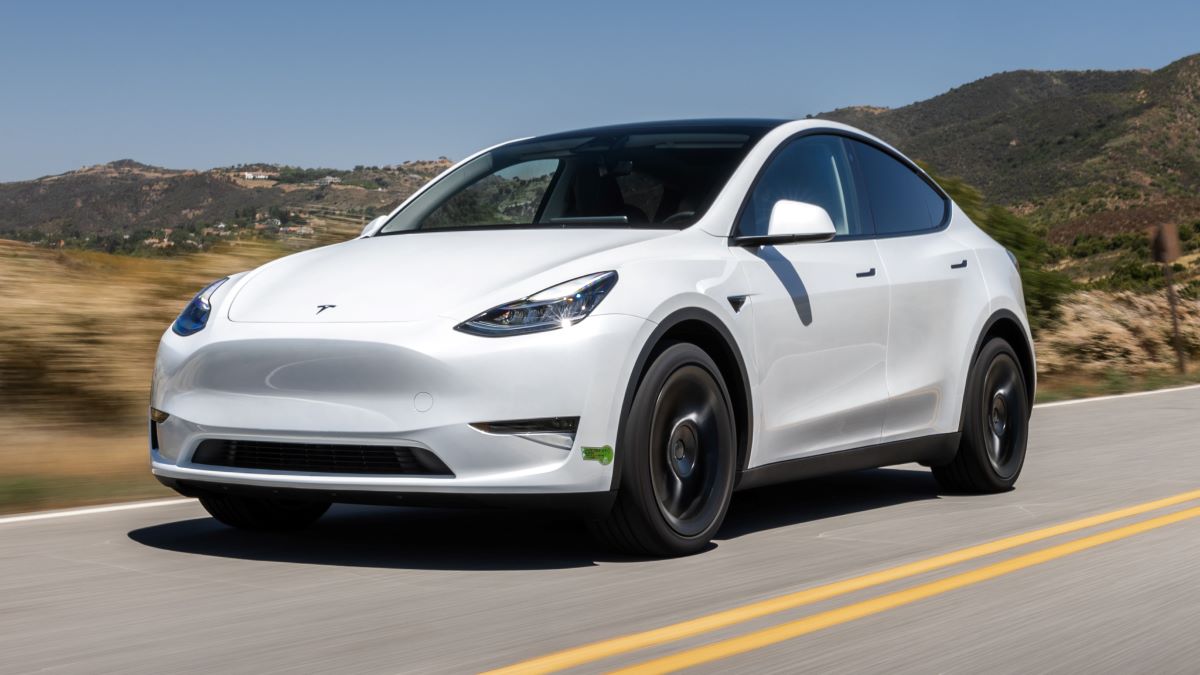
12. Tesla Model Y
The Tesla Model Y has quickly become one of the most popular electric vehicles in the world, and a major reason for that success is its balance of utility, performance, and proven reliability. Built on the same platform as the Model 3, the Model Y benefits from the refinements and lessons Tesla learned with its earlier vehicles.
As a result, it features improved manufacturing consistency, better panel alignment, and more refined software integration—all of which contribute to a more stable ownership experience.
Under the hood, the Model Y features a dual-motor setup in most variants, offering strong acceleration and dependable power delivery. Tesla’s electric motors have proven to be incredibly robust, and the Model Y continues that tradition with little to no issues reported for the drivetrain in long-term usage.
The vehicle’s battery system also performs well, with real-world range numbers that closely match official estimates and only minor degradation reported even after several years of daily driving.
Software is a major component of the Model Y’s reliability story. Tesla’s over-the-air updates have kept the vehicle fresh and functional without the need for dealer visits. Issues are often addressed within weeks through updates, and the user interface remains fast, responsive, and well-integrated with the vehicle’s core systems.
This has helped the Model Y stay current with features and safety improvements, which adds to its reputation for consistent and predictable performance.
Perhaps most impressive is the Model Y’s low maintenance requirements. With no oil changes, no transmission service, and minimal brake wear thanks to regenerative braking, the cost and effort involved in keeping the Model Y running are significantly lower than most gas-powered SUVs.
Owners frequently report high satisfaction with reliability and ease of use, making the Model Y not just one of the most popular EVs, but also one of the most consistently dependable.
