
As the automotive world gradually moves away from internal combustion engines, electric vehicles (EVs) have entered the mainstream with promises of cleaner emissions, lower maintenance, and smoother performance. One of the biggest questions facing potential EV buyers today is longevity.
Can an EV really last as long as, or longer than, a traditional gas-powered car? It’s a fair question, especially since we’ve grown used to the idea that cars powered by gasoline can reach 200,000 miles with proper care.
But as technology has progressed, many EVs are now built with fewer moving parts, minimal engine wear, and software systems that can be updated remotely. These factors contribute to a new kind of long-term vehicle ownership.
Electric drivetrains are fundamentally different from internal combustion engines. They lack pistons, spark plugs, timing belts, oil filters, and many of the components that typically wear down and require replacement in gas-powered cars. This design simplicity can translate into significantly reduced wear and tear over time.
Additionally, regenerative braking helps preserve the braking system by reducing dependence on brake pads. Battery degradation, which was once a major concern, is being managed better with advancements in thermal management systems and battery chemistries. Some modern EVs are capable of maintaining over 80% of their battery health even after 200,000 miles of usage.
Ownership costs and long-term reliability are important considerations, especially for people who plan to keep their vehicles for a decade or longer. Many early EV adopters have already surpassed mileage milestones once thought impossible for electric cars. With proper charging habits and routine care, certain electric models are now showing signs of exceptional longevity.
This list features ten electric vehicles that are proving themselves as long-lasting alternatives to traditional gas cars. Each vehicle on the list has shown signs of strong long-term durability, build quality, and battery reliability based on design, materials, and historical performance. While no car is maintenance-free, these EVs may outlive many combustion-engine vehicles under the right conditions.
Also Read: 7 Worst Mistakes To Avoid When Owning a Ford Explorer Sport Trac
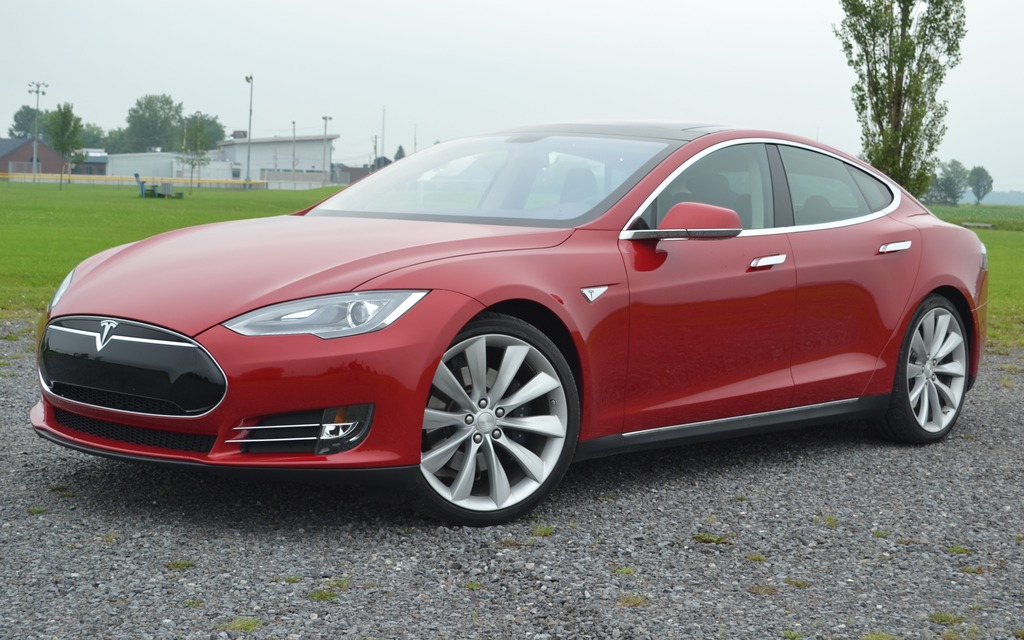
1. Tesla Model S
The Tesla Model S was one of the first long-range electric cars to enter the mainstream, and its early introduction has given it a head start in proving long-term reliability. It has been on the road for more than a decade, and many units have crossed high mileage thresholds without significant degradation.
What makes the Model S stand out is the way it’s engineered from the ground up with electric durability in mind. The battery packs are designed with temperature control systems that preserve their chemistry, and the motor is sealed and contains far fewer moving parts than a gas engine.
High-mileage examples of the Model S have already crossed 400,000 miles, especially in taxi fleets and among long-distance commuters. These examples show that with the right care, the Model S can hold up under stress. Even the interiors, while not perfect, have held up reasonably well for a high-tech car loaded with screens and software.
Tesla’s over-the-air updates help keep the car’s systems current, improving battery performance, range prediction, and driving dynamics even years after the original purchase. That kind of software support plays a key role in extending a vehicle’s relevance over time.
There have been battery replacements in some older models, especially in early builds, but Tesla has gradually improved its battery technology. The newer cells are more resistant to degradation, and improved thermal management helps the batteries avoid damage from extreme temperatures.
For owners who avoid rapid charging all the time and follow best practices, battery degradation can be minimal even after many years. Unlike gas cars that can develop engine problems, transmission failures, or oil leaks, the Model S avoids these mechanical headaches by design.
Another aspect that helps the Model S age well is its performance. Even older models still offer acceleration that competes with or outperforms many new cars. This means that drivers don’t feel the car growing sluggish over time, which helps maintain satisfaction with ownership. The car still feels modern even a decade in, making it a strong candidate for anyone looking for a long-lasting EV.
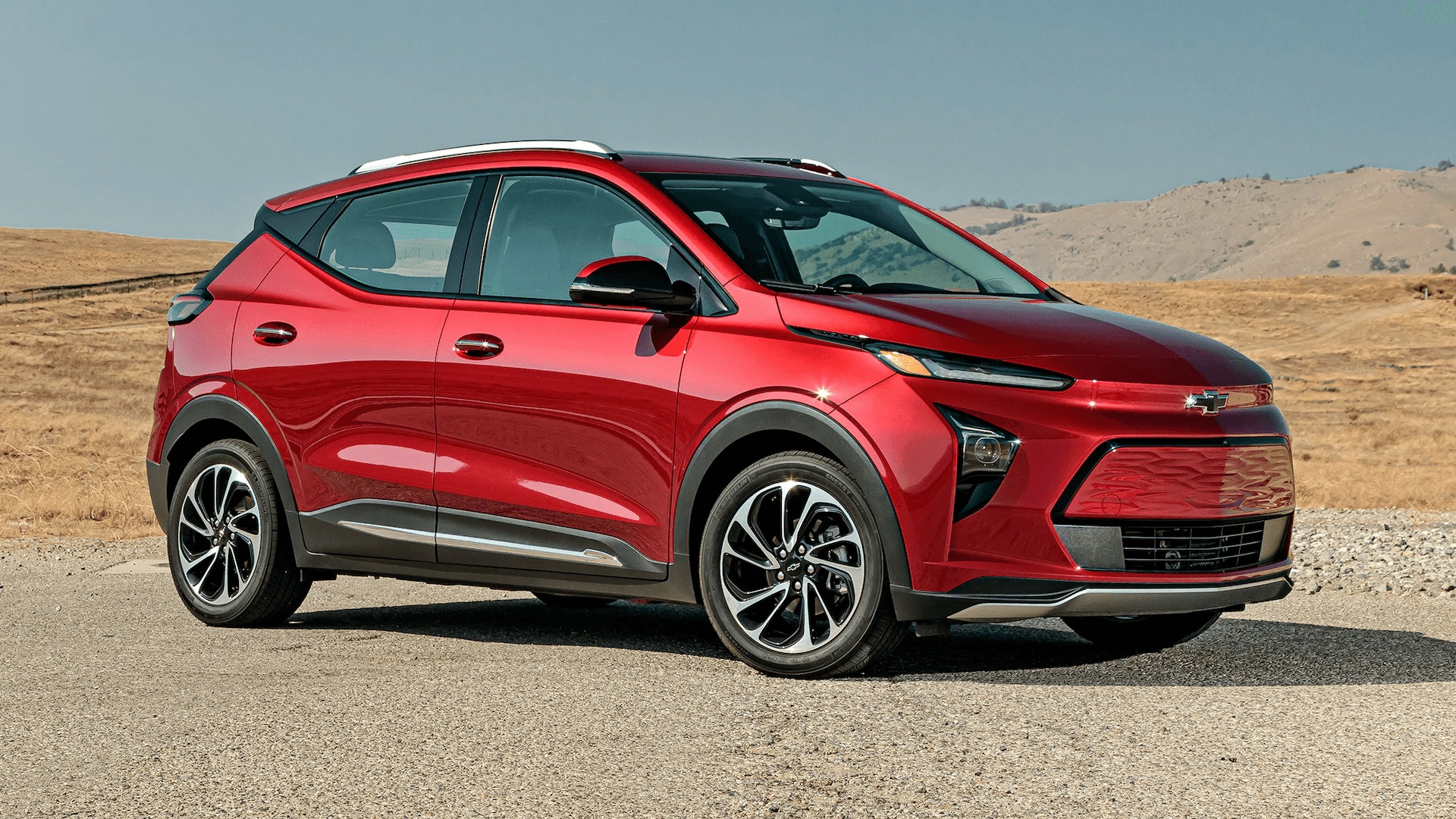
2. Chevrolet Bolt EV
The Chevrolet Bolt EV might not carry the same prestige as a Tesla, but it’s built with longevity in mind. Since its launch, it has earned a reputation as a practical and efficient electric car with simple mechanical construction.
Its small size and compact platform are matched by a battery system that resists heavy degradation, especially with moderate driving habits. While it has seen a few setbacks, such as battery recall issues early on, these have been largely resolved, and the post-recall versions are built with improved battery components and software.
One major reason the Bolt can last is that it’s engineered for daily use without a lot of stress. It doesn’t have massive horsepower or aggressive acceleration, which means less strain on the drivetrain.
The battery cooling system is efficient enough to protect the battery from extreme weather, and users have reported minor battery degradation even after years of regular commuting. This shows that a balanced design and focus on efficiency can pay off over time.
From a maintenance standpoint, the Bolt is extremely low-demand. There’s no transmission to maintain, no oil changes to schedule, and very few mechanical points of failure. The simplicity of its setup reduces the risk of expensive repairs down the road.
The regenerative braking system also reduces wear on brake pads, contributing to long-term cost savings. These small details all contribute to a longer lifespan than many equivalent gas-powered cars, which tend to develop complex mechanical problems over time.
The Bolt EV has been embraced by budget-conscious drivers, ride-sharing fleets, and city dwellers, many of whom have put substantial miles on their vehicles with very few problems. Its real-world reliability and updated battery packs make it a strong contender for those who want a long-lasting, affordable EV without the frills.
With regular maintenance and charging care, it’s a vehicle that could easily outlast a comparable gasoline hatchback or compact car.
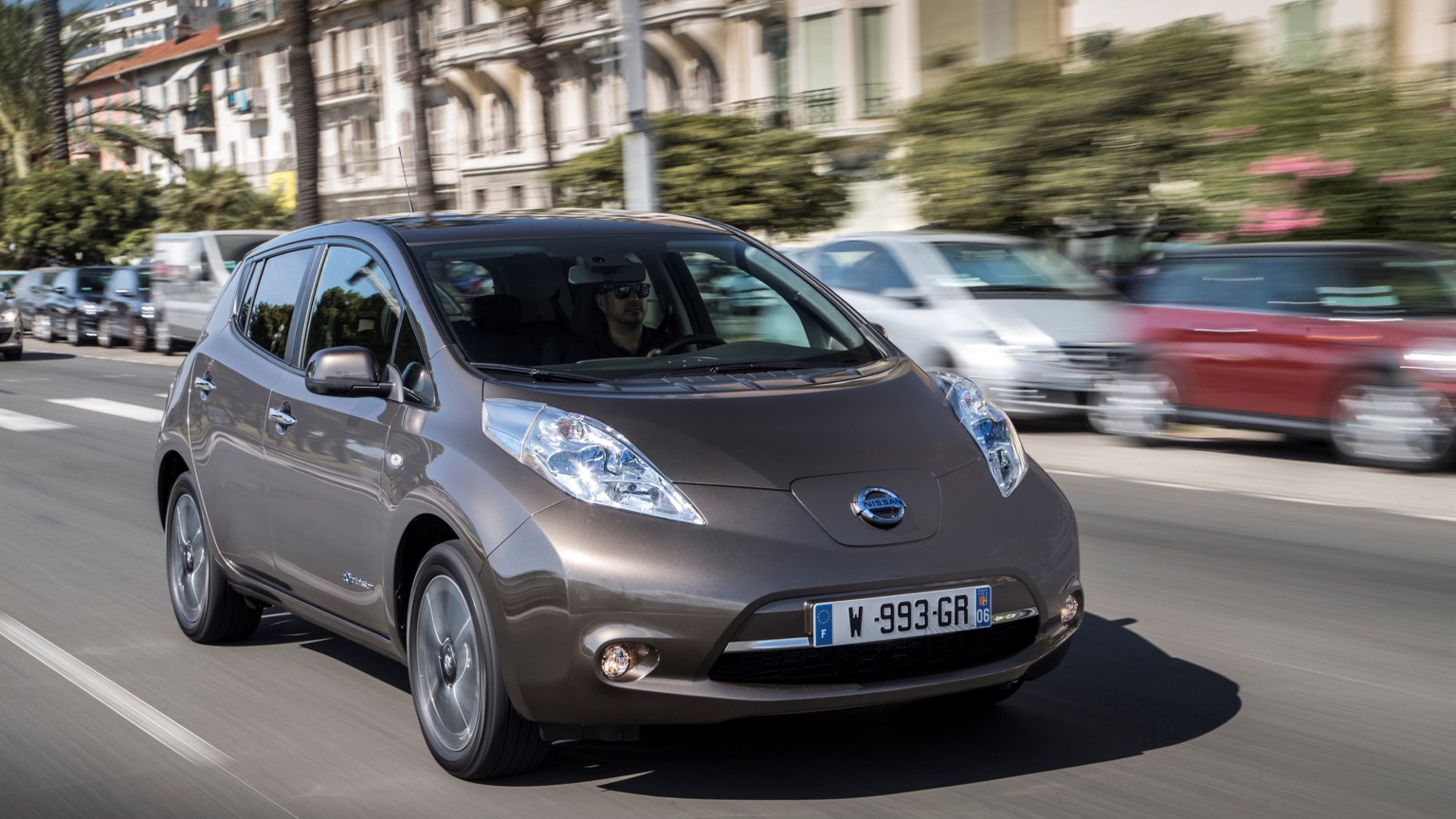
3. Nissan Leaf
The Nissan Leaf was one of the first widely available electric vehicles and remains one of the most popular globally. Its early versions had issues with battery degradation due to lack of liquid cooling, but the newer models have improved significantly.
The second-generation Leaf, introduced in 2018, came with better thermal management and more durable battery packs, making it a better long-term option. Even earlier models, if driven carefully and charged properly, have held up surprisingly well, especially in mild climates.
The Leaf’s advantage lies in its simplicity. It’s a compact car with a modest motor and battery system that avoids overcomplication. Its design is not meant for high performance but for daily usability, which often correlates with longer service life.
Because it lacks aggressive acceleration and performance demands, its powertrain undergoes less stress. This slower pace of wear and tear, combined with the absence of an internal combustion engine, makes the Leaf a low-maintenance vehicle over the long haul.
Battery life in the Leaf has always been a talking point. While early adopters in hot climates saw quicker degradation, those in temperate areas reported 100,000 miles or more with minor loss in range. The newer models, especially those with 40 kWh and 62 kWh battery packs, have shown much better resistance to wear. While the lack of liquid cooling remains a downside, careful owners who avoid frequent fast charging can keep the batteries healthy for many years.
Many older Leafs are still on the road today, which is a strong testament to their durability. With proper care and regular use, the Leaf can easily serve for over a decade. It’s not the flashiest car, but it’s proven itself as a reliable and long-lasting commuter.
For someone looking for a used EV with a low total cost of ownership and reasonable expectations, the Leaf remains a dependable choice that could outlive many gas-powered sedans in the same price range.
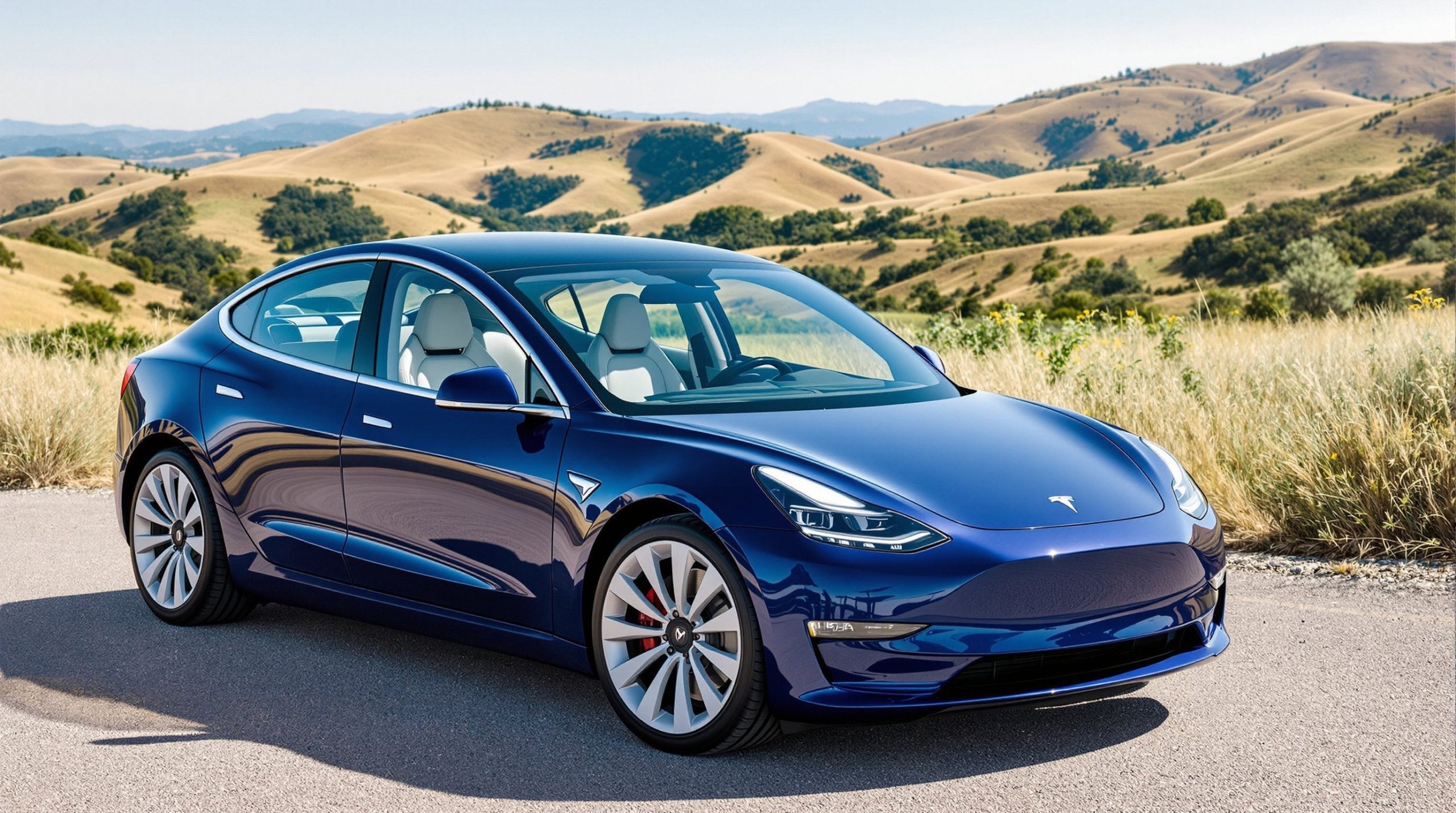
4. Tesla Model 3
The Tesla Model 3 has quickly become one of the most common electric cars on the road, and its long-term prospects are promising. Built on Tesla’s updated architecture, it combines efficient battery technology with solid range and strong driving performance. The car’s sleek design and mass-market appeal make it attractive, but it’s the mechanical simplicity and software updates that really allow it to age well. Drivers have reported high satisfaction even after years of daily use.
One of the strongest aspects of the Model 3 is its drivetrain durability. With fewer parts to wear out and no complex fuel system to maintain, the Model 3 can avoid many of the pitfalls that typically cut a gas car’s life short.
Its permanent magnet motor is known for efficiency and long service life, and the battery management system is designed to protect against overcharging and overheating. The thermal systems in place keep the battery at optimal temperatures, which helps reduce wear over time.
Owners who are careful with their charging habits—avoiding constant use of superchargers and charging to 100%—often report minimal battery degradation even after 100,000 miles. Combined with regenerative braking and regular software updates, the vehicle stays responsive and efficient long after its initial years. Even the infotainment system and autopilot functions receive regular updates, keeping the car modern and safe to drive.
Interior durability has improved over time with updated materials, and while there were some issues in early builds, later versions have better fit and finish. The minimalist interior, dominated by a central screen, also means fewer buttons and switches that could wear out.
As the Model 3 continues to age and accumulate miles, it is proving that electric sedans can match or exceed gas-powered competitors when it comes to longevity. Whether used for commuting or long trips, the Model 3 stands out as one of the best EVs for those looking to keep a car for the long run.
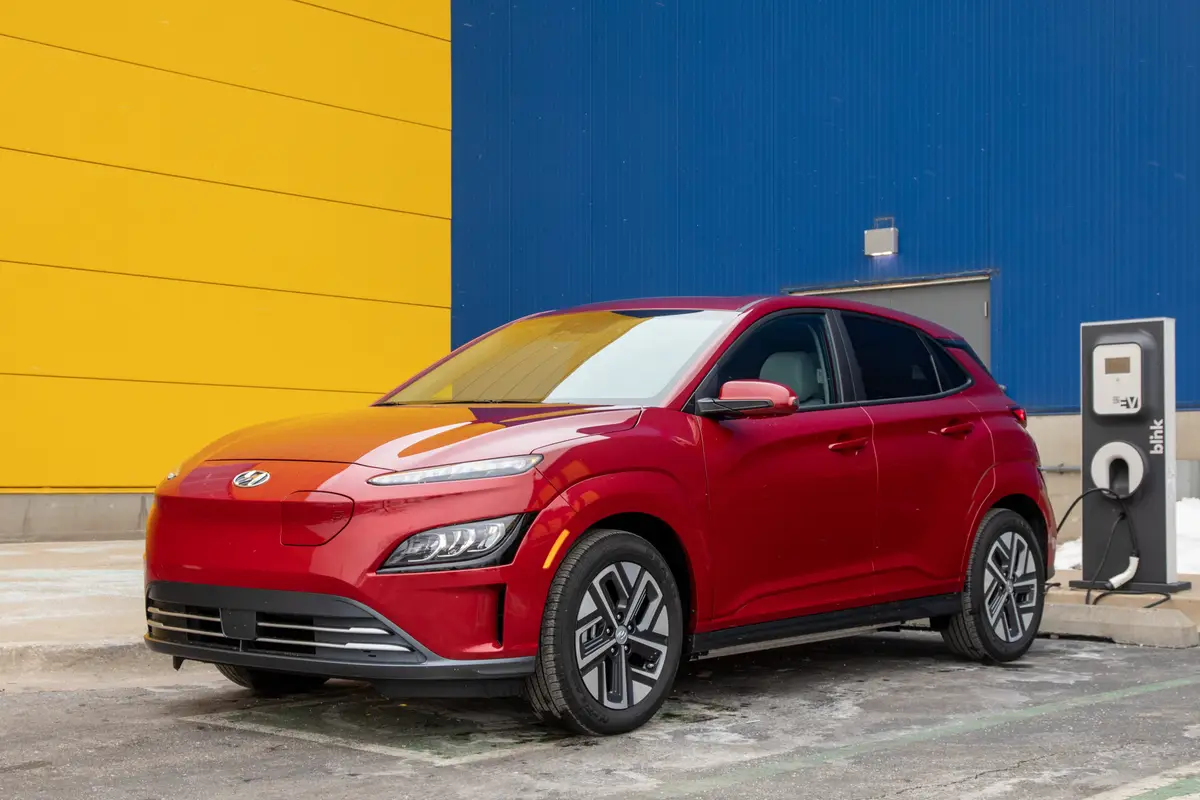
5. Hyundai Kona Electric
The Hyundai Kona Electric has quickly gained a reputation for reliability and long-lasting performance in the electric vehicle market. It combines the versatility of a compact SUV with the efficiency of an electric powertrain, making it an attractive option for those seeking both range and utility.
One of the standout features of the Kona Electric is its 64 kWh battery pack, which offers a competitive driving range while incorporating advanced thermal management systems to protect the battery over time. This means that the vehicle is less likely to suffer from rapid battery degradation, an important factor in extending the car’s lifespan well beyond what many gasoline SUVs achieve.
Hyundai has focused on engineering durability into the Kona Electric by optimizing the vehicle’s cooling systems and battery chemistry. The liquid-cooled battery pack plays a crucial role in regulating temperature, especially in extreme climates, which helps preserve the battery cells and maintain performance for many years.
Owners who maintain moderate charging habits and avoid consistent fast charging tend to experience minimal battery deterioration, allowing the car to deliver reliable range even after tens of thousands of miles. This aspect makes the Kona Electric a smart investment for people who plan to keep their EVs for a decade or longer.
In terms of build quality, the Kona Electric uses many proven components from Hyundai’s combustion-engine SUVs, which are known for their solid reliability. The electric drivetrain adds fewer points of failure compared to traditional gas powertrains, reducing the risk of costly repairs over time.
Brake wear is also minimized thanks to regenerative braking, which captures kinetic energy and reduces the need to replace brake pads frequently. With fewer mechanical parts subject to wear and tear, the Kona Electric shows strong promise for lasting longer than many conventional gas-powered vehicles in its class.
The interior and tech features of the Kona Electric have also been praised for their durability. Materials used inside the cabin are designed to withstand daily use, and the vehicle benefits from Hyundai’s growing expertise in electric vehicle software and connectivity.
Regular software updates improve the user experience and vehicle performance, helping the Kona Electric feel modern for years. This combination of a durable battery system, reliable components, and supportive software makes the Hyundai Kona Electric one of the EVs most likely to outlast comparable gasoline-powered SUVs.
Also Read: 7 Moves That Extend a Mercedes C-Class Past 200,000 Miles
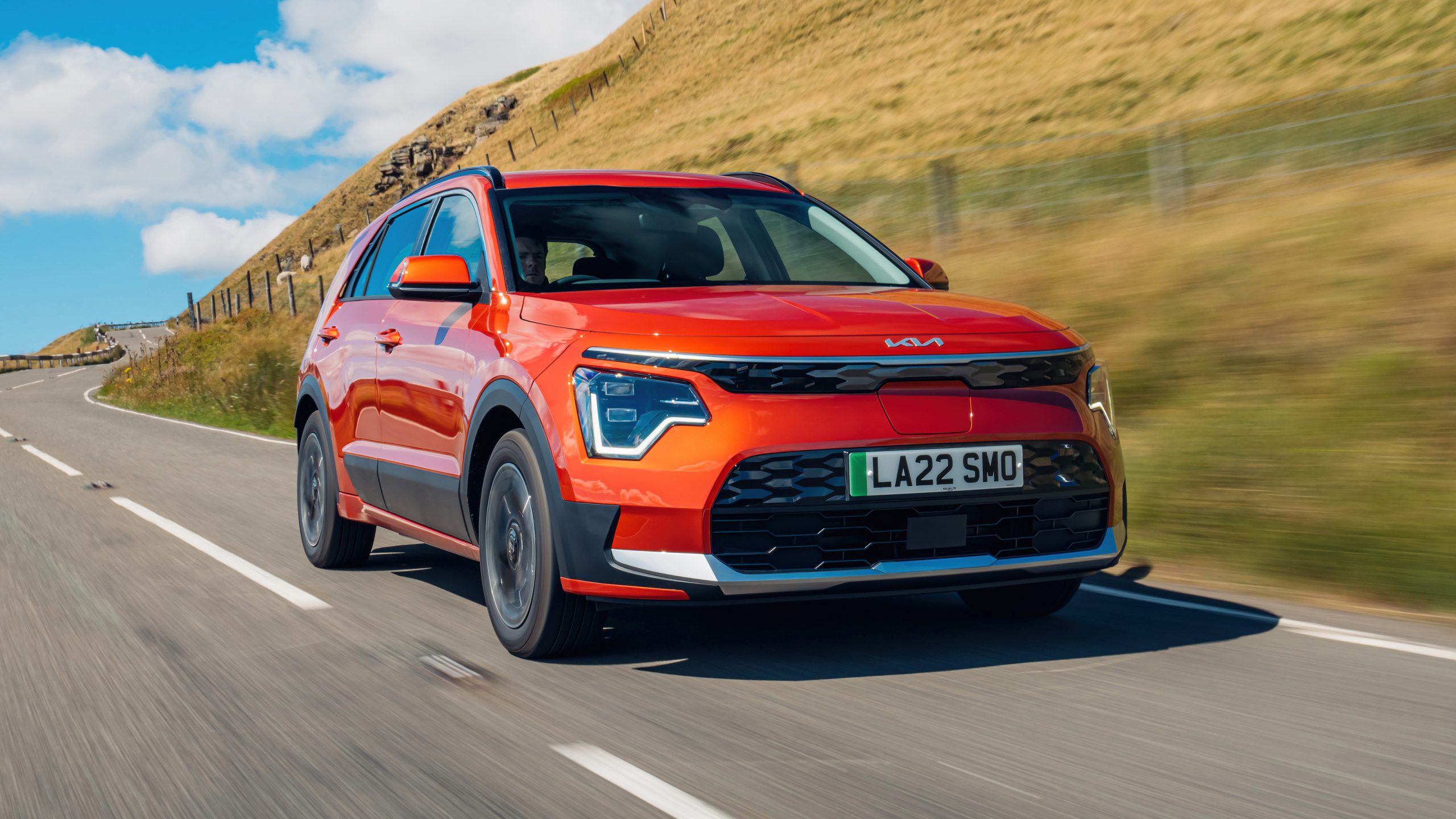
6. Kia Niro EV
The Kia Niro EV shares much of its platform and technology with the Hyundai Kona Electric, but brings its own set of attributes that contribute to its potential longevity. The Niro EV combines practicality and efficiency in a crossover form factor, appealing to a wide range of drivers who need a reliable daily driver that also supports sustainable transportation.
Its 64 kWh battery pack is similar to the Kona’s, featuring liquid cooling and advanced battery management systems that protect the cells from damage due to temperature fluctuations or charging stress. These features are vital for prolonging battery life and, by extension, the life of the vehicle.
Kia has focused on durability in both the mechanical and electronic components of the Niro EV. The electric motor and single-speed transmission are designed to be low-maintenance and resistant to wear.
Unlike traditional vehicles with complex engine systems requiring frequent servicing, the Niro EV’s simpler electric powertrain significantly reduces the likelihood of mechanical breakdowns. Combined with regenerative braking and a well-engineered chassis, the Niro EV is built to endure many years of daily driving without suffering the kinds of wear that typically shorten the lifespan of combustion-engine vehicles.
Battery longevity is a particular strength of the Niro EV. Real-world owners report consistent performance and modest battery degradation even after extended use, which speaks to Kia’s improvements in thermal management and cell chemistry.
While all batteries will lose some capacity over time, the Niro EV’s systems minimize this loss, allowing the vehicle to maintain a healthy driving range for well over 100,000 miles. This stability is critical for those who want to avoid costly battery replacements or early obsolescence.
Finally, Kia has worked to ensure the interior materials and electronics withstand the test of time. The Niro EV’s cabin features durable plastics, comfortable seating, and intuitive infotainment systems designed to age gracefully.
Regular software updates from Kia enhance vehicle performance and add features, helping the Niro EV stay current and enjoyable to drive years after purchase. For anyone interested in a reliable and long-lasting electric crossover, the Kia Niro EV represents a practical choice that can potentially outlive many gas-powered alternatives.
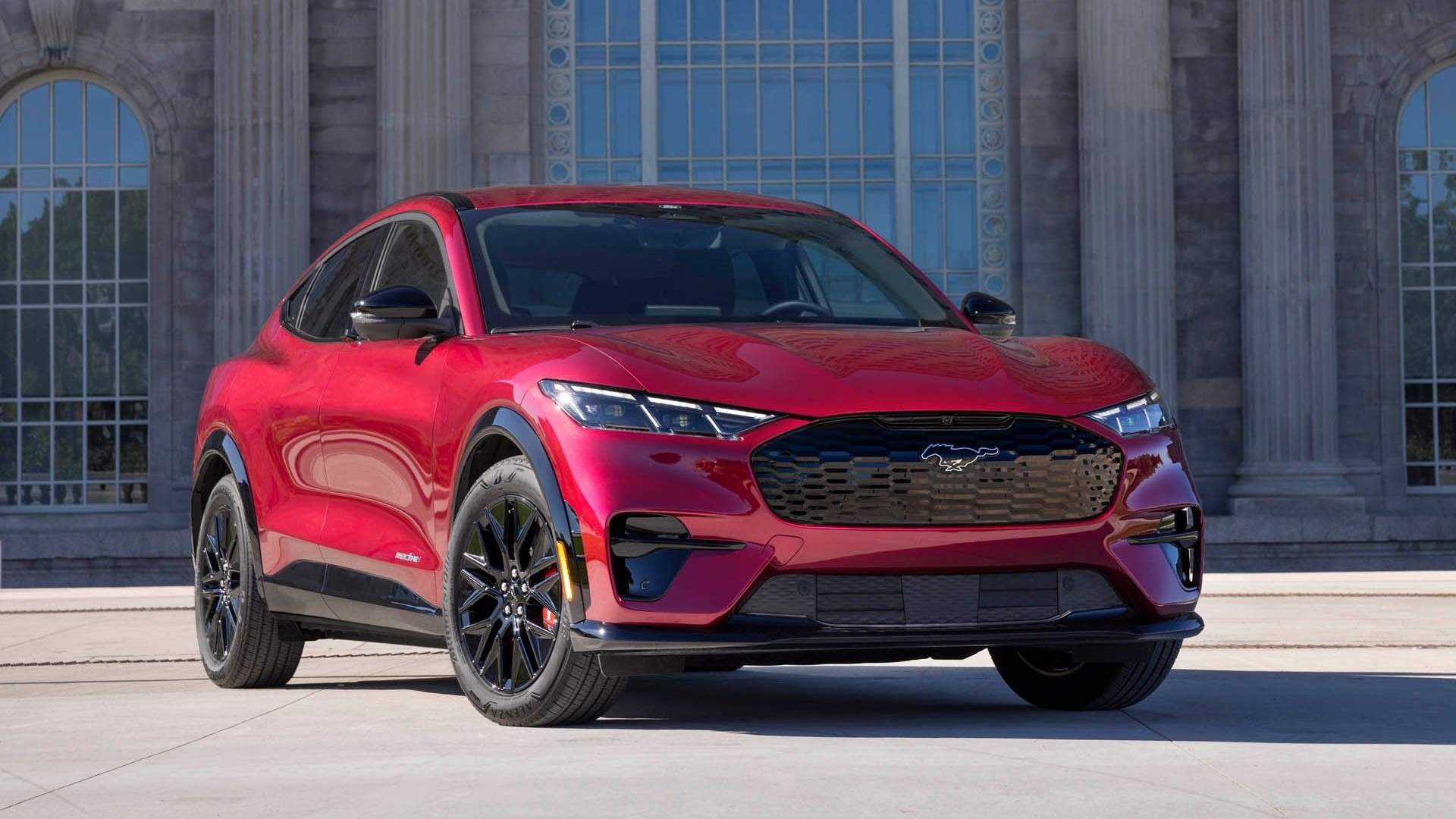
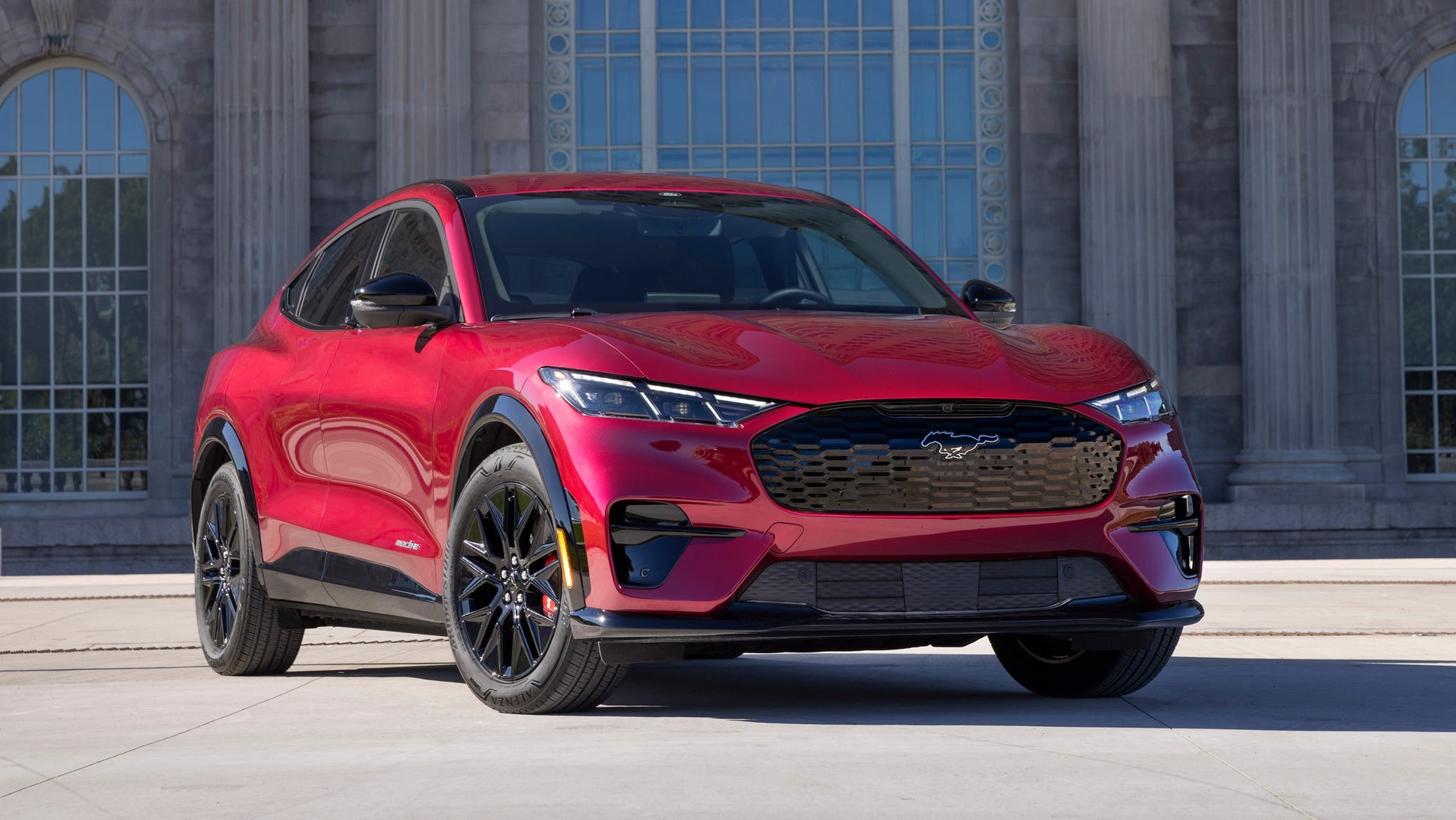
7. Ford Mustang Mach-E
The Ford Mustang Mach-E represents a major shift for Ford as it embraces the electric future while maintaining a legacy of performance and quality. The Mach-E is engineered with a focus on durability and longevity, combining a robust electric powertrain with modern battery technology.
Its battery pack, available in multiple capacities, is designed with liquid cooling and sophisticated battery management to ensure consistent performance and long life. The car’s architecture emphasizes thermal regulation and energy efficiency, which are key factors in reducing battery degradation over time.
The electric motors in the Mach-E are built to deliver high performance without sacrificing reliability. These motors operate with fewer moving parts compared to traditional engines, significantly reducing the chances of mechanical failure.
Ford has incorporated extensive testing and quality control to ensure that the drivetrain components can withstand years of usage and various driving conditions. The Mach-E’s regenerative braking system also contributes to longevity by decreasing the wear on mechanical brakes, extending maintenance intervals and lowering ownership costs.
Battery health is a crucial factor in the Mach-E’s durability. Ford has implemented advanced software algorithms to protect battery life, optimize charging patterns, and balance cell health throughout the pack.
Owners who follow recommended charging habits and avoid extreme fast charging report stable range and minimal capacity loss even after substantial mileage. Ford’s commitment to providing over-the-air updates also means that the vehicle’s software can improve over time, addressing potential issues and enhancing performance long after purchase.
The interior and build quality of the Mach-E reflect Ford’s emphasis on longevity and user experience. Premium materials, ergonomic design, and robust infotainment systems contribute to an enduring driving experience.
The vehicle is designed to be comfortable and functional for daily use while resisting wear from extended use. Taken together, these attributes make the Mustang Mach-E a strong contender among EVs for long-term ownership, with the potential to outlast many traditional gas-powered SUVs and sedans.
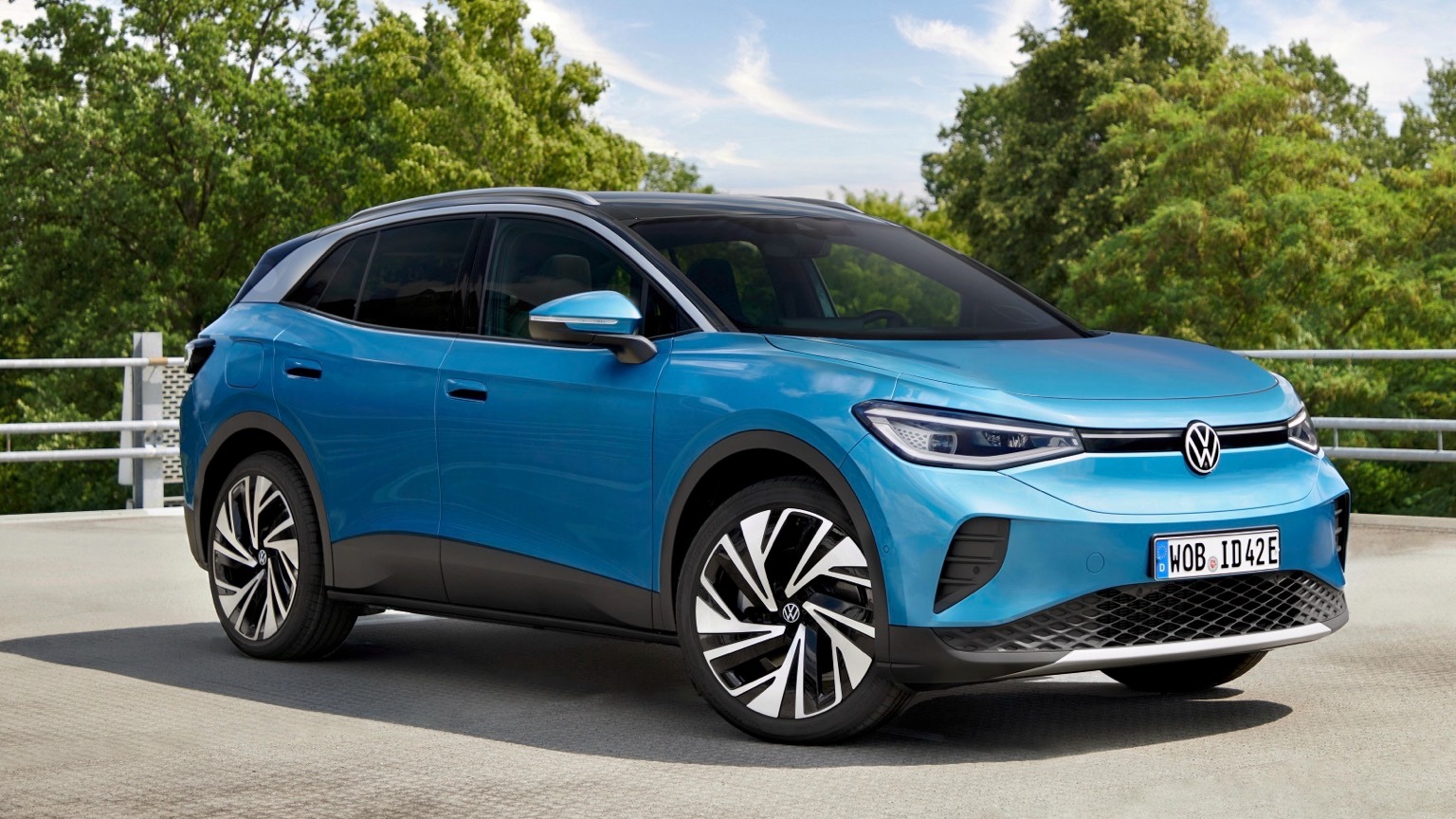
8. Volkswagen ID.4
The Volkswagen ID.4 marks Volkswagen’s serious entry into the electric SUV market, combining German engineering with a commitment to sustainability and durability. The ID.4 features a modular platform designed from the outset for electric vehicles, with a focus on reliability and battery longevity.
Its battery pack includes liquid cooling and heating systems to maintain optimal operating temperatures, a crucial factor in preserving battery health over thousands of miles and years of use. This approach helps the ID.4 avoid the rapid capacity loss seen in some earlier electric models.
Volkswagen’s electric motor technology in the ID.4 is engineered to provide consistent performance while minimizing wear and mechanical complexity. The single-speed transmission and electric drivetrain require far less maintenance than traditional combustion engines, lowering the risk of mechanical issues over time.
Regenerative braking also extends the life of the braking components, reducing maintenance needs. Volkswagen has taken care to use high-quality materials and components that can endure daily driving stresses and weather conditions.
Battery longevity is supported by intelligent management systems that balance charging, temperature, and usage patterns. Owners of the ID.4 have reported healthy battery performance even after high mileage, particularly when fast charging is used moderately and regular charging to full capacity is avoided.
The modular design allows for easier servicing and potential battery replacements if needed, which adds to the vehicle’s lifespan. Volkswagen’s continuous software updates also contribute to maintaining the car’s efficiency and usability long term.
Inside, the ID.4 offers a well-built, spacious cabin designed to stand up to years of use. Durable materials, combined with a modern yet straightforward infotainment system, help keep the vehicle feeling fresh and functional. The ID.4 balances comfort, technology, and practicality, making it a solid choice for those seeking a dependable electric SUV capable of lasting well beyond many gasoline-powered competitors.
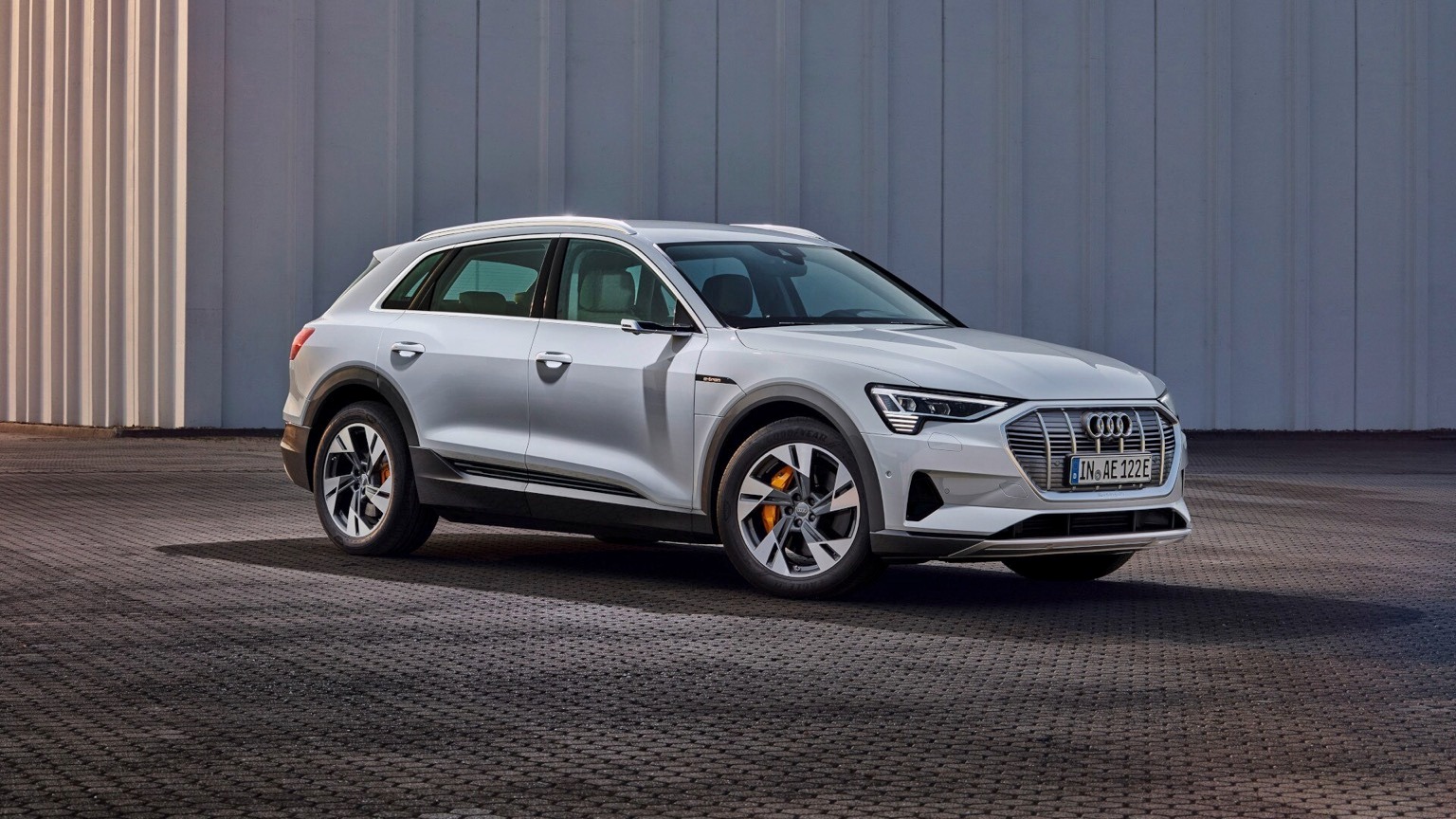
9. Audi e-tron
Audi’s e-tron is a luxury electric SUV that blends performance, advanced technology, and a build quality typical of premium German automakers. The e-tron’s battery pack uses a liquid cooling system designed to maintain consistent temperatures, which is vital for the battery’s longevity.
Audi’s engineering ensures that the battery cells are protected from extremes that could accelerate wear, helping the vehicle sustain strong range and power levels over time. This focus on durability extends to the entire drivetrain and chassis.
The electric motors used in the e-tron are designed for reliability and efficiency, employing high-quality materials and manufacturing techniques. The car’s all-wheel-drive system uses dual motors, but despite the complexity, Audi’s engineering minimizes potential failure points.
Regenerative braking and the absence of a traditional transmission contribute to reduced wear on the mechanical components, leading to lower long-term maintenance costs. Audi’s reputation for quality control means that many e-trons can accumulate high mileage while remaining dependable.
Battery degradation in the e-tron is managed through sophisticated software and hardware solutions. Audi monitors cell health, adjusts charging profiles, and uses thermal management to maximize battery life.
Early adopters and reviewers have noted that the battery packs retain a significant portion of their capacity even after years of driving. These features, combined with Audi’s support for software updates, help the e-tron maintain its performance and usability well beyond the initial years of ownership.
The interior of the e-tron reflects Audi’s attention to detail and durability. High-grade materials, excellent fit and finish, and advanced electronics are built to last. The luxury SUV’s cabin is designed to resist wear and tear, providing comfort and refinement that continue as the miles add up. All these factors together make the Audi e-tron a vehicle with the potential to last longer than many traditional gas-powered luxury SUVs.
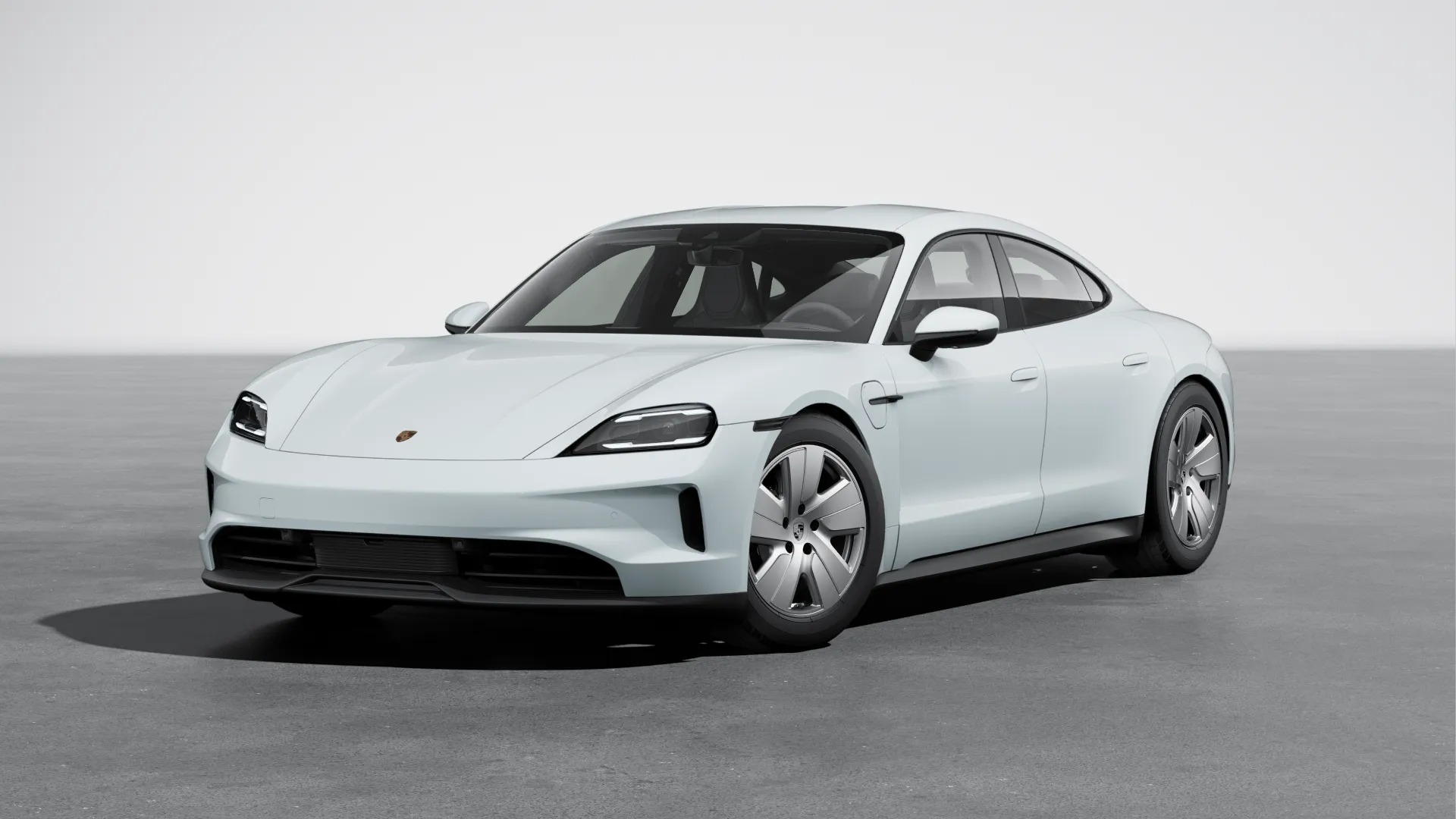
10. Porsche Taycan
The Porsche Taycan represents the performance end of the electric vehicle spectrum, combining cutting-edge technology with the build quality and engineering precision Porsche is known for. The Taycan uses an 800-volt electrical architecture that allows for rapid charging and efficient power delivery, but Porsche has also engineered the battery pack with longevity in mind.
The liquid-cooled battery system keeps temperatures steady even under high-performance driving conditions, which is essential for preserving battery health over the long term.
Porsche’s electric motors are powerful but built with durability as a priority. The Taycan’s drivetrain components are subjected to rigorous testing to ensure they can handle repeated high-stress driving while maintaining reliability.
The car’s advanced regenerative braking system reduces wear on mechanical brakes, helping preserve key parts that would otherwise need regular replacement. Porsche’s reputation for quality means that even under demanding use, the Taycan is designed to last with proper maintenance.
Battery longevity is supported by the car’s sophisticated management software that balances charging speed, battery temperature, and cell health. Although the Taycan is capable of very fast charging, Porsche recommends moderate use of rapid chargers to maximize battery lifespan.
Owners who follow these guidelines report stable battery capacity and minimal degradation after tens of thousands of miles, demonstrating that high-performance EVs can also be long-lasting. The Taycan’s combination of performance and durability makes it a unique option for those who want both excitement and longevity.
Inside, the Taycan features a high-quality interior built with premium materials designed to withstand the test of time. The cabin incorporates durable upholstery, advanced infotainment, and driver assistance systems that are regularly updated to maintain usability and safety.
This blend of luxury, technology, and engineering excellence helps the Taycan remain relevant and functional even after many years of ownership. For enthusiasts looking for an EV that lasts, the Porsche Taycan is a compelling choice.
