
The automotive industry is undergoing one of the most significant shifts in its history, as manufacturers balance power, efficiency, and durability in the face of increasingly strict environmental regulations and consumer demand for reliable performance.
The year 2026 is shaping up to be pivotal for hybrid vehicles, with many automakers pushing boundaries to build models that offer not only excellent fuel economy but also toughness and long-term resilience. These upcoming hybrids are being engineered with cutting-edge technology, advanced safety features, and rugged builds that position them as some of the most durable vehicles ever developed in the segment.
Drivers today aren’t just looking for sleek design and fancy dashboards. They want vehicles that can stand up to harsh climates, rough terrain, and thousands of miles without breaking down. That’s why manufacturers have started placing greater emphasis on high-strength materials, military-grade underpinnings, and more sophisticated battery protection systems.
Hybrids, once thought to be delicate machines designed solely for smooth city driving, are now evolving into formidable machines capable of handling off-road conditions, daily wear and tear, and long-term use with minimal maintenance.
The lineup for 2026 includes hybrid SUVs, trucks, and sedans that boast reinforced frames, next-generation powertrains, and intelligent all-wheel drive systems. Some of them are being built on platforms originally designed for gas-powered beasts, giving them an advantage in terms of toughness and repairability.
Others are based on entirely new architectures, developed with longevity and adaptability in mind. These hybrids are set to challenge outdated perceptions of what a hybrid can be, showing that fuel efficiency doesn’t have to come at the cost of strength.
This article takes a close look at ten hybrid vehicles scheduled for release in 2026 that could earn a reputation for being almost indestructible. Each one brings something different to the table, whether it’s tank-like construction, battle-ready drivetrains, or intelligent systems that protect vital components from wear. With attention to engineering and reliability, these hybrids are poised to redefine expectations and set new standards in automotive endurance.
Also Read: 5 Nissan Maxima Years You Can Keep vs 5 That Won’t Last
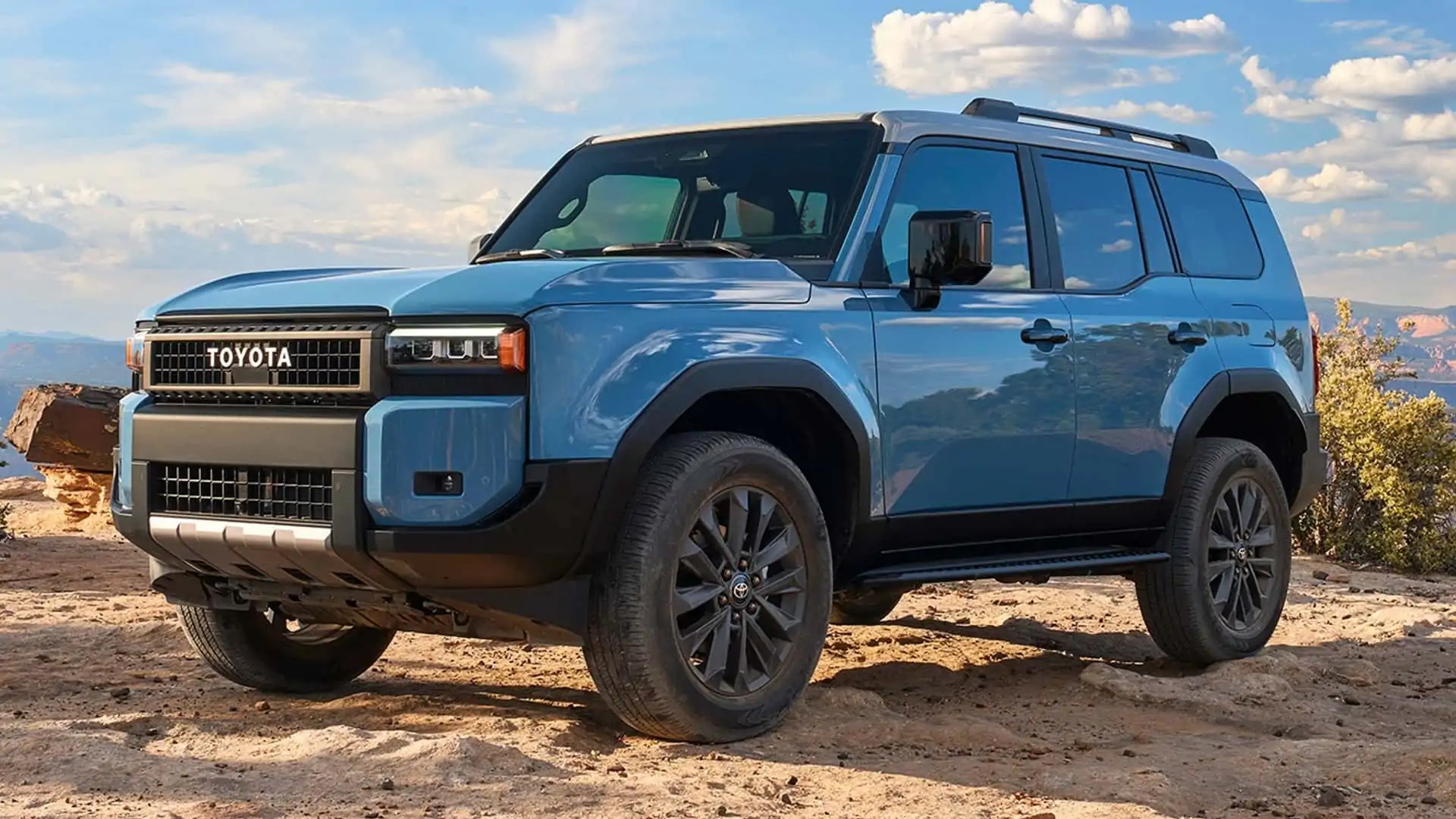
1. 2026 Toyota Land Cruiser Hybrid
Toyota is revamping its iconic Land Cruiser once again, and this time it’s doing so with a hybrid system that promises not only efficiency but extreme toughness. The 2026 model is expected to integrate Toyota’s most robust battery technology yet, specifically designed to withstand high heat and challenging terrains without performance degradation.
This hybrid system isn’t just a marketing gimmick; it’s rooted in Toyota’s long-standing reputation for building machines that last hundreds of thousands of miles without major issues.
The body-on-frame construction remains, meaning the vehicle will retain the heavy-duty feel of traditional off-road vehicles while adding the benefits of hybrid power. This setup ensures that both the combustion engine and electric motor can work together under demanding conditions, offering maximum torque when it’s most needed.
Whether it’s climbing over boulders, crossing streams, or enduring extended exposure to dust and heat, this hybrid powertrain is engineered for the harshest environments. Reinforced suspension components and upgraded cooling systems support long-distance travel in remote areas.
Toyota has also focused on internal safety and durability with water-resistant interior surfaces, long-wearing fabrics, and corrosion-resistant coatings throughout the undercarriage. These details make it clear that the vehicle was designed not just for comfort or economy but for serious endurance.
The hybrid battery pack is sealed and mounted high in the chassis to avoid damage during off-road excursions or flooding scenarios. On top of that, Toyota’s Safety Sense suite is getting updates to make the vehicle smarter in how it adapts to its environment and usage patterns.
One of the strongest arguments for calling the 2026 Land Cruiser Hybrid “indestructible” is its long track record. Previous generations have been used in conflict zones, jungles, deserts, and mountain regions, often running for decades with basic maintenance.
The hybrid version is built on that legacy, modernized for the next generation of drivers who expect both power and responsibility from their vehicles.
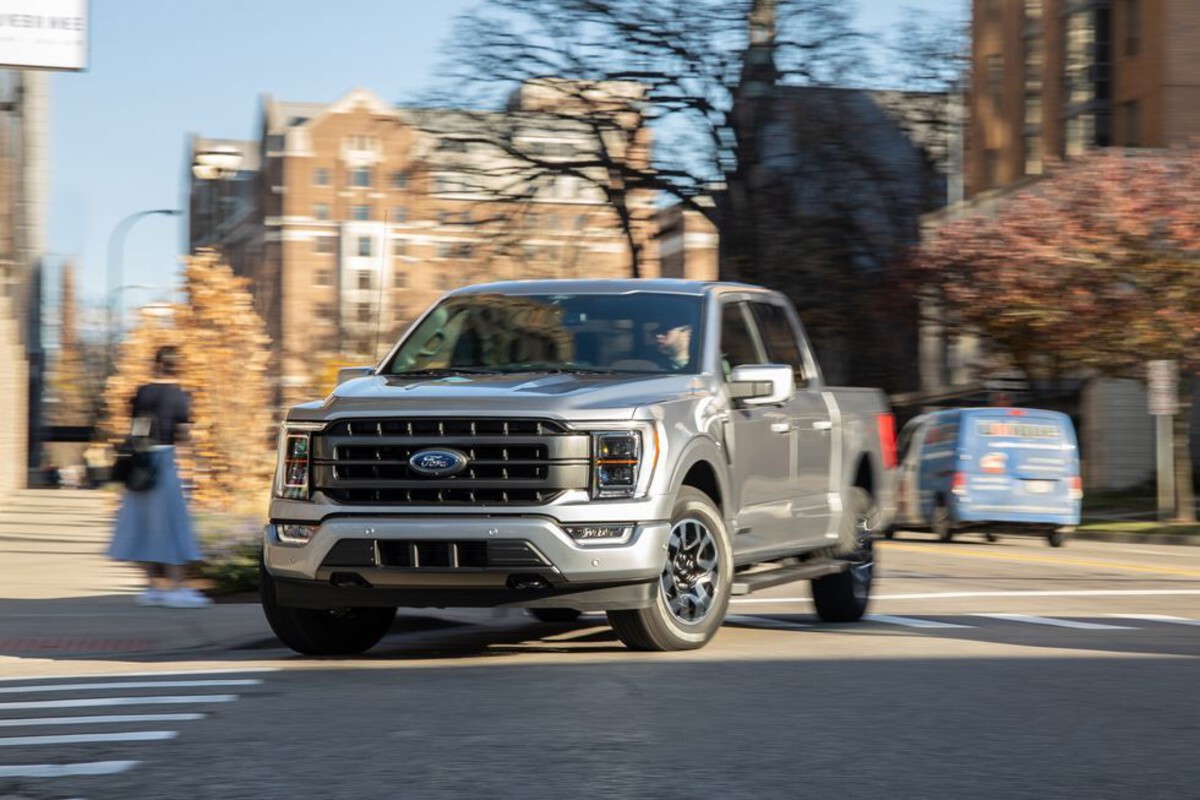
2. 2026 Ford F-150 Hybrid Raptor
The Raptor version of Ford’s F-150 is already known for its aggressive stance and desert-running capabilities, but the 2026 Hybrid Raptor takes that formula and adds a layer of strategic intelligence. The hybrid powertrain doesn’t just help with fuel economy; it provides an instant torque boost that is especially valuable in off-road conditions. Ford’s engineers have built this truck with the assumption that owners will use it hard, and as such, durability remains a key focus of the design.
This new Raptor variant will feature skid plates reinforced with composite materials used in aerospace applications, adding strength without extra weight.
The battery and high-voltage systems are armored against impact and exposure, housed in a sealed compartment that is both waterproof and fire-resistant. Even under intense vibration and repeated shock, the components are expected to hold up better than traditional systems thanks to improved mounting designs and materials testing.
The truck also benefits from its connection to Ford’s extensive research into military-grade aluminum and corrosion-resistant steel. These materials are used throughout the frame and bed to protect against rust and fatigue, particularly in areas prone to weather extremes.
Drainage channels and modular design elements make field repairs easier, a feature that’s often overlooked in hybrid vehicles. Owners in rural or hard-to-reach areas will find this especially valuable when regular service isn’t an option.
Another major advantage is the truck’s software. The powertrain is equipped with predictive learning algorithms that adjust power delivery and battery use based on driving history and current terrain.
This means less stress on the hybrid components over time and improved longevity. Combined with the proven toughness of the Raptor lineage, the 2026 Hybrid version is looking to be a truck that can take punishment without quitting, whether that’s on a rocky trail or during daily hauling duties.
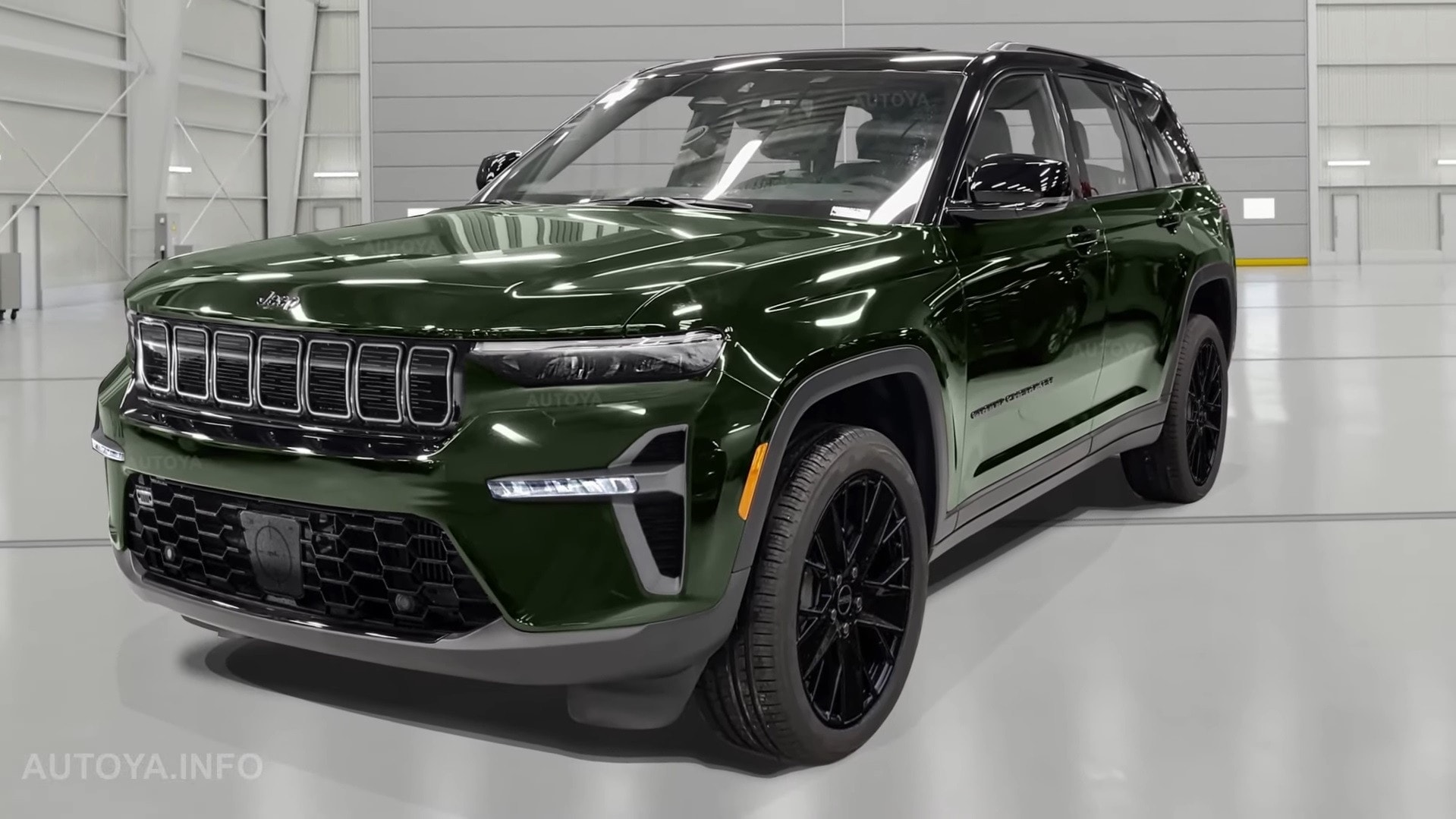
3. 2026 Jeep Grand Cherokee Hybrid Trailhawk
Jeep has always made off-road capability a cornerstone of its vehicles, and the Trailhawk versions are designed to take that capability to the extreme. The 2026 Grand Cherokee Hybrid Trailhawk builds on this foundation with a plug-in hybrid setup tuned for torque-heavy crawling and tough trail work.
The vehicle is expected to offer electric-only modes for quieter, low-speed trail riding, along with full hybrid strength for more demanding stretches. Jeep is betting on this model becoming a go-to choice for those who want resilience without sacrificing eco-consciousness.
What stands out about the 2026 Trailhawk hybrid is the attention to terrain-focused design. It features upgraded skid plates, tow hooks, and water fording capability that’s made possible through sealed electrical components and raised intake points.
Jeep is designing the battery system with off-road abuse in mind, giving it a cooling and insulation package that shields it from both heat and blunt impacts. Rock rails and additional underbody armor protect key hybrid system elements, making this vehicle one of the most structurally protected hybrids to ever come from a major brand.
The chassis will use a combination of high-strength steel and composite reinforcements to reduce flex and maintain structural integrity even under twisting loads common during off-roading. Inside, the interior is constructed with wear-resistant materials that can stand up to mud, water, and even pet claws without showing early signs of aging. Jeep understands that this vehicle will be used hard, so it’s built to handle that usage gracefully.
Another highlight is its drivetrain management system, which lets drivers choose various modes not just for terrain, but also for hybrid behavior. Whether you need a power boost from both sources or prefer to preserve battery life for urban travel, the system gives drivers control that helps protect the hybrid components from overexertion.
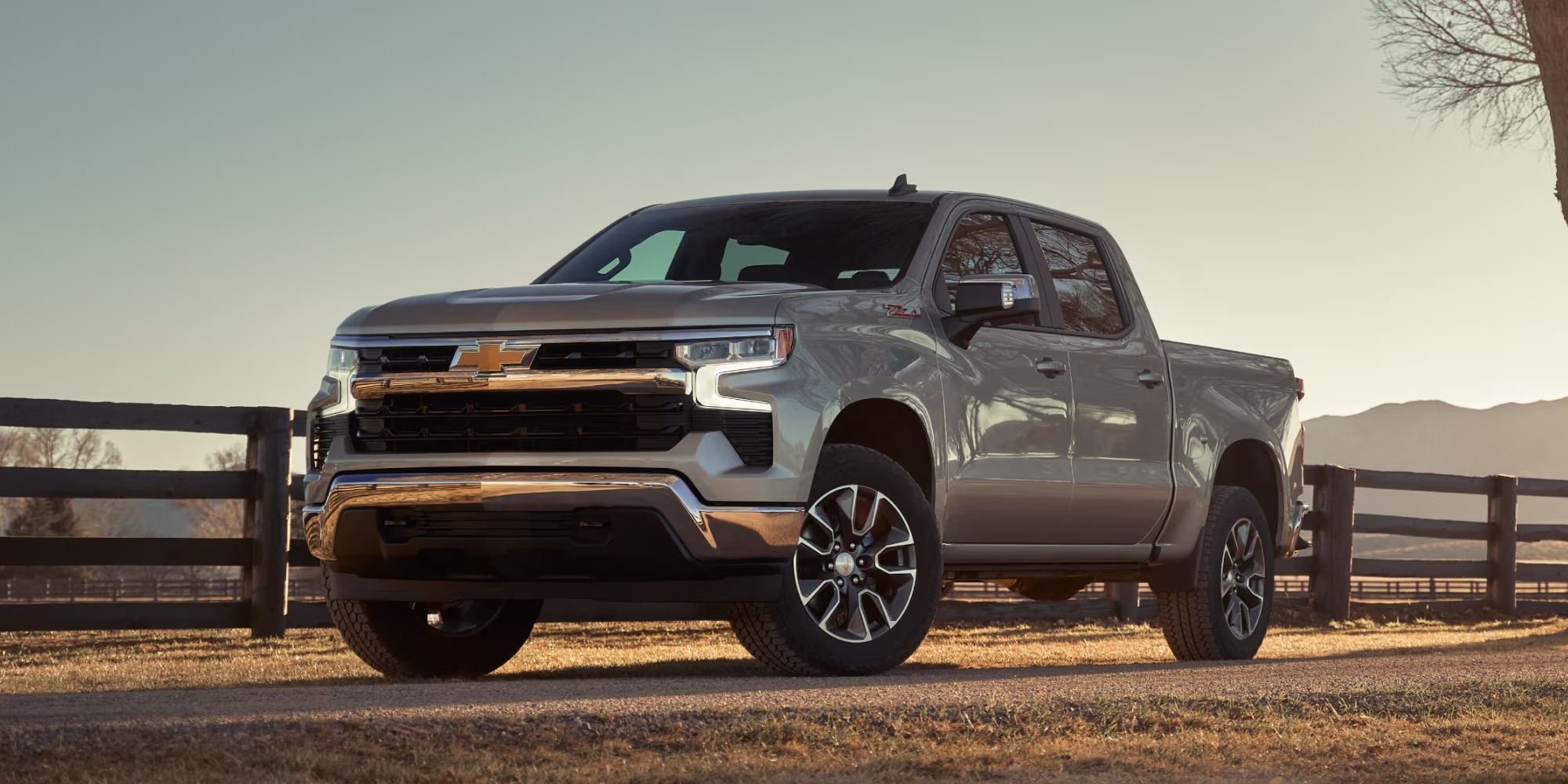
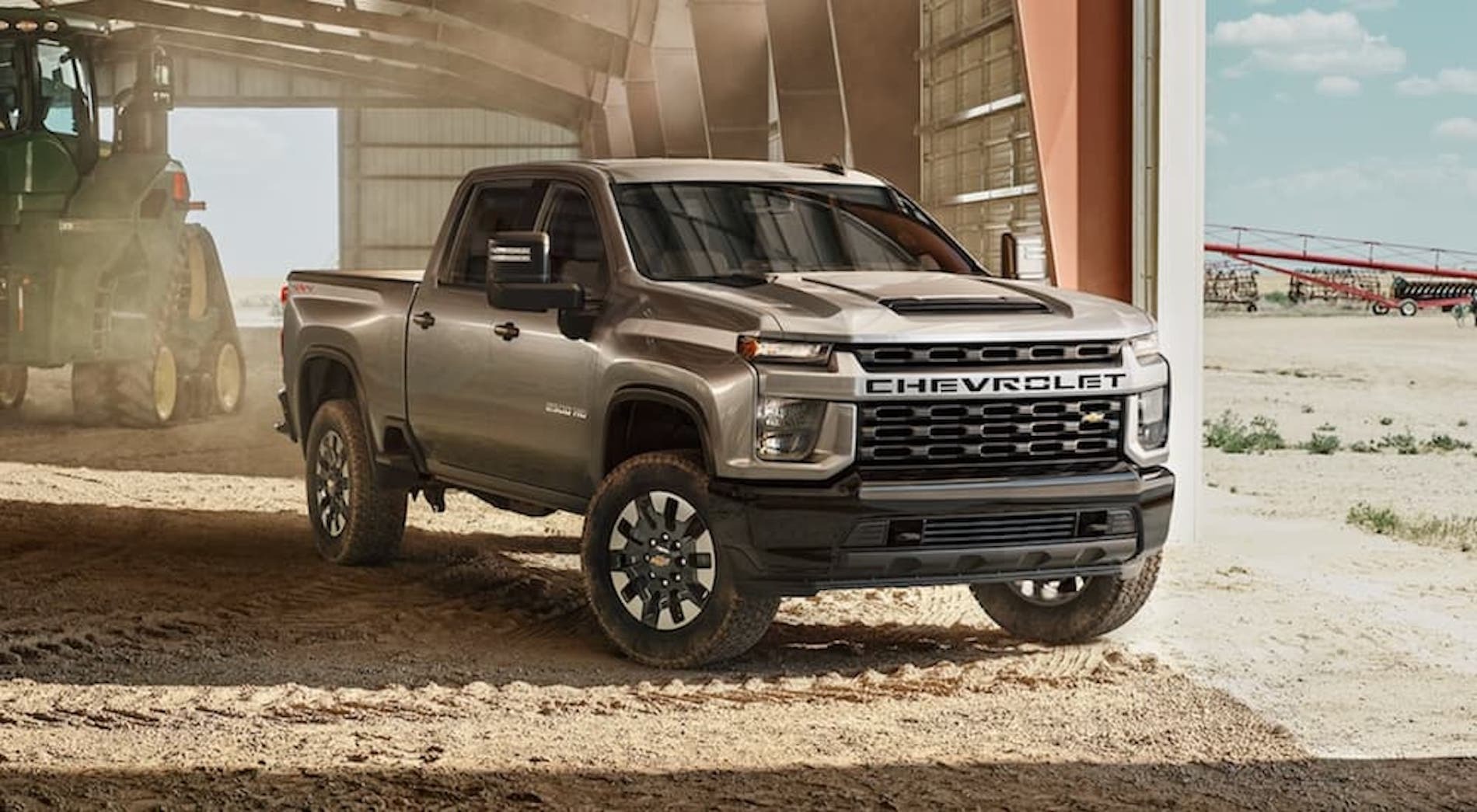
4. 2026 Chevrolet Silverado Hybrid ZR2
Chevrolet’s Silverado lineup has long been respected for its toughness and endurance, but with the introduction of the 2026 Hybrid ZR2 model, the brand is combining traditional durability with forward-thinking hybrid technology.
The ZR2 trim is known for being the most off-road capable version in the Silverado family, and Chevrolet is ensuring the hybrid version doesn’t compromise on that. Instead of simply adding a battery and motor, engineers have reinforced the vehicle in key areas to make it suitable for heavy-duty work and abuse in all types of environments, from remote construction sites to rugged wilderness trails.
The hybrid system being introduced in this model is a parallel configuration that allows full gasoline power or combined hybrid power depending on the driver’s demand. This setup is ideal for towing or hauling under strain, where additional torque from the electric motor can reduce wear on the combustion engine.
Chevrolet is also employing a sophisticated battery thermal management system that prevents overheating during extended climbs or while pulling heavy trailers in hot climates. The battery itself is encased in impact-resistant housing and mounted centrally and high enough to avoid direct hits from road debris or rocks.
Suspension in the ZR2 has been specifically reworked to accommodate the extra weight of the hybrid components while maintaining the long travel and flexibility the model is known for. The result is a ride that doesn’t feel bogged down but still soaks up harsh impacts.
Ground clearance remains generous, and engineers have included adaptive dampers that read road conditions in real time, giving drivers confidence over uneven surfaces. Furthermore, the underbody now includes additional steel reinforcements that serve both as protection for hybrid parts and as structural rigidity enhancements for better chassis performance.
Interior features also contribute to the vehicle’s resilience. Rubberized flooring, durable all-weather upholstery, and modular storage make the cabin ready for use in real-world tough environments.
With years of hard-use feedback from Silverado drivers, Chevrolet seems to have anticipated what hybrid owners will expect from a truck bearing the ZR2 nameplate. The 2026 Silverado Hybrid ZR2 isn’t just a new tech experiment, it’s designed to survive demanding workloads while giving drivers the fuel efficiency edge they’ve been waiting for.
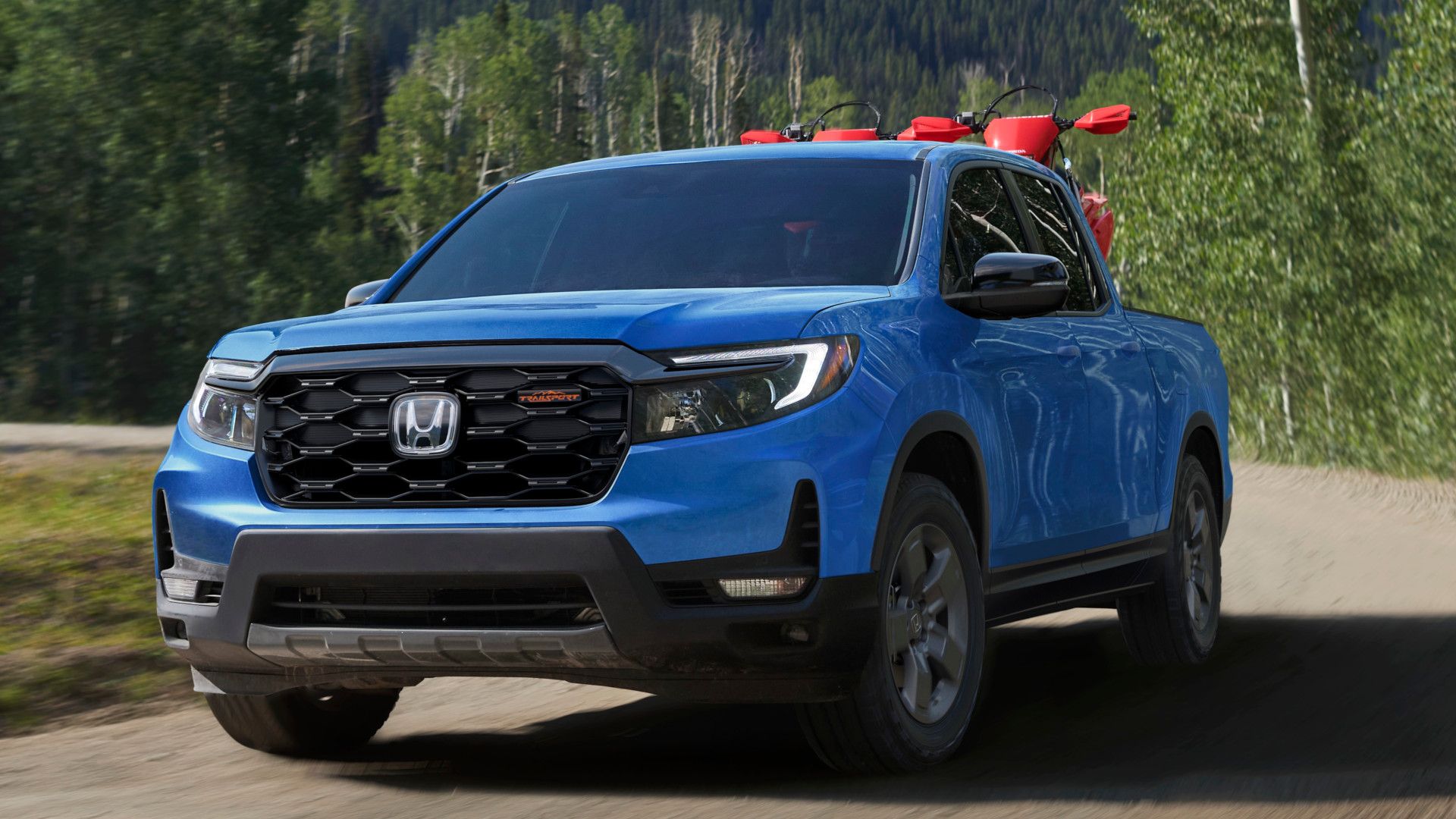
5. 2026 Honda Ridgeline TrailSport Hybrid
Honda’s Ridgeline has always played a different game from other midsize trucks, leaning more toward comfort and refinement than raw off-road dominance. But the 2026 TrailSport Hybrid marks a turning point.
Honda has re-engineered this version with a clear focus on making it tougher and more suitable for mixed-use drivers who want both city comfort and rural confidence. With a reinforced unibody platform and new hybrid system, the Ridgeline TrailSport Hybrid is being positioned as a surprisingly rugged offering in a segment filled with compromises.
This new hybrid version will utilize Honda’s two-motor hybrid system but modified for all-wheel-drive functionality and low-end torque delivery.
Honda is using a combination of steel and high-strength composite materials to reinforce the vehicle’s core, allowing it to maintain a smooth ride on pavement while still being able to absorb impacts off-road. Skid plates and trail armor come standard on the TrailSport trim, protecting sensitive hybrid electronics and oil pans from hits when traversing rough terrain or shallow water crossings.
One of the innovations in this model is the battery placement strategy. Honda has tucked the battery under the rear passenger floor, sealed and reinforced against intrusion, but also kept accessible for servicing. This helps maintain the flat bed layout and avoids sacrificing storage space.
Cooling systems have been redesigned to handle repeated cycles of electric-only use followed by engine-heavy climbs, a necessary feature for hybrid systems expected to work under duress in both warm and cold environments. The software also plays a role, offering predictive terrain management based on route data and throttle response to keep the system from being overworked.
Inside, the Ridgeline TrailSport Hybrid boasts one of the most durable cabins in Honda’s lineup. With washable seat covers, stain-resistant flooring, and all-weather electronics, it’s designed for adventurers and professionals alike.
The infotainment system even includes an onboard diagnostics module that allows drivers to track wear patterns on key components. Altogether, the 2026 Ridgeline TrailSport Hybrid might surprise those who’ve underestimated Honda’s commitment to building a reliable, nearly indestructible truck for hybrid-minded buyers.
Also Read: 5 Dodge Journey Years Worth Keeping vs 5 To Skip
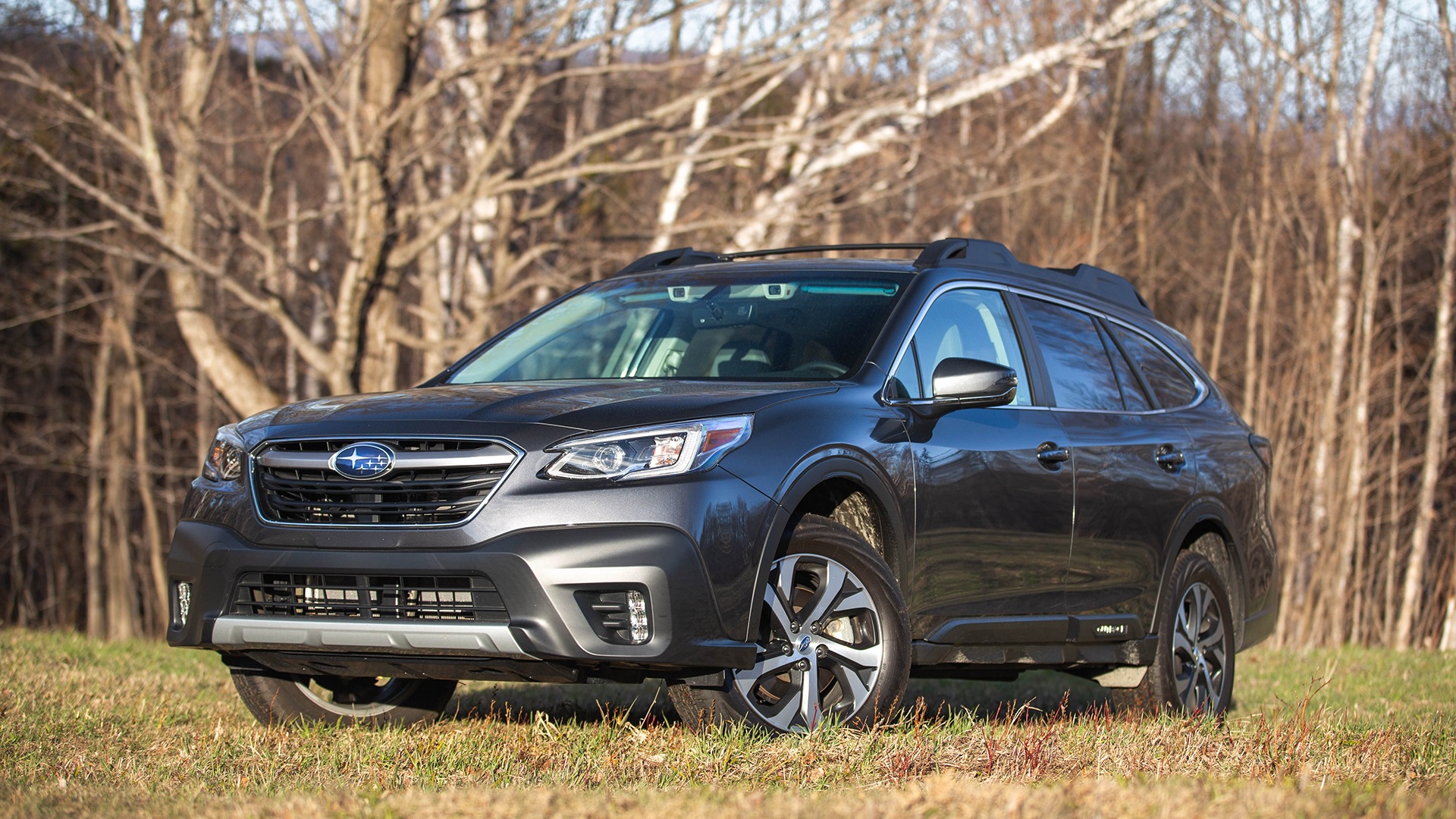
6. 2026 Subaru Outback Hybrid Wilderness Edition
Subaru’s reputation for all-terrain reliability is only getting stronger, and the 2026 Outback Hybrid Wilderness Edition may be its most capable and rugged offering to date. Subaru already has a loyal following of drivers who depend on their vehicles to take them deep into nature and safely back home.
This version of the Outback keeps that core idea alive while adding a hybrid system designed to take the stress off the traditional engine during long-distance trips or extended climbs.
The 2026 model includes Subaru’s e-Boxer setup but upgraded with higher voltage and a more robust electric motor assist system. This gives it better hill-climbing ability and lower fuel consumption when operating at slower speeds, perfect for long trailheads or mountain drives.
Subaru has also reworked the CVT transmission to better handle the added torque and integrate more seamlessly with the hybrid boost. Extra cooling ducts and transmission armor make this version ready for conditions that typically strain lesser crossovers.
Ground clearance in the Wilderness Edition is raised even further compared to standard Outback trims, giving the hybrid system added protection underneath. Reinforced subframes and thicker stabilizer bars help the vehicle resist twisting and bottoming out when traversing uneven terrain.
Protective cladding on the sides and underbody shields vulnerable components like brake lines, fuel lines, and the battery pack from damage by rocks or snow. These aren’t decorative pieces; they’re structural elements designed with abuse in mind.
Interior finishes are equally geared toward endurance. Subaru has included water-resistant seats, rubber floor mats with deep channels, and metal trim pieces that resist scratches and corrosion. One practical feature that stands out is the dual-battery protection software, which balances the charge across two battery modules to reduce long-term wear and extend battery lifespan.
This system also minimizes stress during regenerative braking cycles, which can overheat weaker hybrid setups. Altogether, the Outback Hybrid Wilderness Edition is shaping up to be a serious contender for those who want adventure-ready capability with technology that can last a lifetime.
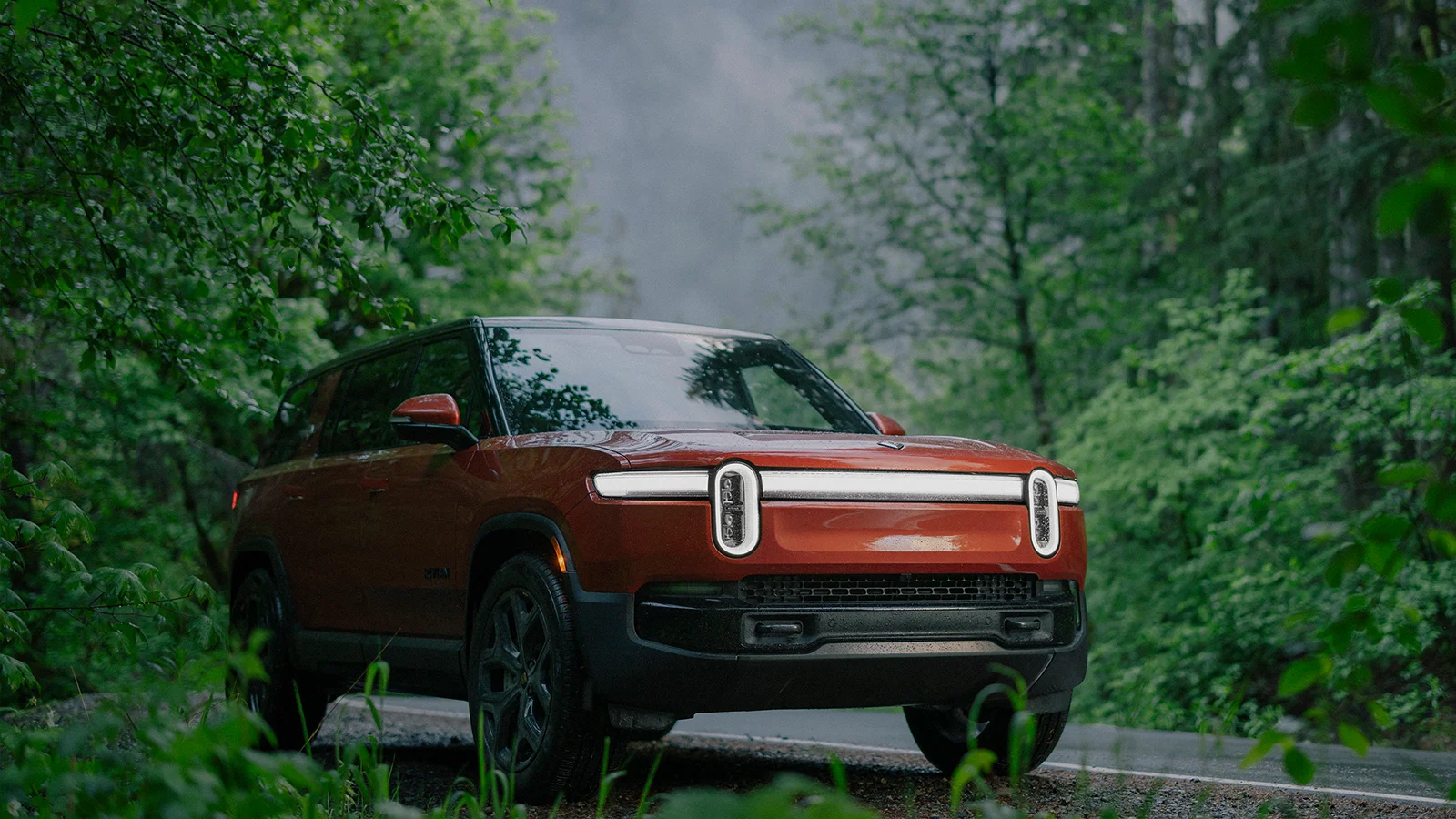
7. 2026 Rivian R1X Hybrid
While Rivian is primarily known for its fully electric vehicles, rumors and early reports suggest that the 2026 R1X will include a hybrid powertrain tailored for those needing extended range and extreme durability. Unlike most hybrids, this isn’t about saving fuel during a city commute.
The R1X Hybrid is expected to target adventure travelers, overlanders, and fleet users who demand a vehicle that can push through inhospitable environments where charging infrastructure might not exist, all without compromising on resilience.
The hybrid setup being hinted at combines a high-capacity battery with a small but potent gas generator designed to recharge the battery pack when needed. This design allows the R1X to run for hundreds of miles without a charging station, all while maintaining Rivian’s hallmark all-wheel drive and torque-vectoring capabilities.
The motors are mounted close to the wheels and encased in sealed housings that can resist water, dirt, and physical impact. With software managing both power flow and motor cooling, the drivetrain is expected to be one of the most advanced hybrid systems available.
Rivian’s reputation for rugged body construction continues here, with a reinforced chassis that uses ultra-high-strength steel and a new proprietary alloy mix for weight savings and corrosion resistance. The R1X is also designed to carry heavy loads and endure impacts from boulders, sand, snow, or ice without critical system failure. Underbody armor is standard and is made from layered materials that absorb shock and deflect heat, which is important for maintaining battery efficiency and safety in difficult conditions.
Inside, the R1X Hybrid will reflect Rivian’s premium utilitarian theme. Durable textiles, scratch-resistant plastics, and all-weather switches make the vehicle feel ready for field work or backcountry living. The hybrid system is expected to have self-diagnostic capabilities that monitor system integrity, letting drivers know when repairs or recalibrations are necessary.
This feature is critical when a service center is hundreds of miles away. With a blend of ruggedness and tech sophistication, the R1X Hybrid could set a new benchmark for what hybrid endurance really looks like in 2026.
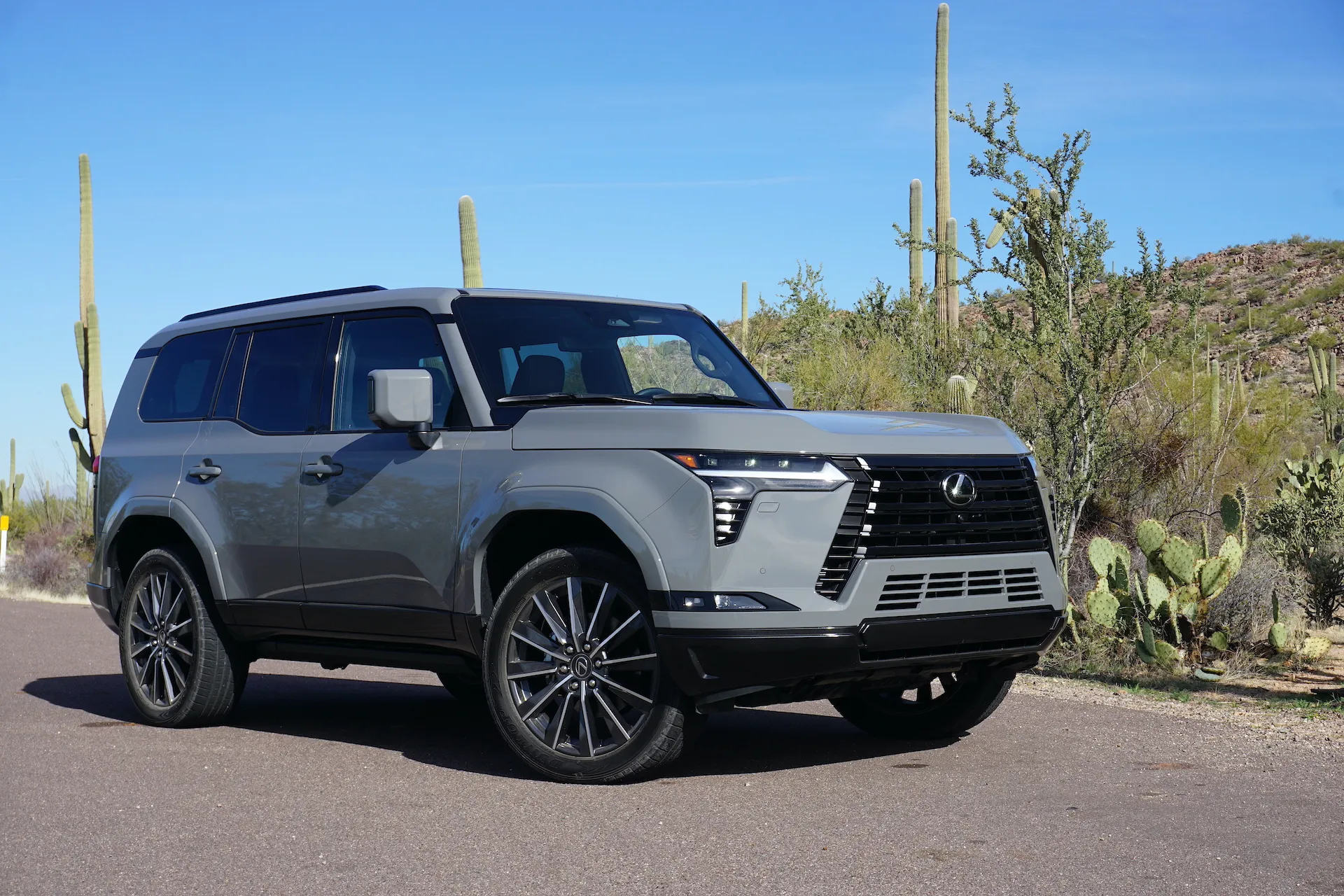
8. 2026 Lexus GX 550h+
Lexus is preparing to make a strong statement with the upcoming 2026 GX 550h+, a plug-in hybrid version of its already-impressive luxury SUV. The GX nameplate has long been associated with capability and longevity, often sharing bones with the legendary Toyota Land Cruiser Prado.
With the introduction of hybrid technology, Lexus is not moving away from that legacy, it’s reinforcing it with smarter engineering and more adaptable systems. The GX 550h+ is expected to be one of the most rugged luxury hybrids ever built, aimed at buyers who want opulence and off-road confidence in a single package.
What sets the GX 550h+ apart from many other luxury SUVs is its dedication to authentic toughness. While many premium vehicles prioritize comfort and technology above all else, the GX remains body-on-frame, which gives it a fundamental edge in durability and trail-readiness.
The hybrid components are carefully integrated into the existing chassis without compromising ground clearance or articulation. This model will offer a dual-motor assist setup for better control over traction, as well as a heavily armored underbody to protect batteries and wiring from physical impacts. Lexus has even re-engineered the cooling systems so the SUV can remain operational at high altitudes and in desert conditions.
The suspension on the GX 550h+ features adjustable ride height and adaptive damping, allowing the vehicle to maintain stability even when tackling uneven ground or carrying heavy gear.
The electronically controlled traction management system can anticipate tire slippage and adjust torque accordingly, reducing wear on drivetrain components while enhancing longevity. What makes the hybrid powertrain particularly suitable for rugged use is its built-in power modulation system that limits torque surges during climbing or crawling. This puts less strain on joints, gears, and bushings, which are often weak points in long-term vehicle reliability.
Inside, Lexus doesn’t compromise on luxury, but even that is tailored for a rugged lifestyle. The interior materials are designed to be stain-resistant, UV-tolerant, and easy to clean, a nod to owners who actually use their GX in the field.
Advanced monitoring systems will allow drivers to track the health of both combustion and hybrid components in real-time, potentially saving thousands in repairs by catching problems early. With its blend of prestige and sheer durability, the GX 550h+ isn’t just a luxury hybrid; it’s a fortress on wheels with the technology to match.
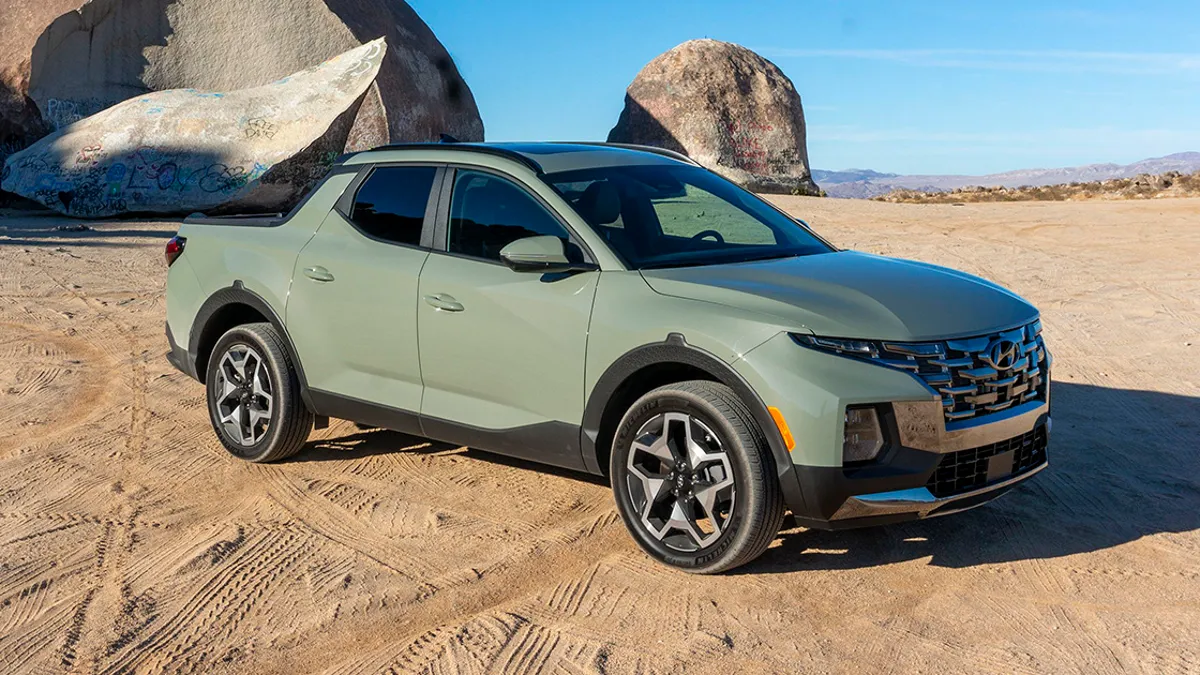
9. 2026 Hyundai Santa Cruz Hybrid XRT
Hyundai’s Santa Cruz has always stood out as a crossover-truck hybrid, offering SUV comfort with open-bed practicality. The 2026 Santa Cruz Hybrid XRT is set to push that concept even further, with a build that’s tailored for high utility, light off-road work, and long-term dependability.
This isn’t the kind of hybrid meant solely for efficient school runs. Hyundai is turning the XRT into a highly capable lifestyle vehicle, one that’s ideal for adventurers, tradespeople, or anyone who wants a smaller utility truck that doesn’t wear out quickly under pressure.
The hybrid powertrain in the 2026 model is expected to borrow heavily from Hyundai’s proven systems used in the Tucson and Santa Fe, but optimized for the Santa Cruz’s unique demands. This means dual-motor electric assist and a revised all-wheel-drive system that can send torque to the rear wheels more aggressively when needed.
The Santa Cruz Hybrid XRT will include reinforced front and rear bumpers, underbody skid plates, and a bed coated with a thick, non-slip composite that resists gouges, UV damage, and water intrusion. The hybrid battery is tucked safely between the axles, surrounded by structural reinforcements and impact-dampening foam layers.
Suspension and wheel travel are also improved in the XRT model. With extra clearance and slightly larger tires, the Santa Cruz Hybrid is being built to handle gravel roads, forest paths, and city potholes with equal ease. The chassis has been upgraded to distribute weight more evenly, which is particularly important when managing both a combustion engine and a battery pack.
Hyundai has focused on making the hybrid system mechanically simple to maintain, with easy-access components and fewer wearable parts compared to traditional drivetrains. This could mean lower long-term ownership costs and fewer major repairs over the vehicle’s lifetime.
Inside, the cabin isn’t just stylish, it’s smartly practical. Surfaces are scratch- and moisture-resistant, and the electronics are ruggedized to handle high-humidity or dusty environments. Hyundai is also introducing a “Smart Maintenance” dashboard interface that constantly evaluates battery life, cooling systems, and engine health.
This real-time diagnostic layer adds another element of durability, helping owners avoid being caught off guard by failures. The 2026 Santa Cruz Hybrid XRT isn’t pretending to be a full-size truck, but what it offers is a hard-to-break, smartly engineered utility machine built for real-world resilience.
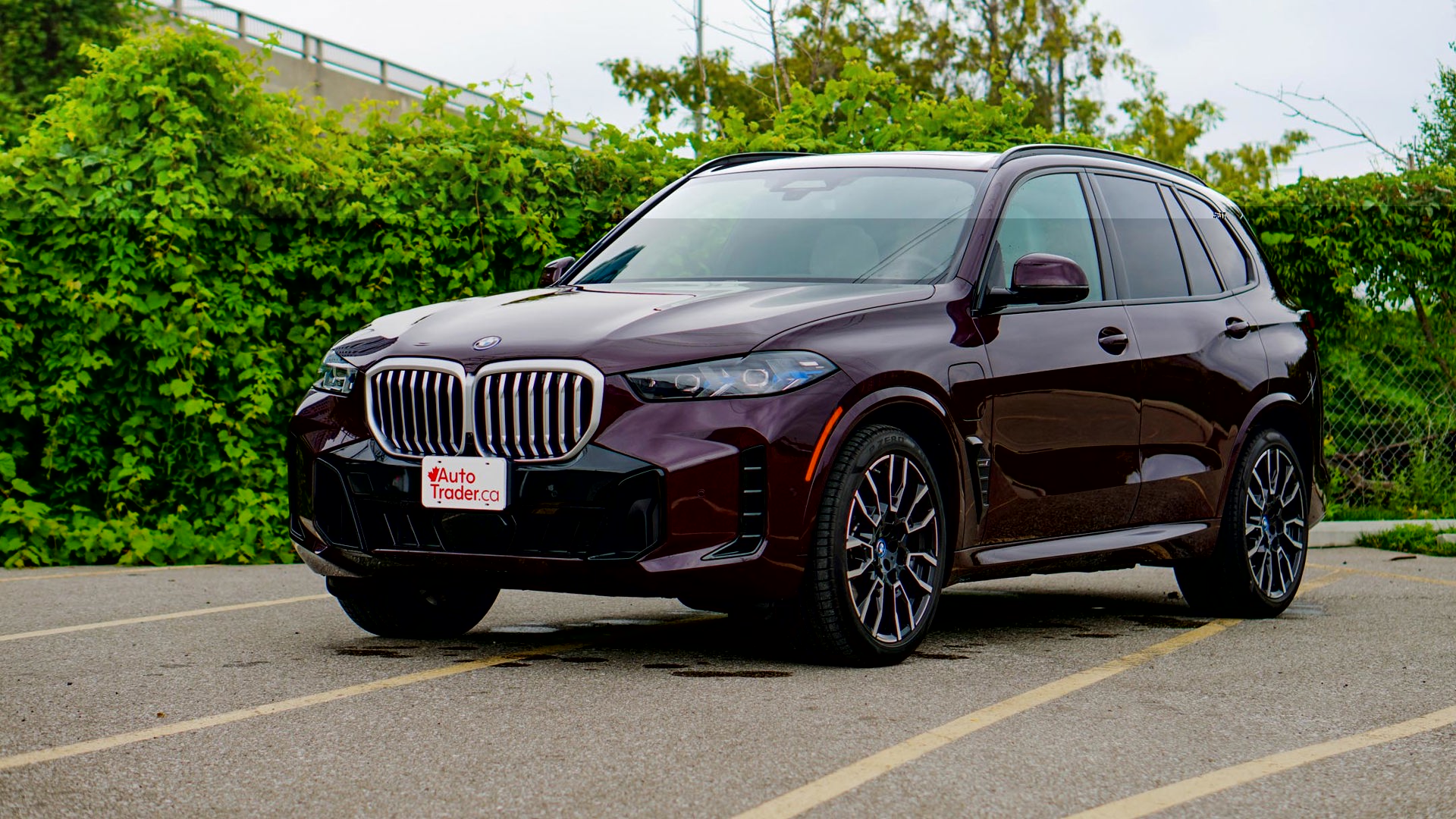
10. 2026 BMW X5 xDrive50e M Sport
BMW may not be the first brand that comes to mind when thinking of “indestructible” vehicles, but the 2026 X5 xDrive50e M Sport aims to challenge that perception by combining German engineering with plug-in hybrid efficiency and structural robustness.
As BMW continues to transition its core models into electrified formats, it’s also recognizing the importance of preserving performance and durability. The new X5 hybrid is not just fast and luxurious, it’s being built with longevity and all-condition usability at its core.
At the heart of the X5 xDrive50e is a powerful inline-six engine paired with an electric motor that offers enough torque to rival some V8 setups. BMW isn’t using the hybrid system simply to reduce emissions, it also allows for smoother power delivery, less strain on the engine at low speeds, and regenerative braking that helps preserve traditional braking components.
The hybrid battery is strategically placed to improve weight distribution and is mounted within a reinforced structural cage that can withstand direct hits without cracking or shifting under load. Even during spirited driving or extended use, the system maintains thermal efficiency thanks to a multi-zone cooling array borrowed from BMW’s high-performance vehicles.
The chassis itself is a mix of high-tensile steel, aluminum, and carbon-fiber-reinforced plastic in select areas. These materials allow for a strong yet light structure that resists fatigue and vibration over time.
BMW has put significant effort into minimizing potential failure points, including using fewer fasteners in key areas and opting for modular electrical components that are easier to replace without needing full system overhauls. The suspension system is adaptive and intelligently manages load transfers to protect components from undue wear, which is essential for preserving ride quality over tens of thousands of miles.
Inside the X5 hybrid, BMW focuses on tech that contributes to long-term usability. The interface includes predictive service scheduling, a hybrid-specific driving coach, and integrated diagnostics that flag wear conditions before they turn into failures.
Seats are wrapped in sustainable yet highly durable materials, and all electronics are sealed and insulated against moisture and vibration. In creating the 2026 X5 xDrive50e M Sport, BMW has managed to blend performance, luxury, and rugged reliability, showing that a premium hybrid SUV can also be a long-haul warrior, not just a showpiece.
