
Engines are the heart of any vehicle, and their sound often reflects the state of their health and durability. For many drivers, a quiet engine is a sign of smooth operation, solid engineering, and longevity, whereas a loud engine can indicate underlying problems or a design that naturally ages with noise.
As cars rack up miles, especially beyond 200,000, engine noise becomes a crucial factor in determining both comfort and maintenance costs. Certain engines are well-known for maintaining quietness and reliability over extended use, while others tend to develop more noise and rattling as they age.
Understanding which engines tend to stay quiet after high mileage and which are prone to getting loud helps buyers, enthusiasts, and mechanics anticipate maintenance challenges and make informed choices.
Quiet engines typically benefit from robust design, high-quality components, and manufacturing precision. Their ability to stay silent is often a sign of efficient combustion, minimal internal friction, and solid structural integrity. These engines tend to have fewer problems with worn bearings, valve noise, or timing chain rattle, which are common culprits of increasing noise.
On the other hand, engines that get loud after 200,000 miles may suffer from wear and tear on moving parts, degraded seals, or less precise engineering tolerances. Sometimes, design choices like timing belt versus chain, turbocharger configuration, or valve train type can influence how noisy an engine becomes with age.
The following article will outline five engines that have earned reputations for remaining quiet and reliable well past the 200,000-mile mark, then contrast them with five engines known for becoming noisy and problematic after similar mileage.
This comparison highlights not just the engineering behind these power plants, but also the real-world factors affecting engine sound as cars age. Whether you are a buyer looking for longevity or a mechanic advising on potential trouble spots, these insights will help clarify what to expect from different engines in the long run.
Also Read: 5 Honda Sedans That Rarely Break vs 5 That Constantly Do
5 Engines That Stay Quiet After 200K
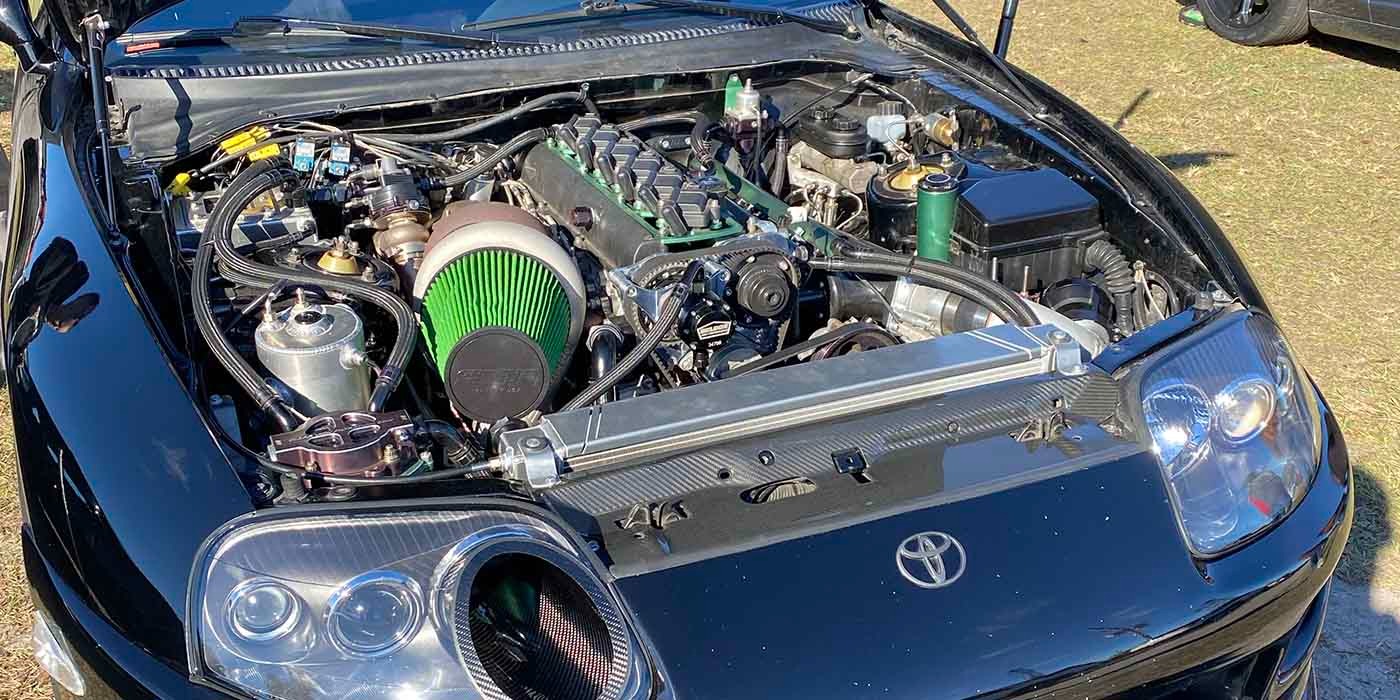
1. Toyota 2JZ-GTE (Inline-6)
The Toyota 2JZ-GTE is often regarded as a benchmark for engine longevity and quiet operation, particularly in the high-performance Toyota Supra MK4. This engine’s reputation is rooted in its iron block construction, forged internals, and a design philosophy centered on durability rather than just outright power.
The inline-six layout is inherently balanced, which reduces internal vibrations that often cause noise as engines age. The use of a cast-iron block combined with high-quality components creates a robust structure that resists wear and keeps mechanical noise to a minimum even after extensive use.
From the manufacturing side, Toyota’s stringent quality control and conservative tuning mean that the 2JZ-GTE rarely pushes components beyond their limits. This restraint, coupled with the use of a timing chain instead of a belt, reduces potential sources of noise over time, such as chain rattling or belt slapping. Regular maintenance and oil changes are critical for maintaining this quietness, but many owners report that the engine runs smoothly and silently even when pushed to the 200,000+ mile mark.
Moreover, the turbocharger setup on the 2JZ-GTE is built to endure, and unlike many turbo engines that develop whining or whining sounds, this one stays quiet thanks to its precision engineering.
The engine’s cylinder head design promotes efficient airflow and clean combustion, which reduces harsh combustion noise and allows the engine to run with a refined sound signature. This combination of mechanical solidity and smart engineering helps the 2JZ-GTE remain one of the quietest and most reliable engines available after high mileage.
Owners who have surpassed 200,000 miles with the 2JZ-GTE frequently praise its ability to maintain a near-new sound profile. Even under heavy acceleration or boost, the engine delivers power with a smoothness that minimizes harsh noises and vibrations.
This quiet nature extends the life of surrounding components and creates a comfortable driving experience that many other high-performance engines fail to match at similar mileage.
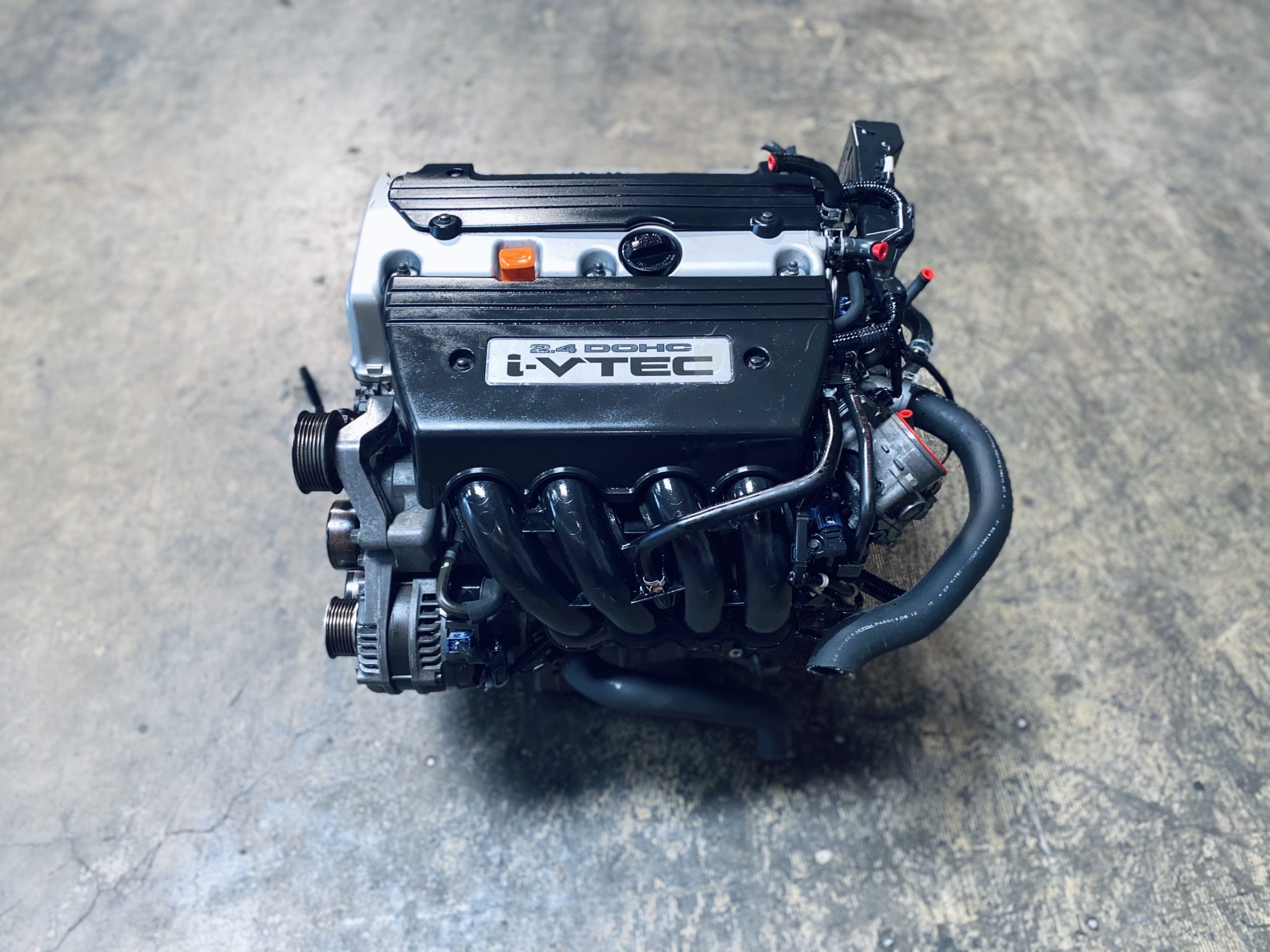
2. Honda K24 (Inline-4)
The Honda K24 engine is a modern inline-four that has become synonymous with reliability and smooth operation. Found in several Honda and Acura models, this engine benefits from an aluminum block and cylinder head, advanced DOHC architecture, and Honda’s well-known engineering precision.
One of the reasons the K24 stays quiet over hundreds of thousands of miles is its careful balance between performance and mechanical simplicity, which reduces the likelihood of noisy wear patterns developing over time.
The timing chain system in the K24 is particularly noteworthy, as it maintains proper tension and alignment for many miles, preventing the rattling or slapping noise that often plagues aging timing belt setups.
Honda’s use of hydraulic lifters in the valvetrain helps reduce valve train noise by automatically adjusting clearance, thereby preventing clatter that can become pronounced in older engines. The engine’s compact size and efficient combustion also contribute to low internal stress and reduced mechanical noise.
Another factor in the K24’s quietness is the precision of Honda’s machining and assembly processes. Tight tolerances in the pistons, rings, and bearings minimize friction and reduce the chances of knock or piston slap, common causes of loud engine noise as vehicles age.
Combined with the engine’s efficient cooling system and high-quality oil circulation, the K24’s components remain well-lubricated and cool, preserving quiet operation.
Drivers consistently report that even after surpassing 200,000 miles, the K24 offers a refined sound profile with smooth idling and acceleration. This smoothness contributes to the engine’s longevity, as less mechanical noise usually indicates lower internal wear and tear. The K24 stands as a testament to the value of engineering precision combined with thoughtful design to achieve long-term quietness and reliability.
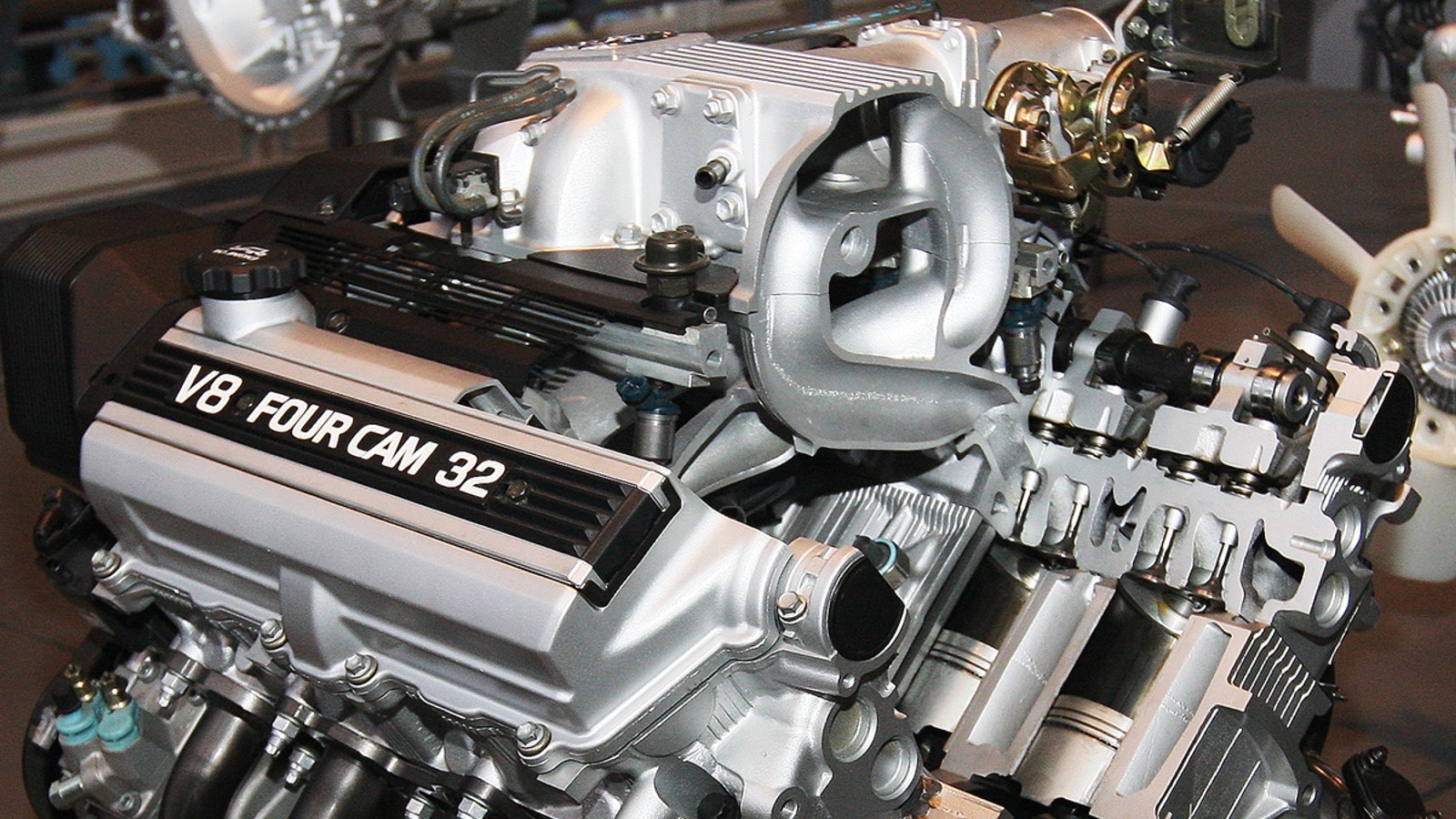
3. Lexus 1UZ-FE (V8)
The Lexus 1UZ-FE V8 engine stands out for combining luxury-level refinement with exceptional durability. Introduced in the late 1980s and found in Lexus flagship models like the LS400, this aluminum-block engine is renowned for its smoothness and near-silent operation, qualities that are rare for a V8 of its era.
The 1UZ-FE’s design focuses on reducing noise, vibration, and harshness, or NVH, through fully balanced crankshafts, precision-machined components, and extensive use of sound-deadening materials.
One of the main reasons this engine stays quiet beyond 200,000 miles is its use of a timing chain system, which avoids the common noises associated with aging timing belts. Hydraulic lifters further reduce valve train noise, preventing the ticking or clattering sounds typical of some older engines. The cylinder heads and combustion chambers are designed to promote smooth combustion, which minimizes harsh knocks or detonation sounds that might otherwise increase noise levels.
Owners often mention that the 1UZ-FE continues to deliver a silky, refined sound at idle and during acceleration even with high mileage. The robust construction of the crankshaft, connecting rods, and pistons keeps vibrations low, preventing noises related to internal wear.
The engine’s design was not just about power, but about creating a serene driving experience where engine noise is kept to a minimum, an approach that pays off even decades later.
Furthermore, Lexus complemented the engine’s design with extensive chassis and engine bay insulation, ensuring that any noise generated is muffled before it reaches the cabin. This holistic approach to quietness, combining mechanical design and vehicle insulation, helps the 1UZ-FE maintain its luxury feel long after many other engines would have become noisy and rough.
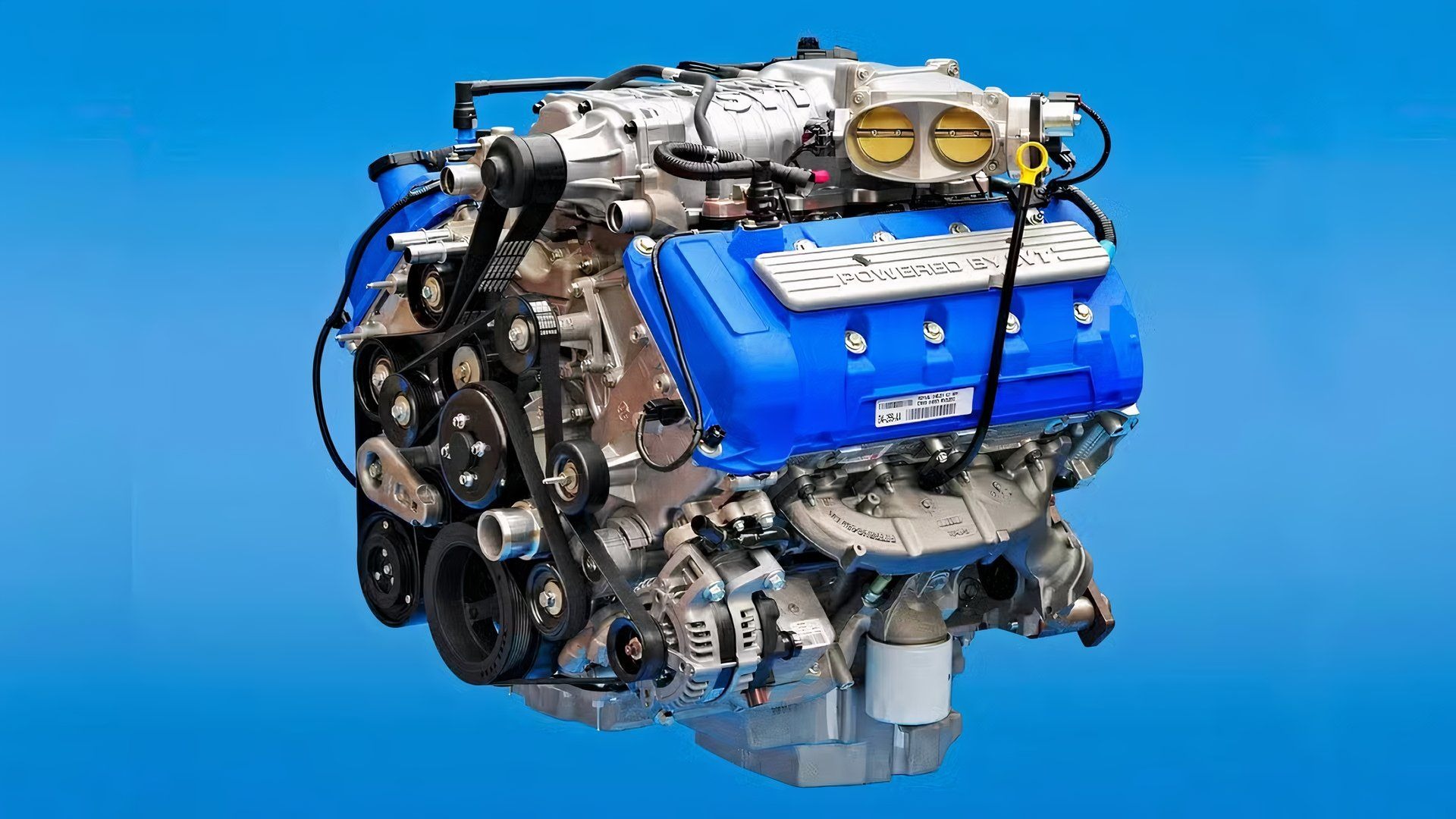
4. Ford Modular 4.6L V8 (SOHC)
The Ford Modular 4.6L SOHC V8 is known for its long service life and relatively quiet operation, particularly in its single overhead camshaft version. Introduced in the early 1990s, this engine was widely used across Ford’s lineup, including trucks, SUVs, and performance cars. The 4.6L SOHC’s iron block and aluminum heads contribute to both durability and noise reduction, offering a solid foundation that withstands wear without generating excessive noise.
One advantage of this engine is its simpler valvetrain compared to more complex multi-valve or DOHC designs. The single overhead camshaft, coupled with hydraulic lifters and rocker arms, minimizes the potential for valve train noise to develop over time. Its timing chain system is robust, and with proper maintenance, does not produce the rattling noises common in some other engines as miles accumulate.
Owners frequently note that their 4.6L SOHC engines continue to run smoothly and quietly even after 200,000 miles. The well-balanced crankshaft and sturdy internal components reduce vibrations, which translates to less mechanical noise during operation.
Despite its simpler design, the engine delivers dependable power without sacrificing refinement, making it a favorite for those seeking longevity with quiet performance.
In addition, Ford’s commitment to maintenance guidelines such as regular oil changes, cooling system upkeep, and valve adjustments ensures that these engines avoid many common noise-related failures. As a result, the 4.6L SOHC remains a workhorse engine that balances ruggedness with quiet operation, even well into the higher mileage range.
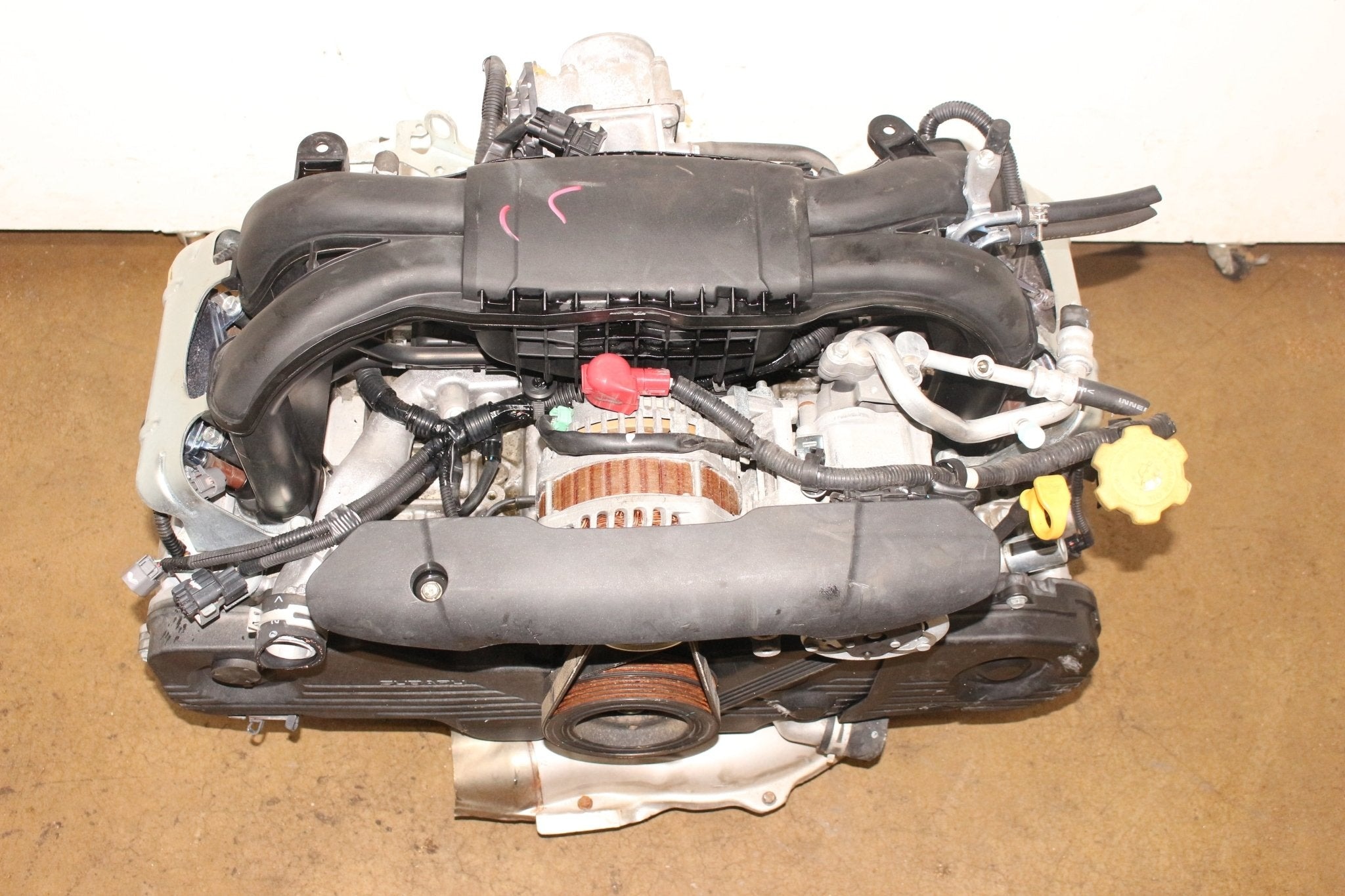
5. Subaru EJ25 (Flat-4)
The Subaru EJ25 engine, a horizontally opposed flat-four, is unique in its design and longevity. Its boxer configuration inherently balances the engine’s internal forces, significantly reducing vibrations and contributing to quieter operation compared to inline or V engines.
Widely used in models like the Subaru Outback and Forester, the EJ25 has earned a reputation for running smoothly and quietly well after surpassing 200,000 miles.
The flat design helps to lower the engine’s center of gravity and reduce vibrations transmitted to the chassis and cabin. This results in less noise from engine movement, a common source of complaints in less balanced engine layouts. Despite using a timing belt, which requires replacement at regular intervals, the EJ25’s timing system remains quiet and reliable when maintained properly, avoiding the rattling noises common in neglected timing systems.
Subaru’s attention to soundproofing and vibration isolation further enhances the engine’s quietness. Engine mounts are designed to absorb vibrations effectively, while sound insulation materials in the engine bay minimize noise transmission to the cabin. This means that even if minor internal noises occur, they are less likely to be heard by passengers.
Though the EJ25 has had some issues, such as head gasket failures in certain years, these problems do not typically cause the engine to become loud by themselves. With proper care, the EJ25 can maintain its smooth and quiet character, making it an excellent example of how engineering design and maintenance can keep an engine whisper-quiet well beyond 200,000 miles.
5 Engines That Get Loud After 200K
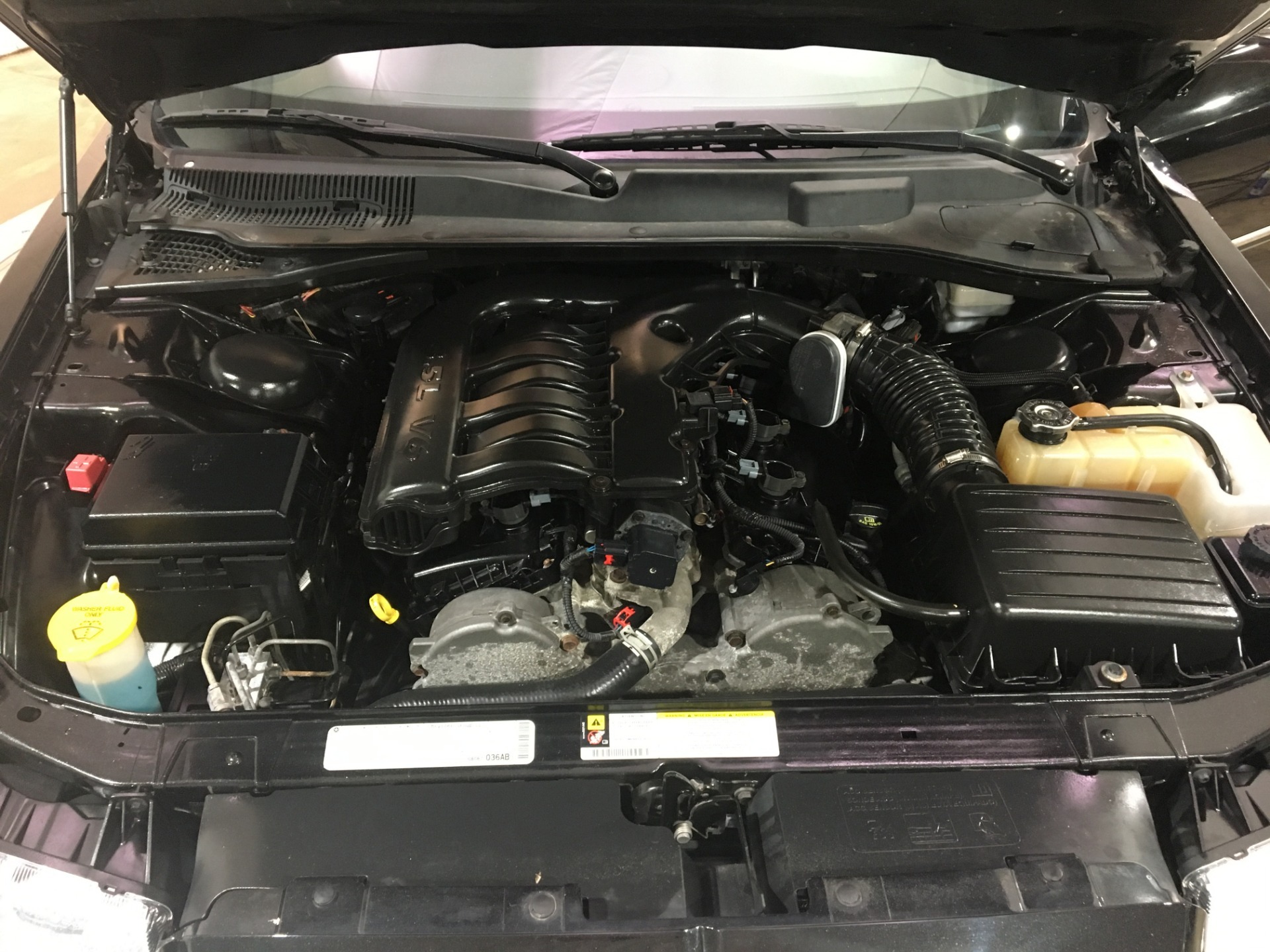
1. Chrysler 2.7L V6
The Chrysler 2.7L V6 engine has gained a reputation for becoming noisy and problematic as it surpasses 200,000 miles. This engine was used in a variety of Chrysler, Dodge, and Jeep models in the late 1990s and early 2000s.
While it offered respectable performance and fuel efficiency for its time, the 2.7L suffered from a number of design and manufacturing issues that contribute to its tendency to become loud with age. Owners often report ticking noises, loud rattling, and knocking sounds, which can signify deeper mechanical problems.
One major factor contributing to the increased noise is the timing chain tensioner system. This system, responsible for keeping the timing chain tight, is prone to failure or excessive wear over time. When the tension drops, the chain starts to slap against the timing cover or guides, producing a loud and persistent rattle.
This is not only an annoying noise but also a sign that the engine may be at risk of timing failure if the issue is not addressed promptly. The timing chain’s increased movement can also accelerate wear on other components, worsening the noise and potentially leading to costly repairs.
In addition to timing chain issues, the 2.7L has a complex valvetrain with multiple components that can wear unevenly or prematurely. The hydraulic lifters can begin to tap loudly when oil pressure drops or if oil change intervals are not properly maintained.
Valve seals and guides may wear as well, leading to increased valve noise or ticking sounds. Some owners also experience piston slap and rod knock, which contribute to the louder operation of the engine as it ages. The engine block’s aluminum construction, while lightweight, can sometimes amplify these noises compared to cast iron blocks.
Maintenance history greatly affects how loud a 2.7L engine becomes over time. Neglected oil changes or use of poor-quality oil can exacerbate wear on critical components, increasing noise levels and hastening failure.
Many owners who have pushed the engine past 200,000 miles report that it starts to sound harsh and rough, signaling the need for a rebuild or replacement. While some issues can be addressed with repairs, the engine’s design and materials inherently make it more prone to becoming noisy as it ages compared to more robust powerplants.
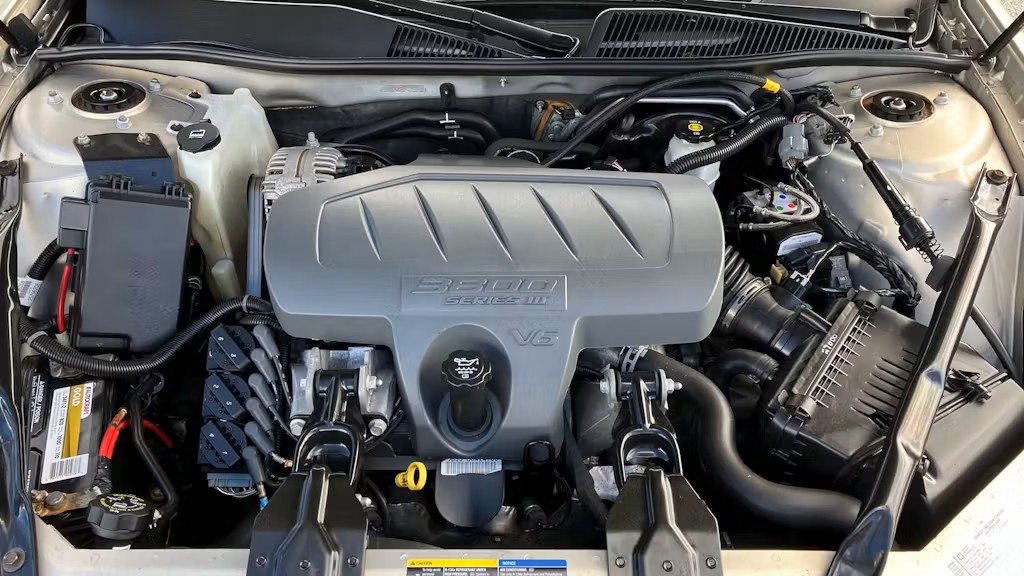
2. GM 3.8L V6 (3800 Series II and III)
The General Motors 3.8L V6 engine, particularly the Series II and III variants, was once celebrated for reliability but tends to develop noisy characteristics after 200,000 miles. This engine powered a variety of GM vehicles such as the Buick Regal, Pontiac Grand Prix, and Chevrolet Impala. While initially smooth and quiet, the 3.8L can become loud and less refined as key components wear out, leading to mechanical noises like lifter tick, valve clatter, and knocking.
A primary source of increased noise is the engine’s valvetrain. Hydraulic lifters, which are designed to maintain zero valve lash, can lose effectiveness over time due to wear or oil contamination. This leads to increased lifter noise, often described as tapping or clicking sounds, especially noticeable at idle. The valve springs and rocker arms can also wear, contributing to further valve train noise. This combination causes the smooth, quiet operation of the engine to deteriorate as mileage climbs.
The timing chain and tensioner system in the 3.8L can also develop problems that result in chain slap or rattling noises. Although the chain is designed to last the engine’s lifetime, wear on the guides and tensioners can cause it to become loose, creating a loud metallic noise that worsens over time.
The engine block and heads, made primarily from aluminum, tend to transmit these noises more readily, making the engine sound louder inside the vehicle.
As the engine ages, some owners experience piston slap, which is caused by excessive clearance between the piston skirts and cylinder walls. This slap is a distinct knocking or banging noise that usually gets worse when the engine is cold and can persist at idle or under load. Combined with the other valvetrain noises, the 3.8L V6 develops an unmistakably louder and rougher sound profile after 200,000 miles, signaling significant internal wear.

3. Ford 5.4L Triton V8 (3-valve versions)
The Ford 5.4L Triton V8 engine, especially the 3-valve SOHC versions found in Ford F-Series trucks, Expeditions, and other large vehicles, is notorious for developing loud and persistent noises after high mileage. While the engine is powerful and popular for its torque, its valvetrain design and certain components are prone to wear, causing the engine to become noisy and less pleasant to drive as it ages.
One of the most common complaints is the loud ticking or tapping noise that originates from the camshaft and lifters. The 3-valve Triton uses roller cam followers that can wear unevenly or prematurely, especially if oil quality or change intervals are neglected.
As the cam lobes wear down, the lifters begin to tap loudly, creating a persistent and often annoying tick. This noise is more than just an irritation—it can indicate worsening wear that may eventually lead to performance loss or failure.
The timing chain system on these engines can also contribute to noise. The tensioners and guides, which keep the timing chains tight, are susceptible to wear or failure. When they lose tension, the chain slaps against the engine’s timing cover or guides, producing a loud rattling noise. This rattle is often worse at startup or low RPMs and can signal the need for urgent maintenance.
Furthermore, the valvetrain geometry of the 3-valve SOHC design inherently creates more moving parts and friction points compared to simpler overhead cam engines, increasing the chance of mechanical noise as components wear. The aluminum heads and block, while lightweight, also transmit noise more efficiently, making these sounds more noticeable inside the cabin.
Despite these issues, many owners appreciate the 5.4L Triton for its performance and torque, but it is widely recognized that this engine does not maintain its quietness well past 200,000 miles without significant repairs or component replacements. Regular maintenance helps, but the design limitations mean that loud cam and lifter noises are often unavoidable with age.
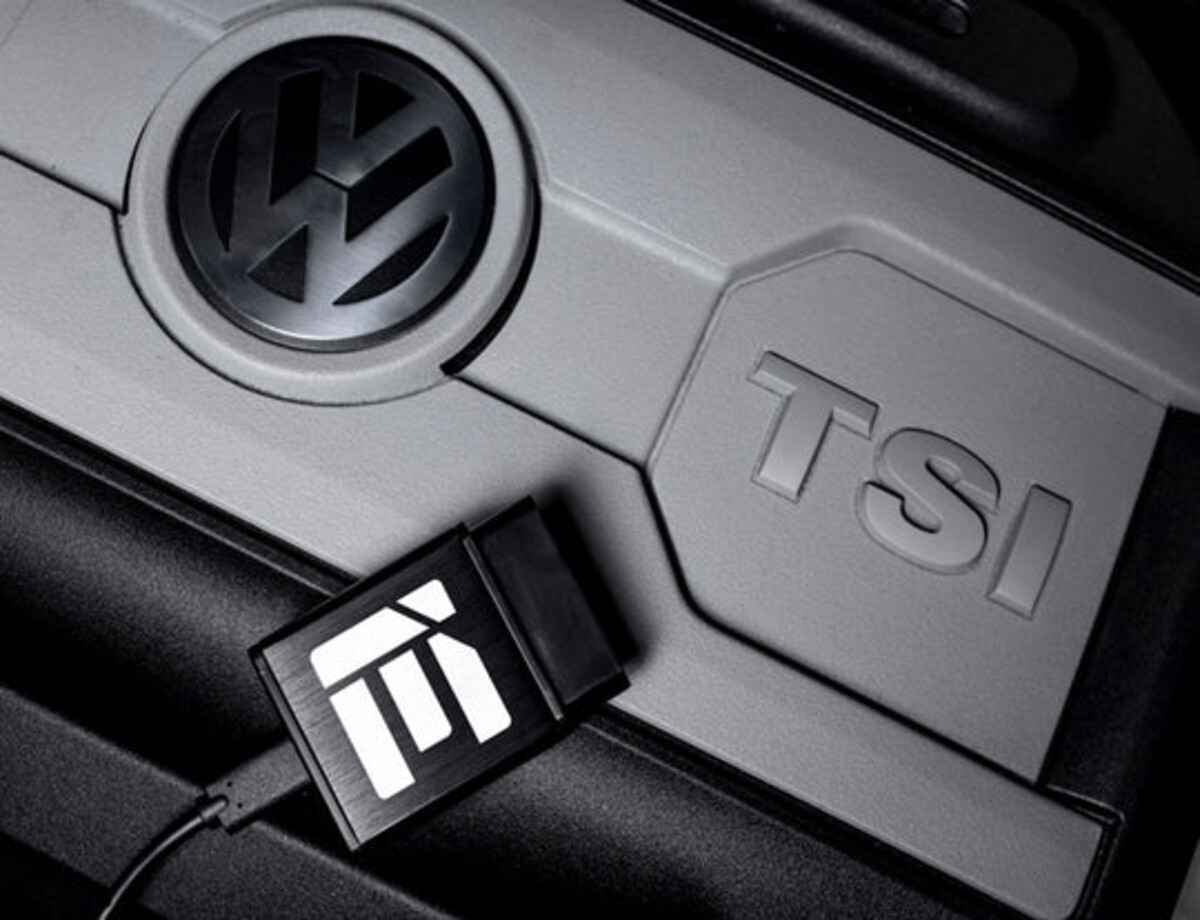
4. Volkswagen 2.0L TSI (EA888 Gen 1)
Volkswagen’s 2.0L TSI engine, particularly the first generation EA888, is a popular turbocharged powerplant known for good performance but also for developing noise problems after high mileage. This engine powers many Volkswagen and Audi models, but owners often report that it becomes noticeably louder after 200,000 miles, with ticking, rattling, and knocking noises emerging.
A key contributor to this increased noise is the timing chain system and its associated tensioners and guides. These components are known to wear prematurely in the EA888 Gen 1 engines, leading to reduced chain tension and subsequent chain slap against the timing cover. The result is a persistent rattle that can be heard at idle and during acceleration, often worsening as the engine ages. If left unaddressed, this can lead to timing failures or further mechanical damage.
Additionally, the valvetrain on this engine, which includes hydraulic lifters and roller cam followers, can develop wear that causes ticking or tapping noises.
Delayed or improper oil changes exacerbate this issue, as low oil pressure or contaminated oil reduces lubrication, increasing friction and noise. Turbocharged engines like the 2.0L TSI also experience higher internal pressures and temperatures, which can accelerate wear and the onset of noise.
The combination of direct injection, turbocharging, and the compact, high-output design creates complex combustion dynamics. Carbon buildup on valves and injectors can further affect combustion efficiency and valve seating, sometimes contributing to increased mechanical noise or knocking sounds. Owners often notice that these noises appear gradually, eventually making the engine sound rougher and louder than when new.
Despite its issues, the EA888 2.0L TSI remains a popular and powerful engine, but it is important for owners to stay on top of maintenance to minimize noise and mechanical wear. Unfortunately, many examples with high mileage develop noticeable loudness and less refined operation as a result of these inherent weaknesses.
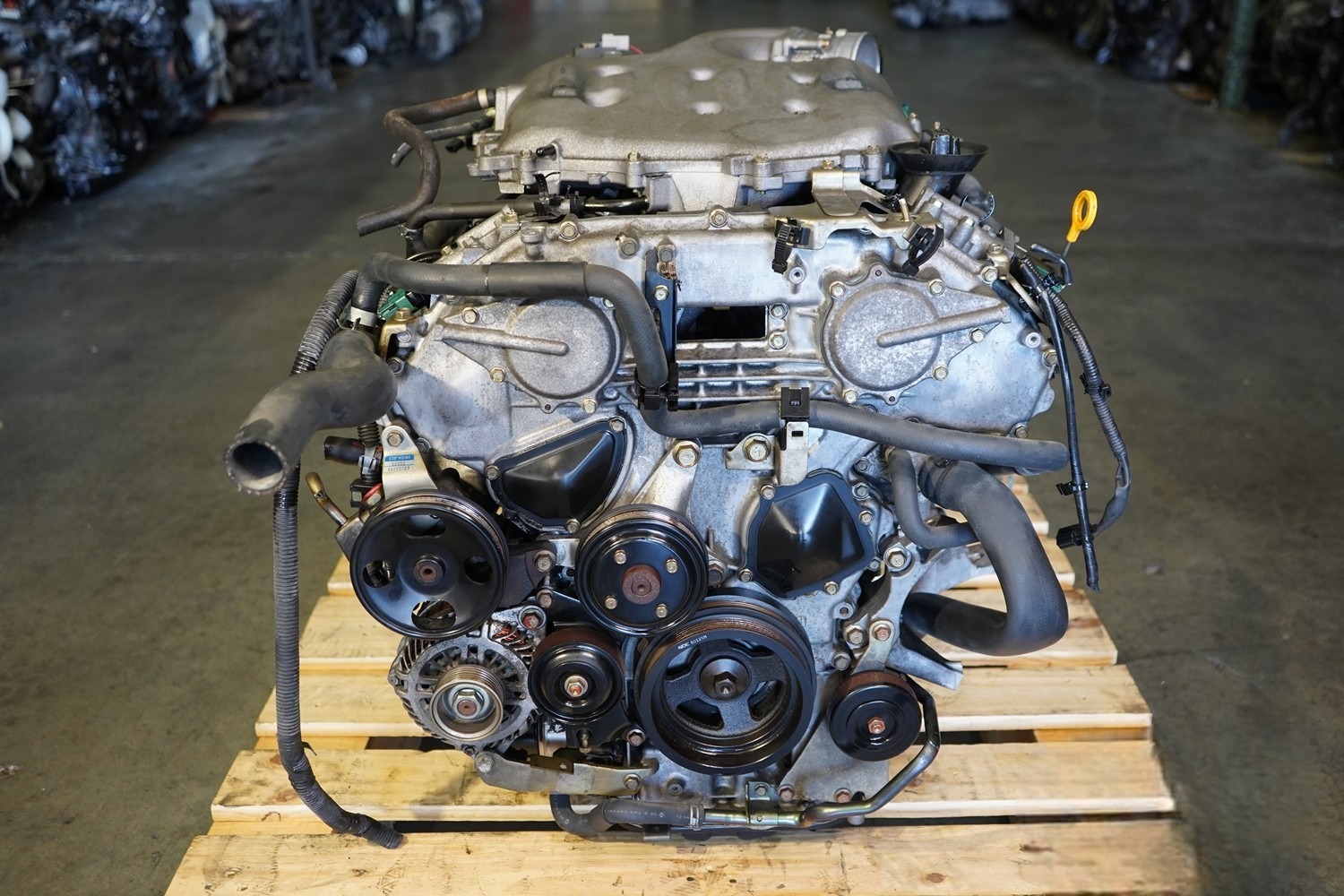
5. Nissan VQ35DE V6
The Nissan VQ35DE V6 engine is well-known for its solid performance and use in vehicles like the Nissan 350Z, Altima, and Maxima. However, while initially smooth and quiet, the VQ35DE tends to develop louder ticking and knocking noises after it surpasses 200,000 miles. This change in sound profile is often a sign of wear in several key engine components and can indicate the need for repairs or an overhaul.
A major source of noise in aging VQ35DE engines is the variable valve timing (VVT) system. As the engine wears, the VVT components, including solenoids and actuators, can degrade and cause irregular valve operation. This leads to rattling or tapping noises that become more noticeable at idle or during acceleration.
The timing chain system also plays a role; if the tensioner wears or the chain stretches, a loud rattling noise may develop, especially at startup.
Mechanical wear on camshafts, lifters, and valve train components contributes to the louder operation as well. Aluminum engine construction tends to transmit these noises more readily, making the ticking and knocking sounds more obvious to the driver and passengers. Furthermore, piston slap caused by wear on piston skirts and cylinder walls can develop, particularly in cold starts, adding to the noise level.
Owners frequently report that the VQ35DE’s noise increases gradually over time, signaling that the engine is aging and may require more frequent maintenance. While this engine can last well beyond 200,000 miles, the increasing loudness is often a downside for those who prioritize quiet operation. Proper maintenance can slow this progression, but some degree of noise is almost inevitable with such mileage on this engine.
Also Read: 5 Nissan Maxima Years You Can Keep vs 5 That Won’t Last
Engines that maintain quiet operation beyond 200,000 miles represent a combination of solid engineering, durable materials, and thoughtful design focused on longevity. From Toyota’s robust 2JZ-GTE inline-six to Honda’s precise K24 four-cylinder, these engines share features like balanced internal components, reliable timing systems, and advanced valvetrain designs that reduce mechanical noise and vibrations.
Similarly, luxury-focused powerplants such as Lexus’s 1UZ-FE V8 and reliable workhorses like the Ford 4.6L SOHC V8 show how attention to detail and proper maintenance can preserve an engine’s smooth and quiet character even after extensive use. Subaru’s boxer EJ25 further demonstrates how inherent design elements, such as engine balance and vibration isolation, can play a vital role in maintaining quietness over time.
On the other hand, some engines become noticeably louder as they accumulate high mileage, often due to design compromises, material choices, or complex valvetrain systems that are prone to wear. The Chrysler 2.7L V6, GM 3.8L V6, Ford’s 5.4L Triton, Volkswagen’s 2.0L TSI, and Nissan’s VQ35DE V6 all share the tendency to develop ticking, rattling, or knocking noises after long-term use.
These sounds often signal increased mechanical wear, deteriorating timing components, or valve train issues that require attention. In many cases, maintenance neglect accelerates these problems, but inherent design factors often set the stage for noise to increase with age.
Understanding the reasons behind quiet and noisy engines at high mileage is valuable for anyone considering long-term vehicle ownership or seeking reliability in a used car. While proper maintenance is crucial for extending an engine’s lifespan and preserving quietness, selecting an engine known for durable design and balanced construction provides a significant advantage.
The engines that stay quiet after 200,000 miles offer peace of mind, smoother driving experiences, and a testament to the importance of engineering focused on longevity rather than just short-term performance.
