
Reliability is often one of the first things buyers consider when shopping for a sport utility vehicle. The idea of spending thousands on a car, only to have it sit at a repair shop after a few years, can be deeply frustrating. Some people buy SUVs for family use, some for off-road capability, and others simply for the space and comfort they offer.
But regardless of the purpose, no one wants a vehicle that turns into a money pit. What many don’t always realize is that the cost of ownership isn’t just the sticker price or the fuel economy. Maintenance and repairs can quietly drain your wallet over time, and the difference between a dependable SUV and one that frequently breaks down can run into the thousands.
Different manufacturers have different reputations when it comes to reliability. Brands like Toyota and Honda have built strong followings due to their consistency over time, while others are known for their styling or performance but fall short in the long-term dependability department.
But even within a single brand, not all models are created equal. Some SUVs seem to be engineered for the long haul, requiring only basic upkeep, while others are plagued with electronic issues, transmission failures, or other problems that appear right after the warranty expires. Understanding these differences before making a purchase can save a lot of stress and financial headaches.
What makes some SUVs more reliable than others often comes down to a combination of engineering, simplicity, and long-term testing. SUVs that are over-engineered or packed with newer, untested technology can look appealing on the showroom floor but may bring unexpected headaches a few years down the line.
On the other hand, manufacturers that stick to tried-and-tested components and invest in build quality tend to produce vehicles that stay out of the shop. It’s not always about luxury or brand prestige; sometimes the most dependable SUVs are the ones that focus on function over flair.
In this article, we’ll look at five SUVs that are known for being relatively low-maintenance and five that, unfortunately, have developed reputations for frequent, expensive repairs. This comparison isn’t about personal preferences or styling, it’s focused entirely on how these vehicles hold up after years of ownership, especially when it comes to repairs that hit the wallet hard.
These observations are based on long-term trends, patterns across multiple model years, and real-world feedback from owners and mechanics.
Also Read: 5 Nissan Leaf Years Worth Owning vs 5 To Avoid
5 SUVs That Rarely Need Expensive Repairs
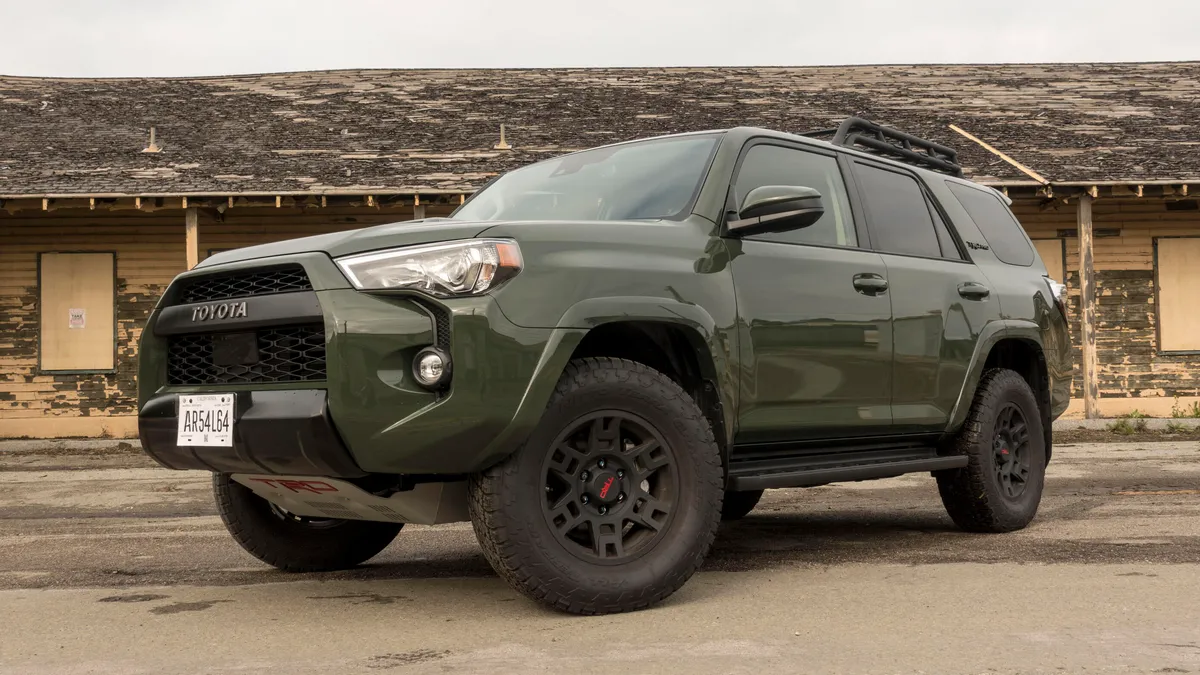
1. Toyota 4Runner
The Toyota 4Runner has built a name for itself over decades as one of the most reliable midsize SUVs on the market. Part of what makes it stand out is its old-school design. While other vehicles are chasing futuristic interiors and complex electronics, the 4Runner sticks to a more traditional platform.
This simplicity has been one of its strongest points. It uses a naturally aspirated V6 engine that’s been in Toyota’s lineup for years, and the transmission is also proven. These components are known for their durability, and with basic maintenance, they can run for hundreds of thousands of miles without requiring major work.
Owners of the 4Runner often report very few mechanical issues even after a decade of ownership. Suspension components, brakes, and general wear items will eventually need replacement, but large, costly failures are rare.
Because Toyota has kept the design relatively unchanged for so many years, mechanics are familiar with every inch of this vehicle. That also means parts are easy to find and relatively affordable. When problems do come up, they’re usually predictable and inexpensive to fix, which is a big reason why the 4Runner has such a loyal fanbase.
Another thing that makes the 4Runner dependable is its body-on-frame construction. While this adds weight and makes it slightly less fuel efficient, it also gives it rugged strength. That makes it great for off-road use and heavy driving conditions.
It also means it doesn’t suffer from the same sort of chassis fatigue that some unibody SUVs experience after long-term use. Many 4Runners stay on the road well past the 200,000-mile mark with only minor upkeep, and that kind of consistency is hard to ignore.
In terms of technology, the 4Runner avoids going overboard. You won’t find air suspension systems or dozens of control modules for every feature, which are often the first things to break on less reliable vehicles. This focus on durability over flash gives the 4Runner its edge in long-term reliability, making it a solid choice for anyone who wants an SUV they can count on without worrying about constant trips to the shop.
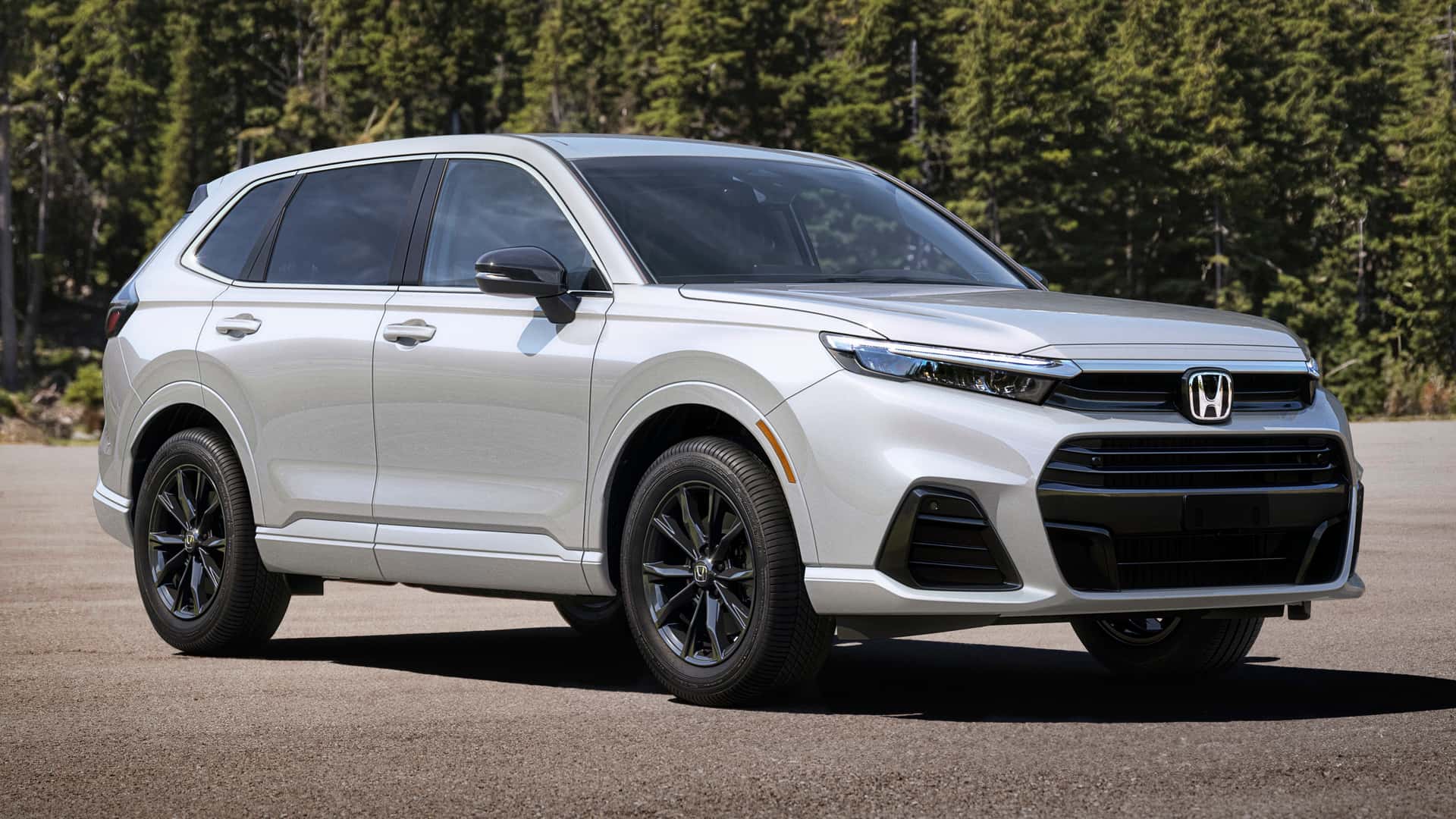
2. Honda CR-V
The Honda CR-V has been a staple in the compact SUV segment for years, and much of its success comes from how dependable it is. Owners frequently praise it for requiring only routine maintenance even after years of daily use. It’s a practical vehicle built with quality materials and a strong emphasis on reliability.
The engines used in CR-Vs, particularly the 2.4L naturally aspirated inline-4 versions, are among the most reliable in Honda’s history. They don’t suffer from common failure points like timing chain problems or overheating issues, and they’re designed for longevity.
One of the things that helps the CR-V stay out of the repair shop is its balanced engineering. It doesn’t overcomplicate things. The drivetrain is simple, the electronics are stable, and the suspension is tuned more for comfort than complexity.
Honda tends to avoid risky new technologies in its mainstream models, which means fewer parts that can fail. Even newer versions that feature turbocharged engines have managed to maintain a decent reputation, though older non-turbo models still hold the crown when it comes to simplicity and ease of maintenance.
The CR-V also benefits from a massive supply of affordable parts. Because it has sold in such large numbers over the years, aftermarket parts are readily available, and repair costs are relatively low compared to other SUVs. Most routine repairs, like brakes, axles, or suspension components, can be done affordably. Additionally, many independent mechanics know the CR-V inside and out, so labor costs tend to stay reasonable.
Drivers who choose the CR-V often cite peace of mind as a major reason for their loyalty. Whether it’s being used as a family vehicle or a commuter car, it has a strong reputation for being dependable across a wide range of driving conditions. Very few models have recurring mechanical problems, and many last well beyond the 200,000-mile mark. For people who want an SUV that just works without surprise costs, the CR-V continues to be a smart pick.
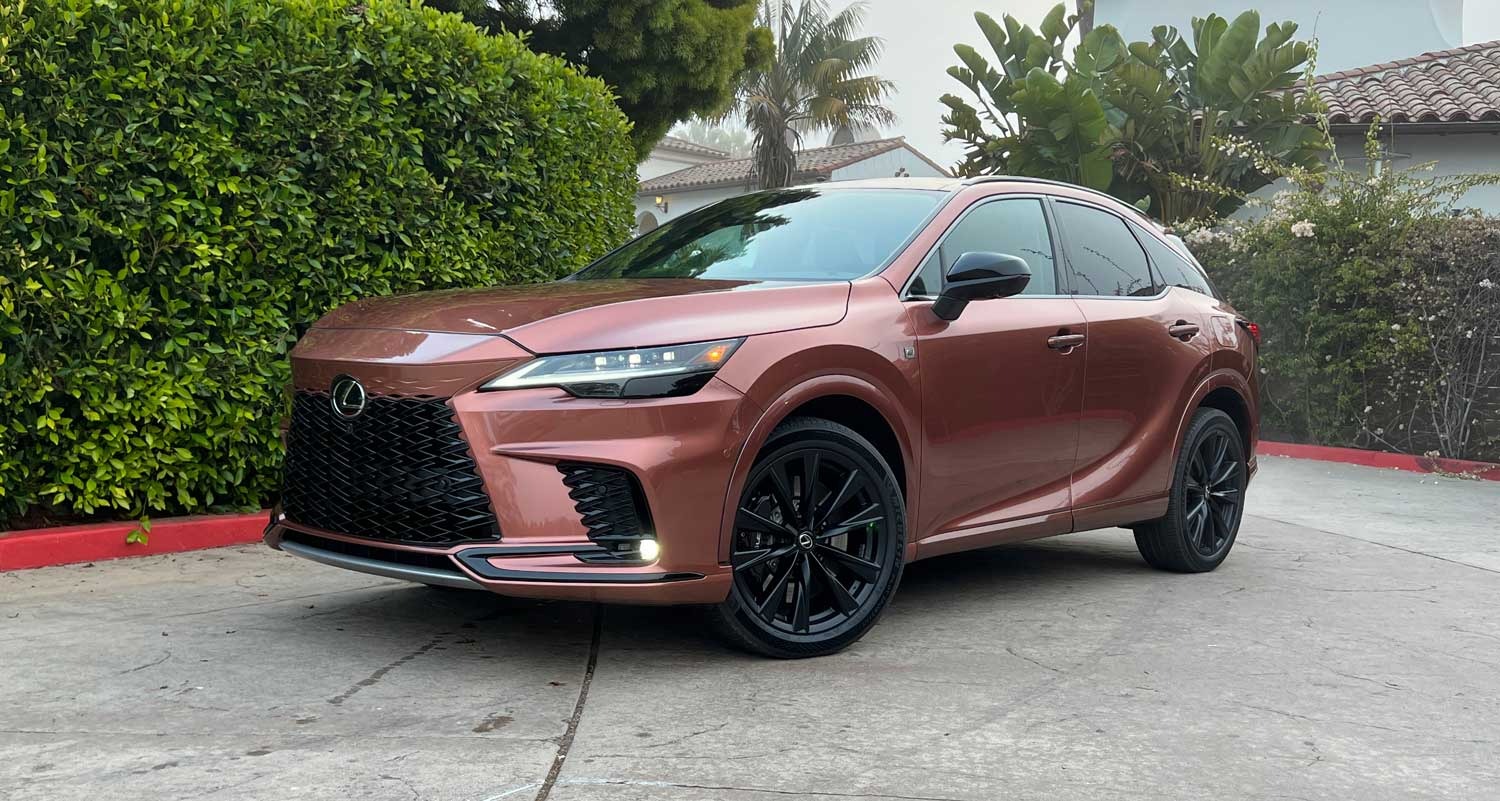
3. Lexus RX
The Lexus RX is a luxury SUV, but unlike many others in its class, it has proven to be exceptionally reliable over time. Built on the same platform as the Toyota Highlander, the RX benefits from Toyota’s long history of engineering dependable vehicles.
While it does offer a more refined interior and more features, the core mechanical components are still focused on simplicity and durability. Many mechanics often refer to the RX as a “luxury Camry SUV” because of how few problems it has.
Even though it comes with high-end features, the RX doesn’t typically suffer from the kinds of failures that other luxury SUVs deal with. The engines are known for running smoothly past 250,000 miles with proper maintenance.
The transmission is solid, and there are few reports of electrical issues or computer problems. Lexus tends to be conservative when it comes to technology, introducing changes gradually rather than all at once, which helps keep reliability high.
Another factor that plays in the RX’s favor is its customer base. Many RX owners keep their vehicles for a long time and maintain them well. That means used models are often in better condition compared to other SUVs in the same price range. The resale value remains high, and the cost of ownership is low, especially when factoring in how rarely expensive repairs are needed.
The RX is also less likely to have catastrophic failures. Water pumps, alternators, and other parts do wear out eventually, but they usually give warning signs and don’t tend to fail without notice. When repairs are needed, they’re usually straightforward and don’t involve tearing apart major components. As a result, the RX continues to be one of the few luxury SUVs that can be owned long-term without running into major financial headaches.
4. Mazda CX-5
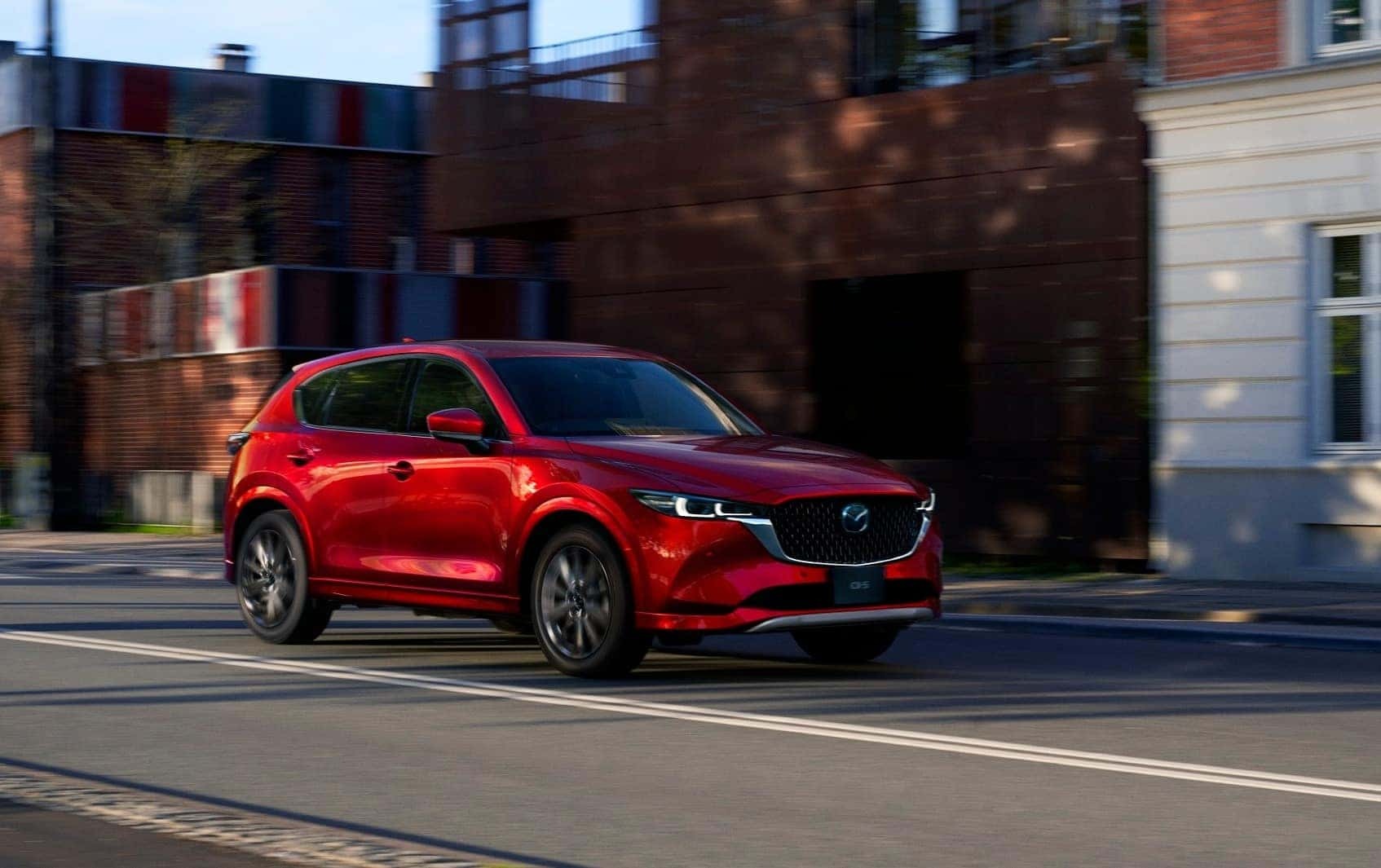
Mazda has made significant improvements in quality over the past decade, and the CX-5 is one of the best examples of that progress. It combines stylish design with practical reliability, and it consistently scores well in owner satisfaction. The naturally aspirated engines offered in most CX-5 trims are simple and dependable. They lack turbochargers and other complex systems that tend to fail in other models, which helps keep repair costs down. The transmission, too, is reliable and rarely suffers from unexpected issues.
Mazda’s focus on lightweight engineering and mechanical simplicity pays off when it comes to long-term durability. The CX-5 doesn’t carry unnecessary weight or overcomplicated systems. That means fewer parts are under stress, which often translates into a longer lifespan for the vehicle. Owners report that, outside of regular maintenance, the most they’ve had to replace are things like brake pads, tires, and battery, all standard items.
Another advantage is that the CX-5 avoids the problematic infotainment and electrical systems that have plagued other brands. While the system is basic compared to more luxurious options, it rarely causes trouble. Sensors, modules, and other electronic components don’t tend to fail prematurely, which helps keep owners out of the shop. The CX-5 is an excellent choice for anyone looking for a blend of comfort, practicality, and low-cost ownership.
5. Subaru Forester
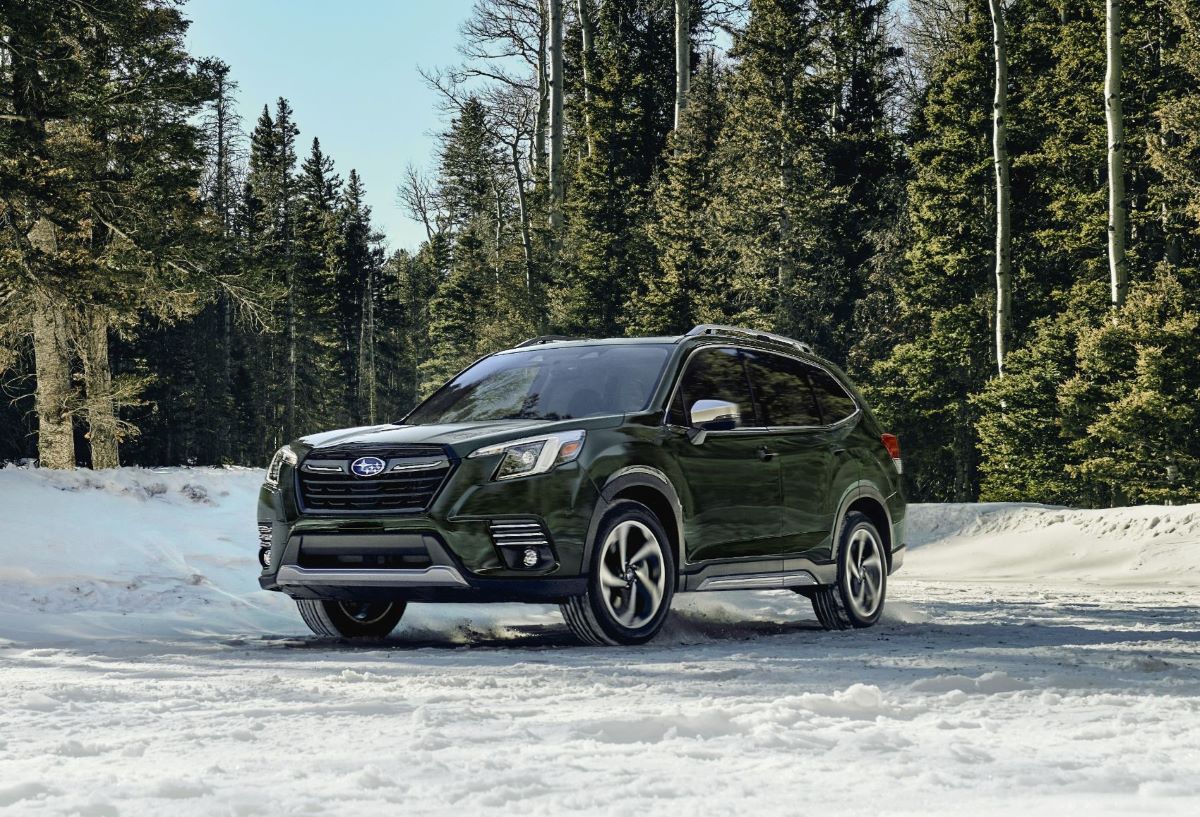
The Subaru Forester has earned a reputation for reliability that is closely tied to its practical design and mechanical consistency. It stands out as one of the few all-wheel-drive SUVs in its class that offers great traction without relying on overly complex systems.
Subaru’s symmetrical all-wheel-drive system has proven to be one of the most durable and low-maintenance designs on the market. Combined with the proven flat-four “Boxer” engine, the Forester delivers long-term performance when properly maintained. What helps the Forester avoid expensive repairs is the fact that Subaru has refined its engine and drivetrain design over many years, sticking with engineering that works rather than chasing the latest trends.
Owners of the Forester often report trouble-free ownership for years, with maintenance usually limited to standard wear-and-tear items. Common services like oil changes, timing belt replacements (on older models), and brake maintenance are predictable and do not cost more than average.
Earlier models had some head gasket issues, but Subaru addressed these over time, and newer models tend to be solid across the board. What stands out is how rarely the Forester experiences unexpected failures or catastrophic issues that require thousands of dollars to repair. As long as the cooling system is maintained and oil changes are done on time, the engine performs well well beyond 150,000 or even 200,000 miles.
The interior and electronics in the Forester also follow a straightforward path. Subaru tends not to overcomplicate things with excessive touchscreens or unreliable tech packages. Instead, they focus on intuitive controls, simple layouts, and fewer failure-prone modules.
That approach keeps the ownership experience stress-free, especially for people who don’t want to deal with glitchy sensors or computer faults. Even the EyeSight safety suite, which is one of Subaru’s main tech features, is relatively reliable and doesn’t tend to throw constant error codes or need recalibration like similar systems in other brands.
Finally, the Forester’s strong community of owners and mechanics contributes to its reliability. Because so many people drive and maintain these vehicles, there’s a wealth of knowledge available for repairs and upkeep. Affordable parts, a common-sense design, and proven mechanics all help keep the Forester on the road and out of the shop. For drivers looking for year-round usability and long-term dependability without massive bills, the Forester continues to be a smart, low-risk option.
Also Read: 5 Honda Sedans That Rarely Break vs 5 That Constantly Do
5 SUVs That Constantly Need Expensive Repairs
1. Land Rover Discovery
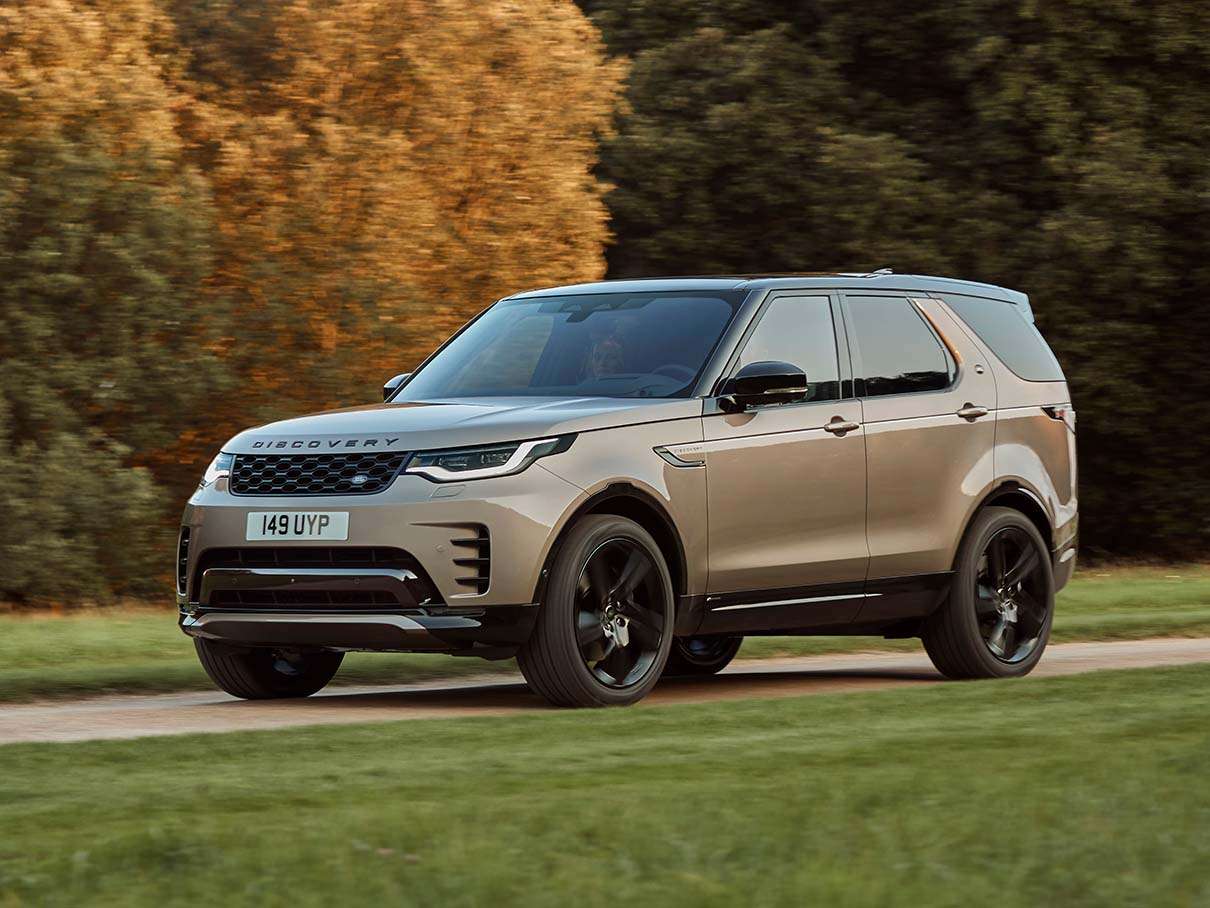
The Land Rover Discovery is often praised for its premium feel, off-road capabilities, and upscale features, but when it comes to reliability and long-term ownership, the story changes dramatically. Over the years, the Discovery has built a reputation for being unreliable, largely due to a mix of complex electronics and mechanical failures that frequently show up after the warranty period ends.
Electrical systems, in particular, are a sore point for many owners. From touchscreen issues to sensor faults and warning lights that won’t turn off, the Discovery is full of advanced systems that are prone to failure, and fixing them often involves costly diagnostic work followed by expensive parts replacements.
Another major issue that affects the Discovery is its air suspension system. While it provides a comfortable ride when working properly, the components are notoriously unreliable. Owners often report sagging suspension, compressor failures, and sensor errors that require parts replacements costing thousands.
In many cases, one failure leads to another, and it’s not uncommon for the vehicle to be stuck in “limp” mode until repairs are made. Even routine suspension fixes become major headaches due to the level of complexity involved and the lack of affordable aftermarket parts.
Engine and drivetrain issues are also more common than they should be in a vehicle at this price point. Diesel models in particular have experienced problems with emissions systems and turbochargers, while petrol variants suffer from oil leaks and overheating.
The automatic transmission, while smooth when new, has been known to fail prematurely in certain model years, requiring rebuilds or replacements that cost far more than the average SUV repair. These aren’t isolated incidents, they’re recurring complaints among long-time Discovery owners.
The cost of ownership for a Discovery isn’t just about what breaks; it’s also about how often it breaks and how difficult it is to get parts and skilled labor. Many dealerships and independent mechanics struggle with the vehicle’s intricate systems, which means repairs can drag on for days or weeks.
Labor rates are high, diagnostic tools are expensive, and replacement parts can be both rare and overpriced. This all adds up to a frustrating ownership experience where even minor problems can balloon into major costs.
2. Jeep Grand Cherokee (Certain Model Years)
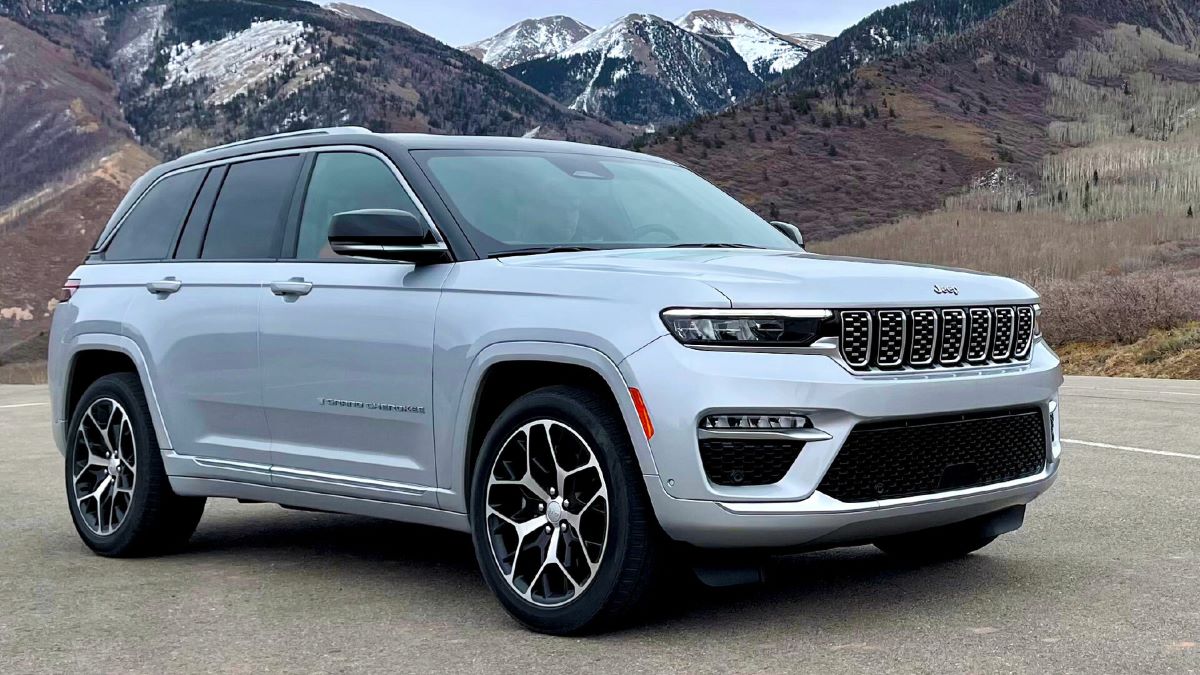
The Jeep Grand Cherokee is a well-loved SUV with a strong brand following, but not all versions have lived up to expectations, especially when it comes to reliability. While some model years have performed reasonably well, others are riddled with problems that tend to surface well before reaching 100,000 miles.
Electronic issues are among the most common complaints, including problems with the Uconnect infotainment system, sensor malfunctions, and electronic throttle control faults. These aren’t just minor inconveniences, they can lead to situations where the car won’t start or shifts erratically, requiring reprogramming or replacement of expensive components.
One of the most troubling aspects of certain Grand Cherokee models is their transmission. The 8-speed automatic transmission used in some trims has shown repeated failures, often involving harsh shifting, delayed engagement, or complete loss of drive. Replacing or rebuilding these transmissions is not cheap, and the labor involved can be extensive.
Some owners have had to go through multiple replacements, and issues often persist even after repairs are completed. This leads to frustration and loss of confidence in the vehicle’s long-term viability.
Suspension components also tend to wear out prematurely, especially in higher-end trims with adjustable air suspension. Struts, control arms, and sway bars have a history of failing earlier than expected, and when combined with the cost of alignment and replacement parts, it becomes a pricey fix.
Air suspension models are particularly notorious for sagging or failing altogether, often leaving the vehicle unlevel and undrivable until repairs are made. These problems aren’t just cosmetic, they directly affect safety and drivability.
Engine reliability varies widely depending on the powertrain. While the base V6 tends to be relatively solid, higher-performance versions like the HEMI V8s have experienced oil burning, cooling system failures, and occasional camshaft issues.
Combined with the other problems, these powertrain faults can turn ownership into a constant back-and-forth with mechanics. Many owners find themselves spending thousands to keep their Grand Cherokee on the road, even if they love the way it drives when everything is working properly.
3. BMW X5
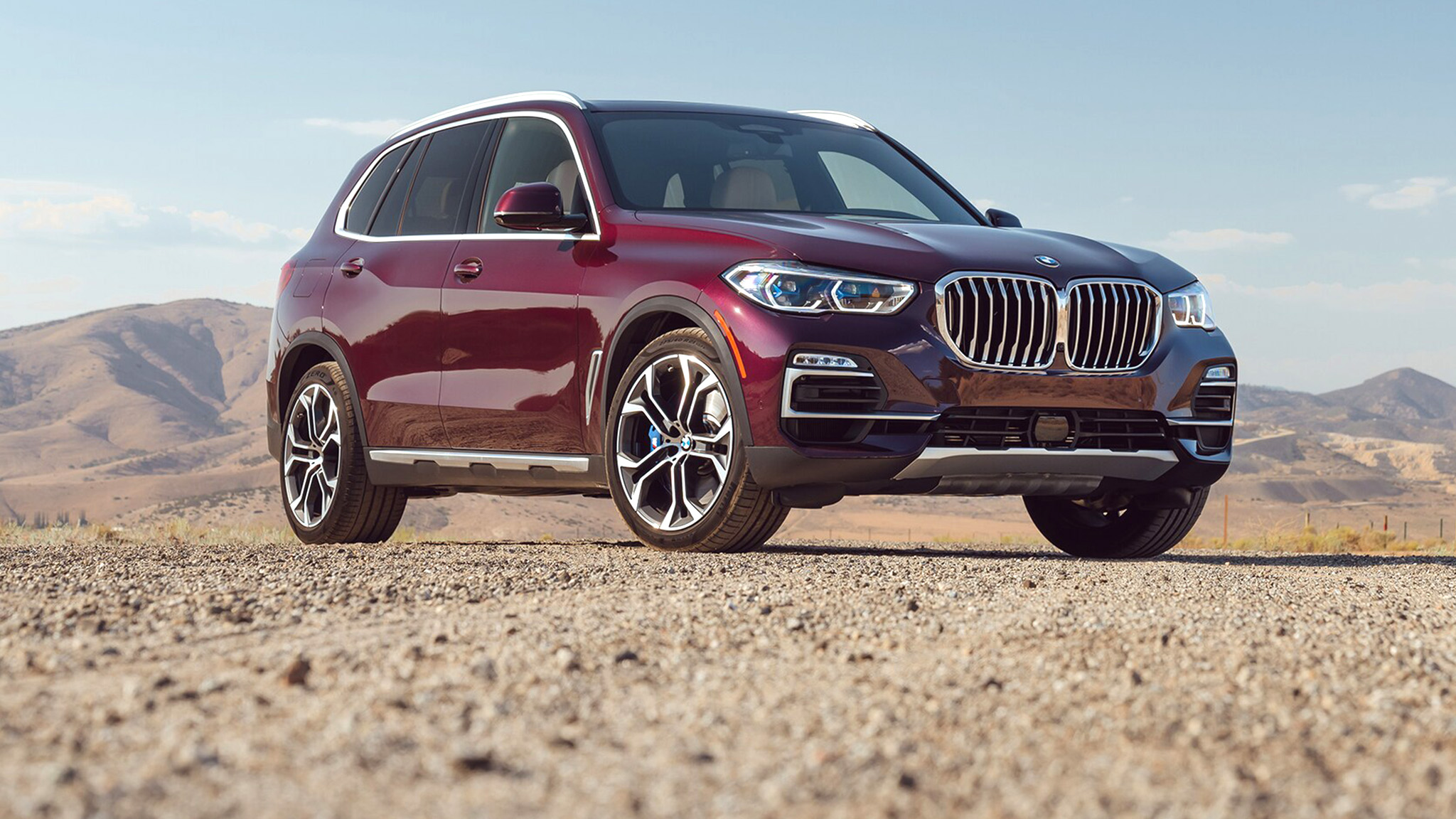
The BMW X5 is a luxury SUV that promises strong performance, a comfortable ride, and advanced technology, but the ownership experience can become expensive and frustrating over time. Like many European luxury vehicles, the X5 suffers from a range of mechanical and electronic issues that often show up once the vehicle is out of warranty.
Engines, particularly the turbocharged ones, have been known to suffer from oil leaks, turbo failures, and timing chain problems. These are not quick or affordable fixes. A failed turbo can cost thousands in parts and labor, and timing chain issues often require removing multiple engine components.
The electronics in the X5 can also be a significant source of trouble. Owners frequently report problems with the iDrive system, which controls many of the car’s core functions. When this system malfunctions, it affects navigation, audio, and climate controls.
More seriously, the vehicle’s sensors and computer modules have been known to fail, leading to warning lights that won’t go away and systems that stop working without warning. Diagnostic work alone can cost several hundred dollars before repairs even begin.
Suspension problems are another concern. The X5 often comes equipped with adaptive suspension systems and air springs that provide a smooth ride when new. Over time, however, these systems degrade. Air compressors fail, sensors stop working, and ride height becomes uneven.
Replacing the system can be prohibitively expensive, and many owners find themselves forced to convert to standard suspension just to keep the vehicle operable without constant trips to the repair shop.
The cost of ownership for the X5 climbs quickly not just because of parts, but because of labor and frequency of visits. Many repairs require specialized tools and trained technicians. Even basic maintenance like oil changes and brake replacements costs significantly more than average. While the X5 may appeal to drivers who want a blend of performance and luxury, the long-term repair costs are among the highest in its class, often pushing owners to sell before those big bills hit.
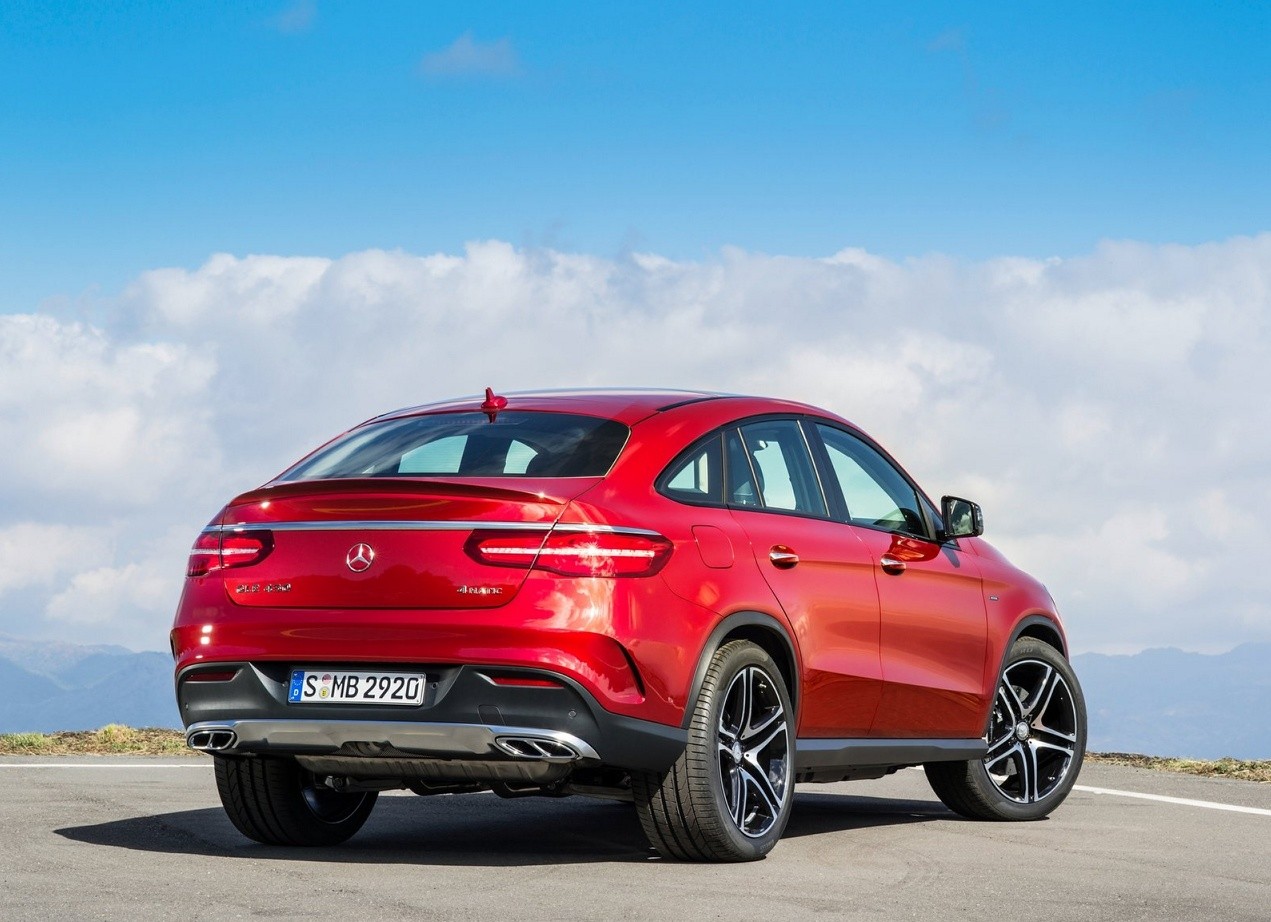
4. Mercedes-Benz GLE
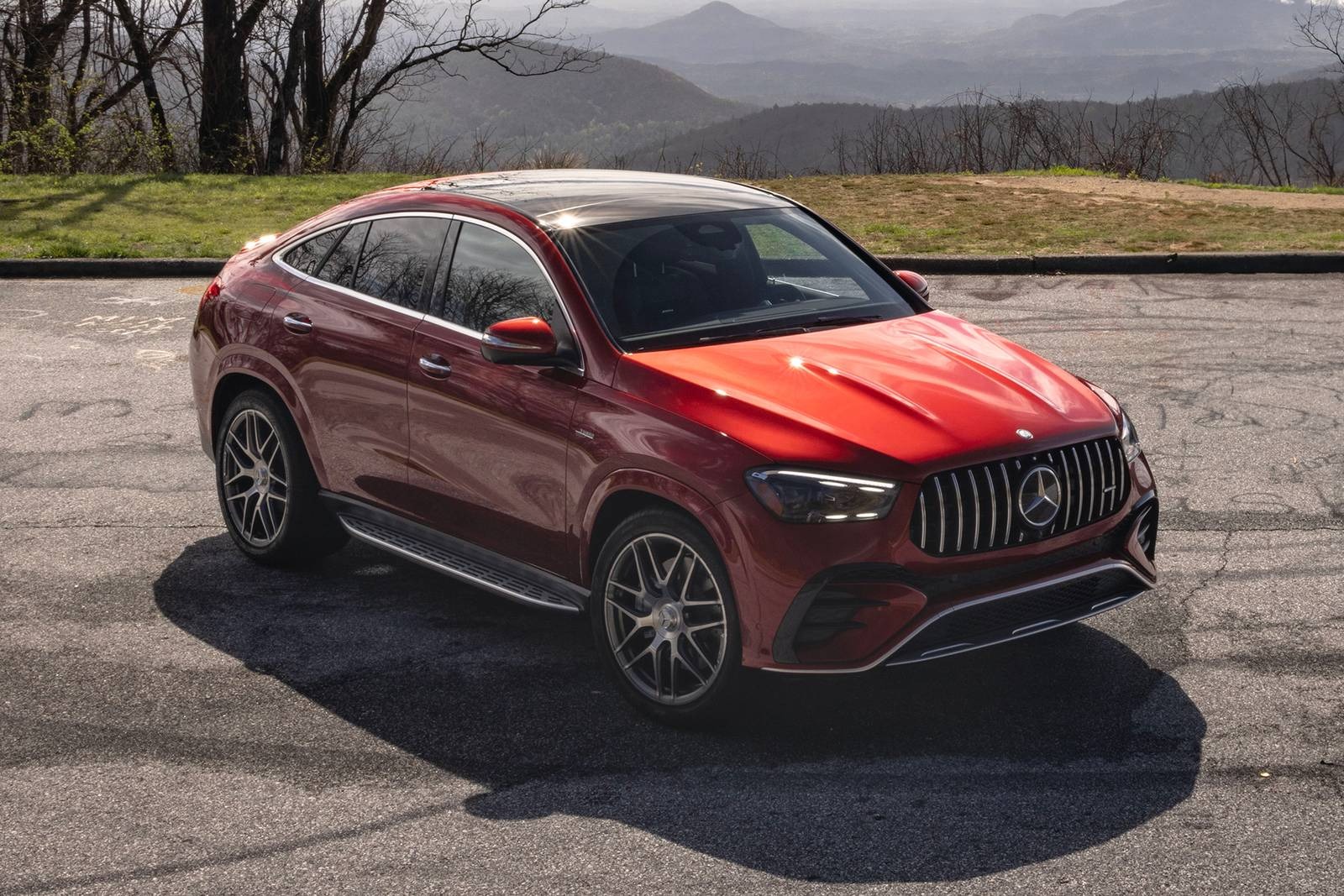
The Mercedes-Benz GLE is a midsize luxury SUV that is well-equipped and offers impressive performance on paper, but over time, it often turns into one of the more costly vehicles to maintain and repair. Many owners find that as the vehicle ages, repairs become frequent and expensive.
This is partly because the GLE is loaded with advanced systems, from active suspension to voice-controlled infotainment, that are prone to malfunction. These aren’t just small annoyances either. When the GLE’s air suspension system fails, it can result in a very uncomfortable ride, reduced handling, or a complete loss of suspension support. The cost of replacing a failed air spring or compressor isn’t minor, and often one failure is followed by another, leading to a cascade of expensive service visits.
The engine choices available for the GLE include turbocharged four-cylinders, six-cylinders, and even V8s, depending on the model. While these engines provide excellent power, they are complex and packed with systems that require meticulous care. Turbo issues, oil leaks, and cooling system faults are all too common.
Some GLE models have been known to develop timing chain tensioner problems, which can cause serious internal engine damage if not addressed early. These are not repairs that can be made casually or cheaply. In many cases, they require hours of labor and expensive OEM parts, with few affordable alternatives available.
Another area that often causes problems in the GLE is its electronic system. Like most modern luxury vehicles, it uses a network of sensors, modules, and relays to control everything from lighting to seat adjustments. While this offers convenience and a sense of refinement, it also makes the SUV more vulnerable to electrical failures.
Owners report frequent error codes, malfunctioning cameras, issues with lane-keep assist, and failures in the vehicle’s adaptive cruise control system. Once out of warranty, the cost to replace or even diagnose these problems can be staggering. Dealers often charge premium rates, and independent shops may not have the right tools to address the problems properly.
The cost of ownership becomes especially painful when factoring in the GLE’s depreciation. While it may seem like a good deal on the used market due to lower prices, those discounts often come at the cost of reliability.
Once the vehicle hits the 70,000 to 100,000-mile mark, many problems begin to emerge. Repair costs can easily exceed several thousand dollars per year, making it one of the more financially draining SUVs for those trying to hold onto it long term. For buyers considering a used luxury SUV, the GLE may offer initial appeal but often ends up being a difficult and expensive vehicle to maintain.
5. Ford Explorer (Certain Turbocharged Models)
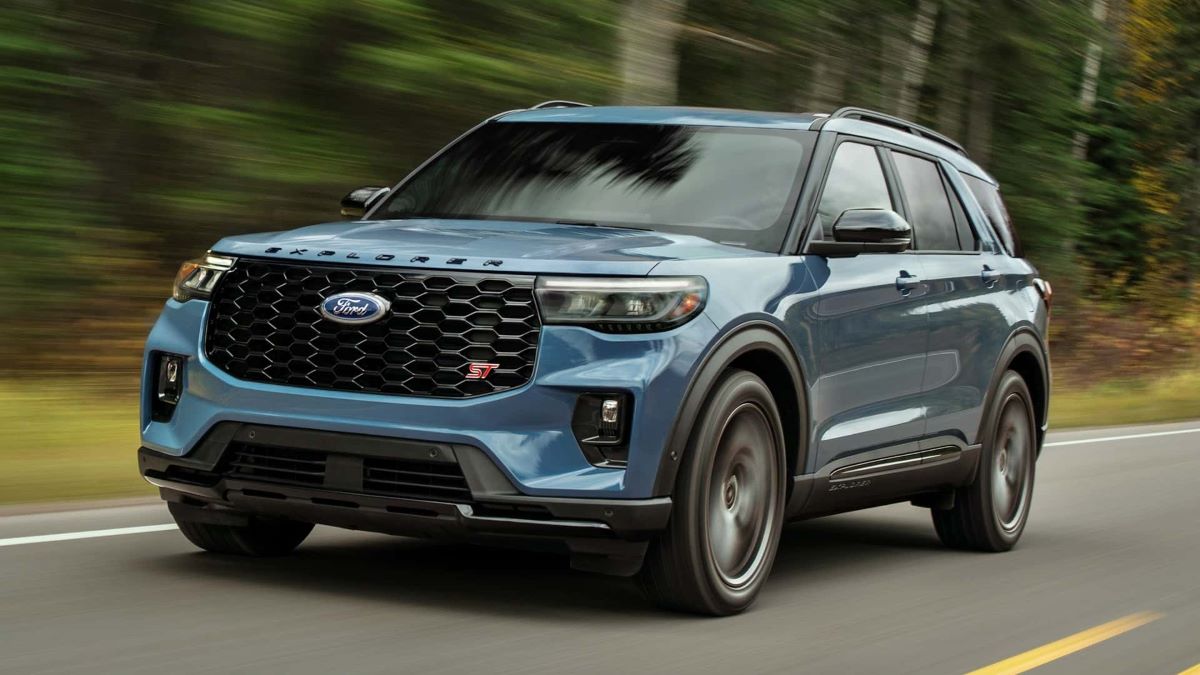
The Ford Explorer has been a popular family SUV for many years, but not every version of it holds up well when it comes to repair frequency and cost. In particular, turbocharged EcoBoost versions of the Explorer have shown a pattern of problems that tend to appear after a few years of ownership.
While the engines provide decent power and fuel economy, their complexity introduces a number of potential failure points. Turbochargers, intercoolers, and direct-injection systems can all fail or degrade over time. When they do, the cost of fixing them is high, both in parts and labor. Replacing a failed turbocharger, for example, is not a quick or inexpensive job, and multiple related components are often affected in the process.
Cooling system problems are another common issue on many Explorer models, especially those with turbocharged engines. There have been frequent reports of water pump failures, and because the pump is mounted inside the engine in many configurations, replacing it is labor-intensive and costly.
If the water pump fails, it can cause the engine to overheat, leading to warped heads or total engine failure. These are the types of repairs that can cost several thousand dollars and often occur just as the vehicle is moving out of warranty coverage, leaving owners frustrated and financially burdened.
Beyond the drivetrain, the Explorer has also experienced problems with its suspension and electronic systems. Strut mounts, control arms, and sway bars tend to wear out faster than expected, especially under normal family use. These suspension failures can lead to uneven tire wear, poor ride quality, and alignment issues.
Meanwhile, the Explorer’s infotainment and climate control systems have also been criticized for being unreliable. Owners have reported frequent screen freezing, unresponsive touch interfaces, and system restarts while driving. These kinds of issues, while not always safety-related, can degrade the ownership experience and often require dealership visits for updates or replacements.
It’s also worth noting that many Explorer owners report inconsistent dealership service quality when addressing these recurring problems. Some repairs are delayed due to part shortages, while others are misdiagnosed, leading to additional costs.
Combined with the frequency of failures and the complexity of the vehicle, this leads to a frustrating and expensive ownership experience for many. While the Explorer still sells well thanks to its size, features, and badge familiarity, certain versions, particularly those with EcoBoost powertrains, have proven to be high-maintenance and financially demanding as they age.
