
Compact cars have been a practical choice for drivers who value affordability, fuel efficiency, and easy maneuverability in traffic. For years, they’ve played an essential role in daily commuting, city driving, and even long-distance travel. Yet despite sharing the same vehicle class, not all compact cars are created equal when it comes to reliability and longevity.
Some models go well beyond the 200,000-mile mark with few issues, while others start breaking down far earlier, causing headaches and expenses that make drivers regret their purchase.
This contrast in durability is important not only for individual car buyers but also for those considering resale value and long-term ownership costs. While the initial price tag often draws attention, what truly matters is how the car performs after years on the road.
Choosing a compact car that lasts can save thousands in repairs, reduce stress, and deliver a more enjoyable driving experience. On the other hand, selecting a model with a known track record of unreliability can lead to constant shop visits, unexpected breakdowns, and dwindling trust in the vehicle itself.
This gap in long-term value is something many buyers overlook when prioritizing style or newer features. But history shows that certain brands and models consistently outperform others when it comes to durability, build quality, and engineering reliability. These vehicles aren’t always flashy or packed with the latest tech, but their dependable nature earns them loyal followings and strong reputations.
This article breaks down five compact cars known for their remarkable longevity and five that fall short in that same category. The aim is to provide clear examples of what works and what doesn’t when it comes to buying a compact car for the long haul.
These insights are not meant to steer anyone away from an entire brand but to highlight which specific models have proven themselves, or failed, over time. Drivers who care about long-term value, minimal mechanical issues, and strong resale numbers will find this comparison helpful. Let’s get into the details, starting with the vehicles that have consistently stood the test of time.
Also Read: 5 Engines That Keep Their Power After 200K vs 5 That Lose It Early
5 Compact Cars That Last Forever
1. Toyota Corolla
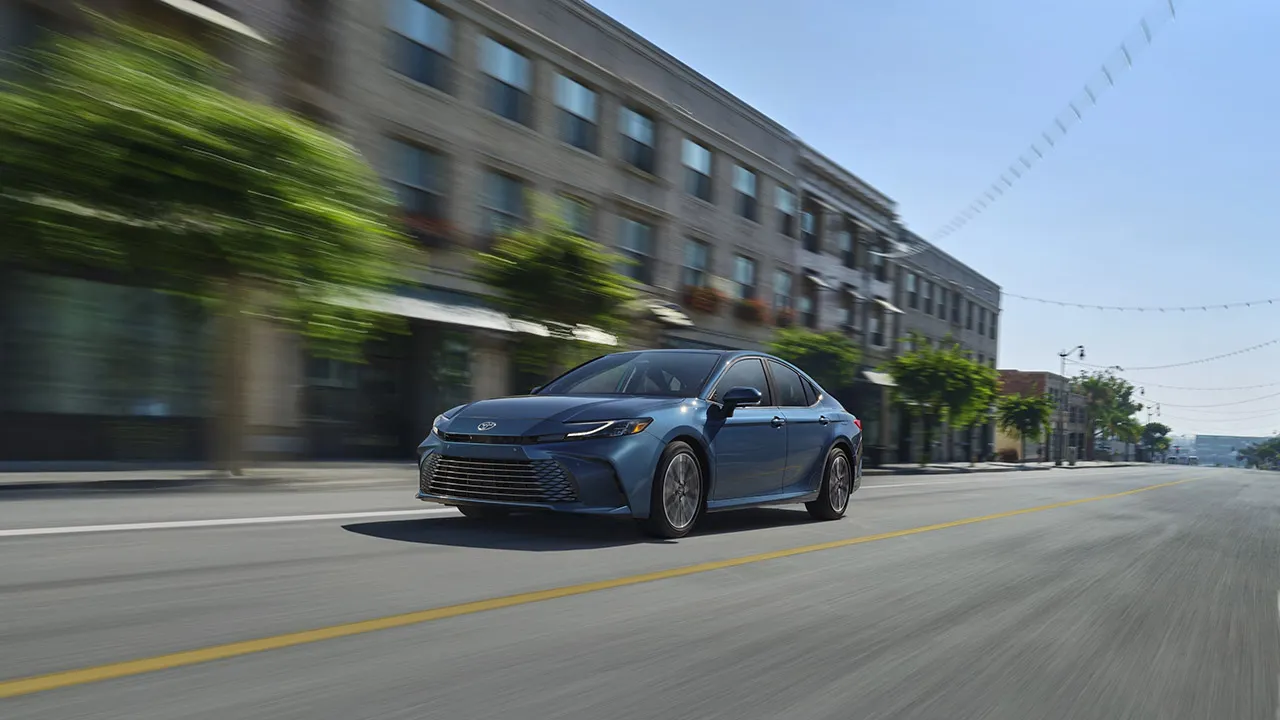
The Toyota Corolla is practically synonymous with reliability. For decades, it has built a reputation for being the kind of car that just keeps going, no matter how old it gets. Owners regularly report reaching mileage well beyond 250,000 with only standard maintenance.
Part of this comes down to Toyota’s engineering philosophy, which favors simplicity and proven design over unnecessary complexity. There’s nothing flashy about most Corollas, but they’re built to last and often outlive their flashier competitors without breaking a sweat.
One of the key reasons the Corolla has such a long lifespan is the conservative nature of its powertrain. The engines are rarely pushed to their limits in terms of power output, which helps preserve longevity. Instead of cramming in performance enhancements that could wear down components faster, Toyota focuses on refining a balanced and efficient system.
Transmission options have also been fine-tuned over the years for smooth operation and long-term reliability, especially in the models from the mid-2000s to early 2010s.
Routine maintenance is easy and affordable on most Corolla models, and parts are widely available. Since so many Corollas are on the road, mechanics are very familiar with them, which keeps repair costs low and turnaround times fast.
It’s rare to find a shop that doesn’t know how to work on a Corolla. That makes it a solid choice for people who want peace of mind over time. Even those who are not particularly diligent with upkeep often find their Corolla continues to run reliably.
Another major advantage of the Corolla is how it holds its value over time. While depreciation affects all cars, the Corolla tends to maintain higher resale prices, thanks to its reputation. Buyers on the used market specifically look for these models, knowing that they are unlikely to inherit a ticking time bomb. This strong resale demand gives owners flexibility and confidence, even years after driving it off the lot.
2. Honda Civic
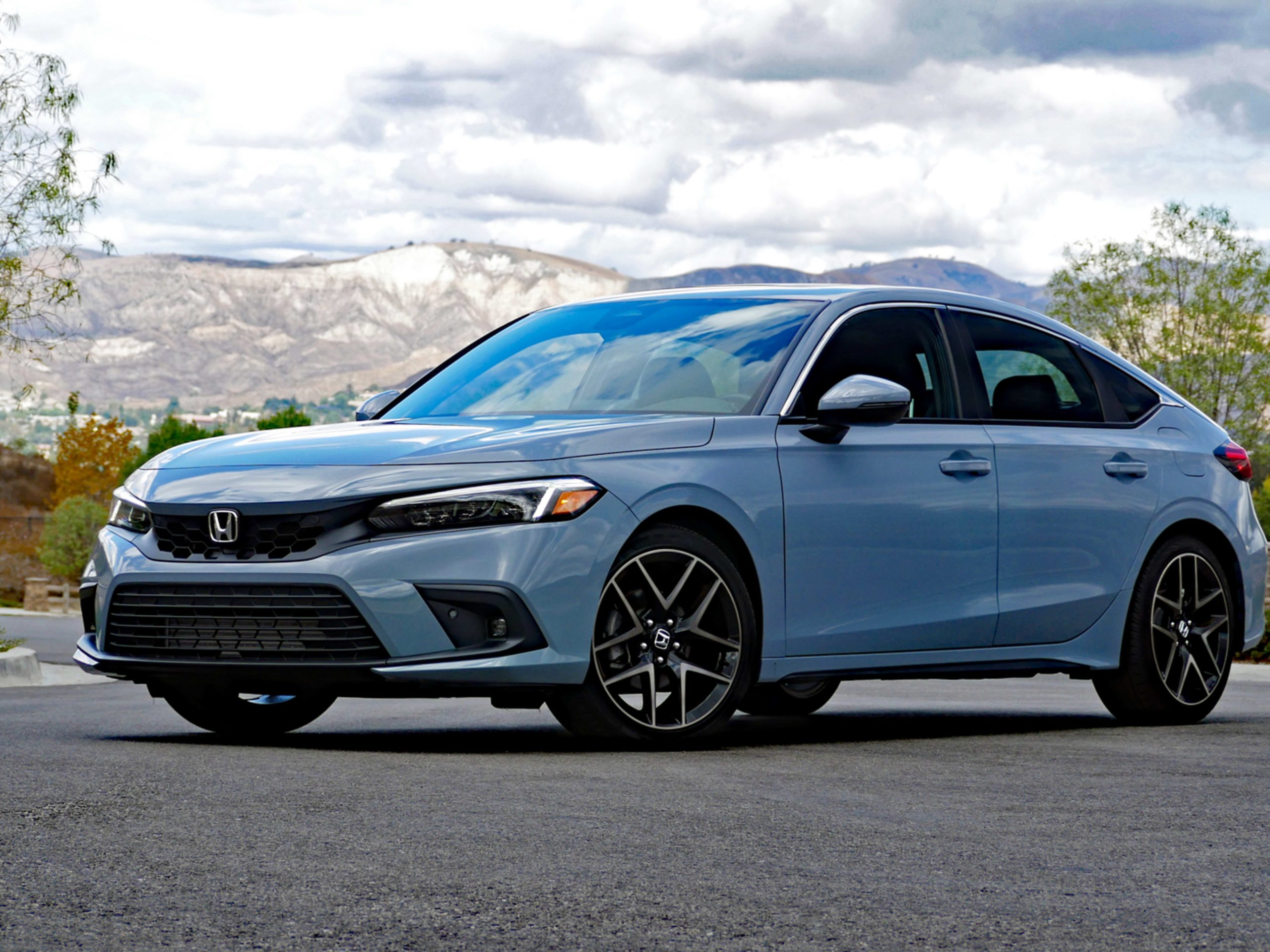
The Honda Civic has long stood as a go-to car for drivers who need something dependable, fuel-efficient, and affordable to maintain.
Over the years, it has earned a strong following from owners who swear by its durability and practicality. Many Civic models can exceed 200,000 miles with proper care, and it’s not unusual to find examples on the road that have crossed 300,000 miles. This kind of track record speaks volumes about Honda’s commitment to building quality vehicles.
Part of the Civic’s staying power comes from Honda’s consistent approach to engineering. The engines are built with tight tolerances and high manufacturing standards. Unlike some manufacturers that rush to integrate untested technology, Honda tends to slowly improve what already works.
As a result, each generation of the Civic usually improves on the previous one without sacrificing reliability. The mid-2000s models, in particular, are known for being nearly bulletproof, both in terms of engine and transmission.
Maintenance on a Civic is straightforward and affordable. Oil changes, brake pads, filters, and belts are all easy to handle for most shops and even some home mechanics. Honda also keeps repair costs relatively low by using widely available parts and minimizing the use of overly complex systems.
For people who want to keep their car running for years without breaking the bank, the Civic fits the bill. There’s a reason it’s often the first car recommended to new drivers or budget-conscious buyers.
Civics also tend to handle wear and tear gracefully. While some compact cars start to feel loose or worn out after a few years, Civics maintain their composure. The suspension components, interior trim, and electrical systems hold up well over time. Add in solid fuel economy and good crash safety scores, and you’ve got a car that’s hard to beat for value. It may not turn heads, but it wins over hearts by simply refusing to quit.
3. Mazda3
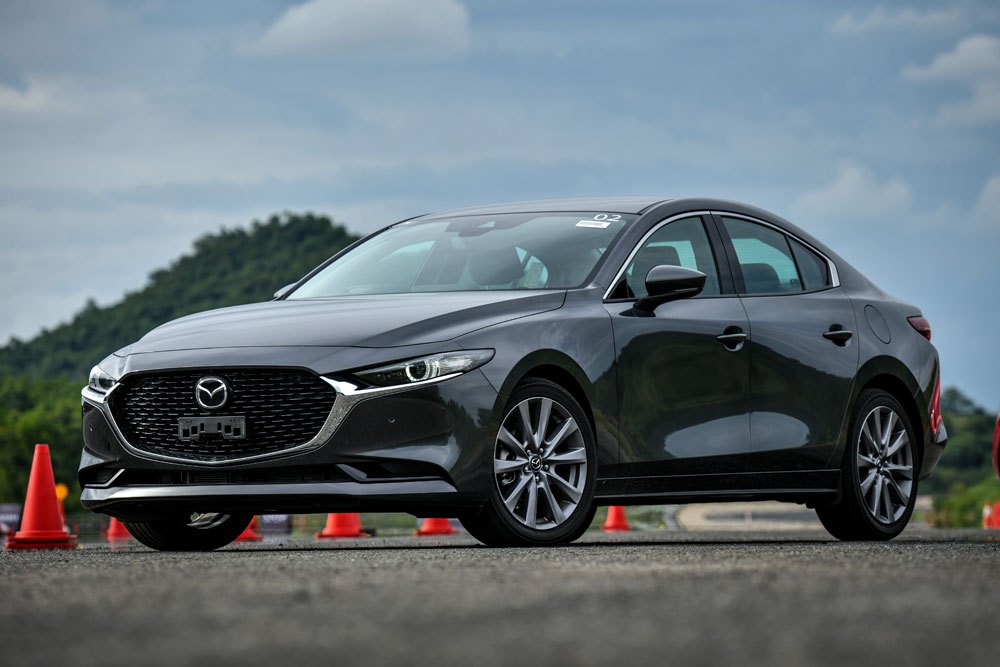
The Mazda3 has carved out a niche for drivers who want a bit of excitement behind the wheel without sacrificing reliability. While Mazda doesn’t always get the same attention as Toyota or Honda, its compact offering has quietly impressed both owners and reviewers for years.
With regular maintenance, the Mazda3 can easily cross the 200,000-mile mark, and many examples have done just that without major issues. It’s the rare car that balances fun and function, and it manages to do it without compromising longevity.
A big part of the Mazda3’s reliability comes from its Skyactiv engine technology, which focuses on increasing fuel efficiency and performance without overcomplicating things. The engines are naturally aspirated and avoid the high-stress turbochargers found in some competitors.
This simplicity contributes to a longer life and fewer engine-related problems. Mazda has also put serious effort into improving the build quality over the years, particularly in the 2014 and newer models.
Interior materials in the Mazda3 have consistently punched above their weight class. Even older models have well-crafted cabins that hold up well over time. You won’t find a lot of cheap plastics or poorly assembled panels in these cars.
This attention to quality extends to the driving experience too. The steering, brakes, and suspension all feel tighter and more responsive than many other cars in the same category. That means it stays fun to drive, even after years of use.
One overlooked aspect of the Mazda3 is its corrosion resistance. Earlier models had some issues with rust, but recent versions have made significant improvements.
Owners who live in colder climates or areas that use road salt during winter will appreciate this. Long-lasting cars aren’t just about mechanical reliability; body integrity matters too. A car that runs well but looks terrible is still going to feel like a downgrade. Thankfully, the Mazda3 now holds up in both areas.
4. Subaru Impreza
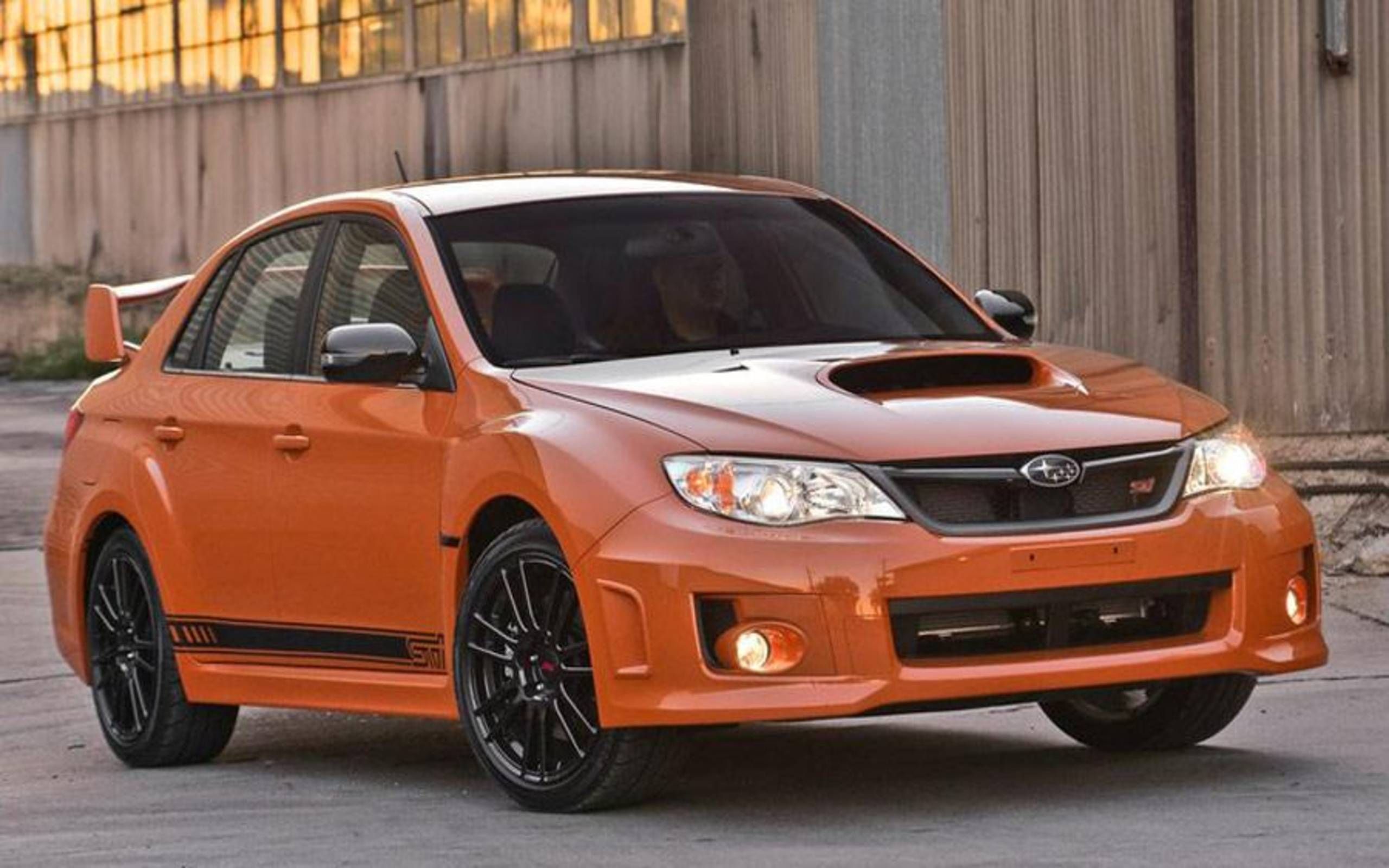
The Subaru Impreza is another compact car that consistently earns praise for reliability, especially in areas with rough weather. With standard all-wheel drive across most trims, it brings something to the table that many compact competitors don’t.
While Subaru’s reputation can be mixed depending on the era, the Impreza models from the last decade have shown steady improvement in engine durability and reliability. When properly maintained, the Impreza can clock high mileage while offering year-round versatility.
The standout feature of the Impreza is its drivetrain. Subaru’s symmetrical all-wheel-drive system isn’t just a gimmick; it’s one of the most robust and proven systems in the industry.
For drivers in snowy or wet climates, this adds an extra layer of security and usability that front-wheel-drive cars just can’t match. Despite having more moving parts, the system holds up well over time, and routine servicing can keep it running smoothly for years.
Subaru has worked to address some of the issues that plagued earlier engines, particularly oil consumption and head gasket problems. Newer Imprezas benefit from updated engine designs that are more efficient and less prone to those older problems.
When owners follow the recommended maintenance schedule, these cars tend to be very reliable. Regular oil changes, cooling system checks, and timing belt services go a long way toward keeping the car on the road long-term.
Another area where the Impreza impresses is in its practicality. Despite being a compact, it offers generous cargo space, especially in the hatchback configuration. The interior design is functional and intuitive, and it doesn’t try to overcomplicate things with unnecessary tech.
What’s more, the Impreza has consistently scored well in crash tests, which speaks to its structural integrity. Safety and longevity often go hand in hand, especially for families or those using their car in varied road conditions. Owners routinely report that their Imprezas stay dependable even with high mileage, provided they stick to factory-recommended services.
The community around Subaru ownership is also a helpful resource; it’s common to find passionate DIYers and forums full of shared knowledge and advice. This makes repairs easier and ownership more engaging.
5. Hyundai Elantra (Newer Generations)
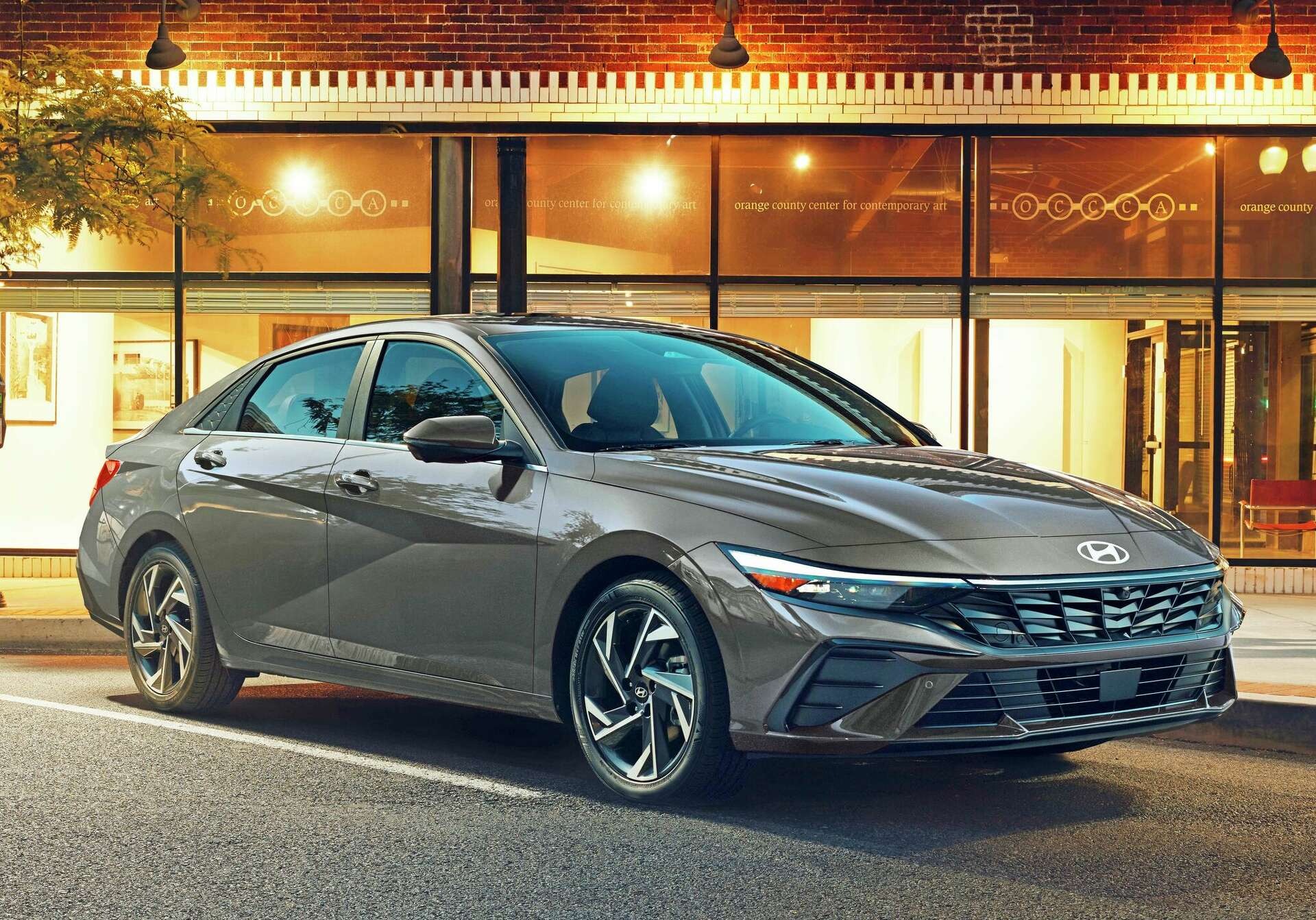
The Hyundai Elantra wasn’t always seen as a vehicle that could go the distance, but recent generations have changed that perception in a meaningful way. Starting around 2016, Hyundai began producing more refined and robust versions of the Elantra that signaled a shift in its design philosophy.
These newer Elantras feature more durable engine builds, upgraded transmissions, and improved material quality inside and out. Owners of these later models often report low maintenance costs and fewer unexpected repairs, even as they push well past the 150,000-mile mark.
Hyundai also backs many of its vehicles with a long warranty, which encourages more people to hold onto them for longer periods and can lead to better maintenance habits.
Hyundai’s 2.0-liter naturally aspirated engine, often found in Elantras from recent years, is a solid powertrain known for its simplicity and durability. It avoids the complications that come with turbocharged systems, making it more forgiving to owners who may not be the most maintenance-savvy.
The automatic transmissions in these models have also proven to be more reliable than earlier attempts. While Hyundai has had issues with some of its powertrains in other vehicles, the Elantra tends to fare better, especially when regularly serviced. What makes the newer Elantra even more attractive is that it delivers a modern driving experience, responsive steering, good fuel economy, and a comfortable ride, without becoming a reliability liability.
Interior durability is another area where the Elantra holds up surprisingly well. While some competitors in the compact segment show significant wear after just a few years, the materials Hyundai uses in newer Elantras tend to resist fading, cracking, and squeaking.
Touchpoints like steering wheels, buttons, and armrests feel sturdier than they did in previous generations. In terms of features, Hyundai has packed a lot into even the lower trim levels, including USB ports, touchscreen infotainment, and decent sound systems, which makes the ownership experience more enjoyable without requiring luxury-brand upkeep costs.
Finally, Hyundai has built a stronger dealer and parts support network in recent years, which has made maintenance easier and cheaper. Independent shops now stock plenty of parts for common Elantra repairs, and labor times are generally lower than what you’d see in more complicated or European vehicles.
It’s worth noting that resale value, while not as high as a Corolla or Civic, has improved alongside the car’s reliability. For drivers who are interested in keeping a car for the long term rather than flipping it quickly, the Elantra is now a contender in the “cars that last” conversation.
Also Read: 5 Cars With Affordable Parts vs 5 That Cost a Fortune
5 Compact Cars That Don’t Last
1. Fiat 500
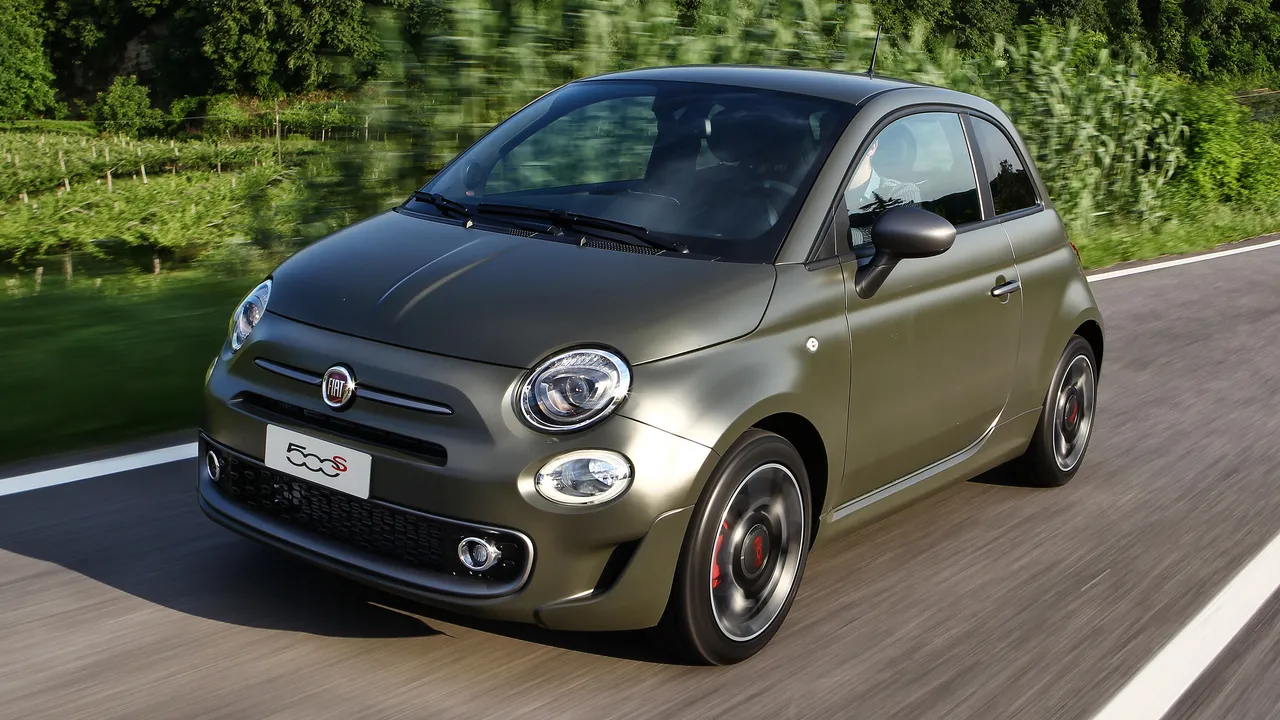
The Fiat 500 may have charm, but it doesn’t come close to matching the reliability of its compact peers. While the retro design turned heads when it was first released in North America, many owners found that their admiration for the exterior quickly faded as mechanical and electrical issues began to pile up.
Early excitement gave way to frustration when critical systems, especially the transmission and electronics, started to fail. The car was built more for style than substance, and it shows in how frequently it ends up in the repair shop. Unlike Toyota or Honda, Fiat doesn’t have a solid track record for long-term durability in the U.S. market, and the 500 is no exception.
One of the most common problems with the Fiat 500 is its automatic transmission. Particularly in models equipped with the Dualogic transmission (or similar automated manuals), users have reported jerky shifting, delays, and outright failure before hitting 100,000 miles.
These issues aren’t just inconvenient, they’re expensive. Replacement transmissions or even basic repairs can cost more than the value of the car, especially as it ages. Some owners have also faced problems with power steering systems, which fail without warning and leave drivers stranded. All of this contributes to the 500’s poor reliability ratings over time.
Then there’s the interior quality. While the dashboard design is quirky and matches the car’s fun appearance, the materials used are often subpar. Buttons wear out quickly, armrests crack, and small items like air vents or mirror controls break easily.
This adds to a growing sense that the car isn’t built to last. It’s not just a matter of cosmetic aging, interior electronics, such as infotainment systems and climate controls, have a habit of glitching or giving out altogether. All of these minor annoyances add up, making it harder for owners to justify keeping the car as it ages.
Resale value is another weak point. Even when relatively new, the Fiat 500 loses value quickly. This is in part due to its reputation for reliability problems, and in part because the brand itself doesn’t carry the same trust as more established competitors.
Dealers are often hesitant to take them in for trade, and private buyers are usually wary unless the car has extremely low mileage. As a result, many 500 owners find themselves stuck with a vehicle that’s expensive to maintain and difficult to sell, an unfortunate combination that overshadows the car’s original appeal.
2. Chevrolet Cruze
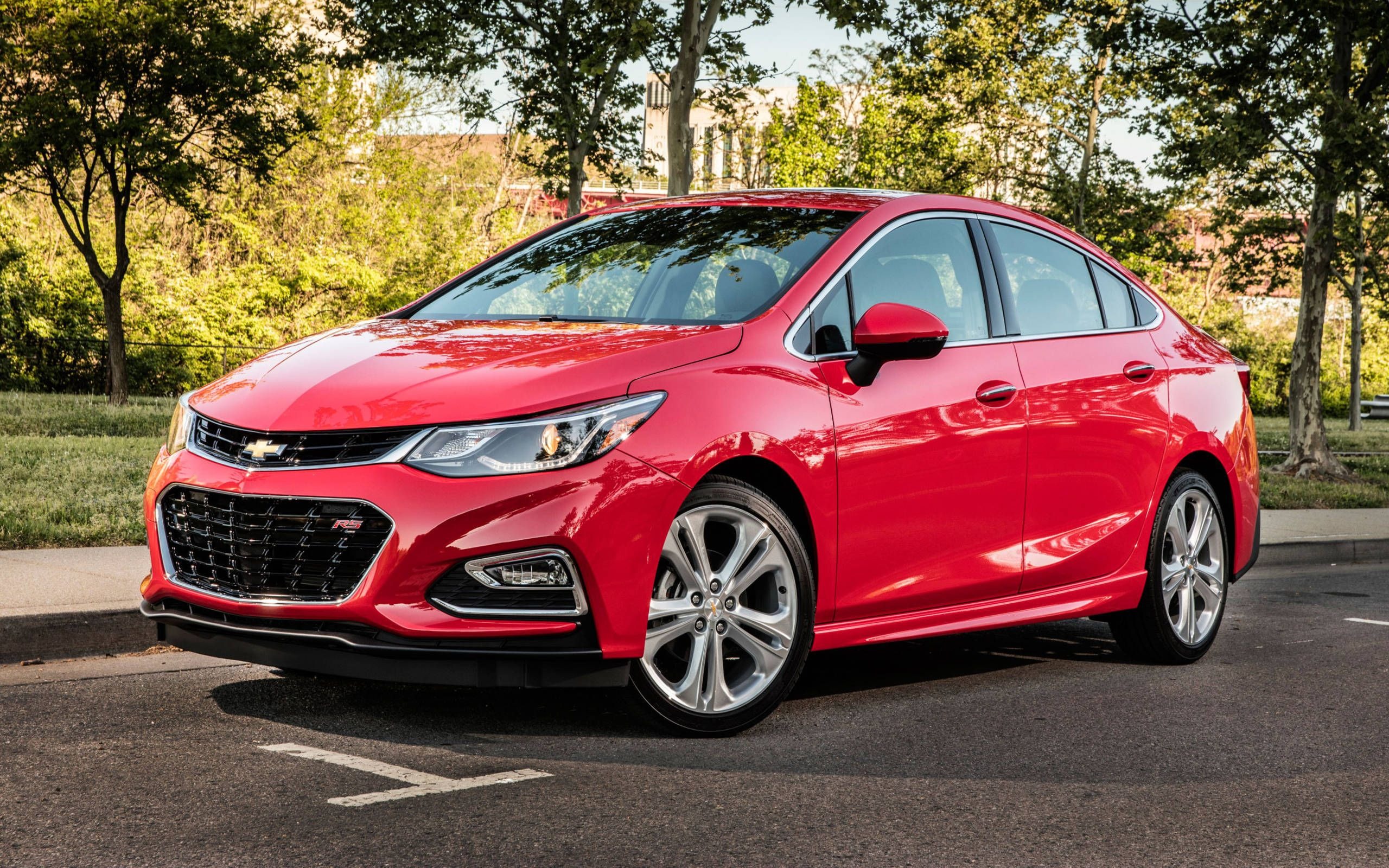
The Chevrolet Cruze aimed to be a serious competitor in the compact market, and at first glance, it seemed to have everything it needed to succeed. The design was clean, the interior was comfortable, and the ride quality was above average
. But over time, the Cruze revealed a number of underlying problems that kept it from becoming a dependable long-term vehicle. While some owners have had decent experiences, far too many have dealt with repeated issues, especially with engine components and cooling systems, that arise well before the car should be struggling.
A major issue for the Cruze, particularly in models built between 2011 and 2015, lies in its engine reliability. Turbocharged 1.4-liter engines are known for coolant leaks, faulty thermostats, and head gasket failures. These problems not only affect performance but can also lead to engine overheating and significant repair costs.
What’s more troubling is that many of these problems occur within the first 100,000 miles, well before most people would expect serious failures. Even when the engines don’t fail outright, they often suffer from performance inconsistencies that make the driving experience less enjoyable and more stressful.
Beyond engine problems, the Cruze has also had a history of electrical gremlins. Malfunctions in the infotainment system, random check engine lights, and keyless entry issues are all relatively common. These aren’t just minor annoyances; they often require dealership intervention, which can lead to high labor costs and frustration.
The electrical issues may not leave drivers stranded, but they create a nagging sense of unreliability that discourages owners from keeping the car long term. It’s the kind of thing that wears down your trust in the vehicle over time.
Another concern is the Cruze’s depreciation. The car doesn’t hold its value well, which is compounded by the reputation it has developed for reliability concerns. That can make it tough to sell, even when it’s in seemingly good condition.
Add in the fact that it competes with cars like the Civic, Corolla, and Elantra, all of which have better track records, and it becomes clear why the Cruze struggles in the long-term ownership conversation. While it’s not the worst compact car on the road, it’s not one you buy if you’re aiming for a stress-free decade of driving.
3. Nissan Sentra (Older Models)
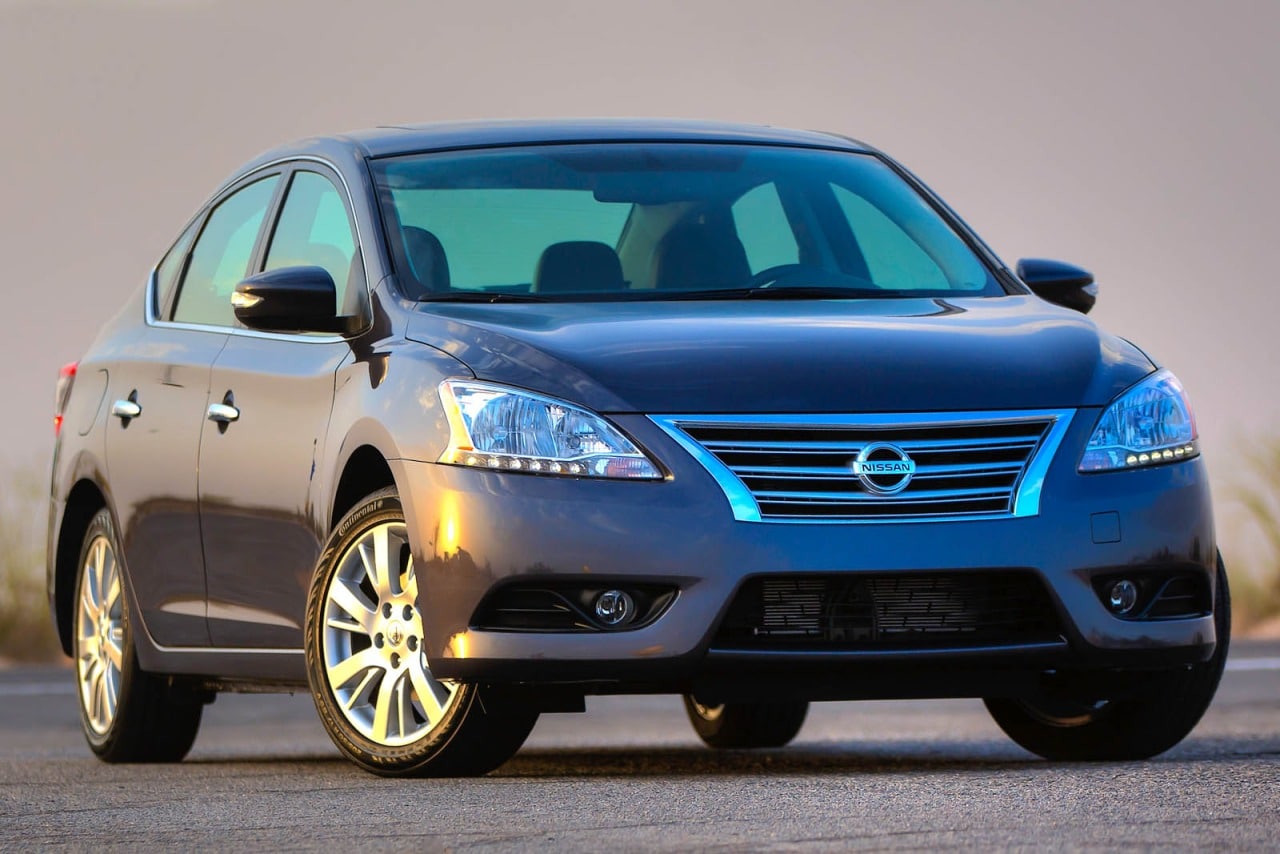
The Nissan Sentra, particularly models from the early 2000s through the mid-2010s, has struggled with long-term reliability compared to many of its compact rivals.
While the nameplate itself has a long history, many versions of the Sentra failed to live up to the durability that buyers expect in this segment. In contrast to Nissan’s more reliable models like the Altima or Maxima during certain years, the Sentra became known for a series of quality issues that became apparent as the cars aged.
These include persistent transmission problems, poor build quality, and electrical issues that affect daily usability. The Sentra’s decline in reliability has made it a cautionary tale for buyers looking for a used compact car with staying power.
One of the most well-known issues with the Sentra is its continuously variable transmission (CVT), especially in models from around 2007 to 2016. Many owners report transmission failures occurring just outside the warranty period, sometimes as early as 70,000 miles.
Replacing a CVT is often more expensive than the value of the car itself, especially in older Sentras. Nissan issued several technical service bulletins and extended warranties for some CVT-equipped models, which only confirms the scale of the issue. This particular problem casts a long shadow on the Sentra’s reputation and often discourages buyers from considering it as a long-term investment.
Build quality is another area where the Sentra has disappointed. The interior materials in many of these models are cheap and prone to wear. Buttons become unresponsive, air vents snap off, and plastic trim pieces loosen with time. On top of that, the driving experience itself tends to degrade quickly.
Steering components can become loose, suspension parts wear out prematurely, and road noise increases noticeably as the car ages. These issues, while not catastrophic, contribute to a vehicle that feels worn out faster than its mileage might suggest. It makes ownership less enjoyable and leads many to sell the car earlier than expected.
Electrical gremlins have also plagued the Sentra in various forms. These include issues with power windows, dashboard lights, and faulty sensors that cause the check engine light to appear for no clear reason. These problems may not always require major repairs, but they become frustrating over time, especially if they result in inspection failures or repeated trips to the mechanic.
When a compact car begins to feel like a money pit before it hits the 100,000-mile mark, it’s difficult to recommend it as a lasting vehicle. For buyers looking to avoid headaches and unexpected bills, the Sentra, especially older CVT-equipped models, should be approached with caution.
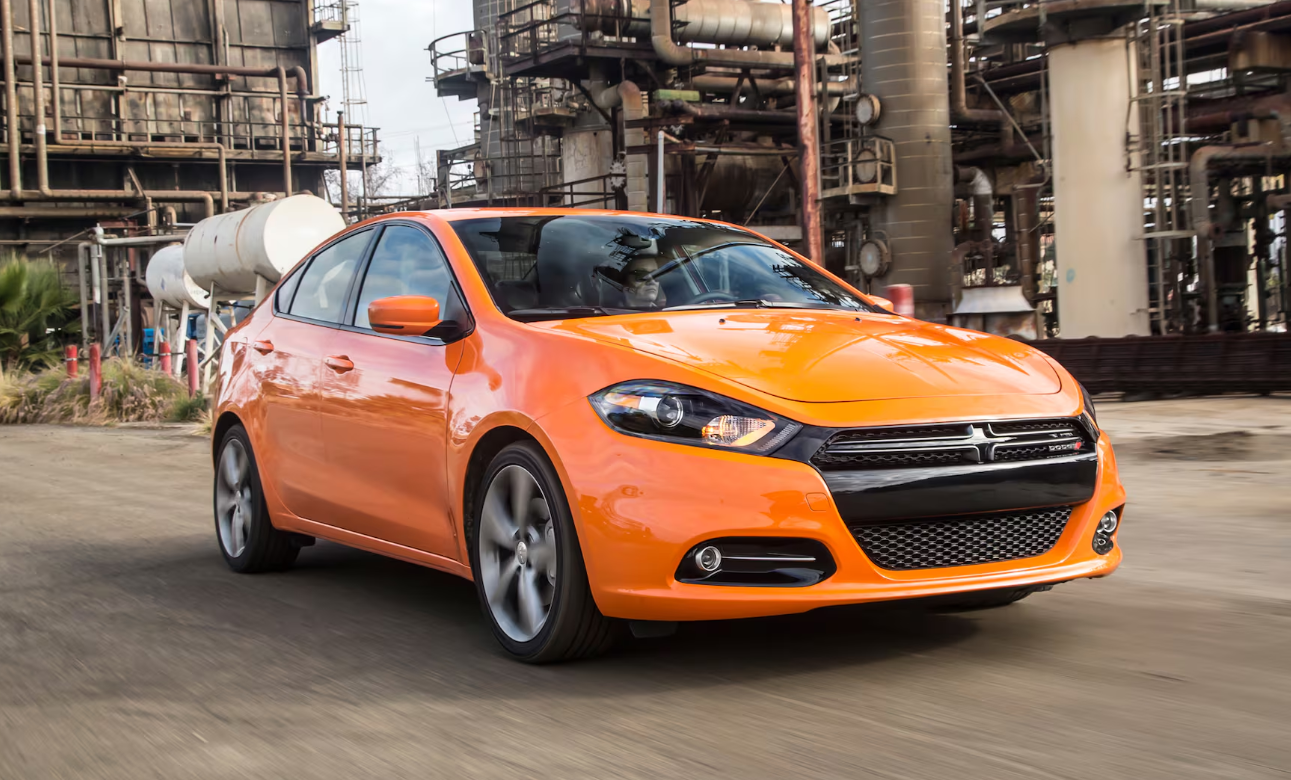
4. Dodge Dart
The Dodge Dart re-entered the compact market in 2013 with high hopes. After being absent for decades, Dodge brought back the nameplate in an attempt to capture the attention of younger drivers and those looking for a stylish, affordable car. Initially, it looked like the Dart had promise. It had a modern design, offered turbocharged engines, and shared its platform with Alfa Romeo.
However, underneath the surface, a variety of mechanical and quality-related issues began to surface. Within a few short years, the Dart had developed a reputation for poor reliability, and by 2016, it was discontinued entirely. For a car meant to be Dodge’s answer to the Civic and Corolla, the Dart ended up being more of a warning than a winner.
One of the primary problems with the Dodge Dart lies in its powertrain options. While the idea of offering three different engines seemed innovative, it created more complications than benefits. The 1.4-liter turbocharged engine, which shared lineage with Fiat-Chrysler products, was plagued with problems related to oil leaks, turbo failures, and rough idling.
The naturally aspirated 2.0 and 2.4-liter engines fared slightly better but were still not immune to overheating, stalling, and poor long-term performance. Coupled with inconsistent transmission options, including a problematic dual-clutch automatic, the Dart’s drivetrain proved to be one of its weakest areas over time.
In terms of build quality, the Dart didn’t hold up as well as it should have. Many owners reported problems with door seals, peeling trim, malfunctioning climate controls, and touchscreen glitches. These quality issues started to appear early in the vehicle’s life, often before hitting 50,000 miles.
It’s one thing for a compact car to show its age after years of use, but for the Dart, many of these problems occurred during the first few years of ownership. That led to a lack of confidence in the vehicle, even from those who were initially excited about it. When you’re dealing with constant repair appointments and part shortages, the appeal of a sleek dashboard or sporty exterior fades quickly.
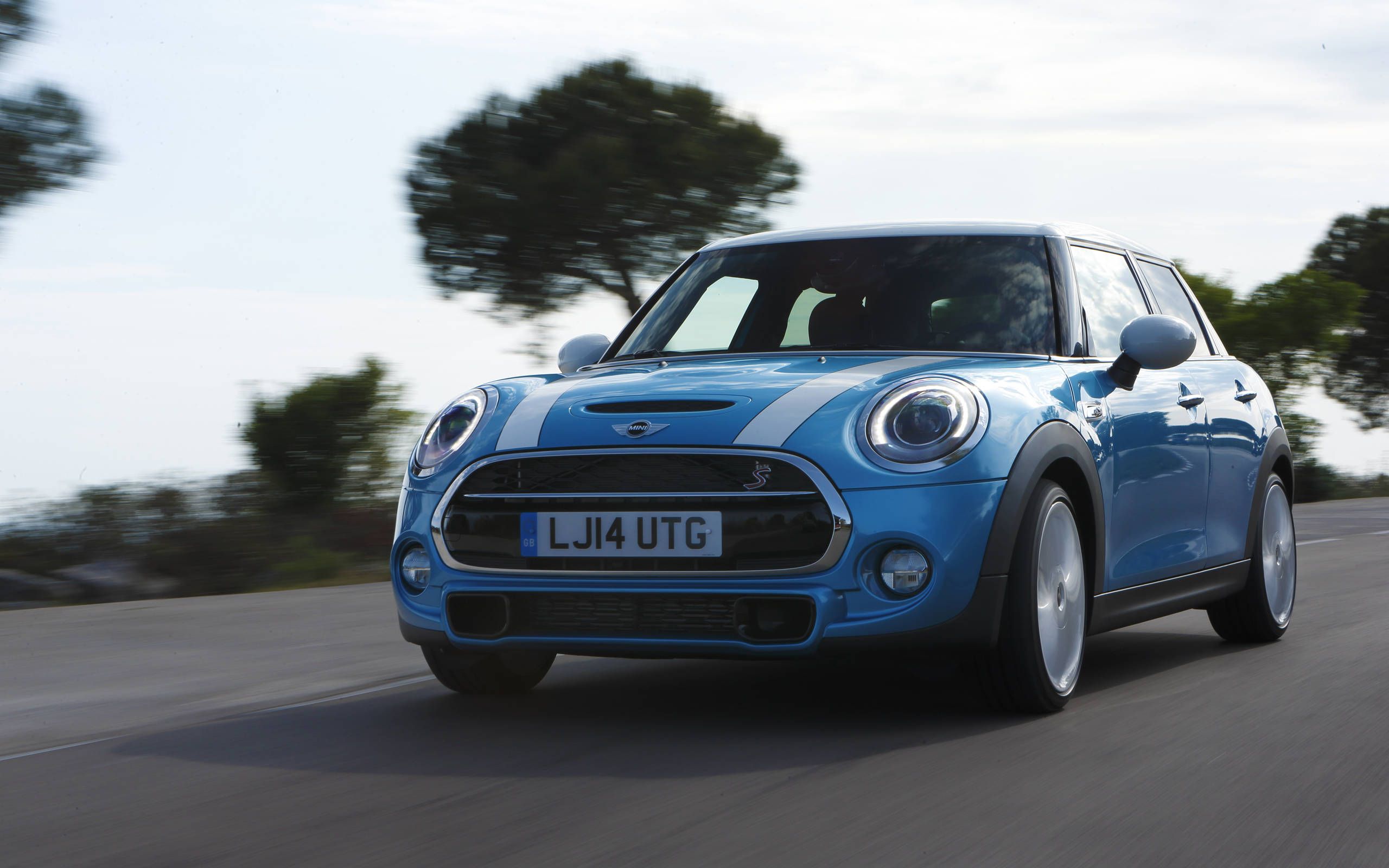
5. Mini Cooper (Base Models)
The Mini Cooper, with its iconic styling and go-kart-like handling, has always stood out in the compact segment. It’s a car that attracts buyers with its personality, but unfortunately, charm doesn’t always equate to reliability.
Base models of the Mini Cooper, particularly those produced between the mid-2000s and mid-2010s, have developed a well-documented history of mechanical issues, especially as they begin to age. From cooling system failures to oil leaks and timing chain problems, these cars often require more attention and maintenance than most owners expect.
The Cooper is fun to drive when everything’s working right, but keeping it in good condition can quickly become a frustrating and expensive challenge.
One of the most persistent issues with Mini Coopers involves the engine and its supporting systems. Models equipped with the 1.6-liter four-cylinder engine often face early failures in the timing chain system. A common symptom is a rattling noise on cold starts, which, if ignored, can lead to major engine damage.
Additionally, these engines are prone to oil leaks and burning oil at a faster rate than normal. This is especially problematic for owners who aren’t in the habit of frequently checking their oil levels. A simple oversight can result in costly repairs or even engine replacement. For a car in the compact class, these types of repairs are particularly disproportionate to its original price.
Electrical reliability is another weak point. Owners report issues with sensors, warning lights, and dashboard electronics that seem to fail without consistent causes. Mini’s complex wiring systems and quirky technology mean even small electrical issues can lead to time-consuming diagnostics.
Repairs are often only doable at a dealership or specialist shop, both of which come with higher labor rates. Add in the premium branding of the Mini name, and parts costs are usually higher than what most people expect from a compact hatchback. For those looking to save money on a fun, efficient car, this can be a harsh surprise.
