
When considering a vehicle purchase, one of the most significant factors beyond performance, style, or fuel economy is reliability. Among the many components of a car, the transmission often stands out as a major concern for long-term maintenance and repair costs.
A well-functioning transmission is crucial because it controls how power is delivered from the engine to the wheels, affecting the vehicle’s drivability, efficiency, and safety. Unfortunately, transmission repairs can be notoriously expensive, sometimes costing thousands of dollars.
For many drivers, these costs can come as an unwelcome surprise, especially if the transmission begins to fail unexpectedly. However, not all cars are equally prone to such issues. Certain models and makes have earned reputations for robust, trouble-free transmissions, while others frequently face costly repairs.
Understanding which cars are less likely to require expensive transmission fixes is essential for buyers looking to invest in a reliable vehicle with lower ownership costs. It is equally important to be aware of vehicles that have a history of transmission problems, so owners can either avoid those models or prepare for potential expenses.
Transmission reliability depends on several factors, including the type of transmission (automatic, manual, CVT, or dual-clutch), the quality of manufacturing, how the car is driven and maintained, and even the design philosophy of the automaker. Some transmissions are engineered to last well over 200,000 miles with routine care, while others may start showing problems much earlier.
In this article, we will first highlight five cars known for their dependable transmissions that rarely need costly repairs. These vehicles often provide peace of mind to their owners due to their smooth shifting, durable components, and proven track record.
Following that, we will identify five cars that have a reputation for frequent and expensive transmission issues, ranging from premature failures to complex, costly repairs. This comparison will help prospective buyers make informed decisions and understand the implications of their choices. Whether you are shopping for a new vehicle or considering a used car, knowing the transmission reliability of your options can save you time, money, and stress down the road.
Also Read: 5 Diesel Engines That Outlive Pickups vs 5 That Crack Under Pressure
5 Cars That Rarely Need Expensive Transmission Fixes
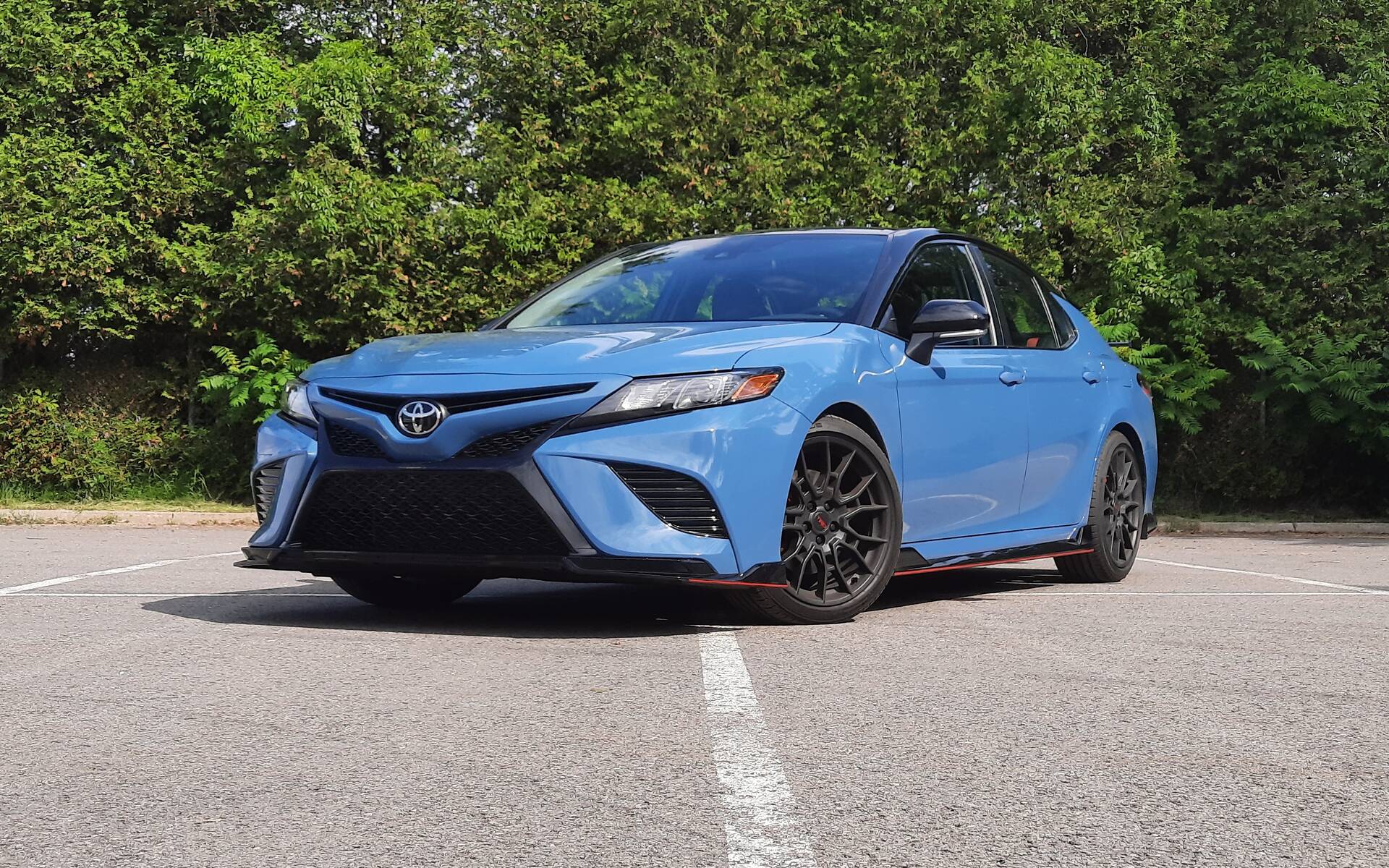
Toyota Camry
The Toyota Camry’s reputation for transmission reliability is a cornerstone of its broader appeal. It has been a top choice for buyers seeking dependable transportation that doesn’t break the bank with costly repairs. The Camry typically features a well-engineered automatic transmission designed for longevity, with many models boasting transmissions that operate flawlessly well past 150,000 miles.
Toyota’s approach favors conservative engineering and proven technology, which reduces the chances of unexpected failures. The company’s consistent use of quality components and rigorous testing protocols ensures that the transmission can handle the typical stresses of everyday driving without issues.
Another factor that contributes to the Camry’s transmission longevity is the car’s smooth power delivery, which minimizes wear on transmission components. Rather than pushing performance limits, Toyota designs the Camry to operate smoothly and efficiently, helping to extend the transmission’s lifespan.
Maintenance also plays a vital role in the Camry’s strong transmission record. Toyota provides clear guidelines for transmission fluid changes, and many owners adhere to these recommendations diligently, which helps prevent overheating and component wear. Because transmission fluid acts as a lubricant and coolant, keeping it fresh is crucial to maintaining transmission health.
The availability of affordable, high-quality replacement fluids and filters makes this task manageable and helps avoid costly repairs. In addition, the Camry’s widespread popularity ensures that many mechanics are familiar with its transmission design, which can lead to more accurate diagnoses and efficient repairs if problems do occur. This combination of engineering excellence and practical maintenance contributes to the Camry’s position as one of the most reliable transmissions in the automotive market.
Toyota’s commitment to durability is also reflected in the availability of extended warranties and recall programs that address potential transmission issues early. This proactive approach has further solidified the Camry’s standing as a vehicle whose transmission rarely demands expensive fixes.
The resale value of the Camry often reflects this reliability, as used models typically command strong prices, partly due to buyer confidence in the car’s mechanical soundness. The Camry remains a practical and safe bet for those seeking a vehicle with a transmission that is both reliable and affordable to maintain.
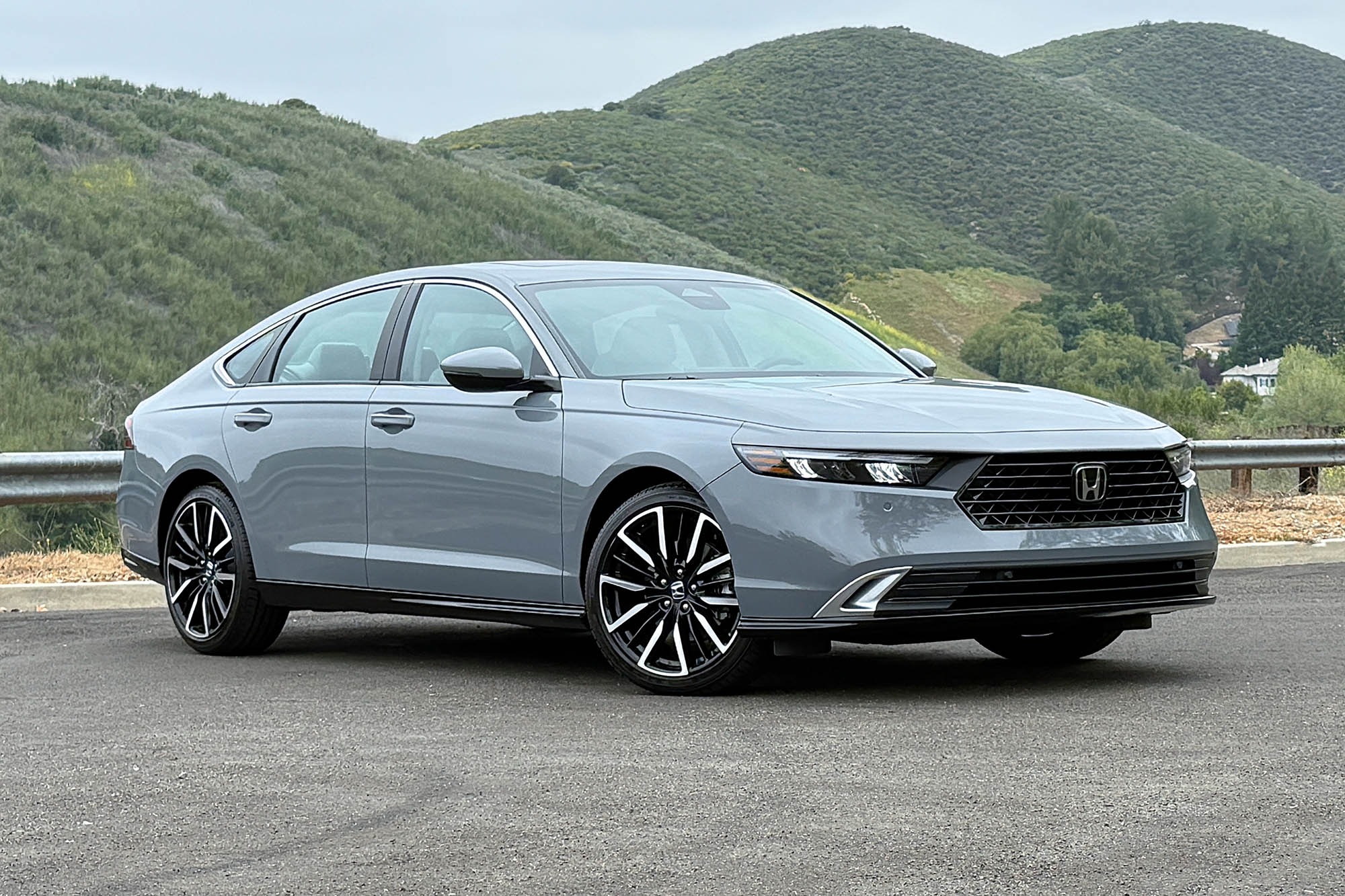
Honda Accord
The Honda Accord has long been synonymous with dependability, and its transmission is no exception. Honda’s focus on engineering transmissions that offer a balance of efficiency, smooth operation, and longevity has paid off in the form of a durable transmission lineup.
Traditionally, the Accord offered conventional automatics that were well-proven and robust, while more recent models have adopted continuously variable transmissions (CVTs) engineered to enhance fuel economy without sacrificing reliability. Honda’s CVTs, especially in later generations, are carefully calibrated to minimize the “rubber band” feel often associated with this technology, improving driver confidence and reducing stress on transmission components.
This attention to tuning and build quality has resulted in fewer transmission-related complaints compared to many competitors using similar CVT technology.
The availability of manual transmissions in some Accord trims further highlights the vehicle’s reliability. Manual transmissions tend to be simpler and less prone to costly repairs when properly maintained, though they do require a more engaged driving style. For buyers who prefer manual gearboxes, the Accord offers a transmission that is both enjoyable and resilient.
Additionally, Honda has built a reputation for using high-quality materials and advanced manufacturing techniques, which contribute to the longevity of all transmission types in the Accord. The transmission’s ability to withstand a variety of driving styles, from conservative city commuting to more spirited highway driving, makes it a versatile choice for many owners.
Routine maintenance remains a critical component of keeping the Accord’s transmission in top shape. Honda’s service intervals for transmission fluid changes and inspections are designed to catch potential issues before they become costly repairs.
Many Accord owners are diligent about following these recommendations, which translates into fewer transmission failures and extended service life. The widespread availability of replacement parts and the relatively straightforward design of Honda transmissions also help reduce the cost and complexity of repairs when needed. The Honda Accord offers a combination of engineering reliability and sensible maintenance that helps keep transmission repair costs low.
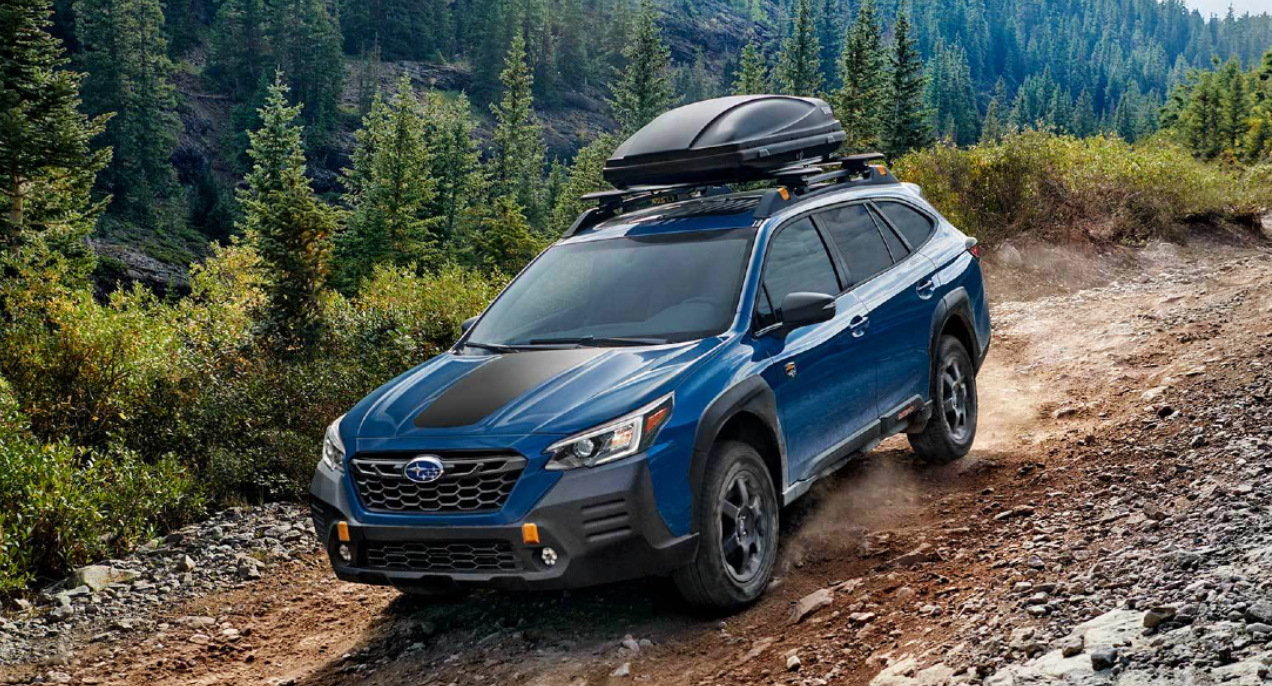
Subaru Outback
The Subaru Outback is well known for its ruggedness and all-wheel-drive capability, but its transmission also deserves recognition for durability. The vehicle’s transmission is specifically designed to handle not just normal road conditions but also the demands of off-road and inclement weather driving.
Subaru typically equips the Outback with a continuously variable transmission (CVT), which provides smooth power delivery and improved fuel efficiency compared to traditional automatics.
Unlike many early CVTs that suffered from reliability issues, Subaru has engineered its transmissions with reinforced components, advanced cooling systems, and software that protects the mechanical parts under stress. This has resulted in a relatively low incidence of transmission failures in the Outback compared to other vehicles using CVTs.
Owners of the Subaru Outback often praise the transmission’s seamless operation, which contributes to the vehicle’s comfortable ride quality and steady acceleration. The transmission is designed to adapt to various driving situations, adjusting smoothly to different speeds and loads without sudden jerks or hesitation.
This adaptability helps reduce wear on internal parts, contributing to the transmission’s long-term durability. Subaru also employs a unique symmetrical all-wheel-drive system that works in harmony with the transmission to optimize traction and vehicle stability, further reducing strain on the drivetrain. While CVTs generally require careful maintenance, Subaru’s emphasis on user-friendly servicing guidelines makes it easier for owners to keep their transmissions healthy.
Regular transmission fluid changes are strongly recommended for the Outback, especially for drivers who frequently use the vehicle in demanding conditions such as towing or off-roading. Keeping the transmission fluid fresh ensures proper lubrication and cooling, which are essential for preventing premature wear.
Subaru’s dealer network and authorized service centers are well-versed in the specific needs of these transmissions, making routine maintenance more accessible. Additionally, the Outback’s design incorporates quality materials and a sturdy build, which helps prevent other mechanical failures that could indirectly affect transmission health.
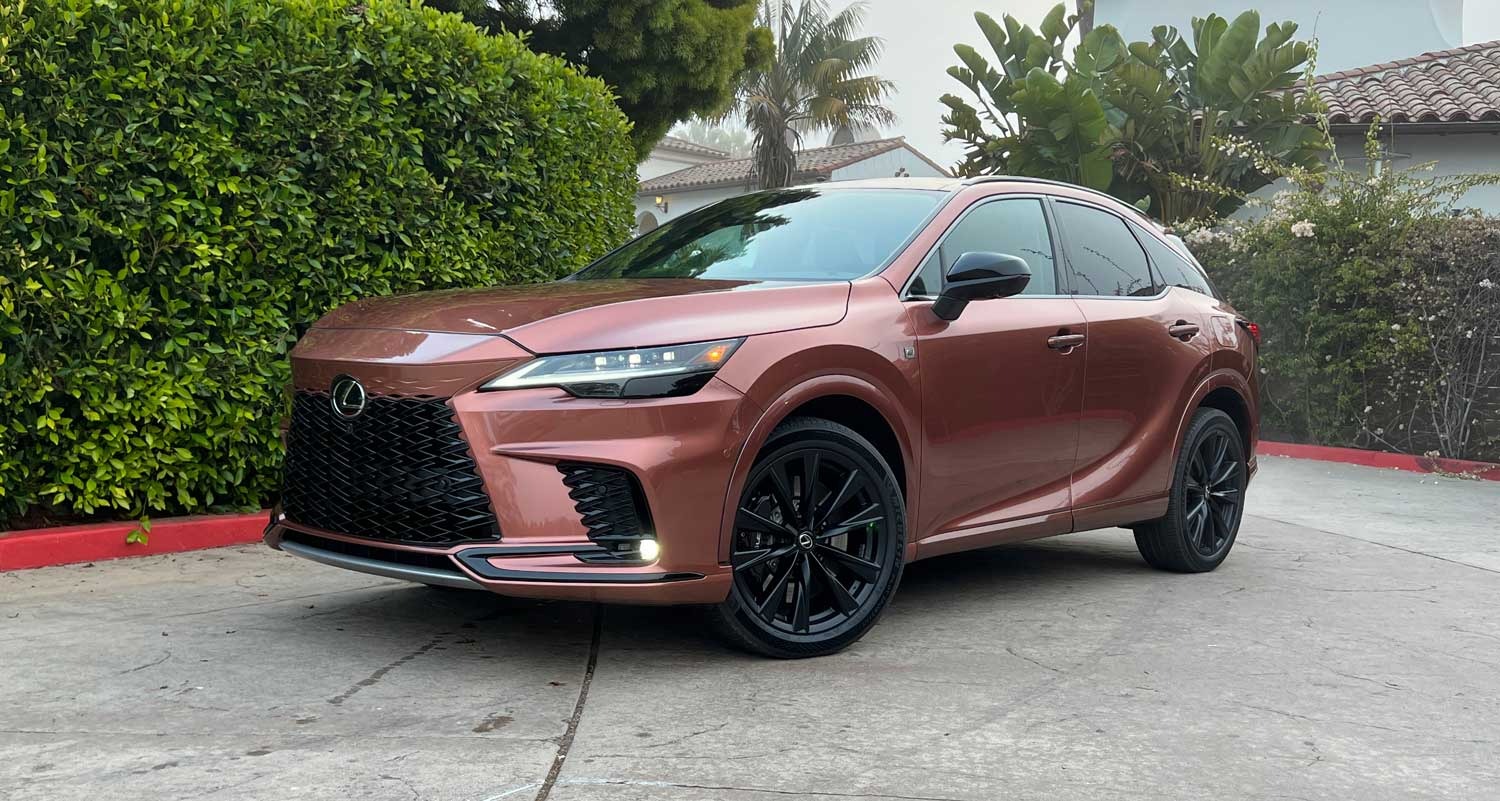
Lexus RX
The Lexus RX builds on Toyota’s foundation of reliable powertrains but adds a layer of refinement that appeals to luxury vehicle buyers. Its transmissions are known for combining smoothness, precision, and durability. Lexus carefully selects transmission components and employs advanced manufacturing processes to ensure each transmission delivers consistent performance over many years.
The RX’s automatic transmissions often feature multiple gear ratios, which allow for smoother shifts and better fuel economy. This complexity is managed through meticulous engineering to minimize wear and potential failures. Many owners report that their Lexus RX transmissions perform flawlessly even after exceeding 150,000 miles, a testament to the brand’s commitment to durability and quality.
One of the key reasons the RX transmissions last so long is the careful calibration of the powertrain management system. By preventing harsh shifts and controlling torque delivery, the system reduces mechanical stress and prolongs transmission life.
Lexus also integrates robust cooling systems to maintain optimal operating temperatures, which is critical in preventing transmission overheating, a common cause of failure in many vehicles. This attention to thermal management is particularly important for SUVs like the RX, which may experience heavier loads and towing duties.
The luxurious nature of the RX extends to its transmission, which operates quietly and efficiently, enhancing driving comfort without sacrificing reliability.
Maintenance for the Lexus RX’s transmission is straightforward and well-supported by the brand’s dealer network. Routine fluid changes, along with periodic inspections, help maintain transmission health. Lexus owners generally follow these maintenance schedules, contributing to fewer transmission failures and reduced repair costs over time.
When repairs are necessary, Lexus dealerships are equipped to handle the work efficiently, though parts costs may be higher than non-luxury brands. Despite this, the RX remains a smart investment for luxury SUV buyers who want a vehicle with proven transmission reliability, minimizing unexpected expenses and maximizing driving enjoyment.

Mazda CX-5
Mazda has gained recognition for delivering vehicles that are not only stylish and fun to drive but also reliable, and the CX-5 exemplifies this blend. The transmission in the CX-5 is engineered to balance smooth shifting and durability, ensuring the vehicle performs well in various driving conditions.
Mazda favors a traditional automatic transmission design that has been refined over several generations, avoiding some of the pitfalls associated with more complex or newer transmission technologies. This approach results in a transmission that feels responsive and precise while maintaining mechanical simplicity that tends to reduce the likelihood of failures.
The CX-5’s transmission is capable of handling daily commuting demands as well as more spirited driving without significant issues.
In addition to strong hardware, Mazda emphasizes software tuning to enhance transmission longevity. The transmission control module is programmed to optimize shift points and reduce abrupt gear changes that can accelerate wear. This fine-tuning also improves fuel efficiency and driving comfort.
Many CX-5 owners report smooth, consistent transmission performance even after years of ownership and tens of thousands of miles. The availability of manual transmission options in some trims also adds to the vehicle’s appeal for those seeking an even simpler, more reliable setup. Mazda’s engineering choices contribute to a transmission system that requires fewer repairs and lower maintenance costs.
Maintenance practices play an essential role in preserving the CX-5’s transmission health. Mazda provides clear guidelines for transmission fluid service intervals, and adherence to these recommendations is key to preventing overheating and component degradation.
When transmission repairs are needed, parts tend to be reasonably priced compared to luxury brands, and Mazda’s growing service network ensures competent repairs are available in many regions. The combination of a reliable transmission and affordable upkeep makes the CX-5 a compelling option for buyers looking for a dependable crossover that won’t surprise them with expensive repairs.
Also Read: 5 V6 Engines That Surprise Owners With Longevity vs 5 That Don’t Last
5 Cars That Often Require Expensive Transmission Fixes
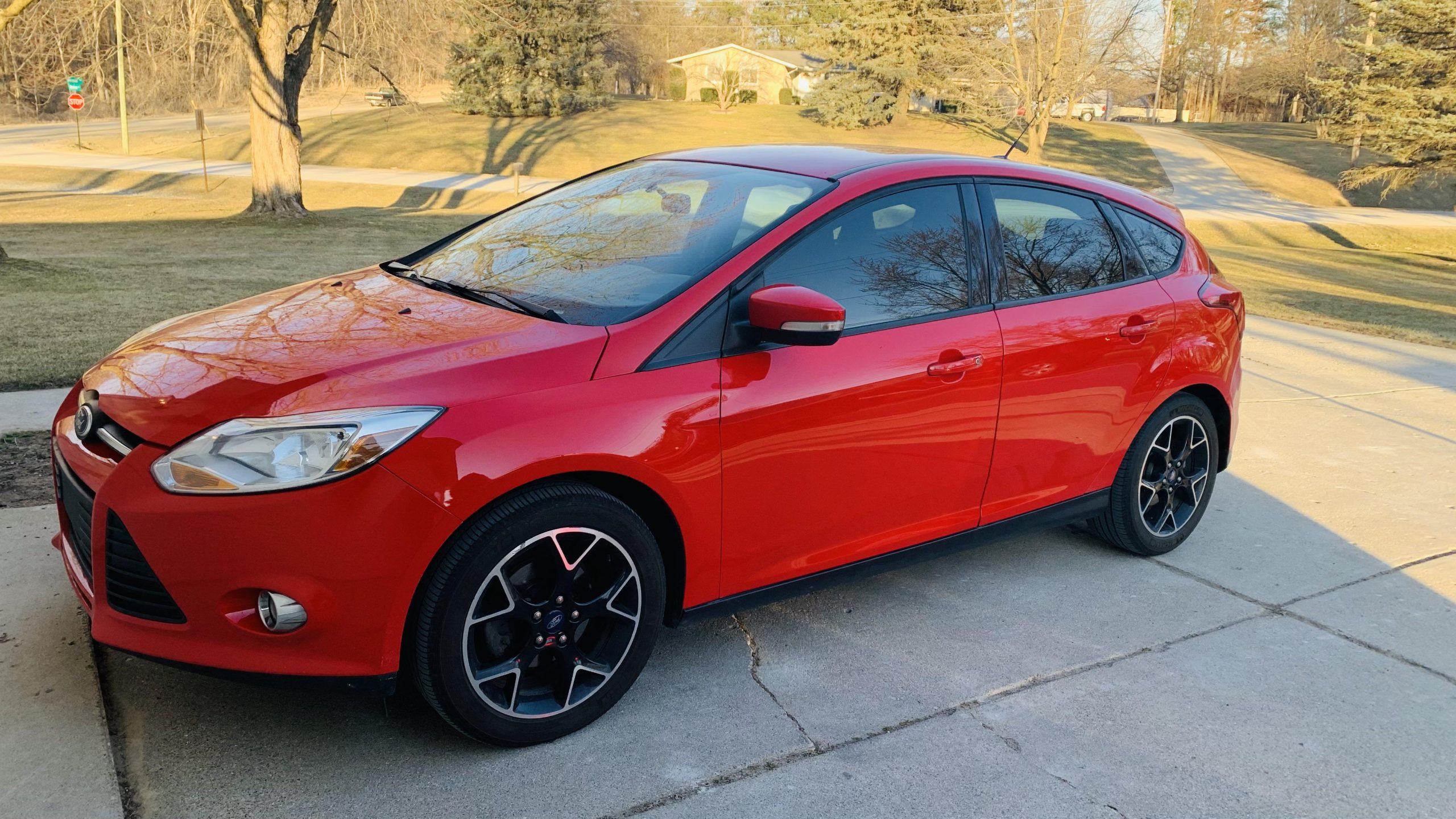
Ford Focus (2012-2016 Models with Powershift Transmission)
The Ford Focus models from 2012 to 2016, particularly those equipped with the Powershift dual-clutch transmission (DCT), are infamous for transmission problems that can lead to costly repairs. The Powershift transmission was designed to provide quick and smooth gear changes, improving fuel economy and driving dynamics compared to traditional automatics.
Unfortunately, the reality for many owners was quite different. The transmission was plagued with issues such as harsh shifting, slipping, unexpected jerking, and in some cases, complete transmission failure. These symptoms often manifested early, sometimes well before 60,000 miles, leading to frustrated owners facing expensive fixes.
One of the main causes of these issues was the design of the wet clutch packs combined with problematic software calibration. The clutch packs would wear prematurely, and the transmission control unit struggled to manage gear shifts effectively. Ford attempted to address these problems through multiple recalls, software updates, and extended warranties.
However, these fixes were not always successful, and many owners reported ongoing issues even after repairs. The complex nature of the Powershift transmission means that repairs often require specialized knowledge and expensive replacement parts, contributing to high service bills. Additionally, the dual-clutch design tends to be less forgiving under aggressive driving or heavy stop-and-go traffic, which accelerates wear and failure rates.
The aftermarket community has debated possible solutions for the Powershift’s problems, ranging from full transmission replacements to clutch pack refurbishments and improved software tuning. Despite these efforts, the Powershift remains a cautionary tale for buyers who prioritize transmission reliability.
Many prospective buyers avoid Focus models from these years altogether, or at least proceed with caution and expect potential transmission repair expenses. The Powershift transmission serves as a reminder that new technology, while promising on paper, can sometimes fall short in real-world durability.
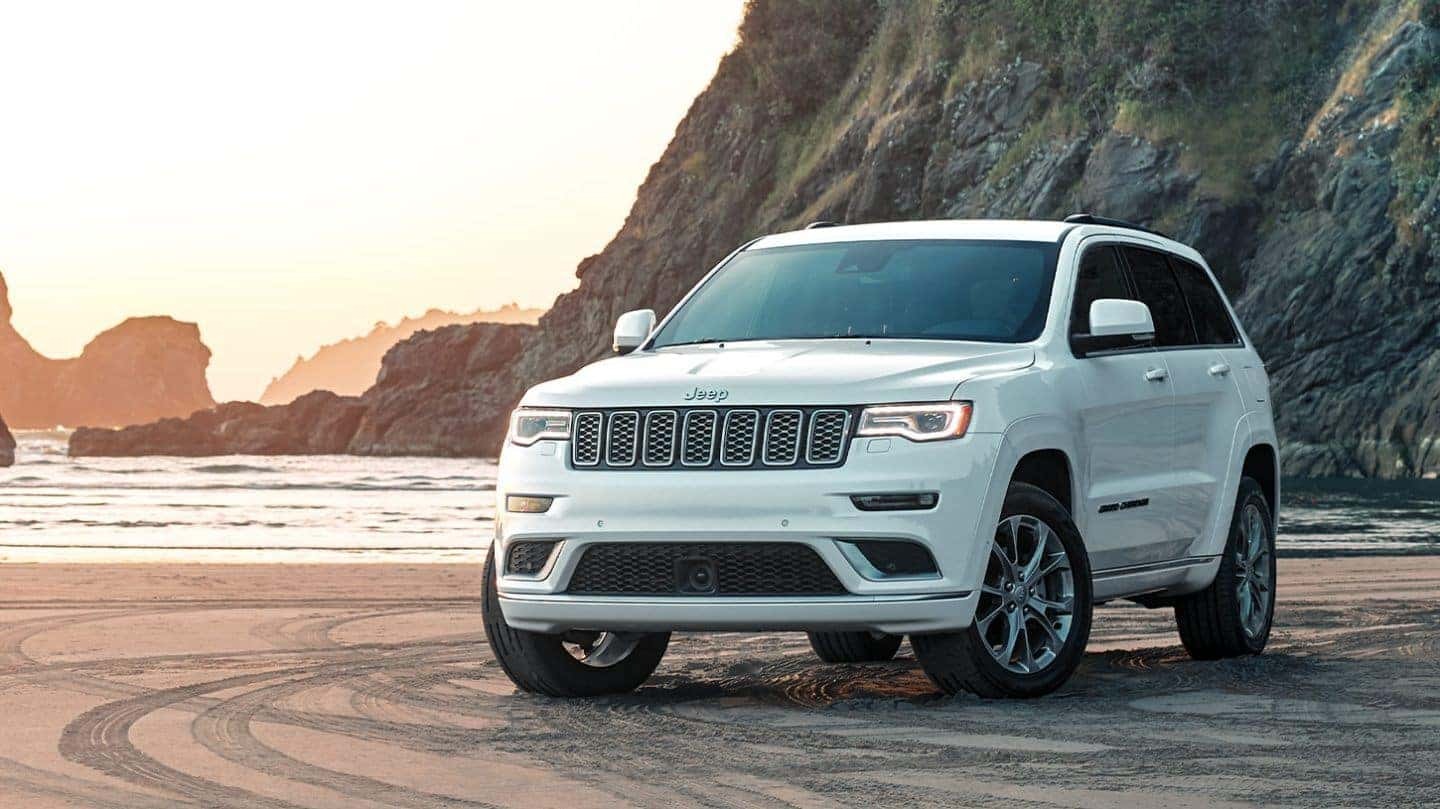
Jeep Grand Cherokee (Certain Years with 8-Speed Automatic Transmission)
The Jeep Grand Cherokee is a popular SUV known for its off-road capabilities and comfortable ride, but certain model years have been associated with transmission reliability issues that can be very costly to fix. In particular, the ZF 8-speed automatic transmission used in some Grand Cherokee models has been the source of numerous complaints.
Problems include harsh and erratic shifting, hesitation when accelerating, slipping gears, and in worst cases, total transmission failure. These issues often occur relatively early in the vehicle’s life cycle, sometimes within the first 50,000 to 70,000 miles, leading to expensive repairs or even complete transmission replacements.
The 8-speed automatic is a sophisticated piece of engineering, offering improved fuel efficiency and smoother shifts compared to earlier transmissions. However, the complexity that makes it perform well can also contribute to costly failures. The transmission contains numerous electronic components and hydraulic controls that must work seamlessly to provide the expected driving experience.
When these components malfunction or wear prematurely, diagnosing and repairing the problem becomes challenging and expensive. Additionally, the transmission can be sensitive to heavy towing and off-road use, which places additional stress on the system and may accelerate failure. Jeep has issued technical service bulletins and extended warranties in response to these issues, but many owners still face out-of-pocket expenses.
Owners often report that transmission repairs in affected Grand Cherokees are time-consuming and costly, involving replacement of valve bodies, solenoids, or even full transmission swaps. The labor-intensive nature of these repairs and the high price of OEM parts further increase repair bills.
Prospective buyers should be aware of these issues and consider a thorough pre-purchase inspection when buying a used Grand Cherokee, especially models equipped with the 8-speed automatic transmission. While the vehicle excels in many areas, the potential for expensive transmission problems is a drawback.
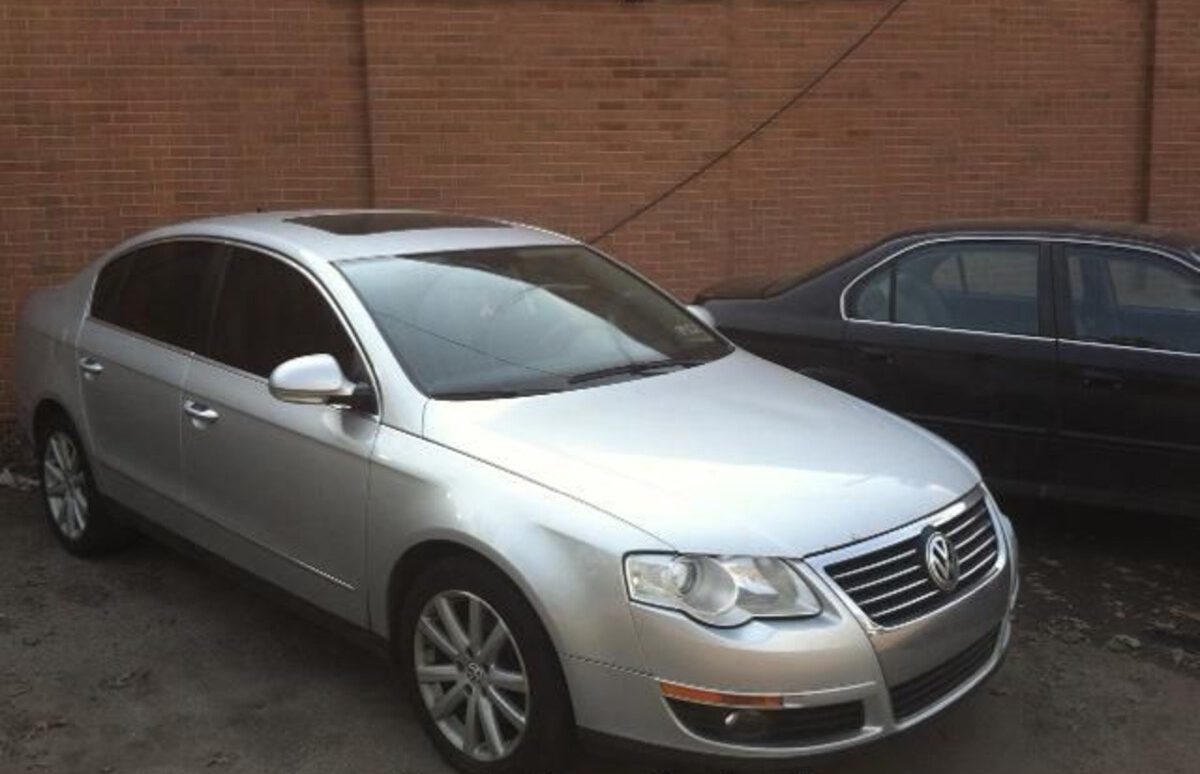
Volkswagen Passat (Early 2000s with DSG Transmission)
Volkswagen’s early implementation of the Direct Shift Gearbox (DSG) in the Passat was intended to combine the convenience of an automatic with the efficiency and responsiveness of a manual transmission. However, early versions of the DSG in Passats from the early 2000s encountered significant reliability issues.
The most common problems centered around the mechatronic unit, which controls the electronic and hydraulic systems responsible for gear shifts. Failures in this unit often caused erratic shifting, failure to engage gears, and warning lights on the dashboard. These issues can appear as early as 50,000 miles, much sooner than expected for a major transmission repair.
The complexity of the DSG system makes repairs costly and time-consuming. The mechatronic unit is expensive to replace, and repairs often require specialized diagnostic tools and technicians familiar with Volkswagen’s technology. Additionally, clutch pack wear and solenoid failures are common, both of which involve significant labor to fix.
Many owners have faced frustration due to repeated repairs or replacements, sometimes under extended warranty coverage but often outside of it. This has led to a perception that early DSG-equipped Passats are unreliable when it comes to transmission longevity.
Volkswagen has made improvements to the DSG system in later models, improving durability and software management. However, early Passats remain problematic, and buyers should approach them with caution.
Maintaining proper transmission fluid levels and following service intervals is critical to reducing the risk of failure, but even well-maintained vehicles can experience these issues due to design flaws. For buyers prioritizing long-term ownership without frequent expensive repairs, alternative models or later Passat generations with updated transmissions might be better choices.
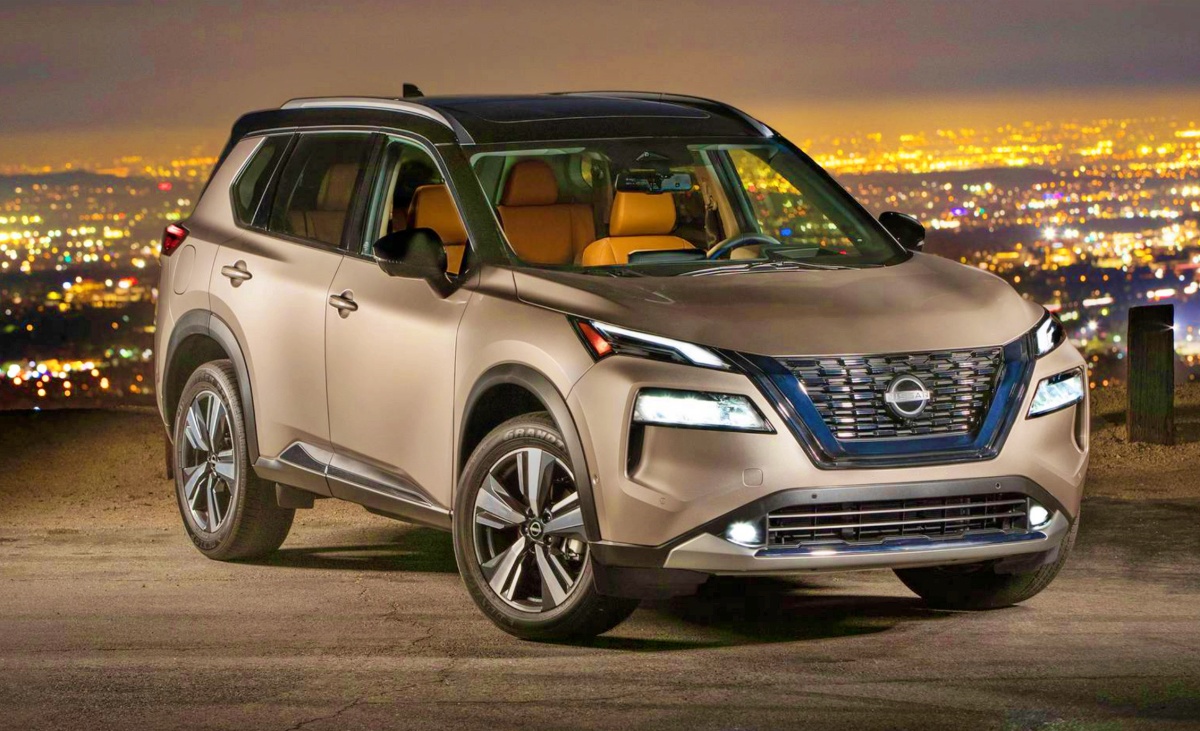
Nissan Rogue (2014-2019 Models with CVT)
Nissan was one of the pioneers in adopting continuously variable transmissions (CVTs) in mainstream vehicles like the Rogue, aiming to improve fuel efficiency and smooth acceleration. However, the CVT technology used in Nissan Rogues from 2014 through 2019 has been criticized for reliability issues that frequently lead to costly repairs.
Common symptoms include shuddering during acceleration, slipping gears, delayed power delivery, and complete transmission failure. These problems often emerge well before the expected lifespan of the vehicle’s transmission, sometimes around 60,000 to 80,000 miles, causing concern among owners.
One reason for these failures is the design and materials used in Nissan’s CVTs during this period. The transmission components can overheat under certain driving conditions, leading to premature wear of belts and pulleys inside the CVT.
Additionally, software management of the CVT sometimes fails to properly regulate gear ratios, causing excessive strain. These issues are exacerbated by heavy urban driving, frequent stop-and-go traffic, or towing, which puts extra stress on the transmission. Nissan has issued recalls and extended warranties covering some CVT problems, but many owners have still faced expensive repairs outside of warranty coverage.
Repairing or replacing a CVT is often more costly than traditional automatic transmissions because of the specialized nature of the components and labor. The complexity of the CVT means that mechanics require specific training and diagnostic equipment, which can add to service costs.
For owners, this translates into higher-than-average transmission repair bills. Given the widespread reports of CVT failures in Nissan Rogues, buyers are advised to consider the potential for these expenses when choosing a vehicle in this range. Some owners opt for extended warranties or service plans to mitigate the financial risk.
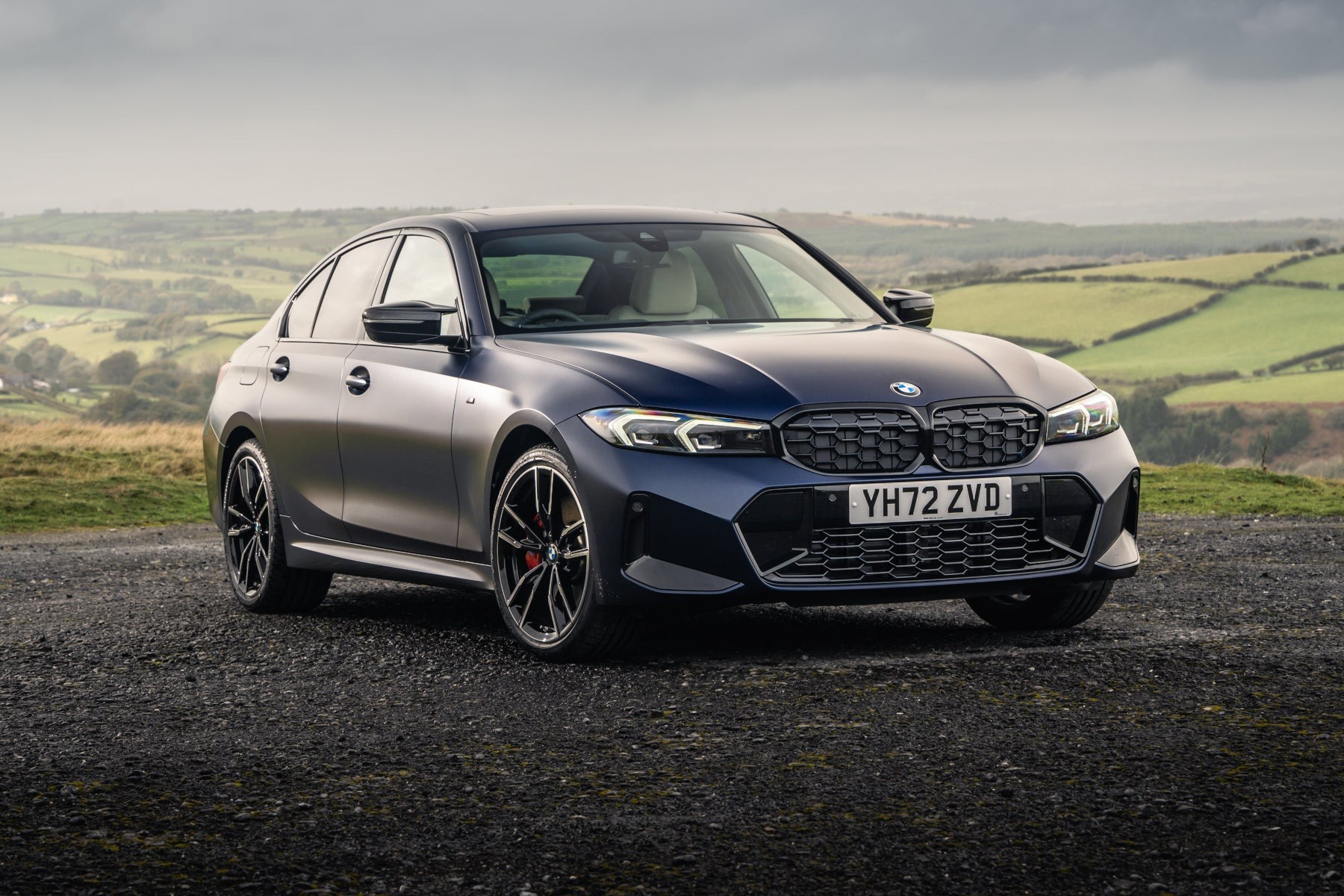
BMW 3 Series (Various Models with Automatic Transmission)
The BMW 3 Series is widely admired for its performance and engineering sophistication, but certain model years and automatic transmission variants have been associated with frequent and expensive transmission issues.
BMW transmissions are complex systems featuring advanced electronics, hydraulic controls, and often multiple clutches or torque converters depending on the model. These components work together to deliver a sporty yet smooth driving experience. However, the intricacy of the system also means that when something goes wrong, repairs can be complicated and costly.
Common transmission problems in the 3 Series include rough shifting, delayed engagement, transmission overheating, and valve body malfunctions. These issues can cause the car to enter “limp mode,” significantly reducing power and drivability until repairs are made.
Many owners have experienced transmission failures well before 100,000 miles, sometimes requiring complete transmission rebuilds or replacements. The premium parts and labor costs for BMW vehicles make these repairs particularly expensive compared to mainstream brands. In addition, BMW’s frequent use of computerized diagnostics means that troubleshooting can be time-intensive and costly.
Preventive maintenance can help reduce the risk of transmission failure in the 3 Series, but it does not guarantee trouble-free operation. Regular transmission fluid changes and software updates are recommended, but may not prevent mechanical wear or electronic failures entirely.
Some owners opt for extended warranties or service contracts to protect against expensive repairs. While the 3 Series remains a favorite for driving enthusiasts, its transmission repair history means that buyers should be prepared for potentially high maintenance costs, particularly on older or higher-mileage models.
Also Read: 5 Engines That Rarely Need Valve Jobs vs 5 That Constantly Do
When it comes to vehicle ownership, transmission reliability plays a critical role in long-term satisfaction and cost of ownership. Choosing a car with a transmission known for durability can save owners thousands of dollars in unexpected repairs and downtime.
Vehicles like the Toyota Camry, Honda Accord, Subaru Outback, Lexus RX, and Mazda CX-5 consistently demonstrate how solid engineering, quality components, and proper maintenance contribute to transmission longevity. These cars benefit from proven designs and manufacturer support that emphasize smooth operation and reliability, helping owners avoid the financial burden and inconvenience of major transmission failures.
On the other hand, some vehicles come with transmissions that have a history of issues resulting in frequent, expensive repairs. Examples include the Ford Focus with its problematic Powershift dual-clutch transmission, the Jeep Grand Cherokee’s 8-speed automatic, Volkswagen Passats with early DSG units, Nissan Rogues equipped with CVTs prone to failure, and various BMW 3 Series models with complex automatic transmissions.
These vehicles highlight the challenges that can arise when new or sophisticated transmission technologies are not fully refined or when design flaws lead to premature wear. Owners of these cars often face costly repairs and frustrating reliability concerns, making it essential to be aware of such risks when purchasing or maintaining these models.
The key takeaway is that transmission reliability hinges on a combination of sound engineering, quality materials, and attentive maintenance. While no car is entirely immune to mechanical issues, selecting a vehicle with a strong track record for transmission durability reduces the likelihood of expensive repairs.
For current owners of vehicles with known transmission challenges, diligent maintenance and early diagnosis of symptoms can mitigate the severity of problems. Whether buying new or used, understanding the transmission history of a vehicle is an important step toward making an informed decision and enjoying a more dependable driving experience.
