
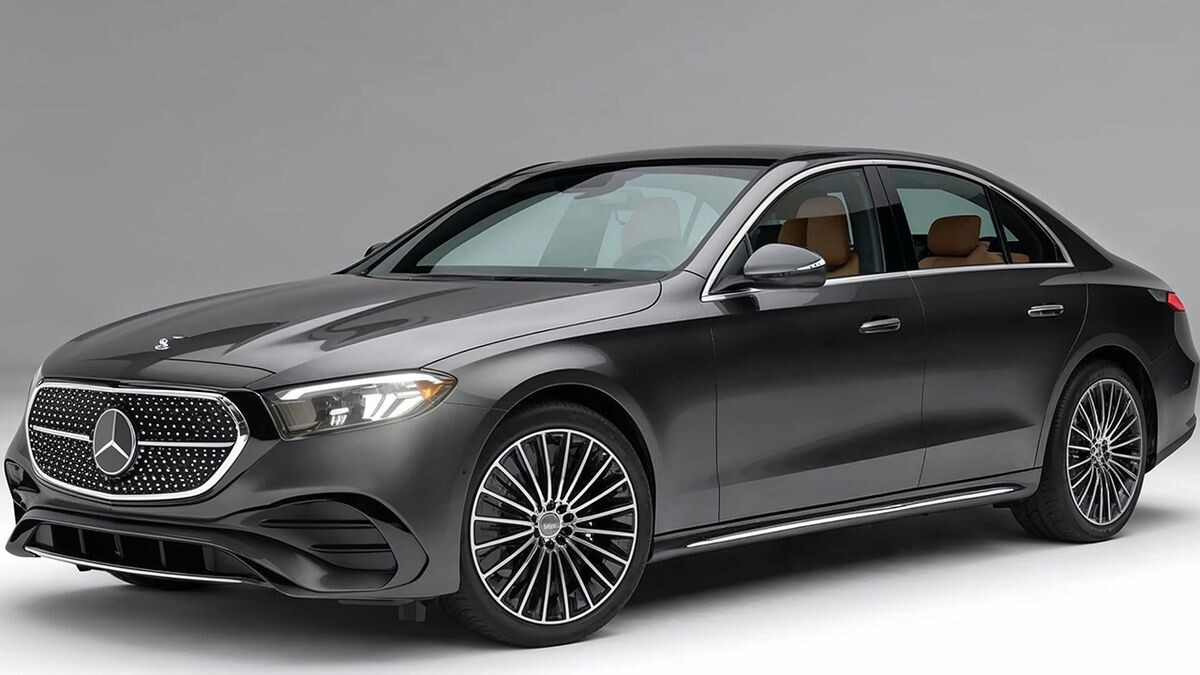
Taxi drivers rely heavily on their vehicles, as these cars are more than just modes of transportation, they are the foundation of their livelihoods and daily routines. A taxi must be able to endure high mileage and constant use while remaining comfortable and reliable for passengers and drivers alike.
Unlike private vehicles used casually, taxis experience wear and tear at an accelerated pace, covering thousands of miles every week, often under stressful city driving conditions. For taxi drivers, the choice of vehicle is critical, as it impacts their income, efficiency, and ability to serve customers effectively.
The vehicles they trust need to have proven durability, simple maintenance, and affordable operational costs. The relationship between a taxi driver and their car is a long-term one, built on trust earned through years of consistent performance.
The durability of a taxi vehicle goes beyond just a strong engine. It encompasses many factors, including the robustness of the chassis, quality of interior materials, ease of repair, and mechanical reliability.
Taxis must also be economical, not only in terms of fuel consumption but also through the longevity of critical components like transmissions, brakes, and suspension.
Because taxis often serve urban areas where stop-and-go traffic is common, vehicles that can handle this stress without overheating or excessive wear are highly valued.
Another important consideration is passenger comfort. A taxi’s interior should remain pleasant and intact after years of use by countless riders. The balance of these factors has led many taxi drivers worldwide to rely on certain vehicle models that have consistently proven themselves.
The global taxi industry is heavily influenced by regional factors such as climate, road quality, and availability of parts and mechanics. Vehicles that thrive in harsh environments with poor roads or extreme weather conditions are highly prized.
Additionally, the availability of affordable replacement parts and knowledgeable mechanics can significantly impact a taxi’s service life. As a result, many taxi drivers develop preferences based on local experience and common wisdom passed among their peers.
Over time, some vehicles become almost iconic within taxi communities because of their ability to endure the demanding nature of taxi work. These trusted vehicles have become the standard bearers for those who require dependability and cost-efficiency in their business.
This article outlines ten vehicles that have earned the trust of taxi drivers globally, known for their ability to last for many years and miles.
Each vehicle listed has unique strengths, from fuel efficiency and low maintenance costs to comfort and power. Whether for city driving or longer trips, these vehicles have demonstrated remarkable resilience in taxi fleets.
For anyone interested in understanding what makes a vehicle truly dependable in taxi service, whether drivers, fleet operators, or even regular car buyers, this list highlights the most respected options on the market. The following sections explore the features, advantages, and lasting appeal of each vehicle, providing insight into why taxi drivers continue to choose them time after time.
Also Read: 5 Honda Sedans That Rarely Break vs 5 That Constantly Do
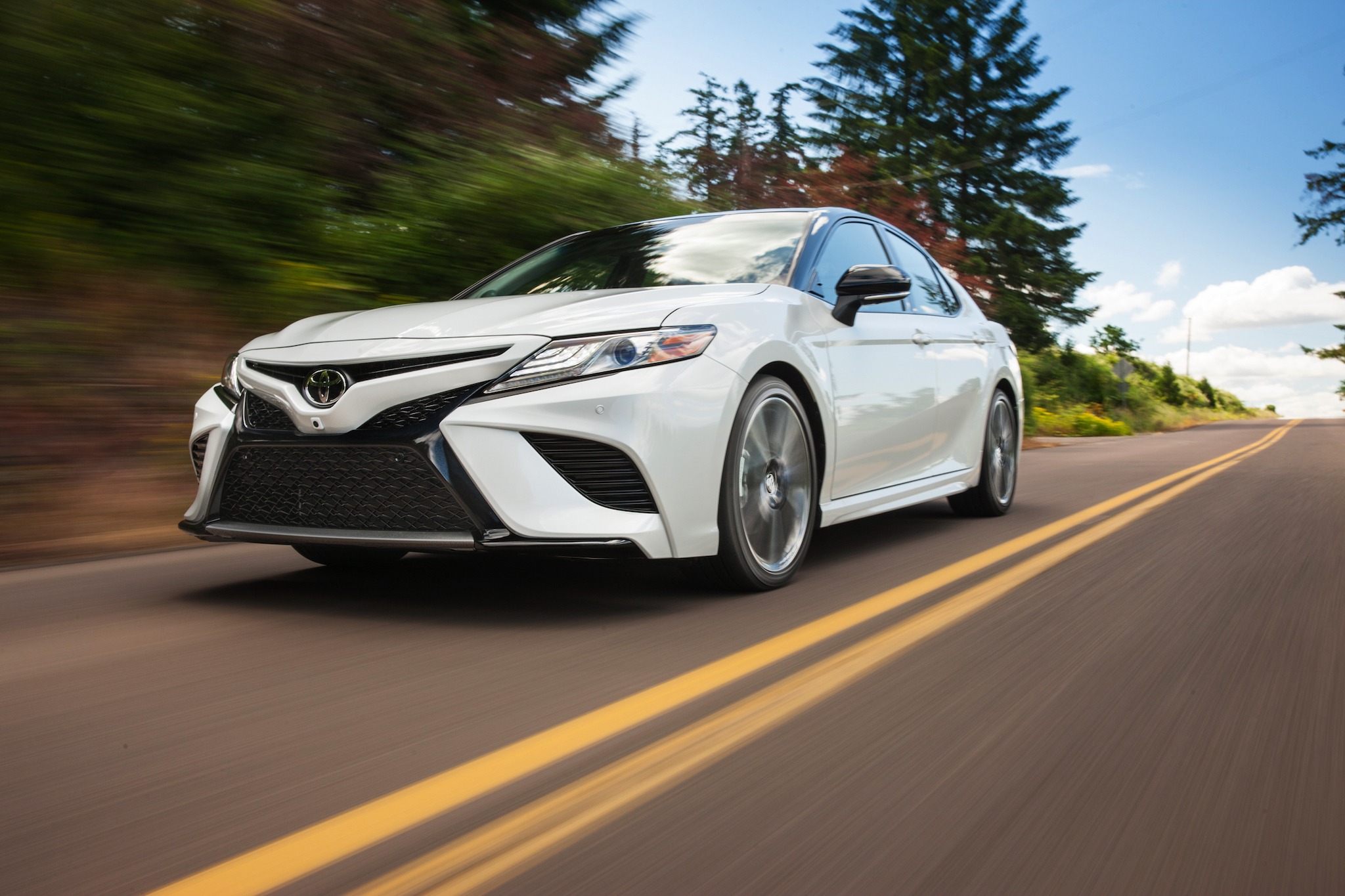
1. Toyota Camry
The Toyota Camry stands out as one of the most popular vehicles chosen by taxi drivers worldwide, and this reputation is well deserved. Known for its exceptional reliability, the Camry has built a solid track record as a workhorse that handles high mileage and daily use with remarkable consistency.
The vehicle’s engineering focuses on durability, combining a strong yet efficient engine with a comfortable chassis that absorbs the roughness of daily city and highway driving. This balance makes the Camry ideal for drivers who clock long hours and cover extensive distances.
The car’s smooth ride ensures passengers remain comfortable even after hours on the road, while the driver benefits from a vehicle that doesn’t easily succumb to the stress of constant operation.
One key factor that sets the Camry apart is its low maintenance cost, a critical consideration for taxi drivers. Toyota’s extensive global presence guarantees that parts are widely available and reasonably priced.
Unlike some vehicles that require expensive repairs, the Camry’s components are generally easy to service, leading to less downtime and more time earning money.
The engine is known for its longevity, capable of surpassing 300,000 miles with regular oil changes and scheduled servicing. Its reputation for mechanical simplicity without sacrificing quality has earned it high marks from mechanics and taxi drivers alike.
Fuel economy is another major advantage, especially for models with four-cylinder engines, which deliver excellent mileage and reduce the cost of daily operation substantially.
Inside, the Camry offers a spacious cabin that caters to passenger comfort. The seats are designed with durable materials that resist wear, an important feature given the constant turnover of riders. The car also has ample trunk space, which proves essential for passengers carrying luggage or groceries.
Toyota’s steady improvements in safety technology add value to the Camry, providing drivers and passengers with advanced airbags, stability control, and in newer models, driver assistance features like lane departure warnings. These elements contribute to a more secure and pleasant experience, further solidifying the Camry’s status as a top choice in the taxi industry.
The Camry’s engine options offer flexibility depending on the driver’s priorities. The efficient four-cylinder engine is excellent for urban environments focused on economy, while the available V6 engine provides extra power for highway driving or areas with steep terrain.
This versatility allows drivers to select a model that fits their specific operating conditions. The car’s reliable automatic transmission and predictable handling also make it easier to navigate stop-and-go traffic and crowded streets.
The Camry’s blend of comfort, durability, and low operating costs makes it a vehicle that taxi drivers can count on for years, earning its place at the top of many taxi fleets around the globe.
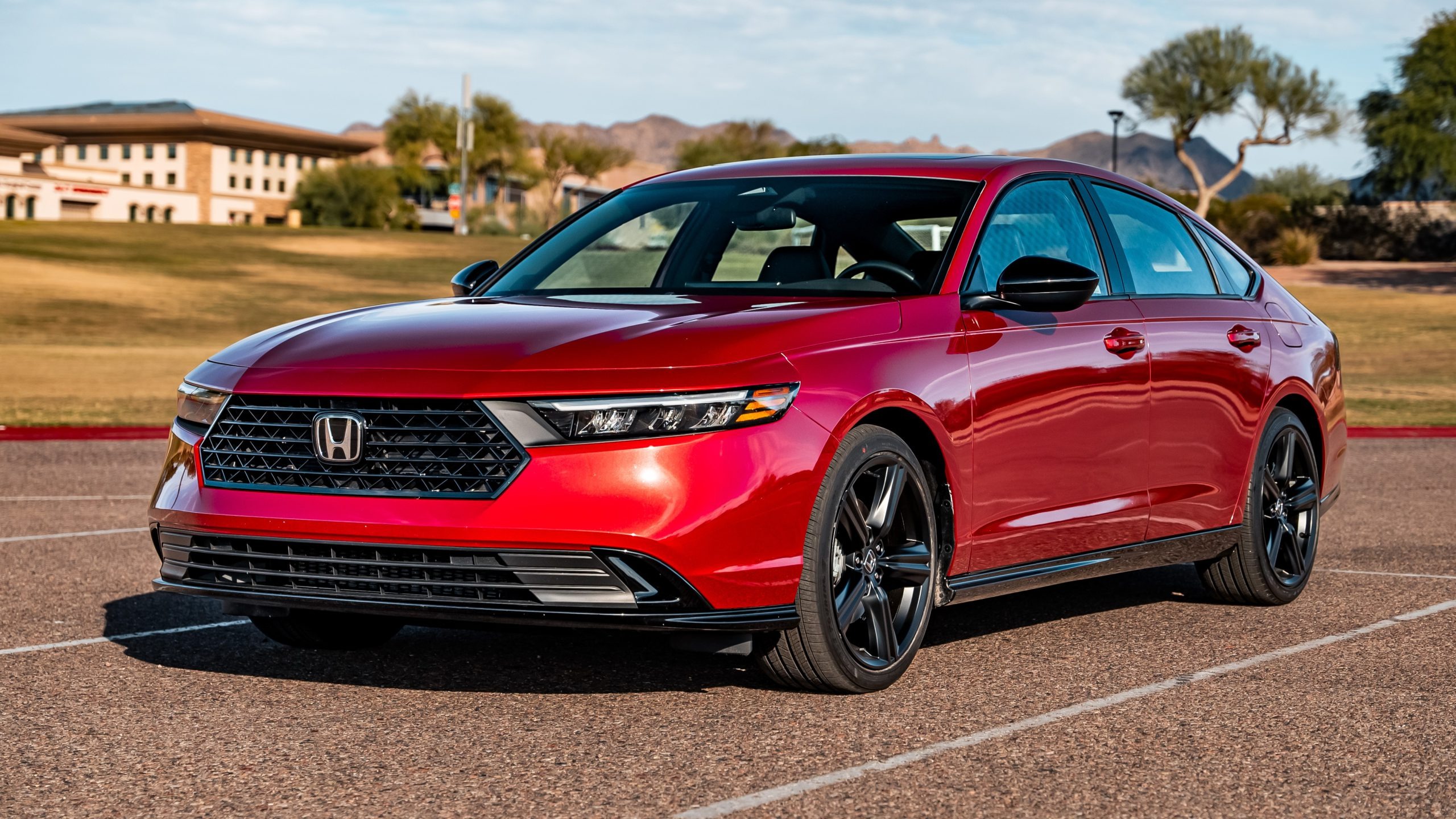
2. Honda Accord
The Honda Accord has long been praised for its outstanding build quality and engineering excellence, qualities that resonate well with taxi drivers seeking dependable transportation. This midsize sedan combines a well-tuned engine with a durable chassis, creating a vehicle that stands up to the demands of continuous use.
The Accord is often cited for its ability to reach high mileage milestones without major mechanical problems, making it a smart investment for drivers whose income depends on their car’s performance.
Its smooth handling and comfortable ride reduce fatigue for drivers spending long hours on the road, while the passenger cabin remains welcoming and quiet, a key element for customer satisfaction.
One of the Accord’s greatest strengths is its mechanical reliability. The engine and transmission systems are designed to operate efficiently over long distances, with many models running well beyond 200,000 miles when properly maintained.
Taxi drivers appreciate the straightforward design of the engine and drivetrain, which simplifies repairs and reduces associated costs. The widespread availability of Honda parts and the presence of skilled mechanics familiar with the brand further enhance its appeal.
The Accord also boasts solid fuel economy, particularly in models equipped with four-cylinder engines, which helps keep operating expenses in check amid fluctuating fuel prices.
Comfort and safety are important features in the Accord that have contributed to its popularity among taxi drivers. The suspension is calibrated to absorb bumps and irregular road surfaces, ensuring a smooth ride for passengers regardless of road conditions.
The spacious interior accommodates multiple passengers comfortably, with generous legroom and headroom in both front and rear seats.
Honda has consistently equipped the Accord with advanced safety features, including multiple airbags, anti-lock brakes, and electronic stability control. Newer models also include collision mitigation systems and lane-keeping assist, making it a safer choice for drivers who spend hours behind the wheel.
From a driving perspective, the Accord offers a balance of power and efficiency that suits the varied demands of taxi service. It is agile enough for city streets but capable of smooth highway cruising, thanks to its responsive steering and well-matched transmission.
The model’s large trunk space makes it ideal for carrying luggage, an essential feature for airport taxi drivers and those servicing business travelers. The Honda Accord combines durability, comfort, and fuel efficiency in a way that has earned it widespread trust and respect among taxi drivers worldwide.
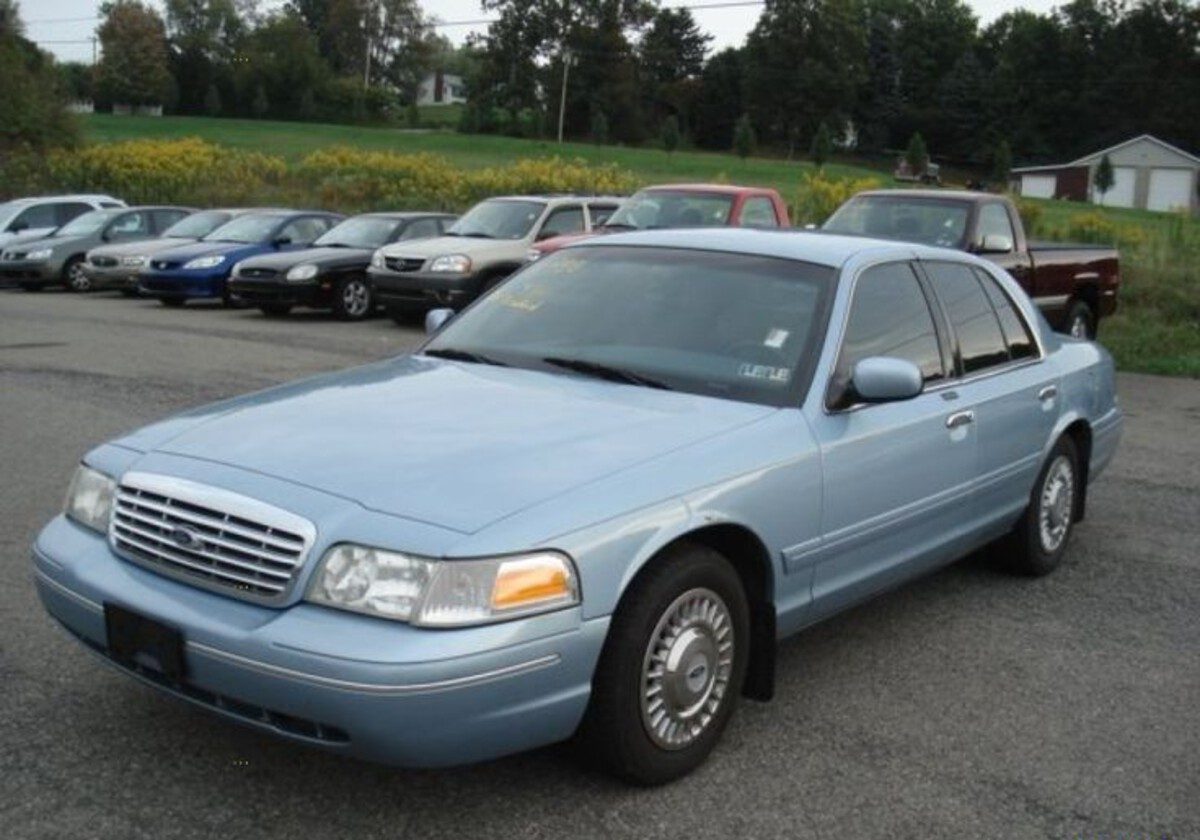
3. Ford Crown Victoria
The Ford Crown Victoria holds a legendary status within taxi and police vehicle circles, particularly in North America. Its reputation for toughness and longevity is well-earned due to its unique body-on-frame construction, which differs from most modern unibody sedans.
This rugged frame allows the Crown Victoria to withstand the relentless demands of taxi service, including heavy loads and harsh road conditions.
The vehicle’s large size offers a spacious interior that easily accommodates passengers and their belongings, making it a favorite for those needing comfort and practicality in equal measure. The wide doors and flat floor add convenience, enabling quick entry and exit for passengers, which is essential for busy taxi operations.
The Crown Victoria’s V8 engine delivers ample power and durability. It is known for its straightforward mechanical design, which helps simplify repairs and lowers maintenance costs compared to more complex modern engines.
Taxi drivers value the Crown Victoria for its ability to run reliably even after surpassing 300,000 miles, a testament to its robust engineering.
The rear-wheel-drive configuration provides stable handling and smooth cruising, while the heavy-duty suspension system contributes to passenger comfort by absorbing shocks from uneven road surfaces. Its resilience makes it one of the longest-serving taxi vehicles on the road today.
Fuel consumption is less favorable compared to smaller sedans, but many drivers consider this an acceptable compromise for the vehicle’s durability and comfort. The Crown Victoria’s powerful engine allows for quick acceleration and confident highway driving, which can be essential when navigating city traffic or responding to passenger requests.
Despite being discontinued by Ford over a decade ago, many Crown Victorias remain active in taxi fleets, especially in cities where their value is well recognized. Their continued popularity owes much to their simplicity, affordability, and unmatched reliability.
The vehicle’s maintenance advantages include a broad availability of aftermarket parts and mechanics familiar with its systems, making repairs more accessible and less costly.
Its straightforward mechanical layout allows taxi garages to perform repairs efficiently, reducing vehicle downtime and keeping drivers on the road. In essence, the Crown Victoria has become a symbol of toughness and longevity in the taxi industry, a reliable companion for drivers who prioritize durability and ease of maintenance.
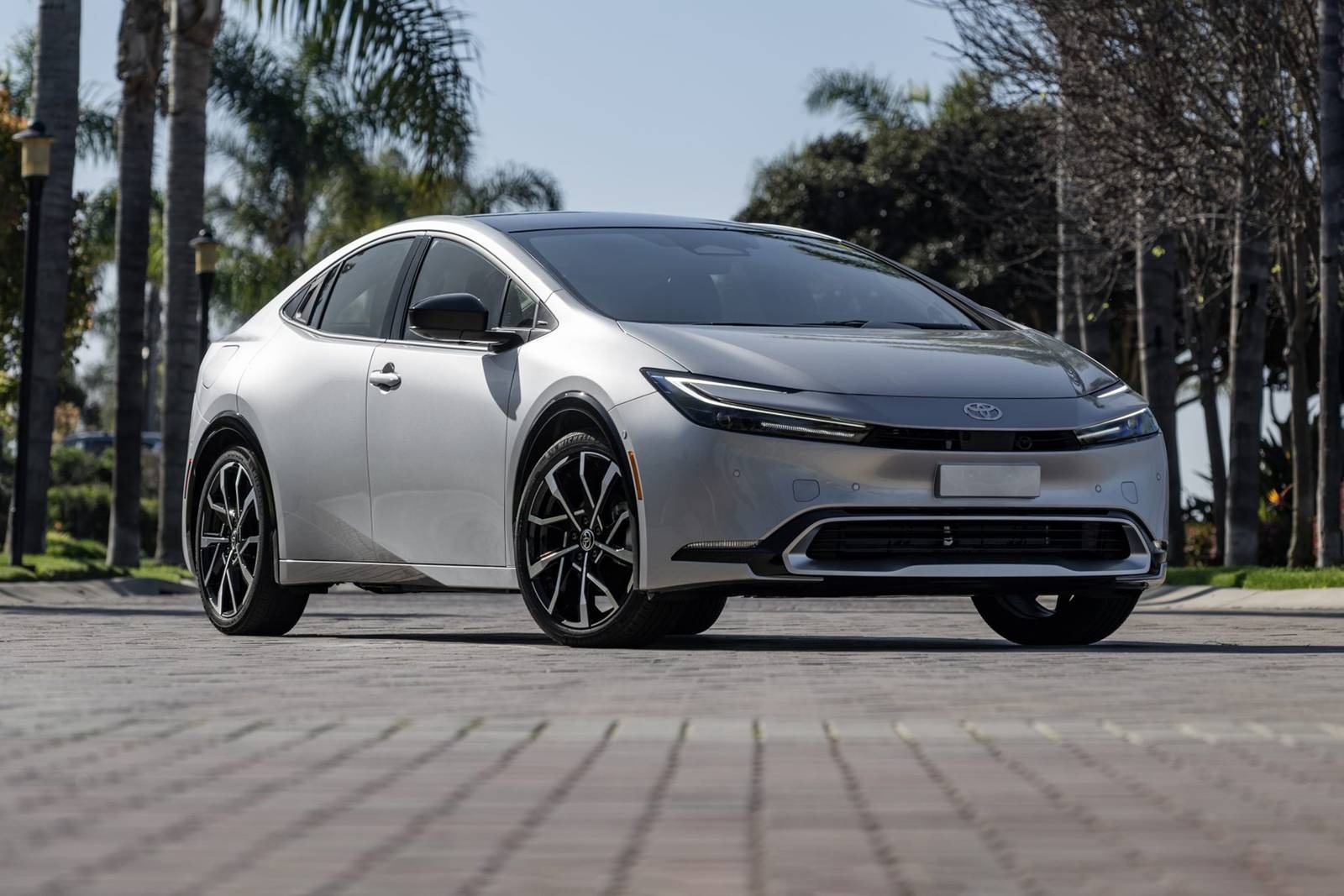
4. Toyota Prius
The Toyota Prius marked a significant turning point in the taxi industry by introducing hybrid technology as a practical solution for fuel efficiency and environmental concerns.
The Prius operates with a combination of a gasoline engine and an electric motor, allowing it to switch between power sources or use both simultaneously to maximize efficiency.
This hybrid system is particularly advantageous for taxis operating in congested city traffic, where frequent stops and idling can otherwise increase fuel consumption dramatically.
For taxi drivers, the Prius offers some of the best fuel economy numbers available, often achieving more than twice the mileage of conventional gasoline-powered cars in urban settings.
The Prius is widely recognized for its reliability, with many models lasting well beyond 200,000 miles when regularly maintained. Toyota’s experience with hybrid technology has led to a mature and durable system that rarely fails outside of standard wear and tear.
The hybrid battery, once a concern for many, has proven to last for many years, and replacement costs have declined with improvements in technology. Toyota’s global service network supports hybrid vehicles extensively, ensuring that parts and expert technicians are readily available.
The Prius’ simplicity and efficiency reduce the frequency and cost of repairs, which is crucial for taxi drivers who rely on their vehicle as a primary income source.
The interior of the Prius is designed with both driver and passenger comfort in mind. Its spacious cabin offers good legroom and headroom, with large rear doors facilitating easy access for passengers.
Another benefit of the Prius is regenerative braking, which captures energy during deceleration to recharge the battery and also reduces wear on the brake pads. This feature lowers maintenance costs over time and enhances the car’s efficiency.
While the Prius offers a different driving experience compared to traditional gasoline cars, many taxi drivers quickly adapt and come to appreciate its smooth acceleration and easy handling.
Its ability to reduce fuel costs significantly, combined with Toyota’s reputation for durability, makes it a top choice for taxi drivers, especially in metropolitan areas where environmental concerns and rising fuel prices are pressing issues.
The Prius’ blend of economy, reliability, and passenger comfort has made it a trusted and enduring vehicle in the taxi industry.
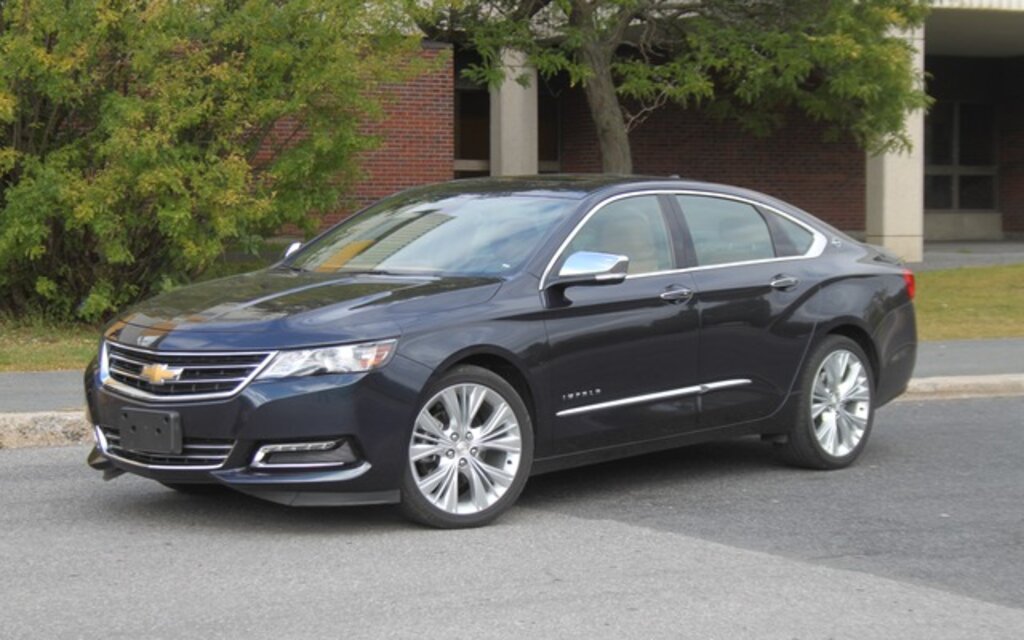
5. Chevrolet Impala
The Chevrolet Impala is a full-size sedan known for its spaciousness, comfort, and durability, qualities that make it a favorite among taxi drivers. Its large cabin space comfortably accommodates passengers and their luggage, providing a pleasant travel experience that is essential in taxi services.
The Impala’s V6 engine offers a good balance of power and efficiency, enabling drivers to handle a variety of driving conditions, from busy urban streets to open highways. Its smooth suspension contributes to passenger comfort by softening the impact of bumps and potholes, which are common in city driving environments.
In terms of reliability, the Impala has demonstrated solid performance over the years, with many models reaching high mileage milestones when properly maintained. Chevrolet’s extensive dealership network ensures that parts are easily accessible, and repair costs are generally manageable.
Taxi drivers often praise the Impala for its straightforward mechanical design, which simplifies servicing and reduces downtime. The vehicle’s reputation for dependability is supported by the availability of experienced mechanics familiar with the model, helping keep maintenance expenses under control.
Fuel economy for the Impala is reasonable considering its size and power. While not as efficient as hybrid or compact sedans, it strikes a practical balance that is suitable for drivers who prioritize comfort and performance.
The sedan’s large trunk space is an important asset, especially for airport taxis or drivers carrying multiple passengers with luggage. The wide interior and roomy seating enhance the passenger experience, making the Impala a preferred choice in many taxi fleets looking for reliability without sacrificing space.
Over time, Chevrolet has upgraded the Impala’s safety features and interior amenities, keeping it competitive with other models in its class. These updates have helped the vehicle maintain its relevance and appeal, contributing to its ongoing popularity among taxi drivers.
The Impala’s combination of reliability, comfort, and performance makes it a solid option for taxi drivers seeking a dependable car that can handle the demanding nature of their work.
Also Read: 5 Nissan Leaf Years Worth Owning vs 5 To Avoid
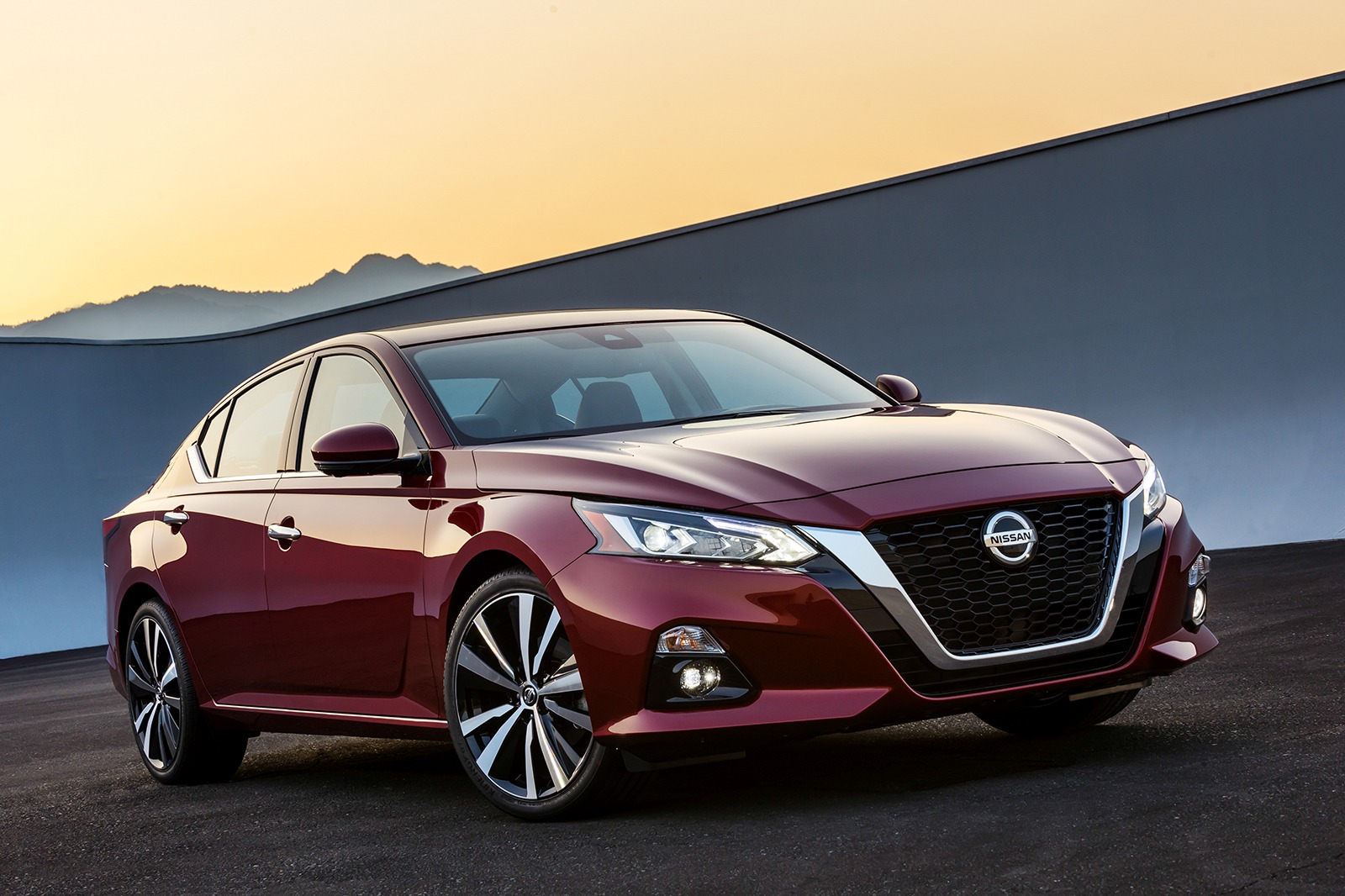
6. Nissan Altima
The Nissan Altima is favored by many taxi drivers because of its consistent reliability, fuel efficiency, and comfortable ride quality. This midsize sedan delivers an engaging driving experience, with responsive steering and smooth suspension that make it well-suited for navigating busy city streets and highways.
The Altima’s engines, particularly the four-cylinder and V6 options, are designed for durability and efficiency, often lasting well beyond 200,000 miles with regular maintenance. This long lifespan is essential for taxi drivers who need a dependable vehicle that won’t frequently require costly repairs.
Comfort is a significant factor in the Altima’s appeal. The interior is spacious, providing ample room for both driver and passengers. Rear passengers benefit from generous legroom and headroom, which is important for maintaining a pleasant ride on longer trips.
The cabin is thoughtfully designed with user-friendly controls and quality materials that hold up well under constant use. Nissan’s focus on safety is evident in the Altima, which includes features such as airbags, anti-lock brakes, and electronic stability control to help protect occupants during accidents.
Over the years, the Nissan Altima has proven itself as a dependable and practical vehicle for taxi use. Its blend of durability, comfort, and fuel efficiency makes it a logical choice for drivers who require a trustworthy car that can withstand the demands of daily taxi service without compromising passenger satisfaction.
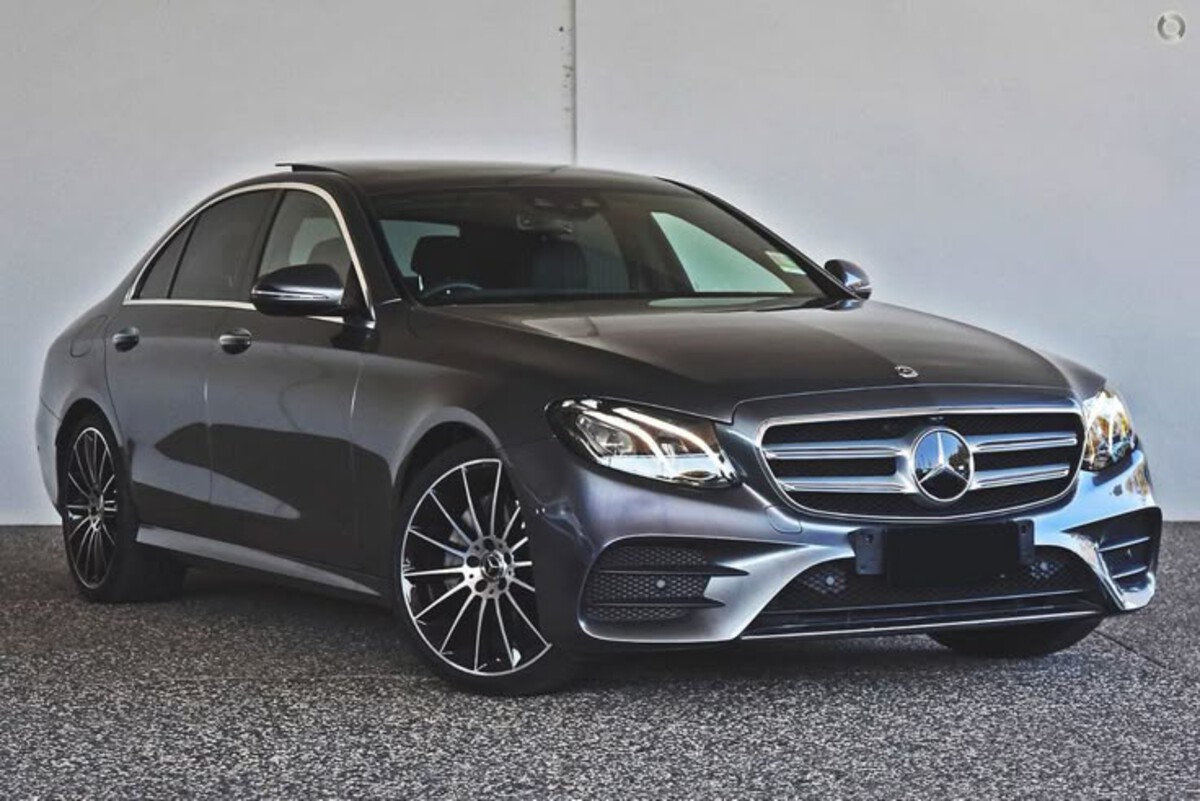
7. Mercedes-Benz E-Class (Older Models)
Older models of the Mercedes-Benz E-Class hold a special place in the taxi world, particularly in Europe and some parts of Asia. These vehicles are built with a level of craftsmanship and engineering that allows them to endure hundreds of thousands of miles while maintaining a high level of comfort and safety.
The E-Class’s robust engines and well-constructed chassis contribute to its longevity, making it a favorite among taxi drivers who seek a balance of luxury and durability. The spacious and plush interior provides a premium experience for passengers, which can be a key differentiator in competitive taxi markets.
The reliability of these older E-Class models is, especially those produced in the late 1990s and early 2000s. With proper maintenance, they can achieve mileage figures that rival or exceed many economy sedans. Mercedes-Benz’s extensive network of parts suppliers and mechanics supports the continued operation of these cars.
Their engines are well-known for their strength and ability to handle heavy daily use without frequent breakdowns. The durable materials used in the interior and the strong suspension system add to the vehicle’s ability to handle taxi service with minimal degradation over time.
Although fuel efficiency is not the primary strength of the E-Class, many drivers accept this in exchange for superior ride quality and passenger comfort. The vehicle offers a smooth and quiet ride, with advanced suspension technology that isolates occupants from road imperfections.
These features are particularly valued in taxi service, where passenger comfort is essential for positive reviews and repeat business. Additionally, safety features included in these models help protect drivers and passengers alike, contributing to the E-Class’s lasting appeal.
Choosing an older Mercedes-Benz E-Class for taxi service can be seen as an investment in quality and comfort. Despite higher upfront costs compared to economy sedans, their durability and ability to retain value over time make them worthwhile for some drivers.
With careful upkeep, these vehicles continue to provide reliable service and a luxurious experience, distinguishing them from other taxis on the road.

8. Hyundai Sonata
The Hyundai Sonata has emerged as a reliable and affordable option for taxi drivers in many regions, thanks to its consistent improvements in quality and value over the years. This midsize sedan offers a well-rounded package, combining comfort, durability, and fuel efficiency at a competitive price point.
Hyundai’s focus on improving build quality has resulted in vehicles that can handle the rigors of daily taxi use without frequent repairs. The Sonata’s comfortable ride and spacious interior make it a practical choice for drivers and passengers alike, particularly for longer shifts or busy urban routes.
Comfort features in the Sonata include supportive seats and a quiet cabin, both of which help reduce driver fatigue and enhance the passenger experience.
The vehicle’s suspension is tuned to balance smoothness and control, effectively managing rough roads and traffic conditions.
The interior materials have become more durable in recent generations, resisting wear and tear that comes from continuous use. This durability extends to mechanical components, with engines and transmissions designed
Inside, the Sonata provides a welcoming environment for passengers, with ample space, comfortable seating, and a smooth ride quality that is essential for a positive customer experience. The cabin is quiet and well-insulated, allowing conversations and phone calls without excessive background noise.
This enhances the appeal of the vehicle in the taxi industry, where passenger comfort often leads to better tips and repeat business. Safety features, including multiple airbags, stability control, and newer driver assistance technologies, add to the Sonata’s value by protecting both drivers and passengers on the road.
Hyundai has consistently upgraded the Sonata with newer models bringing improved styling, technology, and fuel-saving innovations, which has kept it competitive in the taxi market. Taxi drivers appreciate the balance of modern amenities and the practical necessities of a dependable workhorse.
Over time, the Sonata has cemented itself as a trustworthy choice for taxi drivers looking for a vehicle that combines economy, durability, and passenger comfort without breaking the bank. Its growing presence in taxi fleets worldwide is a testament to its reliability and value.

9. Volkswagen Passat
The Volkswagen Passat is another vehicle frequently favored by taxi drivers, especially in Europe and other regions where German engineering is highly regarded.
The Passat offers a refined driving experience coupled with robust construction and a spacious interior, making it a practical and comfortable option for taxi service.
Known for its solid build quality, the Passat is designed to endure the challenges of daily, high-mileage use. Its chassis is well-balanced, providing stability and responsive handling that can ease the strain of city traffic and frequent stops.
The interior of the Passat is spacious and well-appointed, with high-quality materials that stand up to the rigors of continuous passenger use. Comfort is a high priority, with ample legroom and headroom, as well as supportive seating that helps reduce fatigue during long shifts.
Volkswagen’s attention to detail extends to noise reduction, creating a quieter cabin environment that improves the taxi experience for both driver and passengers. Practical features such as a large trunk and easy entry and exit add to the Passat’s appeal as a taxi vehicle.
From a cost perspective, the Passat offers a balance between initial purchase price and ongoing operational expenses.
While maintenance costs may be slightly higher than some economy sedans, the durability and performance benefits often justify the investment for taxi drivers seeking a vehicle that is both dependable and comfortable.
The Passat also benefits from Volkswagen’s extensive dealer and service network in many countries, which ensures access to parts and qualified technicians. These factors contribute to the Passat’s standing as a trusted and long-lasting option for taxi drivers who require a high-quality vehicle that performs well under constant use.
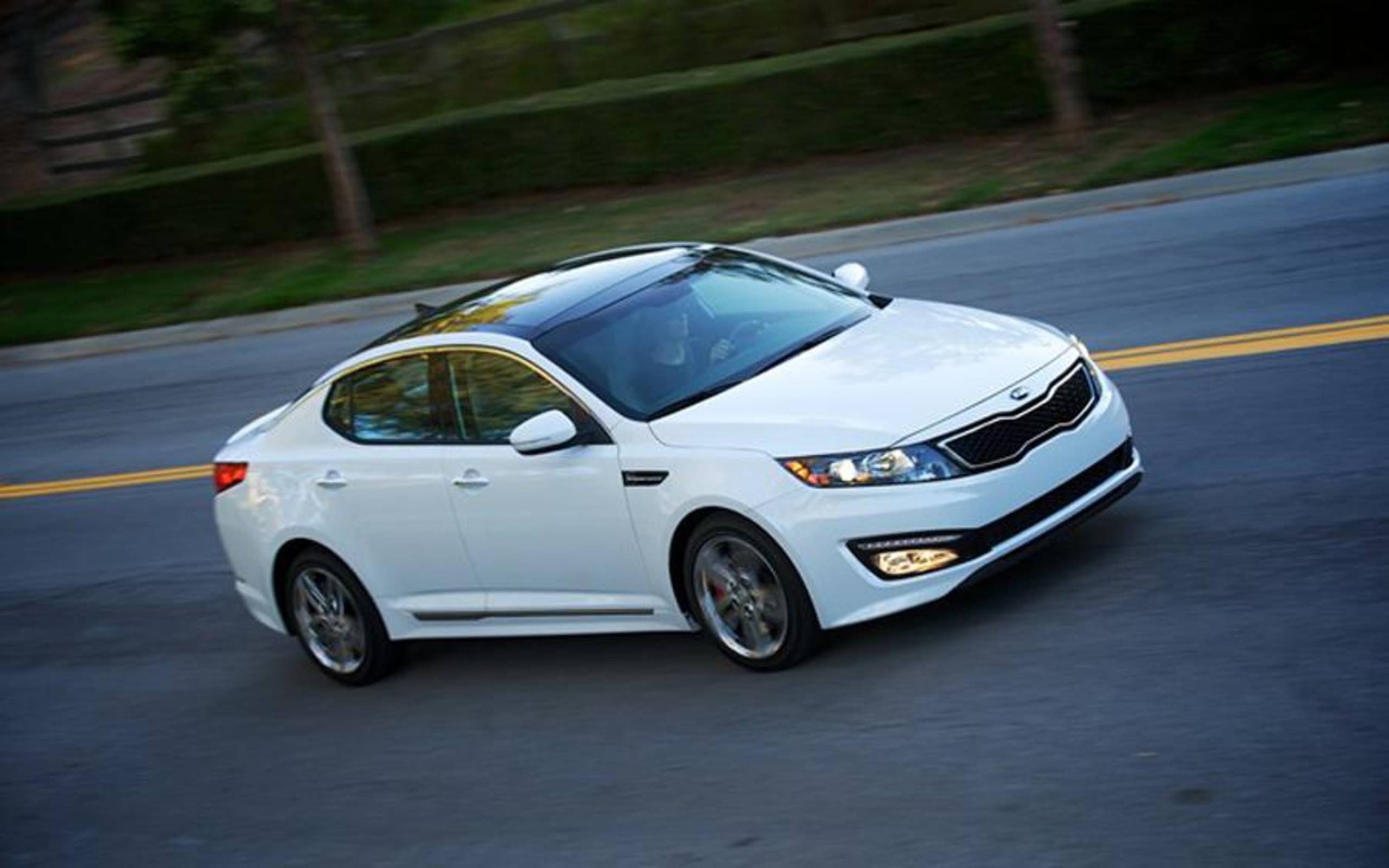
10. Kia Optima
The Kia Optima has increasingly gained popularity among taxi drivers due to its blend of affordability, reliability, and comfort. While Kia was once primarily associated with budget-friendly vehicles, the Optima represents a shift toward higher quality and more refined engineering.
It offers a spacious interior, a comfortable ride, and a variety of efficient engine choices, all of which are important qualities for a taxi vehicle.
The Optima’s reputation for reliability has grown over the years as Kia has invested heavily in quality control and warranty support, making it a vehicle that many taxi drivers trust to handle demanding schedules and high mileage.
One of the key advantages of the Optima is its fuel efficiency, which is enhanced by modern engine technologies, including turbocharged options and, in some markets, hybrid variants.
These features help taxi drivers reduce fuel costs, which is a major factor when operating vehicles for many hours each day.
Additionally, Kia has improved the durability of key components, from the engine to the suspension and braking systems, which contributes to lower maintenance costs and fewer unexpected repairs.
The availability of parts and service centers has also expanded significantly, making it easier for taxi drivers to keep their vehicles on the road with minimal downtime.
The Kia Optima’s balance of comfort, technology, and long-term reliability makes it an attractive option for taxi drivers who want a dependable vehicle without the premium price tag. Its steady rise in popularity in taxi fleets around the world reflects Kia’s commitment to building durable vehicles suited for professional use.
For drivers who require a car that can endure the rigors of taxi service while offering a comfortable ride for passengers, the Optima presents a compelling choice that delivers value and peace of mind over the long haul.
