
Cars often become more than just machines. Some transcend their original purpose and become symbols of resilience, determination, and endurance. They are remembered not only for their design or speed but for their ability to persevere, to keep going when everything seemed against them.
These vehicles have stories that show how they overcame mechanical failures, intense competition, or the odds of history to become iconic. Whether on the racetrack, on the battlefield, or in everyday life, these cars refused to quit and left a mark that few others have.
The journey from being just another car on the assembly line to becoming a legend often involves moments of near defeat. Some of these cars survived grueling races where others failed, others were produced against industry trends and still managed to carve out a lasting legacy, and some evolved over decades with a spirit of constant reinvention.
Many cars that become legends gain this status through their extraordinary reliability, their role in historic moments, or their impact on culture and motorsport. They inspire loyalty from fans who appreciate what these vehicles represent, persistence and resilience.
This article looks at twelve such cars that, because they refused to quit, became symbols of endurance and passion in the automotive world. Each of these cars offers a unique story of survival, triumph, and legacy.
The following list includes vehicles from different eras, styles, and purposes. Some are racing icons, while others are road cars that earned legendary status by enduring challenges that would have stopped lesser vehicles in their tracks. From the roar of engines on race circuits to the quiet reliability of daily drivers, these twelve cars show what it means to refuse to give up, no matter the obstacles.
Also Read: 5 Honda Sedans That Rarely Break vs 5 That Constantly Do
1. Ford GT40
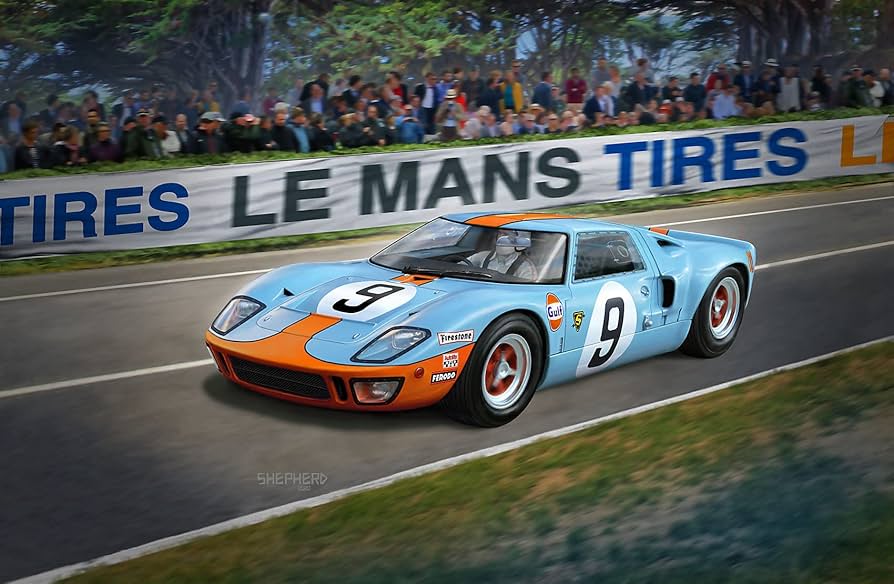
The Ford GT40 was born out of a fierce rivalry. In the 1960s, Ford set its sights on beating Ferrari at the prestigious 24 Hours of Le Mans, a race that had long been dominated by the Italian marque. Early attempts were fraught with setbacks, mechanical failures, and near misses.
Yet, the team behind the GT40 refused to accept defeat. They continually refined the car, improving its powertrain, aerodynamics, and reliability. The result was a racecar that could withstand the grueling endurance race’s demands and keep pushing harder.
The GT40’s legend was cemented in 1966 when it not only finished but swept the podium at Le Mans, breaking Ferrari’s hold on the event. This victory was no small feat; it was the culmination of years of trial, error, and relentless innovation.
The GT40’s ability to keep going when others faltered made it an icon in endurance racing history. Its success did not just come from raw speed but from a combination of engineering excellence and a refusal to quit, even when faced with the best competition in the world.
Beyond Le Mans, the GT40’s story inspired generations of engineers and racers. The car’s blend of power, durability, and design pushed the boundaries of what was thought possible at the time. It showed that with enough determination, a team could overcome even the most dominant forces. The GT40 became a symbol of American automotive ingenuity and perseverance, proving that setbacks are just steps on the path to victory.
Even decades after its heyday, the GT40 remains a legendary figure in motorsport. Its story is retold with reverence, and its image continues to inspire. More than just a car, the GT40 represents the spirit of never giving up, pushing limits, and achieving the extraordinary despite the odds.
2. Jeep Wrangler
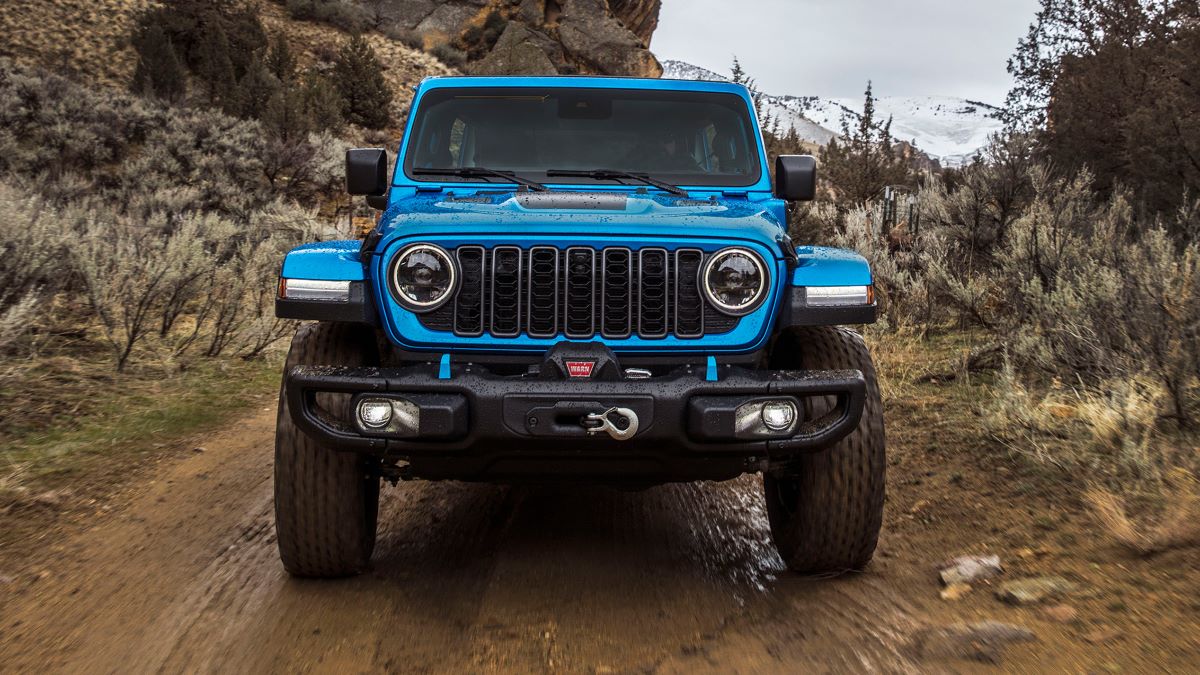
The Jeep Wrangler’s roots trace back to World War II, when ruggedness and reliability were paramount. The original Willys MB was designed to be simple, durable, and capable of handling the toughest terrain soldiers could encounter. Its unmatched ability to endure harsh conditions and keep going earned it a legendary status among military vehicles. When the war ended, the Jeep transitioned into civilian life, becoming a symbol of adventure and freedom.
What made the Wrangler and its predecessors legendary was not just their mechanical simplicity but their capacity to perform reliably in the worst conditions.
Over the decades, the Jeep Wrangler evolved, balancing modern comforts with its off-road prowess. Even with advancements and changes, the core philosophy remained: a vehicle that refuses to quit, no matter the challenge. From mountain trails to desert dunes, Wranglers have proven their endurance again and again.
The Wrangler’s reputation grew through countless stories of survival and adventure. It became the go-to vehicle for explorers, off-road enthusiasts, and even farmers. Its legendary status is rooted in its ability to start every time, keep moving through mud and rocks, and endure wear that would stop most other vehicles. This enduring capability, paired with a devoted community, has helped the Wrangler maintain its place in automotive lore.
Today, the Jeep Wrangler represents more than just off-road capability. It embodies a mindset of perseverance, ruggedness, and freedom. Its refusal to quit on difficult terrain and under demanding conditions keeps it relevant decades after its initial design, securing its place as one of the most enduring and beloved vehicles in automotive history.
3. Porsche 911
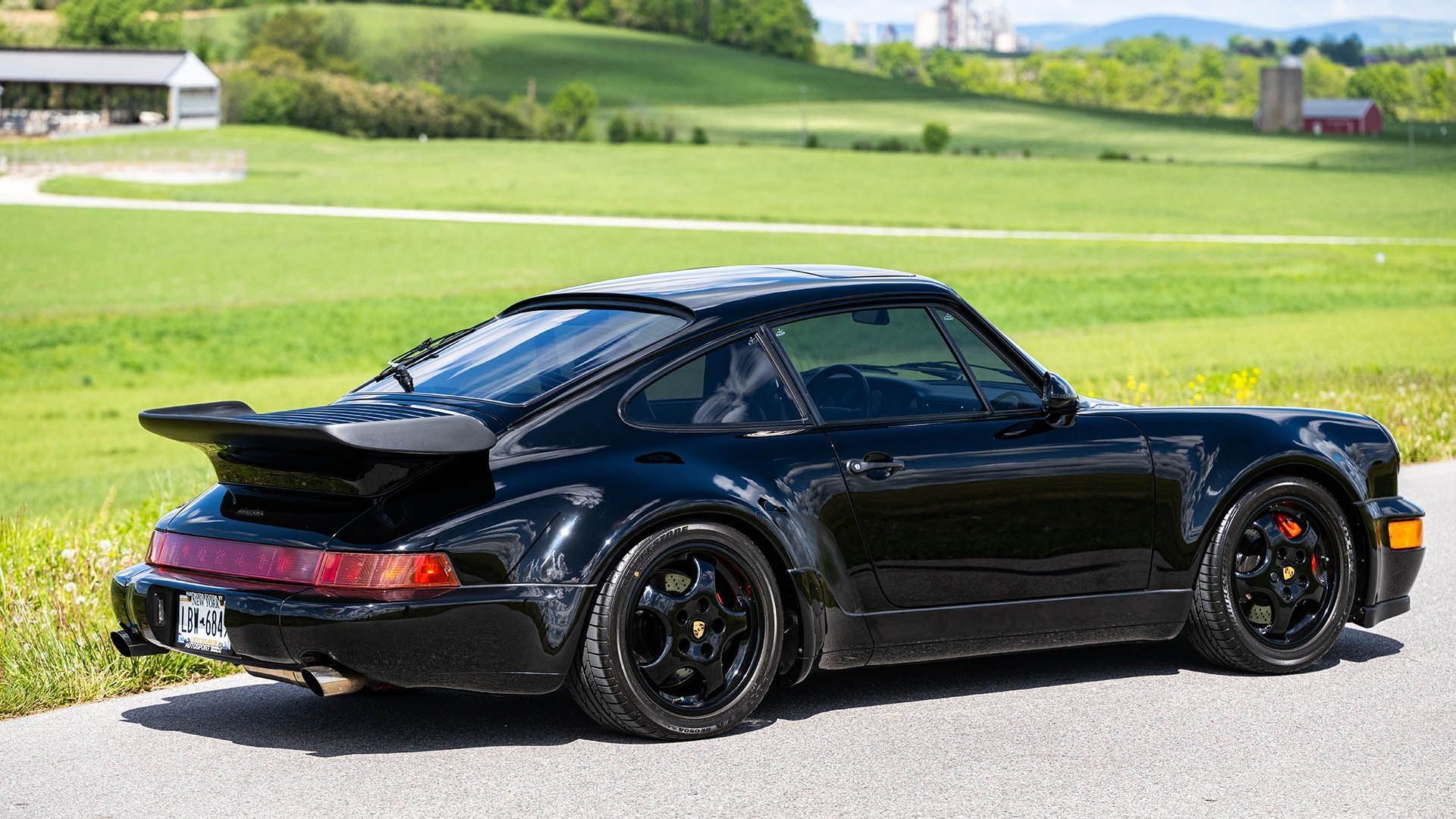
The Porsche 911 is a sports car that has evolved through generations but has never lost its essence. Introduced in the early 1960s, the 911 quickly faced challenges from competitors who questioned its rear-engine layout and unique design.
Despite criticism, Porsche kept refining the 911, addressing its quirks while enhancing its performance and reliability. This commitment paid off, as the 911 went on to become one of the most enduring sports cars ever produced.
Its legacy is built on consistent performance in endurance racing, rallying, and road use. The 911’s engineering allowed it to finish races that many other cars could not, often outperforming vehicles with more power or advanced technology.
This resilience was the product of constant development and a philosophy that embraced the car’s distinctive character rather than abandoning it. Porsche’s refusal to overhaul the 911 entirely allowed it to remain relevant and beloved for decades.
Throughout its life, 911 has faced various regulatory and market challenges. Many sports cars of its era fell out of favor as tastes and rules changed, but the 911 adapted without losing its identity. It became synonymous with quality, precision, and endurance, both on the track and the street. The 911’s story is one of steady improvement and a refusal to give up on a design that was initially unconventional but iconic.
Today, the Porsche 911 is a benchmark in the sports car world. Its long history of success and reliability, combined with an unwavering fan base, cements its status as a legend. The car continues to evolve, always pushing forward while honoring the past, a testament to the enduring power of persistence.
4. Toyota Land Cruiser
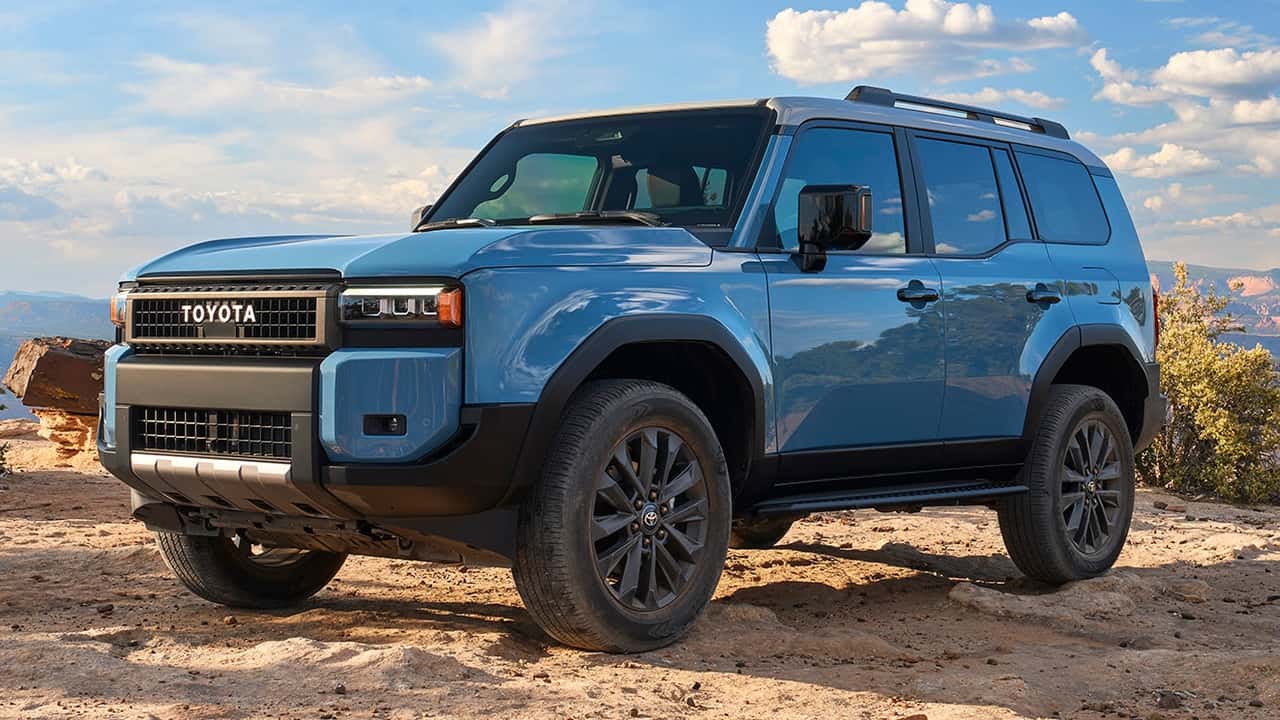
The Toyota Land Cruiser is a vehicle that has earned a reputation for being nearly indestructible. First introduced in the early 1950s, it was designed to meet the demands of military and industrial users who needed a tough, reliable 4×4. The Land Cruiser’s simplicity and durability meant it could handle some of the most unforgiving environments on Earth, from deserts to jungles, often without significant maintenance.
Its legendary status grew as it became a favorite among explorers, humanitarian organizations, and rural communities worldwide. Stories abound of Land Cruisers covering thousands of miles across rough terrain with minimal mechanical issues. The vehicle’s ability to keep going, even when pushed to extremes, created a bond with owners who saw it as a dependable partner in difficult conditions.
Toyota’s philosophy of constant improvement without sacrificing reliability helped the Land Cruiser remain relevant through decades of change. While it added modern comforts and technology, the core focus on toughness and endurance never wavered. This balance has made it one of the longest-lasting vehicles in production and a true icon in the world of off-road vehicles.
The Land Cruiser’s legacy is more than just about durability; it is about trust. When people rely on a vehicle for their livelihood or survival, the ability to refuse to quit becomes invaluable. This reputation for toughness, combined with decades of success and a loyal following, ensures the Land Cruiser’s place as a legend that continues to endure.
5. Volkswagen Beetle
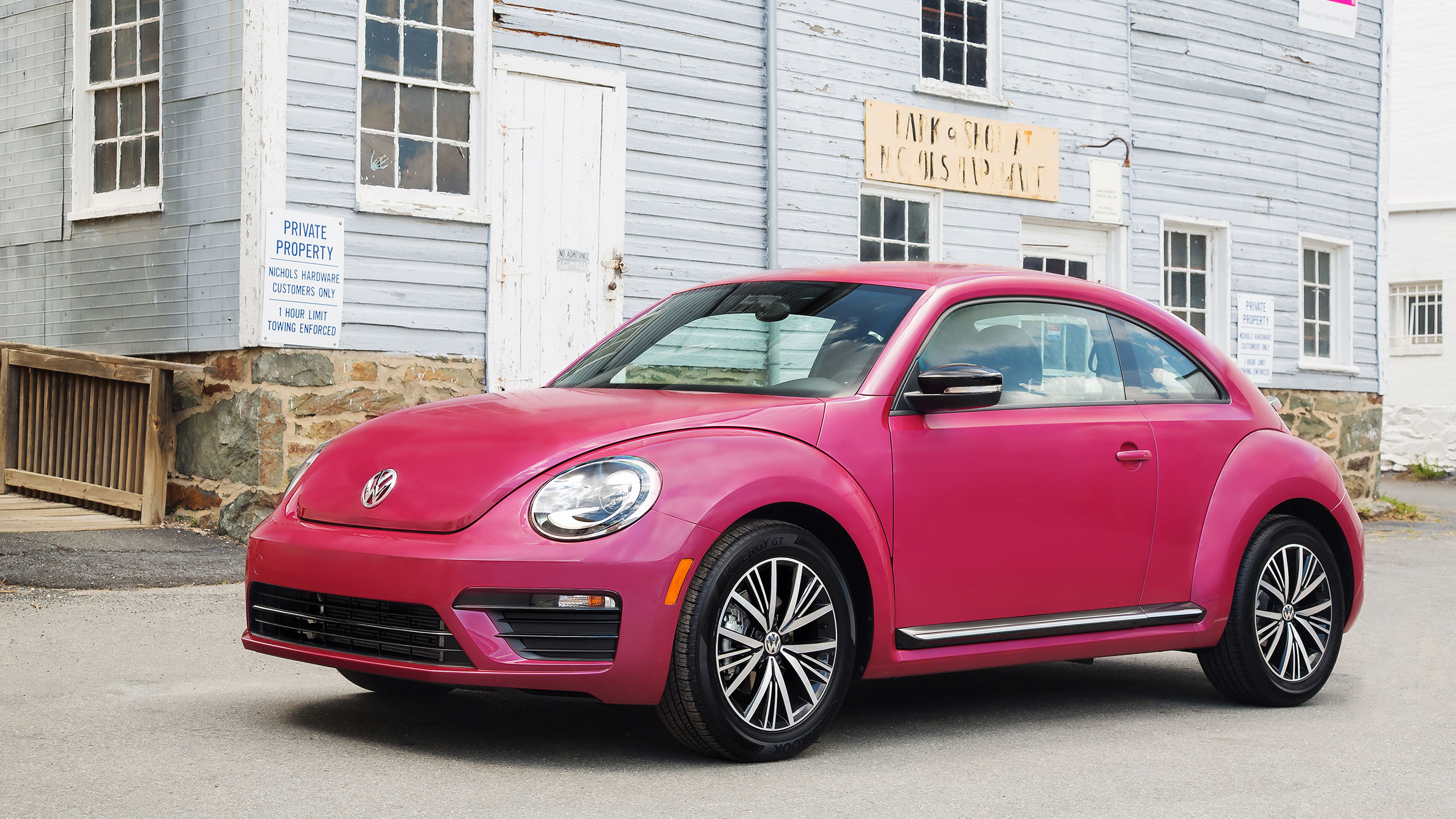
The Volkswagen Beetle is one of the most recognizable cars in automotive history, not just for its unique shape but for its remarkable endurance through decades of social, economic, and technological change.
Originally designed in the 1930s, its journey to becoming a legend was anything but straightforward. The car was intended to be affordable, simple, and reliable—qualities that helped it survive a world war, political upheaval, and market shifts that saw many other vehicles disappear. Its ability to persist where others failed cemented its place in history.
The Beetle’s success wasn’t just about clever design or manufacturing; it was also about adaptability. Its air-cooled engine was easy to maintain, even in remote regions without sophisticated service centers. This made the car incredibly popular worldwide, especially in developing countries where robustness and ease of repair were crucial.
The Beetle’s mechanics may have been simple, but its longevity proved that simplicity can be a key factor in refusing to quit when circumstances get tough.
Despite changes in consumer tastes and the rise of more modern vehicles, the Beetle refused to disappear. It continued to be produced for decades, undergoing subtle updates but never losing its character. This consistency inspired loyalty among drivers who valued reliability over flashiness. It became more than transportation; it was a symbol of dependable mobility that endured for generations, proving its worth through consistent performance and widespread appeal.
The Beetle’s legacy extends beyond its mechanical endurance; it became a cultural icon that resonated with different generations and subcultures around the world. From the counterculture movements of the 1960s to practical use in rural areas, the Beetle refused to quit by staying relevant and accessible. Even today, its distinctive silhouette remains a symbol of resilience and timeless design.

6. Land Rover Defender
Few vehicles embody ruggedness quite like the Land Rover Defender. Originally introduced as the Series I in 1948, it was designed to meet the needs of post-war farmers and industrial users. Its simple yet robust construction allowed it to handle some of the harshest terrains imaginable.
What began as a utility vehicle soon grew into an off-road legend, with a reputation for toughness that few other cars could match. The Defender’s refusal to quit comes from its raw ability to work hard, day after day, under extreme conditions.
The Defender was engineered with repairability in mind. Its modular design allowed owners to fix and maintain the vehicle with basic tools, a feature that made it invaluable in remote locations around the globe. This practical design ensured that the Defender could continue running even when faced with damage or neglect that would end many other vehicles. It became the trusted choice for expeditions, military use, and emergency services, proving itself time and again in unforgiving environments.
Over the years, the Defender evolved to meet modern safety and emissions standards, yet it never lost its core identity as a workhorse. Despite competition from more luxurious SUVs, its ruggedness and authenticity kept it in demand. The Defender’s legacy is about persistence and the ability to adapt without compromising what made it special in the first place. Its long production run is a testament to a vehicle that simply refuses to give up.
Today, the Defender is celebrated not only for its past achievements but also for its modern reinvention. The newest models combine advanced technology with the same spirit of durability, ensuring the Defender remains a symbol of endurance. Its story is one of constant survival, innovation, and staying true to a heritage of never quitting.
Also Read: 5 Nissan Engines That Run Forever vs 5 That Don’t
7. Nissan Skyline GT-R
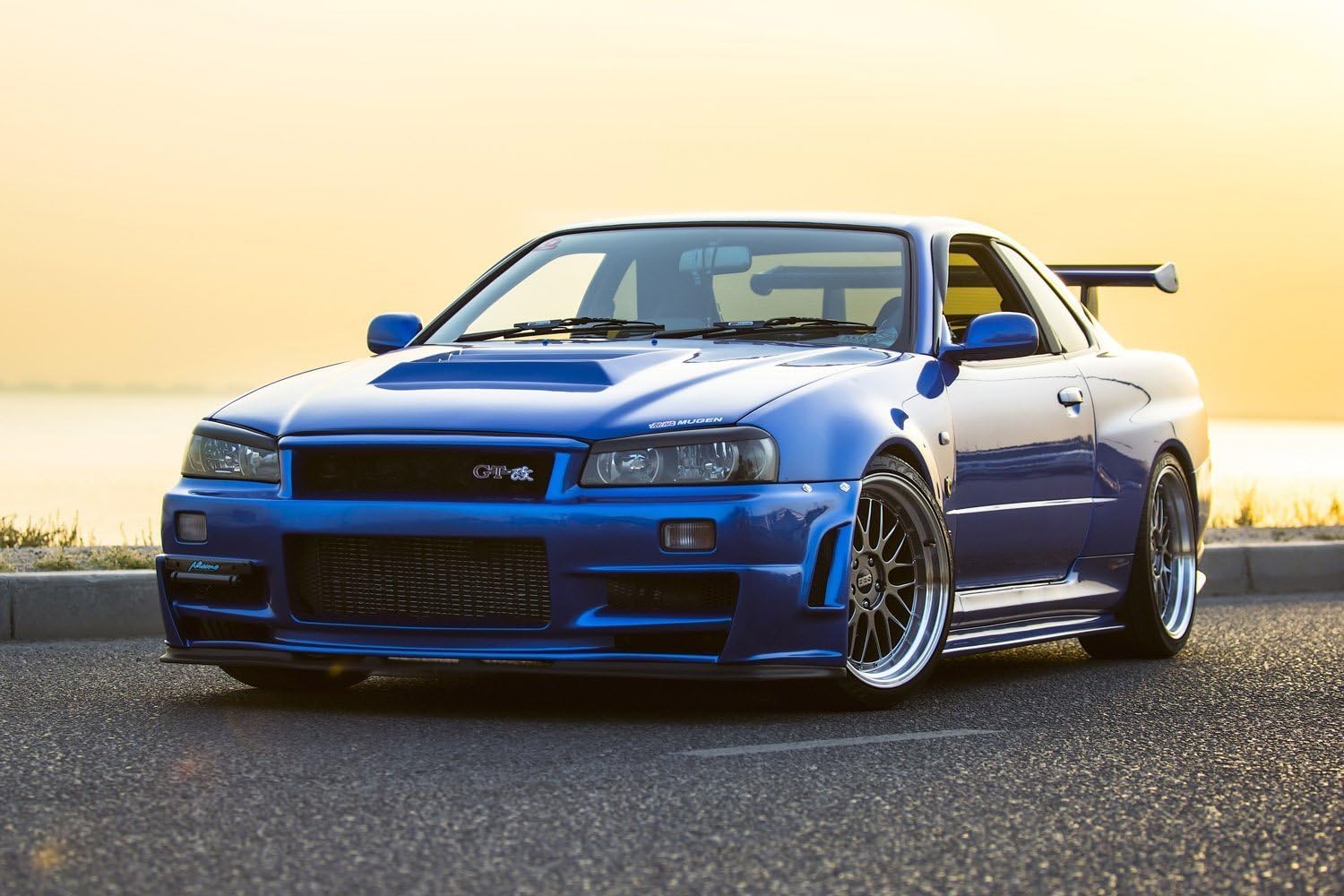
The Nissan Skyline GT-R is a car built for performance and precision, yet its legend comes equally from its ability to endure challenges on and off the track. Introduced in the late 1960s and evolving through several generations, the GT-R earned the nickname “Godzilla” for its ferocious performance and dominance in motorsport. What made the Skyline GT-R legendary was its engineering excellence combined with a relentless spirit to compete and succeed, refusing to be outmatched by rivals.
The GT-R’s reputation was forged in endurance racing and street tuning communities alike. It was engineered to be tough enough to survive high-speed competition while offering the precision needed for tight handling. The car’s advanced technology for its time, including all-wheel drive and sophisticated engine management systems, allowed it to perform consistently where others struggled. This reliability, combined with extreme performance, made it a legend among racers and enthusiasts.
Despite regulatory hurdles and changing automotive trends, Nissan continued to develop the GT-R line, refusing to let the nameplate fade away. Each new generation built on the strengths of its predecessors, improving reliability, power, and drivability. This persistent evolution, driven by a commitment to excellence, has helped the GT-R maintain its legendary status and cultural impact well into the modern era.
The Nissan Skyline GT-R remains a benchmark for performance cars and tuning culture worldwide. Its story is one of constant adaptation and a refusal to back down from challenges, whether on the track or in the marketplace. This enduring legacy ensures that the GT-R name carries weight, inspiring enthusiasts and engineers alike to push boundaries without giving up.
8. Chevrolet Corvette
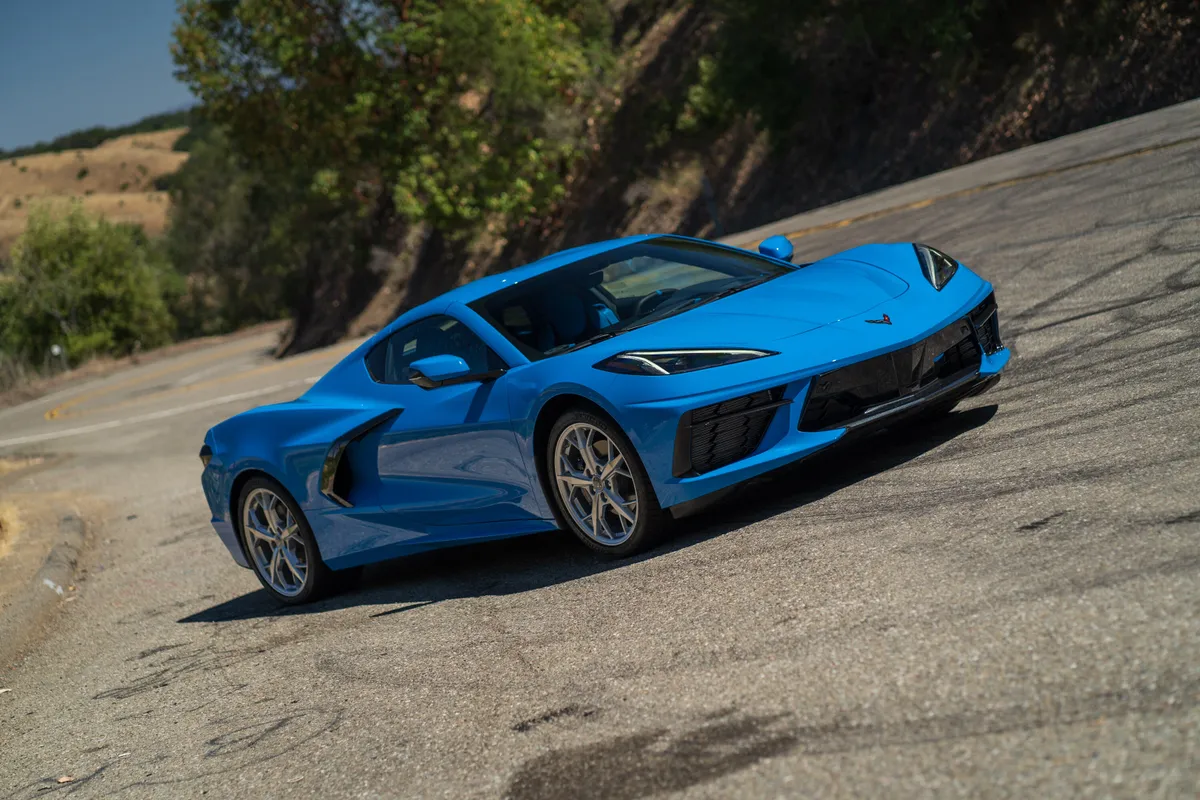
The Chevrolet Corvette is an American sports car icon whose story is defined by a relentless pursuit of performance and innovation. Since its debut in the early 1950s, the Corvette has faced skepticism about whether a domestic car could match European sports car standards. Yet, through decades of refinement and competition, it steadily proved that it could not only compete but excel. Its refusal to quit in the face of doubt made it a symbol of American engineering spirit and determination.
The Corvette’s endurance is evident in its continual reinvention. Each generation has pushed boundaries in design, powertrain technology, and driving dynamics, often setting new standards for what a sports car could be. From small-block V8s to advanced aerodynamics, the Corvette’s development has been marked by a refusal to settle for mediocrity. Its ability to consistently improve without losing its core appeal has kept it at the forefront of sports cars for nearly 70 years.
Racing success also played a crucial role in the Corvette’s legendary status. Competing in events like the 24 Hours of Le Mans and IMSA series, the Corvette proved its reliability and speed on some of the toughest stages. Its performance under pressure and endurance in long-distance racing helped build a reputation that extended far beyond the showroom, confirming the Corvette’s place among the greats.
Today, the Corvette continues to embody innovation and endurance. Its combination of power, style, and affordability has kept it relevant and revered among enthusiasts worldwide. The Corvette’s story is one of constant drive, resilience, and a refusal to accept limits, ensuring its place as a true automotive legend.
9. Subaru Impreza WRX
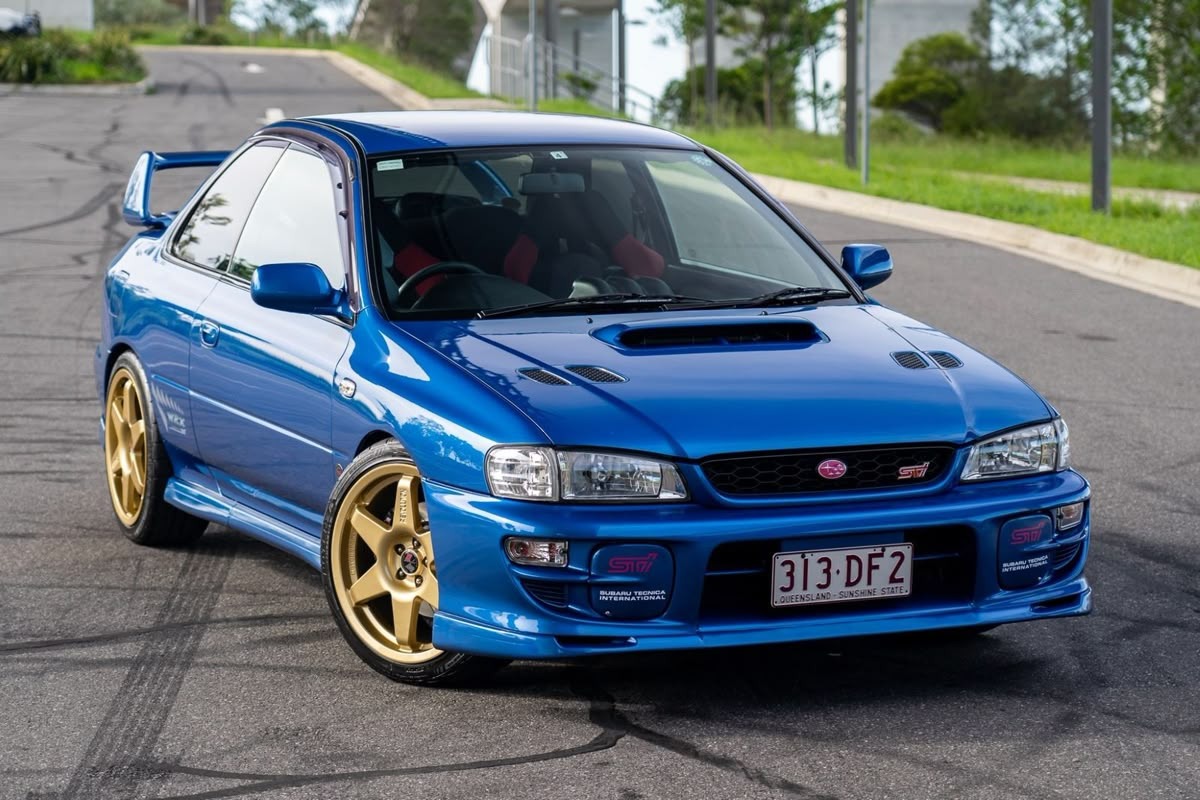
The Subaru Impreza WRX is a rally-inspired compact car that earned its legend status through sheer grit and resilience in the motorsport arena. Introduced in the early 1990s, the WRX quickly gained a reputation for being rugged, reliable, and fast. What set it apart was its symmetrical all-wheel-drive system, which gave it an edge on slippery and rough surfaces where many competitors struggled. This car refused to quit by continually outperforming expectations in some of the toughest rally conditions around the world.
The WRX was engineered not just for speed but for durability, which made it a favorite among enthusiasts who valued a car that could handle abuse on and off the track. Its turbocharged engine offered a powerful punch while maintaining impressive reliability under strain. These traits helped the WRX dominate rally championships, showing that it was not just a flash in the pan but a well-built machine that could endure punishment without faltering.
What truly cemented the WRX’s legendary status was its accessibility. Unlike many performance cars, it was relatively affordable and practical, attracting a passionate fan base worldwide. Owners took pride in modifying and pushing the limits of the car, confident that it had the mechanical foundation to survive aggressive tuning and harsh driving. This combination of performance, durability, and community enthusiasm made the WRX a symbol of persistence and fun.
Even after decades, the Subaru Impreza WRX remains relevant, constantly updated to meet modern demands while preserving its rally roots. Its legacy is tied to a spirit of tenacity and adaptability, showing that a car designed to overcome difficult terrain and competition can grow into a legend that continues to inspire new generations.

10. Mercedes-Benz G-Class
The Mercedes-Benz G-Class is a luxury SUV that defies convention by combining opulence with raw off-road capability. Introduced in 1979 as a military vehicle, it was designed to survive harsh environments and tough terrain. What sets the G-Class apart is its unwavering durability paired with continual innovation. Despite its luxury transformation, it has retained the ability to refuse to quit, no matter how challenging the terrain or conditions it faces.
The G-Class’s body-on-frame construction, rigid ladder chassis, and locking differentials are hallmarks of its enduring toughness. These features enable it to traverse rocky paths, steep inclines, and deep mud, often outperforming more modern SUVs that rely heavily on electronics rather than mechanical grit. This traditional engineering has made the G-Class a favorite for those needing a vehicle that won’t give up when the road ends.
Beyond its mechanical strength, the G-Class represents a remarkable example of longevity in the automotive world. It has remained in production for over four decades with relatively minor design changes, a testament to the quality and timelessness of its original concept. The G-Class combines the best of rugged durability with the luxury expected from Mercedes-Benz, creating a unique vehicle that refuses to be categorized or outmatched.
Its enduring popularity among celebrities, adventurers, and military users alike reflects its unmatched versatility and resilience. The G-Class’s legacy is built on refusing to quit—whether in extreme off-road conditions or as a symbol of status and power. This combination of toughness and refinement makes it one of the most legendary SUVs in history.
11. Honda Civic
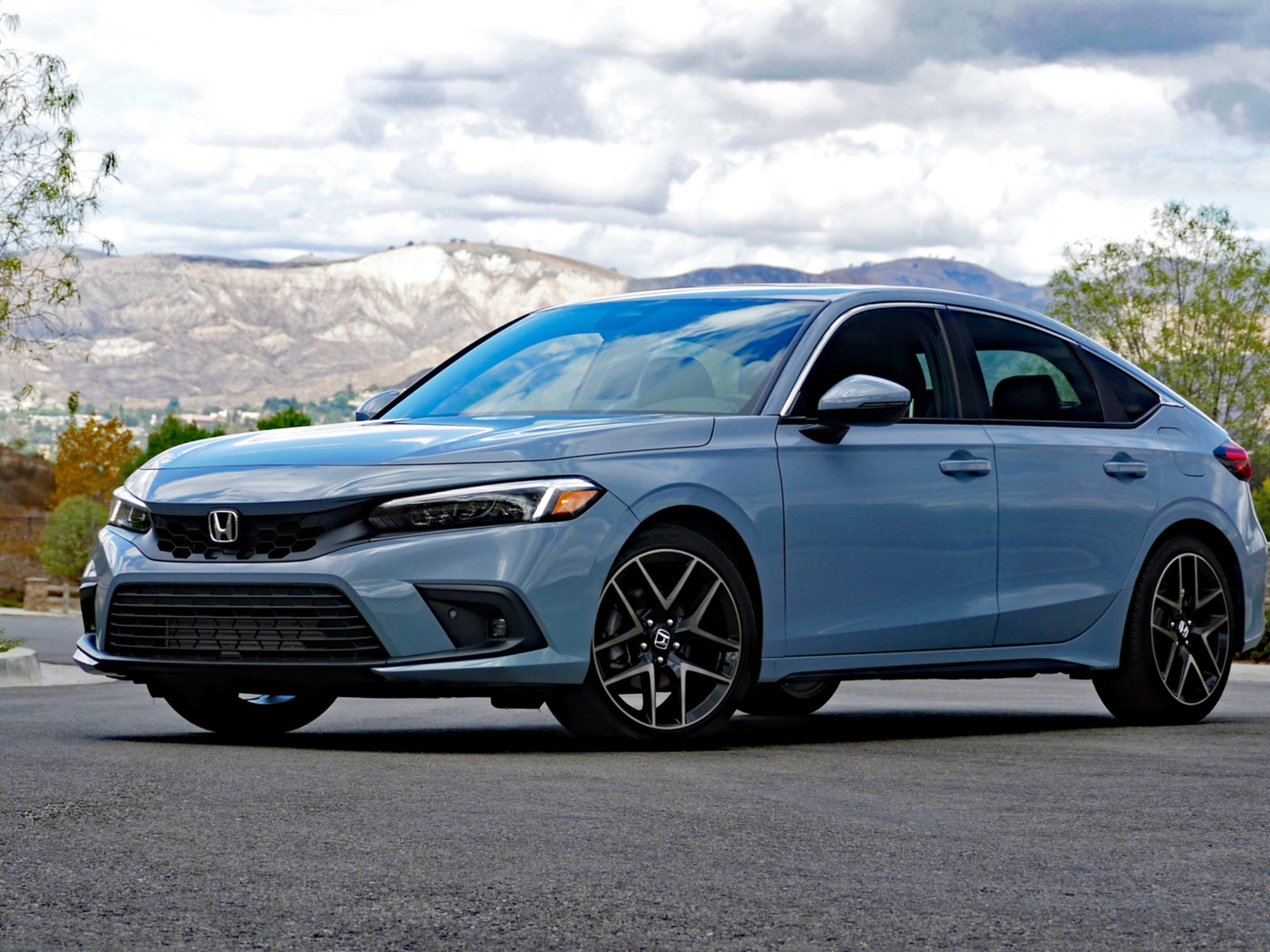
The Honda Civic is one of the most successful and influential compact cars in automotive history, known for its reliability, efficiency, and adaptability. Since its launch in the early 1970s, the Civic has been continuously refined to meet changing market demands without losing its core values. Its refusal to quit in a highly competitive segment has made it a staple for millions of drivers worldwide who need dependable transportation that stands the test of time.
What has kept the Civic relevant through more than four decades is its balance of practicality and innovation. Honda engineers have consistently found ways to improve fuel efficiency, performance, and safety while keeping the car affordable and easy to maintain. This relentless commitment to incremental improvement means the Civic has avoided the fate of many cars that fade away when trends shift or competition intensifies.
The Civic’s durability is also well documented. Owners often praise its ability to cover hundreds of thousands of miles with minimal issues, thanks to solid engineering and quality components. The Civic has been embraced not just as a commuter car but as a platform for modification and performance, proving its flexibility and resilience. This has built a dedicated community of enthusiasts who see the Civic as more than just a car—it is a reliable companion that refuses to quit.
The Civic continues to evolve with modern technology and design while maintaining its reputation for longevity and practicality. Its legacy as a car that perseveres in the face of change, economic cycles, and shifting consumer tastes secures its place among the automotive legends that keep going strong, no matter what.
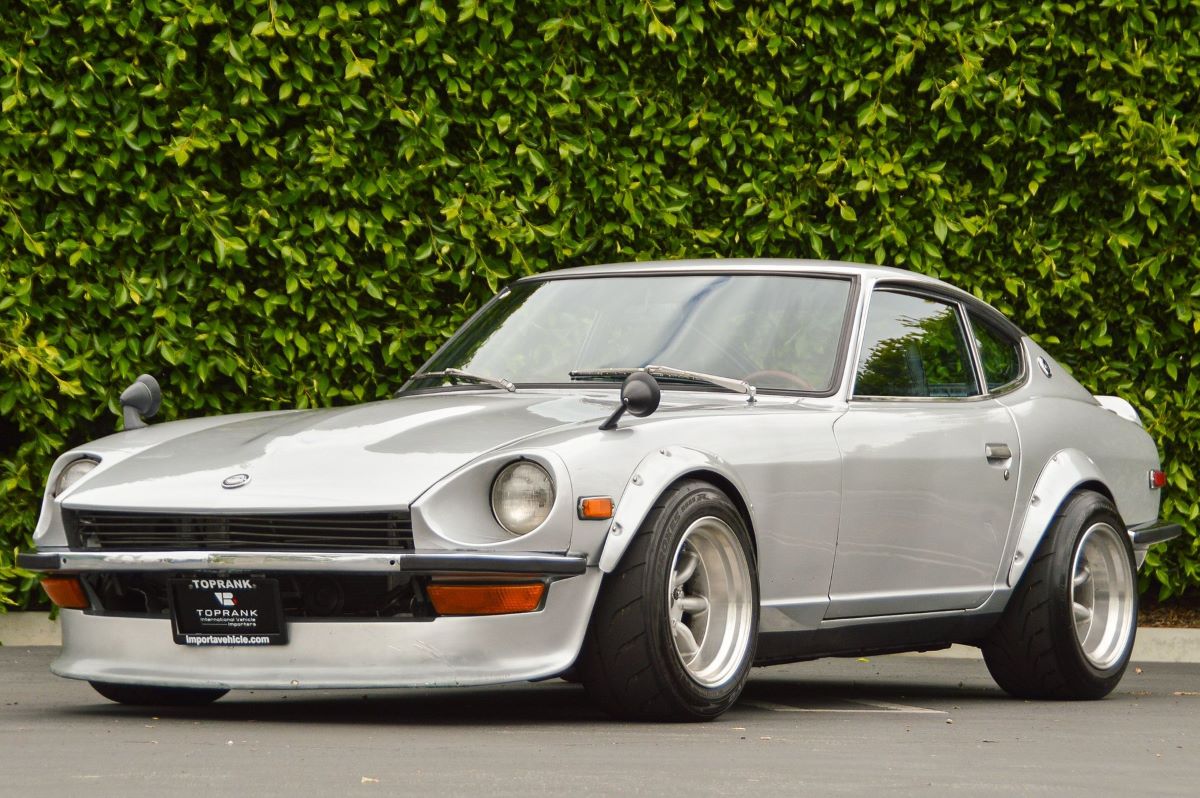
12. Datsun 240Z
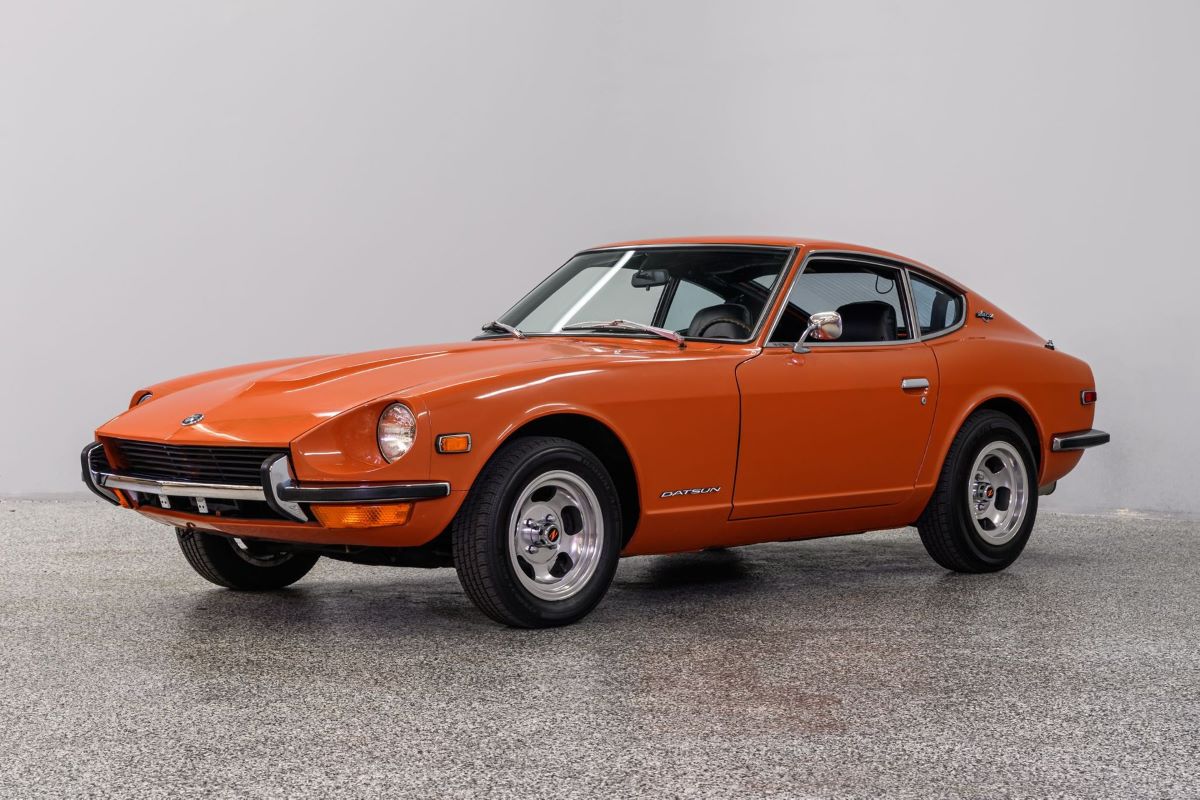
The Datsun 240Z, introduced in the late 1960s, is a sports car that defied expectations and became a legend by refusing to quit the market dominated by European sports cars. Its combination of style, performance, and affordability brought sports car excitement to a wider audience, challenging the idea that such thrills were reserved for the wealthy or elite. The 240Z’s success story is one of persistence and innovation that changed how people viewed Japanese cars.
When the 240Z hit the scene, it faced skepticism for its origins and price point. Yet it quickly proved that it could deliver on performance and reliability, often outlasting its competitors in endurance and everyday use. This was a time when many sports cars required constant tinkering, but the 240Z’s robust design and engineering allowed it to stay on the road and on the track, winning hearts and races alike.
Its racing success, especially in the United States, helped establish the 240Z’s reputation as a car that wouldn’t back down. It combined a lightweight chassis with a powerful inline-six engine, making it competitive against more established marques. The 240Z’s refusal to quit racing and proving its capability inspired a wave of Japanese sports cars that followed, paving the way for future legends.
Today, the Datsun 240Z is revered as a classic and a collector’s dream. Its legacy is not just in its speed or looks but in its ability to change perceptions and endure as a symbol of perseverance in a crowded and competitive sports car market. The 240Z showed that determination and solid engineering could rewrite history and remain relevant decades later.
