
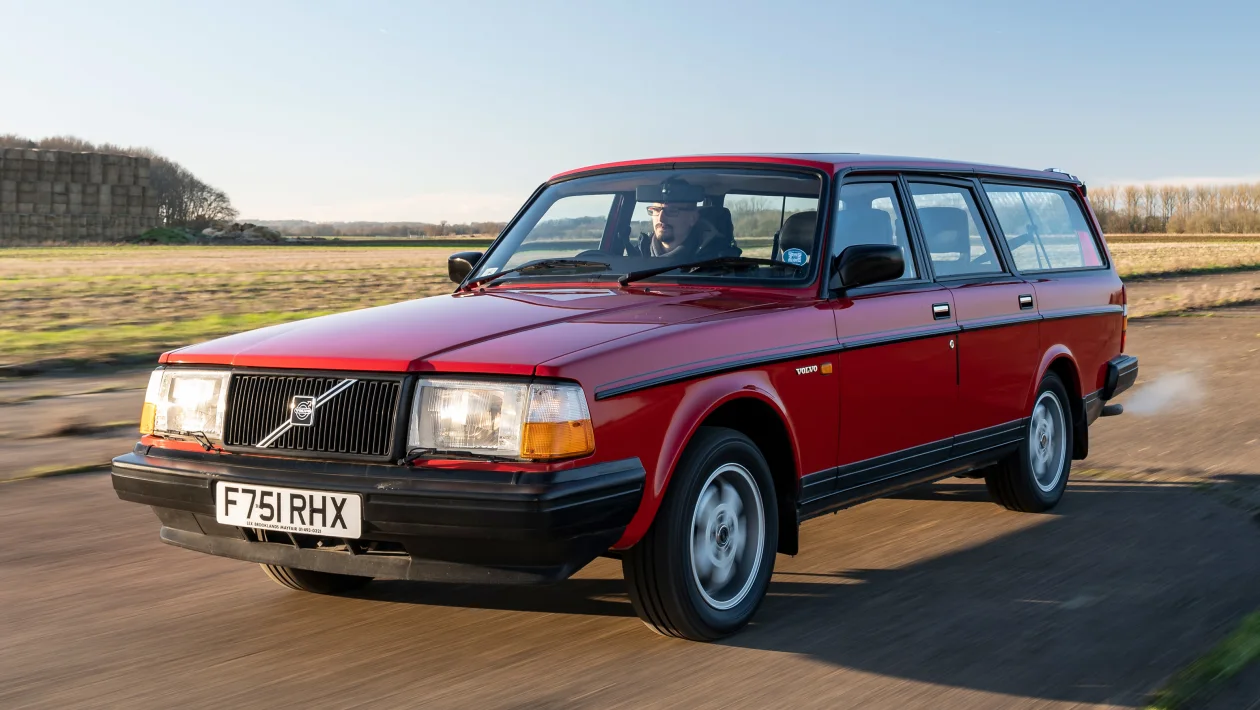
Not every vehicle is pampered. Some never see a garage. They sit through snowstorms, run on the cheapest oil, and barely get a wash once a year. Their owners treat them like disposable tools, yet somehow, these machines keep going. While most cars would protest such mistreatment by breaking down or rusting into oblivion, there are a few that refuse to die.
These are the vehicles that continue to start every morning, even if the paint has peeled and the seats are torn. They’ve become legends in parking lots, job sites, and backcountry roads, known not for their luxury or tech, but for their endurance through complete and utter neglect.
This isn’t about the fastest cars, the prettiest, or the ones with the most features. It’s about the ones that can go through five owners, survive without maintenance records, and still somehow make it to 300,000 miles. They’re often overlooked because they’re not exciting.
But ask any mechanic which vehicles keep coming back with 400,000 miles and a list of problems that should’ve killed them long ago, and you’ll hear these names. Some are Japanese sedans with basic engines. Others are old American trucks that were built when steel was cheap and simplicity was the design goal. In many cases, their reliability isn’t a selling point; it’s a revelation only discovered through hard use.
They’re not indestructible. Given enough time, everything wears out. But these eight vehicles seem to have some hidden reserve of strength. Whether it’s overbuilt drivetrains, easy-to-service engines, or just dumb luck, these machines survive in places where others crumble.
They’ve been run dry, overheated, and ignored, and yet they live. They are passed down through families, sold for a few hundred bucks, and still outlast expectations. Some are now cult favorites.
Others are just working quietly in the background. Either way, they’ve proven something rare in the automotive world: that a vehicle can be treated like trash and still keep running. Here are eight examples that prove neglect won’t kill everything.
Also Read: 5 Toyota Cars That Run 400K Miles vs 5 That Don’t
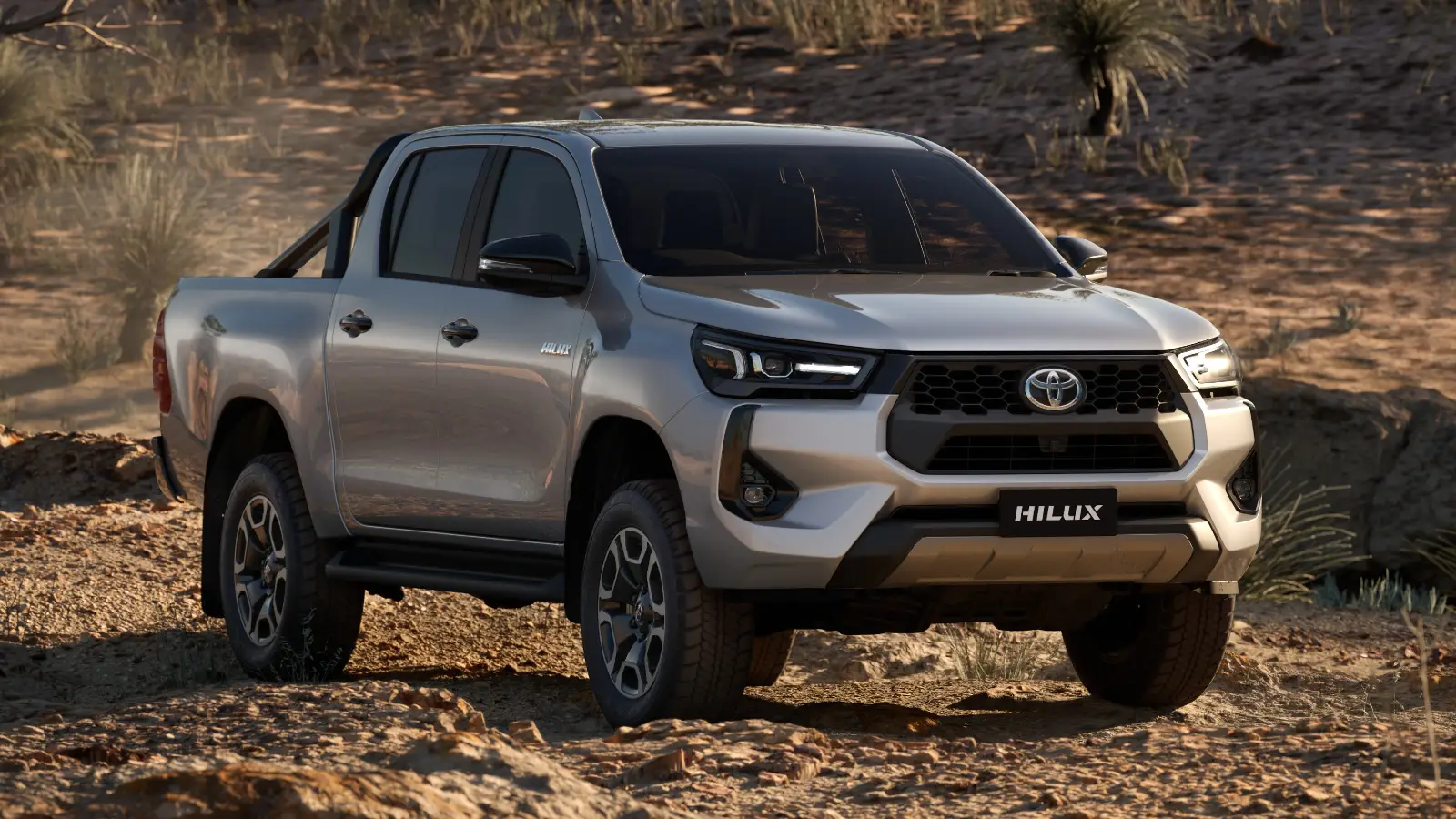
1. Toyota Hilux
The Toyota Hilux has built a reputation that goes far beyond simple toughness. Around the globe, this midsize pickup has been known to survive in the most brutal environments, from the deserts of the Middle East to the jungles of South America.
Even in first-world cities, it’s not uncommon to see a Hilux with over 400,000 kilometers on the clock, still carrying loads and never skipping a beat. Its design isn’t flashy, but the simple and sturdy mechanics underneath are the reason it holds up. There’s a reason it’s still the truck of choice in regions where roads barely exist and repair shops are few and far between.
One of the key reasons the Hilux survives so well is the way it’s built. The frame is solid, and the engines, especially the older diesels, are known for their longevity and resistance to damage. Even if you skip regular oil changes, use poor-quality fuel, or drive with a broken suspension, the Hilux tends to just keep going.
Many stories have surfaced of these trucks being found abandoned for years, given a new battery, and starting right up. That kind of reliability isn’t common, and it isn’t something that happens by accident. Toyota built this truck with durability as the goal, and it shows in every aspect of its design.
The Hilux also doesn’t require much to stay functional. It’s not overloaded with electronics or delicate components that need constant calibration. For many versions, especially the older ones, repairs can be done with hand tools, and parts are easy to swap.
This simplicity means even untrained hands can keep them going. In many developing countries, Hiluxes are run until their bodies rust completely off, while the drivetrains still function perfectly. They are used by farmers, construction workers, and even the military, all of whom rely on the truck to work regardless of care.
What’s remarkable is how the Hilux continues to be relevant despite competition and modern vehicle trends. It has changed over the years, but Toyota has mostly stuck to the formula that made it so reliable in the first place. It’s not the most luxurious or the most advanced, but it never needed to be. The Hilux proves that if a vehicle is built well from the start, it can survive any kind of treatment and still roll on for decades.
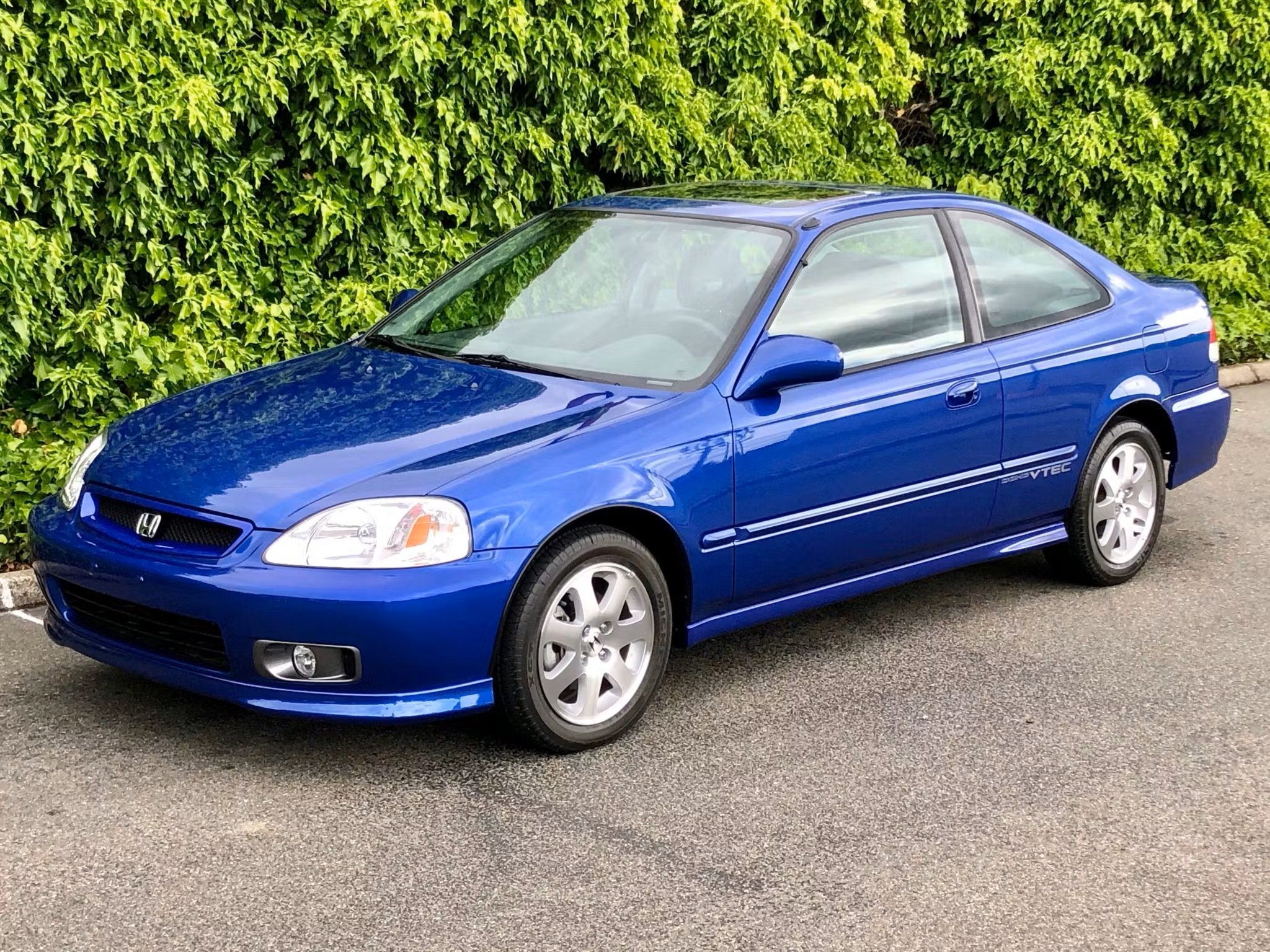
2. Honda Civic (1990s–early 2000s)
If there’s a car that symbolizes the phrase “just won’t die,” it’s the 1990s-era Honda Civic. These cars were never flashy, but they were built with a level of engineering precision that went far beyond what was expected for an economy vehicle.
Even today, it’s common to see these Civics on the road with faded paint, a misaligned bumper, and maybe even some duct tape holding a mirror on, and yet they’re still running smoothly. They’ve become known for surviving extreme abuse, poor maintenance, and wild modifications without giving up.
The secret to the Civic’s resilience lies in its simplicity and efficient engineering. The engines, especially the D-series and B-series, were built with tight tolerances and high-quality materials. Even if the oil was changed once a year or the timing belt skipped a service interval, these engines often kept running.
The manual transmissions were also built to last, with many drivers reporting original clutches that outlived 200,000 miles. For a car designed to be cheap and practical, the Civic managed to be a quiet beast in terms of reliability.
Another factor that helped the Civic survive neglect was its ease of repair. Basic tools and a little knowledge are often enough to keep these cars going. There’s a huge network of used parts, both from salvage yards and online, and the cars are modular enough that many components can be swapped between model years. T
hat’s led to a thriving second life for many of these vehicles, especially among younger drivers who can’t afford something new but want a car that won’t leave them stranded.
Despite being abused by generations of drivers, Civics from this era keep showing up on the road. They’ve endured street racing, poor modifications, and years of being passed from owner to owner. Even when its clear coat is gone and the interiors look like a disaster, the Civic’s heart often keeps beating. For a commuter car, it’s built far tougher than most people give it credit for, and it’s earned its place on this list.
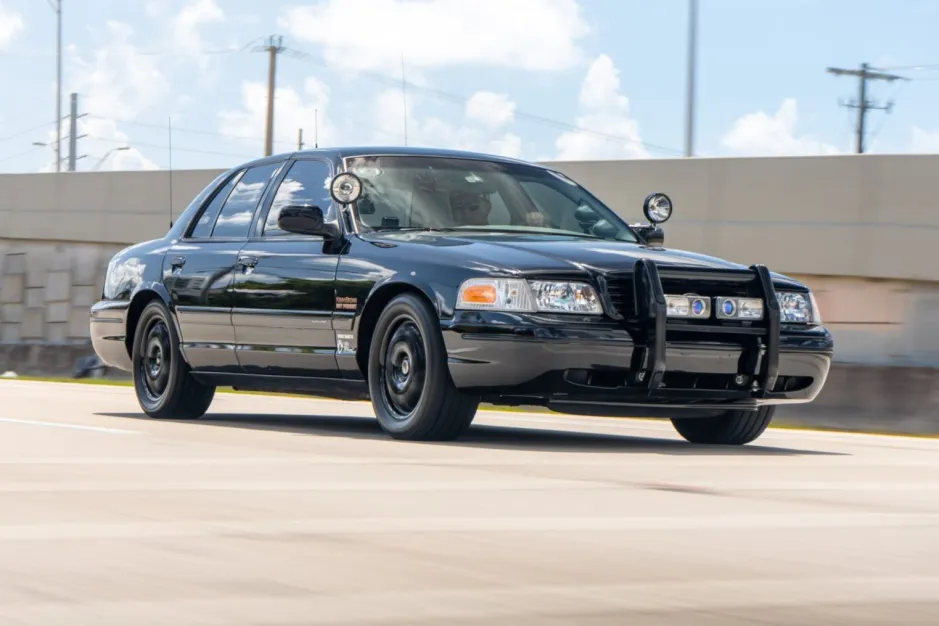
3. Ford Crown Victoria (Police Interceptor models)
The Ford Crown Victoria Police Interceptor wasn’t just a fleet car, it was a workhorse that took daily punishment and shrugged it off. For years, it served police departments, taxi services, and government agencies across the country.
Many of these cars were driven hard, idled for hours, received minimal maintenance, and were handed off between multiple drivers. Yet even with all that abuse, they kept starting, kept shifting, and kept rolling. The Panther platform that underpinned these cars was built like a tank, and it made the Crown Vic nearly impossible to kill.
Under the hood, the 4.6-liter V8 was never the most powerful, but it was incredibly durable. It could run on cheap fuel, handle poor maintenance, and still return decent performance. The transmission was also surprisingly stout, rarely failing even when subjected to repeated hard driving.
These cars weren’t designed to win races, they were designed to take punishment and keep going. That’s exactly what they did, and why so many are still on the road today, often with 200,000 miles or more.
Crown Vics also had simple electronics, which made them easy to service and less prone to electrical gremlins. They had body-on-frame construction, something rare in modern sedans, which allowed them to survive minor crashes and harsh impacts with minimal structural damage. That same frame also made them excellent candidates for quick repairs. Even if parts of the suspension or drivetrain failed, they could often be swapped out without much hassle, thanks to the modularity of the design.
After retirement from police fleets, many Crown Vics were sold at auctions and found second lives with budget-conscious drivers. Some were turned into taxi cabs, others into private security vehicles, and many more just became daily drivers for those who wanted a big, reliable car for cheap.
Despite their rough pasts, they often ran without major issues for years after being sold. They may not be beautiful or modern, but when it comes to surviving neglect, few sedans have ever done it better than the Crown Victoria.

4. Jeep Cherokee XJ (1984–2001)
The Jeep Cherokee XJ wasn’t built to impress with comfort or flashy design. It was a box on wheels with one job: to go anywhere and survive whatever was thrown at it. From its launch in the mid-1980s until the end of its production in 2001, the XJ quietly established itself as one of the most overbuilt and abuse-tolerant vehicles ever made.
Owners would run them through forests, mud, snow, and sand with almost no concern for upkeep. Many didn’t even change the oil at the recommended intervals, and yet these Jeeps kept on moving as if nothing had happened. For off-roaders, rural workers, and adventurous teenagers, the XJ became a vehicle that could be mistreated endlessly and still perform.
The secret weapon inside the Cherokee XJ was its 4.0-liter inline-six engine. This engine, developed by AMC and later refined by Chrysler, was built to last. It was over-engineered for the amount of power it produced, which meant the internal components weren’t under much stress.
People would run these engines with sludge in the oil pan, leaks in the valve cover, and still expect it to haul them through tough terrain. The engine block was made of iron, and it could withstand overheating events that would kill more delicate motors. Even when cooling systems failed, many drivers simply topped off the radiator with tap water and kept driving. It wasn’t ideal, but the Jeep somehow tolerated it.
Structurally, the XJ was also unusually strong. Its unibody design gave it the rigidity of a modern crossover but without the fragility. These things took hits, got stuck between rocks, and rolled down embankments, and people would still drive them home.
The suspension wasn’t refined, but it was durable. Leaf springs in the back, simple ,solid axles, and old-school shock mounts made for a setup that could take abuse year after year. Parts were cheap, plentiful, and easy to install, which made it a favorite for DIY repairs, even for those with minimal experience.
What really cemented the Cherokee XJ’s status was the way it kept going long after the body started rusting. It’s common to find ones with floor pans held together with sheet metal and screws, frames that have seen better days, and doors that barely close, but still mechanically sound.
They get driven to work, taken on hunting trips, and even pressed into service as backup snow vehicles. No one’s proud of how they treat their XJ, but somehow it forgives them. That’s a rare trait in any vehicle, especially one that left production more than two decades ago.
Also Read: 5 Nissan Engines That Run Forever vs 5 That Don’t
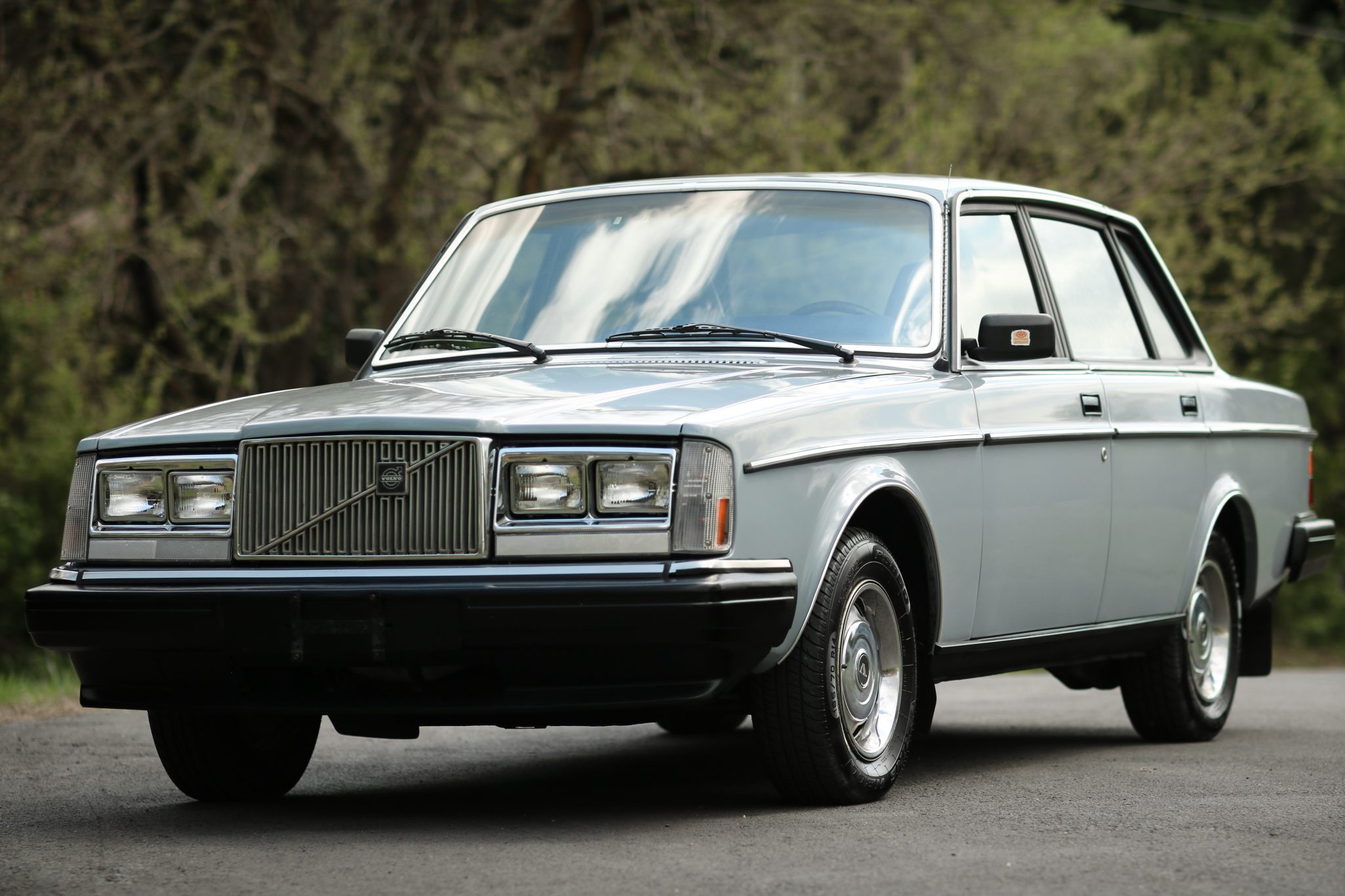
5. Volvo 240
The Volvo 240 is the type of car that seems to be immortal, despite living a life of total indifference. Built from the mid-1970s through the early 1990s, the 240 was never exciting, but it was brutally durable. It was common in both suburban family driveways and Scandinavian backroads, enduring brutal winters and lazy maintenance with equal stubbornness.
Known for its square shape and tank-like build, the 240 became a legend not because it was fast or luxurious, but because it could be ignored for years and still function like a faithful old dog. It became a kind of automotive folklore, the car that refused to die no matter how little you cared for it.
Much of the 240’s strength came from its ridiculously simple engine and drivetrain layout. The B21 and B230 engines were not high-performance by any stretch, but they were robust. They tolerated low-quality fuel, long oil change intervals, and rough driving habits without hesitation.
You could miss timing belt changes, skip coolant flushes, and even drive with minor vacuum leaks, and the car would just keep running. The redblock engines were known to reach half a million miles with minimal internal repair, something that very few modern engines could even dream of doing under similar treatment.
Volvo also built the 240 with safety and structural integrity in mind. That led to thick panels, strong bumpers, and a level of build quality that bordered on obsessive. These cars often survived minor collisions with little more than a scuff, and their rust resistance was above average, especially considering the climates they were typically used in.
It wasn’t unusual for a 240 to be stored outside, under snow for months, and still start up with a fresh battery. The wiring wasn’t perfect, but the key systems were so analog that even if the dash lights failed, the engine would still run reliably.
What really makes the 240 unique is the fact that so many owners just gave up on trying to maintain them properly, and yet the cars kept delivering. They became hand-me-downs, student cars, and urban beaters. You’d see them with moss growing in the window seals, half-flat tires, and faded badges, still quietly commuting or hauling furniture.
Even in retirement, many of these cars are still being used for rural mail delivery, community gardening, or as backup cars. The Volvo 240 earned its place in automotive history not because of what it was, but because of how hard it was to destroy.
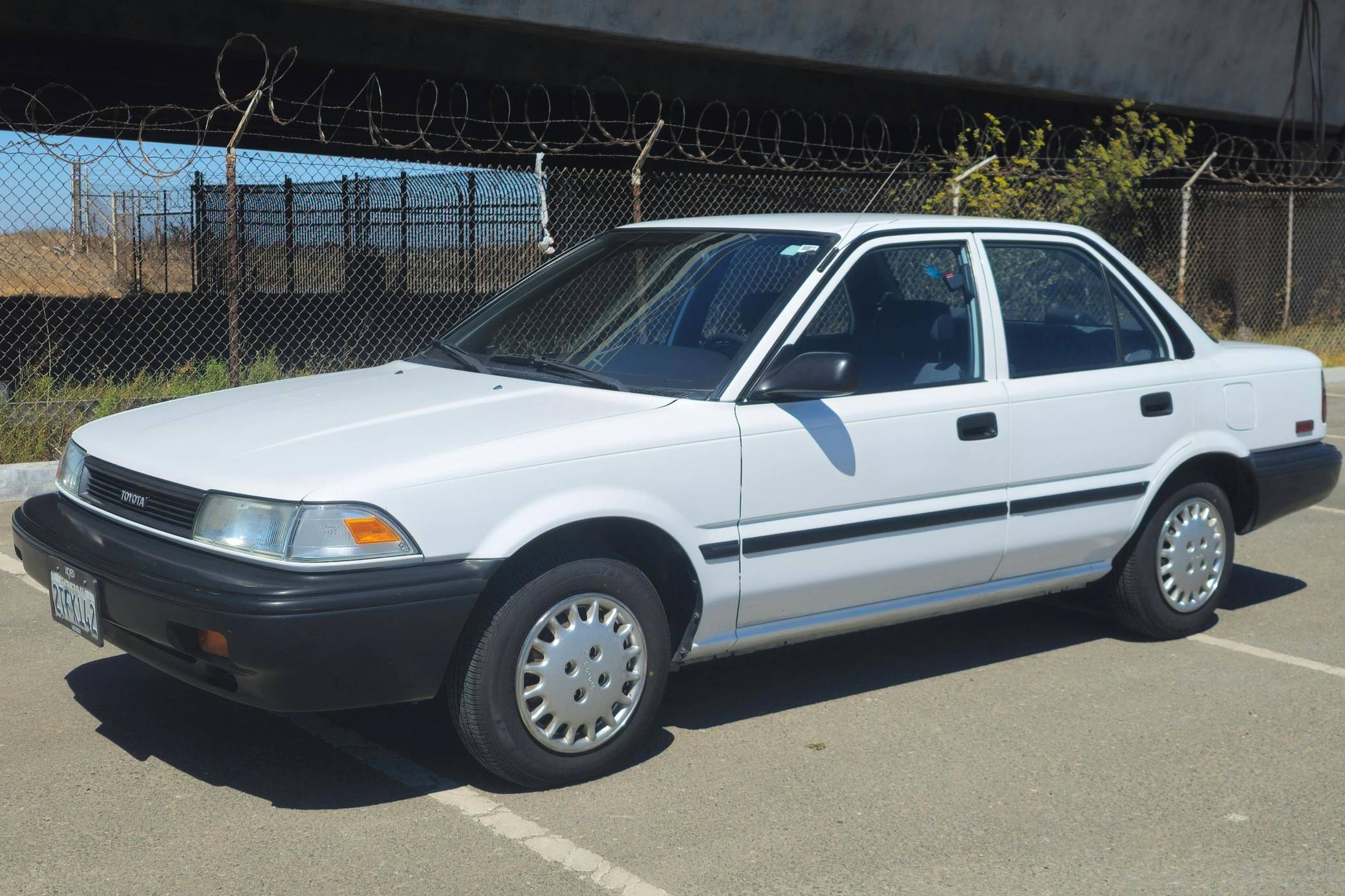
6. Toyota Corolla (1980s–2000s models)
Few vehicles represent basic transportation better than the Toyota Corolla, especially those built from the 1980s through the early 2000s. It wasn’t a car designed to turn heads or impress anyone. Instead, it was engineered with a focus on longevity, simplicity, and function.
As a result, people treated Corollas like appliances, drive it, forget it, and only think about it when something breaks. But more often than not, nothing did. These cars were neglected en masse, and yet they continued to run, often outlasting the people who drove them. That level of quiet, unspectacular resilience is exactly what puts the Corolla on this list.
One of the reasons the Corolla has survived abuse so well is the design of its drivetrain. The small inline-four engines, especially the 4A and later 1ZZ series, were built with durability in mind. They weren’t exciting, but they were balanced, efficient, and tolerant of neglect.
Sludge buildup, cheap oil, even minor coolant leaks, these engines just kept ticking. While they weren’t built for high power, they made the most of what they had and rarely stressed their internal components. That gave them a margin of safety, which, combined with Toyota’s quality control, meant they could run in less-than-ideal conditions for years.
Maintenance on older Corollas was simple. Even if owners ignored the manual, skipped belt changes, and used generic parts, the cars didn’t seem to care. Spark plugs lasted forever, sensors rarely failed, and the automatic transmissions, while not sporty, were sturdy and predictable.
It wasn’t uncommon to see cars that had gone 200,000 miles with only the most minimal care. In rural areas and small towns, Corollas became second cars, work cars, or just something to loan to the neighbor’s kid. They were used without thought, and that’s what made them legendary.
What’s perhaps most interesting about the Corolla’s ability to survive neglect is how unnoticed it often goes. People don’t boast about their 1998 Corolla with 310,000 miles, but they exist in large numbers. These cars are quietly humming in the background of every city, working jobs no one else wants.
They haul groceries, deliver pizzas, and get college students to class in the dead of winter. Most of them have worn interiors, mismatched hubcaps, and little-to-no service history, and yet they start. That’s the Corolla’s legacy: not flashy success, but quiet survival through years of indifference.

7. Chevrolet Silverado (GMT800, 1999–2006)
The early 2000s Chevrolet Silverado, particularly the GMT800 generation, has become one of the most abused workhorses in North America. Built to be a do-it-all truck for farmers, contractors, and everyday drivers, it ended up in driveways and job sites where maintenance was always an afterthought.
These trucks were routinely overloaded, rarely serviced, and pushed through harsh winters with rust chewing away at their frames. Yet, despite all that, they kept running. The GMT800 Silverado became a go-to truck for anyone who needed something cheap, simple, and willing to put up with anything.
The heart of the GMT800’s durability was its 4.8L and 5.3L Vortec V8 engines. These small-block motors weren’t flashy, but they were extremely reliable. With regular oil changes, they’d run forever. But what made them special is that even when neglected, oil left dirty, coolant ignored, filters never replaced, they still usually kept going.
The engines could run hot, burn a little oil, or develop minor valve tick, and still not fail. Add in a sturdy 4L60E transmission that could survive years of towing, and you had a truck that never asked for much and gave back plenty.
Another key to the Silverado’s longevity was the sheer simplicity of its design. These trucks weren’t loaded down with sensitive electronics or hard-to-diagnose systems. They had solid axles, relatively basic suspension setups, and roomy engine bays that made repairs less painful.
When something did break, parts were everywhere, and most shops knew how to fix them in their sleep. Owners could get by with used parts, duct tape, or even just ignoring the issue if it wasn’t urgent. The truck wouldn’t protest much. It just kept working, even if the check engine light had been on for years.
Rust was one of the biggest enemies of this generation, especially in the Midwest and Northeast. Rocker panels, wheel wells, and frames often looked like Swiss cheese by the time these trucks reached old age. But even when the body was falling apart, the drivetrains were often fine.
You’d see Silverados with broken tailgates, mismatched fenders, and sagging doors, still pulling trailers and hauling lumber. They were never pretty, and few were babied, but their ability to keep running under total neglect made them one of the most enduring full-size pickups of their era.
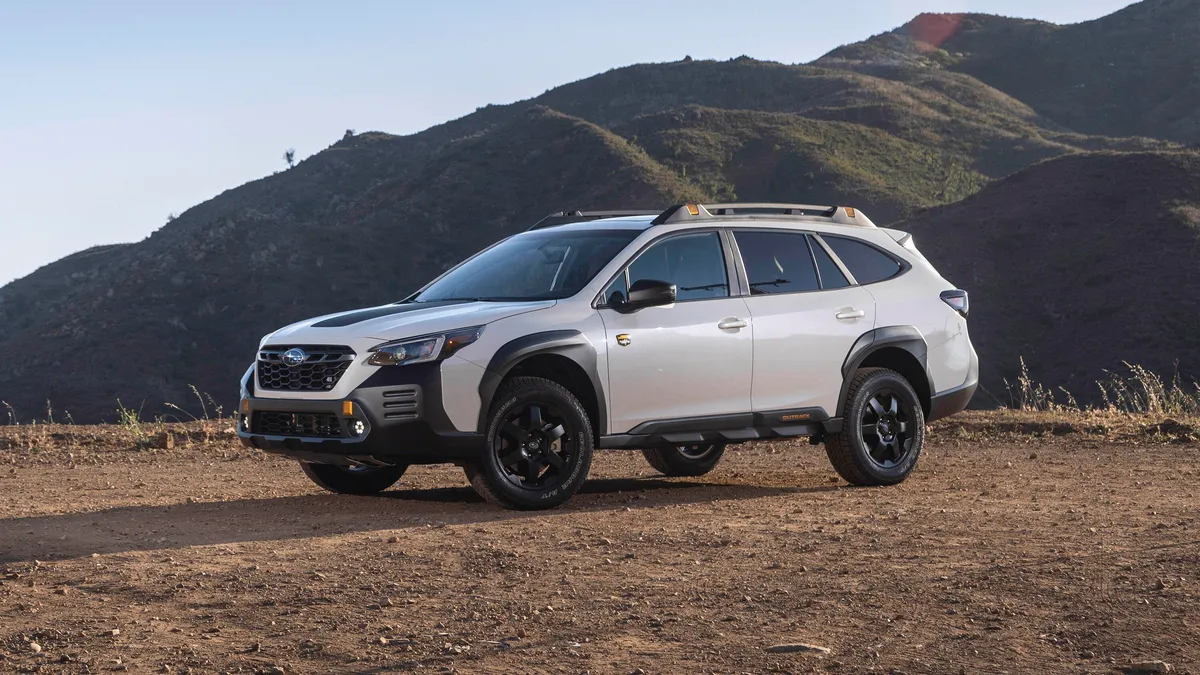
8. Subaru Outback (1995–2009)
The Subaru Outback, especially those from the late 1990s to late 2000s, carved out a place for itself in the garages (and driveways) of outdoorsy types, dog owners, and people who just needed a dependable car that could deal with snow. It was often treated like an SUV, driven through muddy trails and up mountain passes, and then ignored for weeks without so much as an oil check.
Yet the Outback kept earning loyalty not because it was indestructible, but because it managed to keep running despite being treated like a piece of gear instead of a machine. For a car that was rarely pampered, it put in a lot of work.
Subaru’s boxer engines had their quirks, head gaskets, oil leaks, and occasional idling issues, but they also had one thing going for them: they didn’t give up easily. A poorly maintained Outback could develop a few problems and still be completely drivable. People drove them with worn gaskets, low coolant, or underinflated tires for years.
The symmetrical all-wheel-drive system was also known for its toughness. It gave the car surprising off-road capability, and even when the differentials weren’t in perfect shape, the car would keep crawling through snow or gravel like nothing was wrong.
These cars were often owned by people who weren’t car enthusiasts. That meant many of them skipped scheduled maintenance, ignored warning lights, and only visited the mechanic when something stopped working altogether.
But the Outback tolerated this better than most. You’d see them with torn CV boots, rattling exhausts, cracked windshields, and rusted hatches, still doing school runs or mountain trips. The interiors were often filled with dog hair, sand, or camping gear, and the cargo areas looked like they hadn’t been cleaned in years. Yet the car just kept working, mile after mile.
The Outback’s longevity, even under neglect, helped cement Subaru’s reputation in the U.S. as the maker of quirky but capable vehicles. Despite its flaws, and there were many, the Outback proved to be a car that could be driven hard, left in bad weather, and ignored between trips, and still be ready when needed. It wasn’t fancy.
It wasn’t perfect. But it had a loyal heart, and that meant more to its owners than any spec sheet ever could. That’s what made it a survivor, and a car that earned its place on this list.
Also Read: 5 Nissan Engines That Run Forever vs 5 That Don’t
There’s something oddly comforting about knowing that some machines can survive even when we don’t treat them well. In a world where everything seems more fragile, disposable, and tech-dependent, vehicles like these serve as reminders that durability is still possible.
Not because of luck or magic, but because of smart engineering, overbuilt components, and mechanical simplicity. Each of the vehicles on this list wasn’t necessarily meant to be legendary, they earned that status by doing the dirty work, by sticking around after others had quit, and by continuing to function when all logic said they shouldn’t.
Neglect is a car killer, but it doesn’t kill everything. Some vehicles were designed with enough resilience to handle owner forgetfulness, extreme weather, and years of hard use without completely falling apart. They weren’t coddled. Most of them weren’t even loved.
But they were used, sometimes used up, and they never complained. That quiet reliability matters. It doesn’t make headlines or go viral, but it builds reputations in the real world. In job sites, backroads, parking lots, and long-forgotten garages, these machines are still quietly proving their worth every day.
What ties all these vehicles together is that they’ve earned trust the hard way. They weren’t made to impress, but to work. And even now, long after their factory warranties have expired, many of them are still out there.
Maybe with mismatched panels, maybe with check engine lights glowing, maybe with interiors that smell like years of neglect, but still starting, still driving, still doing the job. You can’t ask for more than that from a machine. Not every vehicle needs luxury, performance, or style. Sometimes, what matters most is just the fact that it keeps going, no matter what.
So, if you’re ever handed the keys to an old truck, sedan, or wagon with a questionable service history and a few too many miles, don’t assume the worst. It might just be one of these survivors, one of those rare vehicles that was built with a kind of toughness you can’t fake.
You might never wash it. You might skip oil changes. You might forget it’s even out there in the driveway. But when the time comes and you turn the key, there’s a good chance it’ll still start. Some vehicles were just built different. These eight prove it.
