
The Ford Ranger has been a popular choice for truck enthusiasts, casual drivers, and work-focused users for decades. It offers a mix of durability, practicality, and versatility, making it a reliable option in the midsize truck market. However, not every model year of the Ranger has shared the same reputation for dependability.
Some years are celebrated for their build quality, strong engines, and lasting performance, while others have become notorious for frequent breakdowns and persistent mechanical issues. Choosing the right model year can make a huge difference for buyers looking to invest in a Ranger that can handle tough jobs and daily driving without constant repair bills.
The midsize pickup market is competitive, and the Ford Ranger has gone through various changes over its lifespan. These changes sometimes introduced improvements, but they occasionally brought unwanted problems. Understanding which years have proven their worth over time helps buyers avoid models that might come with hidden issues.
This article highlights five Ford Ranger years widely considered the best choices for long-term ownership, focusing on their strengths, reliability, and value retention. Alongside this, we will also look at five years that have gained a reputation for breaking down more frequently, facing recalls, or struggling with mechanical faults that affect their ownership experience.
Whether you are looking for a used Ranger to buy or just interested in knowing how the model’s quality evolved, this comparison offers insight based on common owner experiences, repair records, and vehicle history. By knowing which years to trust and which to approach with caution, buyers can make more informed decisions.
The Ford Ranger has a strong fan base and solid capability, but like any vehicle, it requires careful consideration of its history. Let’s start by examining the five best Ford Ranger years to own, followed by the five that frequently face issues.
Also Read: 5 SUVs That Rarely Lose AC Performance vs 5 That Constantly Fail
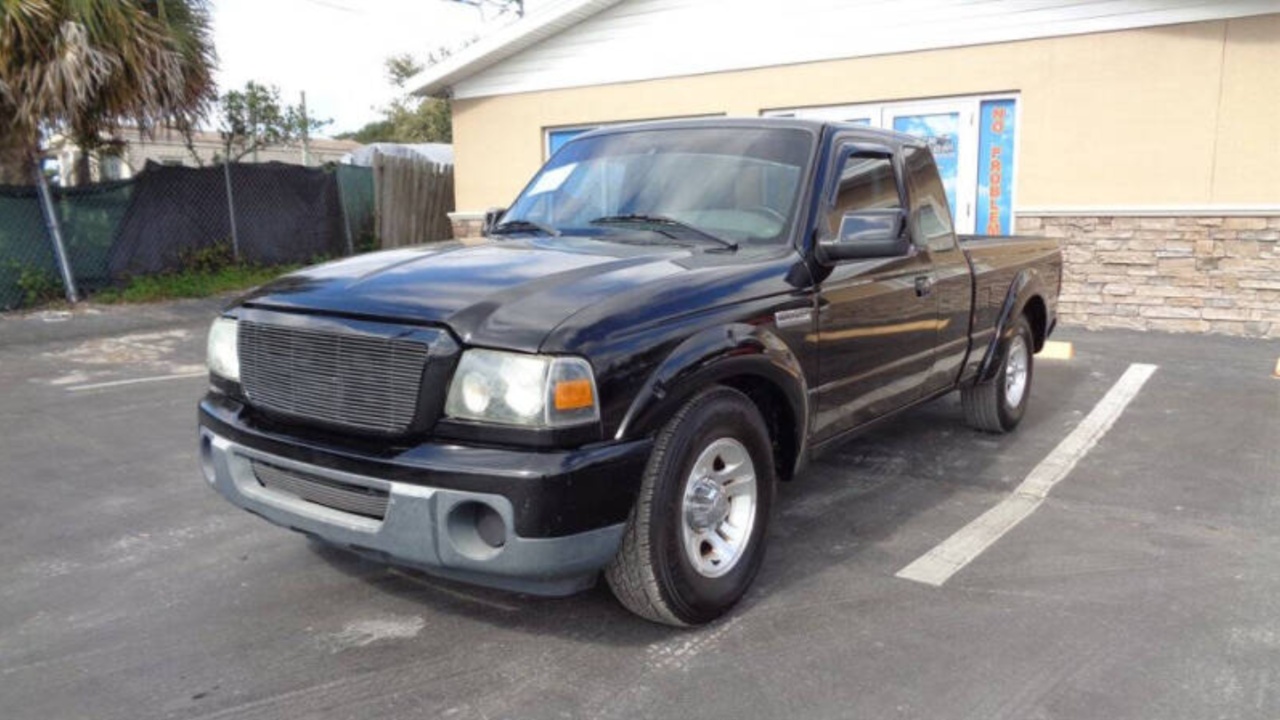
2001 Ford Ranger
The 2001 Ford Ranger is widely regarded as one of the most dependable and well-rounded years for this midsize pickup. One of the major draws of this model year was the availability of a reliable 3.0-liter V6 engine, which offered a solid balance of power and fuel efficiency.
Many drivers appreciated how this engine provided enough torque to handle towing and hauling tasks, yet still delivered smooth everyday driving. In comparison to the smaller 4-cylinder engines available at the time, the V6 was a noticeable upgrade in performance without sacrificing reliability.
The 2001 model also benefited from refinements in the suspension system, which resulted in a more comfortable ride quality, especially when navigating rough roads or carrying heavy loads. These improvements made it a versatile vehicle that could serve both as a dependable work truck and a comfortable daily driver.
The mechanical simplicity of the 2001 Ranger played a significant role in its long-term durability. At a time when automotive electronics were becoming increasingly complex, the 2001 Ranger maintained a relatively straightforward design. This simplicity made troubleshooting and repairs less costly and more accessible for owners and mechanics alike.
The truck’s parts were generally easy to source, thanks to Ford’s widespread presence and the popularity of the Ranger in various markets. This meant that routine maintenance, such as brake service or engine tune-ups, could be performed without breaking the bank or causing extended downtime.
Furthermore, many owners have shared stories of their 2001 Rangers reaching high mileage thresholds, often surpassing 200,000 miles with consistent upkeep. This proven longevity is one of the key reasons why this year remains highly recommended among used truck buyers.
From a design standpoint, the interior of the 2001 Ranger might not have been flashy, but it was built with practicality and durability in mind. The materials used inside the cabin were designed to withstand the wear and tear commonly associated with trucks that are regularly used for work or outdoor activities.
Seats, door panels, and dashboard components were made from hard-wearing plastics and fabrics that resisted stains, tears, and fading over time. The straightforward layout meant fewer electronic gadgets that could malfunction or become obsolete.
Drivers enjoyed a functional workspace with easy-to-reach controls, which was especially important for those who spent many hours behind the wheel. This focus on durability and usability made the 2001 Ranger a reliable choice for those who valued longevity over luxury.
Lastly, the resale value of the 2001 Ford Ranger remains strong compared to other early 2000s trucks, largely because of its solid reputation for durability and ease of maintenance. Buyers in the used truck market often seek out this model year as a practical investment, knowing they are getting a vehicle that has stood the test of time.
This demand has helped maintain the value of these trucks, making them a wise purchase for those wanting to avoid rapid depreciation. In summary, the 2001 Ranger offers an excellent balance of performance, mechanical simplicity, and practicality, which are key factors in its status as one of the best years to own.
2005 Ford Ranger
The 2005 Ford Ranger is another model year frequently praised for its reliability and improved performance. One of the standout features of this year was the 4.0-liter V6 engine, which delivered a combination of solid horsepower and decent fuel economy for a midsize truck.
This engine was robust enough to handle various tasks, including towing trailers, carrying heavy loads, and even light off-road driving. The fuel economy improvements compared to previous years made it a more practical choice for drivers who needed a capable truck without excessively high operating costs. Moreover, the engine design included upgrades that addressed some of the earlier models’ shortcomings, resulting in fewer mechanical failures and better long-term performance.
Beyond the engine, the 2005 Ranger saw significant improvements in its chassis and frame, contributing to a longer-lasting vehicle with better corrosion resistance. The frame was constructed with higher-quality steel and treated to prevent rust, which had been a problem in some earlier models.
This meant that trucks from this year were better suited to endure tough environmental conditions, such as heavy rain, snow, and salted roads during winter. Owners frequently reported fewer issues related to suspension wear and tear, which also helped maintain handling characteristics and ride comfort over time. These structural upgrades made the 2005 Ranger a trusted choice for those requiring a durable truck that could handle a variety of challenging driving scenarios.
Safety enhancements were another area where the 2005 Ranger made strides. Although still modest compared to today’s standards, the truck included better seatbelt mechanisms, optional side airbags, and improved crash protection features. These additions offered greater peace of mind for drivers and passengers, especially in work environments or when traveling on busy highways.
The cabin design also received an update with more modern control layouts, making it easier to operate vehicle functions without distraction. This attention to ergonomics and safety helped increase the truck’s appeal not only for business use but also for family and personal transportation.
The 2005 Ranger also benefited from reliable transmission options. Both the manual and automatic transmissions were noted for smoother shifting and fewer failures than many competitors in the same segment. This contributed to better drivability and reduced the likelihood of expensive transmission repairs.
Owners valued the truck’s responsiveness, which made it easier to maneuver in tight spaces or during heavy towing. Combined with the engine and chassis improvements, the transmission reliability cemented the 2005 Ford Ranger’s reputation as a dependable and practical midsize pickup.
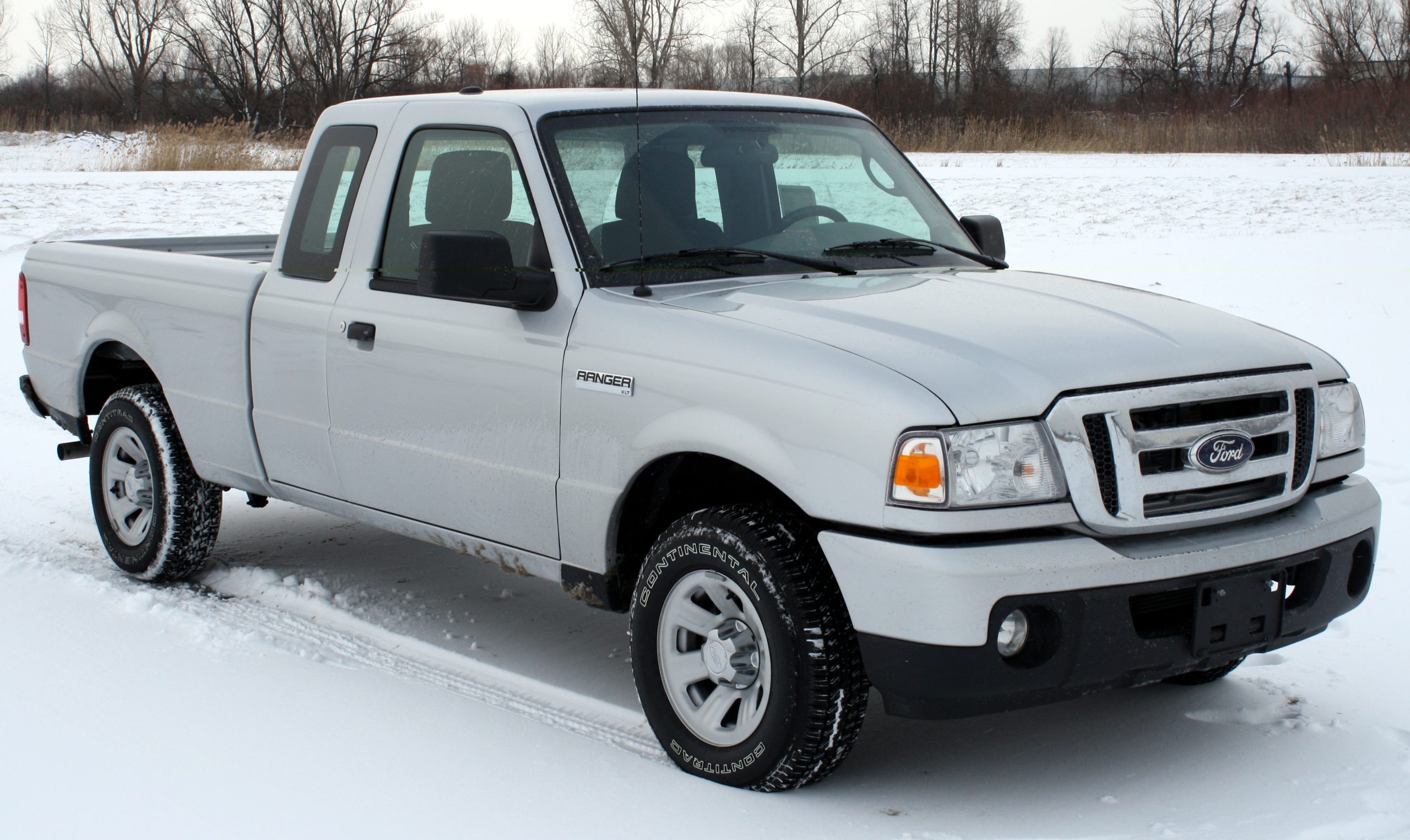
2012 Ford Ranger (International Model)
Though the Ford Ranger ceased production in the U.S. market after 2011, it continued to be manufactured internationally, with the 2012 model year standing out for its enhanced capabilities and modern engineering. These international Rangers featured engines that were optimized for better fuel economy and increased torque, particularly the 2.2-liter and 3.2-liter diesel options.
Diesel engines offered the advantage of high torque at low RPMs, which is ideal for towing and off-road use, while also providing improved mileage compared to older gasoline engines. This made the 2012 International Ranger a favorite among fleet operators, agricultural workers, and outdoor enthusiasts who needed a rugged vehicle that could run efficiently for long hours.
The chassis and suspension system on the 2012 Ranger were upgraded to provide superior load-bearing capacity and better handling in rough conditions. Reinforced frames and advanced shock absorbers meant the truck could handle challenging terrains without compromising driver comfort or vehicle integrity.
These improvements were essential for users in demanding environments such as mining, forestry, or remote construction sites, where vehicles face constant stress and harsh weather. The durability of the 2012 Ranger’s platform contributed to its growing reputation as one of the most reliable midsize trucks available globally.
Inside, the 2012 Ranger saw advancements that elevated driver comfort and convenience. Though still functional and utilitarian, the cabin was better insulated against noise and vibrations, making longer journeys less tiring. Seat ergonomics were improved, providing more support during extended drives.
The introduction of updated infotainment systems and driver assistance features, although basic compared to modern standards, represented a significant leap forward for the Ranger’s interior experience. These changes not only enhanced comfort but also improved driver safety and satisfaction.
The international 2012 Ranger’s reliability is well-documented through positive feedback from users worldwide. The truck’s blend of efficient engines, sturdy chassis, and practical interiors has made it a preferred choice for those needing a durable vehicle capable of handling diverse tasks.
Its strong global presence and continued demand reflect its position as a trusted midsize truck that meets the needs of both commercial and private buyers. For anyone considering a Ranger outside of the U.S., the 2012 model year remains a top recommendation.
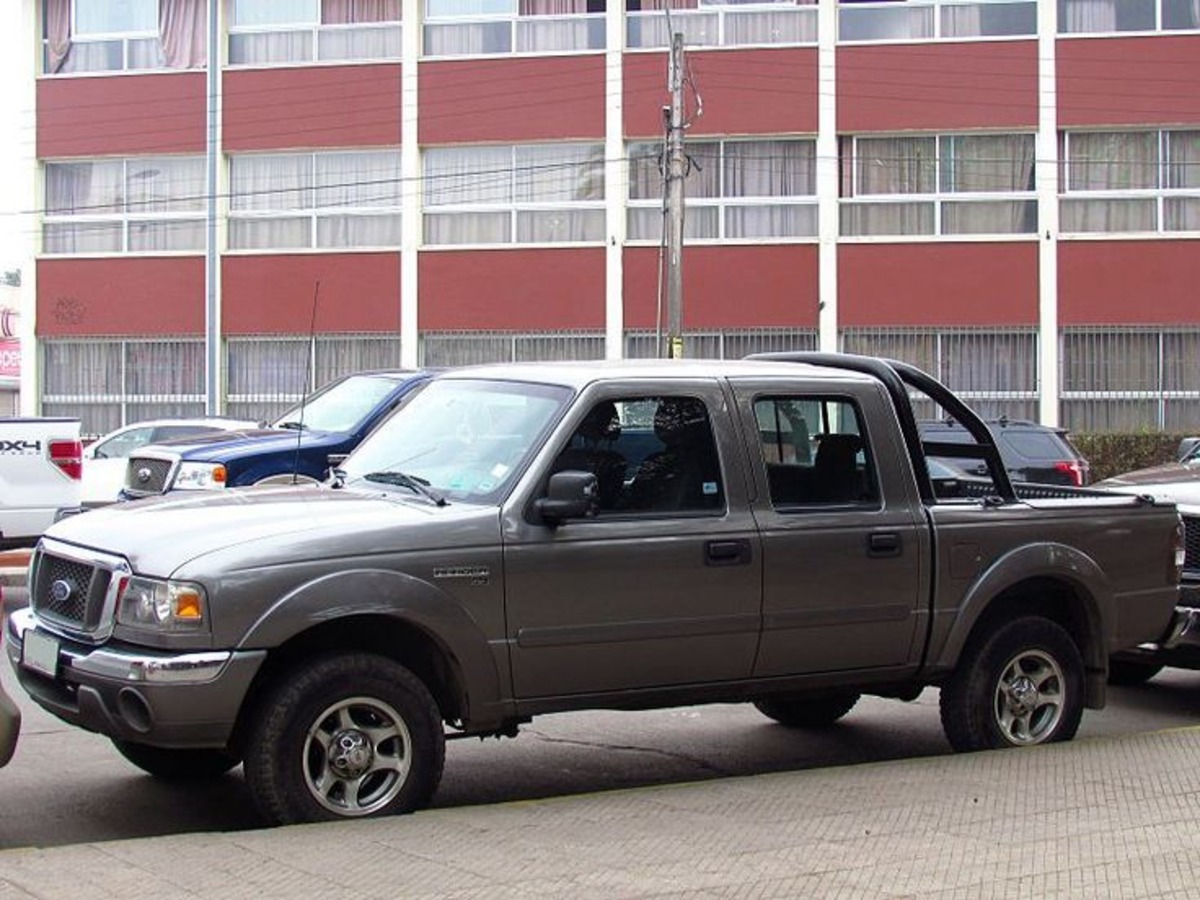
1998 Ford Ranger
The 1998 Ford Ranger is often regarded as a workhorse with a reputation for toughness and mechanical simplicity. This year’s model featured the dependable 4.0-liter V6 engine, which had become a benchmark for reliability in the Ranger lineup. Many owners praised this engine for its ability to withstand heavy use without major failures, even after accumulating high mileage.
The relatively straightforward engine design made it easier to perform routine maintenance, which in turn extended the vehicle’s lifespan. This focus on durability appealed to buyers who needed a truck that could be trusted in demanding situations such as towing, hauling, or navigating rough terrain.
One of the key advantages of the 1998 Ranger was its minimal reliance on complex electronics and computer systems. This mechanical simplicity not only made repairs less costly but also reduced the likelihood of unexpected failures. Trucks from this year were often used in work environments where reliability was paramount and downtime costly.
The suspension system was sturdy enough to handle heavy loads and uneven surfaces, which contributed to the truck’s long-lasting reputation. Owners often reported that the 1998 Ranger required fewer visits to the mechanic compared to other trucks in its class.
Inside, the 1998 Ranger prioritized durability over luxury. The materials selected for the interior were resistant to damage caused by everyday use, including dirt, moisture, and rough handling. The cabin layout was straightforward, with easy-to-understand controls and limited electronic distractions.
Although it lacked the advanced features seen in newer trucks, the simplicity of the interior made it well-suited for users who valued functionality and low maintenance over comfort and aesthetics. This rugged interior design helped many 1998 Rangers maintain their condition well into later years.
Finally, the resale value of the 1998 Ford Ranger remains respectable due to its reputation for lasting performance and ease of maintenance. Trucks from this year are often sought after by enthusiasts looking for a reliable vehicle that can be modified or restored with relative ease.
The 1998 Ranger serves as a prime example of Ford’s commitment to building midsize trucks that combine toughness, reliability, and practicality, which continues to resonate with buyers today.
2019 Ford Ranger (U.S. Reintroduction)
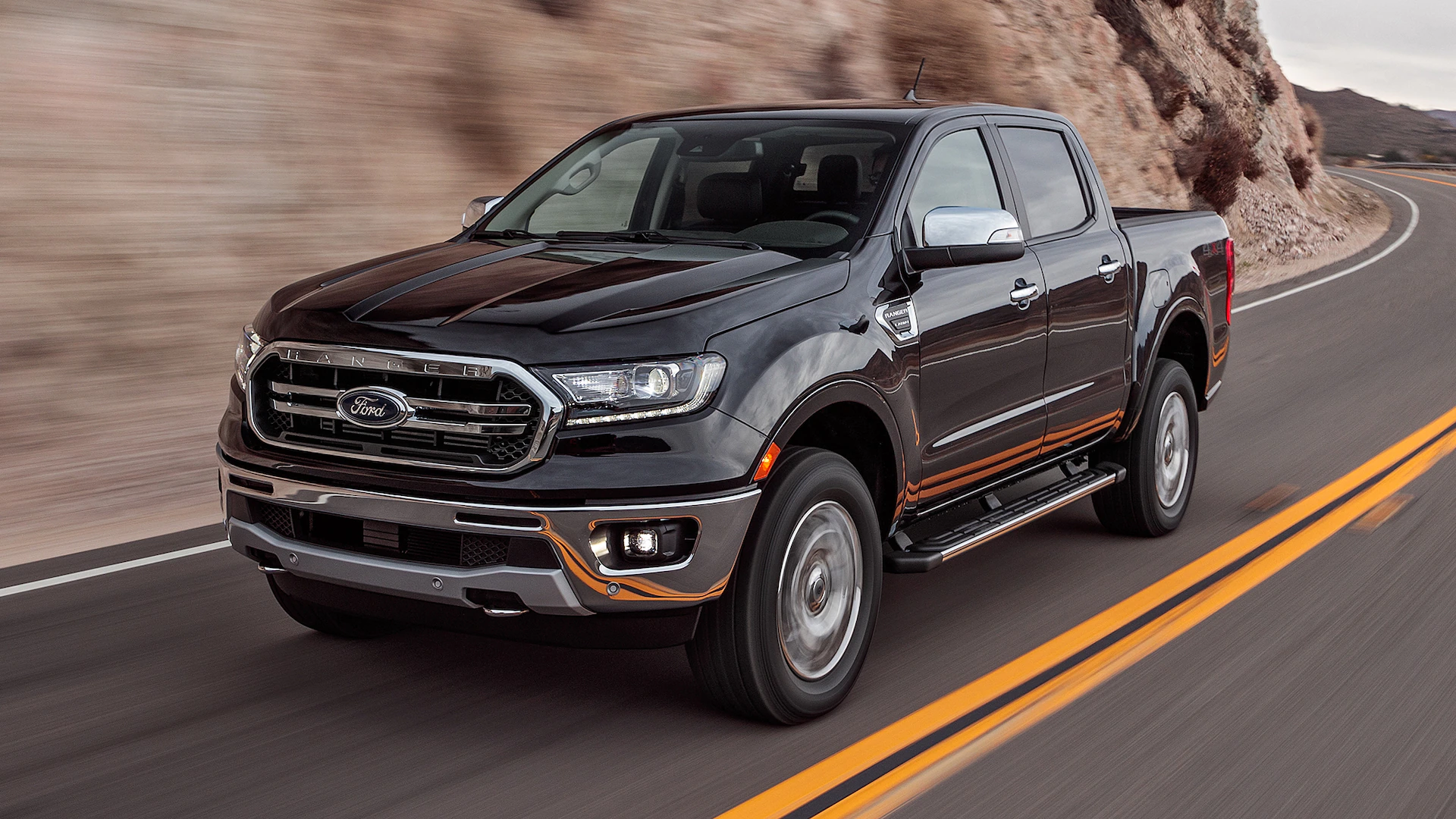
The 2019 Ford Ranger marked an important milestone with its return to the U.S. market, showcasing a blend of modern technology and the rugged DNA of the Ranger lineage. This new generation was built on a platform that prioritized both on-road comfort and off-road capability.
The 2.3-liter EcoBoost four-cylinder engine quickly gained attention for delivering a strong balance between power and fuel efficiency. With turbocharging and direct injection, this engine offered responsive acceleration and impressive towing capacity, making it suitable for a wide range of tasks from daily commuting to hauling gear for outdoor adventures.
The 2019 Ranger featured a sophisticated 10-speed automatic transmission that contributed to its smooth shifting and enhanced fuel economy. This transmission was designed to optimize power delivery and provide seamless performance, which improved drivability.
The chassis was engineered to absorb road imperfections effectively, and the suspension was tuned to offer a comfortable yet stable ride. Additionally, advanced driver assistance technologies, including lane-keeping assist, automatic emergency braking, and adaptive cruise control, elevated the safety profile of the truck significantly compared to previous Ranger models.
The interior of the 2019 Ranger represented an improvement over earlier years. It incorporated higher-quality materials, more thoughtful ergonomics, and a modern infotainment system compatible with smartphone integration. The cabin space was designed to accommodate passengers comfortably, with ample legroom and supportive seating.
These enhancements made the 2019 Ranger a practical choice not only for work but also for family use and long-distance travel. The attention to interior quality and driver comfort showed Ford’s commitment to delivering a competitive midsize truck that meets contemporary expectations.
Since its reintroduction, the 2019 Ranger has earned praise for its reliability and low maintenance costs. Unlike many newly redesigned trucks that experience early mechanical issues, the 2019 model has performed well in the hands of owners, with fewer reported problems and solid build quality.
This has helped re-establish the Ranger’s position in the midsize truck segment as a dependable option with modern features and proven performance. Buyers looking for a versatile truck that combines up-to-date technology with durable construction often find the 2019 Ranger to be a smart investment.
Also Read: 12 2025 SUVs That Are Expected to Last 300K Miles
Five Ford Ranger Years That Constantly Break
2006 Ford Ranger
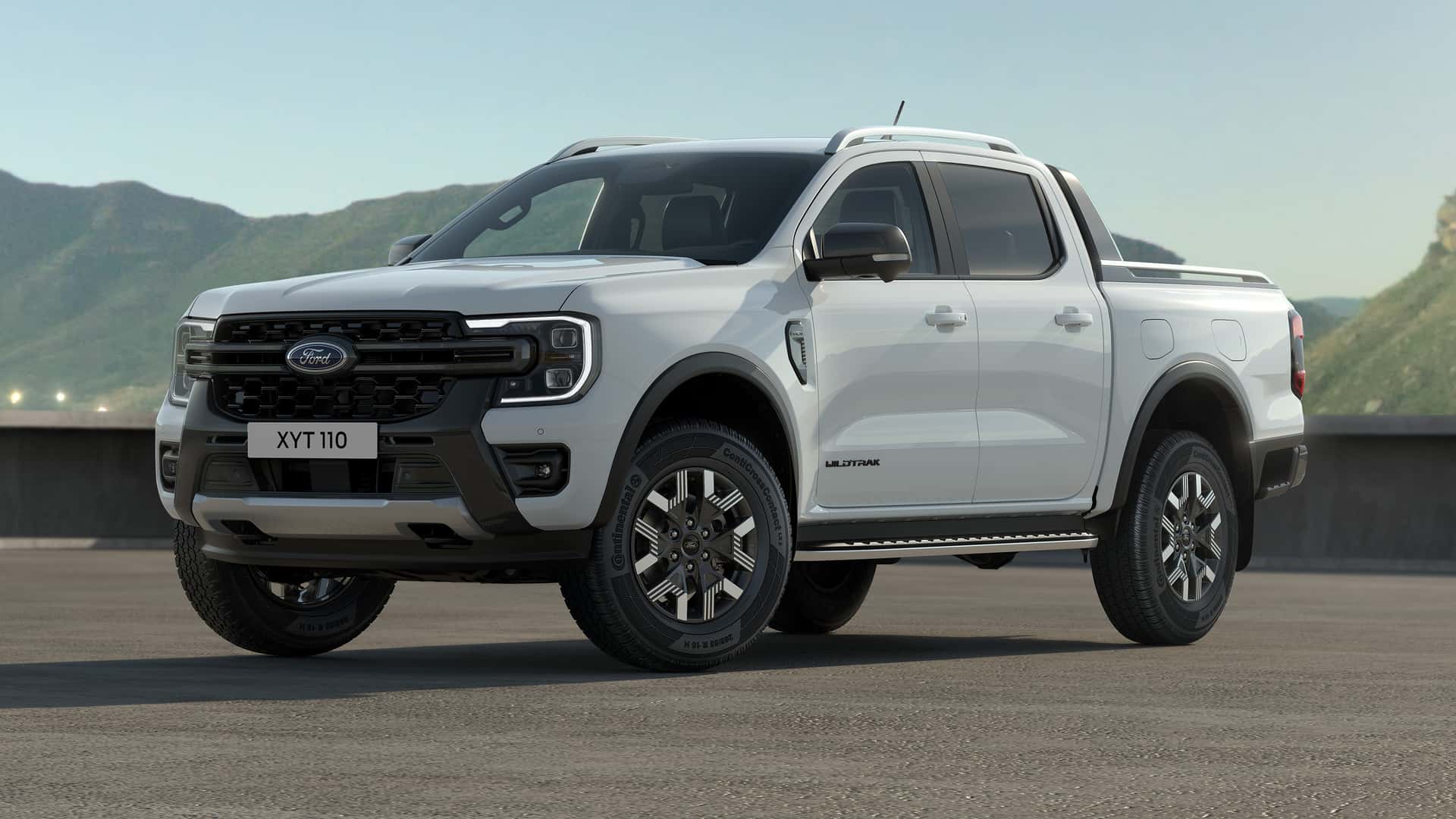
The 2006 Ford Ranger is often cited as one of the more problematic model years, with a variety of mechanical and electrical issues reported by owners. One of the most persistent complaints revolves around the 4.0-liter V6 engine, which, despite its earlier reputation for reliability, started showing signs of head gasket failures around this model year.
This issue is particularly concerning because a blown head gasket can lead to costly repairs and significant downtime. Additionally, the engine’s cooling system was prone to overheating, often caused by radiator leaks or thermostat malfunctions. These problems diminished the truck’s reliability and led many owners to seek expensive repairs sooner than expected, making it less desirable in the used truck market.
Another area where the 2006 Ranger struggled was with its electrical system. Numerous owners have reported issues ranging from malfunctioning power windows and locks to faulty wiring harnesses. Electrical gremlins can be notoriously difficult to diagnose and repair, often requiring extensive labor and parts replacement.
Problems with sensors and the onboard computer system also surfaced, sometimes triggering the check engine light without an obvious cause. These inconsistencies created frustration for drivers who relied on the truck for daily use, undermining the ownership experience. In some cases, electrical failures led to safety concerns, such as malfunctioning headlights or brake lights, further tarnishing the truck’s reputation.
The 2006 model also faced transmission challenges, particularly with the automatic gearbox. Shifting problems such as hesitation, slipping, or harsh gear changes were commonly reported, especially in trucks with higher mileage. These transmission issues could sometimes be traced back to poor maintenance or fluid leaks, but even well-maintained trucks were not immune.
Transmission repairs or replacements are costly and time-consuming, which discouraged many potential buyers from considering this model year. Furthermore, suspension components, including ball joints and control arms, wore out prematurely in some cases, leading to a rougher ride and increased repair bills.
Inside the cabin, the 2006 Ranger’s interior was criticized for poor build quality and premature wear. Materials used for seats and door panels often showed signs of cracking, tearing, or fading after just a few years of use. The dashboard components were also susceptible to rattling and cracking, detracting from the comfort and perceived value of the truck.
Controls and switches sometimes failed or became sticky, adding to driver frustration. While the truck retained its basic functionality, the declining quality of interior components made it less appealing to buyers seeking a dependable vehicle with a comfortable, long-lasting cabin environment.
2008 Ford Ranger
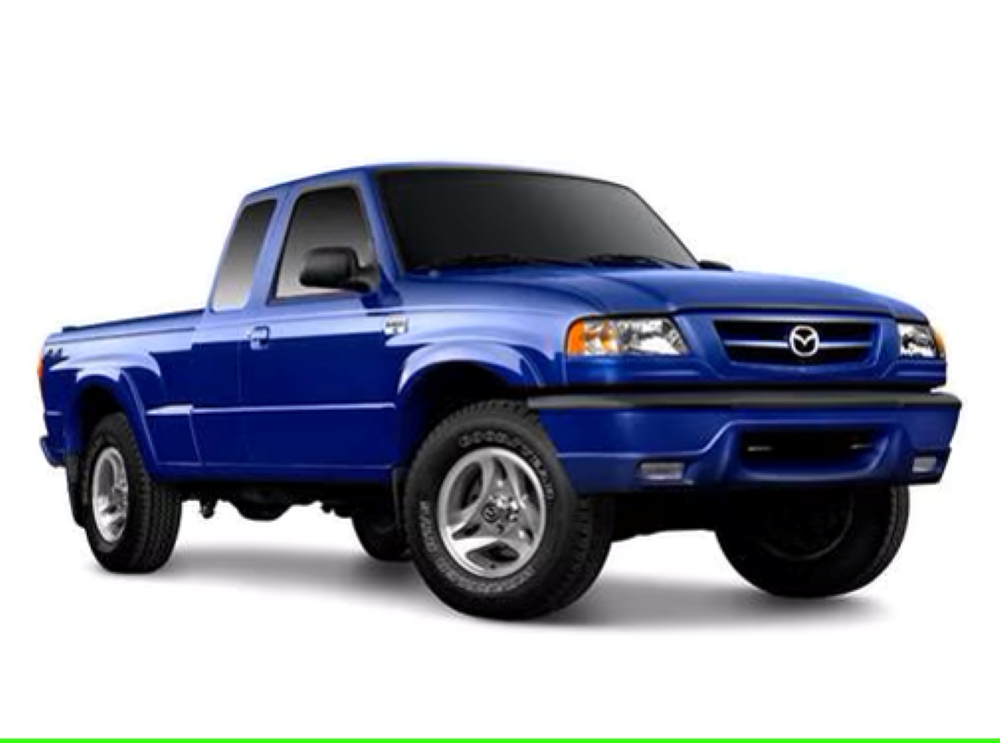
The 2008 Ford Ranger shares many of the issues that plagued the 2006 model, with a few additional concerns that contributed to its troubled reputation. One of the standout problems involved the engine’s timing chain tensioner. When this component failed, it could cause the timing chain to slip or skip teeth, leading to serious engine damage.
Early symptoms often included unusual noises such as rattling or ticking from the engine bay. Unfortunately, if left unaddressed, this failure could result in catastrophic engine failure, necessitating a complete engine rebuild or replacement. Owners who ignored these warning signs often faced steep repair costs, reducing the model’s desirability and reliability ratings.
Electrical problems persisted in the 2008 Ranger, with widespread reports of dashboard warning lights flickering or remaining illuminated without a clear cause. Some trucks experienced issues with the instrument cluster, where gauges and displays would malfunction or fail.
This created a distracting and potentially dangerous driving environment, as important information like speed or fuel levels could become unreliable. Additionally, owners reported intermittent failures in power accessories, such as mirrors and windows, which further eroded confidence in the truck’s build quality. These electrical gremlins often required complicated troubleshooting and parts replacement.
Transmission troubles were also present in the 2008 model, especially with the automatic transmission. Complaints about rough or delayed shifting, slipping gears, and occasional transmission overheating were common. These problems sometimes manifested as a jerking sensation during acceleration or deceleration, making the truck less pleasant and more unpredictable to drive.
Transmission repairs in these trucks were frequently expensive, and some owners opted to replace the entire transmission rather than pursue repeated costly fixes. Additionally, the clutch in manual transmission versions was known to wear prematurely in some cases, further reducing the model’s reliability.
The interior quality of the 2008 Ranger did not see significant improvements compared to previous years. Owners noted that upholstery materials were prone to tearing and stains, and plastic surfaces often exhibited premature wear or discoloration. The climate control system was another frequent source of complaints, with heaters or air conditioners sometimes failing to operate correctly.
These issues contributed to a diminished comfort level inside the truck, making long drives less enjoyable and further highlighting the model’s shortcomings. The 2008 Ranger’s combination of mechanical, electrical, and interior issues kept it among the more troublesome years to own.
2010 Ford Ranger (International Model)
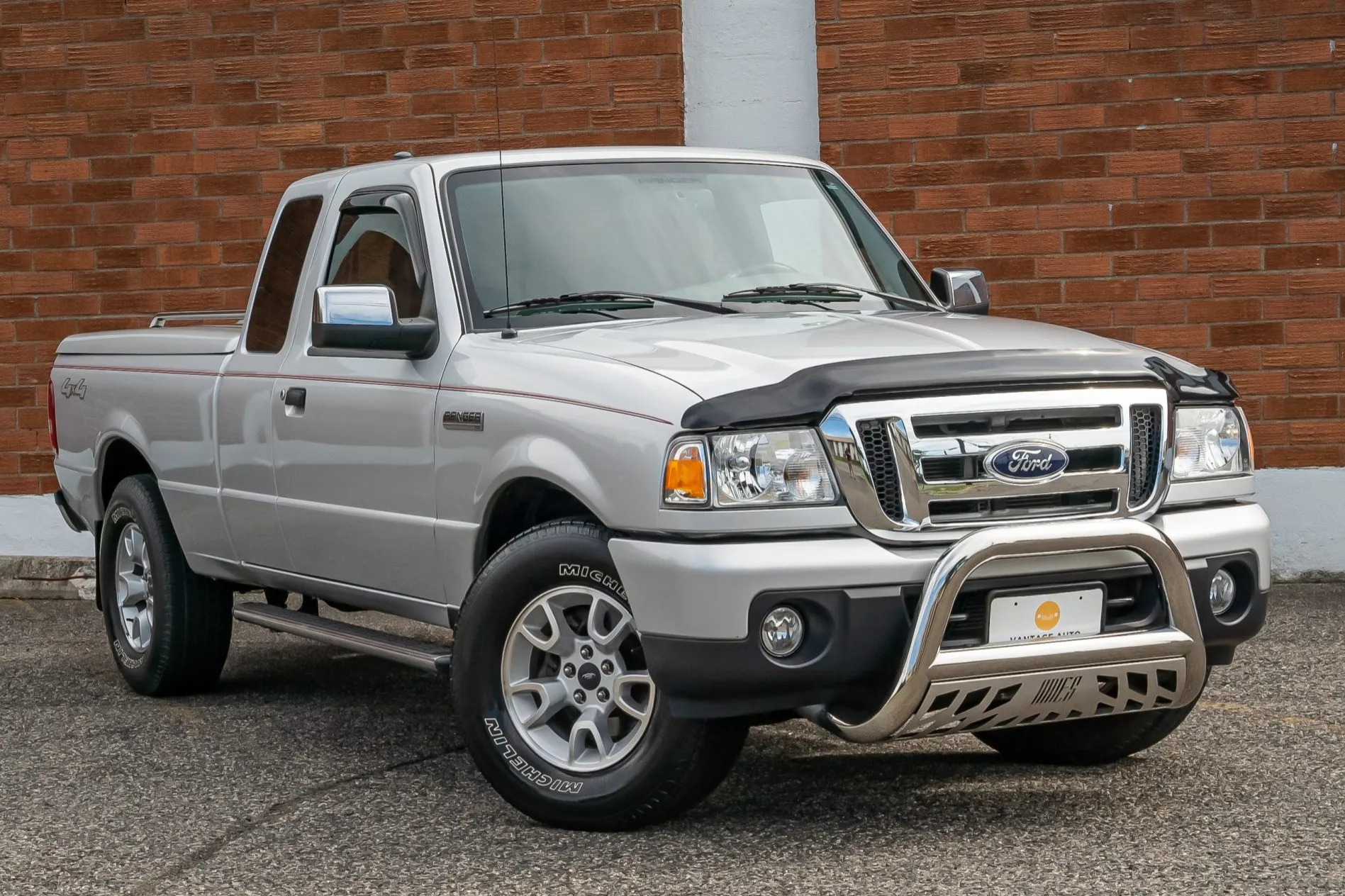
While the 2010 Ford Ranger continued production in markets outside the United States, it developed a reputation for a number of mechanical reliability issues, especially when used under heavy loads or in harsh environments. One of the key weaknesses of this model year was the diesel engine’s fuel injection system.
Many owners reported problems such as injector failure or clogging, which resulted in rough idling, poor fuel economy, and loss of power. These fuel system issues were costly to repair and often required specialized parts or labor, which could be difficult to find in some regions. Diesel versions were particularly affected, but even gasoline models experienced intermittent problems with fuel delivery systems.
Another common complaint with the 2010 Ranger related to the truck’s electrical and sensor systems. Issues such as faulty oxygen sensors, malfunctioning ABS (anti-lock braking system) modules, and erratic engine control units were frequently reported.
Premature suspension wear contributed to a need for more frequent repairs and replacements, which increased ownership costs. Additionally, corrosion on the undercarriage and frame was a concern, especially in areas with heavy road salt use, leading to structural weakening over time.
The interior of the 2010 International Ranger was functional but lacked refinement, with materials that did not always hold up well under heavy use. Dashboard plastics were prone to cracking or fading, and seat fabrics showed signs of wear quickly.
The ergonomics of the cabin were sometimes criticized for being outdated, with controls and switches that could be difficult to operate or prone to failure. While the truck’s practical nature was appreciated, these interior flaws made it less appealing for users seeking a more comfortable or modern driving experience.
1999 Ford Ranger
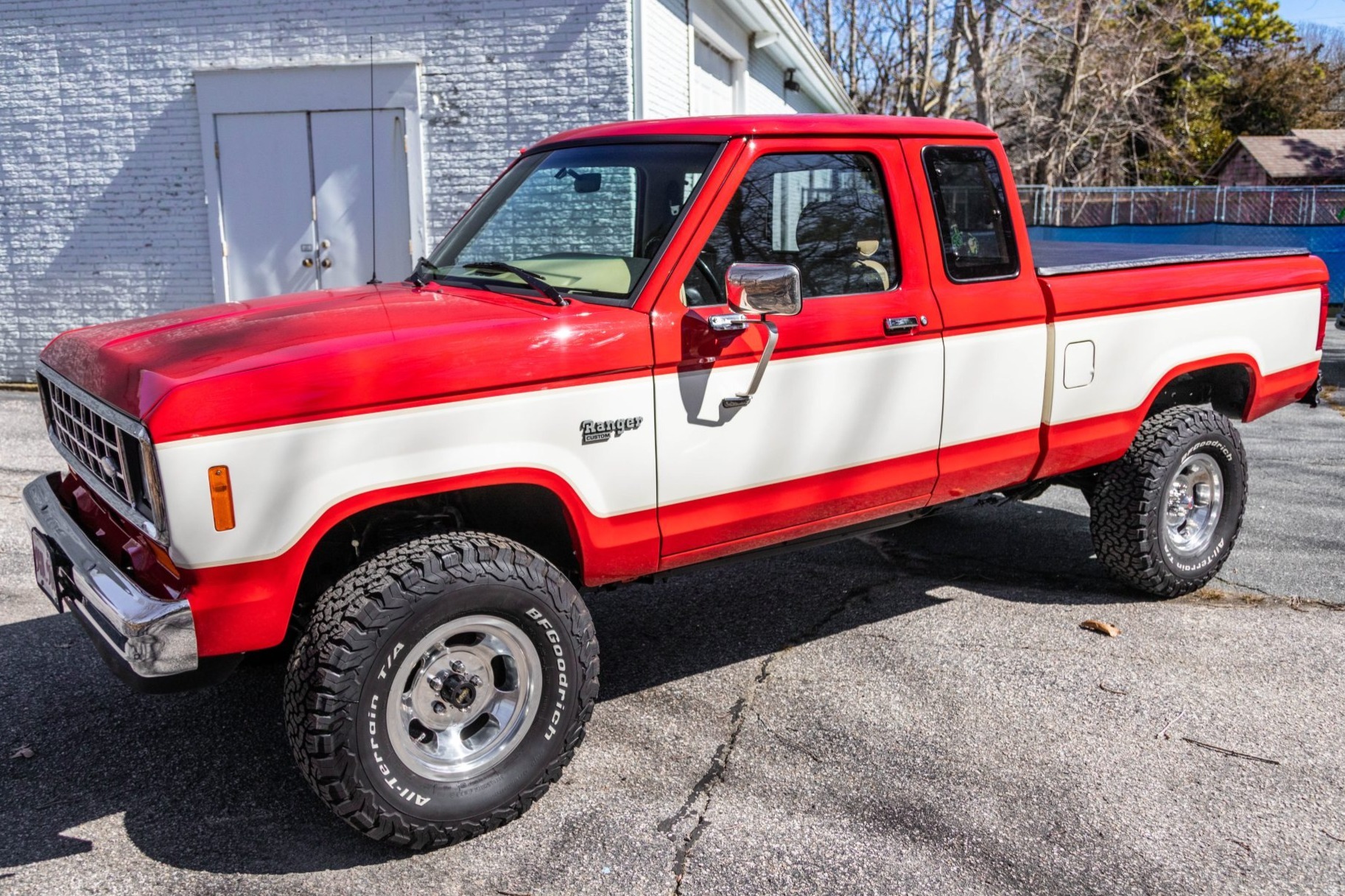
The 1999 Ford Ranger is often singled out for a range of mechanical and structural problems that have made it less desirable compared to other years in the lineup. One of the biggest concerns involved the truck’s rear suspension system. Many owners reported premature wear and failure of leaf springs, which led to sagging and reduced load-carrying capacity.
This not only compromised ride quality but also posed safety risks when hauling heavy cargo. Suspension repairs could be costly, and the original parts were sometimes difficult to source, especially for older trucks with high mileage.
Electrical problems further added to the 1999 Ranger’s list of issues. Malfunctions with power windows, door locks, and lighting systems were frequently reported. Some trucks experienced complete failures of critical electrical components, resulting in safety concerns and inconvenience.
Troubleshooting these problems was often time-consuming and required professional diagnosis, which increased the cost of ownership. Wiring harness degradation was also noted, especially in trucks exposed to harsh weather conditions or rough use.
Inside the cabin, the 1999 Ranger showed signs of aging and wear more rapidly than expected. Seat upholstery was prone to tearing and staining, and dashboard materials could crack or become brittle over time.
The fit and finish were less refined compared to other trucks in its class, and many owners expressed frustration with rattling noises and loose trim pieces. While the interior was functional, these quality issues detracted from the driving experience and lowered the truck’s appeal as a long-term daily driver.
2003 Ford Ranger
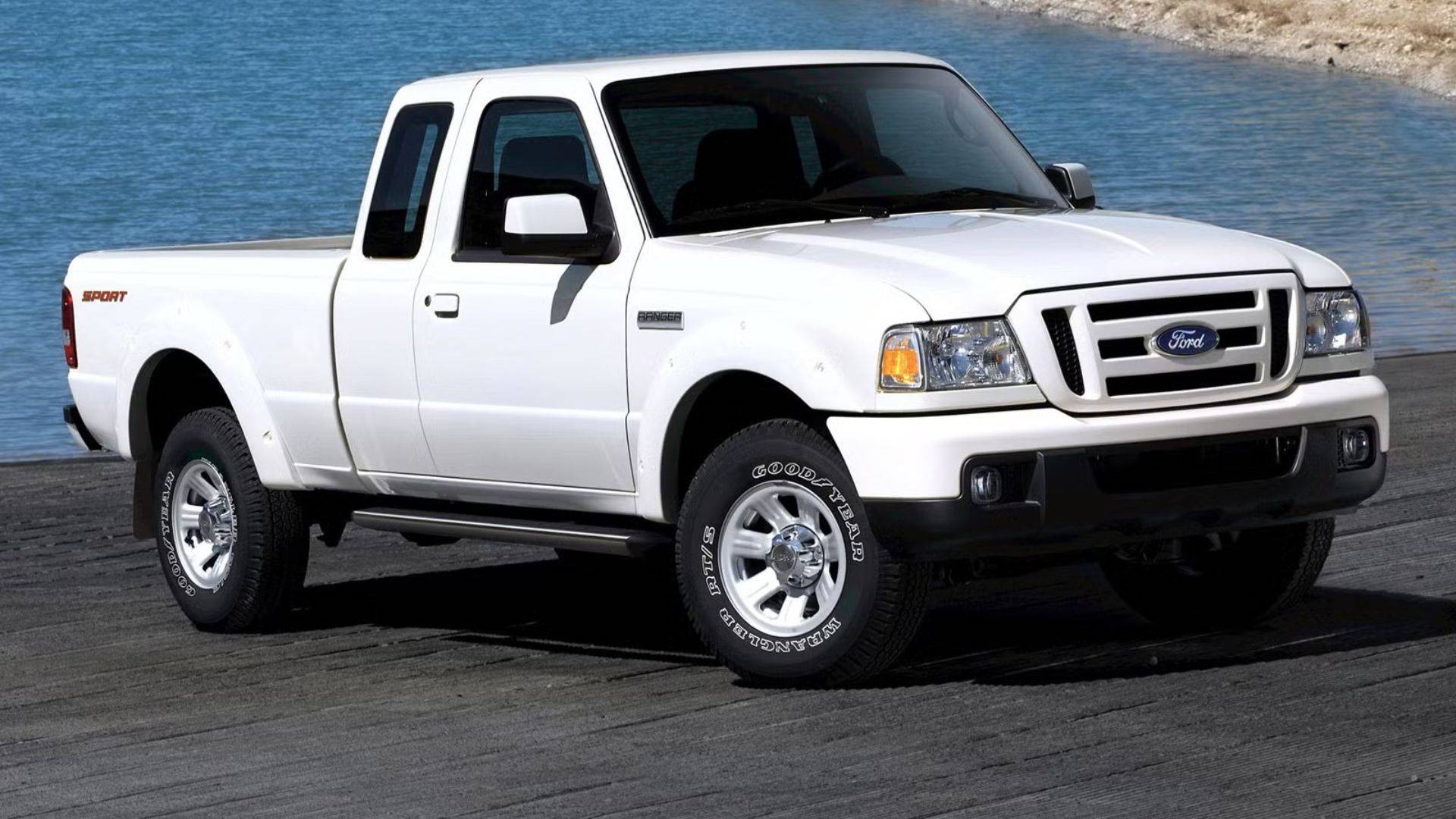
The 2003 Ford Ranger earned a reputation for a mix of engine, transmission, and electrical problems that affected its dependability. A significant concern involved the 3.0-liter V6 engine, which tended to develop oil leaks, particularly from the valve cover gasket and rear main seal.
These leaks could lead to reduced oil levels and engine damage if left untreated. In some cases, the engine would suffer from misfires or rough idling due to failing ignition components, further complicating performance. These mechanical issues required ongoing attention and increased maintenance expenses for owners.
Transmission issues were common in the 2003 model, especially with the automatic version. Complaints about slipping, delayed engagement, and harsh shifting were prevalent, often linked to internal wear or fluid contamination.
Owners reported that transmission repairs could be expensive and sometimes recurring, discouraging buyers who needed a reliable daily driver. Manual transmission versions occasionally faced clutch problems, including premature wear and failure, which added to maintenance concerns.
Electrical troubles were also frequent, with problems affecting the truck’s lighting, power accessories, and dashboard instruments. Owners often described flickering lights, malfunctioning power windows, and erratic gauge behavior.
Diagnosing these issues was complicated by inconsistent symptoms and intermittent failures. This unpredictability caused frustration and sometimes posed safety risks, especially when brake lights or headlights were affected. Repairs often involved replacing wiring harnesses or individual electrical components, which added to the cost of ownership.
