
Cars often face many challenges throughout their operational life, from the simple wear and tear of daily use to the harsh conditions of various climates. One of the biggest enemies to a vehicle’s longevity, especially in certain regions, is rust. Rust can quickly deteriorate a vehicle’s body and frame, leading to expensive repairs or rendering the car unsafe and unusable.
The “rust belt” regions, typically found in the northern United States and parts of Canada, experience long, cold winters with frequent snow and ice. To combat icy roads, these areas heavily rely on salt and chemicals, which accelerate the oxidation process that leads to rust.
For many cars, this environment can drastically shorten their lifespan, corroding metal parts, damaging structural components, and weakening the integrity of the vehicle. But despite these tough conditions, certain vehicles have emerged as true champions of durability, managing to withstand these harsh environmental factors and retain their functionality and aesthetics for decades.
These vehicles owe their resilience not just to chance but to a combination of smart engineering, high-quality materials, and manufacturing processes aimed at combating corrosion.
Automakers who understood the threat of rust early on invested in better protective measures, such as using galvanized steel panels, applying multiple layers of protective coatings, and designing bodies with drainage channels to prevent water accumulation.
Maintenance practices also play a critical role, but the foundation lies in how well a car is built to resist corrosion from the outset. Cars that can last beyond their rust belt conditions become valuable not only for their utility but also for the peace of mind they offer their owners, who know their vehicles can take on years of exposure without deteriorating.
This article highlights twelve such cars that have demonstrated exceptional durability in rust-prone environments. They include a mix of American pickups, Japanese sedans, and European models, each with unique qualities contributing to their long-lasting nature.
These vehicles represent a blend of traditional manufacturing wisdom and modern advancements in corrosion control. Their ability to survive and thrive in regions with heavy salt use, moisture, and freezing temperatures speaks volumes about the importance of design choices when it comes to longevity. For owners living in Rust Belt areas, these cars offer practical examples of what to look for when seeking a vehicle that will withstand the test of time and weather.
By examining the features and histories of these cars, we gain insight into how automakers tackled rust prevention and how certain models became favorites for people in challenging climates. They tell stories of craftsmanship and foresight, proving that durability is more than just a marketing term; it’s a reflection of real-world performance.
Whether you’re an automotive enthusiast, a potential buyer, or simply interested in vehicles that defy harsh environments, these twelve cars provide valuable lessons about resilience and quality in an era where many cars seem disposable. Let’s look closely at each to see how they managed to outlast the Rust Belt and remain dependable through the years.
Also Read: 5 Engines That Keep Their Power After 200K vs 5 That Lose It Early
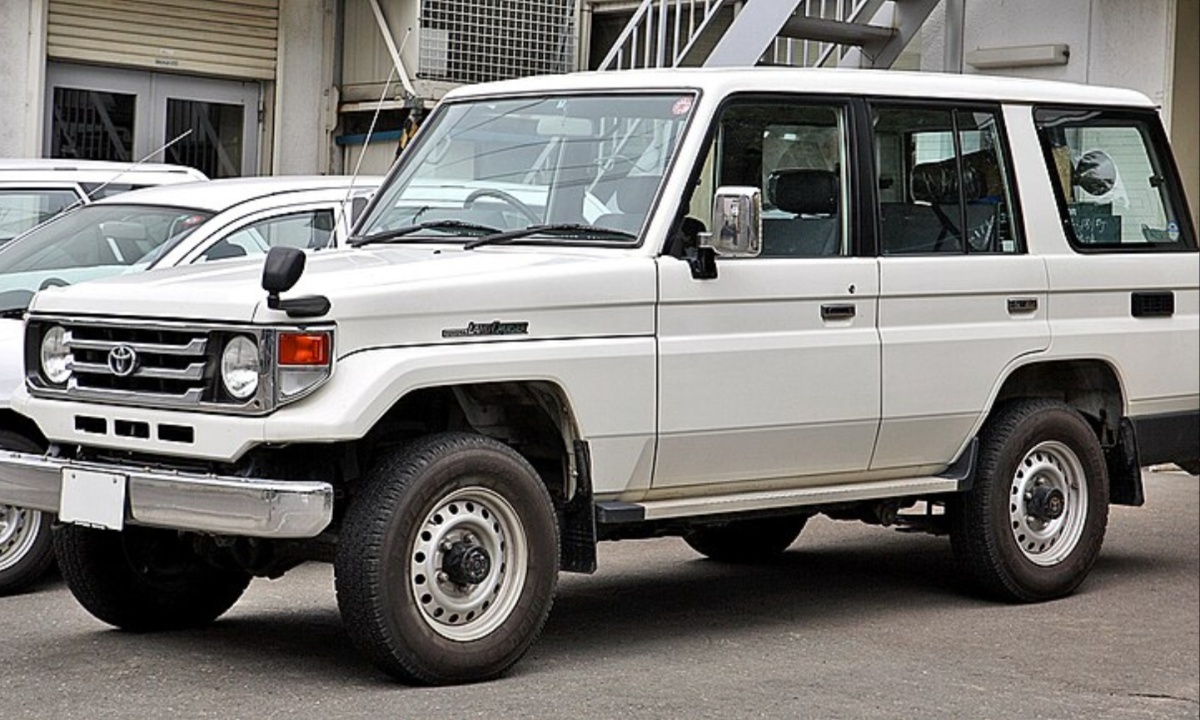
1. Toyota Land Cruiser (J70 Series)
The Toyota Land Cruiser J70 series, introduced in the mid-1980s, is widely known for its extraordinary toughness and ability to withstand extreme conditions. This model was purpose-built for durability, targeting not just everyday use but also rugged off-road adventures and harsh climates.
One of the key reasons it resists rust so well lies in Toyota’s careful material selection and protective measures. The body panels are made of galvanized steel, which is far less prone to rust than untreated steel. Additionally, Toyota applies several layers of protective coatings to vulnerable parts such as the undercarriage, wheel wells, and door frames.
These measures act as barriers against moisture and salt, significantly slowing the corrosion process. The company also invests in effective paint finishes that create a tough outer shell, helping to preserve the vehicle’s appearance and structural integrity over time.
The Land Cruiser’s design philosophy emphasizes robustness and simplicity. Unlike modern vehicles packed with electronics and complex body structures, the J70 series uses a traditional body-on-frame design, which provides an inherently sturdy platform.
This construction makes it easier to replace or repair parts that might suffer damage or rust, extending the life of the vehicle. Its high ground clearance is not only beneficial for off-roading but also helps reduce exposure to road salt and water splash.
Furthermore, Toyota engineered efficient drainage channels within the body panels and doors to prevent water from pooling, which is a common cause of rust in vehicles operating in wet and salty conditions. The attention to these details allows the Land Cruiser to maintain its shape and strength, even after years of exposure to rust-inducing environments.
What sets the Land Cruiser apart is that it wasn’t merely designed to survive; it was designed to thrive in the toughest conditions. Its straightforward mechanical systems reduce the risk of failure caused by corrosion in electrical components or complex assemblies.
Owners appreciate the vehicle’s predictability and the way it rewards regular maintenance with exceptional durability. The J70 series proves that combining smart engineering with corrosion-resistant materials can create a vehicle that defies the ravages of the rust belt and remains a reliable companion for years on end.
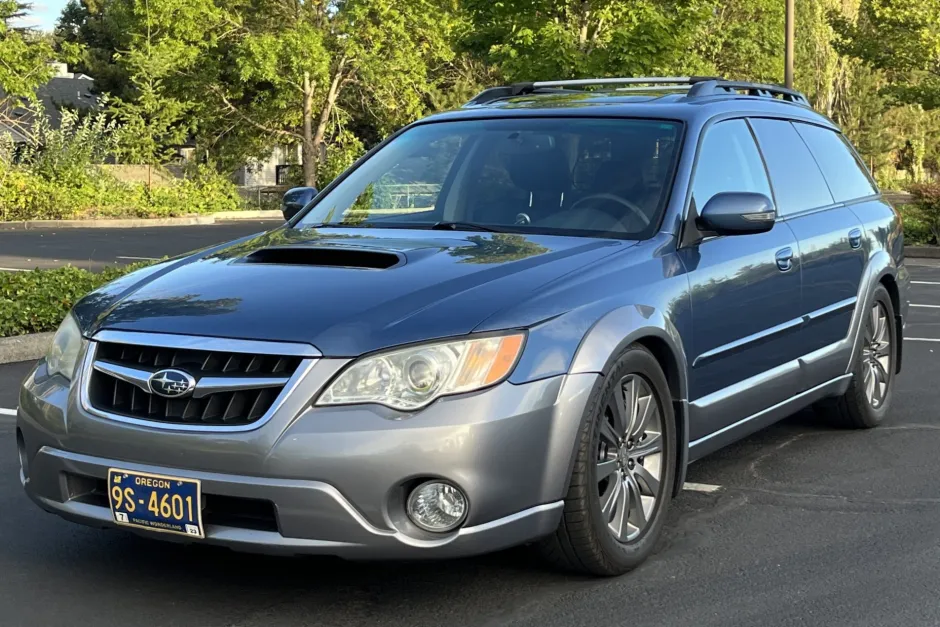
2. Subaru Outback (Early 2000s Models)
The Subaru Outback, especially models produced in the early 2000s, has earned a strong reputation for its ability to endure the challenges posed by rust belt environments. This vehicle was designed with all-weather capability in mind, featuring a symmetrical all-wheel-drive system that provides excellent traction on icy and snowy roads.
Beyond its drivetrain, the Outback benefits from thoughtful engineering choices aimed at improving corrosion resistance. The body panels use galvanized steel, which is far more resistant to rust compared to traditional steel.
In addition, Subaru applied protective undercoatings to the frame and wheel wells, crucial areas exposed to salt and grime during winter months. These measures work together to shield the car’s structural components from the corrosive effects of salt-treated roads.
Subaru’s engine and drivetrain layout further enhance the Outback’s durability. The flat-boxer engine configuration keeps the center of gravity low and places key mechanical parts in compact, balanced locations, which reduces exposure to moisture and dirt.
The symmetrical AWD system, while mechanically complex, is enclosed within protective housings that prevent salt and water ingress, thereby reducing the risk of corrosion-related failures. The underbody features careful sealing and coatings that help protect suspension components and the exhaust system, which are commonly vulnerable areas on vehicles subjected to winter road conditions.
The Outback’s reputation as a practical, reliable, and rust-resistant vehicle has helped it become a favorite in rust-belt communities. Its combination of rugged utility, corrosion-resistant materials, and smart engineering makes it ideal for those who need dependable transportation in regions where rust can ruin most other vehicles quickly. The Subaru Outback proves that a car designed with the environment in mind can offer both performance and long-term durability.
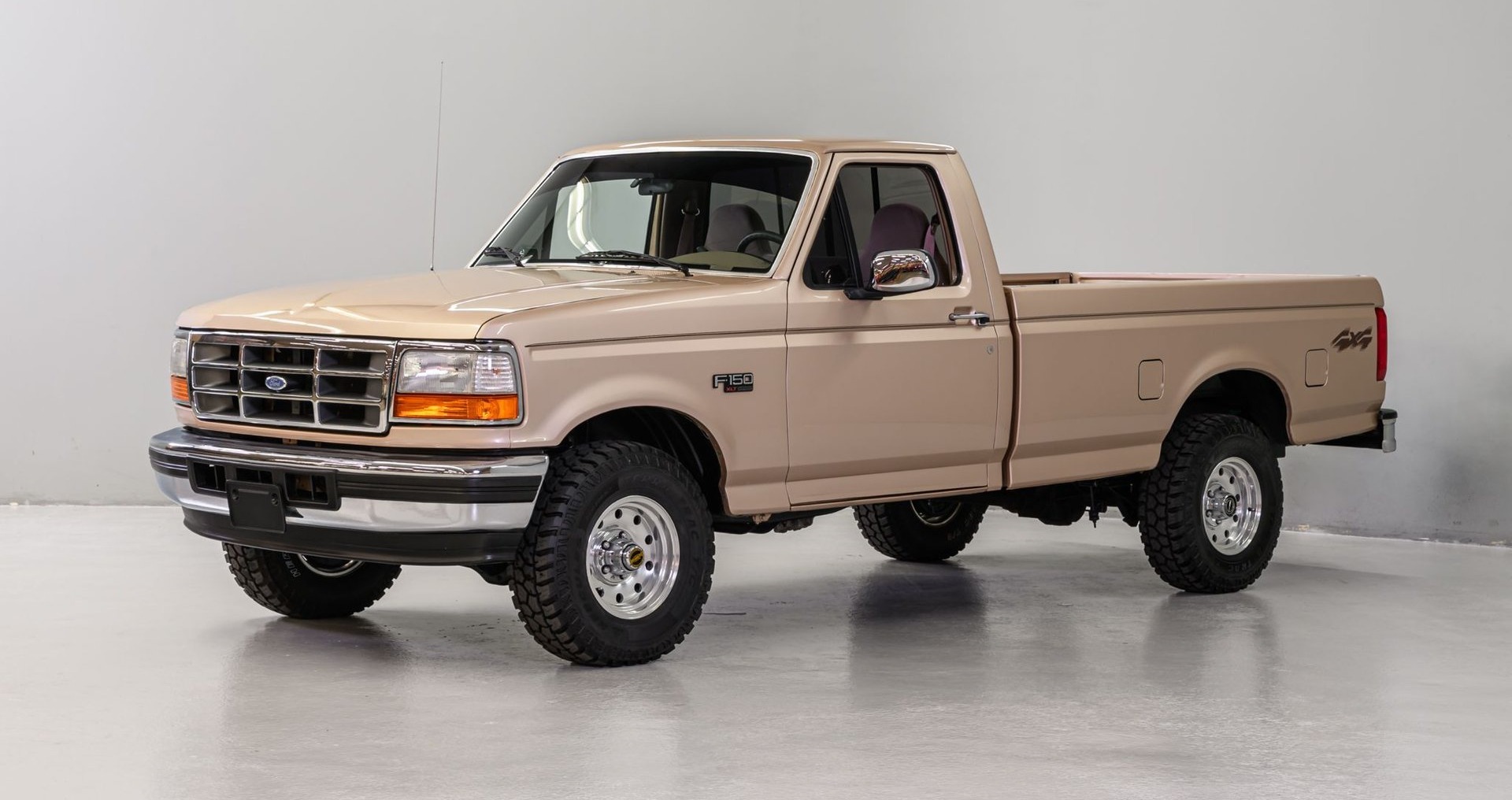
3. Ford F-150 (Ninth Generation, 1992–1996)
The ninth-generation Ford F-150, produced from 1992 to 1996, marked a period when Ford began to seriously address rust issues that had long plagued their pickups, especially in northern climates. This generation introduced improved corrosion resistance through the use of galvanized steel panels in key areas of the body and undercarriage.
Ford also enhanced the protective coatings applied to the frame, wheel wells, and rocker panels, which are traditionally vulnerable to salt and moisture. These improvements significantly extended the service life of these trucks in rust-prone environments compared to earlier models.
The F-150’s body-on-frame design continues to be an advantage when it comes to managing rust damage. The frame provides a strong foundation that is easier to repair or replace if rust occurs, while the body panels receive corrosion-resistant treatments to reduce the likelihood of rust spreading.
The redesign during this generation included better sealing techniques, minimizing the number of seams and joints where water could penetrate and accumulate. Improved paint processes also contributed to preventing rust from forming on exposed surfaces.
Owners of ninth-generation F-150s often report vehicles with high mileage and little rust damage, especially when the trucks have been maintained with rust prevention methods such as undercoating and regular cleaning.
These trucks have proven their reliability in both work and recreational settings, with strong engines and durable suspensions that can take the abuse of tough jobs and bad weather. The improved rust resistance allowed Ford to maintain its status as a leader in the pickup truck market.
Furthermore, the availability of aftermarket rust-proofing products and replacement parts helped owners extend the lifespan of their trucks even further. While rust can never be completely avoided in harsh climates, the ninth-generation F-150 represents a significant step forward in addressing this issue through better materials, coatings, and design changes.
This generation remains popular among those seeking a rugged truck capable of lasting many years despite exposure to corrosive road conditions.
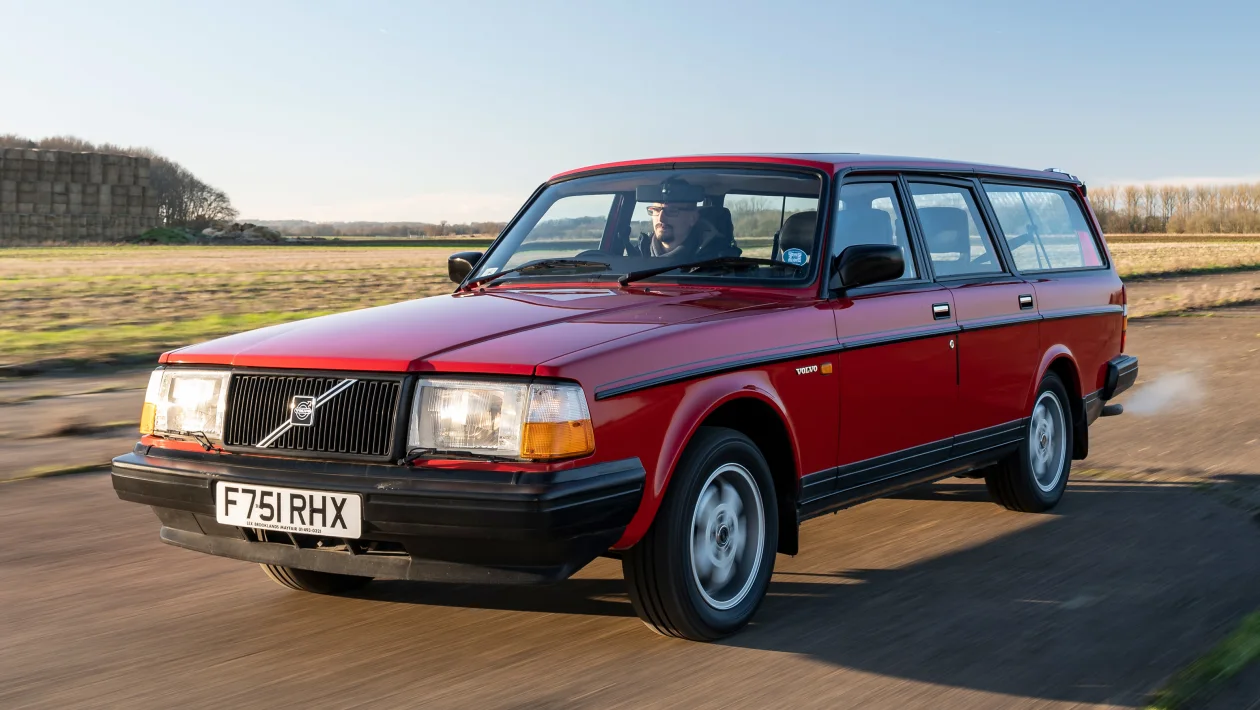
4. Volvo 240 Series
The Volvo 240 series, manufactured from the early 1970s through the early 1990s, is renowned for its remarkable durability and long-lasting performance. One of the most reasons behind the 240’s ability to resist rust lies in Volvo’s early adoption of corrosion prevention measures, which were ahead of their time.
The 240 featured thick steel body panels, many of which were galvanized or treated with rust-resistant coatings that provided a robust barrier against moisture and salt. Volvo’s dedication to quality materials helped the 240 maintain its structural integrity even in harsh climates that frequently cause other vehicles to deteriorate rapidly.
The design of the 240 series is another factor contributing to its longevity. The car’s simple, boxy shape made it easier to inspect and maintain, allowing owners to catch and address rust issues before they could spread. Volvo’s engineers focused on strong welds and corrosion-resistant joints, which minimized weak points in the body that often become rust hotspots on other vehicles.
This approach ensured that water and road salt could not easily penetrate and cause damage. The 240’s chassis was similarly reinforced with corrosion-resistant materials, allowing the car to endure years of exposure to snow, salt, and moisture without succumbing to rust.
Owners of well-maintained Volvo 240s frequently report vehicles that have traveled 300,000 miles or more with minimal rust damage, sometimes passing down through generations of families. The car’s mechanical simplicity also contributes to its longevity, as fewer electronic or plastic components mean less susceptibility to rust-related failures.
Maintenance and rust repairs are straightforward due to the car’s solid construction and availability of parts, which further extend its life.
Beyond corrosion resistance, the Volvo 240 is celebrated for its safety, reliability, and comfort, making it a well-rounded vehicle choice. However, it is the 240’s reputation for surviving rust belt conditions without falling apart that truly cements its place as a classic example of durability. This car stands as proof that thoughtful engineering and quality materials can create vehicles that defy time and environment.
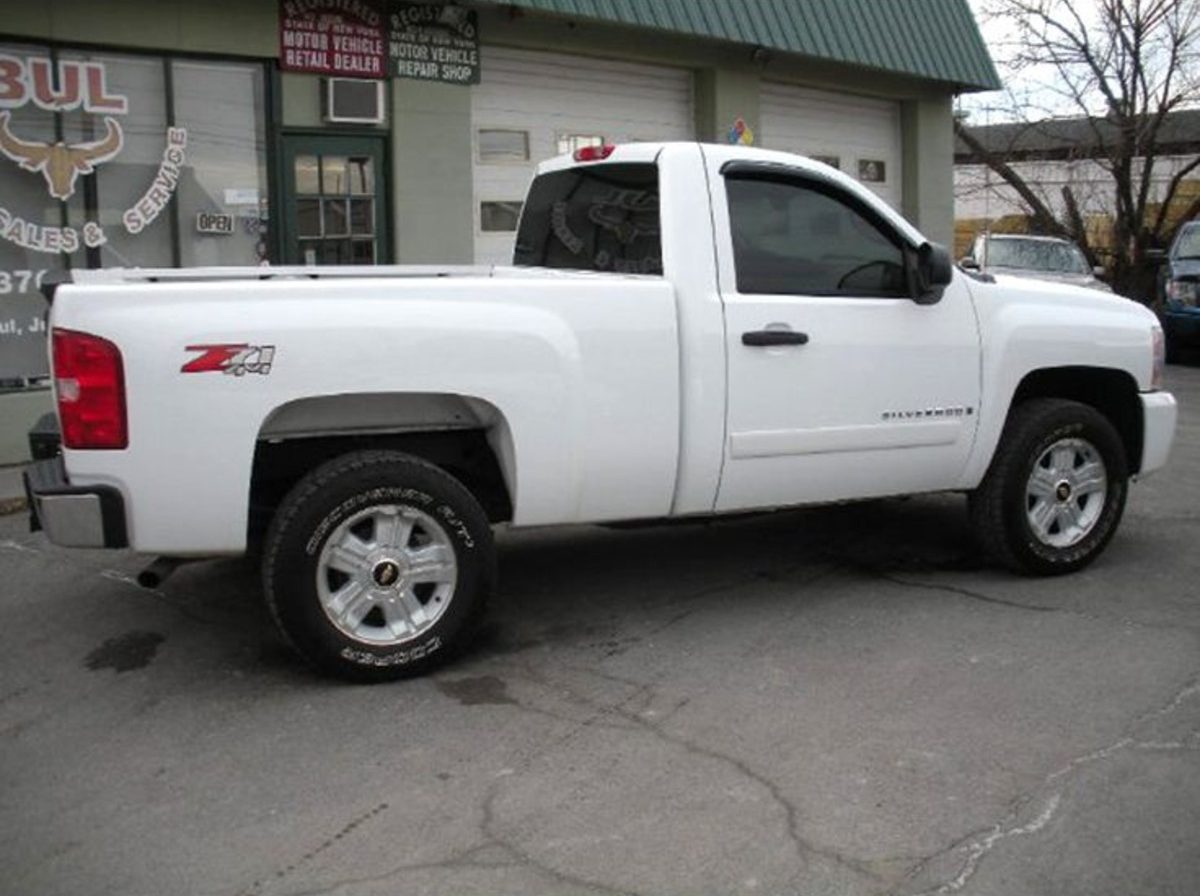
5. Chevrolet Silverado (2007–2013 Models)
The Chevrolet Silverado models built between 2007 and 2013 represent a significant leap forward in rust prevention and durability for this popular American pickup. General Motors implemented extensive use of galvanized steel for the body panels, which significantly reduces the risk of corrosion compared to untreated steel.
The company also introduced advanced protective coatings on the underbody and wheel wells, areas particularly susceptible to salt and moisture damage during winter driving. These improvements were part of a broader industry trend toward better corrosion resistance in vehicles designed for harsh climates.
The Silverado’s frame benefited from the use of high-strength steel and new manufacturing techniques that helped seal joints and seams more effectively. Better drainage paths were engineered to prevent water from pooling in hidden areas, which is one of the main causes of rust formation.
The enhanced rustproofing treatments extended the lifespan of the truck’s structural components, allowing owners to enjoy reliable performance even after many years of exposure to snow, ice, and salt.
Owners living in Rust Belt regions often praise these Silverado models for their durability and ability to withstand demanding work conditions. Whether used on construction sites, farms, or as daily drivers, these trucks consistently show fewer signs of rust damage than previous generations.
This increased resilience has made them popular choices for those seeking long-lasting pickups capable of enduring the elements.
In addition to factory rust protection, many Silverado owners invest in aftermarket rust-proofing products to further safeguard their trucks. Even without additional treatments, however, the 2007–2013 Silverado generation has demonstrated corrosion resistance. This success highlights the advances in automotive corrosion technology during that period, reflecting a growing awareness of rust as a major issue for vehicle longevity.
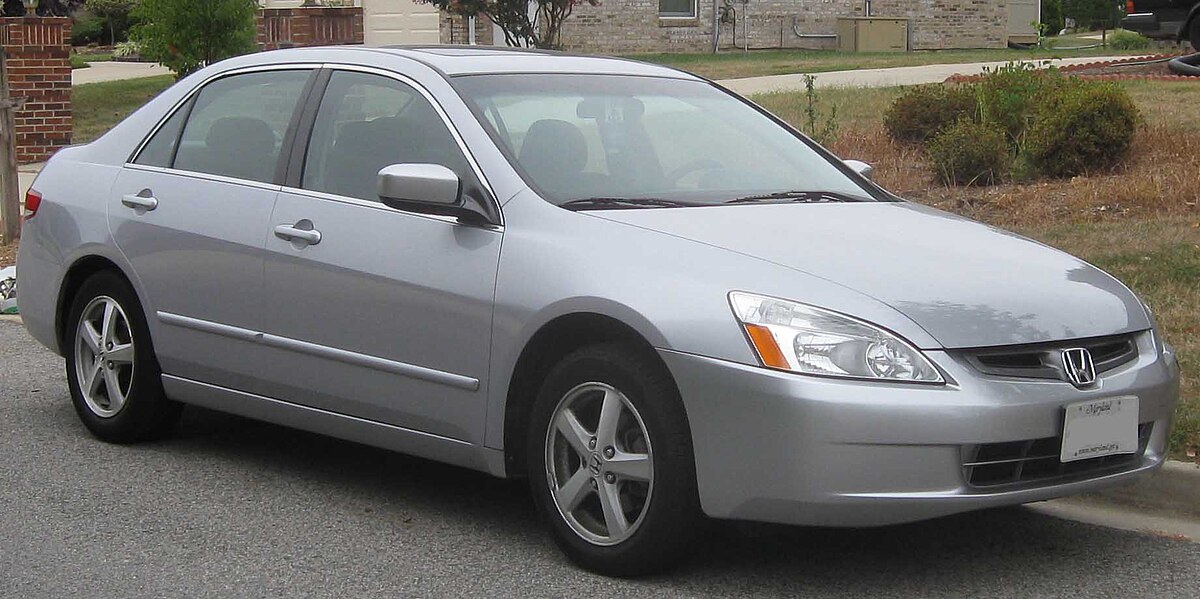
6. Honda Accord (Late 1990s to Early 2000s)
The Honda Accord, particularly models from the late 1990s and early 2000s, is a standout among midsize sedans for its reputation of reliability and rust resistance. During this era, Honda improved the use of corrosion-resistant materials and manufacturing processes, which contributed to the Accord’s long-lasting body integrity.
Galvanized steel was used extensively in the body panels, providing enhanced protection against rust. In addition, the chassis and undercarriage received protective coatings and treatments designed to combat moisture and salt intrusion.
Honda’s engineers paid attention to body design to minimize crevices and gaps where water and salt could accumulate. The tight panel fitment and effective drainage channels help keep the vehicle’s interior metal components dry.
These design details play a crucial role in preventing rust formation, which is often exacerbated by trapped moisture in less well-engineered vehicles. The Accord’s lightweight design also reduces stress on the body, limiting flexing that can lead to paint cracks and subsequent rust.
Many owners report that Accords from this period remain structurally sound and free from significant rust damage, even after 200,000 miles or more. This durability makes the Accord a popular choice in rust belt areas, where corrosion is a constant concern. Its reputation for mechanical reliability and corrosion resistance makes it a practical and trusted vehicle for daily commuting and family use.
While routine maintenance, such as undercarriage washing during winter months can extend the vehicle’s life, the base build quality of the late 1990s and early 2000s Accords gives them a distinct advantage over many competitors. These models balance performance, comfort, and longevity, making them an ideal choice for buyers looking to avoid costly rust repairs and maintain a dependable vehicle over many years.
Also Read: 5 Cars With Affordable Parts vs 5 That Cost a Fortune
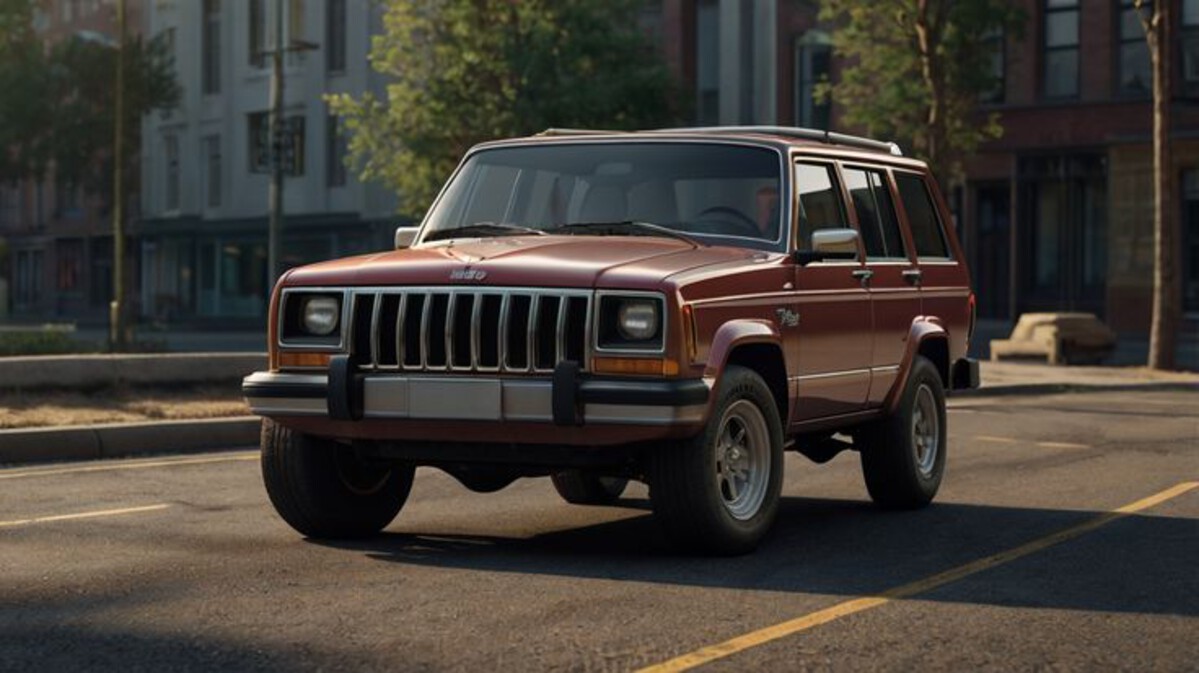
7. Jeep Cherokee XJ (1984–2001)
The Jeep Cherokee XJ is an iconic SUV that has proven itself as one of the most durable and long-lasting vehicles in rust-belt conditions. Produced from 1984 to 2001, the Cherokee’s rugged design and corrosion-resistant materials made it a favorite for those living in areas with heavy snow and road salt.
Jeep utilized galvanized steel on many body panels and applied protective undercoatings to the frame and wheel wells. These measures helped reduce rust formation, a significant improvement over many earlier SUV models that were prone to corrosion.
The XJ’s boxy, straightforward design also makes it easier to spot and address rust problems before they worsen. Unlike more complex modern SUVs with tight spaces and hard-to-reach spots, the Cherokee’s simple body structure allowed owners to perform maintenance and rust-proofing more effectively.
The body-on-frame construction provides a strong foundation and simplifies the replacement of rusted parts if necessary, further extending the vehicle’s life.
Owners frequently report Cherokee XJs with over 200,000 miles still on the road, often with minimal rust damage when maintained properly. The vehicle’s reputation for off-road capability and all-weather reliability is enhanced by its ability to resist the corrosion challenges common in rust belt regions. This combination makes the Cherokee a beloved choice for outdoor enthusiasts and daily drivers alike.
Jeep’s attention to durability and corrosion prevention in the Cherokee XJ set a standard for rugged SUVs. It remains a classic example of how practical design and protective materials can create a vehicle that survives the test of time and the harshest environmental conditions.
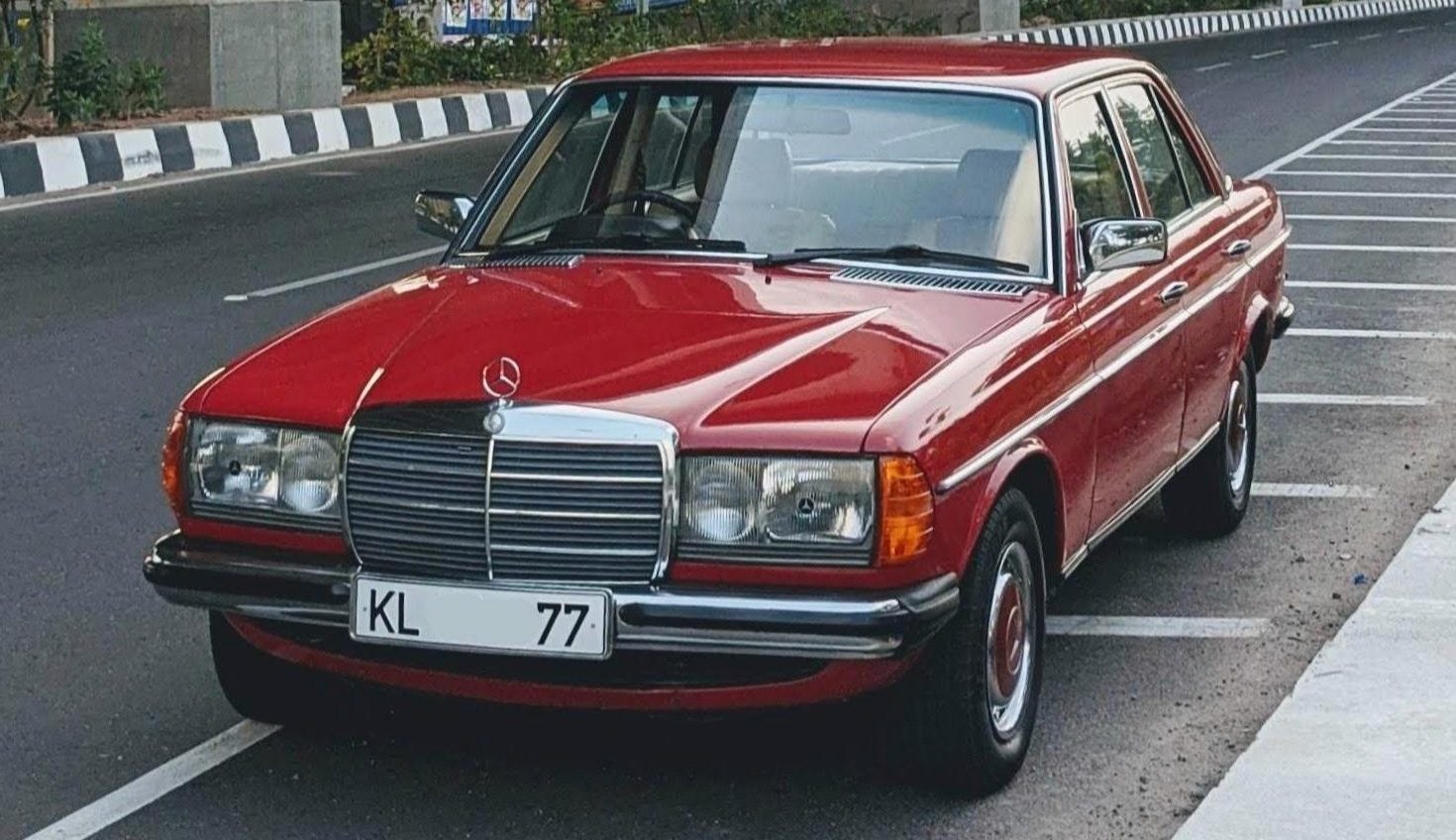
8. Mercedes-Benz W123 Series
The Mercedes-Benz W123 series, produced between the mid-1970s and mid-1980s, is often cited as one of the most durable cars ever made. Its corrosion resistance was ahead of its time, thanks to the use of thick, galvanized steel body panels and innovative rust prevention methods.
Mercedes invested heavily in quality materials and manufacturing processes to ensure that the W123 could withstand years of use in a variety of climates, including the tough conditions found in rust belt regions. This attention to detail made the W123 a reliable and long-lasting vehicle.
The car’s solid construction included robust welds, tight panel gaps, and carefully sealed joints, all designed to keep moisture and salt out. This made it much harder for rust to gain a foothold and spread.
The chassis and undercarriage were similarly treated with corrosion-resistant coatings, reducing the chance of frame damage even after prolonged exposure to road salt and water. These features helped many W123s remain roadworthy for decades, with some owners reporting vehicles still in use after 400,000 miles.
Maintenance and repair of rust issues were made easier by the W123’s mechanical simplicity and availability of replacement parts. The car’s reputation for safety, reliability, and comfort is well-known, but its corrosion resistance remains one of its defining qualities.
Owners appreciate the fact that their W123s have aged gracefully, maintaining both form and function through decades of harsh weather and salt exposure.
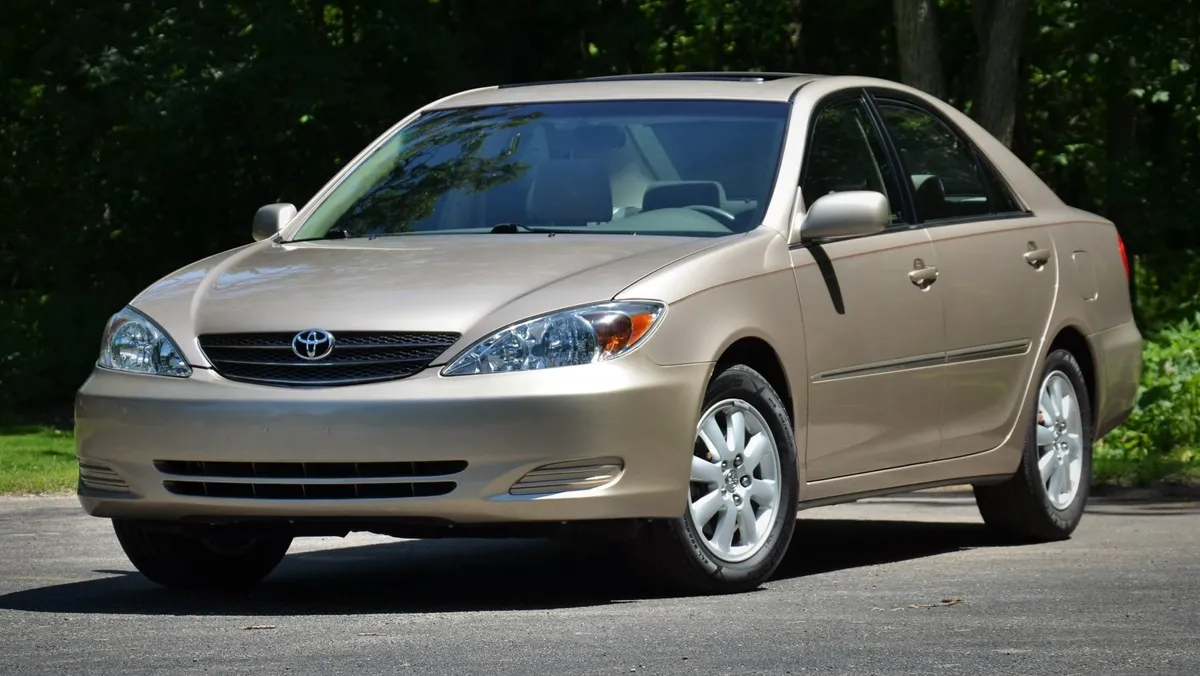
9. Toyota Camry (Late 1990s Models)
The Toyota Camry, particularly models from the late 1990s, stands out as one of the most reliable and rust-resistant midsize sedans on the market during its era. Toyota’s commitment to quality and corrosion prevention during this period helped the Camry become a vehicle that not only delivered dependable performance but also resisted the harsh realities of winter weather and salted roads.
The body panels of these Camrys were constructed using galvanized steel, a step up from untreated steel that drastically reduces susceptibility to rust. Additionally, Toyota applied multiple layers of rust-inhibiting coatings to the undercarriage and critical points like wheel arches, door sills, and rocker panels, where moisture and road salt tend to accumulate.
These precautions made a significant difference in extending the vehicle’s lifespan, especially for owners living in northern states with heavy snowfall.
Moreover, Toyota’s design choices further helped the Camry avoid rust-related problems. The late 1990s Camry featured tight panel gaps and carefully engineered drainage channels to ensure water could easily escape from the body’s cavities. This prevented the pooling of moisture, a leading cause of rust in many other vehicles that lacked such attention to detail.
The use of corrosion-resistant fasteners and treated welds contributed to a sealed structure less prone to breakdown from exposure. Beyond the body, the engine bay and suspension components were also coated to protect vital mechanical parts from corrosive damage, increasing reliability during winter driving.
In summary, the late 1990s Toyota Camry serves as a prime example of a vehicle built with rust belt resilience in mind. Its combination of material quality, thoughtful design, and practical protective measures helped it outperform many competitors.
For drivers concerned about rust, this Camry generation continues to offer a proven formula for long-term durability and dependability in areas where corrosion threatens many other vehicles.
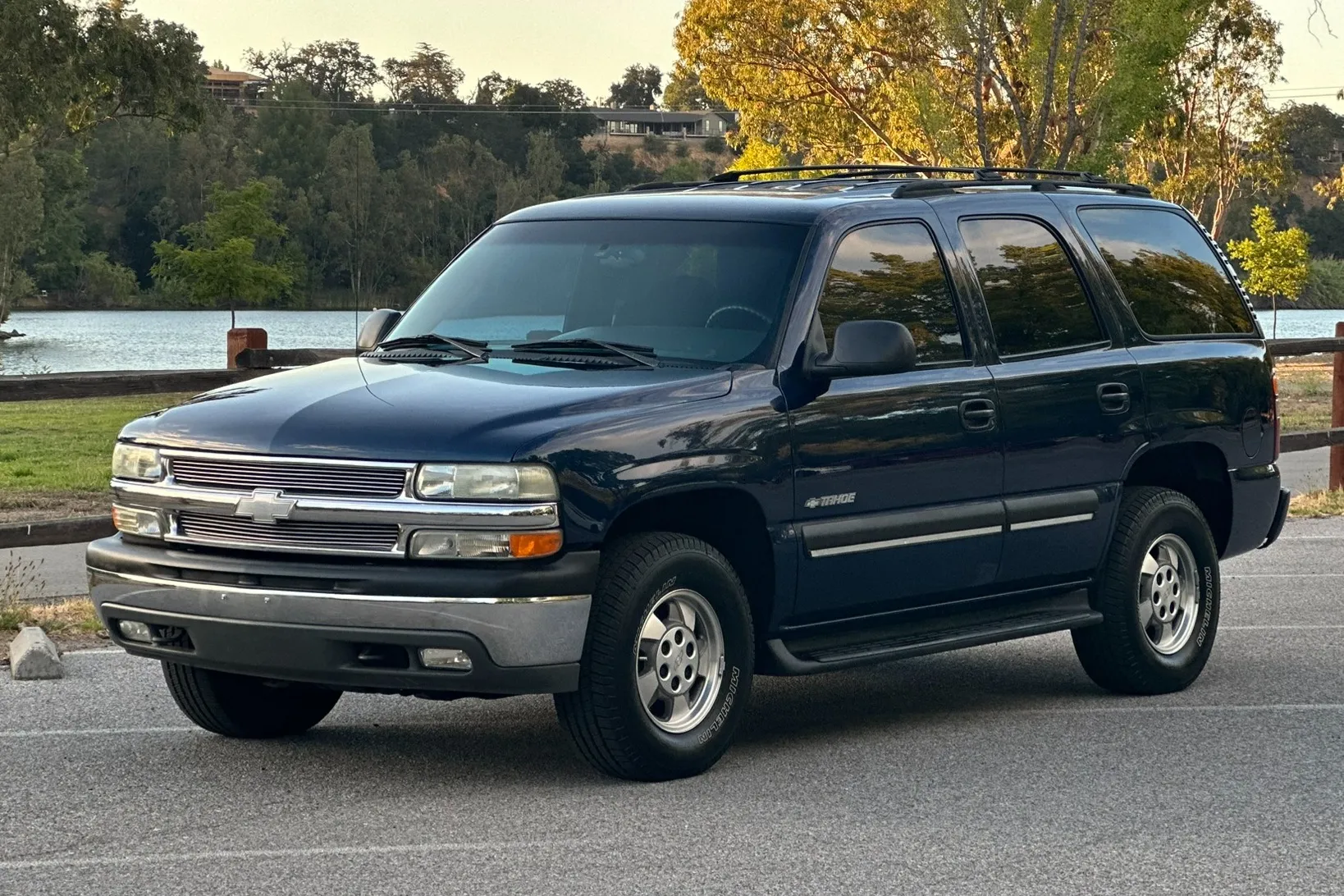
10. Chevrolet Tahoe (2000–2006 Models)
The Chevrolet Tahoe models from 2000 to 2006 marked a period of increased focus on rust prevention and build quality for this popular full-size SUV.
Recognizing the challenges that rust posed to vehicles operating in northern climates, General Motors enhanced the Tahoe’s corrosion protection by incorporating galvanized steel in body panels and applying thicker, more durable undercoatings to the frame, wheel wells, and suspension components. These changes helped reduce rust formation in areas most exposed to road salt and moisture, a common source of vehicle deterioration in rust belt environments.
The Tahoe’s design also included engineering improvements aimed at minimizing water intrusion and accumulation. The body’s seams were better sealed, and drainage channels were strategically placed to prevent water from stagnating in vulnerable areas.
Additionally, GM employed advanced paint processes that enhanced the durability of the exterior finish, protecting the SUV against chips and scratches that could expose bare metal and initiate rust formation. The build quality improvements during this generation made the Tahoe not only tougher but also more resistant to the common corrosion challenges faced by SUVs used in demanding weather conditions.
The Chevrolet Tahoe from this era provides an excellent example of how automakers began to respond more seriously to rust issues in large SUVs. The improvements made in corrosion protection and build quality helped establish the Tahoe as a durable choice for buyers living in regions where salt and moisture typically shorten the life of many vehicles.
This generation’s Tahoe continues to be a reliable and long-lasting option for those who demand toughness and rust resistance in their SUVs.
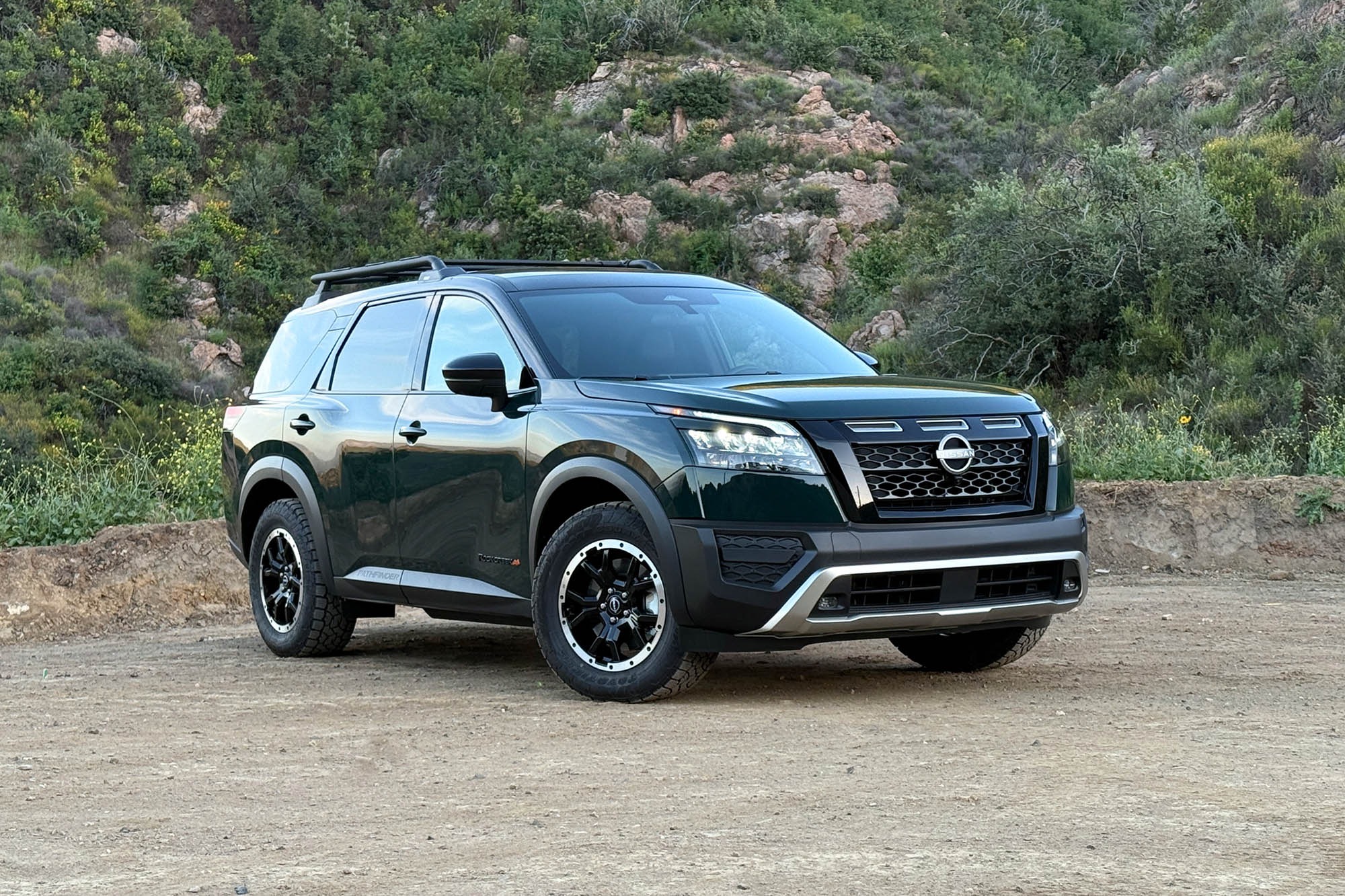
11. Nissan Pathfinder (Third Generation, 2005–2012)
The third generation Nissan Pathfinder, produced between 2005 and 2012, is another SUV that demonstrated improved resistance to rust, especially in challenging rust belt conditions. Nissan addressed many of the corrosion issues that plagued earlier Pathfinder models by incorporating more galvanized steel in body panels and reinforcing the frame with rust-resistant coatings.
The undercarriage and suspension components are coated with protective materials to shield them from salt and grit, which can cause rust to form rapidly on untreated metal parts. The vehicle’s paint finish was also enhanced to provide a durable outer layer that resists chipping and exposure to corrosive elements.
Owners of the third-generation Pathfinder have noted that these models hold up well in rust belt regions, often maintaining structural integrity and aesthetic appearance even after many years of use. Regular maintenance, such as rinsing the undercarriage during winter, further helps preserve these vehicles, but the base engineering and materials provide a solid foundation for longevity.
The Pathfinder’s reputation for ruggedness, combined with its improved rust resistance, makes it a dependable choice for families and outdoor enthusiasts living in areas prone to heavy snow and salt use.
The third-generation Nissan Pathfinder reflects the growing awareness among automakers during the mid-2000s of the importance of corrosion prevention. Its improved materials, design, and coatings helped reduce rust-related issues, allowing it to remain a competitive and durable SUV option for drivers in rust-belt climates.
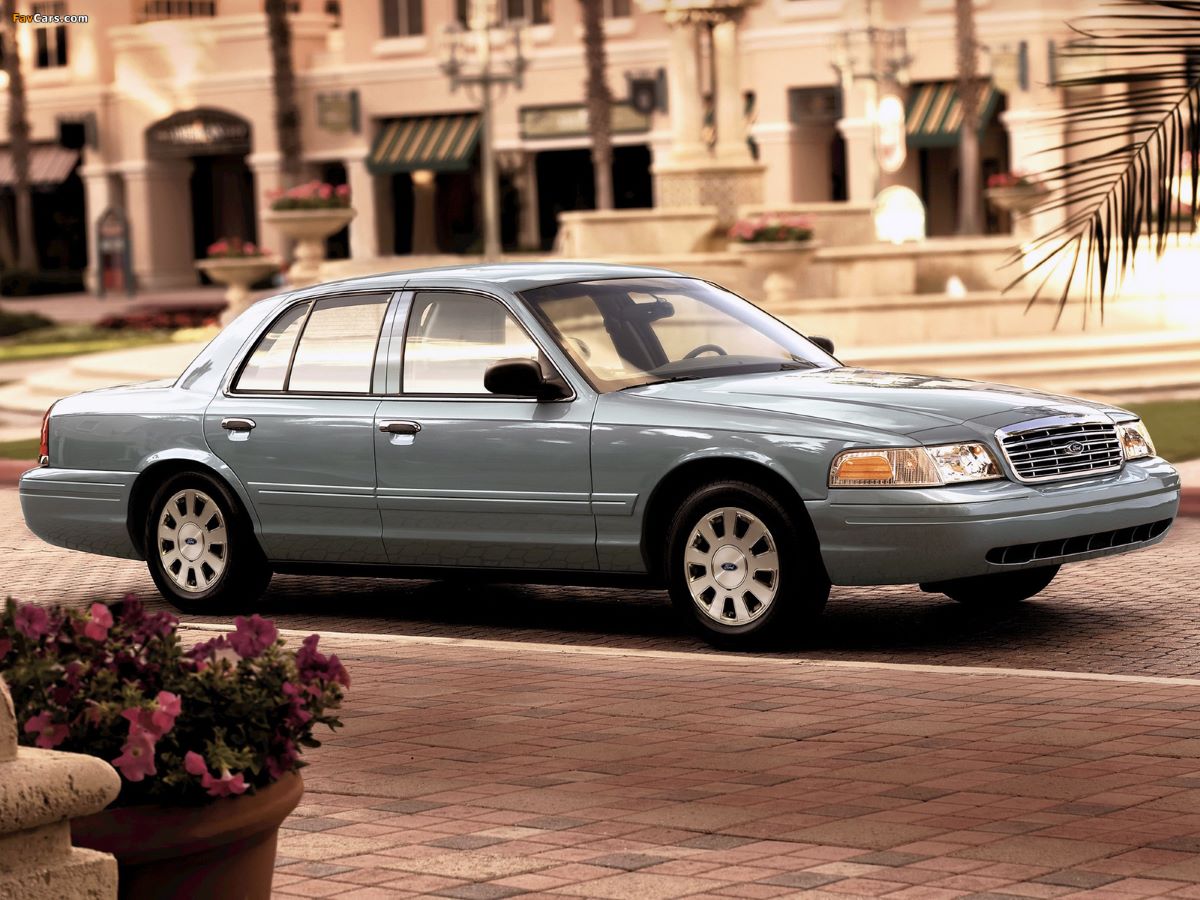
12. Ford Crown Victoria (1998–2011)
The Ford Crown Victoria, especially models from 1998 through 2011, has long been recognized for its durability and longevity, particularly in rust belt conditions. The Crown Vic’s body-on-frame construction and the use of galvanized steel in key areas helped it withstand corrosion better than many other sedans of its era.
Ford implemented extensive undercoating and protective treatments on the frame, suspension, and wheel wells, which are particularly susceptible to rust in areas where salt is commonly used on roads during winter. These precautions allowed the Crown Victoria to maintain its structural integrity and performance well into high mileage, even in harsh climates.
The design of the Crown Victoria also contributed to its rust resistance. Its body panels featured tight seams and minimal exposed metal edges, reducing places where moisture could penetrate and initiate corrosion. The car’s relatively simple mechanical layout and robust chassis made repairs easier to manage if rust issues did arise.
Additionally, Ford used durable paint finishes and corrosion-resistant fasteners to help prolong the vehicle’s appearance and function. These factors combined to create a car that was a favorite among law enforcement, taxi services, and fleets, where vehicles often experience heavy use and exposure to the elements.
