
When disaster strikes, people often think first about the loss of homes, sentimental items, or family memories. What’s sometimes overlooked is the damage done to vehicles during a house fire. Cars are usually parked in garages or driveways, often dangerously close to the flames.
The assumption is simple: once a fire engulfs a home, any car nearby is doomed. But in some rare and extraordinary cases, vehicles have defied expectations. Despite being scorched, blistered, and exposed to intense heat and smoke, some cars manage to survive. And in a few almost unbelievable stories, they even start back up and drive again.
There’s a mixture of shock and curiosity when someone finds out a burned car still runs. These stories stretch the boundaries of what we consider mechanical reliability. The aftermath of a fire is typically chaos. Charred remains, collapsed roofs, blackened walls, and soot-covered everything.
So when a vehicle is pulled from that wreckage and the engine turns over, it feels like a small miracle. It’s not always a clean win, paint may be melted, interiors ruined, and electronics shorted, but the engine, drivetrain, and core mechanics sometimes endure. That fact alone challenges assumptions about durability in modern and older cars alike.
There are several factors that contribute to whether a vehicle can survive such harsh conditions. The location of the vehicle at the time of the fire is crucial. If it’s in a detached garage or sitting a few feet away from the burning structure, that may provide just enough distance to escape total destruction.
Material construction also plays a part. Older vehicles with fewer electronics are often more resilient under extreme conditions. Modern cars are usually loaded with delicate sensors and circuit boards, which are highly vulnerable to heat, but there have been cases where even new models have refused to give up.
The stories that follow are more than just technical anomalies. They represent persistence through chaos. These cars became unexpected survivors, not because they were the most expensive or the newest, but because they somehow endured something they shouldn’t have.
Whether they belong to everyday commuters, off-road trucks, or collector classics, each of these vehicles carries not just scars from the flames but a strange kind of pride in still running despite everything. These aren’t just machines anymore. They’re survivors.
Also Read: 5 Toyota Trucks That Outlast Rivals vs 5 That Fail Early
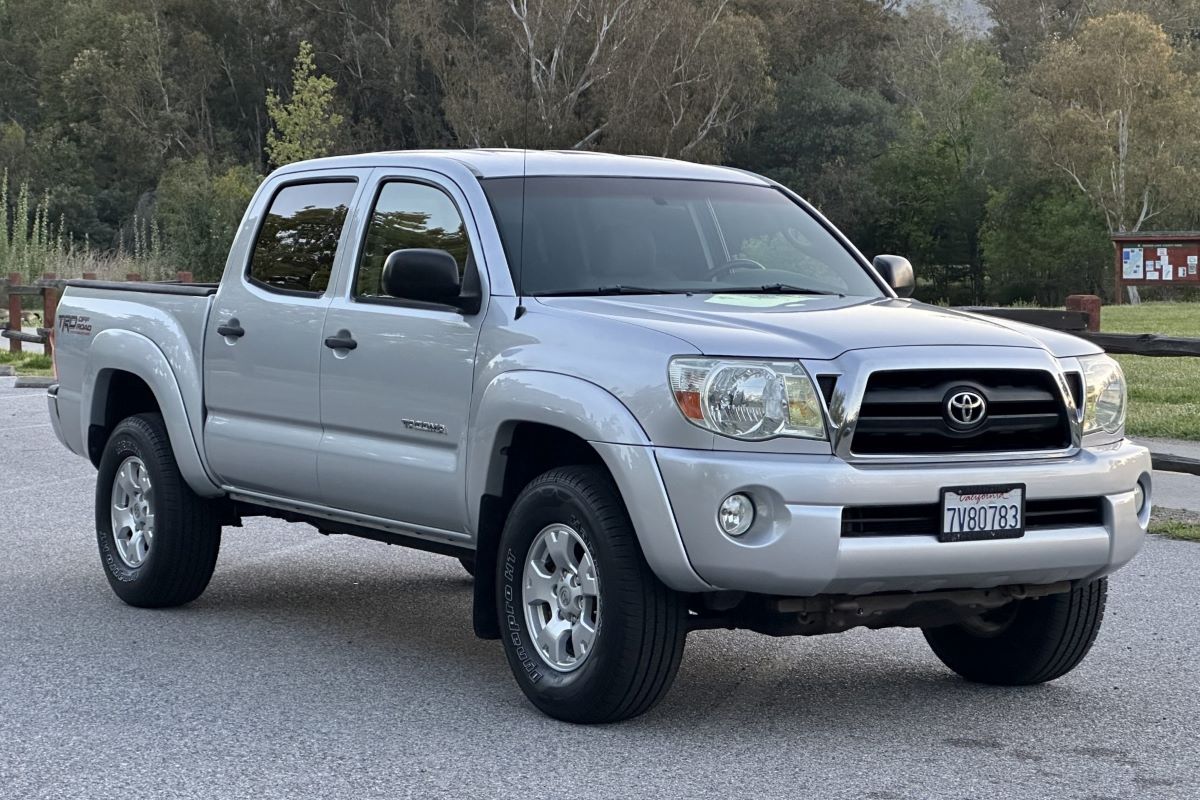
1. 1998 Toyota Tacoma – Built Tougher Than It Looks
The first story begins with a family in rural Oregon whose home was caught in a wildfire sweeping through their small community. Their 1998 Toyota Tacoma was parked just feet from their detached garage, which collapsed within minutes.
The intense heat melted the vinyl trim and bubbled the paint on the truck’s driver’s side. The tires were scorched and deflated, and the headlights turned a cloudy yellow from heat exposure. Despite its outward appearance, the structural integrity of the Tacoma remained surprisingly intact.
After the fire was put out and the family returned to sift through the wreckage, they assumed the truck was totaled. With little else left to salvage, one of them turned the key out of curiosity.
To their astonishment, the engine sputtered and then came to life. It wasn’t smooth, and the starter motor took a moment longer than usual, but the fact that it started at all was a shock. They discovered later that the fire hadn’t breached the firewall or reached the engine bay in full force, which saved many of the essential components.
The truck needed new tires, obviously, and a replacement for the windshield, which had cracked under the heat. But the drivetrain, brakes, and even the power steering remained functional.
Mechanics who looked over the vehicle later noted how the older, less electronically dependent design of the Tacoma contributed to its survival. The simplicity of the engine layout and the robustness of the materials used in its construction made it far more resilient than a modern equivalent might have been.
Today, the truck still runs. The owners decided to keep it as a symbol of survival and stubborn reliability. They even left some of the fire damage visible as a reminder of what the vehicle went through. In their words, it’s not just a truck anymore, it’s a living memory of a narrow escape and the power of persistence in the face of disaster.
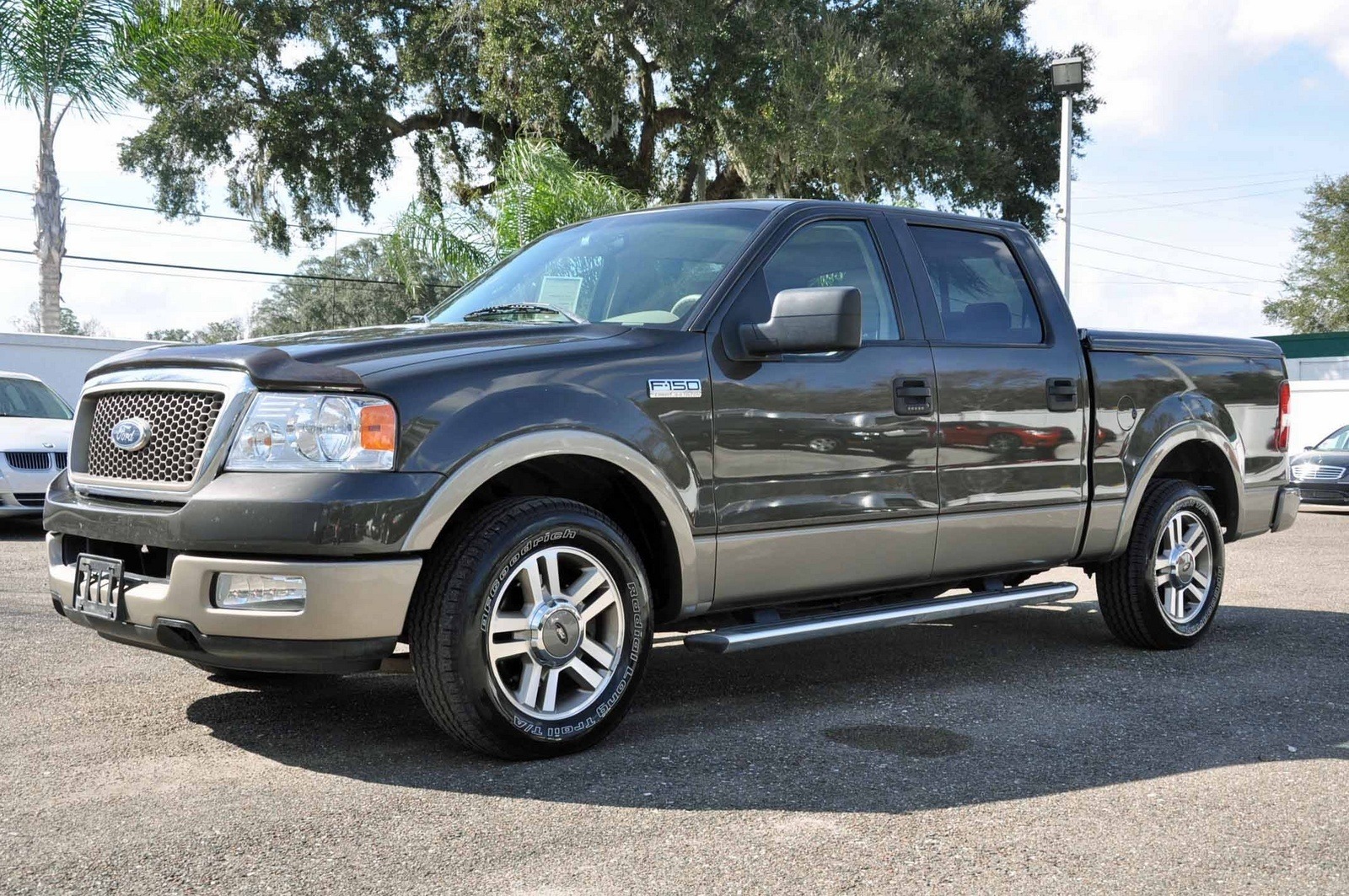
2. 2005 Ford F-150 – The Workhorse That Refused to Quit
In the hills outside of Santa Rosa, California, a 2005 Ford F-150 sat quietly in a carport as a fire tore through the homeowner’s ranch-style house. With propane tanks exploding nearby and wooden support beams collapsing, the chances of survival looked slim for anything on the property.
The truck’s paint blistered and peeled, the passenger mirror melted off, and the cabin was filled with ash. Flames licked the rear tailgate and warped the bumper, leaving a twisted mess of chrome and steel.
The next day, firefighters cleared the area and the homeowner was allowed back. Most of his belongings were destroyed, including furniture, electronics, and decades of photographs.
Yet, the truck still sat there, visibly damaged but upright. Curious and half-jokingly, the owner inserted the key and turned it. After two tries, the truck roared to life. The engine coughed and puffed black smoke, but it kept going. The battery hadn’t even been replaced.
Further inspection revealed that while the interior had suffered from smoke damage and the seats were nearly unrecognizable, the engine compartment had only sustained minor peripheral damage.
The engine block was untouched by direct flame, and the fuel lines held. The truck’s ECM (Engine Control Module) had been scorched but not destroyed, which was crucial to getting it running again. Ford’s engineers probably never intended the F-150 to be fireproof, but its sheer toughness got it through.
Repairs were eventually made to restore the cabin, and the owner swapped out the most affected plastic parts. The truck continues to serve as a daily work vehicle, carrying tools, hauling lumber, and even serving as a symbol of endurance during community clean-up efforts.
People stop him to ask about the truck’s condition and are usually stunned when they hear it survived a full-scale house fire. It’s a story that gives people hope and shows that reliability isn’t just a selling point, it’s a lived experience.
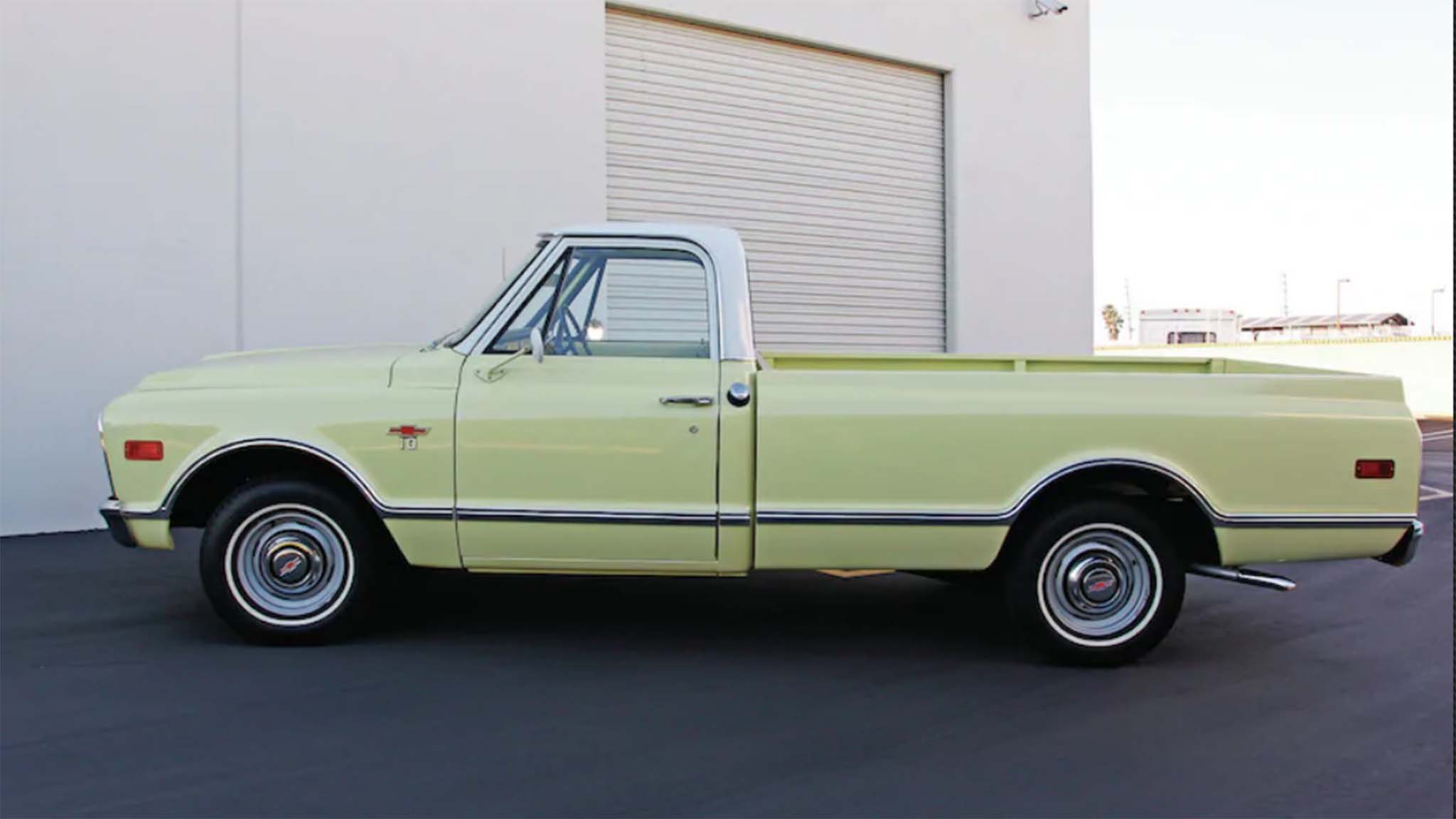
3. 1972 Chevrolet C10 – The Classic That Wouldn’t Burn
In Texas, a retired mechanic had lovingly restored his 1972 Chevy C10 over the course of fifteen years. It was his weekend project, his source of pride, and it sat parked in his garage the night a fire started due to faulty wiring. The flames moved fast, igniting the drywall, insulation, and eventually the roof. By the time firefighters arrived, the garage had collapsed. The man feared the worst for his prized truck.
But as the ruins cooled, something unexpected emerged. The frame of the C10 was visible beneath the charred beams. The truck’s metal panels were blackened and warped in places, and the windows had shattered from the heat. The tires were gone, melted down to the rims, and the interior was reduced to a skeleton.
Yet, the engine bay appeared oddly untouched by the worst of the fire. With help from a few friends, he carefully pulled the truck from the rubble using a winch and began cleaning the area.
After replacing the battery, adding fluids, and checking the distributor and carburetor, the retired mechanic turned the key. The engine cranked, struggled for a moment, and then caught. It ran rough, but it ran. For a truck that had been at the center of a garage fire, it was nothing short of incredible. He later replaced the tires, rewired the electrical system, and began restoring it all over again, this time with a renewed sense of purpose.
He kept most of the fire scars on the body panels as a reminder of what the truck had been through. It became a talking point at car shows, where fellow enthusiasts would gather around to hear the story. Many couldn’t believe that a fire-damaged classic had returned to life without a full rebuild. But that was part of the truck’s charm. It hadn’t just been restored; it had fought its way back from destruction.
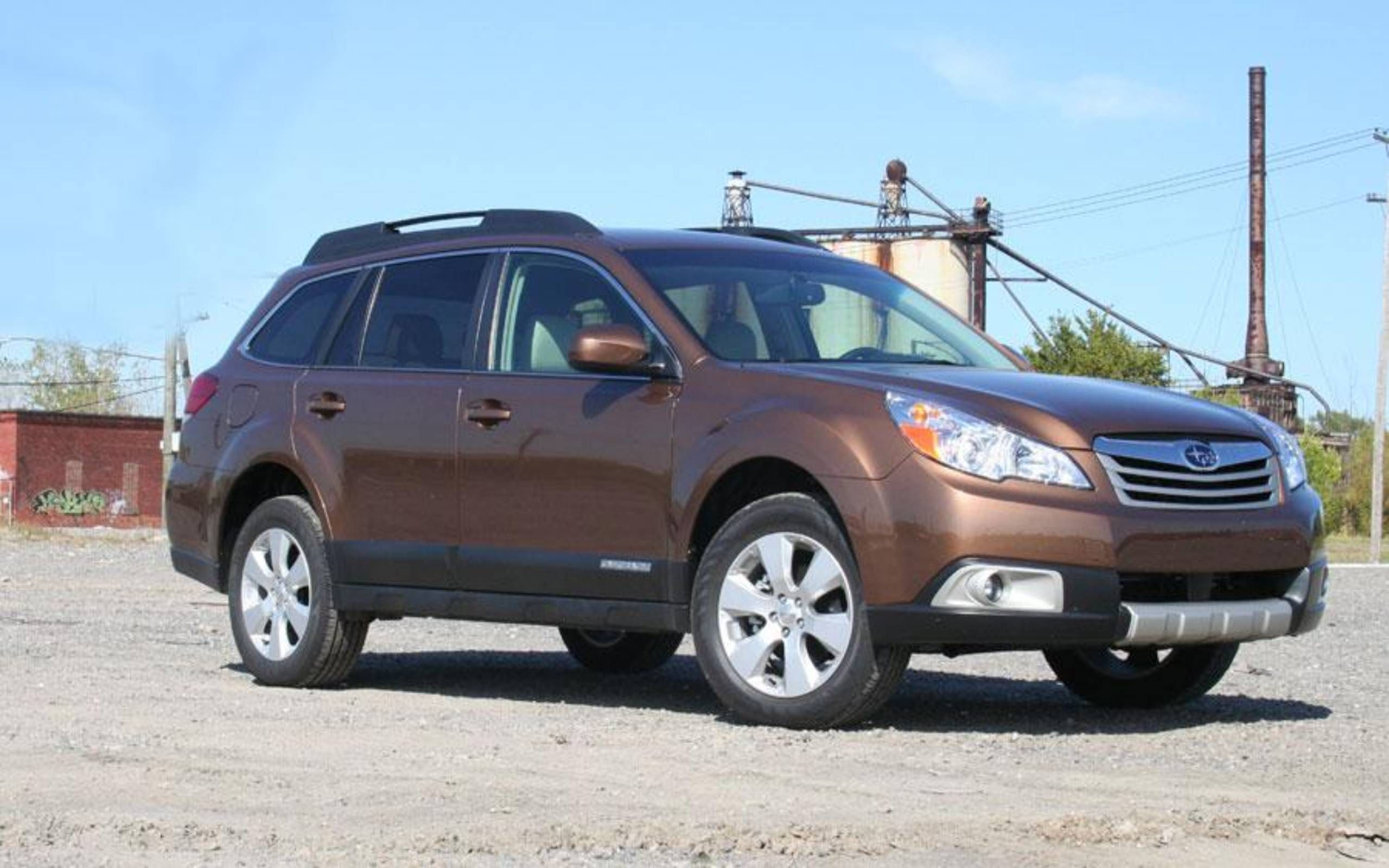
4. 2011 Subaru Outback – The Family Car That Kept Going
A young couple in Colorado had just finished renovating their first home when disaster struck. A lightning strike caused an electrical fire that spread rapidly through the attic and walls.
They managed to escape unharmed, but the fire gutted most of the structure. Their 2011 Subaru Outback was parked in the driveway, only ten feet from the burning home. Embers, smoke, and radiant heat threatened to ruin the vehicle completely.
When they returned the next day, the car looked heavily damaged. The paint was scorched, the rear wiper had melted, and one side of the car was covered in ash and warped plastic. Surprisingly, the glass was intact, and the interior had minimal smoke damage thanks to the windows being rolled up. The couple assumed the car would be written off by insurance, but before filing a claim, they tried to see if it still worked.
They turned the key, and to their amazement, the Subaru started instantly. No hesitation, no strange noises, just the familiar hum of the boxer engine. The AWD system was functional, the brakes were fine, and even the power windows still worked.
Later inspection showed that most of the heat damage had been cosmetic. The engine bay had been shielded from direct flame exposure by the orientation of the vehicle and a low brick wall near the driveway.
They ended up keeping the car, using it as a daily commuter while rebuilding their home. The couple admitted that driving a visibly damaged car wasn’t ideal, especially one with heat-warped panels and a melted taillight, but the reliability mattered more than appearances.
With most of their funds directed toward home repairs, they had no choice but to rely on the old Subaru. What surprised them most was how few issues came up in the months that followed. The car didn’t throw any warning lights. There were no fluid leaks, no loss in performance, and no indication that it had been exposed to extreme conditions just weeks earlier.
What the couple learned from the experience is something many drivers underestimate: some cars are built with enough resilience to survive in environments far beyond their design intention. The symmetrical all-wheel-drive system, known for handling snow and ice, stood up just fine to post-fire terrain.
Even the wiring, which is typically a weak point in fire-damaged vehicles, remained unaffected. A local mechanic attributed this to the vehicle’s position relative to the fire, as well as the fact that the engine compartment wasn’t exposed to direct flame, only heat.
In the years following the fire, the couple began to view the car differently. It wasn’t just transportation anymore. It had carried them through a deeply traumatic moment in life, and it had done so without complaint. They eventually replaced the rear bumper and got the body repainted, but they kept a section of the original scorched paint beneath the hood.
It served as a quiet tribute to everything they had lost and everything they still had. When they finally sold the car to a family friend, they included a printed photo of the vehicle parked outside the ruins of their home, along with the full story of what it had endured.
The friend who bought the car still drives it today. He uses it as a mountain runner for weekend camping trips, and he often tells new passengers the story of the fire. It’s a tale that always surprises people, especially those who think cars are fragile or easily ruined.
This Outback stood its ground, not through engineering marvels or expensive upgrades, but by holding together just enough to remain useful. Sometimes, that’s all you need from a machine: the willingness to keep going when everything else is falling apart.
Also Read: 5 Trucks With Zero Depreciation and 5 That Tank Instantly
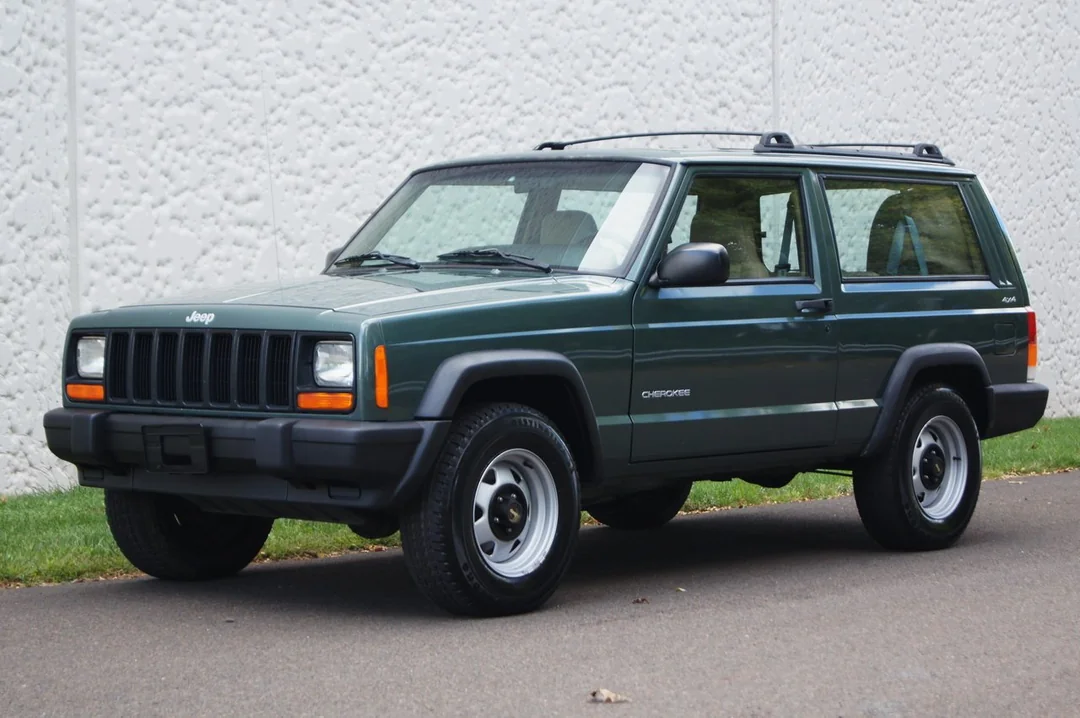
5. 1991 Jeep Cherokee XJ – Still Crawling After the Collapse
A 1991 Jeep Cherokee XJ sat parked inside a detached garage in Northern Nevada when a structure fire began in the middle of the night. Caused by a malfunctioning propane heater, the fire quickly spread across the ceiling and into the roof.
The garage was a total loss within thirty minutes, reduced to ashes, sagging metal, and collapsed lumber. The Jeep, known among locals as a reliable old trail rig, was buried under debris. Most assumed it had been destroyed.
But several days later, as cleanup crews began clearing the wreckage, the Jeep’s shape slowly became visible beneath the burned rubble. Amazingly, the frame was intact, and the drivetrain components were still in place. The glass was shattered, and the interior was ruined from both fire and water damage.
The hood had partially collapsed, and the engine bay was covered in soot. Still, the owner insisted on pulling it out to see if there was any hope left. It took several hours and a tow winch, but the Cherokee was eventually dragged into daylight.
The restoration process started with the basics: new tires, a battery, and an inspection of the wiring. To the surprise of everyone, the fuel lines weren’t ruptured, and the engine had compression. After a few days of cleaning, drying, and replacing melted connectors, the old 4.0L inline-six turned over.
Not only did the engine start, but it ran well enough to move under its own power. The cooling system held pressure, the transmission shifted without issue, and the four-wheel-drive system engaged just as it had before. For a thirty-year-old SUV, it was a remarkable comeback.
Today, the Jeep is still used on local trails and fire roads. The owner decided not to fully restore the body, instead opting to keep the rough, scorched look. In off-roading circles, the XJ already has a reputation for being nearly indestructible, and this story only adds to the legend. It’s not the prettiest thing on the road, but it’s become a symbol in the community, an example of simple engineering, strong materials, and a stubborn refusal to quit.
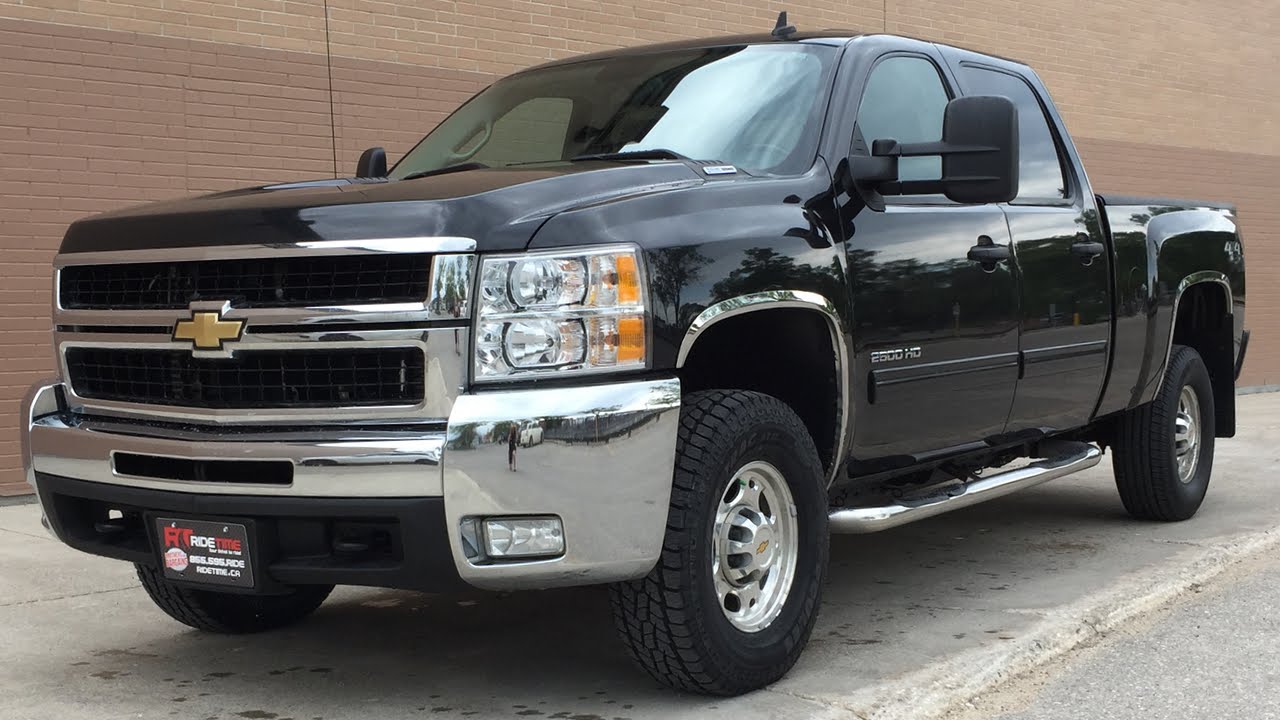
6. 2013 Chevrolet Silverado 2500HD – Surviving More Than Just Flames
In Southern Alberta, a 2013 Chevrolet Silverado 2500HD was parked beside a farmhouse when a fire broke out in the attached kitchen. Fueled by propane and dry building materials, the fire spread quickly, engulfing the side of the house and igniting a nearby woodpile.
The truck was parked close enough to the flames that the paint blistered, the front grill melted, and the driver-side door handles warped from the heat. The family lost most of their home, but they were safe. The truck, they assumed, was beyond saving.
After the fire, an insurance adjuster deemed the vehicle a total loss due to exterior damage. However, the owner wasn’t convinced. He saw that the tires were intact, the windows hadn’t shattered, and the engine bay seemed sealed.
Against recommendations, he took a chance and replaced the battery, refilled fluids, and tried starting it. To his amazement, the engine fired up on the first try. It idled smoothly, shifted without issue, and even the lights functioned once he replaced a few connectors.
He continued to use the Silverado for his daily work on the farm. Despite the rough appearance, it handled tasks just as it had before the fire, hauling trailers, transporting hay, and towing heavy equipment. The truck was not babied. It was worked hard, even more so after the fire, almost as if to prove something. It eventually earned the nickname “The Phoenix” from neighbors, who often asked how it managed to run so well after suffering such intense heat exposure.
Years later, the truck is still on the road. Some parts have been replaced out of necessity, mirrors, lights, and plastic trim, but the core mechanical systems have never been rebuilt. It remains one of those rare vehicles that not only survived a major fire but returned to full-time use with almost no downtime.
Stories like this remind people that trucks aren’t just built for clean roads and ideal conditions. Sometimes, they’re all that’s left standing when everything else is gone.
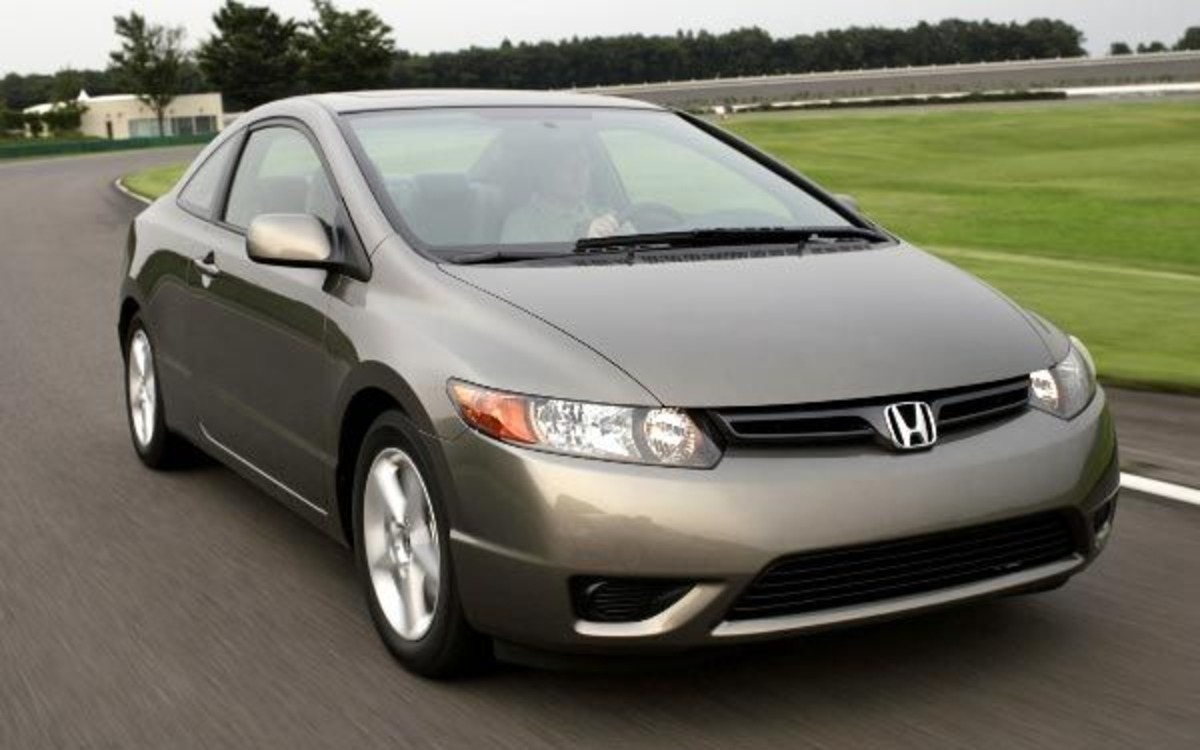
7. 2006 Honda Civic – The Commuter That Refused to Quit
Not every survivor is a truck or an off-road beast. In Southern Arizona, a 2006 Honda Civic was parked just a few feet from an attached garage when a fire erupted late one evening. It began due to a short circuit in an old washing machine, and the fire spread rapidly through the garage and adjacent kitchen.
The Civic was partially covered by a carport but exposed enough that one side of the vehicle took significant heat damage. The bumper warped, the side mirror melted, and the paint on the left fender turned a dull, bubbled mess.
The Civic’s owner was a college student who relied on the car for work and school. She was devastated when she returned the next day to find her home partially collapsed and her car visibly scorched. Still, she hoped to recover something.
When she opened the driver’s door, the handle broke off in her hand from heat stress, but the interior was mostly untouched. She opened the hood and found the engine bay intact, save for some heat discoloration. On a whim, she jumped it with a portable starter, and the car sputtered for a moment before starting up.
The car was clearly not in great shape cosmetically, but it drove. She drove it across town to a mechanic, who gave her a thumbs-up after basic diagnostics. The electronics all functioned, including the A/C, windows, and dashboard systems. It was almost surreal.
The Civic had endured a house fire and still performed better than some newer cars with half the mileage. It wasn’t fancy, but it was reliable, and that’s all she needed to stay mobile while sorting out her living situation.
She kept the Civic for another four years, commuting daily and even taking short road trips. It became a quiet source of encouragement during a difficult time in her life. People often associate economy cars with disposability, but this one defied the odds. It served as a reminder that sometimes, resilience isn’t about being the toughest, it’s about showing up again and again, even when you’ve been through the worst.
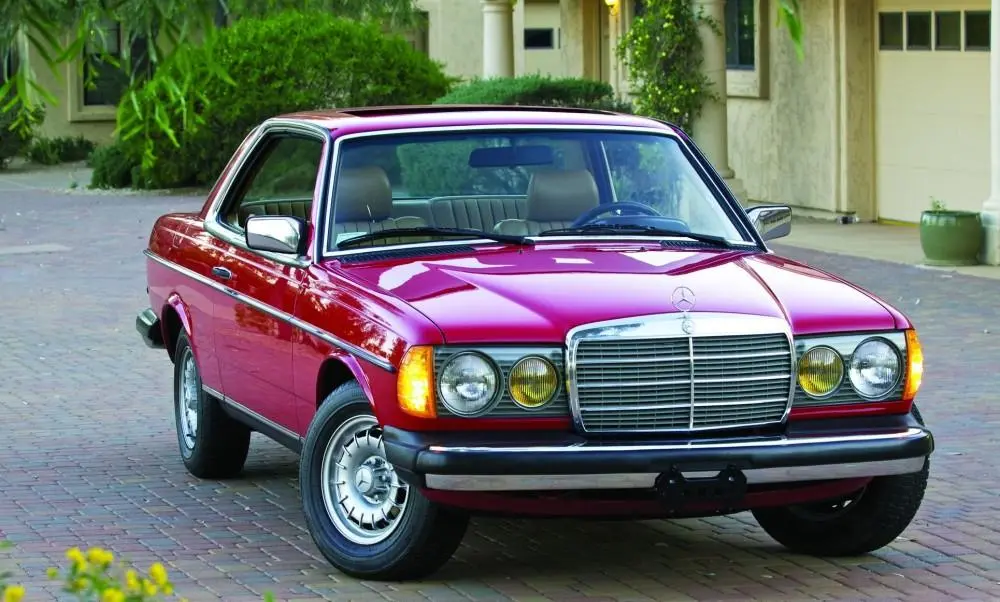
8. 1984 Mercedes-Benz 300D – Diesel and Determined
A collector in Northern California kept a 1984 Mercedes-Benz 300D in pristine condition. It was his weekend driver and a point of pride. But when a wildfire swept through his neighborhood, he had to evacuate quickly and left the car behind in his garage. The fire destroyed much of the home, collapsed the roof, and burned through most of the surrounding structure. The car was covered in soot, and the garage was reduced to rubble. He assumed the car was gone for good.
The windows had cracked from heat, and the interior was heavily smoke-damaged, but the car’s structure held firm. The garage had collapsed in such a way that most of the debris fell around the vehicle rather than directly on it. Miraculously, the roof was only slightly dented, and none of the pillars were compromised.
The thick German steel, characteristic of that era of Mercedes, had acted like armor. Even more importantly, the engine bay had not been penetrated by flames. When he opened the hood, expecting a melted mess, the owner was stunned to find the engine appeared untouched except for a thick layer of soot.
Curious and cautiously hopeful, he replaced the battery and added fresh fuel. He manually checked the oil and transmission fluid, which were both still clean. The glow plugs worked, and within a few attempts, the diesel engine cranked to life. It idled slowly at first, but after warming up, it settled into that familiar, comforting rumble that only old diesel engines make.
The fact that it could run at all after surviving a structural fire was almost absurd, but it didn’t just run, it drove. The car moved smoothly under its own power, brakes intact, steering precise, and no visible mechanical hiccups.
Over the following months, he restored parts of the car, replacing the damaged interior with donor parts from a salvage yard and repainting the body. But he made a decision to keep the original hood, which still bore faint heat blemishes as a kind of battle scar.
He often told people that the Mercedes was a “civilized tank”, designed in an era when engineering trumped convenience, and cars were built to last for decades. This particular W123 chassis had already been famous for its reliability, but now it had proven itself in an entirely different category: survival through catastrophe.
The 300D went from being a collector’s curiosity to something of a legend among local classic car enthusiasts. It made appearances at car meets, where it was no longer judged for flawless paint or showroom polish, but for the unlikely story it carried beneath the hood.
That old diesel engine, slow and unassuming, had outlasted a natural disaster. For the owner, the car was no longer just a project or a hobby, it was a part of his personal history. And every time he turned the key and heard that engine turn over, he was reminded that strength isn’t always loud or flashy. Sometimes, it’s just about holding together when everything else falls apart.
