
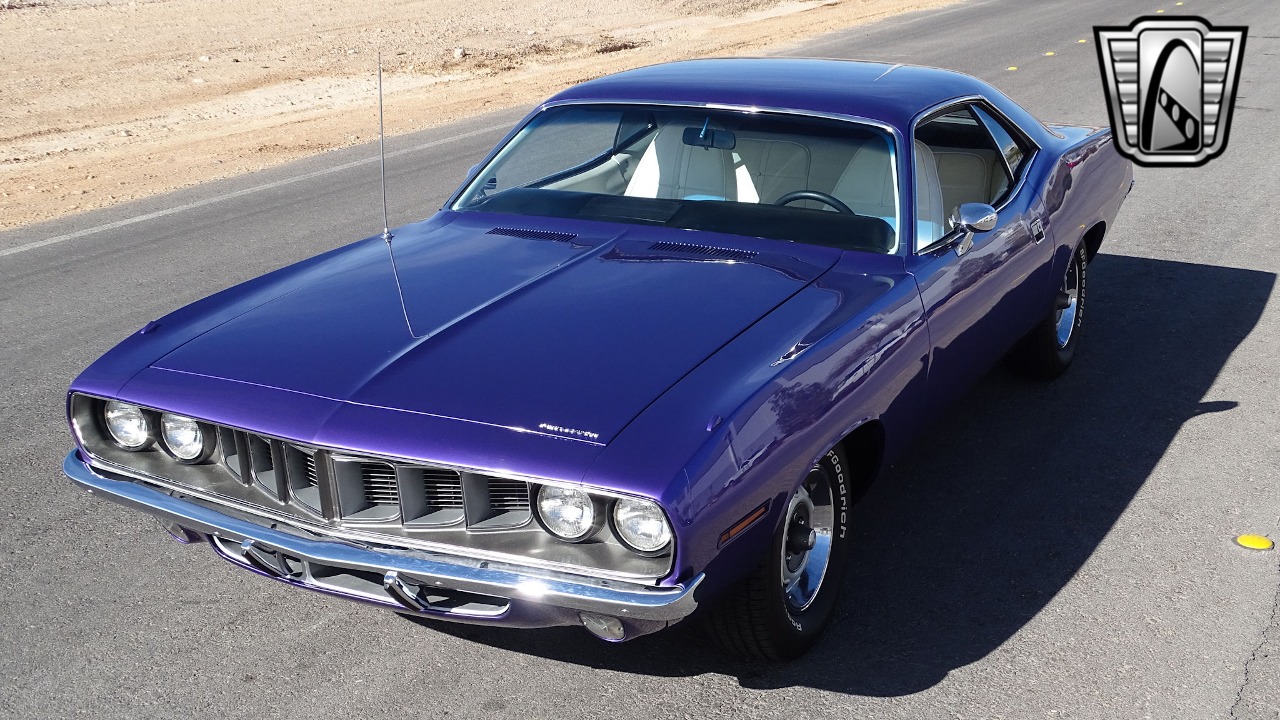
Muscle cars represent a unique chapter in automotive history, one defined by the blend of power, style, and an unmistakable attitude that still resonates today. These cars emerged during a period when American automakers were locked in fierce competition to produce the most thrilling, performance-oriented vehicles for everyday drivers.
Unlike exotic sports cars from Europe or the luxury vehicles that prioritized comfort, muscle cars struck a balance between brute force and accessibility. They offered enormous V8 engines packed under long hoods, aggressive body designs, and performance features that allowed drivers to feel the raw power beneath them.
The muscle car phenomenon was more than just about speed; it was a cultural movement that celebrated the freedom of the open road, the thrill of acceleration, and the joy of mechanical mastery.
What makes muscle cars stand apart from other vehicles of their era is how they combined high horsepower with affordability and style. They were designed to appeal to young drivers who wanted more than just transportation; they wanted excitement and identity.
Automakers responded with a wide range of models featuring varied engine options, performance packages, and eye-catching designs. Muscle cars became symbols of rebellion and individuality, featured prominently in movies, music, and popular culture. This widespread influence ensured muscle cars would not fade into obscurity but instead would become timeless classics, cherished by generations of enthusiasts.
Over the decades, many of these cars have faced challenges from rust, neglect, and changing automotive trends. However, a significant number have been preserved, restored, or even enhanced with modern technology, allowing them to continue delivering performance that rivals contemporary sports cars.
Their engines still roar with the same intensity, their suspensions still hold the road, and their iconic designs still turn heads wherever they go. Whether driven on highways, displayed at car shows, or raced on tracks, these muscle cars remain a testament to a golden era of American automotive engineering.
This article highlights ten muscle cars that have stood the test of time, maintaining their performance and appeal decades after their original production runs. Each car on this list has its own story of innovation, engineering, and cultural impact.
From legendary names like Chevrolet and Ford to more niche manufacturers like AMC, these vehicles continue to pull strong thanks to their timeless designs, powerful engines, and passionate communities of owners.
Whether you are a seasoned muscle car enthusiast or simply curious about what makes these machines special, this list offers insight into why muscle cars endure as some of the most exciting and beloved cars ever made.
Also Read: 5 Toyota Trucks That Outlast Rivals vs 5 That Fail Early
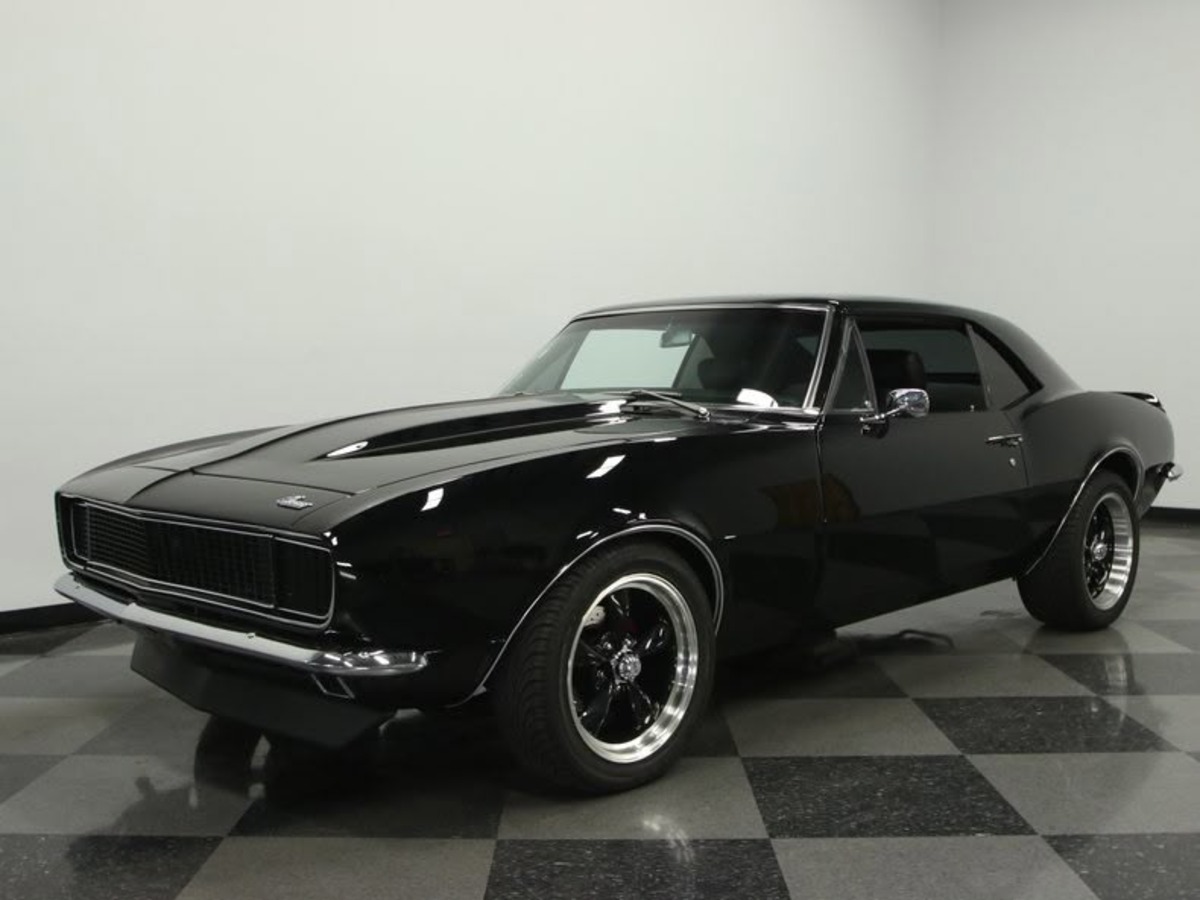
1. Chevrolet Camaro (First Generation, 1967-1969)
The Chevrolet Camaro holds a special place in muscle car history as one of the most influential and beloved models ever produced. Introduced in 1967 as Chevrolet’s answer to the Ford Mustang, the Camaro quickly carved out its identity with a perfect blend of aggressive styling, powerful engines, and a chassis designed for performance.
The first-generation Camaro was available with an array of V8 engines, including the 327 cubic inch small-block and the larger 396 cubic inch big-block options. This variety allowed buyers to tailor their Camaros to fit different driving styles and budgets. From everyday driving to serious track competition, the Camaro was versatile and formidable.
The design of the first-generation Camaro was sleek and muscular, featuring distinctive styling elements like the split grille, prominent fender lines, and a hood that hinted at the power underneath. Chevrolet’s attention to detail extended to the interior, with driver-focused layouts and performance-inspired trim options.
Beyond looks, the Camaro was built with performance in mind. The suspension was tuned to provide balanced handling, and the car’s relatively lightweight frame made it nimble for a muscle car. Models like the SS and Z/28 pushed performance further, with the Z/28 specifically engineered for Trans-Am racing. The 302 cubic inch V8 in the Z/28 was optimized for high-revving performance, showcasing Chevrolet’s dedication to motorsports.
What truly sets the first-generation Camaro apart is its enduring appeal. Even decades later, these cars are widely collected, restored, and enjoyed by enthusiasts. The mechanical simplicity of the Camaro means that it can be upgraded with modern parts to improve reliability and power without losing the original feel.
Many owners choose to install updated fuel injection systems, modern suspensions, and disc brakes, ensuring these cars remain competitive and safe on today’s roads. The classic Camaro also retains a cultural resonance, having appeared in films, television, and music, further solidifying its place as a muscle car icon.
The Camaro’s legacy goes beyond just being a car; it represents an era of American muscle and innovation. Its ability to adapt and stay relevant through decades of change is a testament to its design and performance.
Whether as a showpiece, weekend cruiser, or a drag strip weapon, the first-generation Chevrolet Camaro continues to pull strong and capture the hearts of car enthusiasts everywhere.
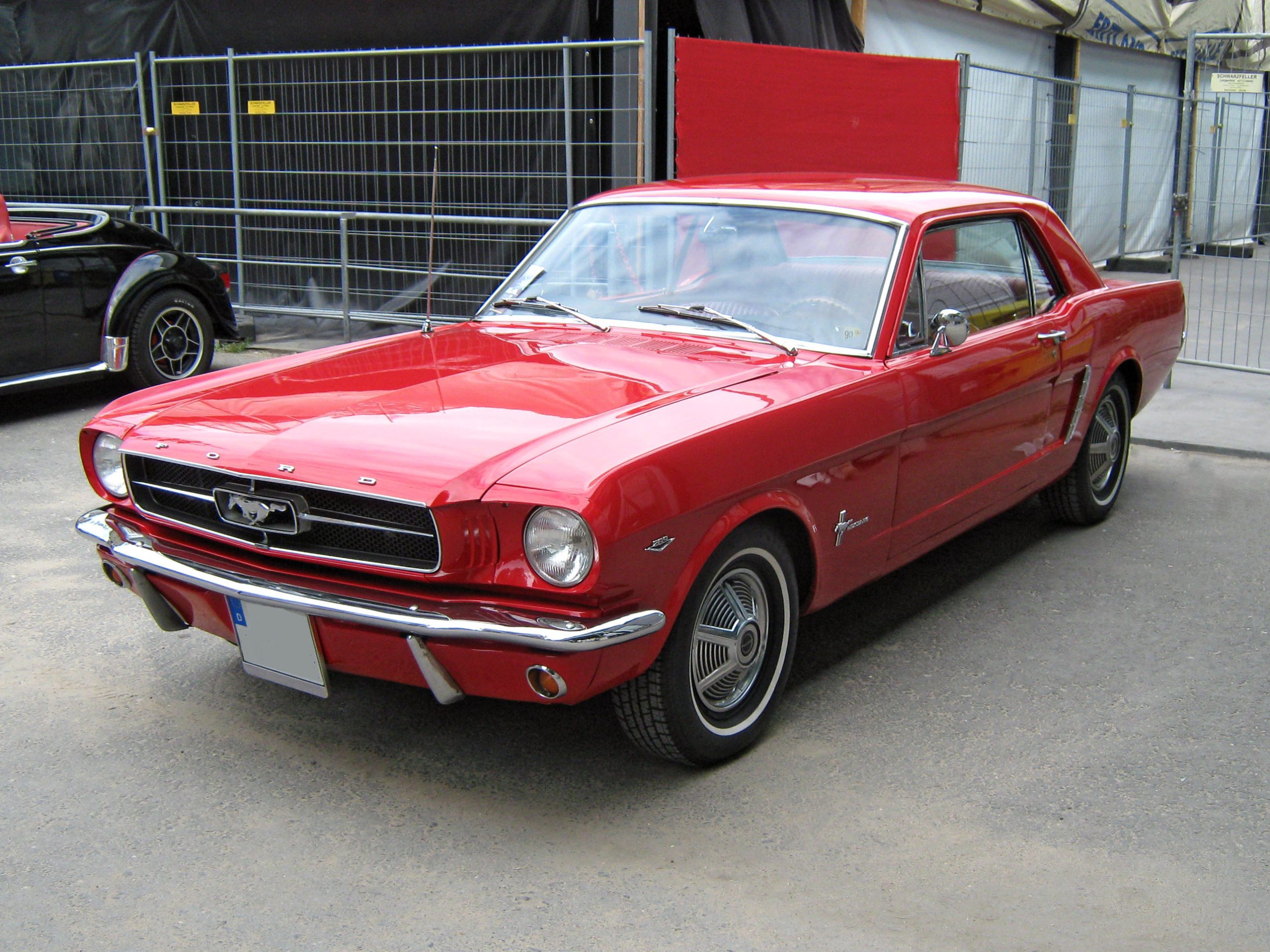
2. Ford Mustang (1965-1970)
The Ford Mustang’s arrival in 1964 was nothing short of revolutionary. It created the “pony car” category, defined by affordable, sporty cars with a long hood and short rear deck, designed to appeal to a young and enthusiastic market. The early Mustangs, especially those produced between 1965 and 1970, are some of the most celebrated muscle cars ever built.
Ford’s strategy was to combine attractive styling with a range of engine choices, allowing customers to personalize their cars from basic four-cylinder models to powerful V8 muscle cars. This flexibility and broad appeal led the Mustang to become one of the best-selling vehicles of its time, firmly establishing its status as a cultural icon.
The muscle car versions of the Mustang, like the GT and Shelby GT350/GT500, raised the stakes by introducing serious performance and racing pedigree. The GT model came with upgraded suspension, improved brakes, and more powerful engines, offering a complete muscle car experience.
However, it was the Shelby versions, developed by racing legend Carroll Shelby, that truly defined Mustang muscle. The GT350 was built for the racetrack, equipped with a high-revving 289 cubic inch V8 engine and performance enhancements that made it competitive in road racing. The GT500 followed with even larger engines, including a 428 cubic inch V8 that delivered incredible power and presence.
Styling played a major role in the Mustang’s success. The clean, flowing lines, aggressive front grille, and long hood combined to create a look that was sporty yet approachable. Inside, Ford offered numerous options to appeal to buyers who wanted both comfort and performance.
Over the years, many Mustangs have been lovingly restored and upgraded with modern technology, such as electronic fuel injection and advanced suspension systems, helping these classic muscle cars stay relevant on today’s roads.
The Mustang’s cultural impact is difficult to overstate. From its starring role in films like Bullitt to its influence on automotive design around the world, the Mustang embodies freedom, performance, and American ingenuity.
Even more than fifty years later, the early Mustangs remain highly sought after by collectors and drivers who appreciate their blend of style, power, and heritage. The Mustang continues to pull strong not just because of its engine size but because of what it represents in the hearts of enthusiasts everywhere.
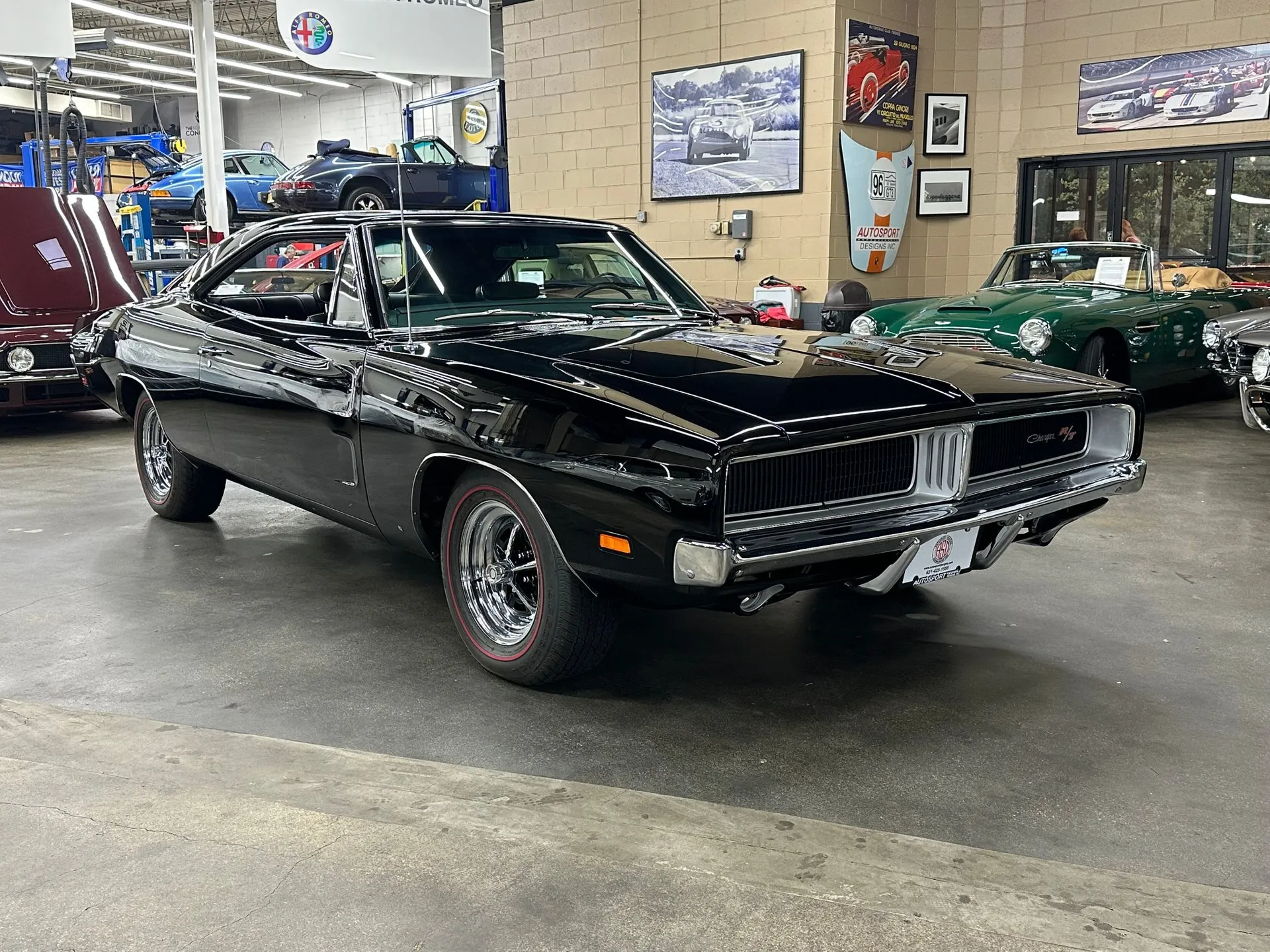
3. Dodge Charger (1968-1970)
The Dodge Charger from the late 1960s is a muscle car that commands respect for its bold design and powerhouse performance. Dodge’s intention with the Charger was to produce a car that was both visually intimidating and mechanically superior, and it succeeded spectacularly.
The 1968 through 1970 Chargers featured a wide, aggressive stance highlighted by a full-width grille, hidden headlights, and a fastback roofline that gave the car a sleek, aerodynamic look.
These styling cues were not just about appearance; they contributed to the Charger’s identity as a vehicle built for speed and presence on the road. The fastback design, in particular, helped reduce drag and provided a unique profile that set the Charger apart from more conventional muscle cars of its time.
Underneath this aggressive exterior, Dodge offered some of the most powerful engines available in muscle cars. The most legendary among them was the 426 cubic inch HEMI V8, often simply called the “Elephant Engine” due to its size and power.
The 426 HEMI was a race-bred engine, designed to deliver incredible horsepower and torque, and it transformed the Charger into a serious contender on the drag strip and street. The HEMI’s hemispherical combustion chambers allowed for more efficient airflow and combustion, resulting in blistering acceleration.
Alongside the HEMI, the 440 cubic inch Magnum engine provided nearly as much muscle with slightly more affordability. This 440 engine, especially in its “Six-Pack” configuration with three two-barrel carburetors, gave the Charger explosive power and a distinctive growl that muscle car enthusiasts still celebrate.
What truly cements the Dodge Charger’s legacy is not just its engineering or design but the cultural impact it had. This car became a staple of American muscle car culture, immortalized in films and television shows that highlighted its raw power and style.
The 1969 Charger, in particular, gained widespread fame thanks to its starring role in movies like Bullitt and The Dukes of Hazzard. Its aggressive styling and unmistakable engine note made it a favorite not only among car enthusiasts but also in the public imagination.
Today, these Chargers continue to be some of the most sought-after muscle cars at auctions and car shows, prized for their iconic status and performance potential.
Decades after their production, Dodge Chargers from this era remain capable performers. Thanks to a strong aftermarket and restoration community, these vehicles can be rebuilt and upgraded to meet or even exceed their original performance levels.
Many owners add modern suspension components, upgraded brakes, and fuel injection systems while maintaining the classic look. The Charger’s combination of aggressive design, legendary engines, and cultural significance ensures it will continue to pull strong for many years to come.
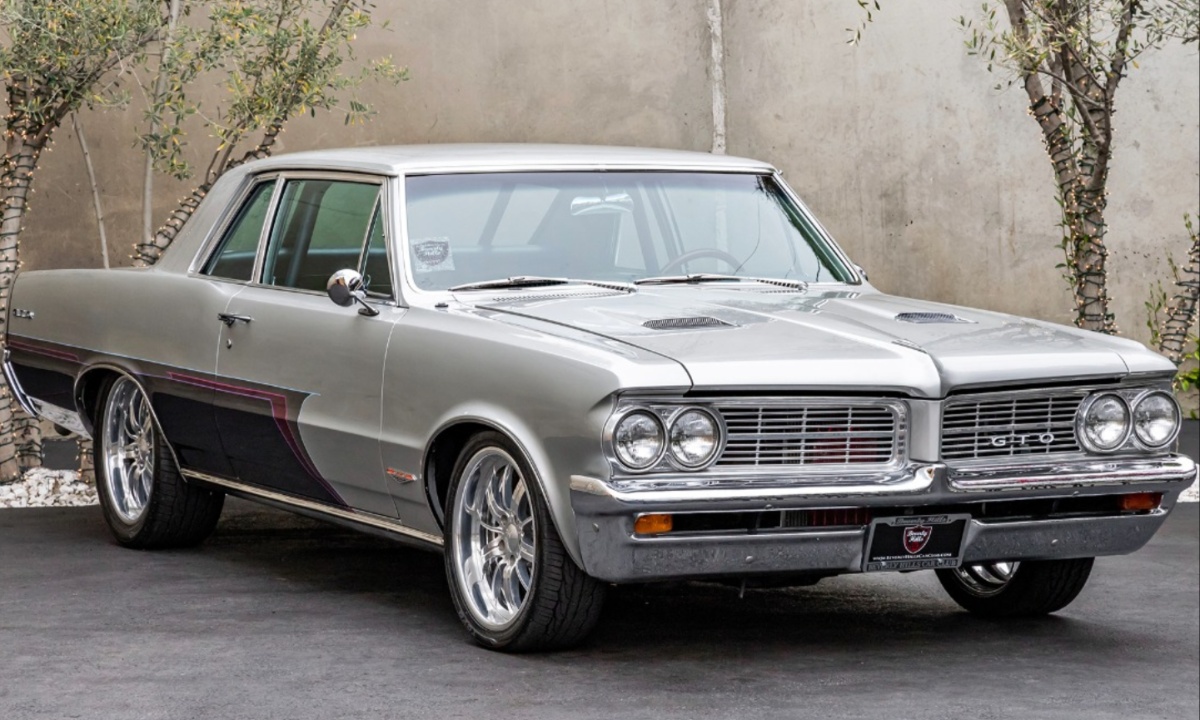
4. Pontiac GTO (1964-1974)
The Pontiac GTO is widely regarded as the car that kickstarted the muscle car revolution, setting a template that many manufacturers would follow. Introduced in 1964, the GTO was built on the mid-sized Pontiac Tempest platform but distinguished itself with the addition of a large, powerful V8 engine and performance upgrades that made it stand out from the crowd.
This formula proved wildly successful, combining the practicality of a smaller car with the raw power of a big-block engine. Pontiac’s marketing campaign famously coined the term “muscle car” to describe the GTO, a testament to the vehicle’s importance in automotive history.
The GTO’s engine options evolved over its production run, starting with the 389 cubic inch V8 that delivered strong horsepower figures and later including larger 400 and 455 cubic inch engines that significantly increased its muscle credentials.
The car was known for its aggressive acceleration and ability to dominate both street and strip, offering drivers an exhilarating experience. Features like the Ram Air induction system introduced in later models improved airflow and performance even further.
The GTO’s styling was bold yet tasteful, with aggressive front grilles, hood scoops, and sporty badging that emphasized its performance capabilities without being overly flashy.
Pontiac also made sure the GTO was not just about straight-line speed; it had solid handling and braking characteristics, making it a more complete performance package compared to some of its contemporaries. This balance helped the GTO appeal to a wide audience, from drag racers to weekend cruisers.
It was a car that could excel in many driving situations while still delivering the unmistakable muscle car roar and presence. Its influence on the muscle car segment was profound, inspiring many other manufacturers to develop their own versions and expand the market.
Even decades later, the Pontiac GTO remains a highly respected muscle car with a passionate fan base. Restored models are often seen at car shows and classic races, admired for their historical significance and performance potential. The GTO’s legacy as a pioneering muscle car ensures that it still pulls strong, both in terms of power and cultural importance, cementing its place as one of the all-time great muscle cars.
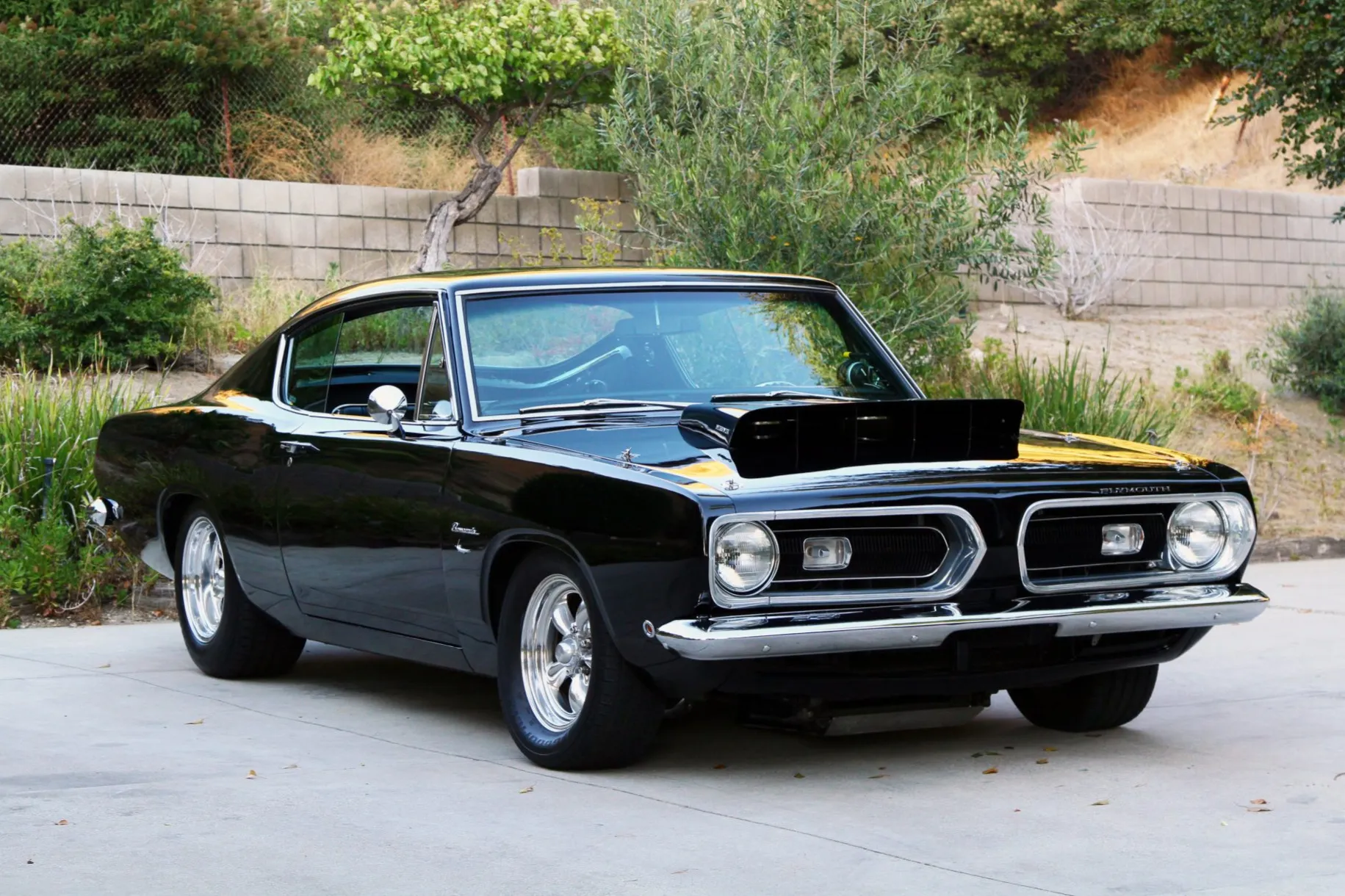
5. Plymouth Barracuda (1964-1974)
The Plymouth Barracuda, though sometimes overshadowed by more famous muscle cars, has its own unique charm and a strong performance pedigree that makes it worthy of recognition. Introduced in 1964, the Barracuda was one of the earliest entries in the pony car segment and quickly gained attention with its distinctive fastback styling.
The car’s design featured a large glass rear hatch, which was unusual for muscle cars of the era, giving it a sporty and futuristic look. This glass hatch not only enhanced visibility but also contributed to the Barracuda’s distinct silhouette, setting it apart from competitors such as the Mustang and Camaro.
Throughout its production years, the Barracuda was available with a range of engines, starting with smaller inline-sixes and gradually expanding to include powerful V8s. The pinnacle of the Barracuda’s muscle car era came in the early 1970s with the introduction of the Plymouth ‘Cuda.
These models were equipped with high-performance engines like the 426 HEMI and the 440 Six-Pack, which featured three two-barrel carburetors delivering extraordinary power and acceleration. The ‘Cuda combined aggressive styling with raw performance, earning a reputation as a serious contender on the drag strip and in street races.
The visual appeal of the ‘Cuda was enhanced by bold color options, racing stripes, and functional scoops that emphasized its muscle car status.
Despite being less common than some other muscle cars, the Barracuda and especially the ‘Cuda models have developed a loyal following. Their relative rarity makes them highly desirable to collectors, and the car’s unique design ensures it stands out at any car show or cruise event.
Enthusiasts appreciate the Barracuda for its balance of style, power, and the sense of individuality it offers. Many owners restore their Barracudas to original condition or upgrade them with modern components to improve drivability while maintaining the classic feel.
Today, the Plymouth Barracuda continues to pull strong due to its combination of performance heritage and distinctive design. It’s a muscle car that might not have enjoyed the same level of mass-market success as some of its rivals, but it remains a powerful symbol of American muscle and creativity. For those looking for something a bit different from the usual muscle car suspects, the Barracuda offers a rewarding and exciting option.
Also Read: 5 Trucks With Zero Depreciation and 5 That Tank Instantly
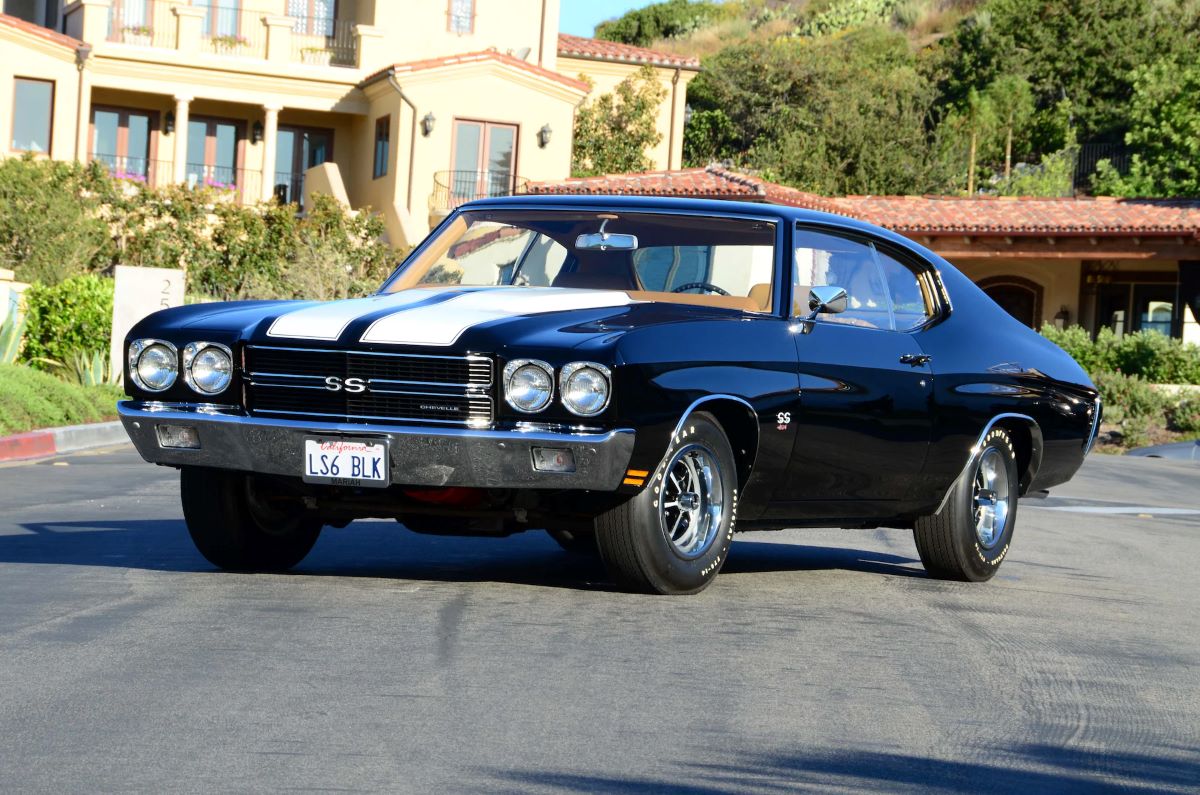
6. Chevrolet Chevelle SS (1964-1972)
The Chevrolet Chevelle SS is one of the most iconic muscle cars of the late 1960s and early 1970s, known for its blend of aggressive styling, strong performance, and versatility. Built on Chevrolet’s mid-sized platform, the Chevelle offered buyers a range of options that catered to both casual drivers and serious muscle car enthusiasts.
The Super Sport (SS) version was the high-performance variant, which combined sporty looks with powerful engine choices, making it one of the most desirable muscle cars of its time. The Chevelle SS became a symbol of muscle car power due to its impressive acceleration, strong handling capabilities, and its ability to handle street or strip duty with ease.
Under the hood, the Chevelle SS offered some of the most legendary engines of the muscle car era. Early models featured a 327 cubic inch V8, but it was the introduction of the 396 cubic inch big-block V8 that truly put the Chevelle SS on the map.
This engine produced enough horsepower and torque to compete with the best muscle cars available, offering thrilling performance and impressive straight-line speed. By the early 1970s, the Chevelle SS was available with the monstrous 454 cubic inch LS6 engine, which cranked out over 450 horsepower, making it one of the most powerful muscle cars of its time.
This raw power was paired with heavy-duty suspension components and upgraded brakes, allowing the Chevelle SS to deliver not just speed but also improved handling and control.
The Chevelle SS’s design was muscular and aggressive, with bold lines, a wide stance, and a distinctive front grille that gave the car a powerful presence. The SS trim package included unique badges, stripes, and often dual racing stripes on the hood and trunk, adding to the car’s performance image.
Inside, the Chevelle SS featured sporty interiors with bucket seats, a center console, and optional gauges to keep drivers connected with the car’s performance. Chevrolet’s focus on both aesthetics and performance made the Chevelle SS a favorite among enthusiasts who wanted a muscle car that looked good, sounded great, and could deliver serious speed.
Today, the Chevrolet Chevelle SS continues to be a cornerstone of the muscle car community. Restorers and collectors prize these cars for their combination of classic design and potent performance.
Thanks to a strong aftermarket and factory parts availability, it is relatively straightforward to maintain or upgrade a Chevelle SS to meet modern driving expectations. Whether on a weekend cruise, at a drag strip, or on display at a car show, the Chevelle SS still pulls strong, embodying the muscle car spirit with an unmatched blend of power and style.
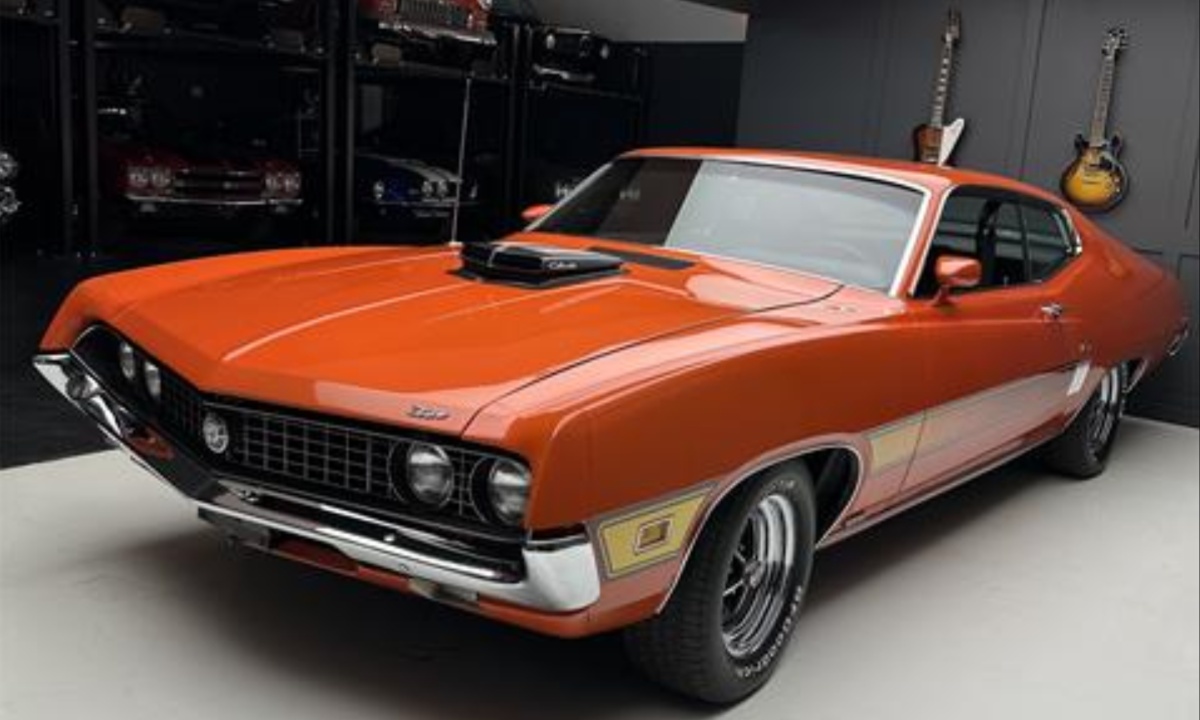
7. Ford Torino Cobra (1968-1970)
The Ford Torino Cobra is a muscle car that deserves more recognition for its performance and role in Ford’s muscle car lineup. Built on the mid-sized Torino platform, the Cobra was Ford’s answer to the muscle car craze, offering a powerful package wrapped in a sleek, aggressive design.
Introduced in 1968, the Torino Cobra stood out thanks to its distinctive styling cues such as the cobra snake emblem, bold paint schemes, and functional hood scoops. These features were more than just cosmetic; they reflected the car’s performance potential and helped establish it as a serious competitor among muscle cars of the era.
Power was the defining feature of the Torino Cobra. It was equipped with Ford’s legendary 428 cubic inch Cobra Jet V8 engine, which produced strong horsepower and torque figures right from the factory.
This engine was designed with performance in mind, featuring a four-barrel carburetor and a high-flow intake manifold, allowing for impressive acceleration and power delivery.
In some versions, the 428 was paired with the Ram Air induction system, which further boosted airflow to the engine, increasing horsepower and improving throttle response. This powertrain setup gave the Torino Cobra the muscle car punch needed to compete with the likes of the Dodge Charger and Chevrolet Chevelle SS.
In addition to its powerful engine, the Torino Cobra came equipped with a heavy-duty suspension and performance brakes, giving it better handling and stopping power than many muscle cars of the time.
Ford paid close attention to balancing speed with control, ensuring the Cobra was not just about straight-line performance but could also handle winding roads and aggressive driving. The car’s interior was sporty and functional, often featuring bucket seats, a floor-mounted shifter, and unique trim details that highlighted its performance pedigree.
The Torino Cobra has gained a dedicated following over the years, appreciated for its combination of style, power, and relative rarity. It was never produced in the same numbers as some of Ford’s more famous muscle cars, which makes well-preserved examples highly sought after.
Restored Cobras and upgraded models continue to perform well today, benefiting from modern tuning and parts availability. The Ford Torino Cobra remains a muscle car that pulls strong decades after its production, embodying the bold spirit and engineering prowess of its era.
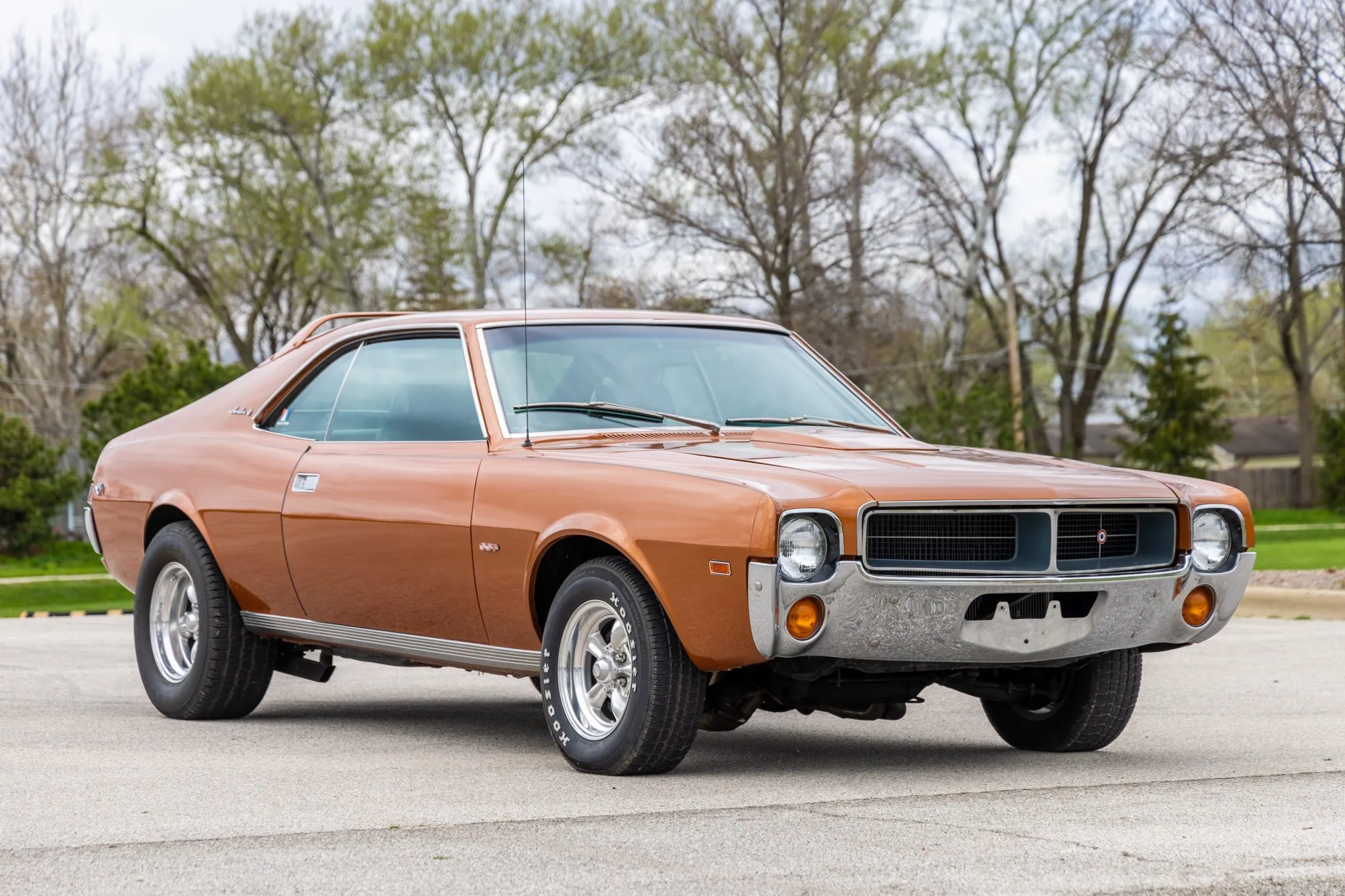
8. AMC Javelin (1968-1974)
The AMC Javelin represents an interesting chapter in muscle car history, coming from American Motors Corporation, a smaller player in the muscle car market dominated by the Big Three (Ford, Chevrolet, and Chrysler).
Introduced in 1968, the Javelin was AMC’s bold attempt to enter the muscle car segment with a car that combined distinctive styling with competitive performance. The Javelin’s design was sleek and sporty, featuring a long hood, short deck, and aggressive front grille. Its styling was unique enough to stand out among the muscle cars of the time, giving AMC a foothold in a very competitive market.
Performance-wise, the Javelin was offered with a range of engines, including inline-six options for entry-level buyers and several V8 engines that delivered true muscle car power. The most powerful versions came with AMC’s 390 cubic inch V8 engine, which produced solid horsepower and torque, allowing the Javelin to compete with more established muscle cars.
AMC also offered a 343 cubic inch V8 and a 360 cubic inch V8, giving buyers a choice of performance levels based on their needs and budgets. The Javelin was equipped with performance suspension components and upgraded brakes, which helped it maintain stability and control during spirited driving.
The Javelin also has a unique place in motorsport history, having competed successfully in Trans-Am racing during the late 1960s and early 1970s. AMC’s racing efforts helped boost the car’s performance credentials and increased its appeal to enthusiasts looking for a muscle car with both street and track credibility.
The company’s commitment to performance and innovation helped the Javelin develop a loyal fan base despite AMC’s smaller size compared to other automakers.
Today, the AMC Javelin remains a classic example of muscle car ingenuity outside the traditional powerhouses. Its distinctive styling and competitive performance make it a favorite among collectors and restorers looking for something a bit different.
Thanks to dedicated owners and clubs, the Javelin has retained its muscle car spirit and continues to pull strong on roads and race tracks decades after its original production.
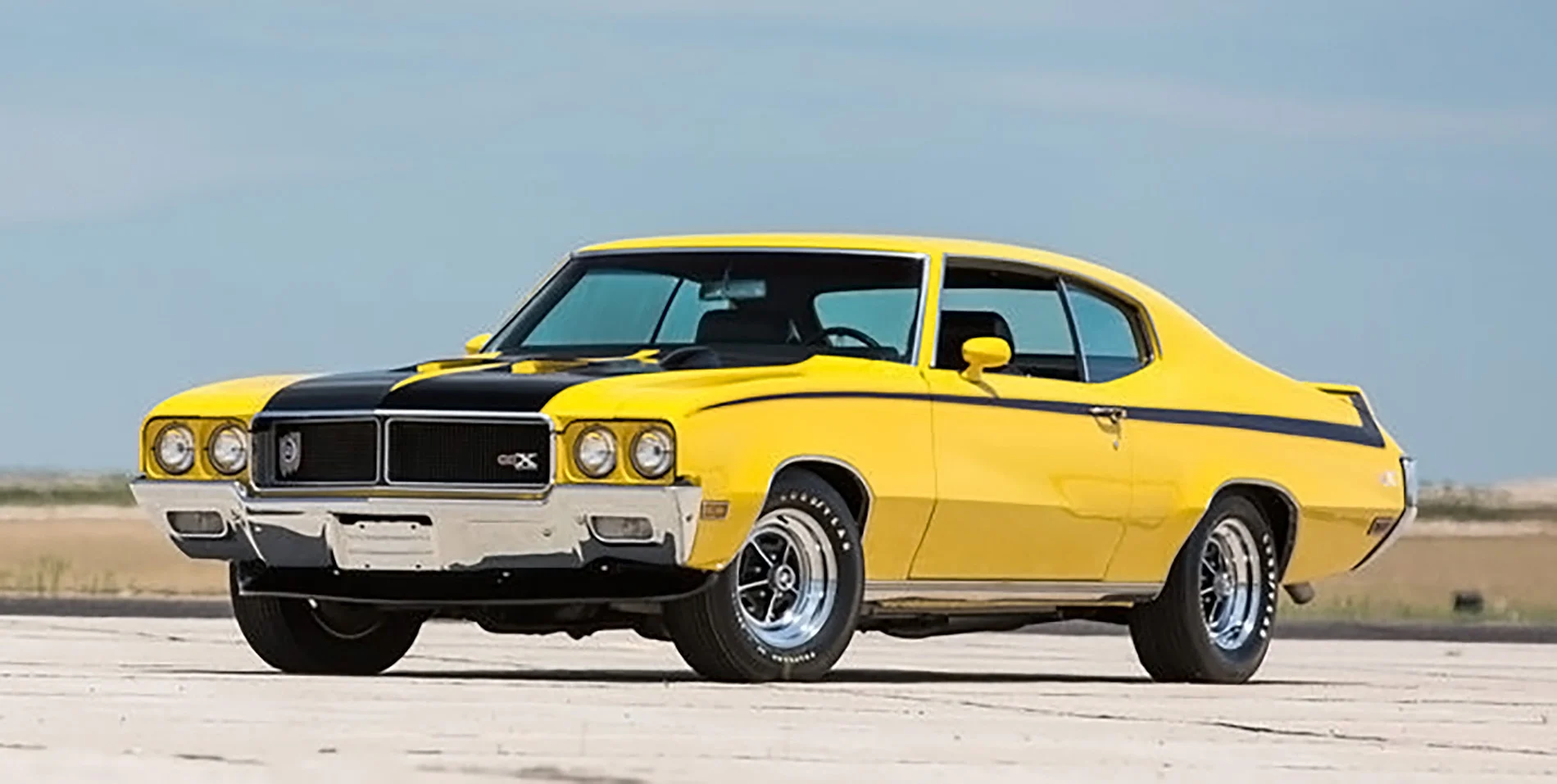
9. Buick GSX (1970-1972)
The Buick GSX is a muscle car that combined the performance of a high-powered V8 with the luxury and refinement Buick was known for. Produced for a brief period from 1970 to 1972, the GSX was Buick’s answer to the muscle car trend and stood out by offering serious power wrapped in a more upscale package.
The GSX was based on the Buick Skylark, but the GSX trim elevated the car with aggressive styling cues such as bold graphics, a blacked-out hood, and racing stripes. These visual elements, combined with Buick’s reputation for quality, gave the GSX a unique position among muscle cars as a blend of performance and comfort.
At the heart of the GSX was Buick’s 455 cubic inch V8 engine, which was one of the largest and most powerful engines available at the time. The engine produced impressive horsepower and torque, especially in the stage 1 version of the GSX, which delivered upwards of 360 horsepower straight from the factory.
This power, combined with a robust drivetrain and suspension, allowed the GSX to accelerate quickly and handle well for a muscle car. Buick also equipped the GSX with performance-oriented components like heavy-duty shocks, wider tires, and upgraded brakes to ensure it could manage the engine’s power effectively.
Inside, the GSX offered a level of comfort and luxury uncommon in muscle cars, featuring plush seats, woodgrain accents, and modern conveniences for its time. This combination of muscle and refinement made the GSX appealing to buyers who wanted the best of both worlds, speed and comfort. The GSX’s limited production numbers and distinctive styling have made it a highly sought-after collector’s car today.
The Buick GSX continues to pull strong decades after its production due to its rare combination of luxury and muscle. Collectors prize the GSX for its performance capabilities as well as its unique place in muscle car history. It remains a testament to the variety and creativity that characterized the muscle car era, proving that power didn’t have to come at the expense of style or comfort.
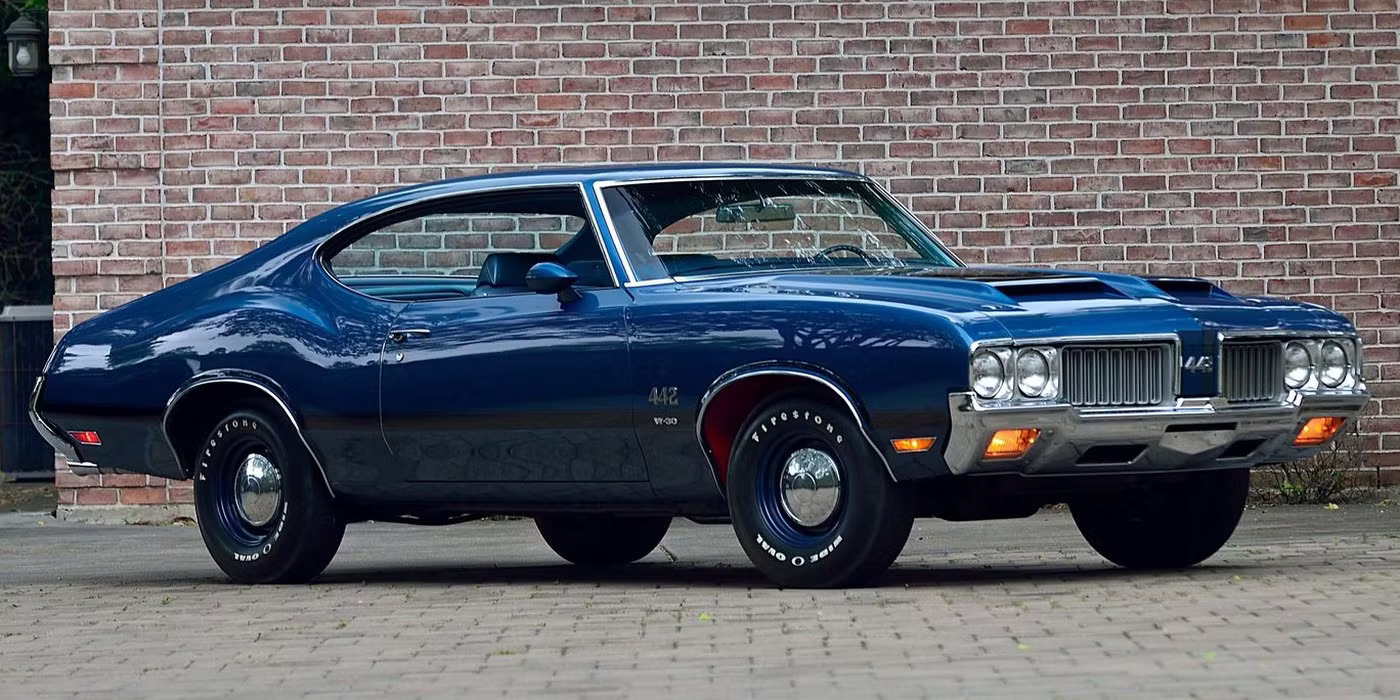
10. Oldsmobile 442 (1964-1971)
The Oldsmobile 442 is a muscle car that earned its name from the original configuration of its performance package: a four-barrel carburetor, four-speed manual transmission, and dual exhaust. Introduced in 1964 as a performance variant of the Oldsmobile Cutlass, the 442 quickly became a favorite among muscle car enthusiasts for its balance of power, style, and everyday usability.
Oldsmobile focused on creating a muscle car that was powerful but also refined, making it suitable for both high-performance driving and daily use. The 442 stood out with a distinctive look that included hood scoops, bold stripes, and unique badging that announced its performance credentials.
Performance was the core of the 442’s appeal. Early models were powered by a 400 cubic inch V8 engine that delivered strong horsepower and torque, but as the model evolved, larger engines such as the 455 cubic inch V8 were introduced. These engines offered thrilling acceleration and plenty of muscle to compete with more famous muscle cars from Chevrolet, Ford, and Dodge.
The 442 was known for its solid handling characteristics, thanks to upgraded suspension components, power steering, and disc brakes, which were advanced features for muscle cars at the time. This made the car not only fast but also relatively easy to control during spirited driving.
Styling for the Oldsmobile 442 was aggressive yet tasteful, combining the muscle car aesthetic with a level of sophistication that appealed to buyers looking for something a bit more refined. The 442’s interior featured sporty touches such as bucket seats and a center console, along with options for comfort and convenience. This combination helped the 442 appeal to a broad range of customers who wanted performance without sacrificing everyday usability.
Even decades after its production ended, the Oldsmobile 442 remains a respected muscle car with a dedicated following. Restored and well-maintained models continue to perform well, benefiting from aftermarket support and enthusiast communities.
The 442’s legacy as a balanced, powerful, and stylish muscle car ensures it will continue to pull strong and remain a beloved part of muscle car history for years to come.
