
When it comes to automobiles, performance and reliability are often seen as two conflicting goals. Many car enthusiasts tend to prioritize speed, power, and handling, sometimes at the expense of durability and long-term dependability.
Conversely, buyers looking for reliable vehicles frequently settle for more conservative engines and less thrilling driving experiences. However, there exists a select group of cars that manage to combine thrilling performance with impressive reliability.
These vehicles prove that speed and strength do not have to come at the cost of frequent breakdowns or expensive maintenance. They serve as a reminder that automotive engineering has advanced enough to produce cars that offer both adrenaline-pumping capabilities and trustworthy endurance.
This balance is especially important in a world where owners want the best of both worlds, exciting driving dynamics and peace of mind. Whether you are a daily commuter who wants a sporty car that won’t leave you stranded or a performance enthusiast wary of costly repairs, these models provide compelling options.
The following list highlights twelve cars, spanning various brands and categories, which have earned reputations for both spirited performance and reliability. Each car brings unique qualities to the table, ranging from track-capable sports cars to refined sports sedans. Together, they demonstrate that reliable performance is not just an ideal but a real and attainable achievement in automotive design.
Also Read: 10 Sports Cars That Are Shockingly Cheap to Maintain
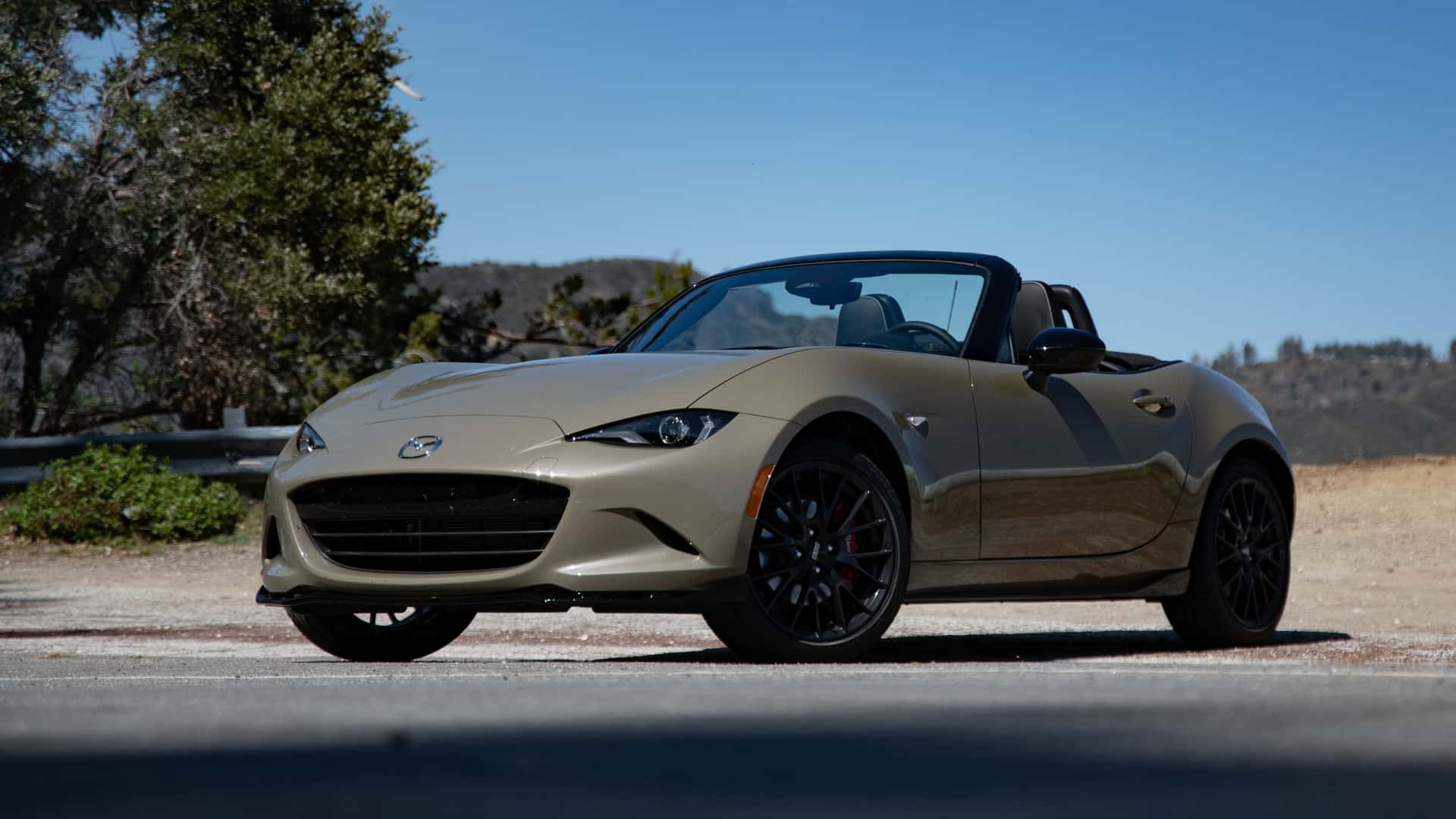
1. Mazda MX-5 Miata
The Mazda MX-5 Miata has long been celebrated as a pure driver’s car. It emphasizes lightness, balance, and an engaging driving experience over outright horsepower. Despite its modest power output, the Miata’s nimble chassis and excellent steering make it a favorite for enthusiasts who enjoy winding roads and precise handling.
What makes the Miata stand out in the performance-reliability equation is its simplicity and engineering quality. Unlike many performance cars that rely on complex and high-strung components, the MX-5 uses a straightforward and proven powertrain and suspension setup.
This minimalism keeps maintenance costs low and parts durable. Over decades of production, Mazda has continuously refined the Miata without compromising reliability, which is why many owners report high mileage with minimal issues. In addition, the Miata benefits from strong community support and aftermarket parts, allowing drivers to personalize their vehicles without sacrificing dependability.
The car’s naturally aspirated engine, typically a 1.5 or 2.0-liter four-cylinder, avoids the pitfalls of turbocharging, such as overheating or excessive wear. Its robust manual transmission and reliable chassis design make it a trustworthy companion both on the street and the track. The Miata’s blend of light weight, balance, and simplicity proves that performance doesn’t need to be complicated to be effective and reliable.
The appeal of the MX-5 Miata extends beyond its mechanical reliability. Its design philosophy centers around driver involvement, which means that every aspect of the car is tuned to provide feedback and connection rather than brute force. This focus reduces the need for heavy electronic aids or aggressive engine tuning, which can often complicate maintenance.
Instead, Mazda has chosen a natural approach to performance, relying on engineering fundamentals like a low center of gravity, near-perfect weight distribution, and a responsive chassis. These features not only improve driving pleasure but also contribute to longevity because the car is less likely to be pushed beyond its mechanical limits.
Owners often report that even older Miatas continue to perform reliably without requiring major engine or transmission work. This kind of durability is a testament to Mazda’s commitment to quality in a niche that many other manufacturers struggle to balance.
Another point to consider is the Miata’s affordability. Because it is widely regarded as an entry-level sports car, the MX-5 has always been priced reasonably compared to other performance vehicles. This affordability makes it accessible to a broader range of drivers who might otherwise be deterred by the high costs associated with performance car ownership.
Additionally, parts availability and relatively simple mechanics mean repairs and upkeep are less expensive. The simplicity does not mean a lack of sophistication; rather, it is a thoughtful design choice aimed at reducing complexity and improving reliability.
Owners can enjoy spirited driving without the worry of frequent trips to the mechanic or costly repairs, making the MX-5 a standout example of reliable performance.
Finally, the MX-5 Miata is an ideal car for enthusiasts who value longevity. Many examples have been known to surpass 200,000 miles with routine maintenance. This endurance is especially impressive for a car designed for enthusiastic driving, which often entails aggressive use that can wear out components faster.
The Miata proves that a performance car can be both fun and dependable if it is built on solid engineering principles and designed with care. For those seeking a vehicle that offers both excitement behind the wheel and peace of mind on the road, the Mazda MX-5 Miata is a compelling choice.

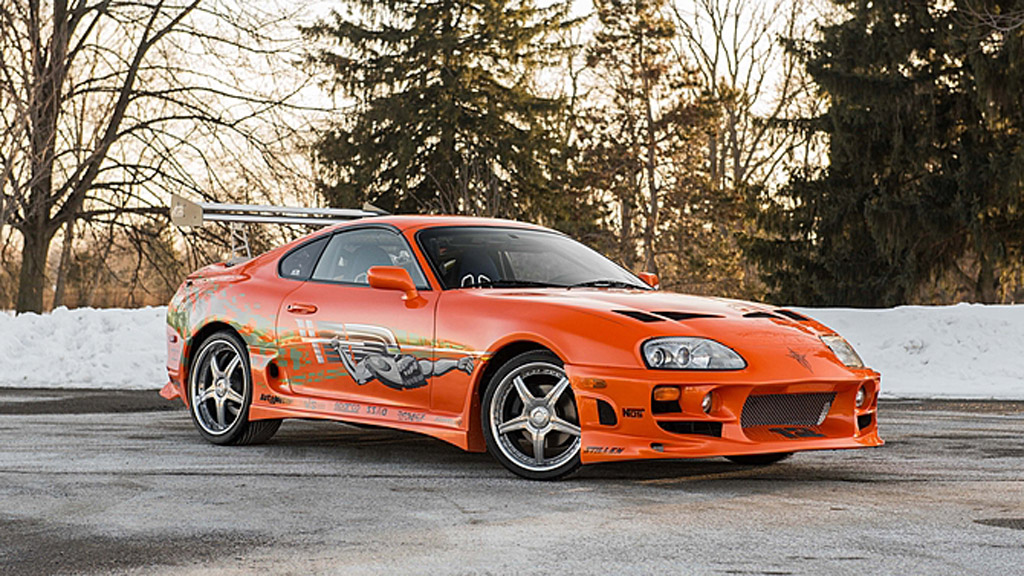
2. Toyota Supra (A80 Mk4)
The fourth-generation Toyota Supra, commonly known as the A80 Mk4 Supra, holds an iconic status among performance enthusiasts. It blends impressive power with remarkable reliability, making it a standout in the sports car category. The Supra’s 2JZ-GTE engine, a 3.0-liter inline-six twin-turbocharged unit, is legendary for its durability and tuning potential.
Its robust iron block and strong internals allow it to handle far more power than stock, which has made it a favorite for racers and tuners alike.
What truly sets the A80 Supra apart is its combination of performance potential with daily usability and mechanical soundness. Unlike many sports cars of its era, the Supra was designed with reliability in mind, evidenced by its reputation for running well past 200,000 miles when properly maintained.
One key reason the Mk4 Supra achieves this balance is the engineering philosophy Toyota applied to the 2JZ engine. It was built with high-quality materials and conservative tolerances, ensuring longevity. While it delivers impressive horsepower in stock form, the engine was never pushed to the limits from the factory, leaving plenty of headroom for modifications without compromising reliability.
This allows owners to extract considerable performance while maintaining a solid foundation of dependability. Furthermore, Toyota’s approach to the rest of the vehicle’s components, such as the transmission, suspension, and braking systems, reflects a focus on robustness and engineering integrity. This makes the Supra not just fast but also mechanically trustworthy.
The Supra’s chassis is equally important to its performance reliability. The car features a well-balanced layout with rear-wheel drive, providing excellent handling characteristics that are predictable and stable. This stability enhances driver confidence and reduces the likelihood of mechanical strain caused by harsh driving inputs.
The suspension design, combining double wishbones in the front and a multi-link setup in the rear, supports both agility and comfort, which means the car can be driven hard without sacrificing component longevity. This balance between sporty handling and durability contributes to the Supra’s reputation as a reliable sports car suitable for daily use and spirited driving.
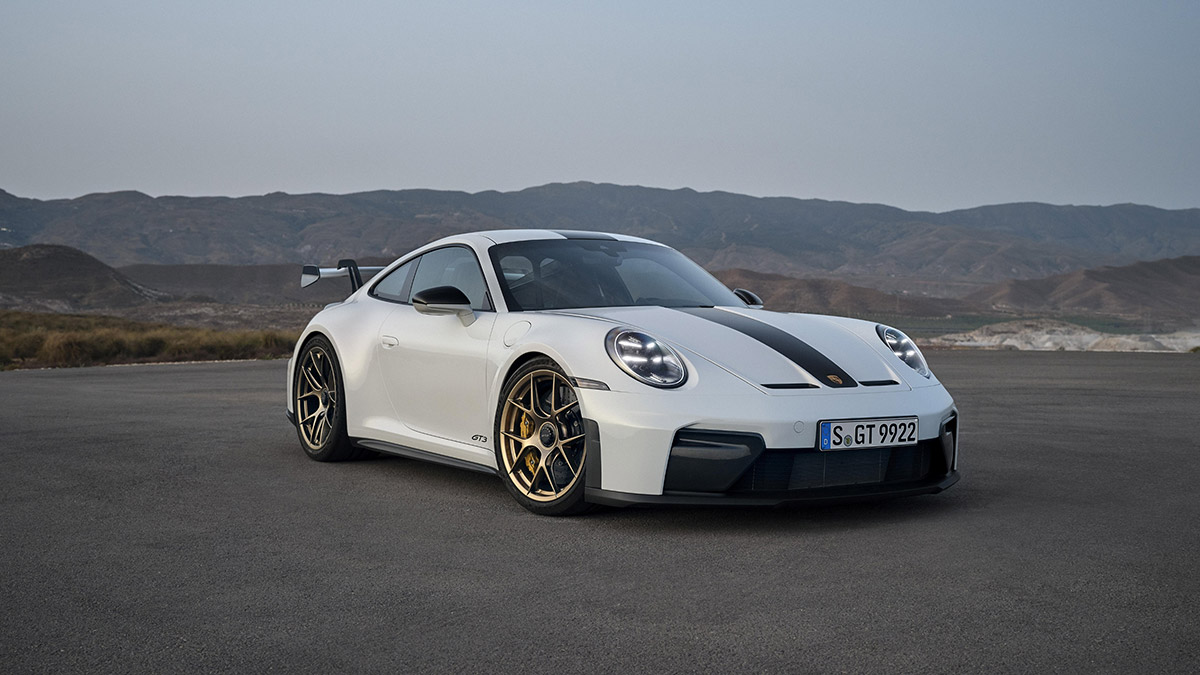
3. Porsche 911 (996 Generation)
The Porsche 911, particularly the 996 generation, represents a blend of tradition and innovation in the sports car world. Known for its distinctive design and exceptional driving dynamics, the 996 generation of the 911 made significant strides in making high-performance driving more accessible and reliable.
The 996 was the first 911 to feature a water-cooled engine, which marked a departure from the classic air-cooled units but brought advantages in temperature management and longevity. This change played a significant role in enhancing the engine’s durability while maintaining the Porsche hallmark of high-revving, responsive power delivery.
The 996’s flat-six engine was engineered to perform reliably even under demanding conditions, including spirited driving and track use. Porsche’s attention to detail in manufacturing and quality control ensured that these engines could withstand higher mileage without the common failures that sometimes plagued earlier generations.
The 996 also featured improvements in suspension geometry and chassis rigidity, contributing to balanced handling and consistent performance. These factors combined to make the 996 generation one of the more reliable iterations of the 911, especially when maintained regularly.
Beyond the mechanical aspects, the 996’s reputation is enhanced by Porsche’s focus on engineering consistency. This generation was produced in large numbers, allowing Porsche to refine production techniques and component quality.
The car’s adaptable nature, with variants ranging from the base Carrera to the more powerful Turbo models, offers options for buyers prioritizing different blends of performance and reliability. For those seeking a sports car that offers Porsche’s legendary driving experience while maintaining respectable reliability, the 996 911 is an example that stands out in its segment.
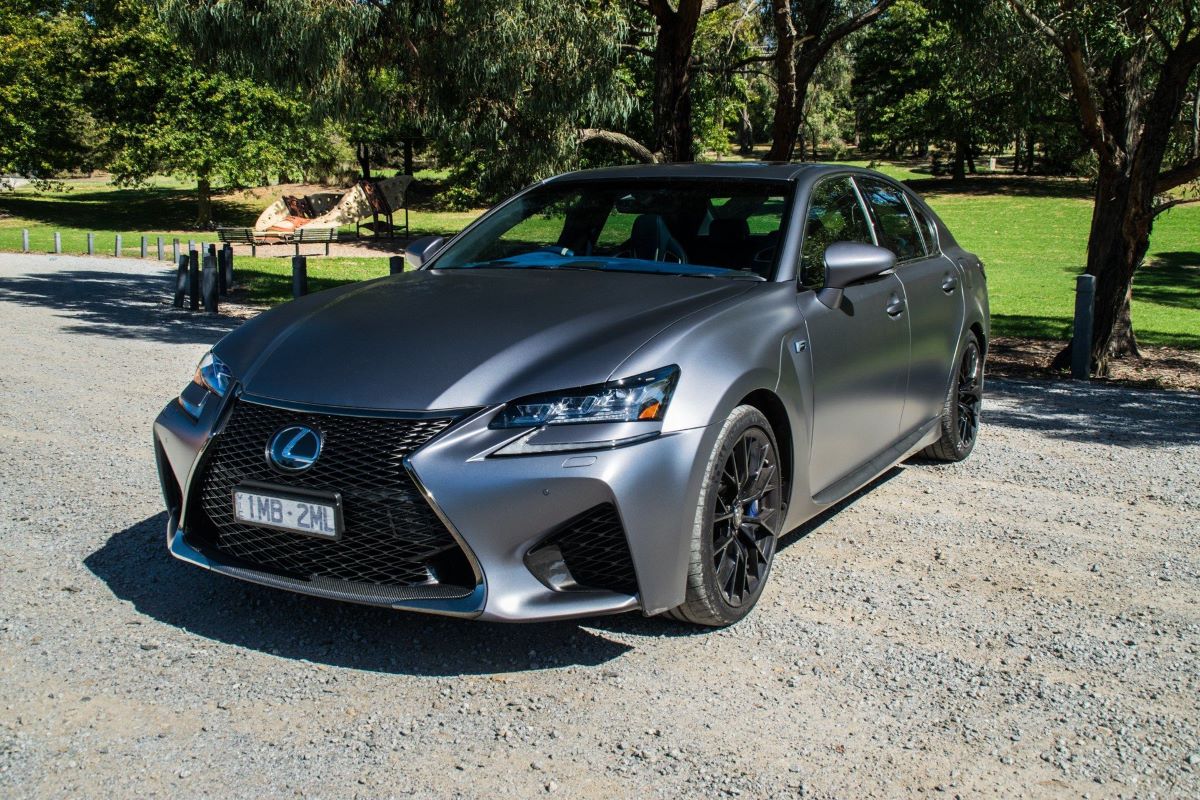
4. Lexus GS F
Lexus has built its brand on a foundation of reliability and refinement, and the GS F continues that tradition while delivering serious performance. The GS F is a high-performance sedan equipped with a naturally aspirated 5.0-liter V8 engine that produces around 467 horsepower.
Unlike many competitors who rely on turbocharging, Lexus opted for a large displacement, high-revving V8 that offers linear power delivery and a distinctive sound. This approach contributes to the car’s reliability, as naturally aspirated engines tend to experience less mechanical stress compared to forced induction counterparts.
The GS F combines its powerful engine with a well-tuned suspension and advanced chassis technology, allowing it to perform impressively on both road and track. The car’s handling is balanced and confidence-inspiring, benefiting from features like an adaptive suspension system and a limited-slip differential.
Despite its performance capabilities, the GS F does not sacrifice Lexus’s hallmark smoothness and comfort, which makes it a practical choice for those who want a performance sedan that can also handle daily driving duties with ease.
One of the GS F’s key strengths lies in its build quality and reliability pedigree. Lexus’s reputation for producing long-lasting vehicles extends to this model, with owners reporting few major issues even after high-mileage use.
The V8 engine’s robust construction, combined with the company’s attention to quality control and conservative engineering, ensures that the GS F remains dependable under various driving conditions. Moreover, the car’s comprehensive warranty and well-established service network add an extra layer of confidence for buyers concerned about maintenance costs.
The GS F also benefits from a well-designed interior and user-friendly technology, which enhances the ownership experience. This focus on quality extends beyond the mechanical to the driver’s environment, reflecting Lexus’s commitment to creating a premium vehicle that excels in both performance and reliability.
For those seeking a powerful yet dependable sedan, the Lexus GS F offers a compelling blend of sportiness and everyday usability that few competitors can match.
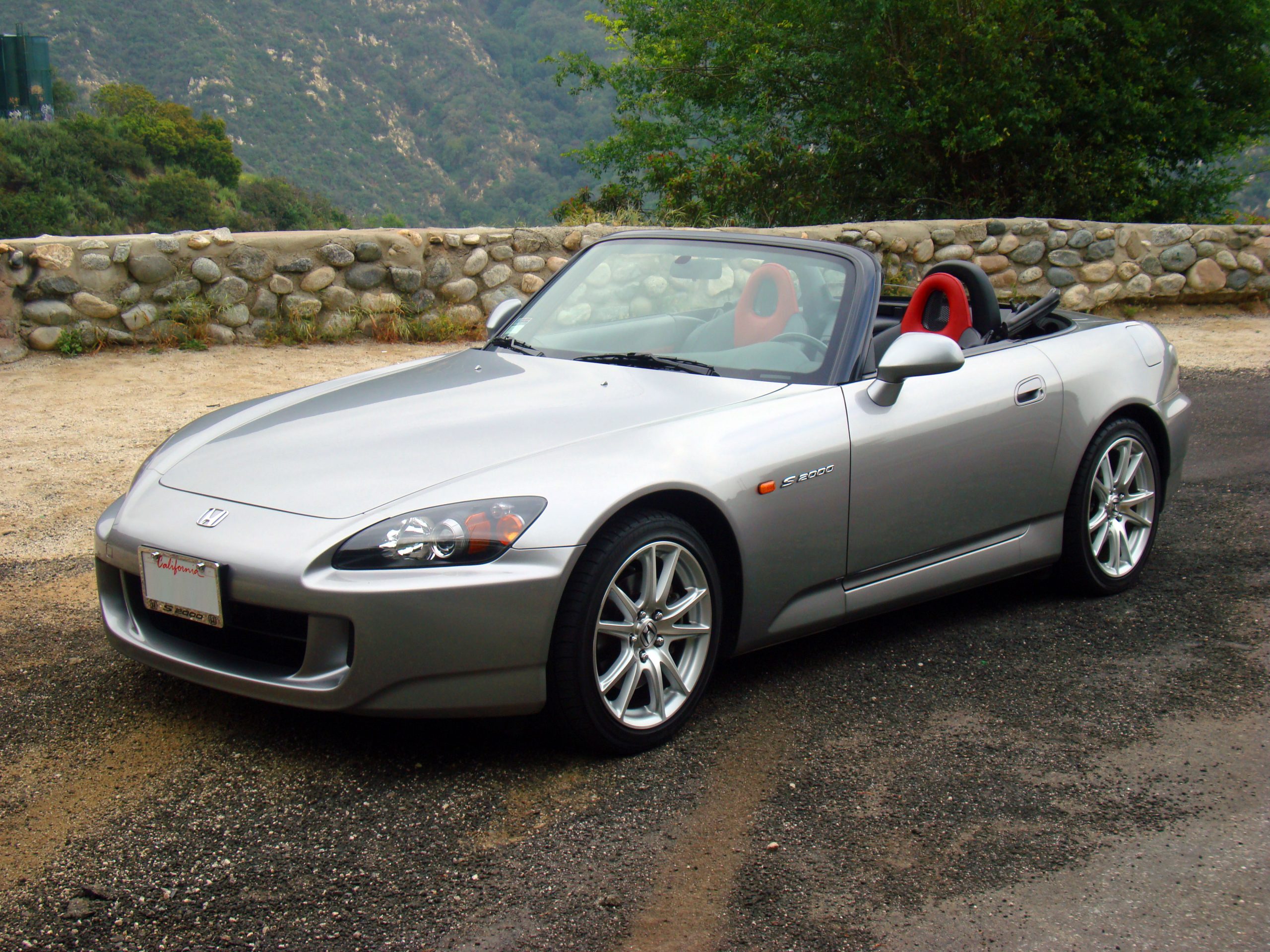
5. Honda S2000
The Honda S2000 is a standout example of a performance car that combines exhilarating driving dynamics with exceptional reliability. Introduced in 1999, this roadster was designed with the driving enthusiast in mind.
What sets the S2000 apart is its naturally aspirated 2.0-liter (later increased to 2.2 liters) inline-four engine, which delivers high-revving excitement with a redline famously reaching 9,000 rpm in early models.
Despite this aggressive tuning, Honda engineered the engine to maintain durability and dependability, a rare combination in the world of sports cars that push the limits of their components. The S2000’s F20C engine is built with strong internals, including forged pistons and a robust valvetrain, which allows it to thrive under spirited driving conditions without sacrificing longevity.
The S2000’s appeal also lies in its mechanical simplicity relative to many competitors. Unlike turbocharged or supercharged rivals, the S2000 relies on its naturally aspirated engine’s rev-happy character to deliver excitement. This choice reduces the complexity and potential points of failure, contributing significantly to the car’s dependable nature.
Furthermore, maintenance on the S2000 is straightforward, with Honda’s legendary build quality ensuring that routine service is generally hassle-free and cost-effective. Owners often report few major repairs even after exceeding 150,000 miles, a testament to Honda’s focus on reliability alongside performance.
In addition to its mechanical strengths, the S2000 has cultivated a passionate community of owners and enthusiasts, which contributes to its longevity. This support network provides access to reliable aftermarket parts and knowledgeable service professionals who understand the car’s unique requirements.
The S2000’s status as a modern classic is well-deserved, offering a rare blend of performance, driver engagement, and long-term dependability. For those seeking a sports car that delivers both thrills and peace of mind, the Honda S2000 stands as one of the best examples in recent automotive history.
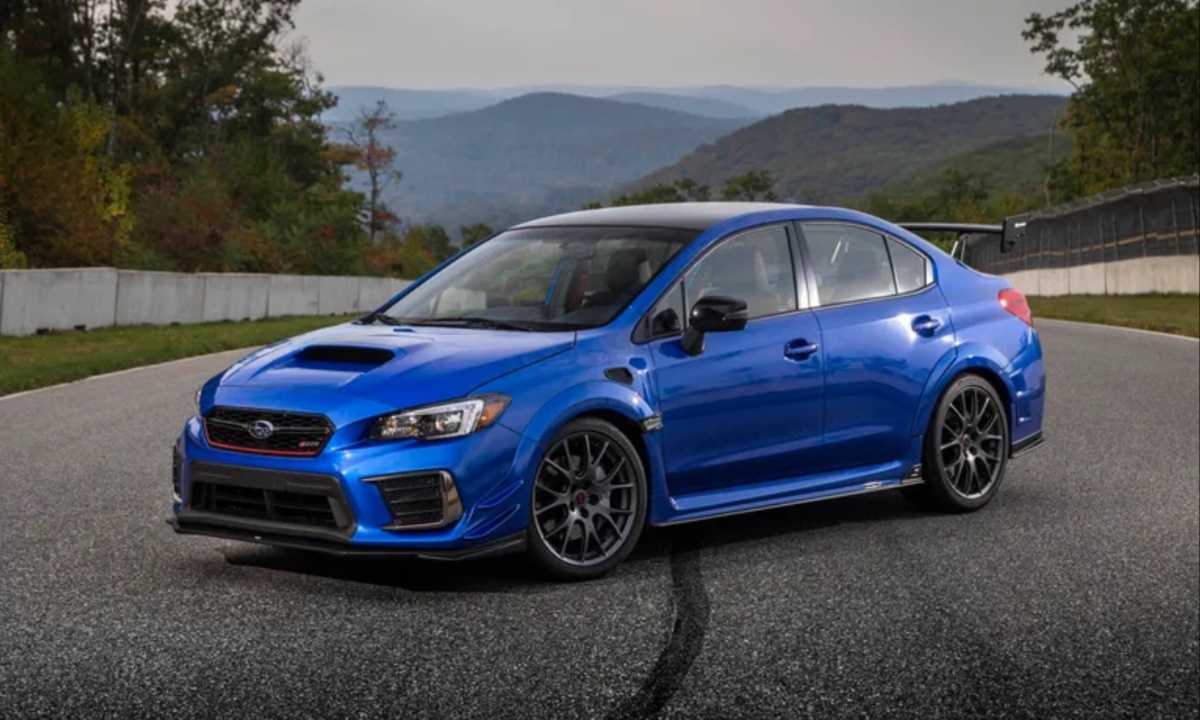
6. Subaru WRX STI
The Subaru WRX STI is a rally-inspired performance sedan that combines all-wheel-drive grip, turbocharged power, and robust engineering to deliver a car that is both exciting and dependable. This model carries the legacy of Subaru’s motorsport success into the realm of road cars, where performance is matched with practical reliability.
The heart of the WRX STI is a turbocharged 2.5-liter flat-four engine, known for its strong construction and ability to deliver quick bursts of power while withstanding the rigors of aggressive driving. Subaru has continually refined this powertrain to improve both output and durability, making it a car capable of handling challenging driving conditions without frequent mechanical issues.
One of the key factors behind the WRX STI’s reliability is its symmetrical all-wheel-drive system. This drivetrain layout not only provides excellent traction and stability in various weather conditions but also distributes stress evenly across components, reducing premature wear.
The system’s design ensures that the vehicle remains balanced and predictable even under hard acceleration or cornering, which lowers the likelihood of mechanical failures related to drivetrain overload. Additionally, Subaru’s use of high-quality materials and conservative engineering in critical components such as the turbocharger and transmission enhances the car’s robustness, even when driven aggressively.
Furthermore, the WRX STI benefits from a dedicated enthusiast community and extensive aftermarket support. This network allows owners to keep their vehicles in top condition with readily available parts and upgrades designed to maintain or improve reliability.
The car’s practical design also includes comfortable seating and a well-appointed interior, ensuring that performance doesn’t come at the cost of usability. The Subaru WRX STI proves that a high-performance, turbocharged all-wheel-drive car can be both thrilling and reliable when engineered with quality and precision.
Also Read: 9 Cars With Small Engines That Pack a Huge Punch

7. BMW M3 (E46 Generation)
The BMW M3 E46 generation remains one of the most beloved performance sedans and coupes in automotive history. It combines a potent naturally aspirated inline-six engine with the driving dynamics BMW is famous for, all while maintaining a reputation for strong reliability compared to other high-performance German cars.
The 3.2-liter S54 engine is widely regarded for its power delivery, high-revving nature, and mechanical robustness. While the engine is capable of high output, it was engineered with quality materials and tight tolerances to ensure that it could withstand spirited driving and regular use over long periods.
The E46 M3’s chassis and suspension contribute significantly to its blend of performance and dependability. The car features a well-balanced rear-wheel-drive layout and a multi-link suspension setup that delivers sharp handling with excellent feedback.
BMW engineers paid close attention to durability when designing suspension components, using high-quality bushings and reinforced mounts that help reduce wear and tear. This thoughtful engineering means that the E46 M3 can maintain its dynamic capabilities even after years of enthusiastic driving, as long as it receives proper maintenance.
The car’s manual transmission, prized for its crisp shifting, also benefits from robust internal components that enhance longevity.
The E46 M3’s enduring popularity among enthusiasts is a testament to its successful marriage of thrilling performance and dependability. It appeals to those who want a driver-focused car that rewards skill without demanding constant repairs.
Whether used as a weekend track weapon or a daily driver, the M3 E46 stands as proof that a high-performance sedan can be reliable and enjoyable for many years. This combination has helped the car maintain strong resale values and a dedicated fan base, securing its place as a classic in the performance car world.
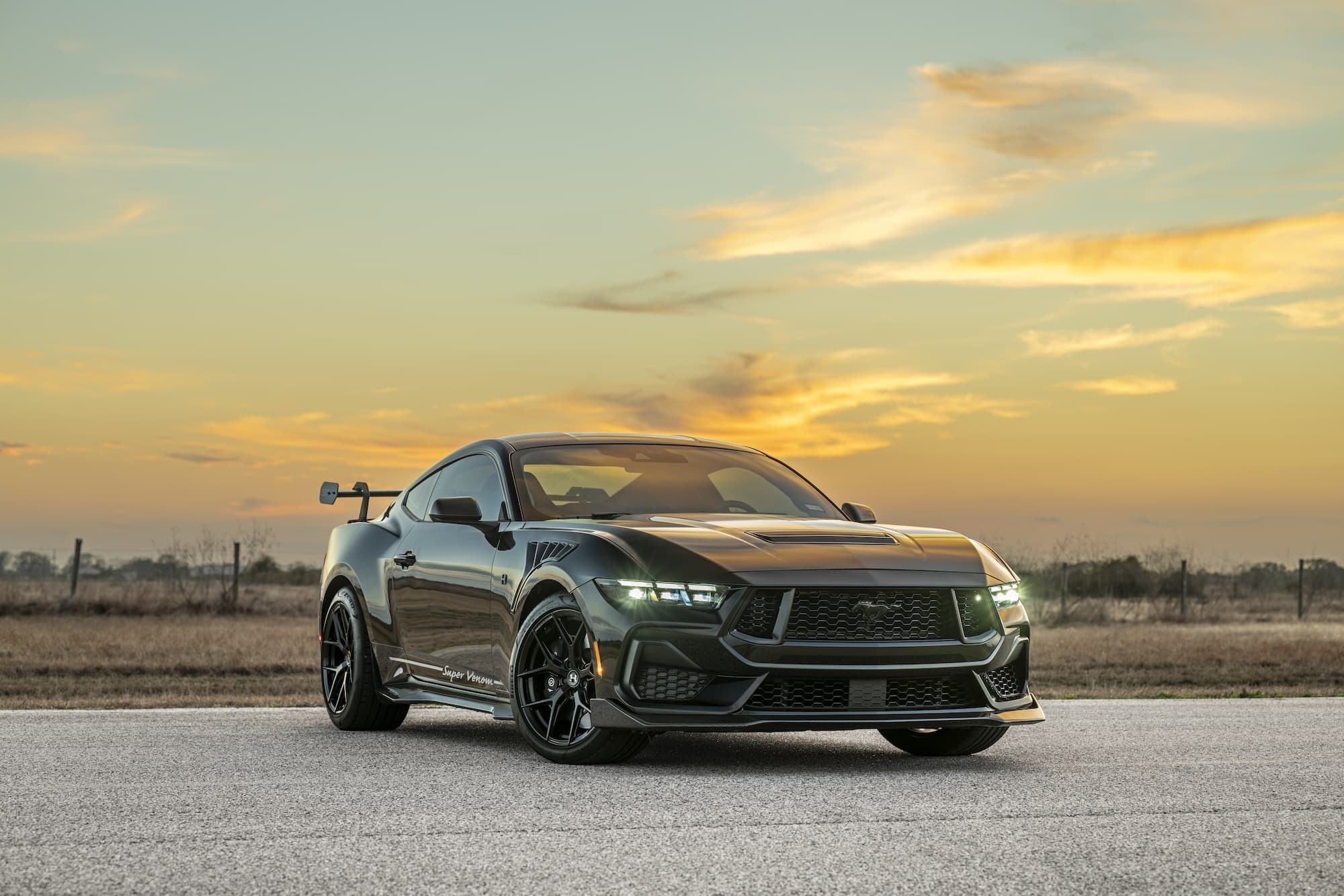
8. Ford Mustang GT (5.0 Coyote)
The Ford Mustang GT, especially models equipped with the 5.0-liter Coyote V8 engine introduced in 2011, offers a powerful and reliable performance package. This engine was a significant milestone for Ford, blending modern technology with traditional V8 muscle car attributes.
The Coyote engine is praised for its solid construction, impressive output, and ability to perform consistently over long periods without significant mechanical issues. It provides strong low-end torque and high-end horsepower, making the Mustang GT a versatile performer on streets, highways, and tracks alike.
Reliability in the Mustang GT is supported by Ford’s extensive experience with V8 engines and continuous improvements in manufacturing and materials. The Coyote engine features advanced technologies like dual overhead cams and variable valve timing, but these are engineered with an emphasis on durability rather than just maximum output.
The Mustang’s drivetrain, including a robust transmission (both manual and automatic options), is designed to handle the engine’s power without premature wear. This ensures that the Mustang GT can withstand spirited driving without the need for frequent repairs or costly component replacements.
Maintenance on the Mustang GT is straightforward and benefits from Ford’s widespread dealer network and availability of parts. The car’s popularity means that aftermarket support is extensive, allowing owners to customize or enhance their vehicles while maintaining dependability.
Whether as a daily driver or a weekend cruiser, the Mustang GT with the 5.0 Coyote engine delivers an excellent balance of power, fun, and reliability. It exemplifies how a modern muscle car can maintain its heritage of strong performance while meeting modern expectations for durability.

9. Chevrolet Corvette C6
The Chevrolet Corvette C6 is a prime example of an American sports car that offers outstanding performance paired with solid reliability. Produced from 2005 to 2013, the C6 marked a significant step forward for the Corvette lineup, introducing advancements in both technology and build quality that contributed to its dependability.
Powered by the LS-series V8 engines, the C6 features a range of powerplants beginning with the naturally aspirated 6.0-liter LS2 engine and culminating in the high-output LS7 found in the Z06 and the supercharged LS9 in the ZR1. These engines are renowned for their robust design and exceptional longevity, thanks to their strong aluminum blocks and heads, as well as advanced engineering focused on durability.
The C6 Corvette’s performance credentials are impressive, with the base model delivering 400 horsepower and the Z06 variant pushing closer to 505 horsepower in naturally aspirated form. Despite these power figures, owners have reported that the engines maintain reliability with proper maintenance, which includes regular oil changes and attention to cooling systems.
The Corvette’s drivetrain components, including the six-speed manual and automatic transmissions, are also built to handle significant power without frequent issues. Chevrolet’s commitment to quality control and engineering refinement ensured that many C6 Corvettes have exceeded 100,000 miles with minimal major repairs.
Chassis and suspension design in the C6 further support its reputation for reliable performance. The car features a fully independent suspension, which provides excellent handling characteristics and ride comfort. The use of modern materials and improved assembly techniques over previous generations contributed to a stiffer, more balanced platform.
This balance improves not only performance but also reduces the wear and tear associated with harsh driving. The braking system, equipped with large disc brakes and advanced calipers, offers strong stopping power that enhances driver confidence without sacrificing component longevity.
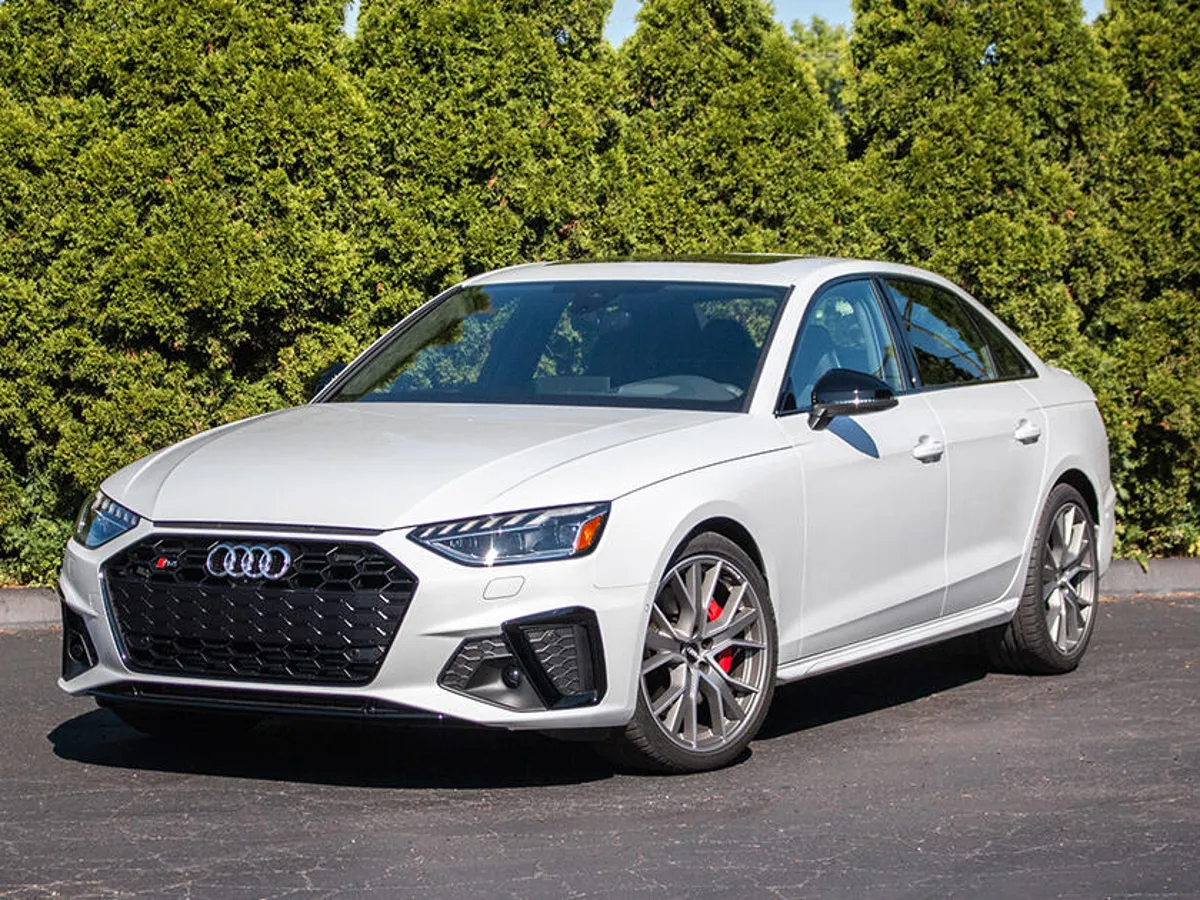
10. Audi S4 (B8 Generation)
The Audi S4 of the B8 generation, produced from 2009 to 2016, is a performance sedan that successfully combines power, all-wheel-drive capability, and strong reliability. At its core, the B8 S4 features a naturally aspirated 4.2-liter V8 engine, which delivers smooth power and a distinctive exhaust note.
This engine, paired with Audi’s renowned Quattro all-wheel-drive system, provides confident handling and traction across a variety of driving conditions. The naturally aspirated V8, unlike turbocharged units, tends to be simpler in design and benefits from Audi’s rigorous engineering standards that emphasize durability and longevity.
A major factor contributing to the B8 S4’s reliability is Audi’s meticulous attention to build quality. The 4.2-liter V8 is known for its robust construction, including a strong block, forged pistons, and a sophisticated valvetrain that has proven to be resilient over time.
This engine can handle high mileage without significant degradation when properly maintained, which includes timely oil changes and valve adjustments. Audi’s Quattro system adds layer of stability and performance without introducing undue mechanical stress, thanks to its well-engineered center differential and durable drivetrain components.
The B8 S4’s chassis and suspension setup further enhance its dependable performance. Featuring a sport-tuned suspension with adaptive dampers, the car balances agility with comfort. The all-wheel-drive system distributes power effectively, reducing wheel slip and improving cornering stability, which in turn minimizes mechanical strain.
Audi’s use of high-quality materials and solid construction techniques also plays a role in the car’s ability to endure demanding driving without frequent repairs. The braking system, consisting of ventilated discs and performance calipers, ensures reliable stopping power in various conditions.
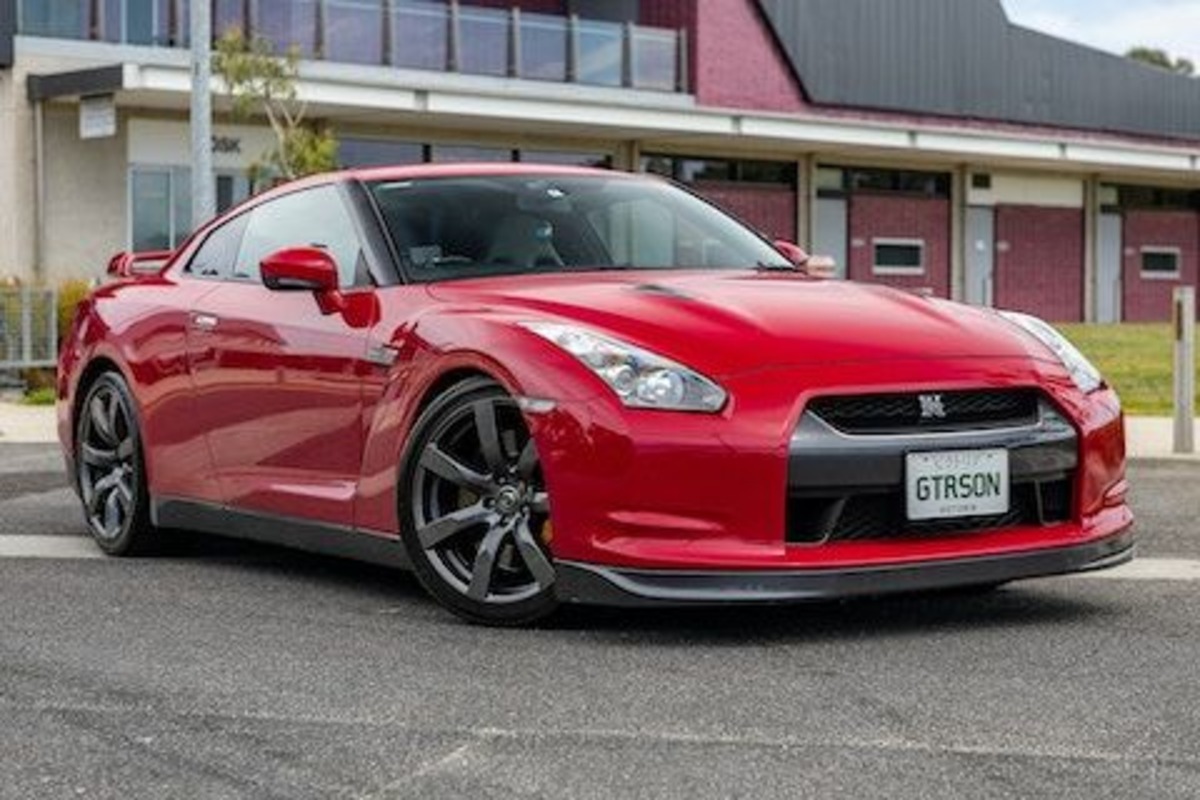
11. Nissan GT-R (R35)
The Nissan GT-R R35 is a performance icon that also delivers impressive reliability, especially considering its extreme capabilities. Since its launch in 2007, the R35 GT-R has been renowned for its cutting-edge technology, blistering acceleration, and advanced all-wheel-drive system.
At the heart of the GT-R lies the VR38DETT, a 3.8-liter twin-turbocharged V6 engine engineered to handle high power outputs reliably. This engine is meticulously built with strong internals, such as forged pistons and reinforced connecting rods, to endure the stresses associated with high-performance driving and aftermarket tuning.
One of the standout features of the R35 is its sophisticated drivetrain. The advanced ATTESA E-TS all-wheel-drive system delivers power effectively to all four wheels, ensuring traction and stability in various conditions. This system, combined with a dual-clutch transmission, allows the GT-R to accelerate rapidly while maintaining precise control.
The drivetrain’s design focuses on distributing mechanical loads evenly, which contributes significantly to the car’s longevity. The robust transmission and differential components are tested extensively to withstand aggressive driving without failure.
The GT-R’s chassis and suspension are equally important to its reliable performance. The car features a rigid chassis with independent suspension on all four corners, tuned to balance high-speed stability with agility. Components like adjustable dampers and stabilizer bars enhance handling without compromising durability.
Nissan’s use of high-quality materials and precision manufacturing helps ensure that suspension and steering parts can handle the intense forces experienced during spirited driving and track use. This attention to detail extends to the braking system, which uses large ventilated discs and multi-piston calipers for consistent stopping power under extreme conditions.
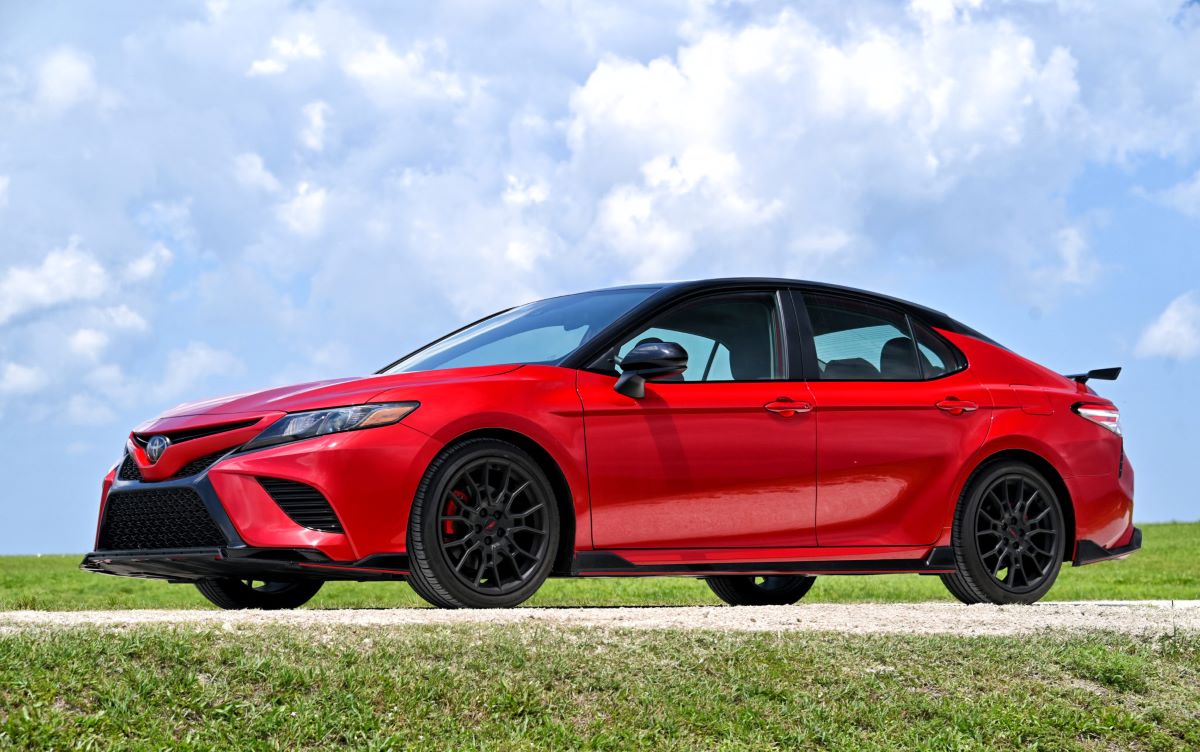
12. Toyota Camry TRD
While the Toyota Camry is primarily known as a practical and reliable midsize sedan, the Camry TRD variant demonstrates that performance and dependability can coexist even in a more conventional package. Introduced in recent years, the Camry TRD incorporates a 3.5-liter V6 engine paired with sport-tuned suspension and styling enhancements to deliver a more dynamic driving experience.
Despite its increased performance focus, the Camry TRD maintains the brand’s legendary reputation for reliability, making it a standout choice for those who want sporty characteristics without sacrificing everyday usability.
The TRD’s V6 engine is a proven powerplant, well-regarded for its durability and smooth operation. Toyota’s conservative engineering approach ensures that this engine provides strong performance without pushing components beyond safe operating limits.
This balance results in a powertrain that can handle spirited acceleration while delivering excellent longevity. The combination of this engine with a reliable automatic transmission further enhances the Camry TRD’s reputation for dependability, with many owners reporting trouble-free operation well beyond 100,000 miles.
Suspension upgrades in the Camry TRD include stiffer springs, upgraded shock absorbers, and larger stabilizer bars, all designed to improve handling without compromising ride quality or reliability.
Toyota’s engineering team worked to ensure that these performance enhancements would not reduce the car’s robustness, choosing components known for endurance and proven in other Toyota models. The result is a car that can provide enjoyable driving dynamics while retaining the smooth, composed ride expected from a Camry.
