
When the world crumbles and civilization falls apart, transportation will no longer be a matter of comfort or style. In a zombie apocalypse, your survival could very well depend on the vehicle you choose. Gone are the days of worrying about fuel economy or leather interiors. Instead, you’re looking for rugged durability, ease of repair, off-road capability, and sheer brute force.
You’ll need something that can get you through rough terrain, break through barricades, and withstand attacks from the undead or hostile survivors. These aren’t vehicles you’d see at a dealership commercial; these are machines you’d want with you when the cities are silent, the power grid is down, and every corner might be hiding something that wants to eat you.
While a good weapon and a well-stocked bug-out bag are essential, they won’t mean much if you’re stuck in a dead vehicle on a remote road. A solid apocalypse car can serve as your escape route, your mobile base, and even your last line of defense.
Whether you’re hauling supplies across the countryside or crashing through abandoned city streets, the right vehicle can tip the scales in your favor. The criteria for an ideal apocalypse car go beyond horsepower. It must be mechanically simple enough to repair without computers, have a strong frame, plenty of cargo space, and the ability to operate off the grid for long periods.
Fuel availability will be a constant problem, so flexibility is a huge plus. A vehicle that can run on multiple fuel types or with makeshift repairs will last far longer than a modern, tech-heavy luxury car. Equally important is reliability. A vehicle that breaks down at the wrong time can be just as fatal as a bite.
So, the list that follows isn’t about looks or speed. It’s about practical resilience. These ten vehicles, ranging from rugged military beasts to old-school mechanical workhorses, have what it takes to stand up to a world gone mad. If the dead start walking, these are the rides you’ll want to be sitting in.
Also Read: 10 Cars That Feel Brand New Even After 20 Years
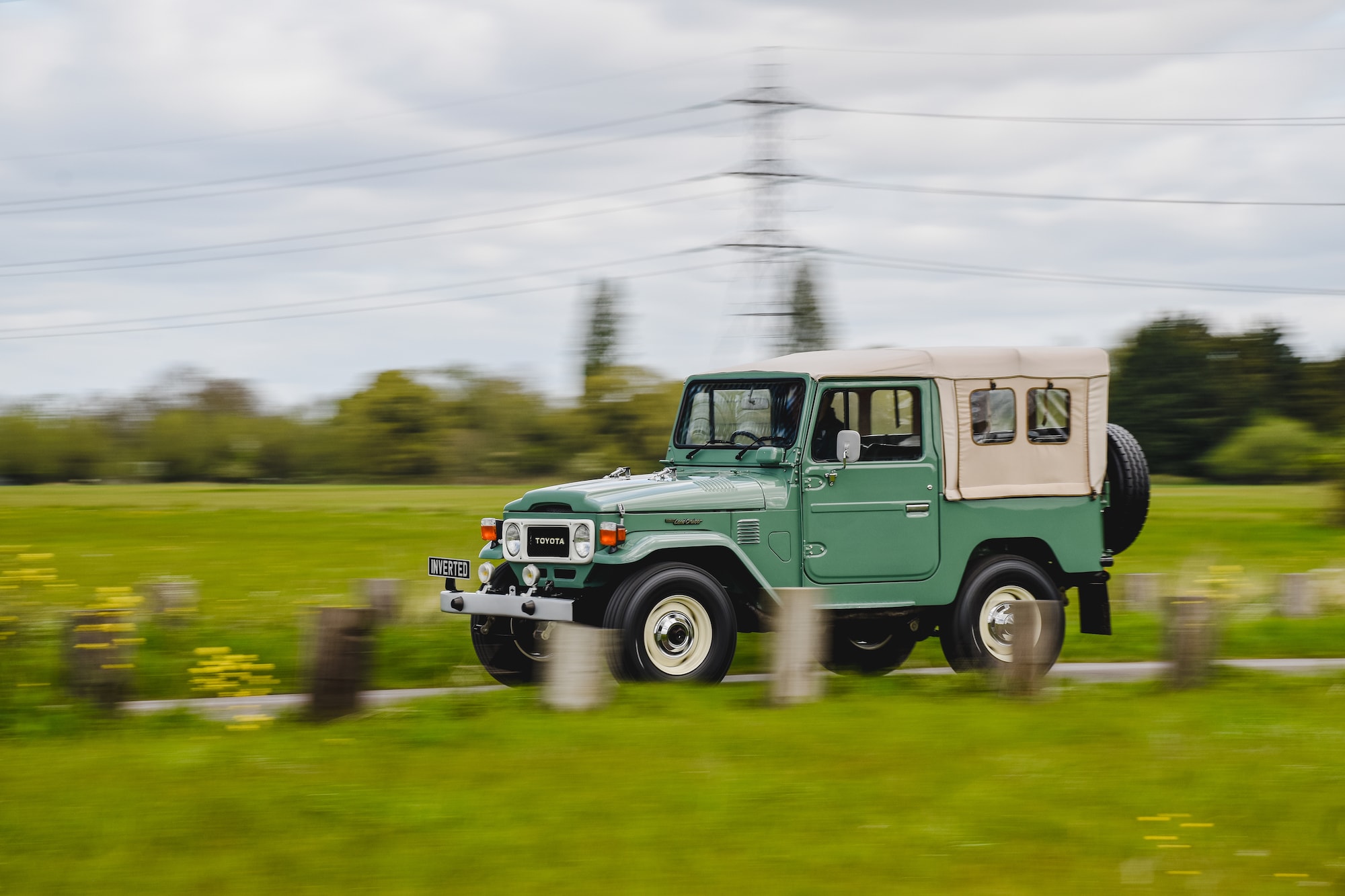
1. Toyota Land Cruiser (J40 & J70 Series)
The older Toyota Land Cruisers, particularly the J40 and J70 series, have earned a reputation for being practically indestructible. They’re built for rough terrains, harsh climates, and minimal maintenance.
That kind of mechanical simplicity makes them ideal for a world where you won’t have access to a mechanic or a diagnostic scanner. These vehicles are used all over the world in places where infrastructure is limited, which says a lot about their dependability.
What makes the Land Cruiser stand out in a zombie-infested wasteland is its adaptability. These trucks can be heavily modified with bull bars, winches, snorkels, and armor plating, turning them into fortress-like transport units.
They’re easy to repair with basic tools, and many of their parts are interchangeable between models, increasing the chances of scavenging what you need from abandoned ones. It’s also not hard to find diesel variants, which are more fuel-efficient and can run on alternative fuels in emergencies.
Fuel efficiency isn’t its strongest point, but it’s better than many large trucks. More importantly, the Land Cruiser can handle off-road routes that would cripple smaller or more fragile vehicles. When highways are jammed with abandoned cars and city streets are choked with debris, the ability to drive over or around obstacles is critical. Ground clearance, torque, and suspension durability come into play, and the Land Cruiser delivers on all fronts.
Beyond technical specs, there’s also a psychological comfort in driving something you trust. In high-stress survival situations, the last thing you want is to question whether your vehicle will get you out alive. The Toyota Land Cruiser has a legacy of trust built on decades of proven reliability, making it a top-tier option for any apocalypse scenario.
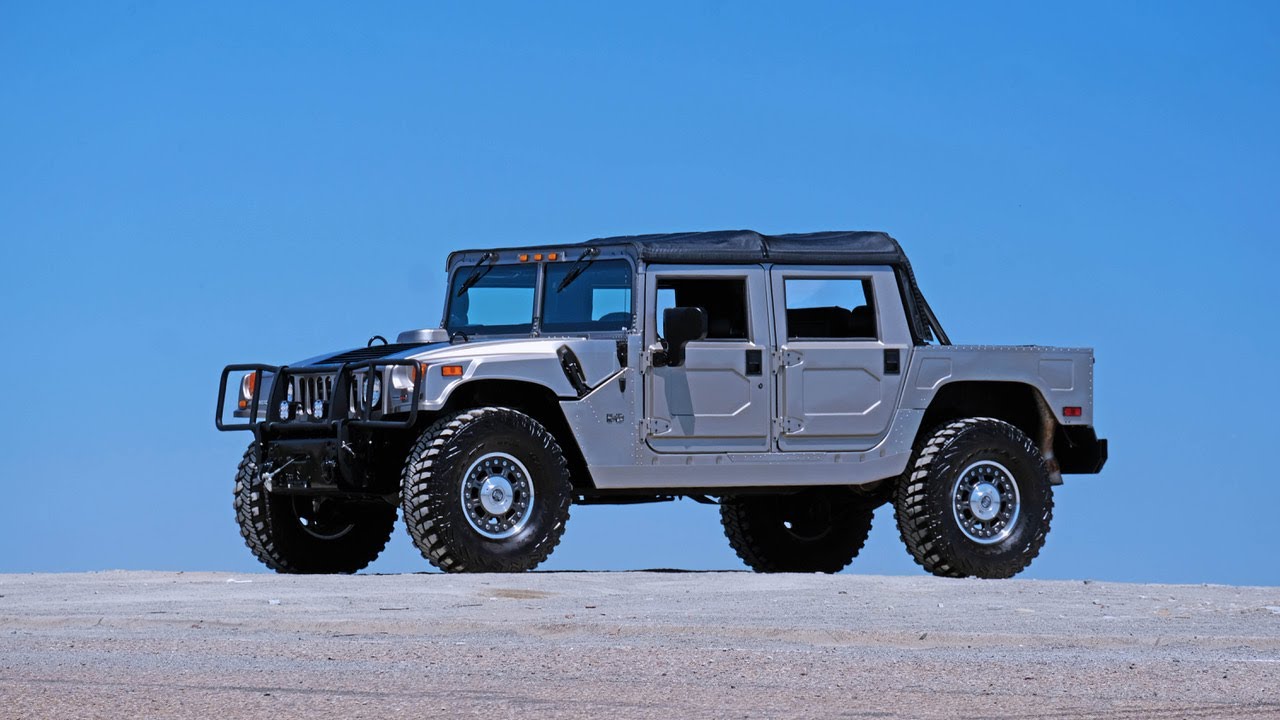
2. Hummer H1
The Hummer H1 is essentially a civilian version of the military Humvee, and its original design was intended for combat zones. That alone gives it a solid place in any list of apocalypse-ready vehicles. Built to handle extreme terrain and hostile conditions, the H1 is more tank than SUV. Its wide stance and low profile give it stability, while its off-road capabilities are nearly unmatched.
One of the key strengths of the H1 is its toughness. It can go over rocks, wade through water, and power through mud without breaking a sweat. The heavy-duty suspension, massive tires, and reinforced frame make it an excellent choice for navigating through ruined cities and abandoned towns. You could even plow through light barricades or escape tight situations using its raw power and size.
Storage space is another big plus. The H1 offers plenty of room for supplies, tools, weapons, and extra fuel. You could easily turn one into a mobile command center or even a makeshift shelter if needed. Though it’s not known for great fuel economy, its diesel engine gives it more flexibility with fuel options compared to gas-only alternatives. In a world where fuel is scarce, that matters.
Its military heritage also means that many aftermarket parts and upgrades exist for armor, grills, and racks. The downside? The H1 is big and loud, which might not be ideal in every situation. But if you’re looking for a moving fortress that can double as a battering ram, the H1 fits the role perfectly.
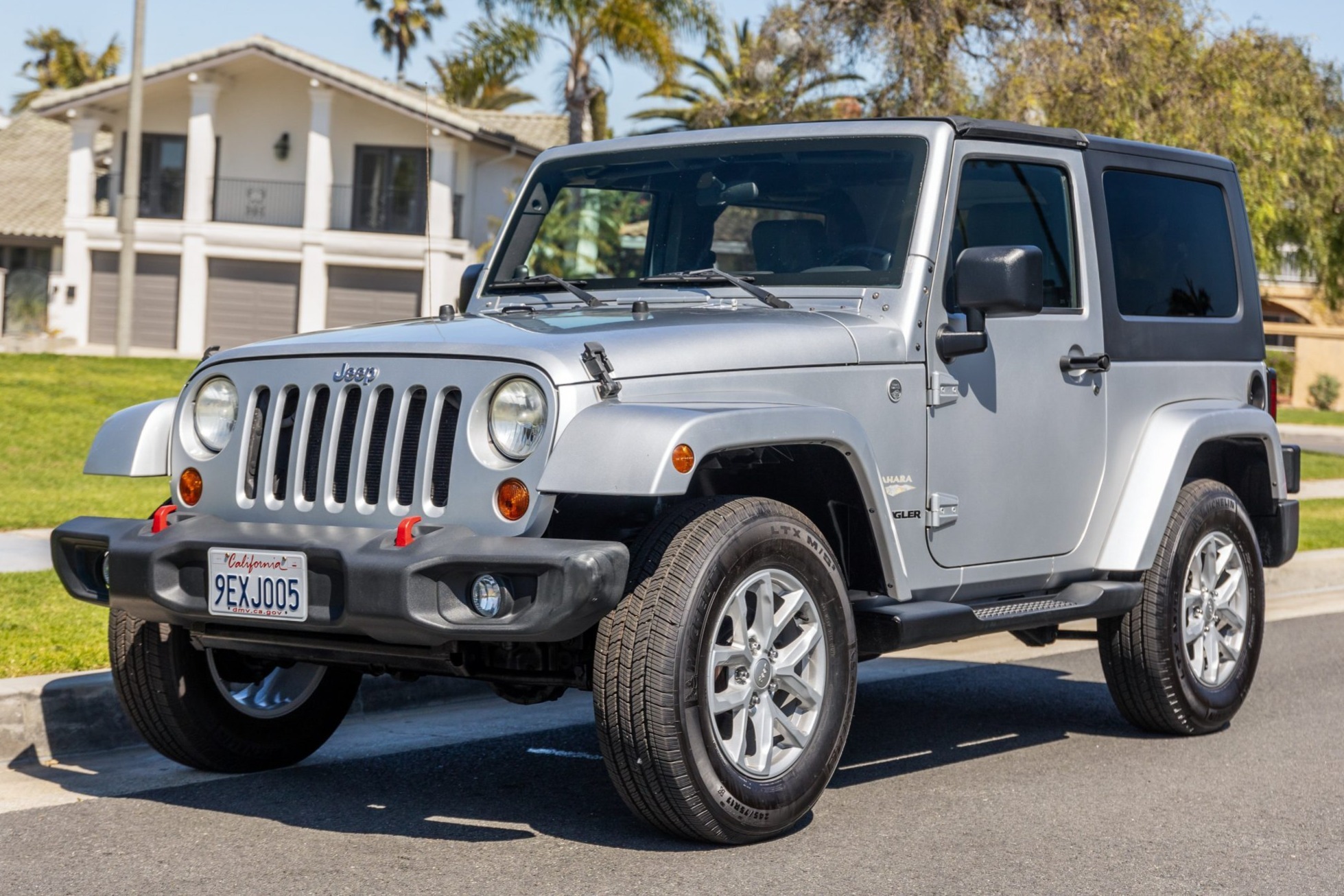
3. Jeep Wrangler (TJ & JK Models)
The Jeep Wrangler has a long legacy of off-road capability and modular design. It’s been used in warzones, farms, and mountainous regions for decades. What makes the Wrangler especially appealing in an apocalypse setting is its simple design and customizable features. With a short wheelbase, it can navigate tight urban areas, forest trails, or rocky paths with equal ease.
Both the TJ and JK models strike a good balance between old-school toughness and modern comfort. They aren’t overly reliant on digital systems, making them easier to repair with basic tools. The 4×4 drivetrain and solid axles allow it to tackle a variety of terrains without straining the engine. Whether you’re running from a horde or heading into uncharted territory to scavenge supplies, the Wrangler won’t let you down.
It’s also one of the most widely modified vehicles in the world. That means you can add armor, roof racks, jerry cans, snorkels, and even zombie-proof window covers. Aftermarket support is huge, so if you’re able to scavenge from other Wranglers, you’ll probably find compatible parts. Another plus is that it’s small enough to get into places larger trucks can’t reach but tough enough to hold its own.
One downside is limited cargo space, but that can be managed with a good trailer or overhead rack. Wranglers aren’t designed for luxury; they’re built for functionality and resilience. In an apocalypse, that’s exactly the kind of vehicle you need.
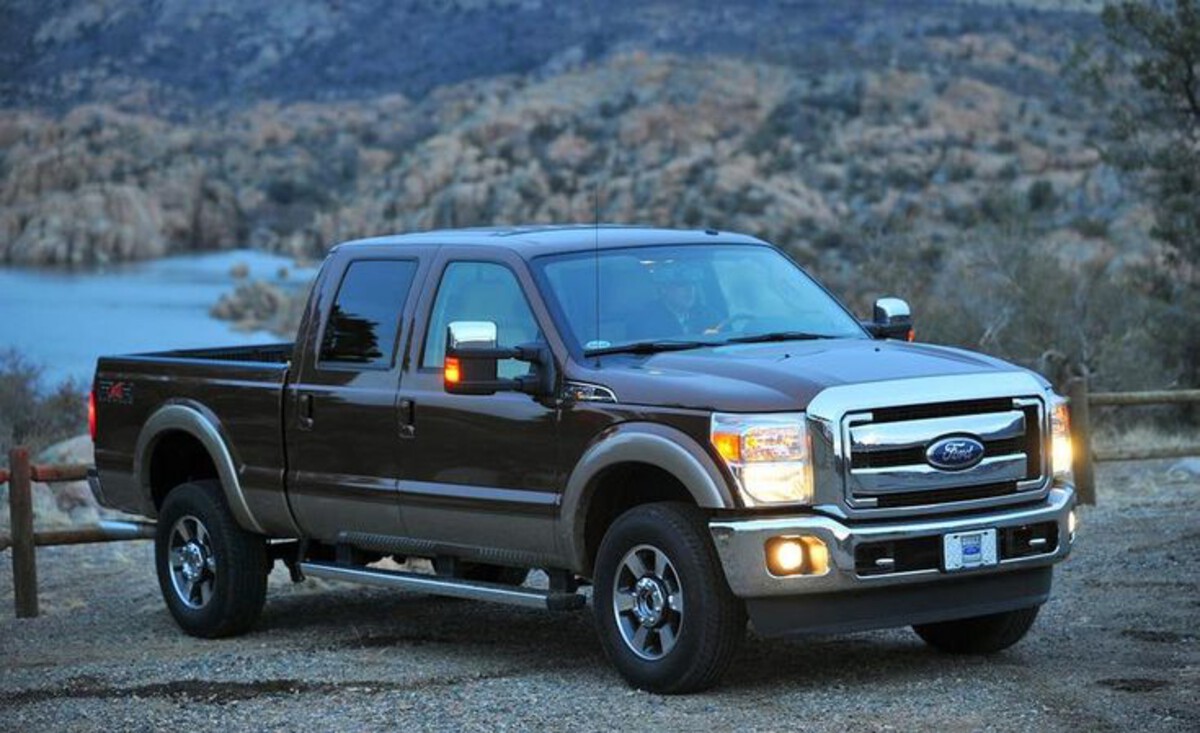
4. Ford F-250 Super Duty
If you’re looking for something that blends hauling power, rugged build, and dependability, the Ford F-250 Super Duty is worth considering. This truck has been a workhorse on farms, construction sites, and rural roads for decades. Its power and durability make it a top choice for survival in extreme conditions.
The Super Duty line can handle massive payloads, so it’s ideal for carrying fuel, food, tools, and weapons. The bed is spacious enough for large gear or even a sleeping area with some modifications. More importantly, the suspension and frame are built to endure heavy use, so rough roads and off-road travel won’t wear it down too fast.
Many F-250s come with diesel engines, giving you a bit more flexibility when fuel becomes scarce. The engine bay is large and accessible, which simplifies repairs and maintenance. Even if you don’t know much about engines, basic fixes are easier than with many modern vehicles full of sensors and complex electronics.
The downside is that it’s a big, loud truck, which might attract unwanted attention. But if you’re traveling in a group or need to move a lot of gear quickly and reliably, this is the kind of vehicle that will keep up with you through the worst of it. It’s a practical tank in a pickup truck’s clothing.
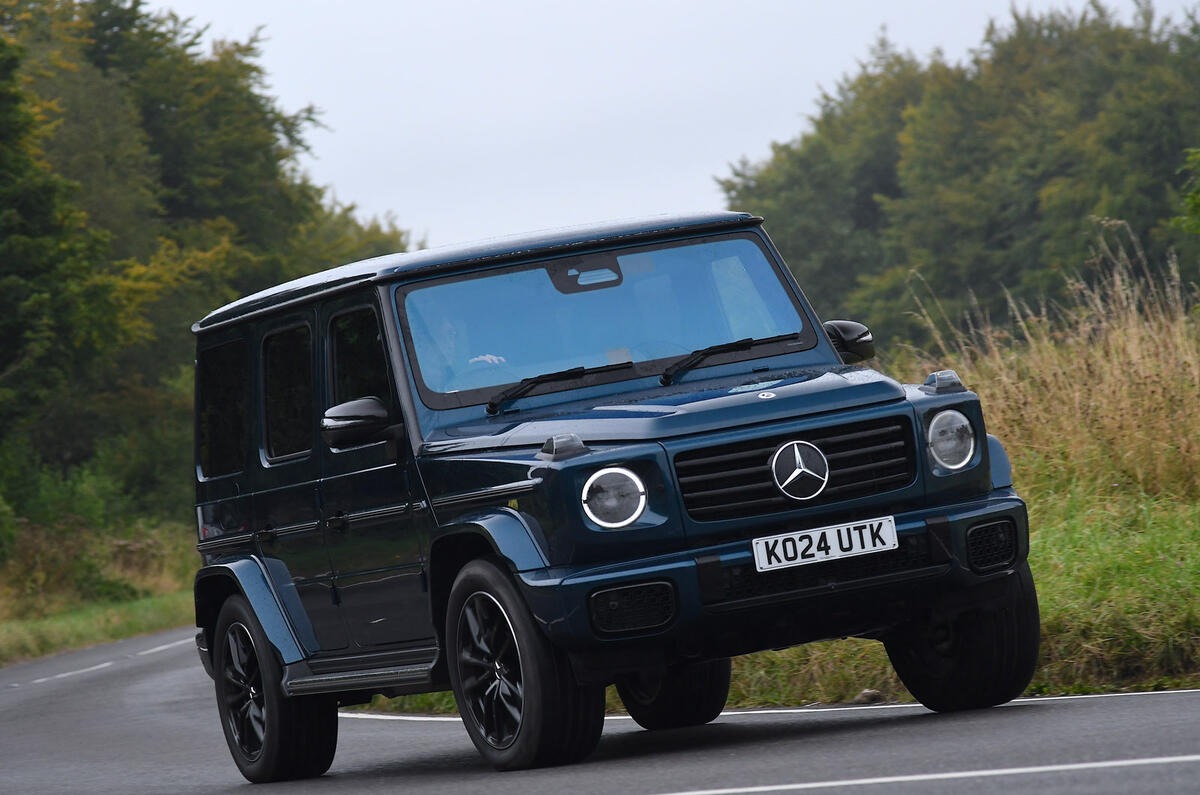
5. Mercedes-Benz G-Class (Older Diesel Models)
The older Mercedes G-Class models, especially the diesel-powered ones from before the electronic era, are built like military trucks with civilian comfort added on top. Their design dates back to military roots, and their reputation for reliability and ruggedness is well-earned. These vehicles have seen action in some of the harshest places on Earth.
What makes them great for an apocalypse is their solid mechanical design. The body-on-frame construction, three locking differentials, and short wheelbase give them incredible off-road power. If you’re dealing with ruined roads, flooded paths, or rocky mountain trails, this vehicle will get you through. The diesel versions also make them fuel-flexible and capable of running on lower-quality fuel when needed.
Inside, they are spartan but efficient. There’s enough cargo space for survival gear, and they can be modified with extra storage racks or armor. Many governments and militaries have used these vehicles for decades, meaning parts and accessories are often interchangeable and somewhat available.
The only real drawback is availability and cost. But if you manage to find one abandoned and intact, it’s a goldmine. This is a vehicle that can last you years with proper maintenance, even in the harshest post-apocalyptic environment.
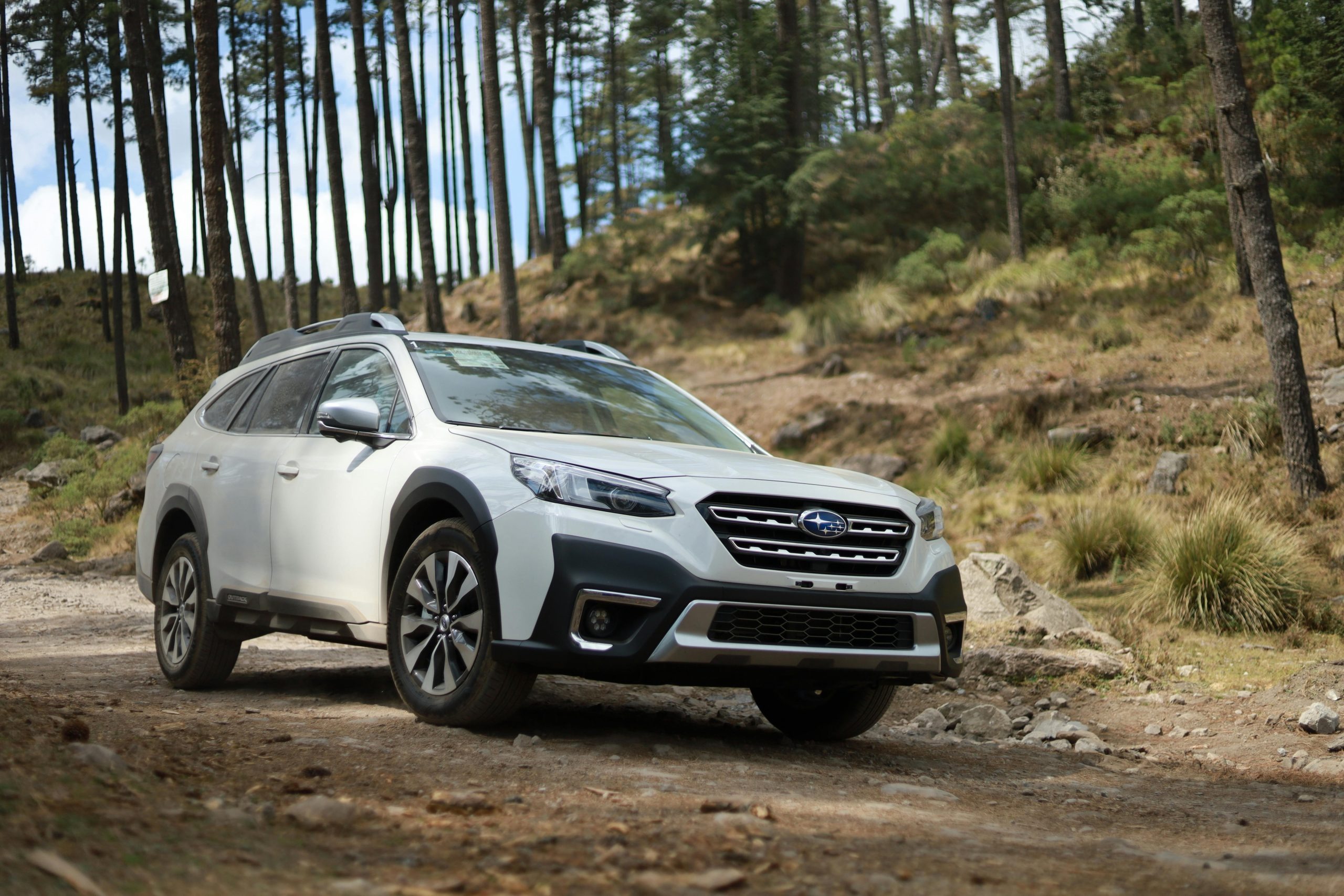
6. Subaru Outback (Older Models, Late 90s–Early 2000s)
While not the first car that comes to mind when thinking of an apocalypse vehicle, the Subaru Outback has a lot going for it in a survival setting. The older models, particularly those built between the late 90s and early 2000s, offer a perfect mix of mechanical simplicity, off-road capability, and stealth.
These cars have proven themselves in rural areas for decades, handling snow, mud, and forest trails without trouble. What makes them unique in this context is their ability to move through rough environments quietly and efficiently, which is ideal if you’re trying to avoid drawing attention.
Another major strength of the Outback is its symmetrical all-wheel-drive system. Unlike more complex 4×4 systems that require user input, the Subaru system constantly adjusts power to all four wheels, providing excellent traction even on slippery or broken terrain.
This makes it a great choice for unpredictable conditions, whether it’s rain-slicked asphalt or dirt trails covered with debris. Add to that a decent ground clearance and a surprisingly strong engine for its class, and you’ve got a vehicle that can go more places than most people expect.
Storage capacity is also worth noting. The wagon-style design allows you to carry a good amount of gear without sacrificing mobility. You could pack tents, weapons, supplies, tools, and even a small generator in the back with careful planning.
Roof racks are common and can easily be fitted for extra fuel or equipment. Despite its smaller size compared to trucks and SUVs, the Outback is deceptively roomy, making it a good choice for solo survivors or small groups who value agility over brute force.
What truly sets the Outback apart, though, is its balance of traits. It’s reliable without being flashy, rugged without being enormous, and simple without being bare-bones.
In a post-collapse world, a car that blends into the environment, consumes fuel moderately, and requires minimal maintenance is more valuable than ever. The Outback gives you a survival edge not through domination but through quiet efficiency, which in many situations could be the smarter route.
Also Read: 10 Classic Cars That Are Still Affordable to Own
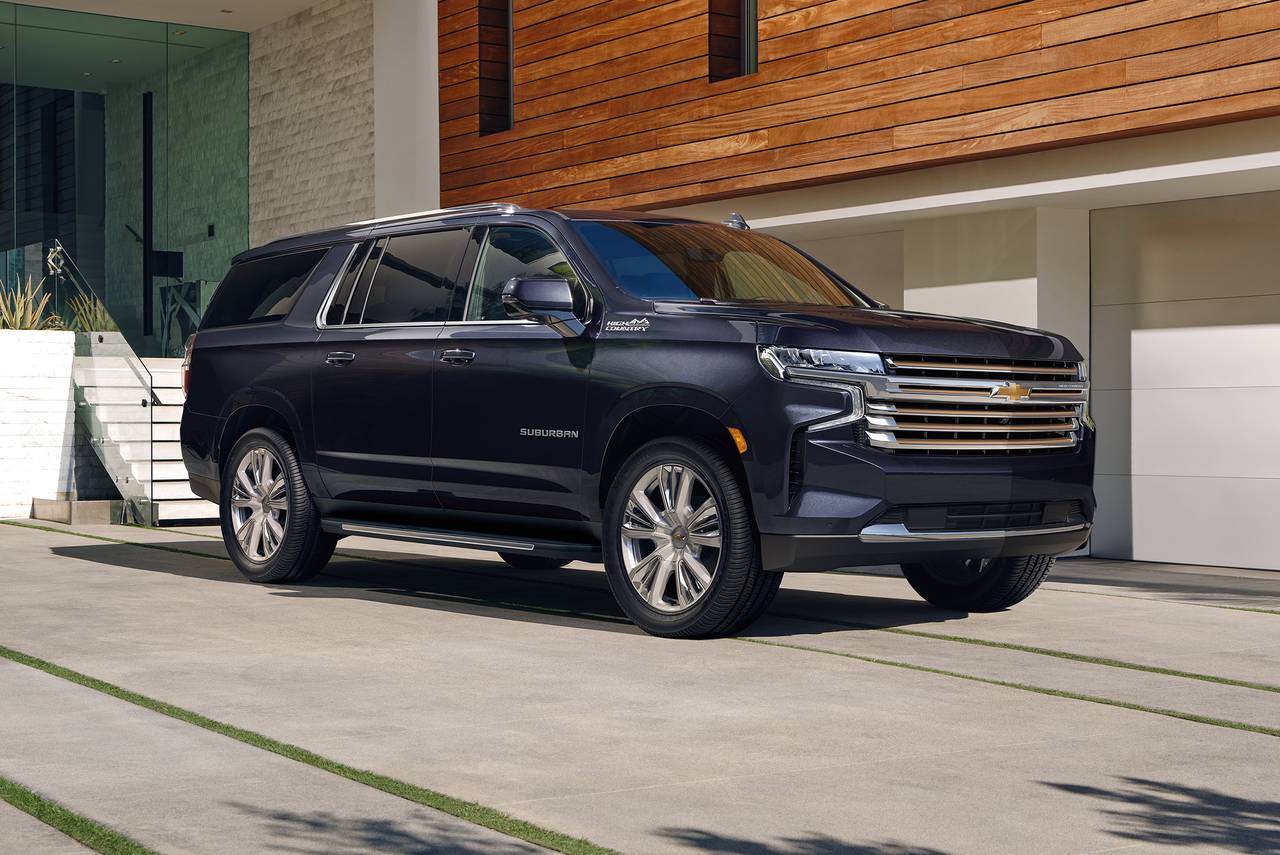
7. Chevrolet Suburban (1980s–1990s Models)
The Chevrolet Suburban is a legend when it comes to size, strength, and durability. Especially the models built in the 1980s and 1990s, before vehicle electronics became overly complicated, are known for their toughness and mechanical simplicity.
These vehicles were designed with heavy use in mind, whether for families, construction crews, or government fleets. In a world falling apart, that kind of pedigree means you’re driving a machine that was built to last and take a beating.
One of the biggest advantages of the Suburban is its sheer size. There is enough interior space to serve multiple roles at once, it can act as a transport vehicle, sleeping area, storage unit, and even temporary shelter if needed.
The back rows can be folded down or removed, opening up a massive amount of cargo capacity. This makes the Suburban an ideal vehicle for extended travel through dangerous territory, allowing survivors to pack up and move entire camps without multiple trips.
Power is also a strong suit. Many Suburbans from this era come with strong V8 engines, capable of towing heavy loads or pulling other vehicles out of sticky situations.
They’re built on truck chassis, giving them the strength and durability of a pickup with the added protection of an enclosed cabin. Even without fancy armor, the thick metal body and high ground clearance offer a decent buffer against both terrain and hostile encounters. With some modifications, you could turn a Suburban into a mobile fortress.
Of course, fuel economy is poor, which means you’ll need to plan fuel usage carefully or carry extra tanks. But in terms of raw utility, few vehicles offer more than the Suburban. It’s ideal for group survival, supply runs, or acting as a command post during expeditions. Its longevity, spare part availability, and rugged frame make it one of the most practical all-around vehicles when things go truly sideways.
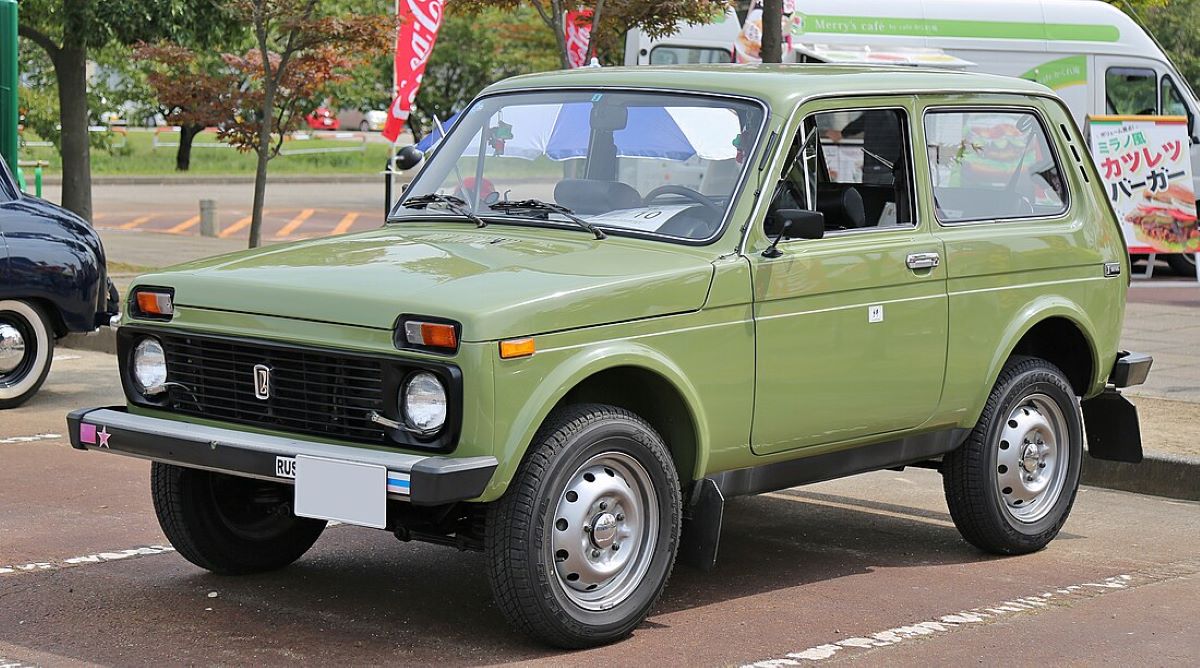
8. Lada Niva
The Lada Niva is an unlikely contender, but it earns its spot on this list because of one core principle: simplicity. Produced in Russia with a focus on ruggedness and utility, the Niva was designed to operate in remote, unforgiving environments with little to no mechanical support. It’s not fast, it’s not pretty, and it’s not spacious, but it is hard to kill. In a world where complexity becomes a weakness, the Lada Niva becomes a serious advantage.
Its compact size and lightweight design allow it to maneuver easily through narrow passages and over uneven terrain. If you need to escape through backroads, forest trails, or rubble-strewn alleyways, the Niva can handle it better than many larger vehicles.
It doesn’t rely on fancy electronics or sensitive components, which makes it easy to repair with basic tools and spare parts, many of which can be fabricated or repurposed from other vehicles. Even its engine design is so straightforward that anyone with basic knowledge of mechanics can keep it running.
Another strong point is its fuel efficiency. It doesn’t require massive fuel tanks or constant refueling, allowing you to stretch your range much further on a limited supply. This is particularly useful if you’re operating far from cities, where fuel might be harder to come by.
Plus, its small size makes it easier to stash or camouflage if you need to hide it from looters or enemies. A vehicle like this lets you keep a low profile while staying mobile, which is often more important than having brute force.
Of course, the Niva has its limitations. It won’t win any races, and its interior space is limited. But as a solo or two-person survival vehicle, it’s hard to beat. It’s the kind of car you could realistically maintain for years without access to specialized tools or parts. That level of reliability in uncertain times is worth more than any amount of horsepower or chrome.
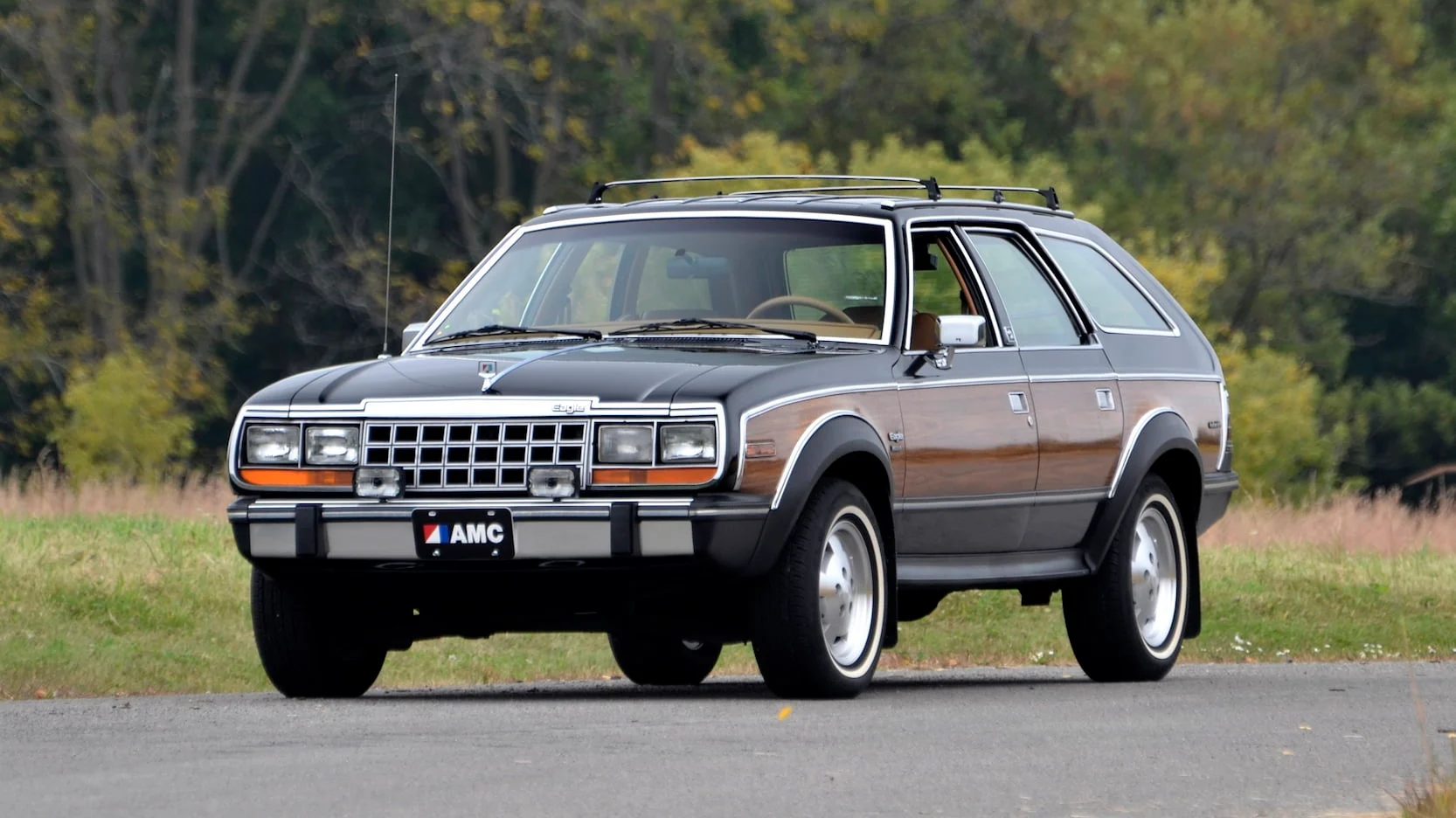
9. AMC Eagle (1980s)
Another curveball entry, the AMC Eagle was ahead of its time in combining all-wheel drive with a station wagon format. It was one of the earliest examples of a crossover vehicle, and while it didn’t enjoy widespread success in its day, its design lends itself well to apocalyptic survival.
The Eagle offers a unique mix of off-road capability, low-tech engineering, and stealthy appearance, which is exactly what you want when trying to stay alive.
The Eagle’s all-wheel-drive system was mechanical and not computer-controlled, which is perfect when you can’t afford to deal with electronic glitches. It handled poor roads, mud, and snow with relative ease, which means it can also handle abandoned, broken-down infrastructure.
Its low center of gravity and long body allow for better maneuverability than a truck without sacrificing much in terms of cargo space. You’re not going to bulldoze your way through problems with this car, but you will be able to avoid them.
Another benefit is its ordinary appearance. In a world where hostile survivors may steal anything that looks valuable, the AMC Eagle doesn’t stand out. It blends in, which could keep you under the radar. This car is more about the long game, quietly making your way through dead cities, stashing supplies, and keeping moving without drawing attention. It’s not a hero car. It’s a survivor’s car.
Parts availability might be a challenge, but the core mechanics are simple enough that you could swap in parts from other vehicles with some creativity. As a mobile platform for someone who values discretion, low maintenance, and dependable travel, the AMC Eagle is a sleeper hit that could keep you moving long after flashier vehicles have broken down.
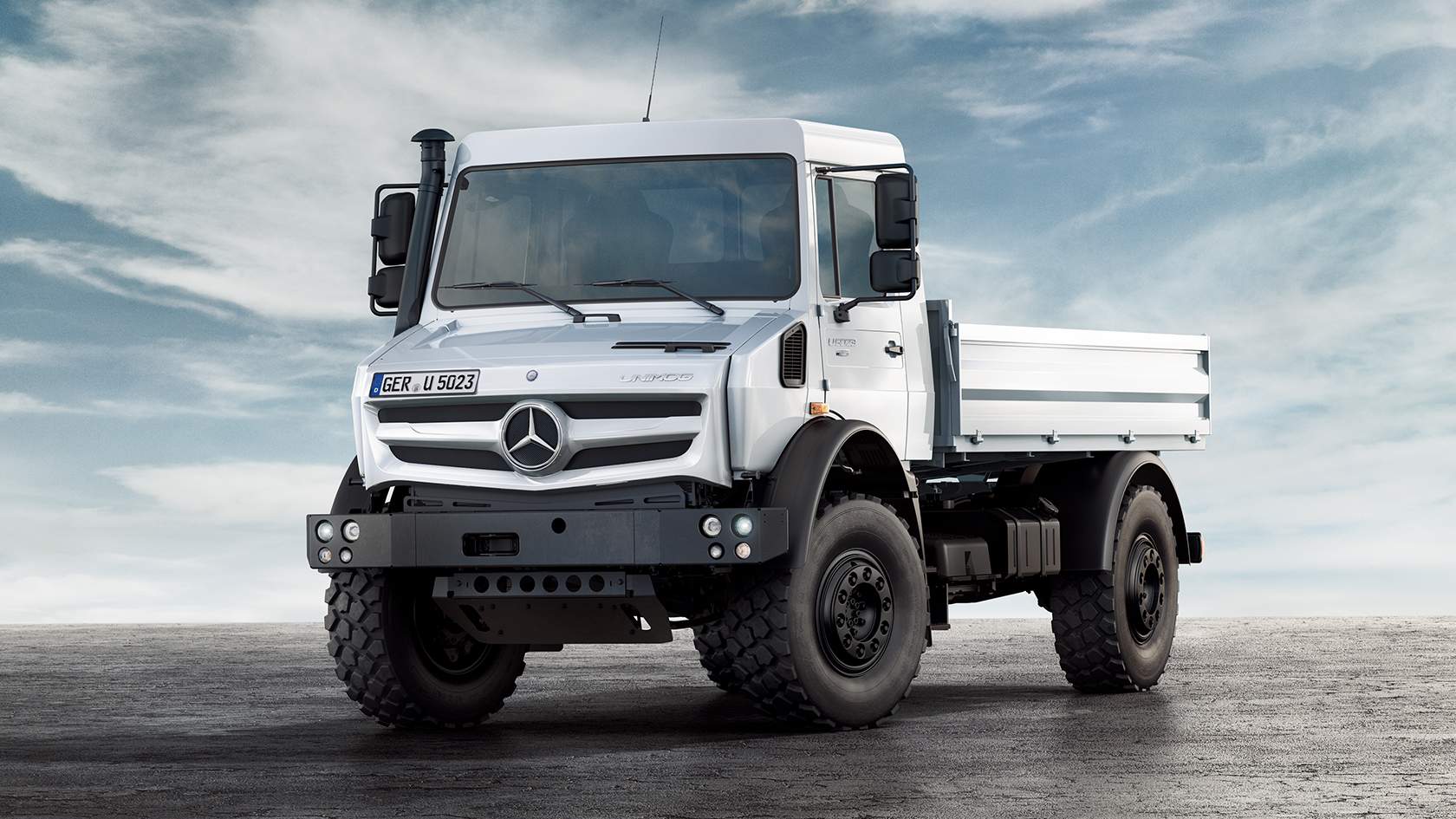
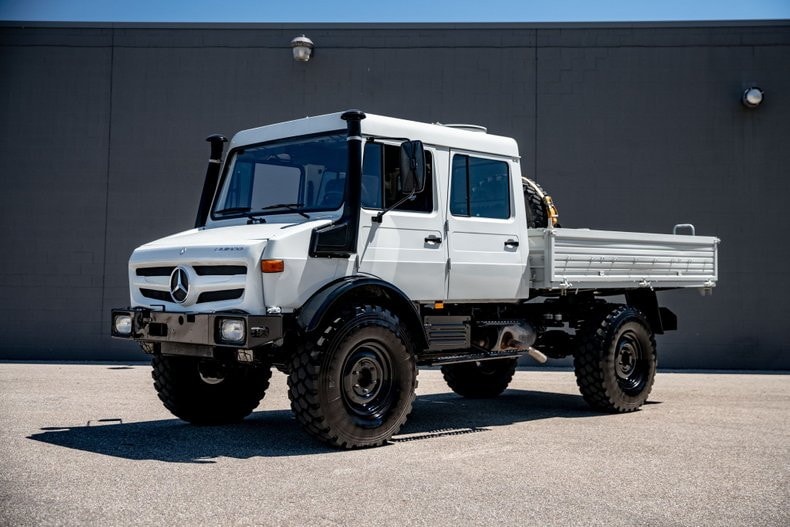
10. Unimog (Mercedes-Benz)
The Unimog is perhaps the most capable all-terrain vehicle ever built for civilian and military use. It’s not just a truck; it’s a multipurpose machine that has been used as a transport vehicle, mobile command unit, fire truck, and expedition platform. Built by Mercedes-Benz, the Unimog is designed to survive where roads end and where normal vehicles fail. In a zombie apocalypse, that level of performance turns into raw survival potential.
One of the biggest strengths of the Unimog is its portal axles, which provide extreme ground clearance without raising the center of gravity too much.
This means it can cross rivers, climb over debris, and navigate through the roughest terrain without getting stuck. Its diesel engine is extremely reliable and designed to run for thousands of hours under load. With a proper fuel reserve and maintenance, the Unimog could be your home and transport combined, lasting years in hostile territory.
The cab and chassis are designed for modularity. You could add armor panels, secure storage, sleeping quarters, and even weapon mounts with the right equipment.
There’s enough space to turn it into a self-contained survival base, complete with water storage, solar panels, and even a small workshop. Its versatility is unmatched. You’re not just surviving in a Unimog, you’re building a lifestyle of mobile endurance.
The main limitation is access. These are not common vehicles, and their large size means they’re harder to hide or maneuver in tight spaces. But if you’re part of a group or have access to one in a remote setting, this vehicle turns you into a mobile fortress with few weaknesses. It’s built for long-distance travel over brutal terrain with little support. In many ways, it’s the end-of-the-world vehicle.
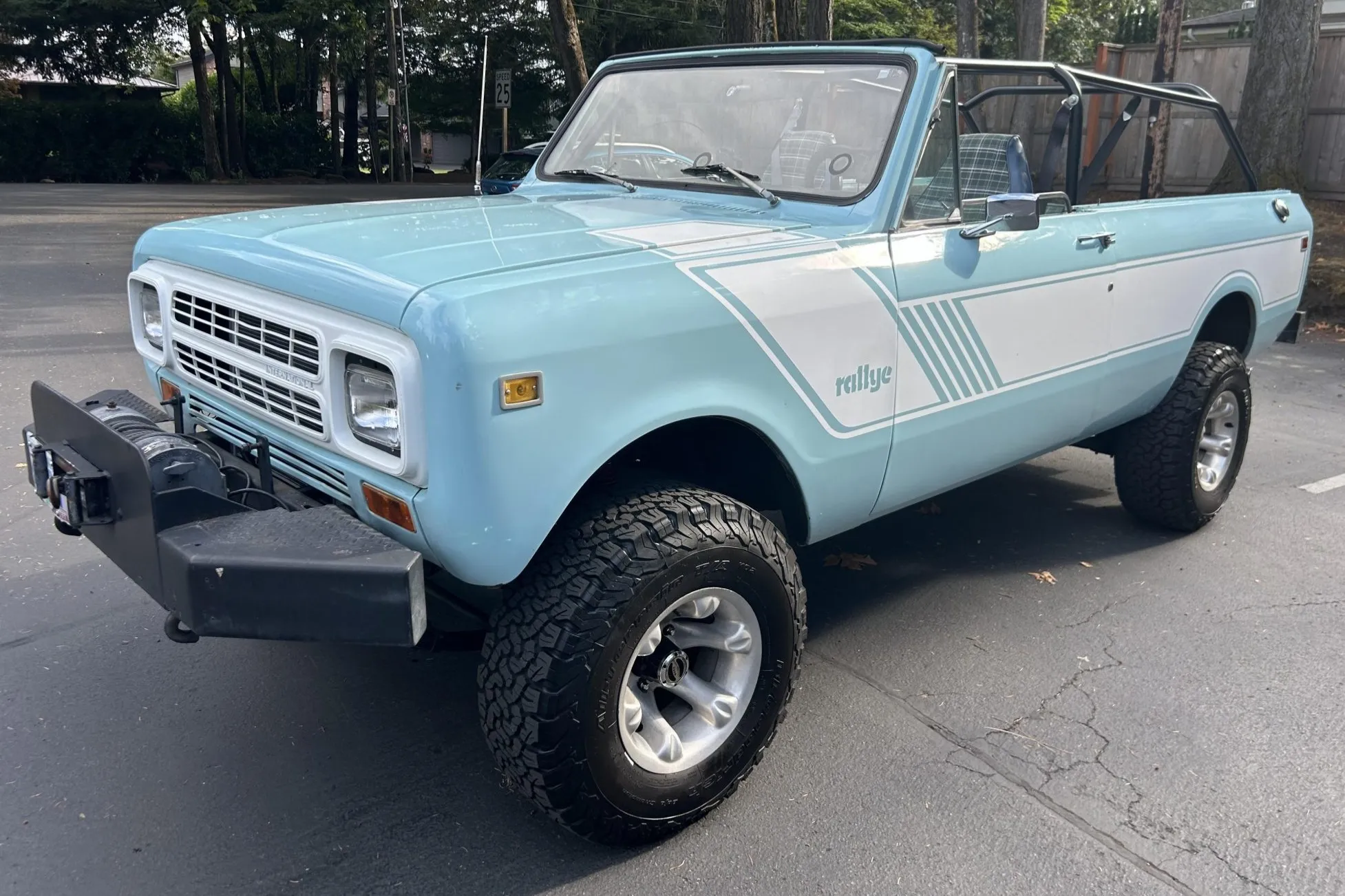
11. International Harvester Scout II
The International Harvester Scout II is one of those vehicles that, while often overshadowed by bigger names like the Jeep or the Bronco, earns its place as a rugged and reliable survivor’s tool. Produced from the early 1970s through 1980, the Scout II was built during an era when vehicles prioritized mechanical simplicity and structural strength.
It was never a luxury SUV or a pavement queen; it was made to work, to endure, and to get you where you needed to go, even when conditions were far from ideal. In a zombie apocalypse, that kind of raw practicality is exactly what you want.
The Scout II offers a strong steel body, a heavy-duty frame, and four-wheel drive that was ahead of its time. It’s not a vehicle full of electronics or sensitive systems that break down easily. Its manual transmission, carbureted engine, and basic electrical wiring make it easy to understand and fix, even if you’re not a professional mechanic.
That mechanical accessibility turns it into a long-term asset rather than a short-term luxury. In a world where diagnostic computers don’t exist anymore, the simpler, the better.
Beyond its mechanical appeal, the Scout II offers decent cargo space for a two-door SUV. With the rear seats removed, there’s room for supplies, spare fuel, and even a small mattress setup if you’re on the move.
It also has good clearance and approach angles, which are essential for climbing over abandoned vehicles, navigating collapsed roads, or driving across uneven routes. With the right tires and a little reinforcement, it could handle most off-road conditions with minimal issues.
Another benefit is its aesthetic, rugged yet understated. Unlike some of the more modern vehicles that might attract unnecessary attention, the Scout has a tough, no-nonsense look that communicates durability without showing off.
And in a world full of threats, sometimes not standing out is just as important as being strong. With the right care and a stash of spare parts, the Scout II could easily become a cornerstone of your survival strategy.
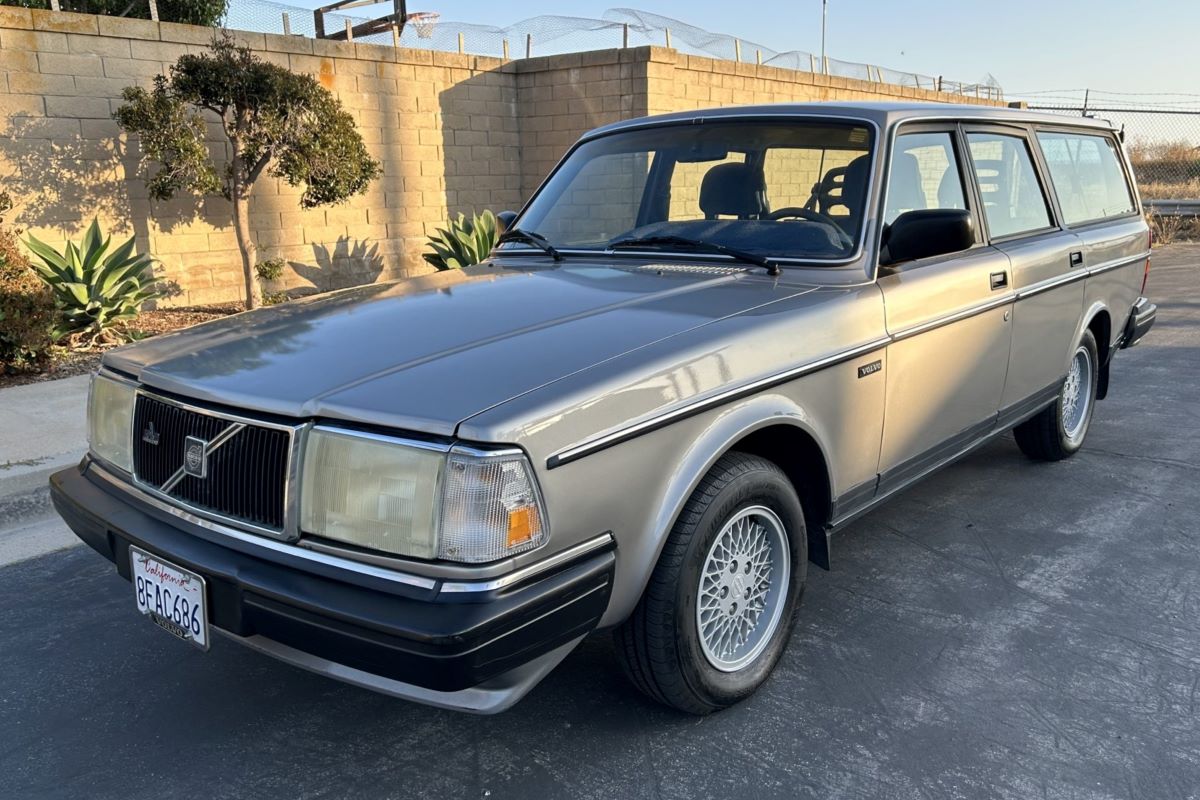
12. Volvo 240 Wagon
At first glance, the Volvo 240 Wagon might seem like an odd choice for a zombie apocalypse. It doesn’t look aggressive, it doesn’t have off-road tires, and it certainly wasn’t designed for combat. But underestimating this unassuming Swedish brick would be a mistake.
The Volvo 240 has one of the most legendary reputations for reliability, mechanical simplicity, and over-engineered toughness of any station wagon ever built. It’s the classic case of function over form, and in an apocalypse, that’s exactly what you want.
What makes the Volvo 240 so useful in a survival setting is its incredibly durable construction. The body panels are thick, the frame is solid, and the engines, especially the B21 and B230, are nearly impossible to kill. These vehicles were designed to handle cold winters, poor roads, and decades of use with minimal attention.
That means in a world without access to garages or spare diagnostic tools, this car will keep starting up when others fail. Its relatively simple drivetrain and engine layout also mean that bush repairs are totally doable if something does go wrong.
The cargo space in the wagon variant is deceptively large. You can haul a surprising amount of gear in the back, and the long roofline makes it easy to add a rack or storage pod for even more capacity.
If you fold the seats flat, it can double as a sleeping space in a pinch. The ride is comfortable over long distances, and while it won’t perform like a truck off-road, it can still handle dirt trails, grasslands, and snowy roads thanks to its solid weight distribution and stable suspension.
The final factor is stealth. The Volvo 240 doesn’t attract attention. It’s not going to make noise, flash chrome, or look like it belongs in a warzone.
That’s a feature, not a flaw. In a world where sound and appearance can get you killed, a quiet, reliable, mechanically sound wagon could be your best ally. With a little modification, maybe reinforced windows, steel mesh on the headlights, and a secure roof rack, this modest family car could become one of the smartest apocalypse vehicles around.
