
Pickup trucks have long been valued for their strength, reliability, and utility. Whether it’s for hauling heavy loads, daily driving, or off-road adventures, the frame of a truck is the foundation that supports everything else. A strong, durable frame isn’t just important for safety, but also for long-term ownership costs.
Repairs to the frame can be both expensive and time-consuming, sometimes even leading to early retirement of the vehicle. Fortunately, there are pickups known for their solid construction and minimal frame issues over time. While no vehicle is completely immune to wear and tear, some have consistently shown themselves to hold up well under pressure without suffering from frame weaknesses, corrosion, or structural warping.
There are various reasons why some pickups fare better than others in this area. Design decisions, quality control, materials used in manufacturing, and even the kind of coating applied to the undercarriage all play a role. Automakers that take frame integrity seriously tend to produce trucks that stand up well to harsh conditions.
In contrast, a poorly designed or cheaply manufactured frame can begin to show signs of weakness in just a few years, especially in areas where road salt is commonly used or where heavy towing is frequent. Consumers who use their trucks for work purposes, such as contractors, farmers, or ranchers, typically prefer pickups that won’t give them structural problems down the line.
Frame reliability isn’t always the most glamorous topic when it comes to choosing a pickup. Most marketing efforts focus on horsepower, towing capacity, interior features, and technology. But people who’ve owned trucks long-term often learn that frame condition becomes a bigger concern as the years go by.
A truck can look and drive well on the surface while hiding rust or stress cracks underneath. That’s why it’s valuable to know which models have earned a reputation for holding up structurally over time.
While individual experiences may vary, and poor maintenance can affect any vehicle, the trucks listed here are known for having strong, dependable frames that seldom need major repair work. Below are 12 pickups that rarely need frame repairs and have built a reputation for structural toughness.
Also Read: 8 Most Popular Pickup Trucks in the U.S. Ranked by Real Owners
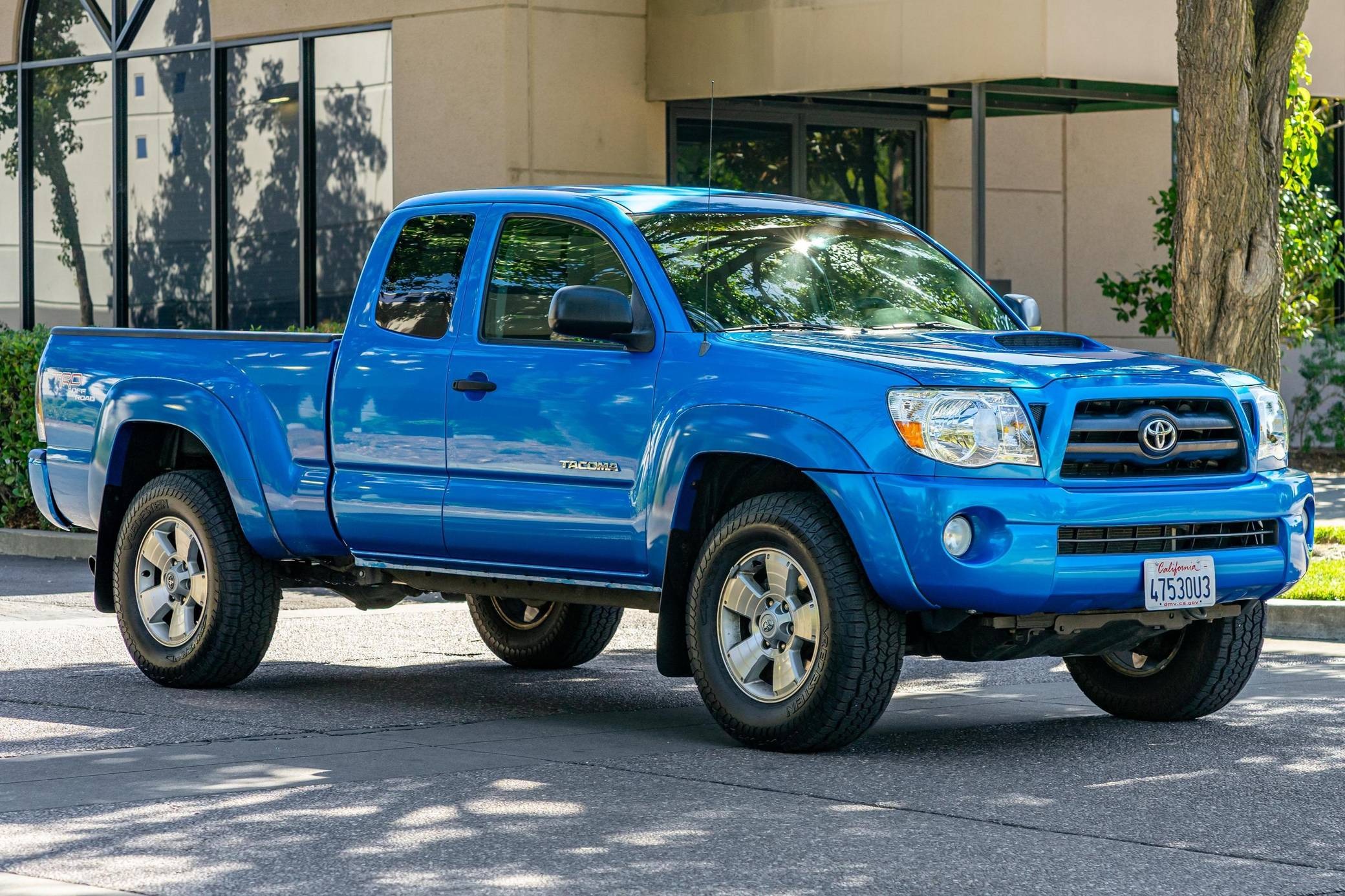
1. Toyota Tacoma
The Toyota Tacoma is widely praised for its long-term durability, especially when it comes to the frame. While earlier models from the mid-2000s did have a frame recall due to rust issues, Toyota addressed the problem directly and aggressively.
Since then, newer Tacomas have seen major improvements in frame coating and quality, making them a strong contender for anyone looking for structural reliability. Many Tacoma owners report going over 200,000 miles without any frame-related issues, especially in dry or mild climates. It’s a midsize truck with serious staying power and is commonly found on roads even after a decade or more of use.
Part of the reason the Tacoma performs so well in this area is because of Toyota’s approach to quality assurance. The frame used in modern Tacomas is manufactured with high-strength steel and receives a specialized anti-corrosion treatment during production.
While it’s still important to perform regular undercarriage washes, particularly in snowy regions, the odds of frame degradation are significantly reduced. Compared to some other brands in the same category, the Tacoma stands out for having fewer complaints about bending, cracking, or frame rust. This has made it a popular choice for buyers looking to invest in something they can keep long-term.
In addition to its build quality, the Tacoma also benefits from a dedicated owner community that actively maintains and shares advice about proper upkeep. This level of awareness contributes to the truck’s reputation for longevity, particularly in structural areas.
Enthusiasts and experts alike often rank the Tacoma among the most dependable trucks, and part of that stems directly from its frame integrity. It’s not unusual to find ten-year-old Tacomas still running strong, even in relatively tough environments.
Toyota Tacoma offers a balance of size, capability, and structural soundness that’s hard to beat. While no truck is entirely free from potential issues, the Tacoma’s track record over the past decade has made it a top pick for those wanting something tough and low-maintenance underneath. It remains one of the safest bets for people who plan on keeping their truck for the long haul and want to avoid major repairs down the road.
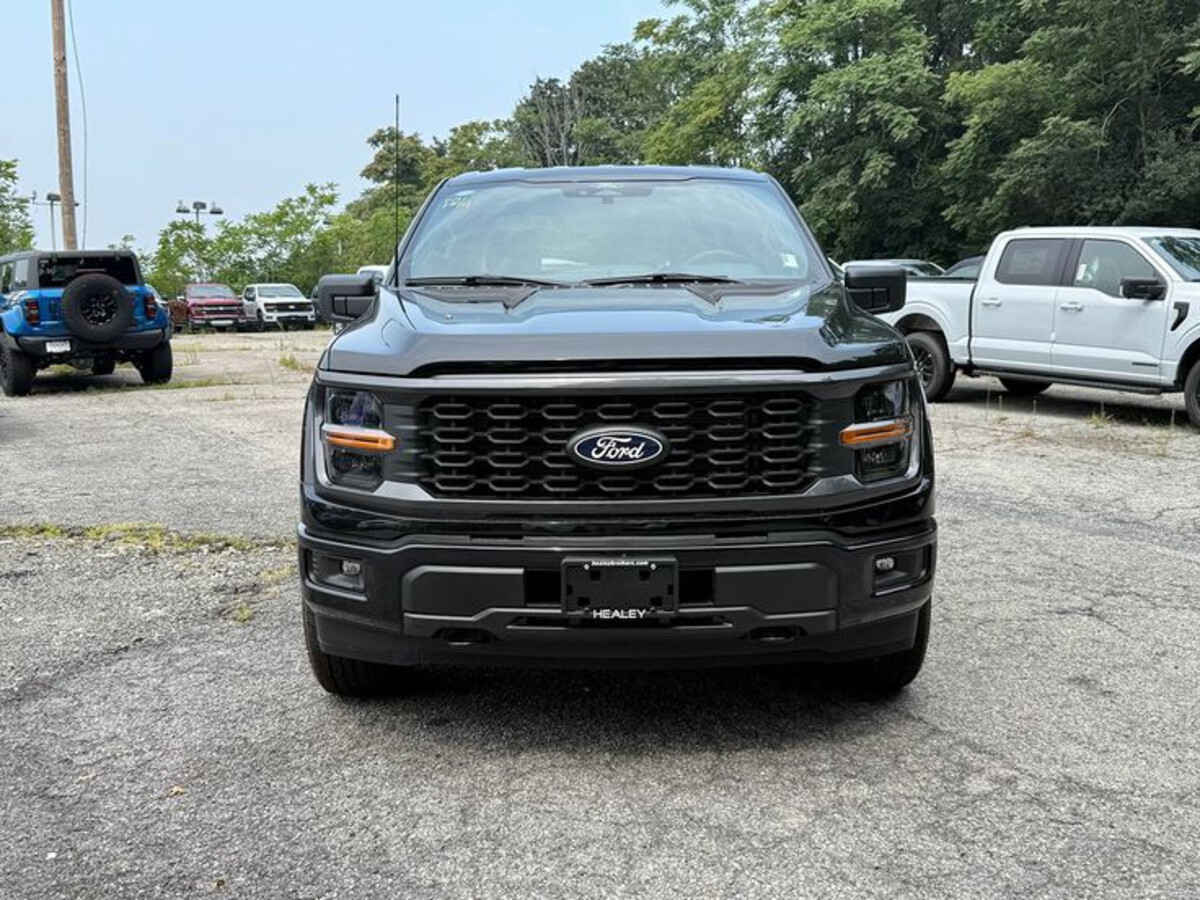
2. Ford F-150
The Ford F-150 has long been a best-seller in the truck world, and part of that success can be attributed to its solid frame design. It is widely considered one of the most structurally sound pickups on the market.
Especially in models built after 2015, the F-150 features a high-strength steel frame with aluminum body panels, a combination that reduces weight while preserving strength. These upgrades weren’t just for show; they significantly improved the truck’s durability without sacrificing performance. The reduced weight also puts less stress on the suspension and frame components, contributing to fewer long-term issues.
Earlier generations of the F-150 also earned a reputation for toughness, but it’s the recent redesigns that have made the biggest difference in frame longevity. Ford put significant research into reducing frame fatigue and creating a platform that can handle tough usage over extended periods.
Whether it’s towing heavy loads, navigating rough job sites, or enduring long winters, the F-150 has proven itself capable of holding up structurally under a wide variety of conditions. There are far fewer reports of frame cracking or warping compared to some of its competitors, making it a popular choice among fleet operators.
Maintenance, of course, plays a role in frame preservation, but the F-150 benefits from materials and treatments that resist rust better than older models. Many owners who regularly drive in salted winter conditions report minimal corrosion on the frame even after several years.
This is partly due to improvements in protective coatings and design elements that prevent water from pooling in critical areas. Ford engineers paid special attention to drainage and sealing, both of which help extend the life of the truck’s underbody.
Drivers looking for a full-size pickup that won’t give them frame-related headaches often turn to the F-150 for peace of mind. It combines proven design with advanced materials to offer one of the most structurally dependable platforms in the segment.
It’s not just the engine or transmission that keeps this truck on the road for years; it’s also the strength and reliability of what lies underneath. That makes it a top pick for anyone concerned about long-term durability and structural maintenance.
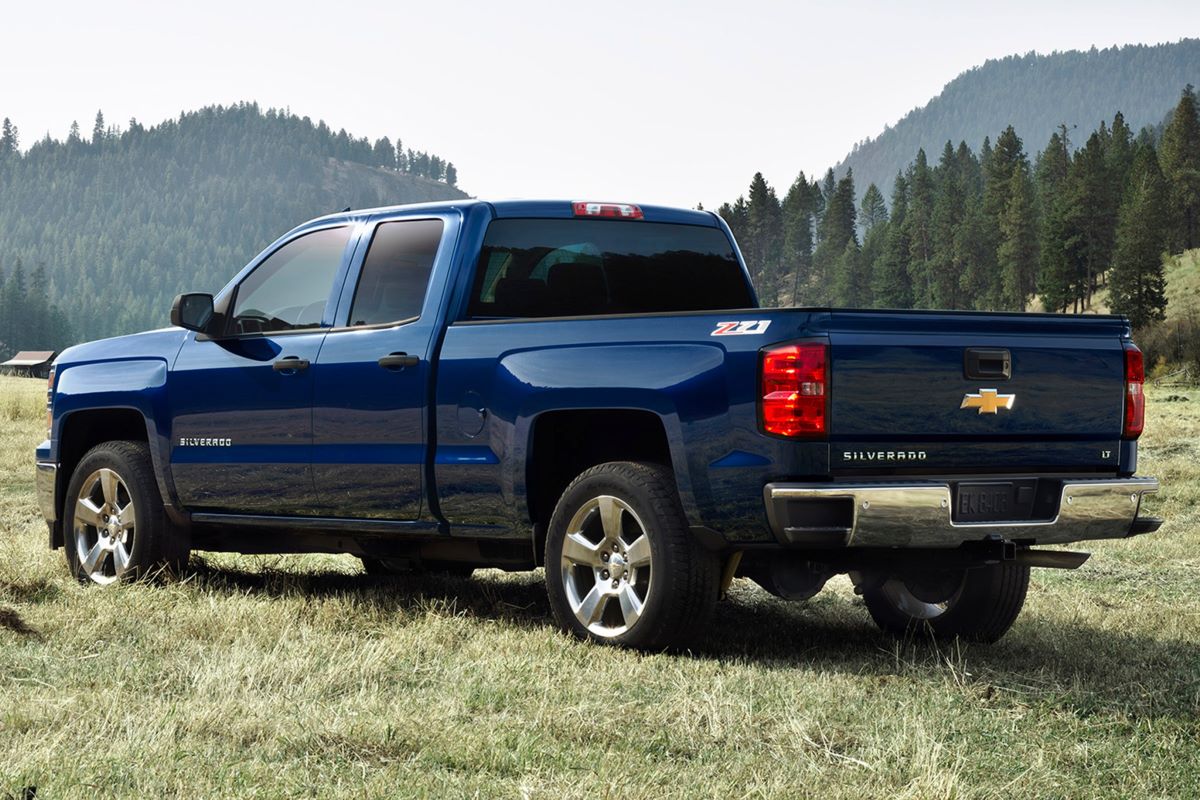
3. Chevrolet Silverado 1500
The Chevrolet Silverado 1500 has long held a strong position in the American truck market. One of its best features is the reliability of its frame. Chevrolet uses a hydroformed high-strength steel frame that is known for being both rigid and durable. Hydroforming allows for fewer welds, which means fewer potential weak points where cracks could form.
As a result, the Silverado 1500 tends to resist frame fatigue even when used for heavy towing or frequent off-road travel. It’s built to last, and many long-time owners can attest to its strength over time.
In the years following 2014, Chevrolet improved the Silverado’s frame design by focusing on both weight distribution and rust prevention. Enhanced drainage paths, strategic coatings, and corrosion-resistant steel have all contributed to making this truck a solid choice for people who plan to use it hard.
Frame-related complaints are relatively rare, especially among those who keep up with basic underbody maintenance. While some trucks can begin to show signs of rust within a few years, the Silverado’s frame has proven to hold up much better than average.
Off-road enthusiasts and contractors frequently rely on the Silverado 1500 because of its consistent strength in the undercarriage. Whether it’s being used to haul equipment, tow trailers, or navigate rough terrain, the frame holds up without significant flex or damage.
Even after a decade of use, it’s not unusual to find Silverados with original frames that show no major signs of degradation. This level of performance speaks to the engineering quality put into the vehicle, especially in recent models.
Beyond just strength, the Silverado also offers a smooth ride, partly due to its rigid frame construction. When a frame is solid, the suspension system performs better, and the entire driving experience is improved. For buyers who want both comfort and long-term reliability, the Silverado 1500 is a smart choice. Its structural track record gives it a clear edge in the crowded pickup market, especially among those who prioritize minimal repair needs and long-lasting value.
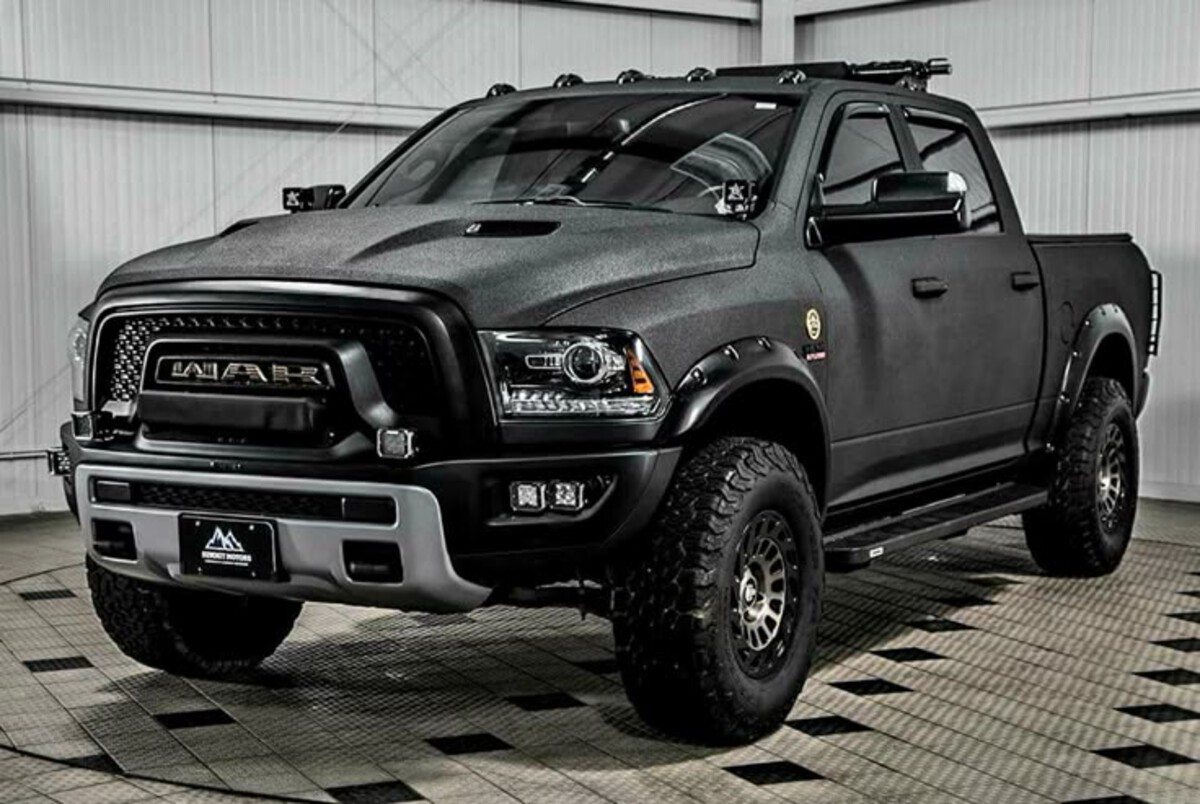
4. Ram 1500
The Ram 1500 has evolved significantly over the years, especially in terms of its structural integrity. Earlier models may have been more utilitarian, but more recent generations have placed a clear focus on blending strength with refinement. The frame design has consistently improved, especially from 2009 onward when Ram began using a fully boxed frame in its 1500 models.
A boxed frame offers increased resistance to torsional flex and stress, meaning the truck can endure rough use without compromising structural reliability. Owners who use the Ram 1500 for heavy towing or daily work report that frame wear is not something they often worry about, even after years of hard use.
One major strength of the Ram 1500 is its corrosion resistance. In regions where road salt is a major issue, rust is one of the biggest threats to a truck’s frame. Ram has responded by implementing more robust anti-rust coatings and better sealing of key frame areas.
These design updates have had a noticeable effect. Many trucks used in snowy or coastal areas remain structurally solid after years of service. It’s not uncommon to see Ram 1500s that are ten or more years old with frames in surprisingly good condition, provided they’ve received basic underbody cleaning during the winter months.
Beyond corrosion resistance, the Ram 1500’s frame also handles stress well. Whether it’s loaded with construction materials, used to tow large trailers, or driven over uneven terrain, the structure maintains its shape and strength over time.
This resistance to flexing and warping means fewer long-term issues such as alignment problems, suspension wear, or frame fatigue. For those who use their truck as a tool rather than just a daily driver, this is a critical advantage. The added strength doesn’t come at the cost of comfort either, as the truck still provides a smooth and composed ride, something that’s often lacking in vehicles built solely for work.
Ram’s commitment to building a truck that lasts has made the 1500 a smart pick for those worried about frame repairs. The combination of intelligent design, quality materials, and ongoing improvements over each generation has led to a vehicle that remains solid even under pressure.
This is why so many Ram owners continue to buy from the brand repeatedly. Once people realize how well the frame holds up over time, they see the value in owning a vehicle that won’t surprise them with major structural issues after a few years.
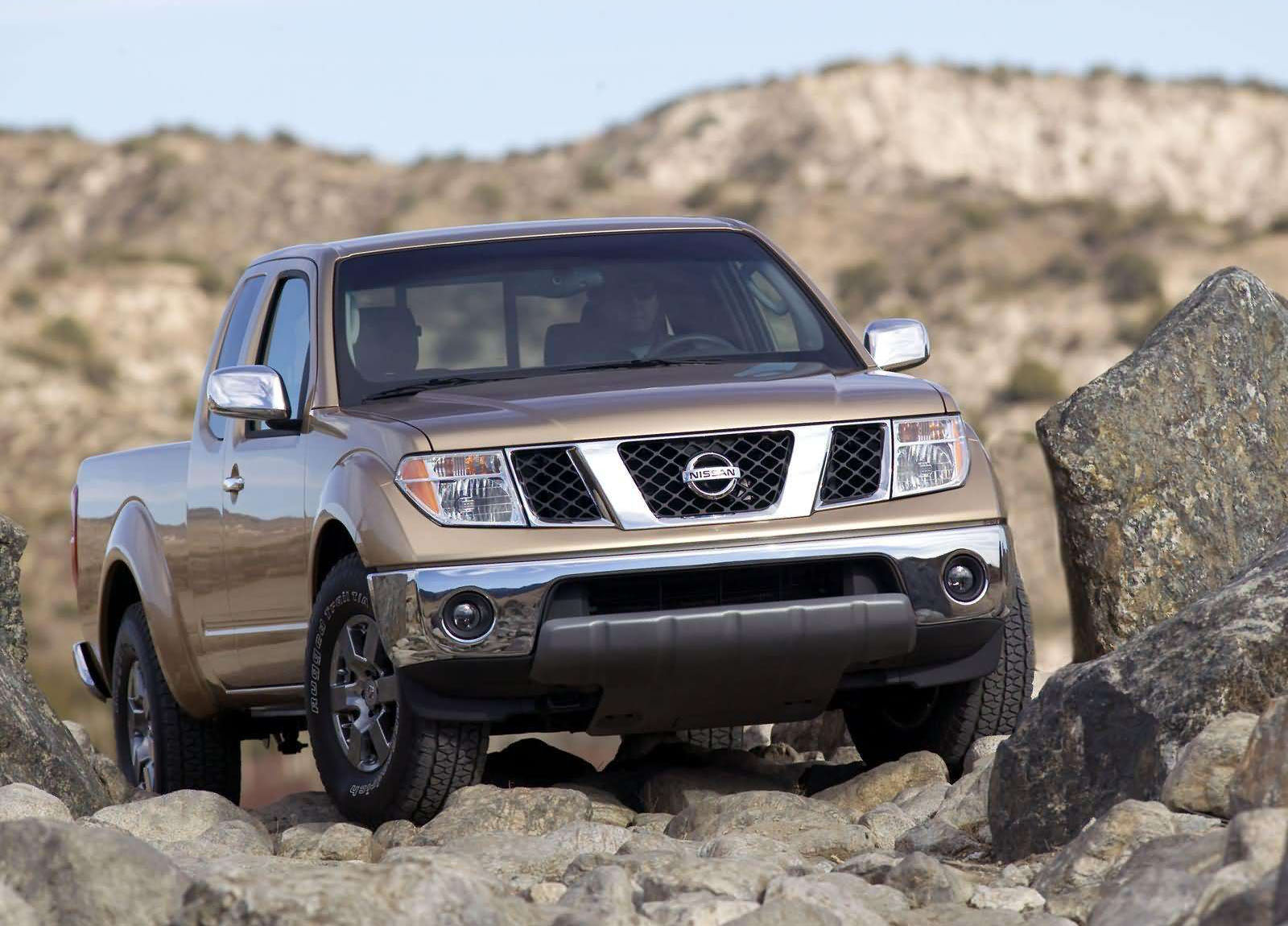
5. Nissan Frontier
The Nissan Frontier doesn’t always get as much attention as some of the larger players in the pickup market, but it has carved out a loyal following thanks to its simplicity and durability. A big part of that durability comes from its strong and time-tested frame.
Nissan didn’t chase trends with the Frontier for many years, instead choosing to stick with a reliable platform that consistently held up to real-world use. This traditional body-on-frame construction has proven itself through years of rough driving, off-road use, and work applications. Frame-related problems on the Frontier are remarkably rare, especially compared to more complex or lightweight builds found elsewhere.
What makes the Frontier’s frame so reliable is its straightforward and rugged design. The engineering wasn’t overly complicated, but it was effective. The boxed frame rails provide rigidity while minimizing weak points. In models produced in the 2010s, particularly, the undercarriage was treated with decent anti-corrosion materials, which helped extend the life of the structure.
While it’s not immune to rust in very harsh conditions, it typically outlasts expectations, especially with minimal upkeep. There are many examples of Frontiers with over 200,000 miles still on the road with frames in great condition, showing just how well the truck was built.
Another important factor is that the Frontier wasn’t overloaded with weight-saving features that compromise structural toughness. Some manufacturers attempt to cut pounds by using thinner materials or less metal, which can lead to long-term durability problems.
The Frontier, in contrast, took a more conservative approach. While this may have cost it a few points in fuel economy or cabin innovation, it rewarded owners with a vehicle that remains dependable underneath. The robust frame design also contributes to how well the truck handles off-road challenges and payload stress, making it a favorite among adventure seekers and small business owners alike.
In its latest generation, the Frontier has received updates to keep it modern, but Nissan has maintained the structural DNA that made it so dependable in the first place. For buyers who value toughness over flash, the Frontier is often the truck of choice.
Its history of reliable frame performance, even under harsh conditions, is something that has set it apart from competitors in the midsize category. You’re unlikely to find Frontier owners complaining about cracked welds or frame flex, and that’s exactly why it belongs on this list.
Also Read: 10 Performance Cars That Won’t Bankrupt You on Repairs
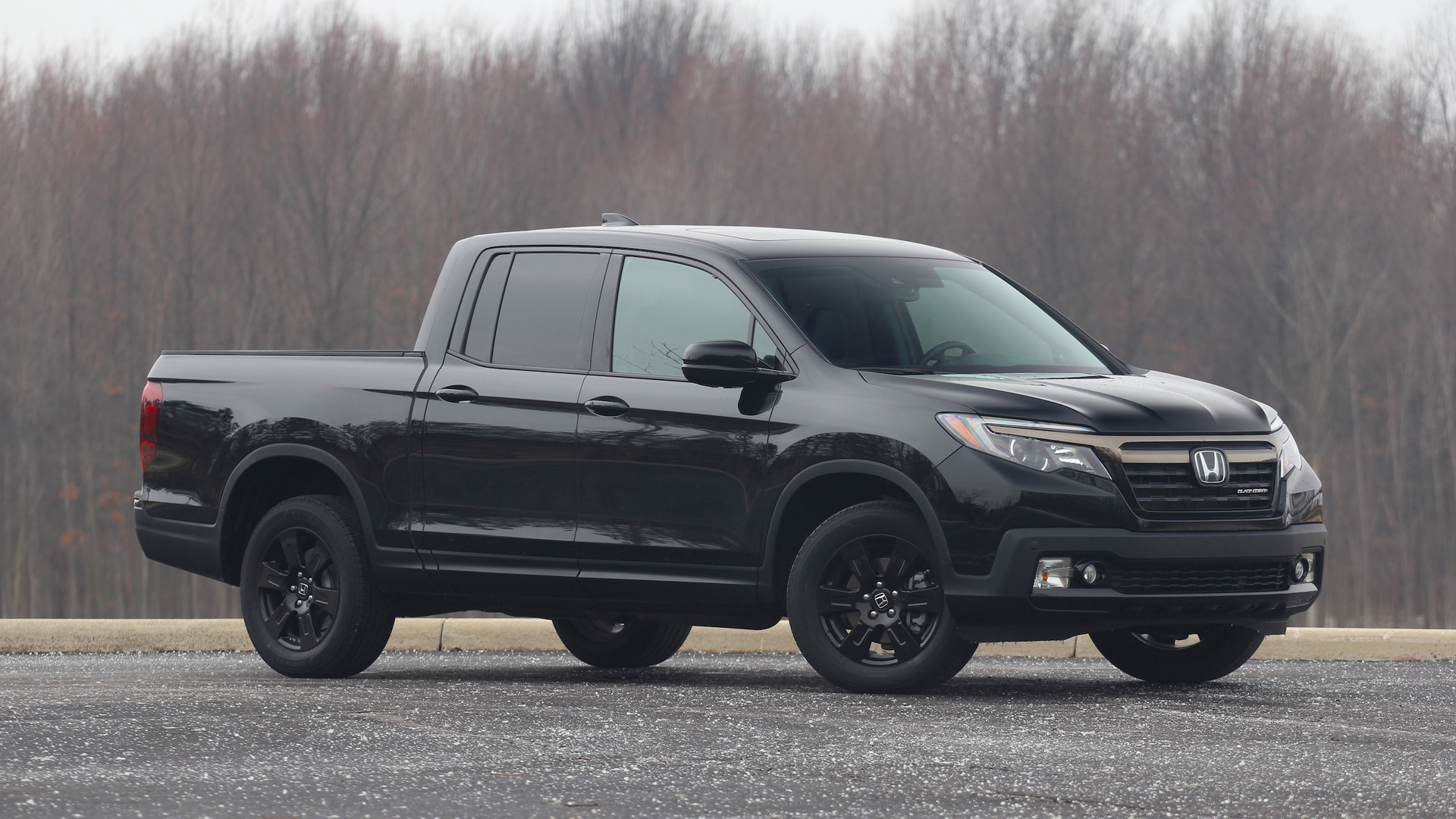
6. Honda Ridgeline
The Honda Ridgeline is unique among pickups for many reasons, and its frame design plays a central role in that distinction. Unlike traditional body-on-frame trucks, the Ridgeline uses a unibody construction, similar to what you’d find in an SUV.
While some truck purists might raise an eyebrow at this, the Ridgeline’s unibody has proven to be incredibly strong and exceptionally resistant to frame-related issues. Rather than having a separate frame and body bolted together, everything is part of one cohesive structure, reducing potential stress points and making the vehicle more structurally sound as a whole.
Because of its different approach, the Ridgeline benefits from superior rigidity, especially in areas prone to flex in other pickups. The unibody chassis distributes load and stress evenly across the vehicle, which means it doesn’t suffer from the frame warping or twisting that can plague other trucks under heavy towing or off-road conditions.
While it’s not intended for extreme off-road use or heavy hauling like full-size body-on-frame trucks, for its intended purpose, urban use, light towing, and general utility, the Ridgeline stands up exceptionally well. Frame repairs are almost unheard of among Ridgeline owners, even after years of service.
Another big advantage is how the unibody frame holds up against rust. Since there are fewer weld points and seams where water and salt can accumulate, there are fewer opportunities for corrosion to start. Honda also uses protective coatings and smart engineering to keep vulnerable parts of the frame away from road spray and salt splash.
Owners in snowy climates report significantly fewer rust issues with the Ridgeline compared to traditional pickups, and this directly translates to fewer concerns about structural longevity.
Even though the Ridgeline doesn’t fit the classic mold of a pickup, its impressive durability, especially when it comes to the frame, makes it a worthwhile consideration. People who need a daily driver with truck-like utility often find the Ridgeline to be the ideal blend of comfort and dependability.
Its frame may not look like others in the segment, but it outperforms expectations when it comes to structural integrity. That’s why it’s a favorite among families, small business owners, and anyone who doesn’t need a traditional workhorse but still wants a truck that won’t fall apart underneath them.
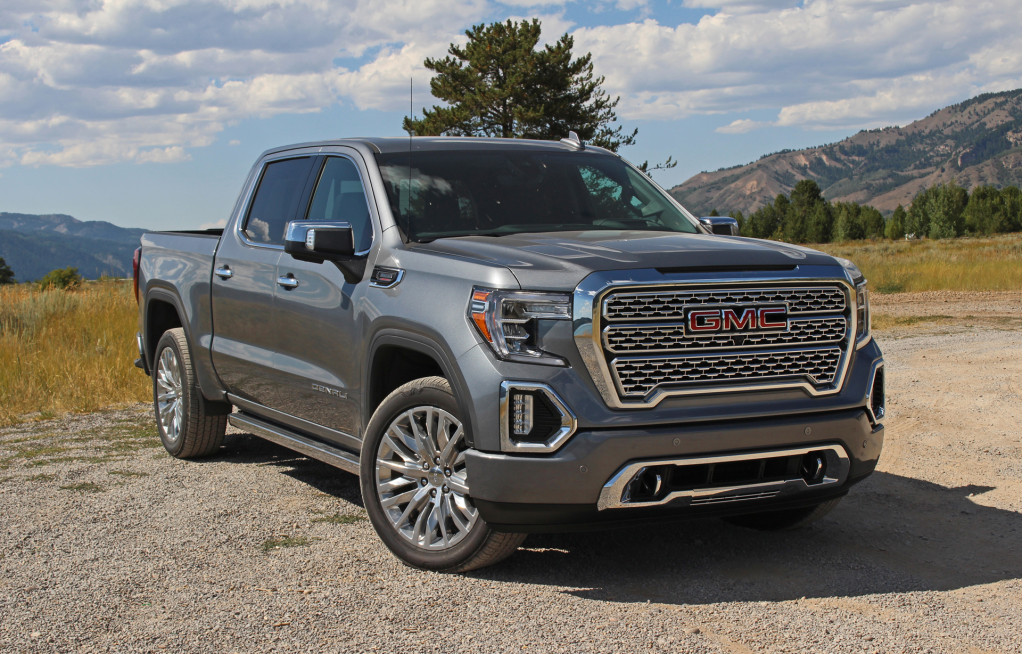
7. GMC Sierra 1500
The GMC Sierra 1500 shares much of its platform with the Chevrolet Silverado 1500, which means it also benefits from the same strong, hydroformed frame that has proven itself over time. GMC positions the Sierra as a slightly more upscale alternative to the Silverado, but under the skin, the same solid engineering applies.
Owners of the Sierra consistently report that frame issues are among the least of their concerns, even when the truck is used for demanding tasks like towing or construction work. The Sierra’s frame is both lightweight and durable, helping it maintain structural integrity for many years.
One standout feature is the use of high-strength steel throughout the frame. This provides a good balance between weight reduction and rigidity, which in turn affects everything from handling to durability. Unlike older frame designs that could develop flex or even cracking under repeated stress, the Sierra’s modern frame holds firm under pressure.
Whether you’re towing a heavy trailer or hauling building materials over uneven ground, the Sierra maintains its shape and structural reliability without issue. This makes it particularly attractive to professionals who need a reliable tool and don’t want to worry about hidden frame problems after a few years.
The Sierra also includes features like wax-coated frames and advanced drainage systems that help prevent water retention and corrosion, especially in areas prone to salted roads. GMC’s attention to detail in the undercarriage design is one reason why these trucks are known to last so long without serious rust problems.
Frame damage from corrosion tends to be a rare issue on well-maintained Sierra models. Owners who take basic care of their vehicles often report minimal signs of structural aging, even after crossing high mileage marks.
Another strength is how the Sierra’s frame supports ride comfort and towing stability. A strong frame doesn’t just resist damage; it also improves the driving experience. With less flex in the chassis, everything from steering to braking performs more consistently.
For buyers looking for a full-size pickup that offers both rugged performance and everyday usability, the Sierra 1500 stands out as a balanced and dependable option. Its strong frame is a key part of why this model continues to earn loyal customers year after year.
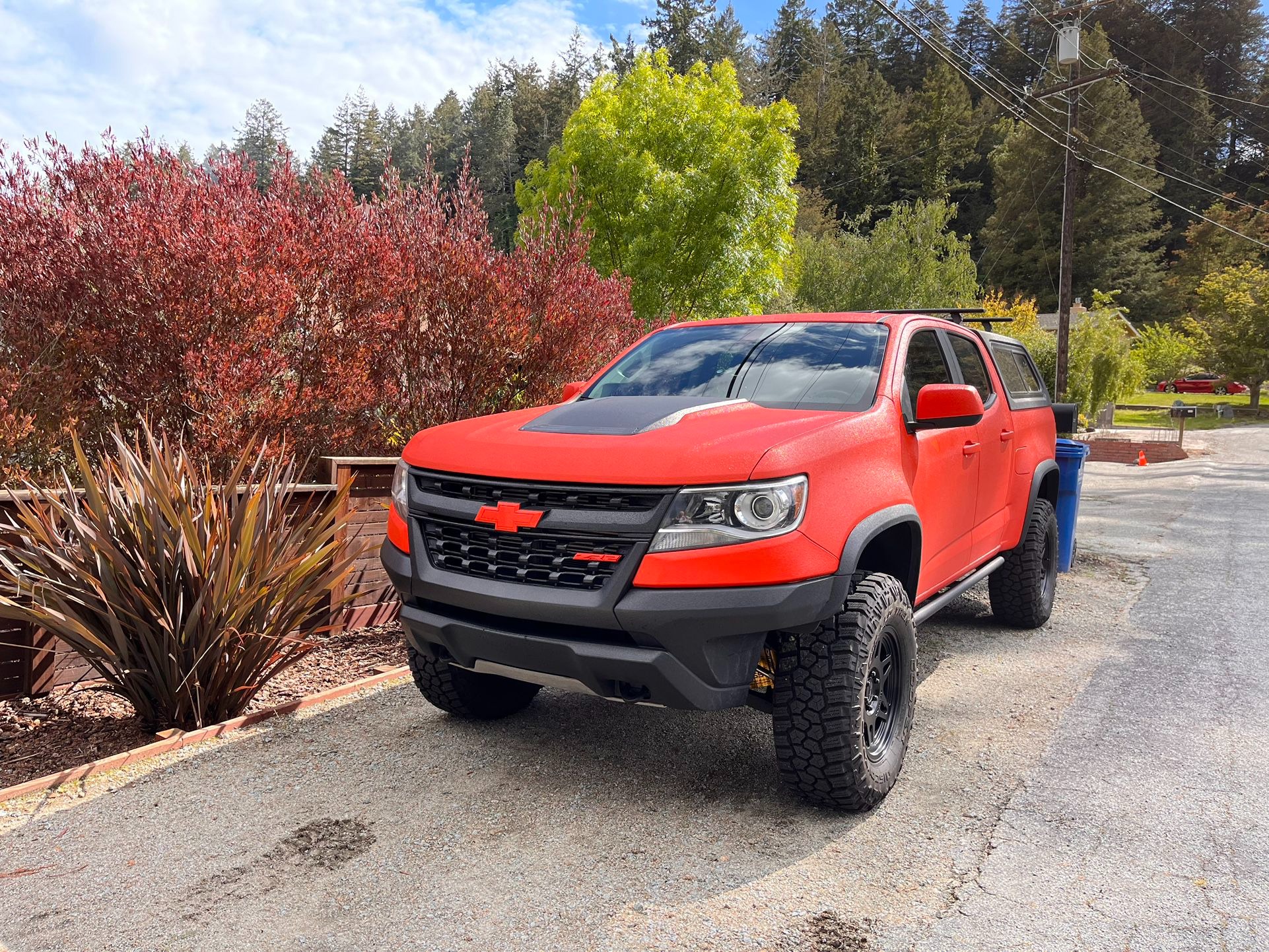
8. Chevrolet Colorado
The Chevrolet Colorado is often praised for its versatility and relatively compact size, but one of its underrated strengths is its durable frame construction. Designed to compete in the midsize pickup category, the Colorado doesn’t cut corners when it comes to build quality.
Chevrolet uses a fully boxed frame on the Colorado, which significantly improves torsional rigidity. This type of frame is less likely to bend, crack, or develop stress-related issues over time. For those who use their trucks regularly for hauling gear, driving on unpaved roads, or towing small trailers, this added strength translates to fewer long-term concerns about structural reliability.
One thing that sets the Colorado apart is its ability to perform like a larger truck without inheriting some of the typical drawbacks associated with full-size pickups. Its frame is designed to be lighter, which improves fuel economy, but without sacrificing strength where it matters most.
The engineers at Chevrolet managed to strike a solid balance between toughness and efficiency. Many owners report using their Colorado for a variety of roles, commuting, weekend trips, utility hauling, without any indication that the frame is degrading or showing early signs of fatigue. Even after several years of consistent use, the structural quality remains intact in most cases.
Colorado models released after the 2015 redesign, in particular, show significant advancements in rust prevention and frame stability. These newer models include better frame coatings and design changes aimed at reducing corrosion in vulnerable areas.
Water drainage paths were improved, and seams were sealed more effectively to prevent the accumulation of dirt and moisture. These small details add up over time, making the difference between a frame that lasts 10 years versus one that needs attention after only five. In real-world conditions, especially in colder climates, the Colorado performs well and avoids the frame rust issues that have plagued some of its rivals.
Colorado has managed to quietly build a reputation for dependability and toughness, especially underneath. While it may not boast the same brand loyalty or massive sales numbers as its full-size counterparts, those who own the truck often become repeat buyers due to their positive experiences.
Its frame plays a central role in that satisfaction. For those looking for a midsize pickup that won’t demand costly structural repairs later in its life, the Colorado is one of the smartest choices in its segment.
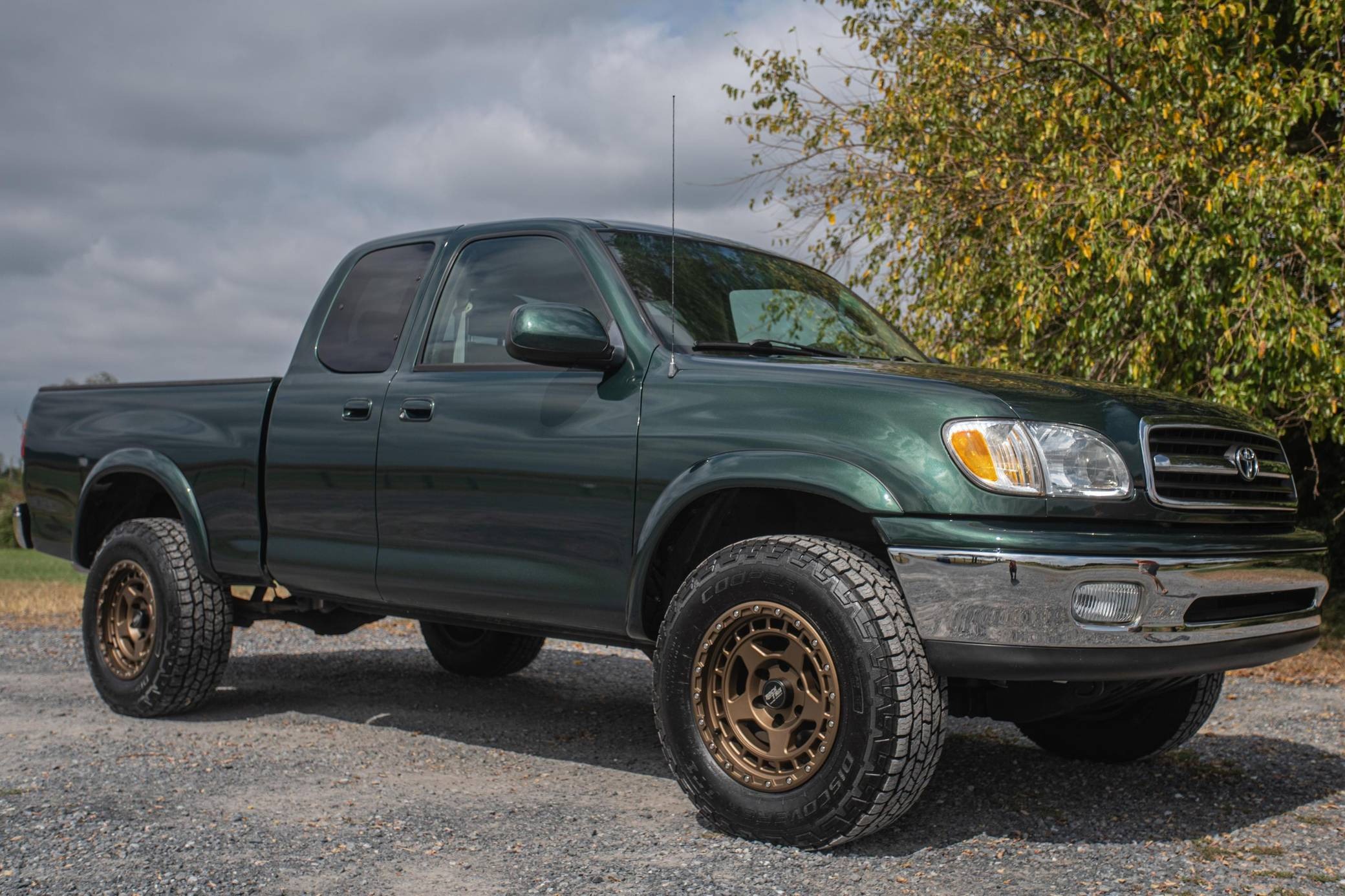
9. Toyota Tundra
The Toyota Tundra, much like its smaller sibling, the Tacoma, is widely regarded as a durable and long-lasting truck. One of the key reasons for this reputation is its stout frame. Toyota designed the Tundra with longevity in mind, building it to withstand both commercial and recreational abuse.
The fully boxed frame in recent Tundra models helps prevent torsional flex, even when towing at maximum capacity or carrying a full bed of materials. Owners routinely report going well over 200,000 miles without frame issues, and some even cross the 300,000-mile mark without ever needing to touch the underbody.
Unlike some trucks that transition between different frame types or use a mix of boxed and open sections, the Tundra remains fully boxed from front to back. This consistency adds to its structural integrity and helps reduce long-term stress that can cause cracking or warping.
Toyota also incorporates heavy-duty cross-members and reinforcements to ensure that the frame can withstand rugged terrain without distortion. These design choices make the Tundra especially appealing to people who work in construction, farming, or any environment where the truck is expected to take daily abuse without breaking down.
In addition to strength, Toyota has made strides in rust prevention. After the frame rust issues that affected some early Tacoma models, Toyota committed to improving its protective coatings and ensuring better frame durability across its truck lineup.
The Tundra benefits from this shift in philosophy, with its frame receiving corrosion-resistant coatings and rust-proofing that outperform many competitors. Even in northern states where winters are harsh and roads are treated with heavy salt, Tundras are known to last for many years with only routine cleaning needed to keep the frame in good condition.
The Tundra doesn’t just perform well structurally; it also provides peace of mind to those who don’t want to be constantly worried about costly repairs. Its track record is one of reliability, and its frame is a central part of that story.
Whether it’s used as a daily driver, a workhorse, or a weekend toy hauler, the Tundra consistently shows up without structural complaints. For anyone who needs a full-size pickup with a trustworthy backbone, the Tundra remains a reliable option that rarely disappoints when it comes to frame durability.
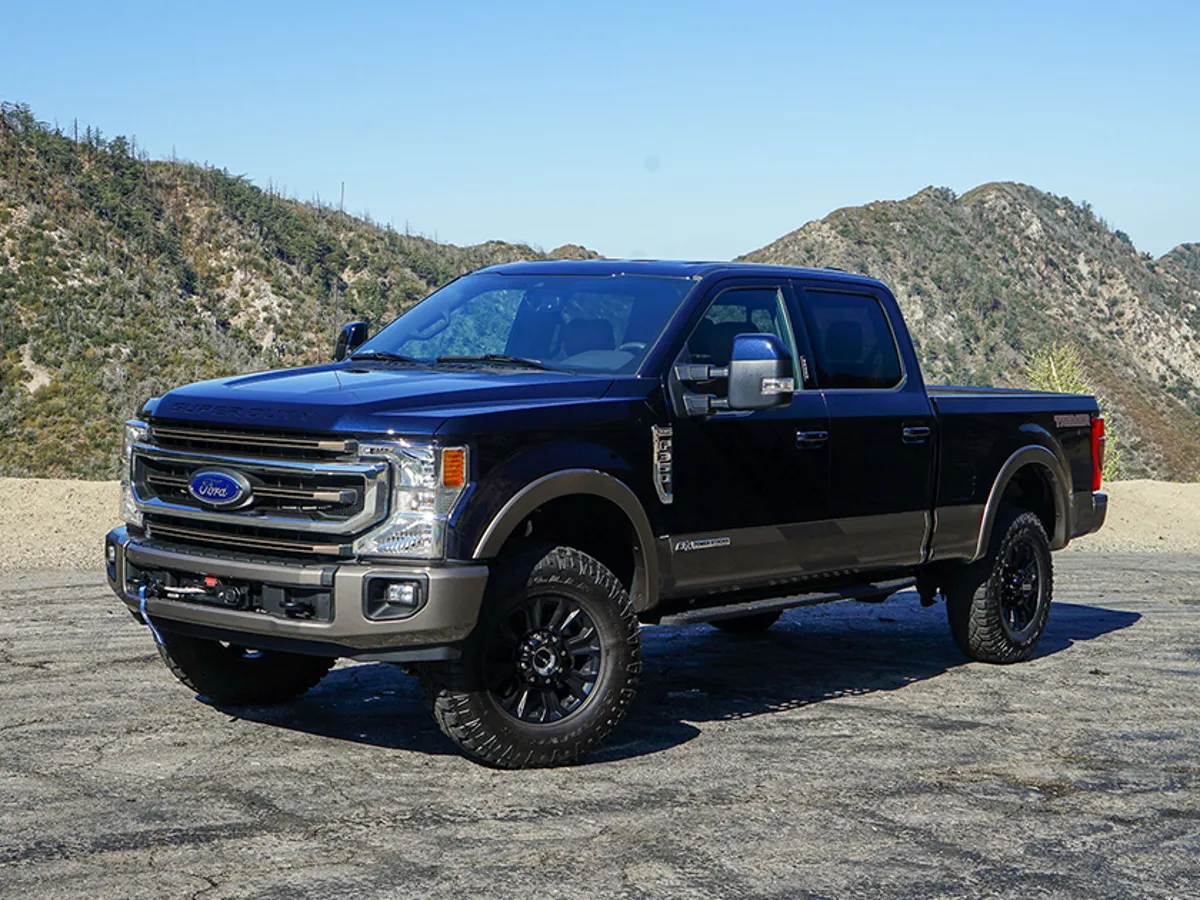
10. Ford Super Duty (F-250 and F-350)
The Ford Super Duty series, particularly the F-250 and F-350 models, is designed with heavy-duty performance in mind. These trucks are expected to handle extreme towing, payload, and off-road conditions, and Ford has engineered the frame to meet those demands.
Super Duty models use a high-strength steel frame that is thicker and more rigid than what’s found in standard full-size pickups. This added strength is essential for the level of work these trucks are designed to handle, and it results in a frame that resists bending, cracking, and fatigue over long periods of intense use.
One of the key benefits of the Super Duty’s frame is its resistance to deformation under load. Whether it’s hauling a fully loaded trailer up a steep incline or carrying several thousand pounds in the bed, the frame maintains its shape without noticeable flex.
Ford has integrated boxed frame sections and reinforced cross members to improve rigidity and prevent stress points from forming. This gives owners confidence that their trucks can handle daily heavy-duty tasks without accumulating hidden structural damage that could become costly later on.
In addition to sheer strength, Ford has focused on corrosion resistance. The Super Duty frame receives a multi-layered coating that includes paint, primer, and wax protection, which helps it resist the elements far better than older models.
This is particularly important in the commercial sector, where trucks are exposed to snow, mud, and construction debris almost every day. Reports of rust-related frame failures are rare in newer Super Duty trucks, and many are still going strong even after a decade or more of hard work in tough conditions.
