
The inline-6 engine layout has long been a favorite among enthusiasts, engineers, and tuners alike. It represents a perfect balance between smoothness, reliability, and power delivery. Unlike the V6, the inline-6 has a natural mechanical symmetry that results in inherently smooth operation without the need for complex balancing shafts.
That simplicity in design doesn’t just make it more efficient; it also contributes to its longevity. Many of the most famous inline-6 engines have become legendary for one key reason: they keep running, year after year, mile after mile, with minimal fuss. Some were originally designed decades ago, and yet they’re still trusted by mechanics, racers, and daily drivers today.
There’s something special about hearing the smooth hum of an inline-6 firing up after hundreds of thousands of miles. Whether it’s powering a performance icon or quietly doing its job in a rugged utility vehicle, the inline-6 remains a benchmark in engine design.
This configuration has been used across a wide variety of applications, from luxury sedans to heavy-duty off-roaders to high-performance sports cars.
While some manufacturers have shifted focus to smaller, turbocharged four-cylinders or V6s to meet modern emissions and efficiency goals, the inline-6 refuses to fade away. In fact, some carmakers have recently returned to this format, acknowledging that its benefits are hard to replicate.
The engines listed here aren’t just remembered for their specs on paper. They’ve stood the test of time in real-world use. Some are known for their tuning potential, others for their bulletproof internals. A few are recognized for powering vehicles that are still on the road decades after they were built.
From Japanese engineering masterpieces to German precision machines and good old American workhorses, the inline-6 has shown up in every corner of the automotive world. What connects all of them is a reputation for durability and performance that hasn’t faded.
Here are twelve inline-6 engines that are still going strong, loved by drivers, respected by mechanics, and continuing to perform in the real world, often long past their expected lifespans.
Also Read: 10 Performance Cars That Won’t Bankrupt You on Repairs
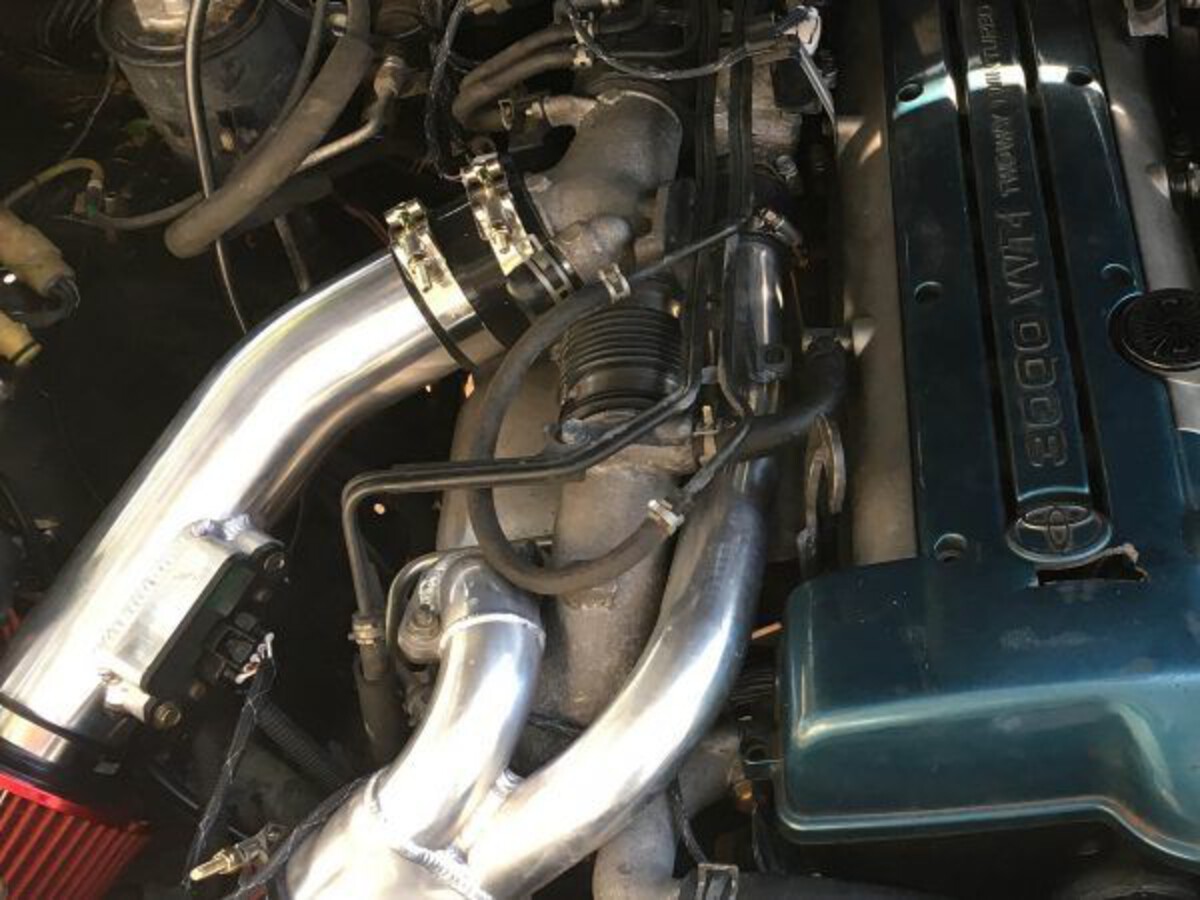
1. Toyota 2JZ-GTE
The 2JZ-GTE has earned its place in automotive history as one of the most reliable and robust performance engines ever built. Introduced in the Toyota Supra in the early 1990s, this 3.0-liter twin-turbo inline-6 has become a household name in tuning circles.
What makes it so special isn’t just its ability to make power, but how effortlessly it handles that power under stress. Stock internals have been known to handle over 800 horsepower, with some builds going beyond 1,000 without catastrophic failure. That’s a testament to Toyota’s engineering discipline at the time.
One of the reasons this engine continues to run strong is its cast-iron block paired with a forged steel crankshaft. These components are designed to take abuse, and they’ve proven themselves on drag strips, race tracks, and city streets alike.
Oil starvation, overheating, and timing belt issues are common weaknesses in many high-performance engines, but the 2JZ-GTE has shown itself to be unusually resistant to these kinds of failures. Maintenance is straightforward, and parts availability remains strong thanks to a dedicated aftermarket and enthusiastic community.
Beyond its mechanical strength, the 2JZ-GTE benefits from a design philosophy that prioritizes long-term use. It wasn’t just built for peak power; it was built to last. This makes it attractive not just to tuners, but to people who want a reliable engine for daily use.
Even with high mileage, a well-maintained 2JZ can still perform as it did decades ago. In fact, many used Supras and Aristo sedans are still being bought today with over 200,000 miles, and they’re often praised for how “new” they still feel.
What keeps the 2JZ-GTE relevant isn’t nostalgia. It’s the fact that in a world full of over-complicated modern engines, this one still makes sense. It’s repairable, upgradable, and trustworthy. The sound of the turbos spooling up is a bonus, but it’s the strength and resilience of the block that earns it a spot on any list of legendary engines that refuse to die.
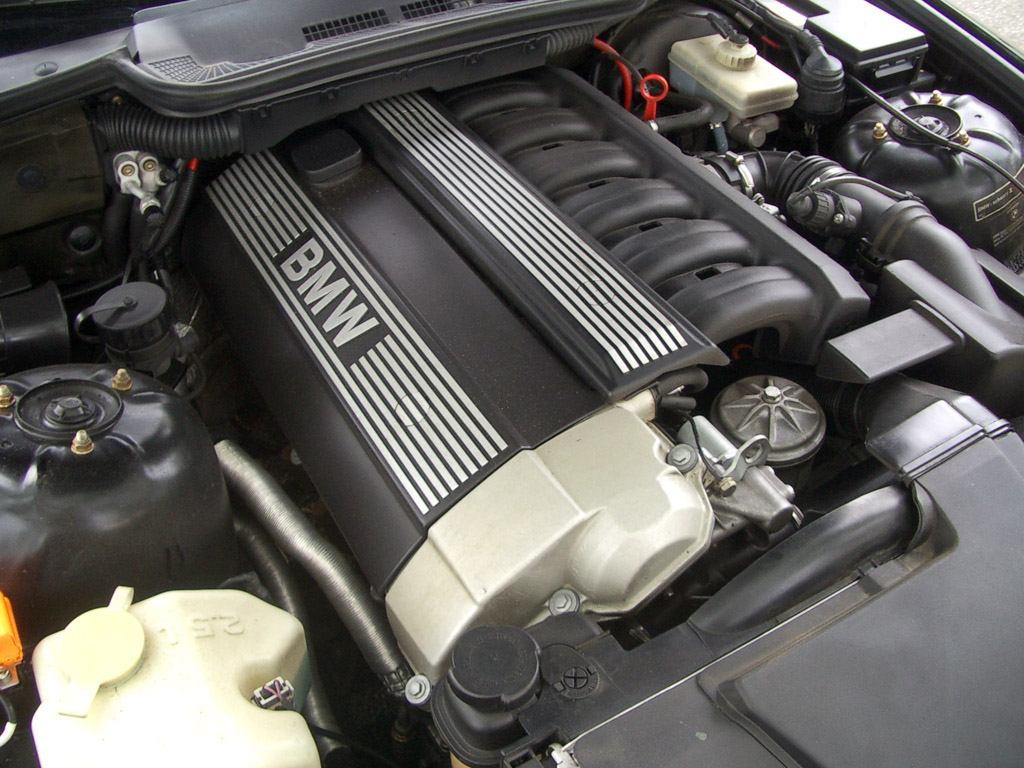
2. BMW M50
The BMW M50 engine, introduced in the early 1990s, marked a shift in BMW’s approach to performance and reliability. It was the company’s first production engine to use a DOHC layout with four valves per cylinder, and it brought with it a level of refinement and durability that has kept many examples running well past 300,000 miles.
Found in the E34 5 Series and the E36 3 Series, the M50 remains a go-to engine for enthusiasts looking for a balance between performance and longevity.
One of the key advantages of the M50 is its robust iron block and aluminum head. Unlike some modern BMW engines known for electronic gremlins and plastic cooling systems, the M50 was built during an era when BMW prioritized mechanical reliability.
The VANOS variable valve timing system introduced in the M50TU model added a bit of modern refinement without sacrificing the engine’s underlying durability. Even today, the VANOS system is relatively simple to service compared to newer BMW technologies.
Performance-wise, the M50 isn’t a powerhouse by today’s standards, but it offers a smooth powerband and a distinct exhaust note that enthusiasts still appreciate. It’s also remarkably tunable.
While it doesn’t have the same high-output ceiling as the later S54 or turbocharged N54, the M50 responds well to basic bolt-ons, custom tuning, and even turbocharging when built correctly. It has become a popular swap choice in older BMW chassis and even non-BMW platforms because of its reliability and ease of integration.
What makes the M50 still relevant today is the number of cars that continue to run this engine without needing a full rebuild. It’s not uncommon to find E36s with original M50s still going strong with regular oil changes and basic maintenance.
That kind of long-term reliability has become rare, especially in performance-oriented engines. The M50 remains a solid reminder of BMW’s engineering focus before the shift to increasingly complex systems in the 2000s.
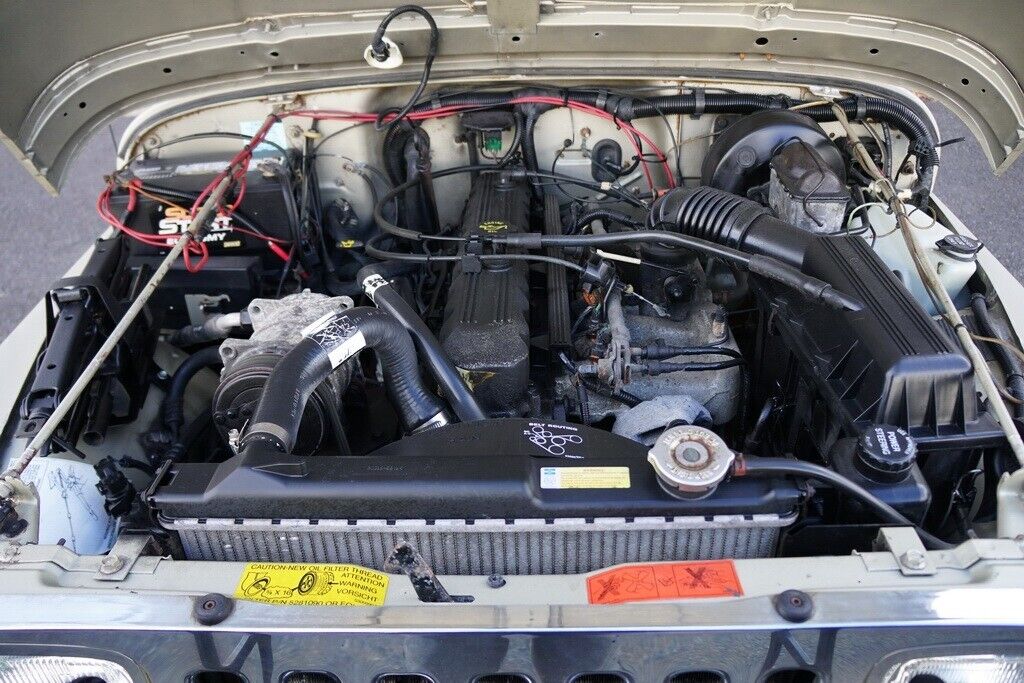
3. Jeep 4.0L
The 4.0L inline-6 from Jeep is one of the most iconic American engines in history, known for its incredible longevity and simplicity. Introduced in the mid-1980s and used until the early 2000s, it powered a range of Jeep vehicles, including the Cherokee, Grand Cherokee, and Wrangler.
This engine is widely praised by off-road enthusiasts and daily drivers alike for one main reason: it keeps running, no matter what. It’s not the most efficient or refined engine, but it gets the job done reliably, year after year.
The strength of the Jeep 4.0L lies in its old-school construction. It uses a cast-iron block and head, a pushrod valvetrain, and minimal electronics. That makes it extremely durable and easy to work on.
When many modern engines require diagnostic tools and software just to read a fault, the 4.0L can often be diagnosed with a basic socket set and some mechanical knowledge. Its torque-rich power delivery also makes it well-suited to low-speed crawling and towing, which adds to its reputation as a workhorse.
One of the more remarkable things about this engine is how many of them are still on the road with high mileage. It’s not rare to hear of Jeep 4.0L engines reaching over 300,000 miles with original internals. When issues do arise, they’re usually related to basic maintenance items like sensors, gaskets, or cooling system components, nothing major.
The engine was also used in a wide range of vehicles over nearly two decades, which means parts are cheap and easy to find. This engine’s cult following isn’t based on paper specs or flashy technology. It’s based on experience. People trust it because they’ve seen it survive everything from desert heat to winter snowstorms, trail abuse, and long road trips.
The Jeep 4.0L is one of those engines that, once you’ve owned one, it’s hard to forget. It has earned its reputation not through marketing but through sheer, proven reliability in real-world conditions.
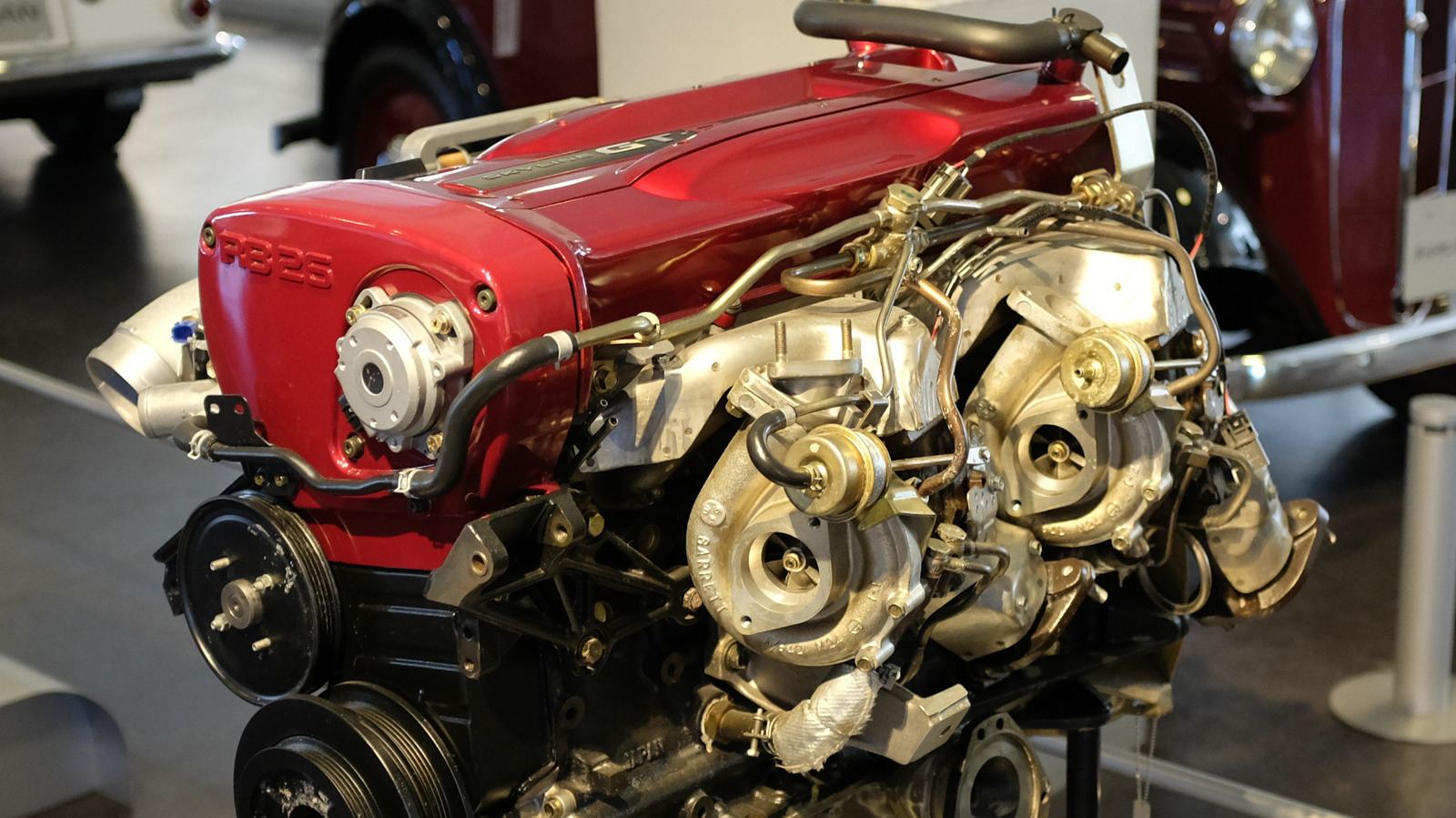
4. Nissan RB26DETT
The RB26DETT is often associated with the Nissan Skyline GT-R, a car that became legendary in its own right. But it’s the engine that lies at the heart of that legacy.
With a 2.6-liter displacement, twin turbos, and a high-revving character, the RB26DETT became a symbol of Japanese engineering excellence in the 1990s. Built for motorsport, it wasn’t just about performance, it was about building something that could take a beating on the track and keep going lap after lap.
One of the engine’s strengths is its strong bottom end, featuring a cast-iron block and forged internals. This gave tuners a solid foundation to work with. The stock engine was rated at around 276 horsepower due to the gentlemen’s agreement among Japanese automakers, but it’s widely accepted that the real output was higher.
More importantly, the engine had huge potential for modification. With upgrades to the turbos, fuel system, and ECU, power outputs of 500–700 horsepower are achievable without opening the bottom end.
Another characteristic that makes the RB26DETT stand out is its advanced (for the time) design features. It used a six-throttle body intake system, one throttle per cylinder, which allowed for sharper throttle response and better airflow control. This wasn’t common in road cars at the time and gave the RB26 a unique edge in both performance and driving feel.
Paired with an electronically controlled all-wheel-drive system in the Skyline GT-R, it became a machine that could dominate on winding roads, drag strips, and circuits. Even after decades, enthusiasts still praise its linear power delivery and high-revving nature, which combined to make it a true driver’s engine.
Reliability-wise, the RB26DETT isn’t flawless, but most of its weaknesses are well-known and easily preventable. Oiling issues at high RPMs were a concern, especially in early models, but this has been thoroughly addressed in the aftermarket. With upgraded oil pumps and improved baffling, those concerns fade quickly.
The cooling system also benefits from modernization, especially if the engine is going to be pushed beyond stock power levels. But what really stands out is how many of these engines are still running today, especially in cars that are driven hard and modified regularly.
The RB26DETT has also earned a solid following globally. Even in regions where the GT-R was never officially sold, the engine has found its way into all sorts of builds. From drift cars in the US and Australia to restomod classics in Europe and Southeast Asia, it’s proven adaptable and trustworthy.
Engine importers continue to bring in used RB26s because demand hasn’t dropped. People want them because they know they’re getting a powerplant with real racing pedigree and everyday usability.
It’s no surprise that nearly every conversation about iconic inline-6 engines includes the RB26DETT. While newer engines may be more efficient or easier to tune with modern tools, few offer the same emotional and mechanical experience. It’s one of those engines that delivers both nostalgia and genuine performance. And most importantly, it’s still powering builds today, showing no signs of slowing down.
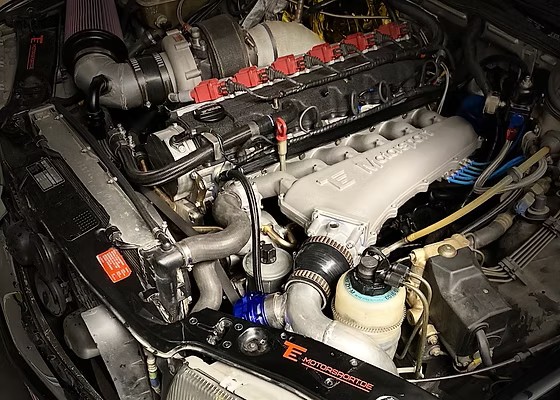
5. Mercedes-Benz M104
The Mercedes-Benz M104 inline-6 engine was built during what many consider the golden era of Mercedes engineering. Produced from the early 1990s until the late 1990s, this DOHC engine powered everything from the W124 E-Class to the R129 SL-Class.
Known for its smooth operation and bulletproof design, the M104 stands out as a perfect example of German overengineering at its finest. It was designed for refinement and longevity, rather than just squeezing out maximum power.
This engine featured an aluminum cylinder head, a cast-iron block, and variable valve timing on the intake camshaft. While not overly complicated by today’s standards, these features gave it a performance edge while maintaining its solid, no-nonsense construction.
The inline-6 layout itself contributed to its balance and smoothness, and the M104 was praised for its near-silent operation even at higher revs. These engines could idle all day without a hiccup, and their smoothness made them ideal for luxury sedans and coupes alike.
Many examples of the M104 are still on the road today, racking up high mileage without serious issues. The key here was consistency in engineering; Mercedes didn’t cut corners. Things like timing chains, head gaskets, and cooling systems were built to last.
When failures did occur, they were often predictable and fixable. Common issues like wiring harness degradation and oil leaks from the valve cover gasket are well-documented and manageable with routine maintenance. As long as the basic upkeep is done, these engines are known to last well beyond 300,000 miles.
Even in today’s world, where Mercedes has moved toward smaller, turbocharged engines with more electronics, something is appealing about the simplicity and strength of the M104. It was the last of its kind before the company transitioned to more complex V6 designs.
For those who want a dependable inline-6 with classic Mercedes character, this engine still delivers. Its legacy is one of comfort, strength, and the kind of engineering that defined an entire era of premium German cars.
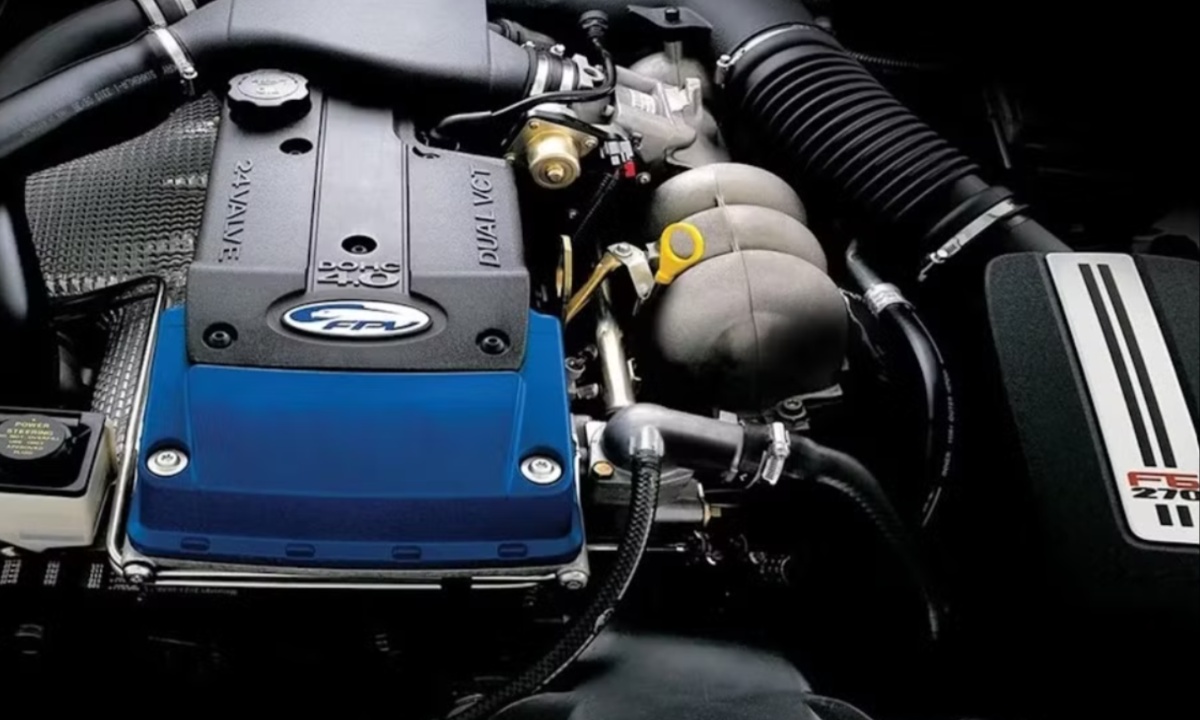
6. Ford Barra 4.0
The Ford Barra engine series, specifically the 4.0L inline-6 variants from Australia, has earned legendary status not just for its performance but for its remarkable durability. Found in the Ford Falcon and Territory models, the Barra 4.0 was originally seen as a practical workhorse.
However, over time, enthusiasts discovered that it could be pushed to extreme power levels without giving up reliability. That alone puts it in rare company among inline-6 engines still going strong today.
The heart of the Barra’s strength lies in its construction. It uses a cast-iron block and a robust bottom end that can handle significant power increases. Even in stock form, the engine delivers ample low-end torque, making it suitable for towing and daily driving.
When turbocharged, either from the factory in models like the XR6 Turbo or through aftermarket setups, the Barra can produce staggering horsepower numbers. Builds exceeding 800 horsepower on mostly stock internals are not uncommon, which has turned it into a cult favorite in drag racing and street performance circles.
While the engine is only widely known in Australia and nearby regions, its reputation has grown internationally. People importing Falcons or swapping Barra engines into other vehicles are doing so because they recognize how much potential and reliability the engine offers.
Compared to other high-performance engines, the Barra is relatively inexpensive to build, easy to tune, and forgiving of user mistakes. Its electronic control systems are straightforward, and the tuning community has well-developed tools and resources to support custom builds.
Many high-mileage Falcons equipped with Barra engines are still running reliably today. Whether turbocharged or naturally aspirated, these engines are built to last. Regular oil changes, proper cooling system care, and basic maintenance are often all that’s needed to keep them in good condition.
The Barra isn’t flashy or exotic, but it’s a testament to what happens when solid engineering meets practicality. It might not have the global fame of the 2JZ or RB26, but those who know engines respect the Barra without question.
Also Read: 8 Most Popular Pickup Trucks in the U.S. Ranked by Real Owners
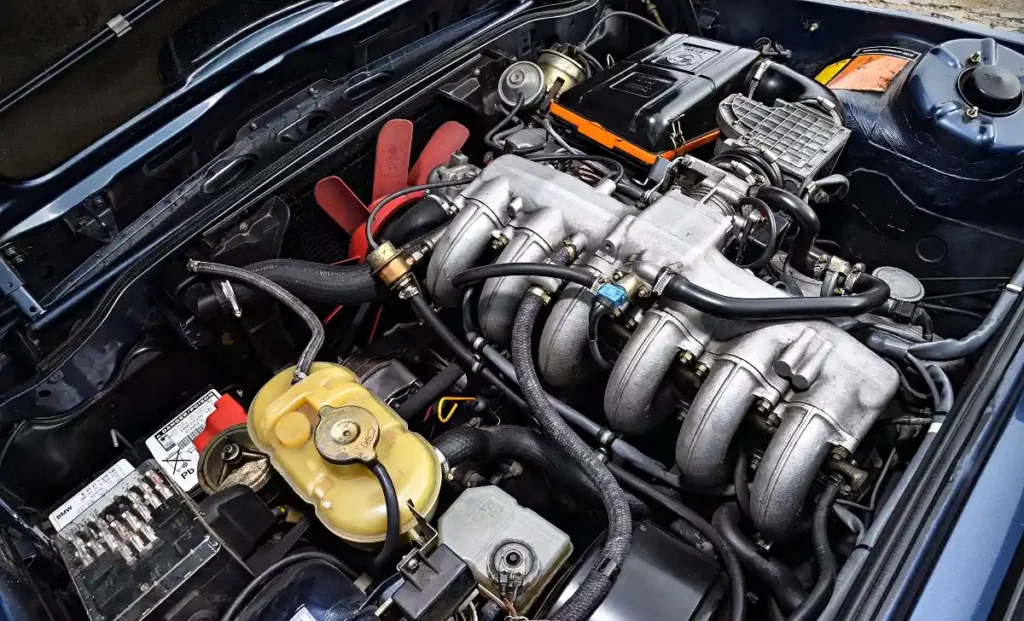
7. BMW M30
The BMW M30 is one of the longest-running inline-6 engine families in automotive history. Produced from the late 1960s until the early 1990s, it served as the backbone of BMW’s performance and luxury lineup for decades.
Often referred to as the “Big Six,” the M30 powered everything from the E9 coupe and the original 7 Series to the first M535i and the 635CSi. Its long production run is a testament to its reliability and adaptability over changing automotive eras.
One of the core reasons for the M30’s longevity is its straightforward and sturdy design. It features a cast-iron block with an aluminum head, a single overhead camshaft, and simple fuel injection systems in later versions.
What it lacks in cutting-edge technology, it makes up for in sheer mechanical honesty. The engine is easy to work on, and parts remain widely available despite its age. For many classic BMW enthusiasts, the M30 is considered one of the most dependable powerplants ever fitted to a BMW.
Driving an M30-powered car is a unique experience. It doesn’t rev as high as more modern engines, but it delivers a smooth, confident surge of torque that suits both spirited driving and relaxed cruising.
Its weight distribution also contributed to BMW’s signature handling characteristics, making it a key part of the brand’s early performance identity. While the engine itself is quiet and understated, it delivers dependable power without drama, a quality that keeps people coming back decades later.
Even today, there are thousands of M30 engines still running worldwide. Whether in original classic BMWs or in custom builds, the M30 continues to prove its worth. It’s not the fastest or most advanced inline-6, but it has an undeniable presence in the world of reliable engines.
For those restoring older BMWs or looking for a solid platform with character and resilience, the M30 stands tall. It helped shape BMW’s reputation for “the driving machine,” and it’s still living up to that promise.
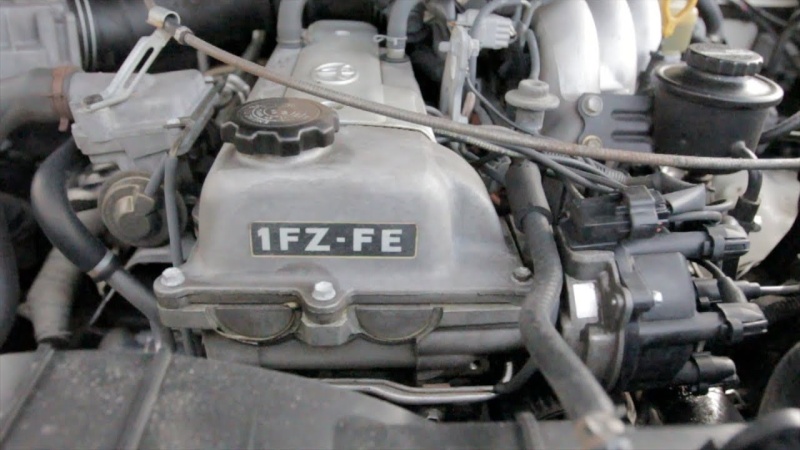
8. Toyota 1FZ-FE
The Toyota 1FZ-FE is a 4.5-liter inline-6 engine most famously used in the Toyota Land Cruiser 80 Series and early 100 Series. Built for durability in harsh environments, this engine is a cornerstone of Toyota’s reputation for producing rugged, long-lasting vehicles.
While it was never built to win races or break speed records, the 1FZ-FE was engineered to survive. Whether in the deserts of the Middle East, the mountains of South America, or the outback of Australia, this engine has proven itself under the toughest conditions.
One of the defining characteristics of the 1FZ-FE is its overbuilt nature. With a thick cast-iron block, strong internals, and conservative engineering, it’s not uncommon to see these engines still operating after 400,000 kilometers or more.
They were designed to operate on low-quality fuel, tolerate extreme heat, and keep running even when maintenance intervals weren’t ideal. For travelers and overlanders, this engine became synonymous with trust. If you’re far from civilization, it’s the kind of engine you want under the hood.
Despite its reliability, the 1FZ-FE isn’t completely without fault. It can be thirsty, especially in older vehicles that haven’t been tuned or maintained properly.
The ignition and fuel delivery systems are relatively simple, which is great for field repairs, but can lead to minor performance inconsistencies if neglected. Still, the vast majority of these engines keep running with little more than routine oil changes and coolant system attention. Head gasket issues are rare, and timing chain service is infrequent.
Today, the 1FZ-FE remains a favorite for engine swaps, restorations, and long-haul adventure builds. It’s not just that the engine is strong; it’s that it was made with an understanding of what people really need: simplicity, longevity, and reliability in every environment.
With more complex engines taking over newer models, the 1FZ-FE stands as one of the last of the truly old-school Toyota inline-6s that could run forever with the bare essentials.
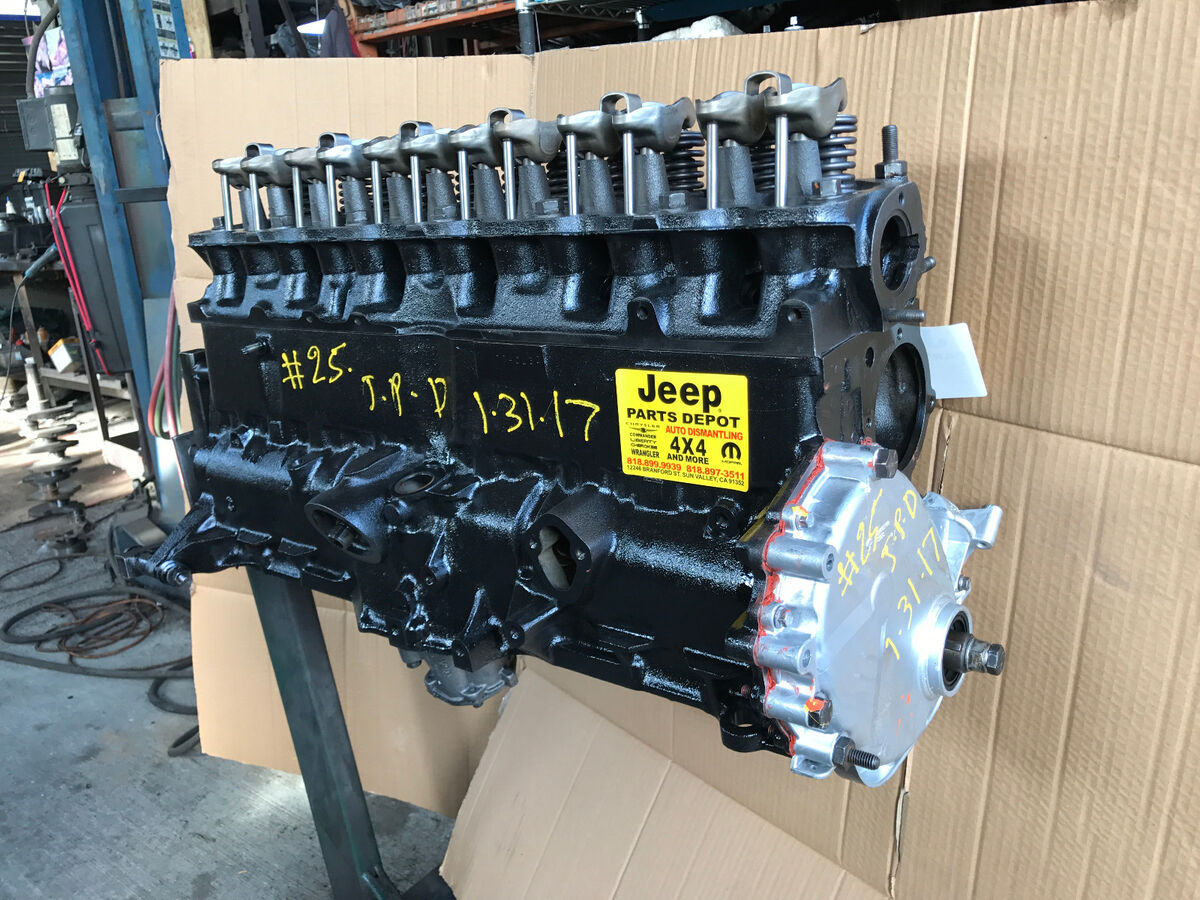
9. AMC 4.2 (258 Inline-6)
Before Jeep was fully absorbed into Chrysler, American Motors Corporation (AMC) developed the 4.2-liter inline-6, also known as the 258. This engine became a defining feature of Jeeps and other AMC vehicles throughout the 1970s and 1980s.
With a long stroke and a torquey character, the 258 was built to move vehicles slowly but surely, which suited off-road and utilitarian use cases perfectly. While its horsepower numbers were never impressive, it made its mark through relentless dependability.
The 258 shares a lot of mechanical DNA with the later 4.0L Jeep engine, but it has its own following due to its simplicity and durability. It used a cast-iron block and head, a basic pushrod design, and carburetion in most configurations.
There’s very little to go wrong with these engines, which is why they continue to show up in working vehicles decades after they were built. Whether used in a farm vehicle or a weekend trail rig, the 258 was known to be nearly indestructible if treated with even modest care.
Like many engines of its era, the 258 wasn’t built with emissions or fuel economy as a top priority. But what it lacked in refinement, it made up for in reliability. Timing chains rarely needed replacement, valve train wear was minimal, and the engines were largely free from catastrophic failure.
The parts’ interchangeability with other AMC and Jeep components also made it easy to keep these engines on the road with minimal effort. Many 258s are still in running condition today in CJ-series Jeeps and early Wranglers.
The AMC 4.2 may not have the global recognition of the 2JZ or the RB26, but among Jeep and classic 4×4 fans, it has earned a permanent spot in the hall of fame. The engine isn’t flashy, but it’s real; it does exactly what it was meant to do and keeps doing it long after many others have failed. In the world of reliable, usable inline-6 engines, the 258 stands out as one of the greats that’s still proving itself every day.
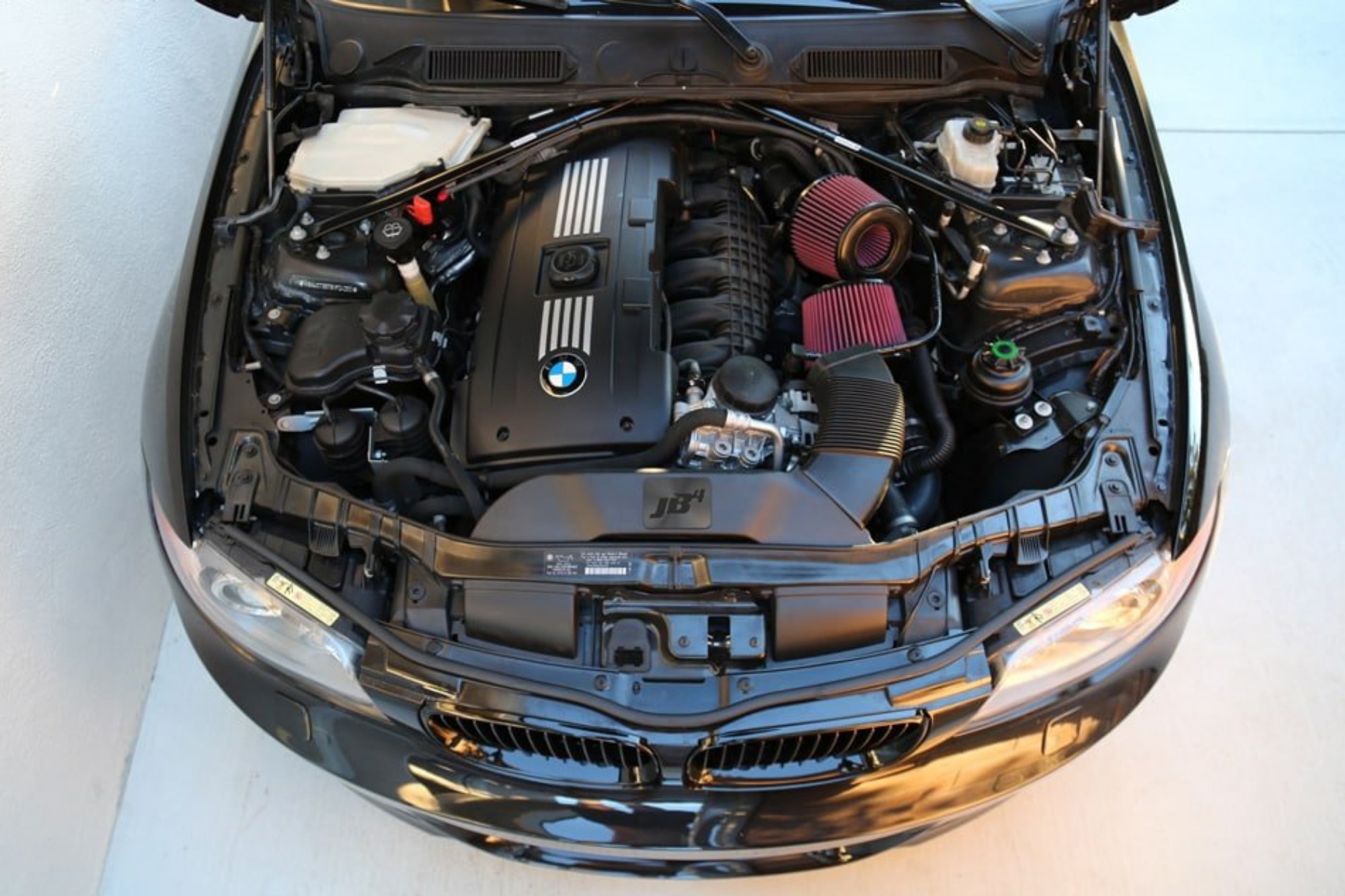
10. BMW N54
The BMW N54 is a 3.0-liter twin-turbocharged inline-6 that powered several of BMW’s most exciting models in the late 2000s and early 2010s. Found in the 335i, 135i, and early models of the 740i and Z4, the N54 marked a shift from naturally aspirated engines to turbocharged powerplants.
While it introduced some reliability concerns at launch, the N54 has proven itself to be one of BMW’s most powerful and long-lasting performance engines, with a huge aftermarket and plenty of examples still going strong.
This engine was BMW’s first mass-produced turbocharged inline-6 and was built with forged internals, which is a rarity in stock engines today. That decision made the N54 a tuner’s dream. It can reliably handle 500+ horsepower with relatively minor modifications.
Turbo upgrades, downpipes, and ECU tunes are all popular upgrades, and the engine responds very well. But what really makes the N54 special is that even in its stock form, it delivers smooth power with minimal turbo lag and excellent midrange torque.
Early in its life, the N54 earned a mixed reputation due to issues like high-pressure fuel pump (HPFP) failures and carbon buildup on intake valves. However, most of these issues have been addressed through extended warranties, improved parts, and better maintenance knowledge among owners.
Once those weak points are handled, the N54 becomes a very robust and rewarding engine to own. Many cars with N54 engines are now well past the 150,000-mile mark and still perform as they did when new.
The N54 was eventually replaced by the N55 and later B58, but it still holds a unique place in BMW’s lineup. It combined old-school durability with modern forced induction performance in a way that few engines have since.
Whether you’re building a 600-horsepower street car or just enjoying a refined daily driver, the N54 delivers power, smoothness, and longevity. It’s no surprise that it continues to thrive in the aftermarket scene today.
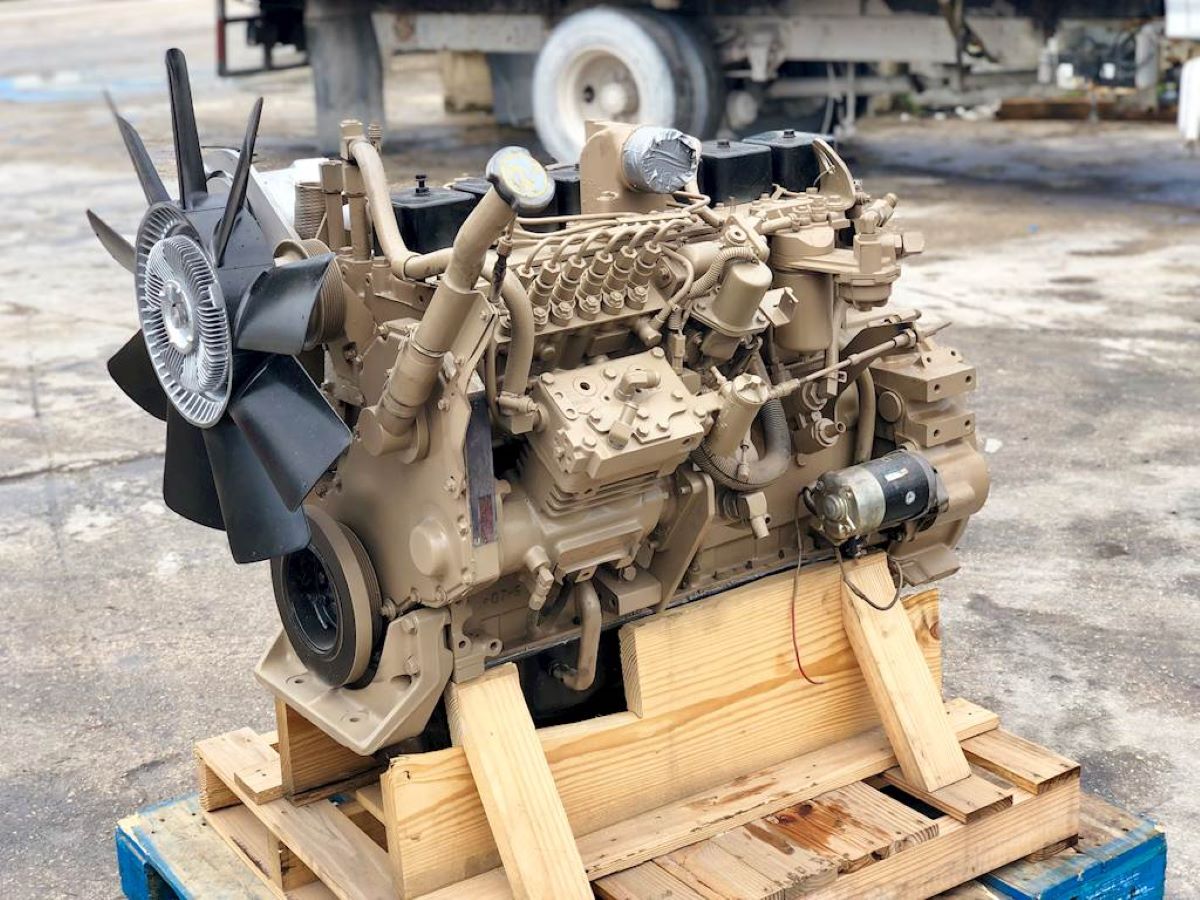
11. Cummins 6BT 5.9L
The Cummins 6BT, also known as the 5.9L, is one of the most legendary diesel inline-6 engines ever made. Often found in Ram pickup trucks from the late 1980s to the early 2000s, this engine has become synonymous with reliability and torque.
Built to power heavy-duty vehicles, the 6BT is commonly found not only in trucks, but also in industrial equipment, school buses, and even marine applications. Its reputation is rock solid, and many of these engines are still in daily service today with more than half a million miles.
What sets the 6BT apart is its simplicity and mechanical strength. It uses a cast-iron block and head, solid lifters, and a Bosch mechanical injection pump.
There are no computers controlling the engine in early versions, making it ideal for rugged environments and long-term use. The turbocharged diesel design produces immense torque at low RPMs, which makes it perfect for towing and hauling. It’s not the fastest engine, but it never gives up, which is exactly what people need from a diesel workhorse.
The aftermarket for the Cummins 5.9L is enormous. With simple upgrades like larger injectors, upgraded turbos, and revised fuel systems, this engine can easily exceed 600–700 horsepower while maintaining reliability. But even without modifications, the 6BT earns its reputation through longevity.
Engines with 300,000–500,000 miles are not rare, and many owners report very few internal issues over the life of the vehicle. Oil changes, fuel filter replacements, and cooling system upkeep are generally all that’s needed to keep these engines going.
Today, the 6BT is a popular swap candidate for older trucks, classic 4x4s, and even custom builds. Its compact size, mechanical simplicity, and brute strength make it incredibly versatile.
Whether it’s pulling a trailer across the country or powering a vintage Dodge Ram that refuses to die, the 6BT continues to work hard every single day. It’s not just one of the best inline-6 diesel engines, it’s one of the best engines, period.
