
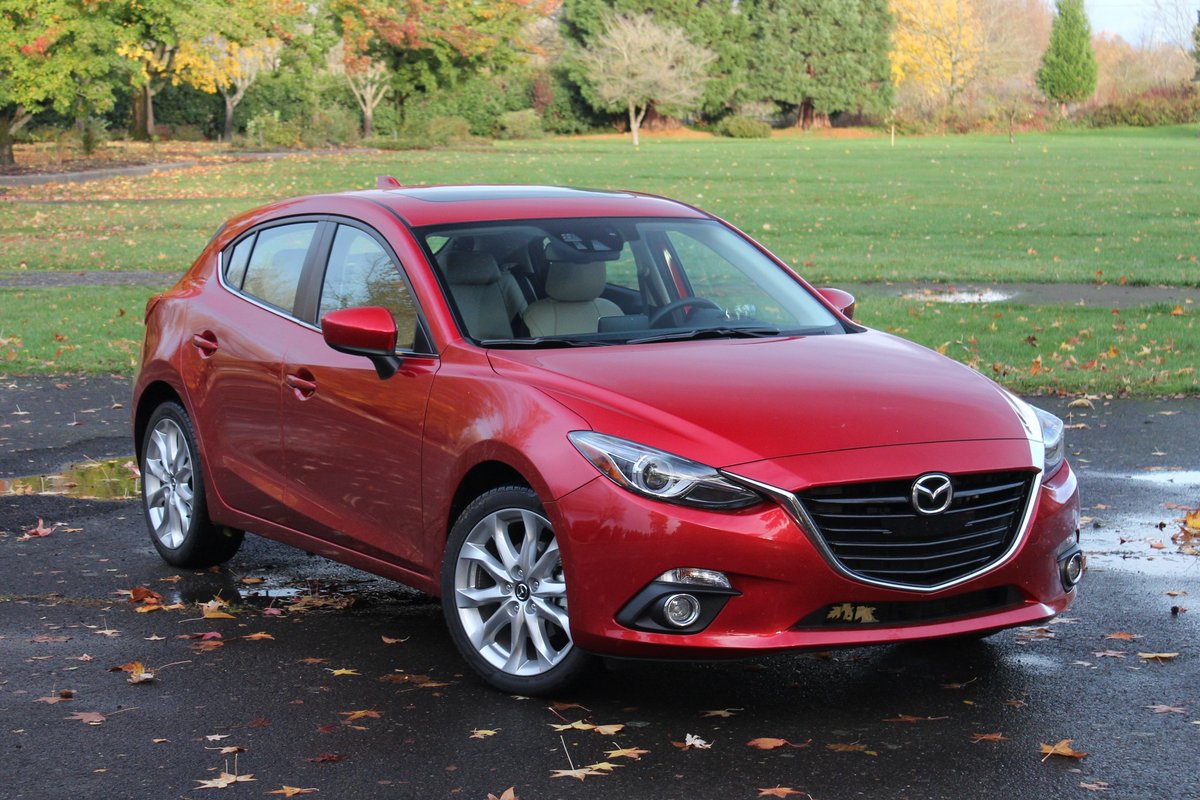
There’s a certain appeal to cars that don’t ask for much but give a lot in return. These are the vehicles that may not turn heads at every corner or boast lavish interiors, but they’ve built a reputation for being nearly impossible to break.
For people who value practicality, low ownership costs, and mechanical dependability, there’s something admirable about these machines. They’re affordable to purchase, easy to maintain, and they just keep going.
Whether they’re being used as commuter cars, family haulers, delivery vehicles, or even beaters for the winter season, they’re often underestimated. But when it comes down to longevity and reliability, they put many luxury vehicles to shame.
What makes a car “expensive to kill” isn’t just how long it lasts. It’s about the balance between low entry cost and long-term durability. Many of these cars have straightforward mechanical setups, fewer electronic complications, and parts that are widely available and cheap.
In most cases, they don’t require special tools or training to repair. The kind of reliability these vehicles offer isn’t based on high-tech gimmicks but solid engineering and practical design.
While newer cars often rely on software patches and proprietary parts, the models on this list usually keep running with basic care and maintenance. Even with high mileage, they can remain surprisingly solid performers.
The market has plenty of cars that promise efficiency, performance, or luxury, but few check the box for both affordability and resilience. These are the cars you see everywhere, sometimes still chugging along with rusty fenders and faded paint, but functioning exactly as intended.
They survive harsh winters, neglected oil changes, bumpy dirt roads, and even careless owners. Some of them were never designed to be iconic, but their reputation grew simply because they refused to die. Mechanics often joke that they’ll outlive their owners, and in some cases, they might be right.
This list isn’t about status symbols or collectors’ items. It’s about real-world champions, cars that are cheap to buy and hard to kill. Whether you’re looking for a used daily driver or your next automotive workhorse, these ten models have earned their place in garages around the world for one simple reason: they just won’t quit.
Also Read: 10 Performance Cars That Won’t Bankrupt You on Repairs
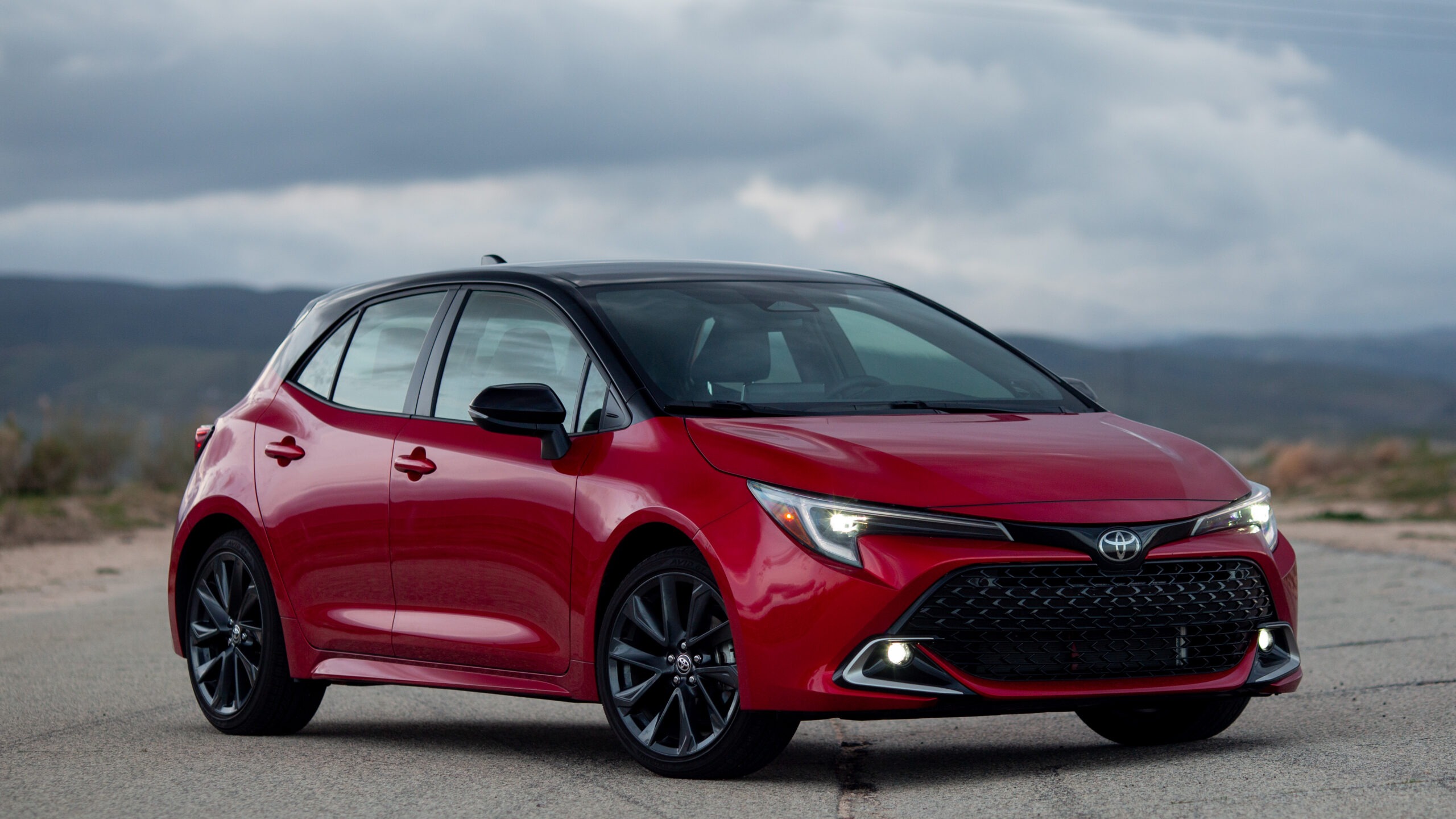
1. Toyota Corolla
The Toyota Corolla has long stood as a benchmark for affordable, dependable transportation. It’s not flashy, nor does it strive to be. But that’s part of the appeal.
The Corolla isn’t trying to impress anyone with exotic features or outlandish styling. It’s a car built with durability in mind. Over the years, its mechanical simplicity and tried-and-true engineering have made it a global favorite.
Even older Corollas from the early 2000s can still be found humming along without major issues, and that’s no coincidence. These cars are known to handle abuse, long commutes, and neglect better than most in their price range.
One of the key strengths of the Corolla lies in its drivetrain. Toyota consistently uses engines that have proven to be bulletproof, particularly the 1.8L four-cylinder units that can regularly exceed 300,000 miles with basic maintenance. Manual and automatic transmissions in these models are rarely problematic.
Routine service like oil changes, brake pads, and belts keeps the car running without the fear of sudden breakdowns. For budget-conscious drivers, that kind of confidence is hard to beat. Many buyers specifically search for Corollas when looking for used cars because they know what to expect: reliability without drama.
Even in areas with harsh weather, Corollas continue to perform reliably. Snow, ice, heat, and heavy rain rarely faze these cars. The simple suspension setup handles rough roads well, and even though the car might not offer the smoothest ride, it’s predictable and consistent. Interior materials might wear out, and you might see some cosmetic decay, but under the hood, things usually keep working just fine.
Mechanics often praise how accessible and easy these cars are to repair, which only adds to their reputation as dependable daily drivers.
For those seeking a vehicle that doesn’t ask for much and gives plenty in return, the Corolla stands out as a solid choice. You won’t be paying a fortune to buy one, and if you treat it right, it’ll probably still be around long after other cars have hit the junkyard. It’s not glamorous, but it’s stubborn in all the right ways.
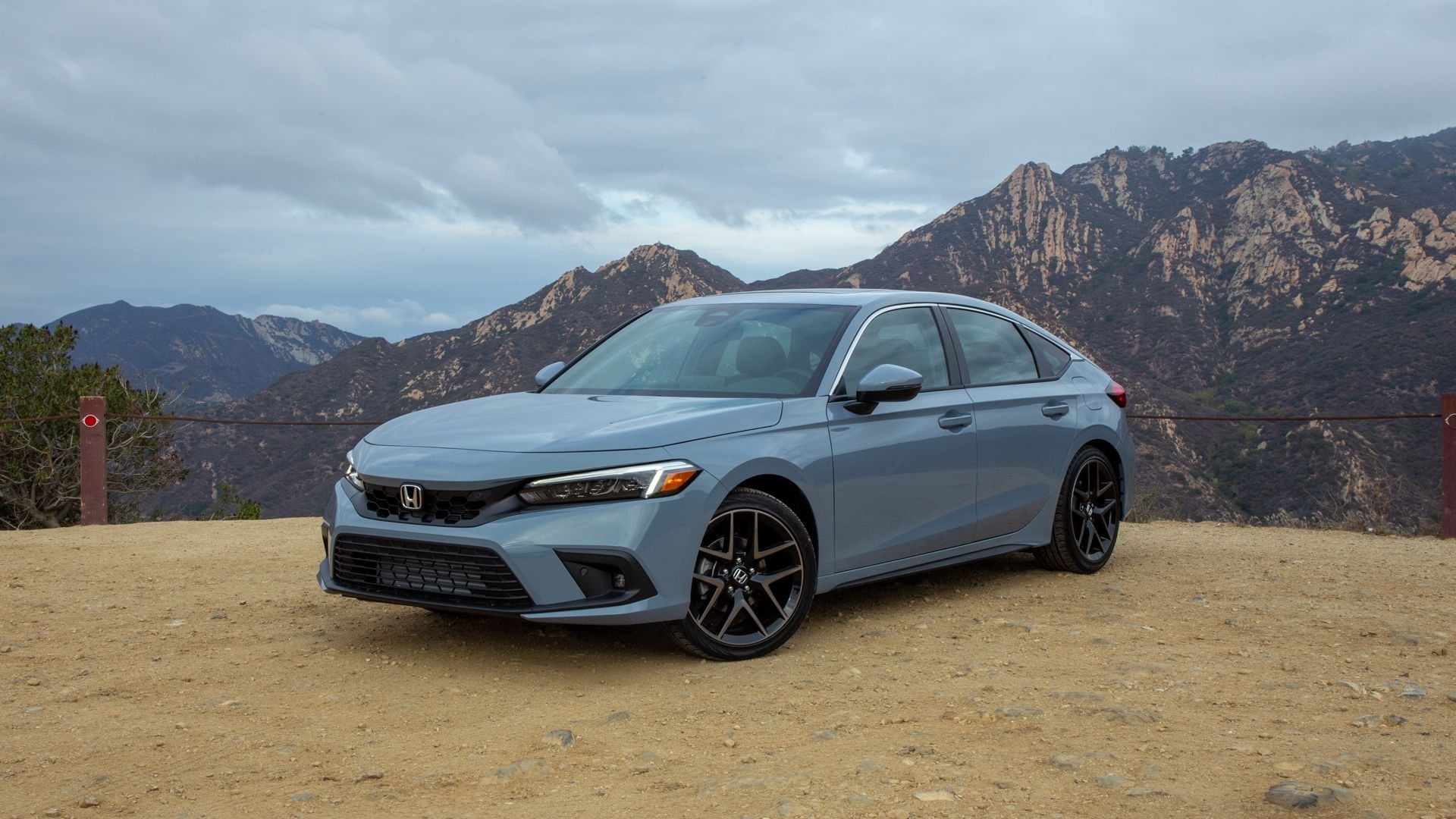
2. Honda Civic
The Honda Civic has always had a loyal following, and for good reason. It’s one of those rare cars that manages to be affordable, fun, and incredibly reliable all at once. First-time drivers, college students, delivery workers, and commuters have all found comfort in the Civic’s blend of efficiency and toughness.
Over the decades, Honda has fine-tuned the Civic to be more than just a fuel-efficient compact. Its engine and drivetrain combinations are known to last hundreds of thousands of miles with minimal intervention. You can often find Civics with 200,000 miles or more still running smoothly.
The key to the Civic’s longevity is its straightforward engineering. Older models, especially those built in the early 2000s, have engines that rarely give owners major trouble. The D-series and K-series engines have become legends in their own right. Honda’s reputation for over-engineering components pays off here.
Timing belts, alternators, and transmissions tend to outlast their expected lifespans, and when replacements are needed, they’re affordable and easy to source. The Civic doesn’t rely heavily on software, and even base models are mechanically sound, which gives them an edge in the long-term ownership game.
What really makes the Civic hard to kill is how well it holds up over time. Even after years of use, the chassis remains solid, and the electronics continue to function. While rust can be an issue in certain regions, the car’s internal components often remain reliable.
Owners who perform even the most basic maintenance, oil changes, fluid flushes, and tire rotations will likely see their Civic outlive multiple sets of tires and brake pads. The Civic’s fuel efficiency also makes it a favorite for those who want low operating costs.
Many older Civics are still on the road today, being passed down from one family member to the next. Their resale value holds up well because of their known durability. Whether you’re looking for a commuter car or a long-haul companion, the Civic makes a compelling case. It’s one of those cars that you buy and then forget about, because it just keeps doing its job without complaint.
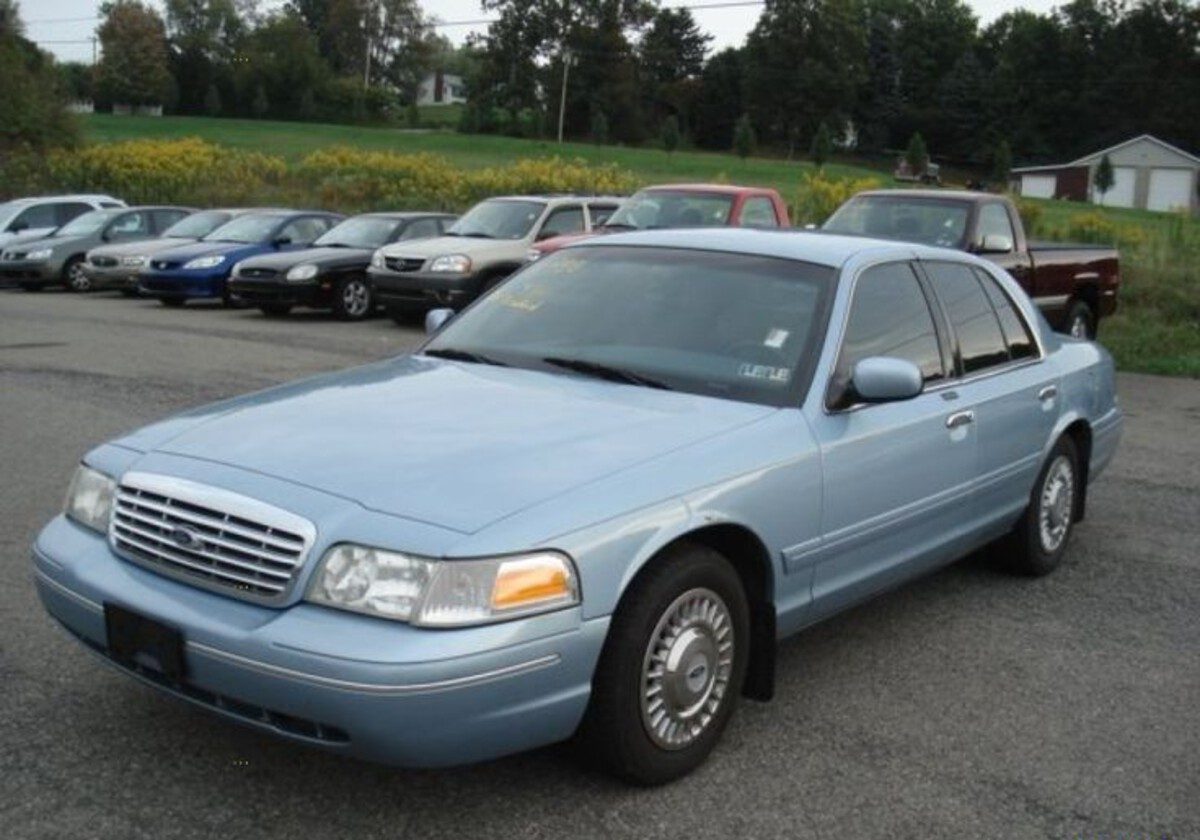
3. Ford Crown Victoria
The Ford Crown Victoria wasn’t built to impress, it was built to serve. Often used as police cruisers, taxis, and government vehicles, these cars were engineered for abuse. Their body-on-frame design gave them a level of toughness that modern unibody cars can’t easily match.
Mechanically simple and physically large, the Crown Vic has earned a reputation for being nearly indestructible. You can pick up one for a few thousand dollars, and with some basic upkeep, it’ll keep going for years without breaking a sweat.
What sets the Crown Victoria apart is its 4.6-liter V8 engine. While not the most fuel-efficient, this engine is extremely durable. Combined with a solid automatic transmission and rear-wheel-drive setup, it’s designed for long hours of operation.
Fleet maintenance records show that these cars can go well over 300,000 miles when serviced properly. Parts are plentiful and relatively inexpensive due to the sheer number of these vehicles that were in service. There’s also a vast online community dedicated to maintaining and modifying them, which helps keep costs down.
Another advantage is the ease of repair. Crown Victorias have large engine bays with lots of room to work, making them a favorite for DIY mechanics. Everything is accessible, and the design hasn’t changed much over the years, which means there’s a wealth of knowledge available.
From simple oil changes to more complicated suspension work, most jobs can be handled in a home garage with standard tools. Even in high-mileage examples, the ride remains smooth and the power delivery steady.
Though the Crown Vic may lack modern amenities, it offers something more important: confidence. You don’t have to worry about pushing it too hard, and if something does go wrong, repairs are rarely expensive. It’s one of those cars that keeps going long after it should have given up.
As a result, it has developed a sort of cult following among those who appreciate function over form. For anyone looking for a sturdy, low-cost machine with staying power, this big sedan still makes a lot of sense.
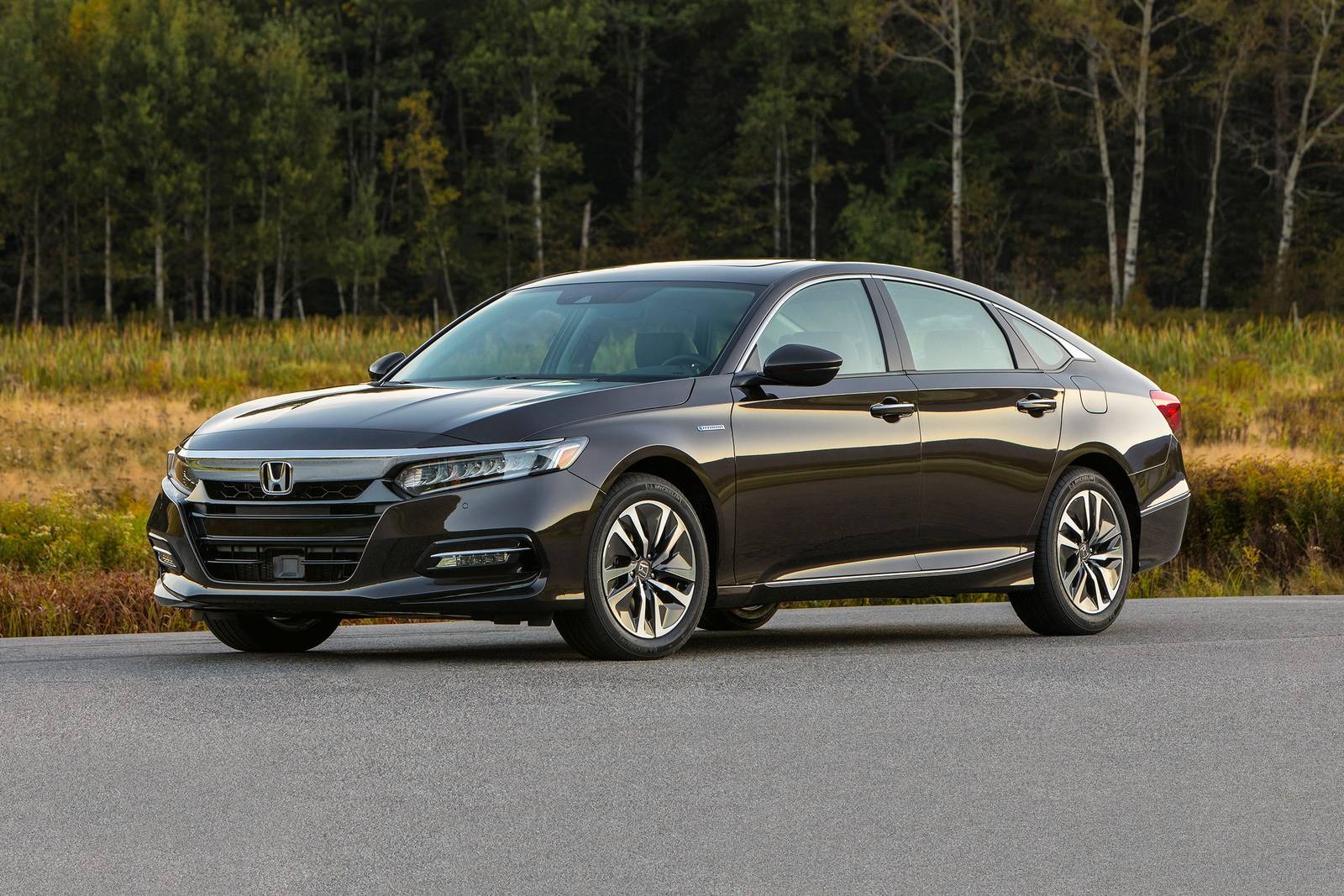
4. Honda Accord
The Honda Accord has long stood as a top contender in the midsize sedan category, not just for its comfort and practicality, but for its remarkable longevity. It’s a vehicle that manages to feel refined while also being rugged enough to outlast competitors that cost far more.
Used car buyers are often surprised by how many Accords from the late ’90s and early 2000s are still running with 250,000 miles or more. Unlike some modern vehicles loaded with fragile electronics, the Accord maintains a good balance between functionality and simplicity, which makes it a strong option for anyone looking for something they don’t have to worry about constantly.
What really sets the Accord apart is the durability of its powertrains. The four-cylinder and V6 engines used throughout different generations of the Accord have proven themselves to be resilient under pressure. The 2.4L i-VTEC engine, for example, is known to last beyond 300,000 miles with routine oil changes and cooling system maintenance.
Transmission issues were more common in some early 2000s V6 models, but even those can be addressed cost-effectively with proper attention. In general, the Accord rewards owners who stick to a basic maintenance schedule. And for those who do, it’s not uncommon for the car to remain rock-solid for well over a decade.
Another advantage of the Accord is its driveability. Unlike many other cheap, long-lasting cars that are purely functional, the Accord manages to feel engaging on the road. The steering is responsive, the ride is well-balanced, and the cabin doesn’t feel like a penalty box.
That adds to its value over time. You’re not just keeping a car alive, you’re keeping a car alive that you still enjoy driving. Even when the upholstery starts to fade and the paint loses its shine, the Accord often retains its strong mechanical core. This is one of the few affordable cars that ages with grace, not just durability.
Maintenance costs are also relatively low, and parts are widely available due to the massive volume of Accords on the road. Whether you’re replacing brake pads, suspension components, or ignition parts, you won’t need to dig deep into your wallet.
Independent mechanics know these cars inside and out, and there’s a large community of owners sharing advice and solutions. For people who want something that’s not only cheap to buy but also cheap to keep running year after year, the Honda Accord delivers exactly that.
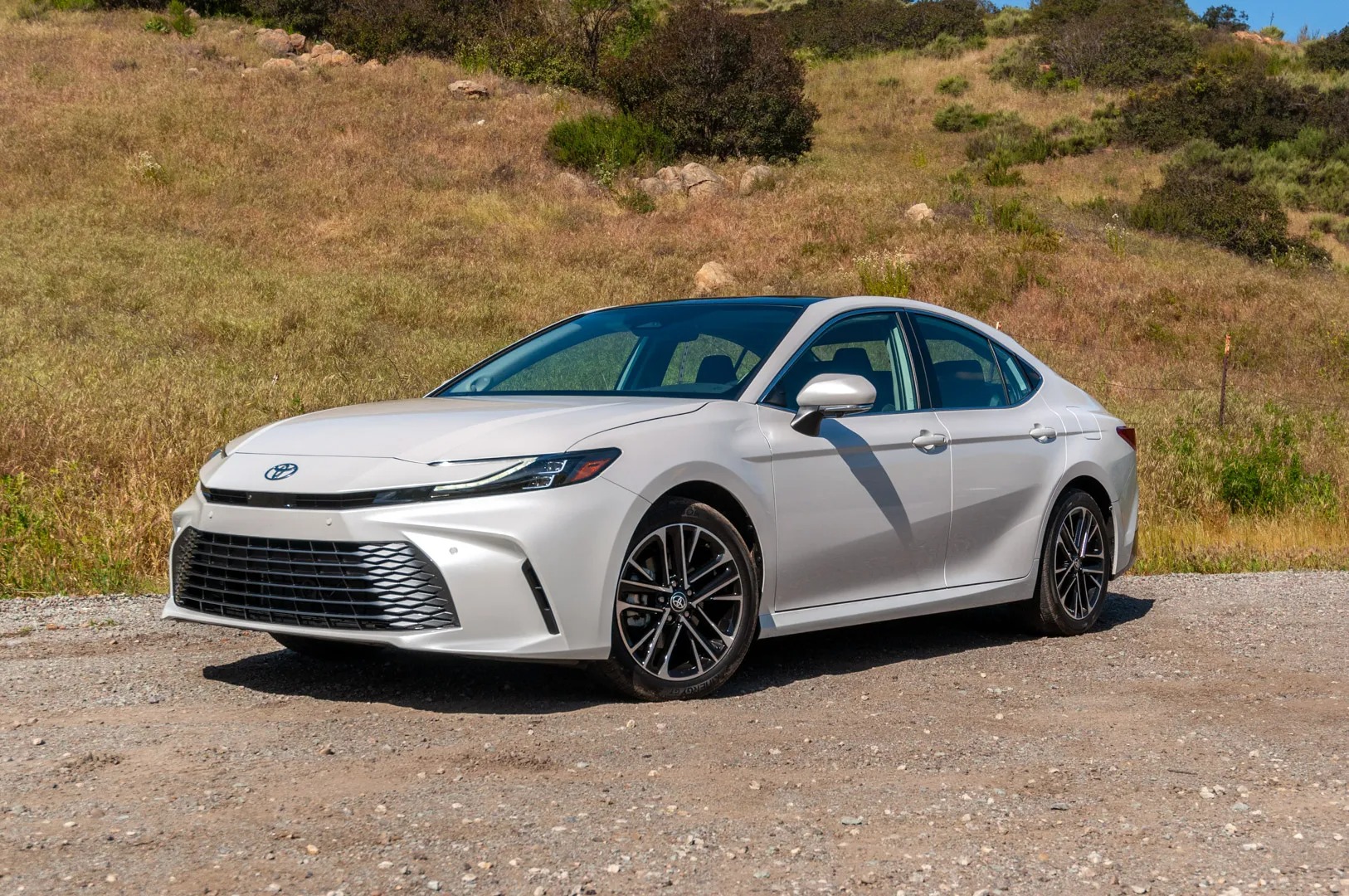
5. Toyota Camry
The Toyota Camry often gets labeled as a “boring” car, but that’s only because people mistake dependability for dullness. The truth is, few cars have built as strong a reputation for longevity and minimal maintenance headaches as the Camry.
For decades, it has served as the go-to vehicle for families, salespeople, and commuters who want one thing above all else, reliability. Whether you’re looking at a 1999 model or a 2014, the story remains consistent: the Camry keeps running even when it seems like it shouldn’t. It’s a car that quietly refuses to die.
One of the key reasons the Camry is so hard to kill is its engineering. Toyota spent decades refining the Camry’s engines, especially the 2.4L and 2.5L four-cylinder options. These engines are known for their durability and low maintenance requirements.
Timing chains replaced belts in many later models, reducing the number of critical service items. Even the V6 versions, while slightly thirstier at the pump, are capable of long lifespans if properly maintained. The transmissions, both manual and automatic, are among the most reliable in their class, making this car a solid option for long-term ownership without major repair bills.
Interior and exterior build quality also play a role in the Camry’s lasting appeal. While the interior materials may not be luxurious, they hold up remarkably well over time. Buttons, switches, and gauges continue to function even after years of heavy use.
Rust resistance is solid in most models, especially post-2000s, and the suspension is built to withstand bad roads without constant repairs. You may not get high-end features or flashy tech, but what you do get is a car that functions properly every time you turn the key, even when everything else around it seems to be falling apart.
Part of what makes the Camry cheap to buy and expensive to kill is its widespread availability. With so many on the road, parts are everywhere, which drives repair costs down. Whether you need a water pump or a window regulator, you’re unlikely to wait long or pay much.
Independent mechanics are well-versed in Camry repairs, and DIY jobs are often simple enough for beginners. It’s a car that doesn’t need pampering, doesn’t ask for upgrades, and doesn’t punish you for missing a service interval now and then. For anyone looking for dependable transportation that won’t leave them stranded, the Camry is one of the safest bets you can make.
Also Read: 8 Most Popular Pickup Trucks in the U.S. Ranked by Real Owners
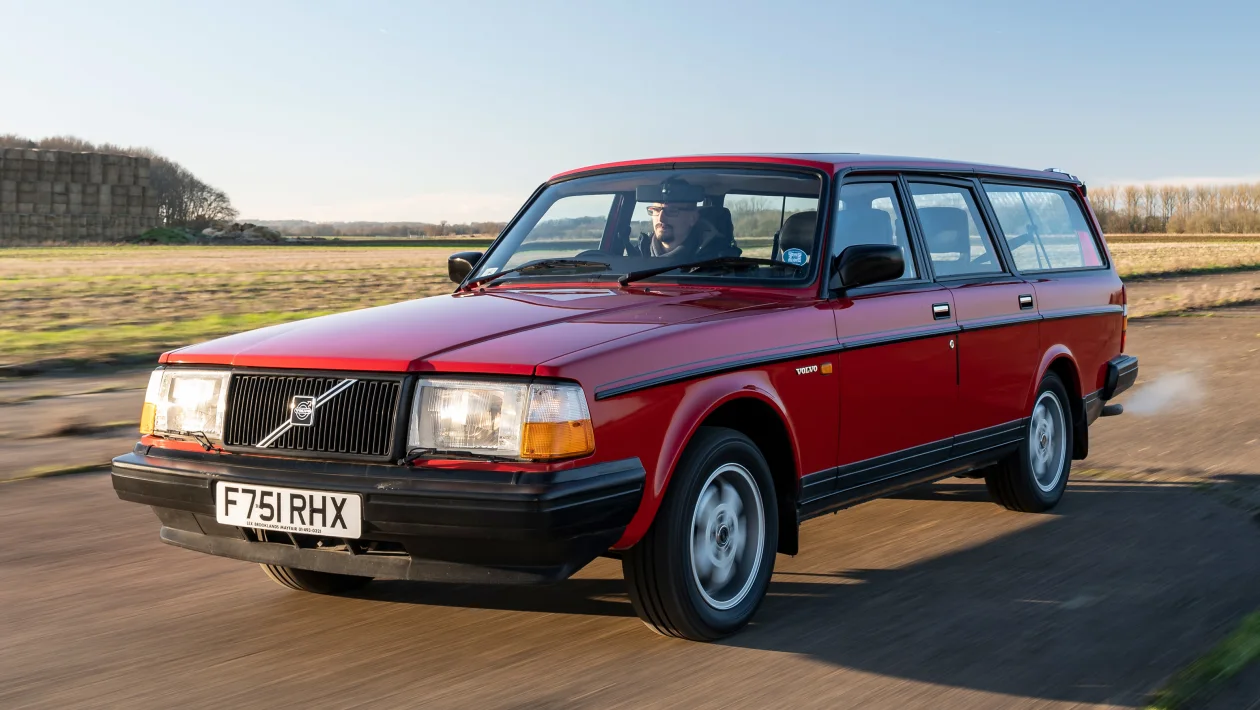
6. Volvo 240
The Volvo 240 is a different breed entirely. It’s not just a reliable car, it’s a survivor. Built like a tank, the 240 was designed during a time when safety and durability were prioritized over everything else. It’s a boxy sedan or wagon that looks like it belongs in a history museum, but don’t be fooled by its dated appearance.
These cars have outlived expectations across multiple generations, and in many cases, they’re still being driven today as daily commuters, especially in colder climates where newer cars have long since succumbed to rust and neglect.
Under the hood, the Volvo 240 uses a range of incredibly simple and well-built engines. The most well-known is the B230, a cast-iron inline-four that is almost impossible to destroy. It’s not quick or flashy, but it was engineered for long life and ease of maintenance.
Timing belts are easy to change, gaskets rarely leak, and the cooling system is straightforward. Because the car doesn’t rely on a lot of electronics, it avoids many of the failures that plague more modern cars. Even fuel injection systems in later models were designed with longevity in mind.
One of the most defining characteristics of the 240 is its structural strength. These cars have a thick steel frame and a solid chassis that can take a beating. While they may not be crash-proof by today’s standards, they offer a level of physical security and endurance that’s hard to find in any modern economy car.
You’ll often see 240s with dings, scrapes, and rust spots, still idling smoothly with no check engine light in sight. Owners often joke that the car would survive the apocalypse, and there’s some truth to that. It’s a car that feels indestructible because, in many ways, it is.
Repairing and maintaining a 240 is also surprisingly easy. There’s a cult-like following around these cars, which means there’s a wealth of resources available.
DIY repairs are well documented, parts are still relatively easy to source, and the car’s mechanical layout is very beginner-friendly. You don’t need special tools or a garage full of electronics to keep a 240 alive. You just need some patience, a wrench, and an appreciation for what it represents: a time when cars were built to last, not just to sell.
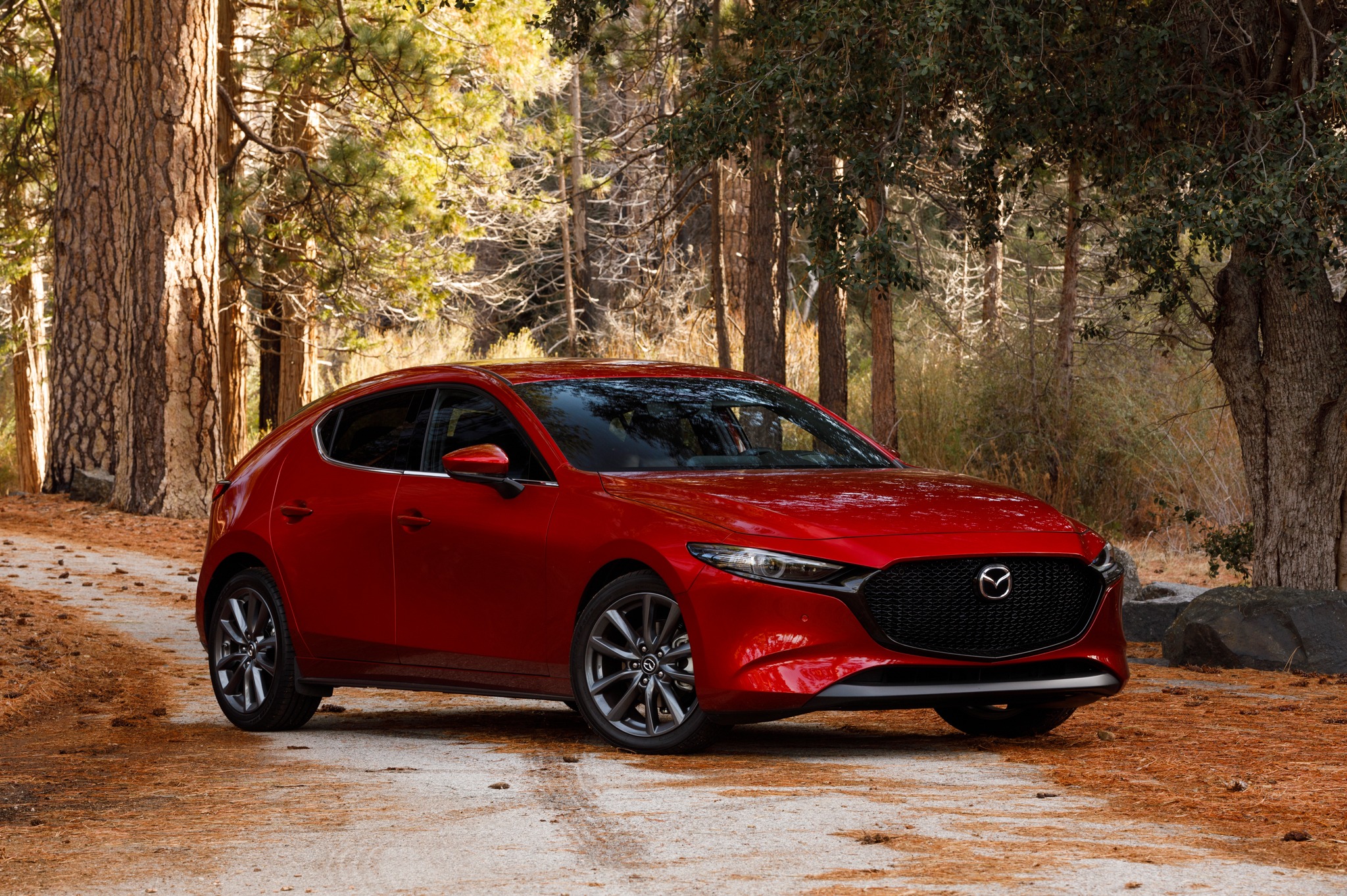
7. Mazda 3
The Mazda 3 doesn’t always get mentioned in the same breath as the Corolla or Civic when talking about long-lasting small cars, but it deserves a spot on that list. It’s a compact car that manages to be fun to drive while also holding up well over time.
First introduced in the early 2000s as a replacement for the Mazda Protegé, the Mazda 3 quickly became a favorite among drivers who wanted more personality from their daily driver without sacrificing reliability. The combination of a responsive chassis and reliable engines has made it a long-lasting favorite, especially among budget-conscious enthusiasts.
Mazda put a lot of effort into the engineering behind the 3, particularly with its drivetrain. The naturally aspirated 2.0L and 2.3L engines used in the earlier models, and later the 2.5L Skyactiv engines, are known to be capable of hitting high mileage with proper maintenance.
They’re simple, easy to work on, and not overly dependent on electronics. Timing chains are standard, reducing the number of expensive service intervals. When things do need to be repaired, parts are relatively affordable and available, and the engines don’t require specialty tools or dealership-only diagnostics.
Where the Mazda 3 really earns its reputation is in its build quality relative to cost. Even though it’s priced as a budget compact, the interior and handling feel more refined than many of its competitors. That gives it a sense of quality that extends beyond just mechanical reliability.
Steering remains sharp even after years on the road, and the suspension doesn’t fall apart after 100,000 miles. Owners frequently report that even with high mileage, the car still feels tight and composed. That’s not something you can say about every car in this segment, especially ones that are 10 or 15 years old.
Some of the earlier models had issues with rust in certain regions, particularly around the wheel wells, but this doesn’t usually affect drivability. The core mechanical components tend to hold up very well. DIY mechanics also love the Mazda 3 because it’s relatively easy to work on, with most common parts accessible and engine bays that aren’t overly cramped.
For people who want a car that’s not just cheap and long-lasting, but also enjoyable to drive even after years of use, the Mazda 3 quietly stands out as one of the best values on the used market.
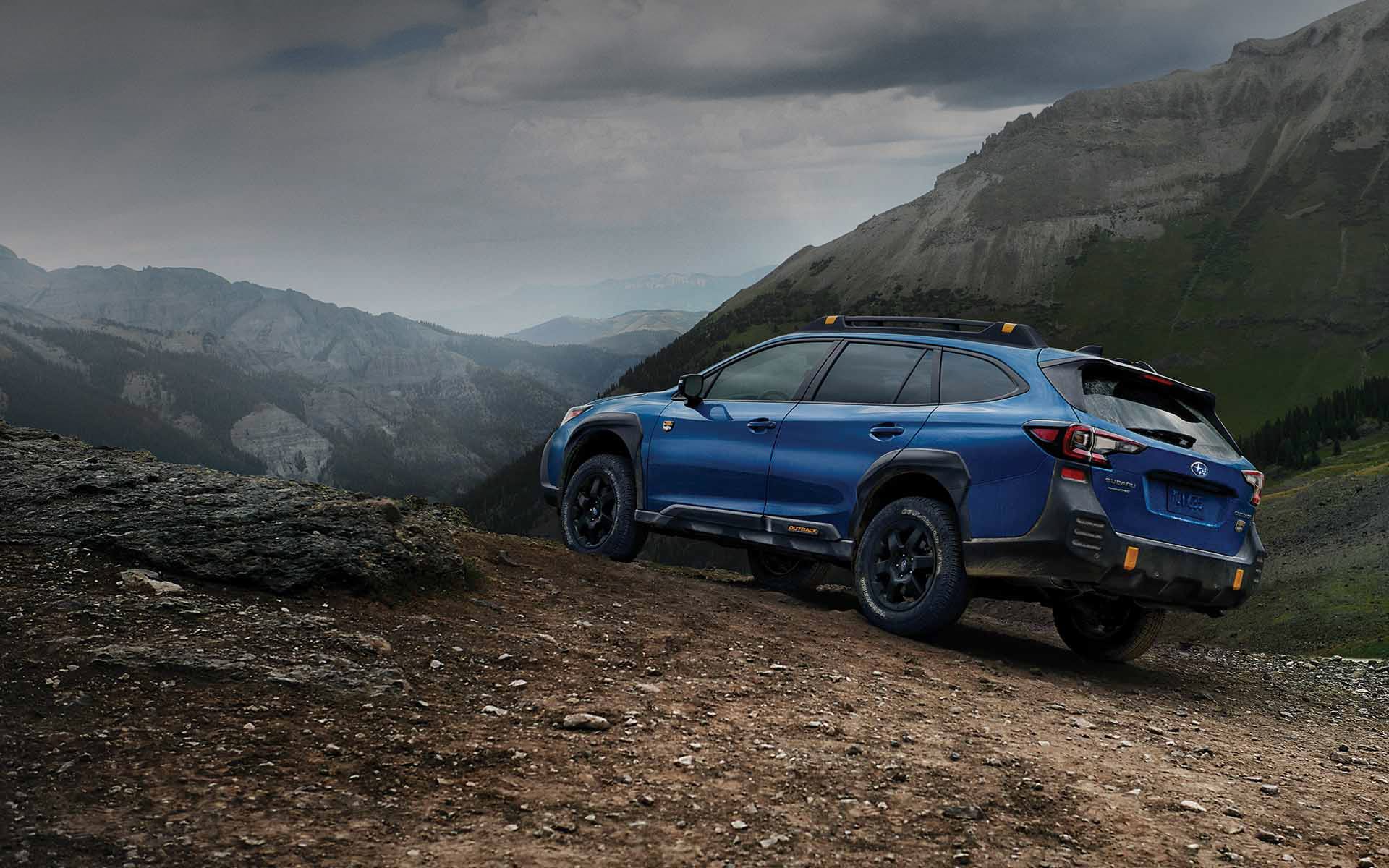
8. Subaru Outback
The Subaru Outback has built its reputation not just on reliability, but also on its ability to go places most sedans and crossovers can’t. It’s the Swiss Army knife of cars, rugged, dependable, and ready for almost anything.
People living in mountainous, rural, or snowy regions often gravitate toward the Outback because it feels like it was built specifically for them. But what makes it impressive is that it doesn’t just survive harsh conditions, it thrives in them. Even older models with well over 200,000 miles can still be seen trudging up steep gravel roads or making daily grocery runs in deep winter.
The foundation of the Outback’s reputation lies in its symmetrical all-wheel-drive system, which comes standard on every model. Unlike other budget cars that use part-time systems or engage only when needed, the Subaru system is always on, which makes it more predictable in tough conditions.
Paired with the durable flat-four engine layout, the Outback has an excellent center of gravity and traction. These engines, particularly the non-turbo variants, are known for their endurance when maintained properly. The EJ25, while not without its quirks, can go the distance with routine attention to oil and coolant levels.
One common talking point with Subarus, especially older Outbacks, is head gasket failure. While this was a known issue in models from the early 2000s, it’s not a dealbreaker. Many owners either replace the head gaskets preemptively or budget for it in the car’s lifespan.
Once addressed, these engines keep running and rarely encounter major mechanical failure. The car’s design also lends itself to straightforward maintenance. Oil changes, brake jobs, and suspension work are easy enough for DIYers, and because of the huge Subaru owner community, there’s no shortage of guides and tutorials.
The Outback’s longevity isn’t just mechanical. Its practical design allows it to stay useful well into old age. The interiors are often basic but functional, and the cargo space is generous. Whether it’s being used for camping trips, hauling tools, or driving through snowstorms, the Outback takes it all in stride.
Even when they look beat up on the outside, these cars tend to remain structurally sound and mechanically intact. For someone who needs a reliable, do-everything vehicle that keeps running without putting a hole in their wallet, the Subaru Outback is often the last car they’ll need for a long time.
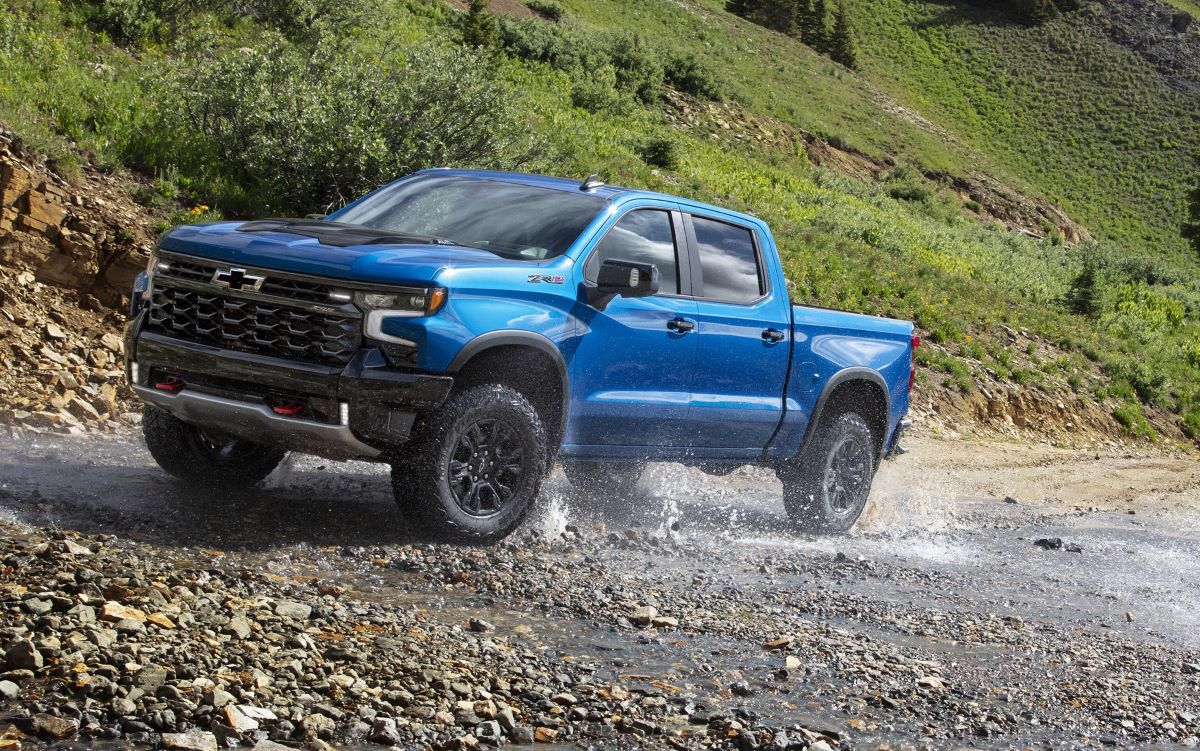
9. Chevrolet Silverado 1500 (Older Models)
The Chevrolet Silverado 1500, particularly the older models from the early 2000s, is a truck that refuses to quit. While newer pickups have become increasingly complicated with luxury features and fragile electronics, the Silverado from this era is all about function and toughness.
You can still find these trucks in use on farms, construction sites, and in small-town driveways across the country. They weren’t designed to win beauty contests, but they were built to tow, haul, and keep moving. What they lack in refinement, they more than make up for in brute durability.
The key to the Silverado’s resilience is its powertrain. The 4.8L and 5.3L Vortec V8 engines used in these trucks are considered among the most reliable GM has ever produced. They’re simple, overbuilt, and capable of handling years of hard use. Owners often brag about crossing the 300,000-mile mark without ever opening the engine.
The transmissions, especially the 4L60E, are not perfect but are serviceable and relatively inexpensive to rebuild when needed. These trucks were designed to be worked on and repaired with minimal fuss, and that’s a major reason they’ve stuck around so long.
Aside from the drivetrain, the Silverado’s frame and suspension are designed to take punishment. Even after years of towing trailers or carrying heavy loads, many of these trucks remain solid and free of major structural issues. Rust can be a problem in northern states, especially around the rocker panels and cab corners, but the truck often remains roadworthy regardless.
People continue to pour money into maintaining these trucks because they know they’ll get their value back in the form of dependable service. It’s not uncommon to see one with mismatched panels and faded paint still being used daily.
What makes the Silverado truly “expensive to kill” is how cost-effective it is to repair. There’s no shortage of parts, aftermarket upgrades, and replacement components. Junkyards are full of compatible donor vehicles, and small-town mechanics know these trucks inside and out.
You don’t need a dealer, and you don’t need a diagnostic computer just to reset a check engine light. It’s a straightforward machine built for real-world use, and for many, that’s the best kind of vehicle to own. If you’re looking for a cheap-to-buy truck that will outlast most of what’s sold today, the Silverado is still a smart choice.

10. Jeep Cherokee XJ
The Jeep Cherokee XJ is one of those vehicles that defies modern automotive logic. Built from 1984 to 2001 with minimal changes, it’s a car that looks like a box on wheels and drives like a tractor, but it keeps going no matter what. It was never intended to be luxurious or advanced.
It was built to handle rough terrain, tough jobs, and years of neglect. That simplicity and ruggedness are what make it a cult classic today. You can still find these Jeeps running strong in rural areas, on trail runs, and even as daily drivers in places where winter and bad roads are a way of life.
At the heart of the Cherokee XJ is the legendary 4.0L inline-six engine. Known for its durability and torque, this engine is considered by many Jeep enthusiasts to be one of the toughest ever made. It’s not uncommon for well-maintained versions to reach 300,000 miles or more.
The engine is incredibly tolerant of poor maintenance and abuse. Even when it’s leaking oil and making noise, it usually keeps going. Paired with a simple four-speed automatic or a tough manual transmission, the drivetrain is as close to indestructible as you’ll find in a mass-market vehicle.
The XJ’s body and suspension were also built with toughness in mind. Unlike many modern crossovers, the Cherokee uses a unibody construction that was ahead of its time for off-road strength. Solid axles front and rear give it outstanding durability on rough terrain, and the suspension can take serious punishment.
It was built with simplicity as a guiding principle, which means fewer parts to break and easier repairs when something does go wrong. Many of these vehicles are still driving around with their original axles, engines, and transmissions, even after decades of use.
