
Coupes have long been a symbol of driving enjoyment and personal style. Even as SUVs and crossovers continue to dominate the roads, there’s something undeniably engaging about a two-door car built with a sense of purpose. For many car enthusiasts, the thrill of driving doesn’t require the latest technology or a six-figure price tag.
In fact, there’s a special charm in older coupes that still perform remarkably well, even after years of use. Whether it’s the crisp steering, lightweight feel, or the simple connection between driver and machine, these cars prove that age doesn’t have to dull excitement. What’s even better is that many of these models have become more affordable over time, putting them within reach of those who want a fun car without draining their bank accounts.
These coupes were often designed during times when driving feel was prioritized over touchscreen interfaces or complex safety systems. Many of them feature manual transmissions, naturally aspirated engines, and rear-wheel-drive layouts that reward driver skill.
Despite being years or even decades old, they still offer levels of feedback and enjoyment that modern vehicles struggle to replicate. For people who care about how a car feels on the road, these vehicles remain compelling choices. Maintenance costs can vary, but a well-kept example of any car on this list has the potential to deliver thousands of miles of smiles.
Some of the cars listed here were affordable even when new, aimed at younger drivers or those looking for value. Others were once more expensive machines that have now depreciated into an affordable price range. In either case, their blend of performance, styling, and driver engagement hasn’t lost its charm.
These aren’t just budget options; they’re still genuinely exciting cars in their own right. Their personalities might differ, but they share one thing in common: a reputation for being fun long after the odometer has racked up serious numbers.
Also Read: 8 Most Popular Pickup Trucks in the U.S. Ranked by Real Owners
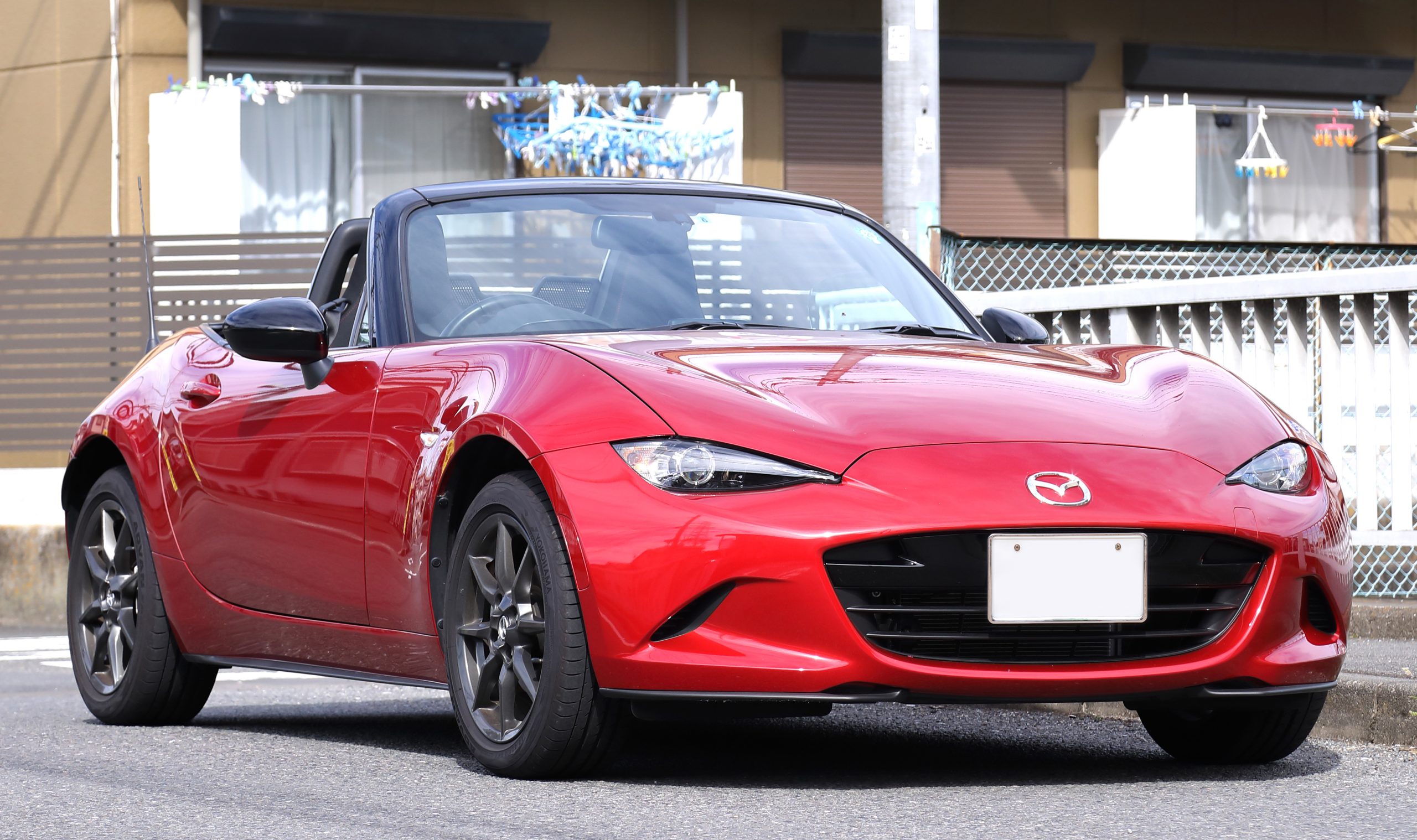
1. Mazda MX-5 Miata (NB and NC Generations)
The Miata is often the default answer when someone asks for a fun, affordable car, and for good reason. The NB (1999–2005) and NC (2006–2015) generations, in particular, strike a balance between old-school simplicity and modern reliability. The NB offered sharper handling than the original while keeping its lightweight ethos.
The NC, slightly heavier, brought more power and better refinement without losing the car’s core spirit. Both generations are widely available on the used market and have a massive aftermarket following. Their affordability doesn’t just come from low asking prices, but also from relatively inexpensive running costs.
What continues to make the Miata special is its connection with the driver. There’s a sense of intimacy in how it communicates road conditions through the steering and chassis. Unlike some sports cars that try to insulate you from the experience, the Miata invites you to participate.
Its modest power encourages you to use the full rev range without risking your license, which makes every drive feel like an event. The manual gearbox, in particular, is light, direct, and rewarding to operate. These traits make the Miata just as appealing today as it was decades ago.
While some criticize the Miata for lacking power, that’s part of its charm. It teaches you to carry momentum, choose your lines carefully, and appreciate finesse over brute strength. On a twisty back road, it can be just as entertaining as cars with double the horsepower.
You also don’t need to worry about complex tech failing or expensive parts wearing out prematurely. Parts are plentiful, and there’s a massive online community ready to help with advice and support. It’s a nearly ideal entry point into the world of fun cars.
Used NB and NC Miatas have aged gracefully in both styling and mechanical durability. They don’t feel like relics of the past. Instead, they remind drivers what made small coupes so addictive in the first place. If you’re looking for a car that puts a smile on your face every time you drive it, it’s hard to find a better option at this price point.
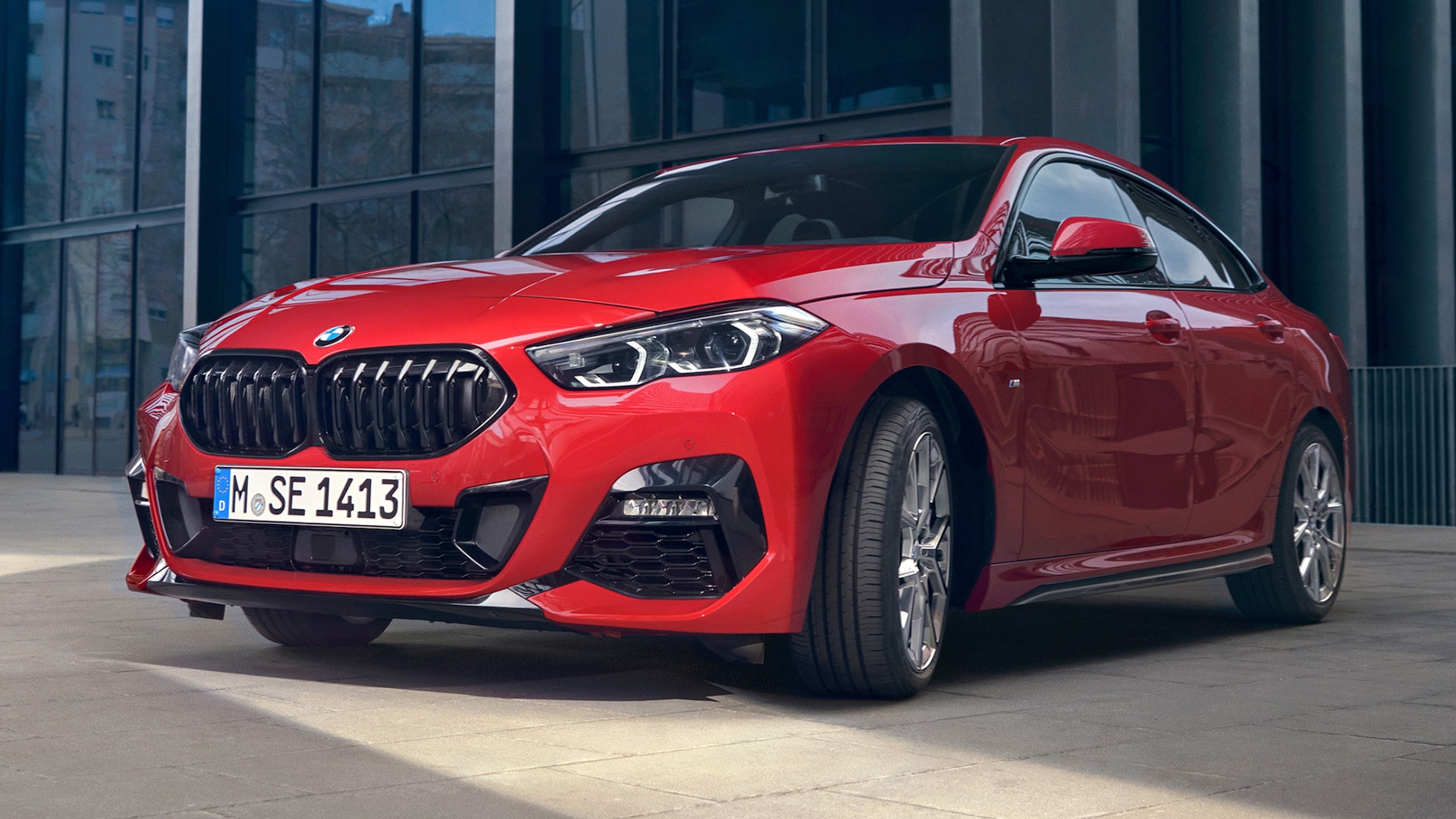
2. BMW 3 Series Coupe (E46 and E92)
The BMW 3 Series coupe, especially the E46 (1999–2006) and E92 (2007–2013) generations, offers a compelling mix of refinement and athleticism. These cars were benchmark vehicles in their time, combining balanced chassis dynamics with upscale interiors.
The E46 is especially beloved for its analog driving feel, while the E92 brought a more powerful engine lineup and a more modern look. While prices for the M3 variants have soared, the regular 325i, 328i, and 330i coupes remain within reach and offer plenty of thrills for the money.
The appeal of these coupes lies in their composure and balance. Rear-wheel drive, excellent weight distribution, and communicative steering make them rewarding to drive.
The manual transmission is smooth and feels well-matched to the engines, whether it’s the silky inline-six in the E46 or the more robust unit in the E92. You don’t need to go fast to appreciate how well these cars behave in corners. Even the automatic versions retain much of the driving feel, though manuals are definitely the enthusiast choice.
These cars also stand out for their interior quality. Even years later, the cabins feel solid and well-designed. You get real materials, supportive seats, and a layout that prioritizes driving over gadgetry. There are few distractions, which lets you focus on the experience.
Maintenance can be more involved than with some Japanese brands, but independent mechanics and parts availability help keep costs in check. The reward is a driving experience that feels far more refined than most similarly priced coupes.
With tasteful styling and a reputation for balance, the E46 and E92 coupes have aged with dignity. They don’t scream for attention but still turn heads in the right circles. More importantly, they offer a driving experience that newer cars often struggle to match. For those who value connection over complication, these BMWs still deliver.
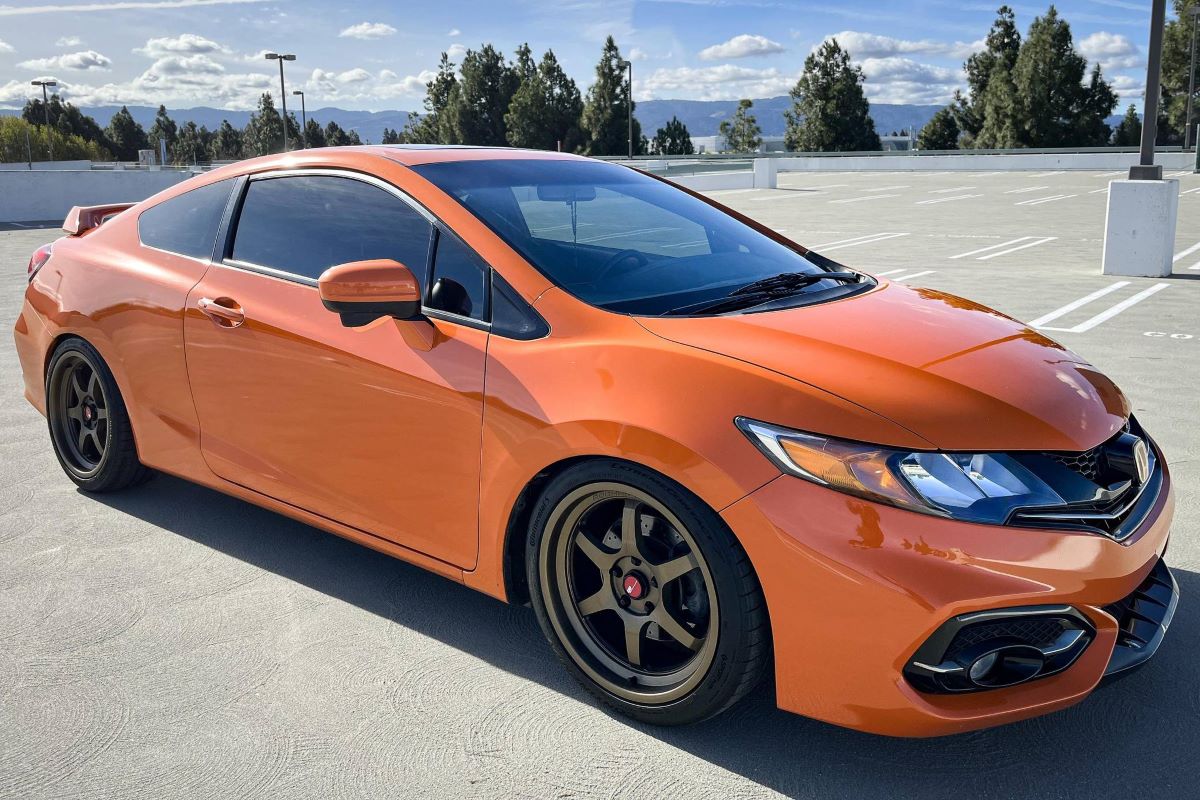
3. Honda Civic Si Coupe (8th and 9th Generation)
The Civic Si coupe has long been a favorite among enthusiasts looking for a fun, reliable, and affordable performance car. The 8th-generation (2006–2011) and 9th-generation (2012–2015) models both offered high-revving naturally aspirated engines, slick-shifting six-speed manuals, and engaging front-wheel-drive handling.
These generations may not have had the turbocharged torque of more modern versions, but they more than made up for it in character and driver engagement. The 2.0L and 2.4L i-VTEC engines in these models love to rev, and they deliver a linear, responsive powerband that rewards enthusiastic driving.
What sets these Civic Si models apart is the way they make everyday driving enjoyable. Whether you’re commuting or taking a spirited drive on a twisty road, they feel lively and eager.
The steering is quick and communicative, and the suspension is firm without being harsh. The chassis tuning strikes a great balance between sporty and livable, allowing the driver to enjoy a composed ride without sacrificing cornering ability. These cars are light on their feet, and they give you the confidence to push your limits without feeling unpredictable or unstable.
Interior quality in these generations is also surprisingly good for their price point. The seats offer solid lateral support, and the driver-focused layouts place all controls within easy reach. The digital speedometers and tiered dashboards of the 8th-gen were controversial at first but have aged well, especially considering their clarity and usability.
The 9th-gen brought more conventional styling but retained the essentials: great seating position, excellent visibility, and no-nonsense ergonomics. These cabins feel built for driving rather than impressing passengers, and that’s exactly what many enthusiasts prefer.
The aftermarket support for Civic Si coupes is enormous, meaning owners can easily personalize or upgrade their vehicles if they choose. Maintenance is affordable, reliability is outstanding, and insurance costs tend to be reasonable compared to more powerful alternatives. These cars have become somewhat of a hidden gem in the used market.
They’re still modern enough to serve as reliable daily drivers, yet old-school enough to provide a rawer and more mechanical driving feel that newer vehicles often lack.
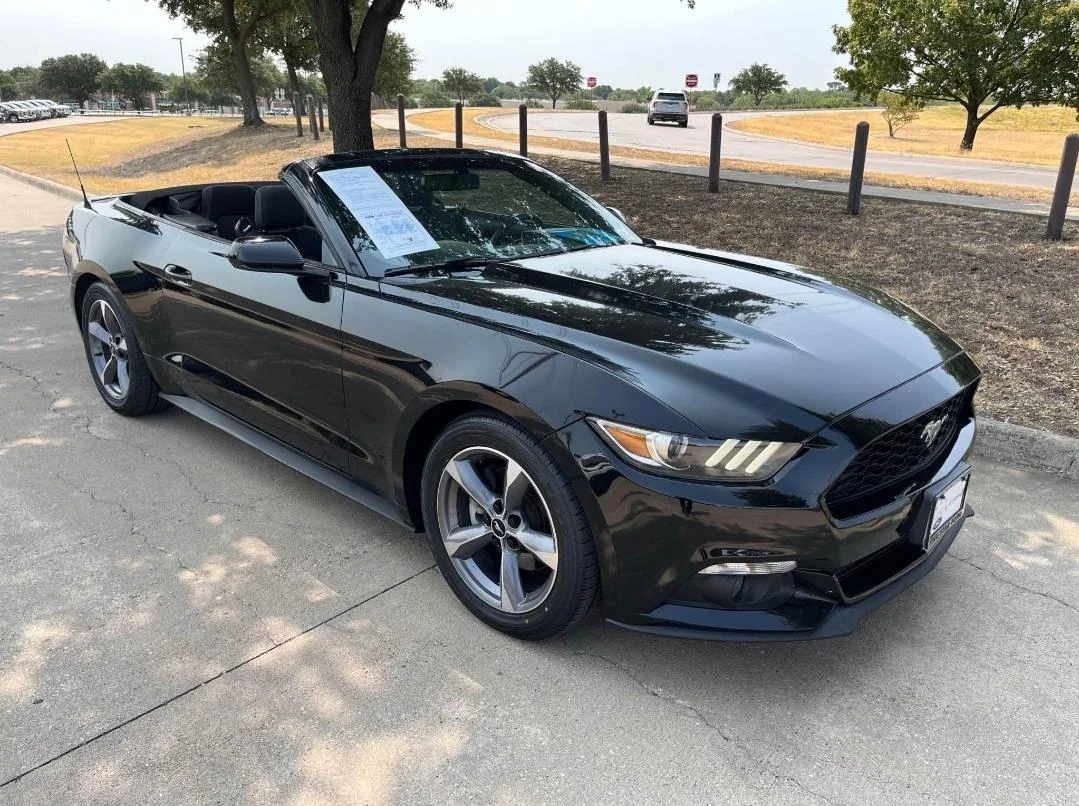
4. Ford Mustang V6 Coupe (2005–2014)
The Ford Mustang is often thought of as a muscle car, and rightfully so. But its V6 variants, particularly those from the 2005 to 2014 model years, offer surprising value for those seeking rear-wheel-drive fun without the cost of a V8.
While early V6 models were more about style than speed, the 2011 refresh brought a new 3.7-liter V6 that made over 300 horsepower, more than enough to make the coupe genuinely quick. With a manual transmission and a relatively light curb weight for its size, this Mustang delivers strong straight-line performance and a satisfyingly deep exhaust note, even in V6 form.
Beyond raw power, what makes this generation of Mustang V6 interesting is its combination of old-school charm and modern usability. The long hood, short rear deck, and wide stance give it an unmistakable presence, while the driving experience retains a certain American character, raw, simple, and fun.
The steering is reasonably accurate, the chassis is responsive enough for backroad fun, and there’s enough torque to make every acceleration feel substantial. While it lacks the finesse of more expensive coupes, the Mustang more than makes up for it in personality and excitement.
Inside, the cabin is functional if a bit spartan, especially in earlier models. The dashboard design evokes retro themes, with large gauges and chunky controls. Materials aren’t luxurious, but they’re durable and laid out in a way that’s easy to live with.
Later models gained improvements in tech and trim quality, but the focus always remained on the driving experience. The seats are supportive, visibility is decent for a coupe, and there’s even a usable back seat and a spacious trunk, rare features in this category.
For those who want a taste of muscle car performance without committing to the fuel costs or higher prices of a GT model, the V6 Mustang is an underrated gem.
These cars are easy to find, easy to modify, and surprisingly cheap to maintain. They also offer a kind of nostalgia you don’t get from more clinical modern coupes. If your idea of driving fun includes burnouts, rumbling exhaust notes, and a long, open road, the V6 Mustang might be exactly what you’re looking for, even years later.
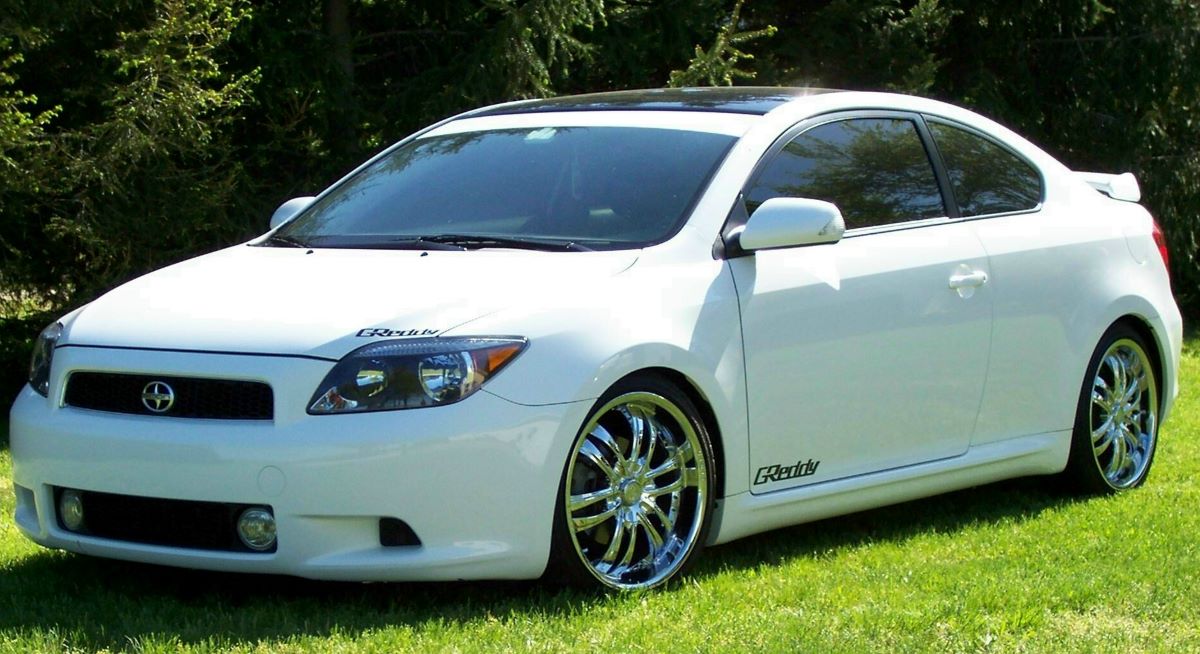
5. Scion tC (1st and 2nd Generation)
The Scion tC was never meant to be a pure sports car, but it still managed to deliver a surprisingly entertaining experience, especially considering its affordable price point and accessible nature.
The first generation (2005–2010) had a clean, purposeful design and a punchy 2.4-liter four-cylinder engine, while the second generation (2011–2016) refined the formula with a bit more aggression and power. Both generations share the same fundamental appeal: simple mechanics, a manual gearbox option, and enough power to keep things interesting without breaking the bank.
Driving the tC reveals a well-balanced platform that rewards momentum and smooth driving inputs. While it’s front-wheel drive, torque steer is minimal, and the car feels composed in corners.
The steering is direct, and the suspension tuning, while not as sharp as a purpose-built performance coupe, is still responsive enough to enjoy a winding road. It’s not a track car, but for everyday driving and occasional spirited runs, it holds its own. Plus, the clutch and gearbox combo in manual versions feels approachable, making it an ideal first enthusiast car.
Inside, the tC has more space and practicality than most coupes in its class. The rear seats are usable for adults on short trips, and the hatchback-style trunk offers a surprising amount of cargo space. That practicality doesn’t come at the expense of style, either.
The interior design is simple and functional, with supportive seats, solid materials for the price, and a layout that doesn’t distract from the driving. While it may not be flashy, it feels thoughtfully put together, especially in the earlier Scion philosophy of offering value with a sense of individuality.
One of the tC’s most enduring qualities is its low cost of ownership. Reliability is strong, thanks to Toyota underpinnings, and parts are widely available and affordable. Insurance costs are low, and fuel economy is decent even when driven enthusiastically.
The aftermarket scene also gives owners plenty of options to upgrade handling, performance, or aesthetics. It may not have the pedigree of some more performance-focused coupes, but the tC remains a smart, affordable, and surprisingly enjoyable option for someone who wants a fun daily driver with personality.
Also Read: 10 Performance Cars That Won’t Bankrupt You on Repairs
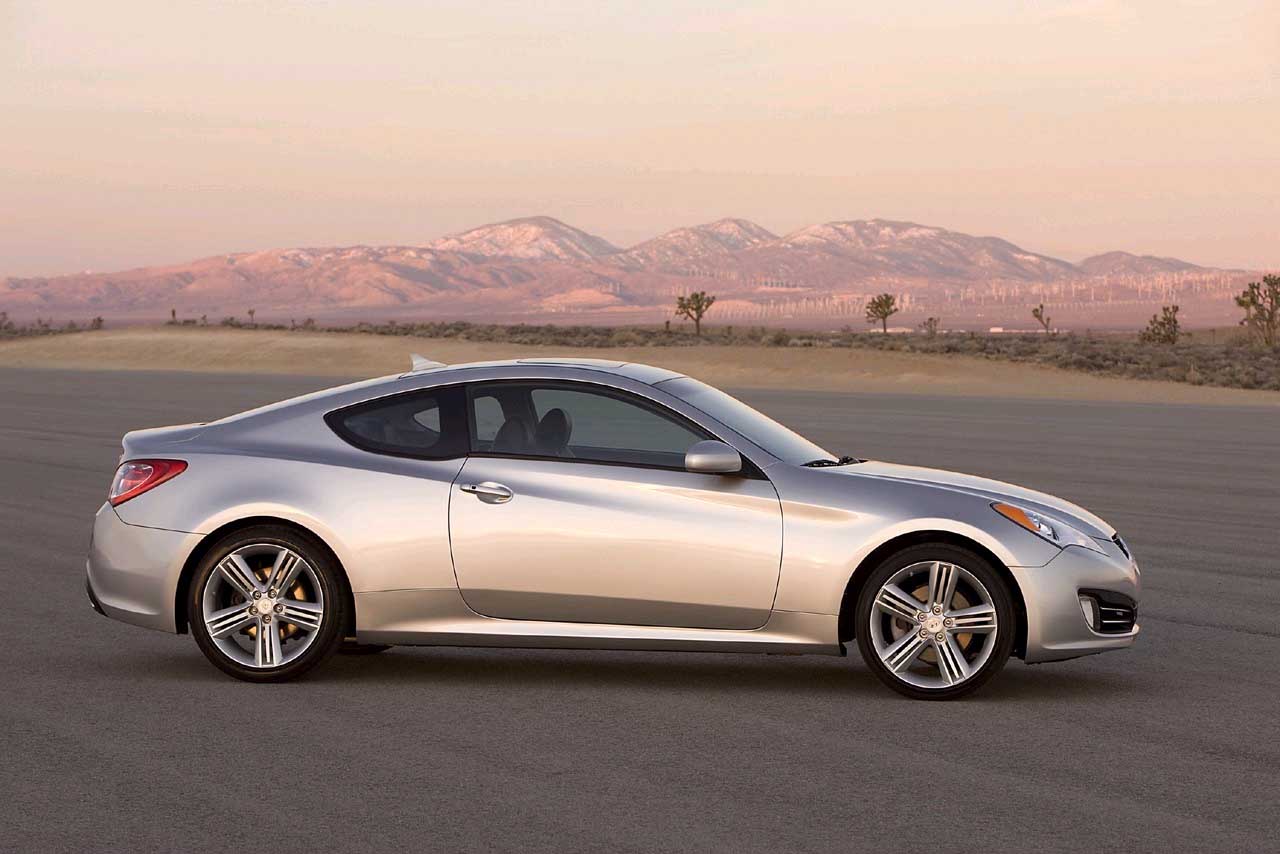
6. Hyundai Genesis Coupe (2010–2016)
When Hyundai introduced the Genesis Coupe in 2010, it surprised many people. Here was a rear-wheel-drive, manual-transmission, performance-oriented coupe from a brand known mostly for economy cars.
It was an ambitious move, and while the Genesis Coupe never quite reached the heights of its competitors in terms of refinement, it offered a very compelling mix of style, power, and value. Available with either a turbocharged four-cylinder or a naturally aspirated V6, the Genesis Coupe gave buyers a choice between efficiency and raw power, both wrapped in an aggressive, muscular design that still turns heads today.
The Genesis Coupe’s chassis is one of its strongest attributes. Even though it weighs more than some of the other cars on this list, it feels planted and responsive when pushed. The steering has decent weight, and the rear-drive layout makes it easy to rotate the car through corners.
The suspension strikes a good balance between firmness and comfort, making it suitable for daily driving while still encouraging enthusiastic cornering. V6 models in particular offer strong acceleration, with over 300 horsepower on tap and a satisfying growl from the engine bay when pushed.
Inside, the Genesis Coupe doesn’t try to be overly complex or high-tech. The cabin is relatively simple but focused on the driver, with bolstered seats, clear instrumentation, and logically placed controls.
While interior materials may not be up to luxury car standards, they hold up well over time and don’t detract from the driving experience. There’s a decent amount of space for front-seat occupants, and while the rear seats are tight, they’re usable in a pinch. Trunk space is acceptable, making the car fairly practical for a weekend trip or daily use.
Perhaps most importantly, the Genesis Coupe represents strong value on the used market today. Depreciation has made them accessible, and their mechanical simplicity means they’re relatively easy to maintain. The availability of performance parts also allows owners to modify them to their liking.
Whether you prefer a turbocharged engine or a naturally aspirated six-cylinder, the Genesis Coupe delivers genuine driving excitement for a fraction of the cost of similarly powerful vehicles. It might not be perfect, but it’s proof that Hyundai was serious about performance, and that seriousness still pays off for drivers looking for affordable thrills.
7. Acura RSX Type-S (2002–2006)
The Acura RSX Type-S is a front-wheel-drive coupe that proves you don’t need rear-wheel drive to have a great time behind the wheel. With its high-revving K-series engine, precise manual transmission, and sharp handling, it has earned a loyal following among enthusiasts.
The Type-S variant in particular is the real gem. It comes with a more powerful version of the 2.0-liter engine, making up to 210 horsepower in later years, along with sport-tuned suspension and a six-speed manual gearbox. It’s a formula that works exceptionally well, even nearly two decades after its release.
One of the RSX’s biggest draws is its engine. The K20A2 and K20Z1 in the Type-S are marvels of naturally aspirated engineering. They rev smoothly and pull hard all the way to an 8,000 RPM redline. VTEC engages with a clear shift in tone and power delivery, making the upper end of the rev range genuinely addictive.
There’s no turbo lag or artificial noise, just a strong, responsive engine that rewards aggressive driving. The six-speed manual is a perfect partner, offering short, snappy shifts and a gear ratio that keeps the engine in its powerband.
Handling is equally impressive for a front-drive car. The RSX Type-S sits low, corners flat, and responds quickly to steering inputs. While there’s a hint of understeer at the limit, the car remains predictable and composed even when pushed hard.
The suspension setup provides good road feel without being too harsh for daily use. With the right tires, it can be a surprisingly capable canyon carver. The chassis communicates clearly, and the lightweight construction means the car feels nimble, not overburdened. It’s a car that makes you want to find excuses to drive.
Inside, the RSX is clean and purposeful. The driving position is low and sporty, with excellent visibility and simple, easy-to-read gauges. The seats are well-bolstered and comfortable for long drives or spirited sprints. Acura built the RSX with a focus on quality, and it shows in how well these cars have aged.
Materials feel durable, buttons are logically placed, and there’s even a usable rear seat and hatchback storage area. Today, the RSX Type-S continues to offer incredible value, particularly for drivers who appreciate rev-happy engines and responsive front-wheel-drive handling without sacrificing practicality.
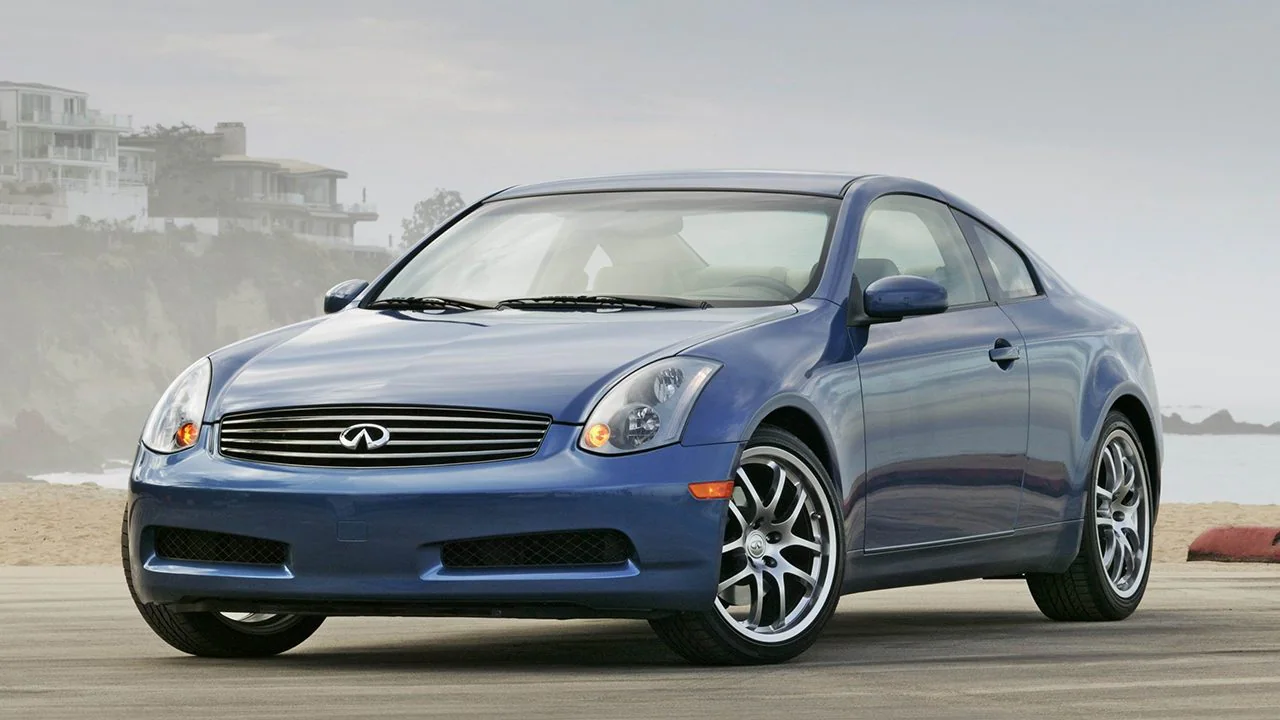
8. Infiniti G35 Coupe (2003–2007)
When the Infiniti G35 Coupe was introduced, it was clear that Nissan and Infiniti were aiming to compete with the likes of BMW’s 3 Series. Built on the same platform as the Nissan 350Z, the G35 Coupe brought a similar rear-wheel-drive layout and a powerful V6 engine, but with a more refined and luxurious edge.
The result is a grand touring coupe that still feels lively and capable, even many years after it left the showroom. It offers strong straight-line performance, a muscular exhaust note, and elegant styling that has aged gracefully.
At the heart of the G35 Coupe is Nissan’s VQ-series 3.5-liter V6 engine, which produced between 280 and 298 horsepower depending on the model year and transmission choice. This engine delivers a satisfying blend of torque and rev-happy enthusiasm, and it provides plenty of punch for highway merging and backroad driving alike.
The five-speed automatic is adequate, but the six-speed manual transforms the experience, offering a much more connected feel and allowing drivers to make the most of the engine’s capabilities. Acceleration is brisk, and the car pulls with authority in all gears.
The G35’s chassis is tuned more for a balance of comfort and control than outright sharpness, but it still handles well for a car of its size. The suspension is firm enough to reduce body roll but soft enough for long-distance comfort.
The steering is heavy and accurate, giving drivers a solid sense of the front tires and road surface. It doesn’t quite have the delicacy of a BMW 3 Series, but it’s not far off, and the extra power and rear-drive layout more than make up for it. The car feels stable at speed and is willing to rotate under the right conditions.
Inside, the G35 Coupe offers a more premium experience than its 350Z sibling. The materials are higher quality, and the overall cabin design is more upscale. Leather seats, brushed metal accents, and a well-integrated center stack help elevate the environment.
There’s decent room for two adults up front, and while the back seat is tight, it adds versatility. These coupes have aged well in both performance and appearance, and they remain popular among tuners and weekend racers. If you’re looking for a powerful, stylish coupe with everyday usability and a hint of luxury, the G35 Coupe is a solid choice.
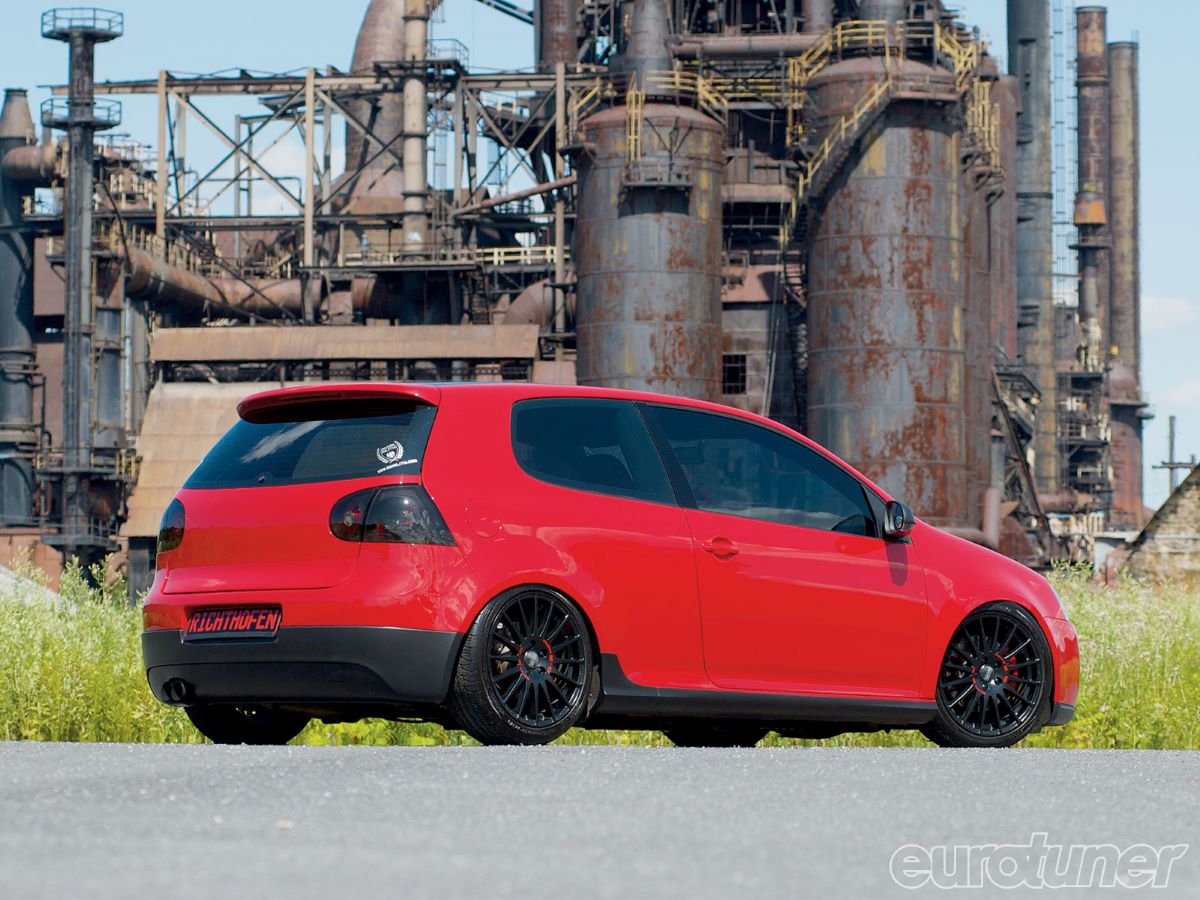
9. Volkswagen GTI Mk5 and Mk6 (2006–2014)
Technically a hatchback, the two-door GTI has always been coupe-like in its proportions and driving feel, which earns it a place on this list. The Mk5 (2006–2009) and Mk6 (2010–2014) generations in particular offer a brilliant blend of practicality, performance, and polish.
These models featured turbocharged four-cylinder engines, front-wheel drive, and a well-tuned chassis that made them extremely capable on a twisty road or in daily driving. The GTI might not be flashy, but it’s one of those cars that quietly excels at everything.
The engine used in both the Mk5 and Mk6 is a 2.0-liter turbocharged inline-four, producing between 197 and 210 horsepower depending on the year and trim.
This engine is torquey, smooth, and responsive. It delivers power in a way that feels effortless, especially in the midrange, where most daily driving happens. The availability of both a six-speed manual and a six-speed DSG dual-clutch transmission gives buyers flexibility. The manual provides great driver engagement, while the DSG is quick, precise, and surprisingly fun to use thanks to its paddle shifters.
Where the GTI really shines is in its handling balance. The suspension is firm but never punishing, and the chassis communicates clearly. It’s a car you can drive hard without feeling out of control. Even with front-wheel drive, torque steer is well managed, and the electronic differential does a good job putting power down in tight corners.
The steering is light but accurate, giving you the confidence to push harder through twisty sections. Whether you’re cruising on the highway or attacking a mountain road, the GTI delivers a composed and agile ride.
The interior is another strong point. Volkswagen gave the GTI a mature, upscale cabin with supportive seats, quality materials, and thoughtful design. The plaid seat fabric has become a signature touch, blending sportiness with heritage. There’s ample room up front, and while the rear seats are tight for tall adults, they’re usable.
The hatch layout adds versatility that most coupes can’t match. With strong reliability when maintained properly and a huge community of owners and tuners, the GTI remains one of the most complete packages for those wanting affordable fun that doesn’t require sacrificing practicality.
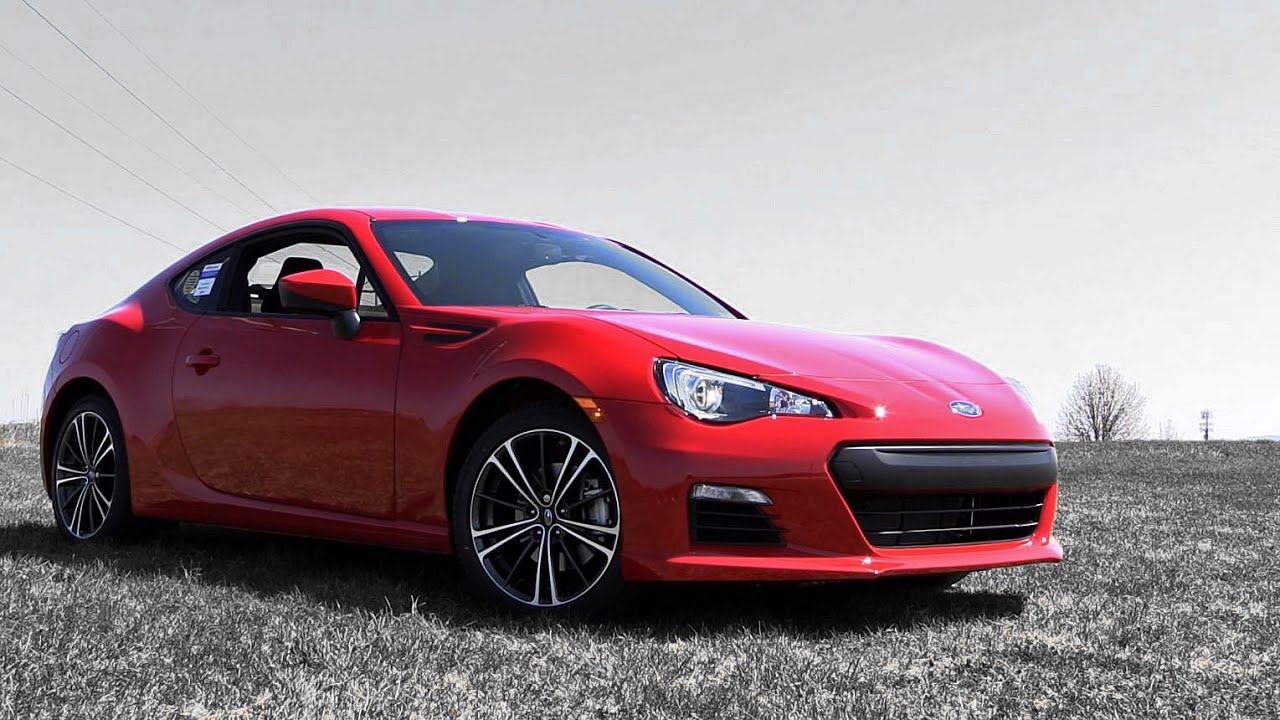
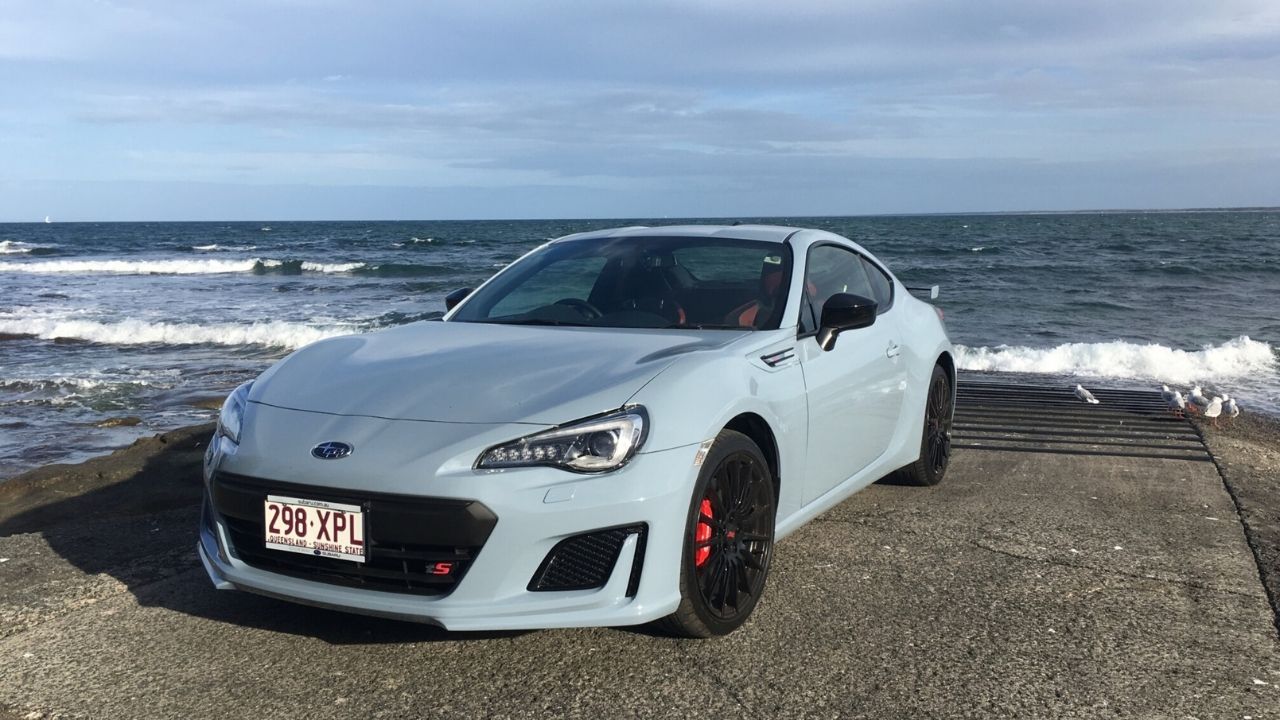
10. Subaru BRZ / Scion FR-S (2013–2020)
The Subaru BRZ and Scion FR-S, twins born from a collaboration between Subaru and Toyota, were designed with one purpose: to put driving enjoyment above everything else. Lightweight, rear-wheel drive, and perfectly balanced, these cars brought back the purity of sports coupes from decades past.
They weren’t focused on straight-line speed or luxury, but on creating a car that encouraged driver involvement. For enthusiasts who value steering feel, balance, and predictability, few cars in the last decade have offered as much bang for the buck.
Power comes from a 2.0-liter naturally aspirated flat-four engine making around 200 horsepower. That may not sound like much, but it’s more than enough to have fun, especially with the car’s low weight.
The engine is eager to rev and pairs wonderfully with the six-speed manual gearbox, which has one of the most satisfying shift actions of any car in its class. There’s also a six-speed automatic with paddle shifters, but the manual is really where the car comes alive. The flat-four also gives the car a low center of gravity, which enhances its cornering ability.
Handling is the BRZ/FR-S’s greatest strength. The chassis is playful and responsive, with beautifully neutral balance. The car can be driven hard without feeling dangerous, making it ideal for learning how to handle rear-wheel-drive dynamics.
Steering is quick and communicative, and the suspension is tuned to let the driver feel the road surface without being overly harsh. Even on stock tires, the car provides genuine excitement, and with some light modifications, it becomes even sharper. It’s one of those cars that makes you grin every time you toss it into a corner.
Inside, the focus is on simplicity and function. The seats are well-bolstered, the driving position is excellent, and the overall layout is designed to keep the driver connected to the car.
Materials are decent for the price, and the back seats, while small, are good enough for short trips or additional storage. These cars also benefit from strong aftermarket support, allowing owners to tune the car to their preferences. As used prices continue to fall, the BRZ and FR-S remain among the best values for drivers who want fun above all else.
