
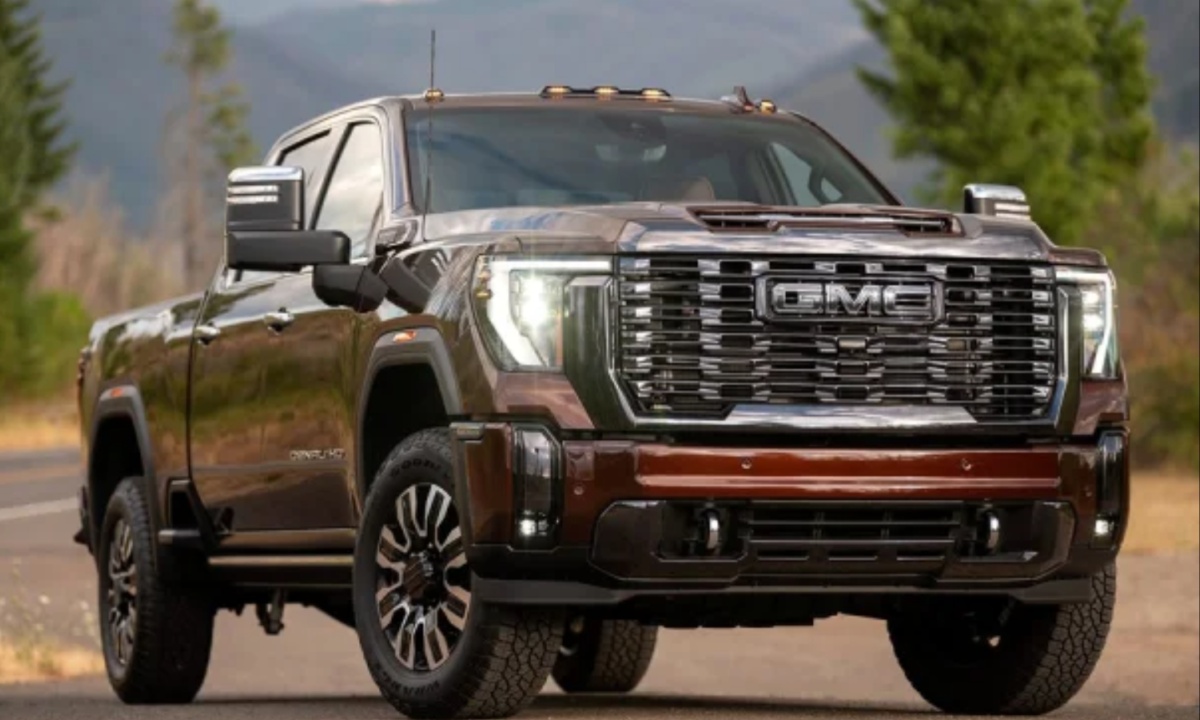
Modding trucks has become a central part of truck culture. Whether it’s for off-roading, towing, street performance, or just personal taste, truck owners love modifying their rigs to match their needs and personalities.
Suspension lifts, engine tuning, tire swaps, exhaust upgrades, winches, LED lighting, armor plating, cold air intakes, these are just a handful of mods that truck enthusiasts install, sometimes all at once. But as any experienced gearhead knows, not every truck handles heavy modification well. Some trucks start falling apart after a few upgrades, while others just shrug and keep pushing on.
Reliability, in this case, isn’t just about the factory-built durability. It’s about how well a truck continues to perform after you’ve messed with its original design. Can it handle a 6-inch lift without breaking suspension parts every month? Does the transmission hold up under added horsepower? Does the truck continue to start every time, no matter how many new parts have been bolted on? These are the kinds of questions that separate the solid platforms from the fragile ones.
The best trucks for modding are the ones that maintain their dependability even after they’ve been pushed beyond what the manufacturer intended. These are the trucks that become legends in the off-road scene, at drag strips, or at the local jobsite. They don’t just look cool, they work.
And no matter how many changes have been made under the hood or on the chassis, they still run like they’re supposed to. These are workhorses with personality.
This list focuses on 10 trucks known to remain reliable even after being heavily modified. We’re talking about engine upgrades, suspension overhauls, bigger wheels and tires, weight changes, performance tuning, and more. Each of these trucks has earned its place because it doesn’t quit when the mods come out. Whether you’re building a trail monster, a street truck, or an overland beast, these are the platforms you can count on. Let’s take a look at what makes them stand out.
Also Read: 5 Subaru Models That Handle Mileage Well vs 5 That Don’t
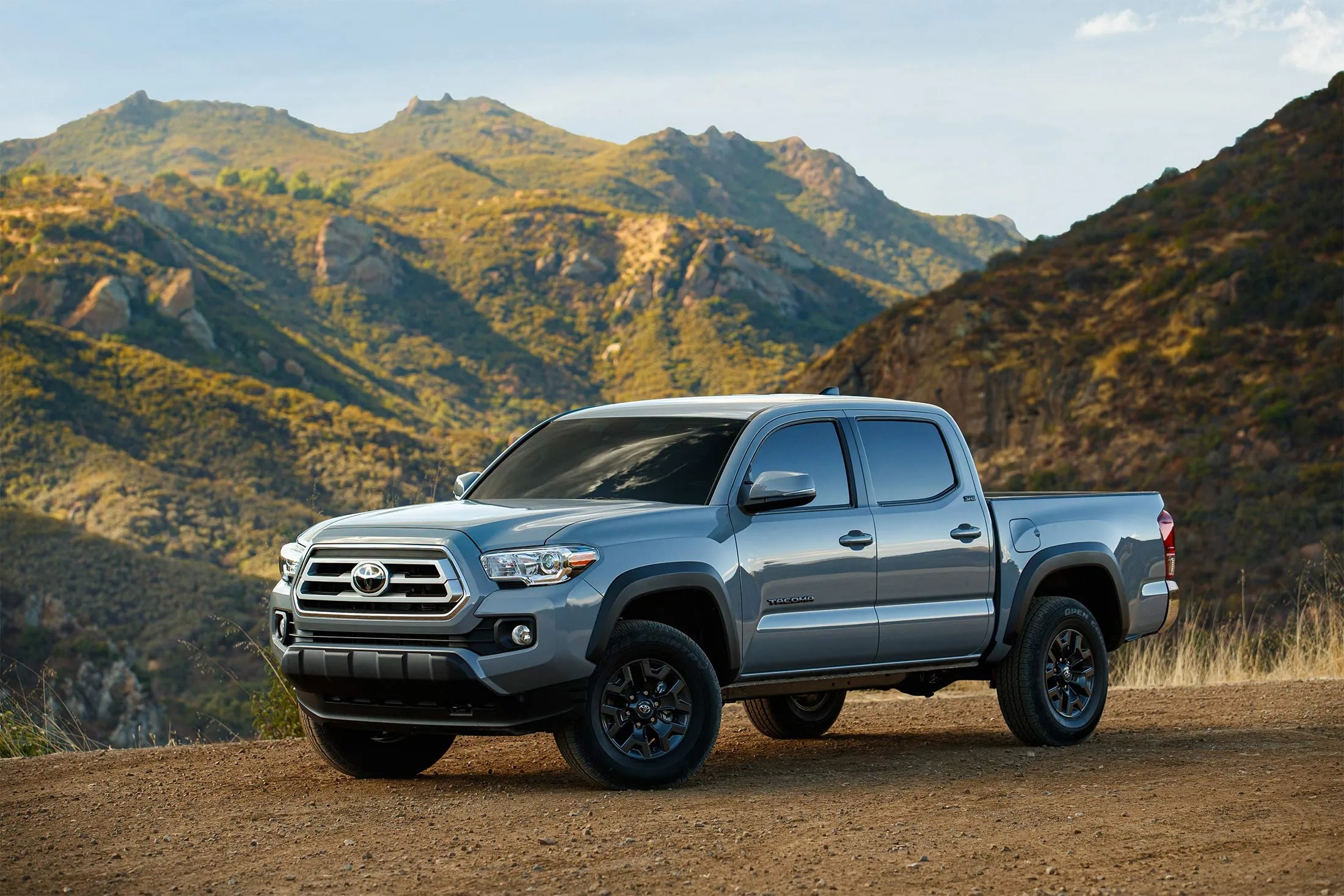
1. Toyota Tacoma
The Toyota Tacoma has a long-standing reputation for durability, and that toughness doesn’t vanish once the modifications begin. Whether it’s the second-gen or third-gen models, the Tacoma is often the first choice for off-roaders and overlanders who want a platform that won’t let them down.
Its mid-size dimensions, straightforward engineering, and strong aftermarket support make it one of the most mod-friendly trucks on the market. Lift kits, skid plates, snorkels, re-gearing, long-travel suspension setups, and even superchargers have been bolted onto Tacomas without compromising their basic reliability. The 4.0L V6 and later 3.5L V6 engines are both known for holding up under extra stress.
One of the main reasons the Tacoma stays solid after heavy modding is its conservative engineering. Toyota doesn’t cut corners, especially in the drivetrain and chassis department. The frame is overbuilt for what most people will use it for, and this gives modders a strong foundation to work from.
Many Tacomas see hard off-road use for decades and still manage to rack up 300,000 miles or more. Add-ons like steel bumpers, winches, rooftop tents, and auxiliary batteries barely make them blink, as long as the installs are done cleanly and the load is balanced.
Suspension is a common area for mods, and the Tacoma handles these changes better than most. Whether you’re going with a basic 2-inch leveling kit or a full long-travel setup with bypass shocks, the truck remains stable and predictable. The steering and frame geometry can tolerate the extra angles and stress, which can’t be said for all trucks in its class. And thanks to a simple front A-arm design and a solid rear axle, most components are easy to service or upgrade without complex fabrication.
Electrical reliability is another reason the Tacoma thrives under heavy customization. Many newer trucks struggle when additional lights, radios, power inverters, or trailer brake systems are installed, due to sensitive onboard electronics.
The Tacoma’s simpler electrical system and robust alternator capacity mean it can take a bit more abuse without system failures. That’s part of why you see so many of these trucks hauling gear in the mountains, deserts, and forests, because they keep running, even when they’ve been completely transformed.
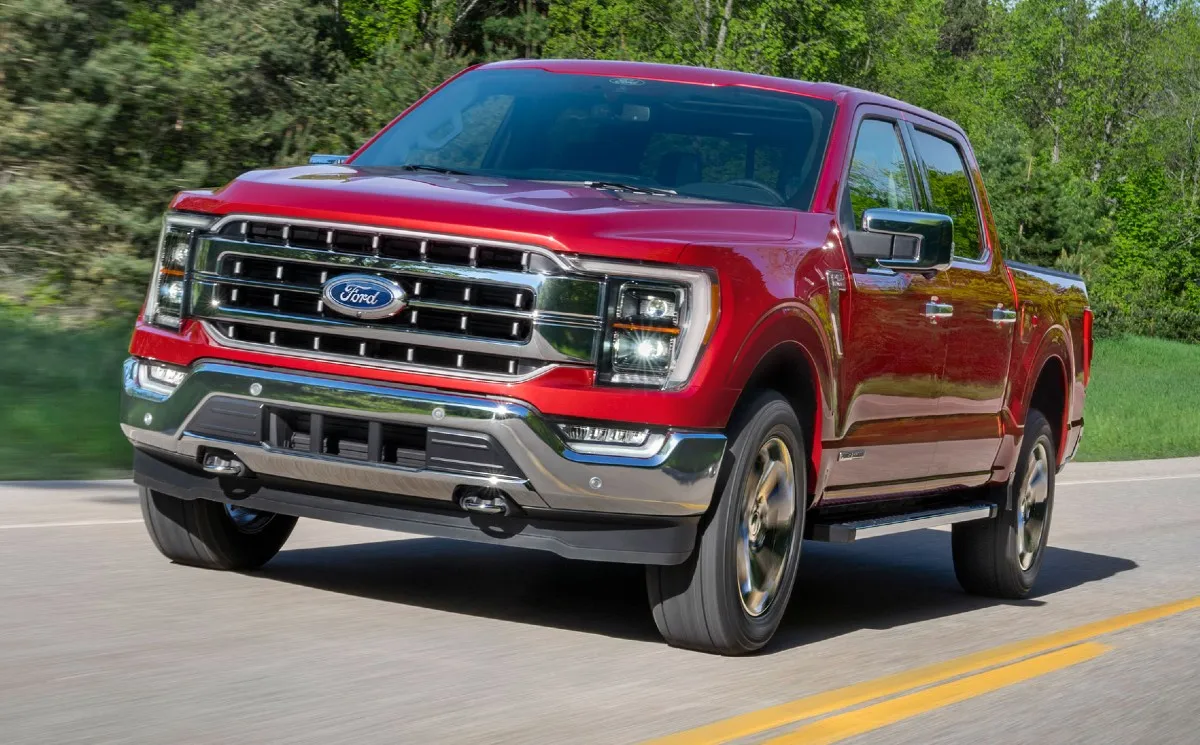
2. Ford F-150
The Ford F-150 has remained one of the best-selling vehicles in North America for decades, and it’s not hard to see why. Beyond its factory features, the F-150 shines as a platform for customization.
With multiple engine options, trims, and configurations, it offers a huge canvas for mods, especially performance upgrades, suspension lifts, and towing enhancements. While some trucks get temperamental with modifications, the F-150 holds up well to changes, especially when you start with the right engine and drivetrain combination.
The EcoBoost variants, particularly the 3.5L twin-turbo V6, respond incredibly well to tuning. Even with a simple ECU reflash and upgraded intercooler, the F-150 can produce impressive power gains without sacrificing drivability or long-term performance. These engines are over-engineered for reliability, which means they don’t mind a little boost in power. Add in beefier tires, upgraded differentials, and a stronger driveshaft, and you’ve got a street or tow monster that can still haul your trailer every weekend.
From a suspension standpoint, the F-150 benefits from a massive aftermarket. Whether you’re going for a plush ride, more ground clearance, or Baja-style performance, the truck holds alignment and driveability better than many of its competitors.
The chassis is relatively forgiving, and the newer aluminum-bodied models are still rugged where it counts. Even with 35-inch tires and a 6-inch lift, the F-150 maintains daily usability and doesn’t chew through components faster than it should.
Interior and electronic systems also hold up well to modification. Owners often add custom sound systems, switch panels, extra cameras, or off-road navigation screens, and the F-150 usually takes these upgrades in stride.
Ford’s modular design and good wiring documentation help avoid electrical headaches, which can be a big deal if you’re outfitting a work truck or expedition build. As long as you maintain the drivetrain and keep up with fluids, this truck keeps working even when it’s been heavily personalized.
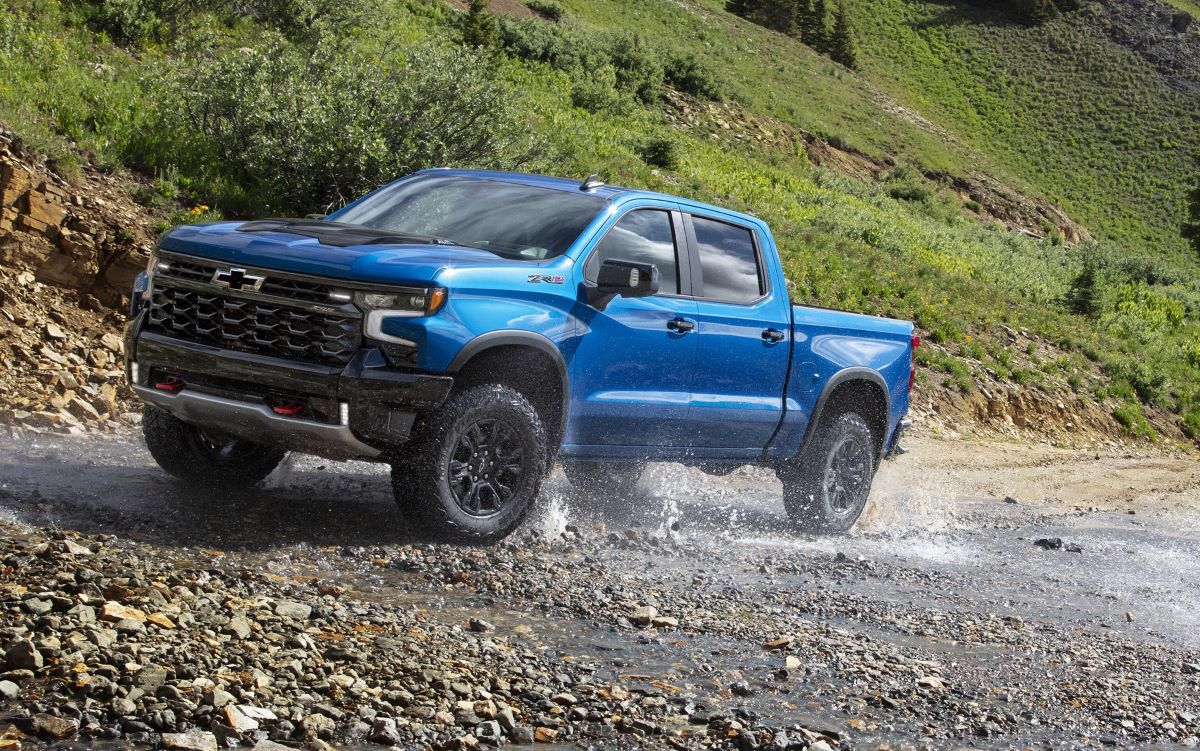
3. Chevrolet Silverado 1500
The Chevrolet Silverado 1500 has long been one of the more mod-friendly full-size pickups on the market. Known for its traditional V8 powertrains and body-on-frame construction, it’s a truck that feels like it was built with aftermarket upgrades in mind.
Whether it’s the 5.3L or 6.2L V8, these engines hold up well under mods like cold air intakes, performance exhausts, cams, or forced induction. As long as the tuning is handled properly, the Silverado won’t throw codes or struggle under the added stress.
A common area of modification on the Silverado is suspension. Lift kits, leveling kits, upgraded control arms, and high-performance shocks all bolt in easily. The truck’s geometry allows for a good range of motion even with larger tires, and many owners run 35-inch or larger setups without constant rubbing or component wear.
The independent front suspension can handle moderate abuse, and the rear solid axle provides the durability needed for heavy-duty use. With proper parts and installation, the Silverado stays smooth and stable even after significant changes.
Transmission reliability is another area where the Silverado often outperforms expectations. Many modded trucks suffer from transmission issues when torque increases, especially if towing is involved.
The 6-speed and 8-speed autos in the Silverado line, while not perfect, have a reputation for staying strong if serviced regularly. If extra power is added through tuning or engine work, a transmission cooler and proper shifting strategy help maintain longevity. Some even upgrade to aftermarket valve bodies or torque converters to match their build.
Chevy’s factory build quality on the Silverado 1500 supports long-term use, even when the vehicle is being pushed beyond stock limits. Owners often install winches, steel bumpers, LED lighting systems, or bed racks without overloading the truck. The Silverado’s electronics, body structure, and drivetrain components generally handle the extra load gracefully. This makes it a great platform for both work and recreation, even when the parts catalog starts getting thick.
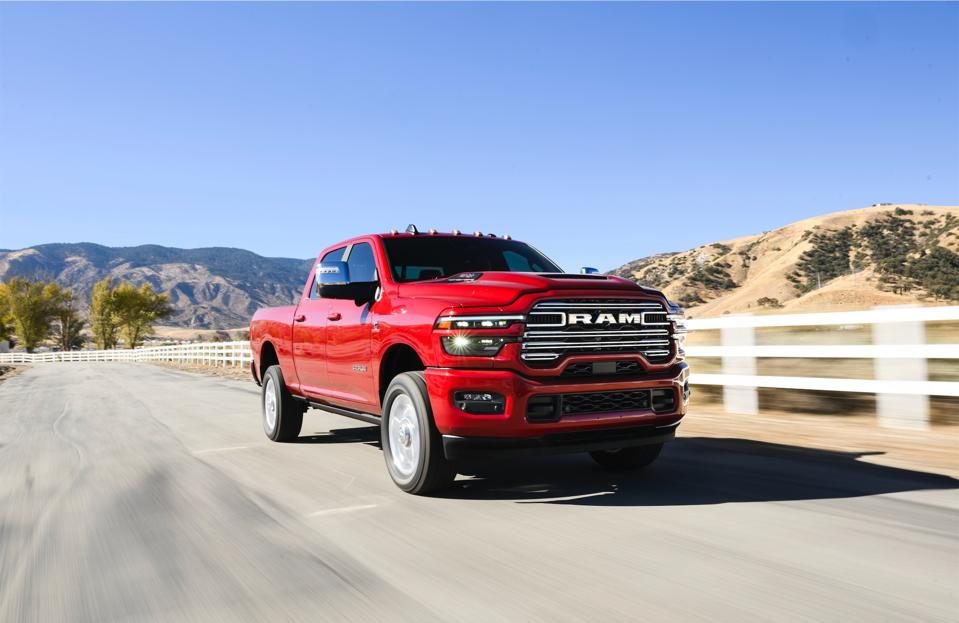
4. Ram 2500 (Cummins)
The Ram 2500 equipped with the Cummins turbo-diesel engine is one of the most dependable heavy-duty trucks when it comes to handling serious aftermarket upgrades. This truck was practically built for high-torque applications, and the 6.7L Cummins inline-six provides a rock-solid foundation for power and utility mods.
Whether owners are installing oversized turbos, upgraded injectors, compound turbo setups, or custom fuel systems, the Cummins engine rarely flinches. When tuned correctly and matched with quality components, this powerplant has been known to reach extreme torque figures without throwing rods or grenading pistons.
That kind of reliability under pressure makes it a favorite among diesel performance fans, especially those who push their trucks hard every day.
Beyond the engine, the Ram 2500’s heavy-duty chassis and drivetrain allow it to handle suspension lifts, armor plating, and weighty accessories like utility beds or fifth-wheel hitches without major issues. The frame is robust enough to maintain integrity even with 37-inch or larger tires and heavy steel bumpers.
Modders often install long-travel suspension kits or airbag systems for hauling purposes, and the Ram platform supports these with minimal stress to the components. The rear axle, especially the AAM 11.5 or newer setups, is especially durable, handling extreme loads and high torque without overheating or breaking under strain.
The Ram 2500’s transmission story depends on the model year and configuration. The manual transmission versions with the Cummins are known for their simplicity and endurance, while the 68RFE automatic transmissions can be a weak point if not built up when adding horsepower.
That said, many owners invest in upgraded valve bodies, billet torque converters, or even full transmission builds to match their power goals, and the truck performs reliably once those areas are addressed. With the right care and a conservative approach to tuning, even mod-heavy Ram builds can remain daily-drivable and capable of long hauls.
On the electrical and comfort side, the Ram platform manages aftermarket additions like auxiliary lights, winches, and tuning monitors without major complications. The truck’s engine control unit can be tuned using multiple platforms, and as long as the mapping is conservative, the electronics cooperate.
Many owners build these trucks into overlanding rigs or serious tow machines, complete with solar panels, fridge setups, and in-bed power systems. With its combination of strength, simplicity, and upgrade potential, the Ram 2500 remains one of the most mod-resilient trucks on the market today.
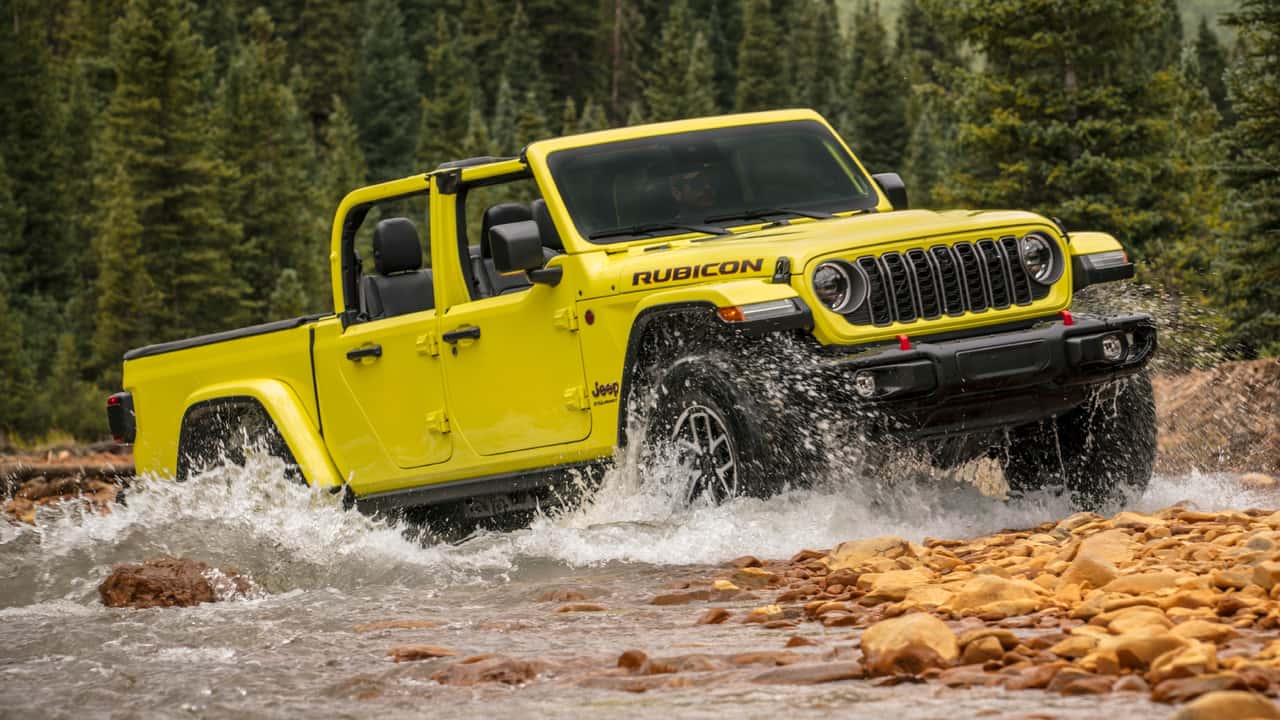
5. Jeep Gladiator
The Jeep Gladiator blends Jeep’s well-known off-road credibility with a pickup bed, and despite being relatively new compared to others on this list, it’s already built a reputation as a mod-friendly platform. Borrowing heavily from the Wrangler JL, the Gladiator is ready for serious trail use out of the box.
But what makes it stand out is how well it holds up when those stock parts are swapped for heavier, more capable aftermarket gear. From lifts and lockers to oversized tires and gearing changes, the Gladiator doesn’t get finicky or fragile. It remains mechanically solid, even when transformed into a rock-crawling, overlanding, or expedition beast.
One of the most common mods is suspension upgrades. Owners often go straight to 2.5-inch to 4.5-inch lifts, sometimes more, using coilover or long-arm kits to increase articulation and clearance. The Gladiator’s design makes these swaps relatively straightforward, and it doesn’t suffer from the harsh ride or premature wear that plagues some mid-size trucks after similar mods.
The solid front and rear axles give it a durability advantage, and when upgraded with stronger shafts, trusses, and differentials, the truck handles gnarly terrain without constantly breaking components. It’s not rare to see fully-built Gladiators hitting Moab, the Rubicon Trail, or Baja-style routes while retaining their road manners back home.
Powertrain reliability after modding is another strong point. The 3.6L Pentastar V6 is not the most powerful engine in the segment, but it’s proven to be incredibly dependable, even with performance upgrades like snorkels, superchargers, and re-gearing for 37-inch tires.
The 8-speed automatic transmission is well matched to the engine, and owners report few issues even under off-road stress or heavy accessory loads. The Gladiator diesel variant also holds up well, and many choose it for towing and long-range trail use. Modifying these trucks for torque or fuel economy usually involves tuning and intake/exhaust work, and when done responsibly, the platform continues to perform without excessive wear.
The Gladiator’s ability to handle electronic mods is also impressive. From dual battery systems to integrated lighting controls, winch mounts, auxiliary switches, and even full camping power setups, the truck doesn’t seem to mind having its systems tweaked.
Jeep designed it with accessory use in mind, offering optional factory auxiliary switches and a simplified path for routing wires through the firewall. That makes it easier to maintain electrical reliability when you’re adding tech-heavy gear. All of this makes the Gladiator a solid base for serious mods that don’t compromise day-to-day usability or mechanical dependability.
Also Read: 5 Honda Civic Years That Last Forever vs 5 That Don’t
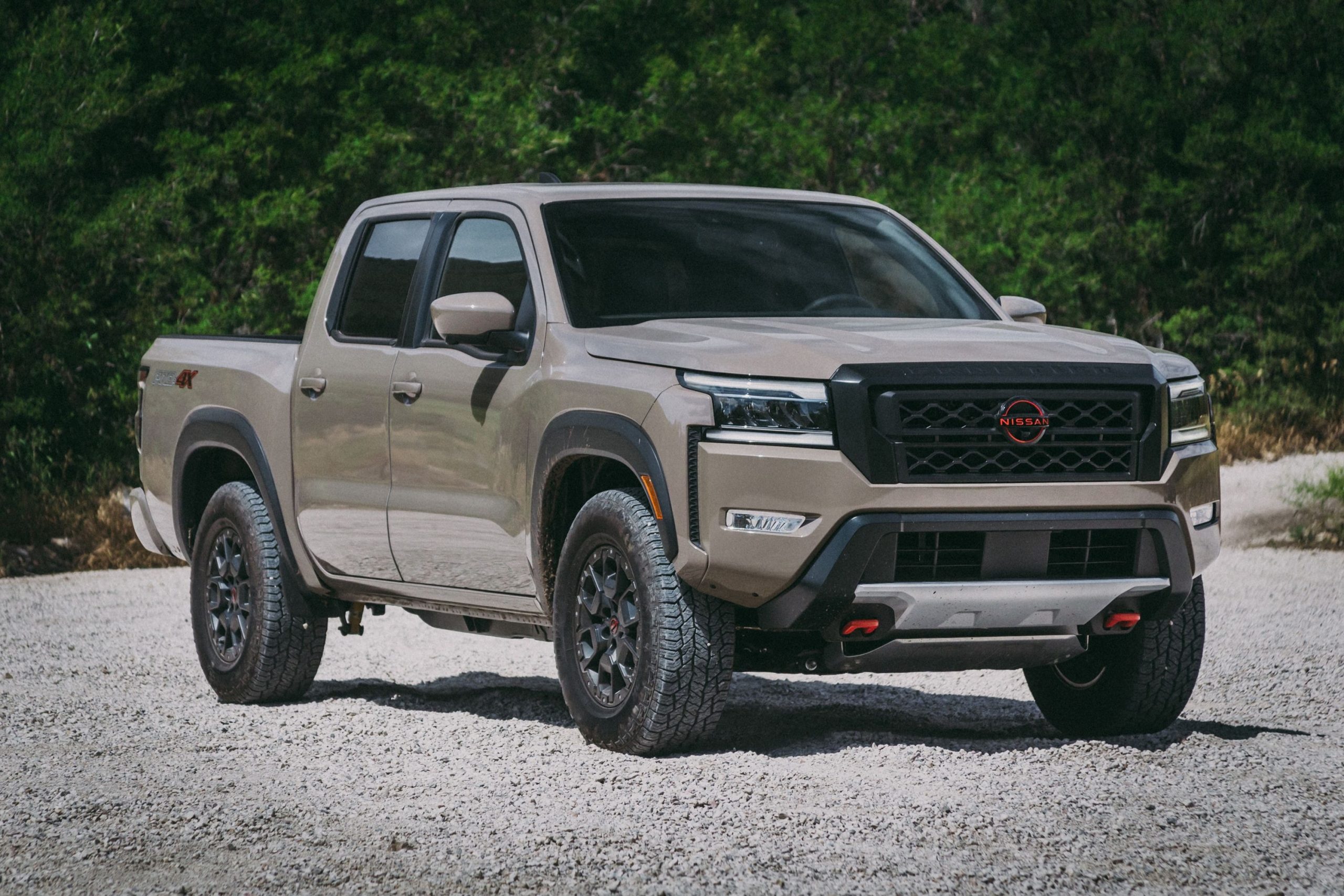
6. Nissan Frontier (Second and Third Generation)
The Nissan Frontier doesn’t always get the spotlight, but among experienced modders, it’s a quiet performer. Both the second-generation (2005–2021) and the third-generation (2022+) Frontiers have earned respect for their sturdy frames, reliable drivetrains, and basic engineering that supports long-term abuse.
While it might not have the glamor or aftermarket volume of the Tacoma or Gladiator, the Frontier holds its own when modifications get heavy. Owners often lift them, swap tires, and even add forced induction or drivetrain upgrades, all without constant mechanical failures.
At the heart of the Frontier’s mod-ready nature is its solid V6 engine lineup. The second-gen’s 4.0L V6 is widely regarded as a workhorse that can take abuse. Whether it’s towing, crawling, or hauling gear into the backcountry, the engine doesn’t mind extra load or tuning.
The newer 3.8L V6 in the latest generation offers more power and efficiency, and early reports show it holds up just as well under modifications. These engines don’t suffer from common head gasket, timing chain, or oil pressure issues that plague some competitors. This makes them reliable even when a turbo kit or high-flow exhaust system is added.
Suspension mods are very common among Frontier owners, and the truck tolerates them well. While the front independent suspension can limit articulation compared to solid axle trucks, it’s sturdy enough to handle mild to moderate lifts without wearing out quickly.
Many owners run 32 to 33-inch tires with basic lifts and upgraded control arms. The rear solid axle provides the durability needed for trail use, and with upgraded leaf packs or airbag setups, the truck can haul or camp without stress. It may not flex like a Jeep, but it doesn’t give up either.
From a simplicity standpoint, the Frontier is one of the least complicated mid-size trucks to work on. The electronics are not overly sensitive, which makes wiring accessories like light bars, winches, and radios easier and less risky.
And since Nissan kept much of the core design consistent for over a decade, aftermarket parts are well-tested, and repairs are straightforward. This truck may fly under the radar, but when you want a solid platform that doesn’t complain about being modified, the Frontier is more capable than many give it credit for.

7. GMC Sierra 2500HD
The GMC Sierra 2500HD is the corporate cousin to the Silverado HD, but it often sees different trim levels and is used more frequently for luxury-heavy builds or overlanding applications. Despite the additional comfort features in higher trims like Denali, the Sierra 2500HD remains every bit as tough and mod-friendly as its Chevy counterpart.
It shares the same powertrains, most the Duramax diesel and Allison transmission pairing, which are famous for handling big power mods without mechanical failure. Tuners frequently push the Duramax to well over 500 horsepower and 1,000 lb-ft of torque, and the truck keeps on running if the tuning and cooling are properly handled.
One of the standout traits of the Sierra 2500HD is how well it handles suspension upgrades. This is important because owners often install air ride systems, big leveling kits, or full coilover conversions for better ride quality or hauling.
With solid axles, heavy-duty brakes, and overbuilt components throughout the chassis, the truck can carry significant weight without experiencing sag or brake fade. Even when transformed into a mobile shop or off-grid camper, the Sierra remains composed. Many modded Sierras still tow boats, enclosed trailers, or RVs on weekends without stress.
Transmission and drivetrain reliability is often a concerns with modified trucks, but the Sierra’s Allison transmission helps eliminate that fear. It’s built with durability in mind and is one of the best factory transmissions for towing and performance tuning alike.
When owners upgrade to larger wheels, re-gear the axles, or add high-torque power systems, the drivetrain handles the load without frequent failures. While no truck is invincible, the Sierra rarely becomes a problem child after mods unless corners are cut during installation.
Luxury and tech features on higher-end trims like the Denali can sometimes introduce complexity, but GMC does a good job keeping the systems isolated enough to avoid major issues with aftermarket installs. Owners often add extra camera systems, rooftop solar, digital gauge clusters, and full audio upgrades without confusing the truck’s software or causing warning lights to appear.
The Sierra 2500HD delivers a unique blend of mod capability and refinement, which makes it a strong choice for serious builds that still need to be reliable on job sites, long trips, or daily errands.
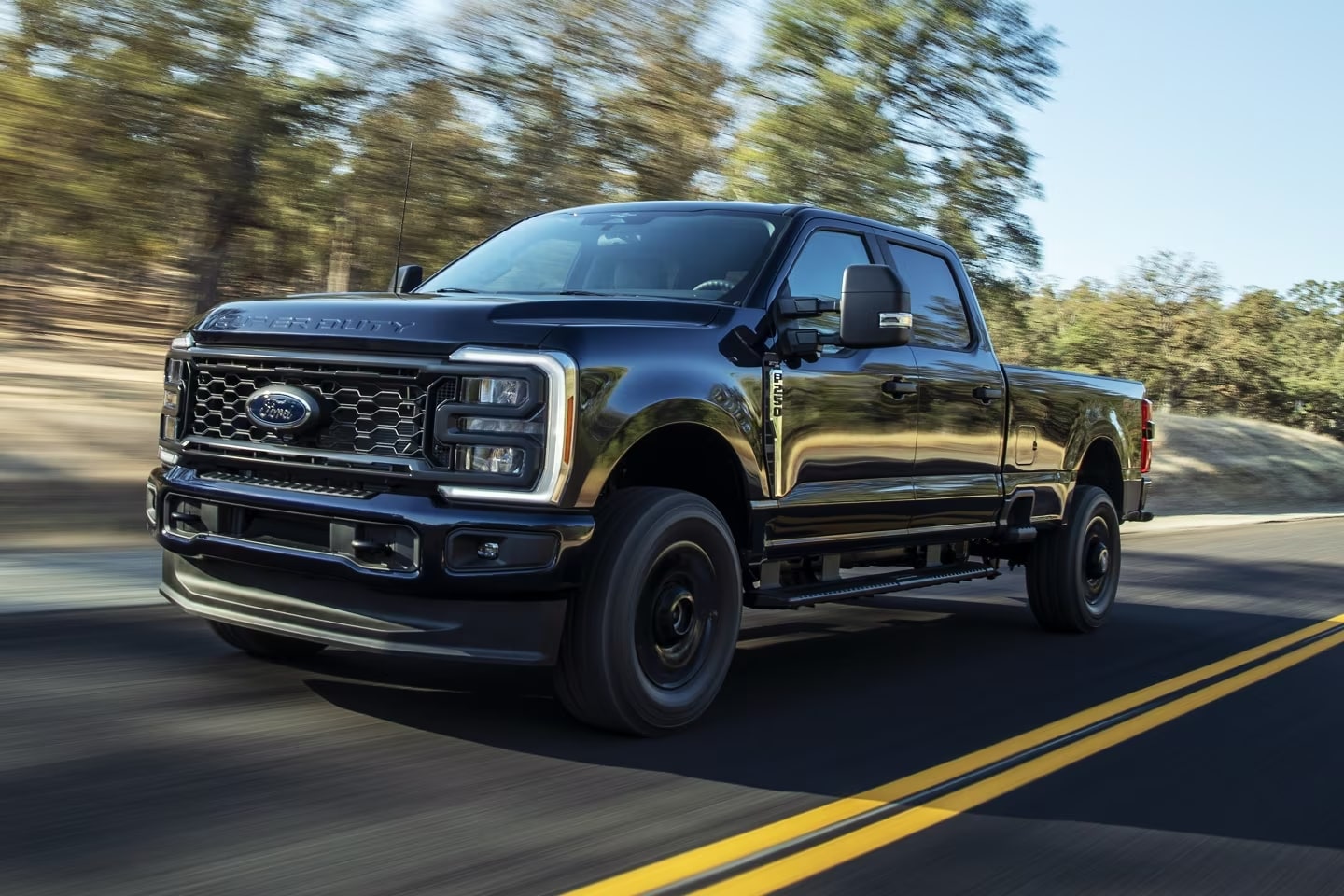
8. Ford Super Duty (F-250 / F-350)
The Ford Super Duty line, especially the F-250 and F-350 models, is built with modding in mind. These are trucks designed for heavy work, and they’re used by contractors, ranchers, off-roaders, and overlanders who all tend to modify their trucks based on specific needs.
The Super Duty’s heavy-duty frame, solid axles, and strong drivetrain make it a favorite for those who demand durability beyond factory specs. Whether it’s a suspension lift, re-gearing for larger tires, engine tuning, or upgraded axles, the Super Duty generally accepts the changes without losing its composure or reliability. It’s a truck that can wear a lot of different hats, and it doesn’t complain when the build gets extreme.
The Power Stroke diesel engines, particularly the 6.7L V8, are known for their capability and mod-friendliness. Many owners tune these engines for more power using handheld programmers, upgraded turbos, or even compound turbo systems.
When cooling and fuel delivery are properly managed, the engine holds up to significant horsepower increases without internal damage. The block and internals are strong, and the engine doesn’t overheat or suffer premature wear if the supporting mods are done correctly. It’s not uncommon to see these trucks putting out 600 or 700 horsepower while still towing trailers daily and racking up high mileage.
On the suspension side, the Super Duty line uses solid axles front and rear, which makes it very tolerant of lifts, heavy tires, and added weight. Many of these trucks run 37- to 40-inch tires, long-travel suspension, or coil-over conversions without negatively impacting alignment or driving characteristics.
The axles and frame are built to handle loads well above what most owners throw at them, which means that off-road armor, rooftop tents, bed racks, toolboxes, and trailers don’t put unusual strain on the chassis. Even when fully loaded and lifted, the truck maintains solid road presence and minimal sag, especially when upgraded with airbags or overload springs.
Electronics on newer Super Duty models are more complex than earlier generations, but they still hold up reasonably well to mods. Owners frequently add custom lighting, camera systems, upgraded infotainment, or trailer management tools.
Ford provides a good amount of access through auxiliary switch panels, and most accessory wiring can be integrated without interfering with the truck’s main control systems. That’s a big plus for reliability, especially when mods get layered over time. Whether you’re building a long-distance hauler, a lifted show truck, or a trail rig with lockers and winches, the Super Duty is a base that holds up under pressure.

9. Chevrolet Colorado ZR2
The Chevrolet Colorado ZR2 might not be the first truck you think of when you imagine heavy mods, but it’s one of the most reliable mid-size platforms for off-road upgrades. This truck was engineered with aggressive use in mind, including factory-equipped locking front and rear differentials, Multimatic DSSV shocks, and wider tracks.
That gives it an excellent base for serious off-road customization. More importantly, the Colorado ZR2 doesn’t lose its dependability when pushed beyond stock limits. Many owners modify the ZR2 with bigger tires, long-travel suspension, superchargers, or re-gearing, and the truck remains mechanically sound and daily drivable.
The 3.6L V6 gas engine, standard in many ZR2 models, is strong and proven across several GM platforms. While it’s not the most powerful in its class, it responds well to tuning and intake/exhaust modifications. Some owners opt for the aftermarket supercharger kits, which can add significant horsepower without putting the engine at risk when properly tuned.
The diesel variant, a 2.8L Duramax, offers excellent torque and fuel economy. When fitted with upgraded intercoolers and mild tuning, the diesel ZR2 can become a fuel-efficient crawler or overlander without developing mechanical or thermal issues. Both engines have proven capable of long-term reliability even with added performance demands.
ZR2 owners often go beyond basic lifts, adding long-travel suspension, bumpers, underbody armor, bed cages, or even portal axles. The truck’s underpinnings, particularly the frame and steering components, hold up well to rough terrain and larger tire setups.
While most people stick to 33- or 35-inch tires, the ZR2 can take even larger rubber with some trimming. The DSSV shocks handle punishment surprisingly well, but many owners eventually upgrade to coilovers for even better articulation. None of these modifications seems to compromise the integrity of the vehicle when installed properly, which is a big reason why it’s so popular with serious trail runners and overland explorers.
As for the electronics and driver-assist systems, the ZR2’s layout avoids many of the over-complicated integrations that plague other newer trucks. That makes it easier to install custom wiring for winches, lights, onboard air, or communications equipment without messing up sensors or system warnings.
Chevy also offers several upfitter connections from the factory to make modding less intrusive. Once built out, ZR2s tend to stay reliable in harsh conditions, including extreme cold, heat, mud, or water crossings. It’s a testament to GM finally putting together a capable off-road truck that holds up once the real gear goes on.
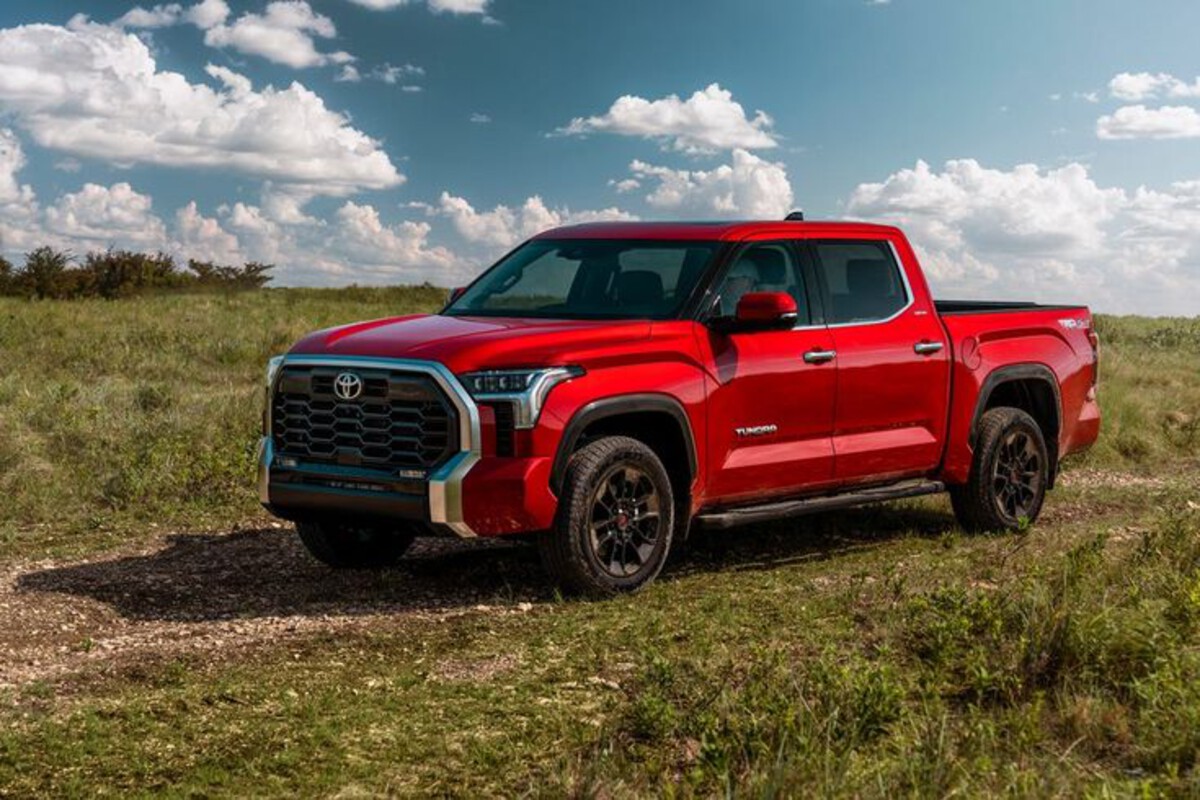
10. Toyota Tundra (Second Generation)
The Toyota Tundra, especially the second-generation models produced from 2007 to 2021, is one of the most underrated trucks when it comes to reliability after heavy modding. While it’s often overshadowed by the domestic big three, the Tundra offers legendary Toyota build quality with the size, power, and strength of a full-size American truck.
The 5.7L i-Force V8 is widely regarded as one of the most overbuilt and understressed engines ever put into a half-ton pickup. It handles superchargers, long-tube headers, large tires, and even turbo systems without skipping a beat. Tundras regularly reach 300,000 miles with or without modifications, and that’s not something you can say about every truck in this segment.
The Tundra’s suspension and chassis are equally robust. While it uses an independent front suspension rather than a solid axle, the components are thick and durable. Many Tundra owners lift their trucks by 3 to 6 inches, install coilover systems, and run 35-inch tires or larger.
With upgraded upper control arms and extended travel shocks, the ride remains composed and doesn’t wear out bushings or joints at an unusual rate. The rear axle is a solid design with a massive ring gear, and it holds up to towing, weight, and off-road punishment. When set up properly, the Tundra is a capable desert runner or trail rig that doesn’t suffer reliability issues after big suspension work.
Transmission and drivetrain dependability is another strength. The six-speed automatic transmission in these trucks is known for its smooth shifting and durability. Even with added horsepower or aggressive throttle tuning, the transmission keeps running without slipping or overheating.
Some owners install aftermarket coolers or performance torque converters for peace of mind, but the stock units are more than capable in most builds. Whether you’re towing a boat, climbing over rocks, or just daily driving with oversized tires, the Tundra doesn’t flinch. It handles added stress in a way that makes it easy to forget you’ve changed anything.
Inside the cab and under the hood, the Tundra is relatively simple, and that simplicity helps preserve reliability. There’s room for dual batteries, onboard compressors, auxiliary fuse panels, and all kinds of accessories without tripping sensors or confusing the computer.
Electrical mods like extra lights, winches, radios, or aftermarket infotainment systems are easily managed, and the truck keeps performing. Tundra owners are known for keeping their trucks for the long haul, and even the most built-up versions tend to last just as long. If you’re looking for a full-size truck that can handle mods without turning into a problem child, the Tundra stands tall.
