
Hybrid vehicles have come a long way from being niche options to becoming some of the most durable and reliable cars on the road. While early hybrids were often viewed as experimental or short-term solutions, modern hybrids are built with robust powertrains, efficient battery systems, and engineering that prioritizes longevity.
As fuel efficiency standards have tightened and consumers have grown more concerned with long-term value, hybrid vehicles have steadily proven that they aren’t just about saving fuel, they’re about sticking around for the long haul. And in many cases, they’re built to last longer than their gas-only counterparts.
There’s a persistent belief that complex hybrid systems are inherently more prone to failure because they involve more parts. But real-world data and owner experiences suggest otherwise. Today’s hybrid drivetrains have fewer moving parts than traditional automatic transmissions and often put less strain on their internal combustion engines.
Because the electric motor helps carry the load, hybrid engines often experience less wear and tear. On top of that, regenerative braking systems reduce brake wear, and many hybrid owners report fewer repairs over time.
Another critical factor that contributes to the durability of hybrids is the way they’re engineered. Automakers often build hybrids with higher standards to ensure that their technology performs under various conditions. This includes stronger cooling systems, more robust transmissions, and software designed to optimize mechanical function. Add to that the extended warranties many automakers provide for hybrid batteries, and the equation starts to favor hybrids when looking at long-term ownership.
This article presents ten hybrid vehicles that consistently demonstrate durability and reliability. These aren’t just cars that are good for the environment or save money at the pump.
These are vehicles that have stood the test of time, often outlasting their traditional gas-powered equivalents in terms of mileage, maintenance needs, and satisfaction. If your goal is to invest in a vehicle that will stay with you for years to come without constant repair costs or performance decline, these hybrids are worth your attention.
Also Read: 5 Toyota Tacoma Years That Rarely Break vs 5 That Constantly Do
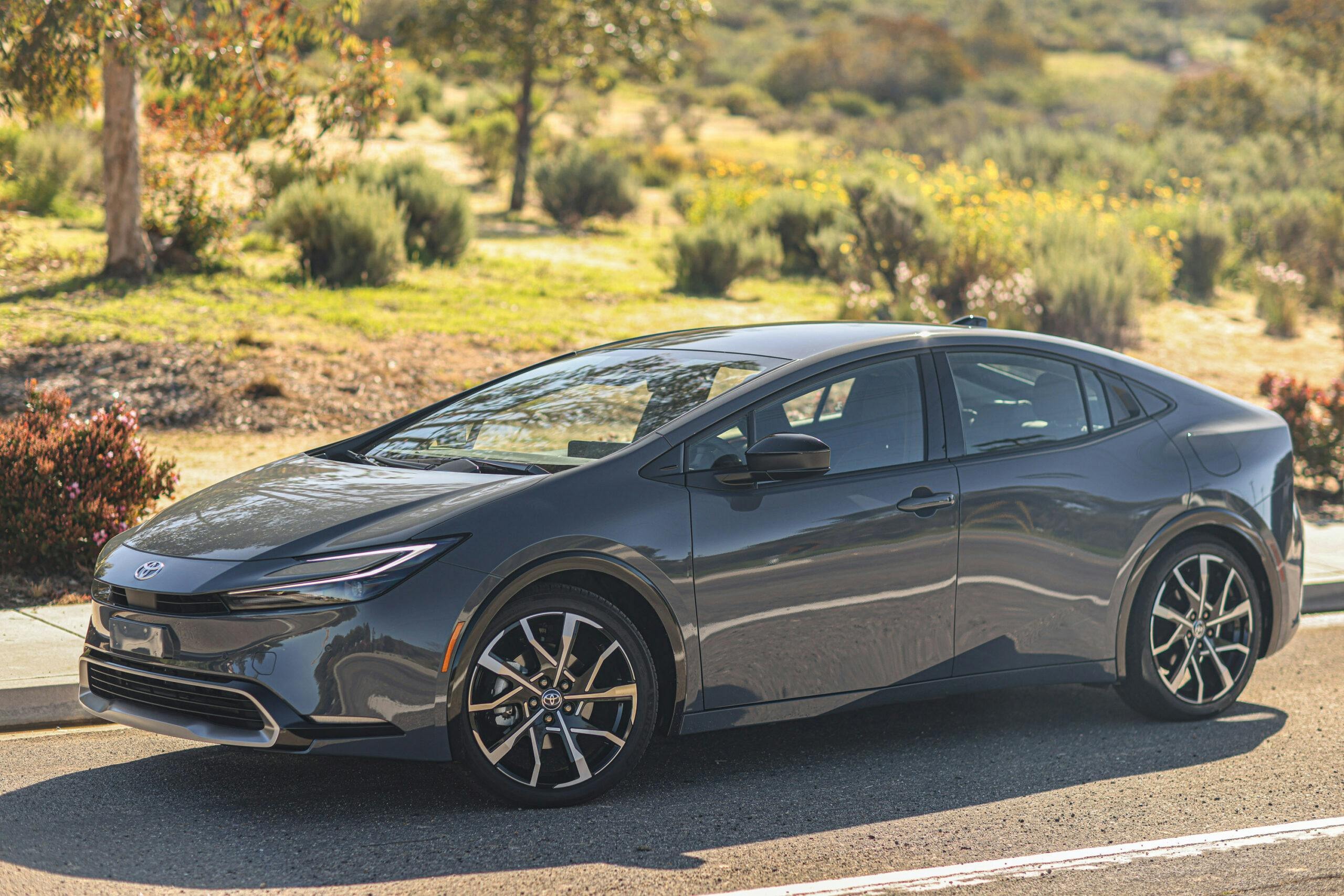
1. Toyota Prius
The Toyota Prius is often the first name that comes to mind when thinking about hybrids, and for good reason. It has earned its reputation as one of the most reliable and long-lasting vehicles in modern automotive history.
With hundreds of thousands of units sold globally, the Prius is known for easily reaching 200,000 to 300,000 miles with routine maintenance. Its hybrid system, which includes Toyota’s tried-and-true Hybrid Synergy Drive, is engineered for efficiency and resilience. This system has been refined over multiple generations, and the result is a vehicle that holds up remarkably well even after a decade of daily use.
Many owners have reported minimal repair needs even after ten years or more. Unlike some gas-powered cars that may need engine overhauls or transmission replacements by the time they hit 150,000 miles, the Prius tends to keep going with just regular servicing.
The electric motor reduces the burden on the gasoline engine, which results in less internal wear. Even the brakes last longer due to regenerative braking, which converts kinetic energy into battery power rather than heat and friction. These features make the Prius not only an economical choice upfront but also a wise long-term investment.
The battery system in the Prius is another area where it outperforms expectations. While early concerns about battery replacement costs were common, the reality is that Prius batteries are known to last well beyond 150,000 miles in most cases.
Toyota offers extended warranties on their hybrid components, which provides added peace of mind. And when the battery does eventually need replacing, the cost has dropped significantly in recent years, making it less of a concern for long-term ownership.
The Prius’s design, both inside and out, has always focused on practicality and efficiency rather than flash. This translates to a user-friendly vehicle with straightforward controls, plenty of cargo space, and a comfortable ride. It’s not built for speed or luxury, but it excels at getting you from point A to point B with minimal fuss and maximum reliability.
As gas prices continue to fluctuate and concerns about long-term car costs rise, the Prius remains a rock-solid choice for drivers who want a vehicle that will go the distance.
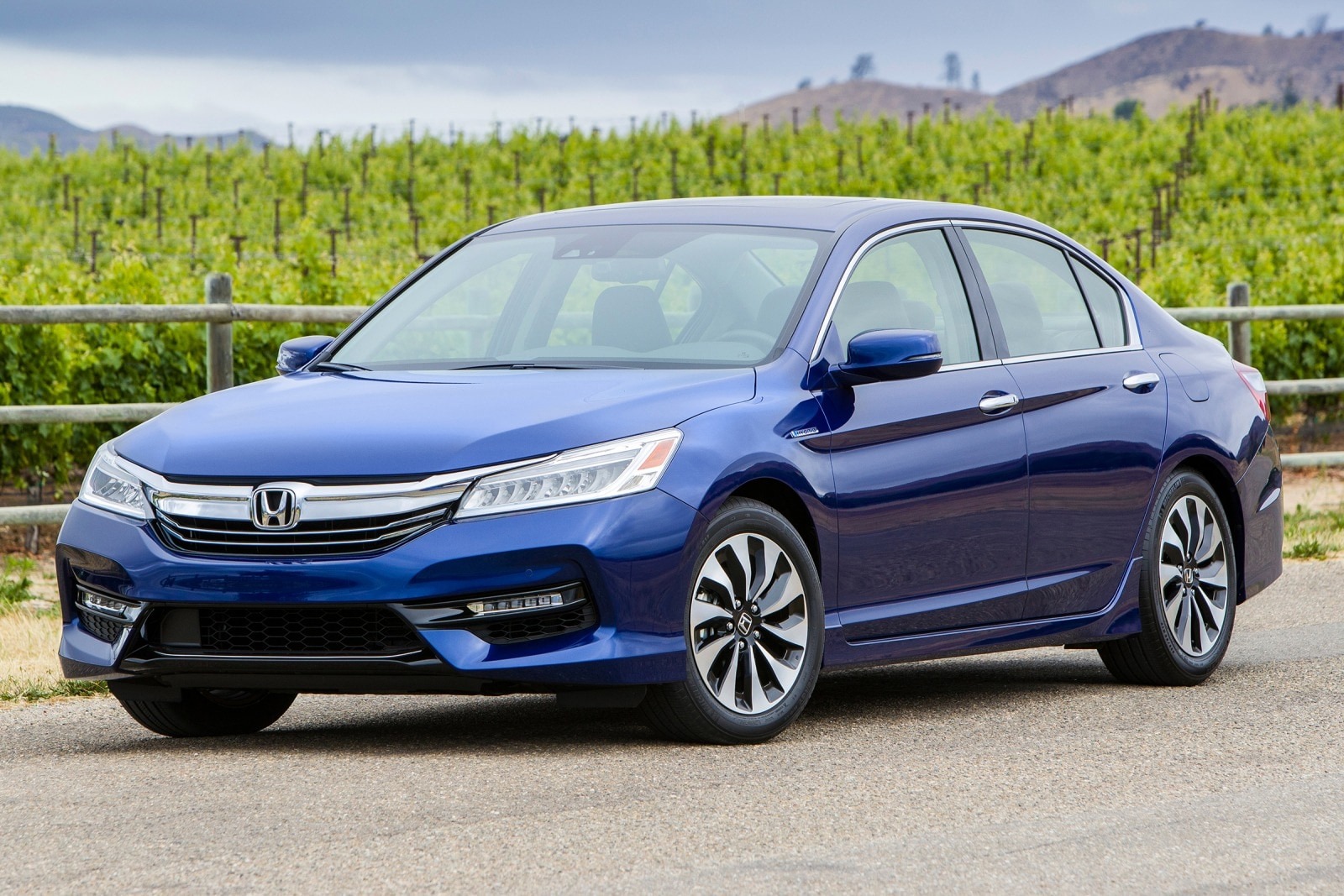
2. Honda Accord Hybrid
The Honda Accord Hybrid combines traditional midsize sedan comfort with a hybrid powertrain that’s built for endurance. Honda is known for building reliable engines, and that reliability extends to its hybrid lineup.
The Accord Hybrid benefits from the same thoughtful engineering found in its gas-only counterpart, but with enhancements that make it even more suitable for long-term ownership. Its two-motor hybrid system allows the car to operate in multiple modes, electric-only, gas-only, or a combination, depending on driving conditions, which reduces stress on both the engine and the battery.
One of the biggest advantages of the Accord Hybrid is its consistently smooth driving experience. Over time, some gas-only sedans can develop rough transmission behavior or suffer from lag as components age. The Accord Hybrid avoids this issue with a continuously variable transmission (e-CVT) that is less prone to the wear and tear associated with traditional automatic transmissions. Fewer moving parts mean fewer potential failure points, which can translate into fewer repair bills over the life of the car.
The cabin of the Accord Hybrid is built with high-quality materials and solid construction, which helps it age gracefully. While interior wear is inevitable in any vehicle, Honda’s attention to detail means the dashboard, seating, and
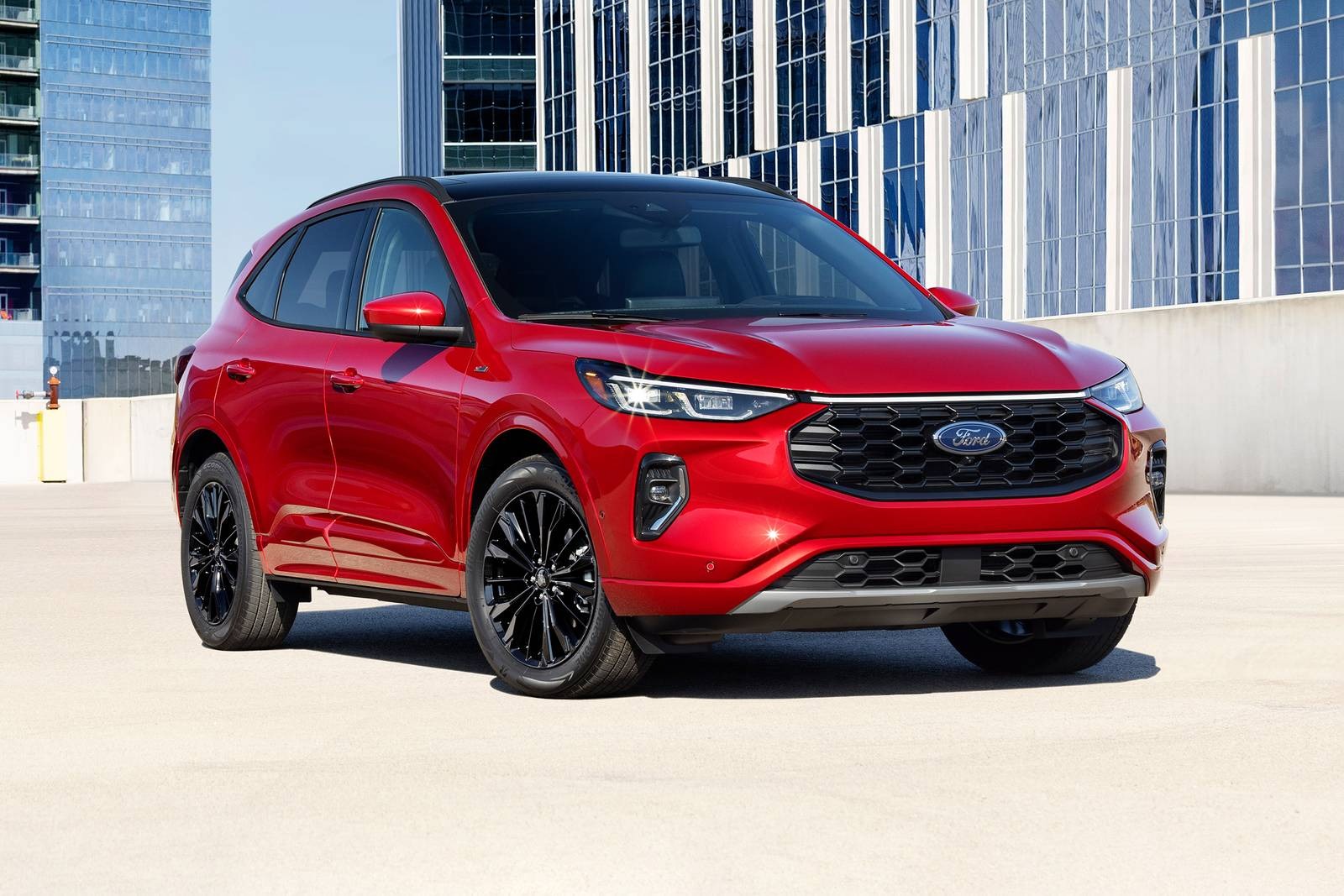
3. Ford Escape Hybrid
The Ford Escape Hybrid has consistently proven that it’s more than just a fuel-efficient crossover. As one of the first hybrid SUVs introduced to the market back in the early 2000s, it built a reputation for being dependable, practical, and surprisingly durable.
While some early hybrids struggled with long-term reliability, the Escape Hybrid stood out by delivering consistent performance over high mileage, with many of those first-generation models still running strong today. Ford took that history seriously when designing the newer models, building on proven technology while incorporating modern engineering to enhance durability even further.
A key strength of the Escape Hybrid lies in the design of its hybrid powertrain, which blends a 2.5-liter Atkinson-cycle gasoline engine with a robust electric motor and e-CVT (electronic continuously variable transmission). This combination not only improves fuel economy but also extends the life of both the engine and transmission components.
Unlike conventional automatics, the e-CVT has fewer parts subject to mechanical wear, reducing the likelihood of major transmission repairs later in the vehicle’s life. Additionally, the hybrid system frequently allows the gasoline engine to shut off or run at lower RPMs during city driving, significantly minimizing wear over time.
Battery durability has also been a standout characteristic. Ford’s modern hybrid battery systems are built for longevity, with sophisticated thermal management and battery control software ensuring that they stay within safe temperature ranges.
While early adopters of hybrid technology often worried about costly battery replacements, real-world experience with the Escape Hybrid has shown that the battery pack is capable of lasting well beyond 150,000 miles without significant performance degradation.
Even when a replacement is eventually needed, costs have come down dramatically, and the modular nature of Ford’s battery design means it’s relatively easy to service compared to older systems.
Beyond the mechanical and electrical reliability, the Escape Hybrid holds up well in daily use thanks to a well-thought-out cabin and durable construction. Interior materials are chosen with longevity in mind, fabrics resist staining, buttons don’t fade easily, and the build feels solid over time.
For families, commuters, or anyone needing an efficient SUV that doesn’t constantly need attention in the shop, the Escape Hybrid offers peace of mind. When compared to many gas-only compact SUVs that start to show their age around 100,000 miles, the Escape Hybrid proves to be a vehicle that stays in its prime far longer.
4. Toyota RAV4 Hybrid
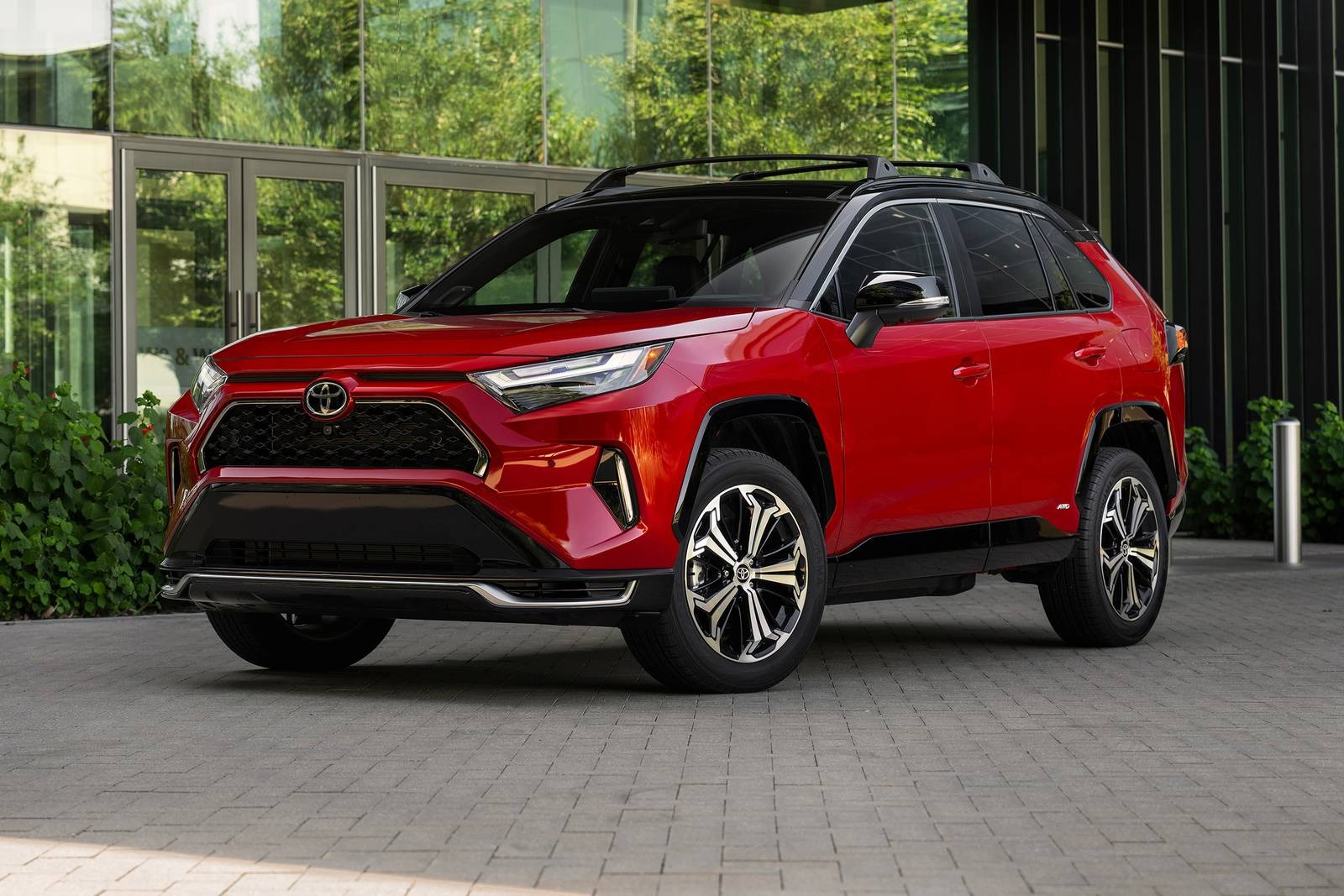
The Toyota RAV4 Hybrid represents the ideal mix of SUV practicality and hybrid reliability. As one of the best-selling compact SUVs in North America, it’s become a go-to choice for families and commuters who need more space but don’t want to sacrifice efficiency or long-term dependability.
Built on Toyota’s New Global Architecture (TNGA) platform, the RAV4 Hybrid shares the same sturdy foundation as other reliable Toyota models, which contributes directly to its durability. The hybrid drivetrain, which includes Toyota’s electric all-wheel-drive system, is designed to operate seamlessly under various conditions with minimal mechanical stress.
One of the reasons the RAV4 Hybrid often outlasts its gas-only counterparts is how the hybrid system takes pressure off the gasoline engine. In urban environments, the vehicle frequently runs on electric power alone, allowing the internal combustion engine to rest during low-speed driving.
Over the life of the vehicle, this reduction in engine hours translates to significantly less wear and tear. In traditional gas models, stop-and-go traffic tends to be particularly hard on engine components, but the RAV4 Hybrid avoids this problem almost entirely. The result is a powertrain that ages more slowly, requiring fewer expensive repairs.
Battery reliability is another strength of the RAV4 Hybrid. Unlike full EVs that rely entirely on battery capacity, hybrids like the RAV4 use their battery in shorter bursts, which helps prevent deep discharge cycles that can shorten battery life. Toyota has refined its hybrid battery technology over decades, and real-world data shows that failures are rare. In many cases, the hybrid battery outlasts the rest of the car. For owners worried about replacement costs, Toyota offers generous hybrid component warranties that often extend up to 10 years or 150,000 miles, depending on the region.
Inside, the RAV4 Hybrid is built to handle years of daily use. Materials are selected for durability rather than trendiness, meaning the interior resists scuffs, fading, and general wear better than many competitors. The design is practical, with plenty of storage, user-friendly controls, and comfortable seating for both short and long drives.
Whether you’re commuting, road-tripping, or navigating snowy roads, the RAV4 Hybrid offers the kind of consistent performance and ruggedness that lets it stay on the road well past the point where many gas-only vehicles start developing costly issues.
5. Lexus RX Hybrid
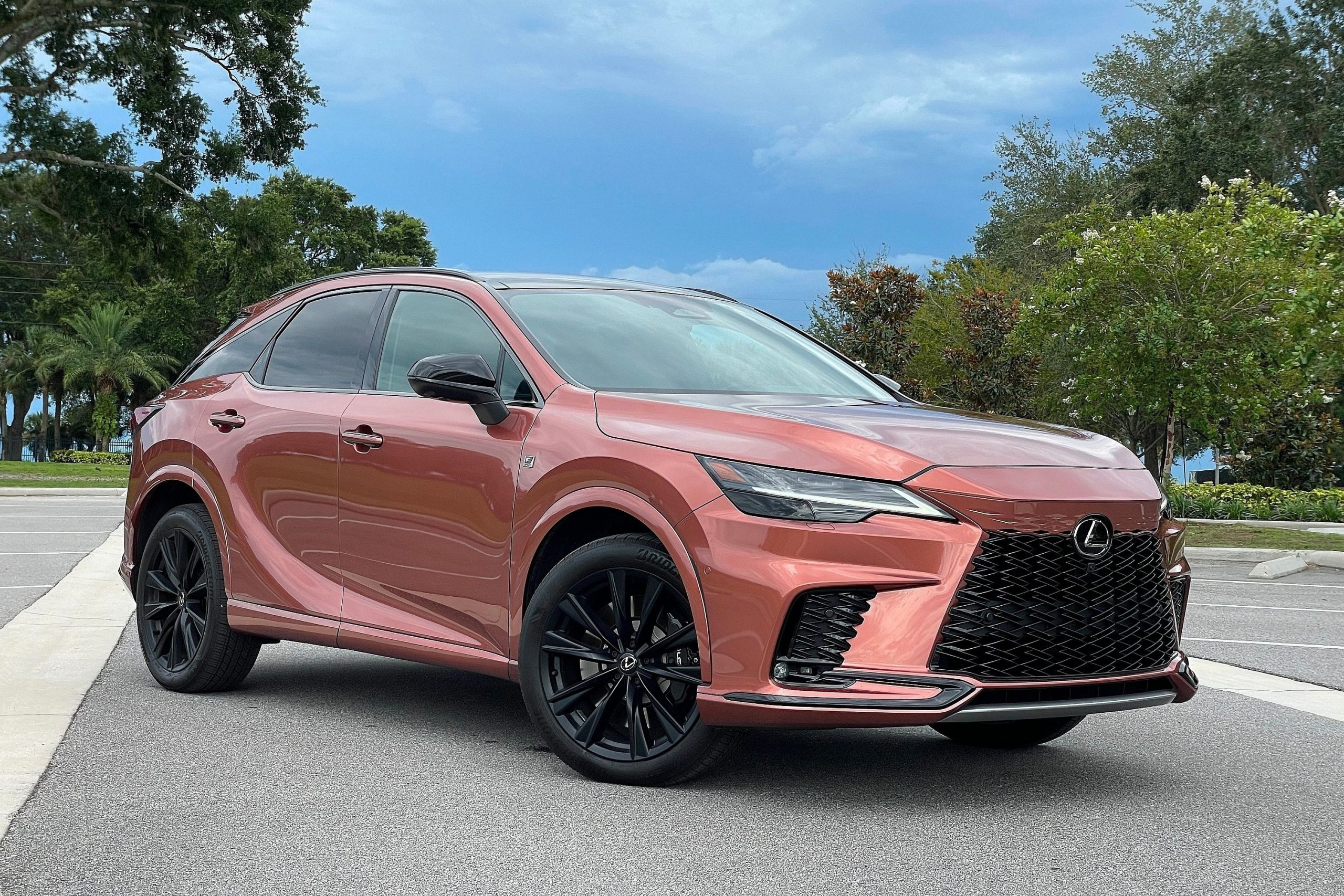
The Lexus RX Hybrid stands out not just for its luxury, but also for its reputation as one of the most reliable hybrid crossovers in the market. Lexus, as Toyota’s luxury arm, benefits from the same hybrid engineering found in other Toyota vehicles, but adds a higher level of refinement.
The RX Hybrid’s drivetrain blends a V6 gasoline engine with electric motors to provide smooth acceleration and reduced fuel consumption. While many luxury vehicles are associated with high maintenance costs and long-term depreciation, the RX Hybrid breaks that trend by delivering performance and durability in equal measure.
Owners often report that the RX Hybrid maintains a “like-new” feel even after a decade of ownership. The engine and hybrid components are not only reliable but operate with such consistency that mechanical failures are rare. Many older RX Hybrid models still on the road today have crossed 200,000 miles with minimal major repairs.
Part of this longevity comes from the intelligent design of the hybrid system, which limits engine strain and distributes load more evenly. Unlike gas-only luxury SUVs, which often suffer from complex engine issues or aging transmissions, the RX Hybrid’s powertrain is built to last with fewer high-risk components.
The interior of the RX Hybrid is another area where durability shines. Lexus uses high-quality materials, not just for appearance, but for long-term wear resistance. Soft-touch surfaces, real leather, and high-grade plastics resist the creaks, cracks, and discoloration that plague other premium vehicles over time.
The result is a cabin that still looks polished after years of regular use. This makes the RX Hybrid a strong candidate for those who want a vehicle that offers both long-term mechanical performance and a pleasant driving environment even after many miles.
Another key reason the RX Hybrid outperforms its gas-only peers over the long run is the low cost of upkeep relative to other luxury models. Lexus vehicles consistently rank near the top of reliability surveys, and their hybrid versions are no exception.
Regular maintenance is straightforward and doesn’t require specialty tools or procedures, making it easy for owners to keep the RX Hybrid in top shape. Combined with lower fuel costs, this makes the RX Hybrid one of the best luxury vehicles to own long-term from both a financial and functional standpoint.
Also Read: 5 Dodge Models That Stay Reliable in Daily Use vs 5 That Constantly Break
6. Hyundai Ioniq Hybrid
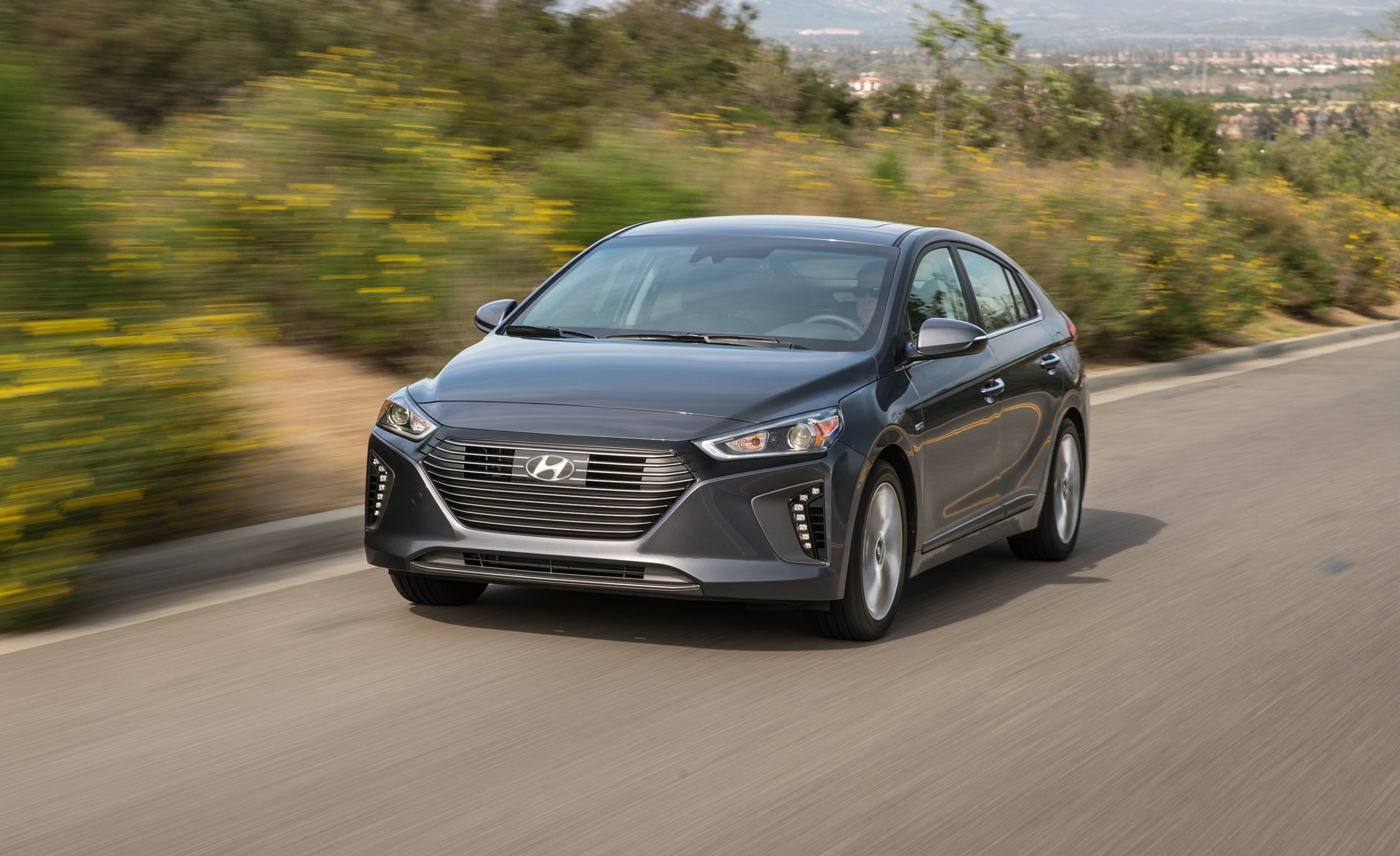
The Hyundai Ioniq Hybrid quietly became one of the most efficient and reliable hybrids on the market. While it may not have the long legacy of the Prius, the Ioniq Hybrid has impressed both critics and owners with its practical design and dependable performance. With one of the highest fuel efficiency ratings among all hybrids, it offers excellent economy without the complex engineering that sometimes plagues other models. Hyundai engineered the Ioniq Hybrid with simplicity in mind, and that approach has paid off in terms of long-term durability.
The Ioniq Hybrid’s powertrain combines a small but efficient gasoline engine with an electric motor that works in harmony without jerky transitions or performance lag. One of the key factors in the Ioniq’s longevity is its use of a dual-clutch transmission rather than a traditional CVT. This design offers a more engaging driving experience while still maintaining mechanical efficiency. Over time, the Ioniq Hybrid experiences fewer issues with transmission degradation, which can be a major concern for many other hybrids and gas vehicles alike. Fewer transmission repairs often mean the car remains on the road longer with fewer interruptions.
Battery life has also proven to be solid. The Ioniq Hybrid uses a lithium-ion polymer battery that’s not only lightweight but highly durable. Hyundai backs the hybrid battery with a long warranty that provides assurance for buyers looking at the long-term picture. So far, failure rates have remained very low, even for models that have seen significant daily use. Additionally, because the Ioniq is designed to run efficiently without heavy battery load, the electrical system doesn’t degrade as rapidly, which contributes to the car’s ability to hold up well beyond the average lifespan.
The Ioniq Hybrid’s interior, while not flashy, is constructed with user-focused durability. Surfaces are easy to clean, materials resist early wear, and the controls remain intuitive regardless of model year. As a commuter car or second family vehicle, the Ioniq Hybrid punches well above its weight class when it comes to long-term value. It’s one of those rare vehicles that doesn’t try to do too much, and as a result, doesn’t break down from trying too hard. If simplicity and endurance are your top priorities, the Ioniq Hybrid delivers exactly that.
7. Kia Niro Hybrid
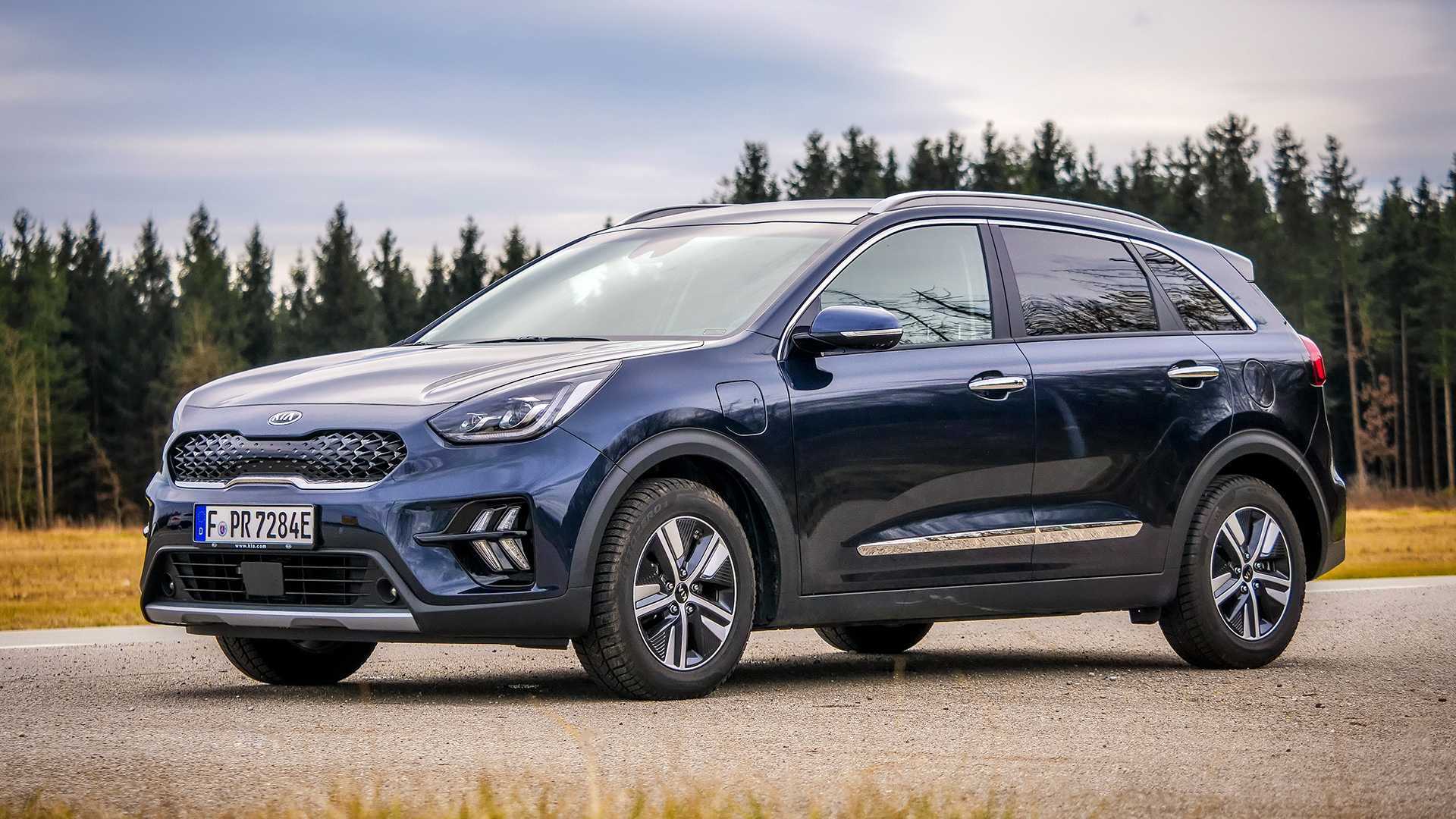
The Kia Niro Hybrid has quietly established itself as one of the most dependable compact crossovers available today. Built on a dedicated hybrid platform, it was engineered from the ground up with efficiency and longevity in mind, rather than being a gas vehicle retrofitted for hybrid use. This gives it a structural and mechanical advantage over many gas-only competitors that may have been adapted for efficiency without full optimization. The result is a small crossover that not only sips fuel but stands up well under the test of time.
One major factor in the Niro Hybrid’s ability to outlast gas vehicles is the drivetrain design. Kia’s hybrid system combines a 1.6-liter gasoline engine with a reliable electric motor, paired with a dual-clutch transmission that operates more like a traditional gear-based setup. This leads to less transmission wear and improved mechanical efficiency over time. The hybrid system itself runs efficiently with minimal strain on the gasoline engine, helping extend engine life compared to non-hybrid models that operate under full mechanical load throughout their lifetime.
The Niro Hybrid also benefits from Kia’s generous warranty program, which includes a 10-year/100,000-mile powertrain warranty. This not only gives owners peace of mind but is a strong signal that the manufacturer expects the vehicle to last. For drivers who want to hold onto their cars for as long as possible, this type of backing adds measurable value. And in practice, many Niro Hybrids have already crossed the 150,000-mile mark with minimal major issues, proving that the promise of longevity isn’t just marketing language.
Interior and build quality further support the Niro Hybrid’s long-term credentials. The layout is simple but functional, with materials that are durable enough to withstand years of wear without showing their age prematurely. The seats hold their shape, the infotainment system ages well, and the compact design remains just as practical after a decade as it did on day one. For those looking for a vehicle that offers practicality, efficiency, and long-lasting quality without luxury-level pricing, the Kia Niro Hybrid stands as one of the best options available.
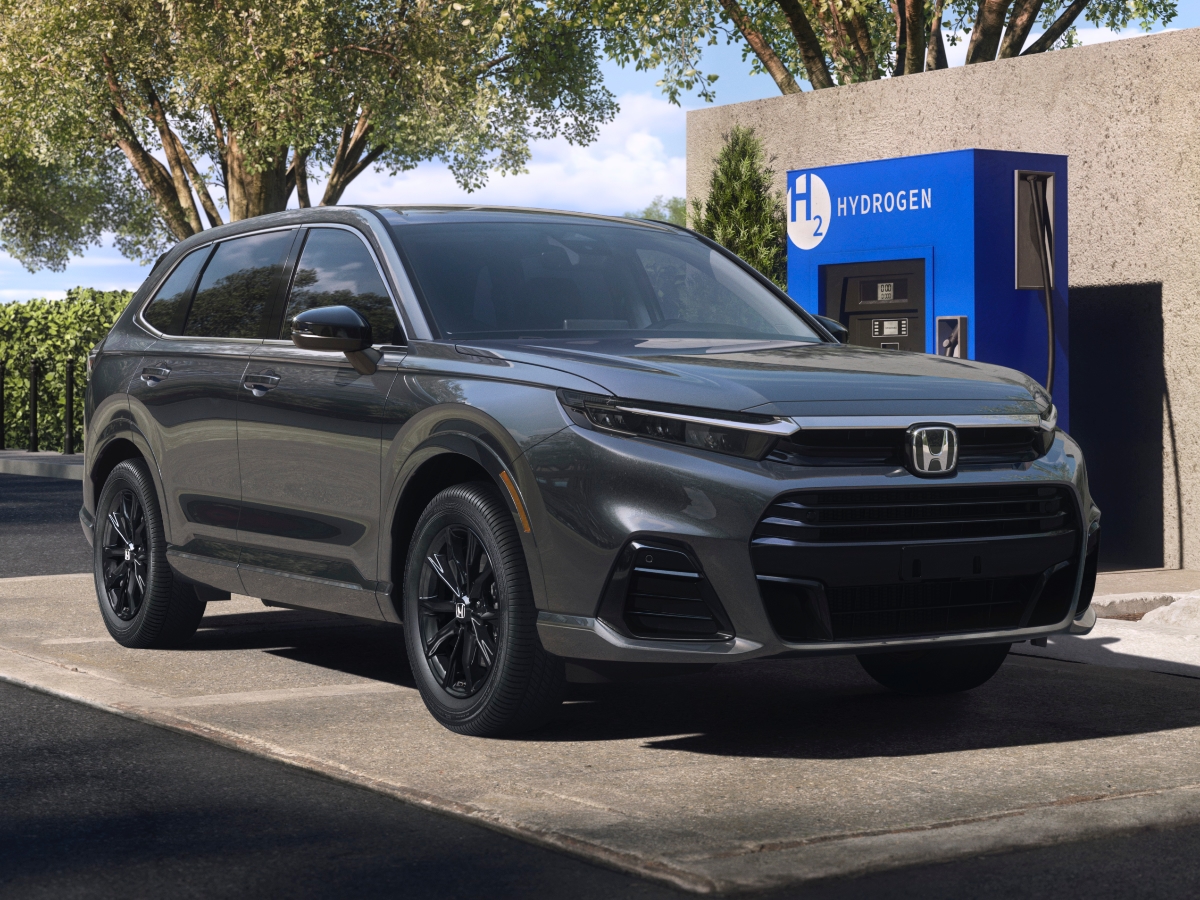
8. Honda CR-V Hybrid
The Honda CR-V Hybrid blends Honda’s reputation for durability with the functionality of a compact SUV, making it one of the most compelling long-term hybrid choices on the market. While the standard CR-V has always been known for its long lifespan and reliability, the hybrid version builds on that legacy by reducing mechanical strain through a dual-motor hybrid system. This setup allows for smoother transitions between electric and gas power, easing the load on both components. The result is a powertrain that delivers excellent efficiency without sacrificing the kind of reliability the CR-V is known for.
One major advantage the CR-V Hybrid has over its gas-only sibling is the reduction in wear on key engine components. Since the electric motors handle a portion of the acceleration and low-speed driving, the gasoline engine doesn’t need to work as hard.
This reduced load over time can lead to longer engine life and fewer expensive repairs down the road. While some owners of traditional SUVs may deal with premature engine issues or worn-out transmissions at the 150,000-mile mark, CR-V Hybrid owners often experience fewer problems well into higher mileage ranges.
Interior quality also plays a role in the CR-V Hybrid’s long-term value. Honda designs its cabins with practical materials that hold up well under daily wear and tear. The layout is clean and logical, which not only improves ease of use but also makes it less susceptible to long-term wear.
Many older CR-Vs still have well-maintained interiors even after a decade on the road, and the hybrid models are following the same trend. Whether you’re using it for commuting, family hauling, or light road trips, the CR-V Hybrid is built to stay solid and dependable through the years.
The hybrid system itself has proven to be robust with minimal long-term issues reported across the board. Honda’s commitment to reliability extends to the battery and electric motor systems, and the brand’s consistent performance in third-party reliability rankings supports that.
With proper maintenance, CR-V Hybrids have every indication that they can reach and even exceed the 200,000-mile benchmark without becoming a financial burden. For anyone looking for a compact hybrid SUV that can be trusted for the long haul, the CR-V Hybrid delivers with quiet consistency.
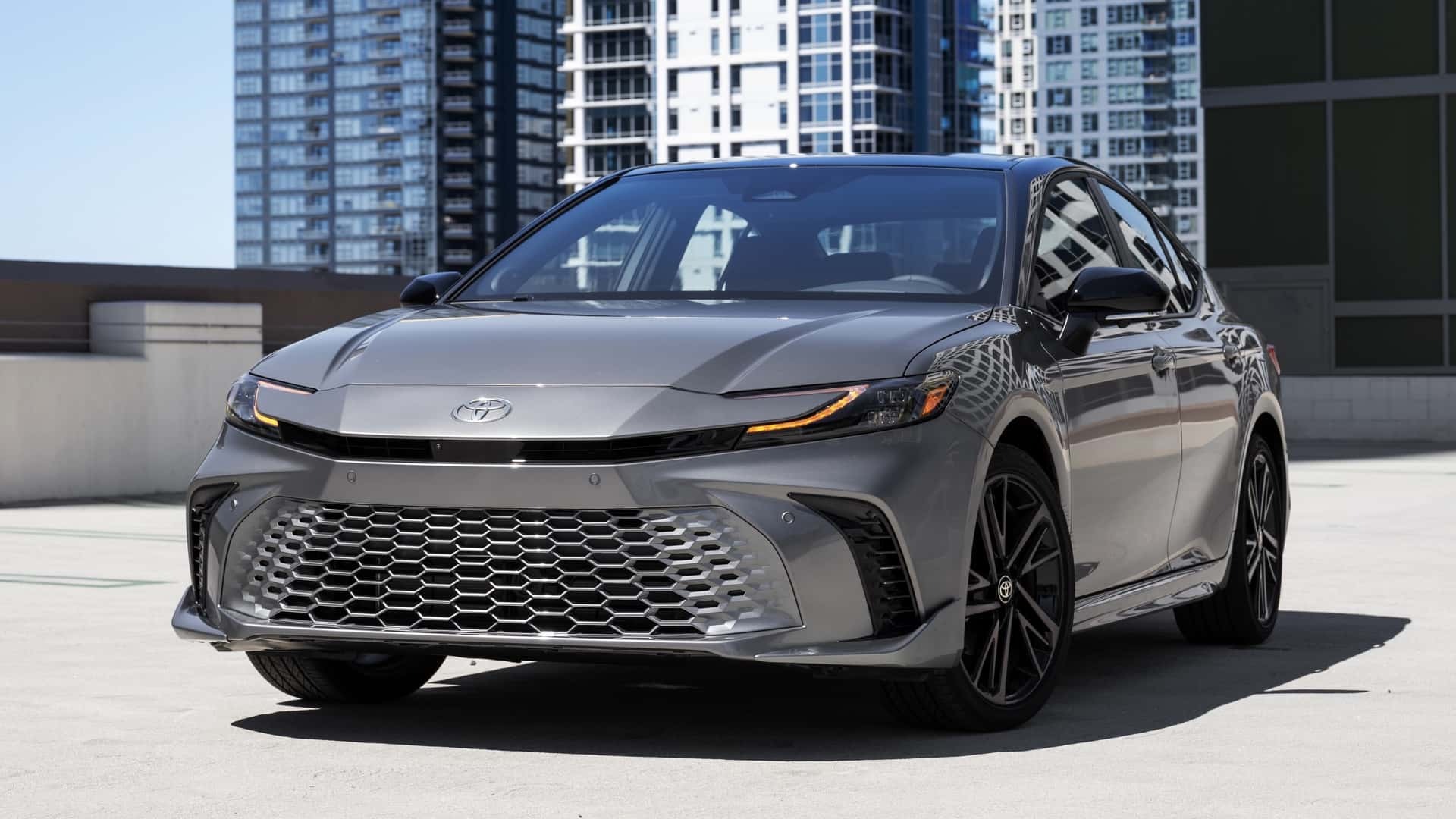
9. Toyota Camry Hybrid
The Toyota Camry Hybrid takes one of the most time-tested sedans in automotive history and gives it a hybrid upgrade that only enhances its durability. Known for decades as a model of reliability, the Camry has consistently performed well in long-term ownership studies, and its hybrid counterpart is no exception.
The hybrid version uses a similar drivetrain to the Prius but in a more powerful and refined package, suitable for drivers who want a bit more comfort without sacrificing dependability. This combination makes the Camry Hybrid a smart choice for those seeking a car that performs well and lasts even longer.
One of the hybrid system’s greatest benefits is how it reduces long-term stress on the engine and transmission. In the Camry Hybrid, electric assistance is present throughout much of the drive, especially during city traffic and stop-and-go conditions.
This prevents the gasoline engine from constantly cycling through lower gears or revving excessively, both of which can contribute to premature wear in traditional gas vehicles. Over the span of 150,000 to 250,000 miles, this reduced load translates into fewer repairs and a smoother ownership experience.
Toyota has also taken steps to ensure the hybrid components in the Camry are built to last. The battery system, electric motor, and associated electronics are all protected by extended warranties and have been shown to perform reliably even under stressful driving conditions.
Many hybrid Camry owners have driven their cars past the 200,000-mile mark without major battery degradation or electrical issues. That’s not only a testament to Toyota’s engineering but also a key reason the Camry Hybrid outpaces many gas sedans in longevity.
The interior quality and ride refinement of the Camry Hybrid further enhance its appeal for long-term ownership. With a quiet cabin, supportive seating, and quality materials throughout, the vehicle stays comfortable and pleasant even as the miles pile up.
Combined with excellent fuel economy and a record of low maintenance costs, the Camry Hybrid stands out as a midsize sedan that offers all the practicality of a traditional Camry, but with even greater long-term benefits. It’s no exaggeration to say this is one of the safest bets in the hybrid market.
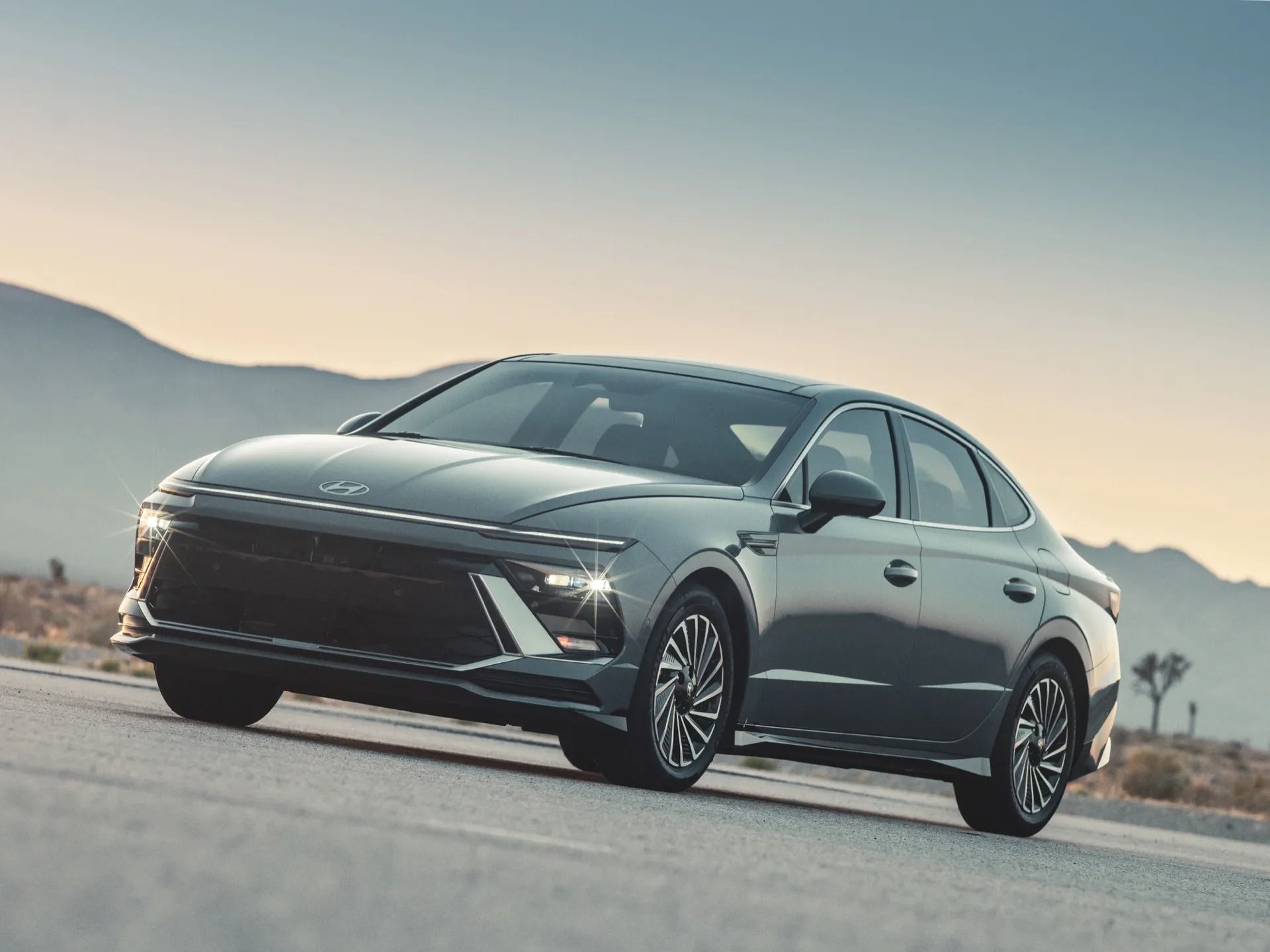
10. Hyundai Sonata Hybrid
Rounding out the list is the Hyundai Sonata Hybrid, a midsize sedan that has earned praise for its surprising longevity, smooth performance, and value-packed design. While Hyundai once struggled to gain a foothold in the long-term reliability conversation, those days are well behind the brand.
The Sonata Hybrid showcases Hyundai’s engineering advancements, offering a powertrain that not only delivers excellent fuel economy but also holds up exceptionally well under long-term use. Built with a combination of proven hybrid technology and one of the industry’s best warranties, the Sonata Hybrid positions itself as a long-term champion.
One of the key advantages of the Sonata Hybrid is the way its hybrid system is integrated. The car doesn’t feel like a retrofit of a gas model; rather, it feels engineered from the start with hybrid performance and reliability in mind.
The 2.0-liter gasoline engine is paired with an electric motor that provides additional torque and reduces the strain on the engine during acceleration. By working together, these components reduce mechanical fatigue over time and contribute to a much longer service life than many gas-only competitors in the same class.
Hyundai has also placed strong emphasis on battery durability. The Sonata Hybrid uses a lithium-ion polymer battery, which is known for better thermal control and longer lifespan compared to older battery types. Owners report few battery-related issues even after years of daily driving.
And unlike some hybrids that sacrifice cargo space to fit battery packs, the Sonata Hybrid keeps the trunk space practical, making it a good option for people who don’t want to compromise functionality for efficiency. This attention to detail adds to the car’s long-term usefulness and livability.
The Sonata Hybrid also benefits from Hyundai’s industry-leading warranty, which covers the powertrain and hybrid components for up to 10 years or 100,000 miles. This warranty assures buyers looking for a vehicle they can count on for a decade or more.
Combined with the fact that maintenance needs are relatively light, and repair costs are lower than average for the segment, the Sonata Hybrid presents an appealing package. It may not have the legacy of a Toyota or Honda, but in terms of staying power and value, it’s quickly earning a spot among the most reliable hybrids on the road.
