
When people think of sports cars, their minds often jump to speed, design, and performance. But reliability? That’s not always the first thing that comes to mind. In fact, some of the flashiest cars have reputations for spending more time in a garage than on the open road.
However, not all sports cars fall into that category. Some manage to combine thrilling performance with rock-solid dependability, especially when it comes to their engines. Engine failure is one of the most dreaded problems a car owner can face.
It’s expensive, inconvenient, and often marks the end of a vehicle’s life for those who can’t afford a major rebuild or replacement. That’s why a sports car with a reliable engine is such a gem. It offers the best of both worlds, heart-pounding excitement and the peace of mind that comes with knowing it probably won’t leave you stranded.
Car enthusiasts often have to make compromises when buying performance vehicles. They may have to sacrifice comfort for speed, practicality for style, or reliability for power. But a handful of sports cars out there defy these trade-offs, standing out for their robust engineering and strong engine track records.
These vehicles prove that performance doesn’t have to come at the cost of dependability. Whether it’s a naturally aspirated inline-six or a meticulously engineered V8, some engines are built to last, and they do, mile after mile. These cars don’t just survive under pressure; they thrive.
This list isn’t about the fastest or the most expensive sports cars. It’s about the ones that keep going, that don’t give up, and that have built reputations not just for speed but for longevity. Each of the cars mentioned below has shown time and time again that engine failure isn’t a regular part of their vocabulary.
Through proper maintenance and reasonable driving habits, owners have taken these vehicles well beyond 100,000 miles with no significant engine problems. That’s no accident. It’s the result of thoughtful engineering, quality components, and testing that goes far beyond the surface. So let’s look at ten sports cars that rarely suffer from engine failure and continue to earn the trust of drivers around the world.
Also Read: 5 Toyota Camry Years Worth Owning vs 5 That Aren’t
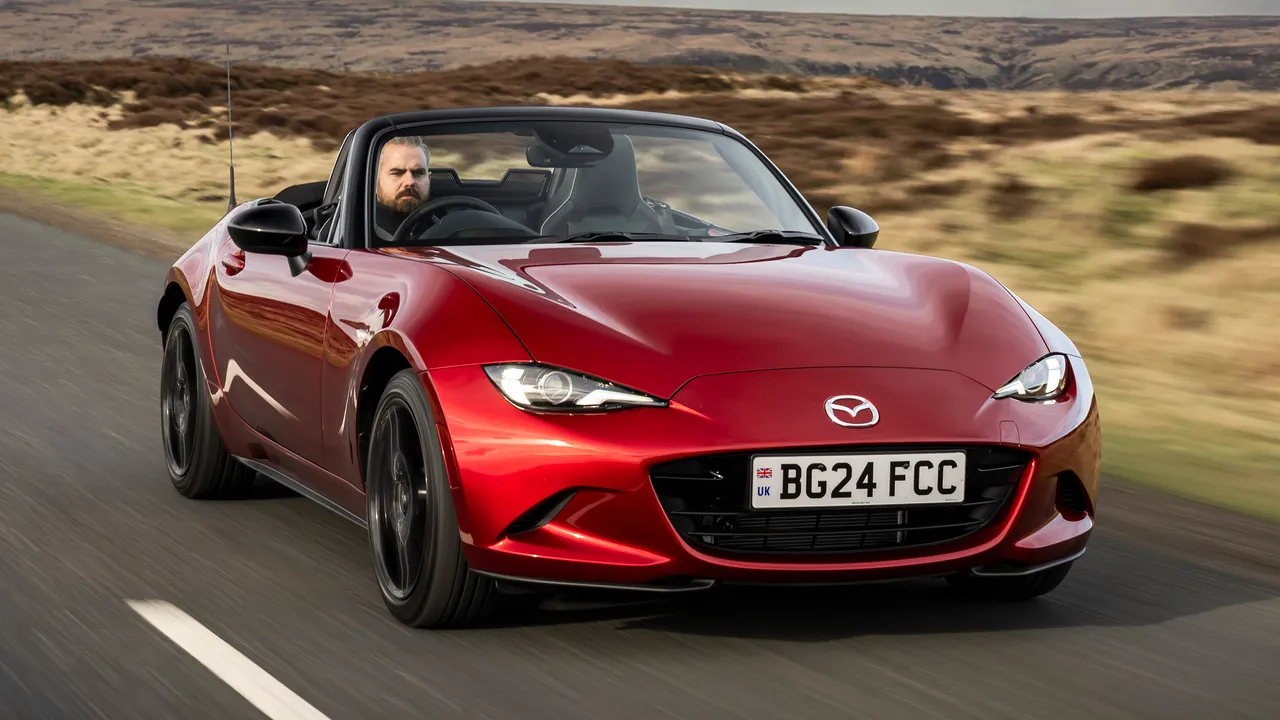
1. Mazda MX-5 Miata
The Mazda MX-5 Miata is frequently praised for its playful handling and minimalist design, but what often gets overlooked is how dependable it is, especially when it comes to the engine. Since its launch in 1989, the Miata has been equipped with small, naturally aspirated engines that are designed with simplicity and longevity in mind.
These engines aren’t high-strung or overly complicated, and that plays a big role in their reliability. Many owners report well over 200,000 miles on original engines with nothing more than regular oil changes and basic upkeep. That’s not something you can say about many sports cars in this price and performance range.
Part of what makes the Miata’s engine so reliable is the way Mazda designed the car as a whole. Everything under the hood is easy to access and built with an emphasis on balance rather than brute power. There’s no turbocharger or supercharger to put extra strain on components. Instead, the powerplant is modest, but efficient and solid.
The 1.6L, 1.8L, and later 2.0L four-cylinder engines are built with quality internals that handle wear very well. Valve timing is controlled in a way that balances performance and durability, and the simplicity of the design means fewer things can go wrong over time.
Another factor that helps the Miata stand out is its enthusiastic community of owners. The car’s popularity has led to an abundance of resources, from maintenance guides to parts availability.
This means any issues that do arise can be identified and addressed quickly before they lead to major failures. Routine maintenance is easy and affordable, making it more likely that owners will stay on top of things. A well-maintained Miata engine rarely gives trouble, and many have seen multiple decades of use without showing signs of giving out.
Lastly, the Miata’s light weight puts less strain on the drivetrain and engine compared to heavier sports cars. This leads to less heat, less wear, and generally lower stress on engine components.
The design philosophy is more about balance than aggression, which goes a long way toward preserving engine health over the long haul. Whether it’s used as a weekend cruiser or a daily driver, the Miata has proven time and again that it’s not just fun, it’s built to last.
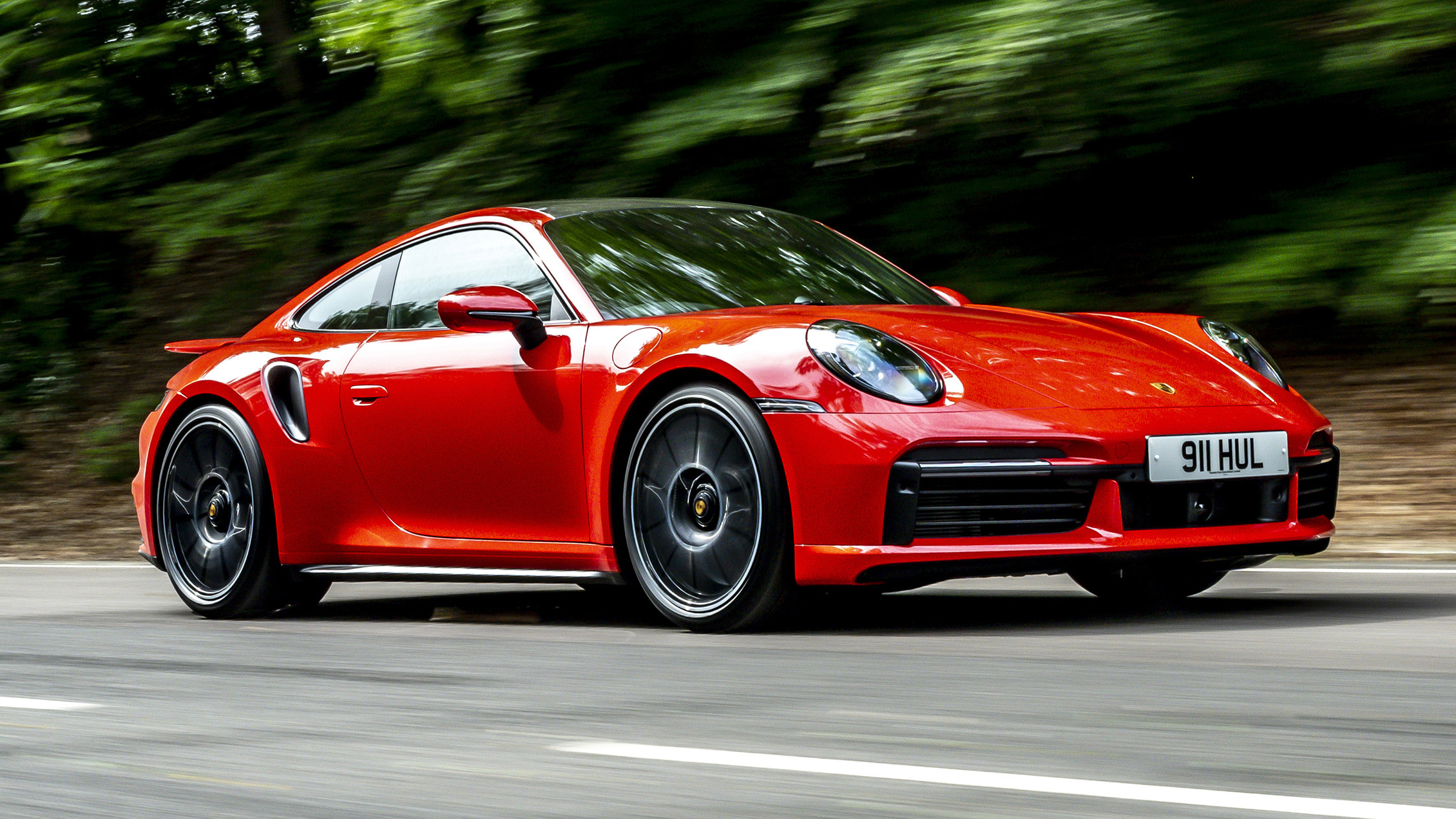
2. Porsche 911 (Naturally Aspirated Models)
The Porsche 911 is one of the most iconic sports cars in history, and while it has evolved dramatically over the years, one thing that has remained consistent, especially in the naturally aspirated models, is its engine reliability.
The flat-six engine design used in these versions has roots going back decades, and Porsche has spent that time refining and perfecting it. Air-cooled or water-cooled, the engines in these cars are known for their durability when properly maintained. In fact, many air-cooled 911s from the 70s and 80s are still running their original engines today.
Porsche’s engineering culture places a strong emphasis on longevity, especially in the drivetrain. The naturally aspirated engines in the 911 lineup tend to avoid the additional complexity and thermal strain associated with turbocharged engines.
That’s not to say turbocharged Porsches are unreliable, but the naturally aspirated versions usually fare better in terms of long-term engine health. The mechanical simplicity, coupled with robust construction materials, makes for an engine that’s hard to kill. The early 996 and 997 generation engines, for example, were known to last hundreds of thousands of miles if maintained with care.
A key component of the 911’s reliability is the quality of parts and the strict tolerances Porsche uses in assembly. Engines are hand-built or go through intense quality control processes, and that shows in their lifespan.
Porsche has always designed its engines with racing in mind, meaning even the street-legal versions benefit from performance components that are tested under extreme conditions. This track-ready mindset, applied to a road car, leads to an engine that not only performs well but holds up better than many others under similar usage.
It’s also worth noting that the 911 has an extremely loyal and meticulous owner base. These cars are rarely abused without consequences, and most owners understand the importance of preventive maintenance. Because of this culture, problems are often caught early, and engines receive the care they need to stay strong.
Combined with Porsche’s legendary engineering, this attention to upkeep helps the 911 remain one of the most reliable sports cars on the market when it comes to engine health.
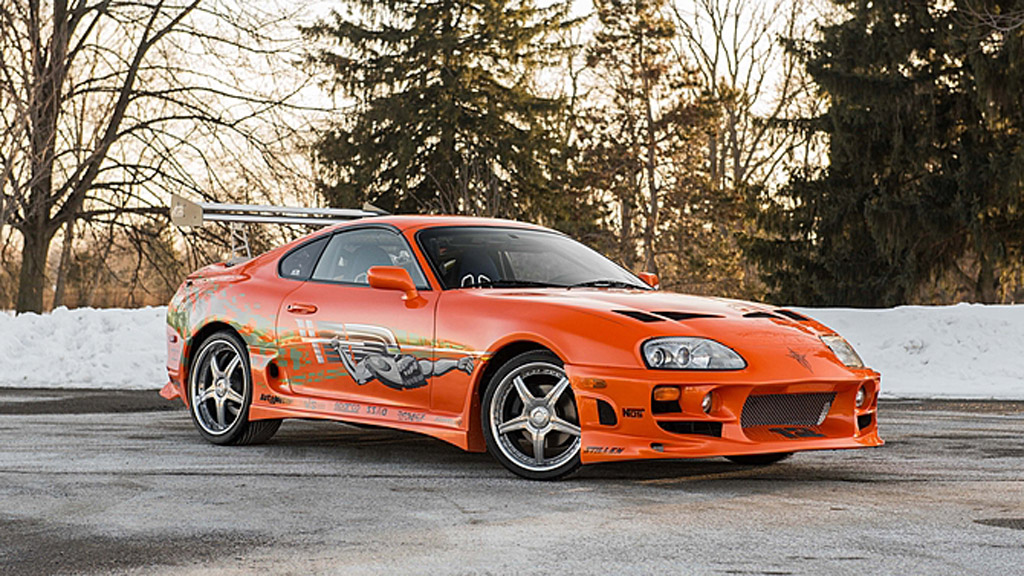
3. Toyota Supra (Mk4)
The Mk4 Toyota Supra, produced in the 1990s, has become a legend for many reasons: performance, tunability, design, but perhaps most impressive is its engine reliability. At the heart of the car is the 2JZ-GTE engine, a twin-turbocharged inline-six that has developed a reputation for being nearly bulletproof.
Whether you’re running it at stock levels or pushing out 1,000 horsepower through extensive tuning, the engine itself has proven time and again that it can handle an incredible amount of stress without failing. That’s not marketing hype; it’s backed by decades of real-world use.
Another aspect that contributes to the Supra’s reputation is the simplicity of the engine layout compared to modern, more complex designs. Despite having two turbos, the 2JZ remains relatively easy to work on, and parts are available due to its popularity.
Many mechanics are familiar with it, and the tuning community has thoroughly documented every part of the engine’s behavior. This collective knowledge makes it easier for owners to perform preventive maintenance and fix small problems before they become catastrophic.
Even when pushed to their limits on the track or drag strip, Mk4 Supras often keep going without major failures. That kind of endurance has helped the Supra remain one of the most sought-after sports cars in the used market.
It’s rare to find a high-performance car that responds so well to aggressive driving without compromising engine reliability. The 2JZ didn’t earn its legendary status by accident, it earned it through real-world durability, and it continues to be one of the most trusted powerplants ever put into a sports car.
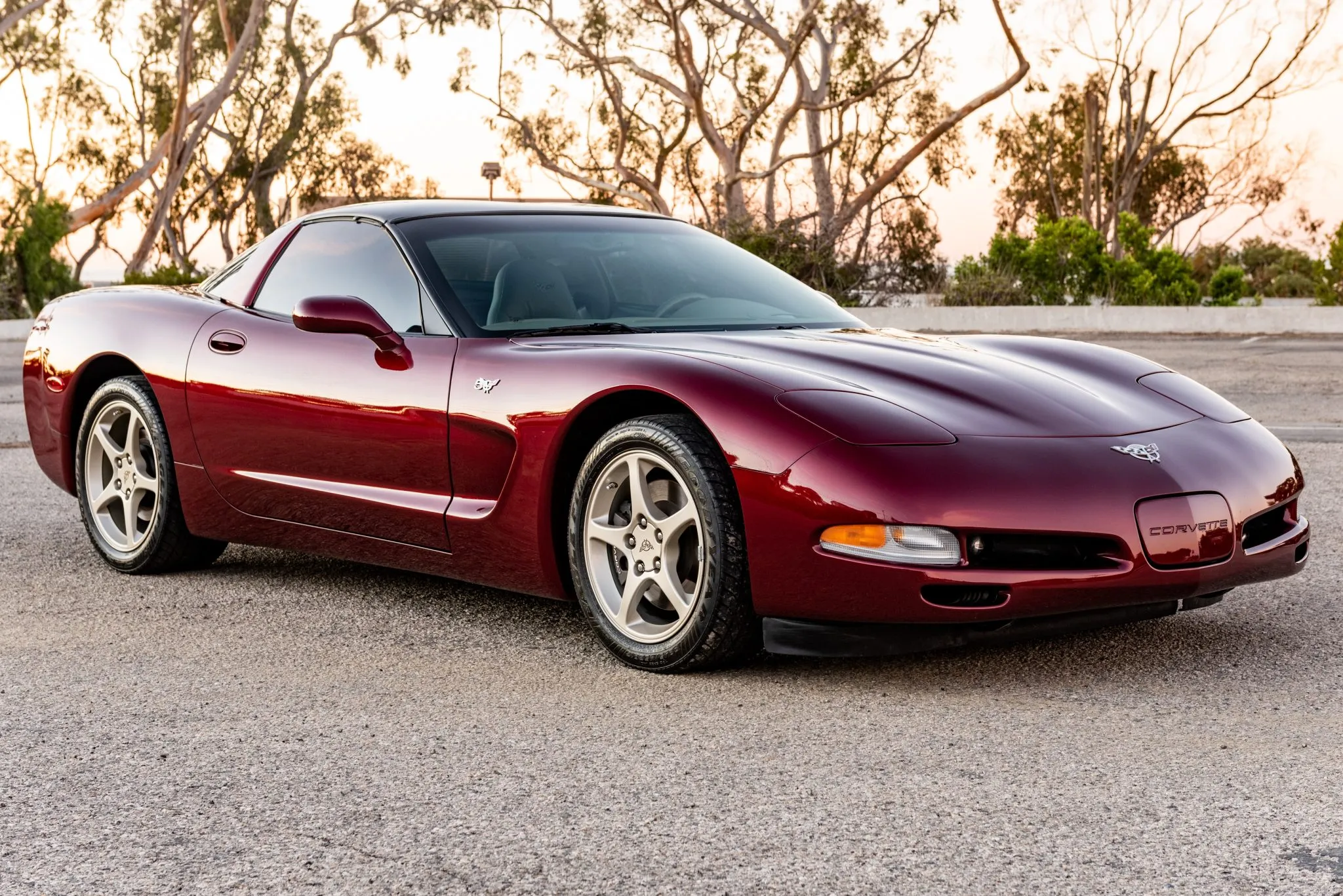
4. Chevrolet Corvette (C6 and C7)
The Chevrolet Corvette has always been seen as America’s sports car, but its reputation for reliability really began to solidify with the C6 and C7 generations. These models feature GM’s LS and LT series V8 engines, which have consistently been praised for their strength and durability.
Whether it’s the LS2, LS3, LS7, or the LT1 found in the C7, these powerplants are known for lasting well into the six-figure mileage range without major internal issues. Their pushrod design, often dismissed as outdated, is actually part of what makes them so tough and dependable.
One of the reasons these V8s last so long is that they were developed using technology shared with GM’s truck engines. That might sound like a compromise, but in this context, it’s actually an advantage. Truck engines are designed to withstand harsh conditions and heavy loads, so applying that kind of durability to a sports car results in a motor that’s both powerful and resilient.
The LS and LT engines use iron or high-grade aluminum blocks, forged internals in some trims, and relatively simple valve systems, all of which contribute to long-term reliability. They also tolerate high heat and extended driving better than many competitors in the same price bracket.
Another important factor is that Corvette engines are not overly complex for the amount of power they produce. Unlike many European sports cars that rely on multiple turbos, variable valve timing on both cams, and complicated electronics, the Corvette keeps things fairly straightforward.
Fewer moving parts mean fewer failure points. This simplicity does not come at the expense of performance, either, the C6 Z06’s LS7, for example, delivers over 500 horsepower while remaining naturally aspirated. Even with that level of output, the engine’s wear resistance is excellent, and well-documented maintenance schedules help owners keep them running strong.
The community of Corvette enthusiasts also plays a role in keeping these engines healthy. These cars often belong to passionate owners who take pride in upkeep. The aftermarket support is enormous, and parts are easy to come by, which lowers the cost of maintenance and encourages proper care.
From valve springs to head gaskets, every common failure point has been extensively studied and upgraded if needed. Many Corvette forums and local clubs provide knowledge sharing that helps owners catch problems early. The result is a culture where even high-mileage Corvettes continue to perform like new, largely thanks to their robust engines.
Lastly, the Corvette’s engine management systems are designed to protect the powertrain even under demanding conditions. Intelligent knock sensors, oil life monitors, and cooling systems help keep the motor in good shape during aggressive driving.
Whether on the street or track, the LS and LT engines have proven to be incredibly tolerant of spirited use without falling apart. These traits make the C6 and C7 Corvettes not only fast and fun to drive but surprisingly trustworthy as long-term performance vehicles.
5. Honda S2000
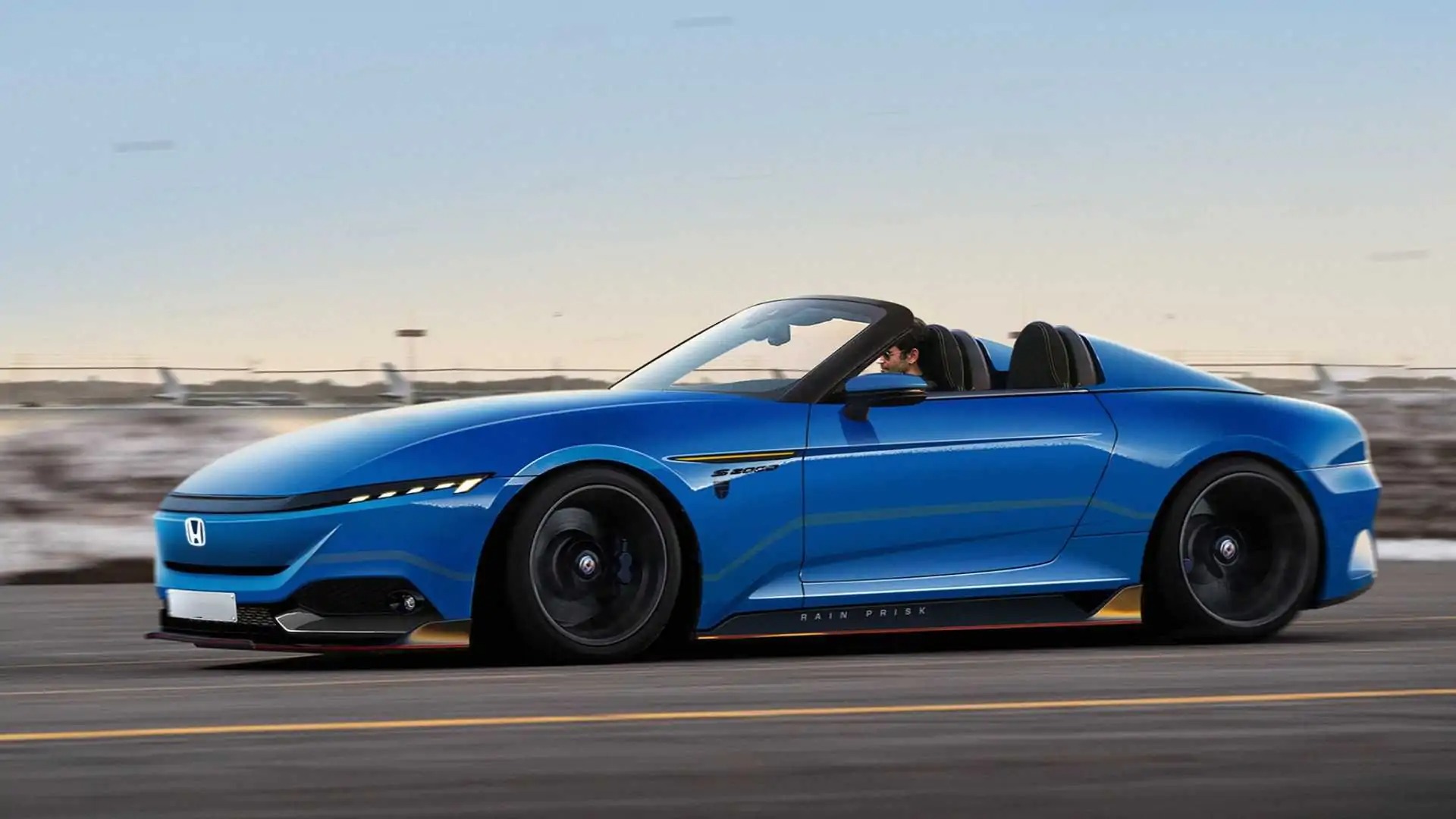
The Honda S2000 is one of the few cars that manages to blend high-revving excitement with Honda’s legendary engineering reliability. Introduced in 1999 and discontinued in 2009, the S2000 featured the F20C and later F22C1 engines, both known for their ability to scream up to 9,000 RPM without flinching.
At first glance, an engine that revs that high seems like it would be prone to failure, but that’s far from the case here. Honda’s precision engineering allowed them to build an engine that could handle extreme conditions without falling apart, provided it’s maintained properly.
Another factor that helps the S2000 engine avoid failure is how it responds to regular maintenance. This car rewards diligence. Owners who stick to the recommended service intervals, use high-quality oil, and don’t bounce it off the redline repeatedly with a cold engine rarely encounter issues.
The engine has been known to run well over 200,000 miles without needing a rebuild. It’s not uncommon to see examples that have spent years on autocross or track days still running strong with just basic upkeep and timely oil changes.
Perhaps the most impressive aspect of the S2000’s engine reliability is how it handles performance driving without significant degradation. The high compression ratio and rev-happy nature could be a recipe for disaster in lesser-built engines, but Honda took care to ensure thermal stability and internal strength throughout the rev range.
It’s a car that was made to be driven hard and responds well when treated with respect. The S2000 continues to have a cult following not only for its driving dynamics but also for being one of the most dependable sports cars in its class.
6. Lexus LC 500
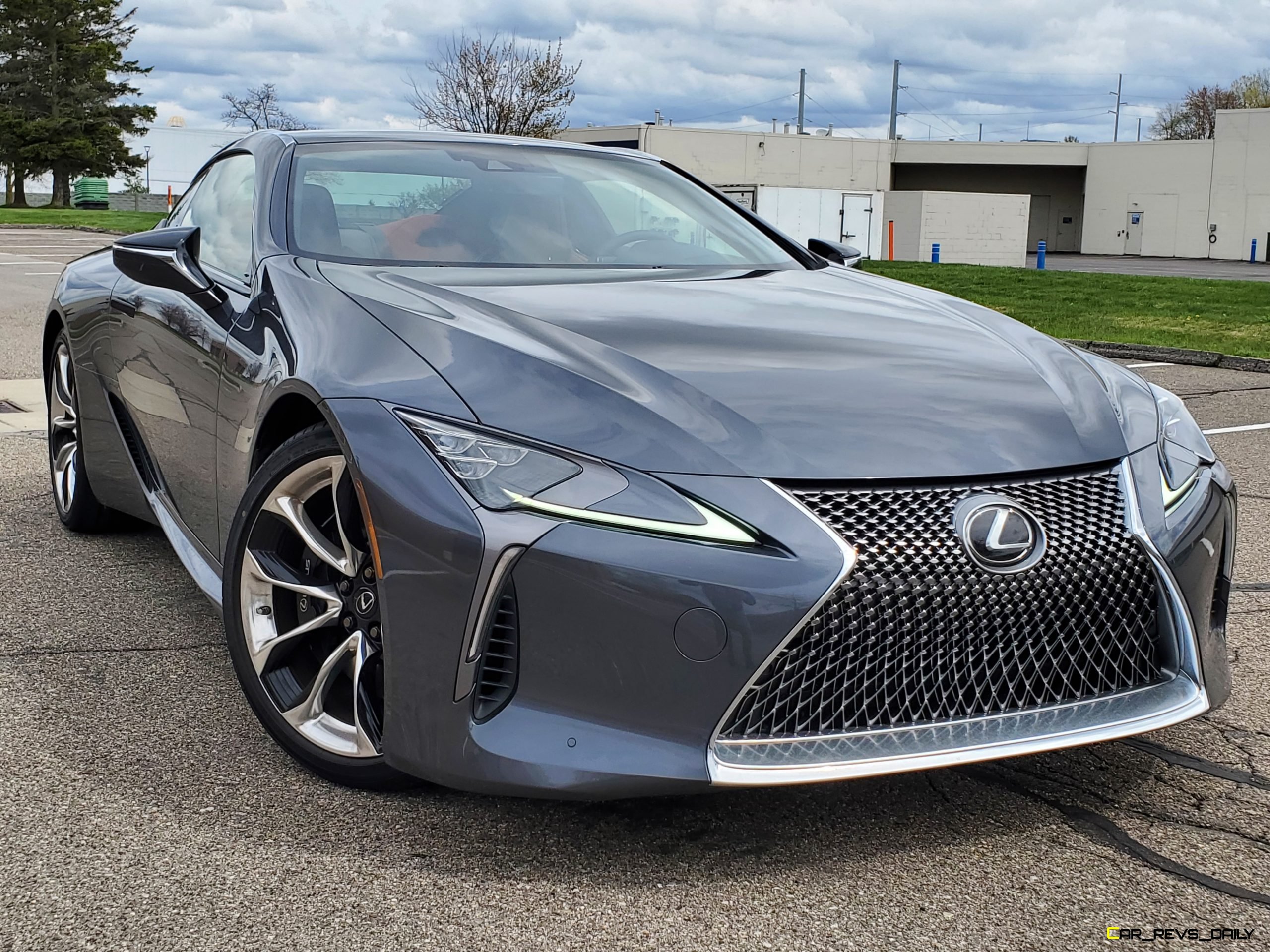
The Lexus LC 500 may not scream “track toy” at first glance, but don’t let the luxury-focused bodywork fool you, underneath, it’s a sports coupe with serious credentials and an engine that’s almost unmatched in reliability. Powered by the naturally aspirated 5.0-liter V8 known as the 2UR-GSE, the LC 500’s heart is as durable as it is powerful.
This engine has its roots in Lexus’ performance heritage and has been refined over the years to become one of the most robust high-performance engines available. It’s the same basic engine that powers the RC F and GS F, and across all platforms, it has developed a reputation for being extremely tough.
One of the standout features of the 2UR-GSE is its simplicity and balance. In an era where turbocharging is the norm, Lexus chose to stick with a naturally aspirated configuration for this motor, trading some low-end torque for better throttle response and long-term reliability.
With fewer moving parts compared to turbocharged setups, and less heat stress on critical components, the engine is naturally less prone to failure. It uses a forged crankshaft, titanium valves, and a dual-length intake manifold to optimize both performance and durability without sacrificing refinement.
Another advantage is Lexus’ obsessive commitment to quality control. Each LC 500 is built to extremely tight tolerances, and engines are tested rigorously before being approved for production. Lexus also puts a great deal of emphasis on smooth operation and long-term dependability in all of its components, not just the engine.
As a result, the LC 500 rarely experiences catastrophic failures, and long-term owners routinely report trouble-free miles well past the 100,000 mark. Even in high-performance use, the engine doesn’t show the same wear patterns seen in less thoroughly engineered competitors.
Owners of the LC 500 often remark on how the car combines an emotional driving experience with absolute dependability. The V8 not only sounds incredible but delivers its power in a smooth, predictable manner that builds confidence.
For those looking for a sports car that also serves as a comfortable, dependable grand tourer, the LC 500 stands out. Its engine, in particular, is a perfect example of what happens when performance and reliability are given equal priority during development. It’s a car that begs to be driven hard, but never makes you nervous that it’ll fail under pressure.
7. Nissan 370Z
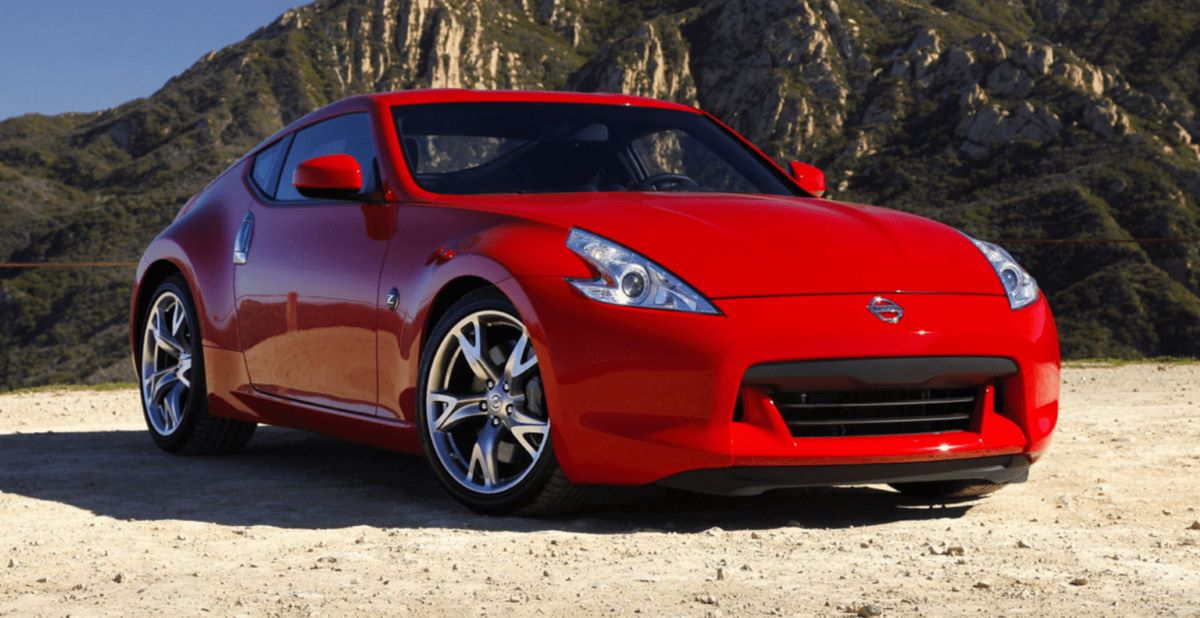
The Nissan 370Z may not have received much praise for being cutting-edge or flashy, but one thing it has consistently delivered is a dependable engine. Under the hood sits the 3.7-liter V6 engine, known as the VQ37VHR, part of Nissan’s long-running VQ engine family.
This engine has proven itself to be extremely durable, not just in the 370Z but across various Nissan models. It offers solid power, a strong torque band, and most importantly, an impressive track record for longevity even under spirited driving conditions.
Maintenance is another area where the 370Z’s engine shines. Oil changes, spark plug replacements, and other routine tasks are straightforward, and parts are readily available and reasonably priced. The absence of forced induction also simplifies things, removing many of the potential failure points associated with turbos or superchargers.
While the car may not put out as much horsepower as some turbocharged rivals, the naturally aspirated V6 delivers consistent and predictable performance, which makes it more reliable over the long haul.
Enthusiasts often cite the 370Z as a great option for budget-minded performance fans who want a car that won’t leave them stranded. It might lack some modern amenities and technology, but its engine remains a highlight.
Thousands of drivers have crossed the 200,000-mile mark with nothing more than diligent maintenance. It’s a car that invites you to drive it hard while reassuring you that the engine under the hood can take it. For those who want old-school reliability paired with modern sports car performance, the 370Z continues to be a strong contender.
8. BMW E46 M3
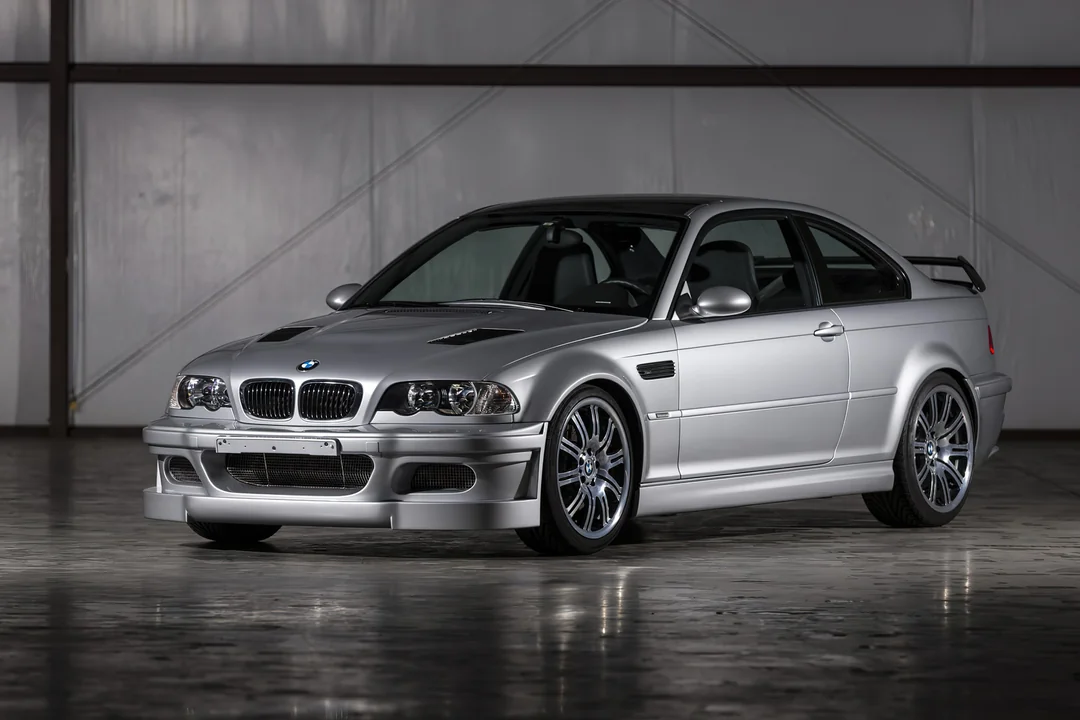
The BMW E46 M3 is often praised for its balance, driving feel, and high-revving inline-six engine, the S54. While BMWs aren’t always associated with long-term reliability, the E46 M3 stands out as an exception, at least when it comes to the engine. The S54 is a 3.2-liter naturally aspirated straight-six that produces over 330 horsepower, yet it’s built like an endurance motor.
When properly maintained, it can run reliably for well over 200,000 miles. It has earned its reputation not just from numbers on paper, but from years of real-world performance across street driving, track days, and everything in between.
One of the key reasons for the S54’s dependability is the engine’s mechanical layout. It uses individual throttle bodies, a forged crankshaft, solid lifters, and a high redline, yet it’s all tied together by durable internal components and thoughtful engineering.
BMW was aiming for both power and precision, and in doing so, they built an engine that can take a lot of punishment without giving up. The oiling system, in particular, is more robust than in many of BMW’s other engines of the time, helping to avoid lubrication failures under aggressive driving.
That said, the E46 M3’s reputation depends heavily on how it has been treated. Neglect and abuse will shorten the life of any engine, and the S54 is no different. It does have known issues like rod bearing wear and VANOS (variable valve timing) failures, but these are not random failures; they’re predictable, and they’re preventable.
Many owners address these issues proactively with upgrades or scheduled maintenance. Once those potential weak points are managed, the engine proves to be solid and long-lasting. It’s a perfect example of how an enthusiast-focused design can age well when cared for properly.
Part of what makes the E46 M3 special is that it offers race-bred engineering in a car that can also be a daily driver. It’s a machine that rewards precision both on the road and in the garage. The community around the car is knowledgeable, parts are widely available, and its history is well-documented.
For those willing to follow maintenance guidelines and stay ahead of known service intervals, the E46 M3 delivers a level of performance and engine reliability that continues to impress more than two decades after its release.
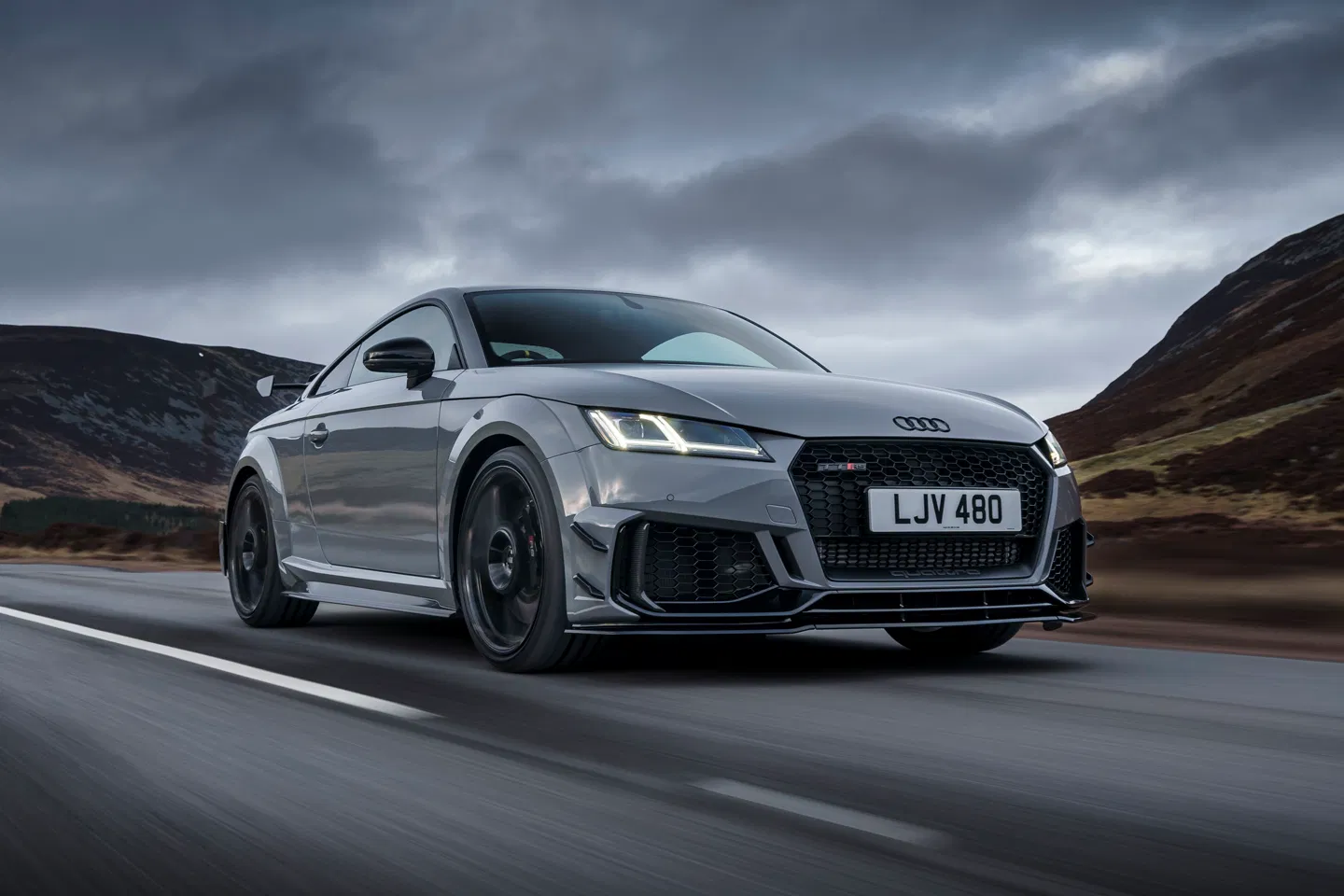
9. Audi TT RS (8S Generation)
Audi’s TT RS, particularly the 8S generation released around 2016, features an engine that has shocked many critics with its durability. At the heart of this sports car lies the turbocharged 2.5-liter five-cylinder engine, known as the EA855.
With a unique firing order and distinct sound, the engine produces over 390 horsepower, yet it is built to withstand prolonged stress without falling apart. Many initially viewed this as a high-strung performance motor prone to turbo or heat-related issues, but it has proved to be incredibly dependable over time.
A big part of the TT RS’s engine reliability comes from its design for both road and motorsport use. The block is made from compacted graphite iron, which is lighter than traditional cast iron yet offers superior strength. Internals like the crankshaft and connecting rods are forged, and the engine features a robust cooling system to manage heat during high-load conditions.
These elements come together to form a powertrain that thrives under pressure but doesn’t crumble with repeated spirited driving. Audi clearly didn’t build this car just for show; it was made to handle abuse.
In terms of electronics and software, Audi has taken steps to ensure the engine is well-managed under all conditions. Engine protection features are deeply integrated, including advanced knock control and intake temperature management.
This level of oversight helps avoid the typical pitfalls seen in smaller displacement turbocharged engines, such as detonation and overboost scenarios. In the TT RS, the engine management system plays a big role in keeping the engine operating safely even when pushed hard, giving owners the confidence to drive the car as intended.
Long-term owners have reported minimal mechanical failures when routine maintenance is observed. Oil changes, spark plugs, and air filters are easy to manage, and the turbo system has held up exceptionally well over time. Even when tuned for additional performance, many of these engines have reached high mileage without showing signs of fatigue.
Audi’s blend of heritage (this engine configuration echoes their legendary rally cars) and modern durability has made the TT RS an outlier among European sports cars: a true performance car that doesn’t punish its owner with frequent engine problems.
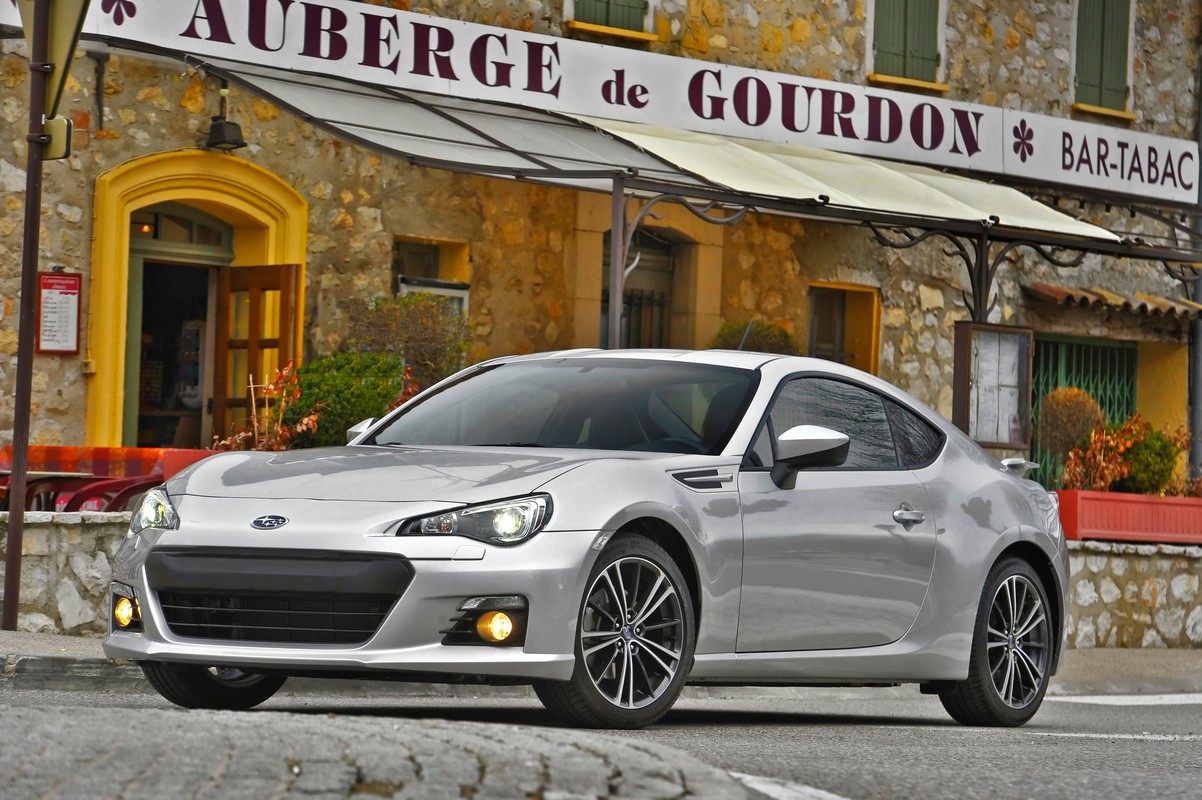
10. Subaru BRZ / Toyota 86 / Scion FR-S
The Subaru BRZ and its twin siblings, the Toyota 86 and Scion FR-S, have built a loyal following for their balanced handling and affordable sports car experience. At the core of this trio is the FA20 engine, a 2.0-liter flat-four boxer engine co-developed by Subaru and Toyota.
Although early models faced criticism for modest horsepower numbers, the engine itself has turned out to be quite reliable. It may not be a powerhouse, but what it lacks in raw performance, it more than makes up for in longevity and consistency, making it one of the more dependable engines in this segment.
The FA20’s naturally aspirated design contributes significantly to its durability. Without the added complexity of turbochargers or forced induction, there’s less strain on the internal components, and heat levels are easier to manage.
The engine uses direct and port fuel injection, which reduces carbon buildup, an issue that plagues many direct-injection-only engines. Additionally, the boxer layout helps keep the center of gravity low while improving engine balance, which translates into reduced wear on engine mounts and other critical hardware over time.
Common concerns such as oil consumption and coil pack wear do exist, but these issues are relatively minor and easily addressed. The engine doesn’t have any major design flaws that lead to frequent or catastrophic failure. With regular oil changes, attention to spark plugs, and basic maintenance, the FA20 can easily reach 200,000 miles or more.
The tuning community has also put this engine through its paces with bolt-on upgrades and turbo kits, and many of those modified cars are still running strong years later, showing just how solid the engine’s core design really is.
Another advantage lies in the ownership demographic. Most BRZ/86/FR-S owners are enthusiasts who care deeply about their cars and stay current on maintenance. The simplicity of the engine and the abundance of online resources make it easy to diagnose and fix potential problems before they get serious.
The FA20 might not be the most exciting engine in terms of power, but it’s proof that a simple, well-engineered motor can provide years of reliable service. For anyone looking to enjoy a lightweight, engaging sports car without constant trips to the mechanic, this trio remains a smart, dependable choice.
