
Maintaining an engine doesn’t have to be a complicated or expensive process. While some modern engines are filled with sensors, electronics, and tight tolerances that demand specialized care, there are still powerplants that respond well to basic upkeep.
These engines don’t require high-end tools, proprietary diagnostics, or frequent trips to the dealership. They just need regular oil changes, clean air filters, spark plugs, and occasionally new belts or fluids.
This kind of simplicity is what makes them not only reliable but also cost-effective for owners who enjoy working on their own machines or simply want to avoid costly mechanic visits.
Some engines earn their reputation for being bulletproof over decades of use in millions of vehicles. Whether in cars, trucks, motorcycles, or even industrial equipment, these engines are known to run smoothly for hundreds of thousands of miles if given the bare minimum attention.
They don’t overheat easily, don’t leak from every seal, and they don’t confuse you with complex timing systems or turbochargers that fail under pressure.
Instead, they rely on well-tested design, strong components, and proven reliability. These characteristics make them favorites among hobbyists, mechanics, and anyone who values ease of ownership.
Simple maintenance means different things depending on the engine’s age and design. For older engines, it could mean setting valve lash, changing points, and occasionally adjusting the timing. For more recent models, it might mean keeping up with oil changes, spark plug intervals, and making sure sensors are clean.
The key idea is that these engines don’t punish you if you’re a few hundred miles late on a service or if you prefer to do things the old-fashioned way.
They’re forgiving in ways that many modern power plants are not. That’s part of what makes them enduring choices for people who want long-term ownership without headaches.
This article highlights twelve engines that are especially known for performing well with simple, routine maintenance. They’re found in everything from Japanese sedans to American trucks and European motorcycles.
Each one has earned its place on this list through a combination of reliability, ease of access, and the ability to run well with basic care. Whether you’re looking for a daily driver, a weekend project, or just a vehicle that won’t break the bank when it comes to repairs, these engines are a great place to start.
Also Read: 12 Pickup Trucks That Rarely Rust Out in Use
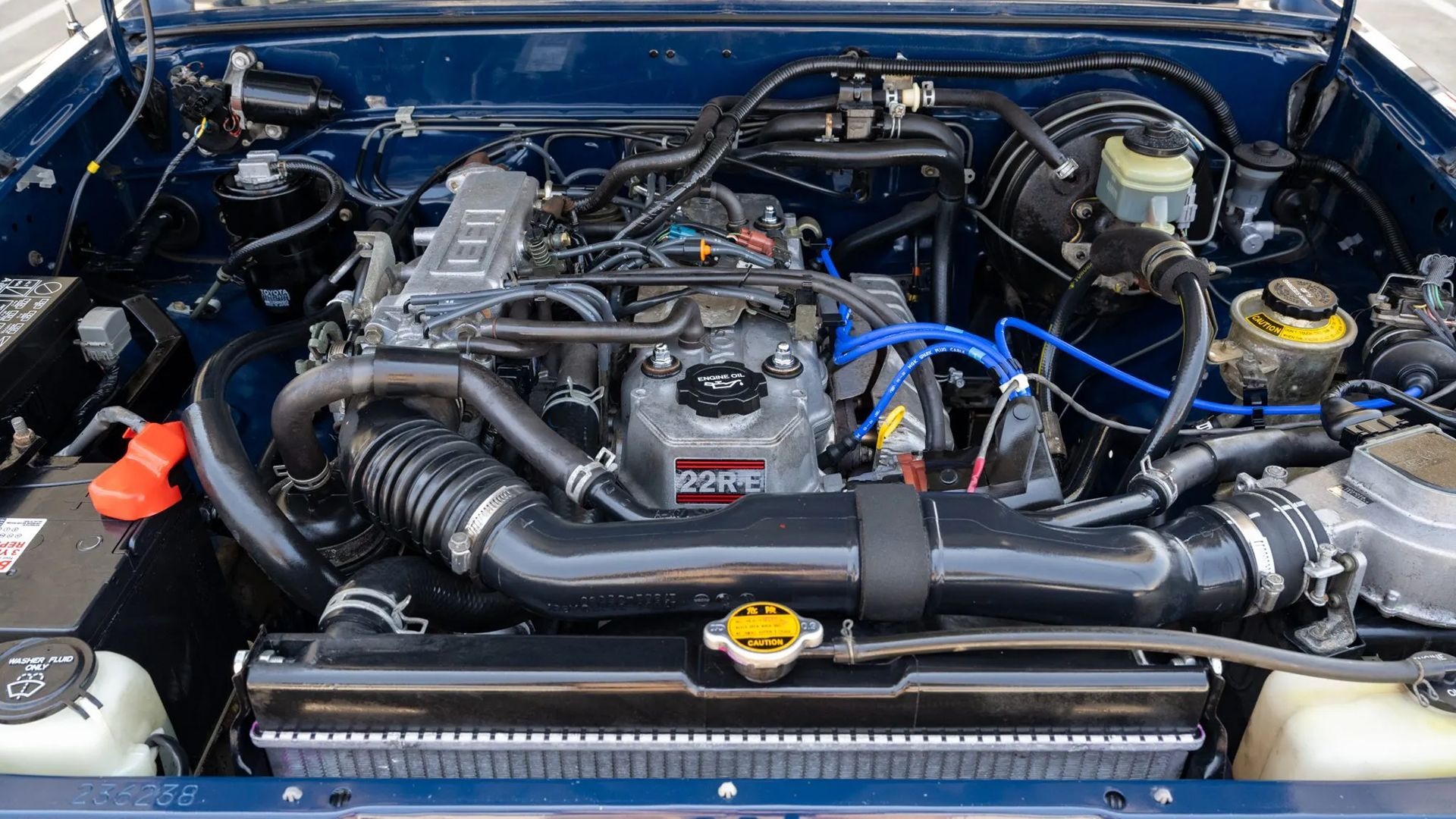
1. Toyota 22R/22RE
The Toyota 22R and its fuel-injected sibling, the 22RE, are among the most respected four-cylinder engines ever produced. Found in older Toyota pickups, the 4Runner, and a few Celica models, these engines earned their reputation for surviving abuse in harsh environments.
Their cast-iron block and simple overhead cam design make them easy to work on with basic tools. Even people with limited mechanical experience can handle common repairs on a 22R with confidence. The valve cover is accessible, the spark plugs are easy to reach, and the timing chain setup is straightforward.
One reason the 22RE thrives with simple maintenance is its minimal reliance on electronics. The engine management is primitive by today’s standards, but that’s exactly what makes it appealing. No complex sensors to fail, no turbochargers to overheat, and no direct injection issues to worry about.
You just need to keep the oil clean, replace the timing chain before it wears out, and occasionally adjust the valves. These engines can regularly reach 300,000 miles or more when maintained, and even neglected ones often keep running longer than they should.
Parts availability for the 22RE is another major plus. Because Toyota sold so many vehicles with this engine, and because it has a cult following, parts are cheap and widely available. Whether you need a head gasket, water pump, or even a full rebuild kit, you can get it quickly.
The aftermarket support is strong, and many owners choose to rebuild or modify their engines themselves. For DIY mechanics, the 22RE is a fantastic starting point for learning engine maintenance without taking on a complex or fragile platform.
The simplicity of the 22RE doesn’t mean it’s underpowered for its time. While it won’t win any races, it provides enough torque for light towing and off-road use.
In fact, many overlanding enthusiasts still seek out 22RE-powered vehicles for their combination of durability and ease of repair. When treated to regular oil changes and a good air filter, these engines just keep going, which is exactly why they’re still respected decades after production ended.
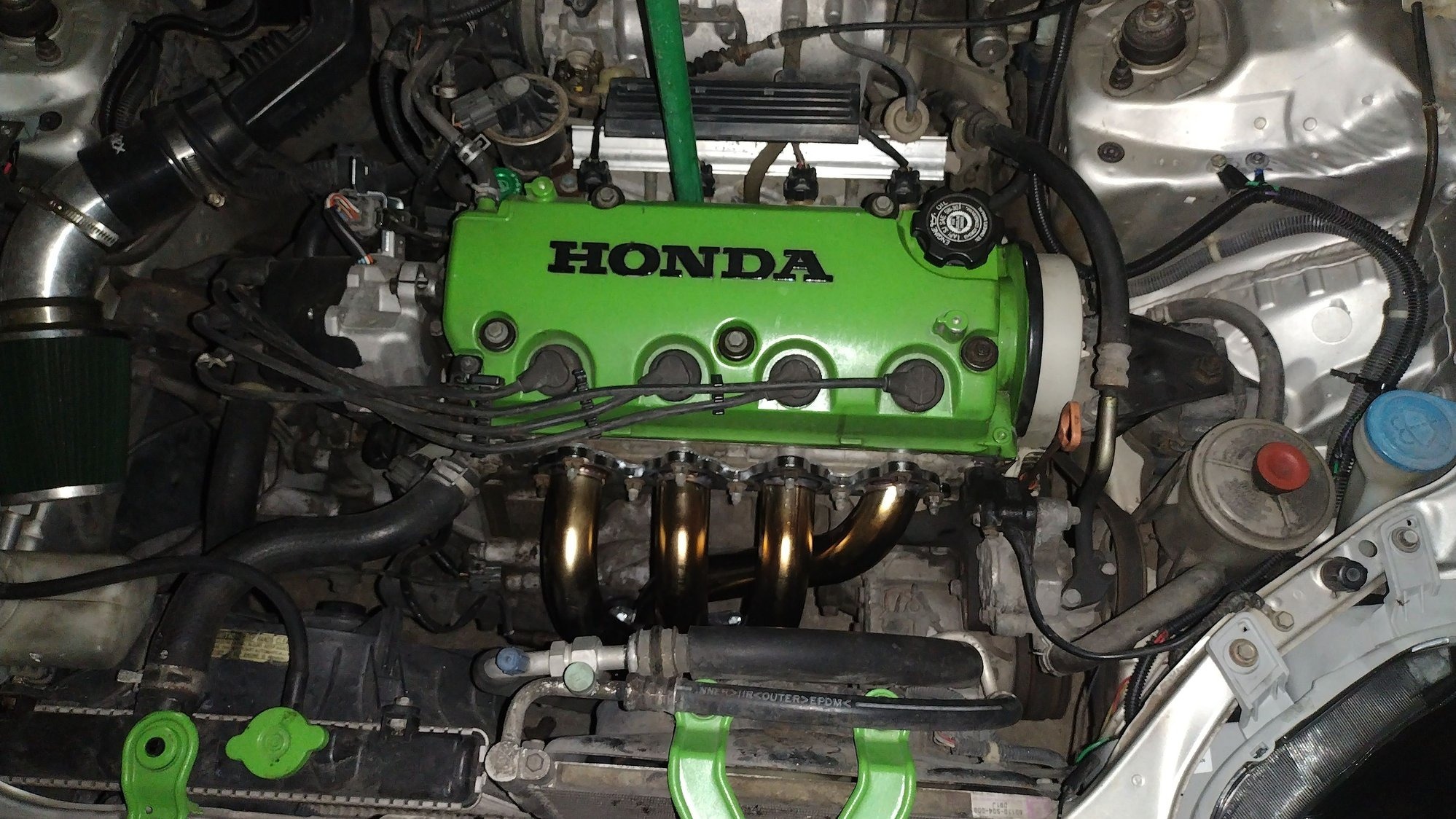
2. Honda D-Series
Honda’s D-series engines were the backbone of its compact car lineup for more than a decade. Found in Civics, CRXs, and Del Sols from the late 80s through the early 2000s, the D-series engines are lightweight, efficient, and extremely easy to service.
They were never high-performance monsters, but they weren’t supposed to be. Instead, they were designed to be economical, reliable, and cheap to maintain. And they did all three brilliantly.
These engines are single overhead cam designs, usually with VTEC in later years, and they use timing belts rather than chains. That timing belt needs to be changed at regular intervals, but it’s a straightforward job. With basic tools, a jack, and a bit of patience, even a beginner can tackle most jobs on a D-series engine.
Valve cover gaskets, spark plugs, distributor caps, and even head gaskets are accessible and affordable. Many owners keep their D-series cars running for 200,000 miles or more without needing major repairs.
What really makes the D-series shine in terms of maintenance is the simplicity of its design. There’s no turbocharger, no direct injection, and no overcomplicated emissions systems. The fuel injectors are easy to clean or replace, and the intake and exhaust systems are designed with basic access in mind.
Many Civic owners can complete a tune-up in their driveway in an afternoon, and parts cost less than a night out. It’s the kind of engine that rewards routine care but doesn’t punish you if you fall behind for a bit.
Another advantage of the D-series is how forgiving it is when things do go wrong. Overheating isn’t great for any engine, but many D-series engines have survived blown radiators or cooling fan failures without destruction. If something goes wrong, there’s a good chance the engine will give you some warning and time to fix it.
That reliability, combined with excellent fuel economy and low-cost maintenance, is why the D-series remains a favorite among daily drivers and budget-minded enthusiasts.
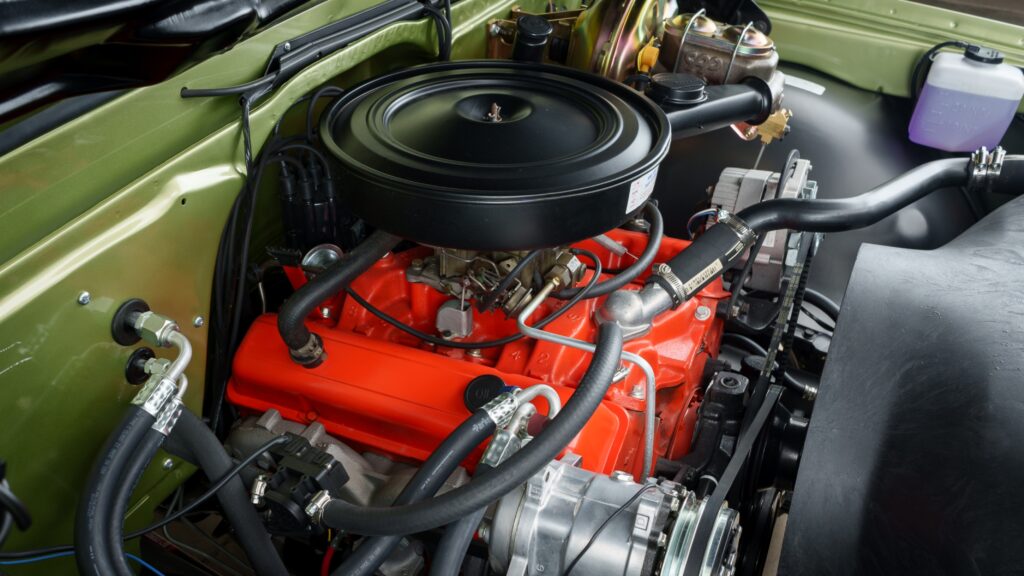
3. Chevrolet 350 Small Block
Few engines have the legacy of the Chevrolet 350 small block. It’s been used in everything from Camaros and Corvettes to pickup trucks, boats, and hot rods. Its legendary status comes from a mix of power, durability, and, most importantly, ease of maintenance.
For decades, the 350 has been the go-to engine for backyard builders and weekend warriors. Its pushrod V8 design is simple, proven, and endlessly customizable.
The basic maintenance needs of the 350 are about as straightforward as it gets. Oil changes, spark plugs, timing adjustments, and carburetor tuning can all be done with a standard set of wrenches and a timing light.
Valve cover gaskets, water pumps, and alternators are easily replaced in the garage, often without removing major components. Even if you need to replace a head gasket or swap a camshaft, the job is more about time and space than technical difficulty.
What makes the 350 particularly strong in this category is the overwhelming parts availability. You can walk into almost any auto parts store and find what you need for a 350, from gaskets and fuel pumps to entire crate engines.
That kind of support means even total engine replacement isn’t out of reach for a home mechanic. There are endless guides, manuals, and videos on how to work on a 350, making it one of the most accessible engines ever built.
Despite its age, the 350 is still found in use today in classic cars, off-road rigs, and budget race builds. It can make decent power, respond well to bolt-ons, and remain reliable with just routine maintenance.
If you keep the fluids clean, the timing right, and avoid overheating, a 350 will last longer than many newer engines that cost three times as much to service. It’s not fancy, and it doesn’t try to be. That’s exactly why it’s loved.
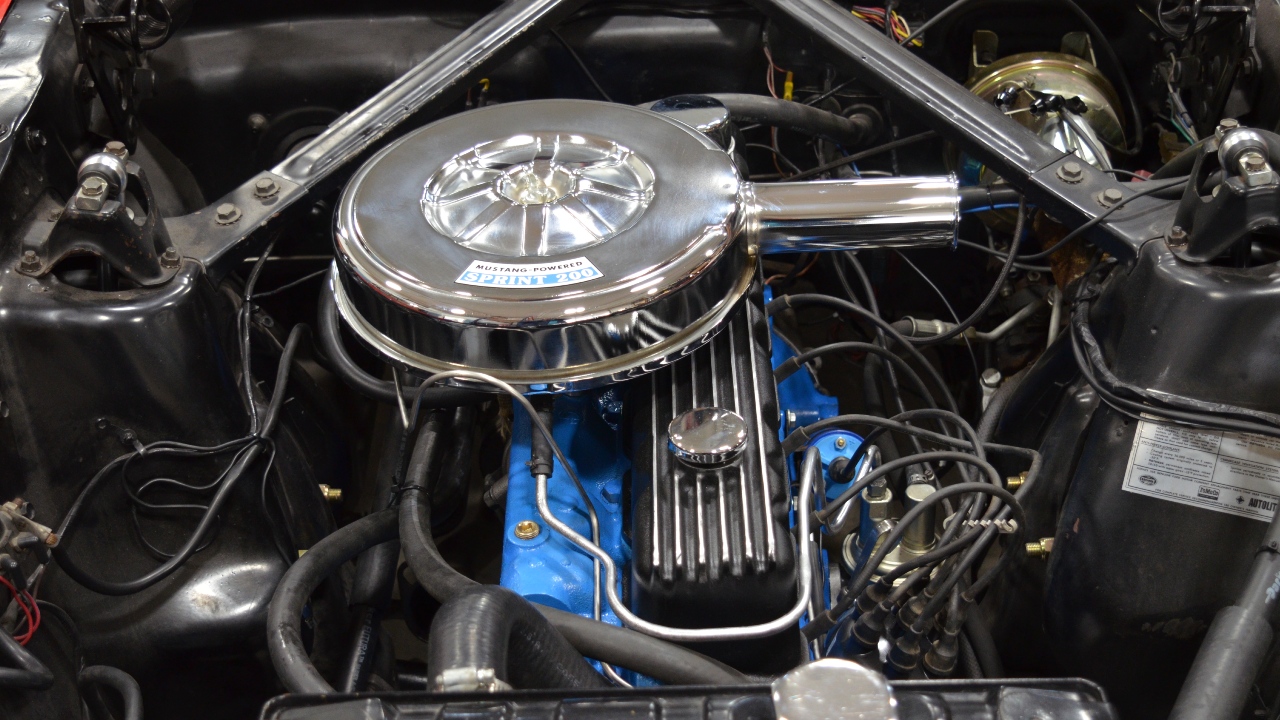
4. Ford 4.9L Inline-6
Ford’s 4.9L (also known as the 300 cubic inch) inline-six engine is often described with one word: unkillable. Used primarily in trucks from the 60s through the mid-90s, this engine was built for durability.
It’s not fast, it’s not pretty, but it is one of the most trusted workhorse engines Ford ever produced. Farmers, contractors, and mechanics all praise it for one key reason: it works, and it keeps working.
What makes the 4.9L engine thrive with simple maintenance is its rugged, low-revving nature. It was designed to make torque at low RPMs and to handle abuse.
With a cast iron block and head, a simple carburetor or throttle body injection system (depending on year), and a basic ignition setup, there’s not much to go wrong.
Spark plugs, oil filters, air filters, and fuel pumps are all easily accessible and cheap to replace. It’s the kind of engine you can forget about for a while, come back to, and it still runs.
Unlike many V8s of the time, the 4.9L is an inline-six, which makes it easier to work on. There’s only one head, one valve cover, and fewer parts to deal with. The long stroke and robust bottom end allow it to run under load for years with minimal wear.
Many 4.9L engines have crossed the 400,000-mile mark without ever being rebuilt, and some continue to run in work trucks with only basic oil changes and fuel filter replacements.
Its simplicity also means there’s less to fail. No turbo, no overhead cam setup, and in many versions, no complex emissions gear. It’s an engine built for reliability above all else.
The engine’s compatibility with basic carburetion or throttle body injection also contributes to its straightforward nature. Earlier versions used a simple one- or two-barrel carburetor, while later models transitioned to throttle body injection, which was much simpler than multi-point setups that became common in the 90s.
Either way, they are systems that can be diagnosed and repaired with basic tools. Adjusting a carburetor, cleaning injectors, or even replacing the intake manifold is not a complicated job. That’s part of why this engine found its way into so many DIY rebuilds and garage projects. It was never intimidating to wrench on.
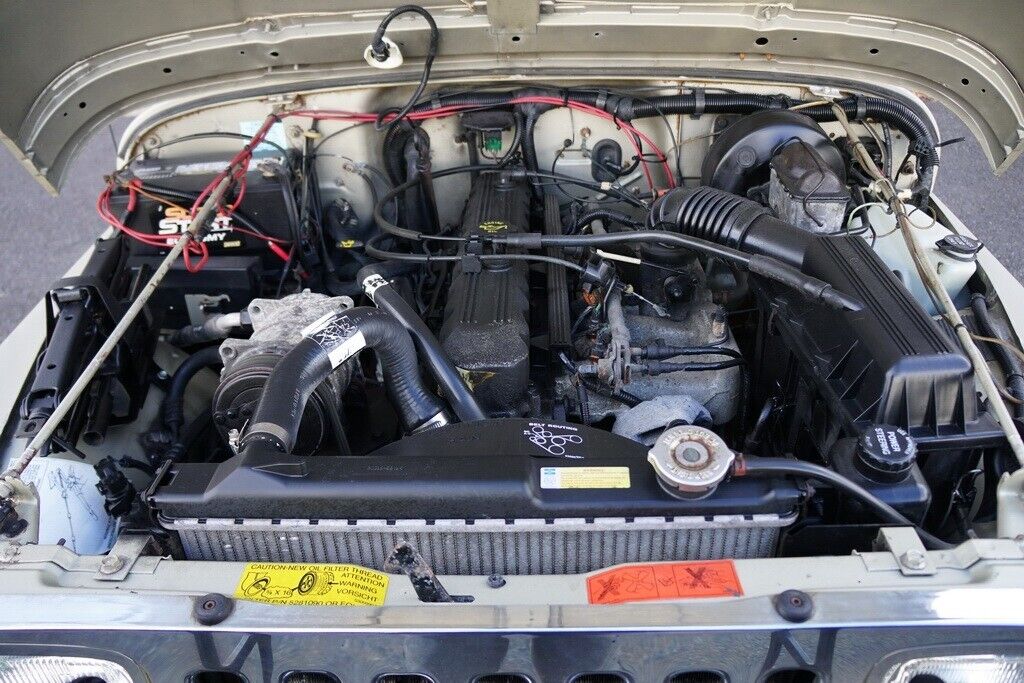
5. Jeep 4.0L Inline-6
The Jeep 4.0L inline-six is another example of an engine built with durability in mind. First introduced in the late 1980s and used until the early 2000s, this engine became a key part of the Jeep Cherokee (XJ), Grand Cherokee (ZJ), and Wrangler (YJ and TJ) platforms.
It was praised not just for its torque and smoothness but also for how well it responded to basic upkeep. Despite being pushed into off-road environments, climbing steep inclines, and often being driven hard, the 4.0L held up remarkably well. With simple maintenance, it was common for these engines to exceed 250,000 miles.
Part of its strength comes from its cast-iron block and head. This gave the engine exceptional strength and thermal stability, two qualities that helped it endure rough use and inconsistent maintenance.
The engine design itself was relatively old-school, featuring a single overhead valve design, pushrods, and a mechanical timing chain.
There’s no timing belt to replace, no high-tech variable valve timing to fail, and no exotic materials to worry about. That makes servicing the engine much easier for home mechanics. Common maintenance like valve cover gasket replacement, spark plug changes, and water pump swaps are all within reach for most owners.
The 4.0L does have a few quirks, such as occasionally leaky rear main seals or noisy lifters. But these issues don’t typically affect the engine’s long-term functionality. Even when they do occur, they are manageable and don’t usually signal catastrophic failure.
The engine’s low-stress design and robust construction mean that a well-maintained Jeep 4.0L can keep chugging along for years. That makes it one of the most respected and beloved engines among off-roaders and everyday drivers alike, and a strong example of how simple care can keep a vehicle running strong.
Also Read: 12 Pickups That Survive the Harshest Winters
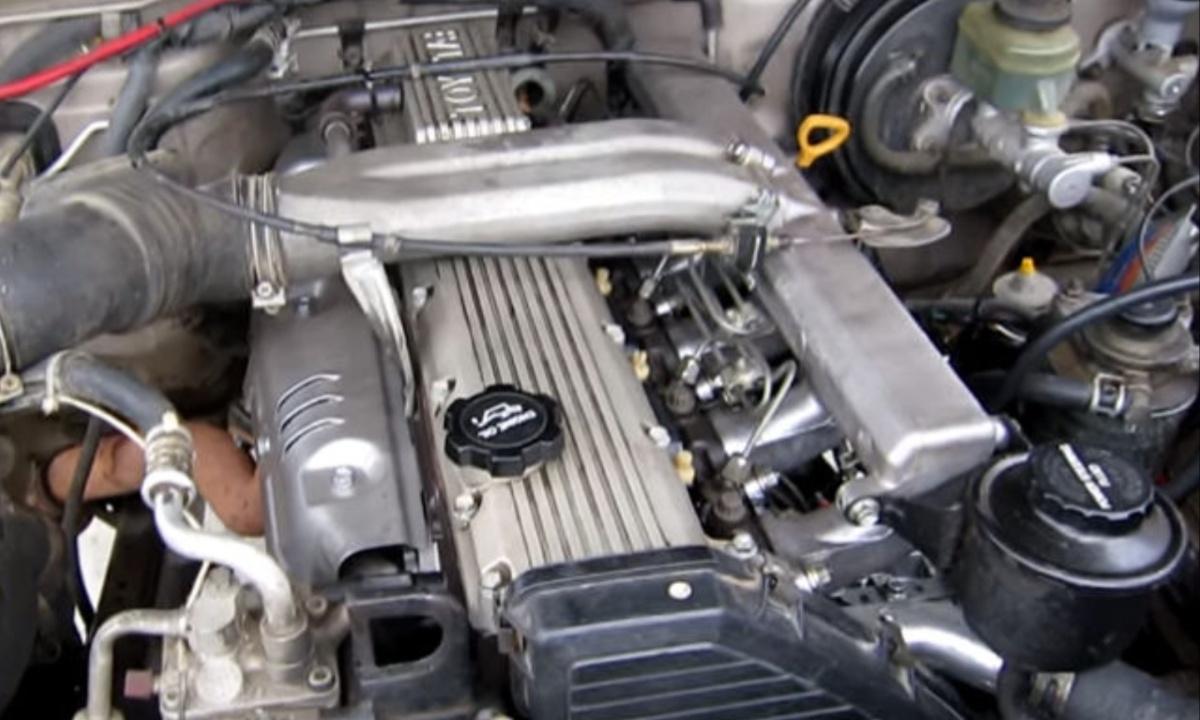
6. Toyota 1HZ
The Toyota 1HZ engine is a 4.2-liter inline-six diesel engine that’s well-known in the Land Cruiser lineup, particularly in markets outside North America. It’s become famous for its incredible reliability and its ability to function under the harshest conditions.
This engine was built for utility, with simplicity and durability as core design goals. With no turbocharger and a mechanical injection pump, the 1HZ is about as basic as diesel engines get in the modern era. That makes it extremely appealing to those who want an engine that can survive with only minimal attention.
One of the standout features of the 1HZ is its tolerance to low-quality fuel and extreme environments. Many of these engines are used in Africa, Australia, and the Middle East where service intervals might be irregular and fuel quality questionable. Yet they continue to operate smoothly.
Routine maintenance consists of changing the oil, replacing fuel and air filters, and occasionally adjusting valve clearances.
It’s not uncommon to see 1HZ engines still running after 500,000 kilometers with no internal work. That level of durability, especially in diesel form, is rare and valuable for anyone venturing far from repair facilities.
What really sets the 1HZ apart is its reputation for peace of mind. Owners who travel across deserts, jungles, and remote mountain ranges often choose this engine for its dependability. If something does go wrong, it can often be fixed with basic tools and a few spare parts.
Even major overhauls can be done without advanced diagnostic equipment. It may not win awards for horsepower or fuel economy, but the 1HZ delivers unmatched trust and long-term performance in exchange for a steady routine of oil changes and filter replacements. That’s why it’s still in use today in places where failure isn’t an option.
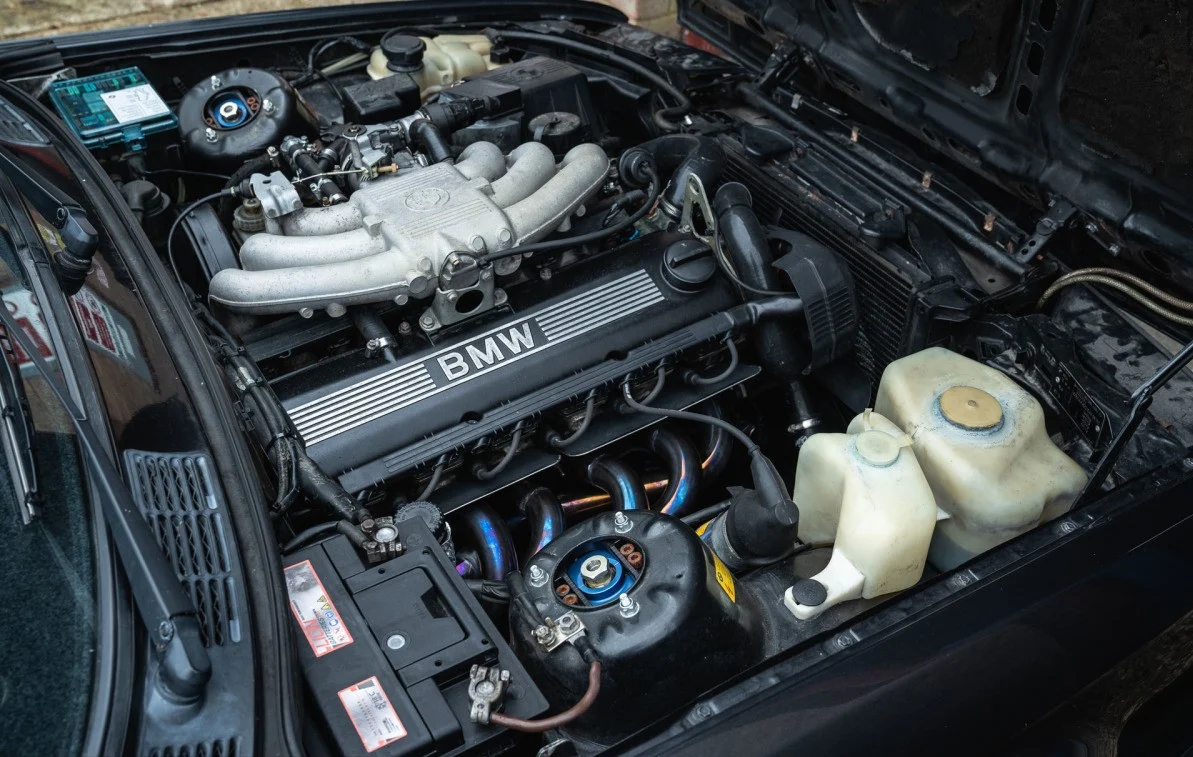
7. BMW M20 Inline-6
The BMW M20 engine, produced from the late 1970s through the early 1990s, powered several iconic models, including the E30 3-Series and early 5-Series cars. Despite BMW’s reputation for complex engineering, the M20 was a relatively simple and robust design.
With a single overhead camshaft and Bosch fuel injection, the engine was advanced for its time but remained serviceable with standard tools.
Many of the tasks required to keep an M20 healthy, such as timing belt replacements, valve adjustments, and fluid changes, can be done in a home garage with a little patience.
The M20 has a reputation for smooth power delivery and balanced performance, but what really makes it stand out in terms of maintenance is its layout and access.
Everything from the distributor cap to the spark plugs is easy to reach. Valve adjustments are required periodically, but the process is straightforward once the valve cover is off.
The timing belt does need regular replacement to avoid catastrophic failure, but even that task is made manageable by the clean engine bay and relatively simple setup. BMW even designed the front of the engine with good access in mind, making jobs like water pump or alternator replacements less intimidating.
Parts availability for the M20 is still strong, especially in Europe and among BMW enthusiast communities. Original and aftermarket parts are widely available, and prices are often lower than expected for a European engine.
The community knowledge surrounding the M20 also helps first-time owners feel confident in taking on their own repairs. Detailed service manuals, online forums, and video tutorials make even larger jobs feel achievable. This is a huge benefit when compared to newer BMW engines that require specialized diagnostic tools and dealer-level software.
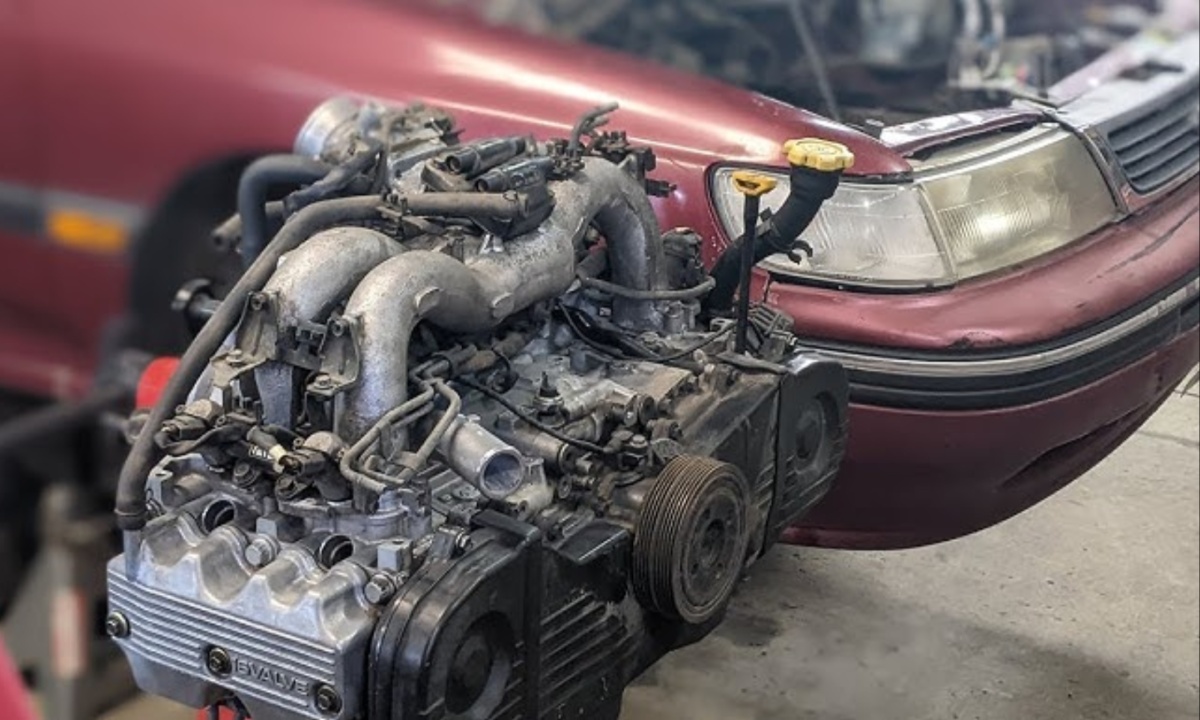
8. Subaru EJ22
The Subaru EJ22, particularly the non-interference versions produced from the early 1990s to the late 1990s, is widely regarded as one of the most dependable engines Subaru ever built.
Unlike many other Subaru engines that gained a reputation for head gasket failures, the early EJ22s stood out for being almost indestructible when maintained, even at the most basic level.
This engine was commonly found in the Subaru Legacy and Impreza, offering modest horsepower, excellent fuel efficiency, and most importantly, unmatched reliability.
While it’s not particularly powerful or flashy, it continues to earn respect from mechanics and enthusiasts who’ve seen these engines run for well over 300,000 miles.
What makes the EJ22 thrive under simple maintenance is its engineering philosophy. It was built to be low-stress and balanced, and that shows in how it responds to routine care.
Oil changes at reasonable intervals, spark plugs every 60–100k miles, and timing belt replacement around every 100k are really all it asks for.
The non-interference design means that even if the timing belt fails, the pistons won’t smash into the valves, sparing the engine from catastrophic damage. That’s a rare and welcome trait, particularly in modern engines where a missed timing belt service can mean a complete rebuild or replacement.
Perhaps one of the strongest arguments for the EJ22 is how forgiving it is. You don’t have to be a perfect owner to keep this engine happy.
Missing a scheduled service here and there rarely leads to major issues. It’s also less prone to overheating than later Subaru engines, thanks to its solid head gasket design and efficient coolant flow.
Whether used in a commuter car, a winter beater, or a budget rally build, the EJ22 keeps showing up and running well year after year. It’s a perfect example of how good design and basic care can result in long-term engine success.
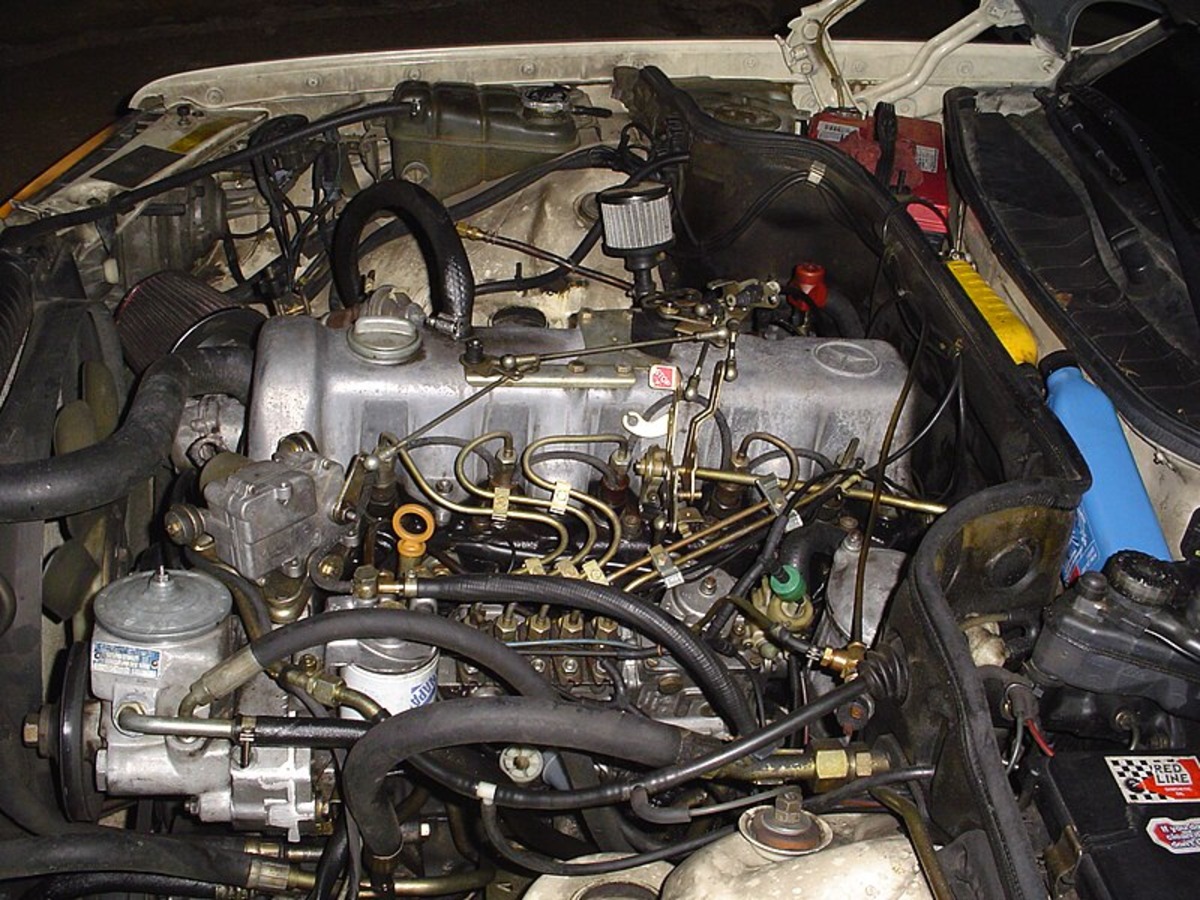
9. Mercedes-Benz OM617 Diesel
The OM617 engine from Mercedes-Benz is a five-cylinder diesel that earned a global reputation for durability and longevity. Found in vehicles like the W123 300D, 300SD, and other models from the 1970s and 1980s, the OM617 is still on the road today in taxis, commercial vehicles, and collector cars.
It is often referred to as one of the most overbuilt engines Mercedes ever made, designed at a time when long service life was more important than squeezing out high performance. The key to its resilience lies in its robust construction and an old-school mechanical fuel injection system that is incredibly reliable.
What makes the OM617 shine in the category of simple maintenance is how few things can actually go wrong if basic service is performed regularly. These engines need regular oil changes due to soot buildup in diesel engines, and the fuel filters should be replaced on schedule.
But beyond that, they’ll run for years without needing deep intervention. Valve adjustments are manual and can be done in under an hour with simple tools. There’s no timing belt to replace since the engine uses a durable chain, and the cooling system is solid if flushed and maintained properly.
A major factor that keeps these engines running so long is the mechanical Bosch injection pump. This pump is not only tough but adjustable and rebuildable. It doesn’t rely on sensors, ECUs, or electrical control units, meaning that it can keep functioning even when the electrical systems around it begin to fail.
That’s part of the reason OM617-powered vehicles are still used in remote regions around the world. If a fuel line cracks or a glow plug goes bad, it’s often a simple, quick fix that doesn’t require specialized diagnostic tools. And since the engine was used in so many cars, parts are still widely available.
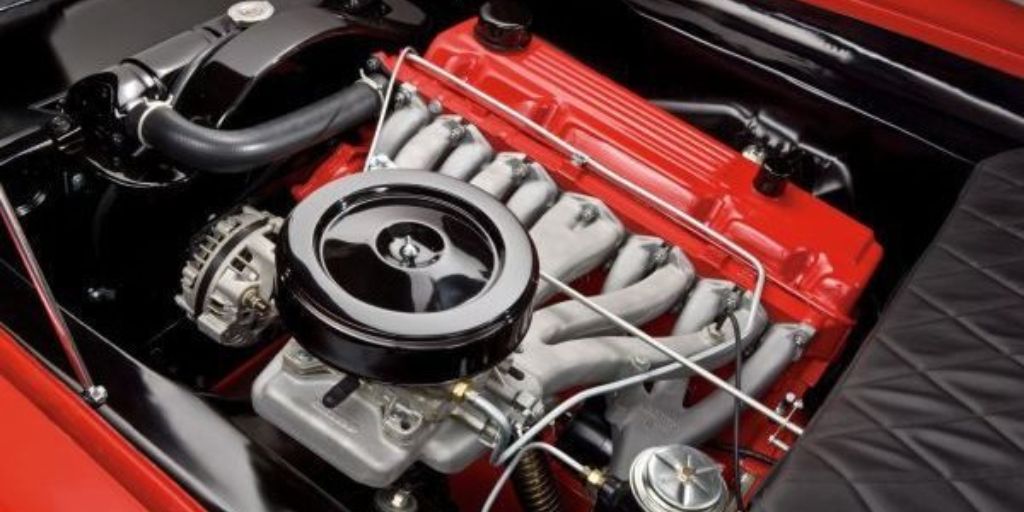
10. Chrysler Slant-6
The Chrysler Slant-6 is a legendary American engine, produced from 1959 through the late 1980s. Its name comes from the 30-degree tilt of its inline-six layout, which helped it fit into lower hood lines and gave it a distinct look under the hood. But what really made the Slant-6 popular was its near-indestructibility.
Found in Dodge Darts, Plymouth Valiants, and many other Mopar products, this engine became famous for running smoothly even when neglected. It’s not powerful, but it’s consistent and easy to maintain, which is why it became a favorite for fleets and budget-conscious buyers.
From a maintenance standpoint, the Slant-6 is as approachable as it gets. It uses a simple carburetor for fuel delivery, with no electronics, no sensors, and no computers to manage. Timing is handled by a mechanical distributor, which can be adjusted with a timing light and a wrench.
Regular oil changes, spark plug swaps, and periodic carburetor cleaning are usually enough to keep it running reliably.
Even when something does go wrong, diagnosing and fixing it is rarely a complicated task. Many engine problems can be identified by ear or feel, without even needing to scan a code or read a data log.
Another benefit of the Slant-6 is the massive parts availability and low cost of ownership. Since it was built for so many years and used in so many vehicles, parts are still easy to find and very affordable.
Whether you need a new water pump, a carb rebuild kit, or a full gasket set, it’s just a trip to the parts store or a quick online order away.
There’s also a huge community of Mopar fans who’ve kept these engines alive and are always willing to help newcomers troubleshoot or upgrade. That shared knowledge makes it even easier to maintain the engine correctly.
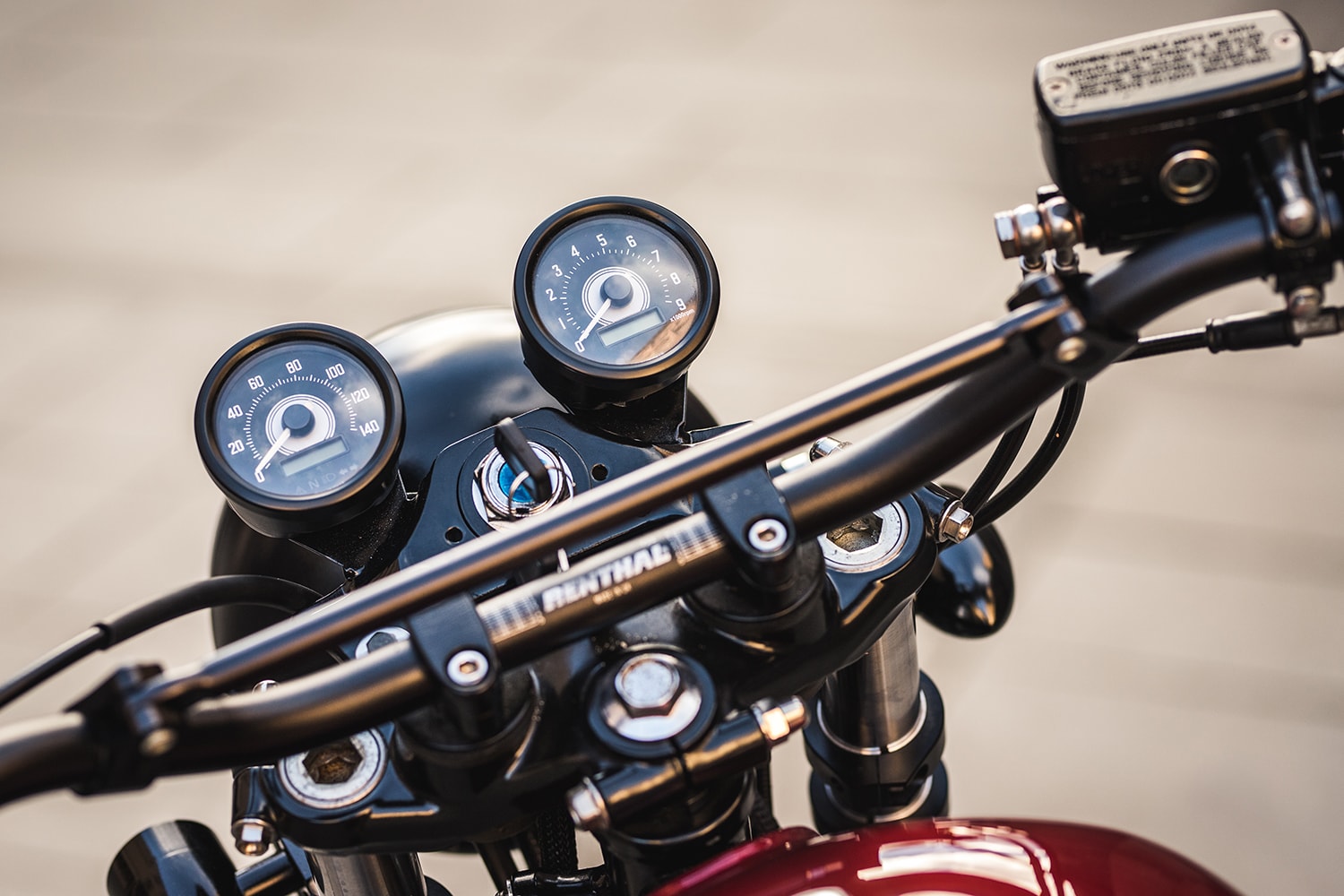
11. Yamaha XS650 Parallel Twin
The Yamaha XS650 engine is a classic air-cooled parallel twin that was produced from the late 1960s into the early 1980s. Often found in standard motorcycles and custom builds, the XS650 engine is renowned for its balance of simplicity and dependability.
It’s the type of engine that continues to run long after its fair share of hard use, provided it gets the basics: clean oil, fresh plugs, and the occasional valve adjustment. Many motorcycle enthusiasts still favor the XS650 as a foundation for custom café racers, bobbers, and trackers because it’s both easy to work on and hard to kill.
What really helps the XS650 stand out is its mechanical accessibility. The engine uses a simple overhead cam design, and the top end can be disassembled without pulling the motor from the frame. Valve clearances are adjusted using basic tools, and carburetor tuning is straightforward with some patience and a set of gauges.
Rebuilding the top end is something many owners have done in a weekend. For those who prefer wrenching in the garage to spending hours researching complicated procedures, the XS650 offers the kind of mechanical transparency that’s becoming increasingly rare.
The electrical system is similarly approachable, especially in earlier models with points ignition.
Even the later models with electronic ignition remain relatively simple compared to modern fuel-injected bikes. Upgrading or repairing components like the rectifier, regulator, or ignition coil is a plug-and-play affair for most owners.
Combine that with a robust crankshaft, reliable primary chain, and a design that can handle abuse, and you’ve got an engine that rarely fails unless severely neglected. When issues do arise, they’re often the kind of problems that can be fixed with a $10 part and an afternoon of hands-on time.
