
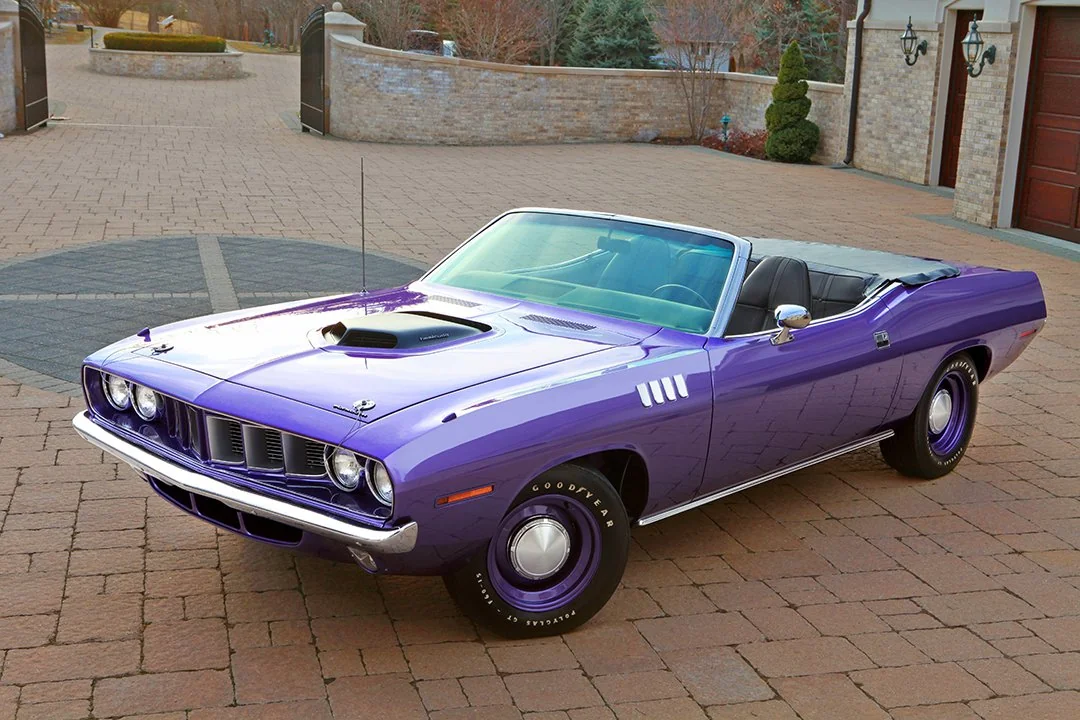
Muscle cars have long been a symbol of raw power, mechanical strength, and an unapologetic thirst for speed. From their heyday in the 1960s and 70s to their modern counterparts today, they represent a piece of automotive history that refuses to fade. Many assume these machines are relics of the past, confined to weekend car shows or nostalgic garages.
But that’s not the case. A number of muscle cars are still alive and roaring today, and some have even improved with age. Whether it’s due to careful maintenance, modern tuning, or just a solid engine that refuses to quit, these cars are still out there shaking the pavement.
There’s something deeply satisfying about hearing the deep growl of a V8 engine from a machine that was built decades ago and still performs like it’s fresh off the line. Modern technology has helped refine some of these classics, giving them a second wind.
Others simply benefit from being over-engineered from the start. Either way, these muscle cars aren’t sitting still. They’re still tearing down highways, still turning heads, and still earning respect from new generations of gearheads. For some, it’s about nostalgia. For others, it’s about driving something real, mechanical, and raw, in an age where cars feel more like computers.
The list below showcases twelve muscle cars that haven’t lost their punch. Some are vintage icons still running thanks to meticulous care and performance upgrades. Others are newer models that carry the name and spirit of their ancestors but with updated powerplants and engineering.
Regardless of the era they came from, each of these cars proves that muscle is far from dead. These are the machines that still shake the ground, whether they’re leaving a car meet or hitting the strip. They’re not just for show. They still run hard.
Also Read: 10 Cars That Shouldn’t Be Reliable,But Somehow Are
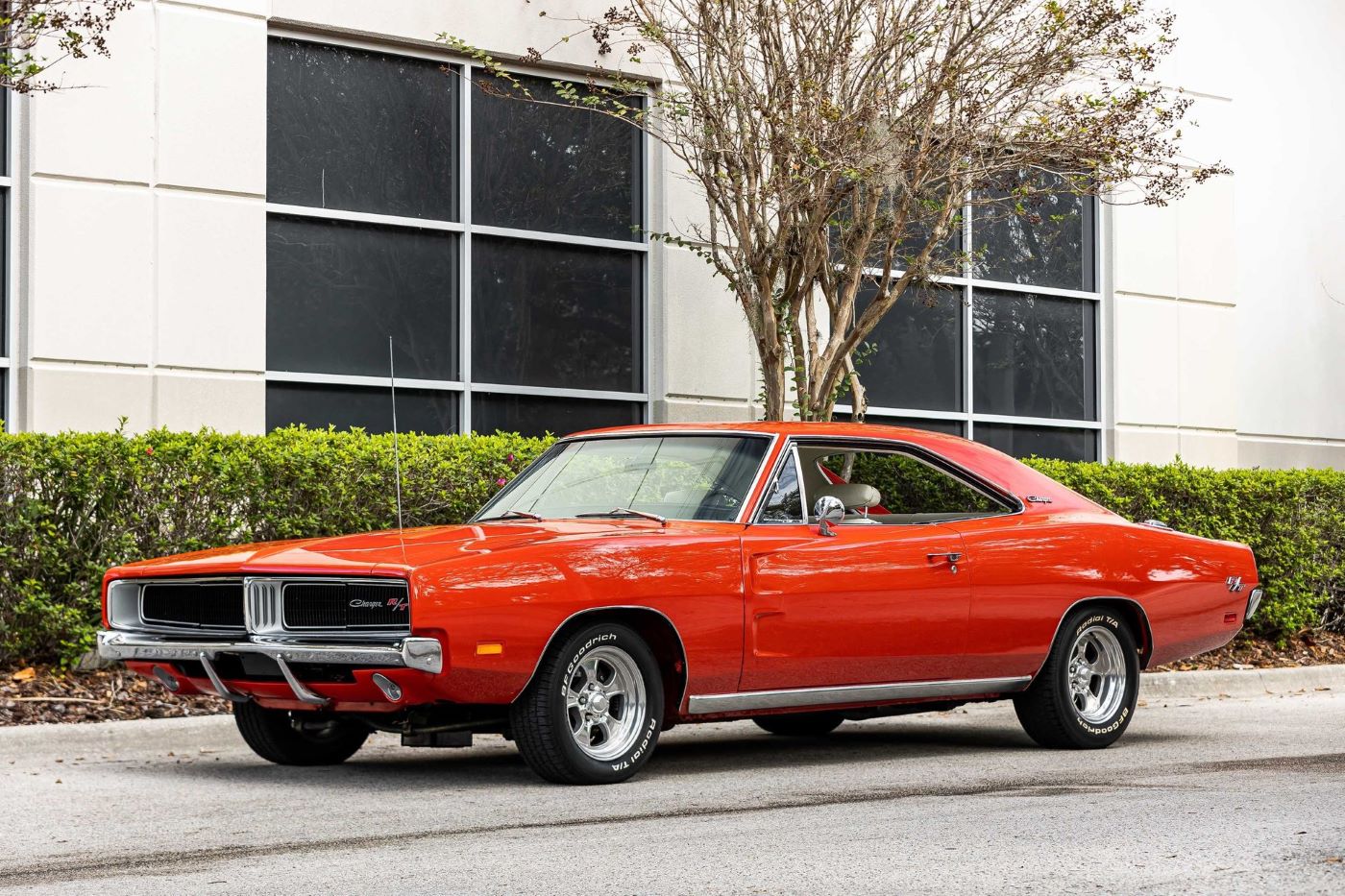
1. 1969 Dodge Charger R/T
The 1969 Dodge Charger R/T stands as one of the most recognized muscle cars ever built. Its long, wide body and aggressive stance are unmistakable. While some of these vehicles are tucked away in collections, many are still on the road, restored and updated with modern components that make them more reliable but just as powerful as when they first roared off the line.
A well-kept 440 Magnum engine can still churn out serious horsepower, and for those who have swapped in crate motors or tuned the originals, these cars remain beasts on the street.
One of the reasons the Charger R/T from 1969 is still seen tearing up roads is its simple but solid engineering. The chassis was designed to handle high torque, and the car can accommodate a wide range of upgrades without compromising its structural integrity.
Enthusiasts often add modern disc brakes, upgraded suspension systems, and fuel injection systems while preserving the original aesthetic. This mix of old and new keeps the Charger relevant and roadworthy, even more than fifty years later.
What sets this car apart from others of its era is not just its performance but its cultural status. It’s been featured in movies, shows, and video games, keeping its image alive for new generations. That means more attention, more restorations, and more people putting serious time and money into keeping these machines running hard. And when a car gets that kind of love, it stays on the road a lot longer than most.
If you’ve ever heard one of these coming down the street, you’ll understand why it’s still respected today. The sound is deep and unapologetic. There’s no pretending it’s anything other than what it is: a car built to run fast, look good, and take no prisoners. The Charger R/T is a survivor, and in many garages across the country, it’s still treated like a king.
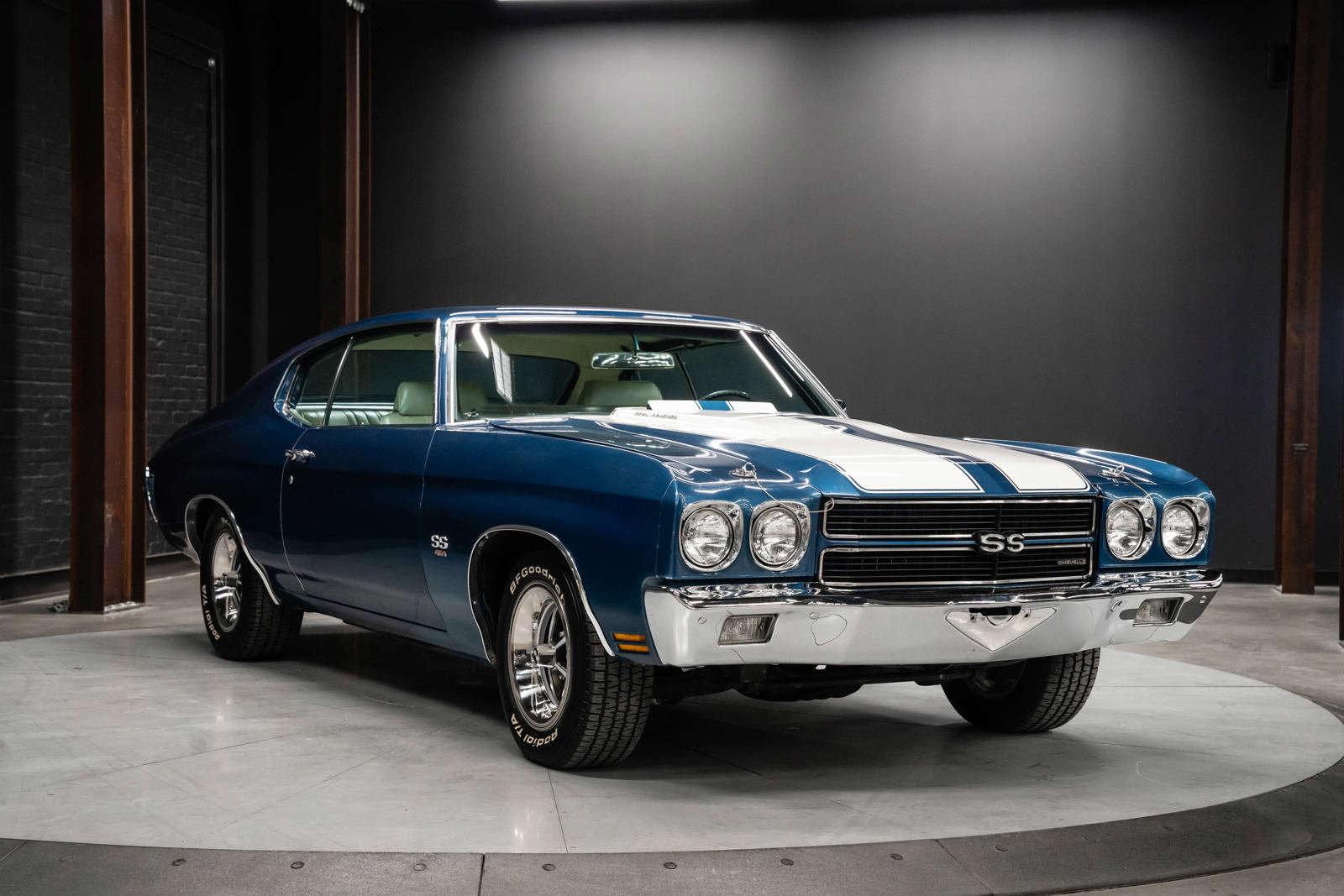
2. 1970 Chevrolet Chevelle SS 454
The 1970 Chevelle SS 454 is a powerhouse from a time when muscle cars were built to go fast without much concern for subtlety. The LS6 version came with a monstrous 454 cubic inch V8 engine that produced over 450 horsepower straight from the factory.
For many, it represented the peak of the original muscle car era. Surprisingly, a good number of these are still running today, many of them having undergone detailed restorations that maintain their street legality while boosting their performance to even greater levels.
Owners of these vehicles often take pride in keeping them as close to factory specifications as possible, while others have embraced modern modifications. Performance headers, better cooling systems, and electronic ignition are common upgrades that help the SS 454 stay reliable under high-performance use. Many garages see these cars not just as investments, but as living machines meant to be driven. And driven hard.
The design of the Chevelle SS is part of what makes it timeless. It has a wide, muscular profile and a stance that screams power even when standing still. The dual headlights, the bold grille, and the cowl induction hood all contribute to a visual style that has aged remarkably well. While newer cars have sleeker lines and modern tech, few have the road presence of a properly tuned Chevelle SS.
The sound of the big-block engine is a huge part of the appeal. That low, aggressive rumble makes people turn their heads, and it’s a sound that doesn’t come from turbochargers or fake exhaust tones. It’s authentic. And that’s why these cars continue to see road time rather than collecting dust. They were made to run, and even now, they do exactly that.
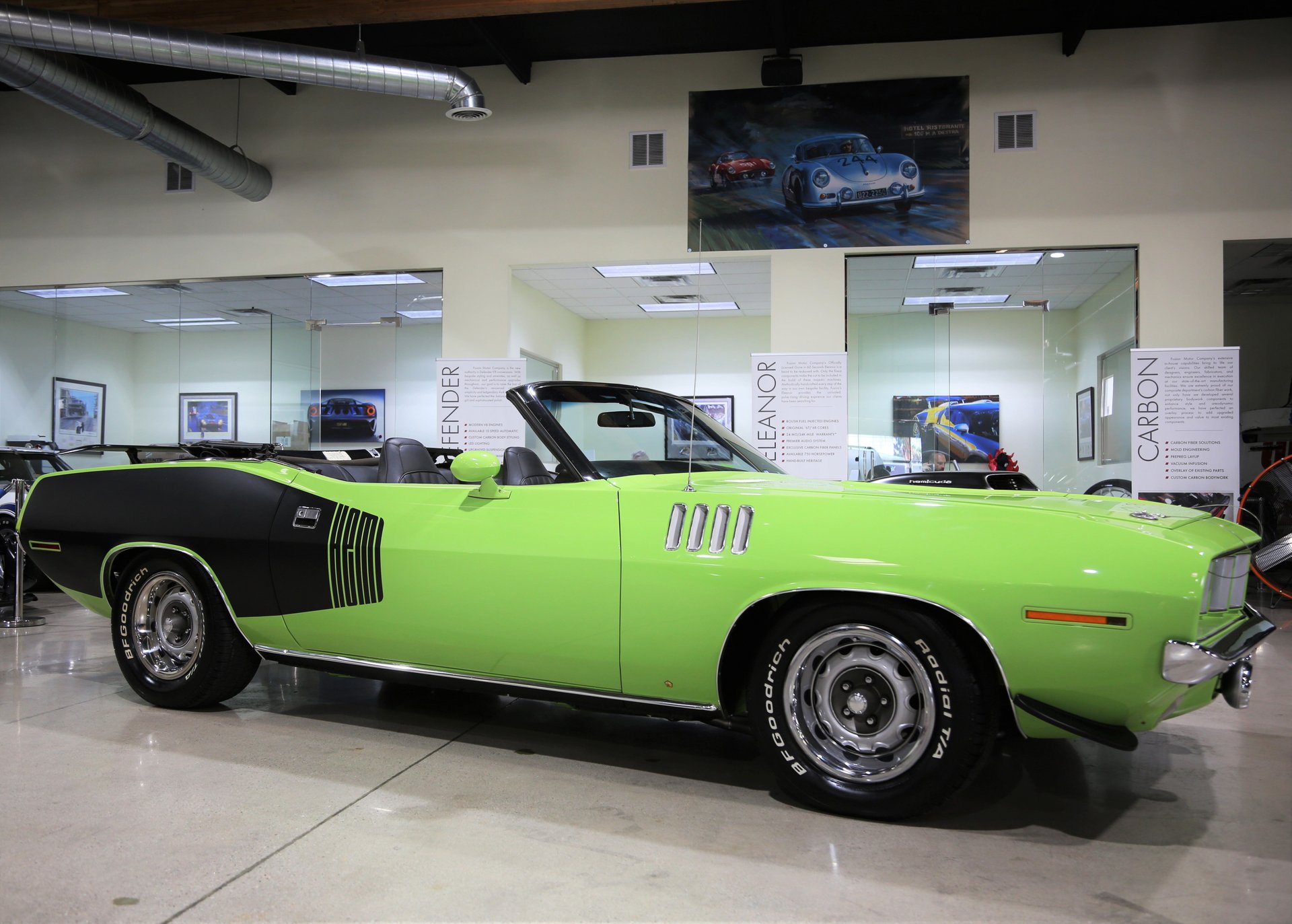
3. 1971 Plymouth ‘Cuda 426 HEMI
The 1971 Plymouth ‘Cuda, especially when equipped with the 426 HEMI engine, remains one of the most feared names in muscle car history. Its reputation for performance is well-earned, and even today, it can hold its own in terms of raw power and visual impact.
The rarity of the 426 HEMI models means many have been carefully maintained, and a good number are still running with their original engines or slightly modernized setups.
The 426 HEMI wasn’t just about size, it was about efficiency and high-output design that allowed the car to produce over 425 horsepower. Many owners have added modern fuel delivery systems and cooling upgrades to improve reliability without losing the character of the original engine. These cars are often trailered to shows, but plenty are still taken on spirited drives, track days, and even drag strips.
The ‘Cuda’s aggressive styling, with its pronounced fenders, shark-tooth grille, and shaker hood, gives it a presence that few modern cars can rival. The shape alone tells you it means business. It doesn’t try to blend in, and that’s part of the appeal. It was never designed for comfort or subtlety. It was built to intimidate and perform.
Some would argue that the ‘Cuda represents the end of the muscle car era as it was originally known. Emissions laws and fuel crises soon changed the game. But the fact that a number of these cars are still running today, with real HEMIs under the hood, shows just how strong their legacy is. It’s not just about nostalgia; it’s about performance that still holds up.
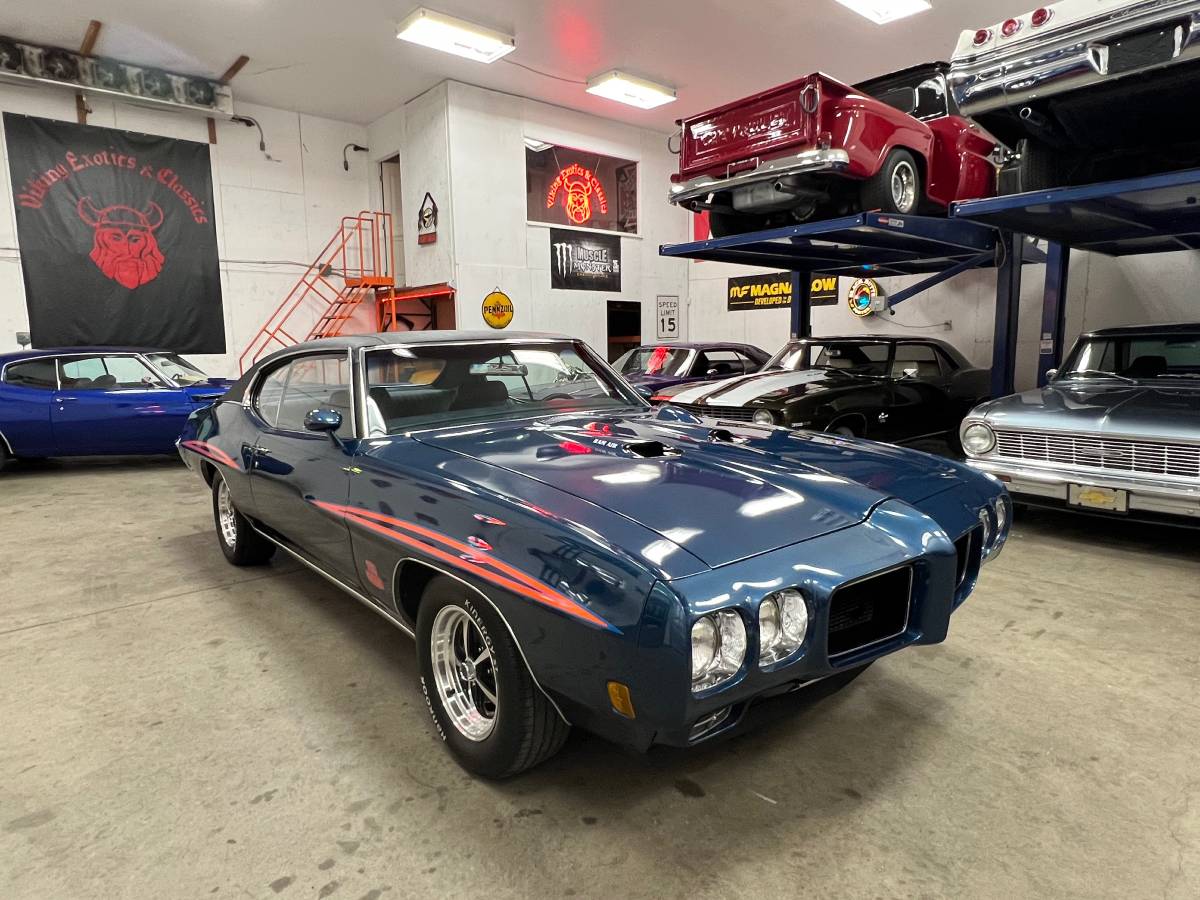
4. 1970 Pontiac GTO Judge
The 1970 GTO Judge was Pontiac’s answer to the muscle car arms race, and it came in swinging hard. Named after a catchphrase from a popular TV show at the time, the Judge trim came with bold styling, graphics, and serious horsepower.
The Ram Air III and optional Ram Air IV engines provided serious power, with the top-tier version reaching well above 370 horsepower. Even today, these engines are more than capable of keeping up with modern performance cars in a straight line.
The Judge was often a car that got a little extra care from its owners. Whether it was the wild color schemes or the limited production numbers, these cars have often been seen as special from the start. Many have been lovingly preserved or fully restored, with some even getting crate engines or modern suspension kits to help them corner better and drive smoother.
One of the things that makes the GTO Judge stand out is how it merges performance with attitude. It wasn’t trying to be classy or understated. It was loud, brash, and unmistakable. And in a world of generic car design, that kind of personality still turns heads. Even younger drivers who’ve never seen one before tend to do a double-take when a Judge pulls up at a light.
These cars are still found tearing up rural highways and even the occasional autocross event. They’ve aged, sure, but not in a way that makes them any less relevant. The Judge still commands respect, not just for what it was, but for what it still is: a muscle car that never stopped performing.
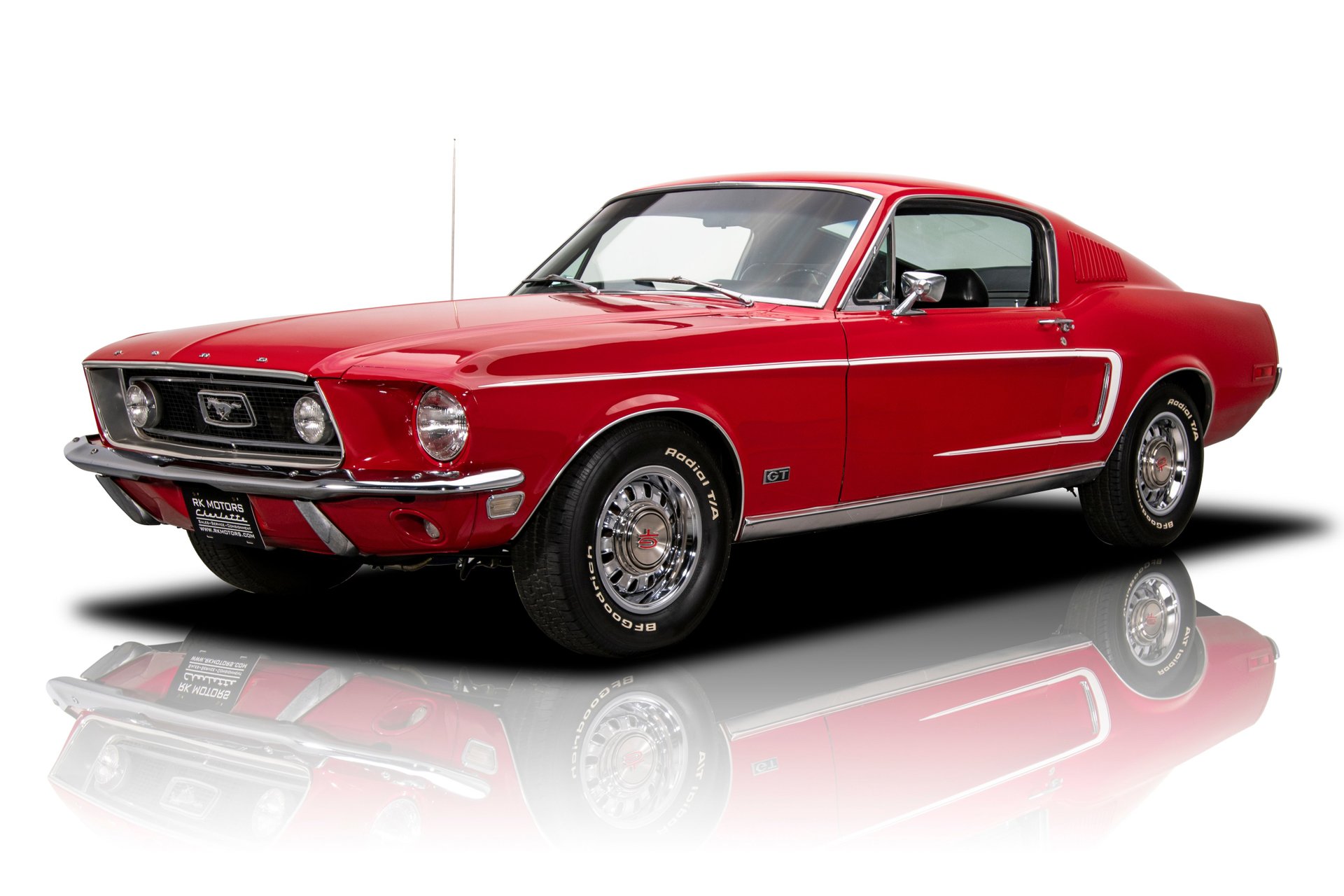
5. 1968 Ford Mustang Fastback GT 390
The 1968 Ford Mustang Fastback GT 390, especially the version driven by Steve McQueen in the film Bullitt, remains one of the most iconic Mustangs ever built. This car combined aggressive styling with a potent big-block engine, making it a favorite among enthusiasts both then and now.
Many of these Mustangs have survived the decades, either due to meticulous preservation or through complete overhauls that breathe new life into their engines and suspension systems. Whether kept close to stock or heavily modified, the GT 390 still packs enough punch to stay relevant on today’s roads.
What makes this Mustang unique is its balance of performance and design. The 390-cubic-inch V8 delivers strong acceleration, and while it may not handle like a modern sports car, it provides a raw, mechanical driving experience that’s hard to replicate.
Many owners choose to upgrade the brakes and suspension, making it more manageable at higher speeds while maintaining the car’s vintage appeal. Electronic ignition systems and aluminum radiators are common upgrades that improve reliability for those who want to daily drive their classic Mustang without the headaches of old-school maintenance issues.
The Fastback’s body style also contributes to its timeless appeal. The sweeping rear roofline, wide stance, and aggressive front grille give it a look that remains stunning even next to today’s flashy sports cars.
It’s not uncommon to see younger generations fall in love with this car purely based on looks, only to be pulled in further once they hear that distinctive engine sound. It’s loud, throaty, and unapologetically American. The GT 390 doesn’t pretend to be refined, and that honesty is part of why it’s still loved.
Whether in original form or as a restomod, the ’68 Mustang GT 390 is still a force. Many enthusiasts continue to race these cars at events, show them at meets, and even take them on long road trips. These machines were built to run, and even after five decades, they’re still doing exactly that with style and substance.
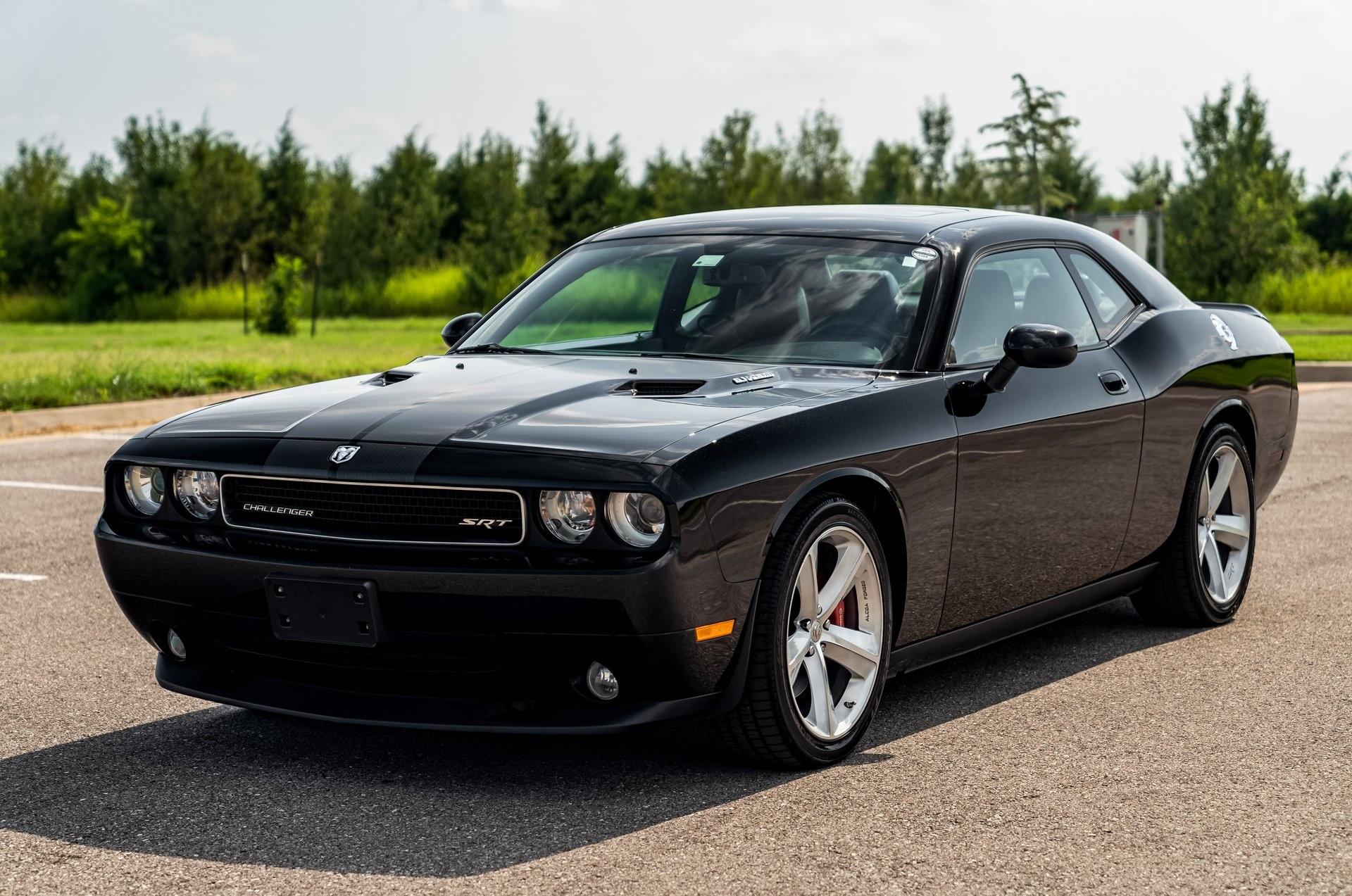
6. 2008 Dodge Challenger SRT8
The 2008 Dodge Challenger SRT8 marked the official return of Dodge to the muscle car battlefield after years of absence. When it hit the streets, it offered a modern take on classic American muscle, and while newer Challengers have since followed, the 2008 model remains a benchmark.
Powered by a 6.1-liter HEMI V8 producing 425 horsepower, it was a serious performer out of the gate. Even today, these early SRT8s continue to be reliable, hard-running machines with a huge following in the car community.
Unlike vintage muscle cars, the 2008 Challenger came equipped with modern conveniences such as stability control, anti-lock brakes, and traction systems. This made it more manageable for everyday driving, even while delivering classic muscle car thrills.
Many owners have pushed these cars well beyond their stock output with superchargers, exhaust upgrades, and performance tuning. The block itself is strong and responds well to modifications, which has helped the car maintain a presence in the street performance scene over a decade later.
These SRT8s are still often seen at meets, drag strips, and local cruises. They’re not just weekend cars either, many are still used as daily drivers. The engine remains robust, and the aftermarket support is enormous, allowing them to evolve without losing their soul. Whether naturally aspirated or boosted, the 2008 Challenger SRT8 continues to run hard, living up to the badge on its fender.
Also Read: 10 Classic Sports Cars That Are Still Reliable Today
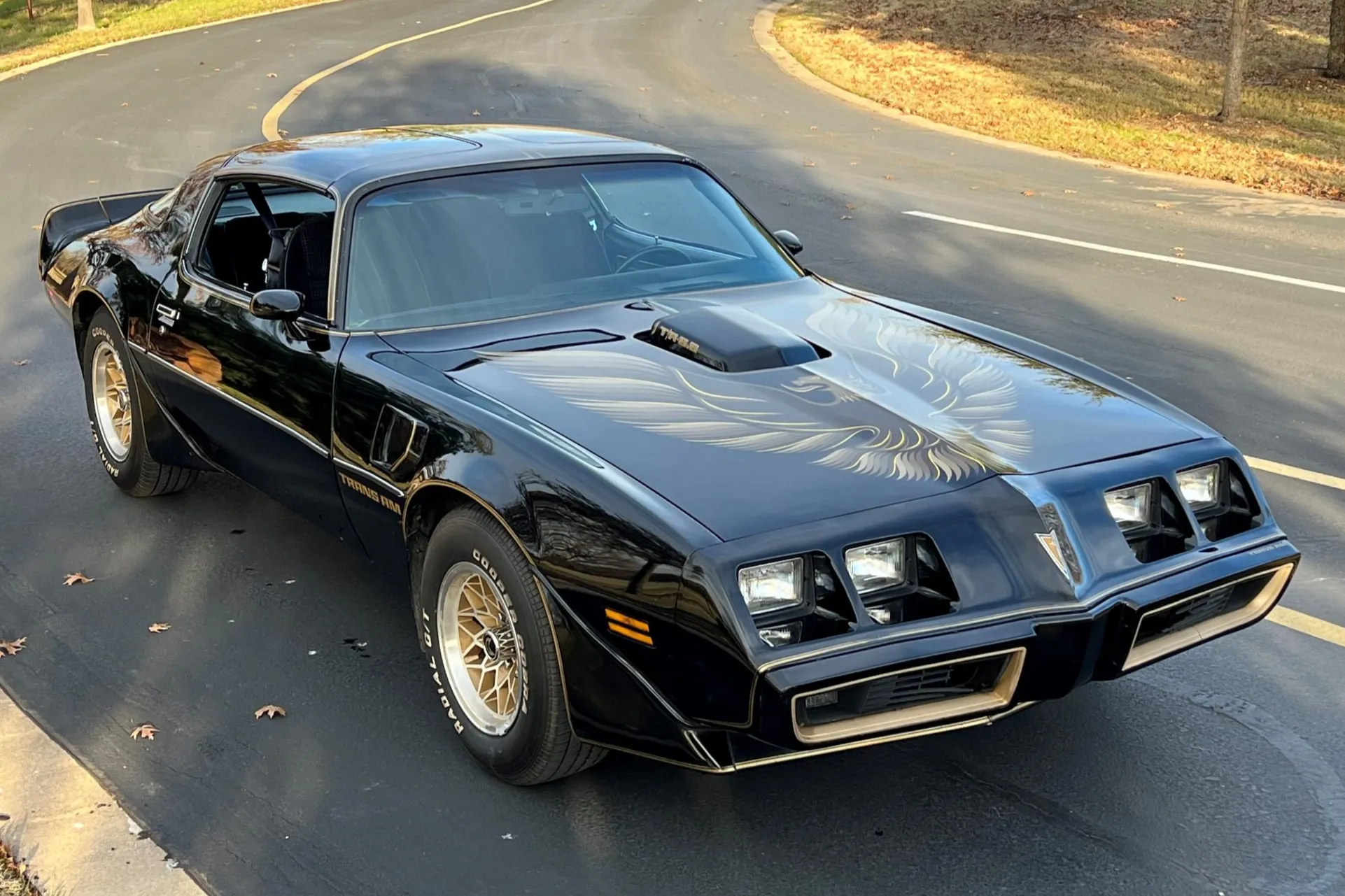
7. 1979 Pontiac Firebird Trans Am
The 1979 Pontiac Firebird Trans Am arrived at the tail end of the original muscle car era but managed to hold the torch during a time when high performance seemed to be fading. While it didn’t have the raw horsepower of its 60s predecessors, the Trans Am made up for it with attitude, handling, and an unmistakable design.
Powered by a 6.6-liter (403 or 400 ci, depending on the trim) V8, the car still had the guts to run strong, and many of these cars are still doing just that today. Enthusiasts have found creative ways to restore and upgrade them, resulting in a new wave of respect for this late-model classic.
The ’79 Trans Am benefits from a chassis that can be easily improved with modern components. Suspension upgrades, better shocks, polyurethane bushings, and brake kits help transform this once-heavy cruiser into a competent performer.
The engine bay has room for just about anything, and many have swapped in LS-based powerplants or upgraded the original V8s with aluminum heads, high-rise intakes, and performance cams. The car’s character remains, but its performance is elevated to meet modern standards.
Its visual appeal also plays a big role in why it’s still so popular. The screaming chicken hood decal, the aggressive stance, and the T-tops all help make the ’79 Trans Am instantly recognizable. It carries a certain swagger that newer cars just can’t manufacture.
While it was never the fastest muscle car off the line, it still provided plenty of thrills and had a look that made it iconic. Today, many of these cars are kept in top condition, still showing up to events and even being driven hard on winding roads and highways.
Thanks to a solid following and ample parts availability, the 1979 Trans Am has survived well into the modern era. It’s not just a car people admire, it’s one they continue to drive and upgrade. That’s what keeps it relevant, and why it still earns its spot among muscle cars that refuse to slow down.
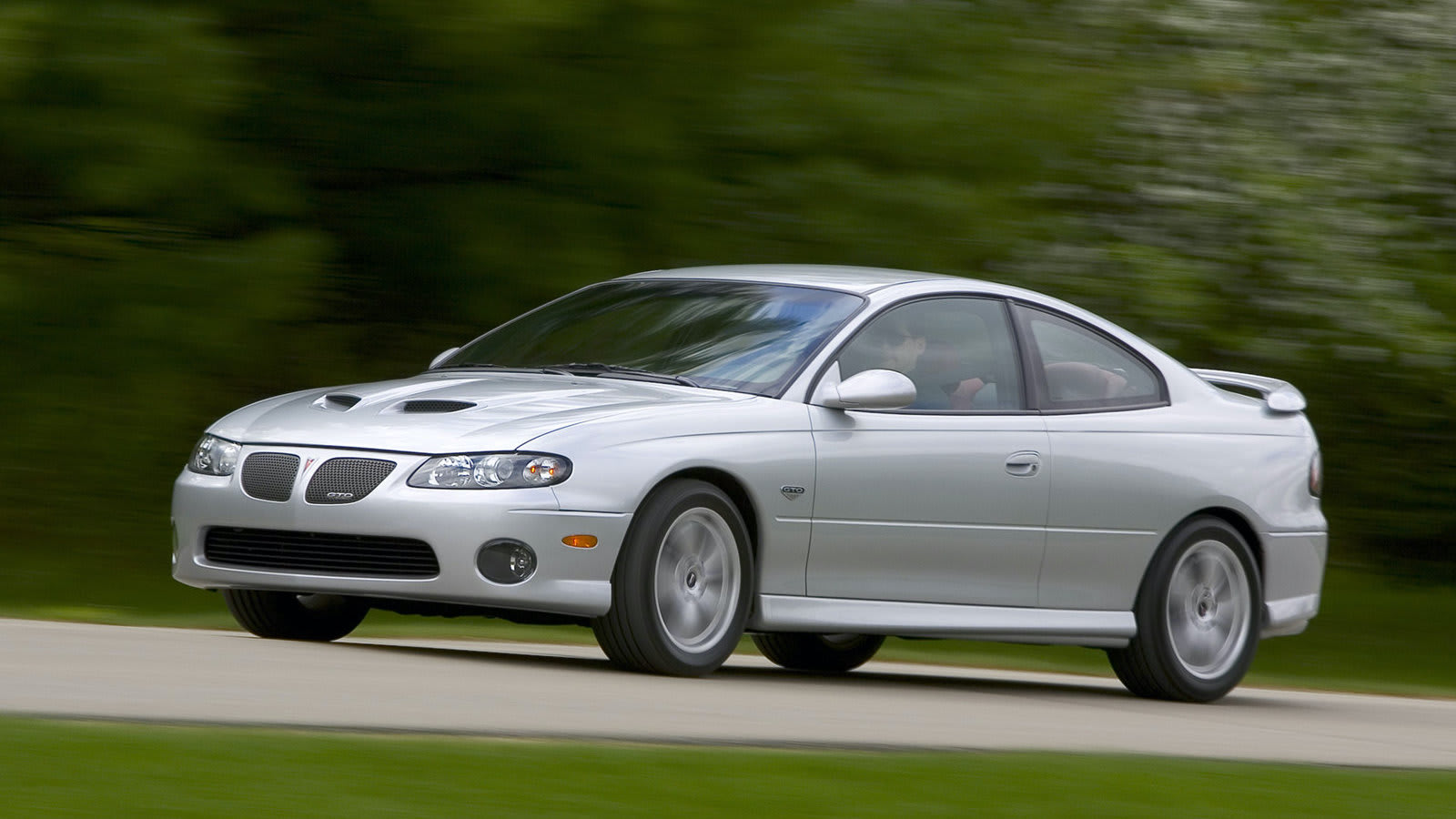
8. 2004 Pontiac GTO
The 2004 Pontiac GTO marked a revival of a legendary nameplate, this time based on the Holden Monaro from Australia. When it landed in the US market, many traditionalists criticized its understated styling, but there was no denying its performance.
With a 5.7-liter LS1 V8 under the hood making 350 horsepower (and later a 6.0-liter LS2 with 400 hp), the GTO delivered serious speed and a driving experience that brought the muscle car formula into the 21st century. Two decades later, these cars are still out there making noise and smoking tires.
One of the GTO’s biggest strengths was its engine. The LS-series engines are known for durability, tunability, and broad torque curves. That makes the 2004–2006 GTO a prime candidate for performance upgrades. From cams and headers to forced induction, these engines can handle quite a bit without internal modifications. As a result, many GTOs on the road today are putting out far more than their original horsepower, making them serious street contenders that still pull hard.
The GTO’s simple but solid design has helped it age well. While it didn’t have the retro styling of the Challenger or Mustang, it also didn’t have the bulk or visual gimmicks of other performance cars from that time. It was a sleeper by nature, something that appealed to drivers who preferred to let the car’s performance do the talking.
Today, many appreciate its clean lines and comfortable interior, which gives it an edge as a usable performance car that doesn’t sacrifice comfort for speed.
These GTOs are still running strong, often seen at drag strips, roll racing events, and performance driving schools. Their owners typically fall into two categories: those who want a fast, fun car that doesn’t break the bank, and those who grew up loving the nameplate and want a modern version of a classic. Either way, the 2004 GTO continues to earn respect for its speed, reliability, and refusal to fade into the background.
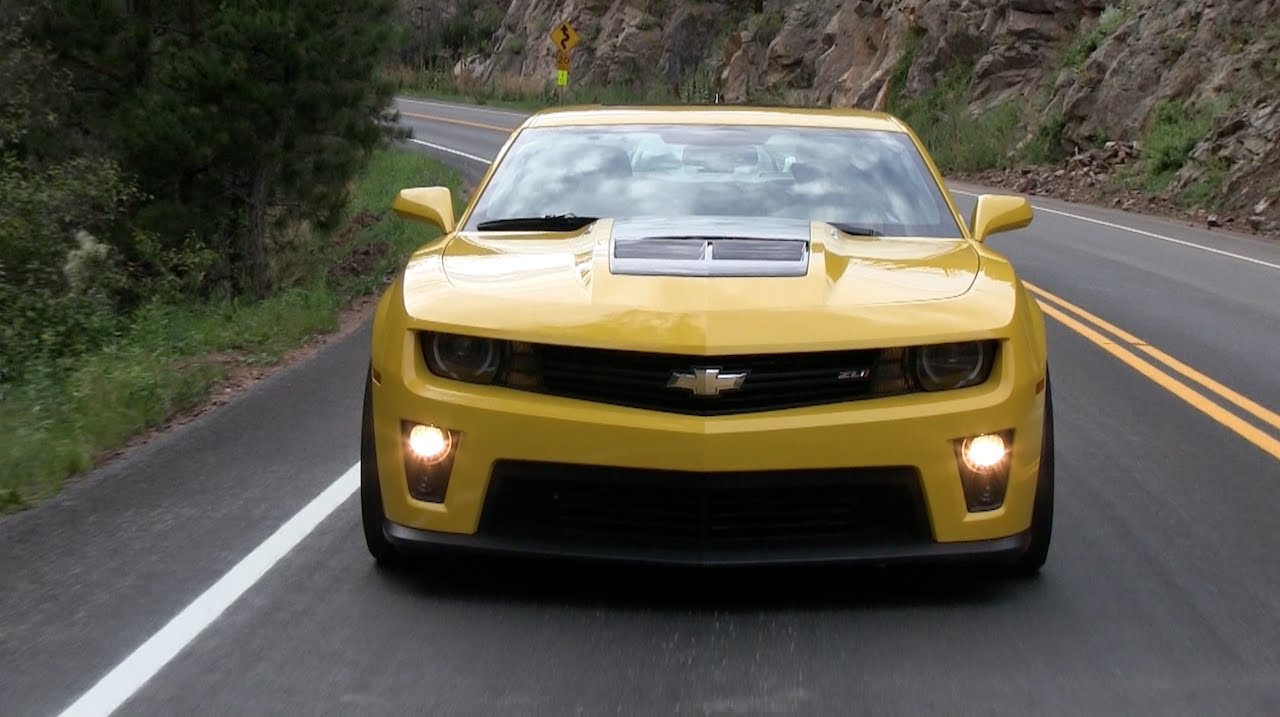
9. 2015 Chevrolet Camaro ZL1
The 2015 Camaro ZL1 is one of those modern muscle cars that manages to combine raw American power with just enough refinement to keep it competitive against European and Japanese rivals. It came equipped with a supercharged 6.2-liter LSA V8 that delivered a thunderous 580 horsepower.
That amount of output put it squarely in supercar territory, and it quickly became one of the most formidable Camaros ever produced. What’s even more impressive is that nearly a decade later, these cars are still regularly found on the track, the street, and the drag strip, doing exactly what they were built to do, run hard.
Beyond the engine, the ZL1 came with a beefed-up suspension setup, magnetic ride control, upgraded Brembo brakes, and a reinforced chassis. This wasn’t just a straight-line bruiser; it could actually corner well and hold its own in more demanding driving scenarios.
Those who own one today often report minimal drop-off in performance over the years, a testament to the car’s engineering and durability. With proper care, these machines remain brutally effective on both the highway and the racetrack.
What gives the ZL1 lasting appeal is that it never tries to be something it’s not. While it does offer a level of comfort and tech that earlier muscle cars never had, it never strays from its performance-first mission.
That supercharged V8 delivers power throughout the rev range, and the exhaust note is unmistakable. For many, the sound alone is reason enough to keep driving one. It’s loud, commanding, and full of attitude. Whether in stock form or tuned up with aftermarket parts, the ZL1 is far from obsolete.
Even now, the 2015 ZL1 has a strong resale value, and it remains a favorite among those looking for real-world performance without spending exotic money. Owners aren’t just keeping these in garages either, they’re still being pushed hard on track days, winding mountain roads, and quarter-mile strips. The ZL1 was built to be used, and that’s exactly how it continues to live.
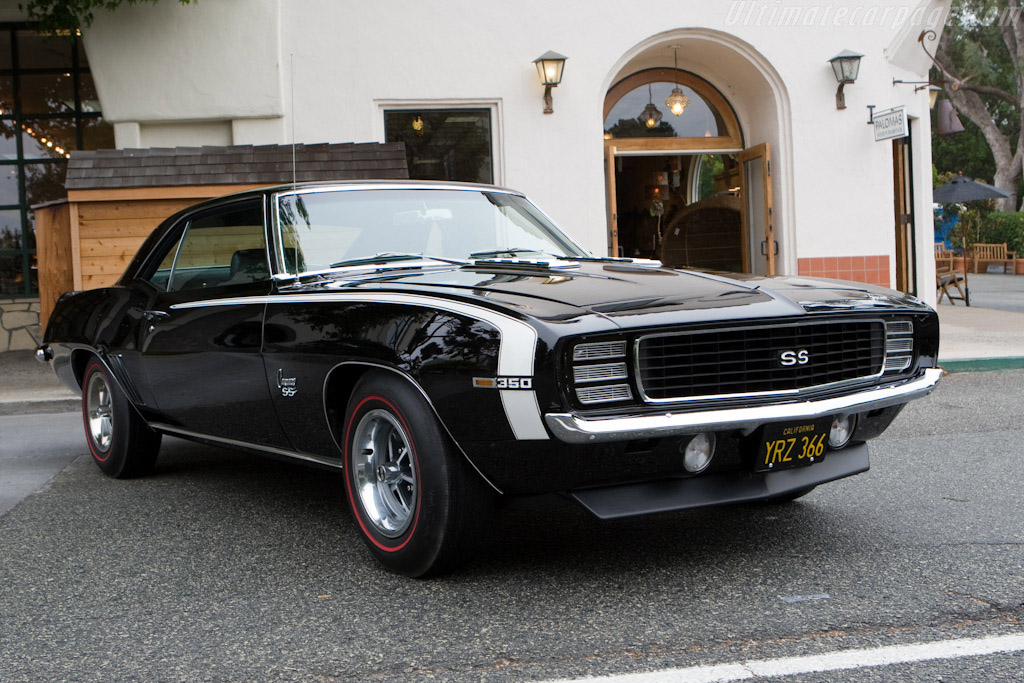
10. 1967 Chevrolet Camaro SS 396
The 1967 Camaro SS 396 holds a special place in muscle car history. It marked the debut year for Chevrolet’s answer to the Ford Mustang, and the SS 396 package made it clear they weren’t playing around.
With a 396 cubic-inch V8 pushing out up to 375 horsepower, this version of the Camaro could go toe-to-toe with just about anything on the street at the time. Today, more than fifty years later, plenty of these cars are still out there rumbling through towns and countryside roads, restored or modified to remain serious performers.
The reason for its longevity comes down to a combination of timeless design and mechanical simplicity. The 396 engine is known for its strength and durability, and the car’s layout makes it easy to work on.
That’s allowed generations of gearheads to keep them running, improve them with modern parts, and pass them down through families or enthusiast circles. Some opt for full period-correct restorations, while others go for the restomod route, dropping in fuel injection systems, updated brakes, and stronger drivetrains.
Visually, the ’67 Camaro is almost unmatched. The clean lines, aggressive front grille, and low-slung profile make it a car that still looks fast even standing. It’s often seen at classic car shows and cruise nights, but more importantly, it’s still often driven to those events rather than trailered.
That says something about how dependable these cars can be when maintained properly. They’re not just display pieces, they’re roadworthy, and still quick when they need to be.
The SS 396 continues to appeal to drivers of all ages. Whether it’s someone who remembers when these cars were new or a younger enthusiast discovering the magic of early muscle cars, the appeal is strong. They’re not just part of the past, they’re still part of the present, holding their own on highways and backroads across the country.
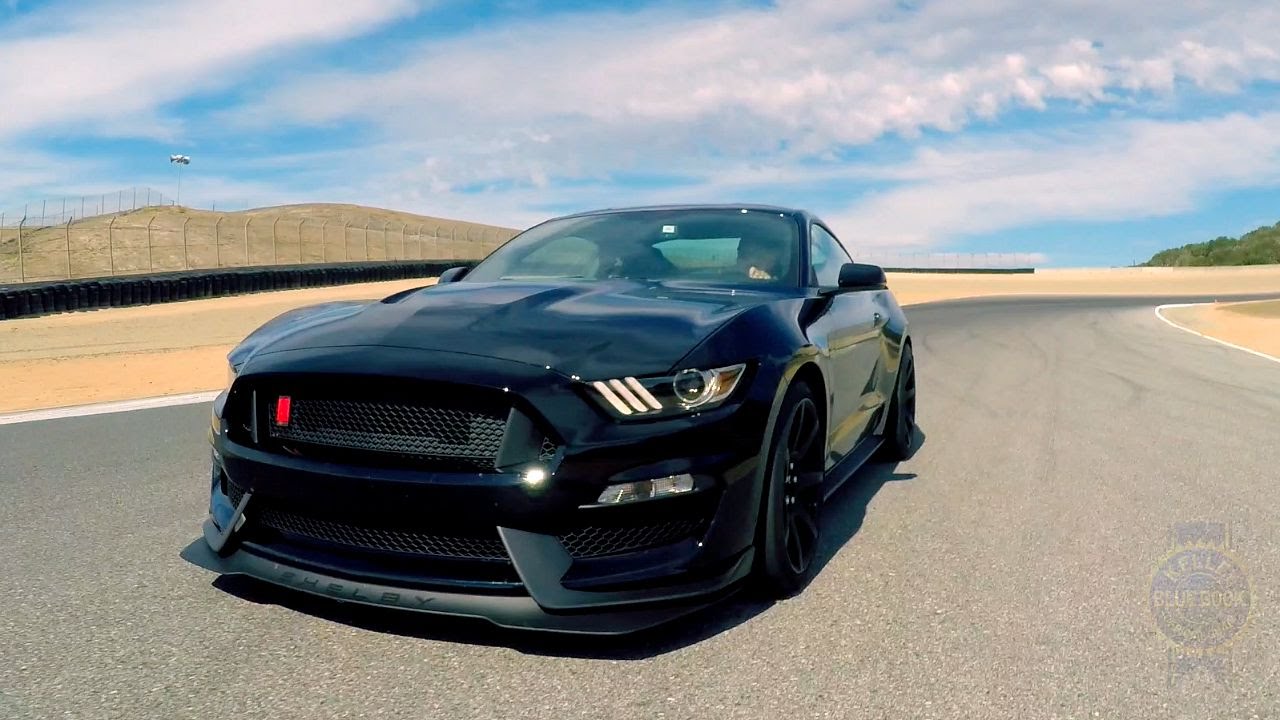
11. 2016 Ford Mustang Shelby GT350
When Ford released the Shelby GT350 in 2016, it wasn’t just another trim level; it was a serious performance statement. With a naturally aspirated 5.2-liter flat-plane crank V8 known as the “Voodoo” engine, it was unlike anything else in the American muscle car scene at the time.
Producing 526 horsepower and capable of screaming up to an 8,200 RPM redline, the GT350 was built with track use in mind. It’s been nearly a decade since its release, and yet it continues to be a standout in the muscle car world, still fast, still relevant, and still pushing limits.
This car wasn’t just about straight-line speed. Ford invested heavily in chassis tuning, aerodynamics, and brake performance. It featured MagneRide suspension, massive Brembo brakes, and sticky Michelin Pilot Sport tires that made it more of a corner carver than a traditional muscle brute.
That’s a big reason why these cars are still commonly found at track days and canyon runs; they don’t just survive; they excel under stress. Maintenance and reliability on these cars have also proven solid, allowing owners to drive them hard without fear.
The GT350 stands apart thanks to its sound and engine character. That flat-plane crank V8 has a unique, exotic tone that sets it apart from the deeper rumble of cross-plane V8s found in other American cars. It’s high-pitched, raw, and relentless.
For many enthusiasts, it’s one of the best-sounding engines Ford has ever built. It makes even casual drives feel like something special. That’s part of why so many GT350s are still racking up miles with enthusiastic owners behind the wheel.
Collectors love it, but so do drivers. Many GT350s are not garage queens; they’re daily driven, tracked, and enjoyed. With the increasing focus on electric vehicles, the GT350 represents something of a swan song for naturally aspirated V8 performance. And because of that, it’s treated with respect by those who own it and admired by those who wish they did.
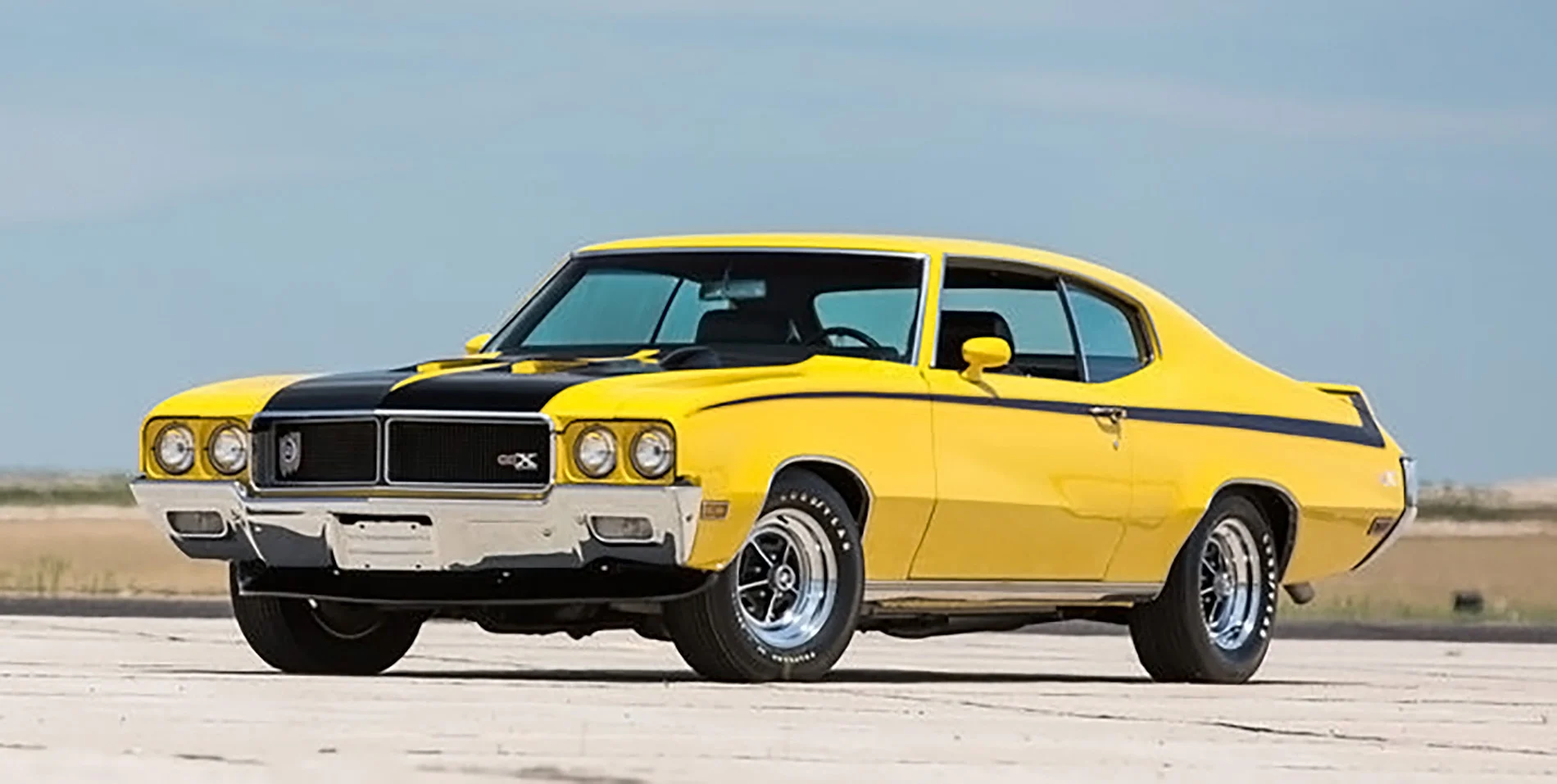
12. 1970 Buick GSX Stage 1
Often overlooked in the muscle car wars, the 1970 Buick GSX Stage 1 was a true sleeper that packed one of the most powerful engines of the era. With a 455 cubic-inch V8 rated at 360 horsepower (but with torque figures well over 500 lb-ft), it could outpace many more famous rivals.
Buick wasn’t known for performance, but the GSX proved they could build a muscle car that didn’t just look good, it could throw down with the best of them. Today, these cars are rare but still very much alive, and when found, they’re usually still putting down serious power.
The Stage 1 package included bigger valves, a more aggressive camshaft, and improved fuel delivery, turning an already powerful car into a tire-smoking menace.
Owners of these cars tend to be extremely dedicated, often rebuilding the engines to modern tolerances, adding better cooling systems, and installing upgraded ignition setups to keep the cars running reliably. The GSX’s torque-heavy character makes it a fantastic car for highway pulls and quarter-mile blasts. It doesn’t need to rev high to feel fast, it just moves, with authority.
Visually, the GSX was unmistakable. Available in bright Saturn Yellow or Apollo White with contrasting stripes, front and rear spoilers, and rally wheels, it had the looks to match its muscle. But it never reached the mass popularity of a Chevelle or Charger, which means today it feels more exclusive.
That sense of rarity adds to the appeal for collectors and drivers alike. When you see a GSX on the road today, it turns heads not just because it’s loud and fast, but because it’s rare to see one running hard.
There are still GSX Stage 1s that get driven regularly, and those that do usually surprise people. Their performance numbers were underreported at the time, but modern tests have proven that this Buick could outrun many of its competitors. It’s not just a collector’s trophy; it’s a legitimate muscle car that still demands attention. And more importantly, it still runs like it’s got something to prove.
