
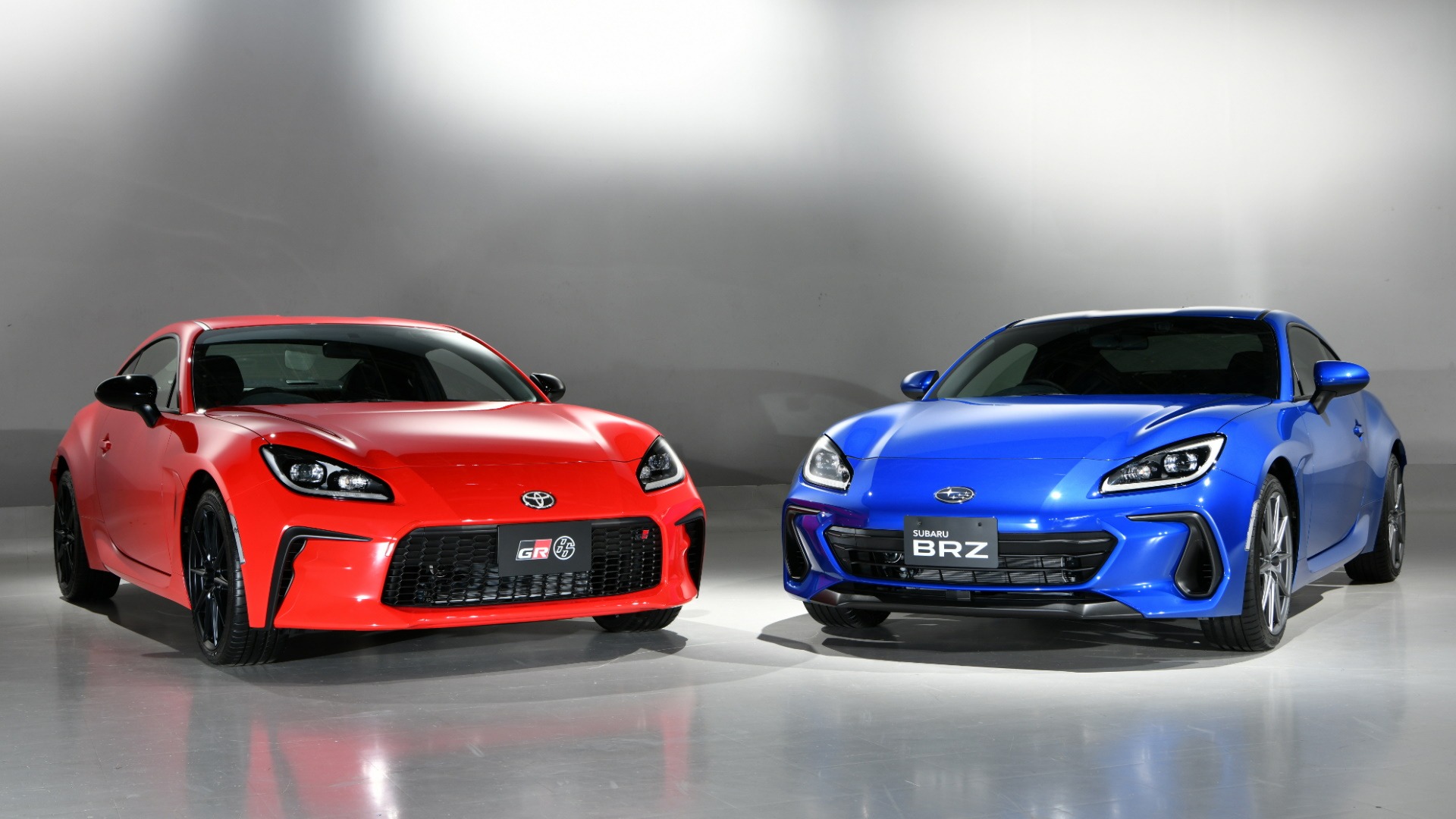
Subaru is a brand that has long earned a reputation for durability, reliability, and a strong connection with enthusiasts who value practicality as well as performance. Known for their distinctive all-wheel-drive system and boxer engine layout, Subaru vehicles often stand out for their balanced driving dynamics and ability to handle a variety of road and weather conditions.
For many drivers, choosing a Subaru means investing in a car that offers peace of mind and fewer mechanical headaches. While no vehicle is entirely immune to mechanical issues, some Subaru models have consistently shown resilience and a lower frequency of serious mechanical failures over the years.
These cars tend to be favored not just by individual drivers but also by automotive experts and mechanics who recognize their solid engineering and careful design choices.
Many factors contribute to the overall reliability of these Subaru models. Their boxer engines provide a low center of gravity, enhancing stability while reducing stress on internal components. Meanwhile, Subaru’s symmetrical all-wheel-drive system has evolved to balance power delivery efficiently and reduce wear on drivetrain parts.
Another element that supports reliability is Subaru’s gradual evolution of models rather than drastic redesigns, allowing engineers to refine and improve known issues rather than risk new failures. These design philosophies and consistent engineering practices have allowed specific Subaru cars to become benchmarks for longevity and dependability.
This article highlights eight Subaru vehicles that have earned recognition for rarely experiencing mechanical failures. These cars are popular choices for daily driving, family use, and even adventurous off-road excursions. Each model represents a combination of solid mechanical design, ease of maintenance, and thoughtful engineering decisions that contribute to their longevity.
Whether you’re considering buying a used Subaru or looking to learn about models that stand out for their trouble-free performance, this article will provide valuable insights based on common knowledge, user experiences, and the reputation these vehicles have built over time.
Understanding which Subaru models tend to have fewer mechanical problems can be helpful for consumers who prioritize reliability. It’s important to remember that while these vehicles have fewer mechanical failures, regular maintenance and attentive care remain crucial to keep any car running smoothly.
Subaru owners who follow recommended service intervals and address minor issues promptly generally enjoy even longer trouble-free ownership experiences. With that in mind, here are eight Subaru cars known for their mechanical reliability and resilience.
Also Read: 5 Honda Civic Years That Last Forever vs 5 That Don’t
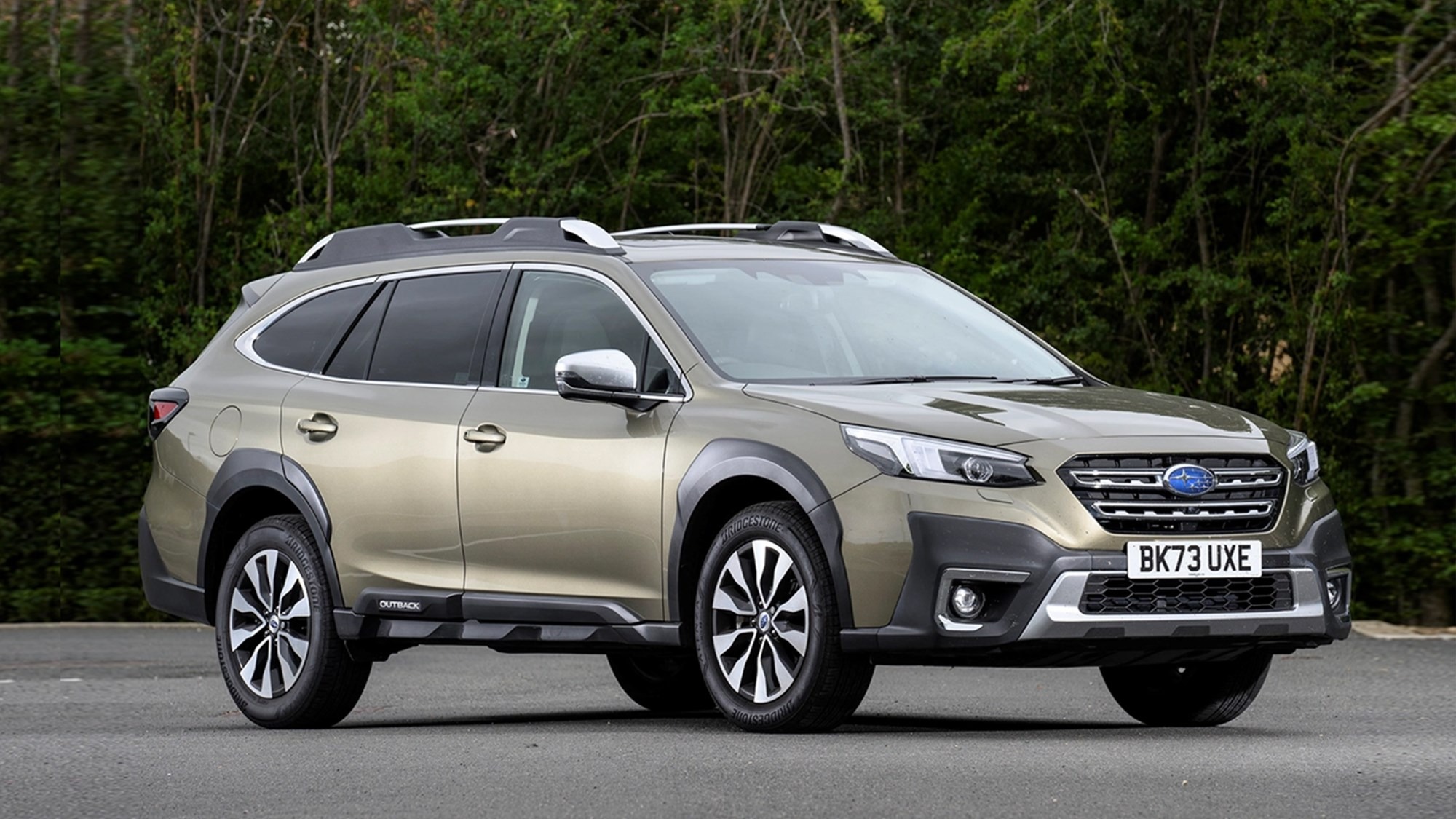
1. Subaru Outback (2010-2014)
The Subaru Outback is often praised for being a reliable crossover wagon that combines the utility of an SUV with the driving comfort of a car. The 2010 to 2014 models, in particular, are known to rarely suffer from significant mechanical failures. One reason for this is the balanced design of its drivetrain and engine.
The 2.5-liter four-cylinder boxer engine in these models is not overly complex but robust enough to offer dependable performance in everyday use. Many drivers have reported that these engines run smoothly for well over 150,000 miles without the need for major repairs.
Another factor contributing to the Outback’s reliability in this generation is its symmetrical all-wheel-drive system. This AWD setup is one of Subaru’s signature features and is engineered for durability.
Instead of relying on complex electronics or multiple clutches, the system employs mechanical components designed to distribute power efficiently, reducing the chance of drivetrain wear. This simplicity helps keep repair costs low and prevents common failures associated with more complicated AWD designs found in other brands.
The suspension and brakes on the 2010-2014 Outback also contribute to its mechanical resilience. The vehicle uses MacPherson struts in the front and a double wishbone rear suspension, which offers a good balance between comfort and durability.
Brake components in these models have been known to hold up well under typical driving conditions, which reduces the likelihood of early brake-related repairs. Drivers appreciate how the Outback maintains solid handling characteristics even as it ages, which speaks to the quality of its suspension and chassis components.
Owners of this generation of Outback often highlight the vehicle’s ability to withstand harsh weather conditions without frequent mechanical troubles. Its combination of reliable engine, durable AWD system, and well-built suspension makes it a favorite among those who live in areas with snow, rain, or rough roads. Overall, the 2010-2014 Subaru Outback stands as a prime example of a car designed for dependable daily use with minimal mechanical issues.
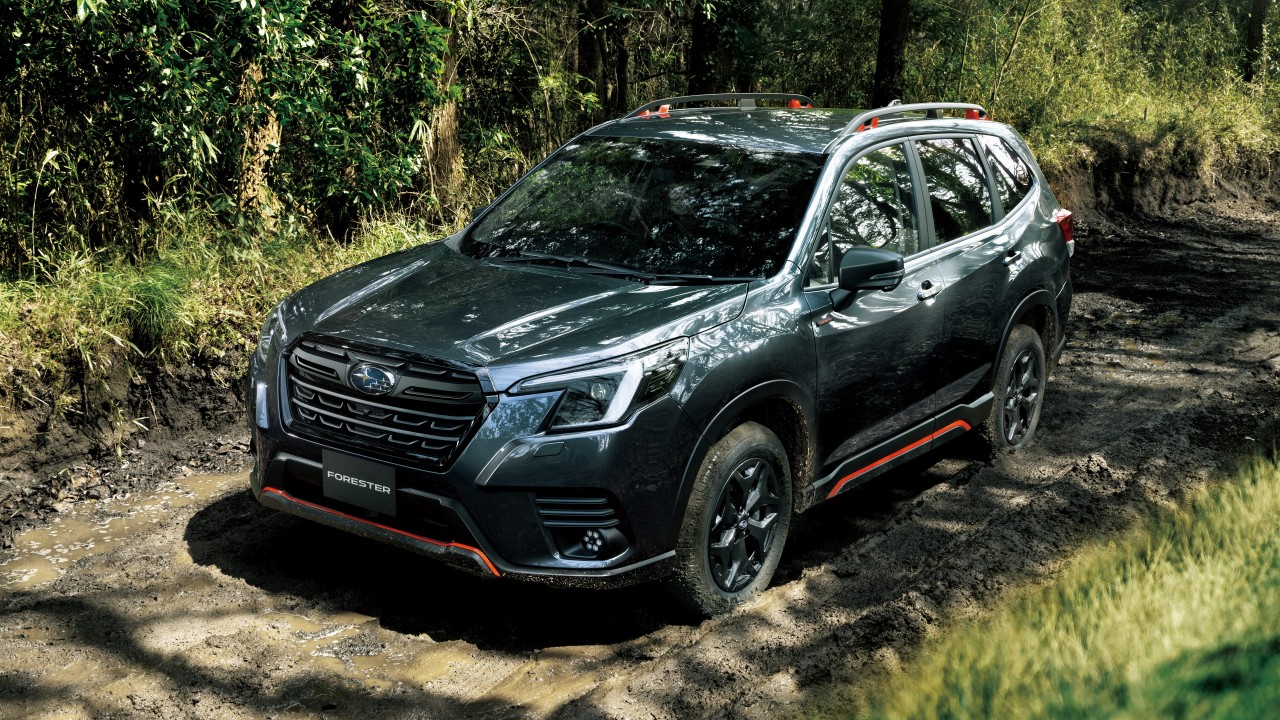
2. Subaru Forester (2014-2018)
The Subaru Forester, especially the models made between 2014 and 2018, has become synonymous with reliability and practical utility. These vehicles offer a roomy interior, good visibility, and the trusted all-wheel-drive system that Subaru is known for.
The Forester’s 2.5-liter boxer engine and, in some trims, a turbocharged 2.0-liter engine, are praised for being mechanically sound and low-maintenance, provided regular upkeep is followed.
The engine design in these Foresters focuses on simplicity and durability. Unlike some competitors that employ turbochargers or complex direct injection systems that can lead to failures, the naturally aspirated boxer engine balances performance with mechanical longevity.
Many owners report hitting well beyond 200,000 miles without significant engine problems. Subaru’s choice of the boxer layout means less vibration and better weight distribution, which in turn reduces wear on moving parts within the engine.
The Forester’s symmetrical AWD system continues to provide reliable traction in varying conditions, with relatively few reports of mechanical issues over the years. The drivetrain is built to handle light off-road conditions, but it does so without sacrificing mechanical reliability.
Subaru’s engineers designed this system with fewer electronic components compared to other AWD systems, which lowers the risk of sensor or actuator failures.
Furthermore, the Forester’s chassis and suspension have proven to be durable. The front MacPherson strut suspension and rear double wishbone setup contribute to a smooth ride while resisting the effects of wear over time.
Brake components and steering mechanisms are also known to be robust in these models. Overall, the 2014-2018 Subaru Forester is an excellent choice for buyers who want a dependable compact SUV with few mechanical concerns.
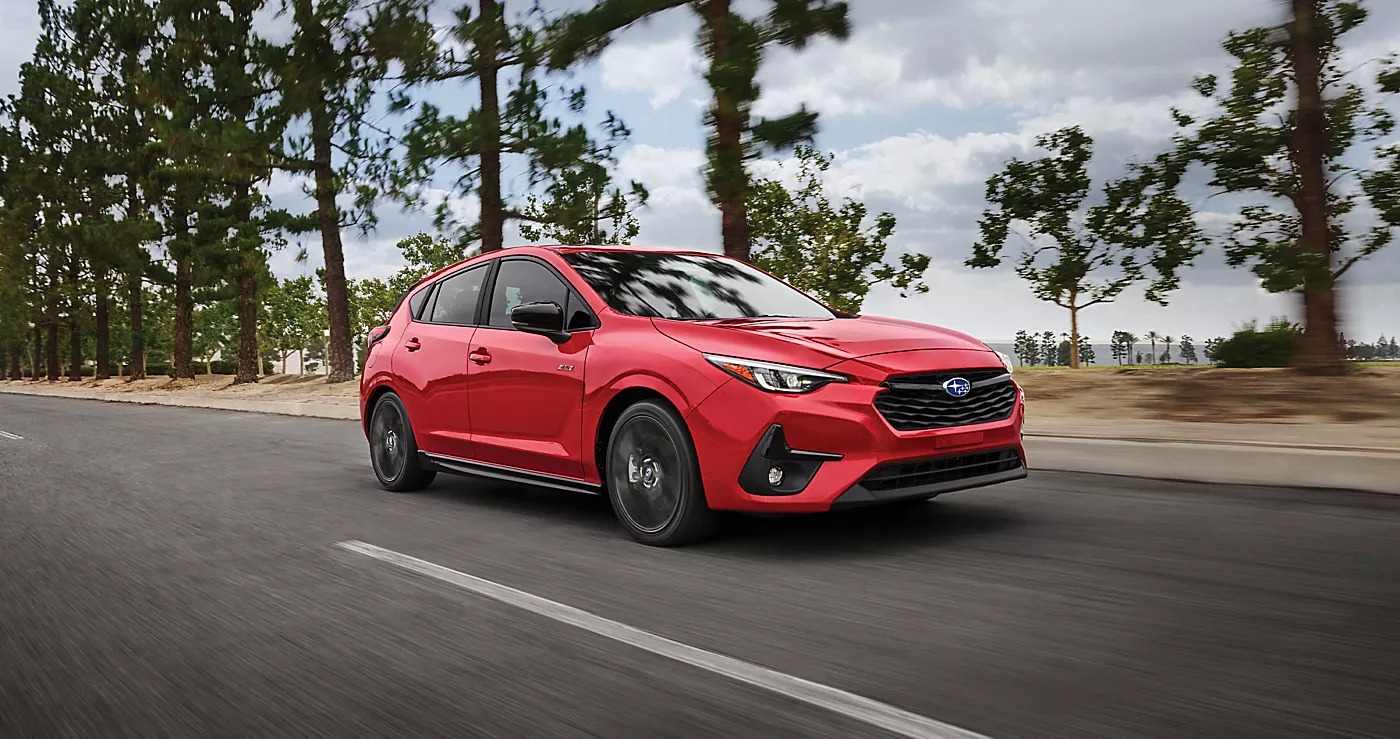
3. Subaru Impreza (2012-2016)
The Subaru Impreza, particularly the fifth-generation models produced from 2012 to 2016, is another vehicle well-regarded for its mechanical reliability.
The Impreza serves as Subaru’s compact car, offering fuel efficiency, all-wheel drive, and a reputation for minimal mechanical troubles. The 2.0-liter boxer engine in these models is simple yet efficient, and it benefits from years of refinement that have eliminated many common issues found in earlier versions.
One reason the Impreza tends to have fewer mechanical failures is the straightforward design of its engine and transmission. The manual and automatic transmissions available during this period are known for their durability.
Subaru’s continuously variable transmission (CVT) also improved in this generation, offering a smoother and more reliable driving experience compared to earlier models where CVTs sometimes suffered from overheating or premature wear.
The all-wheel-drive system continues to be a standout feature, designed to provide consistent power distribution with minimal maintenance needs. The AWD setup is balanced and doesn’t rely on overly complex electronic controls, which helps reduce the chance of mechanical failure. The Impreza’s drivetrain and chassis are engineered for urban and suburban driving, making the car not only reliable but also practical for daily use.
Suspension and brake components in these years also show strong resilience. The MacPherson strut front suspension combined with a torsion beam rear setup provides a comfortable ride with fewer parts that might wear out prematurely.
The brakes and steering systems have been noted to be trouble-free by many owners, contributing to the Impreza’s reputation as a car that rarely demands costly repairs. This makes it a practical choice for those seeking a reliable and affordable all-wheel-drive compact car.
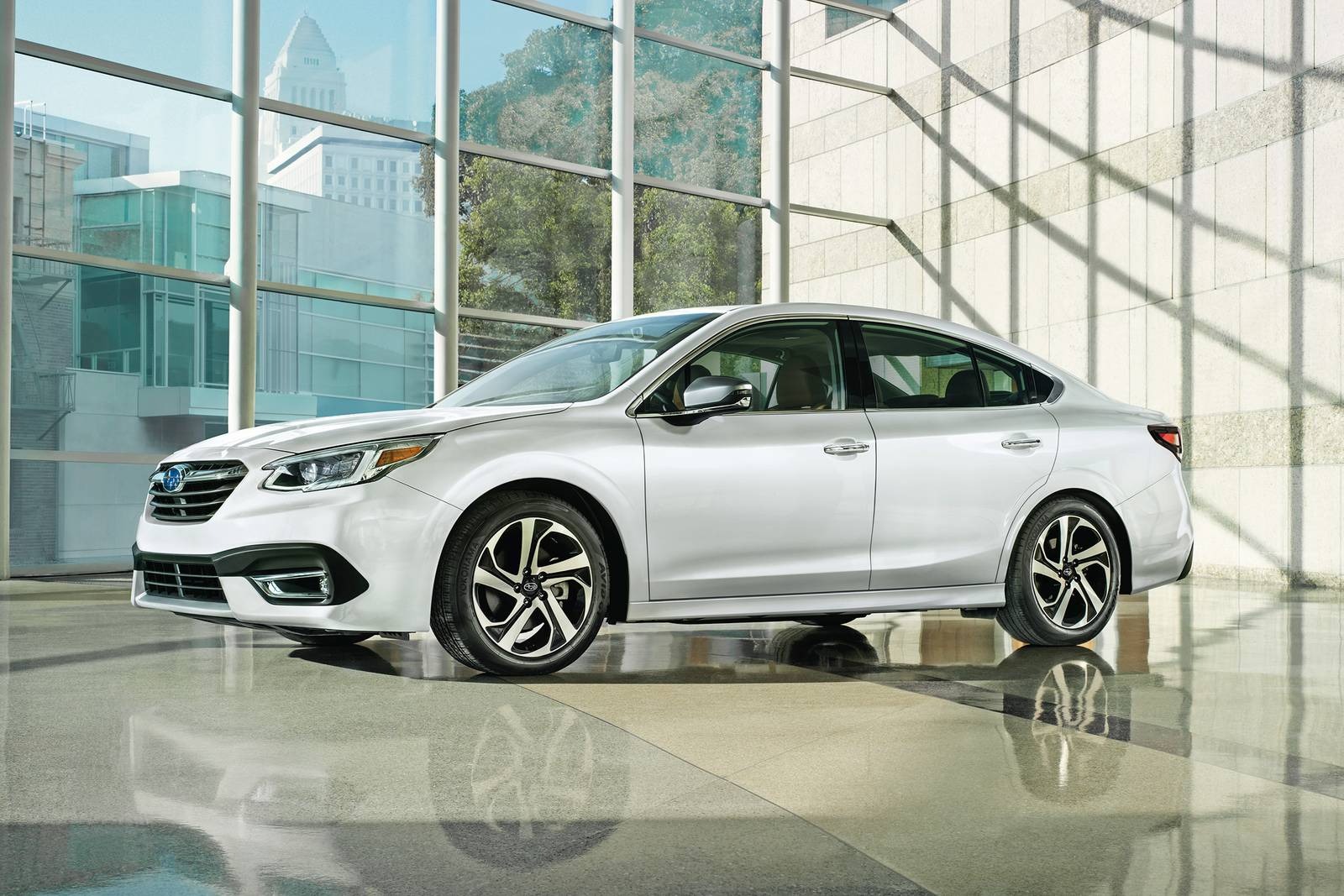
4. Subaru Legacy (2010-2014)
The Subaru Legacy, particularly models from 2010 to 2014, has earned a place among Subaru’s most mechanically reliable sedans. It offers a comfortable ride, spacious interior, and well-regarded safety features, but what sets it apart is its durable engine and drivetrain. The 2.5-liter boxer engine used in these models delivers steady power with minimal fuss, and it’s often praised for its longevity.
A significant aspect of the Legacy’s reliability lies in the balanced design of its powertrain. The engine is coupled with a choice of manual, automatic, or CVT transmissions, all of which have shown durability when properly maintained. Subaru’s approach to the Legacy’s drivetrain emphasizes simplicity over flashy technology, which helps avoid common mechanical failures related to complicated systems.
The symmetrical all-wheel-drive system in the Legacy is built to provide dependable traction without putting undue stress on the drivetrain. It uses fewer electronic components than some competitors’ AWD systems, which minimizes the chance of mechanical breakdowns related to sensors or actuators.
This AWD setup also helps maintain even tire wear and consistent handling, reducing the likelihood of suspension or steering issues over time.
The Legacy’s chassis and suspension are engineered to provide comfort and control while resisting the effects of wear. Front MacPherson struts and rear double wishbone suspension contribute to its durability.
Brake components and steering systems have also proven reliable, with many owners reporting few issues after years of use. The Legacy from this era is a well-rounded vehicle that combines performance, comfort, and mechanical resilience.
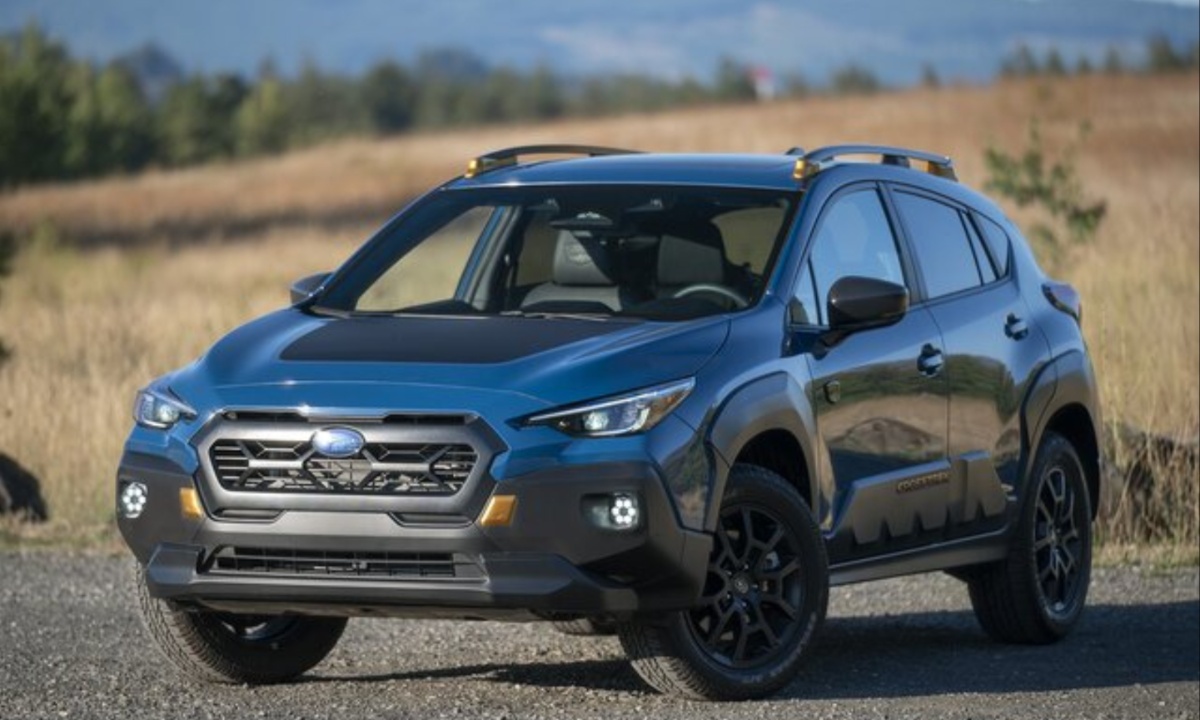
5. Subaru Crosstrek (2013-2017)
The Subaru Crosstrek, a smaller crossover based on the Impreza platform, has been well-received for its reliability and versatility. Models from 2013 to 2017 are noted for their strong mechanical components, including the proven 2.0-liter boxer engine and Subaru’s signature AWD system. The Crosstrek provides a compact size with SUV-like capabilities while maintaining a reputation for few mechanical failures.
One reason the Crosstrek is mechanically reliable is its use of a mature engine platform that has been continually refined. The 2.0-liter naturally aspirated boxer engine offers a good balance between power and efficiency without overly complex components that can cause trouble. Drivers often report smooth operation and minimal issues even after extended use.
The AWD system in the Crosstrek is similar to those in other Subaru models, built for durability and consistent performance. This system is designed to distribute power evenly and reduce mechanical stress on the drivetrain.
Unlike some AWD systems that rely heavily on electronics, the Crosstrek’s mechanical approach lowers the risk of component failure, making it well-suited for those who drive in varied conditions.
The suspension and braking systems on the Crosstrek are also robust, combining MacPherson strut front suspension with a torsion beam rear suspension. These components provide a comfortable and controlled ride, and their simplicity helps avoid early mechanical wear.
The Crosstrek is popular among outdoor enthusiasts and commuters alike for its reliability and low cost of ownership, making it one of Subaru’s most dependable models.
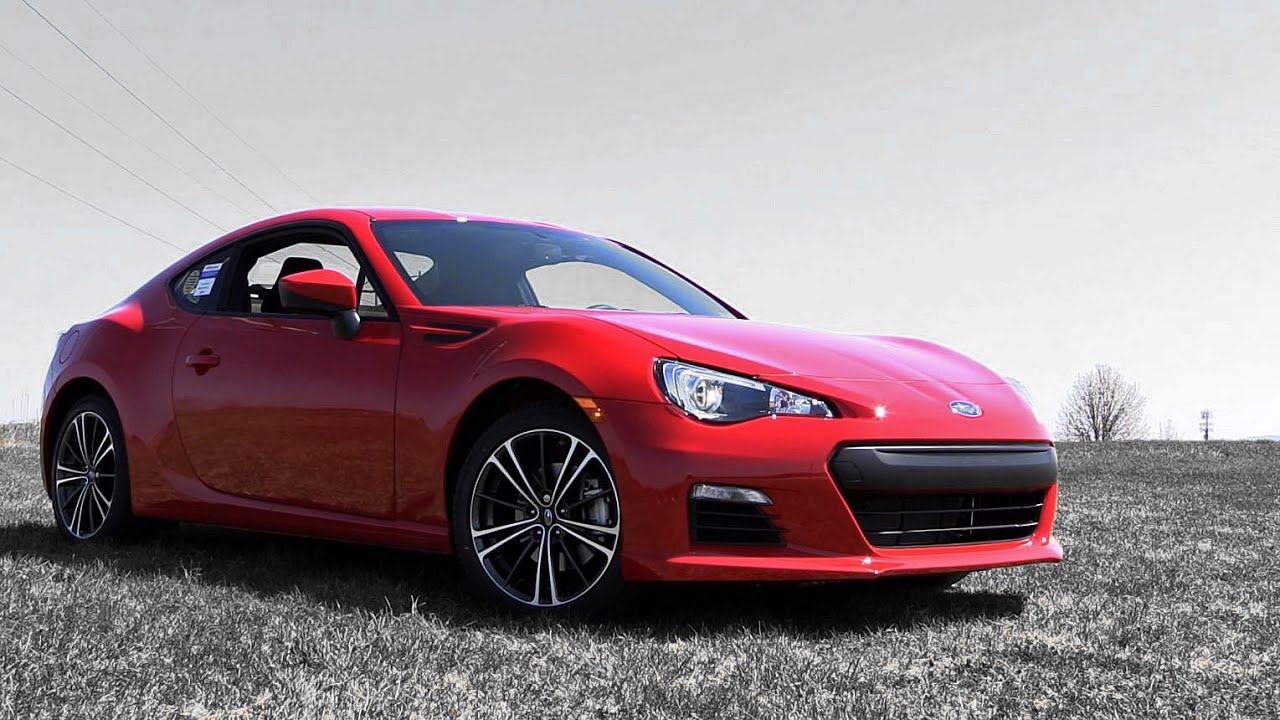
6. Subaru BRZ (2013-2019)
The Subaru BRZ, a sporty coupe developed in partnership with Toyota, stands out for its focus on driving enjoyment combined with solid mechanical design. Produced from 2013 through 2019, the BRZ features a naturally aspirated 2.0-liter boxer engine known for its smooth performance and minimal mechanical problems. While sports cars sometimes prioritize power over reliability, the BRZ balances both aspects well.
The engine’s boxer layout contributes to the car’s low center of gravity, which helps with handling and reduces internal mechanical stress. The naturally aspirated design avoids the added complexity and potential issues linked to turbochargers or superchargers. As a result, many BRZ owners have experienced trouble-free engines that run efficiently for long periods when properly maintained.
The transmission options for the BRZ, which include a six-speed manual or a six-speed automatic, are also praised for their reliability. The manual transmission is durable, and the automatic transmission is well-suited for daily driving without frequent repairs. Subaru engineered the drivetrain to complement the vehicle’s sporty nature while maintaining mechanical soundness.
The BRZ’s suspension and chassis components are designed to handle spirited driving, but they also exhibit durability over time. The front MacPherson strut and rear double wishbone suspension system allow the car to maintain control without excessive wear.
Brake systems are similarly robust, designed to endure spirited use without frequent servicing. The Subaru BRZ offers an excellent combination of mechanical reliability and enjoyable driving dynamics.
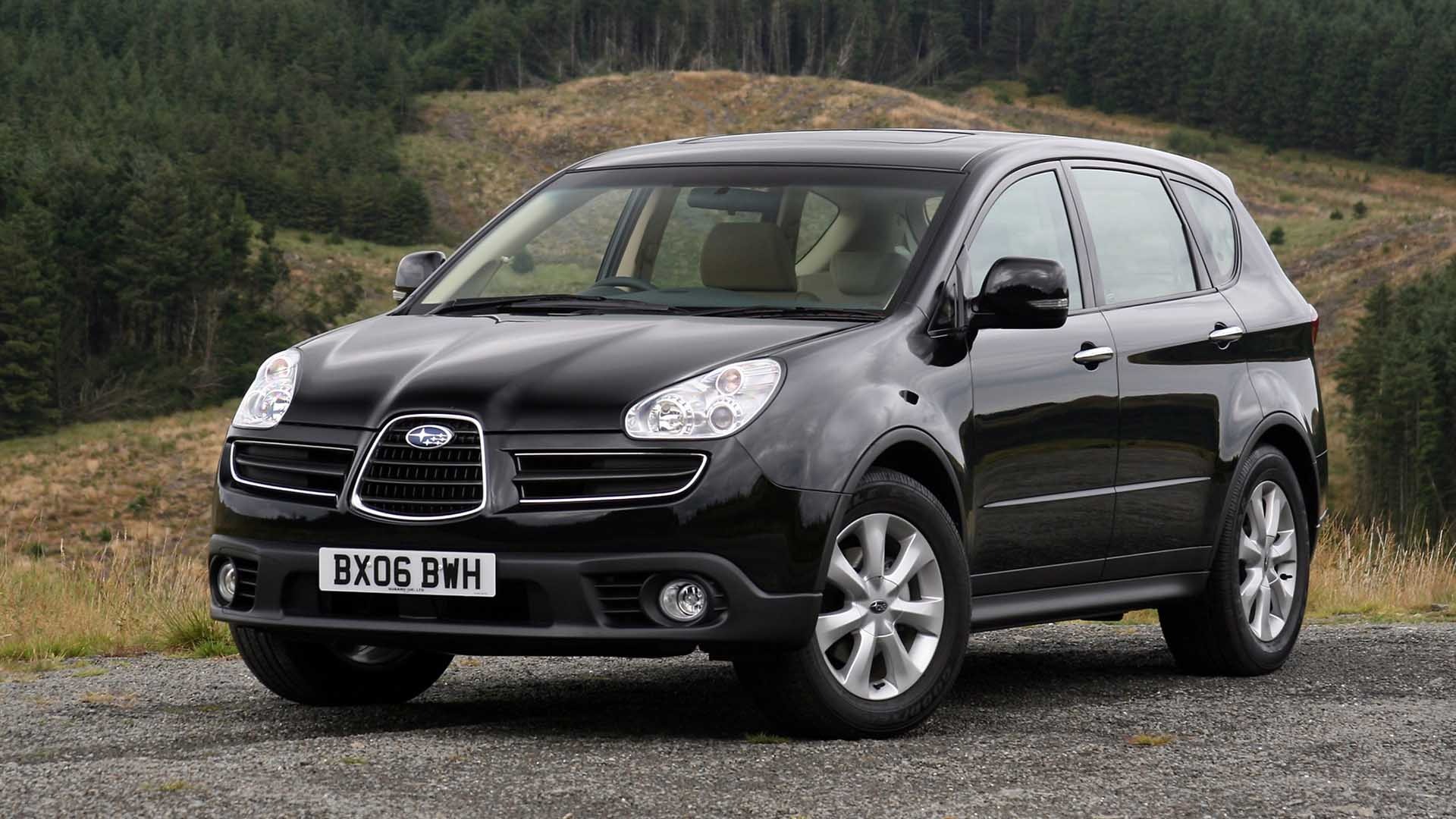
7. Subaru Tribeca (2006-2014)
Though not as popular as other Subaru models, the Tribeca SUV from 2006 to 2014 has earned a reputation for having relatively few mechanical failures. This midsize SUV features a 3.6-liter flat-six engine known for its smooth power delivery and solid reliability. The Tribeca provides a spacious interior, all-wheel-drive capability, and a mechanical setup that withstands regular use well.
The Tribeca’s engine, despite being larger than many other Subaru engines, remains a reliable workhorse when serviced regularly. Its boxer configuration reduces vibration and distributes mechanical stress evenly across components, contributing to longer engine life. Owners have noted that the engine runs consistently without common issues like overheating or premature wear.
The all-wheel-drive system in the Tribeca, consistent with Subaru’s approach, is built for durability. It uses mechanical differentials and a symmetrical design that reduces the likelihood of drivetrain failures. The SUV is capable of handling varied driving conditions, from city streets to rougher terrains, while maintaining mechanical integrity.
The Tribeca’s suspension, composed of MacPherson struts in front and a multi-link rear setup, supports both comfort and stability. Brake components and steering mechanisms are also known for lasting well beyond average vehicle lifespans. Although the Tribeca may not have the same popularity as other Subaru vehicles, it remains a mechanically dependable SUV with few common failures.
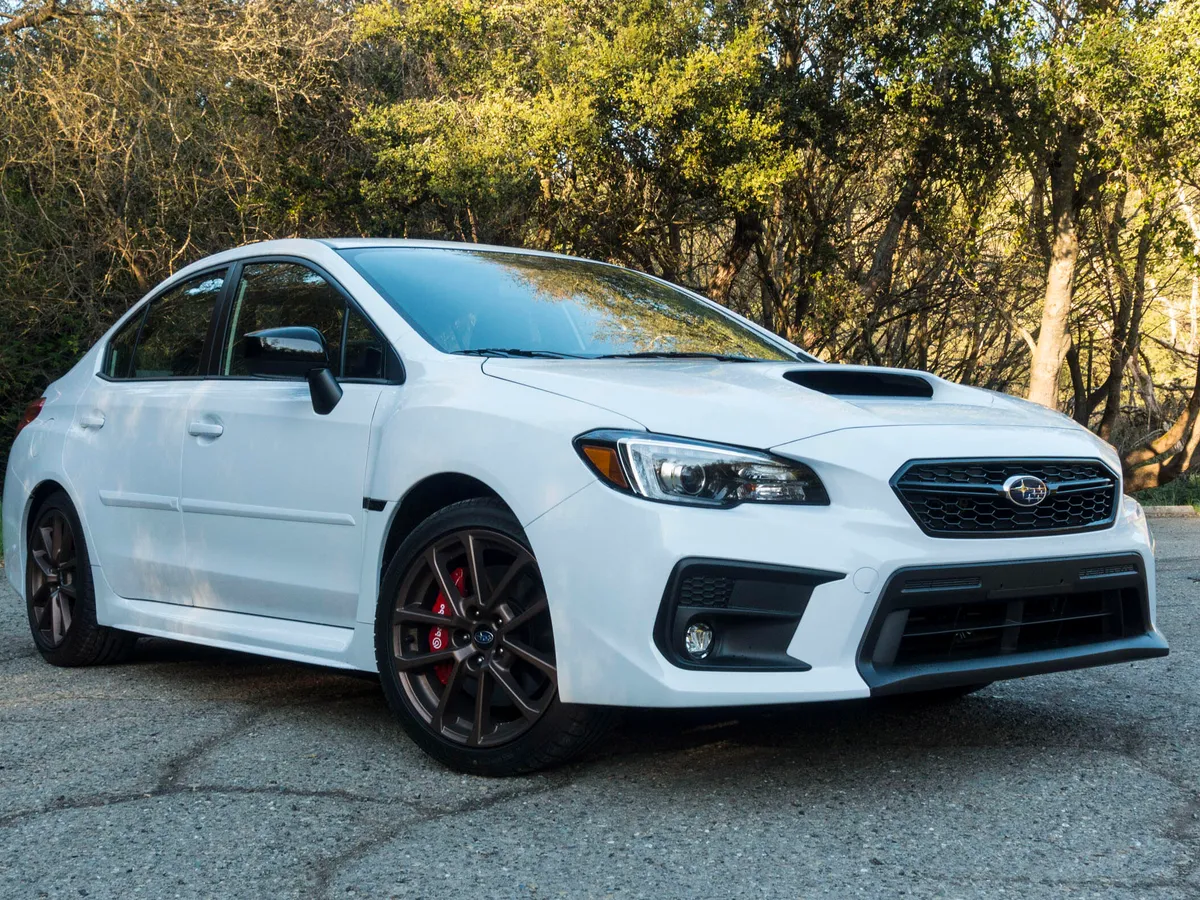
8. Subaru WRX (2015-2020)
The Subaru WRX, known for its rally heritage and sporty performance, has become a reliable choice among performance enthusiasts. The 2015 to 2020 models feature a turbocharged 2.0-liter boxer engine and an advanced all-wheel-drive system. Despite its performance focus, the WRX is recognized for having fewer mechanical failures compared to many other performance cars.
The WRX’s turbocharged engine is designed with reliability in mind. Subaru has implemented improved cooling and reinforced components to handle the added stress from forced induction. While turbo engines generally require careful maintenance, the WRX’s powertrain is built to withstand high mileage without frequent breakdowns when cared for properly.
The symmetrical all-wheel-drive system in the WRX is optimized for performance and durability. It efficiently handles the increased power output and provides excellent traction. The mechanical components of the drivetrain are designed to be robust, reducing the likelihood of failures often associated with high-performance vehicles.
The suspension and braking systems on the WRX are tuned for sporty driving but built to last. The front MacPherson struts and rear double wishbone suspension provide responsive handling with durable components.
High-performance brakes and steering parts also contribute to the WRX’s mechanical longevity. Overall, the Subaru WRX from this era combines sportiness with a reputation for reliability uncommon in its class.
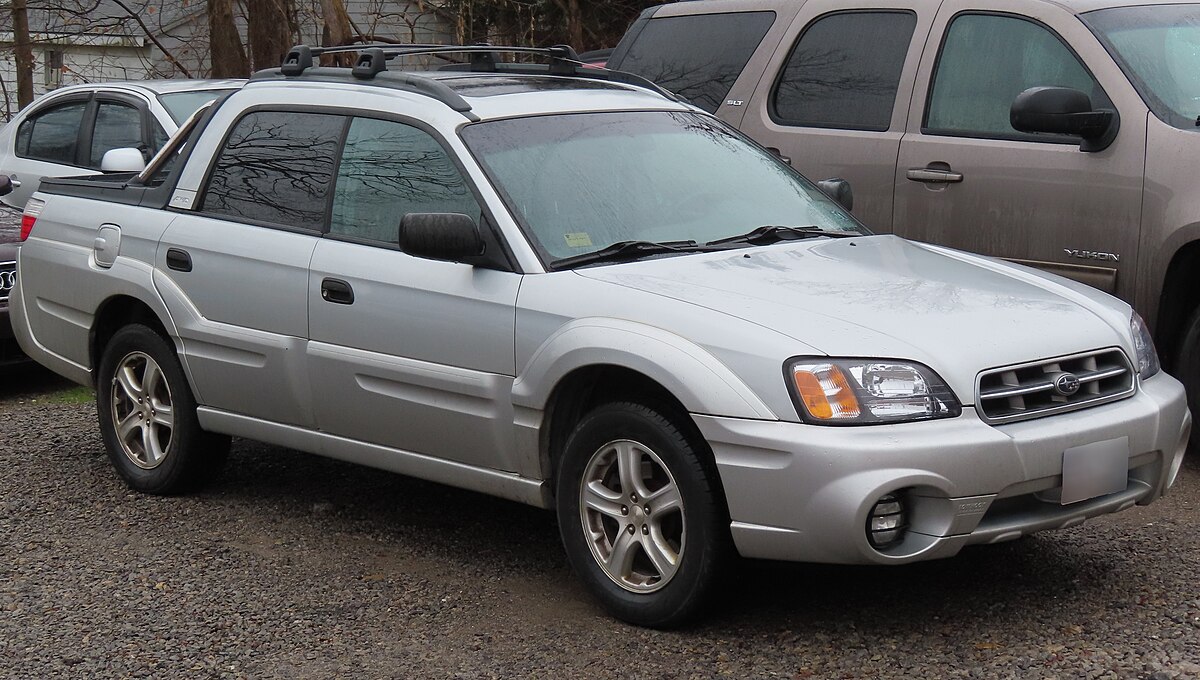
9. Subaru Baja (2003-2006)
The Subaru Baja, a unique blend of a compact pickup truck and a crossover, has earned a solid reputation for reliability despite its unconventional design. Produced between 2003 and 2006, the Baja shares many components with the Subaru Outback and Legacy but offers a practical open-bed feature. Its mechanical simplicity and well-engineered drivetrain contribute to its status as a vehicle that rarely suffers from major mechanical failures.
At the heart of the Baja is the 2.5-liter boxer engine, which is praised for its dependable operation. This engine is straightforward and less prone to the common issues seen in more complex powertrains.
Owners have reported that the engine runs smoothly for many miles with routine maintenance, avoiding frequent, costly repairs. The boxer configuration also reduces vibration and mechanical stress, leading to longer engine life.
The Baja’s symmetrical all-wheel-drive system is built on Subaru’s proven mechanical foundation. It distributes power evenly to all four wheels, enhancing stability and traction while reducing wear and tear on drivetrain components. The AWD system is also relatively simple, which means fewer electronic failures or sensor-related issues compared to some competitors with more complex systems.
In addition to its drivetrain and engine, the Baja features a suspension system designed to handle both on-road comfort and light off-road use.
The front MacPherson strut and rear multi-link suspension are known to be durable and provide a smooth ride. Brake and steering components also show good longevity, making the Baja a reliable and practical vehicle choice for those who want something versatile without frequent mechanical concerns.
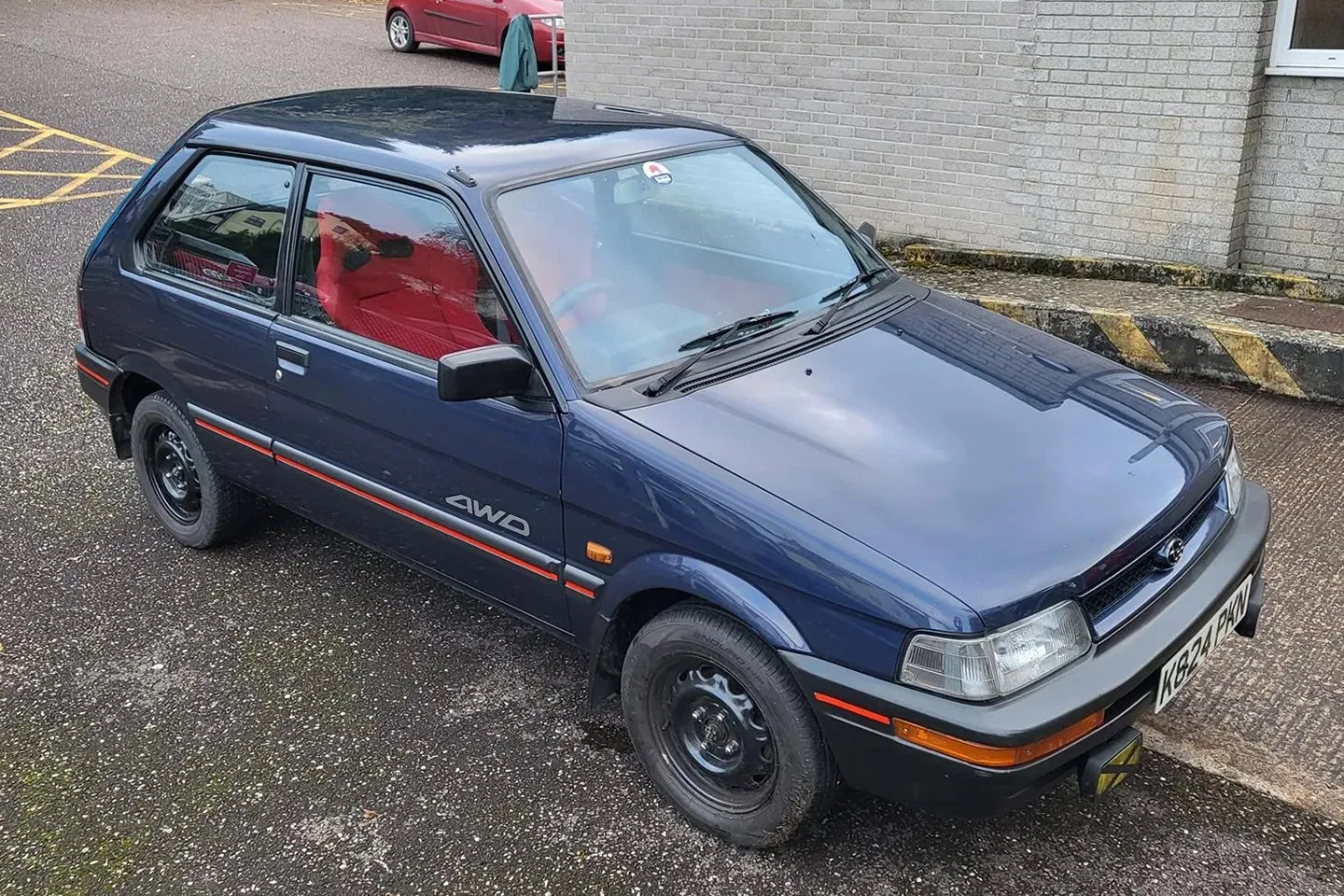
10. Subaru Justy (2004-2007)
The Subaru Justy is a compact hatchback that flew under the radar for many years but gained a reputation for reliability among urban drivers who valued simplicity and efficiency. The 2004 to 2007 models, while not flashy, are appreciated for their mechanical soundness and minimal issues, making them a sensible choice for budget-conscious buyers.
The Justy’s engine is a small 1.3-liter or 1.5-liter four-cylinder boxer, which is relatively simple and less likely to experience major failures. Unlike many modern engines filled with complex electronics and turbochargers, the Justy’s engine benefits from a straightforward design that requires basic maintenance. This simplicity contributes to the car’s mechanical dependability over time.
The drivetrain is often paired with either a manual or a CVT transmission, both of which have been recognized for their longevity. The CVT in these models, while basic, avoids many of the reliability problems that plague newer, more complicated transmissions. The Justy’s AWD system is available in some trims, using a mechanical approach that minimizes failures common to electronic systems.
The suspension and braking components of the Justy are designed for city driving and light rural use. The MacPherson strut front suspension and simple rear setup reduce the number of parts that could wear out prematurely. Owners have noted that the car offers a comfortable ride without frequent repairs, and the brakes and steering systems tend to last well with routine care.
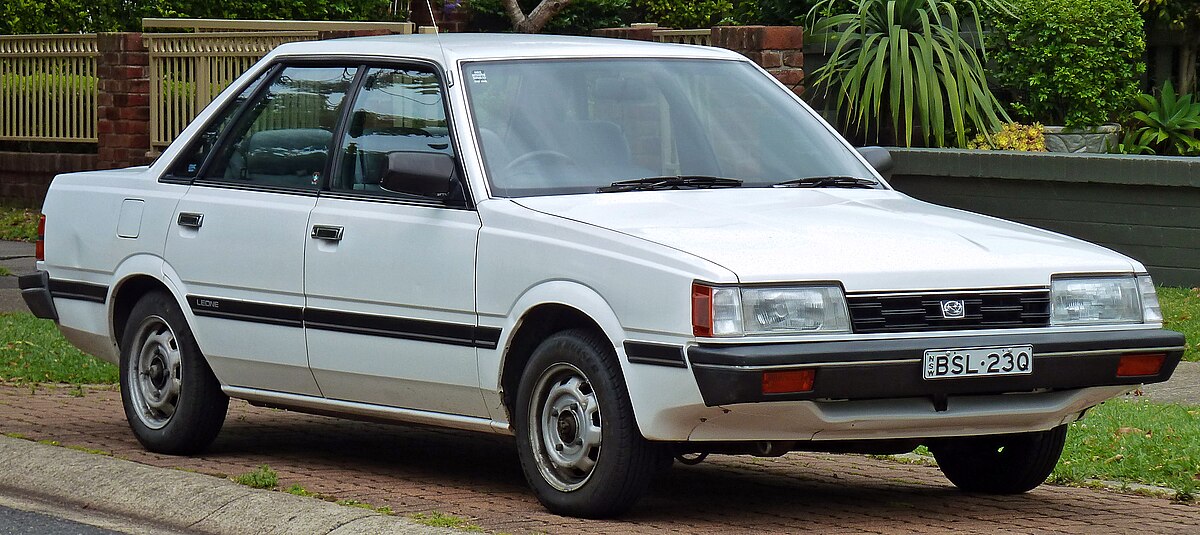
11. Subaru Leone (1984-1994)
The Subaru Leone, a compact car produced through the 1980s and early 1990s, stands as a testament to Subaru’s early dedication to building mechanically reliable vehicles. Though an older model, the Leone was known for its durability and the robust boxer engine that became a staple in Subaru’s lineup for decades.
The Leone was equipped with a range of boxer engines from 1.6 to 1.8 liters, all designed with simplicity and longevity in mind. These engines have earned a reputation for being forgiving and easy to maintain, with many examples still running smoothly decades after production ended. The air-cooled or water-cooled versions were designed to avoid common mechanical pitfalls like overheating or premature wear.
The all-wheel-drive system in the Leone was one of the first examples of Subaru’s symmetrical AWD, and it was praised for its ruggedness. Though less refined than modern AWD setups, the Leone’s system relied on mechanical differentials and basic electronics, reducing the chances of failure. This made it popular in regions with difficult weather and terrain.
The suspension on the Leone was basic but durable, with MacPherson struts upfront and a solid rear axle. While not the most advanced, this setup contributed to the vehicle’s longevity by minimizing parts subject to failure. Brakes and steering components were simple and robust, helping the Leone maintain a strong reputation for reliability well beyond its years.
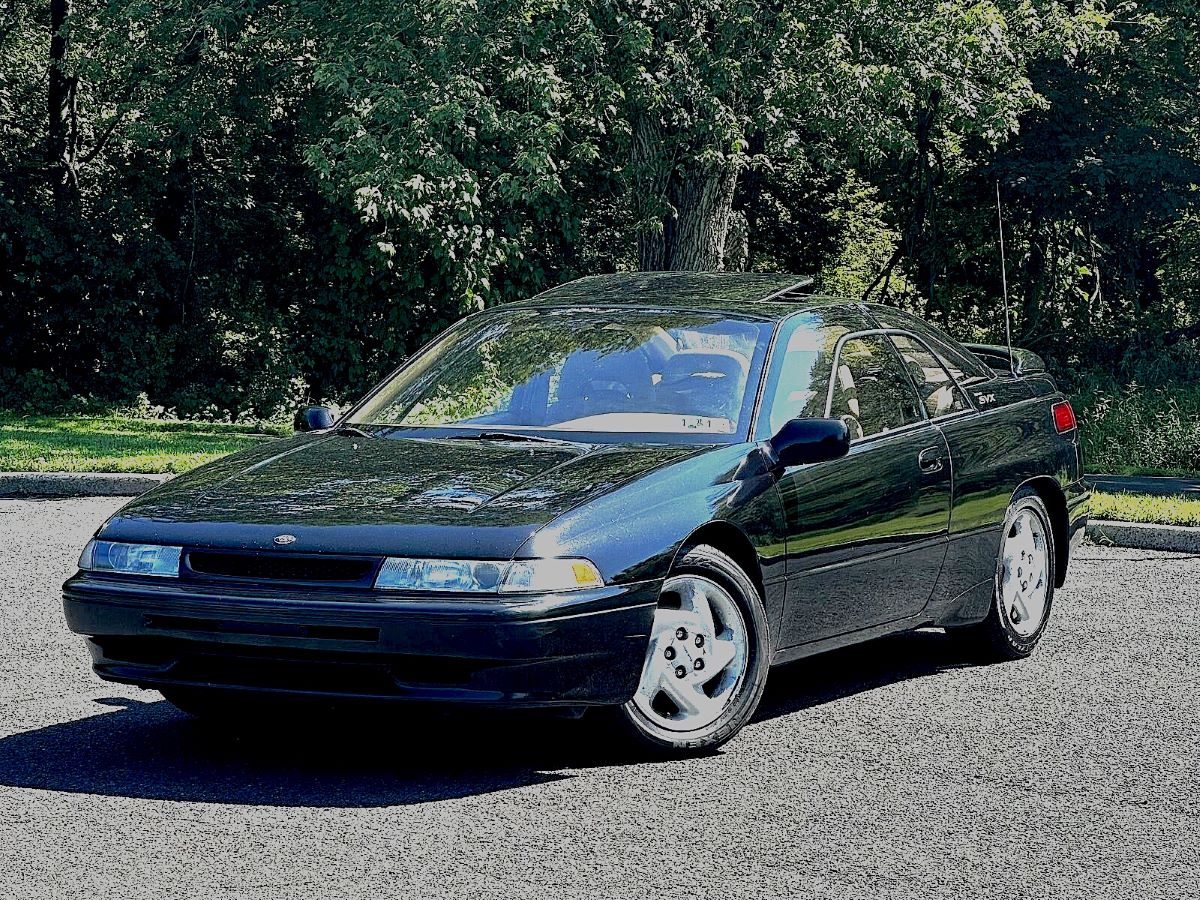
12. Subaru SVX (1991-1996)
The Subaru SVX is an unusual and distinctive grand tourer that remains a collector’s favorite due to its unique styling and engineering. While not as common as other Subaru models, the SVX has earned a reputation for mechanical reliability, especially considering its age and complexity relative to other Subarus of the era.
At its core, the SVX is powered by a 3.3-liter flat-six boxer engine, which is known for smoothness and mechanical soundness. This engine is relatively free from the types of problems common in performance engines of its time. With proper maintenance, SVX engines have demonstrated the ability to last for many hundreds of thousands of miles without serious mechanical failure.
The SVX’s drivetrain includes a full-time all-wheel-drive system that was advanced for its time but built with a mechanical simplicity that enhances durability. Subaru’s AWD system in this model helped ensure consistent power delivery and traction, with fewer breakdowns compared to other AWD systems from competing manufacturers.
The suspension setup combined MacPherson struts and a double wishbone rear suspension to provide a comfortable yet sporty ride. These components have proven reliable over time, contributing to the vehicle’s longevity. Brake and steering systems in the SVX are also regarded as durable and low-maintenance, which helps explain why the car remains mechanically sound despite its age.
Also Read: 5 Honda Sedans That Rarely Break vs 5 That Constantly Do
Subaru has built a strong reputation for producing vehicles that combine practicality, performance, and long-lasting mechanical reliability. The models highlighted in this article showcase the brand’s commitment to durable engineering and thoughtful design. From the versatile Outback and Forester to the sporty BRZ and WRX, these Subaru cars consistently demonstrate fewer mechanical failures compared to many other vehicles in their respective classes.
A key factor behind Subaru’s reliability is the use of the boxer engine paired with the symmetrical all-wheel-drive system. This combination offers balanced weight distribution, reduced engine vibration, and efficient power delivery, all contributing to less wear and tear on mechanical components. Additionally, Subaru’s focus on maintaining simpler mechanical systems over overly complex electronic solutions helps reduce the likelihood of costly and frequent repairs.
Many Subaru models also benefit from robust suspension setups and well-built chassis components, which withstand daily driving challenges, including harsh weather and rough roads. Regular maintenance and attention from owners play an essential role in preserving this mechanical integrity, but the vehicles themselves are designed to endure without frequent failures.
The range of Subaru cars discussed, from the compact Impreza and Justy to the midsize Legacy and unique SVX, offers a broad selection for buyers who value dependability. Whether you need a reliable daily commuter, a practical family vehicle, or a sporty coupe with solid mechanical foundations, Subaru’s lineup provides options that rarely disappoint in terms of mechanical soundness.
These Subaru models represent smart investments for drivers seeking vehicles with proven durability. Their longevity and low frequency of mechanical issues not only reduce ownership costs but also provide peace of mind. Choosing one of these reliable Subaru cars means choosing a vehicle that is built to last and ready to handle the demands of everyday life with minimal mechanical concerns.
