
Weather extremes challenge every aspect of a vehicle, from engine performance to traction, insulation, and reliability.
Whether it’s searing heat in a desert or blinding snow in a mountain range, only a small group of vehicles consistently perform in these conditions without failure.
These are not just cars that can get through a rough day; they are machines built to continue functioning when most others falter.
Their ability to manage severe environmental stress is not always about brute power, either. It’s a combination of engineering, durability, smart systems, and long-term real-world performance.
Drivers living in areas prone to snowstorms, heatwaves, flooding, or high winds need more than just comfort and good gas mileage. They need confidence that their car can keep moving, maintain stability, and avoid damage from moisture, salt, or sand.
In freezing temperatures, engines must start without hesitation, batteries must remain charged, and cabin heating must work consistently.
In hot climates, engines must not overheat, and cooling systems should keep working even under load. Cars that perform well under these conditions tend to have been tested extensively in real-world environments, not just in wind tunnels or labs.
Over time, some brands have become well known for their ability to build reliable machines that push through what nature throws at them.
Certain models, in particular, have stood out for year-after-year consistency. They’re used by mountain rescue teams, desert rally drivers, and off-grid families for a reason.
In this article, we’ll look at 10 cars that have earned their place in the harshest environments. These are not always the most luxurious or fastest cars on the market, but they all have something in common: when the weather turns dangerous, they are the vehicles you want to be driving.
Each entry will focus on how the vehicle handles specific weather challenges, how its systems are built to resist damage, and why it stands out compared to others in its class.
If you’ve ever wondered which cars can truly take a beating from nature and come back strong, this list will give you some serious answers.
Also read: 8 Biggest Mistakes That Kill a Dodge Durango Fast
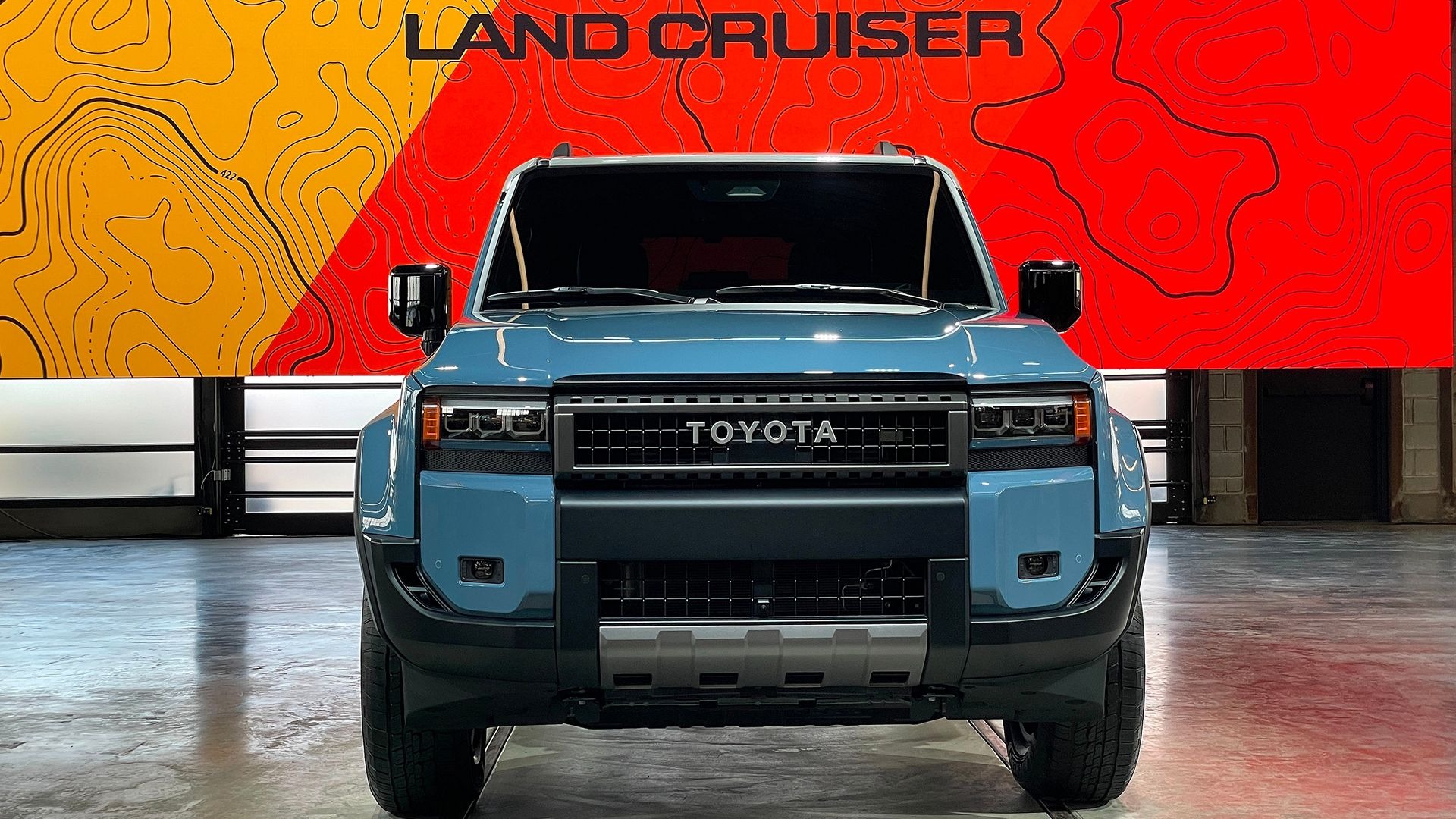
1. Toyota Land Cruiser
The Toyota Land Cruiser has built its reputation on toughness. It was originally designed for military use and has maintained its focus on long-term durability. Whether in sub-zero temperatures or scorching deserts, the Land Cruiser rarely quits.
This makes it a favorite for off-road adventurers and professionals working in unstable conditions. It has a body-on-frame construction, which adds a lot of strength and allows it to take impacts or handle uneven terrain without the structural damage that unibody vehicles often suffer.
In cold weather, the Land Cruiser’s systems are well insulated, and it includes strong battery support for reliable starting.
It comes with full-time four-wheel drive, which adds stability on icy roads. The traction control is effective and doesn’t get overwhelmed easily by snow buildup or slippery slopes.
Its weight also helps when driving on hard-packed snow or plowing through slush. In addition, its high ground clearance prevents snow or water from blocking the underbody or damaging sensitive parts like the exhaust or transmission.
In desert heat, the Land Cruiser keeps running without major issues. Its cooling system is robust and designed to work under heavy load. The air conditioning systems are powerful, keeping the cabin bearable even in 110°F conditions.
Heat shielding around the engine bay helps prevent overheating, even when idling or driving uphill with a full load. Filters are placed to handle dusty conditions, ensuring that sand doesn’t clog up the system or reduce performance.
Its worldwide popularity in regions with extreme weather, including parts of Africa, the Middle East, and rural Australia, shows that it’s not just hype.
This is a car that’s proven itself under the most demanding circumstances. Its longevity and reliability make it an excellent choice for those who don’t want to think twice when bad weather rolls in.
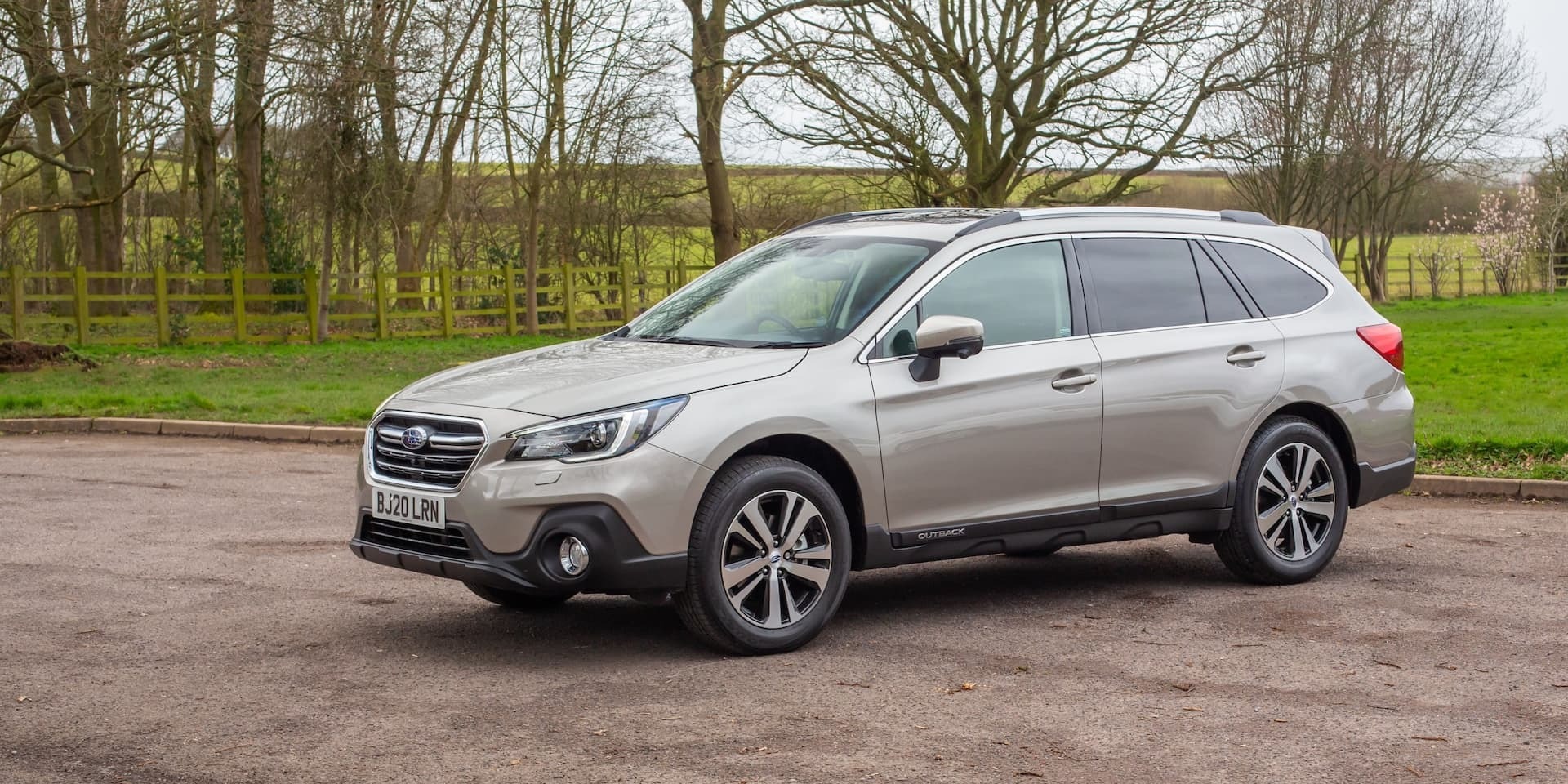
2. Subaru Outback
The Subaru Outback is one of the most practical choices for those who live in cold, wet, or hilly regions. Built with standard all-wheel drive, it grips the road in snow, rain, and even light off-road conditions better than most crossovers.
Unlike many vehicles in its class, the Outback doesn’t rely on electronics alone to manage traction. Its symmetrical AWD system mechanically balances power between all four wheels, giving it more predictable handling in slippery environments.
One of the strongest points of the Outback is its ability to handle snow and ice. It comes with features like heated seats, heated side mirrors, and windshield wiper de-icers, which may seem minor but become critical in freezing temperatures.
The flat-four Boxer engine helps lower the center of gravity, which improves handling in difficult terrain. The high ground clearance for a crossover also allows it to avoid getting stuck in deeper snow, making it a smart choice for daily driving in areas where plows don’t always get there on time.
In terms of heat, the Outback performs better than expected. Its climate control is efficient, and Subaru’s design places components in positions that avoid excessive exposure to heat. While it’s not built specifically for desert driving, the systems don’t typically overheat unless severely overloaded.
Its CVT transmission can sometimes be a weak point, but Subaru has made significant improvements to its cooling systems in recent years, making them less prone to temperature-related issues.
For those living in mountainous or forested areas with unpredictable weather, the Outback represents a very balanced vehicle.
It’s not the most rugged on this list, but it offers a smart blend of safety features, practical comfort, and mechanical strength that make it ideal for year-round use. It consistently ranks high in winter driving surveys and offers peace of mind for those facing tough weather during daily commutes.
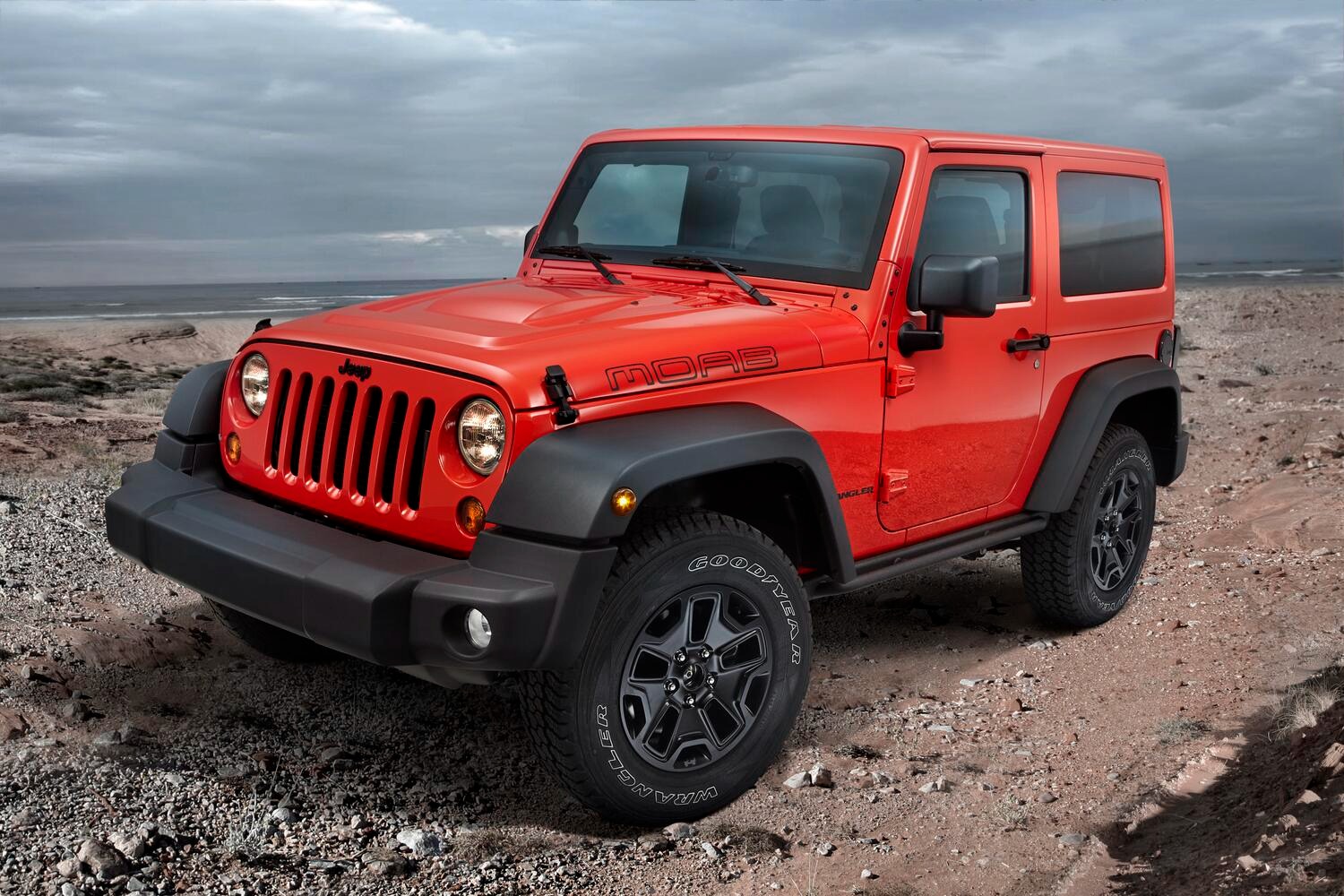
3. Jeep Wrangler
The Jeep Wrangler is built for rugged environments, and that includes harsh weather. Whether it’s snowstorms, floods, or extreme heat, this vehicle has been engineered to go where many others cannot.
Its short wheelbase, high ground clearance, and strong axles make it incredibly capable off-road, but those same features help it handle natural obstacles caused by weather. For drivers in unpredictable environments, the Wrangler’s strength lies in its mechanical simplicity and resilience.
In winter conditions, the Wrangler’s part-time four-wheel drive system can be manually activated to provide traction on ice and snow. Unlike some AWD systems that wait to detect wheel slip before acting, the Wrangler’s setup gives the driver full control.
It’s equipped with solid front and rear axles, which help with snow crawling and low-speed control in icy conditions. Many owners add snow-rated tires and discover that it handles better than most crossovers, especially when navigating steep or unplowed roads.
In high temperatures, the Wrangler’s naturally aspirated engines are less prone to overheating compared to some turbocharged alternatives.
The cooling system is built to work under tough conditions, including off-road use. Its rugged interior materials also make it resistant to sun damage and wear from heat or dust.
While it may not be the most refined vehicle for hot climates, it’s definitely one of the most durable. The open design with removable tops even allows for better ventilation during long drives in desert areas.
Another key strength is water resistance. Wranglers are built with high air intakes and sealed electrical systems, giving them an advantage when dealing with flooded roads or wet environments.
Although not meant for deep water crossings, they can wade through moderate floods more confidently than standard sedans or crossovers. Whether navigating hurricane aftermath or climbing through muddy trails, the Wrangler stands out for its resilience and adaptability.
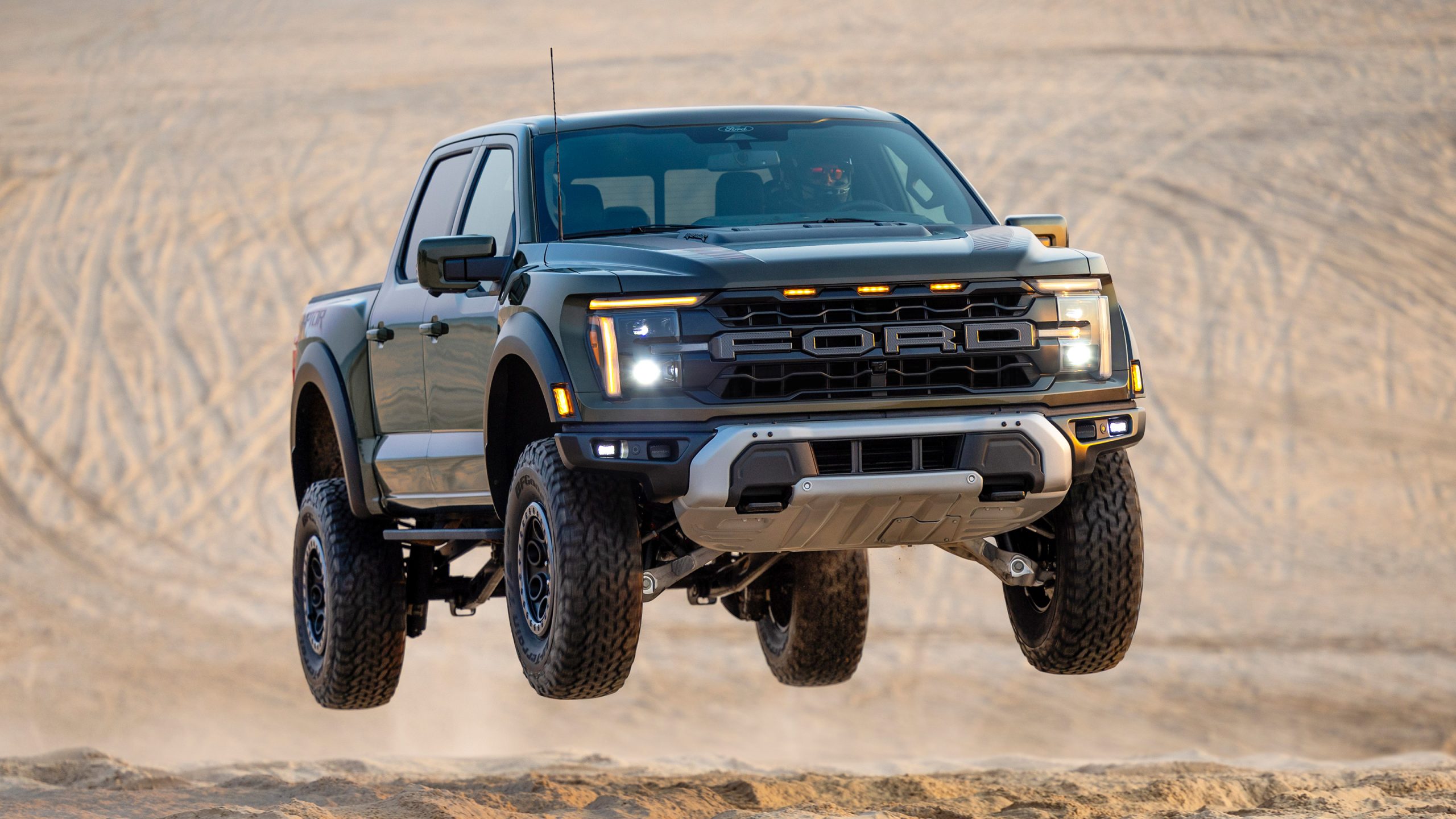
4. Ford F-150 Raptor
The Ford F-150 Raptor is not just a pickup truck; it’s a machine tuned for extreme terrain and punishing conditions.
Designed with off-road racing in mind, it brings a mix of performance, toughness, and cutting-edge systems that help it excel when the weather goes from bad to worse. From deep snowfields to hot dunes, this vehicle can handle serious environmental pressure.
In snowy and icy conditions, the Raptor’s massive tires and advanced four-wheel-drive system make it a powerhouse.
The truck features terrain management modes that adjust power delivery, throttle sensitivity, and traction control. This helps drivers maintain grip on frozen surfaces without spinning out.
Its weight and size provide stability, and its ground clearance allows it to move through deep snow without plowing into it. Many owners in northern regions rely on the Raptor for work and emergency access during winter storms.
Under extreme heat, the Raptor performs impressively well. Its turbocharged engine is backed by a high-capacity cooling system that keeps temperatures under control, even under heavy load.
Ford includes upgraded oil and transmission coolers that allow the truck to haul, climb, and accelerate even when the outside temperature climbs past 100°F. The cabin insulation helps keep the interior comfortable, and heat-reflective materials in the glass reduce the sun’s impact.
Water and mud are also well managed by the Raptor’s design. Its off-road suspension includes long-travel shocks that prevent damage when crossing streams or muddy ground.
The air intake is placed high enough to avoid most water splashes, and the skid plates underneath protect critical components from debris and road damage. Whether you’re on a flooded job site or backwoods trail, this truck stays reliable and composed.
Many drivers trust the Raptor not just for performance but for survival in remote conditions. Its mix of speed, strength, and smart systems make it one of the few performance trucks that can also stand up to natural challenges year after year. It’s not just about what it can do
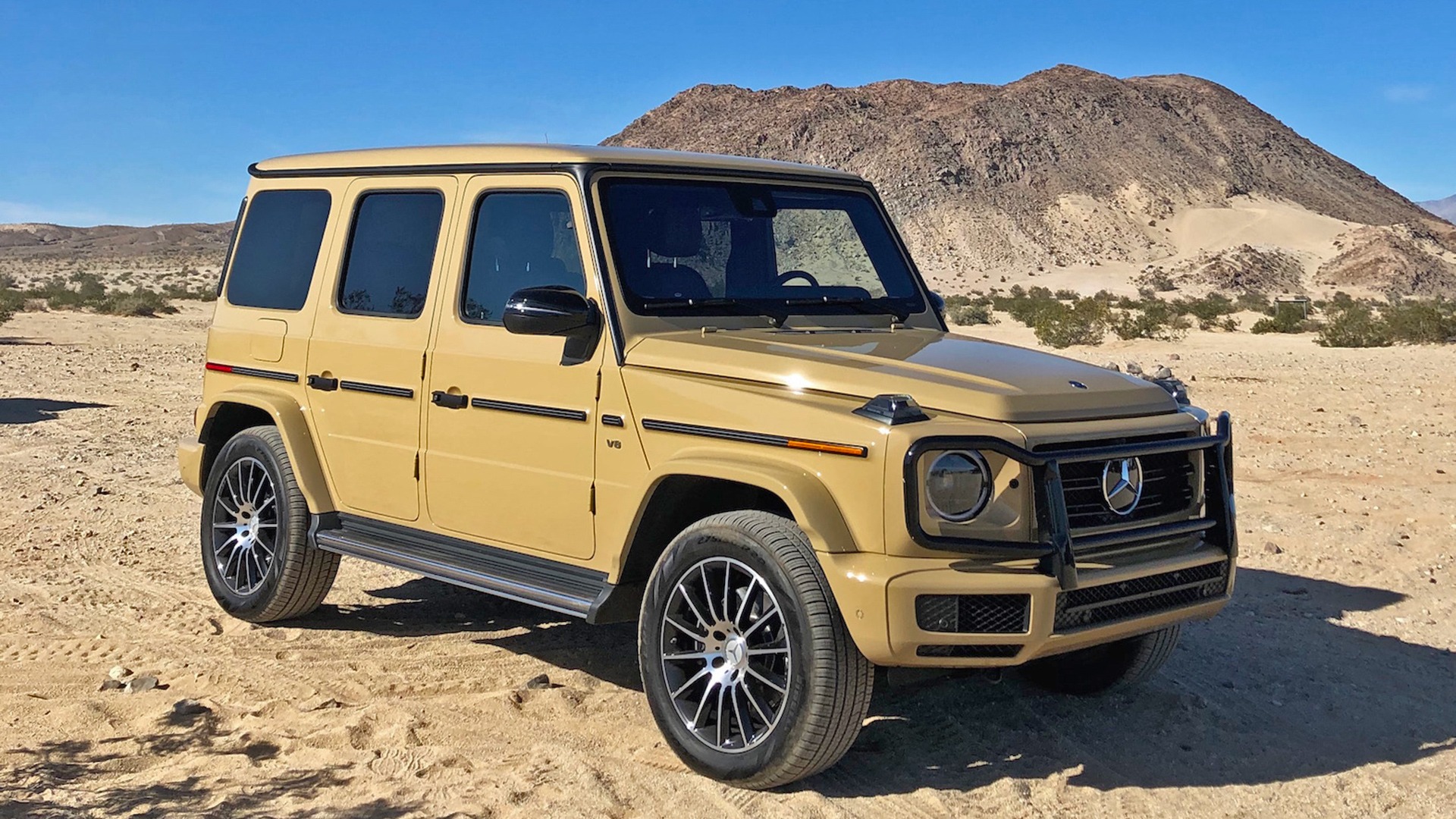
5. Mercedes-Benz G-Class
The Mercedes-Benz G-Class, often referred to as the G-Wagon, is not just a luxury vehicle. Underneath its polished design lies a machine built for military use, and that foundation still carries through in modern versions.
It may look refined on the outside, but the boxy structure hides an extremely tough drivetrain and one of the most capable off-road systems on the market.
Created in the 1970s for rugged terrain, the G-Class has since evolved into a luxury icon, but it hasn’t forgotten its roots in extreme utility. This combination of old-school mechanical toughness and modern technology allows it to excel in harsh environments where precision and strength are both required.
In cold climates, the G-Class performs with quiet confidence. One of its biggest advantages is the use of three fully locking differentials, front, center, and rear, which give it unmatched control when traction is limited.
Unlike other SUVs that rely on partial locking or automatic systems, the G-Wagon allows drivers to manually manage power distribution.
This is a major benefit in snow, ice, or slippery mountain passes. The engine and fuel systems are well insulated, and the heating systems are efficient enough to handle sub-zero conditions without struggle.
Add to that a high ride height and robust wheel arches, and you have a vehicle that simply keeps moving forward when many others falter.
In hot climates, especially deserts or dry mountain regions, the G-Wagon stands up to the elements without compromise. Its engine cooling system is among the best in the category, built to maintain performance even during long idles or heavy towing in high temperatures.
The cabin materials are high-grade and resistant to heat stress, and the vehicle’s ventilation system is powerful enough to cool the interior rapidly even when it’s been sitting in direct sunlight.
The boxy shape, while not aerodynamic, actually contributes to passive airflow around the engine bay, allowing it to shed heat more effectively. Mercedes engineers have kept the balance between performance and climate resistance well in check with this model.
One reason the G-Class is trusted around the world, from alpine rescue teams in Switzerland to desert convoys in the Middle East, is that it continues to perform regardless of conditions. While many luxury SUVs struggle with long-term reliability in harsh settings, the G-Wagon remains a rare exception.
It’s not about the leather or digital displays; it’s the underlying structure that holds strong.
The frame is rigid, the axles are solid, and the powertrain is built to endure. If you’re looking for a vehicle that delivers both prestige and practicality in extreme weather, the G-Class stands out as one of the few that can truly do both.
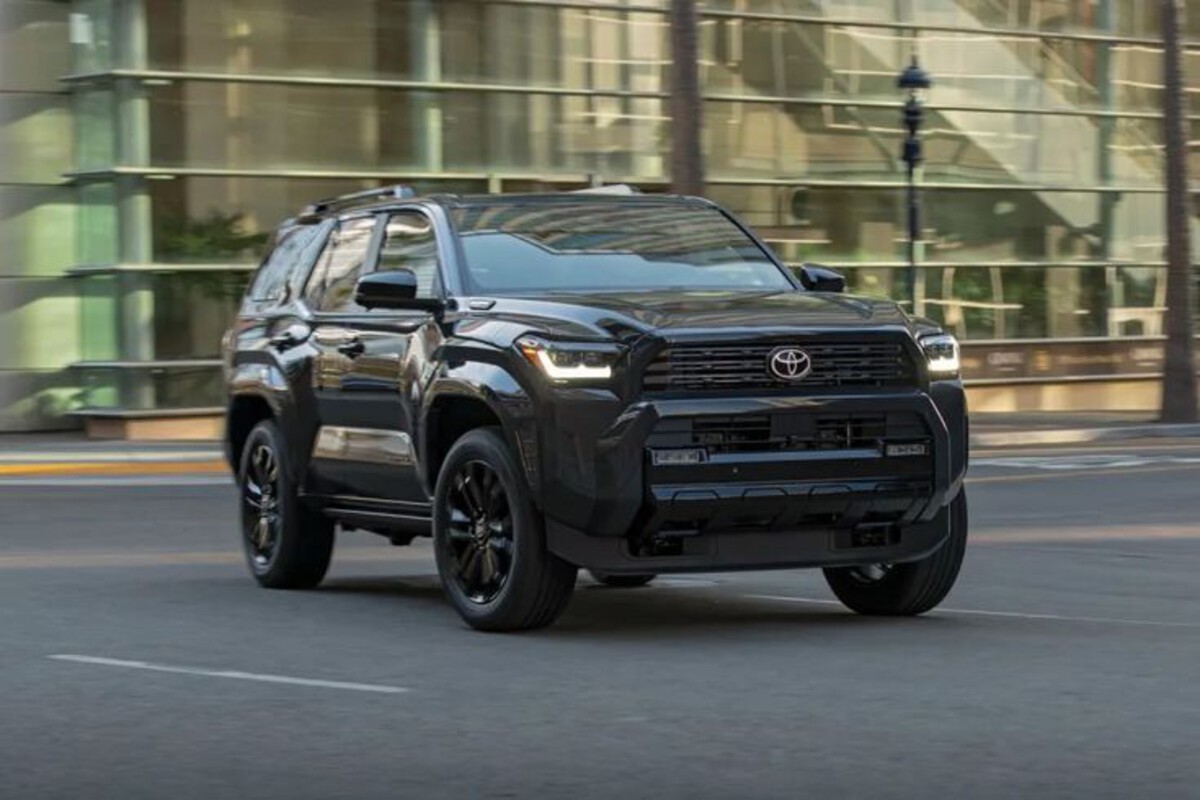
6. Toyota 4Runner
The Toyota 4Runner is a longtime favorite among those who live in areas prone to bad weather and rough roads. Its reputation is not built on flashy features or cutting-edge design but on long-term reliability and durability.
The 4Runner is one of the last SUVs still built with body-on-frame construction, which gives it extra strength for off-road conditions and better resistance to the types of structural stress caused by snow, salt, and heat cycles.
It’s also known for being relatively easy to maintain, which is a major advantage in remote areas or during extreme weather when parts and repairs aren’t always easily accessible.
Snow and ice don’t tend to slow down the 4Runner. Equipped with four-wheel drive and a range of traction and stability systems, it can move confidently through unplowed roads and slick surfaces.
Many models also include features like crawl control and hill descent assist, which are helpful in mountainous, snowy areas where control is more important than speed.
The high ground clearance and off-road tires add further capability. Its engine, a reliable naturally aspirated V6, starts consistently in freezing temperatures, and the electrical system is tough enough to support heaters, defrosters, and other winter essentials without strain.
In hot climates, the 4Runner continues to perform at a high level. The engine is built to run at high temperatures without overheating, and its transmission cooling system has been praised for its ability to handle long drives in desert heat.
Unlike some modern SUVs that pack the engine bay too tightly, the 4Runner has a more open engine design that allows for better airflow.
The interior, while not luxurious, is functional and resistant to sun damage. Many owners report minimal issues even after years of exposure to heat and UV rays. The ventilation system, though basic compared to higher-end models, is dependable and effective in keeping the cabin comfortable.
The 4Runner is especially valuable during weather emergencies because of how predictable it is. It doesn’t have many high-tech features that could fail under stress, and its design has remained largely unchanged over the years for a reason: it works.
People living in flood-prone or wildfire-adjacent areas often keep 4Runners for their ability to move fast and reliably, even when road conditions are dangerous.
Its simplicity, combined with Toyota’s reputation for reliability, makes it a practical choice for those who prioritize function over form when facing down unpredictable weather.
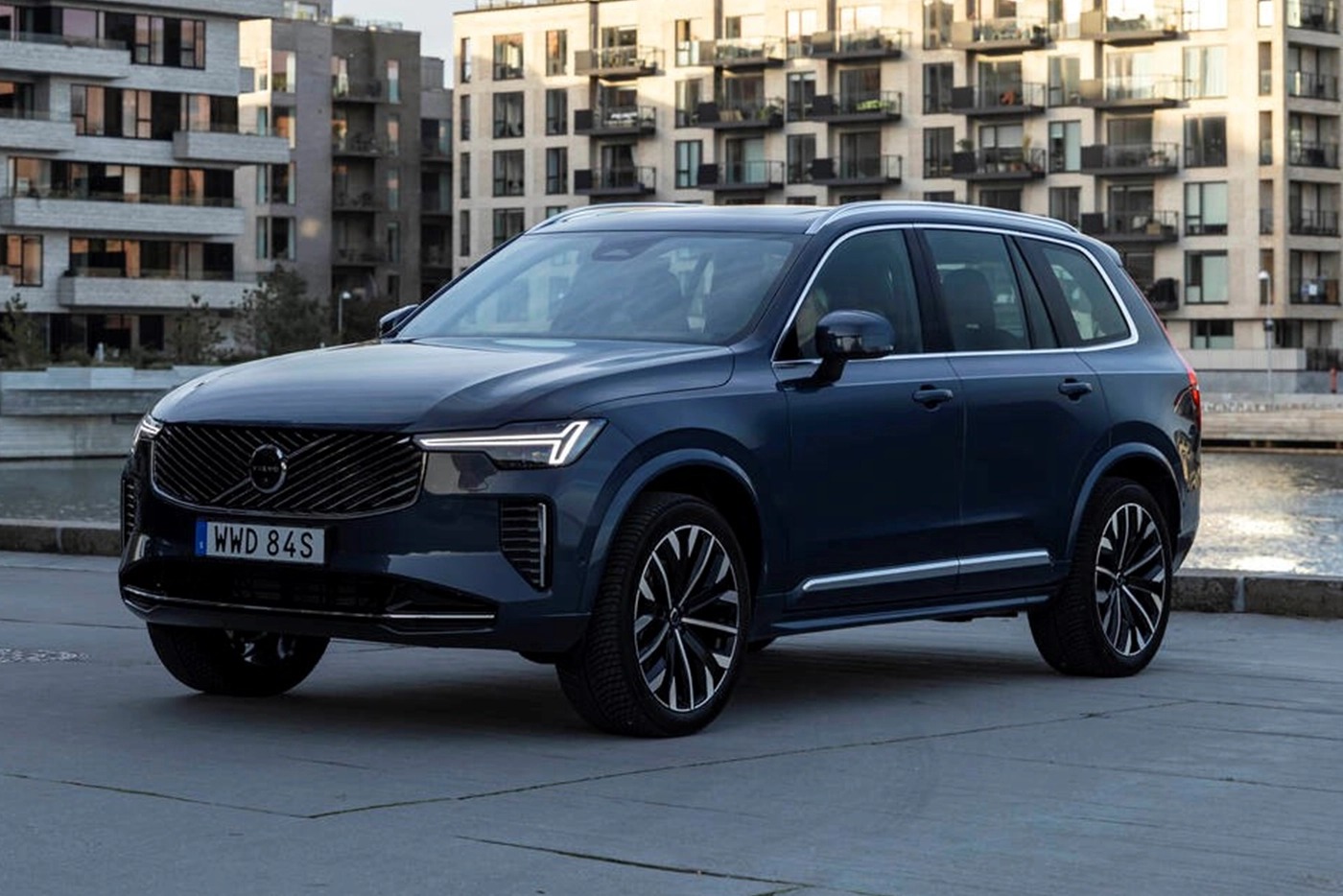
7. Volvo XC90
The Volvo XC90 stands apart in this list not for being rugged in the traditional sense but for how well it balances technology, safety, and all-weather performance. Built in Sweden, a country known for its brutal winters, the XC90 is designed with cold climates in mind.
From all-wheel drive to heated everything, the car is made to survive and thrive in sub-freezing conditions. While it may not be a rock crawler or desert runner, it does offer a premium driving experience without compromising safety or control in bad weather.
In snow, the XC90 feels solid and planted. The all-wheel-drive system works seamlessly, directing power to the wheels that need it most without the driver having to do anything.
The vehicle also includes drive modes specifically tuned for slippery conditions, which optimize throttle response and stability systems.
It comes standard with a suite of sensors and driver aids that detect and react to ice, sleet, or heavy snow. Even the defrost systems are quick and effective, helping drivers maintain visibility in blizzard conditions.
Heated seats and a heated steering wheel come standard in many trims, and the cabin warms quickly despite its size.
During hot seasons, the XC90 remains composed. Its air conditioning system is efficient, and its cabin insulation helps protect passengers from outside temperatures. Materials inside are chosen not just for appearance but for their durability in temperature swings.
The car’s climate control system can be programmed remotely, allowing the cabin to cool before the driver even enters.
Engine cooling is handled well, even under load or when driving in slow traffic on hot asphalt. While it’s more at home in colder climates, it performs just fine in the heat when needed.
One underrated feature of the XC90 is its flood protection. The vehicle is built with sealed doors and raised air intake systems that help it withstand heavy rain and minor flooding better than most crossovers. The electronic systems are mounted high in the chassis, reducing the risk of short-circuiting during water exposure.
For suburban families who deal with harsh seasonal weather but still want comfort and style, the XC90 is a great fit. It combines Northern European design sensibilities with real-world durability, making it a smart all-weather family vehicle.
8. Chevrolet Tahoe
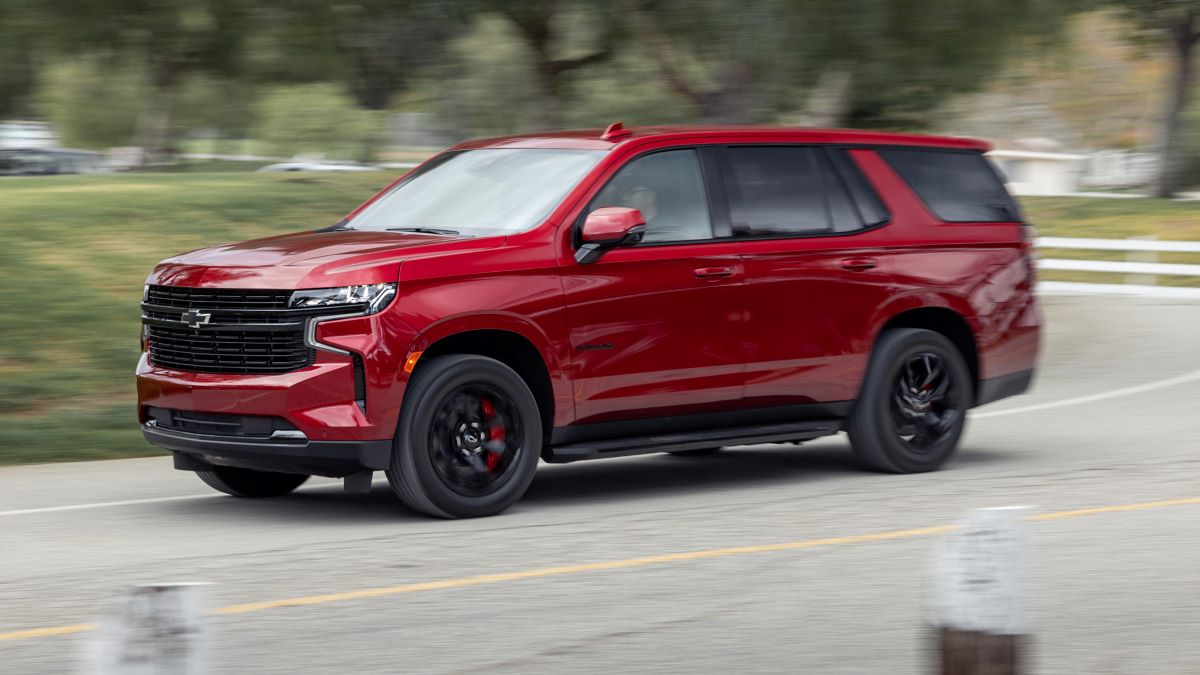
The Chevrolet Tahoe is a full-size SUV that has proven itself in emergency services, military use, and civilian driving in some of the most demanding environments. It’s a workhorse vehicle that combines power, space, and all-terrain capability with a level of comfort that makes it appealing for long drives and everyday use.
It’s particularly common in regions where snowstorms or extreme weather are part of life, and there’s a good reason for that. This SUV doesn’t just survive the elements; it handles them while towing trailers, carrying full loads, and keeping passengers safe.
In winter conditions, the Tahoe handles like a tank. The available four-wheel drive helps it manage slippery or snow-covered roads, and the weight of the vehicle adds to its stability on ice.
Advanced traction and stability systems help keep control even when turning on slick surfaces, and optional snow-rated tires give it serious bite in frozen conditions.
Heated seats, mirrors, and steering wheels are common features, and the climate control system is designed for fast heating in large cabin spaces. For those living in colder regions who need to haul gear, transport families, or get to work during a storm, the Tahoe is a go-to option.
Under high heat, the Tahoe is just as capable. Its V8 engine is known for being reliable in hot weather, and the cooling system is more than adequate to manage towing and climbing in summer temperatures.
Airflow around the engine bay is carefully engineered, and the radiator size supports extended operation in desert-like conditions.
Inside, the air conditioning system is robust, with rear seat controls and vents to ensure the entire vehicle stays cool. The materials used in the interior are chosen for both comfort and resistance to wear under sun exposure.
In heavy rain or during flood events, the Tahoe’s size becomes a significant asset. With a high ride height and sturdy undercarriage, it can pass through flooded streets and storm-damaged roads better than most sedans or crossovers.
The chassis is reinforced, and electronic systems are designed to handle some moisture exposure.
It’s not an off-road specialist like the Land Cruiser or Wrangler, but it brings a lot of capability to real-world scenarios. Whether it’s evacuating during a wildfire, transporting gear in the rain, or surviving a harsh snowstorm, the Tahoe performs without hesitation.
9. Land Rover Defender
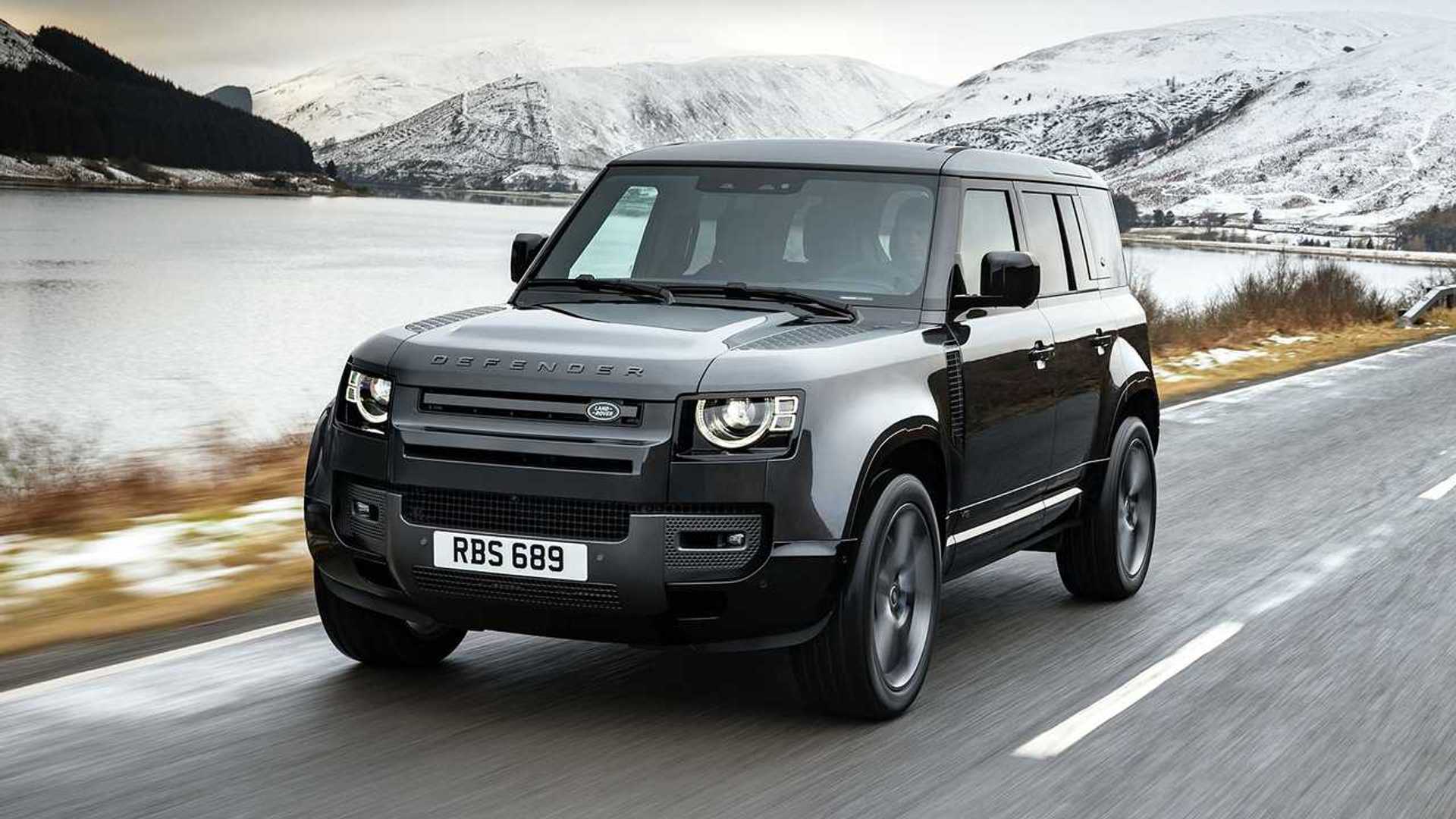
The Land Rover Defender has a long history of facing difficult environments head-on. From African safaris to Arctic expeditions, the Defender has been a go-to vehicle for decades in places where roads don’t exist and weather conditions are constantly working against the driver.
While the newer models have adopted more modern styling and technology, the soul of the Defender remains rooted in utility and toughness.
It has evolved to become more comfortable, but it hasn’t sacrificed the raw ability to survive in extreme weather and unforgiving terrain. That balance between comfort and rugged capability makes it a solid option for those looking to handle anything nature throws their way.
Snow and ice pose little challenge to the Defender. Equipped with a highly capable all-wheel-drive system and optional terrain response modes, the vehicle adapts in real time to changing surfaces.
In deep snow, the system adjusts throttle input, gear selection, and differential locking to ensure that traction is always available where it’s needed.
Even steep icy inclines can be managed smoothly thanks to the Defender’s hill descent control and excellent weight distribution.
Ground clearance is impressive, allowing the vehicle to pass over compacted snow or uneven frozen trails without scraping vital components. Heated elements throughout the cabin, seats, windshield, and mirrors also make life much easier in freezing conditions.
In extremely hot conditions, the Defender performs with equal confidence. The cooling system in the latest model is one of its strongest assets, and it’s built to handle hard driving in high ambient temperatures.
Whether crossing rocky deserts or crawling up sun-baked hills, the Defender’s turbocharged engines stay within safe temperature ranges.
The climate control system is powerful, offering multiple zones to keep occupants cool even when the temperature outside is oppressive.
The interior materials are chosen to withstand constant sun exposure, reducing the risk of warping, fading, or cracking. Drivers in the Middle East and southwestern United States consistently report high satisfaction with how the Defender manages extreme heat.
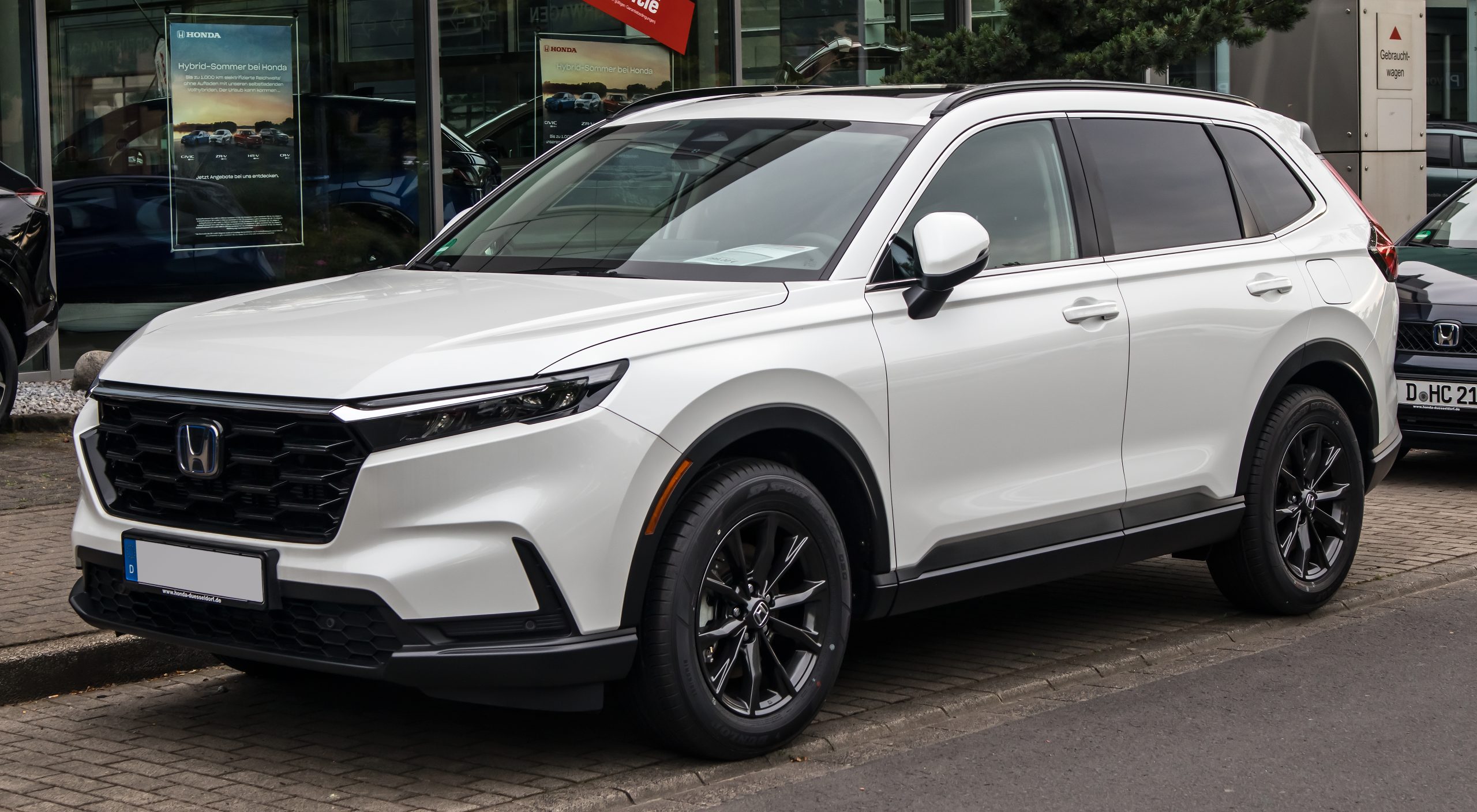
10. Honda CR-V (AWD)
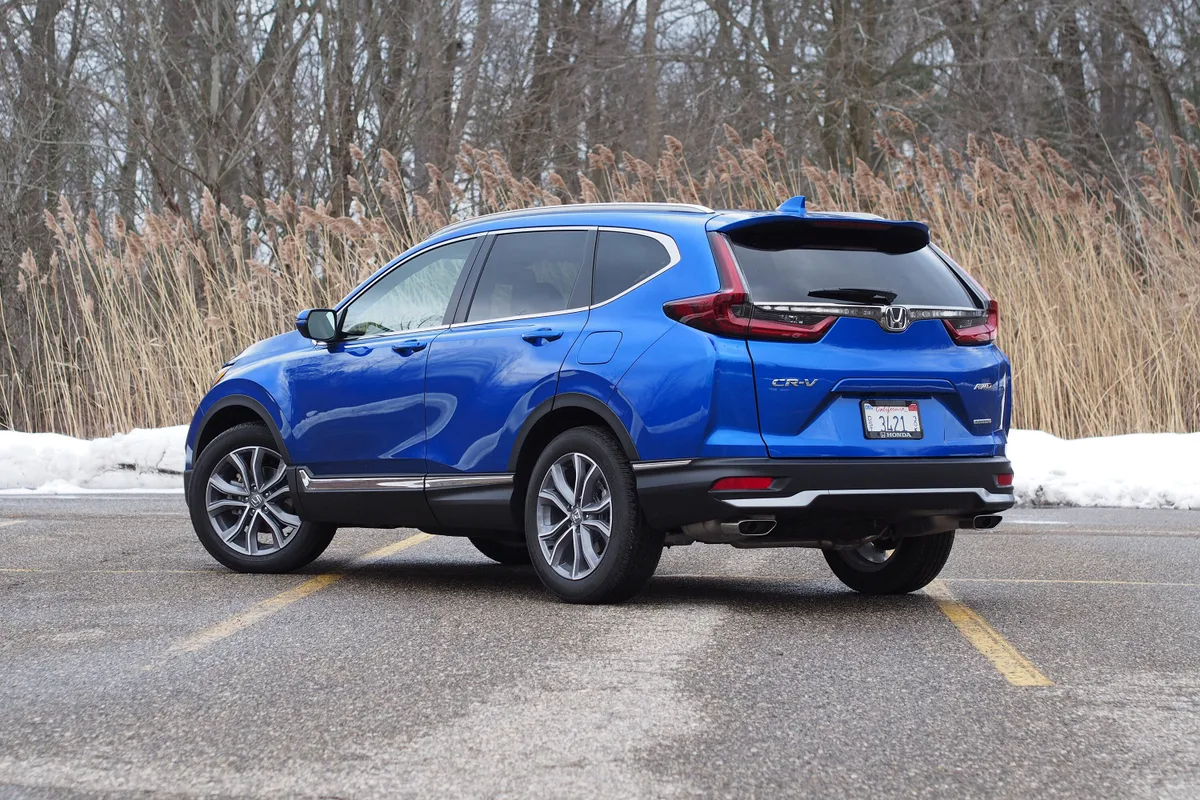
While the Honda CR-V might not have the hardcore reputation of some other vehicles on this list, it earns its place through consistent real-world reliability and year-round usability.
It’s not a specialized off-roader or a military-grade tank, but for the average person dealing with snowstorms, heavy rain, or heatwaves, the CR-V holds up remarkably well.
It’s one of the most practical and affordable vehicles for surviving bad weather without compromising fuel efficiency, comfort, or long-term reliability. Its AWD variants, in particular, offer excellent performance for those who need safe transportation through changing seasonal conditions.
In winter weather, the CR-V’s all-wheel-drive system offers a lot of stability and control. While it’s more reactive than proactive compared to systems in higher-end SUVs, it’s highly effective when paired with quality winter tires.
It helps maintain grip on icy streets and snowy driveways, and it distributes power efficiently when wheel slip is detected.
The cabin warms up quickly, and features like heated seats and automatic defrost functions are available on many trims. The relatively lightweight vehicle also makes it nimble on slick roads, and the anti-lock braking system handles emergency stops well, even in suboptimal conditions.
In high heat, the CR-V continues to show resilience. Its naturally aspirated or turbocharged engines operate efficiently without overheating, and Honda’s reputation for thermal stability carries through in this model.
The cooling system is well-designed, especially for a vehicle in this price range, and it rarely suffers from performance drop-off in hot weather.
The interior materials resist fading, and even after years of sun exposure, owners report minimal deterioration.
Air conditioning in the CR-V is surprisingly powerful, cooling the cabin quickly and maintaining steady airflow even on long drives under the sun. This makes it a solid pick for southern climates where heat is a daily concern.
